Posted on

Physiotherapy Ampang: Move Better with Exercise Therapy

physiotherapy ampang
Synapse Physiotherapy

When people think of physiotherapy ampang, they often imagine massage, machines, or hands-on treatment. While these are helpful, exercise is actually one of the core and most important treatments in any physiotherapy programme. This is where Synapse Physiotherapy makes the difference through their evidence-based approach, designed to bring movement and strength back into your life with comfort, balance, and flow. Rather than relying solely on passive sessions, we shape each journey with intentional pacing and movement strategies that allow you to truly take control of your healing process. Our professional team is dedicated to ensuring that every patient receives a tailored plan that addresses the root cause of their discomfort rather than just the symptoms.

The Philosophy of “Movement Is Medicine”

In modern rehabilitation, practitioners of physiotherapy ampang strongly believe that movement is medicine—the right movement, done at the right time, in the right way. The concept highlights that the human body is designed to move. When movement is avoided due to pain, fear, or inactivity, muscles weaken, joints stiffen, and pain often worsens over time. Correct therapeutic movement helps to improve blood circulation , reduce inflammation , and desensitise painful tissues while retraining the nervous system.


Understanding the role of exercises can significantly improve recovery outcomes and prevent long-term recurrence of injuries or chronic conditions. Research consistently shows that patients who actively participate in exercise-based rehabilitation recover faster and have better long-term outcomes compared to those who rely only on passive treatments. At Synapse Physiotherapy, exercise prescription is customised for each patient, ensuring movements are safe, progressive, and condition-specific. According to global health standards, physical activity is essential for maintaining functional independence throughout life.

Why Exercises Are a Primary Treatment Modality

Exercises are not just an “add-on” or homework after treatment sessions. In the context of physiotherapy ampang, therapeutic exercise is a primary treatment modality, just like manual therapy or electrotherapy. By engaging in a structured programme, patients can restore normal movement patterns and strengthen weak or inhibited muscles.


Furthermore, specific exercises help to:

  • Improve joint mobility and flexibility.
  • Reduce pain and stiffness.
  • Improve posture and body mechanics.
  • Prevent the recurrence of injuries.

This proactive approach builds resilience and confidence, which is especially important for conditions like chronic back pain, neck pain, knee pain, and postural problems, where rest alone often delays recovery. For more insights on optimising your journey, you can explore Other Physiotherapy Tips for Faster Recovery to enhance your healing process.

Core Types of Physiotherapy Exercises

1. Mobility and Stretching Exercises

These exercises help restore joint range of motion and reduce muscle tightness. For those seeking physiotherapy ampang, examples include lumbar spine mobility exercises for back pain , hip flexor stretches for those who sit for prolonged periods , and neck mobility drills for office workers. Stretching improves movement quality and prepares the body for strengthening.

2. Strengthening Exercises

Strengthening is essential for supporting joints and preventing future injuries. Common exercises in a physiotherapy ampang programme include core strengthening for spinal stability , glute strengthening for lower back and knee pain , and scapular strengthening for neck and shoulder issues. These are introduced gradually, starting with low load and progressing based on tolerance.

3. Motor Control and Stability

These exercises retrain how muscles work together, especially after injury or long-standing pain. Examples include pelvic control exercises and balance drills. They are particularly important in chronic pain cases where muscle coordination is often impaired. At Synapse Physiotherapy, we prioritise these functional foundations to ensure you move with efficiency and ease.

4. Functional and Daily Movement Training

Physiotherapy ampang also focuses on real-life activities such as bending, lifting , walking, and stair climbing. We also address sitting posture and work ergonomics to help patients return confidently to daily activities, work, and sports.

Case Study: Overcoming Chronic Back Pain in Ampang

Consider a 45-year-old office worker in Ampang with chronic lower back pain for over two years. The pain worsened with prolonged sitting, and the patient had developed a fear of movement and a reliance on painkillers. At Synapse Physiotherapy, the treatment plan focused on exercise as the main intervention.


The programme included gentle spinal mobility, core stabilisation, and postural retraining. After 8 weeks, the patient experienced a significant pain reduction, improved sitting tolerance, and increased confidence in movement. Clinical research published in leading medical journals supports exercise as a first-line treatment for persistent musculoskeletal pain. This case highlights that chronic back pain improves best with structured, progressive exercise, not rest alone.

Performing Exercises Safely at Home

To maximise results and avoid setbacks during your physiotherapy ampang journey, it is vital to follow specific safety guidelines:

  1. Always follow your physiotherapist’s guidance.
  2. Focus on correct form rather than speed or repetitions.
  3. Progress gradually—do not rush intensity.
  4. Understand that mild discomfort is normal, but sharp pain is not.
  5. Stay consistent for long-term improvement.

At Synapse Physiotherapy, patients are taught exactly how to perform these exercises to ensure safety and effectiveness at home. This empowerment allows patients to experience faster recovery , better pain control , and long-term independence.

Frequently Asked Questions

Are exercises really necessary if my pain improves after treatment?

Yes. Pain relief without strengthening and movement correction often leads to recurrence. Exercise ensures the underlying weakness is addressed.

Can exercises worsen my condition?

When prescribed correctly by a professional in physiotherapy ampang, exercises are safe and therapeutic. We monitor your progress to ensure the load is appropriate.

How long should I continue physiotherapy exercises?

Many exercises become part of long-term self-management to maintain results and prevent future issues.

Is exercise suitable for elderly patients?

Yes. Exercises are modified based on age, ability, and medical conditions to ensure they are safe and beneficial for seniors.

What if I feel pain during the exercises?

Mild discomfort is normal as tissues adapt, but sharp or stabbing pain is a signal to stop and consult your therapist.

Conclusion

In the field of physiotherapy ampang, exercise is not optional—it is one of the main treatments. The principle of “movement is medicine” forms the foundation of effective rehabilitation, especially for chronic conditions like back pain. If you are experiencing pain, stiffness, or reduced mobility, Book a consultation with Synapse Physiotherapy today and start moving towards better health. With the right guidance from our professional team, consistency, and a tailored movement strategy, long-term recovery and pain-free living are achievable.

Share This :

Back & Neck Pain

Conditions such as stiffness, postural abnormalities and muscle overuse from prolonged desk work at the office or home is more prevalent than most would think. We provide the necessary tools to fix you up and educate you on ergonomics which can unload unnecessary stress.

Sports Injuries

Rolled ankles, jarred knees, impinged shoulders are few conditions in the plethora of sports injuries which can hamper performance and limit our enjoyment of sports. Physiotherapy not only treats the symptoms of these conditions but propels your overall fitness to greater heights.

Work Desk Injuries​

Conditions such as stiffness, postural abnormalities and muscle overuse from prolonged desk work at the office or home is more prevalent than most would think. We provide the necessary tools to fix you up and educate you on ergonomics which can unload unnecessary stress.

Pre-Post-Surgical Conditions

Surgery involves going through preparation both before and after. Physiotherapists play a vital role in getting your body ready for surgeries with circulatory, breathing and strengthening exercises. After the procedure, let us be there for your recovery and rehabilitation, taking it one step at a time.

Scoliosis & Postural Abnormalities

The way we stand, sit, walk and sleep has influence over our posture and the overall balance of muscles controlling its alignment. A comprehensive screening can be done by our physiotherapists to detect abnormalities, which we will aid in correcting.

Neurological Conditions

Neurological disabilities such as stroke, nerve compression and neuropathies can be barriers for patients to live life to its fullest. We at Synapse are committed to help you overcome these hurdles by ensuring functional mobility and quality of life is at its optimum by providing the right treatment and exercises.

Osteoarthritis & Rheumatism

Joint degeneration and inflammation happens as the human body grows older, but that does not mean our way of life degenerates as well. Relief your joint pains with a joint effort together with your physiotherapist, who will provide pain-relief treatments and prescribe exercises for your wellbeing.

Conditions Relating To Elderly

Common conditions in the older age population include hips & knee pain, back & neck pain, osteoarthritis, rheumatism, fear of falling and many more.  Aging and degeneration of bodily function is inevitable, but here at Synapse, we will help you live the best of your life.


Home Physiotherapy

We understand that some conditions or injuries can make it difficult to receive rehabilitation at our clinic be it mobility or transportation issues. Our objective is to provide you with the same high-quality physiotherapy services at home that you would receive in-clinic.
Posted on

Why Home Physiotherapy is Best for Busy Professionals

home physiotherapy
home physiotherapy
Synapse Physiotherapy

In today’s fast-paced world, finding time to care for your health can often feel like an overwhelming task. Work deadlines, family commitments, traffic congestion, and daily responsibilities frequently push rehabilitation and physical recovery to the bottom of the priority list. This is where Synapse Physiotherapy makes the difference through their dedicated Home Physiotherapy services, specifically designed to bring professional care into your daily flow without the stress of travel. Rather than rushing to a clinic, we shape your recovery journey with intentional pacing and seamless transitions, allowing you to prioritise your well-being in a comfortable and familiar environment.

1. Saves Time in a Packed Schedule

One of the primary hurdles for active individuals is efficient time management. The traditional process of driving to a clinic, navigating traffic, searching for parking, and waiting for your turn can easily consume several hours of a single day. Home Physiotherapy eliminates these systemic inefficiencies entirely.


By having a therapist come to you at a pre-arranged time, you reduce wasted travel hours and can remain focused on your recovery without a major disruption to your routine. This is particularly beneficial for:

  • Working Professionals: Sessions can be arranged during lunch breaks, before the morning commute, or after office hours.
  • Parents: You no longer need to arrange for external childcare just to attend a medical appointment.
  • Business Owners: Minimising time away from the office ensures productivity remains high while avoiding lost working hours.

Ultimately, the time saved through this model translates directly into better consistency with your treatment plan, leading to faster results.

2. Professional Quality in a Familiar Setting

A common misconception exists that receiving treatment at home is somehow less effective than visiting a specialised clinic. In reality, the quality of care remains exceptionally high. Our professional team arrives with portable equipment and develops treatment plans tailored specifically to your unique condition, whether it involves sports injuries or neurological recovery.


Research published in the JOSPT suggests that home-based exercise programmes, when supervised by professionals, are highly effective for musculoskeletal recovery. Furthermore, performing exercises in your actual living environment allows the therapist to assess how you move in real-life settings, such as climbing your own stairs or sitting at your specific desk. This leads to practical adjustments that directly improve your daily function. For those looking for a structured approach to recovery, a Home Physiotherapy Package can provide the necessary long-term support.

3. Addressing the Needs of Remote Workers

With the rise of remote and hybrid work, musculoskeletal issues like neck pain, shoulder stiffness, and lower back pain have become increasingly prevalent. Many busy professionals delay seeking help until the pain becomes debilitating because they feel they simply “don’t have time” for a clinic visit.


Home Physiotherapy removes this barrier by allowing you to receive high-level care without stepping away from your responsibilities for extended periods. A significant advantage for remote workers is that the therapist can assess your home workstation setup. They provide ergonomic advice tailored to your actual workspace—a level of customisation that a clinic visit simply cannot provide.

4. Reducing Mental Load and Stress

Managing health appointments can often add to your mental burden, especially when it involves navigating peak-hour traffic or constantly rearranging your calendar. Receiving care in a familiar environment promotes relaxation, which has been shown to positively influence pain perception and recovery outcomes.


For individuals already juggling the stress of caregiving or high-pressure careers, the ability to receive care at home provides significant peace of mind. Lower stress levels often lead to better adherence to the prescribed treatment plan, ensuring that you stay on track toward your health goals.

5. Flexibility for Modern Lifestyles

Modern life rarely follows a strict 9-to-5 routine. One of the hallmark advantages of this service is its inherent flexibility. Many Home Physiotherapy providers offer appointments outside of standard hours, including evenings and weekends.


This adaptability is a lifesaver for:

  • Shift Workers: Who may need appointments during traditional “working” hours.
  • Caregivers: Who have limited windows of time between their responsibilities.
  • Business Owners: Who cannot always commit to rigid clinic schedules.

Instead of forcing your entire life to revolve around a clinic’s schedule, the therapy adapts to your availability.

6. Personalised One-on-One Attention

In a busy clinic, it is not uncommon for a therapist to manage multiple patients simultaneously. While still professional, this can sometimes limit the amount of individual attention a patient receives. Home Physiotherapy typically involves dedicated one-on-one sessions.


This personalised approach ensures:

  • Real-time Adjustments: Exercises are modified instantly based on your response.
  • Close Monitoring: Your progress is tracked meticulously during every minute of the session.
  • Thorough Communication: All your questions and concerns are addressed without the therapist feeling rushed.

7. Supporting Seniors and Caregivers

Busy schedules aren’t just for those in the corporate world. Many adults today are part of the “sandwich generation,” balancing their own careers while caring for elderly parents. Transporting a senior with limited mobility to a clinic can be physically demanding and time-consuming.


By choosing Home Physiotherapy, seniors can manage chronic conditions or recover from falls in a safe, familiar environment. This reduces the risk of further falls and the fatigue associated with travelling to a medical facility, while saving the caregiver valuable time and energy.

8. Long-Term Consistency and Value

Consistency is the most crucial factor in physiotherapy success. When logistical barriers like travel and parking are removed, patients are far less likely to skip their sessions. Furthermore, therapists can design home exercise programs that fit realistically into your specific daily routine. According to global standards set by World Physiotherapy, maintaining consistency in rehabilitation is key to long-term physical health.


While some might assume that a home visit is more expensive, it is often more cost-effective in the long run. When you factor in reduced travel expenses, less time taken off work, and a potentially faster recovery due to consistent treatment, the overall value is substantial. For freelancers and business owners, avoiding lost working hours makes a significant financial difference.

9. Integrating Health into Daily Life

Ultimately, the goal of physiotherapy is not just pain relief but restoring function and quality of life. For busy people, treatments that disrupt daily routines are harder to sustain long-term. Home Physiotherapy integrates recovery into your life rather than forcing you to pause it. Whether you’re recovering from an injury or managing chronic pain, this model allows you to prioritise health without sacrificing productivity or personal commitments.

10. Long-Term Adherence

By removing travel and logistical barriers, it becomes easier to stay consistent with treatment. When exercises are simple, relevant, and easy to perform at home, patients are more likely to continue them long-term, even after formal sessions end. This ensures that the benefits of your Home Physiotherapy sessions last well into the future, providing a sustainable path to health.

Frequently Asked Questions

Is Home Physiotherapy as effective as going to a clinic?

Yes, the quality of care is just as high. Licensed therapists bring portable equipment and tailor treatment plans specifically for your condition.

What equipment do I need to have at home?

You do not need to provide equipment. Our professional team brings the necessary portable tools required for your specific rehabilitation needs.

How does this save time for busy professionals?

It eliminates travel, parking, and waiting times. Sessions can be arranged during lunch breaks, before work, or after office hours.

Can the therapist help with my office setup?

Yes, a major benefit is that therapists can assess your home workstation setup and provide tailored ergonomic advice.

Is it beneficial for seniors?

Absolutely. It allows seniors to receive treatment in a safe, familiar environment, reducing the physical strain and fall risks associated with travelling to a clinic.

Conclusion

For those balancing the relentless demands of work, family, and personal responsibilities, finding the time for essential healthcare can be a major challenge. Home Physiotherapy offers a practical and highly effective solution by bringing expert care directly to your doorstep. It saves time, reduces the mental burden of scheduling, and provides the personalised attention needed for a swift recovery—all without disrupting your daily life. If you have been delaying your rehabilitation due to a packed schedule, now is the time to take action. Explore our Home Physiotherapy Package to find a plan that works for you. Our professional team at Synapse Physiotherapy is ready to help you regain your mobility and strength. Don’t let a busy calendar stand in the way of your health; Book a consultation today and experience the convenience of elite care at home.

Share This :

Back & Neck Pain

Conditions such as stiffness, postural abnormalities and muscle overuse from prolonged desk work at the office or home is more prevalent than most would think. We provide the necessary tools to fix you up and educate you on ergonomics which can unload unnecessary stress.

Sports Injuries

Rolled ankles, jarred knees, impinged shoulders are few conditions in the plethora of sports injuries which can hamper performance and limit our enjoyment of sports. Physiotherapy not only treats the symptoms of these conditions but propels your overall fitness to greater heights.

Work Desk Injuries​

Conditions such as stiffness, postural abnormalities and muscle overuse from prolonged desk work at the office or home is more prevalent than most would think. We provide the necessary tools to fix you up and educate you on ergonomics which can unload unnecessary stress.

Pre-Post-Surgical Conditions

Surgery involves going through preparation both before and after. Physiotherapists play a vital role in getting your body ready for surgeries with circulatory, breathing and strengthening exercises. After the procedure, let us be there for your recovery and rehabilitation, taking it one step at a time.

Scoliosis & Postural Abnormalities

The way we stand, sit, walk and sleep has influence over our posture and the overall balance of muscles controlling its alignment. A comprehensive screening can be done by our physiotherapists to detect abnormalities, which we will aid in correcting.

Neurological Conditions

Neurological disabilities such as stroke, nerve compression and neuropathies can be barriers for patients to live life to its fullest. We at Synapse are committed to help you overcome these hurdles by ensuring functional mobility and quality of life is at its optimum by providing the right treatment and exercises.

Osteoarthritis & Rheumatism

Joint degeneration and inflammation happens as the human body grows older, but that does not mean our way of life degenerates as well. Relief your joint pains with a joint effort together with your physiotherapist, who will provide pain-relief treatments and prescribe exercises for your wellbeing.

Conditions Relating To Elderly

Common conditions in the older age population include hips & knee pain, back & neck pain, osteoarthritis, rheumatism, fear of falling and many more.  Aging and degeneration of bodily function is inevitable, but here at Synapse, we will help you live the best of your life.

Home Physiotherapy

We understand that some conditions or injuries can make it difficult to receive rehabilitation at our clinic be it mobility or transportation issues. Our objective is to provide you with the same high-quality physiotherapy services at home that you would receive in-clinic.
Posted on

How Sports Injury Clinics Treat Muscle Strains & Tears

Synapse Physiotherapy

Introduction

Muscle strains and tears are among the most common injuries seen in active individuals, from recreational exercisers to elite athletes. Whether it is a hamstring pull during a sprint, a calf strain from a sudden jump, or a shoulder tear from repetitive overhead activity, these injuries can significantly disrupt performance and daily life. Finding a specialised sport injury clinic is crucial for anyone looking to return to their peak physical condition safely and efficiently. Unlike general healthcare settings, these clinics focus on the mechanics of the injury to ensure a full restoration of function.


This is where Synapse Physiotherapy makes the difference through their well-crafted Sport Injuries Solution, designed to bring recovery and performance together with comfort, balance, and flow. Rather than rushing through the healing process, our sport injury clinic shapes each journey with intentional pacing, seamless transitions, and carefully chosen rehabilitation techniques that allow you to truly be present in your recovery. 

Understanding Muscle Strains and Tears

Muscle injuries typically occur when a muscle is exposed to forces beyond its capacity. This can happen during sudden acceleration, deceleration, overstretching, or repetitive overload without adequate recovery. At a professional sport injury clinic, these injuries are clinically classified into three distinct grades to determine the best treatment path:

  • Grade I (Mild Strain): Microscopic muscle fibre damage with minimal strength loss and mild discomfort.
  • Grade II (Moderate Strain/Partial Tear): More extensive fibre damage, noticeable pain, swelling, and reduced strength.
  • Grade III (Severe Tear): Complete rupture of the muscle or tendon, often accompanied by significant weakness and functional loss.

Accurate grading is essential because it determines the appropriate treatment strategy and recovery timeline. By visiting a sport injury clinic, you ensure that your injury is diagnosed correctly from the start.

Comprehensive Assessment and Diagnosis

Treatment at a sport injury clinic begins with a detailed assessment. Sports clinicians take a thorough history, asking about the mechanism of injury, training load, previous injuries, and current activity demands. This is followed by a physical examination assessing pain, swelling, range of motion, strength, and movement quality.


Functional testing plays a major role in this process. Instead of only testing the injured muscle in isolation, experts at a sport injury clinic observe how the body moves as a whole—walking, squatting, lunging, or performing sport-specific actions. This helps identify contributing factors such as poor load distribution, muscle imbalances, or faulty movement patterns. When necessary, imaging such as ultrasound or MRI may be recommended to confirm the severity or exact location of a tear.

Early-Stage Management: Controlling Pain

In the acute phase of an injury, the priority at a sport injury clinic is to protect the injured tissue while controlling pain and inflammation. Contrary to outdated beliefs, complete rest is rarely advised; instead, clinics promote “relative rest,” meaning the avoidance of aggravating activities while maintaining safe movement. 


Early management strategies at a sport injury clinic may include activity modification, gentle pain-free movement to maintain circulation, and compression or supportive taping. The goal at this stage is to create an optimal environment for healing without allowing the muscle to weaken unnecessarily.

Progressive Rehabilitation and Exercise Therapy

Exercise-based rehabilitation is the cornerstone of muscle strain and tear treatment in a sport injury clinic. Once pain is controlled, our professional team introduces a structured, progressive programme tailored to the injury and the individual’s specific goals. Rehabilitation typically progresses through several phases:

  1. Activation and Mobility: Gentle exercises to restore muscle activation and normal range of motion.
  2. Strength Rebuilding: Gradual loading of the injured muscle, starting with isometric and controlled movements.
  3. Functional Strengthening: Exercises that mimic real-life or sport-specific demands, such as running mechanics, jumping, or directional changes.
  4. Power and Speed Training: Preparing the muscle to tolerate high forces safely.

Progression in a sport injury clinic is guided by objective measures such as strength testing and movement quality rather than rigid timelines.

Manual Therapy and Adjunct Treatments

Many sport injury clinic settings incorporate manual therapy as a supportive tool. In fact, research available via PubMed Central indicates that manual therapy techniques not only reduce pain but also aid in the proper alignment of collagen fibres during the repair process. Techniques such as soft tissue mobilisation, joint mobilisation, or myofascial release can help reduce pain and improve mobility. Other adjunct treatments used in a sport injury clinic may include dry needling for muscle tone modulation, taping for proprioceptive support, or shockwave therapy for chronic conditions. Importantly, these treatments complement active rehabilitation rather than replacing it.

Addressing Root Causes and Prevention

One of the defining features of care at a sport injury clinic is injury prevention. Muscle strains often recur because underlying issues, such as poor flexibility or strength imbalances, are not addressed. A sport injury clinic assesses and corrects these factors by improving movement mechanics, enhancing core strength, and educating patients on proper warm-ups and load progression. This holistic approach significantly reduces the risk of future injury.

Return-to-Sport and Performance Optimisation

Returning to sport too early is a common reason muscle injuries become chronic. A sport injury clinic uses clear criteria to guide return-to-play decisions, ensuring the muscle can tolerate sport-specific demands. Testing may include strength benchmarks, endurance testing, and agility drills. Beyond recovery, many clinics focus on performance optimisation, helping individuals move more efficiently than before their injury. This comprehensive care is why a sport injury clinic makes such a significant difference in long-term health.

Frequently Asked Questions

1. What should I expect at my first visit to a sport injury clinic?

You will undergo a thorough assessment including your injury history, a physical exam, and functional movement testing to determine a personalised recovery plan.

2. Do I need an MRI for a muscle strain?

Not always; many muscle injuries can be effectively diagnosed and managed clinically at a sport injury clinic without the need for imaging.

3. How long does it take to recover from a Grade II tear?

Recovery timelines vary based on the extent of fibre damage, but a sport injury clinic uses objective benchmarks to guide your safe return to activity.

4. Is complete rest necessary after a sports injury?

No, modern sport injury clinic protocols favour “relative rest,” encouraging gentle, pain-free movement to promote circulation and healing.

5. Can a sport injury clinic help prevent future injuries?

Yes, by addressing movement mechanics, muscle imbalances, and training loads help to reduces the likelihood of re-injury.

Conclusion

Muscle strains and tears are rarely just isolated tissue problems; they are often the result of how the body moves, trains, and adapts to load over time. A sport injury clinic is uniquely equipped to manage this complexity by combining accurate diagnosis, individualised rehabilitation, and long-term prevention strategies. 


For anyone serious about their recovery and long-term physical health, the specialised approach of our professional team can make all the difference. Don’t let a muscle injury keep you on the sidelines. Book a consultation with our sport injury clinic today to experience our expert Sport Injuries Solution and get back to the sports you love.

Share This :

Back & Neck Pain

Conditions such as stiffness, postural abnormalities and muscle overuse from prolonged desk work at the office or home is more prevalent than most would think. We provide the necessary tools to fix you up and educate you on ergonomics which can unload unnecessary stress.

Sports Injuries

Rolled ankles, jarred knees, impinged shoulders are few conditions in the plethora of sports injuries which can hamper performance and limit our enjoyment of sports. Physiotherapy not only treats the symptoms of these conditions but propels your overall fitness to greater heights.

Work Desk Injuries​

Conditions such as stiffness, postural abnormalities and muscle overuse from prolonged desk work at the office or home is more prevalent than most would think. We provide the necessary tools to fix you up and educate you on ergonomics which can unload unnecessary stress.

Pre-Post-Surgical Conditions

Surgery involves going through preparation both before and after. Physiotherapists play a vital role in getting your body ready for surgeries with circulatory, breathing and strengthening exercises. After the procedure, let us be there for your recovery and rehabilitation, taking it one step at a time.

Scoliosis & Postural Abnormalities

The way we stand, sit, walk and sleep has influence over our posture and the overall balance of muscles controlling its alignment. A comprehensive screening can be done by our physiotherapists to detect abnormalities, which we will aid in correcting.

Neurological Conditions

Neurological disabilities such as stroke, nerve compression and neuropathies can be barriers for patients to live life to its fullest. We at Synapse are committed to help you overcome these hurdles by ensuring functional mobility and quality of life is at its optimum by providing the right treatment and exercises.

Osteoarthritis & Rheumatism

Joint degeneration and inflammation happens as the human body grows older, but that does not mean our way of life degenerates as well. Relief your joint pains with a joint effort together with your physiotherapist, who will provide pain-relief treatments and prescribe exercises for your wellbeing.

Conditions Relating To Elderly

Common conditions in the older age population include hips & knee pain, back & neck pain, osteoarthritis, rheumatism, fear of falling and many more.  Aging and degeneration of bodily function is inevitable, but here at Synapse, we will help you live the best of your life.
Home Physiotherapy

We understand that some conditions or injuries can make it difficult to receive rehabilitation at our clinic be it mobility or transportation issues. Our objective is to provide you with the same high-quality physiotherapy services at home that you would receive in-clinic.
Posted on

When to See a Spine Specialist for Slip Disc Signs

Synapse Physiotherapy

Introduction

Back pain is one of the most common health complaints worldwide, and while many episodes resolve with rest and simple care, some symptoms may point to a more serious issue such as a slip disc. Knowing when to seek help from a spine specialist can make a crucial difference in preventing long-term pain, nerve damage, or disability. Early recognition and timely referral often lead to better outcomes, faster recovery, and safer treatment options.


This is where Synapse Physiotherapy makes the difference through their evidence-based approach and personalised care, designed to bring relief and functional restoration together with comfort and flow. Rather than rushing into invasive procedures, we shape each recovery journey with intentional pacing and professional expertise to ensure you receive the most appropriate care from a spine specialist or clinical expert. Our Spine & Core Rehabilitation services are tailored to allow you to truly be present in your recovery without the burden of persistent pain.

Understanding the Mechanics of a Slip Disc

According to the Mayo Clinic, while many people have no symptoms from a herniated disc, others may experience significant pain that requires clinical evaluation. Your spine is made up of vertebrae stacked on top of one another, separated by discs that act as shock absorbers. These discs allow for flexibility and smooth movement during daily activities. Over time, due to ageing, repetitive strain, poor posture, or sudden injury, a disc may weaken. When pressure builds, the soft inner portion can bulge or rupture through the outer layer, leading to a slip disc.


A spine specialist often sees these issues in the lower back (lumbar spine) and neck (cervical spine), though they can occur anywhere along the spine. It is important to note that not everyone with a disc herniation will experience pain; some people have disc changes seen on scans but no symptoms at all. However, when the disc irritates or compresses nearby nerves, it leads to the neurological symptoms that require professional intervention.

Common Signs and Symptoms to Watch For

Symptoms typically depend on the location of the affected disc and whether nerves are involved. Recognising these signs early can help you decide when to consult a spine specialist. Common indicators include:

  • Localised back or neck pain that may worsen with movement, bending, or prolonged sitting.
  • Radiating pain down the arm or leg, often described as sharp, burning, or electric.
  • Numbness or tingling in the arms, hands, legs, or feet.
  • Muscle weakness, such as difficulty lifting the foot or maintaining balance.
  • Pain that worsens with coughing, sneezing, or straining.

In many cases, these symptoms improve with conservative care such as rest, Spine & Core Rehabilitation, and activity modification. However, if these symptoms persist, a spine specialist should be consulted for a more detailed assessment.

When Symptoms Are No Longer “Normal” Back Pain

Occasional back pain after heavy lifting or long hours of sitting is common. What separates routine discomfort from a potentially serious disc problem is persistence, progression, and neurological involvement. You should consider seeing a spine specialist if your pain lasts longer than four to six weeks despite appropriate treatment, or if symptoms are getting worse instead of better.


A spine specialist has advanced training in spinal conditions and can determine whether your symptoms are disc-related or due to another cause. If the pain significantly interferes with your daily activities, sleep, or work, or if you find yourself relying heavily on painkillers just to function, it is time to seek professional advice. Early input from a spine specialist can prevent unnecessary procedures while ensuring serious conditions are not missed.

Red Flag Signs That Need Urgent Specialist Review

Some symptoms indicate possible nerve or spinal cord compression and require immediate medical attention. You should not delay seeing a spine specialist or visiting an emergency department if you experience “red flag” signs. These include:

  1. Loss of bladder or bowel control.
  2. Progressive muscle weakness in the arms or legs.
  3. Numbness in the saddle area, including the inner thighs, buttocks, or groin.
  4. Severe, unrelenting pain that does not ease even with rest.
  5. Difficulty walking or experiencing frequent falls.

These signs may suggest a serious condition such as cauda equina syndrome, where early intervention by a spine specialist is critical. As detailed by Medical News Today, cauda equina syndrome is a rare but surgical emergency that requires immediate attention to prevent permanent damage.

The Role of a Spine Specialist in Your Recovery

A spine specialist, such as an orthopaedic spine surgeon or neurosurgeon, offers expertise beyond general back pain management. Their role is not just to recommend surgery; in fact, most slip discs do not require surgical intervention. Instead, a spine specialist performs a thorough clinical assessment focused on neurological function.


They help identify the exact source of pain to avoid misdiagnosis and determine whether advanced imaging like an MRI or CT scan is truly necessary. By consulting a spine specialist, you gain access to targeted non-surgical treatments such as injections or advanced medications. If surgery is eventually needed, the spine specialist will explain the risks and benefits clearly to help you make an informed decision.

Non-Surgical vs Surgical Management Options

The majority of slip disc cases improve with conservative treatment guided by a spine specialist. This often involves a professional team providing:

  • Physiotherapy focused on posture, core strength, and mobility.
  • Activity modification and ergonomic advice.
  • Pain and anti-inflammatory medications.
  • Epidural or nerve root injections in selected cases.

Surgery is only considered by a spine specialist if severe nerve pain persists beyond six to twelve weeks, if there is a progressive neurological deficit, or if red flag symptoms are present. The ultimate goal of the spine specialist is to restore your quality of life using the most evidence-based and safe methods available.

Identifying Risk Factors for Disc Problems

Certain individuals are at a higher risk of developing slip disc issues and may be more likely to require the attention of a spine specialist. These risk factors include:

  • Physically demanding jobs involving frequent heavy lifting.
  • Prolonged sitting with poor posture.
  • A history of spinal injury.
  • Being overweight or physically inactive.
  • Smoking, which negatively affects disc health and healing.

Recognising these factors early allows for better prevention strategies. If you fall into these categories, consulting a spine specialist sooner rather than later can help you manage your spinal health proactively.

The Importance of Listening to Your Body

One of the biggest mistakes people make is ignoring ongoing or worsening symptoms, hoping they will simply go away. While patience is often appropriate for mild back pain, persistent nerve-related symptoms deserve the attention of a spine specialist. Seeing a spine specialist does not mean you are committing to surgery; it means you are choosing clarity and an accurate diagnosis.


Your spine supports everything you do, and taking its warning signs seriously is an investment in your long-term health. A timely consultation with a spine specialist ensures that you receive the right treatment at the right time. Whether that involves reassurance, rehabilitation, or advanced intervention, the expertise of a spine specialist is invaluable for protecting your mobility.

Frequently Asked Questions

1. Does a slip disc always require surgery?

No, the majority of slip disc cases improve with conservative care such as physiotherapy and medication, and a spine specialist only recommends surgery in specific, severe cases.

2. What is the first step a spine specialist takes?

A spine specialist will typically perform a thorough clinical assessment of your neurological function and history before deciding if imaging is needed.

3. How long should I wait before seeing a spine specialist?

If your pain persists for more than four to six weeks despite basic care, or if it is getting worse, you should consider seeing a spine specialist.

4. Can imaging alone diagnose my pain?

No, a spine specialist uses imaging in combination with your physical examination, as disc bulges can be seen on scans even in people without pain.

5. What are the “red flags” for a slip disc?

Urgent symptoms that require a spine specialist include loss of bladder/bowel control, saddle area numbness, and progressive muscle weakness.

Conclusion

Slip disc symptoms can range from mild discomfort to serious neurological problems that impact your daily life. Understanding when to seek help can protect your spine and your overall quality of life. If your pain persists, spreads, or is accompanied by weakness, do not wait to consult a spine specialist. At Synapse Physiotherapy, our dedicated physiotherapists are dedicated in providing comprehensive Spine & Core Rehabilitation to help you manage these conditions effectively. Book a consultation today to start your journey towards a pain-free life and discover how our specialised care can support your spinal health.


Share This :

Back & Neck Pain

Conditions such as stiffness, postural abnormalities and muscle overuse from prolonged desk work at the office or home is more prevalent than most would think. We provide the necessary tools to fix you up and educate you on ergonomics which can unload unnecessary stress.

Sports Injuries

Rolled ankles, jarred knees, impinged shoulders are few conditions in the plethora of sports injuries which can hamper performance and limit our enjoyment of sports. Physiotherapy not only treats the symptoms of these conditions but propels your overall fitness to greater heights.

Work Desk Injuries​

Conditions such as stiffness, postural abnormalities and muscle overuse from prolonged desk work at the office or home is more prevalent than most would think. We provide the necessary tools to fix you up and educate you on ergonomics which can unload unnecessary stress.

Pre-Post-Surgical Conditions

Surgery involves going through preparation both before and after. Physiotherapists play a vital role in getting your body ready for surgeries with circulatory, breathing and strengthening exercises. After the procedure, let us be there for your recovery and rehabilitation, taking it one step at a time.

Scoliosis & Postural Abnormalities

The way we stand, sit, walk and sleep has influence over our posture and the overall balance of muscles controlling its alignment. A comprehensive screening can be done by our physiotherapists to detect abnormalities, which we will aid in correcting.

Neurological Conditions

Neurological disabilities such as stroke, nerve compression and neuropathies can be barriers for patients to live life to its fullest. We at Synapse are committed to help you overcome these hurdles by ensuring functional mobility and quality of life is at its optimum by providing the right treatment and exercises.

Osteoarthritis & Rheumatism

Joint degeneration and inflammation happens as the human body grows older, but that does not mean our way of life degenerates as well. Relief your joint pains with a joint effort together with your physiotherapist, who will provide pain-relief treatments and prescribe exercises for your wellbeing.

Conditions Relating To Elderly

Common conditions in the older age population include hips & knee pain, back & neck pain, osteoarthritis, rheumatism, fear of falling and many more.  Aging and degeneration of bodily function is inevitable, but here at Synapse, we will help you live the best of your life.

Home Physiotherapy

We understand that some conditions or injuries can make it difficult to receive rehabilitation at our clinic be it mobility or transportation issues. Our objective is to provide you with the same high-quality physiotherapy services at home that you would receive in-clinic.
Posted on

What Should I Consider When Looking for a Physio Near Me?

Synapse Physiotherapy

Introduction

When you’re in pain or recovering from an injury, one of the first things you’ll probably do is hop online and search for a “physio near me.” It’s a quick and easy way to find help close to home or work. But not all physiotherapists or physiotherapy clinics are the same. While location is important, it shouldn’t be the only factor guiding your decision.


Choosing the right physiotherapist can have a major impact on how quickly and effectively you recover. The best physio for you will depend on your specific condition, goals, preferences, and even personality. After all, you’ll likely be seeing them regularly for several weeks or months. So, before you book that first appointment with the closest physiotherapy centre that pops up in your search for “physio near me,” it’s worth taking a bit of time to evaluate your options. Here are some key things to consider that will help you choose a physiotherapist who’s not just nearby, but truly right for you.

Qualifications and Licensing

First and foremost, make sure any physiotherapist you’re considering is properly qualified and registered. In most countries, including Malaysia, physiotherapists must be licensed to practice. They should hold a degree in physiotherapy and be registered with a governing body like the Malaysian Physiotherapy Association (MPA) or the Malaysian Allied Health Professions Council.


If you’re unsure, ask the clinic directly or check online. A well-qualified physio will be happy to share their credentials, additional certifications, and areas of expertise.

Experience with Your Specific Condition

Physiotherapy covers a wide range of conditions from sports injuries and post-surgical rehab to chronic pain and neurological issues. Not all physiotherapists specialise in every area.

When searching for a “physio near me,” make sure the clinic has experience dealing with your specific issue. For example:

  • If you’re recovering from a torn ACL or rotator cuff surgery, you’ll want someone with strong orthopaedic and rehab experience.
  • If you have a herniated disc or sciatica, look for someone experienced in spinal care and pain management.
  • For stroke recovery or Parkinson’s disease, a physiotherapist with neuro-rehabilitation expertise is essential.

Ask if the clinic has treated cases similar to yours before. A physio who’s familiar with your condition will be better equipped to guide your recovery efficiently.

Clinic Reputation and Reviews

Word of mouth is powerful, especially in healthcare. Check online reviews on Google, Facebook, or healthcare directories to see what other patients are saying about the clinic you’re considering.

Are the physiotherapists described as professional, knowledgeable, and friendly? Do patients feel listened to and well cared for? Are the facilities clean and well-maintained?

You can also ask friends, family, or coworkers if they’ve had positive experiences with a local physio. A personal recommendation can go a long way.

Treatment Approach and Techniques

Not all physiotherapists use the same approach. Some may focus more on hands-on techniques like manual therapy, joint mobilisation, or dry needling, while others may emphasise corrective exercises and active rehabilitation.

The most effective treatment plans usually combine a variety of methods tailored to your specific condition and goals. When speaking to the clinic, ask about:

  • What treatment methods do they use
  • Whether they provide personalised plans
  • How much emphasis is placed on patient education and home exercises

The right physiotherapist should explain what they’re doing and why, empowering you to take an active role in your recovery.

Communication and Comfort

Physiotherapy is a partnership. You should feel comfortable asking questions, giving feedback, and expressing concerns. The best physios are good communicators who listen closely, explain things clearly, and adapt the treatment as needed.


During your first appointment, pay attention to how well the physiotherapist engages with you. Do they take the time to understand your problem fully? Do they explain the next steps clearly? Do you feel respected and supported? If you don’t feel at ease, it may be worth exploring other clinics.

Clinic Accessibility and Scheduling

Location is still important. It’s one of the reasons why so many people search for a “physio near me.” But there’s more to accessibility than just distance.

Consider:

  • Is the clinic easy to get to by car or public transport?
  • Do they have convenient parking?
  • Are appointment slots available at times that suit your schedule early mornings, evenings, or weekends?
  • How long is the typical wait time for new patients?

If getting to your sessions is a hassle or the timings don’t work for you, you’re less likely to stick with your treatment plan consistently.

Facilities and Equipment

A modern, well-equipped clinic can enhance your recovery experience. While not every condition requires high-end machines, a clean and comfortable environment reflects a clinic’s commitment to quality care.

Ask about the types of equipment they use, whether they have private treatment rooms, and whether they offer tools for exercise therapy, like resistance bands, balance tools, or rehab machines. Some clinics also offer extras like gait analysis, ultrasound therapy, or Pilates-based rehabilitation programs.

Fees, Insurance, and Payment Options

Before you commit, make sure you understand the clinic’s pricing structure. How much does each session cost? Are package rates available? Do they offer receipts or documentation for insurance claims?


Many people underestimate the financial side of long-term physiotherapy, so it’s smart to plan.  If you’re using health insurance, ask whether the clinic accepts your plan and whether direct billing is available. Transparency around pricing and payments is a sign of professionalism and good customer service.

Frequently Asked Questions (FAQs)

1. What qualifications should I look for in a physiotherapist?

Look for someone with a recognised physiotherapy degree who is licensed and registered with a professional body like the Malaysian Physiotherapy Association (MPA) or the Malaysian Allied Health Professions Council.

2. How do I know if a physio is experienced with my condition?

Ask the clinic if they’ve treated similar cases. Look for physiotherapists who specialise in the type of issue you’re facing, such as post-surgery rehab, chronic pain, or neurological recovery.

3. What should I expect during my first physiotherapy session?

A thorough assessment, clear communication, and a treatment plan tailored to your needs. You should feel heard, supported, and confident in your expertise.

4. Is it important to see the same physiotherapist every session?

Yes. Consistency helps build trust and ensures your progress is tracked effectively. Ask the clinic if you can stick with the same physio throughout your treatment.

5. How do I know if a physiotherapy clinic is reputable?

Check online reviews, ask for recommendations, and look for signs of professionalism like clean facilities, transparent pricing, and positive patient feedback.

Conclusion

When you’re searching for a “physio near me,” it’s easy to get caught up in convenience. But choosing the right physiotherapist is more than just picking the closest one. It’s about finding someone who understands your condition, supports your goals, and makes you feel comfortable and confident in your recovery journey. Take the time to research, ask questions, and trust your instincts. The right physiotherapist at Synapse will not only help you heal but also empower you to move better and live stronger in the long run. Book a consultation with our professional physiotherapists today and start your journey toward lasting recovery, stronger movement, and better quality of life

Share This :

Back & Neck Pain

Conditions such as stiffness, postural abnormalities and muscle overuse from prolonged desk work at the office or home is more prevalent than most would think. We provide the necessary tools to fix you up and educate you on ergonomics which can unload unnecessary stress.

Sports Injuries

Rolled ankles, jarred knees, impinged shoulders are few conditions in the plethora of sports injuries which can hamper performance and limit our enjoyment of sports. Physiotherapy not only treats the symptoms of these conditions but propels your overall fitness to greater heights.

Work Desk Injuries​

Conditions such as stiffness, postural abnormalities and muscle overuse from prolonged desk work at the office or home is more prevalent than most would think. We provide the necessary tools to fix you up and educate you on ergonomics which can unload unnecessary stress.

Pre-Post-Surgical Conditions

Surgery involves going through preparation both before and after. Physiotherapists play a vital role in getting your body ready for surgeries with circulatory, breathing and strengthening exercises. After the procedure, let us be there for your recovery and rehabilitation, taking it one step at a time.

Scoliosis & Postural Abnormalities

The way we stand, sit, walk and sleep has influence over our posture and the overall balance of muscles controlling its alignment. A comprehensive screening can be done by our physiotherapists to detect abnormalities, which we will aid in correcting.

Neurological Conditions

Neurological disabilities such as stroke, nerve compression and neuropathies can be barriers for patients to live life to its fullest. We at Synapse are committed to help you overcome these hurdles by ensuring functional mobility and quality of life is at its optimum by providing the right treatment and exercises.

Osteoarthritis & Rheumatism

Joint degeneration and inflammation happens as the human body grows older, but that does not mean our way of life degenerates as well. Relief your joint pains with a joint effort together with your physiotherapist, who will provide pain-relief treatments and prescribe exercises for your wellbeing.

Conditions Relating To Elderly

Common conditions in the older age population include hips & knee pain, back & neck pain, osteoarthritis, rheumatism, fear of falling and many more.  Aging and degeneration of bodily function is inevitable, but here at Synapse, we will help you live the best of your life.
Home Physiotherapy

We understand that some conditions or injuries can make it difficult to receive rehabilitation at our clinic be it mobility or transportation issues. Our objective is to provide you with the same high-quality physiotherapy services at home that you would receive in-clinic.
Posted on

Can Sports Massage Help in Post-Weightlifting Recovery?

Synapse Physiotherapy

Introduction

After an intense weightlifting session, your muscles are often sore, fatigued, and in need of recovery. Many athletes and fitness enthusiasts are turning to Sports Massage therapy as a crucial part of their post-workout recovery routine. This is where Synapse Physiotherapy makes the difference through their specialized recovery sessions, designed to bridge the gap between intense exertion and optimal healing. Rather than letting fatigue linger, we shape each recovery journey with intentional techniques and expert care that allow your body to bounce back faster and stronger. Sports Massage can significantly improve recovery time, reduce muscle soreness, and help prevent injuries, making it a valuable addition to any weightlifting program.

Understanding Sports Massage for Weightlifters

Sports Massage is a specialized form of therapy designed to address the unique needs of athletes and physically active individuals. It goes beyond the basic relaxation techniques of traditional massage by targeting the muscle groups that experience the most strain from exercise, especially weightlifting. Through techniques like deep tissue manipulation, myofascial release, and trigger-point therapy, it can alleviate muscle tension, promote better circulation, and aid in muscle recovery. 


Unlike a typical spa massage, which focuses on relaxation, Sports Massage is more goal-oriented and is often used to enhance performance and prevent injury. It is particularly effective for weightlifters, with recent  published in the British Journal of Sports Medicine confirming it as one of the most effective methods for reducing muscle soreness and improving perceived recovery after any intense exercise.

Key Benefits of Post-Workout Therapy

Weightlifting places significant strain on muscles, which can result in tightness, soreness, and fatigue. Incorporating a professional sport physiotherapy approach ensures that these issues are addressed before they lead to chronic pain. After a challenging session, your muscles undergo micro-tears and require proper recovery to rebuild stronger.

1. Enhanced Blood Circulation

One of the primary benefits of Sports Massage is its ability to enhance blood circulation. After weightlifting, muscles require increased blood flow to deliver nutrients and oxygen to the cells, which helps in tissue repair and reduces recovery time. The therapy stimulates circulation, ensuring that fresh oxygen and nutrients are delivered to fatigued muscles while metabolic waste products, like lactic acid, are flushed out. This process helps in reducing muscle soreness and accelerates recovery by promoting tissue regeneration.

2. Reduction in Muscle Tension

Sports Massage helps alleviate muscle tension by applying focused pressure to targeted areas, which helps relax the muscles and release built-up tension. Techniques like deep tissue manipulation help to break down adhesions in muscle fibers and connective tissues, reducing muscle stiffness and soreness. After an intense workout, this can help your muscles feel more relaxed, making it easier to get back to training faster.

3. Removal of Metabolic Waste

During weightlifting, muscles experience tiny tears and breakdowns that produce waste products like lactic acid. If not properly cleared, this can lead to muscle soreness and delayed recovery. Sports Massage facilitates the removal of metabolic waste from the muscles by improving lymphatic drainage. The lymphatic system is responsible for transporting waste products from tissues back to the bloodstream, where they can be processed and eliminated by the body. By stimulating this system, Sports Massage aids in faster recovery and reduces the discomfort associated with DOMS (delayed onset muscle soreness).

Improving Physical Functionality

Maintaining a high level of performance requires more than just strength; it requires mobility and the absence of pain. Working with a professional team allows lifters to identify specific problem areas before they become injuries.

Flexibility and Range of Motion

Regular weightlifting can lead to a decrease in flexibility, as muscles become tighter and less pliable over time. Sports Massage helps increase flexibility by loosening tight muscles and fascia (the connective tissue surrounding muscles). Techniques like myofascial release and kneading work to stretch and relax the muscles, improving their range of motion and making them less prone to injury. For weightlifters, maintaining flexibility is essential to performing exercises with proper form and avoiding strains or tears.

Decreasing Inflammation and Swelling

After an intense lifting session, inflammation and swelling are common in the muscles and joints. This can slow down the recovery process and hinder muscle growth. Sports Massage helps reduce inflammation by increasing circulation and encouraging the flow of lymphatic fluid, which can drain excess fluid from swollen areas. By reducing swelling, it alleviates pressure on surrounding tissues, which can lead to faster healing and lesser discomfort in the days following a workout.

Pain Relief and Restoring Function

Post-lifting pain can result from tight muscles, trigger points, or muscle imbalances. Trigger-point therapy, a common technique in Sports Massage, targets areas where muscles have formed painful knots. These knots can be a result of overuse or micro-injuries from lifting. By applying pressure to these specific points, the therapy helps release the knots, relieve pain, and restore normal muscle function. This process helps you get back to lifting sooner and with better mobility.

Long-term Injury Prevention

The cumulative strain of weightlifting can lead to overuse injuries and muscle imbalances, especially if you are lifting heavy weights without proper recovery. Sports Massage is not only beneficial for immediate recovery but also for injury prevention. Regular sessions help keep muscles and joints in optimal condition by improving circulation, flexibility, and muscle function. By addressing muscle imbalances, tightness, and soreness early on, 


Sports Massage can prevent injuries that might otherwise sideline your weightlifting progress.

Whether you are a professional athlete or someone who enjoys weightlifting for fitness, regular therapy sessions at Synapse Physiotherapy can optimize your training outcomes and enhance overall performance. Our skilled therapists assist in speeding up your recovery and ensuring you stay injury-free throughout your training.

Common Techniques Used in Recovery

  • Deep Tissue Massage: Targets the deeper layers of muscle and connective tissue to release tension and improve circulation.
  • Effleurage: A gentle gliding technique used to increase blood flow, relax muscles, and reduce soreness.
  • Trigger-Point Therapy: Focuses on specific areas of tightness or muscle knots to relieve pain and restore proper function.
  • Myofascial Release: Involves gentle stretching of the fascia (connective tissue) to relieve restrictions and improve mobility.

Frequently Asked Questions

1. How soon after weightlifting should I get a sports massage?

While gentle techniques can be used early on, many athletes find that waiting until the initial acute inflammation subsides makes deep tissue work more effective. This helps in reducing muscle soreness and accelerates recovery by promoting tissue regeneration.

2. Can sports massage help with Delayed Onset Muscle Soreness (DOMS)?

Yes, by stimulating the lymphatic system and improving circulation, Sports Massage aids in faster recovery and reduces the discomfort associated with DOMS by flushing out metabolic waste products like lactic acid.

3. Is sports massage painful compared to a regular massage?

Because it targets deep tissue and trigger points to release knots, it can be more intense than a relaxation massage. However, its goal-oriented nature is designed to restore functionality and relieve pain caused by micro-injuries.

4. How often should a weightlifter receive a sports massage?

Regular sessions help keep muscles and joints in optimal condition. Depending on your training volume, periodic sessions can prevent the cumulative strain that leads to overuse injuries and muscle imbalances.

5. Does sports massage replace the need for stretching?

No, it works alongside other recovery methods. It specifically helps increase flexibility by loosening tight muscles and fascia, which is essential for performing exercises with proper form.

Conclusion

Incorporating Sports Massage into your post-weightlifting recovery routine can offer numerous benefits, including reducing muscle soreness, alleviating inflammation, improving flexibility, and preventing injuries. Whether you are a professional athlete or a fitness enthusiast, these techniques can help speed up recovery, optimize your training outcomes, and enhance overall performance.


If you’re looking to take your weightlifting routine to the next level, consider adding regular Sports Massage therapy to your regimen. Synapse Physiotherapy is here to help you achieve your fitness goals with specialized techniques tailored to your individual needs. With the expertise of our skilled therapists, we can assist in enhancing your muscle performance and ensuring you stay injury-free throughout your training. Book a consultation today and let us guide you on your journey to improved performance and faster recovery—your muscles will thank you.

Share This :

Back & Neck Pain

Conditions such as stiffness, postural abnormalities and muscle overuse from prolonged desk work at the office or home is more prevalent than most would think. We provide the necessary tools to fix you up and educate you on ergonomics which can unload unnecessary stress.

Sports Injuries

Rolled ankles, jarred knees, impinged shoulders are few conditions in the plethora of sports injuries which can hamper performance and limit our enjoyment of sports. Physiotherapy not only treats the symptoms of these conditions but propels your overall fitness to greater heights.

Work Desk Injuries​

Conditions such as stiffness, postural abnormalities and muscle overuse from prolonged desk work at the office or home is more prevalent than most would think. We provide the necessary tools to fix you up and educate you on ergonomics which can unload unnecessary stress.

Pre-Post-Surgical Conditions

Surgery involves going through preparation both before and after. Physiotherapists play a vital role in getting your body ready for surgeries with circulatory, breathing and strengthening exercises. After the procedure, let us be there for your recovery and rehabilitation, taking it one step at a time.

Scoliosis & Postural Abnormalities

The way we stand, sit, walk and sleep has influence over our posture and the overall balance of muscles controlling its alignment. A comprehensive screening can be done by our physiotherapists to detect abnormalities, which we will aid in correcting.

Neurological Conditions

Neurological disabilities such as stroke, nerve compression and neuropathies can be barriers for patients to live life to its fullest. We at Synapse are committed to help you overcome these hurdles by ensuring functional mobility and quality of life is at its optimum by providing the right treatment and exercises.

Osteoarthritis & Rheumatism

Joint degeneration and inflammation happens as the human body grows older, but that does not mean our way of life degenerates as well. Relief your joint pains with a joint effort together with your physiotherapist, who will provide pain-relief treatments and prescribe exercises for your wellbeing.

Conditions Relating To Elderly

Common conditions in the older age population include hips & knee pain, back & neck pain, osteoarthritis, rheumatism, fear of falling and many more.  Aging and degeneration of bodily function is inevitable, but here at Synapse, we will help you live the best of your life.
Home Physiotherapy

We understand that some conditions or injuries can make it difficult to receive rehabilitation at our clinic be it mobility or transportation issues. Our objective is to provide you with the same high-quality physiotherapy services at home that you would receive in-clinic.
Posted on

Physiotherapy Near Me: Treatments for Lower Back Pain

Synapse Physiotherapy

Introduction

Lower back pain is one of the most common musculoskeletal problems affecting people of all ages. Whether it stems from prolonged sitting, heavy lifting, sports injuries, or age-related changes, back pain can significantly affect daily activities and quality of life. When discomfort starts to interfere with work, sleep, or movement, many people begin searching for physiotherapy near me as a safe and effective solution.


This is where Synapse Physiotherapy makes the difference through their patient-centred approach, designed to bring relief and functional restoration together with comfort and flow. Rather than rushing from place to place or just masking symptoms, our clinical focus ensures each journey is shaped with intentional pacing and professional expertise to help you return to the activities you love. By choosing a local clinic for physiotherapy near me, you ensure that your recovery is managed by a professional team dedicated to long-term wellness.

Understanding the Complexity of Lower Back Pain

Lower back pain, also known as lumbar pain, is not a single condition but can be classified into acute, subacute, or chronic categories. Research published in The Lancet highlights that lower back pain remains the leading cause of disability worldwide with acute pain usually lasting few days to weeks, often resulting from muscle strain or sudden movements. Additionally, chronic lower back pain persists for more than three months and may be linked to poor posture, weak core muscles, disc problems, or degenerative conditions.


Finding a qualified provider for physiotherapy near me allows for timely assessment and consistent follow-up, which are key factors in a successful recovery. Our professional team is trained to assess these factors holistically rather than focusing only on symptoms. By identifying the root cause, we can provide a targeted strategy for pain management that addresses the specific mechanical or muscular issues contributing to your discomfort.

Common Causes of Lumbar Discomfort

There are several factors that contribute to the development of lower back issues. Understanding these can help in seeking the right physiotherapy nearby:

  • Muscle or ligament strain.
  • Poor posture and prolonged sitting.
  • Herniated or bulging discs.
  • Facet joint irritation.
  • Sciatica and nerve compression.
  • Weak core and hip muscles.
  • Sports or work-related injuries.

Why Choose Physiotherapy for Lower Back Pain?

Physiotherapy is a non-invasive, evidence-based approach that aims to reduce pain, restore movement, and improve function. Unlike painkillers that only provide temporary relief, physiotherapy near me targets the underlying issues. Seeking professional help ensures early intervention, which is crucial in preventing acute pain from becoming chronic.


The benefits of engaging with a specialist at Synapse Physiotherapy include reduced pain and stiffness, improved flexibility, and better movement patterns. Furthermore, it helps in the avoidance of unnecessary surgery or long-term medication, providing a sustainable path to health. As noted by Healthline, the benefits of physical therapy extend to improving mobility and balance, which helps prevent falls and future injuries.

What to Expect During Your Initial Assessment

When you attend a clinic for physiotherapy near me, the first session usually involves a comprehensive assessment. This detailed process ensures that the treatment plan is tailored specifically to your condition, goals, and daily activities. At Synapse Physiotherapy, we believe that a thorough About Us orientation helps patients understand their recovery path.


Your therapist will perform:

  1. Detailed history taking: Discussing pain onset, aggravating factors, and lifestyle.
  2. Postural assessment: Observing how you stand and sit.
  3. Range of motion testing: Evaluating how well your joints move.
  4. Muscle strength evaluation: Checking for weaknesses in the core and limbs.
  5. Functional movement analysis: Watching how you perform daily tasks.

Common Physiotherapy Treatments and Modalities

Once the assessment is complete, your plan for physiotherapy near me will likely include a combination of the following evidence-based treatments:

1. Manual Therapy

Manual therapy includes hands-on techniques such as joint mobilisation, soft tissue release, and muscle stretching. These techniques help reduce muscle tension, improve joint mobility, and enhance blood circulation while decreasing pain and stiffness.

2. Therapeutic Exercises

Exercise is the cornerstone of recovery. Your therapist will prescribe specific movements, including core stabilisation, stretching of tight muscles (like hamstrings and hip flexors), and strengthening exercises for the back and abdominal muscles. These exercises support the spine and reduce strain on the lower back. Adhering to these exercises is a major factor in the success of your physiotherapy near me.

3. Pain-Relief Modalities

Depending on your condition, your treatment for physiotherapy near me may include modalities such as heat or cold therapy, ultrasound, and electrical stimulation (TENS or IFC). These are particularly helpful during the early stages to reduce inflammation and muscle spasms.

Education and Long-Term Prevention

A vital part of physiotherapy near me is learning how to prevent future episodes of pain through education. This involves a shift in how you interact with your environment and how you move your body.

Postural Education and Ergonomics

Poor posture is a major contributor to pain, especially for office workers. Physiotherapists provide education on correct sitting and standing postures, proper lifting techniques, and workplace ergonomic setups. This empowers patients to manage their condition independently.

Movement Re-education

For those with recurrent pain, faulty movement patterns are often a factor. Retraining how you move during daily activities like walking or bending reduces stress on the spine and improves long-term outcomes. Consistency in these habits is vital for staying pain-free. When you choose physiotherapy near me, you gain a partner in this lifestyle transformation.

Addressing Specific Types of Back Pain

Different conditions require different approaches. For Acute Lower Back Pain, the focus is on rapid relief and preventing stiffness. For Chronic Lower Back Pain, management includes progressive strengthening and lifestyle modifications. If you suffer from Sciatica, physiotherapy near me aims to reduce nerve irritation and improve spinal mobility to relieve leg pain and numbness.


Recovery time varies based on severity, age, and activity level. While some experience relief in a few sessions, others require several weeks of structured rehabilitation. Choosing a local clinic for physiotherapy near me makes it easier to commit to the regular sessions needed for a full recovery. Our professional team is here to guide you through every stage.

Frequently Asked Questions

1. How many sessions of physiotherapy will I need?

Recovery time is individual; some feel better in a few sessions, while chronic cases may need several weeks of consistent work.

2. Is physiotherapy better than taking painkillers?

Yes, because while painkillers mask symptoms, physiotherapy near me addresses the root mechanical and muscular causes of the pain.

3. Can physiotherapy help me avoid surgery?

In many cases, yes. Physiotherapy is a non-invasive approach that improves function and strength, often making surgery unnecessary.

4. What should I wear to my physiotherapy appointment?

It is best to wear comfortable, loose-fitting clothing that allows the therapist to easily assess your movements and access the lower back area.

5. Will I be given exercises to do at home?

Yes, adherence to a home exercise programme is a major factor in the success of your treatment and long-term prevention.

Conclusion

Lower back pain can be disruptive, but it does not have to control your life. Seeking physiotherapy near me is a proactive step toward effective pain management, functional recovery, and long-term prevention. At Synapse Physiotherapy, we combine hands-on treatment, targeted exercises, and movement correction to offer a safe and sustainable solution. 


If you are struggling with persistent discomfort or recurring episodes, visiting a clinic with a professional team of physiotherapists may be the key to restoring your confidence and mobility. Our goal is to help you move with ease and return to the lifestyle you enjoy. Don’t let back pain hold you back any longer. Book a consultation today to start your journey towards a pain-free life. For more information about our approach, feel free to read more About Us and see how we can help you achieve your health goals.

Share This :

Back & Neck Pain

Conditions such as stiffness, postural abnormalities and muscle overuse from prolonged desk work at the office or home is more prevalent than most would think. We provide the necessary tools to fix you up and educate you on ergonomics which can unload unnecessary stress.

Sports Injuries

Rolled ankles, jarred knees, impinged shoulders are few conditions in the plethora of sports injuries which can hamper performance and limit our enjoyment of sports. Physiotherapy not only treats the symptoms of these conditions but propels your overall fitness to greater heights.

Work Desk Injuries​

Conditions such as stiffness, postural abnormalities and muscle overuse from prolonged desk work at the office or home is more prevalent than most would think. We provide the necessary tools to fix you up and educate you on ergonomics which can unload unnecessary stress.

Pre-Post-Surgical Conditions

Surgery involves going through preparation both before and after. Physiotherapists play a vital role in getting your body ready for surgeries with circulatory, breathing and strengthening exercises. After the procedure, let us be there for your recovery and rehabilitation, taking it one step at a time.

Scoliosis & Postural Abnormalities

The way we stand, sit, walk and sleep has influence over our posture and the overall balance of muscles controlling its alignment. A comprehensive screening can be done by our physiotherapists to detect abnormalities, which we will aid in correcting.

Neurological Conditions

Neurological disabilities such as stroke, nerve compression and neuropathies can be barriers for patients to live life to its fullest. We at Synapse are committed to help you overcome these hurdles by ensuring functional mobility and quality of life is at its optimum by providing the right treatment and exercises.

Osteoarthritis & Rheumatism

Joint degeneration and inflammation happens as the human body grows older, but that does not mean our way of life degenerates as well. Relief your joint pains with a joint effort together with your physiotherapist, who will provide pain-relief treatments and prescribe exercises for your wellbeing.

Conditions Relating To Elderly

Common conditions in the older age population include hips & knee pain, back & neck pain, osteoarthritis, rheumatism, fear of falling and many more.  Aging and degeneration of bodily function is inevitable, but here at Synapse, we will help you live the best of your life.
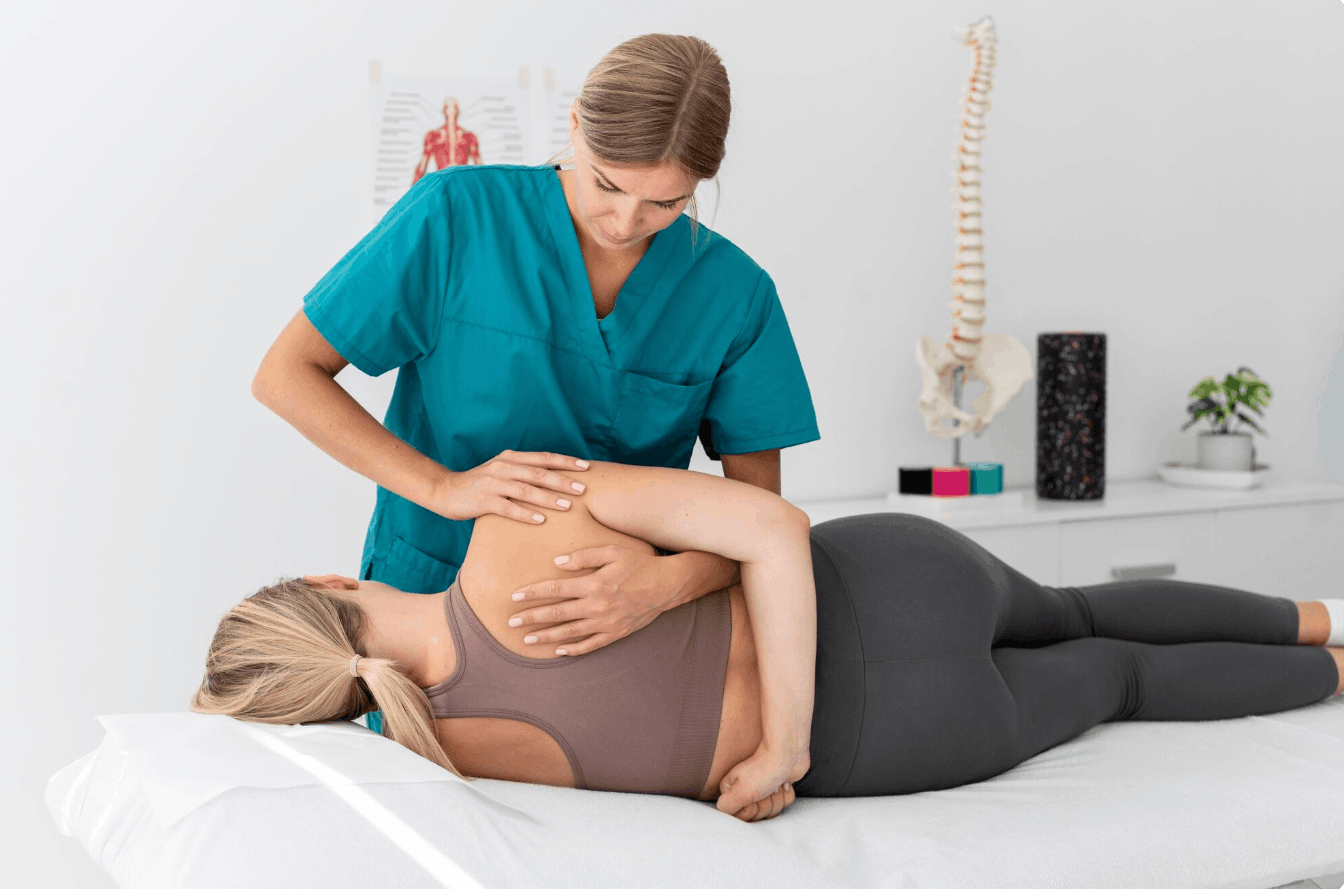
Home Physiotherapy

We understand that some conditions or injuries can make it difficult to receive rehabilitation at our clinic be it mobility or transportation issues. Our objective is to provide you with the same high-quality physiotherapy services at home that you would receive in-clinic.
Posted on

Physiotherapy Petaling Jaya: Improve Movement & Quality of Life

physiotherapy petaling jaya
Synapse Physiotherapy

Daily movement is something many of us take for granted—until pain, stiffness, or a sudden injury begins interfering with even the simplest tasks. Whether it is getting out of bed, climbing stairs, sitting through a long day at work, or playing with your children, the quality of your movement directly affects your independence and overall quality of life. This is where Synapse Physiotherapy makes the difference; by providing expert physiotherapy petaling jaya, they help address the root causes of pain and movement restrictions, allowing you to move better, feel stronger, and live more confidently. Rather than just treating symptoms, their approach focuses on restoring functional patterns so you can navigate your daily life with ease and efficiency.

Understanding the Importance of Daily Movement

Daily movement encompasses all the basic actions you perform from morning until night—walking, bending, reaching, lifting, sitting, and standing. In a busy urban environment like Petaling Jaya, long hours of sitting, traffic-related stress, sports injuries, and age-related conditions are common lifestyle factors that compromise these actions. When these movements become limited or painful, people often adapt by moving less or using poor compensatory patterns.


Over time, failing to address these restrictions can lead to a variety of chronic issues:

  • Chronic pain that lingers for months.
  • Significant joint stiffness that limits range of motion.
  • Muscle weakness due to underutilisation.
  • Reduced balance and coordination.
  • Increased risk of injury.

Professional physiotherapy petaling jaya addresses these issues by improving how your body functions as a whole, rather than focusing solely on the isolated painful area.

How Physiotherapy Identifies Movement Problems

The foundation of effective treatment is a thorough assessment. In reputable clinics providing physiotherapy petaling jaya, the process begins by evaluating how you move, not just where the pain is located. A professional team at Synapse Physiotherapy will typically assess:

  1. Posture during sitting, standing, and walking.
  2. Joint mobility and general flexibility.
  3. Muscle strength and endurance levels.
  4. Balance and coordination.
  5. Specific movement patterns during daily tasks.

This holistic approach helps identify underlying issues such as muscle imbalances, joint restrictions, or poor habits that contribute to daily discomfort. By understanding these mechanics, specialists can bridge the gap between injury, recovery, and long-term physical wellbeing.

Reducing Pain for Everyday Activities

Pain is arguably the most significant barrier to normal movement. Whether it is persistent back pain, knee discomfort, neck stiffness, or shoulder issues, physiotherapy petaling jaya helps reduce these symptoms through a multi-faceted approach.


Techniques often include:

  • Manual therapy to improve joint and soft tissue mobility.
  • Therapeutic exercises designed to strengthen weak muscles.
  • Stretching protocols to reduce tightness.
  • Advanced modalities like dry needling or shockwave therapy when appropriate.

As pain levels decrease, patients regain the confidence to move more freely and resume their normal activities without the fear of sudden twinges or setbacks.

Improving Mobility and Flexibility

Restricted mobility can make simple tasks—like tying your shoelaces or reaching for an item on a high shelf—surprisingly difficult. The goal of physiotherapy petaling jaya is to restore joint range of motion and muscle flexibility, which are both essential for smooth daily movement.


For example:

  • Improved hip mobility makes walking and climbing stairs significantly easier.
  • Better spinal flexibility reduces the stiffness often felt after long periods of sitting.
  • Increased shoulder mobility allows for pain-free reaching and lifting.

These incremental improvements translate directly into a more efficient and fluid movement throughout your day.

Building Strength for Functional Tasks

True strength is not just about the ability to lift heavy weights; it is about having enough muscle support to perform daily tasks safely. To achieve this, physiotherapy petaling jaya utilises functional strengthening exercises that mimic real-life movements.


These exercises help with:

  • Sitting down and standing up with ease.
  • Carrying groceries or heavy bags without strain.
  • Lifting objects safely from the floor.
  • Maintaining posture during long work hours.

By strengthening the correct muscles in the right way, you can significantly reduce the strain on your joints and prevent recurring injuries. Understanding the Benefits of Physiotherapy Rehabilitation is the first step toward building a body that can withstand the rigours of modern life.

Enhancing Balance and Coordination

Balance is a fundamental requirement for safe daily movement, particularly as we age. Poor balance significantly increases the risk of falls and subsequent injuries. Comprehensive physiotherapy petaling jaya programmes often include specific balance and coordination training to help patients:

  • Walk more confidently.
  • Navigate uneven surfaces.
  • Improve reaction times.
  • Reduce the overall risk of falling.

Such interventions are particularly vital for older adults, patients who have recently undergone surgery, and individuals recovering from injuries.

Addressing Modern Lifestyle Strains

In a fast-paced environment like Petaling Jaya, many residents spend long hours at desks or commuting, which often leads to posture-related issues such as neck pain, back pain, and repetitive strain injuries.


Specialised physiotherapy petaling jaya addresses these challenges by:

  • Correcting postural habits that lead to chronic tension.
  • Improving core strength and postural muscle support.
  • Teaching ergonomic adjustments for workstations.
  • Providing movement strategies for long working hours.

These interventions help people move more comfortably both at work and at home.

Supporting Long-Term Recovery and Health

After an injury or surgery, returning to daily life can feel daunting and uncertain. Structured rehabilitation through physiotherapy petaling jaya ensures a safe transition by gradually restoring strength and mobility without rushing the natural healing process.


One of the most valuable aspects of choosing Synapse Physiotherapy is the focus on education. Patients are taught how to manage their conditions and prevent future problems through:

  • Home exercise programmes.
  • Advice on posture and movement habits.
  • Strategies to manage flare-ups.
  • Guidance on safe activity progression.

By empowering individuals with this knowledge, physiotherapy helps maintain healthy movement long after the clinical sessions have ended.

Frequently Asked Questions

What should I expect during my first physiotherapy session?

Your initial visit for physiotherapy petaling jaya will involve a comprehensive assessment where the therapist evaluates your posture, movement patterns, and strength to identify the root cause of your pain.

How many sessions will I need to see results?

The number of sessions varies depending on the severity of your condition and your personal goals. Consistency is key to achieving lasting improvements in daily movement.

Can physiotherapy help if I don’t have a specific injury?

Yes. Physiotherapy is excellent for preventative care, helping to correct muscle imbalances and poor movement habits before they lead to pain or injury.

Is physiotherapy only for athletes?

Not at all. Physiotherapy petaling jaya serves a diverse population, including office workers, older adults, and post-surgical patients looking to improve their daily function.

What is functional strengthening?

Functional strengthening involves exercises that mimic everyday tasks, such as lifting or standing up, to ensure your muscles can support your body during real-life activities.

Conclusion

Daily movement is the essential foundation of an active, independent, and fulfilling life. When pain, stiffness, or weakness begins to interfere with your routine, physiotherapy petaling jaya offers a proven, evidence-based solution. By addressing the root causes of limitations rather than just the symptoms, Synapse Physiotherapy helps you regain your mobility, build functional strength, and move with renewed confidence. Whether you are recovering from surgery, managing a chronic condition, or simply looking to optimise your physical health, investing in professional care is an investment in your long-term quality of life. To start your journey toward pain-free movement, Book a consultation with our experienced team today.

Share This :

Back & Neck Pain

Conditions such as stiffness, postural abnormalities and muscle overuse from prolonged desk work at the office or home is more prevalent than most would think. We provide the necessary tools to fix you up and educate you on ergonomics which can unload unnecessary stress.

Sports Injuries

Rolled ankles, jarred knees, impinged shoulders are few conditions in the plethora of sports injuries which can hamper performance and limit our enjoyment of sports. Physiotherapy not only treats the symptoms of these conditions but propels your overall fitness to greater heights.

Work Desk Injuries​

Conditions such as stiffness, postural abnormalities and muscle overuse from prolonged desk work at the office or home is more prevalent than most would think. We provide the necessary tools to fix you up and educate you on ergonomics which can unload unnecessary stress.

Pre-Post-Surgical Conditions

Surgery involves going through preparation both before and after. Physiotherapists play a vital role in getting your body ready for surgeries with circulatory, breathing and strengthening exercises. After the procedure, let us be there for your recovery and rehabilitation, taking it one step at a time.

Scoliosis & Postural Abnormalities

The way we stand, sit, walk and sleep has influence over our posture and the overall balance of muscles controlling its alignment. A comprehensive screening can be done by our physiotherapists to detect abnormalities, which we will aid in correcting.

Neurological Conditions

Neurological disabilities such as stroke, nerve compression and neuropathies can be barriers for patients to live life to its fullest. We at Synapse are committed to help you overcome these hurdles by ensuring functional mobility and quality of life is at its optimum by providing the right treatment and exercises.

Osteoarthritis & Rheumatism

Joint degeneration and inflammation happens as the human body grows older, but that does not mean our way of life degenerates as well. Relief your joint pains with a joint effort together with your physiotherapist, who will provide pain-relief treatments and prescribe exercises for your wellbeing.

Conditions Relating To Elderly

Common conditions in the older age population include hips & knee pain, back & neck pain, osteoarthritis, rheumatism, fear of falling and many more.  Aging and degeneration of bodily function is inevitable, but here at Synapse, we will help you live the best of your life.
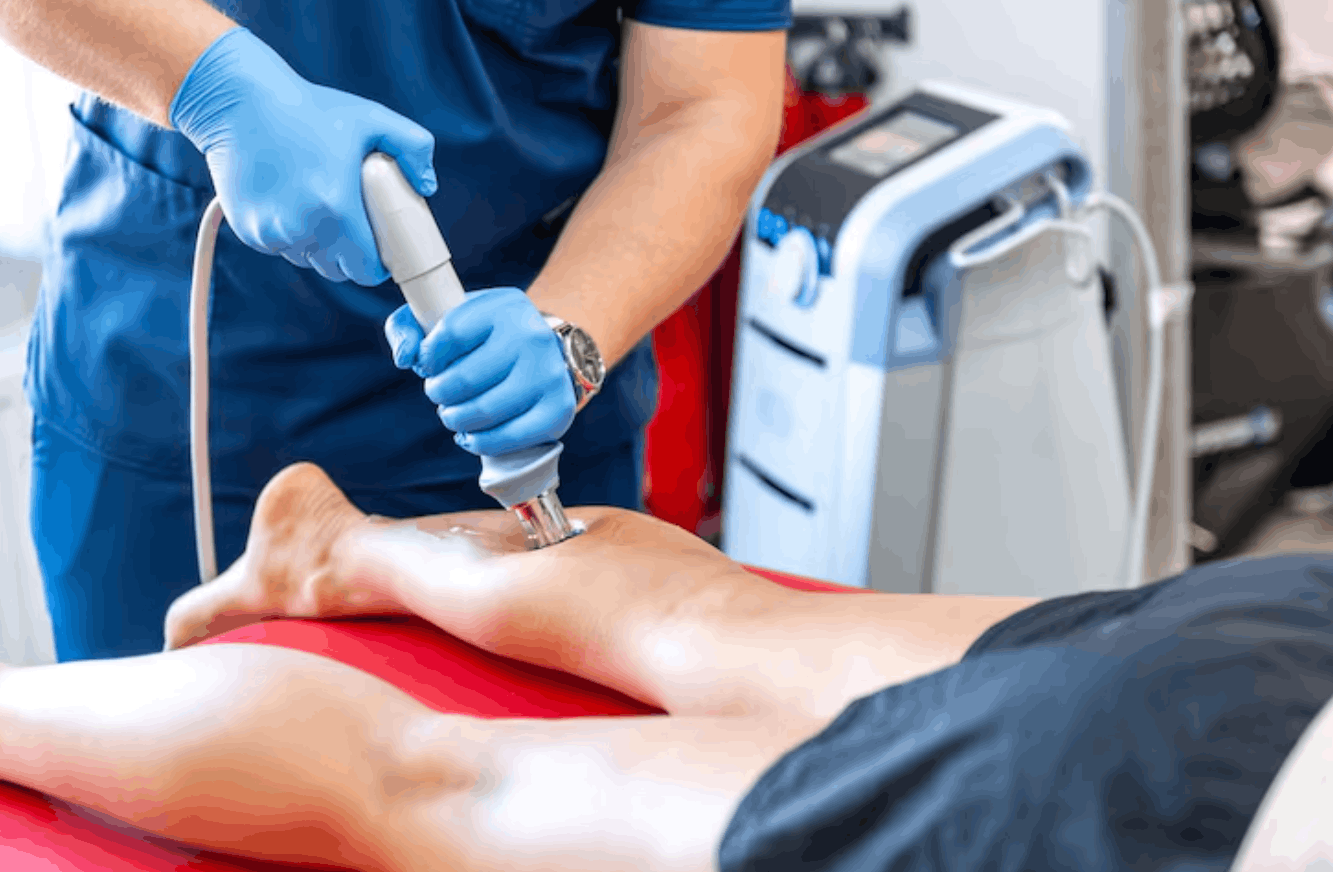
Home Physiotherapy

We understand that some conditions or injuries can make it difficult to receive rehabilitation at our clinic be it mobility or transportation issues. Our objective is to provide you with the same high-quality physiotherapy services at home that you would receive in-clinic.
Posted on

Sports Injury Clinic: Expert Tennis Elbow Treatment

sports injury clinic
Synapse Physiotherapy

Introduction

Tennis elbow, medically known as lateral epicondylitis, is a common overuse injury that affects not only athletes but also office workers, manual labourers, and anyone who frequently uses repetitive hand and arm movements. Despite its name, you don’t need to play tennis to develop this painful condition. Characterised by persistent pain and a weakened grip, this condition can significantly hinder your daily productivity and quality of life. At Synapse Physiotherapy, we specialise in comprehensive Pain Management Service solutions designed to address the root cause of your discomfort. By visiting our sports injury clinic, you receive an evidence-based approach that focuses on restoring tendon health and long-term performance rather than just masking symptoms.

Understanding the Mechanics of Tennis Elbow

Tennis elbow occurs when the extensor tendons of the forearm become overloaded. According to the NHS, tennis elbow is a condition that causes pain around the outside of the elbow, often following strenuous overuse of the muscles and tendons of the forearm. This overloading leads to micro-tears and degeneration where the tendon attaches to the outer elbow.


This results in specific physical limitations, including:

  • Pain on the outer side of the elbow.
  • Weak grip strength.
  • Pain when lifting, gripping, or twisting objects.
  • Discomfort during daily tasks such as opening jars or using a mouse.

Unlike acute injuries, tennis elbow is often a chronic condition, meaning symptoms may persist for weeks or months if not managed properly.

Why Seek Help at a Sports Injury Clinic?

A sports injury clinic specialises in musculoskeletal and overuse injuries, making it the ideal place for managing tennis elbow. Rather than focusing only on pain relief, the goal is to address the root cause, restore tendon health, and prevent recurrence. This comprehensive approach ensures better long-term outcomes compared to rest or medication alone.


At Synapse Physiotherapy, our professional team utilises a framework for recovery based on:

  • Biomechanical assessment.
  • Activity and workload analysis.
  • Tendon-specific rehabilitation.
  • Evidence-based modalities such as Shockwave Therapy.

Accurate Assessment and Diagnosis

Treatment at a sports injury clinic starts with a thorough clinical assessment. A sports injury clinician will assess pain location and severity, as well as grip strength and functional limitations. They also look beyond the elbow to evaluate wrist and elbow movement patterns, and even shoulder and neck involvement.

In many cases, tennis elbow is linked to poor wrist mechanics, weak shoulder stability, or excessive gripping load. These factors must be corrected by a sports injury clinic for lasting recovery.

Key Treatments for Lasting Relief

1. Shockwave Therapy

Shockwave Therapy is one of the most effective non-invasive treatments for chronic tennis elbow and is widely used in a sports injury clinic. It delivers acoustic waves to the injured tendon to stimulate blood circulation and tissue regeneration. It is particularly effective because it targets the root of tendon degeneration without the need for injections or surgery. At Synapse Physiotherapy, Shockwave Therapy is commonly used for patients with persistent tennis elbow who have not improved with rest alone.

2. Load Management and Activity Modification

One major reason tennis elbow fails to heal is continued overload. A sports injury clinic helps patients adjust work ergonomics, sports technique, and training intensity. This allows the tendon to recover without requiring complete inactivity.

3. Progressive Strengthening Exercises

Contrary to popular belief, complete rest is not ideal for tennis elbow. A structured rehabilitation program includes:

  • Isometric exercises for pain control.
  • Eccentric strengthening of wrist extensors.
  • Grip endurance training.
  • Shoulder and scapular stability exercises.

These exercises rebuild tendon strength and improve load tolerance over time.

4. Manual Therapy and Soft Tissue Techniques

A sports injury clinic may use deep tissue mobilisation, myofascial release, and joint mobilisation of the elbow and wrist. These techniques help reduce stiffness, improve circulation, and restore movement efficiency.

Recovery Timelines and Expectations

Recovery time at a sports injury clinic varies depending on the severity and duration of symptoms, as well as compliance with treatment. Most patients see improvement within 4–8 weeks. However, chronic cases may require 8–12 weeks of structured care, especially when Shockwave Therapy is included.

Preventing Recurrence

A sports injury clinic doesn’t just treat pain—it helps prevent recurrence by addressing poor technique, muscle imbalance, and weak grip endurance. Education and long-term exercise planning are key parts of successful treatment.

Frequently Asked Questions

Is Shockwave Therapy painful?

Shockwave Therapy may cause mild discomfort during treatment, but it is generally well tolerated and lasts only a few minutes per session.

How many Shockwave sessions are needed for tennis elbow?

Most patients require 5-8 sessions, depending on symptom severity and response to treatment.

Can tennis elbow heal without treatment?

Mild cases may improve, but many become chronic if untreated. A sports injury clinic helps speed recovery and prevent long-term pain.

Should I stop all activities if I have tennis elbow?

No. Complete rest is not recommended. Proper load management and guided exercises are more effective.

Do I need surgery for tennis elbow?

Surgery is rarely needed. Most cases respond well to conservative care, especially with Shockwave Therapy and rehabilitation.

Conclusion

Tennis elbow is a common yet frustrating condition that can significantly affect daily life and work performance. A sports injury clinic offers targeted, evidence-based care that goes beyond pain relief—focusing on tendon healing, strength restoration, and prevention. With advanced treatments such as Shockwave Therapy, combined with structured rehabilitation, most patients can recover fully without surgery.

If you are struggling with persistent elbow pain, Synapse Physiotherapy provides professional sports injury clinic services and a dedicated Pain Management Service to help you return to pain-free movement. Our professional team is here to support your long-term health and performance. To start your recovery journey, Book a consultation today

Share This :

Back & Neck Pain

Conditions such as stiffness, postural abnormalities and muscle overuse from prolonged desk work at the office or home is more prevalent than most would think. We provide the necessary tools to fix you up and educate you on ergonomics which can unload unnecessary stress.

Sports Injuries

Rolled ankles, jarred knees, impinged shoulders are few conditions in the plethora of sports injuries which can hamper performance and limit our enjoyment of sports. Physiotherapy not only treats the symptoms of these conditions but propels your overall fitness to greater heights.

Work Desk Injuries​

Conditions such as stiffness, postural abnormalities and muscle overuse from prolonged desk work at the office or home is more prevalent than most would think. We provide the necessary tools to fix you up and educate you on ergonomics which can unload unnecessary stress.

Pre-Post-Surgical Conditions

Surgery involves going through preparation both before and after. Physiotherapists play a vital role in getting your body ready for surgeries with circulatory, breathing and strengthening exercises. After the procedure, let us be there for your recovery and rehabilitation, taking it one step at a time.

Scoliosis & Postural Abnormalities

The way we stand, sit, walk and sleep has influence over our posture and the overall balance of muscles controlling its alignment. A comprehensive screening can be done by our physiotherapists to detect abnormalities, which we will aid in correcting.

Neurological Conditions

Neurological disabilities such as stroke, nerve compression and neuropathies can be barriers for patients to live life to its fullest. We at Synapse are committed to help you overcome these hurdles by ensuring functional mobility and quality of life is at its optimum by providing the right treatment and exercises.

Osteoarthritis & Rheumatism

Joint degeneration and inflammation happens as the human body grows older, but that does not mean our way of life degenerates as well. Relief your joint pains with a joint effort together with your physiotherapist, who will provide pain-relief treatments and prescribe exercises for your wellbeing.

Conditions Relating To Elderly

Common conditions in the older age population include hips & knee pain, back & neck pain, osteoarthritis, rheumatism, fear of falling and many more.  Aging and degeneration of bodily function is inevitable, but here at Synapse, we will help you live the best of your life.
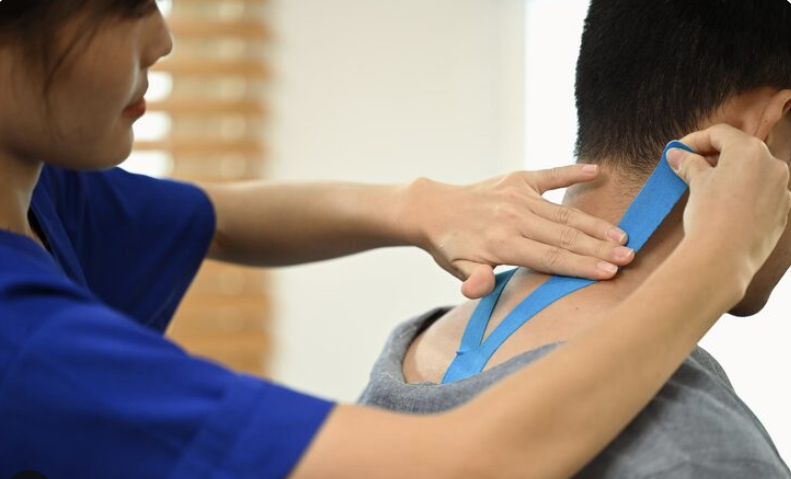
Home Physiotherapy

We understand that some conditions or injuries can make it difficult to receive rehabilitation at our clinic be it mobility or transportation issues. Our objective is to provide you with the same high-quality physiotherapy services at home that you would receive in-clinic.
Posted on

Spine Specialist: Your Partner in Long-Term Spine Health

spine specialist
spine specialist
Synapse Physiotherapy

Introduction

Spine health plays a vital role in overall mobility, independence, and quality of life. From sitting at a desk for extended hours to lifting, walking, and sleeping, the spine is involved in almost every daily movement. When back or neck pain becomes persistent, many people seek temporary solutions that only mask symptoms. This is where a spine specialist becomes essential.


At Synapse Physiotherapy, we understand that maintaining spinal function requires more than quick fixes. Our Spine & Core Rehabilitation Service focuses on diagnosing, treating, and preventing spinal conditions using a comprehensive and long-term approach. Rather than offering short-term pain relief alone, our spine specialist team helps patients maintain spinal function, prevent recurrence, and protect spine health over time.

Understanding the Role of a Spine Specialist

A spine specialist is a healthcare professional with advanced training in spinal conditions affecting the neck, mid-back, and lower back. These specialists may come from backgrounds such as orthopaedics, neurosurgery, sports medicine, or physiotherapy, with a focused interest in spine care.


Their role goes beyond treating pain. A spine specialist aims to:

  • Identify the root cause of spinal symptoms
  • Restore normal movement and function
  • Prevent progression of spinal conditions
  • Educate patients on maintaining spine health

This holistic focus is crucial for long-term outcomes and ensures that patients receive care tailored to their individual needs.

Accurate Diagnosis for Targeted Treatment

Long-term spine health begins with an accurate diagnosis. Many spinal conditions present with similar symptoms, such as pain, stiffness, or nerve-related discomfort. A spine specialist uses a detailed assessment to determine the exact cause.


This process often includes:

  1. Comprehensive medical history
  2. Postural and movement assessment
  3. Neurological examination
  4. Imaging studies when appropriate

By understanding whether the issue is disc-related, joint-related, muscular, or nerve-based, the spine specialist can create a targeted and effective treatment plan. Accurate diagnosis prevents unnecessary treatments and reduces the risk of chronic problems developing over time.

Non-Surgical Management and Early Intervention

One of the most important ways a spine specialist supports long-term spine health is through non-surgical care. The majority of spinal conditions can be managed without surgery when addressed early.


Non-surgical strategies may include:

  • Structured rehabilitation programmes
  • Activity modification and pacing
  • Pain management strategies
  • Postural and ergonomic advice

Early intervention helps control symptoms before they worsen, reducing the likelihood of long-term disability and improving overall quality of life.

Personalised Rehabilitation and Exercise Prescription

Exercise is a cornerstone of spine health, but not all exercises are suitable for everyone. A spine specialist designs personalised rehabilitation programmes based on individual needs, diagnosis, and lifestyle factors.


Rehabilitation may focus on:

  • Core muscle strengthening
  • Improving spinal mobility and flexibility
  • Enhancing posture and movement control
  • Correcting muscle imbalances

These programmes are progressively adjusted to ensure the spine remains supported during daily activities and physical demands. Over time, this approach builds resilience and reduces the risk of re-injury, helping patients return to their normal activities with confidence.

Managing Chronic and Degenerative Spine Conditions

Conditions such as degenerative disc disease, spinal stenosis, and osteoarthritis require long-term management rather than short-term fixes. A spine specialist helps patients manage these conditions by slowing progression and maintaining function. Research published by the National Institute of Arthritis and Musculoskeletal and Skin Diseases shows that early intervention and appropriate exercise can significantly slow the progression of degenerative spine conditions.


Long-term management may involve:

  • Education on symptom management
  • Regular review and programme adjustment
  • Load management strategies
  • Maintaining mobility and strength

With proper guidance from a spine specialist, many individuals with degenerative conditions can remain active and independent for years to come.

Preventing Recurrence of Spine Pain

Recurrent back or neck pain is common, especially when underlying causes are not addressed. A spine specialist focuses on identifying contributing factors such as poor posture, weak muscles, repetitive strain, or improper movement patterns.


Prevention strategies include:

  • Teaching correct lifting and bending techniques
  • Addressing workplace ergonomics
  • Improving flexibility and endurance
  • Encouraging regular physical activity

By addressing these factors, a spine specialist reduces the likelihood of repeated episodes of pain and helps patients maintain their independence.

Education and Empowerment for Self-Management

A key aspect of long-term spine health is patient education. A spine specialist empowers patients by helping them understand their condition and how to manage it independently.


Education may include:

  • Understanding pain and spine mechanics
  • Knowing when to rest versus staying active
  • Recognising warning signs that require attention
  • Developing confidence in movement

Educated patients are more likely to stay active, adhere to exercise programmes, and make healthier lifestyle choices that support their long-term spine health.

Supporting Safe Return to Work and Sport

For working adults and athletes, spine issues can significantly impact performance and productivity. A spine specialist supports a safe and structured return to work or sport by ensuring the spine is ready for specific demands.


This may involve:

  1. Functional strength training
  2. Gradual load progression
  3. Sport- or job-specific movement training
  4. Injury prevention strategies

This targeted approach reduces the risk of reinjury and supports long-term participation in activities that matter most to patients.

Collaborative Care and Timely Referral

A spine specialist often works closely with other healthcare professionals, including general practitioners, physiotherapists, pain specialists, and surgeons. This collaborative approach ensures comprehensive care that addresses all aspects of spinal health.


When necessary, a spine specialist can:

  • Refer for imaging or specialist consultation
  • Identify red flags requiring urgent care
  • Guide patients through pre- and post-surgical rehabilitation

Timely referral ensures patients receive the right care at the right time, preventing complications and supporting optimal recovery.

Lifestyle and Wellness Guidance

Long-term spine health is influenced by lifestyle factors such as physical activity, weight, stress, and sleep. A spine specialist provides guidance that supports overall well-being and spinal function.


Lifestyle advice may include:

  • Incorporating regular low-impact exercise
  • Maintaining a healthy body weight
  • Managing stress and muscle tension
  • Improving sleep posture and habits

These factors play a significant role in reducing spinal strain and promoting recovery, ensuring that patients can enjoy better health outcomes over time.

When Should You See a Spine Specialist?

You may benefit from seeing a spine specialist if:

  • Back or neck pain persists beyond a few weeks
  • Pain interferes with daily activities or sleep
  • There are recurring episodes of spine pain
  • You experience numbness, weakness, or nerve symptoms

Early assessment helps prevent minor issues from becoming long-term problems and ensures you receive the most appropriate care for your condition.

Frequently Asked Questions

What conditions does a spine specialist treat?

A spine specialist treats a wide range of spinal conditions including disc herniation, degenerative disc disease, spinal stenosis, sciatica, postural problems, sports-related spine injuries, and chronic back or neck pain.

How is a spine specialist different from a general physiotherapist?

Whilst general physiotherapists treat various musculoskeletal conditions, a spine specialist has advanced training and focused expertise specifically in spinal disorders, allowing for more targeted diagnosis and treatment of complex spine conditions.

Do I need a referral to see a spine specialist?

In most cases, you can see a spine specialist directly without a referral. However, some insurance plans may require a GP referral, so it’s best to check with your provider beforehand.

How long does spine rehabilitation typically take?

The duration of rehabilitation varies depending on the condition’s severity and individual factors. Acute conditions may improve within 4-6 weeks, whilst chronic or degenerative conditions may require ongoing management over several months.

Can a spine specialist help prevent future spine problems?

Yes, a spine specialist focuses heavily on prevention through personalised exercise programmes, ergonomic advice, movement education, and lifestyle modifications that reduce the risk of future spine issues and maintain long-term spinal health.

Conclusion

Long-term spine health requires more than temporary pain relief—it requires a comprehensive, proactive approach. A spine specialist supports long-term spine health through accurate diagnosis, personalised rehabilitation, education, and preventive strategies. By addressing both current symptoms and future risks, specialists help patients stay active, independent, and confident in their movement.


At Synapse Physiotherapy, our professional team is dedicated to providing expert spine care tailored to your unique needs. Investing in spine health today with the guidance of a spine specialist can lead to better mobility, reduced pain, and improved quality of life for years to come.


Don’t let spine pain hold you back from living your best life. Book a consultation with our experienced team today and take the first step towards lasting spinal health.


Share This :

Back & Neck Pain

Conditions such as stiffness, postural abnormalities and muscle overuse from prolonged desk work at the office or home is more prevalent than most would think. We provide the necessary tools to fix you up and educate you on ergonomics which can unload unnecessary stress.

Sports Injuries

Rolled ankles, jarred knees, impinged shoulders are few conditions in the plethora of sports injuries which can hamper performance and limit our enjoyment of sports. Physiotherapy not only treats the symptoms of these conditions but propels your overall fitness to greater heights.

Work Desk Injuries​

Conditions such as stiffness, postural abnormalities and muscle overuse from prolonged desk work at the office or home is more prevalent than most would think. We provide the necessary tools to fix you up and educate you on ergonomics which can unload unnecessary stress.

Pre-Post-Surgical Conditions

Surgery involves going through preparation both before and after. Physiotherapists play a vital role in getting your body ready for surgeries with circulatory, breathing and strengthening exercises. After the procedure, let us be there for your recovery and rehabilitation, taking it one step at a time.

Scoliosis & Postural Abnormalities

The way we stand, sit, walk and sleep has influence over our posture and the overall balance of muscles controlling its alignment. A comprehensive screening can be done by our physiotherapists to detect abnormalities, which we will aid in correcting.

Neurological Conditions

Neurological disabilities such as stroke, nerve compression and neuropathies can be barriers for patients to live life to its fullest. We at Synapse are committed to help you overcome these hurdles by ensuring functional mobility and quality of life is at its optimum by providing the right treatment and exercises.

Osteoarthritis & Rheumatism

Joint degeneration and inflammation happens as the human body grows older, but that does not mean our way of life degenerates as well. Relief your joint pains with a joint effort together with your physiotherapist, who will provide pain-relief treatments and prescribe exercises for your wellbeing.

Conditions Relating To Elderly

Common conditions in the older age population include hips & knee pain, back & neck pain, osteoarthritis, rheumatism, fear of falling and many more.  Aging and degeneration of bodily function is inevitable, but here at Synapse, we will help you live the best of your life.

Home Physiotherapy

We understand that some conditions or injuries can make it difficult to receive rehabilitation at our clinic be it mobility or transportation issues. Our objective is to provide you with the same high-quality physiotherapy services at home that you would receive in-clinic.