Synapse Physiotherapy | Physio Center | Rehab Malaysia
As people age, movement, balance, strength, and confidence can gradually decline. Some seniors may find it difficult to travel to a clinic, especially after surgery, illness, a fall, or a neurological condition such as stroke or Parkinson’s disease. This is where Home Physiotherapy can provide meaningful support.
Instead of requiring seniors to travel for care, physiotherapy can be delivered in the comfort of their own home. This makes treatment more convenient, practical, and personalised to the senior’s actual living environment. For families, it can also provide peace of mind knowing that their loved one is receiving professional guidance in a familiar and safer setting.
At Synapse Physiotherapy, physiotherapy care focuses on helping patients improve mobility, reduce pain, restore function, and support long-term independence. For seniors, this can make daily life safer, more comfortable, and more manageable.
Ageing can affect the body in several ways, including:
Treatment takes place in the environment where daily activities actually happen. A physiotherapist can directly assess how the patient:
Assessing movement in a real home setting allows the physiotherapist to identify practical risks and tailor treatment to the specific challenges the patient faces every day.
This practical approach makes rehabilitation more relevant. Instead of only practising exercises in a clinic, seniors learn how to move better in their own home. The NHS guide to physiotherapy explains that physiotherapy can help restore movement and function when someone is affected by injury, illness, or disability.
One of the most common treatments in Home Physiotherapy is mobility and strength training. As people age, muscle loss can affect walking, balance, stair climbing, and general independence. Weakness in the legs, hips, and core may also increase the risk of falls.
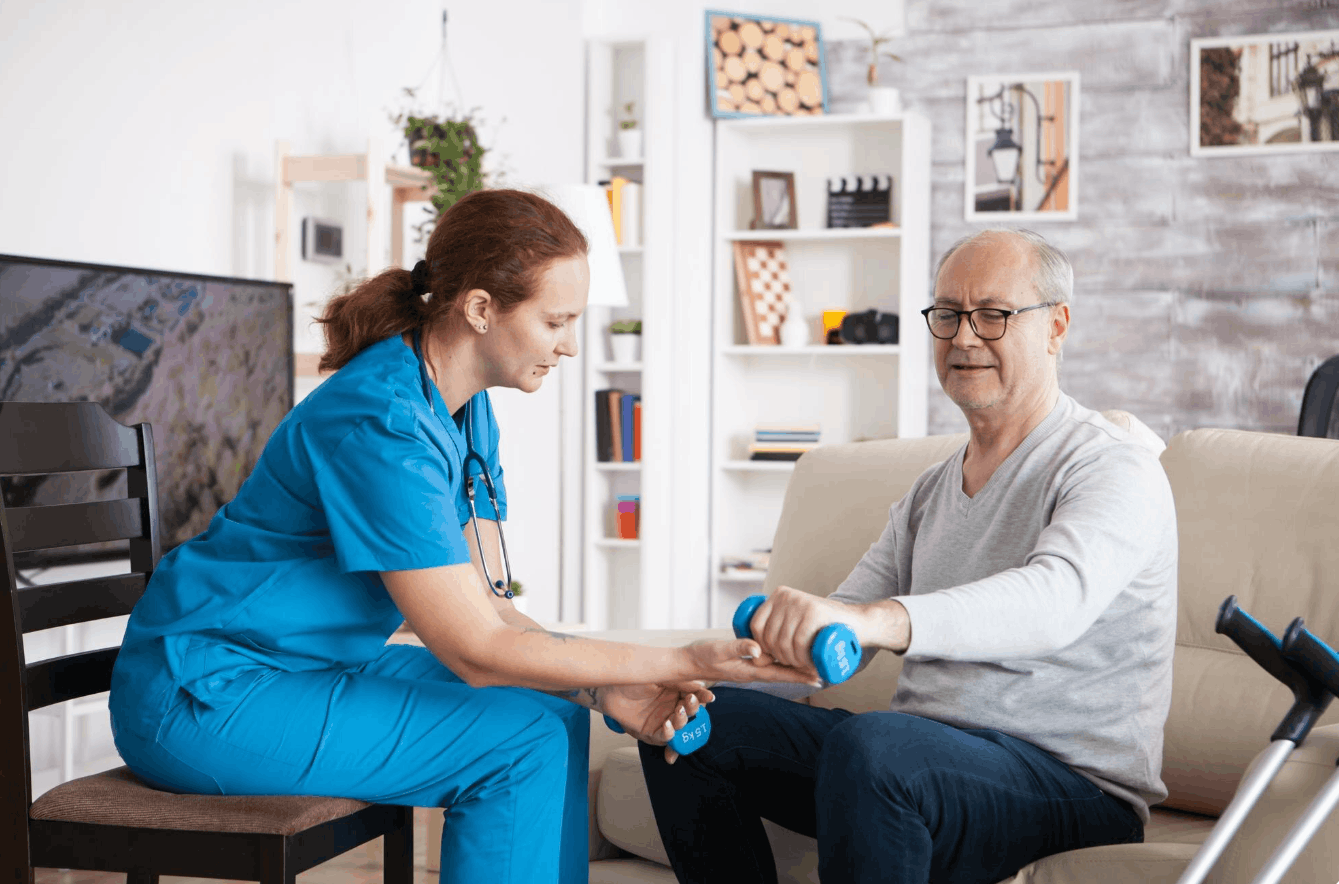
A physiotherapist may guide seniors through gentle resistance exercises, sit-to-stand practice, walking drills, step exercises, and joint range-of-motion movements. These exercises are usually adapted to the senior’s ability and progressed gradually.
Strength training helps seniors walk more confidently, rise from chairs more easily, climb stairs more safely, and perform daily tasks with less assistance. Simple tools such as resistance bands, chairs, towels, and bodyweight exercises can often be used at home.
Falls are a major concern for seniors, potentially leading to fractures, hospitalisation, loss of confidence, and reduced independence. Balance and fall prevention are therefore a core focus of Home Physiotherapy.
Balance and Fall Prevention Treatment May Include:
Common Fall Hazards a Physiotherapist May Identify:
Recommended Home Modifications May Include:
Caregivers may also be guided on safe techniques to assist movement, helping to prevent strain or accidental injury for both the senior and the caregiver.
After surgery, seniors often need structured rehabilitation to regain movement, strength, and confidence. Common examples include hip replacement, knee replacement, spinal surgery, fracture repair, or other orthopaedic procedures.
Travelling to a clinic soon after surgery can be tiring or uncomfortable. Home Physiotherapy allows seniors to begin recovery in a safer and more convenient setting. Treatment may include pain management, swelling control, gentle mobility exercises, strengthening, walking practice, scar tissue guidance, and functional retraining.
The physiotherapist will also help seniors practise daily activities such as getting in and out of bed, standing from a chair, walking safely, and using stairs if needed. This can support a smoother return to independence.
For rehabilitation support, families can explore Synapse Therapy’s geriatric services to understand suitable care options.
Seniors recovering from stroke, Parkinson’s disease, spinal cord injury, or other neurological conditions may benefit greatly from home-based rehabilitation. These conditions can affect balance, strength, coordination, walking, posture, and hand function.
Home Physiotherapy may include task-specific training, gait retraining, motor control exercises, coordination practice, balance training, and functional movement activities. For example, a stroke survivor may practise standing, walking, reaching, transferring from bed to chair, or navigating the bathroom safely.
The advantage of home treatment is that therapy can focus directly on real-life tasks. This helps seniors build confidence in the exact environment they use every day.
Chronic pain is common among seniors, especially due to arthritis, back pain, neck stiffness, joint problems, or muscle tightness. Pain can reduce activity levels, which may then lead to more weakness and stiffness.
A physiotherapist may use gentle manual therapy, stretching, heat or cold therapy, movement education, and strengthening exercises to help manage pain. The goal is not only temporary relief, but also better movement and improved function.
Pain management in Home Physiotherapy is often combined with education. Seniors may learn safer ways to sit, stand, walk, bend, sleep, or perform daily activities without placing unnecessary stress on painful areas.
Some seniors may need respiratory physiotherapy after illness, hospitalisation, lung infection, or chronic respiratory conditions. Reduced mobility can also affect breathing capacity and mucus clearance.
Treatment may include breathing exercises, chest physiotherapy techniques, postural drainage, gentle activity progression, and advice on energy conservation. This can help reduce breathlessness, improve oxygen use, support mucus clearance, and encourage safer movement.
Respiratory support can be especially helpful for seniors who are weak after hospital discharge or who struggle with fatigue during daily activities.
The ultimate goal of Home Physiotherapy is to help seniors remain as independent as possible. This means treatment should connect directly to daily life.
Functional training may include practising dressing, bathing movements, cooking tasks, walking to the bathroom, getting in and out of bed, standing from a chair, and moving safely around the home. These activities are meaningful because they support dignity, confidence, and independence.
Rather than focusing only on isolated exercises, physiotherapists help seniors apply strength and movement skills to real situations. This makes recovery more practical and easier to maintain.
Caregivers play an important role in senior care. They often assist with walking, transfers, exercises, medication routines, appointments, and emotional support. Without proper guidance, caregivers may accidentally strain themselves or assist in ways that reduce the senior’s independence.
During Home Physiotherapy, caregivers can learn safe transfer techniques, how to supervise exercises, how to reduce fall risks, and how to encourage movement without overhelping. This improves the quality of care at home and helps seniors continue progressing between sessions.
For families looking for guidance, book a session to discuss home-based care needs and suitable appointment options.
Not all providers offer the same level of care. When choosing a physiotherapist for seniors, look for proper qualifications, experience with elderly patients, clear communication, personalised treatment planning, and regular progress review.
A good physiotherapist should assess the senior holistically, including strength, balance, mobility, pain, home environment, medical history, and daily goals. Treatment should be adjusted as the senior improves or if new challenges appear.
Families may also visit Synapse Physiotherapy’s official page to learn more about physiotherapy support for pain relief, rehabilitation, mobility, and long-term recovery.
Home Physiotherapy is physiotherapy treatment provided at the patient’s home. It helps seniors receive professional care without needing to travel to a clinic.
Seniors recovering from surgery, stroke, falls, weakness, arthritis, back pain, balance problems, or reduced mobility may benefit from home-based care.
Yes, when provided by a qualified physiotherapist. Treatment is adapted to the senior’s ability, medical condition, and home environment.
Frequency depends on the senior’s condition and goals. Some may need several sessions per week after surgery or stroke, while others may need weekly maintenance.
Yes. Balance training, strength exercises, gait practice, and home safety advice can help reduce fall risk and improve confidence.
Home Physiotherapy is more than a convenient service. It is a practical and personalised approach that helps seniors recover, stay active, prevent falls, manage pain, and maintain independence within their own home.
From strength training and balance support to post-surgical rehabilitation, neurological recovery, pain management, respiratory care, and caregiver education, home-based physiotherapy can make a meaningful difference in daily life. Visit Synapse Physiotherapy’ s condition page for personalised senior care and rehabilitation support or book a session now for professional advice.
Tags :





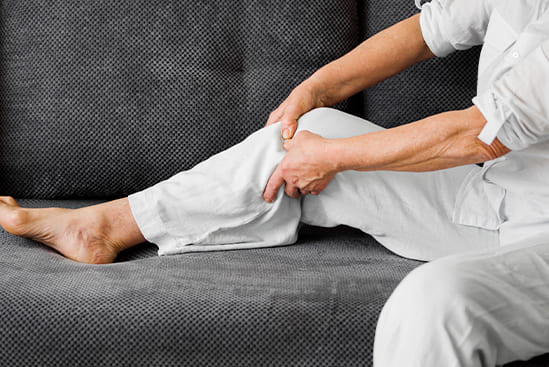
Joint degeneration and inflammation happens as the human body grows older, but that does not mean our way of life degenerates as well. Relief your joint pains with a joint effort together with your physiotherapist, who will provide pain-relief treatments and prescribe exercises for your wellbeing.
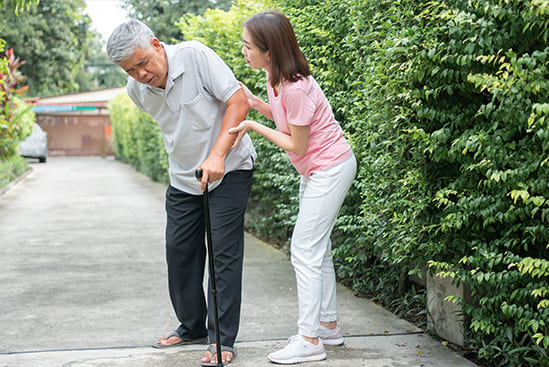
Common conditions in the older age population include hips & knee pain, back & neck pain, osteoarthritis, rheumatism, fear of falling and many more. Aging and degeneration of bodily function is inevitable, but here at Synapse, we will help you live the best of your life.