Synapse Physiotherapy | Physio Center | Rehab Malaysia
Persistent muscle, tendon, and joint pain can be frustrating, especially when rest, stretching, medication, or basic rehabilitation do not provide lasting relief. For many patients, chronic soft tissue conditions can limit walking, sport, work, and daily comfort. This is where shockwave therapy may be considered as part of a structured physiotherapy plan.
Shockwave therapy is a non-invasive treatment that uses acoustic pressure waves to stimulate healing in targeted tissues. It is commonly used in physiotherapy and sports rehabilitation for long-standing tendon and soft tissue problems. The Royal Orthopaedic Hospital explains that extracorporeal shockwave therapy uses sound waves applied through the skin and is used for conditions such as plantar fasciitis and Achilles tendon problems, with the aim of increasing blood flow and helping stimulate healing through shockwave therapy for heel pain.
At Synapse Physiotherapy, treatment plans may combine hands-on care, exercise rehabilitation, education, and suitable modalities to support recovery and long-term function.
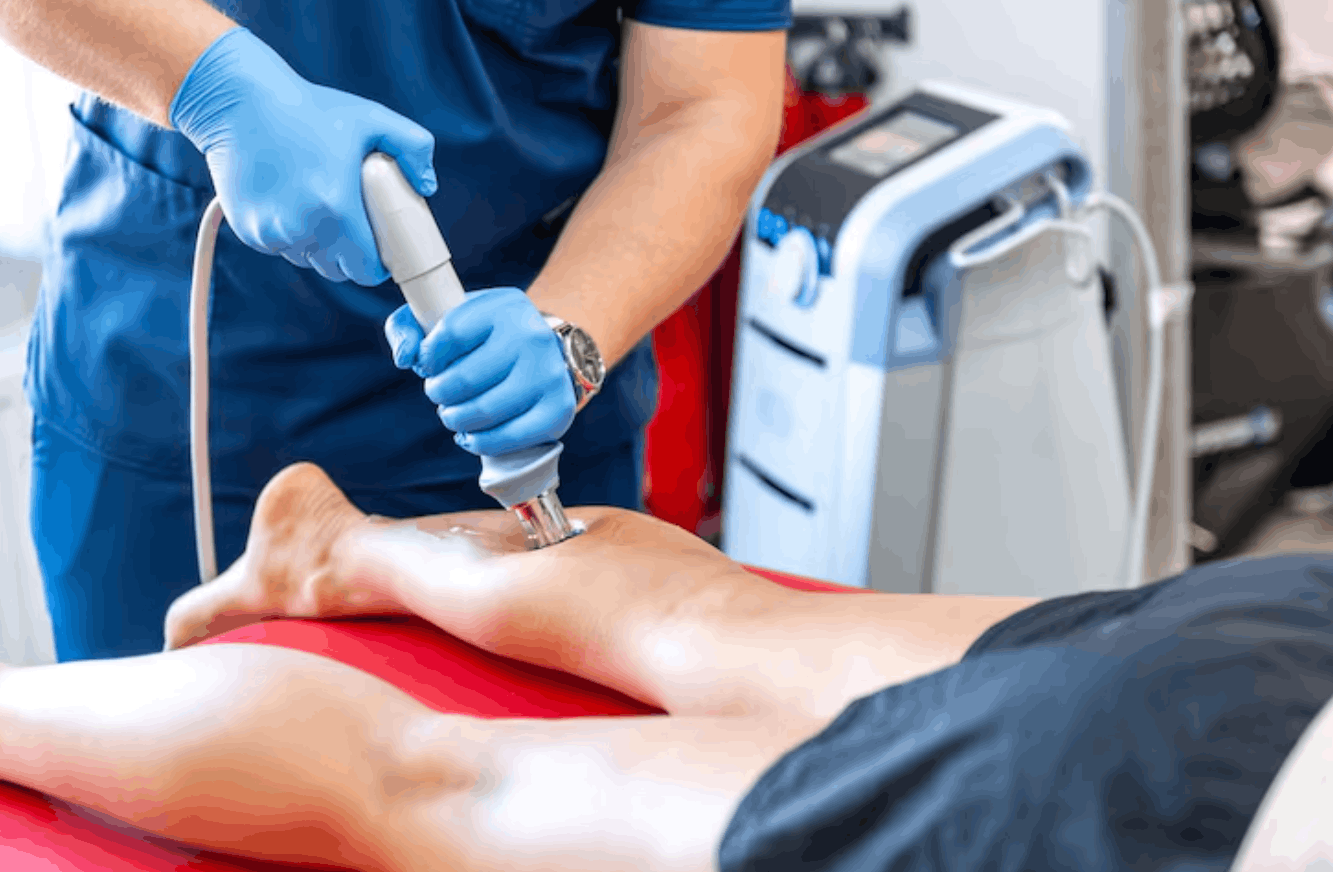
Shockwave therapy is delivered through a handheld device placed on the skin over the affected area. It sends acoustic pressure waves into the tissues, creating controlled mechanical stimulation that may activate local healing responses.
Potential Benefits of Shockwave Therapy:
How It Differs from Medication:
Unlike medication that primarily reduces symptoms, shockwave therapy aims to stimulate the affected tissue directly. However, it is not typically a standalone treatment.
Best Results Are Achieved When Combined With:
The most effective outcomes come from treating the tissue and addressing the underlying movement or loading issues that contributed to the condition in the first place.
Plantar fasciitis is one of the most common conditions treated with shockwave therapy. It causes pain around the heel or arch due to irritation of the plantar fascia, a thick band of tissue that supports the bottom of the foot.
Patients often feel sharp heel pain first thing in the morning, after long periods of standing, or after exercise. When symptoms become chronic and do not improve with stretching, footwear changes, orthotics, or exercise, shockwave treatment may be considered.
The treatment may help by increasing blood flow to the heel region, stimulating tissue repair, and reducing pain sensitivity. It is often combined with calf stretching, foot strengthening, load modification, and footwear advice.
Achilles tendinopathy affects the tendon that connects the calf muscles to the heel bone. It is common in runners, athletes, and people who suddenly increase walking, running, or jumping activity.
Symptoms may include pain, stiffness, swelling, and tenderness along the back of the ankle. The area may feel worse in the morning or during the first few steps after rest.
Shockwave therapy may help stimulate healing in the tendon, improve blood flow, and support collagen remodelling. Because tendons heal slowly, treatment should usually be combined with progressive strengthening, especially eccentric calf exercises, and careful load management.
Patients seeking sports and tendon rehabilitation can explore Synapse Therapy’s shockwave therapy services for personalised support.
Tennis elbow, or lateral epicondylitis, causes pain on the outside of the elbow. Despite the name, it does not only affect tennis players. It is also common among office workers, manual workers, gym users, and people who repeatedly grip, lift, type, or use hand tools.
The pain is usually linked to irritation or degeneration of the forearm tendons. It may worsen when gripping, lifting, shaking hands, or twisting objects.
Shockwave therapy may help reduce chronic tendon pain and stimulate repair in the affected tissues. It is often paired with progressive forearm strengthening, grip training, ergonomic advice, and load modification to reduce recurrence.
Shoulder calcific tendinitis happens when calcium deposits form in the rotator cuff tendons. This can cause sharp shoulder pain, restricted movement, and difficulty lifting the arm overhead. Some patients may struggle with dressing, reaching, sleeping on the affected side, or lifting objects.
Shockwave therapy may be useful because acoustic waves can help fragment calcific deposits over time, allowing the body to gradually reabsorb them. It may also reduce pain and improve shoulder movement.
Rehabilitation remains important. Shoulder mobility exercises, rotator cuff strengthening, posture correction, and gradual return to activity help support long-term recovery.
Patellar tendinopathy, also known as jumper’s knee, affects the tendon connecting the kneecap to the shinbone. It is common in athletes involved in jumping sports such as basketball, volleyball, badminton, and football.
Symptoms usually include pain at the front of the knee, especially during jumping, squatting, running, or climbing stairs. The tendon may feel tender and stiff after activity.
Shockwave therapy may support tendon healing and reduce pain in chronic cases. However, the key to long-term improvement is progressive loading. Strengthening the quadriceps, hips, glutes, and calf muscles helps the tendon tolerate sport-specific demands again.
Hip and groin pain may be linked to tendinopathy, muscle overload, poor movement control, or sports-related strain. These problems are common in runners, footballers, gym users, and people who perform repeated high-intensity movement.
Pain may appear around the inner thigh, outer hip, buttock, or groin, depending on the tissue involved. Chronic cases may not respond well to rest alone because the tendon or soft tissue needs graded loading to rebuild tolerance.
Shockwave therapy may improve local tissue response and reduce pain, especially when combined with hip strengthening, movement retraining, and training-load adjustments.
Myofascial pain syndrome involves tight, painful muscle bands known as trigger points. These may occur in the neck, shoulders, back, hips, or legs. Common causes include poor posture, stress, repetitive work, muscle overload, or lack of movement variety.
Shockwave therapy may help reduce muscle tightness, improve local circulation, and decrease pain sensitivity in trigger points. Patients may feel improved mobility after treatment, especially when it is combined with stretching, strengthening, ergonomic advice, and posture correction.
For patients with recurring muscle pain, Synapse Physiotherapy can help identify contributing factors and build a more complete management plan.
In selected cases, shockwave therapy may be used for certain bone-related conditions, such as delayed bone healing or stress injuries. The mechanical stimulation may help encourage biological healing responses.
However, this is not a first-line option for acute fractures and should only be considered under professional supervision. Proper diagnosis, imaging, and medical clearance may be needed before treatment.
The main benefit of shockwave therapy is that it is non-surgical and does not require injections. It may be useful for chronic pain conditions that have not improved with simple rest or standard care. Many patients can continue normal daily activities after treatment, although some soreness may occur.
Other benefits may include improved mobility, reduced pain, stimulation of tissue healing, and better tolerance to rehabilitation exercises. Treatment is often delivered over several sessions, depending on the condition and response.
Using Synapse Therapy’s contact page, patients can make enquiries about physiotherapy care and suitable treatment options.
Shockwave therapy is not suitable for every patient. It may be avoided in certain situations, such as pregnancy, active infection, blood clotting disorders, certain nerve conditions, tumours in the treatment area, or when used near growth plates in children. Suitability should always be assessed by a healthcare professional.
Mild discomfort during treatment is common, and some patients may experience temporary soreness, redness, or tenderness afterwards. Your physiotherapist should explain what to expect and how to manage any post-treatment response.
Shockwave therapy is a non-invasive treatment that uses acoustic pressure waves to stimulate healing in muscles, tendons, and soft tissues.
It is commonly used for plantar fasciitis, Achilles tendinopathy, tennis elbow, shoulder calcific tendinitis, patellar tendinopathy, hip pain, groin tendinopathy, and myofascial pain.
Some patients feel mild to moderate discomfort during treatment, but it is usually tolerable. The intensity can often be adjusted based on comfort.
Many patients require several sessions, often spaced about a week apart. The exact number depends on the condition, severity, and response to treatment.
Your physiotherapist will advise you. In many cases, heavy loading or intense sport may be modified temporarily, while suitable rehab exercises continue.
Shockwave therapy is a useful non-invasive option for many chronic muscle, tendon, and soft tissue conditions. It may help plantar fasciitis, Achilles tendinopathy, tennis elbow, shoulder calcific tendinitis, patellar tendinopathy, hip and groin pain, myofascial trigger points, and selected delayed-healing cases.
The best results usually happen when treatment is part of a complete rehabilitation plan. Strengthening, mobility work, posture correction, load management, and education all play important roles in long-term recovery. Visit Synapse Physiotherapy’s condition page for personalised assessment and treatment planning or book a session now to consult a professional.
Tags :



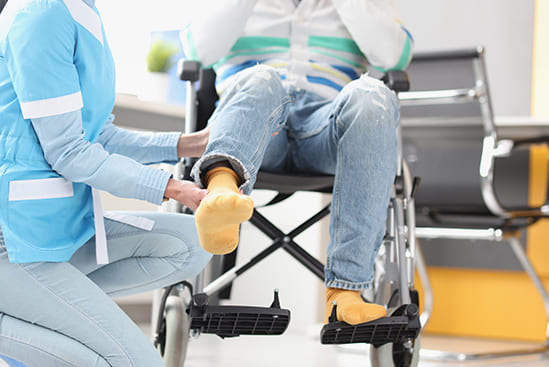


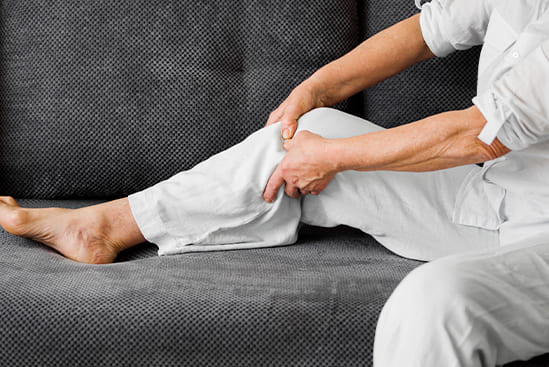
Joint degeneration and inflammation happens as the human body grows older, but that does not mean our way of life degenerates as well. Relief your joint pains with a joint effort together with your physiotherapist, who will provide pain-relief treatments and prescribe exercises for your wellbeing.

Common conditions in the older age population include hips & knee pain, back & neck pain, osteoarthritis, rheumatism, fear of falling and many more. Aging and degeneration of bodily function is inevitable, but here at Synapse, we will help you live the best of your life.