Posted on

Dry Needling Near Me: An Effective Treatment for IT Band and Knee Pain

dry needling near me
Synapse Physiotherapy

Introduction

If you have been searching for dry needling to relieve persistent IT band or knee pain, you are certainly not alone in your pursuit of relief. Lateral knee pain, significant tightness along the outer thigh, or sharp discomfort during activities like running, squatting, or even climbing stairs are common complaints among active individuals and office workers alike. Synapse Physiotherapy makes the difference through our specialised rehabilitation services, including the precise application of dry needling near me, designed to bring these moments of recovery together with comfort, balance, and flow. Rather than leaving your physical health to chance, we shape each treatment journey with intentional pacing and clinical expertise that allow you to truly be present in your daily life.

Understanding IT Band and Knee Pain

The iliotibial (IT) band is a thick, durable band of connective tissue that runs from the hip down the outer thigh to the knee. Its primary role is to stabilise both the hip and knee joints during various movements. However, problems frequently arise when the IT band becomes excessively tight or when the surrounding musculature becomes overworked or weak. Common symptoms of this condition include pain on the outer side of the knee, persistent tightness along the thigh, and discomfort that worsens during cycling, running, or prolonged walking.


Interestingly, despite the common terminology, IT band pain is rarely caused by the band itself, which is dense and non-contractile. More often, the root of the problem originates from myofascial trigger points, significant muscle imbalances, or mechanical overload in surrounding muscles such as the gluteus medius, tensor fasciae latae (TFL), quadriceps, or hamstrings. When looking for dry needling near me, it is essential to find a clinic that understands these complex biomechanical relationships.

What is Dry Needling?

Dry needling is a modern physiotherapy technique that utilises thin, sterile needles to target myofascial trigger points; which are essentially tight, sensitive knots within the muscles that cause pain and restrict movement. Unlike traditional acupuncture, dry needling is rooted in modern anatomy, biomechanics, and pain science. The needle is inserted directly into the affected muscle tissue to achieve several clinical goals:


  • Reduce Muscle Tension: Helping the muscle fibres to relax and lengthen.
  • Improve Blood Flow: Enhancing the delivery of oxygen and nutrients to the injured area.
  • Decrease Pain Sensitivity: Desensitising the neural pathways that signal discomfort.
  • Restore Normal Activation: Encouraging muscles to fire correctly during movement.

The American Physical Therapy Association defines dry needling as a skilled intervention that uses a thin filiform needle to penetrate the skin and stimulate underlying myofascial trigger points. For individuals searching for dry needling near me, it is important to understand that the technique is most effective when performed by a professional team of trained physiotherapists who understand injury mechanisms.

How It Helps IT Band and Knee Pain

Many patients assume the needle goes into the IT band itself, but because it consist of dense connective tissue, it cannot be “needled” in the traditional sense. Instead, the treatment focuses on the muscles that influence IT band tension and overall knee mechanics. By releasing overactive muscles like the TFL and gluteus maximus, a physiotherapist can significantly reduce the “pulling” strain at the knee.


Furthermore, dry needling near me helps deactivate trigger points that might be referring pain to the outer knee, mimicking IT band syndrome. When muscles are inhibited by pain, movement patterns become inefficient; dry needling helps restore proper muscle firing, which is crucial for long-term recovery. When you visit Synapse Physiotherapy, we integrate this technique with strengthening and mobility exercises to enhance your overall rehabilitation results.

Conditions That Benefit Most

If you have tried rest, stretching, or massage with limited success, dry needling near me may be the missing link in your recovery process. It is commonly and effectively used for:

  • IT Band Syndrome (ITBS).
  • Runner’s Knee and Patellofemoral Pain Syndrome.
  • Lateral Knee Pain occurring during sports or high-impact activities.
  • Hip Muscle Tightness that directly contributes to knee instability.
  • Recurrent Knee Pain that persists even when medical imaging results appear normal.

What to Expect During Your Session

If you are considering booking dry needling near me, a typical session at a professional clinic involves a structured approach to ensure safety and efficacy. It begins with a thorough assessment where your physiotherapist examines your posture, walking or running mechanics, and hip and knee strength. This ensures the treatment targets the true source of your pain rather than just the symptoms.


During the treatment, fine needles are inserted into specific muscles around the hip or thigh. You may feel a brief twitch or a dull ache, which is a normal and often beneficial physiological response. Following the session, it is common to experience mild soreness or a “heavy” feeling in the muscle for 24 to 48 hours, similar to the feeling after an intense workout. To maintain the benefits, you will be guided through stretches and strengthening exercises.

Safety and Suitability

A common question for those searching for dry needling near me is whether the procedure is safe. The short answer is yes: Dry Needling is Safe when performed by a qualified and trained physiotherapist using single-use sterile needles. However, it may not be suitable for everyone, particularly those with a severe needle phobia, certain bleeding disorders, or active infections in the treatment area. Your therapist will always screen for these contraindications before beginning.

Long-Term Recovery vs. Quick Fixes

While some patients notice a significant improvement within just one or two sessions, the total number of sessions required varies based on the severity and duration of your symptoms. It is important to remember that while stretching and foam rolling can help maintain flexibility, they often fail to reach the deeper trigger points that contribute to chronic pain. Dry needling near me targets these deeper structures more precisely.

However, dry needling is not intended to be a standalone cure. Long-term improvement depends on correcting strength deficits, adjusting movement patterns, and managing training loads. This is why finding the right dry needling near me involves looking for a clinic that focuses on long-term recovery and active rehabilitation.

Frequently Asked Questions

1. Is dry needling the same as acupuncture?

No. While they use similar needles, dry needling is based on Western medical principles and modern anatomy to treat musculoskeletal pain, whereas acupuncture is based on Traditional Chinese Medicine.

2. How many sessions of dry needling will I need?

This varies depending on your activity level and the severity of your condition. Some feel better after 1-2 sessions, while others require a short course alongside rehabilitation.

3. Will I be sore after the treatment?

It is very common to feel mild soreness or muscle heaviness for 24-48 hours after your session of dry needling near me, much like post-exercise soreness.

4. Can I exercise after a dry needling session?

Your physiotherapist will guide you through specific stretches and movements. Generally, it is best to allow the initial soreness to settle before returning to high-intensity training.

5. Does dry needling work for chronic knee pain?

Yes, especially if the pain is related to muscle trigger points or imbalances that have not responded to traditional rest or stretching.

Conclusion

IT band and knee pain can be incredibly frustrating, especially when it limits your ability to stay active or enjoy your favourite hobbies. Finding quality dry needling near me offers an evidence-based way to reduce pain, release tight muscles, and support a faster return to activity. At Synapse Physiotherapy, our professional team is dedicated to helping you move better and perform better through personalised, physiotherapy-led rehabilitation. If you are ready to address the root cause of your discomfort, don’t wait for the pain to worsen. Book a consultation with us today and discover how our integrated approach can help you return to activity with confidence.

Share This :

Back & Neck Pain

Conditions such as stiffness, postural abnormalities and muscle overuse from prolonged desk work at the office or home is more prevalent than most would think. We provide the necessary tools to fix you up and educate you on ergonomics which can unload unnecessary stress.

Sports Injuries

Rolled ankles, jarred knees, impinged shoulders are few conditions in the plethora of sports injuries which can hamper performance and limit our enjoyment of sports. Physiotherapy not only treats the symptoms of these conditions but propels your overall fitness to greater heights.

Work Desk Injuries​

Conditions such as stiffness, postural abnormalities and muscle overuse from prolonged desk work at the office or home is more prevalent than most would think. We provide the necessary tools to fix you up and educate you on ergonomics which can unload unnecessary stress.

Pre-Post-Surgical Conditions

Surgery involves going through preparation both before and after. Physiotherapists play a vital role in getting your body ready for surgeries with circulatory, breathing and strengthening exercises. After the procedure, let us be there for your recovery and rehabilitation, taking it one step at a time.

Scoliosis & Postural Abnormalities

The way we stand, sit, walk and sleep has influence over our posture and the overall balance of muscles controlling its alignment. A comprehensive screening can be done by our physiotherapists to detect abnormalities, which we will aid in correcting.

Neurological Conditions

Neurological disabilities such as stroke, nerve compression and neuropathies can be barriers for patients to live life to its fullest. We at Synapse are committed to help you overcome these hurdles by ensuring functional mobility and quality of life is at its optimum by providing the right treatment and exercises.

Osteoarthritis & Rheumatism

Joint degeneration and inflammation happens as the human body grows older, but that does not mean our way of life degenerates as well. Relief your joint pains with a joint effort together with your physiotherapist, who will provide pain-relief treatments and prescribe exercises for your wellbeing.
Conditions Relating To Elderly

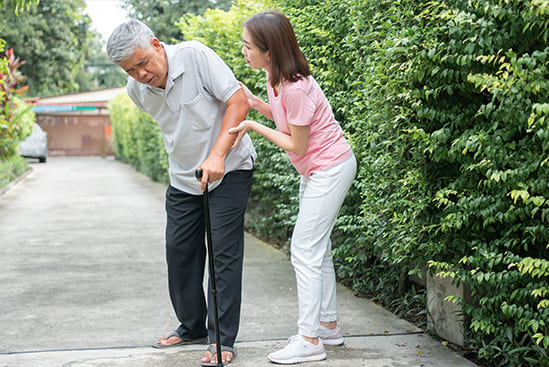
Common conditions in the older age population include hips & knee pain, back & neck pain, osteoarthritis, rheumatism, fear of falling and many more.  Aging and degeneration of bodily function is inevitable, but here at Synapse, we will help you live the best of your life.

Home Physiotherapy

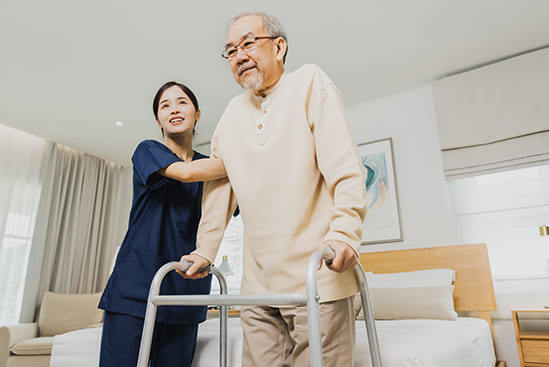
We understand that some conditions or injuries can make it difficult to receive rehabilitation at our clinic be it mobility or transportation issues. Our objective is to provide you with the same high-quality physiotherapy services at home that you would receive in-clinic.
Posted on

How to Know Your Slip Disc Is Improving with Physiotherapy

physiotherapy for slip disc
Synapse Physiotherapy

Introduction

Being diagnosed with a slip disc can be an incredibly stressful experience, particularly when persistent pain begins to interfere with your professional responsibilities, sleep quality, and general daily activities. Many patients often worry whether their condition will inevitably or if invasive surgery is the only remaining option. At Synapse Physiotherapy, we want to reassure you that the vast majority of these conditions improve significantly with the right clinical care. Through our specialised  physiotherapy program for slip disc, we aim to deliver relief and recovery together with comfort, balance, and flow in mind. 

Understanding Slip Disc Recovery

A slip disc, medically referred to as a prolapsed or herniated disc, occurs when a spinal disc shifts or bulges and irritates nearby nerves. Harvard Health explains that this happens when the soft, jelly-like centre of the disc (nucleus pulposus) pushes through the outer layer (annulus fibrosus). This nerve compression may lead to back or neck pain, radiating pain into the arms or legs, as well as numbness, tingling, or muscle weakness.


Physiotherapy for a slip disc focuses on more than symptom control. The aim is to restore safe movement, strengthen supporting muscles, and prevent recurring episodes through a structured, personalised rehabilitation plan. Recovery is typically progressive, with steady improvements achieved through guided and measurable steps.

6 Key Signs Your Slip Disc is Improving

If you are currently undergoing treatment, you may wonder how to gauge your progress. Here are the clear signs that your body is responding well to therapy:

1. Pain Becomes More Manageable

One of the earliest indicators of successful physiotherapy for slip disc is a reduction in the intensity of your pain. While the discomfort may not vanish immediately, you will notice that sharp or stabbing sensations become less frequent. Furthermore, pain episodes typically become shorter in duration, and you may find yourself having a reduced reliance on pain medications.

2. Better Movement and Less Stiffness

As the initial inflammation around the disc settles, your range of motion will naturally begin to expand. Patients often report that they can bend, turn, or reach for objects with far less hesitation. Another significant milestone is experiencing less stiffness during the morning and improved comfort while sitting or standing. Effective physiotherapy for slip disc focuses on restoring safe spinal movement to rebuild your confidence.

3. Reduced Nerve Symptoms

When a disc presses on a nerve, it causes irritating symptoms like tingling or numbness in the limbs. As you improve, these symptoms often diminish, meaning tingling becomes less frequent and areas of numbness become smaller. You will also notice a gradual return of strength in your arms or legs, indicating that the pressure on the nerve is being successfully relieved.

4. Daily Activities Feel Easier

A major sign of progress is the restoration of your daily function. This is the core benefit of our  Physiotherapy for Slip Disc Patient program. You may find yourself being able to sit at your workstation for longer periods with less discomfort, drive with fewer symptoms, and enjoy a much higher quality of sleep post-treatment. Being able to live normally again is often a more important goal than pain relief alone.

5. Improved Posture and Core Control

During physiotherapy for slip disc, your therapist will guide you on spinal control and posture. Progress is evident when you develop a better natural awareness of your sitting and standing habits. Strengthening the core muscles that support the spine reduces the strain on the disc and supports long-term recovery.

6. Faster Recovery from Flare-Ups

It is normal to experience small flare-ups during the rehabilitation process. However, as your spine becomes more resilient through consistent physiotherapy for slip disc, these episodes will settle much faster than they did previously. When you feel confident managing these symptoms independently using your prescribed exercises, it shows significant progress.

The Synapse Approach to Spinal Care

At our clinics, every case is assessed individually to ensure the treatment matches the patient’s stage of recovery. Our professional team utilises a variety of evidence-based interventions:

  • Manual Therapy: Hands-on techniques used to reduce muscle tightness and improve spinal joint mobility.
  • Therapeutic Exercise: Specifically designed core strengthening to support and stabilise the spine.
  • Electrotherapy: Modalities like TENS or ultrasound may be used to manage acute pain and relax muscles.
  • Ergonomic Advice: Guidance on safe lifting techniques and workstation modifications.
  • Education: Understanding which movements to temporarily avoid and how to stay active safely at home.

Most patients begin to notice significant improvements within 2 to 6 weeks of starting consistent physiotherapy for slip disc. While the total duration of recovery depends on the severity of the issue, early treatment leads to better outcomes.

Frequently Asked Questions

1. Can a slip disc recover without surgery?

Yes. Most cases improve significantly with physiotherapy for slip disc and do not require surgical intervention.

2. Is physiotherapy for slip disc painful?

Treatment is designed to be gentle and guided. While some mild soreness is normal, the therapy should not cause your pain to worsen.

3. Should I rest completely if I have a slip disc?

No. Prolonged bed rest can actually delay your recovery. Controlled and safe movement is essential for healing.

4. How many sessions will I need?

The number of sessions depends entirely on your specific condition. A member of our professional team will advise you on a plan during your assessment.

5. Can physiotherapy prevent a future slip disc?

Yes. By improving your posture, core strength, and movement habits, physiotherapy for slip disc significantly reduces the risk of recurrence.

Conclusion

Recovering from a slip disc does not have to be a frightening process. By monitoring signs such as reduced pain intensity, improved movement, and better daily function, you can feel assured that your recovery is on the right track. With expert guidance from our clinical staff, Synapse Physiotherapy provides a safe, effective, and long-term solution for spinal recovery in Malaysia. If you are unsure about your progress or are ready to begin your recovery journey, our physiotherapists are here to reassess and guide you every step of the way. Book a consultation with us today to start your personalised path to a better movement and lasting relief.

Share This :

Back & Neck Pain

Conditions such as stiffness, postural abnormalities and muscle overuse from prolonged desk work at the office or home is more prevalent than most would think. We provide the necessary tools to fix you up and educate you on ergonomics which can unload unnecessary stress.

Sports Injuries

Rolled ankles, jarred knees, impinged shoulders are few conditions in the plethora of sports injuries which can hamper performance and limit our enjoyment of sports. Physiotherapy not only treats the symptoms of these conditions but propels your overall fitness to greater heights.

Work Desk Injuries​

Conditions such as stiffness, postural abnormalities and muscle overuse from prolonged desk work at the office or home is more prevalent than most would think. We provide the necessary tools to fix you up and educate you on ergonomics which can unload unnecessary stress.

Pre-Post-Surgical Conditions

Surgery involves going through preparation both before and after. Physiotherapists play a vital role in getting your body ready for surgeries with circulatory, breathing and strengthening exercises. After the procedure, let us be there for your recovery and rehabilitation, taking it one step at a time.

Scoliosis & Postural Abnormalities

The way we stand, sit, walk and sleep has influence over our posture and the overall balance of muscles controlling its alignment. A comprehensive screening can be done by our physiotherapists to detect abnormalities, which we will aid in correcting.

Neurological Conditions

Neurological disabilities such as stroke, nerve compression and neuropathies can be barriers for patients to live life to its fullest. We at Synapse are committed to help you overcome these hurdles by ensuring functional mobility and quality of life is at its optimum by providing the right treatment and exercises.

Osteoarthritis & Rheumatism

Joint degeneration and inflammation happens as the human body grows older, but that does not mean our way of life degenerates as well. Relief your joint pains with a joint effort together with your physiotherapist, who will provide pain-relief treatments and prescribe exercises for your wellbeing.

Conditions Relating To Elderly

Common conditions in the older age population include hips & knee pain, back & neck pain, osteoarthritis, rheumatism, fear of falling and many more.  Aging and degeneration of bodily function is inevitable, but here at Synapse, we will help you live the best of your life.
Home Physiotherapy

We understand that some conditions or injuries can make it difficult to receive rehabilitation at our clinic be it mobility or transportation issues. Our objective is to provide you with the same high-quality physiotherapy services at home that you would receive in-clinic.
Posted on

Expert Physiotherapy Kuala Lumpur for Knee Pain and Sports Injuries

physiotherapy kuala lumpur
Synapse Physiotherapy

Introduction

Knee pain and sports injuries are becoming increasingly common among individuals of all backgrounds, ranging from dedicated office workers and casual weekend runners to elite competitive athletes. Whether your discomfort stems from sudden trauma, repetitive overuse, or poor movement patterns, these issues can significantly restrict your daily activities and performance. This is where Synapse Physiotherapy makes a profound difference through our patient-centred treatment plans, designed to restore your mobility with comfort and precision according to your needs. Rather than just managing symptoms, we shape each recovery journey with intentional pacing and modern rehabilitation techniques that allow you to return to the activities you love. Seeking professional physiotherapy Kuala Lumpur services early is the most effective way to ensure a safe and sustainable recovery.

Understanding the Complexity of Knee Injuries

The knee joint is one of the most complex and heavily loaded structures within the human body. Its ability to function smoothly depends on a delicate balance of muscles, ligaments, cartilage, and precise structural alignment. Because the knee bears so much weight during movement, it is highly susceptible to various forms of stress. 


Knee pain often arises from sudden injuries, such as a fall or a sports-related collision, but it can also develop gradually due to muscle imbalances or degenerative changes like early osteoarthritis. In the context of sports, the risk of injury increases significantly during activities that involve rapid changes in direction, jumping, or high-impact contact. Without intervention from a physiotherapy Kuala Lumpur specialist, even minor discomfort can evolve into a chronic, long-term problem that affects your quality of life.

Why Professional Physiotherapy is Essential for Recovery

Specialised physiotherapy Kuala Lumpur does not simply mask pain with temporary fixes; it addresses the underlying root cause of the injury. Unlike passive rest or reliance on medication, professional rehabilitation focuses on restoring strength, mobility, and confidence in your body’s ability to move.

By choosing Synapse Physiotherapy, patients benefit from an approach that emphasises:


  • Accurate Biomechanical Assessment: Evaluating how your body moves to identify weaknesses.
  • Individualised Treatment: Tailoring recovery plans to your specific lifestyle and goals.
  • Active Rehabilitation: Moving beyond rest to engage in strengthening exercises.
  • Patient Education: Learning how to move correctly to prevent the injury from returning.

This comprehensive strategy ensures that recovery is not only faster but also more sustainable over the long term.

Common Knee Conditions Managed in Kuala Lumpur

The professional team at clinics in the city regularly treat a diverse array of conditions. Understanding your specific diagnosis is the first step toward effective treatment through physiotherapy Kuala Lumpur.

1. Ligament Tears and Sprains (ACL, MCL, LCL)

Sports involving hasty movement and sudden stops often lead to ligament injuries. Expert physiotherapy is vital both as a conservative treatment and as part of pre- and post-surgical rehabilitation to restore stability and neuromuscular control. According to an article on ACL recovery published by Healthline, the healing timeline for an ACL tear can be extensive, making the early stages of rehabilitation crucial for managing swelling and restoring basic range of motion.

2. Meniscus Injuries

A torn meniscus can cause the knee to lock, swell, or feel unstable. Targeted physiotherapy helps to reduce these symptoms while improving the overall mechanics of the knee joint.

3. Runner’s Knee (Patellofemoral Pain Syndrome)

Common among runners, this condition is often linked to muscle imbalances in the hips and knees. Treatment typically focuses on correcting training errors and improving movement patterns through Ankle & Sport Injury Physiotherapy techniques.

4. Tendon Injuries

Conditions like Patellar Tendinopathy require a carefully graded loading program. A physiotherapist guides you through progressive strengthening to ensure the tendon heals without being further aggravated.

What to Expect During Your Rehabilitation

When you visit a high-quality clinic for physiotherapy Kuala Lumpur, your journey begins with a thorough assessment that looks beyond the knee itself. Our professional team examines the entire movement chain—including your hips, ankles, posture, and walking mechanics—to see how they influence your knee health.

Typical treatment plans include a combination of:


  • Manual Therapy: Hands-on techniques to improve joint and soft tissue mobility.
  • Specific Strengthening: Exercises designed to bolster the muscles supporting the knee.
  • Balance Training: Improving proprioception to prevent future falls or twists.
  • Activity-Specific Drills: Progressing your exercises to match the demands of your daily life or sport.

The Benefits of Early Intervention

Delaying treatment can lead to secondary issues such as joint stiffness, muscle wasting, and altered walking patterns that cause pain elsewhere in the body. Many individuals wait until their pain is severe before seeking physiotherapy Kuala Lumpur, which can make the eventual treatment more complex. Early intervention is beneficial because it helps to:

  1. Control inflammation and swelling immediately.
  2. Maintain joint mobility before stiffness sets in.
  3. Prevent compensatory injuries in the opposite leg or back.
  4. Significantly shorten the overall time required for recovery.

Physiotherapy for Non-Athletes and Office Workers

You do not need to be a professional athlete to require physiotherapy Kuala Lumpur. In fact, sedentary lifestyle factors often contribute to chronic knee issues. Office workers frequently experience pain due to prolonged sitting, poor posture, and weak supporting musclesWhether you are dealing with degenerative changes related to age or pain from a physically demanding job, physiotherapy can be tailored to suit your lifestyle. The aim is to provide realistic, achievable exercises that help you manage symptoms effectively while continuing your daily routine.

Long-Term Joint Health and Prevention

One of the most valuable components of physiotherapy Kuala Lumpur is education. At Synapse Physiotherapy, we empower patients with the knowledge to protect their joints for years to come. This includes guidance on proper warm-up routines, ergonomic adjustments for your workspace, and how to safely progress your activity levels. By investing in expert care, you experience benefits that extend far beyond the treatment room, including improved movement efficiency and a significant increase in your confidence to stay active.

Frequently Asked Questions

1. How many sessions of physiotherapy will I need for my knee pain?

The number of sessions varies depending on the severity of the injury and how long the symptoms have been present. Your physiotherapist will provide a clear timeline after a comprehensive initial assessment.

2. Can physiotherapy help me avoid knee surgery?

In many cases, yes. Strengthening the muscles around the knee and improving joint mechanics can resolve many issues. However, if surgery is necessary, physiotherapy is essential for pre-surgical preparation and post-surgical recovery.

3. Is physiotherapy only for sports-related injuries?

No, physiotherapy is highly effective for age-related wear and tear, postural issues, and pain resulting from daily activities or office-based work.

4. What should I wear to my physiotherapy session?

It is best to wear comfortable, loose-fitting clothing or athletic gear that allows the physiotherapist to easily examine your knee and movement patterns during the assessment.

5. Will the exercises be painful?

Physiotherapy aims to manage pain, not increase it. While some exercises may be challenging, your therapist will guide you through progressive loading to ensure you are working within a safe and productive range.

Conclusion

Knee pain and sports injuries do not have to limit your potential or your lifestyle. Through expert care, structured rehabilitation, and personalised guidance, a full recovery is an achievable goal. Synapse Physiotherapy provides the solutions required to move safely, perform at your best, and prevent future injuries. Whether you are an athlete looking to return to the field or an individual aiming to walk without discomfort, our dedicated team is here to support you. So don’t wait for the pain to worsen. Take the first step toward lasting health today booking a consultation with our team to start your journey towards a pain-free life.

Share This :

Back & Neck Pain

Conditions such as stiffness, postural abnormalities and muscle overuse from prolonged desk work at the office or home is more prevalent than most would think. We provide the necessary tools to fix you up and educate you on ergonomics which can unload unnecessary stress.

Sports Injuries

Rolled ankles, jarred knees, impinged shoulders are few conditions in the plethora of sports injuries which can hamper performance and limit our enjoyment of sports. Physiotherapy not only treats the symptoms of these conditions but propels your overall fitness to greater heights.

Work Desk Injuries​

Conditions such as stiffness, postural abnormalities and muscle overuse from prolonged desk work at the office or home is more prevalent than most would think. We provide the necessary tools to fix you up and educate you on ergonomics which can unload unnecessary stress.

Pre-Post-Surgical Conditions

Surgery involves going through preparation both before and after. Physiotherapists play a vital role in getting your body ready for surgeries with circulatory, breathing and strengthening exercises. After the procedure, let us be there for your recovery and rehabilitation, taking it one step at a time.

Scoliosis & Postural Abnormalities

The way we stand, sit, walk and sleep has influence over our posture and the overall balance of muscles controlling its alignment. A comprehensive screening can be done by our physiotherapists to detect abnormalities, which we will aid in correcting.

Neurological Conditions

Neurological disabilities such as stroke, nerve compression and neuropathies can be barriers for patients to live life to its fullest. We at Synapse are committed to help you overcome these hurdles by ensuring functional mobility and quality of life is at its optimum by providing the right treatment and exercises.

Osteoarthritis & Rheumatism

Joint degeneration and inflammation happens as the human body grows older, but that does not mean our way of life degenerates as well. Relief your joint pains with a joint effort together with your physiotherapist, who will provide pain-relief treatments and prescribe exercises for your wellbeing.

Conditions Relating To Elderly

Common conditions in the older age population include hips & knee pain, back & neck pain, osteoarthritis, rheumatism, fear of falling and many more.  Aging and degeneration of bodily function is inevitable, but here at Synapse, we will help you live the best of your life.

Home Physiotherapy

We understand that some conditions or injuries can make it difficult to receive rehabilitation at our clinic be it mobility or transportation issues. Our objective is to provide you with the same high-quality physiotherapy services at home that you would receive in-clinic.
Posted on

Common Back Pain Treatments at Physiotherapy Ampang

physiotherapy ampang
Synapse Physiotherapy

Introduction

Back pain is one of the most common health concerns among Malaysians today, often serving as a primary reason for seeking professional rehabilitative care. As modern lifestyles shift toward long office hours, daily commuting, and sedentary habits, many individuals find themselves struggling with recurring stiffness, muscle imbalances, and the early stages of a mild slip disc.  This is where Synapse Physiotherapy makes the difference through their comprehensive approach at physiotherapy Ampang, designed to relieve acute pain, restore natural movement, and prevent long-term spinal complications. Rather than simply addressing the symptoms, out expert physiotherapists focus on intentional recovery and seamless transitions back to a pain-free life.

Understanding the Root Causes of Back Pain

Back pain rarely occurs as an isolated, overnight incident; instead, it typically develops from a combination of lifestyle factors that gradually place undue stress on the spine. At physiotherapy Ampang, clinicians identify several key contributors to spinal discomfort including:


  • Prolonged Sitting and Posture: Extended periods of sitting tighten the hip flexors and weaken the muscles responsible for maintaining an upright posture.
  • Increased Pressure: This lack of movement increases pressure on the spinal discs and leads to chronic stiffness.
  • Core Muscle Weakness: A weak core fails to provide the necessary stability for the spine.
  • Muscle Overwork: Without this internal support, the lower back muscles are forced to overwork, leading to strain, discomfort, and a higher risk of a mild slipped disc.
  • Disc Degeneration: When a spinal disc bulges or begins to degenerate, it can irritate nearby nerves.
  • Nerve Irritation Symptoms: Patients frequently report feelings of pain, numbness, or a sensation of tightness, particularly while bending or sitting.
  • Acute Injuries: Sudden lifting or twisting movements place immediate stress on the spinal structure.
  • Triggering Spasms: These incorrect movements can trigger painful muscle spasms or exacerbate existing disc irritations.

By addressing these underlying issues, the professional team ensures that patients do not just find temporary relief but build a foundation for long-term health. For more detailed medical information regarding the different types of spinal conditions, you may refer to established healthcare guidelines on back health prepared by the NHS

Personalise Treatments at Physiotherapy Ampang

To effectively manage these conditions, physiotherapy Ampang utilises a patient-centric treatment plan. Each patient receives a personalised assessment to determine which combination of therapies will be most effective for their specific condition.

1. Manual Therapy and Hands-On Care

Manual therapy is a cornerstone of treatment for those seeking physiotherapy Ampang. This hands-on approach includes soft tissue release, joint mobilisation, and targeted stretching. The primary benefits include loosening tight muscle groups, improving local blood flow, and reducing joint stiffness to enhance overall mobility. Many patients experience immediate relief following these manual interventions.

2. Advanced Shockwave Therapy 

To manage inflammation and acute pain, various electrotherapy modalities are employed:

  • Radio Shockwave Therapy (RSWT): Use high-energy sound waves that are introduced directly to the site of injury to break down dysfunctional tissues .
  • Ultrasound Therapy: This promotes healing in deep tissues and reduces localised inflammation. When combined with manual therapy, these tools accelerate the recovery process and provide a more comfortable rehabilitation experience.

3. Spinal Decompression Traction

For those suffering from a mild slip disc or chronic spinal stiffness, the decompression bed is a vital tool. This safe, non-invasive technology gently stretches the spine to achieve several goals:


  • Reducing pressure on compressed discs.
  • Improving the spacing between vertebral joints.
  • Relieving nerve compression that causes numbness or radiating pain.
  • Enhancing the flow of essential nutrients to the spinal tissues.

The Importance of Functional Strengthening

Recovery at physiotherapy Ampang extends beyond pain relief; it focuses heavily on “active” recovery through targeted strengthening.

Core Stability

A strong core acts as a natural brace for the spine. Exercises such as deep abdominal activation and pelvic tilting help improve spine support and reduce the mechanical stress placed on the lower back. This is particularly crucial for office workers who maintain sedentary habits for the majority of their day.

Glute Strengthening: The Missing Link

Many patients are surprised to learn that weak glutes are a primary driver of back pain. When the glutes are weak, the pelvis becomes unstable, forcing the lower back to compensate and increasing the load on the lumbar spine. By strengthening the glutes through exercises like glute bridges and clamshells, the pelvis stays aligned, and movement becomes significantly smoother and safer.

Frequently Asked Questions

1. How many sessions will I need at physiotherapy Ampang?

Most patients begin to see significant improvement within 8 to 12 sessions. However, the exact number depends on the severity of the condition and the patient’s consistency with their prescribed home exercises.

2 Is physiotherapy effective for a slip dis s, it is highly effective. Using a combination of traction, manual therapy, and strengthening, physiotherapy can significantly reduce the symptoms associated with a mild slip disc and help prevent future recurrences.

3 exactly is decompression traction therapy?

This is a gentle, non-invasive treatment where a specialised bed stretches the spine. It is designed to open joint spaces and reduce the pressure on spinal discs, which in turn relieves nerve compression.Why are the g4. lutes and core so important for back health?

These muscle groups work together to stabilise the pelvis and the spine. When they are strong, they prevent the lower back from overworking and absorbing too much mechanical stress during daily activities.

Do I need a referral from a doctor to start?

No, a doctor’s referral is not required. You can begin your journey toward recovery by visiting Synapse Physiotherapy directly for an initial assessment.

Conclusion

Back pain does not have to be a permanent part of your life. Whether you are an office worker dealing with postural stiffness or a driver facing long hours on the road, the right therapeutic approach can restore your quality of life. At physiotherapy Ampang, the combination of manual therapy, advanced electrotherapy, and targeted strengthening provides a comprehensive path to recovery. By focusing on core stability and glute activation, patients can achieve long-term relief and prevent the recurrence of pain. If you are ready to take the first step toward a pain-free spine, Book a consultation with our expert team today and experience the benefits of a personalised recovery plan1.

Share This :

Back & Neck Pain

Conditions such as stiffness, postural abnormalities and muscle overuse from prolonged desk work at the office or home is more prevalent than most would think. We provide the necessary tools to fix you up and educate you on ergonomics which can unload unnecessary stress.

Sports Injuries

Rolled ankles, jarred knees, impinged shoulders are few conditions in the plethora of sports injuries which can hamper performance and limit our enjoyment of sports. Physiotherapy not only treats the symptoms of these conditions but propels your overall fitness to greater heights.

Work Desk Injuries​

Conditions such as stiffness, postural abnormalities and muscle overuse from prolonged desk work at the office or home is more prevalent than most would think. We provide the necessary tools to fix you up and educate you on ergonomics which can unload unnecessary stress.

Pre-Post-Surgical Conditions

Surgery involves going through preparation both before and after. Physiotherapists play a vital role in getting your body ready for surgeries with circulatory, breathing and strengthening exercises. After the procedure, let us be there for your recovery and rehabilitation, taking it one step at a time.

Scoliosis & Postural Abnormalities

The way we stand, sit, walk and sleep has influence over our posture and the overall balance of muscles controlling its alignment. A comprehensive screening can be done by our physiotherapists to detect abnormalities, which we will aid in correcting.

Neurological Conditions

Neurological disabilities such as stroke, nerve compression and neuropathies can be barriers for patients to live life to its fullest. We at Synapse are committed to help you overcome these hurdles by ensuring functional mobility and quality of life is at its optimum by providing the right treatment and exercises.

Osteoarthritis & Rheumatism

Joint degeneration and inflammation happens as the human body grows older, but that does not mean our way of life degenerates as well. Relief your joint pains with a joint effort together with your physiotherapist, who will provide pain-relief treatments and prescribe exercises for your wellbeing.

Conditions Relating To Elderly

Common conditions in the older age population include hips & knee pain, back & neck pain, osteoarthritis, rheumatism, fear of falling and many more.  Aging and degeneration of bodily function is inevitable, but here at Synapse, we will help you live the best of your life.
Home Physiotherapy

We understand that some conditions or injuries can make it difficult to receive rehabilitation at our clinic be it mobility or transportation issues. Our objective is to provide you with the same high-quality physiotherapy services at home that you would receive in-clinic.
Posted on

Top 5 Injuries Best Suited for Home Physiotherapy Recovery

Home Physiotherapy
Home Physiotherapy
Synapse Physiotherapy

Introduction

In today’s fast-paced world, finding time to visit a clinic for rehabilitation can be challenging. Home Physiotherapy offers a convenient and effective alternative, allowing you to receive professional care without the stress of travel. It is ideal for individuals with busy schedules, mobility limitations, or those who simply prefer the comfort and privacy of their own home.


At Synapse Physiotherapy, we bring expert clinical care directly to your doorstep, providing personalised recovery plans and professional guidance throughout every stage of rehabilitation in a familiar and comfortable environment. For many musculoskeletal conditions, Home Physiotherapy can deliver equally effective long-term results by improving consistency and compliance. When rehabilitation fits seamlessly into your daily routine, staying committed becomes easier, and with proper assessment and a tailored exercise programme, many common injuries can be treated just as effectively at home as in a clinic. Below, we highlight five injuries that are particularly well-suited for home-based physiotherapy.

1. Knee Injuries and Early-Stage Rehabilitation

Knee injuries are among the most frequent conditions managed through our Home Visit Service. From mild-to-moderate ligament sprains to meniscus tears and knee osteoarthritis flare-ups, the home environment provides a stable foundation for recovery. In the early stages of ACL rehabilitation, the focus is often on managing symptoms and regaining basic function, which is perfectly suited for a home setting. A structured Home Physiotherapy programme for the knee typically focuses on several key areas:


  • Swelling and Pain Management: Utilizing techniques to reduce physical discomfort.
  • Restoring Range of Motion: Gentle movements to ensure the joint does not stiffen.
  • Muscle Strengthening: Targeted exercises for the quadriceps, hamstrings, and gluteal muscles.
  • Functional Movement: Improving balance and movement control during daily activities.

Seeing that many knee exercises rely on body weight or resistance bands, they are easy to perform in a living room. Patients often report feeling more confident practising essential movements like climbing stairs or sitting and standing when they are in their own space, which translates directly to better real-life function.

2. Shoulder Conditions and Mobility Restoration

The shoulder is a complex joint that requires consistent, gentle movement to recover from injury. Conditions such as rotator cuff strains, frozen shoulder, and shoulder impingement are excellent candidates for Home Physiotherapy. These issues often require patients to perform exercises multiple times a day, a frequency that is far more achievable when you don’t have to travel to a clinic for every session.


According to the Mayo Clinic, early physiotherapy intervention for shoulder injuries can prevent permanent loss of motion and reduce the need for invasive treatments. For individuals with frozen shoulder, a relaxed environment plays a crucial role in recovery. Receiving therapy at home helps reduce “guarding,” which is he subconscious tightening of muscles caused by pain or anxiety, allowing for more effective stretching and mobility exercises. Home visits also enable physiotherapists to incorporate functional retraining such as reaching overhead, accessing cupboards, or lifting household items.

3. Ankle Sprains and Foot Injuries

Ankle sprains are frequently underestimated, yet failing to rehabilitate them properly can lead to chronic instability and repeated injury. Home Physiotherapy is highly effective for managing mild to moderate sprains, as well as conditions like plantar fasciitis and Achilles tendinopathy that result to inflammation on the heels of our foot.


The perks of home-based rehab for the lower limb is the ability to train on the actual surfaces you navigate every day. Whether it is navigating the tiles in your kitchen, the carpet in your bedroom, or the steps leading to your garden, our professional team can supervise balance and body awareness training in the exact environment where you need it most. This real-world training reduces the risk of re-injury and builds genuine confidence in your movement.

4. Lower Back Pain and Disc Management

Non-surgical lower back pain and disc-related conditions respond exceptionally well to Home Physiotherapy. One of the greatest advantages of a home visit is that a physiotherapist can assess your “real-world” ergonomics. Rather than discussing your habits in a clinic, the therapist can physically evaluate your sofa, your bed, and your desk setup. Key focus areas for back pain recovery at home include:


  • Education: Understanding how your specific posture and movement habits contribute to pain.
  • Core Stability: Exercises designed to improve spinal support.
  • Activity Modification: Learning how to move, sit, sleep, and lift properly within your own home.

This tailored advice addresses the root cause of the pain rather than just the symptoms, leading to a more sustainable and long-term recovery.

5. Post-Surgical Rehabilitation

For many patients, the early stages of post-surgical recovery are the most difficult due to pain and limited mobility. Home Physiotherapy is an ideal solution for those recovering from knee or hip replacements, arthroscopic surgeries, and minor fractures.


During this vulnerable time, home-based care ensures continuity of rehabilitation without the physical strain of travelling to a facility. It also limits exposure to crowded environments, which is often a concern for post-operative patients. As you regain your strength, your physiotherapist can creatively use household items or portable equipment to increase the difficulty of your exercises, ensuring you regain your independence effectively.

Why Home-Based Care Works

It is important to understand that Home Physiotherapy is not merely “exercising at home.” It is a professional, structured approach that offers one-on-one attention in a familiar environment. By removing the barriers of travel time and clinical anxiety, patients are more likely to stick to their programmes. At Synapse Physiotherapy, we believe that for many injuries, consistency matters more than intensity. When you are comfortable, you perform better, and when you perform better, you recover faster.

Frequently Asked Questions

1. Is home physiotherapy as effective as clinic-based treatment?

Yes, for many musculoskeletal injuries, research and practice show that home-based rehabilitation can be just as effective as clinic-based care provided there is proper assessment and guided progression.

2. What kind of equipment do I need for home sessions?

Many home-based programmes utilize body weight, resistance bands, and functional movements using household items like chairs (sit-to-stands) or steps.

3. How do I know if my injury is suitable for home treatment?

While many injuries are ideal, those requiring advanced equipment or close medical monitoring may not be suitable. A professional assessment is crucial to determine the right path for you.

4. Can home physiotherapy help with chronic pain?

Absolutely. Learning how to move and manage daily activities within your own home environment is often more valuable for chronic conditions like lower back pain than clinic treatment alone.

5. Does home physiotherapy include balance training?

Yes, balance and proprioception training are key components of home rehab, especially for ankle and knee injuries, and can be safely supervised by a therapist.

Conclusion

Home Physiotherapy represents a powerful and practical evolution in modern healthcare. By bringing professional expertise into the comfort of your home, it removes the physical and logistical hurdles that often stand in the way of a full recovery. Whether you are dealing with a knee injury, shoulder condition, ankle sprain, lower back pain, or recovering from surgery, the certified physiotherapists at Synapse Physiotherapy is here to help. Our Home Visit Service ensures that your rehabilitation is perfectly adapted to your life, your home, and your specific goals. Don’t let mobility or a busy schedule hinder your progress. Book a consultation with us today and take the first step toward a stronger, more confident version of yourself.

Share This :

Back & Neck Pain

Conditions such as stiffness, postural abnormalities and muscle overuse from prolonged desk work at the office or home is more prevalent than most would think. We provide the necessary tools to fix you up and educate you on ergonomics which can unload unnecessary stress.

Sports Injuries

Rolled ankles, jarred knees, impinged shoulders are few conditions in the plethora of sports injuries which can hamper performance and limit our enjoyment of sports. Physiotherapy not only treats the symptoms of these conditions but propels your overall fitness to greater heights.

Work Desk Injuries​

Conditions such as stiffness, postural abnormalities and muscle overuse from prolonged desk work at the office or home is more prevalent than most would think. We provide the necessary tools to fix you up and educate you on ergonomics which can unload unnecessary stress.

Pre-Post-Surgical Conditions

Surgery involves going through preparation both before and after. Physiotherapists play a vital role in getting your body ready for surgeries with circulatory, breathing and strengthening exercises. After the procedure, let us be there for your recovery and rehabilitation, taking it one step at a time.

Scoliosis & Postural Abnormalities

The way we stand, sit, walk and sleep has influence over our posture and the overall balance of muscles controlling its alignment. A comprehensive screening can be done by our physiotherapists to detect abnormalities, which we will aid in correcting.

Neurological Conditions

Neurological disabilities such as stroke, nerve compression and neuropathies can be barriers for patients to live life to its fullest. We at Synapse are committed to help you overcome these hurdles by ensuring functional mobility and quality of life is at its optimum by providing the right treatment and exercises.

Osteoarthritis & Rheumatism

Joint degeneration and inflammation happens as the human body grows older, but that does not mean our way of life degenerates as well. Relief your joint pains with a joint effort together with your physiotherapist, who will provide pain-relief treatments and prescribe exercises for your wellbeing.

Conditions Relating To Elderly

Common conditions in the older age population include hips & knee pain, back & neck pain, osteoarthritis, rheumatism, fear of falling and many more.  Aging and degeneration of bodily function is inevitable, but here at Synapse, we will help you live the best of your life.
Home Physiotherapy

We understand that some conditions or injuries can make it difficult to receive rehabilitation at our clinic be it mobility or transportation issues. Our objective is to provide you with the same high-quality physiotherapy services at home that you would receive in-clinic.
Posted on

How Sports Physiotherapy Boosts Athletic Performance and Recovery

Synapse Physiotherapy

Introduction

Athletes at all levels are constantly looking for ways to improve performance, recover faster, and stay injury-free. Whether you are aiming for a personal best in a marathon or looking to increase your lifting capacity in the gym, the physical demands placed on the body require more than just grit; they require a scientific approach to movement and maintenance. This is where Sports Physiotherapy plays a vital role in bridging the gap between raw effort and peak physical output.


At Synapse Physiotherapy, we focus not only on injury management but also on enhancing athletic performance through tailored rehabilitation, mobility work, and strengthening programs. Our clinic understands that true athletic excellence is built on a foundation of optimal biomechanics and resilient tissue. By integrating our specialised services into your routine, we ensure your body functions as a cohesive unit, allowing you to train efficiently, run faster, and lift stronger while reducing the risk of recurring setbacks.

The Role of Sports Physiotherapy

Sports Physiotherapy is an essential component of any athlete’s training program because it addresses the body’s functional needs at every stage of the athletic journey. It goes beyond simply treating pain; it is about optimising the body’s function.

1. Proactive Injury Prevention

One of the primary benefits of Sports Physiotherapy is injury prevention. Athletes often unknowingly develop muscle imbalances, joint restrictions, or inefficient movement patterns that can lead to recurring injuries. At Synapse Physiotherapy, our physiotherapists evaluate posture, gait, and joint mobility to identify potential risks early. By correcting these imbalances and teaching proper movement techniques, we help athletes maintain consistent training schedules and significantly reduce the risk of strains, sprains, and overuse injuries.

2. Accelerating the Recovery Process

Recovery is a crucial part of athletic performance. After intense training or races, muscles and joints need proper care to repair and restore. Sports Physiotherapy uses techniques such as sports massage, manual therapy, and soft tissue mobilisation to accelerate recovery. Effective post-event recovery prevents delayed-onset muscle soreness (DOMS) and allows athletes to return to training sooner. At Synapse Physiotherapy, each athlete receives a personalised recovery plan including mobility exercises, massage, and strength work.

3. Improving Mobility and Flexibility

Restricted mobility can limit performance, reduce efficiency, and increase injury risk. For runners, areas such as the hips, ankles, and hamstrings are critical. Tight hip flexors or weak glutes can affect stride mechanics and reduce running speed. Through mobility drills, stretching routines, and activation exercises, Sports Physiotherapy restores optimal range of motion. Improved flexibility allows athletes to move more efficiently, generate more power, and maintain proper alignment during training and competition.

4. Strength and Conditioning

Strength is a fundamental component of athletic performance. Physiotherapy programs are designed to target weak muscles, improve stability, and enhance endurance. According to clinical guidelines from the Journal of Orthopaedic & Sports Physical Therapy, targeted hip and core strengthening is especially important for runners managing patellofemoral pain, which affects the front of the knee and around the kneecap. Physiotherapy routines can be tailored to different athletes:

  • Runners: Lower-limb strength helps reduce knee pain, support hip function, and improve propulsion.

  • Field Athletes: Core and upper-body strength enhance agility, stability, and power on the field.

  • Sport-Specific Training: Exercises can be designed to mimic sport-specific movements, enabling athletes to train smarter, not just harder.

5. Biomechanical Optimisation

Even minor difficulties in movement can affect performance and increase injury risk. By analysing biomechanics such as running gait, jump landings, and lifting techniques, a specialist in Sports Physiotherapy can correct faulty patterns. This contributes to higher performance levels, reduces energy wastage, and prevents stress on joints.

Frequently Asked Questions

1. Who benefits from sports physiotherapy?

Anyone involved in physical activity from marathon runners and cyclists to weekend gym-goers—can benefit from improved strength and mobility.

2. How often should athletes visit a sports physiotherapist?

Frequency depends on training intensity and goals. Competitive athletes may benefit from weekly sessions, while recreational runners can check in every 4-6 weeks for preventive care.

3. Can sports physiotherapy improve performance without injuries?

Absolutely. Physiotherapy enhances biomechanics, muscle strength, and joint mobility, all of which contribute to better performance even in injury-free individuals.

4. Is sports massage only for professionals?

No. Sports massage is effective for anyone experiencing muscle tightness, fatigue, or high training loads.

5. How does Synapse Physiotherapy tailor programs?

We provide individual assessments and create customised programs including post-race recovery, mobility improvement, and sport-specific strengthening.

Conclusion

Sports Physiotherapy is an essential investment for athletes at every level. At Synapse Physiotherapy, we combine hands-on treatment, mobility work, and strength conditioning to boost performance, improve recovery, and prevent injuries. Whether you are preparing for your next race or training consistently, our physiotherapy experts ensures your body is strong, flexible, and ready for peak performance. Book a consultation to enhance your athletic performance and stay injury-free with our patient-centred programs today.

Share This :

Back & Neck Pain

Conditions such as stiffness, postural abnormalities and muscle overuse from prolonged desk work at the office or home is more prevalent than most would think. We provide the necessary tools to fix you up and educate you on ergonomics which can unload unnecessary stress.

Sports Injuries

Rolled ankles, jarred knees, impinged shoulders are few conditions in the plethora of sports injuries which can hamper performance and limit our enjoyment of sports. Physiotherapy not only treats the symptoms of these conditions but propels your overall fitness to greater heights.

Work Desk Injuries​

Conditions such as stiffness, postural abnormalities and muscle overuse from prolonged desk work at the office or home is more prevalent than most would think. We provide the necessary tools to fix you up and educate you on ergonomics which can unload unnecessary stress.

Pre-Post-Surgical Conditions

Surgery involves going through preparation both before and after. Physiotherapists play a vital role in getting your body ready for surgeries with circulatory, breathing and strengthening exercises. After the procedure, let us be there for your recovery and rehabilitation, taking it one step at a time.

Scoliosis & Postural Abnormalities

The way we stand, sit, walk and sleep has influence over our posture and the overall balance of muscles controlling its alignment. A comprehensive screening can be done by our physiotherapists to detect abnormalities, which we will aid in correcting.

Neurological Conditions

Neurological disabilities such as stroke, nerve compression and neuropathies can be barriers for patients to live life to its fullest. We at Synapse are committed to help you overcome these hurdles by ensuring functional mobility and quality of life is at its optimum by providing the right treatment and exercises.

Osteoarthritis & Rheumatism

Joint degeneration and inflammation happens as the human body grows older, but that does not mean our way of life degenerates as well. Relief your joint pains with a joint effort together with your physiotherapist, who will provide pain-relief treatments and prescribe exercises for your wellbeing.

Conditions Relating To Elderly

Common conditions in the older age population include hips & knee pain, back & neck pain, osteoarthritis, rheumatism, fear of falling and many more.  Aging and degeneration of bodily function is inevitable, but here at Synapse, we will help you live the best of your life.
Home Physiotherapy

We understand that some conditions or injuries can make it difficult to receive rehabilitation at our clinic be it mobility or transportation issues. Our objective is to provide you with the same high-quality physiotherapy services at home that you would receive in-clinic.
Posted on

Physiotherapy Malaysia: Tips for Faster Rehabilitation

Synapse Physiotherapy

Introduction

Rehabilitation is a transformative journey, whether you are recovering from a complex surgery, managing a sports-related injury, or dealing with the persistent frustrations of chronic pain. In recent years, Physiotherapy Malaysia has gained significant recognition for its structured, evidence-based, and patient-centred approach to health. At Synapse Physiotherapy, we understand that every patient requires a unique roadmap to recovery, which is why our services are designed to bridge the gap between injury and peak performance. By choosing Physiotherapy Malaysia services early in the healing process, you can significantly shorten your rehabilitation time and return to the activities you love with renewed confidence.

The Essential Role of Physiotherapy in Modern Rehabilitation

Physiotherapy is a dedicated healthcare profession focused on improving movement, physical function, and overall quality of life through targeted interventions. Within the landscape of Physiotherapy Malaysia, these services are commonly utilised to treat a wide array of conditions, ranging from musculoskeletal issues like back and knee pain to more complex neurological and geriatric balance concerns. 


The true strength of a professional approach lies in its holistic nature. It is not merely about treating a single symptom; rather, it combines exercise therapy, manual techniques, patient education, and lifestyle modifications to support long-term recovery. This comprehensive method ensures that the root cause of dysfunction is addressed, rather than just the surface-level pain.

10 Practical Tips for Faster Rehabilitation

To achieve the best possible outcomes, patients must be active participants in their own recovery. Here are ten practical tips to help you maximise your results while undergoing Physiotherapy Malaysia.

1. Prioritise Early Intervention

One of the most critical factors for a swift recovery is starting treatment as soon as possible. Many individuals make the mistake of waiting until pain becomes unbearable before seeking help. Early intervention helps control swelling, prevents muscle weakness, and ensures that tissues heal correctly from the start. In the context of Physiotherapy Malaysia, early referral is highly encouraged following orthopaedic surgeries or acute sports injuries.

2. Follow Your Personalised Treatment Plan

No two bodies are the same, and therefore, no two rehabilitation plans should be identical. During your initial assessment, your therapist will evaluate your posture, strength, flexibility, and functional goals. Adhering strictly to this bespoke plan is the most effective way to improve your recovery speed. For those seeking Physiotherapy with Expert Care, a tailored approach is the gold standard for success.

3. Maintain Consistency with Appointments

Consistency is the foundation of physical progress. Skipping sessions or attending irregularly can lead to setbacks and stall your momentum. Regular sessions allow your therapist to monitor your progress and safely progress your exercises. Fortunately, many clinics providing Physiotherapy Malaysia offer flexible scheduling to accommodate busy lifestyles.

4. Commit to Your Home Exercise Programme (HEP)

Recovery does not stop when you leave the clinic. The exercises prescribed for you to perform at home are designed to complement your in-clinic treatment. To see the best results, you must perform these movements exactly as instructed, maintaining proper form and breathing techniques. At Synapse Physiotherapy, we place a heavy emphasis on patient education to ensure your home routine is both safe and effective.

5. Distinguish Between Pain and Healing Sensations

It is natural to feel some discomfort during rehabilitation, but it is vital to know the difference between “good” muscle soreness and “bad” injury-related pain. Your therapist will help you understand acceptable pain levels and identify warning signs that suggest you should modify your activity. Understanding these sensations allows you to stay active without risking further damage.

6. Focus on Movement Quality Over Strength

While building strength is important, movement quality is often more critical for long-term health. Poor movement patterns can delay your recovery and significantly increase the risk of re-injury. Experts in Physiotherapy Malaysia often focus on postural correction, joint alignment, and functional retraining to ensure your body moves efficiently. Clinical research published in The Lancet emphasises that remaining active and using exercise therapy are more effective for back pain than prolonged bed rest.

7. Optimise Your Lifestyle for Healing

Rehabilitation is influenced by your daily habits outside of the clinic. To support tissue repair and muscle growth, you must prioritise:

  • Adequate Sleep: Essential for tissue recovery.
  • Balanced Nutrition: Provides the fuel necessary for muscle and tissue repair.
  • Hydration: Keeps joints lubricated and muscles functioning optimally.

8. Maintain Open Communication

Your therapist relies on your feedback to adjust your treatment plan. Always report changes in your symptoms, any difficulties you have with specific exercises, or concerns regarding your return to work or sports. This transparency ensures that your Physiotherapy Malaysia experience remains effective and safe.

9. Follow a Gradual Return to Activity

Returning to full-intensity sport or work too quickly is a leading cause of reinjury. A structured, graded programme—including functional strengthening and task-specific drills—is necessary to build the required endurance and confidence. Relying on a professional team ensures that your return is based on physical readiness rather than just a timeline.

10. Embrace Preventative Strategies

The final stage of rehabilitation is not the end of your journey; it is the beginning of prevention. Continuing with flexibility exercises, balance training, and ergonomic adjustments will help you stay injury-free in the long term. This proactive mindset is a hallmark of the best Physiotherapy Malaysia providers.

Choosing the Right Clinic

Choosing the right provider is essential for a positive experience. When searching for Physiotherapy Malaysia, look for a clinic with licensed therapists, clear treatment explanations, and a supportive environment. A facility that offers Physiotherapy with Expert Care will prioritise your individual goals and provide a professional, motivating atmosphere.

Frequently Asked Questions

1. How long does a typical physiotherapy session last?

Most sessions in Physiotherapy Malaysia last between 45 to 60 minutes, depending on the complexity of the condition and the specific treatment techniques required for that day.

2. Is physiotherapy painful?

While some manual techniques or new exercises may cause temporary discomfort or muscle soreness, your therapist will work within your pain tolerance to ensure the treatment is productive and not harmful.

3. How many sessions will I need before I see results?

Recovery timelines vary based on the individual and the severity of the injury. However, staying consistent with your appointments and home exercises is the fastest way to see measurable improvement.

4. Do I need a doctor’s referral for physiotherapy in Malaysia?

In many cases, you can book a session directly with a clinic providing Physiotherapy Malaysia. However, some insurance providers may require a referral from a general practitioner or specialist for claims.

5. Can physiotherapy help with chronic conditions?

Yes, physiotherapy is highly effective for managing chronic issues such as knee osteoarthritis, lower back pain, and persistent shoulder impingement by improving mobility and reducing reliance on pain medication.

Conclusion

Rehabilitation is a journey that demands commitment, expert guidance, and a proactive mindset. By embracing the comprehensive services offered through Physiotherapy Malaysia, you are choosing a path that leads to faster recovery, improved movement, and the prevention of future injuries. Whether you are a professional athlete or someone looking to enjoy a pain-free daily life, the tools and expertise available at Synapse Physiotherapy can help you achieve your physical goals. Do not let pain hold you back any longer. Book a consultation with us today to start your journey toward a stronger, healthier you.

Share This :

Back & Neck Pain

Conditions such as stiffness, postural abnormalities and muscle overuse from prolonged desk work at the office or home is more prevalent than most would think. We provide the necessary tools to fix you up and educate you on ergonomics which can unload unnecessary stress.

Sports Injuries

Rolled ankles, jarred knees, impinged shoulders are few conditions in the plethora of sports injuries which can hamper performance and limit our enjoyment of sports. Physiotherapy not only treats the symptoms of these conditions but propels your overall fitness to greater heights.

Work Desk Injuries​

Conditions such as stiffness, postural abnormalities and muscle overuse from prolonged desk work at the office or home is more prevalent than most would think. We provide the necessary tools to fix you up and educate you on ergonomics which can unload unnecessary stress.

Pre-Post-Surgical Conditions

Surgery involves going through preparation both before and after. Physiotherapists play a vital role in getting your body ready for surgeries with circulatory, breathing and strengthening exercises. After the procedure, let us be there for your recovery and rehabilitation, taking it one step at a time.

Scoliosis & Postural Abnormalities

The way we stand, sit, walk and sleep has influence over our posture and the overall balance of muscles controlling its alignment. A comprehensive screening can be done by our physiotherapists to detect abnormalities, which we will aid in correcting.

Neurological Conditions

Neurological disabilities such as stroke, nerve compression and neuropathies can be barriers for patients to live life to its fullest. We at Synapse are committed to help you overcome these hurdles by ensuring functional mobility and quality of life is at its optimum by providing the right treatment and exercises.

Osteoarthritis & Rheumatism

Joint degeneration and inflammation happens as the human body grows older, but that does not mean our way of life degenerates as well. Relief your joint pains with a joint effort together with your physiotherapist, who will provide pain-relief treatments and prescribe exercises for your wellbeing.

Conditions Relating To Elderly

Common conditions in the older age population include hips & knee pain, back & neck pain, osteoarthritis, rheumatism, fear of falling and many more.  Aging and degeneration of bodily function is inevitable, but here at Synapse, we will help you live the best of your life.

Home Physiotherapy

We understand that some conditions or injuries can make it difficult to receive rehabilitation at our clinic be it mobility or transportation issues. Our objective is to provide you with the same high-quality physiotherapy services at home that you would receive in-clinic.
Posted on

Comprehensive Guide to Frozen Shoulder Recovery in Petaling Jaya

physiotherapy petaling jaya
Synapse Physiotherapy

Introduction

Frozen shoulder, medically known as adhesive capsulitis, is an incredibly painful and frustrating condition that can significantly limit your ability to move your arm and shoulder. For many active individuals and professionals in the city, a frozen shoulder interferes with essential daily activities such as dressing, driving, sleeping, and working. Understanding the condition and knowing when to seek professional physiotherapy Petaling Jaya services can make a major difference in your total recovery time and long-term joint health.


This is where Synapse Physiotherapy makes the difference through their evidence-based treatment plans, designed to address the root cause of stiffness with comfort, balance, and flow. Rather than leaving patients to struggle through the slow natural progression of the injury, we shape each journey with intentional pacing and expert manual techniques that allow you to truly return to a pain-free life. By consulting a professional team of physiotherapsits, we ensure that your rehabilitation is both safe and effective, preventing the long-term disability that often follows untreated cases.

What Exactly is a Frozen Shoulder?

A frozen shoulder is a specific condition where the shoulder joint becomes stiff, painful, and difficult to move due to inflammation and the subsequent thickening of the joint capsule. The shoulder capsule, which surrounds the ball-and-socket joint, tightens and forms adhesions that physically restrict movement. Unlike common sports injuries that involve muscles or tendons, frozen shoulder primarily affects the joint capsule itself.


Because the issue is rooted in the tightening of the capsule, rest alone does not solve the problem. In fact, prolonged immobilisation can often worsen the stiffness. This is why targeted rehabilitation is essential to break the cycle of pain and restricted motion. According to the Mayo Clinic, while the condition typically affects people between the ages of 40 and 60 and more amongst women it can affect anyone, particularly those living in busy urban environments.

Common Risk Factors and Lifestyle Contributors

In urban hubs like Petaling Jaya, lifestyle factors can play a significant role in shoulder health. Many residents spend long hours at desks or commuting, which contributes to poor shoulder movement habits and reduced mobility. These habits can lead to a delayed recognition of early symptoms, making the eventual recovery more complex. Other common risk factors include:


  • Diabetes: Both Type 1 and Type 2 diabetes significantly increase the risk.

  • Post-Surgery Recovery: Prolonged shoulder immobilisation after surgery or injury.

  • Systemic Conditions: Thyroid disorders, heart disease, or a history of stroke.

  • Previous Trauma: Past shoulder injuries that may have altered joint mechanics.

Engaging with physiotherapy Petaling Jaya early in the process allows for a thorough assessment of these risk factors and the creation of a personalised recovery plan focused on pain management.

The Three Stages of Progression

Frozen shoulder is unique because it typically progresses through three distinct stages, each requiring a tailored approach from your physiotherapist.

1. The Freezing Stage (Painful Stage)

This initial phase can last from 6 weeks to 9 months. During this time, pain gradually increases, especially at night, and the range of motion begins to decrease. The primary goal of physiotherapy Petaling Jaya during this phase is comfort and preventing further stiffness through gentle movement within tolerance.

2. The Frozen Stage (Stiff Stage)

In this stage, the sharp pain may begin to reduce, but the stiffness becomes the dominant symptom. Activities like reaching overhead or behind your back become nearly impossible. Here, your treatment focuses on improving joint mobility and preventing muscle weakness in the surrounding areas.

3. The Thawing Stage (Recovery Stage)

This final stage can last several months as shoulder movement gradually improves. The focus shifts toward progressive stretching, strengthening exercises, and functional retraining to ensure the shoulder returns to its full pre-injury capacity.

Why Professional Physiotherapy is Essential

Without proper intervention, a frozen shoulder can persist for 1 to 3 years, and many individuals are left with permanent stiffness. Seeking a qualified physiotherapy Petaling Jaya provider is critical for:


  • Reducing Inflammation: Safely managing the “freezing” phase to reduce pain.

  • Restoring Coordination: Ensuring the shoulder and scapula work together effectively.

  • Shortening Recovery: Professional guidance can significantly decrease the total time spent in rehabilitation.

Evidence-Based Treatment Techniques

A structured programme at a sport injury clinic or dedicated centre will involve more than just simple stretches. Our professional team will use a combination of:


  • Manual Therapy: Hands-on joint mobilisation to improve capsule movement and soft tissue release.

  • Therapeutic Exercise: A cornerstone of recovery involving progressive stretching and strengthening of the shoulder and upper back.

  • Pain Management Modalities: The use of TENS, heat/cold therapy, and education on sleep positioning to manage night pain.

Frequently Asked Questions

1. Can frozen shoulder go away on its own?

While it may eventually resolve over 1–3 years, many people are left with lasting stiffness and weakness without professional physiotherapy Petaling Jaya.

2. Why is the pain worse at night?

Increased pain at night is a hallmark of the “freezing” stage. Your therapist can provide education on sleep positioning and pain modalities to help alleviate this discomfort.

3. Is exercise safe if my shoulder feels stiff?

Yes, exercise is a cornerstone of recovery, but it must be progressive and adjusted to your specific stage of the condition.

4. How do I know if I have a frozen shoulder or a muscle tear?

Unlike muscle injuries, frozen shoulder primarily affects the joint capsule. A thorough assessment by our professional team is needed to determine the correct diagnosis.

5. When should I start physiotherapy services?

You should seek an assessment if you have shoulder pain lasting more than a few weeks, progressive stiffness, or difficulty performing daily tasks.

Conclusion

Frozen shoulder is a challenging condition that demands a structured, evidence-based approach to overcome. It is not a condition that responds well to rest alone, but with the right guidance, recovery is not only possible—it is expected. At Synapse Physiotherapy, you receive a customised rehabilitation plan that addresses your specific stage of healing. From early pain management to advanced functional retraining, our goal is to restore your movement and improve your quality of life. If you are struggling with shoulder stiffness and want to return to your normal routine, do not wait for the condition to worsen. Book a consultation today to start your journey with the leading physiotherapy centre Petaling Jaya has to offer.

Share This :

Back & Neck Pain

Conditions such as stiffness, postural abnormalities and muscle overuse from prolonged desk work at the office or home is more prevalent than most would think. We provide the necessary tools to fix you up and educate you on ergonomics which can unload unnecessary stress.

Sports Injuries

Rolled ankles, jarred knees, impinged shoulders are few conditions in the plethora of sports injuries which can hamper performance and limit our enjoyment of sports. Physiotherapy not only treats the symptoms of these conditions but propels your overall fitness to greater heights.

Work Desk Injuries​

Conditions such as stiffness, postural abnormalities and muscle overuse from prolonged desk work at the office or home is more prevalent than most would think. We provide the necessary tools to fix you up and educate you on ergonomics which can unload unnecessary stress.

Pre-Post-Surgical Conditions

Surgery involves going through preparation both before and after. Physiotherapists play a vital role in getting your body ready for surgeries with circulatory, breathing and strengthening exercises. After the procedure, let us be there for your recovery and rehabilitation, taking it one step at a time.

Scoliosis & Postural Abnormalities

The way we stand, sit, walk and sleep has influence over our posture and the overall balance of muscles controlling its alignment. A comprehensive screening can be done by our physiotherapists to detect abnormalities, which we will aid in correcting.

Neurological Conditions

Neurological disabilities such as stroke, nerve compression and neuropathies can be barriers for patients to live life to its fullest. We at Synapse are committed to help you overcome these hurdles by ensuring functional mobility and quality of life is at its optimum by providing the right treatment and exercises.

Osteoarthritis & Rheumatism

Joint degeneration and inflammation happens as the human body grows older, but that does not mean our way of life degenerates as well. Relief your joint pains with a joint effort together with your physiotherapist, who will provide pain-relief treatments and prescribe exercises for your wellbeing.

Conditions Relating To Elderly

Common conditions in the older age population include hips & knee pain, back & neck pain, osteoarthritis, rheumatism, fear of falling and many more.  Aging and degeneration of bodily function is inevitable, but here at Synapse, we will help you live the best of your life.
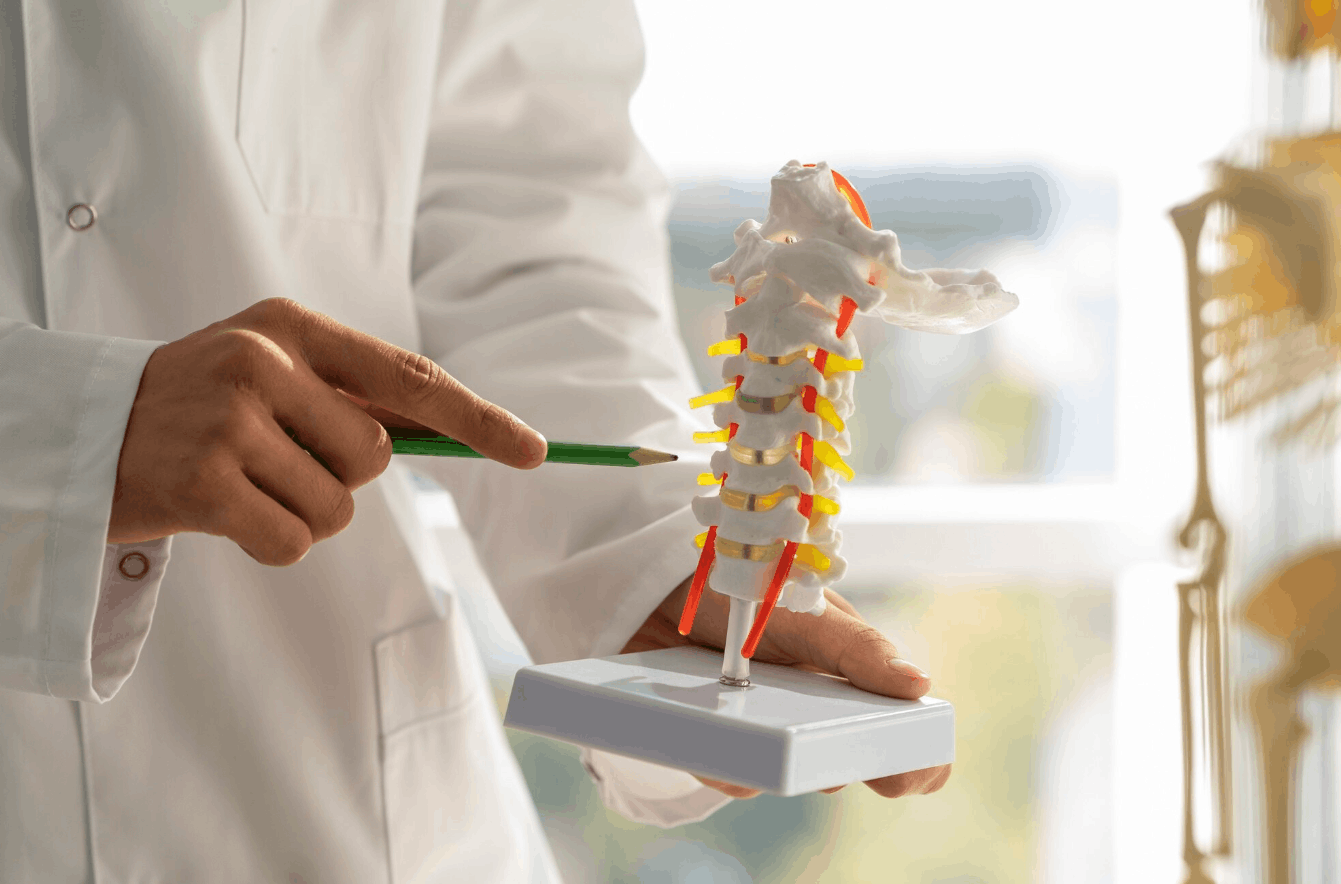
Home Physiotherapy

We understand that some conditions or injuries can make it difficult to receive rehabilitation at our clinic be it mobility or transportation issues. Our objective is to provide you with the same high-quality physiotherapy services at home that you would receive in-clinic.
Posted on

Sport Injury Clinic Guide: Fast Sprained Ankle Recovery

sport injury clinic
sport injury clinic
Synapse Physiotherapy

Introduction

An ankle sprain is among the most frequent injuries encountered by athletes, active individuals, and recreational exercisers alike. Whether the injury occurs during a high-intensity football match, a game of badminton, or a simple misstep on uneven ground, it can significantly disrupt your training and daily life. When instability, swelling, and sharp pain occur, finding a specialised sport injury clinic is the most effective way to ensure an accurate diagnosis and a rapid return to activity.


This is where Synapse Physiotherapy makes the difference through their patient-centred recovery programmes, designed to bridge the gap between initial injury and peak performance with intentional pacing and expert care. Rather than managing symptoms in isolation, we shape each rehabilitation journey with seamless transitions and sport-specific guidance that allow you to regain full confidence in your movement. Early management at a sport injury clinic is essential to prevent prolonged pain and long-term instability.


Understanding the Severity of Ankle Sprains

An ankle sprain occurs when the ligaments that support the joint are overstretched or torn. While most people are familiar with lateral sprains—where the foot rolls inward and affects the outside ligaments—it is also possible to suffer from medial or high ankle sprains, especially in sports involving pivoting or contact. Professional assessment at a sport injury clinic is vital because it determines the specific grade of the injury:


  • Grade I: Mild stretching of the ligaments accompanied by minimal swelling.

  • Grade II: A partial ligament tear resulting in moderate pain and swelling.

  • Grade III: A complete rupture of the ligament, leading to significant instability.


By choosing a sport injury clinic within the first few days of an injury, you gain access to a professional team that understands tissue healing timelines and the specific demands of your sport. Unlike self-care alone, a dedicated clinic provides structured rehabilitation and targeted exercises. According to the British Journal of Sports Medicine (BJSM), early functional rehabilitation for ankle sprains leads to better long-term outcomes than prolonged immobilisation.


The Initial Assessment and Acute Phase

The road to recovery begins with a comprehensive evaluation. At a sport injury clinic, clinicians perform an injury mechanism analysis, visual inspections for swelling and bruising, and range of motion assessments. They also conduct ligament stability tests and gait analysis to see how the injury affects your weight-bearing ability. If red flags like a suspected fracture are present, the physiotherapist will refer you for imaging.


During the acute phase, typically the first 48 to 72 hours, the focus at a sport injury clinic is on controlling inflammation and pain. Modern protocols have moved away from complete rest, as controlled movement is now encouraged to maintain joint nutrition and prevent stiffness. Your professional team may recommend:

 
  1. Swelling Management: Using compression bandaging and ice or cryotherapy to minimise inflammation.

  2. Elevation: Strategies to reduce fluid accumulation and manage recovery time.

  3. Protected Movement: Early, gentle, pain-free movements and potentially temporary bracing or taping.

Restoring Function Through Targeted Rehabilitation

As the initial pain subsides, a sport injury clinic shifts the focus toward restoring mobility. Restricted dorsiflexion—the ability to pull your toes toward your shin—is common after sprains and increases the risk of re-injury. Sport Physiotherapy For Ankle Pain Recovery involves specific drills such as ankle circles, towel stretches, and weight-bearing dorsiflexion drills to regain lost range of motion.


Strength deficits often persist long after the initial pain has resolved. To combat this, a sport injury clinic introduces progressive strengthening for the entire lower limb. This includes:


  • Resistance Band Exercises: Targeted inversion and eversion movements to support the joint.

  • Heel Raises: Transitioning from double-leg to single-leg exercises for functional strength.

  • Proximal Strengthening: Focusing on the hip and core to provide a stable base for the ankle during dynamic movements.

Proprioception and Sport-Specific Training

One of the most critical components of recovery is proprioceptive training. Ligament injuries damage the sensors that help your brain understand joint position, which significantly increases the risk of recurrent sprains. A sport injury clinic uses balance boards, foam pads, and dynamic reaching tasks to retrain the neuromuscular system and improve stability.


Before you return to competition, sports injury clinic will implement functional and agility training. This phase is tailored to your specific sport, ensuring your ankle can tolerate high-intensity demands. This might involve cutting and pivoting drills for football or basketball, or acceleration and deceleration training for runners. Using objective criteria—such as comparable strength to the uninjured side—the clinic ensures you do not return to sport too early. As noted by Healthline, the benefits of physical therapy include improving balance to prevent future falls and injuries.


Preventing Future Injuries

The role of a sport injury clinic extends far beyond the initial healing period; it is also about long-term prevention. Even after you have returned to your sport, maintaining ankle health requires ongoing effort. Prevention strategies often include:

 
  • Ongoing Balance Training: Keeping the neuromuscular system sharp to avoid missteps.

  • Strength Maintenance: Ensuring the supporting muscles remain robust.

  • Expert Advice: Guidance on proper footwear and the use of taping or bracing during high-risk activities.

By empowering patients through education, a sport injury clinic helps individuals take an active role in their own joint health. Recovery varies: mild sprains take 1–2 weeks, moderate sprains 3–6 weeks, and severe sprains 8–12 weeks or more. Consistent rehabilitation under professional guidance significantly shortens the recovery timeline.

Frequently Asked Questions

1. How do I know if my ankle sprain is serious?

A sport injury clinic can provide an accurate grading. Signs of a serious (Grade III) sprain include significant swelling, inability to bear weight, and clear joint instability.


2. Is complete rest necessary after a sprained ankle?

No, complete rest is no longer the standard. A sport injury clinic encourages controlled, pain-free movement early on to promote circulation and healing.

3. Why does my ankle feel “unstable” even after the pain is gone?

This is often due to damaged proprioceptors in the ligaments. A sport injury clinic uses balance exercises to retrain the brain-to-muscle connection.

4. How long will it take before I can play sports again?

Recovery varies: Grade I sprains take 1–2 weeks, Grade II take 3–6 weeks, and Grade III can take 12 weeks or longer depending on the sport’s demands.

5. Can a sport injury clinic help prevent future sprains?

Yes. Through strength training, gait correction, and balance drills, a sport injury clinic reduces the risk of the “chronic ankle instability” cycle.

Conclusion

A sprained ankle may seem like a minor setback, but without structured care, it can lead to long-term instability and repeated injuries. Seeking treatment at a specialised sport injury clinic ensures an evidence-based approach that addresses everything from initial swelling to high-level agility. By working with the professional team at Synapse Physiotherapy, you can access a personalised rehabilitation plan that prioritises your long-term joint health. If you are ready to return to your favourite activities with strength and confidence, the smartest first step is to Book a consultation to begin your journey toward a fast and safe recovery.

Share This :

Back & Neck Pain

Conditions such as stiffness, postural abnormalities and muscle overuse from prolonged desk work at the office or home is more prevalent than most would think. We provide the necessary tools to fix you up and educate you on ergonomics which can unload unnecessary stress.

Sports Injuries

Rolled ankles, jarred knees, impinged shoulders are few conditions in the plethora of sports injuries which can hamper performance and limit our enjoyment of sports. Physiotherapy not only treats the symptoms of these conditions but propels your overall fitness to greater heights.

Work Desk Injuries​

Conditions such as stiffness, postural abnormalities and muscle overuse from prolonged desk work at the office or home is more prevalent than most would think. We provide the necessary tools to fix you up and educate you on ergonomics which can unload unnecessary stress.

Pre-Post-Surgical Conditions

Surgery involves going through preparation both before and after. Physiotherapists play a vital role in getting your body ready for surgeries with circulatory, breathing and strengthening exercises. After the procedure, let us be there for your recovery and rehabilitation, taking it one step at a time.

Scoliosis & Postural Abnormalities

The way we stand, sit, walk and sleep has influence over our posture and the overall balance of muscles controlling its alignment. A comprehensive screening can be done by our physiotherapists to detect abnormalities, which we will aid in correcting.

Neurological Conditions

Neurological disabilities such as stroke, nerve compression and neuropathies can be barriers for patients to live life to its fullest. We at Synapse are committed to help you overcome these hurdles by ensuring functional mobility and quality of life is at its optimum by providing the right treatment and exercises.

Osteoarthritis & Rheumatism

Joint degeneration and inflammation happens as the human body grows older, but that does not mean our way of life degenerates as well. Relief your joint pains with a joint effort together with your physiotherapist, who will provide pain-relief treatments and prescribe exercises for your wellbeing.

Conditions Relating To Elderly

Common conditions in the older age population include hips & knee pain, back & neck pain, osteoarthritis, rheumatism, fear of falling and many more.  Aging and degeneration of bodily function is inevitable, but here at Synapse, we will help you live the best of your life.

Home Physiotherapy

We understand that some conditions or injuries can make it difficult to receive rehabilitation at our clinic be it mobility or transportation issues. Our objective is to provide you with the same high-quality physiotherapy services at home that you would receive in-clinic.
Posted on

How a Spine Specialist Helps Herniated Disc Recovery

spine specialist
spine specialist
Synapse Physiotherapy

Introduction

Recovering from a herniated disc can feel overwhelming, especially when pain, stiffness, or nerve symptoms interfere with daily life. While some people improve with rest and basic care, others require more targeted management to heal safely and effectively. This is where a spine specialist plays a vital role in navigating the complexities of spinal health. Within the first stages of assessment and recovery, they help identify the exact cause of symptoms, rule out serious conditions, and design a treatment plan tailored to your spine and lifestyle.


This is where Synapse Physiotherapy makes the difference through their well-crafted Spine Rehabilitation services, designed to bring these moments of recovery together with comfort, balance, and flow. Rather than rushing through fragmented treatments, we shape each journey with intentional pacing, seamless transitions, and carefully chosen experiences that allow you to truly be present in your healing process. Early involvement of a spine specialist often reduces unnecessary investigations, prevents prolonged pain, and supports a smoother recovery journey.  

Understanding How a Herniated Disc Occurs

A herniated disc occurs when the soft inner portion of a spinal disc pushes through its outer layer, potentially irritating nearby nerves. This can lead to back or neck pain, radiating arm or leg pain, numbness, tingling, or weakness. Understanding how a spine specialist supports recovery can help patients make informed decisions and feel more confident about their treatment path.


The spine is made up of vertebrae stacked on top of one another, separated by discs that act as shock absorbers. These discs allow for flexibility and smooth movement. Over time, due to ageing, repetitive strain, poor posture, or sudden injury, a disc may weaken. When pressure builds, the disc can bulge or rupture, leading to what a spine specialist identifies as a slip or herniated disc. According to Healthline, the specific symptoms of a herniated disc often depend on where the disc is situated in the spinal column and whether the disc is pressing on a nerve.

Accurate Diagnosis as the First Step to Recovery

One of the most important contributions of a spine specialist is making an accurate diagnosis. Not all back or neck pain comes from a herniated disc, and even when disc changes appear on imaging, they may not be the true source of symptoms. They perform a detailed medical history and physical examination, focusing on posture, movement, reflexes, strength, and sensation.


A spine specialist will assess how symptoms behave with certain positions or activities, which provides valuable clues about nerve involvement. When needed, imaging such as MRI is requested strategically, ensuring that findings are interpreted in the context of clinical symptoms rather than in isolation. This careful diagnostic approach helps avoid over-treatment and ensures that recovery strategies are targeted and effective. 

Creating a Personalised, Non-Surgical Treatment Plan

Contrary to common fear, most herniated discs do not require surgery. A spine specialist prioritises conservative care whenever it is safe and appropriate. Recovery plans are individualised based on the disc location, severity of symptoms, activity level, and overall health. Non-surgical management may include:

  • Activity modification to reduce stress on the spine.
  • Structured Spine Rehabilitation to restore mobility and strength.
  • Medications to manage pain and inflammation.
  • Education on posture, ergonomics, and movement patterns.

A spine specialist coordinates care to ensure treatments complement one another rather than working at cross purposes. This comprehensive approach helps patients recover while minimising the risk of recurrence.

Guiding Safe and Effective Physiotherapy

Physiotherapy is a cornerstone of herniated disc recovery, but doing the wrong exercises too early can worsen symptoms. A spine specialist at Synapse Physiotherapy ensures that rehabilitation is introduced at the right time and at the right intensity. This is important in order to define clear goals, such as reducing nerve irritation and improving spinal stability. 


As symptoms improve, exercise programmes are progressed safely to rebuild strength and confidence. This guidance is especially important for patients eager to return to work, sports, or physically demanding activities. By monitoring this progress, the spine specialist ensures that the patient is always moving toward functional restoration.

Managing Pain Without Over-Reliance on Medication

Pain control is essential during recovery, but long-term dependence on painkillers is not ideal. A spine specialist balances pain relief with healing, using medications judiciously and for appropriate durations. In some cases, targeted interventions such as epidural steroid injections or nerve root blocks may be recommended.


These procedures can reduce inflammation around irritated nerves, allowing patients to participate more effectively in rehabilitation. A spine specialist determines whether such interventions are suitable, ensuring they are used as part of a broader recovery plan rather than as a standalone solution.

Identifying When Surgery Is Truly Needed

While most patients improve without surgery, some situations require surgical consideration. A spine specialist is trained to recognise when conservative care is no longer effective or when neurological risk is increasing. Surgery may be considered if:

  • Severe pain persists despite adequate non-surgical treatment.
  • Progressive weakness or numbness develops.
  • There is loss of bladder or bowel control.
  • Quality of life is significantly impaired.

Importantly, a spine specialist does not rush this decision. They explain all options, potential benefits, risks, and recovery expectations, allowing patients to make informed choices. Timely referral can prevent permanent nerve damage.

Long-Term Strategies for Spine Health

Recovery does not end when pain subsides. A spine specialist focuses on preventing recurrence by addressing contributing factors such as poor posture, weak core muscles, and improper lifting techniques. Long-term strategies supported by our professional team may include:

  • Ongoing exercise programs for spinal stability.
  • Ergonomic adjustments at work and home.
  • Lifestyle advice related to weight management and activity.
  • Guidance on safe return to sports or heavy work.

This preventative approach helps patients maintain spine health well beyond the initial episode. Involving a spine specialist early can lead to a clearer recovery plan and reduced anxiety.

Frequently Asked Questions

1. When should I see a spine specialist for back pain?

You should consider seeing a spine specialist if your pain lasts longer than 4–6 weeks despite treatment, if symptoms are worsening, or if pain significantly interferes with your sleep and work.

2. Can a spine specialist help me avoid surgery?

Yes, in many cases. A spine specialist prioritises non-invasive approaches, such as targeted Spine Rehabilitation, which improve function and strength, often making surgery unnecessary.

3. What are the red flags that require an urgent visit to a spine specialist?

Urgent signs include progressive muscle weakness, loss of bladder or bowel control, numbness in the saddle area, or difficulty walking.

4. Is an MRI the first thing a spine specialist will order?

Not necessarily. A spine specialist uses imaging strategically when symptoms suggest nerve involvement or when pain persists, ensuring findings are interpreted alongside a physical exam.

5. How does a spine specialist coordinate my recovery?

A spine specialist acts as a central coordinator, working with a multidisciplinary team of physiotherapists and pain specialists to ensure care is cohesive and aligned with your goals.

Conclusion

A herniated disc can disrupt daily life, but with the right guidance, recovery is achievable. A spine specialist plays a critical role in diagnosing the problem accurately, guiding conservative treatment, managing pain, and identifying when further intervention is needed. More importantly, they provide education, reassurance, and long-term strategies to protect spinal health.


At Synapse Physiotherapy, our professional team works in harmony, equipped with specialist advice to provide comprehensive Spine Rehabilitation tailored to your needs. Whether your symptoms are mild or persistent, involving a spine specialist early can be an effective approach to managing spinal discomfort and preventing further complications. Book a consultation today and take the first step toward restoring your health, mobility, and confidence.


Share This :

Back & Neck Pain

Conditions such as stiffness, postural abnormalities and muscle overuse from prolonged desk work at the office or home is more prevalent than most would think. We provide the necessary tools to fix you up and educate you on ergonomics which can unload unnecessary stress.

Sports Injuries

Rolled ankles, jarred knees, impinged shoulders are few conditions in the plethora of sports injuries which can hamper performance and limit our enjoyment of sports. Physiotherapy not only treats the symptoms of these conditions but propels your overall fitness to greater heights.

Work Desk Injuries​

Conditions such as stiffness, postural abnormalities and muscle overuse from prolonged desk work at the office or home is more prevalent than most would think. We provide the necessary tools to fix you up and educate you on ergonomics which can unload unnecessary stress.

Pre-Post-Surgical Conditions

Surgery involves going through preparation both before and after. Physiotherapists play a vital role in getting your body ready for surgeries with circulatory, breathing and strengthening exercises. After the procedure, let us be there for your recovery and rehabilitation, taking it one step at a time.

Scoliosis & Postural Abnormalities

The way we stand, sit, walk and sleep has influence over our posture and the overall balance of muscles controlling its alignment. A comprehensive screening can be done by our physiotherapists to detect abnormalities, which we will aid in correcting.

Neurological Conditions

Neurological disabilities such as stroke, nerve compression and neuropathies can be barriers for patients to live life to its fullest. We at Synapse are committed to help you overcome these hurdles by ensuring functional mobility and quality of life is at its optimum by providing the right treatment and exercises.

Osteoarthritis & Rheumatism

Joint degeneration and inflammation happens as the human body grows older, but that does not mean our way of life degenerates as well. Relief your joint pains with a joint effort together with your physiotherapist, who will provide pain-relief treatments and prescribe exercises for your wellbeing.

Conditions Relating To Elderly

Common conditions in the older age population include hips & knee pain, back & neck pain, osteoarthritis, rheumatism, fear of falling and many more.  Aging and degeneration of bodily function is inevitable, but here at Synapse, we will help you live the best of your life.

Home Physiotherapy

We understand that some conditions or injuries can make it difficult to receive rehabilitation at our clinic be it mobility or transportation issues. Our objective is to provide you with the same high-quality physiotherapy services at home that you would receive in-clinic.