Posted on

How Sports Physiotherapy Helps Athletes Recover Quickly

Sports Physiotherapy
Synapse Physiotherapy

How Sports Physiotherapy Accelerates Athletic Recovery

Introduction

Recovery speed is a critical factor for athletes at all levels, from recreational players to elite competitors. Time away from training or competition can affect performance, confidence, and long-term progress. This is where Sports Physiotherapy plays a vital role. In the early stages of injury management and post-training recovery, professional intervention focuses on restoring movement, reducing pain, and accelerating the body’s natural healing process.

Rather than relying solely on rest, this specialised approach uses targeted assessment and active rehabilitation. According to the NHS, physiotherapy helps restore movement and function when someone is affected by injury, illness, or disability. In a sporting nation like Malaysia, where field sports and racquet games are highly popular, professional clinical intervention is essential for maintaining physical longevity and performance.

Defining the Scope of Sports Physiotherapy

Sports Physiotherapy is a specialised branch of physiotherapy dedicated to the prevention, treatment, and rehabilitation of sports-related injuries. It takes into account the physical demands of different sports, training loads, and movement patterns specific to athletes. Unlike general physiotherapy, it focuses on returning athletes to full performance, not just pain-free daily activity.

Treatment plans are tailored to the athlete’s sport, position, and goals, ensuring recovery strategies are both effective and relevant. This specialised medical support is fundamental for athletes to maintain peak physical condition throughout the competitive season and beyond.

The Value of Early and Accurate Injury Assessment

One of the main reasons Sports Physiotherapy speeds up recovery is early and accurate assessment. Identifying the exact cause and severity of an injury allows treatment to begin immediately and appropriately. Physiotherapists assess joint mobility, muscle strength, flexibility, balance, and functional movement.

This often begins with a comprehensive Biomechanical Assessment to see how the injury affects the entire kinetic chain. By understanding how the injury occurred and which structures are involved, clinicians can create a targeted rehabilitation plan that avoids unnecessary delays. This level of precision is what separates a professional clinic from generic recovery advice.

Effective Pain and Inflammation Management Strategies

Pain and inflammation are natural responses to injury, but if not managed properly, they can slow recovery. Sports Physiotherapy uses non-invasive, evidence-based methods to control pain while promoting healing. Techniques such as manual therapy and guided movement help reduce muscle tension and improve circulation.

Instead of complete rest, which can lead to stiffness and weakness, clinicians encourage safe, controlled activity that supports faster recovery. In some cases, specialised modalities may be used to treat chronic tendon issues, providing a high-energy stimulus to restart the body’s natural healing process. At Synapse Physiotherapy, we integrate these modern techniques to ensure optimal recovery timelines.

Why Active Rehabilitation Leads to Faster Healing

Active rehabilitation is a cornerstone of recovery for athletes. Rather than waiting for pain to disappear completely, physiotherapists introduce appropriate exercises early in the process. These exercises stimulate blood flow, promote tissue repair, and prevent muscle atrophy.

Benefits of Active Recovery:

  • Enhanced Blood Flow: Delivers essential nutrients to injured tissues.
  • Prevents Atrophy: Maintains muscle mass during the healing phase.
  • Psychological Boost: Helps athletes stay engaged with their training routine.
  • Tissue Realignment: Ensures new collagen fibres align correctly for strength.

By maintaining strength and mobility during recovery, athletes are able to return to training sooner and with better overall conditioning. This is particularly vital for those dealing with sports injuries that require a specific loading protocol to heal correctly.

Restoring Movement and Mobility After Injury

Restricted movement is a common consequence of injury. Swelling, pain, and protective muscle guarding can limit joint mobility and slow progress. Sports Physiotherapy focuses on restoring normal range of motion through progressive exercises and hands-on techniques. Improved mobility reduces stress on surrounding tissues and allows athletes to move more efficiently, which is essential for a quick and safe return to sport.

Sport-Specific Rehabilitation for Return-to-Play

A major advantage of Sports Physiotherapy is its sport-specific approach. Each sport places unique demands on the body, and recovery must reflect those demands. Rehabilitation programs gradually incorporate sport-specific drills such as:

  1. Sprinting and acceleration drills
  2. Jumping and landing mechanics
  3. Cutting and directional changes
  4. Throwing or sport-specific striking

These exercises prepare the athlete for real-game situations, allowing for a smoother and faster transition back to full participation. For a detailed consultation on your return-to-sport journey, feel free to contact our team.

Frequently Asked Questions (FAQ)

1. Why is active recovery better than complete rest for sports injuries?

Complete rest can lead to muscle wasting and joint stiffness. Active recovery ensures that blood flow is maintained to the injured site, providing the nutrients necessary for tissue repair while keeping the rest of the body conditioned.

2. How soon can I start sports physiotherapy after an injury?

In most cases, you can start within 24 to 48 hours. Early intervention helps manage swelling and prevents the development of poor compensatory movement patterns.

3. Will sports physiotherapy help me perform better than before the injury?

Often, yes. It identifies the biomechanical weaknesses that contributed to the injury. By correcting these imbalances, athletes frequently return with better form and efficiency.

4. What is the difference between a sports physiotherapist and a regular physiotherapist?

While both are highly trained, a sports physiotherapist has specific expertise in high-load mechanics, sport-specific demand analysis, and rapid return-to-play protocols.

Conclusion

Quick recovery is essential for athletic success, and Sports Physiotherapy provides a proven, effective pathway to achieve it. Through early assessment, active rehabilitation, movement restoration, and sport-specific training, it helps athletes heal faster while reducing the risk of re-injury. Investing in professional care ensures a safe, confident, and efficient return to the sport you love.

Share This :

Back & Neck Pain

Conditions such as stiffness, postural abnormalities and muscle overuse from prolonged desk work at the office or home is more prevalent than most would think. We provide the necessary tools to fix you up and educate you on ergonomics which can unload unnecessary stress.

Sports Injuries

Rolled ankles, jarred knees, impinged shoulders are few conditions in the plethora of sports injuries which can hamper performance and limit our enjoyment of sports. Physiotherapy not only treats the symptoms of these conditions but propels your overall fitness to greater heights.

Work Desk Injuries​

Conditions such as stiffness, postural abnormalities and muscle overuse from prolonged desk work at the office or home is more prevalent than most would think. We provide the necessary tools to fix you up and educate you on ergonomics which can unload unnecessary stress.

Pre-Post-Surgical Conditions

Surgery involves going through preparation both before and after. Physiotherapists play a vital role in getting your body ready for surgeries with circulatory, breathing and strengthening exercises. After the procedure, let us be there for your recovery and rehabilitation, taking it one step at a time.

Scoliosis & Postural Abnormalities

The way we stand, sit, walk and sleep has influence over our posture and the overall balance of muscles controlling its alignment. A comprehensive screening can be done by our physiotherapists to detect abnormalities, which we will aid in correcting.

Neurological Conditions

Neurological disabilities such as stroke, nerve compression and neuropathies can be barriers for patients to live life to its fullest. We at Synapse are committed to help you overcome these hurdles by ensuring functional mobility and quality of life is at its optimum by providing the right treatment and exercises.

Osteoarthritis & Rheumatism

Joint degeneration and inflammation happens as the human body grows older, but that does not mean our way of life degenerates as well. Relief your joint pains with a joint effort together with your physiotherapist, who will provide pain-relief treatments and prescribe exercises for your wellbeing.
Conditions Relating To Elderly

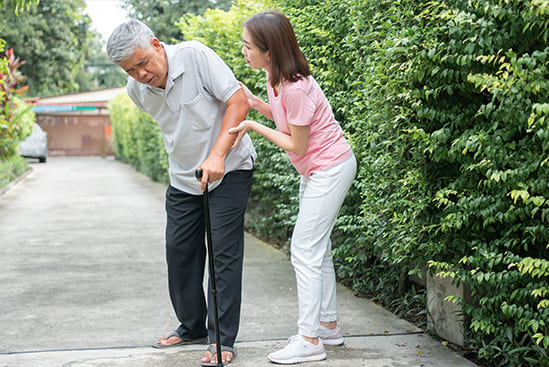
Common conditions in the older age population include hips & knee pain, back & neck pain, osteoarthritis, rheumatism, fear of falling and many more.  Aging and degeneration of bodily function is inevitable, but here at Synapse, we will help you live the best of your life.

Home Physiotherapy

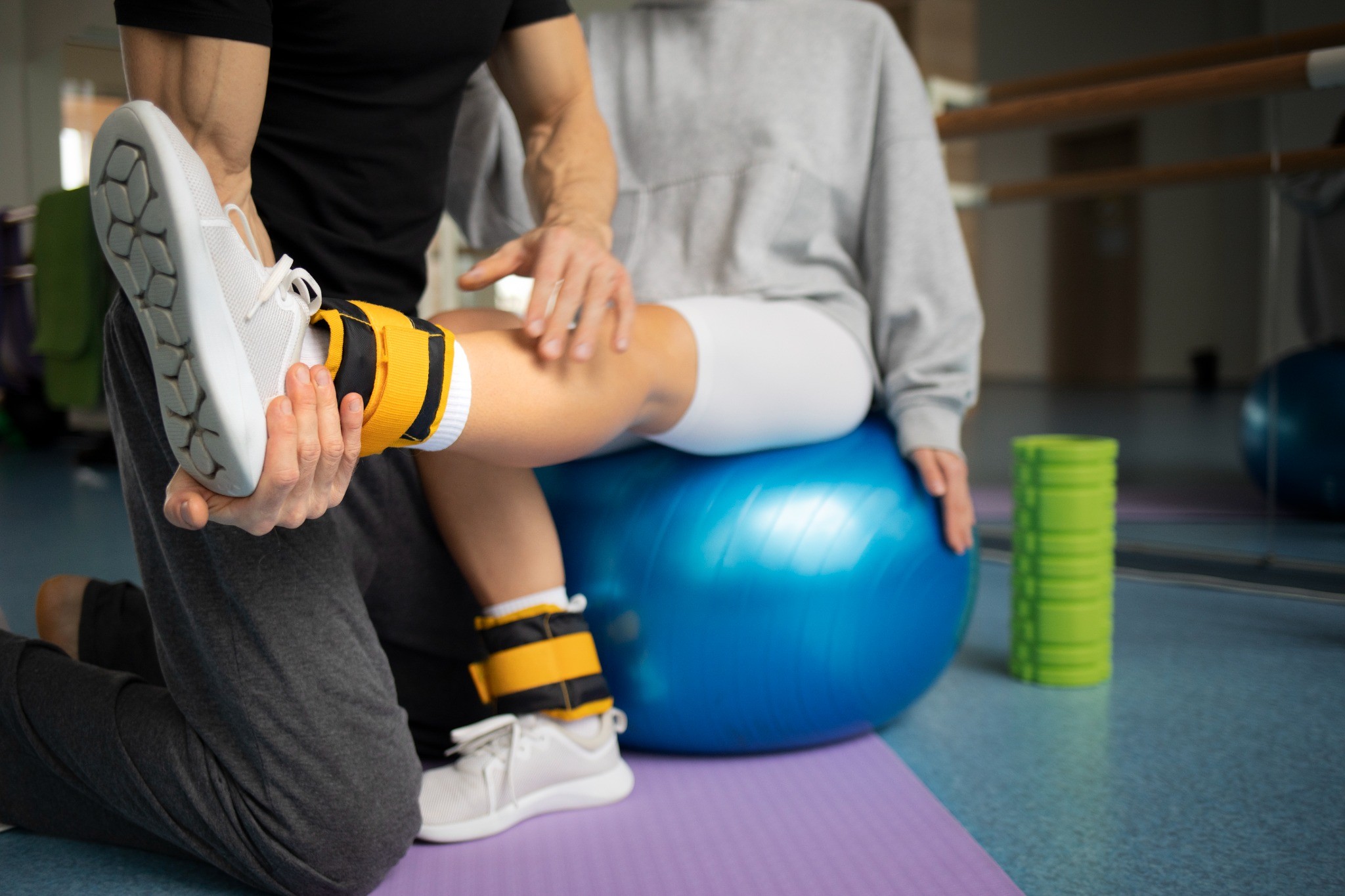
We understand that some conditions or injuries can make it difficult to receive rehabilitation at our clinic be it mobility or transportation issues. Our objective is to provide you with the same high-quality physiotherapy services at home that you would receive in-clinic.
Posted on

Why Sports Physiotherapy is Key for Musculoskeletal Health

Sports Physiotherapy
Synapse Physiotherapy

Why Sports Physiotherapy Is Crucial for Long-Term Musculoskeletal Health

Musculoskeletal health plays a vital role in how we move, work, exercise, and live our daily lives. From walking and lifting to running and playing sports, our muscles, joints, bones, and connective tissues must function together efficiently. When pain, stiffness, or injury occurs, movement becomes limited and quality of life is affected. This is where Synapse Physiotherapy makes the difference through our specialized approach to Sports Physiotherapy, a field that focuses on restoring, maintaining, and enhancing musculoskeletal health for people of all activity levels—not just athletes. Rather than simply treating a site of pain, we shape each journey with intentional pacing and expert care to ensure you can truly be present in your daily activities. By addressing movement dysfunctions early and promoting optimal biomechanics, Sports Physiotherapy helps individuals stay active, reduce pain, and prevent long-term musculoskeletal problems.


Understanding the Musculoskeletal System

The musculoskeletal system includes muscles, bones, joints, ligaments, tendons, and nerves, which together provide structure, stability, and movement. Unfortunately, modern life can work against this system. Factors such as poor posture, repetitive strain, sedentary lifestyles, and physical trauma can all compromise musculoskeletal health. Over time, minor issues such as muscle tightness or joint stiffness can develop into chronic pain conditions if not properly managed.


Sports Physiotherapy takes a holistic approach to musculoskeletal care. Instead of focusing solely on the site of pain, it examines how the entire body moves and functions as a unit. This allows underlying causes of dysfunction to be identified and treated effectively.


Comprehensive Pain Management Strategies

Pain is one of the most common reasons people seek help from a professional team. Musculoskeletal pain can arise from injuries, overuse, poor movement patterns, or degenerative conditions. Experts in Sports Physiotherapy are trained to assess pain accurately and determine whether it stems from muscle weakness, joint restriction, tissue overload, or biomechanical imbalance.


Treatment interventions often involve a multi-faceted approach to ensure long-term relief:


  • Manual Therapy: Hands-on techniques to restore movement.
  • Soft Tissue Techniques: Addressing muscle and connective tissue tension.
  • Joint Mobilisation: Improving the glide and range of stiff joints.
  • Targeted Exercise Programs: Designing movements that reduce pain and improve circulation.

By addressing the root cause of pain rather than masking symptoms, Sports Physiotherapy supports long-term musculoskeletal health. To understand the broader impact of these treatments on your lifestyle, you can explore the various Benefits of Physiotherapy.


Improving Mobility, Flexibility, and Strength

Limited mobility and flexibility can affect posture, balance, and overall function. Tight muscles and stiff joints place extra stress on surrounding structures, increasing the risk of injury. Sports Physiotherapy focuses on restoring optimal range of motion through stretching, mobility exercises, and hands-on techniques. Improved mobility allows joints to move efficiently and muscles to work at their ideal length. This not only reduces discomfort but also enhances movement quality during daily activities and exercise.


Strength is equally essential for protecting joints and maintaining musculoskeletal health. Weak muscles can lead to joint instability, poor alignment, and excessive strain on tissues. At Synapse Physiotherapy, our professional team designs strength programs that are tailored to individual needs, abilities, and goals.


These programs focus on:

  • Muscle Activation: Ensuring the correct muscles are firing to support the skeleton.
  • Coordination: Improving the way the nervous system communicates with muscles.
  • Joint Stability: Enhancing the integrity of the joints under load.
  • Functional Capacity: Training the body to handle physical demands during sports, work, or daily tasks.

Proactive Injury Prevention and Recovery

One of the key benefits of Sports Physiotherapy is injury prevention. By analysing movement patterns such as walking, running, lifting, or jumping, physiotherapists can identify faulty mechanics that increase injury risk. For example, poor hip control may contribute to knee pain, while weak core muscles can affect spinal stability. Early identification allows corrective strategies to be implemented before injuries occur.


Recovery from musculoskeletal injuries requires more than rest alone. Without proper rehabilitation, injured tissues may heal incorrectly, leading to ongoing pain or reduced function. Sports Physiotherapy provides structured rehabilitation programs that guide the body through each phase of healing. This phased approach helps individuals return to activity with confidence and reduces the likelihood of re-injury.

Addressing Posture and Chronic Conditions

Postural issues are a common cause of musculoskeletal discomfort, particularly in people who spend long hours sitting or performing repetitive tasks. Sports Physiotherapy addresses postural imbalances by strengthening weak muscles and stretching tight structures. This reduces unnecessary stress on the spine and joints, supporting overall health.


Additionally, conditions such as osteoarthritis, tendinopathy, and chronic back pain can significantly impact daily life. Sports Physiotherapy plays an important role in managing these conditions by improving joint function and maintaining mobility. Individualised exercise programs help slow disease progression and enhance functional capacity. Education on activity modification empowers individuals to take control of their musculoskeletal health.


Why It Is For Everyone, Not Just Athletes

Despite its name, Sports Physiotherapy is not limited to athletes. It is suitable for people of all ages and activity levels, from office workers to older adults. The principles of movement optimisation, strength, and injury prevention apply to everyone. By improving movement efficiency and reducing strain on the body, it supports an active and independent lifestyle. This is especially important as we age, as maintaining musculoskeletal health helps prevent falls, fractures, and mobility decline. Regular physical activity is proven to reduce the risk of major illnesses, such as heart disease and stroke, while supporting bone and muscle health (NHS, 2024).


Frequently Asked Questions

Is sports physiotherapy only for professional athletes?

No, it is suitable for people of all ages and activity levels, from office workers to older adults, focusing on movement optimization for everyone.

How does physiotherapy help with chronic back pain?

It improves joint function, reduces pain through targeted exercises, and addresses postural imbalances that contribute to spinal stress.


Can sports physiotherapy prevent future injuries?

Yes, through movement analysis, physiotherapists identify faulty mechanics and implement corrective strategies before injuries occur.


What should I expect during my first session?

A professional team will assess your pain and movement, identifying if the cause is muscle weakness, joint restriction, or biomechanical imbalance.

How does physiotherapy assist with the aging process?

It helps maintain mobility and strength, which is crucial for preventing falls, fractures, and the general decline of movement as we age.

Conclusion

Sports Physiotherapy plays a crucial role in supporting and enhancing musculoskeletal health. Through pain management, strength building, mobility improvement, injury prevention, and personalised rehabilitation, it helps individuals move better and live healthier lives. By choosing Synapse Physiotherapy, you are opting for a holistic approach that addresses the root cause of dysfunction rather than just masking symptoms. We encourage you to experience the Benefits of Physiotherapy to ensure your body remains resilient and capable for years to come. Whether you are recovering from an injury or aiming to prevent future problems, the tools and education provided will empower you to take charge of your health. To get started on your path to optimal movement, Book a consultation with our expert team today.

Share This :

Back & Neck Pain

Conditions such as stiffness, postural abnormalities and muscle overuse from prolonged desk work at the office or home is more prevalent than most would think. We provide the necessary tools to fix you up and educate you on ergonomics which can unload unnecessary stress.

Sports Injuries

Rolled ankles, jarred knees, impinged shoulders are few conditions in the plethora of sports injuries which can hamper performance and limit our enjoyment of sports. Physiotherapy not only treats the symptoms of these conditions but propels your overall fitness to greater heights.

Work Desk Injuries​

Conditions such as stiffness, postural abnormalities and muscle overuse from prolonged desk work at the office or home is more prevalent than most would think. We provide the necessary tools to fix you up and educate you on ergonomics which can unload unnecessary stress.

Pre-Post-Surgical Conditions

Surgery involves going through preparation both before and after. Physiotherapists play a vital role in getting your body ready for surgeries with circulatory, breathing and strengthening exercises. After the procedure, let us be there for your recovery and rehabilitation, taking it one step at a time.

Scoliosis & Postural Abnormalities

The way we stand, sit, walk and sleep has influence over our posture and the overall balance of muscles controlling its alignment. A comprehensive screening can be done by our physiotherapists to detect abnormalities, which we will aid in correcting.

Neurological Conditions

Neurological disabilities such as stroke, nerve compression and neuropathies can be barriers for patients to live life to its fullest. We at Synapse are committed to help you overcome these hurdles by ensuring functional mobility and quality of life is at its optimum by providing the right treatment and exercises.

Osteoarthritis & Rheumatism

Joint degeneration and inflammation happens as the human body grows older, but that does not mean our way of life degenerates as well. Relief your joint pains with a joint effort together with your physiotherapist, who will provide pain-relief treatments and prescribe exercises for your wellbeing.

Conditions Relating To Elderly

Common conditions in the older age population include hips & knee pain, back & neck pain, osteoarthritis, rheumatism, fear of falling and many more.  Aging and degeneration of bodily function is inevitable, but here at Synapse, we will help you live the best of your life.
Home Physiotherapy

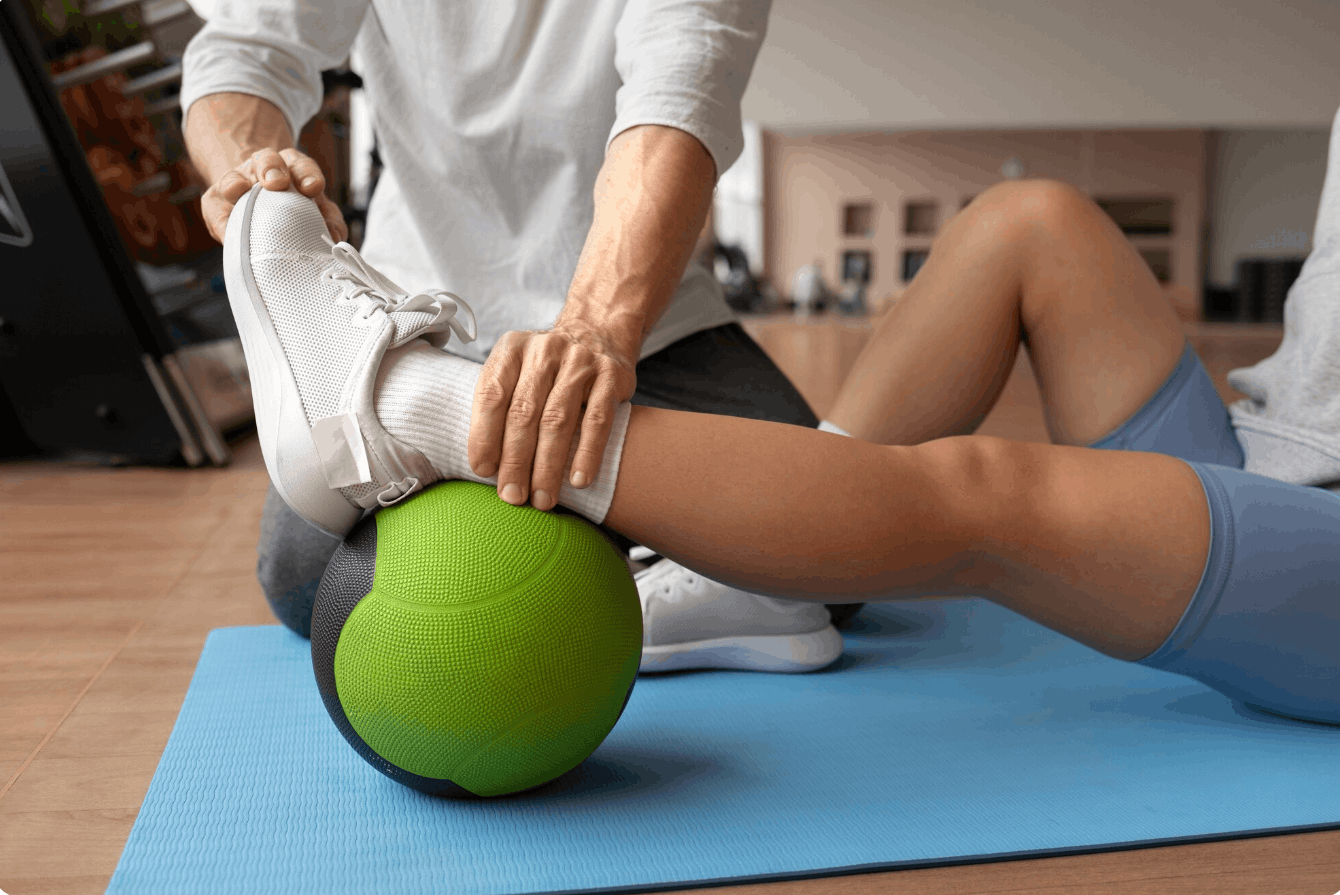
We understand that some conditions or injuries can make it difficult to receive rehabilitation at our clinic be it mobility or transportation issues. Our objective is to provide you with the same high-quality physiotherapy services at home that you would receive in-clinic.
Posted on

Why Sports Physiotherapy is Essential for Athlete Recovery

shockwave therapy
Sports Physiotherapy
Synapse Physiotherapy

The Role of Sports Physiotherapy in Enhancing Athlete Recovery

Recovery is a critical part of any athlete’s training journey. Without proper recovery, the body becomes vulnerable to fatigue, overuse injuries, and reduced performance. This is why Sports Physiotherapy has become an essential component of modern athletic care, supporting the body’s natural healing process while restoring strength, mobility, and control. At Synapse Physiotherapy, we understand that recovery is not just about resting; it is about proactive management. Our Sport Physiotherapy Service is designed to provide athletes with a structured, active approach that ensures they return to peak performance safely and efficiently, rather than relying on passive treatments alone.

Understanding the Specialised Field of Sports Physiotherapy

Sports Physiotherapy is a specialised field focused on the prevention, treatment, and rehabilitation of sports-related injuries. It differs from general physiotherapy by considering the unique physical demands placed on athletes and tailoring recovery programmes accordingly. Rather than treating symptoms alone, this discipline addresses the underlying causes of pain, weakness, or movement dysfunction.

Recovery in this context is not limited to post-injury care. It also plays a vital preventive role by:

  • Identifying early signs of tissue overload.
  • Correcting inefficient movement patterns.
  • Optimising physical performance through evidence-based techniques.

Faster and Safer Recovery from Injuries

One of the primary reasons athletes seek out Sports Physiotherapy is for faster and safer injury recovery. Injuries such as muscle strains, ligament sprains, tendon injuries, and joint pain can worsen if not managed properly. The professional team at Synapse Physiotherapy uses evidence-based techniques such as manual therapy, therapeutic exercises, and guided loading to promote tissue healing.

By progressively restoring movement and strength, athletes can return to training with a significantly reduced risk of re-injury. This structured approach is far more effective than resting alone or returning to sport too quickly, which often leads to setbacks. Through guided loading, the tissues are prepared for the specific stresses of the athlete’s chosen sport.

The Benefits of Active Recovery After Training

Recovery is not only about injury management; it is also about managing training load. High-intensity training and frequent competitions place immense stress on muscles, joints, and the nervous system. Sports Physiotherapy supports active recovery through:

  • Mobility Work: Improving the range of motion in restricted joints.
  • Soft Tissue Techniques: Reducing muscle tightness and post-exercise fatigue.
  • Targeted Exercises: Enhancing circulation to reduce stiffness.

Active recovery helps athletes feel fresher for their next session, leading to more consistent training and better long-term performance.

Improving Movement Efficiency and Performance

Efficient movement is key to both performance and injury prevention. Poor biomechanics can increase stress on tissues and limit athletic output. Sports Physiotherapy includes detailed movement assessments to identify inefficiencies such as muscle imbalances, joint restrictions, or poor coordination.

Once these issues are identified, corrective exercises are prescribed to improve movement quality. As athletes move more efficiently, they use less energy, perform better, and reduce unnecessary strain on the body. This optimisation ensures that every ounce of effort is translated into athletic results rather than being wasted on compensating for poor mechanics.

Reducing the Risk of Overuse Injuries

Overuse injuries develop gradually due to repetitive stress and inadequate recovery. Common examples include tendinopathy, stress fractures, and chronic joint pain. Sports Physiotherapy helps reduce the risk of these injuries by monitoring training load and addressing early warning signs.

Athletes learn how to balance intensity, volume, and recovery. Strengthening and flexibility programmes are tailored to support vulnerable areas, allowing athletes to train consistently without physical breakdown. By catching these issues early, athletes avoid the long periods of downtime associated with major injuries.

Sport-Specific Recovery Programmes

Every sport places different demands on the body. A runner’s recovery needs differ significantly from those of a swimmer, footballer, or weightlifter. Sports Physiotherapy offers sport-specific recovery programmes that reflect these unique demands.

Treatment methods are chosen based on the specific movements, intensity, and physical requirements of the athlete’s sport. This targeted approach ensures that recovery strategies are relevant and effective, rather than generic. Whether you are a marathon runner or a powerlifter, the focus remains on the specific stresses your body undergoes.

Mental Confidence and Long-Term Longevity

Recovery is not just physical; it is also psychological. Injuries and persistent fatigue can affect confidence, motivation, and focus. Sports Physiotherapy provides structure and reassurance during the recovery process. Clear progressions, measurable goals, and guidance from a professional team help athletes feel confident in their journey.

As physical capacity improves, mental readiness and trust in the body also increase. This is vital for long-term athletic longevity. Without proper recovery, repeated stress can lead to chronic pain and early joint degeneration. By investing in sustainable training and recovery habits, athletes learn to care for their bodies and maintain physical resilience for years to come.

Support for Athletes at All Levels

It is a common misconception that Sports Physiotherapy is only for elite professionals. In reality, recreational athletes, youth athletes, and older individuals all benefit from structured recovery care. Whether someone is training for a local competition, general fitness, or personal enjoyment, these services adapt to individual goals and abilities. This inclusivity makes it a valuable resource for anyone seeking to stay active and pain-free.

Integrating these practices into a regular routine yields the greatest benefits. Ongoing assessments and preventive exercises help athletes stay ahead of injuries rather than reacting to them after they occur. By working alongside coaches, a sports physiotherapist ensures that recovery strategies align perfectly with training demands.

Frequently Asked Questions

What is the difference between general physiotherapy and sports physiotherapy?

General physiotherapy treats a broad range of conditions, whereas Sports Physiotherapy focuses specifically on the athletic population, addressing the high-intensity demands and unique physical requirements of sports.

How often should an athlete see a sports physiotherapist?

For maximum benefit, it should be integrated into regular training. While frequency depends on training volume, ongoing assessments help identify early signs of overload.

Can sports physiotherapy help if I am not currently injured?

Yes. It plays a major preventive role by correcting movement patterns, monitoring training load, and improving movement efficiency to prevent future issues.

Does sports physiotherapy involve more than just massage?

Absolutely. It includes manual therapy, therapeutic exercises, guided loading, movement assessments, and education on balancing training intensity with recovery.

Is sports physiotherapy suitable for young athletes?

Yes, youth athletes benefit from structured recovery care, which helps them build physical resilience and stay active.

Conclusion

Recovery is a cornerstone of athletic success, and Sports Physiotherapy offers a safe, effective, and evidence-based approach to achieving it. From faster injury recovery and active post-training care to improved movement efficiency and injury prevention, these services support athletes at every stage of their journey. By investing in proper recovery through Synapse Physiotherapy, athletes can train smarter, perform better, and enjoy a longer, healthier sporting career.

If you are looking to optimise your performance or recover from a persistent ache, our Sport Physiotherapy Service is here to help. Our professional team is dedicated to providing personalised care tailored to your specific sport and goals. Don’t wait for an injury to sideline your progress; take a proactive step toward your health today. Book a consultation with us to start your journey toward peak physical condition.

Share This :

Back & Neck Pain

Conditions such as stiffness, postural abnormalities and muscle overuse from prolonged desk work at the office or home is more prevalent than most would think. We provide the necessary tools to fix you up and educate you on ergonomics which can unload unnecessary stress.

Sports Injuries

Rolled ankles, jarred knees, impinged shoulders are few conditions in the plethora of sports injuries which can hamper performance and limit our enjoyment of sports. Physiotherapy not only treats the symptoms of these conditions but propels your overall fitness to greater heights.

Work Desk Injuries​

Conditions such as stiffness, postural abnormalities and muscle overuse from prolonged desk work at the office or home is more prevalent than most would think. We provide the necessary tools to fix you up and educate you on ergonomics which can unload unnecessary stress.

Pre-Post-Surgical Conditions

Surgery involves going through preparation both before and after. Physiotherapists play a vital role in getting your body ready for surgeries with circulatory, breathing and strengthening exercises. After the procedure, let us be there for your recovery and rehabilitation, taking it one step at a time.

Scoliosis & Postural Abnormalities

The way we stand, sit, walk and sleep has influence over our posture and the overall balance of muscles controlling its alignment. A comprehensive screening can be done by our physiotherapists to detect abnormalities, which we will aid in correcting.

Neurological Conditions

Neurological disabilities such as stroke, nerve compression and neuropathies can be barriers for patients to live life to its fullest. We at Synapse are committed to help you overcome these hurdles by ensuring functional mobility and quality of life is at its optimum by providing the right treatment and exercises.

Osteoarthritis & Rheumatism

Joint degeneration and inflammation happens as the human body grows older, but that does not mean our way of life degenerates as well. Relief your joint pains with a joint effort together with your physiotherapist, who will provide pain-relief treatments and prescribe exercises for your wellbeing.

Conditions Relating To Elderly

Common conditions in the older age population include hips & knee pain, back & neck pain, osteoarthritis, rheumatism, fear of falling and many more.  Aging and degeneration of bodily function is inevitable, but here at Synapse, we will help you live the best of your life.
Home Physiotherapy

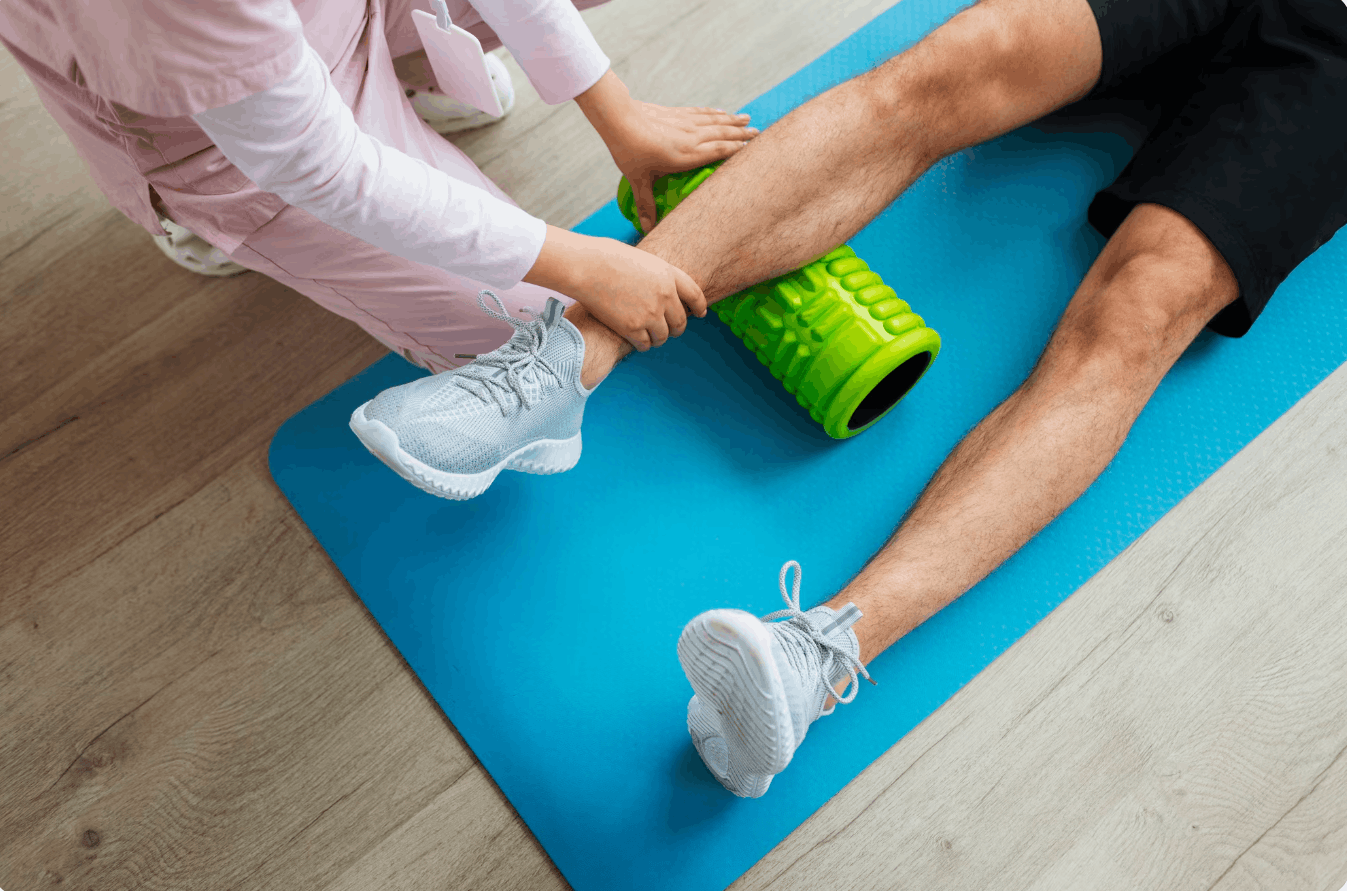
We understand that some conditions or injuries can make it difficult to receive rehabilitation at our clinic be it mobility or transportation issues. Our objective is to provide you with the same high-quality physiotherapy services at home that you would receive in-clinic.
Posted on

How Sports Physiotherapy Boosts Athletic Performance and Recovery

Synapse Physiotherapy

Introduction

Athletes at all levels are constantly looking for ways to improve performance, recover faster, and stay injury-free. Whether you are aiming for a personal best in a marathon or looking to increase your lifting capacity in the gym, the physical demands placed on the body require more than just grit; they require a scientific approach to movement and maintenance. This is where Sports Physiotherapy plays a vital role in bridging the gap between raw effort and peak physical output.


At Synapse Physiotherapy, we focus not only on injury management but also on enhancing athletic performance through tailored rehabilitation, mobility work, and strengthening programs. Our clinic understands that true athletic excellence is built on a foundation of optimal biomechanics and resilient tissue. By integrating our specialised services into your routine, we ensure your body functions as a cohesive unit, allowing you to train efficiently, run faster, and lift stronger while reducing the risk of recurring setbacks.

The Role of Sports Physiotherapy

Sports Physiotherapy is an essential component of any athlete’s training program because it addresses the body’s functional needs at every stage of the athletic journey. It goes beyond simply treating pain; it is about optimising the body’s function.

1. Proactive Injury Prevention

One of the primary benefits of Sports Physiotherapy is injury prevention. Athletes often unknowingly develop muscle imbalances, joint restrictions, or inefficient movement patterns that can lead to recurring injuries. At Synapse Physiotherapy, our physiotherapists evaluate posture, gait, and joint mobility to identify potential risks early. By correcting these imbalances and teaching proper movement techniques, we help athletes maintain consistent training schedules and significantly reduce the risk of strains, sprains, and overuse injuries.

2. Accelerating the Recovery Process

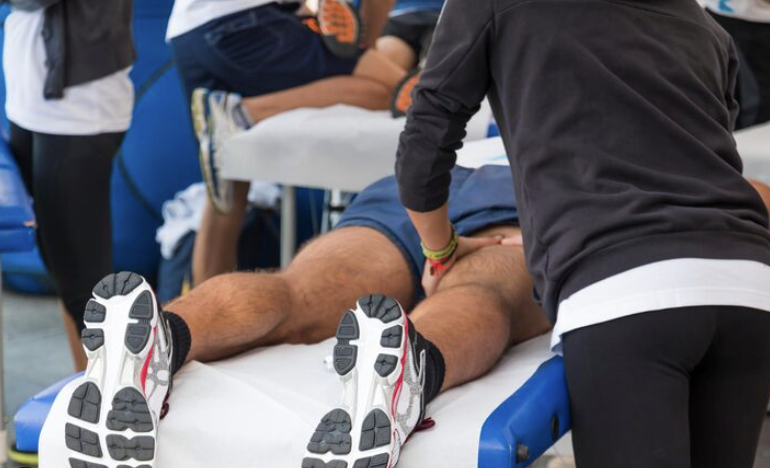
Recovery is a crucial part of athletic performance. After intense training or races, muscles and joints need proper care to repair and restore. Sports Physiotherapy uses techniques such as sports massage, manual therapy, and soft tissue mobilisation to accelerate recovery. Effective post-event recovery prevents delayed-onset muscle soreness (DOMS) and allows athletes to return to training sooner. At Synapse Physiotherapy, each athlete receives a personalised recovery plan including mobility exercises, massage, and strength work.

3. Improving Mobility and Flexibility

Restricted mobility can limit performance, reduce efficiency, and increase injury risk. For runners, areas such as the hips, ankles, and hamstrings are critical. Tight hip flexors or weak glutes can affect stride mechanics and reduce running speed. Through mobility drills, stretching routines, and activation exercises, Sports Physiotherapy restores optimal range of motion. Improved flexibility allows athletes to move more efficiently, generate more power, and maintain proper alignment during training and competition.

4. Strength and Conditioning

Strength is a fundamental component of athletic performance. Physiotherapy programs are designed to target weak muscles, improve stability, and enhance endurance. According to clinical guidelines from the Journal of Orthopaedic & Sports Physical Therapy, targeted hip and core strengthening is especially important for runners managing patellofemoral pain, which affects the front of the knee and around the kneecap. Physiotherapy routines can be tailored to different athletes:

  • Runners: Lower-limb strength helps reduce knee pain, support hip function, and improve propulsion.

  • Field Athletes: Core and upper-body strength enhance agility, stability, and power on the field.

  • Sport-Specific Training: Exercises can be designed to mimic sport-specific movements, enabling athletes to train smarter, not just harder.

5. Biomechanical Optimisation

Even minor difficulties in movement can affect performance and increase injury risk. By analysing biomechanics such as running gait, jump landings, and lifting techniques, a specialist in Sports Physiotherapy can correct faulty patterns. This contributes to higher performance levels, reduces energy wastage, and prevents stress on joints.

Frequently Asked Questions

1. Who benefits from sports physiotherapy?

Anyone involved in physical activity from marathon runners and cyclists to weekend gym-goers—can benefit from improved strength and mobility.

2. How often should athletes visit a sports physiotherapist?

Frequency depends on training intensity and goals. Competitive athletes may benefit from weekly sessions, while recreational runners can check in every 4-6 weeks for preventive care.

3. Can sports physiotherapy improve performance without injuries?

Absolutely. Physiotherapy enhances biomechanics, muscle strength, and joint mobility, all of which contribute to better performance even in injury-free individuals.

4. Is sports massage only for professionals?

No. Sports massage is effective for anyone experiencing muscle tightness, fatigue, or high training loads.

5. How does Synapse Physiotherapy tailor programs?

We provide individual assessments and create customised programs including post-race recovery, mobility improvement, and sport-specific strengthening.

Conclusion

Sports Physiotherapy is an essential investment for athletes at every level. At Synapse Physiotherapy, we combine hands-on treatment, mobility work, and strength conditioning to boost performance, improve recovery, and prevent injuries. Whether you are preparing for your next race or training consistently, our physiotherapy experts ensures your body is strong, flexible, and ready for peak performance. Book a consultation to enhance your athletic performance and stay injury-free with our patient-centred programs today.

Share This :

Back & Neck Pain

Conditions such as stiffness, postural abnormalities and muscle overuse from prolonged desk work at the office or home is more prevalent than most would think. We provide the necessary tools to fix you up and educate you on ergonomics which can unload unnecessary stress.

Sports Injuries

Rolled ankles, jarred knees, impinged shoulders are few conditions in the plethora of sports injuries which can hamper performance and limit our enjoyment of sports. Physiotherapy not only treats the symptoms of these conditions but propels your overall fitness to greater heights.

Work Desk Injuries​

Conditions such as stiffness, postural abnormalities and muscle overuse from prolonged desk work at the office or home is more prevalent than most would think. We provide the necessary tools to fix you up and educate you on ergonomics which can unload unnecessary stress.

Pre-Post-Surgical Conditions

Surgery involves going through preparation both before and after. Physiotherapists play a vital role in getting your body ready for surgeries with circulatory, breathing and strengthening exercises. After the procedure, let us be there for your recovery and rehabilitation, taking it one step at a time.

Scoliosis & Postural Abnormalities

The way we stand, sit, walk and sleep has influence over our posture and the overall balance of muscles controlling its alignment. A comprehensive screening can be done by our physiotherapists to detect abnormalities, which we will aid in correcting.

Neurological Conditions

Neurological disabilities such as stroke, nerve compression and neuropathies can be barriers for patients to live life to its fullest. We at Synapse are committed to help you overcome these hurdles by ensuring functional mobility and quality of life is at its optimum by providing the right treatment and exercises.

Osteoarthritis & Rheumatism

Joint degeneration and inflammation happens as the human body grows older, but that does not mean our way of life degenerates as well. Relief your joint pains with a joint effort together with your physiotherapist, who will provide pain-relief treatments and prescribe exercises for your wellbeing.

Conditions Relating To Elderly

Common conditions in the older age population include hips & knee pain, back & neck pain, osteoarthritis, rheumatism, fear of falling and many more.  Aging and degeneration of bodily function is inevitable, but here at Synapse, we will help you live the best of your life.
Home Physiotherapy

We understand that some conditions or injuries can make it difficult to receive rehabilitation at our clinic be it mobility or transportation issues. Our objective is to provide you with the same high-quality physiotherapy services at home that you would receive in-clinic.
Posted on

Sports Physiotherapy for Injury Repair in Pickleball

Sports Physiotherapy
Synapse Physiotherapy

Introduction

Pickleball, one of the fastest-growing sports worldwide, combines elements of tennis, badminton, and table tennis. With its explosive bursts, quick pivots, and strategic movement, pickleball offers a fun and engaging workout, but it also carries the risk of injury. As more people of all ages flock to the courts, the demand for effective recovery solutions is rising. This is where Sports Physiotherapy plays a crucial role. Whether you’re a weekend warrior or a competitive player, the right physiotherapy approach can significantly speed up recovery, restore function, and prevent future injuries.


Sports Physiotherapy focuses on the assessment, diagnosis, treatment, and prevention of sports-related injuries. In the context of pickleball, common conditions like rotator cuff injuries, ankle sprains, tennis elbow, and knee strains are frequently seen. A skilled sports physiotherapist can tailor a rehabilitation plan to your unique biomechanics and sport-specific demands. This ensures optimal healing, improved performance, and greater longevity in your athletic journey. With a combination of manual therapy, targeted exercise programs, education, and return-to-play strategies, Sports Physiotherapy is indispensable for any pickleball enthusiast looking to recover properly and stay in the game.

Understanding Pickleball-Related Injuries

Despite being relatively low-impact compared to contact sports, pickleball’s repetitive motions and quick directional changes put strain on multiple joints and muscle groups. Consequently, injuries typically occur due to overuse, poor technique, inadequate warm-up, or simply accidents on the court.

Most common injuries in pickleball include:

  • Rotator cuff tendinitis or tears – caused by repetitive overhead motions during serves and smashes.

  • Lateral epicondylitis (tennis elbow) – a common overuse injury from swinging the paddle.

  • Achilles tendinitis – often results from quick stops and starts.

  • Ankle sprains – frequently happen during abrupt changes in direction.

  • Meniscus injuries or patellar pain, especially in older athletes with existing joint degeneration.

Addressing these injuries early with Sports Physiotherapy can mean the difference between a quick return to play and a prolonged recovery period. For more on relevant conditions, explore our Conditions Page.

The Role of Sports Physiotherapy in Recovery

Accurate Diagnosis and Individualised Assessment

A detailed assessment is the foundation of an effective recovery plan. Sports physiotherapists will evaluate your movement patterns, strength imbalances, flexibility, posture, and biomechanics. For pickleball players, they also consider sport-specific actions like lunges, lateral shuffles, and paddle swings to identify potential contributors to your injury. As a result, this targeted analysis ensures a precise recovery roadmap.

Manual Therapy and Pain Relief Techniques

Hands-on treatments such as joint mobilisations, soft tissue massage, dry needling, and trigger point therapy can help reduce pain, improve range of motion, and restore joint mobility. For pickleball athletes, this might include techniques to address shoulder stiffness, elbow pain, or tight calf muscles. When combined with other modalities, these methods accelerate healing.

Therapeutic Exercise Programs

Targeted strengthening and stretching exercises form the core of Sports Physiotherapy. A customised program for a pickleball injury could include:

  • Eccentric strengthening for tendons (e.g., rotator cuff or Achilles tendon)

  • Balance and proprioceptive training to reduce ankle sprain recurrence

  • Core stability exercises to enhance court movement and prevent lower back strain

Progressively challenging exercises ensure you recover safely while rebuilding resilience and sport readiness. Additionally, you might explore our Spine & Core Rehabilitation Programme for added support.

Sport-Specific Conditioning

Beyond general rehab, a key component of Sports Physiotherapy is helping athletes return to their sport at full capacity. Therefore, your physiotherapist may simulate game-like scenarios and drills to retrain the body under real conditions. This is especially important in pickleball, where timing, agility, and coordination are critical.

Education and Injury Prevention

Education on biomechanics, proper warm-up routines, equipment use (like the right shoes or paddle grip), and court awareness is essential. Sports physiotherapists guide players on body mechanics that reduce strain and prevent recurring injuries. Moreover, continuous learning ensures long-term success in your athletic journey.

Preventing Future Injuries in Pickleball

Recovery doesn’t end once the pain subsides. In fact, ongoing preventive strategies are vital for long-term health and performance. Here’s how Sports Physiotherapy supports injury prevention:

  • Movement screenings to detect and correct imbalances

  • Functional training tailored to your level and playing style

  • Advice on rest and recovery cycles, especially for older players or those with underlying joint conditions

  • Education on footwear, playing surface, and load management

Incorporating these elements into your training can dramatically lower your injury risk and enhance your enjoyment of the sport.

Case Example: Rehabbing a Shoulder Injury

Consider “Linda,” a 52-year-old recreational pickleball player who developed shoulder pain after increasing her weekly playtime. She was diagnosed with rotator cuff tendinitis. Her Sports Physiotherapy plan included:

  • Soft tissue mobilisation and dry needling to reduce muscle tightness

  • A progressive rotator cuff strengthening program using resistance bands

  • Postural re-education and ergonomic advice on paddle grip and swing mechanics

  • Court-specific drills at week 5 of rehab to reintroduce overhead movement safely

Within 6 weeks, Linda returned to play with improved control and reduced pain and more importantly, with strategies to avoid flare-ups in the future.

Frequently Asked Questions (FAQs)

1. How soon should I start Sports Physiotherapy after a pickleball injury?

You should ideally begin Sports Physiotherapy as early as possible after injury. Early intervention helps reduce inflammation, limit complications, and accelerate recovery.

2. Can Sports Physiotherapy help prevent injuries even if I’m not currently injured?

Absolutely. Sports Physiotherapy includes preventive strategies such as movement screening, strengthening weak areas, and correcting biomechanical faults that could lead to injuries.

3. How long does it take to recover from common pickleball injuries with physiotherapy?

Recovery time varies depending on the severity of the injury. However, with consistent sessions and adherence to a personalised program, many players see improvement within 4 to 8 weeks.

4. Do older adults benefit differently from Sports Physiotherapy?

Yes, older players often need tailored programs that consider slower tissue healing, joint degeneration, and balance challenges. Sports Physiotherapy provides age-appropriate care for safe and effective recovery.

5. What should I expect during a Sports Physiotherapy session?

Expect a comprehensive assessment followed by hands-on treatments, guided exercises, sport-specific drills, and education on injury prevention and recovery strategies.

Why Sports Physiotherapy Matters More Than Ever

Pickleball’s popularity among older adults makes injury management even more important. Unlike younger athletes, older players may have pre-existing musculoskeletal issues, slower tissue healing, or lower baseline fitness. Sports Physiotherapy offers age-appropriate care, helping these players stay active while minimising risk.


Moreover, with competitive leagues and tournaments on the rise, performance demands are increasing. Players looking to improve agility, power, or endurance also benefit from a physiotherapist’s guidance to train smart and play safely. For more advanced performance goals, our Strength & Conditioning Programme may also complement your rehab plan.

Conclusion: Invest in Your Recovery and Performance

Whether you’re just starting or aiming for a pickleball championship, Sports Physiotherapy is your key ally in both injury recovery and performance enhancement. From acute treatment to preventive care and return-to-sport planning, physiotherapists bring the tools, knowledge, and hands-on expertise needed for a complete and confident recovery.


If you’re nursing an injury or want to protect your body for the long run, don’t wait. Consult a certified Sports Physiotherapist at Synapse and get back to the game you love stronger, smarter, and more resilient than ever.

Share This :

Back & Neck Pain

Conditions such as stiffness, postural abnormalities and muscle overuse from prolonged desk work at the office or home is more prevalent than most would think. We provide the necessary tools to fix you up and educate you on ergonomics which can unload unnecessary stress.

Sports Injuries

Rolled ankles, jarred knees, impinged shoulders are few conditions in the plethora of sports injuries which can hamper performance and limit our enjoyment of sports. Physiotherapy not only treats the symptoms of these conditions but propels your overall fitness to greater heights.

Work Desk Injuries​

Conditions such as stiffness, postural abnormalities and muscle overuse from prolonged desk work at the office or home is more prevalent than most would think. We provide the necessary tools to fix you up and educate you on ergonomics which can unload unnecessary stress.

Pre-Post-Surgical Conditions

Surgery involves going through preparation both before and after. Physiotherapists play a vital role in getting your body ready for surgeries with circulatory, breathing and strengthening exercises. After the procedure, let us be there for your recovery and rehabilitation, taking it one step at a time.

Scoliosis & Postural Abnormalities

The way we stand, sit, walk and sleep has influence over our posture and the overall balance of muscles controlling its alignment. A comprehensive screening can be done by our physiotherapists to detect abnormalities, which we will aid in correcting.

Neurological Conditions

Neurological disabilities such as stroke, nerve compression and neuropathies can be barriers for patients to live life to its fullest. We at Synapse are committed to help you overcome these hurdles by ensuring functional mobility and quality of life is at its optimum by providing the right treatment and exercises.

Osteoarthritis & Rheumatism

Joint degeneration and inflammation happens as the human body grows older, but that does not mean our way of life degenerates as well. Relief your joint pains with a joint effort together with your physiotherapist, who will provide pain-relief treatments and prescribe exercises for your wellbeing.

Conditions Relating To Elderly

Common conditions in the older age population include hips & knee pain, back & neck pain, osteoarthritis, rheumatism, fear of falling and many more.  Aging and degeneration of bodily function is inevitable, but here at Synapse, we will help you live the best of your life.
Home Physiotherapy

We understand that some conditions or injuries can make it difficult to receive rehabilitation at our clinic be it mobility or transportation issues. Our objective is to provide you with the same high-quality physiotherapy services at home that you would receive in-clinic.
Posted on

Sports Physiotherapy | Rotator Cuff Injuries in Athletes

Sports Physiotherapy
Sports Injuries

Introduction

Rotator cuff injuries are among the most common shoulder issues faced by athletes, particularly those engaged in overhead sports such as baseball, swimming, tennis, and weightlifting. These injuries can lead to significant pain, reduced mobility, and impaired athletic performance if not properly managed. Sports physiotherapy plays a crucial role in preventing, treating, and rehabilitating rotator cuff injuries, helping athletes recover and return to their sport safely.

What is rotator cuff? 

The rotator cuff is a group of four muscles and their associated tendons—supraspinatus, infraspinatus, teres minor, and subscapularis—that work collectively to stabilize the shoulder joint and enable a wide range of movements. 

Within the glenoid cavity, the rotator cuff muscles contribute to shoulder stability through a mechanism known as concavity compression. This process helps keep the humeral head securely positioned within the socket during movement, preventing excessive shifting that could lead to instability or injury.  

These muscles also play a key role in shoulder movement. The rotator cuff assists in shoulder elevation, particularly between 60 and 130 degrees. The subscapularis muscle is responsible for enabling internal rotation of the humerus, while the infraspinatus and teres minor muscles primarily facilitate external rotation. Additionally, all rotator cuff muscles, except for the supraspinatus, contribute to maintaining depression of the humeral head. This function is essential for counteracting the upward force exerted by the deltoid during the initial phase of shoulder abduction, ensuring smooth and controlled movement.

Because the shoulder is one of the most mobile joints in the body, these muscles are prone to overuse injuries, strains, and tears, particularly in athletes who frequently perform repetitive overhead activities.

Symptoms of Rotator Cuff Injuries

Recognizing the symptoms of a rotator cuff injury early can help ensure timely treatment. Common indicators include:

  • Ongoing shoulder pain, especially when raising the arm
  • Weakness in the affected shoulder
  • Reduced range of motion
  • A clicking or popping sound in the shoulder joint
  • Difficulty performing overhead activities

Common Causes of Rotator Cuff Injuries in Athletes

Athletes may suffer from rotator cuff injuries due to various factors, including:

  1. Repetitive Overhead Movements – Sports that require continuous overhead actions, like pitching in baseball or swimming, put significant stress on the rotator cuff.
  2. Improper Shoulder Mechanics – Poor movement techniques and incorrect posture can lead to excessive strain on shoulder muscles.
  3. Muscle Imbalances – Weak or overly tight muscles in the shoulder can disrupt proper biomechanics, increasing the likelihood of injury.
  4. Traumatic Injuries – Direct impact to the shoulder, falls, or collisions can result in acute rotator cuff tears.
  5. Wear and Tear Over Time – Although more prevalent in older individuals, long-term participation in high-impact sports can lead to degenerative rotator cuff conditions.

Preventing Rotator Cuff Injuries in Athletes

Although physiotherapy aids in recovery, injury prevention is always preferable. Athletes can lower their risk of rotator cuff injuries by:

  • Performing proper warm-ups before training or competition
  • Incorporating shoulder-strengthening exercises into their routine
  • Maintaining correct posture during sports activities
  • Using appropriate techniques and equipment
  • Avoiding excessive strain and allowing ample recovery time

How Sports Physiotherapy Aids in Rotator Cuff Injury Recovery

Sports physiotherapy plays a key role in treating rotator cuff injuries by relieving pain, restoring function, and strengthening shoulder muscles. Key elements of physiotherapy treatment include:

1. Thorough Assessment and Diagnosis

A physiotherapist evaluates the extent of the injury through a physical examination, movement tests, and possibly imaging methods such as ultrasound or MRI. Based on the results, a customized treatment plan is developed.

2. Pain Management Strategies

To reduce pain and inflammation, physiotherapists may incorporate:

  • Ice and heat application
  • Ultrasound therapy
  • Electrical stimulation (TENS)
  • Manual therapy techniques, including massage and joint mobilization

3. Stretching and Mobility Work

Gentle stretching exercises help improve flexibility and restore shoulder mobility. Some effective stretches include:

  • Cross-body shoulder stretch
  • Pendulum swings
  • Doorway external rotation stretch

4. Strength Training Exercises

Once pain decreases, strengthening exercises are introduced to enhance muscle stability and prevent future injuries. Common strengthening exercises include:

  • Resistance band internal and external rotations
  • Scapular retraction drills
  • Shoulder blade squeezes
  • Dumbbell lateral raises

5. Postural and Movement Optimization

Poor posture is a contributing factor to rotator cuff injuries. Physiotherapists educate athletes on proper posture and movement techniques to minimize stress on the shoulder joint.

6. Sport-Specific Rehabilitation

To help athletes regain peak performance, rehabilitation must be sport-specific. This process includes:

  • Functional exercises designed for their particular sport
  • Gradual return-to-play protocols
  • Plyometric training to improve strength and endurance

When to Seek Professional Assistance

Athletes who experience persistent shoulder pain or have difficulty performing everyday tasks should consult a sports physiotherapist. Early intervention can help prevent minor injuries from becoming chronic conditions that might require surgery.

Conclusion

Rotator cuff injuries can be challenging for athletes, but with the right approach through sports physiotherapy, recovery is achievable. By implementing personalized treatment plans, targeted strengthening routines, and preventive strategies, physiotherapists assist athletes in restoring shoulder function and safely returning to their sport with a reduced risk of re-injury. Whether you’re an amateur or professional athlete, prioritizing shoulder health is essential for maintaining optimal performance and longevity in sports.

At Synapse Physiotherapy, we specialize in treating sports-related injuries, including rotator cuff conditions. Our expert physiotherapists use evidence-based techniques to help athletes recover efficiently and perform at their best. If you’re dealing with shoulder pain or an injury, contact Synapse Physiotherapy today to start your journey to recovery and peak performance.

Share This :

Back & Neck Pain

Conditions such as stiffness, postural abnormalities and muscle overuse from prolonged desk work at the office or home is more prevalent than most would think. We provide the necessary tools to fix you up and educate you on ergonomics which can unload unnecessary stress.

Sports Injuries

Rolled ankles, jarred knees, impinged shoulders are few conditions in the plethora of sports injuries which can hamper performance and limit our enjoyment of sports. Physiotherapy not only treats the symptoms of these conditions but propels your overall fitness to greater heights.

Work Desk Injuries​

Conditions such as stiffness, postural abnormalities and muscle overuse from prolonged desk work at the office or home is more prevalent than most would think. We provide the necessary tools to fix you up and educate you on ergonomics which can unload unnecessary stress.

Pre-Post-Surgical Conditions

Surgery involves going through preparation both before and after. Physiotherapists play a vital role in getting your body ready for surgeries with circulatory, breathing and strengthening exercises. After the procedure, let us be there for your recovery and rehabilitation, taking it one step at a time.

Scoliosis & Postural Abnormalities

The way we stand, sit, walk and sleep has influence over our posture and the overall balance of muscles controlling its alignment. A comprehensive screening can be done by our physiotherapists to detect abnormalities, which we will aid in correcting.

Neurological Conditions

Neurological disabilities such as stroke, nerve compression and neuropathies can be barriers for patients to live life to its fullest. We at Synapse are committed to help you overcome these hurdles by ensuring functional mobility and quality of life is at its optimum by providing the right treatment and exercises.

Osteoarthritis & Rheumatism

Joint degeneration and inflammation happens as the human body grows older, but that does not mean our way of life degenerates as well. Relief your joint pains with a joint effort together with your physiotherapist, who will provide pain-relief treatments and prescribe exercises for your wellbeing.

Conditions Relating To Elderly

Common conditions in the older age population include hips & knee pain, back & neck pain, osteoarthritis, rheumatism, fear of falling and many more.  Aging and degeneration of bodily function is inevitable, but here at Synapse, we will help you live the best of your life.

Home Physiotherapy

We understand that some conditions or injuries can make it difficult to receive rehabilitation at our clinic be it mobility or transportation issues. Our objective is to provide you with the same high-quality physiotherapy services at home that you would receive in-clinic.
Posted on

Sports Physiotherapy | Train Hard, Recover Smart

Sports Physiotherapy
Synapse Physiotherapy

Introduction

Whether you’re a professional athlete or a weekend warrior, pushing your body to its physical limits is part of the journey. However, what separates the good from the great isn’t just how hard they train, it’s how smart they recover. That’s where sports physiotherapy comes in. Designed to optimise athletic performance, prevent injuries, and speed up recovery, sports physiotherapy has become a crucial element in every athlete’s toolkit.

Sports physiotherapy is a specialised branch of physiotherapy that focuses on issues related to sports and physical activity. It involves targeted assessment, treatment, and rehabilitation strategies to help athletes recover from injuries and return to peak performance. Nevertheless, it doesn’t stop there. Sports physiotherapists also play a critical role in injury prevention, performance enhancement, and long-term physical health.

By identifying imbalances, correcting movement patterns, and tailoring rehab protocols to specific sports, sports physiotherapy empowers athletes to train smarter, recover faster, and stay on top of their game. It’s no longer just about treating injuries, it’s about building resilience and unlocking full athletic potential.

In this article, we’ll explore the core benefits of sports physiotherapy, when you might need it, and how it supports both amateur and elite athletes in their performance journeys. Learn more about our full physiotherapy approach here.

Understanding the Role of Sports Physiotherapy

A Specialist’s Approach to Movement and Recovery

Sports physiotherapists aren’t just regular physios who happen to work with athletes. In fact, they are specialists who understand the complex biomechanics of sport, the psychological demands of competition, and the unique pressures that athletes face. Their goal? To keep athletes in motion safely and efficiently.

A typical session might include:

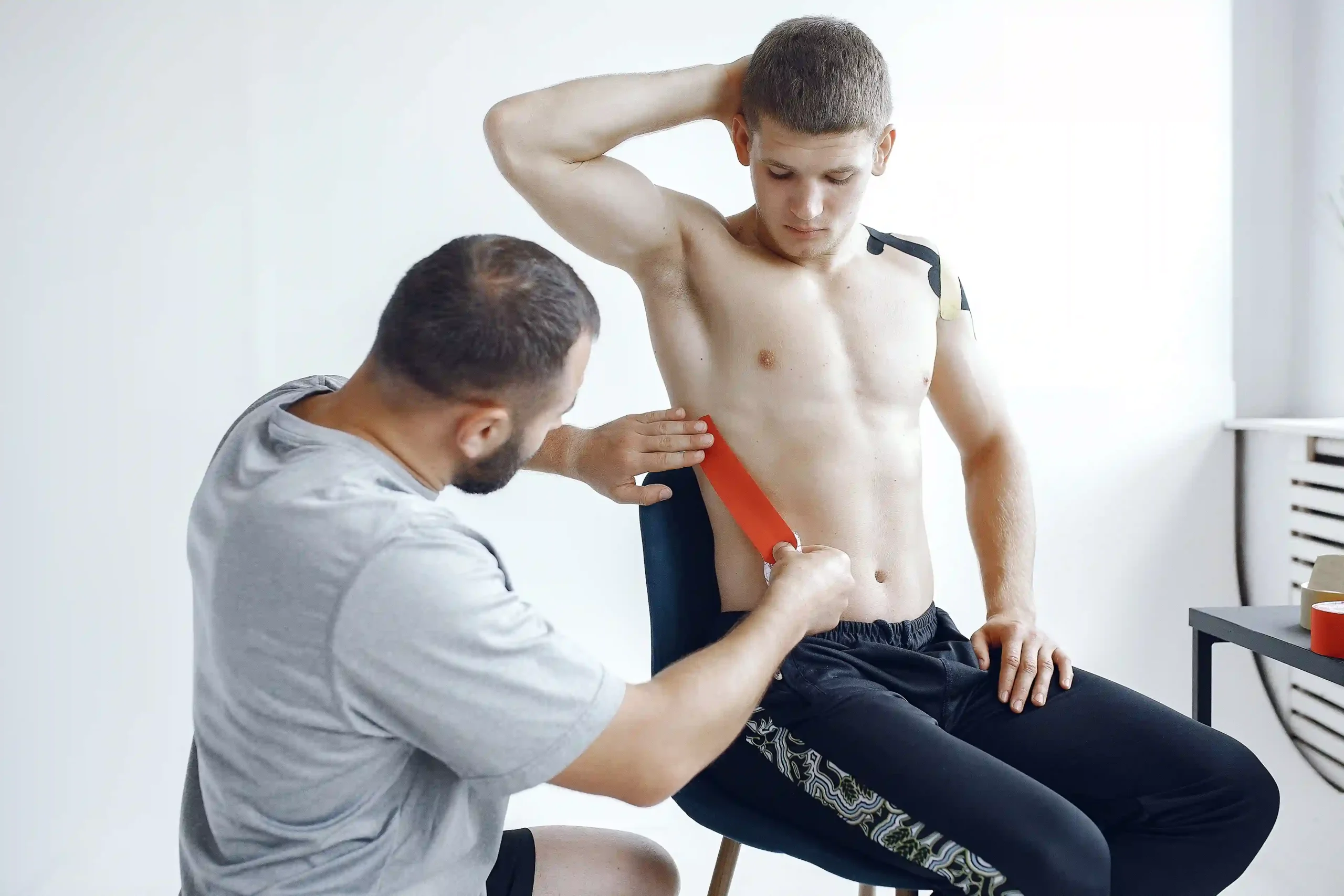
  • Injury assessment and diagnosis

  • Biomechanical and movement analysis

  • Hands-on manual therapy

  • Sport-specific rehabilitation exercises

  • Return-to-play protocols

  • Injury prevention programs

  • Education and performance coaching

Therefore, this multi-dimensional approach ensures that recovery is comprehensive and performance-oriented.

Common Injuries Treated in Sports Physiotherapy

Supporting Athletes Through All Types of Physical Setbacks

From high-impact sports to endurance activities, injuries are part of the game. Fortunately, sports physiotherapy is well-equipped to handle a wide range of conditions. Some of the most common injuries include:

  • Sprains and strains (e.g., ankle sprains, hamstring strains)

  • Tendinopathies (e.g., tennis elbow, jumper’s knee)

  • Overuse injuries (e.g., shin splints, IT band syndrome)

  • Ligament injuries (e.g., ACL tears)

  • Dislocations and fractures

  • Post-surgical rehabilitation (e.g., after rotator cuff repair or ACL reconstruction)

By using evidence-based techniques, sports physios help athletes not only heal but also regain strength, mobility, and confidence.

Injury Prevention: The Smart Way to Train

Staying Ahead of the Curve With Preventive Strategies

One of the most overlooked but powerful aspects of sports physiotherapy is injury prevention. Rather than waiting for something to go wrong, many athletes now proactively see a physiotherapist to keep their bodies functioning at their best.

Prevention strategies often include:

  • Movement screening to detect muscle imbalances or faulty movement patterns

  • Sport-specific conditioning to improve strength, flexibility, and coordination

  • Load management to avoid overtraining and burnout

  • Education on posture, warm-up routines, and recovery techniques

Training hard is important, but training smart is what keeps you in the game.

Rehabilitation That Matches Your Sport

Tailored Recovery for Every Athletic Discipline

Every sport demands different things from your body. As a result, a football player’s rehab isn’t the same as a swimmer’s, just as a gymnast’s isn’t the same as a long-distance runner’s. Sports physiotherapy tailors recovery programs to reflect the specific movements, intensity, and goals of your sport.

For example:

  • A sprinter may focus on explosive power, stride mechanics, and hamstring strength.

  • A basketball player might need to work on agility, jumping mechanics, and ankle stability.

  • A golfer could benefit from spinal mobility, core control, and rotational strength.

This personalised approach not only accelerates recovery but also improves performance post-injury. Consider exploring our Strength & Conditioning Programme to further enhance your rehab.

Bridging the Gap Between Rehab and Performance

Ensuring Safe Return to Play With Confidence

One of the standout features of sports physiotherapy is its emphasis on return-to-play (RTP) readiness. After an injury, many athletes rush back into training too soon, risking re-injury or long-term damage. Sports physiotherapists use structured RTP protocols to ensure that recovery milestones are met safely and gradually.

Key components of RTP may include:

  • Pain-free movement and functional testing

  • Sport-specific drills and simulation

  • Load tolerance testing

  • Psychological readiness assessment

This bridge between rehab and full sport participation is essential for long-term success and career longevity.

Tools and Techniques in Modern Sports Physiotherapy

Blending Traditional Practices With Advanced Innovations

Modern sports physiotherapy blends traditional hands-on techniques with cutting-edge technology and innovation. Some commonly used tools and methods include:

  • Dry needling and acupuncture

  • Taping and bracing

  • Ultrasound and electrotherapy

  • Cryotherapy and heat therapy

  • Strength and conditioning programs

  • 3D movement analysis

  • Neuromuscular re-education

Together, these techniques work to accelerate healing, enhance movement efficiency, and support performance outcomes.

Who Can Benefit from Sports Physiotherapy?

Support for Athletes of Every Level and Discipline

Contrary to popular belief, you don’t need to be a pro athlete to benefit from sports physiotherapy. If you enjoy physical activity whether it’s CrossFit, running, yoga, or cycling ,sports physio can support your goals.

You might benefit if you:

  • Have a recurring injury that affects your training

  • Experience pain during or after physical activity

  • Want to improve technique or biomechanics

  • Are you recovering from surgery or a serious injury?

  • Need guidance for returning to sport after time off

  • Want to reduce your risk of injury while training

Sports physiotherapy meets you where you are and helps take your performance to the next level.

Frequently Asked Questions (FAQs)

1. How soon should I see a sports physiotherapist after an injury?

Ideally, you should see one as soon as possible to minimise complications and promote a faster recovery.

2. Can sports physiotherapy help with chronic pain from past injuries?

Yes, physiotherapists can help manage chronic pain and restore mobility even from old injuries.

3. Do I need a referral to begin sports physiotherapy?

No referral is needed, many clinics welcome self-referring patients.

4. How long does a typical sports physiotherapy session last?

Most sessions last between 30 to 60 minutes, depending on your treatment plan.

5. What should I wear to a physiotherapy appointment?

Wear comfortable, athletic clothing that allows for movement and access to the injured area.

Train Hard, Recover Smart

Pushing your limits is part of what makes sport so rewarding. But it’s the ability to recover, adapt, and come back stronger that defines long-term success. Sports physiotherapy is more than injury treatment, it’s a holistic strategy for performance, prevention, and longevity.

By integrating the science of movement with the art of rehabilitation, sports physiotherapy enables athletes at every level to pursue their passions with confidence. Whether you’re chasing personal bests or standing on a podium, remember this: your recovery is just as important as your training. So train hard, but recover smart. Discover how Synapse’s sports physiotherapy services can help elevate your performance today.

Share This :

Back & Neck Pain

Conditions such as stiffness, postural abnormalities and muscle overuse from prolonged desk work at the office or home is more prevalent than most would think. We provide the necessary tools to fix you up and educate you on ergonomics which can unload unnecessary stress.

Sports Injuries

Rolled ankles, jarred knees, impinged shoulders are few conditions in the plethora of sports injuries which can hamper performance and limit our enjoyment of sports. Physiotherapy not only treats the symptoms of these conditions but propels your overall fitness to greater heights.

Work Desk Injuries​

Conditions such as stiffness, postural abnormalities and muscle overuse from prolonged desk work at the office or home is more prevalent than most would think. We provide the necessary tools to fix you up and educate you on ergonomics which can unload unnecessary stress.

Pre-Post-Surgical Conditions

Surgery involves going through preparation both before and after. Physiotherapists play a vital role in getting your body ready for surgeries with circulatory, breathing and strengthening exercises. After the procedure, let us be there for your recovery and rehabilitation, taking it one step at a time.

Scoliosis & Postural Abnormalities

The way we stand, sit, walk and sleep has influence over our posture and the overall balance of muscles controlling its alignment. A comprehensive screening can be done by our physiotherapists to detect abnormalities, which we will aid in correcting.

Neurological Conditions

Neurological disabilities such as stroke, nerve compression and neuropathies can be barriers for patients to live life to its fullest. We at Synapse are committed to help you overcome these hurdles by ensuring functional mobility and quality of life is at its optimum by providing the right treatment and exercises.

Osteoarthritis & Rheumatism

Joint degeneration and inflammation happens as the human body grows older, but that does not mean our way of life degenerates as well. Relief your joint pains with a joint effort together with your physiotherapist, who will provide pain-relief treatments and prescribe exercises for your wellbeing.

Conditions Relating To Elderly

Common conditions in the older age population include hips & knee pain, back & neck pain, osteoarthritis, rheumatism, fear of falling and many more.  Aging and degeneration of bodily function is inevitable, but here at Synapse, we will help you live the best of your life.

Home Physiotherapy

We understand that some conditions or injuries can make it difficult to receive rehabilitation at our clinic be it mobility or transportation issues. Our objective is to provide you with the same high-quality physiotherapy services at home that you would receive in-clinic.
Posted on

Sports Physiotherapy: Treatment for Muscle Strains at Synapse

Sports Physiotherapy
Sports Injuries, Synapse Physiotherapy

Sports Physiotherapy: Treatment for Muscle Strains at Synapse


In the realm of sports and physical wellness, muscle strains are a common hurdle athletes face. At Synapse Sports Physiotherapy, we specialize in effective treatments tailored to athletes dealing with muscle strains. Our comprehensive approach combines advanced physiotherapy techniques with personalized care, ensuring athletes recover swiftly and safely.

What is muscle strain? 

A muscle strain, or pulled muscle, is similar to a ligament sprain but affects the muscle fibers or tendons. It occurs when the muscle cannot handle the physical demands placed upon it, leading to fiber tears. This type of injury is caused by excessive mechanical stress, often due to a forceful eccentric contraction or overstretching. Muscle strains are especially common in dynamic, non-contact sports that involve sprinting, jumping, or sudden movements.

Classification of Muscle Strains

Muscle injuries are categorized into three grades—mild, moderate, and severe—based on the extent of fiber damage, as

determined by clinical and imaging assessments:

  • Grade I (Mild): A minor strain where only a small number of muscle fibers are affected. Strength remains intact, and the range of motion is fully preserved. Pain and tenderness may not appear immediately but often develop the next day.
  • Grade II (Moderate): Involves a partial tear of the muscle, with nearly half of the fibers damaged. This results in noticeable pain, swelling, and a slight reduction in muscle strength.
  • Grade III (Severe): A complete muscle rupture, where the tendon may detach from the muscle or the muscle itself tears into two separate parts. This causes intense pain, significant swelling, and a total loss of function.

Symptoms of a muscle strain may include:

  • Swelling, discoloration, or redness around the injured area
  • Pain, even when the muscle is at rest
  • Complete inability to move or use the affected muscle
  • Weakness in the muscle or tendons

Physiotherapy Treatment for Muscle Strains

Physiotherapy plays a crucial role in the recovery process for muscle strains by focusing on pain relief, inflammation control, and restoring muscle function. Treatment is typically divided into different phases, beginning with immediate care to manage symptoms and prevent further damage, followed by a structured rehabilitation program to regain strength, flexibility, and functional movement. The ultimate goal is to ensure a safe and effective return to daily activities or sports while minimizing the risk of re-injury. All the treatment will be provided after the physiotherapist does the assessment. A professional evaluation is crucial to determine the severity of the strain, identify the affected muscle group, and establish a personalized treatment plan.

Acute Phase (Initial Stage of Injury Management)

  1. RICE Protocol (Rest, Ice, Compression, Elevation)
    • This well-known method is used to reduce swelling, manage pain, and prevent further strain on the injured muscle.
    • Rest allows the muscle fibers to begin healing without additional stress.
    • Ice helps minimize swelling and numbs the area to reduce pain.
    • Compression with a bandage or wrap prevents excessive swelling.
    • Elevation encourages fluid drainage, reducing inflammation.
  2. Electrotherapy for Pain Management
    • Modalities like ultrasound therapy and TENS (Transcutaneous Electrical Nerve Stimulation) may be used to enhance circulation, reduce muscle spasms, and alleviate pain.
    • These therapies can help accelerate the healing process by stimulating blood flow and promoting tissue repair.
    • Heat Therapy: In later stages of healing, heat may be used to relax tight muscles and improve circulation.
  3. Gentle Mobilization and Range of Motion Exercises
    • Early, controlled movement is essential to prevent stiffness and maintain joint mobility without aggravating the strain.
    • A physiotherapist may guide light, pain-free movements to ensure that the affected muscle does not become overly tight or weak during recovery.

Rehabilitation Phase (Restoring Strength & Function)

  1. Stretching Exercises
    • Gradual stretching helps restore flexibility to the injured muscle and prevents excessive tightness.
    • Dynamic and static stretching techniques are used as healing progresses to regain the full range of motion.
    • Manual Therapy Techniques: Soft tissue massage, joint mobilization, and myofascial release may be included to improve muscle elasticity and relieve tension.
  2. Strengthening Exercises
    • As pain subsides, progressive resistance training is introduced to rebuild muscle strength.
    • Exercises may include bodyweight movements, resistance bands, and light weights before advancing to more challenging activities.
    • Gradual Progression: It’s essential to increase the intensity and complexity of exercises progressively to prevent re-injury while ensuring the muscle adapts to increasing demands.
  3. Proprioceptive & Neuromuscular Training
    • Proprioceptive training focuses on improving body awareness, balance, and coordination, which is crucial for preventing future injuries.
    • This may include exercises like single-leg balance work, agility drills, and controlled functional movements that replicate real-life activities.
  4. Functional Exercises for a Safe Return to Activity
    • Rehabilitation is tailored to match the individual’s daily activities or sport-specific movements.
    • Functional training ensures that the muscle can handle real-world demands, reducing the likelihood of re-injury.

Benefits of Choosing Synapse Sports Physiotherapy

Choosing Synapse means opting for excellence in sports physiotherapy:

  • Expertise: Our team consists of highly trained physiotherapists with extensive experience in sports injuries.
  • Personalized Care: We prioritize personalized care to ensure each athlete receives the attention they deserve.
  • Holistic Approach: Beyond treating the symptoms, we focus on preventing future injuries through education and ongoing support.
  • State-of-the-Art Facility: Our clinic is equipped with state-of-the-art technology to facilitate optimal recovery.

Why Sports Physiotherapy Matters

Sports physiotherapy at Synapse goes beyond mere treatment; it’s about empowering athletes to regain strength, flexibility, and confidence. By addressing muscle strains promptly and effectively, we help athletes get back to peak performance safely and swiftly.

Contact Us Today

If you’re seeking specialized care for muscle strains or other sports-related injuries, Synapse Sports Physiotherapy is here to help. Contact us today to schedule your consultation and take the first step towards a healthier, more active lifestyle.

Share This :

Back & Neck Pain

Conditions such as stiffness, postural abnormalities and muscle overuse from prolonged desk work at the office or home is more prevalent than most would think. We provide the necessary tools to fix you up and educate you on ergonomics which can unload unnecessary stress.

Sports Injuries

Rolled ankles, jarred knees, impinged shoulders are few conditions in the plethora of sports injuries which can hamper performance and limit our enjoyment of sports. Physiotherapy not only treats the symptoms of these conditions but propels your overall fitness to greater heights.

Work Desk Injuries​

Conditions such as stiffness, postural abnormalities and muscle overuse from prolonged desk work at the office or home is more prevalent than most would think. We provide the necessary tools to fix you up and educate you on ergonomics which can unload unnecessary stress.

Pre-Post-Surgical Conditions

Surgery involves going through preparation both before and after. Physiotherapists play a vital role in getting your body ready for surgeries with circulatory, breathing and strengthening exercises. After the procedure, let us be there for your recovery and rehabilitation, taking it one step at a time.

Scoliosis & Postural Abnormalities

The way we stand, sit, walk and sleep has influence over our posture and the overall balance of muscles controlling its alignment. A comprehensive screening can be done by our physiotherapists to detect abnormalities, which we will aid in correcting.

Neurological Conditions

Neurological disabilities such as stroke, nerve compression and neuropathies can be barriers for patients to live life to its fullest. We at Synapse are committed to help you overcome these hurdles by ensuring functional mobility and quality of life is at its optimum by providing the right treatment and exercises.

Osteoarthritis & Rheumatism

Joint degeneration and inflammation happens as the human body grows older, but that does not mean our way of life degenerates as well. Relief your joint pains with a joint effort together with your physiotherapist, who will provide pain-relief treatments and prescribe exercises for your wellbeing.

Conditions Relating To Elderly

Common conditions in the older age population include hips & knee pain, back & neck pain, osteoarthritis, rheumatism, fear of falling and many more.  Aging and degeneration of bodily function is inevitable, but here at Synapse, we will help you live the best of your life.

Home Physiotherapy

We understand that some conditions or injuries can make it difficult to receive rehabilitation at our clinic be it mobility or transportation issues. Our objective is to provide you with the same high-quality physiotherapy services at home that you would receive in-clinic.
Posted on

Sports Physiotherapy: Treatment for Muscle Strains

Sports Physiotherapy
Sports Injuries, Synapse Physiotherapy

Sports Physiotherapy: Treatment for Muscle Strains


Muscle strains are one of the most common injuries experienced by athletes and physically active individuals. These injuries occur when muscle fibers are overstretched or torn, often leading to pain, swelling, and reduced mobility. While muscle strains can vary in severity, proper treatment is essential to ensure a full recovery and to prevent future injuries. Sports physiotherapy provides a comprehensive approach to healing and rehabilitation, making it an effective solution for muscle strain recovery.


What is muscle strain? 

A muscle strain, often referred to as a pulled muscle, is similar to a ligament sprain. It occurs when muscle fibers are overstressed and unable to withstand the demands placed on them, leading to fiber tears. This injury typically results from excessive mechanical stress, such as a forceful eccentric contraction or overstretching. Non-contact, high-intensity activities like sprinting and jumping are common causes of muscle strains.

Signs of a Muscle Strain

Key symptoms of a muscle strain include:

  • Swelling, discoloration, or redness at the injury site
  • Pain even during rest
  • Difficulty or inability to use the affected muscle
  • Weakness in the muscle or surrounding tendons

Causes

Acute strains usually occur due to a single event, such as improper lifting techniques or sudden overexertion. Chronic strains, however, develop gradually from repetitive movements that place ongoing stress on a muscle.

Risk Factors

Certain sports and activities can increase the risk of muscle strains:

  • Contact Sports: Sports like football, soccer, hockey, wrestling, and boxing can lead to higher injury risks.
  • Vulnerable Areas:
    • Legs and Ankles: Activities involving rapid starts, stops, and jumping, such as basketball and hurdling, can strain the Achilles tendon.
    • Hands: Repetitive gripping in sports like golf or gymnastics may strain hand muscles.
    • Elbows: Sports involving throwing or racket use, such as tennis or baseball, often result in elbow strains.

Recognizing the symptoms and understanding the causes and risk factors can help manage and prevent muscle strains effectively.

How Physiotherapy Helps with Muscle Strains

Physiotherapy is highly effective in managing and recovering from muscle strains. It focuses on relieving pain and swelling during the initial stages of the injury and gradually restoring the muscle’s strength, flexibility, and function. With personalized treatments that include exercises, stretching, and manual therapy, physiotherapy not only promotes healing but also minimizes the risk of future injuries by addressing imbalances and improving overall muscle stability and flexibility. Here’s a detailed breakdown of the key components of physiotherapy for muscle strains:

1. Comprehensive Assessment and Evaluation

A physiotherapist conducts a thorough evaluation to determine the severity of the strain and identify the specific muscle group involved. This assessment helps in designing a treatment plan tailored to your needs and recovery goals. Factors like age, activity level, and the nature of the injury are also considered

2. Pain and Inflammation Management

During the early stages of a muscle strain, reducing pain and swelling is a priority. Physiotherapists use various techniques, including:

  • Ice and Heat Therapy: Ice reduces inflammation and numbs pain, while heat relaxes tight muscles and improves blood flow to the area.
  • Ultrasound Therapy: High-frequency sound waves stimulate tissue repair and reduce deep-seated pain.
  • Electrical Stimulation: Devices like TENS (Transcutaneous Electrical Nerve Stimulation) provide pain relief and promote muscle activation.

3. Restoring Range of Motion (ROM)

Muscle strains often lead to stiffness and restricted movement. Gentle range-of-motion exercises are introduced early in rehabilitation to maintain joint mobility and prevent stiffness. These movements are progressively increased as healing occurs to ensure the affected muscle regains its natural flexibility.

4. Gradual Strengthening

To rebuild the injured muscle’s strength, physiotherapists incorporate progressive resistance exercises. These start with light, controlled movements and gradually advance to more demanding exercises. Strengthening helps the muscle withstand daily activities and physical demands without reinjury.

5. Targeted Stretching

Tightness in the injured muscle can hinder recovery and increase the risk of future strains. Specific stretches are introduced to lengthen the muscle fibers, enhance flexibility, and improve the overall function of the muscle-tendon unit.

6. Proprioceptive Training

Proprioception refers to your body’s ability to sense movement, position, and balance. Following a muscle strain, this sense can be impaired, increasing the risk of re-injury. Proprioceptive exercises, such as balance drills and coordination activities, help restore this critical function and improve muscle control.

7. Gradual Return to Activity

A critical aspect of physiotherapy is ensuring a safe and progressive return to daily activities and sports. Physiotherapists guide patients through exercises and functional movements tailored to their specific activity goals. This phase ensures the muscle can handle increased demands without strain or re-injury

Preventing Muscle Strains with Physiotherapy

 In addition to treating existing injuries, sports physiotherapy is a vital tool for preventing muscle strains. At Synapse Physiotherapy, our skilled physiotherapists focus on educating patients about proper warm-up techniques, correct body mechanics, and targeted exercises designed to strengthen muscles and enhance flexibility. This proactive approach not only reduces the risk of future injuries but also improves overall athletic performance, enabling you to push your limits safely and effectively.

When to See a Physiotherapist

 If you’ve suffered a muscle strain that isn’t improving with rest or continues to cause discomfort, it’s time to consult the experts at Synapse Physiotherapy. Our team specializes in early intervention to accelerate healing, prevent further damage, and minimize the risk of long-term complications. By addressing your unique needs, we help you return to your activities stronger and more confident.

Conclusion

Sports physiotherapy, especially at Synapse Physiotherapy, is a proven method for managing muscle strains. Combining pain relief, mobility restoration, and preventative care, our treatments are tailored to meet the demands of athletes and active individuals alike. Whether you’re a professional competitor or simply enjoy staying fit, we’re here to help you recover quickly and achieve your full potential. Don’t let a muscle strain slow you down—visit Synapse Physiotherapy today and reclaim your strength, flexibility, and performance!

.

Share This :

Back & Neck Pain

Conditions such as stiffness, postural abnormalities and muscle overuse from prolonged desk work at the office or home is more prevalent than most would think. We provide the necessary tools to fix you up and educate you on ergonomics which can unload unnecessary stress.

Sports Injuries

Rolled ankles, jarred knees, impinged shoulders are few conditions in the plethora of sports injuries which can hamper performance and limit our enjoyment of sports. Physiotherapy not only treats the symptoms of these conditions but propels your overall fitness to greater heights.

Work Desk Injuries​

Conditions such as stiffness, postural abnormalities and muscle overuse from prolonged desk work at the office or home is more prevalent than most would think. We provide the necessary tools to fix you up and educate you on ergonomics which can unload unnecessary stress.

Pre-Post-Surgical Conditions

Surgery involves going through preparation both before and after. Physiotherapists play a vital role in getting your body ready for surgeries with circulatory, breathing and strengthening exercises. After the procedure, let us be there for your recovery and rehabilitation, taking it one step at a time.

Scoliosis & Postural Abnormalities

The way we stand, sit, walk and sleep has influence over our posture and the overall balance of muscles controlling its alignment. A comprehensive screening can be done by our physiotherapists to detect abnormalities, which we will aid in correcting.

Neurological Conditions

Neurological disabilities such as stroke, nerve compression and neuropathies can be barriers for patients to live life to its fullest. We at Synapse are committed to help you overcome these hurdles by ensuring functional mobility and quality of life is at its optimum by providing the right treatment and exercises.

Osteoarthritis & Rheumatism

Joint degeneration and inflammation happens as the human body grows older, but that does not mean our way of life degenerates as well. Relief your joint pains with a joint effort together with your physiotherapist, who will provide pain-relief treatments and prescribe exercises for your wellbeing.

Conditions Relating To Elderly

Common conditions in the older age population include hips & knee pain, back & neck pain, osteoarthritis, rheumatism, fear of falling and many more.  Aging and degeneration of bodily function is inevitable, but here at Synapse, we will help you live the best of your life.
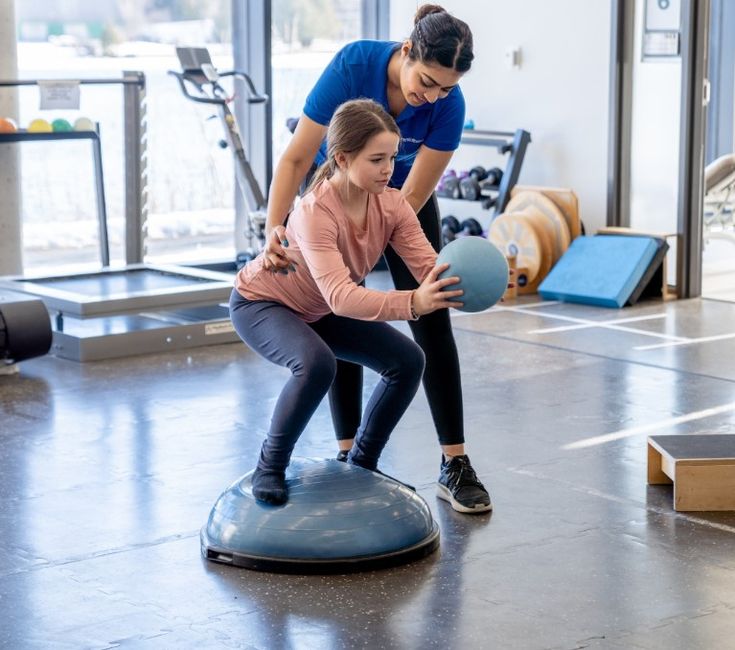
Home Physiotherapy

We understand that some conditions or injuries can make it difficult to receive rehabilitation at our clinic be it mobility or transportation issues. Our objective is to provide you with the same high-quality physiotherapy services at home that you would receive in-clinic.
Posted on

How Does Sports Physiotherapy Help in Getting One Back to Sports

Sports Physiotherapy
Sports Injuries

How Does Sports Physiotherapy Help in Getting One Back to Sports?

Sports physiotherapy is a specialized branch of healthcare dedicated to helping athletes recover from injuries, regain optimal physical function, and safely return to their chosen sport. By using evidence-based techniques, tailored rehabilitation programs, and sport-specific exercises, sports physiotherapists guide athletes through recovery while reducing the risk of re-injury. Here’s a closer look at how sports physiotherapy achieves these goals.

Understanding Sports Physiotherapy

Sports physiotherapy is unique because it addresses the specific physical demands of different sports. Whether it’s dealing with high-impact injuries, repetitive motion strains, or overuse problems, sports physiotherapy uses a combination of pain management, mobility restoration, strength training, and sports-specific conditioning to ensure a comprehensive recovery.

Pain Management and Inflammation Control

During the initial stages of injury recovery, sports physiotherapy focuses on reducing pain and controlling inflammation. Techniques commonly used include:

  • Cryotherapy: Applying ice to the injured area to minimize swelling and reduce discomfort.
  • Manual Therapy: Techniques like massage or joint mobilization to improve circulation and relieve tension.
  • Ultrasound and TENS: Advanced modalities to accelerate tissue repair and alleviate pain.

These methods not only ease discomfort but also create a supportive environment for healing, preparing the body for the next stages of rehabilitation.

Restoring Mobility and Flexibility

Injuries often result in stiffness or restricted movement in affected areas. Restoring mobility and flexibility is a critical phase in sports physiotherapy. Techniques include:

  • Stretching Exercises: Designed to improve elasticity and reduce scar tissue formation.
  • Joint Mobilization: Focused on restoring normal joint function through controlled movements.
    This stage ensures the athlete regains their full range of motion, which is essential for further rehabilitation.

Strengthening and Conditioning

The next step involves rebuilding muscle strength and conditioning the body for physical activity. Sports physiotherapists use:

  • Progressive Resistance Training: To strengthen the injured muscles and ensure balance with surrounding areas.
  • Core Stability Exercises: To improve spinal alignment and reduce the risk of future injuries.
  • Endurance Training: Aimed at enhancing overall fitness and cardiovascular health.
    This phase prepares the athlete’s body for the rigors of their sport while addressing vulnerabilities that could lead to reinjury.

Sports-Specific Training for Performance

Once strength and mobility are restored, sports-specific training begins. This crucial stage simulates the physical and mental demands of the athlete’s chosen sport. Techniques include:

  • Functional Movements: Exercises mimicking actions like sprinting, jumping, or throwing.
  • Agility Drills: To improve coordination, speed, and reaction time.
  • Game-Like Scenarios: Training that replicates competitive situations to boost confidence.
    These exercises ensure athletes are fully prepared to return to competition safely and effectively.

Challenges in Sports Physiotherapy

Rehabilitating athletes, particularly professionals, often comes with unique challenges:

Pressure for Rapid Recovery

Athletes are frequently under pressure to return to their sport as quickly as possible. This can lead to accelerated rehabilitation programs that, if not managed carefully, may result in incomplete healing or reinjury. Sports physiotherapists must strike a balance between short-term recovery goals and long-term health.

Managing Chronic Injuries

Chronic conditions like overtraining syndrome, repetitive stress injuries, or joint degeneration require a multifaceted approach. Sports physiotherapists address these issues through:

  • Biomechanical Corrections: Identifying and fixing movement inefficiencies.
  • Pain Management: Using advanced techniques like dry needling or myofascial release.
  • Lifestyle Modifications: Encouraging adequate rest, proper nutrition, and balanced training schedules.

External Pressures and Psychological Challenges

Athletes often face external pressures from coaches, teams, or sponsors to return quickly. This stress can lead to psychological challenges, including fear of reinjury and performance anxiety. Physiotherapists collaborate with sports psychologists and other professionals to provide holistic support during recovery.

Enhancing Performance Through Physiotherapy

Beyond recovery, sports physiotherapy plays a significant role in optimizing athletic performance. This is achieved through:

Improved Movement Mechanics

Physiotherapists analyze biomechanics to identify and correct inefficiencies, such as improper running posture or throwing techniques. These corrections reduce energy expenditure, allowing athletes to sustain high performance for longer periods.

Increased Core Stability

Core strengthening sports physiotherapy exercises enhance posture and alignment, which are critical for transmitting power during athletic movements. A stable core also protects against spinal injuries and enhances overall balance.

Enhanced Flexibility and Strength

Flexibility exercises sports physiotherapy prevent stiffness and improve joint mobility, while strength training targets muscle imbalances that could hinder performance. This combination ensures athletes are physically prepared to excel in their sport.

Fatigue Management and Energy Efficiency

By refining techniques, physiotherapists help athletes move more efficiently, minimizing unnecessary energy expenditure. This not only reduces fatigue but also allows athletes to perform at their best for extended durations.

Sports-Specific Conditioning

Through agility drills, gait analysis, and functional training, sports physiotherapists prepare athletes for the specific demands of their sport. This includes replicating game-like scenarios to build confidence and ensure readiness for competition.

Synapse Physiotherapy: Your Partner in Sports Recovery

At Synapse Physiotherapy, we specialize in sports physiotherapy to help athletes of all levels recover from injuries and return to their sport safely. Our evidence-based approach combines advanced treatment techniques, personalized care plans, and sports-specific training to ensure optimal results.

Whether you’re dealing with a sprained ankle or recovering from a more complex injury, our team of experienced physiotherapists will guide you through every stage of recovery. We focus not only on helping you get back to your sport but also on preventing future injuries and enhancing your overall performance.

Choose Synapse Physiotherapy for a comprehensive, athlete-focused approach to recovery and performance. We’re here to support your journey back to peak form and beyond!


Share This :

Back & Neck Pain

Conditions such as stiffness, postural abnormalities and muscle overuse from prolonged desk work at the office or home is more prevalent than most would think. We provide the necessary tools to fix you up and educate you on ergonomics which can unload unnecessary stress.

Sports Injuries

Rolled ankles, jarred knees, impinged shoulders are few conditions in the plethora of sports injuries which can hamper performance and limit our enjoyment of sports. Physiotherapy not only treats the symptoms of these conditions but propels your overall fitness to greater heights.

Work Desk Injuries​

Conditions such as stiffness, postural abnormalities and muscle overuse from prolonged desk work at the office or home is more prevalent than most would think. We provide the necessary tools to fix you up and educate you on ergonomics which can unload unnecessary stress.

Pre-Post-Surgical Conditions

Surgery involves going through preparation both before and after. Physiotherapists play a vital role in getting your body ready for surgeries with circulatory, breathing and strengthening exercises. After the procedure, let us be there for your recovery and rehabilitation, taking it one step at a time.

Scoliosis & Postural Abnormalities

The way we stand, sit, walk and sleep has influence over our posture and the overall balance of muscles controlling its alignment. A comprehensive screening can be done by our physiotherapists to detect abnormalities, which we will aid in correcting.

Neurological Conditions

Neurological disabilities such as stroke, nerve compression and neuropathies can be barriers for patients to live life to its fullest. We at Synapse are committed to help you overcome these hurdles by ensuring functional mobility and quality of life is at its optimum by providing the right treatment and exercises.

Osteoarthritis & Rheumatism

Joint degeneration and inflammation happens as the human body grows older, but that does not mean our way of life degenerates as well. Relief your joint pains with a joint effort together with your physiotherapist, who will provide pain-relief treatments and prescribe exercises for your wellbeing.

Conditions Relating To Elderly

Common conditions in the older age population include hips & knee pain, back & neck pain, osteoarthritis, rheumatism, fear of falling and many more.  Aging and degeneration of bodily function is inevitable, but here at Synapse, we will help you live the best of your life.
Home Physiotherapy

We understand that some conditions or injuries can make it difficult to receive rehabilitation at our clinic be it mobility or transportation issues. Our objective is to provide you with the same high-quality physiotherapy services at home that you would receive in-clinic.