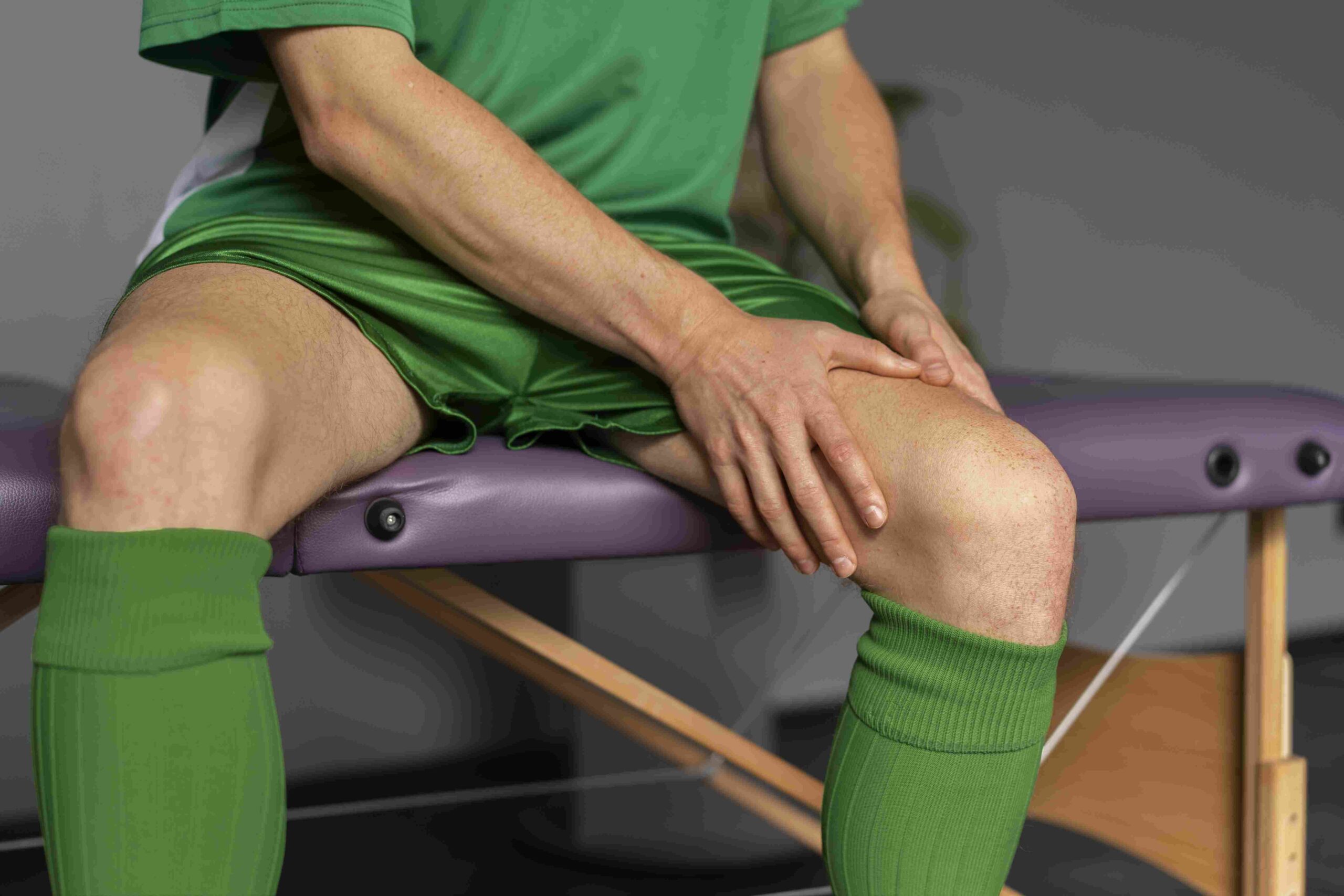
Living with persistent pain can affect much more than physical comfort. Ongoing pain may make it harder to work, exercise, sleep, or enjoy everyday activities. While short-term treatments can sometimes provide temporary relief, long-term pain management often requires a broader approach that addresses movement, strength, lifestyle, and the factors contributing to discomfort. For individuals looking for physiotherapy Kuala Lumpur services, physiotherapy can be an important part of a comprehensive plan for managing persistent musculoskeletal pain.
Physiotherapy does not simply focus on the painful area. A physiotherapist can assess movement, identify physical limitations, develop an individualised exercise programme, and teach strategies for managing symptoms during daily activities. The goal is to help patients become more confident and capable in managing their condition rather than relying solely on passive treatments.
This article explores three ways physiotherapy can support long-term pain management: improving physical function, teaching effective pain-management strategies, and helping prevent recurring symptoms.
1. Physiotherapy Improves Strength, Mobility, and Physical Function
One of the biggest ways physiotherapy Kuala Lumpur supports long-term pain management is by helping the body move and function more effectively.
Persistent pain can cause people to avoid certain movements. Someone with long-term back pain, for example, may avoid bending, lifting, or exercising for fear of making the pain worse. Over time, avoiding movement can contribute to muscle weakness, stiffness, reduced fitness, and greater sensitivity to activity. A physiotherapist can introduce appropriate exercises gradually to rebuild physical capacity, an approach central to pain management at Synapse.
Strengthening Weak Muscles
Muscle weakness can contribute to poor movement patterns and place additional demands on other structures. Depending on the condition, a physiotherapist may prescribe exercises targeting core muscles, hip and gluteal muscles, back muscles, shoulder stabilisers, and lower-limb muscles.
Strengthening exercises are usually progressed gradually, aiming to improve the body’s ability to tolerate everyday activities without excessive discomfort. Someone with persistent knee pain, for instance, may begin with simple quadriceps exercises before progressing to squats, step-ups, and functional movements.
Restoring Joint Mobility and Building Confidence
Joint stiffness can also contribute to ongoing pain and movement difficulties. Physiotherapy may include mobility exercises for the neck, shoulder, spine, hip, knee, or ankle, which can make everyday movements more comfortable and reduce the need for compensatory patterns.
Long-term pain can also make people afraid of movement, worried that exercise will damage their body or cause a flare-up. A gradual rehabilitation programme helps patients understand what their bodies can safely tolerate. As strength and movement improve, confidence often follows, helping individuals move safely while learning how to respond appropriately to symptoms.
2. Physiotherapy Teaches Practical Pain-Management Strategies
Long-term pain management is not only about exercises performed during a physiotherapy Kuala Lumpur session. Patients need strategies for home, work, and daily activities. Physiotherapists can educate patients on how pain responds to different movements, activities, and workloads, helping them become more independent in managing symptoms.
Pain does not always mean tissue is being damaged. In persistent musculoskeletal conditions, pain can be influenced by multiple factors, including physical activity, stress, sleep, and sensitivity of the nervous system. According to the International Association for the Study of Pain, individualised exercise plays a key role in preventing, managing, and rehabilitating chronic pain conditions.
A physiotherapist can help patients understand their symptoms and identify aggravating activities, without necessarily avoiding them permanently. Someone with back pain after prolonged sitting, for example, may benefit from:
- Taking regular movement breaks
- Changing sitting positions
- Adjusting their workstation
- Performing gentle mobility exercises
- Gradually increasing tolerance to sitting
Home Exercise Programmes and Managing Flare-Ups
A personalised home exercise programme allows patients to continue rehabilitation between appointments, including stretching, strengthening, mobility work, balance training, and relaxation exercises. The programme should be realistic and manageable, since a short routine performed consistently is often more useful than a complicated one.
Persistent pain can also fluctuate, with periods when symptoms become more noticeable. Physiotherapy can help patients manage these flare-ups without becoming overly fearful of movement, such as temporarily reducing intensity, modifying exercises, and gradually returning to normal activity as symptoms settle. Learning to manage flare-ups can make patients feel more in control of their condition.
3. Physiotherapy Helps Prevent Recurring Pain and Supports Lifestyle Changes
The third important role of physiotherapy is reducing factors that may contribute to recurring symptoms. Simply treating pain when it appears may provide short-term benefits, but long-term management should also consider why symptoms continue to return.
During an assessment, a physiotherapist may identify muscle weakness, poor movement control, joint stiffness, reduced conditioning, repetitive movements, and workplace ergonomics. Addressing these factors can help patients develop better physical habits. An office worker with recurring neck and shoulder pain, for instance, may benefit from strengthening exercises, mobility training, workstation modifications, and regular movement breaks, an approach often supported through strength conditioning.
Regular physical activity is also important for long-term pain management, though people with persistent pain may avoid exercise for fear of worsening symptoms. Physiotherapy can help individuals gradually return to activities they enjoy, such as walking, swimming, cycling, or recreational sports. The appropriate activity depends on the person’s condition, fitness level, and goals, with the aim of helping patients become physically active rather than dependent on ongoing passive treatment.
Common Conditions That May Benefit From Physiotherapy
Physiotherapy can support long-term management of many musculoskeletal conditions, including chronic lower back pain, neck and shoulder pain, knee pain and osteoarthritis, tendinopathies, recurrent sports injuries, and post-surgical pain and stiffness, all part of the wider range of conditions treated at Synapse. Treatment should always be individualised, since the cause and presentation of pain can vary significantly between people.
What to Expect From Physiotherapy Kuala Lumpur Sessions
When attending physiotherapy Kuala Lumpur sessions, the first appointment generally begins with a discussion about symptoms, medical history, lifestyle, and treatment goals. The physiotherapist may then assess range of movement, muscle strength, flexibility, balance, posture, and functional movement. Based on the findings, a personalised treatment plan combining exercise therapy, manual therapy, education, and lifestyle advice can be developed and adjusted as the patient progresses.
Frequently Asked Questions
This varies by individual, but many people notice gradual improvements in function and confidence within a few weeks of consistent treatment.
Appropriately prescribed exercise is designed to be manageable, and mild, short-lived discomfort afterwards is normal, not a sign of harm.
Not usually. Many people can book directly with a physiotherapist, though this can depend on your situation or insurance requirements.
Yes. Physiotherapy can still improve strength, mobility, and confidence in long-standing pain, even after years of symptoms.
Your physiotherapist can adjust your programme, temporarily reducing intensity or modifying exercises until symptoms settle.
Final Thoughts
Long-term pain management is about more than reducing discomfort. It involves helping the body move better, improving physical capacity, understanding symptoms, and developing sustainable strategies for everyday life.
The three major ways physiotherapy supports long-term pain management are improving strength and mobility, teaching practical pain-management strategies, and helping prevent recurring symptoms through lifestyle and movement changes. With appropriate assessment, consistent exercise, education, and gradual progression, physiotherapy can become an important part of maintaining movement, function, and quality of life. Book an appointment with Synapse to start building your long-term pain management plan.
Tags :

Back & Neck Pain
- Spine & Core Rehabilitation
- Strength & Conditioning Programme
- Pain Management
- Biomechanical Assessment
- Sports Physiotherapy
- Group Class

Sports Injuries
- Strength & Conditioning Programme
- Pain Management
- Biomechanical Assessment
- Sports Physiotherapy
- Shockwave Therapy
- Group Class

Work Desk Injuries

Pre-Post-Surgical Conditions

Scoliosis & Postural Abnormalities

Neurological Conditions

Osteoarthritis & Rheumatism
Joint degeneration and inflammation happens as the human body grows older, but that does not mean our way of life degenerates as well. Relief your joint pains with a joint effort together with your physiotherapist, who will provide pain-relief treatments and prescribe exercises for your wellbeing.

Conditions Relating To Elderly
Common conditions in the older age population include hips & knee pain, back & neck pain, osteoarthritis, rheumatism, fear of falling and many more. Aging and degeneration of bodily function is inevitable, but here at Synapse, we will help you live the best of your life.