Posted on

Common Sports Injuries Requiring Clinic Treatment

sports injury clinic
Synapse Physiotherapy

Sports and physical activities play an essential role in maintaining overall health, improving fitness, and reducing stress. However, with increased participation in sports—whether recreational or competitive—the risk of injury also rises. Whilst some minor aches and strains can be managed at home with rest and basic care, many sports-related injuries require professional assessment and treatment at a sports injury clinic. Early and appropriate intervention not only speeds up recovery but also helps prevent long-term complications and recurrent injuries.

At Synapse Physiotherapy, our experienced team understands the unique demands that sports place on the body. We provide comprehensive assessment and evidence-based treatment programmes designed to address various sports-related conditions, ensuring athletes can return to their activities safely and confidently. This article explores some of the most common sports injuries that often require clinic-based treatment, why professional care is important, and how proper rehabilitation supports a safe return to activity.

Understanding Common Sports Injuries

Sports injuries can occur suddenly through acute trauma or develop gradually through repetitive stress. Recognising when professional intervention is necessary can make a significant difference in recovery outcomes and long-term athletic performance.

1. Muscle Strains and Tears

Muscle strains are amongst the most frequent injuries seen in a sports injury clinic. They occur when muscle fibres are overstretched or torn, commonly affecting the hamstrings, quadriceps, calf muscles, and lower back. Athletes involved in sprinting, football, badminton, or sudden directional changes are particularly prone to these injuries.

Mild strains may cause discomfort and stiffness, but moderate to severe strains can result in:

  • Significant pain and swelling
  • Visible bruising
  • Reduced muscle strength
  • Limited range of motion
  • Difficulty bearing weight or performing movements

Understanding the different grades of muscle strains helps determine appropriate treatment approaches and expected recovery timelines. Clinic treatment is important to accurately grade the injury, reduce inflammation, and guide a structured rehabilitation programme. Physiotherapy techniques such as soft tissue therapy, stretching, and progressive strengthening help restore function and prevent re-injury.

2. Ligament Sprains

Ligament sprains occur when the ligaments that stabilise joints are stretched or torn. Common examples include ankle sprains, knee ligament injuries (such as ACL or MCL injuries), and wrist sprains. These injuries are especially common in sports that involve jumping, pivoting, or sudden stops, such as basketball, netball, futsal, and volleyball.

Whilst mild sprains may heal with basic care, moderate to severe sprains often require assessment at a sports injury clinic. Proper diagnosis is crucial, as untreated ligament injuries can lead to joint instability, chronic pain, and early degenerative changes. Clinic-based treatment may include joint mobilisation, taping or bracing, balance training, and sport-specific rehabilitation to ensure complete recovery.

3. Tendon Injuries (Tendinopathy and Tendon Tears)

Tendon injuries are common overuse injuries caused by repetitive stress, poor biomechanics, or sudden increases in training intensity. Examples include:

  • Achilles tendinopathy
  • Patellar tendinopathy (jumper’s knee)
  • Tennis elbow
  • Rotator cuff tendinopathy

These injuries often present as localised pain, stiffness, and reduced performance, especially during or after activity. Tendon injuries can become chronic if not managed properly. A sports injury clinic provides targeted treatment such as load management, eccentric strengthening exercises, manual therapy, and education on activity modification. Early clinic intervention is key to preventing progression to partial or complete tendon tears.

4. Knee Injuries

The knee is one of the most commonly injured joints in sports. Injuries can range from meniscus tears and ligament injuries to patellofemoral pain syndrome. Sports involving running, twisting, jumping, or contact place significant stress on the knee joint.

Knee injuries often require treatment at a sports injury clinic to determine the exact structure involved. Mismanagement or delayed treatment can lead to prolonged pain and reduced function. Rehabilitation focuses on reducing pain and swelling, restoring range of motion, strengthening surrounding muscles, and improving movement control to protect the knee during sports activities.

5. Shoulder Injuries

Shoulder injuries are common in overhead and contact sports such as swimming, badminton, tennis, rugby, and weightlifting. Common conditions include rotator cuff strains, shoulder impingement, labral tears, and shoulder instability.

Because the shoulder is a highly mobile joint, injuries can significantly affect daily activities and athletic performance. Clinic-based assessment helps identify movement patterns, muscle imbalances, and joint issues contributing to pain. Treatment at a sports injury clinic often includes strengthening of the rotator cuff and scapular muscles, manual therapy, and gradual return-to-sport exercises.

6. Stress Fractures

Stress fractures are small cracks in the bone caused by repetitive loading and inadequate recovery. They commonly affect the foot, shin (tibia), and hip, particularly in runners, dancers, and athletes involved in high-impact sports.

These injuries may initially present as mild pain that worsens with activity. Continuing to train through pain can lead to complete fractures and prolonged recovery. A sports injury clinic plays an important role in early detection, activity modification, and rehabilitation. Management often involves load reduction, biomechanical assessment, and a gradual return-to-impact programme.

7. Lower Back Injuries

Lower back pain is common in sports that involve bending, lifting, twisting, or prolonged postures, such as weightlifting, golf, rowing, and cycling. Injuries may include muscle strains, facet joint irritation, disc-related issues, or sacroiliac joint dysfunction.

Because back pain can have multiple causes, professional assessment at a sports injury clinic is essential. Our Pain Management Service specialises in addressing complex pain conditions, providing comprehensive treatment that focuses on pain relief, improving mobility, strengthening core muscles, and correcting movement patterns to reduce strain on the spine.

8. Shin Splints (Medial Tibial Stress Syndrome)

Shin splints are a common overuse injury, especially in runners and athletes who train on hard surfaces or increase training volume too quickly. Symptoms include diffuse pain along the inner shin during or after exercise.

Although often considered minor, shin splints can progress to stress fractures if ignored. Treatment at a sports injury clinic helps identify contributing factors such as poor footwear, muscle tightness, or biomechanical issues. Rehabilitation includes load management, strengthening, stretching, and gradual return to running.

Why Professional Clinic Treatment Matters

Seeking treatment at a sports injury clinic ensures accurate diagnosis, evidence-based management, and individualised rehabilitation. Professional care reduces recovery time, lowers the risk of complications, and helps athletes return to sport safely and confidently.

The benefits of clinic-based treatment include:

  • Comprehensive assessment and accurate diagnosis
  • Personalised treatment plans tailored to individual needs
  • Access to advanced rehabilitation techniques
  • Prevention of chronic pain and re-injury
  • Sport-specific conditioning and return-to-play protocols
  • Education on injury prevention strategies

At Synapse Physiotherapy, our professional team brings extensive experience in managing sports injuries across all levels of athletic participation. We emphasise injury prevention through education, conditioning, and movement correction, ensuring athletes develop the resilience needed for long-term performance.

Frequently Asked Questions

What should I do immediately after sustaining a sports injury?

Follow the RICE protocol: Rest, Ice, Compression, and Elevation. Apply ice for 15-20 minutes every 2-3 hours during the first 48 hours. Avoid activities that worsen the pain and seek professional assessment if symptoms persist or worsen.

How do I know if my sports injury requires clinic treatment?

Seek professional care if you experience severe pain, significant swelling, inability to bear weight, joint instability, reduced range of motion, or if symptoms don’t improve within a few days of home care.

How long does recovery from a sports injury typically take?

Recovery time varies depending on the type and severity of injury. Minor strains may heal within 1-2 weeks, whilst ligament sprains or stress fractures can take 6-12 weeks or longer. A sports injury clinic can provide accurate timelines based on individual assessment.

Can I continue training with a sports injury?

This depends on the injury type and severity. Some injuries allow modified training, whilst others require complete rest. Professional guidance ensures you maintain fitness without compromising recovery or risking further damage.

How can I prevent sports injuries from recurring?

Prevention strategies include proper warm-up and cool-down routines, progressive training increases, adequate rest and recovery, appropriate footwear and equipment, maintaining strength and flexibility, and addressing biomechanical issues identified during rehabilitation.

Conclusion

Sports injuries are common, but they do not have to derail an active lifestyle. From muscle strains and ligament sprains to tendon injuries and stress fractures, many conditions require professional assessment and treatment. Early intervention at a sports injury clinic plays a crucial role in effective recovery, long-term joint health, and optimal performance.

Whether you are a recreational athlete or a competitive sports player, timely clinic-based care can make the difference between prolonged pain and a successful return to the activities you love. At Synapse Physiotherapy, we are committed to providing comprehensive, evidence-based care that addresses not only your immediate injury but also the underlying factors that may contribute to future problems.

Don’t let a sports injury keep you on the sidelines. Book a consultation with our experienced team today and take the first step towards recovery and peak performance.


Share This :

Back & Neck Pain

Conditions such as stiffness, postural abnormalities and muscle overuse from prolonged desk work at the office or home is more prevalent than most would think. We provide the necessary tools to fix you up and educate you on ergonomics which can unload unnecessary stress.

Sports Injuries

Rolled ankles, jarred knees, impinged shoulders are few conditions in the plethora of sports injuries which can hamper performance and limit our enjoyment of sports. Physiotherapy not only treats the symptoms of these conditions but propels your overall fitness to greater heights.

Work Desk Injuries​

Conditions such as stiffness, postural abnormalities and muscle overuse from prolonged desk work at the office or home is more prevalent than most would think. We provide the necessary tools to fix you up and educate you on ergonomics which can unload unnecessary stress.

Pre-Post-Surgical Conditions

Surgery involves going through preparation both before and after. Physiotherapists play a vital role in getting your body ready for surgeries with circulatory, breathing and strengthening exercises. After the procedure, let us be there for your recovery and rehabilitation, taking it one step at a time.

Scoliosis & Postural Abnormalities

The way we stand, sit, walk and sleep has influence over our posture and the overall balance of muscles controlling its alignment. A comprehensive screening can be done by our physiotherapists to detect abnormalities, which we will aid in correcting.

Neurological Conditions

Neurological disabilities such as stroke, nerve compression and neuropathies can be barriers for patients to live life to its fullest. We at Synapse are committed to help you overcome these hurdles by ensuring functional mobility and quality of life is at its optimum by providing the right treatment and exercises.

Osteoarthritis & Rheumatism

Joint degeneration and inflammation happens as the human body grows older, but that does not mean our way of life degenerates as well. Relief your joint pains with a joint effort together with your physiotherapist, who will provide pain-relief treatments and prescribe exercises for your wellbeing.
Conditions Relating To Elderly

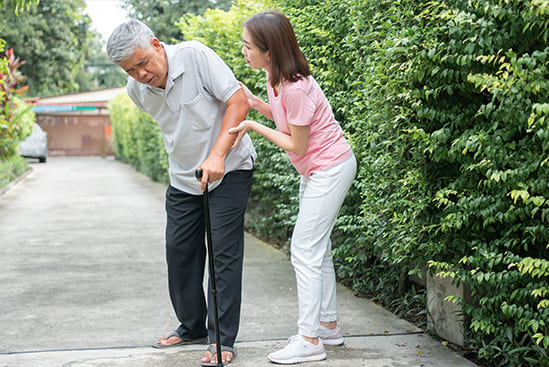
Common conditions in the older age population include hips & knee pain, back & neck pain, osteoarthritis, rheumatism, fear of falling and many more.  Aging and degeneration of bodily function is inevitable, but here at Synapse, we will help you live the best of your life.
Home Physiotherapy

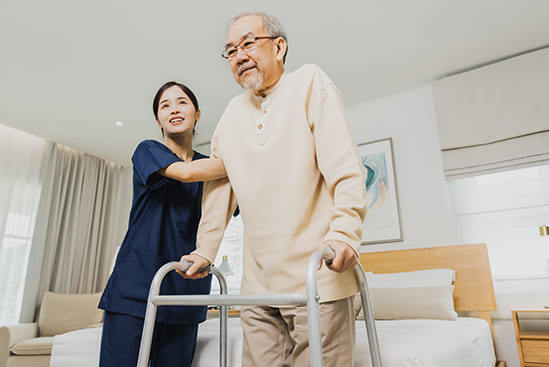
We understand that some conditions or injuries can make it difficult to receive rehabilitation at our clinic be it mobility or transportation issues. Our objective is to provide you with the same high-quality physiotherapy services at home that you would receive in-clinic.
Posted on

Spine Specialist Care for Scoliosis & Postural Problems

spine specialist
spine specialist
Synapse Physiotherapy

Understanding Scoliosis and Postural Problems

Scoliosis and postural problems are increasingly common spine conditions affecting people of all ages across Malaysia and globally. Left unaddressed, these conditions may lead to chronic discomfort, mobility limitations, persistent pain, and in severe cases, complications affecting respiratory function or cardiovascular health. These spinal issues often develop gradually and may go unnoticed until visible signs appear, such as noticeable spinal curvature, shoulder asymmetry, hip misalignment, or ongoing pain.

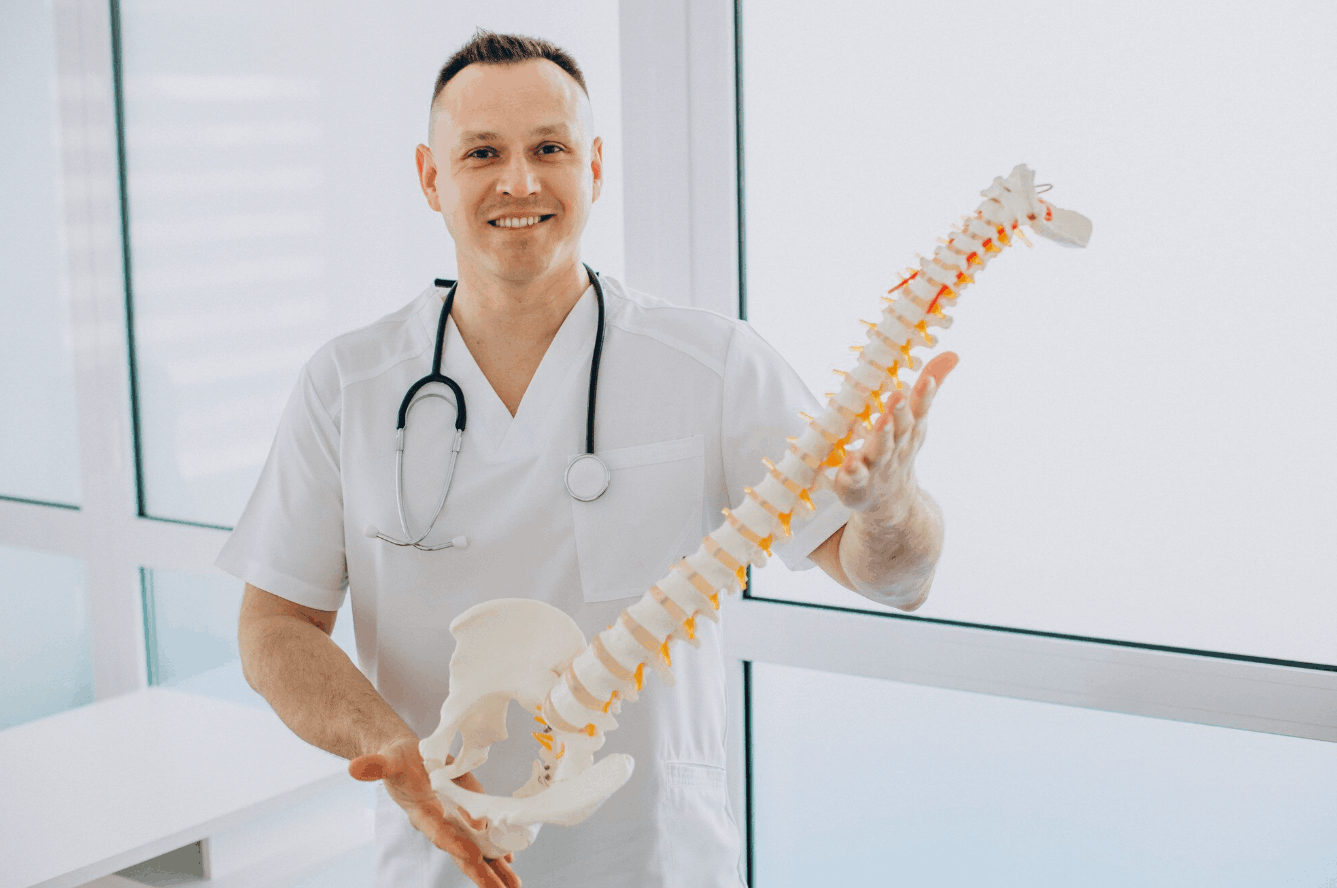
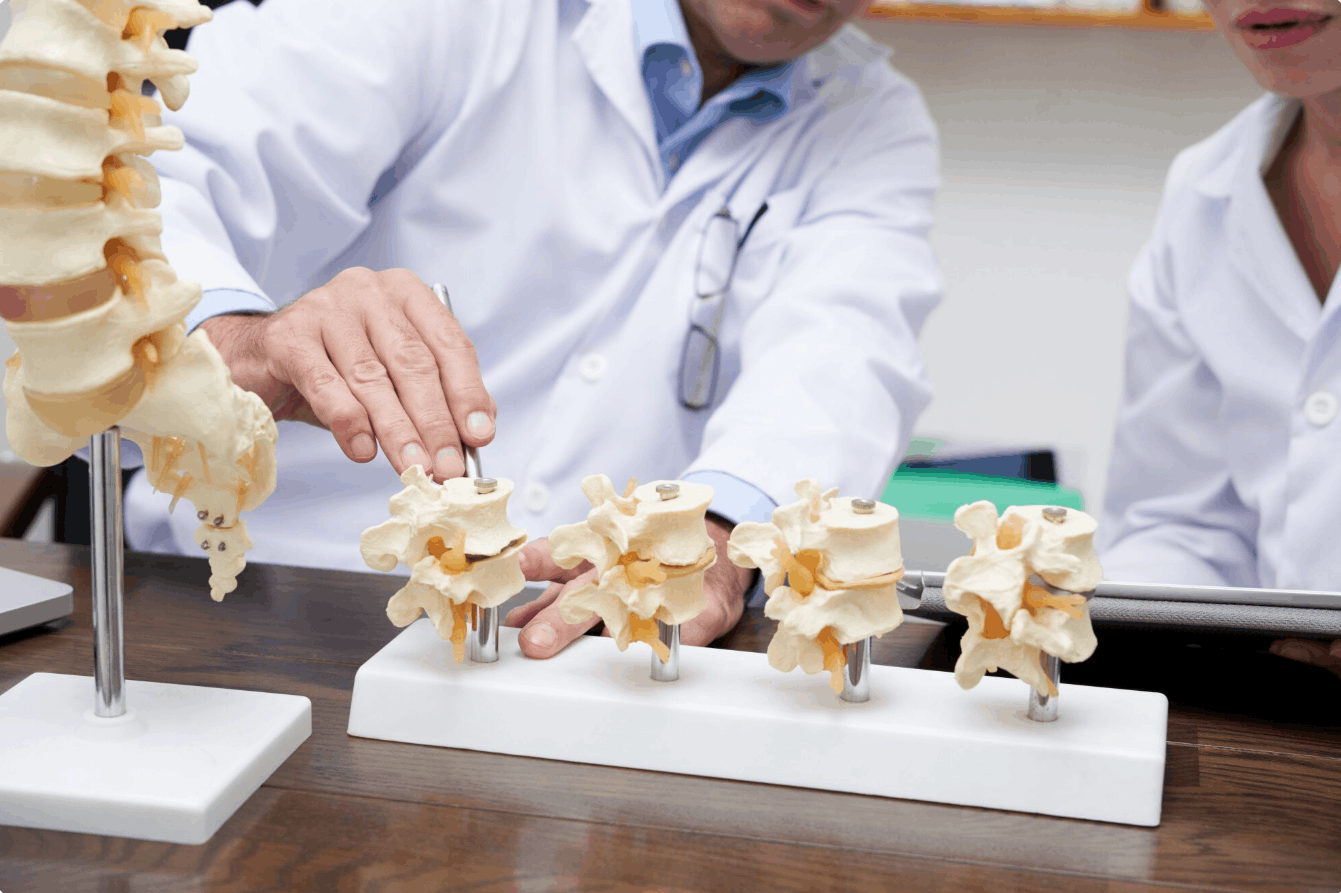
A qualified spine specialist plays a crucial role in accurately diagnosing and effectively treating scoliosis and postural problems, whilst physiotherapists provide targeted rehabilitation to strengthen supporting muscles, correct postural alignment, and reduce discomfort. At Synapse Physiotherapy, our integrated approach combines expert medical assessment with personalised rehabilitation programmes, ensuring comprehensive spine health management tailored to each patient’s unique needs.

What Is Scoliosis?

Scoliosis is characterised by an abnormal sideways curvature of the spine, typically forming an “S” or “C” shape when viewed from behind. Whilst mild cases may present minimal symptoms, moderate to severe scoliosis can result in several noticeable effects:

  • Uneven shoulders or hips creating visible asymmetry
  • Persistent back, neck, or shoulder pain
  • Reduced flexibility and restricted range of motion
  • Unusual fatigue during daily activities or physical exercise
  • Clothing fitting unevenly across the body

Scoliosis can develop during childhood, adolescence, or adulthood, with each stage presenting unique challenges. According to the National Health Service, early identification and monitoring of scoliosis in children can prevent severe progression requiring invasive treatment. Early detection by a spine specialist is crucial to prevent curve progression and maintain optimal long-term spinal health.

What Are Postural Problems?

Postural problems occur when the spine, shoulders, or hips fall out of proper alignment, often resulting from modern lifestyle factors. Poor posture frequently leads to muscle imbalance, chronic strain, and persistent discomfort. Common postural issues identified by a spine specialist include:

  • Forward head posture, often from prolonged device usage
  • Rounded shoulders from desk-based work
  • Excessive kyphosis, creating a hunchback appearance
  • Flat back syndrome affecting natural spinal curves
  • Anterior pelvic tilt causing lower back strain

These conditions typically result from prolonged sitting, inadequate ergonomics, repetitive strain injuries, or weakened postural muscles. Without professional intervention from a spine specialist, these issues can progressively worsen, leading to chronic pain syndromes and significantly reduced functional capacity.

The Role of a Spine Specialist

A spine specialist, such as an orthopaedic surgeon or physiatrist, focuses on diagnosing the precise nature and severity of scoliosis and postural problems, then determining whether conservative management or surgical intervention is appropriate. The comprehensive assessment typically includes:

  • Detailed review of medical history and presenting symptoms
  • Thorough physical examination assessing posture and mobility
  • Advanced imaging studies including X-rays, MRI, or CT scans
  • Functional movement analysis
  • Neurological assessment when indicated

Once the condition is fully evaluated, the spine specialist develops a comprehensive, evidence-based treatment plan. This often incorporates physiotherapy interventions, structured exercise programmes, bracing protocols for adolescents, and in severe or rapidly progressing cases, surgical intervention to correct significant spinal deformity.

How Physiotherapy Supports Spine Health

Physiotherapy forms an essential cornerstone in managing scoliosis and postural problems effectively. Skilled physiotherapists work collaboratively with a spine specialist to provide non-invasive, scientifically validated interventions. The Spine & Core Rehabilitation Programme at Synapse Physiotherapy focuses on several key treatment areas.

Posture Correction

Corrective exercises systematically retrain muscles to support the spine appropriately. Specialised techniques including the Schroth Method and Pilates-based rehabilitation strengthen the precise muscle groups that maintain optimal spinal alignment. Patients develop enhanced postural awareness, which improves both physical appearance and functional capacity during daily activities.

Core and Back Strengthening

Strong core musculature provides essential stability for the entire spine. Physiotherapists guide patients through progressive strengthening exercises targeting the abdominal, back, and pelvic floor muscles. This reduces excessive strain on spinal structures and improves overall postural support, complementing the treatment plan established by the spine specialist.

Flexibility and Mobility Enhancement

Tight, shortened muscles can significantly worsen spinal curvature and contribute to persistent pain. Structured stretching routines improve flexibility throughout the spine, hips, shoulders, and legs, allowing for more balanced movement patterns and reduced discomfort during daily activities.

Pain Management Techniques

Physiotherapy effectively manages pain using evidence-based techniques including:

  • Manual therapy and gentle spinal mobilisation
  • Trigger point release and therapeutic massage
  • Strategic heat or cold therapy application
  • Posture retraining and personalised ergonomic guidance
  • Progressive muscle relaxation techniques

These interventions not only relieve presenting symptoms but also prevent further complications by systematically addressing underlying muscle imbalances identified by the spine specialist.

Bracing Support and Compliance

For adolescents with progressing scoliosis curves, bracing may be recommended by a spine specialist as part of conservative management. Physiotherapists complement brace treatment by ensuring correct brace fit, teaching exercises that maintain flexibility and muscle strength whilst wearing the brace, and monitoring spinal alignment throughout critical growth periods. This combination approach slows curve progression whilst maintaining mobility and normal function.

Lifestyle and Ergonomic Guidance

Our professional team educates patients on sustainable daily habits that support long-term spinal health:

  • Maintaining proper sitting and standing posture throughout the day
  • Utilising ergonomic chairs and workstation setups
  • Avoiding prolonged static postures with regular movement breaks
  • Performing regular stretching and strengthening exercises
  • Choosing appropriate supportive footwear
  • Managing screen time and device positioning

These practical measures help sustain improvements achieved during therapy sessions and significantly reduce the risk of symptom recurrence.

Frequently Asked Questions

Can physiotherapy cure scoliosis completely?

Physiotherapy cannot structurally cure or reverse established scoliosis, but it can significantly reduce pain levels, improve postural alignment, and prevent further curve progression, particularly in mild to moderate cases. When combined with guidance from a spine specialist, physiotherapy offers excellent outcomes for managing symptoms and maintaining quality of life.

How often should I attend physiotherapy sessions?

Most patients initially attend 2–3 supervised sessions per week, combined with prescribed daily home exercises. As posture improves and symptoms reduce, session frequency typically decreases. Your spine specialist and physiotherapist will adjust your treatment schedule based on individual progress.

Can adults benefit from physiotherapy for scoliosis?

Absolutely. Adults can experience significant pain relief, improved postural alignment, and enhanced mobility through targeted physiotherapy, even when spinal curvature is already well-established. Treatment focuses on managing symptoms and preventing progression rather than curve correction.

Is bracing necessary if I’m doing physiotherapy?

Bracing is typically recommended for children or adolescents with progressing scoliosis curves during growth periods. Physiotherapy supports bracing protocols by maintaining essential muscle strength, spinal flexibility, and overall compliance with the treatment plan prescribed by your spine specialist.

How long does it take to see measurable results?

Pain relief and improved postural awareness are often noticed within 2–4 weeks of consistent physiotherapy. Measurable improvements in spinal alignment and functional capacity typically require several months of dedicated treatment, regular home exercise compliance, and ongoing monitoring by your spine specialist.

When Surgical Intervention Might Be Required

Whilst the majority of scoliosis cases can be effectively managed through conservative approaches, severe or rapidly progressing curves may require surgical intervention. A spine specialist carefully assesses each patient individually, considering severity of curvature, pain levels and functional limitations, age and remaining growth potential, and risk of long-term cardiopulmonary complications.

Post-surgical physiotherapy becomes critical for optimal recovery, regaining normal mobility patterns, and maintaining long-term spinal strength and stability under the guidance of your spine specialist.

Conclusion: Comprehensive Spine Care

Scoliosis and postural problems can significantly impact daily functioning, quality of life, and long-term health outcomes. However, with early professional intervention and an integrated approach combining expertise from a spine specialist and skilled physiotherapists, patients can achieve remarkable improvements in posture, substantial pain reduction, and enhanced spinal function.

At Synapse Physiotherapy, we provide expert clinical evaluation, personalised physiotherapy programmes, evidence-based posture retraining, and comprehensive long-term spinal care. Our dedicated team supports both paediatric and adult patients in managing scoliosis and postural problems safely and effectively through our specialised Spine & Core Rehabilitation Programme.

For anyone seeking professional care for scoliosis or postural correction in Malaysia, Synapse Physiotherapy is committed to delivering comprehensive, patient-centred spine health services. Book a consultation today to begin your journey towards improved spinal health and enhanced quality of life.

Share This :

Back & Neck Pain

Conditions such as stiffness, postural abnormalities and muscle overuse from prolonged desk work at the office or home is more prevalent than most would think. We provide the necessary tools to fix you up and educate you on ergonomics which can unload unnecessary stress.

Sports Injuries

Rolled ankles, jarred knees, impinged shoulders are few conditions in the plethora of sports injuries which can hamper performance and limit our enjoyment of sports. Physiotherapy not only treats the symptoms of these conditions but propels your overall fitness to greater heights.

Work Desk Injuries​

Conditions such as stiffness, postural abnormalities and muscle overuse from prolonged desk work at the office or home is more prevalent than most would think. We provide the necessary tools to fix you up and educate you on ergonomics which can unload unnecessary stress.

Pre-Post-Surgical Conditions

Surgery involves going through preparation both before and after. Physiotherapists play a vital role in getting your body ready for surgeries with circulatory, breathing and strengthening exercises. After the procedure, let us be there for your recovery and rehabilitation, taking it one step at a time.

Scoliosis & Postural Abnormalities

The way we stand, sit, walk and sleep has influence over our posture and the overall balance of muscles controlling its alignment. A comprehensive screening can be done by our physiotherapists to detect abnormalities, which we will aid in correcting.

Neurological Conditions

Neurological disabilities such as stroke, nerve compression and neuropathies can be barriers for patients to live life to its fullest. We at Synapse are committed to help you overcome these hurdles by ensuring functional mobility and quality of life is at its optimum by providing the right treatment and exercises.

Osteoarthritis & Rheumatism

Joint degeneration and inflammation happens as the human body grows older, but that does not mean our way of life degenerates as well. Relief your joint pains with a joint effort together with your physiotherapist, who will provide pain-relief treatments and prescribe exercises for your wellbeing.

Conditions Relating To Elderly

Common conditions in the older age population include hips & knee pain, back & neck pain, osteoarthritis, rheumatism, fear of falling and many more.  Aging and degeneration of bodily function is inevitable, but here at Synapse, we will help you live the best of your life.

Home Physiotherapy

We understand that some conditions or injuries can make it difficult to receive rehabilitation at our clinic be it mobility or transportation issues. Our objective is to provide you with the same high-quality physiotherapy services at home that you would receive in-clinic.
Posted on

Physiotherapy Near Me: Safe Scoliosis Treatment Guide

Physiotherapy Near Me
Synapse Physiotherapy

Introduction

When searching for Physiotherapy Near Me, many people with scoliosis are looking for more than just pain relief—they want a safe, evidence-based approach that improves posture, movement, and long-term spinal health. Scoliosis, a condition characterised by an abnormal sideways curvature of the spine, can affect children, teenagers, and adults alike.

While severe cases may require medical intervention, physiotherapy plays a crucial role in managing scoliosis safely, non-invasively, and effectively. At Synapse Physiotherapy, our professional team provides personalised treatment plans that help patients reduce discomfort, slow curve progression, and regain confidence in their daily movements through our comprehensive Spine & Core Rehabilitation Programme.

Understanding Scoliosis

Scoliosis occurs when the spine curves laterally and often rotates, forming an “S” or “C” shape rather than a straight line. It can be classified into several types:

  • Idiopathic scoliosis – the most common type, with no known cause, often developing during adolescence
  • Congenital scoliosis – caused by spinal abnormalities present at birth
  • Neuromuscular scoliosis – associated with neurological or muscular conditions
  • Degenerative scoliosis – develops in adults due to wear and tear of the spine

Symptoms can range from mild postural changes to back pain, muscle imbalance, stiffness, fatigue, and in more severe cases, breathing difficulties. According to the National Scoliosis Foundation, early detection and appropriate treatment can significantly improve outcomes for individuals with spinal curvature.

Why Physiotherapy Is a Safe Option for Scoliosis

Physiotherapy is widely recognised as a conservative and safe treatment approach for scoliosis. Unlike surgery, Physiotherapy Near Me does not involve invasive procedures or long recovery times. Instead, it focuses on optimising how the spine and surrounding muscles function.

Key Safety Benefits Include:

  1. Non-invasive and drug-free treatment
  2. Individualised exercises based on curve type and severity
  3. Gradual progression to avoid overloading the spine
  4. Continuous monitoring and reassessment

A qualified physiotherapist ensures that every intervention is appropriate for the patient’s age, spinal condition, and activity level.

Initial Assessment: The Foundation of Safe Treatment

When you visit a physiotherapist for scoliosis, the process begins with a thorough assessment. This step is critical for safe and effective care.

The Assessment May Include:

  • Postural analysis (standing, sitting, and movement)
  • Spinal mobility and flexibility testing
  • Muscle strength and imbalance evaluation
  • Breathing pattern assessment
  • Review of X-rays or medical reports (if available)

This comprehensive evaluation allows the physiotherapist to understand how scoliosis affects your body as a whole, not just the spine.

How Physiotherapy Treats Scoliosis

1. Postural Correction and Awareness

One of the main goals of Physiotherapy Near Me is to improve postural awareness. Many people with scoliosis unknowingly adopt compensatory positions that worsen muscle imbalance. Physiotherapists teach patients how to recognise and correct poor posture during daily activities such as sitting, standing, and walking.

2. Scoliosis-Specific Exercises

Physiotherapy uses targeted exercises designed to address the unique spinal curve of each individual. These exercises aim to:

  • Strengthen weak muscles
  • Lengthen tight structures
  • Improve spinal alignment and control

Methods such as scoliosis-specific exercise programmes (for example, Schroth-based principles) are commonly used to promote safer, more symmetrical movement.

3. Core and Spinal Stability Training

A strong core provides essential support to the spine. Physiotherapists focus on deep abdominal and back muscles to improve stability and reduce excessive strain on curved segments of the spine. This targeted approach is central to effective scoliosis management.

4. Breathing and Rib Mobility Exercises

Scoliosis can affect rib cage movement and breathing efficiency, especially in thoracic curves. Physiotherapy Near Me includes breathing exercises that enhance lung expansion, rib mobility, and overall endurance.

5. Pain Management Techniques

For patients experiencing discomfort, physiotherapists may use:

  • Manual therapy techniques
  • Soft tissue mobilisation
  • Stretching programmes
  • Education on activity modification

These approaches help manage pain safely without reliance on medication.

Physiotherapy for Children and Adolescents with Scoliosis

Early intervention is especially important for younger patients whose spines are still growing. Physiotherapy Near Me for children and adolescents focuses on:

  • Monitoring curve progression
  • Encouraging balanced muscle development
  • Supporting brace compliance (if prescribed by a doctor)
  • Promoting healthy movement habits

With consistent physiotherapy, many young patients can maintain good function and reduce the risk of curve worsening.

Physiotherapy for Adults with Scoliosis

Adult scoliosis often presents with pain, stiffness, and reduced mobility. Physiotherapy Near Me helps adults by:

  • Improving spinal flexibility
  • Reducing muscle fatigue and tension
  • Enhancing balance and functional strength
  • Supporting long-term spinal health

Importantly, physiotherapy empowers adults with self-management strategies so they can stay active and independent.

What Makes Physiotherapy “Safe” for Scoliosis?

Safety in physiotherapy comes from precision and personalisation. Exercises are never generic; they are adapted to the individual’s spinal curve, physical capacity, and goals. Progression is gradual, and patients are taught proper technique to avoid strain or injury.

Physiotherapists also work collaboratively with doctors or orthopaedic specialists when needed, ensuring a coordinated and responsible approach to care.

How Long Does Physiotherapy Take to Show Results?

The timeline varies depending on factors such as age, curve severity, consistency, and lifestyle. Some patients notice improvements in posture, pain levels, and body awareness within weeks. Long-term benefits, such as improved spinal control and strength, typically develop over months of guided therapy and home exercises.

Consistency is key—regular sessions and adherence to prescribed exercises significantly influence outcomes.

Choosing the Right Physiotherapy Near You

When searching for Physiotherapy Near Me for scoliosis, look for clinics that:

  1. Perform detailed assessments
  2. Offer personalised treatment plans
  3. Emphasise education and self-management
  4. Use evidence-based techniques

A skilled physiotherapist does more than treat symptoms—they guide you towards safer movement and long-term spinal well-being. At Synapse Physiotherapy, our commitment to patient-centred care ensures every treatment plan is tailored to your unique needs.

Frequently Asked Questions

What is the best physiotherapy approach for scoliosis?

The best approach involves personalised, scoliosis-specific exercises based on your curve type and severity. Programmes like Schroth-based methods combined with core stability training provide the most effective results.

Can physiotherapy straighten my spine if I have scoliosis?

Physiotherapy cannot completely straighten a scoliotic spine, but it can improve posture, reduce pain, slow progression, and enhance overall function and quality of life through targeted exercises.

How often should I attend physiotherapy sessions for scoliosis?

Initially, sessions may be weekly or fortnightly. As you progress and master exercises, frequency may reduce to monthly check-ins whilst continuing home exercises regularly.

Is physiotherapy safe for children with scoliosis?

Yes, physiotherapy is very safe for children. Early intervention focuses on monitoring curve progression, promoting healthy movement patterns, and supporting overall spinal development without invasive procedures.

Can adults with scoliosis benefit from physiotherapy?

Absolutely. Adults benefit through improved flexibility, reduced pain and stiffness, better balance, and enhanced functional strength, helping maintain independence and active lifestyles.

Conclusion

Scoliosis can feel overwhelming, but it does not have to define your quality of life. With the right physiotherapy support, scoliosis can be managed safely, effectively, and proactively. If you are looking for Physiotherapy Near Me, choosing a professional, patient-centred approach can make a meaningful difference in posture, comfort, and confidence.

Physiotherapy is not about forcing the spine to be “perfect”—it’s about helping your body move better, feel stronger, and function at its best, safely and sustainably. Book a consultation today to begin your journey towards better spinal health and improved quality of life.


Share This :

Back & Neck Pain

Conditions such as stiffness, postural abnormalities and muscle overuse from prolonged desk work at the office or home is more prevalent than most would think. We provide the necessary tools to fix you up and educate you on ergonomics which can unload unnecessary stress.

Sports Injuries

Rolled ankles, jarred knees, impinged shoulders are few conditions in the plethora of sports injuries which can hamper performance and limit our enjoyment of sports. Physiotherapy not only treats the symptoms of these conditions but propels your overall fitness to greater heights.

Work Desk Injuries​

Conditions such as stiffness, postural abnormalities and muscle overuse from prolonged desk work at the office or home is more prevalent than most would think. We provide the necessary tools to fix you up and educate you on ergonomics which can unload unnecessary stress.

Pre-Post-Surgical Conditions

Surgery involves going through preparation both before and after. Physiotherapists play a vital role in getting your body ready for surgeries with circulatory, breathing and strengthening exercises. After the procedure, let us be there for your recovery and rehabilitation, taking it one step at a time.

Scoliosis & Postural Abnormalities

The way we stand, sit, walk and sleep has influence over our posture and the overall balance of muscles controlling its alignment. A comprehensive screening can be done by our physiotherapists to detect abnormalities, which we will aid in correcting.

Neurological Conditions

Neurological disabilities such as stroke, nerve compression and neuropathies can be barriers for patients to live life to its fullest. We at Synapse are committed to help you overcome these hurdles by ensuring functional mobility and quality of life is at its optimum by providing the right treatment and exercises.

Osteoarthritis & Rheumatism

Joint degeneration and inflammation happens as the human body grows older, but that does not mean our way of life degenerates as well. Relief your joint pains with a joint effort together with your physiotherapist, who will provide pain-relief treatments and prescribe exercises for your wellbeing.

Conditions Relating To Elderly

Common conditions in the older age population include hips & knee pain, back & neck pain, osteoarthritis, rheumatism, fear of falling and many more.  Aging and degeneration of bodily function is inevitable, but here at Synapse, we will help you live the best of your life.
Home Physiotherapy

We understand that some conditions or injuries can make it difficult to receive rehabilitation at our clinic be it mobility or transportation issues. Our objective is to provide you with the same high-quality physiotherapy services at home that you would receive in-clinic.
Posted on

5 Physiotherapy Services for Pain Relief in Petaling Jaya

physiotherapy petaling jaya
Synapse Physiotherapy

5 Physiotherapy Services for Pain Relief in Petaling Jaya

Living with muscle aches, chronic pain, or movement limitations in Petaling Jaya? Trusted physiotherapy petaling jaya clinics offer targeted pain relief and long-term recovery strategies. Physiotherapists use advanced methods to treat sports injuries, posture problems, and everyday strains, ensuring patients regain comfort and confidence in their daily activities.

Physiotherapy Petaling Jaya combines hands-on treatment, exercise rehabilitation, and innovative therapy techniques to address common conditions. Clinics in the district, such as Synapse Physiotherapy, focus on holistic care, patient education, and tailored solutions for every age group.

The Most Effective Physiotherapy Petaling Jaya Services

Manual Therapy for Lasting Relief

Manual therapy is one of the hallmark treatments at physiotherapy petaling jaya centres. Clinicians use massage, joint mobilisation, and specialised manipulation to ease pain in the neck, back, shoulders, and limbs. This hands-on approach improves blood flow, reduces tension, and restores natural movement. 

Dry Needling for Deep Muscle Release

Dry needling has become popular at physiotherapy Petaling Jaya clinics for addressing persistent muscular knots and trigger points. Skilful insertion of sterile needles releases tension and stimulates healing, ideal for athletes and anyone suffering from chronic pain or stiffness. Many patients discover new confidence after sessions and explore related common conditions treated at their chosen clinic.

Electrotherapy: Technology-Assisted Recovery

Electrotherapy, including ultrasound, TENS, and interferential currents, is widely used in physiotherapy Petaling Jaya to manage inflammation, accelerate tissue repair, and reduce discomfort. This advanced technology helps with arthritis, sciatica, and post-surgical rehabilitation. 

Exercise Rehabilitation and Core Strengthening

No two injuries are the same—physiotherapy Petaling Jaya focuses on custom exercise plans for every patient. Guided stretching, balance training, and resistance exercises rebuild core strength and stability. Sessions are adapted for seniors, athletes, and office workers, making recovery accessible to all. 

Posture Correction and Ergonomic Training

Modern living causes many Petaling Jaya residents to develop poor posture, which leads to chronic pain. Physiotherapy Petaling Jaya professionals assess your alignment and workspace ergonomics, teaching healthy habits and corrective routines that can be performed at home. 

How Physiotherapy Petaling Jaya Addresses Every Need

Personalised Care:
Every client at a physiotherapy Petaling Jaya clinic receives personalised assessments, ongoing progress reviews, and treatment adjustments as needed. This means faster recovery, fewer relapses, and more independence at work or home.

Holistic Solutions:
Combining therapy techniques ensures a comprehensive solution that treats not just pain symptoms, but also the underlying problems. Postural analysis, ergonomic advice, and educational resources help empower patients to make healthier choices every day.

Community Trust:
Residents rely on the expertise of physiotherapy Petaling Jaya clinics for their healthcare. Synapse is recognised for its transparent communication, evidence-based care, and friendly staff who guide patients through every stage of their journey.

When Should You Seek Physiotherapy in Petaling Jaya?

You should consider physiotherapy petaling jaya if you experience:

  • Persistent muscle pain or joint stiffness

  • Difficulty moving after injury or surgery

  • Sports-related injuries or performance issues

  • Poor posture affecting your comfort or productivity

  • Chronic migraines, tension headaches, or nerve pain

Clinics like Synapse offer resources, consultations, and answers to FAQs on their contact and FAQ pages.

Conclusion: The Future of Pain-Free Living with Physiotherapy Petaling Jaya

Choosing physiotherapy petaling jaya means choosing a future of mobility, independence, and comfort. Whether you’re an athlete, senior, office worker, or student, these services are designed to restore your health and wellness. Book a session at your nearest clinic and experience the benefits today.

Share This :

Back & Neck Pain

Conditions such as stiffness, postural abnormalities and muscle overuse from prolonged desk work at the office or home is more prevalent than most would think. We provide the necessary tools to fix you up and educate you on ergonomics which can unload unnecessary stress.

Sports Injuries

Rolled ankles, jarred knees, impinged shoulders are few conditions in the plethora of sports injuries which can hamper performance and limit our enjoyment of sports. Physiotherapy not only treats the symptoms of these conditions but propels your overall fitness to greater heights.

Work Desk Injuries​

Conditions such as stiffness, postural abnormalities and muscle overuse from prolonged desk work at the office or home is more prevalent than most would think. We provide the necessary tools to fix you up and educate you on ergonomics which can unload unnecessary stress.

Pre-Post-Surgical Conditions

Surgery involves going through preparation both before and after. Physiotherapists play a vital role in getting your body ready for surgeries with circulatory, breathing and strengthening exercises. After the procedure, let us be there for your recovery and rehabilitation, taking it one step at a time.

Scoliosis & Postural Abnormalities

The way we stand, sit, walk and sleep has influence over our posture and the overall balance of muscles controlling its alignment. A comprehensive screening can be done by our physiotherapists to detect abnormalities, which we will aid in correcting.

Neurological Conditions

Neurological disabilities such as stroke, nerve compression and neuropathies can be barriers for patients to live life to its fullest. We at Synapse are committed to help you overcome these hurdles by ensuring functional mobility and quality of life is at its optimum by providing the right treatment and exercises.

Osteoarthritis & Rheumatism

Joint degeneration and inflammation happens as the human body grows older, but that does not mean our way of life degenerates as well. Relief your joint pains with a joint effort together with your physiotherapist, who will provide pain-relief treatments and prescribe exercises for your wellbeing.

Conditions Relating To Elderly

Common conditions in the older age population include hips & knee pain, back & neck pain, osteoarthritis, rheumatism, fear of falling and many more.  Aging and degeneration of bodily function is inevitable, but here at Synapse, we will help you live the best of your life.

Home Physiotherapy

We understand that some conditions or injuries can make it difficult to receive rehabilitation at our clinic be it mobility or transportation issues. Our objective is to provide you with the same high-quality physiotherapy services at home that you would receive in-clinic.
Posted on

How effective is physiotherapy for slip disc recovery? l Synapse

physiotherapy for slip disc
Synapse Physiotherapy

How Effective is Physiotherapy for Slip Disc Recovery?

A slipped disc can cause significant back pain and nerve issues, but physiotherapy for slip disc is recognized as one of the best treatment options for smooth recovery. At Synapse Physiotherapy Centre, our focus is always on delivering effective, evidence-based care, helping patients recover naturally and avoid surgery.

What is a Slip Disc?

The spine contains vertebrae cushioned by discs, which can slip or herniate, causing intense pain. Common symptoms include radiating pain, numbness, stiffness, and limited motion. Physiotherapy is especially important because painkillers only mask pain rather than targeting the root issues that proper treatment corrects. Learn more about the common conditions treated by physiotherapy.

Many patients describe the onset of a slip disc as sudden and debilitating. For instance, Sarah, a 42-year-old office worker, experienced sharp shooting pain down her left leg after lifting a heavy box. She couldn’t stand upright for more than a few minutes and felt tingling in her toes. These symptoms are classic indicators of nerve compression caused by a herniated disc. When the soft inner material of the disc pushes through its outer layer, it can press against nearby spinal nerves, triggering pain that radiates along the nerve pathway, a condition known as sciatica. Understanding these symptoms is the first step toward seeking appropriate treatment through physiotherapy for slip disc recovery.

How Physiotherapy for Slip Disc Recovery Works

Physiotherapy for slip disc goes beyond pain relief. Our skilled physiotherapists at Synapse Physiotherapy address the root cause by focusing on spinal alignment, posture, and core stability. Here’s how this specialised treatment supports each stage of recovery:

Pain Management and Inflammation Control

In the early stages, our physiotherapists provide gentle manual therapy, electrotherapy, and heat/cold therapy, crucial elements of physiotherapy for a slipped disc, to reduce inflammation and irritation. Modalities work by increasing blood flow to the affected area, promoting natural healing processes, and calming overactive nerve signals. For example, electrotherapy uses electrical impulses to stimulate tissue repair and block pain transmission, while cold therapy constricts blood vessels to minimise swelling. Patients often report feeling immediate relief after these sessions, which sets the foundation for more active rehabilitation phases..

Restoring Movement and Flexibility

After pain subsides, tailored stretching and movement strategies help regain flexibility and natural movement. These targeted exercises are designed to restore your range of motion safely. One common technique used in physiotherapy for slip disc is the McKenzie Method, which involves specific directional movements that help centralise pain and reduce nerve irritation. Patients learn exercises like prone press-ups and lumbar extensions that gently encourage the disc material to move away from the nerve root. Additionally, nerve gliding exercises help the sciatic nerve move more freely through surrounding tissues, reducing tension and discomfort. Your physiotherapist will carefully monitor your progress and adjust exercises based on your response, ensuring you advance safely through each recovery stage..

Strengthening and Core Stability

Strengthening core muscles and the lower back provides better support and reduces the risk of further disc problems. A strong core is essential for long-term spinal health. Our spine core rehabilitation program is specifically designed to strengthen these critical muscle groups..Exercises such as planks, bird-dogs, and pelvic tilts are commonly incorporated into physiotherapy for slip disc treatment. These movements activate the transverse abdominis, multifidus, and other deep stabilising muscles that support the spine. Building core strength not only aids current recovery but also protects against future disc injuries by maintaining proper spinal alignment during daily activities.

Posture Correction and Ergonomics

Physiotherapy for slip disc often involves educating patients on good posture at work, standing, and lifting, preventing recurrence and promoting lasting wellness.

Proven Results

Patients usually feel improvement within a few sessions as a direct result of physiotherapy for slip disc. Total recovery time varies, but with consistent participation, the benefits are evident and long-lasting.

The Synapse Approach

At Synapse Physiotherapy, we combine advanced techniques with personalized care plans tailored to your specific condition and recovery goals. Our comprehensive approach ensures optimal outcomes.

Why Timely Care Matters

Delaying treatment can result in chronic issues, nerve damage, or recurring pain. Early intervention with physiotherapy for slip disc helps prevent nerve compression, maintains strength and flexibility, and supports fast, safe recovery.

Long-Term Benefits

  • Better posture and alignment
  • Stronger core muscles
  • Increased movement control
  • Lower risk of future injuries
  • Improved independence and quality of life

With the right treatment plan, you get more than just short-term pain relief; you achieve lasting spinal health and improved overall well-being.

Conclusion

According to the NHS, physiotherapy is a recommended approach for slip disc recovery. Physiotherapy for slip disc is essential, not just effective. Through expert manual therapy, exercise routines, and postural guidance, this treatment addresses both the symptoms and underlying causes. If you have disc pain, start your physiotherapy for slip disc recovery now for the best chance at living pain-free and staying active.


Share This :

Back & Neck Pain

Conditions such as stiffness, postural abnormalities and muscle overuse from prolonged desk work at the office or home is more prevalent than most would think. We provide the necessary tools to fix you up and educate you on ergonomics which can unload unnecessary stress.

Sports Injuries

Rolled ankles, jarred knees, impinged shoulders are few conditions in the plethora of sports injuries which can hamper performance and limit our enjoyment of sports. Physiotherapy not only treats the symptoms of these conditions but propels your overall fitness to greater heights.

Work Desk Injuries​

Conditions such as stiffness, postural abnormalities and muscle overuse from prolonged desk work at the office or home is more prevalent than most would think. We provide the necessary tools to fix you up and educate you on ergonomics which can unload unnecessary stress.

Pre-Post-Surgical Conditions

Surgery involves going through preparation both before and after. Physiotherapists play a vital role in getting your body ready for surgeries with circulatory, breathing and strengthening exercises. After the procedure, let us be there for your recovery and rehabilitation, taking it one step at a time.

Scoliosis & Postural Abnormalities

The way we stand, sit, walk and sleep has influence over our posture and the overall balance of muscles controlling its alignment. A comprehensive screening can be done by our physiotherapists to detect abnormalities, which we will aid in correcting.

Neurological Conditions

Neurological disabilities such as stroke, nerve compression and neuropathies can be barriers for patients to live life to its fullest. We at Synapse are committed to help you overcome these hurdles by ensuring functional mobility and quality of life is at its optimum by providing the right treatment and exercises.

Osteoarthritis & Rheumatism

Joint degeneration and inflammation happens as the human body grows older, but that does not mean our way of life degenerates as well. Relief your joint pains with a joint effort together with your physiotherapist, who will provide pain-relief treatments and prescribe exercises for your wellbeing.

Conditions Relating To Elderly

Common conditions in the older age population include hips & knee pain, back & neck pain, osteoarthritis, rheumatism, fear of falling and many more.  Aging and degeneration of bodily function is inevitable, but here at Synapse, we will help you live the best of your life.

Home Physiotherapy

We understand that some conditions or injuries can make it difficult to receive rehabilitation at our clinic be it mobility or transportation issues. Our objective is to provide you with the same high-quality physiotherapy services at home that you would receive in-clinic.
Posted on

Dry Needling for Lower Back Pain | Synapse Physiotherapy

dry needling vs acupuncture
Synapse Physiotherapy

Dry Needling vs Acupuncture for Lower Back Pain: What’s Best? | Synapse Physiotherapy

Lower back pain troubles millions worldwide, but choosing the right treatment can be confusing — especially when considering dry needling vs acupuncture. At Synapse Physiotherapy, patients often ask us about these treatments, wondering which is more effective for lower back pain relief.

Understanding Dry Needling vs Acupuncture

When researching pain management techniques, the debate around dry needling vs acupuncture comes up frequently. While both use thin, sterile needles, the methods are quite different. Acupuncture is rooted in Traditional Chinese Medicine (TCM) and aims to balance the energy flow (Qi) throughout the body by inserting needles along specific meridians. On the other hand, dry needling is a modern, evidence-based practice where physiotherapists insert needles directly into muscle trigger points — “knots” or tight bands that cause pain and limit movement.

Which Is Better for Lower Back Pain: Dry Needling vs Acupuncture?

At Synapse Physiotherapy, we evaluate every case of lower back pain individually. When patients ask about dry needling vs acupuncture for their back problems, we clarify that dry needling zeroes in on muscle tension, improving mobility and quickly reducing pain by targeting myofascial trigger points. Acupuncture, meanwhile, focuses on stimulating the body’s overall healing response and restoring balance, which some patients prefer for general wellness.

How We Use Dry Needling: Evidence-Based Approaches

For stubborn lower back pain, the results of dry needling vs acupuncture often show dry needling to be more direct and faster-acting. According to research published in the Journal of Orthopaedic & Sports Physical Therapy, dry needling can significantly reduce pain and improve function in patients with myofascial pain syndrome. At Synapse Physiotherapy, we combine dry needling with manual therapy, spine and core rehabilitation exercises, and patient education to address the root cause of your pain — not just the symptoms.

If you’re comparing dry needling vs acupuncture based on benefits for lower back pain, dry needling offers for most clients:

  • Targeted trigger point relief
  • Immediate improvement in flexibility
  • Faster reduction in local pain
  • Works well when combined with exercises and manual therapy

Acupuncture may appeal if you’re seeking relief from stress, chronic conditions, or want a holistic approach to healing. However, for direct muscle pain, many patients find dry needling to be the faster solution.

Safety: Dry Needling vs AcupunctureDry needling vs acupuncture are both safe when performed by qualified practitioners. At Synapse Physiotherapy, our physiotherapists strictly follow safety and hygiene protocols — only single-use, sterile needles are used. Some post-treatment soreness is normal, but significant side effects are rare.

Why Choose Synapse Physiotherapy for Dry Needling vs Acupuncture?

Whether you’re drawn to dry needling vs acupuncture, Synapse Physiotherapy provides a science-driven, patient-centered approach. Our team specialises in treating lower back pain with dry needling as a core component of your recovery process, complemented by manual therapy, core strengthening, and education to prevent future flare-ups.

If you’re curious about dry needling vs acupuncture for lower back pain or want to experience the difference, contact Synapse Physiotherapy today and book a personalised session.

Share This :

Back & Neck Pain

Conditions such as stiffness, postural abnormalities and muscle overuse from prolonged desk work at the office or home is more prevalent than most would think. We provide the necessary tools to fix you up and educate you on ergonomics which can unload unnecessary stress.

Sports Injuries

Rolled ankles, jarred knees, impinged shoulders are few conditions in the plethora of sports injuries which can hamper performance and limit our enjoyment of sports. Physiotherapy not only treats the symptoms of these conditions but propels your overall fitness to greater heights.

Work Desk Injuries​

Conditions such as stiffness, postural abnormalities and muscle overuse from prolonged desk work at the office or home is more prevalent than most would think. We provide the necessary tools to fix you up and educate you on ergonomics which can unload unnecessary stress.

Pre-Post-Surgical Conditions

Surgery involves going through preparation both before and after. Physiotherapists play a vital role in getting your body ready for surgeries with circulatory, breathing and strengthening exercises. After the procedure, let us be there for your recovery and rehabilitation, taking it one step at a time.

Scoliosis & Postural Abnormalities

The way we stand, sit, walk and sleep has influence over our posture and the overall balance of muscles controlling its alignment. A comprehensive screening can be done by our physiotherapists to detect abnormalities, which we will aid in correcting.

Neurological Conditions

Neurological disabilities such as stroke, nerve compression and neuropathies can be barriers for patients to live life to its fullest. We at Synapse are committed to help you overcome these hurdles by ensuring functional mobility and quality of life is at its optimum by providing the right treatment and exercises.

Osteoarthritis & Rheumatism

Joint degeneration and inflammation happens as the human body grows older, but that does not mean our way of life degenerates as well. Relief your joint pains with a joint effort together with your physiotherapist, who will provide pain-relief treatments and prescribe exercises for your wellbeing.

Conditions Relating To Elderly

Common conditions in the older age population include hips & knee pain, back & neck pain, osteoarthritis, rheumatism, fear of falling and many more.  Aging and degeneration of bodily function is inevitable, but here at Synapse, we will help you live the best of your life.

Home Physiotherapy

We understand that some conditions or injuries can make it difficult to receive rehabilitation at our clinic be it mobility or transportation issues. Our objective is to provide you with the same high-quality physiotherapy services at home that you would receive in-clinic.
Posted on

How Physiotherapy Can Help Relieve Acute Back Pain

Physiotherapy Malaysia
Synapse Physiotherapy

How Physiotherapy Can Help Relieve Acute Back Pain

Acute back pain is one of the most common musculoskeletal complaints affecting people of all ages. Whether it’s triggered by a sudden movement, poor posture, heavy lifting, or prolonged sitting, the pain can severely disrupt daily activities and reduce quality of life. Fortunately, with proper intervention, recovery can be both swift and effective, and this is where Physiotherapy Malaysia stands out as an essential healthcare service.

At Synapse Physiotherapy, with clinics conveniently located across the Klang Valley including Damansara Heights, our team specialises in diagnosing, treating, and preventing acute back pain using evidence-based techniques. Physiotherapy Malaysia offers tailored treatment plans to address the root cause of pain, not just the symptoms, helping patients regain mobility, strength, and confidence in movement. Whether you’re an office worker, athlete, or retiree, early physiotherapy intervention can make all the difference in preventing short-term pain from becoming a chronic issue.

Understanding Acute Back Pain

Acute back pain refers to pain lasting less than six weeks. It can appear suddenly, after bending awkwardly, lifting heavy objects, or sleeping in an uncomfortable position. Common causes include:

  • Muscle or ligament strain from improper lifting or sudden movements.

  • Herniated or slipped discs compressing nearby nerves.

  • Poor posture from long hours at a desk or device use.

  • Joint dysfunction, resulting in misalignment or restricted spinal movement.

Symptoms range from dull aches to sharp pains, often limiting mobility or radiating to the legs. Physiotherapy Malaysia emphasises early assessment and treatment to prevent symptoms from worsening.

How Physiotherapy Helps with Acute Back Pain

Physiotherapy plays a vital role in both relieving pain and addressing its causes. At Synapse Physiotherapy, the aim is to restore pain-free function through a holistic and personalised approach. Central to this is the expertise available at Physiotherapy Malaysia, supporting comprehensive recovery plans for every patient.

1. Accurate Assessment and Diagnosis

Your first visit involves a detailed review, posture analysis, and specific testing to identify the affected structures. This ensures treatment targets the actual source of pain, a process at the heart of Physiotherapy Malaysia’s clinical excellence.

2. Pain Relief Techniques

Evidence-based techniques like manual therapy, electrotherapy, and heat/cold treatments are used to reduce pain and inflammation. These interventions, offered by Physiotherapy Malaysia, calm symptoms and support patients in starting effective rehabilitation early.

3. Exercise Prescription

Movement is medicine, physiotherapists prescribe exercises for stretching, core strengthening, mobility, and functional retraining. At Physiotherapy Malaysia, these programs are tailored to your condition and progressively adjusted for optimal results.

4. Posture and Ergonomic Education

Many cases of acute back pain are preventable. Physiotherapists at Synapse provide advice on posture, ergonomic setups, safe lifting, and sleep positions. These strategies are a core part of education at Physiotherapy Malaysia to maintain spinal health and prevent future episodes.

5. Lifestyle and Activity Guidance

Beyond the clinic, Synapse offers guidance on safe activity levels, nutrition for recovery, and gradual return to everyday routines. The holistic focus at Physiotherapy Malaysia empowers individuals to manage their own recovery and long-term wellness.

Why Early Physiotherapy Intervention Matters

Some people rely on rest or painkillers, but prolonged inactivity can worsen recovery. Research shows early intervention, with help from Physiotherapy Malaysia, leads to faster healing and reduced risk of chronic pain by restoring movement and strengthening supportive muscles.

Synapse Physiotherapy’s Approach to Back Pain Relief

What makes Synapse Physiotherapy and Physiotherapy Malaysia unique is the combination of clinical expertise and patient-focused care. Every session integrates treatment, ongoing progress reviews, lifestyle advice, and education.

With clinics in Damansara Heights, Mont Kiara, and Subang, expert care is close by.

When to Seek Physiotherapy for Acute Back Pain

Consult a physiotherapist if you experience:

  • Sudden pain after movement or lifting.

  • Increasing pain with movement or sitting.

  • Stiffness or limited mobility.

  • Tingling, numbness, or leg pains.

  • Recurring pain episodes.

Early treatment from Physiotherapy Malaysia helps prevent long-term complications.

Take Control of Your Back Health

Acute back pain can seem overwhelming, but with guidance from Physiotherapy Malaysia, recovery is not only possible, it’s within reach.

If you are searching for effective, patient-focused care in Physiotherapy Malaysia, look no further than Synapse Physiotherapy. Our expert team is ready to help you move better, feel better, and live pain-free.

Share This :

Back & Neck Pain

Conditions such as stiffness, postural abnormalities and muscle overuse from prolonged desk work at the office or home is more prevalent than most would think. We provide the necessary tools to fix you up and educate you on ergonomics which can unload unnecessary stress.

Sports Injuries

Rolled ankles, jarred knees, impinged shoulders are few conditions in the plethora of sports injuries which can hamper performance and limit our enjoyment of sports. Physiotherapy not only treats the symptoms of these conditions but propels your overall fitness to greater heights.

Work Desk Injuries​

Conditions such as stiffness, postural abnormalities and muscle overuse from prolonged desk work at the office or home is more prevalent than most would think. We provide the necessary tools to fix you up and educate you on ergonomics which can unload unnecessary stress.

Pre-Post-Surgical Conditions

Surgery involves going through preparation both before and after. Physiotherapists play a vital role in getting your body ready for surgeries with circulatory, breathing and strengthening exercises. After the procedure, let us be there for your recovery and rehabilitation, taking it one step at a time.

Scoliosis & Postural Abnormalities

The way we stand, sit, walk and sleep has influence over our posture and the overall balance of muscles controlling its alignment. A comprehensive screening can be done by our physiotherapists to detect abnormalities, which we will aid in correcting.

Neurological Conditions

Neurological disabilities such as stroke, nerve compression and neuropathies can be barriers for patients to live life to its fullest. We at Synapse are committed to help you overcome these hurdles by ensuring functional mobility and quality of life is at its optimum by providing the right treatment and exercises.

Osteoarthritis & Rheumatism

Joint degeneration and inflammation happens as the human body grows older, but that does not mean our way of life degenerates as well. Relief your joint pains with a joint effort together with your physiotherapist, who will provide pain-relief treatments and prescribe exercises for your wellbeing.

Conditions Relating To Elderly

Common conditions in the older age population include hips & knee pain, back & neck pain, osteoarthritis, rheumatism, fear of falling and many more.  Aging and degeneration of bodily function is inevitable, but here at Synapse, we will help you live the best of your life.

Home Physiotherapy

We understand that some conditions or injuries can make it difficult to receive rehabilitation at our clinic be it mobility or transportation issues. Our objective is to provide you with the same high-quality physiotherapy services at home that you would receive in-clinic.
Posted on

Home Physiotherapy for Elderly Fall Prevention

Home Physiotherapy
Home Physiotherapy
Synapse Physiotherapy

Introduction

Falls are one of the leading causes of injury and hospitalisation among the elderly, making fall prevention a critical aspect of senior healthcare. As people age, the risk of losing balance and sustaining falls increases due to declining muscle strength, impaired mobility, and age-related health conditions. One highly effective method for reducing this risk is home physiotherapy. This approach allows elderly individuals to receive targeted therapy in the comfort and safety of their own homes, helping them improve balance, strength, and confidence in daily activities.

Home physiotherapy represents a revolutionary approach to elderly healthcare, bringing professional physiotherapy services directly to patients’ residences. This specialised form of home physiotherapy focuses on creating safer living environments whilst delivering targeted interventions that reduce fall risks among senior citizens. The familiar environment reduces anxiety, whilst personalised home physiotherapy programmes address specific household challenges that contribute to fall incidents.

Home physiotherapy for elderly fall prevention not only focuses on physical rehabilitation but also incorporates environmental assessments and education to reduce hazards that contribute to falls. By working one-on-one with a physiotherapist at home, seniors benefit from personalised exercise routines and mobility training designed specifically to address their limitations. This customised care can significantly lower the likelihood of falls, enhance independence, and promote a better quality of life. With the increasing demand for ageing-in-place solutions, home physiotherapy has emerged as a vital service in keeping seniors safe and active where they live.

Why Home Physiotherapy Is Essential for Elderly Care

The demand for home physiotherapy continues to grow as more elderly individuals prefer receiving treatment within their familiar environment. Home physiotherapy services offer comprehensive rehabilitation that addresses multiple aspects of elderly care, from mobility enhancement to fall prevention strategies. Research demonstrates that home physiotherapy achieves superior outcomes compared to traditional clinic-based treatments for elderly patients.

Why Falls Happen Among the Elderly

Falls don’t occur in isolation; they are usually the result of multiple factors:

  • Muscle Weakness: Age-related muscle loss (sarcopenia) reduces stability and reaction time

  • Poor Balance and Coordination: Impaired proprioception and vestibular function affect balance

  • Chronic Conditions: Stroke, arthritis, diabetes, and neurological disorders like Parkinson’s disease can compromise movement

  • Vision or Hearing Impairments: Reduced sensory perception contributes to spatial disorientation

  • Polypharmacy: Multiple medications can lead to dizziness or drowsiness

  • Environmental Hazards: Loose rugs, poor lighting, and cluttered pathways increase fall risks

A comprehensive fall prevention plan must address both internal physical limitations and external environmental factors through structured home physiotherapy interventions.

What Is Home Physiotherapy?

Home physiotherapy is the delivery of physiotherapy services in a person’s residence rather than at a clinic or hospital. For older adults, this setting provides both physical and psychological comfort. A licensed physiotherapist visits the home to evaluate the individual’s condition, mobility, and surroundings, then tailors a treatment plan that includes exercises, mobility training, and fall risk education.

Professional home physiotherapy incorporates advanced assessment tools and evidence-based interventions specifically designed for the home environment. This personalised approach ensures that each home physiotherapy session addresses the unique challenges presented by the patient’s living space and individual health requirements.

Benefits of Home Physiotherapy for Fall Prevention

Individualised Care Plans

Therapists can create customised routines based on the person’s unique physical status, medical history, and living environment through comprehensive physiotherapy services home physiotherapy assessments.

Improved Safety

The physiotherapist can identify home hazards like poor lighting or slippery floors and recommend modifications during home physiotherapy visits.

Greater Adherence and Engagement

Elderly patients often feel more motivated and less intimidated when exercising in a familiar setting, making home physiotherapy sessions more effective.

Caregiver Involvement

Family members can observe sessions, learn proper techniques, and help with exercises between home physiotherapy visits.

Functional Improvement

Therapy focuses on real-life tasks like getting in and out of bed, standing from a chair, and walking around the house—skills that directly impact fall risk through targeted home physiotherapy interventions.

The Science Behind Home Physiotherapy Effectiveness

Studies indicate that consistent home physiotherapy participation leads to significant improvements in elderly patient outcomes. Home physiotherapy programmes demonstrate a 40% reduction in fall-related hospitalisations, improved confidence in daily activities, enhanced quality of life measures, and reduced healthcare costs through prevention. According to recent research, telephysiotherapy was more effective than traditional rehabilitation, significantly improving the physical and psychological status of elderly patients.

Key Components of a Fall Prevention Program

A robust home physiotherapy program designed for fall prevention typically includes comprehensive assessment and treatment protocols.

Initial Assessment

The physiotherapist begins with a thorough evaluation of:

  • Strength, balance, and flexibility

  • Walking patterns (gait analysis)

  • Functional mobility (e.g., Timed Up and Go Test)

  • Fall history and contributing medical conditions

  • Home safety and layout assessment

This comprehensive home physiotherapy assessment forms the foundation for all subsequent treatment planning.

Balance Training

Balance is a critical component of fall prevention within home physiotherapy programmes. Exercises may include:

  • Tandem and single-leg stands

  • Weight-shifting and reaching activities

  • Step-ups or obstacle navigation

  • Balance tools like foam pads or wobble boards

Strength Building

Weak muscles are a major contributor to falls, making strength training essential in home physiotherapy. Targeted strength exercises often focus on:

  • Leg muscles (quads, hamstrings, calves)

  • Core muscles for posture and stability

  • Resistance bands or light weights for progressive training

Mobility and Gait Training

Home physiotherapy practitioners guide clients through walking drills and transitions:

  • Walking with or without assistive devices

  • Practising step turns, pivoting, and navigating tight spaces

  • Training for uneven surfaces or steps if applicable

Functional Exercises

Tasks are designed to mimic daily living activities within home physiotherapy sessions:

  • Sit-to-stand from a chair

  • Bed transfers and bathroom access

  • Practising with assistive devices like walkers and canes

Flexibility and Joint Mobility

Stretching helps maintain range of motion, especially in the hips, knees, and ankles through home physiotherapy interventions:

  • Hamstring and calf stretches

  • Hip flexor and back mobility drills

  • Gentle yoga-inspired movements for posture

Home Environment Modifications

The physiotherapist may suggest practical changes to reduce fall risks during home physiotherapy assessments:

  • Install grab bars in the bathroom

  • Remove loose rugs and clutter

  • Add night lights in hallways and staircases

  • Use non-slip mats in the kitchen and bathroom

Specialised Home Physiotherapy Techniques

Professional home physiotherapy incorporates several advanced techniques designed for various conditions:

Comprehensive Home Safety Evaluations

Home physiotherapy practitioners conduct thorough environmental assessments, identifying potential hazards and recommending practical modifications tailored to each residence.

Personalised Exercise Protocols

Each home physiotherapy session includes tailored exercises designed for the individual’s specific physical limitations and home layout, ensuring maximum effectiveness and safety.

Family Education Components

Home physiotherapy services extend beyond patient treatment to include caregiver training and family involvement strategies, creating a comprehensive support network.

Education and Safety Awareness

Knowledge is a key defence against falls through structured home physiotherapy education:

  • Teaching proper use of mobility aids

  • Instruction on safe transfer techniques

  • Encouragement of regular hydration and balanced nutrition

  • Guidance on when to seek medical help

Technology and Fall Prevention

Technology can enhance home physiotherapy by:

  • Using video consultations for remote support and monitoring

  • Wearable fitness trackers to monitor activity and movement quality

  • Mobile apps that provide exercise reminders and progress tracking

  • Fall detection systems to alert caregivers or emergency services if a fall occurs

Combining in-person home physiotherapy with digital tools can reinforce outcomes and provide ongoing reassurance for seniors and their families.

Long-term Benefits of Home Physiotherapy

Research consistently demonstrates that home physiotherapy programmes yield superior long-term outcomes for elderly patients. These benefits include sustained improvements in mobility, reduced fear of falling, enhanced social engagement, and maintained independence within the home environment.

The cost-effectiveness of home physiotherapy makes it an attractive option for healthcare systems seeking to reduce hospital admissions and emergency department visits related to fall injuries among the elderly population.

Challenges and Solutions

Despite the advantages, some obstacles may hinder home physiotherapy implementation:

  • Access to therapists: Rural or remote areas may have fewer available professionals

  • Cost and Insurance: Not all insurance plans cover home-based services

  • Patient Motivation: Seniors may resist exercise or lack confidence in their abilities

Solutions include community programmes, government-funded home care options, and regular family involvement to boost compliance and morale. Healthcare providers increasingly recognise the value of home physiotherapy in comprehensive elderly care planning.

Conclusion

Home physiotherapy for elderly fall prevention is a highly effective, personalised, and convenient solution that addresses both the physical and environmental causes of falls. By improving strength, balance, mobility, and confidence, this approach empowers older adults to maintain independence while reducing their risk of injury.

Home physiotherapy stands as an indispensable healthcare solution for elderly fall prevention, combining professional expertise with the comfort of familiar surroundings. As healthcare systems increasingly recognise the value of preventive care, home physiotherapy programmes continue expanding to serve growing populations of seniors choosing to age in place.

The integration of modern technology with traditional home physiotherapy techniques creates opportunities for enhanced monitoring and improved outcomes. Through comprehensive home physiotherapy services, elderly individuals can maintain independence whilst receiving the professional support necessary for safe, confident living.

As the population continues to age and more seniors choose to live independently, integrating home physiotherapy into healthcare routines becomes not only beneficial but essential. Families, caregivers, and healthcare providers should work together to make home physiotherapy more accessible, helping seniors lead safer, more fulfilling lives in the comfort of their homes. For professional guidance and personalised treatment plans, contact our home physiotherapy specialists who can develop targeted interventions for your specific needs.

Share This :

Back & Neck Pain

Conditions such as stiffness, postural abnormalities and muscle overuse from prolonged desk work at the office or home is more prevalent than most would think. We provide the necessary tools to fix you up and educate you on ergonomics which can unload unnecessary stress.

Sports Injuries

Rolled ankles, jarred knees, impinged shoulders are few conditions in the plethora of sports injuries which can hamper performance and limit our enjoyment of sports. Physiotherapy not only treats the symptoms of these conditions but propels your overall fitness to greater heights.

Work Desk Injuries​

Conditions such as stiffness, postural abnormalities and muscle overuse from prolonged desk work at the office or home is more prevalent than most would think. We provide the necessary tools to fix you up and educate you on ergonomics which can unload unnecessary stress.

Pre-Post-Surgical Conditions

Surgery involves going through preparation both before and after. Physiotherapists play a vital role in getting your body ready for surgeries with circulatory, breathing and strengthening exercises. After the procedure, let us be there for your recovery and rehabilitation, taking it one step at a time.

Scoliosis & Postural Abnormalities

The way we stand, sit, walk and sleep has influence over our posture and the overall balance of muscles controlling its alignment. A comprehensive screening can be done by our physiotherapists to detect abnormalities, which we will aid in correcting.

Neurological Conditions

Neurological disabilities such as stroke, nerve compression and neuropathies can be barriers for patients to live life to its fullest. We at Synapse are committed to help you overcome these hurdles by ensuring functional mobility and quality of life is at its optimum by providing the right treatment and exercises.

Osteoarthritis & Rheumatism

Joint degeneration and inflammation happens as the human body grows older, but that does not mean our way of life degenerates as well. Relief your joint pains with a joint effort together with your physiotherapist, who will provide pain-relief treatments and prescribe exercises for your wellbeing.

Conditions Relating To Elderly

Common conditions in the older age population include hips & knee pain, back & neck pain, osteoarthritis, rheumatism, fear of falling and many more.  Aging and degeneration of bodily function is inevitable, but here at Synapse, we will help you live the best of your life.
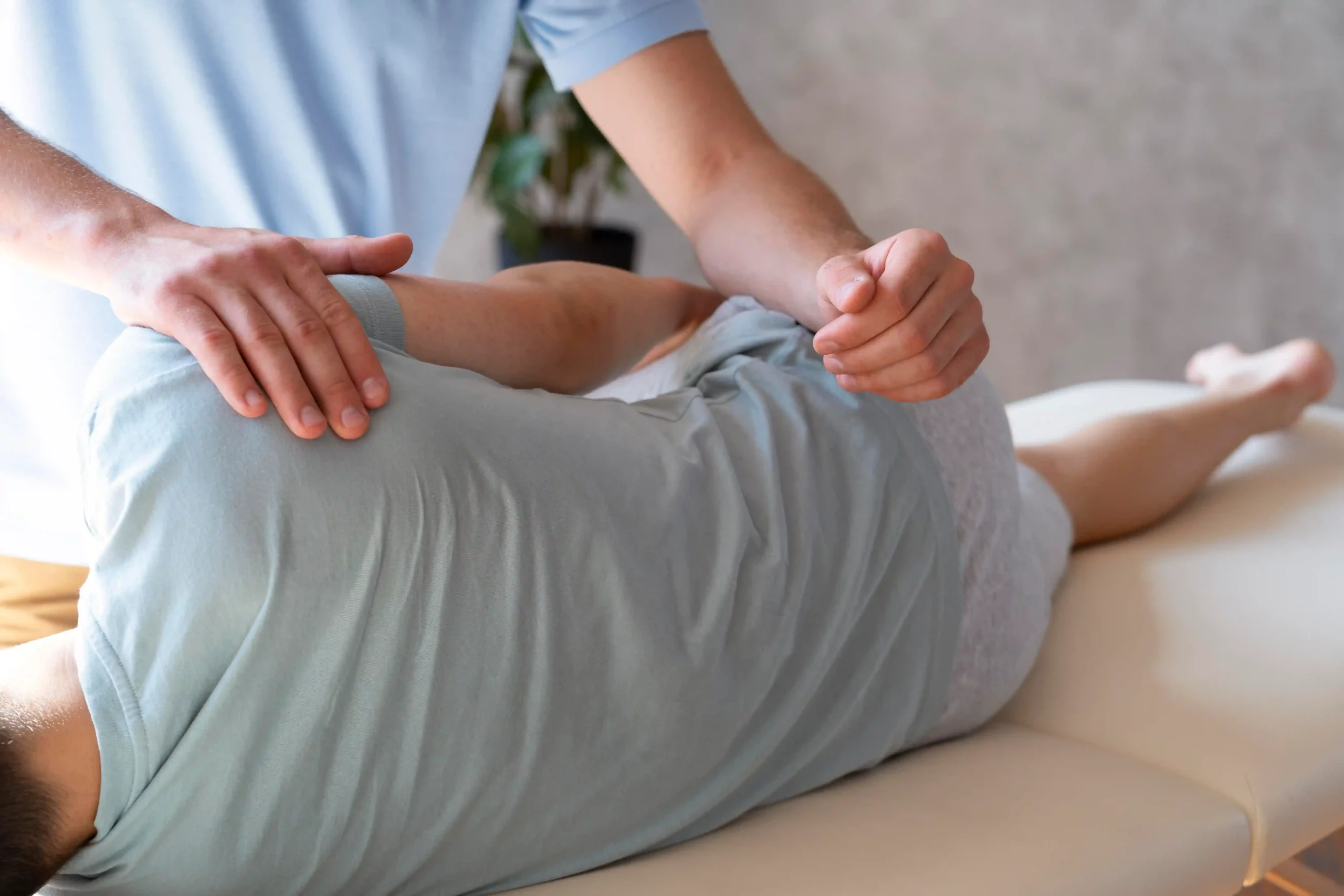
Home Physiotherapy

We understand that some conditions or injuries can make it difficult to receive rehabilitation at our clinic be it mobility or transportation issues. Our objective is to provide you with the same high-quality physiotherapy services at home that you would receive in-clinic.
Posted on

Common Conditions Treated by Physiotherapist at Synapse Physiotherapy Jln Ampang

physiotherapy ampang
Synapse Physiotherapy

Introduction

If you’re experiencing persistent pain, stiffness, or mobility issues, seeking physiotherapy Ampang services at Synapse Physiotherapy can help restore your movement and quality of life. Our physiotherapy Ampang clinic delivers personalised and evidence-based care, specialising in treating a wide range of musculoskeletal, neurological, and post-surgical conditions. Whether you’re recovering from an injury or dealing with chronic pain, early physiotherapy Ampang intervention can make a significant difference in your recovery.

At our physiotherapy Ampang facility, experienced physiotherapists conduct thorough assessments to determine the root cause of your symptoms. From lower back pain to sports injuries, we offer customised treatment plans that target your specific condition, improve function, and prevent future complications. Our physiotherapy Ampang practice sees patients of all ages and activity levels, ensuring every individual receives professional care in a welcoming environment.

This article highlights common conditions treated at our clinic and how physiotherapy Ampang services can effectively manage these health issues.

Lower Back and Neck Pain Treatment

Back and neck pain remain the most frequently reported complaints amongst adults seeking physiotherapy Ampang services. These conditions can result from poor posture, sedentary lifestyles, muscle imbalances, disc issues, or injuries. Our physiotherapy Ampang treatment typically includes:

  • Manual therapy to relieve joint stiffness and muscle tightness

  • Core strengthening and posture correction exercises

  • Ergonomic education for better spine health

  • Dry needling or myofascial release when appropriate

Our goal is to reduce pain, restore spinal mobility, and prevent recurrence through guided therapeutic programmes.

Sports Injury Rehabilitation

Whether you’re a professional athlete or weekend warrior, sports injuries require expert physiotherapy Ampang management. Common injuries include:

  • Ankle sprains

  • ACL tears

  • Tennis elbow

  • Rotator cuff injuries

  • Muscle strains and ligament sprains

Our physiotherapists use functional assessments and sports-specific rehabilitation protocols to ensure safe return to play. Treatment may involve:

  • RICE (rest, ice, compression, elevation) techniques in acute phase

  • Strength and conditioning exercises

  • Biomechanical correction

  • Taping or bracing support during recovery

Post-Surgical Rehabilitation Services

After surgery, targeted physiotherapy Ampang rehabilitation supports recovery from:

  • Total knee or hip replacement

  • Spinal surgeries

  • ACL reconstruction

  • Rotator cuff repair

  • Fracture fixation surgeries

We provide phased rehabilitation focusing on pain management, restoring range of motion, rebuilding strength, and ensuring full return to normal function. The goal is helping patients regain independence as efficiently and safely as possible.

Stroke and Neurological Conditions

Neurological conditions can significantly affect movement, coordination, and independence. Our physiotherapy Ampang specialists offer therapy for:

  • Stroke

  • Parkinson’s disease

  • Multiple sclerosis

  • Bell’s palsy

  • Peripheral neuropathy

Neuro-rehabilitation Treatment Approach

Neuro-rehabilitation at our physiotherapy Ampang centre includes:

  • Gait training

  • Balance and coordination exercises

  • Strengthening weak muscles

  • Functional retraining for daily tasks

  • Sensory stimulation techniques

We emphasise patient-centred recovery, aiming to maximise functional abilities and improve quality of life.

Shoulder and Rotator Cuff Disorders

Shoulder pain can arise from impingement, tendonitis, frozen shoulder, or rotator cuff tears, limiting arm movement and impacting daily tasks. Our physiotherapy Ampang treatment approach includes:

  • Joint mobilisation techniques

  • Range of motion exercises

  • Strengthening rotator cuff and scapular muscles

  • Therapeutic ultrasound or electrical stimulation

  • Postural retraining

A physiotherapist helps restore shoulder mobility whilst addressing underlying biomechanical issues that caused the condition.

Knee Pain and Arthritis Management

Knee problems are common across all age groups. From acute injuries like meniscus tears to chronic conditions such as osteoarthritis, physiotherapy Ampang services offer effective non-surgical management. Treatment at our clinic may include:

  • Strengthening of quadriceps and hip muscles

  • Stretching of tight structures (IT band, hamstrings)

  • Patellar tracking correction

  • Gait re-education

  • Weight management guidance for load reduction

For arthritis patients, physiotherapy helps reduce stiffness, improve movement, and delay the need for surgery.

Sciatica, caused by irritation or compression of the sciatic nerve, results in sharp pain radiating from lower back to legs. Our physiotherapy Ampang treatment focuses on:

  • Nerve gliding exercises

  • Core and pelvic stability training

  • Postural correction and spinal decompression techniques

  • Manual therapy to relieve pressure on nerves

Our physiotherapists work closely with patients to address nerve symptoms and avoid further aggravation.

Temporomandibular Joint (TMJ) Dysfunction

Jaw pain, clicking, and restricted mouth opening may indicate TMJ dysfunction. Whilst often overlooked, physiotherapy Ampang services can provide significant relief through:

  • Soft tissue mobilisation around jaw and neck

  • Exercises to improve jaw alignment and control

  • Relaxation and breathing techniques

  • Postural adjustments to relieve strain

Treatment helps reduce pain and restore full jaw movement.

Paediatric and Developmental Delays

Children with motor delays, cerebral palsy, or muscular dystrophy can benefit from early physiotherapy intervention. Our paediatric programmes are designed to:

  • Enhance muscle tone and coordination

  • Support developmental milestones

  • Improve balance and posture

  • Educate parents on home exercises and play-based therapy

Therapy is made fun, engaging, and child-focused to encourage participation and consistent progress.

Postural Problems and Ergonomic Strain

With modern lifestyles dominated by screens and prolonged sitting, many patients suffer from postural syndromes and repetitive strain injuries. Symptoms may include:

  • Headaches

  • Neck stiffness

  • Upper back tightness

  • Wrist and hand discomfort (carpal tunnel syndrome)

Our physiotherapists provide ergonomic assessments, posture correction strategies, and strengthening programmes to combat these modern-day issues.

Why Choose Our Physiotherapy Ampang Services?

At Synapse Physiotherapy, we are committed to providing exceptional physiotherapy Ampang care through:

  • Highly qualified and experienced physiotherapists

  • State-of-the-art equipment and techniques

  • Evidence-based, individualised treatment plans

  • Friendly and supportive environment

  • Convenient location in the heart of Ampang

We believe in empowering patients with knowledge and tools to take control of their health beyond the clinic.

Conclusion

Physiotherapy Ampang services at Synapse represent a vital healthcare resource supporting recovery, improving function, and preventing long-term disability. Our expert physiotherapists treat conditions ranging from back pain and sports injuries to post-surgical and neurological rehabilitation. Whether managing chronic pain, recovering from surgery, or seeking improved mobility, our physiotherapy Ampang team provides personalised, hands-on care.

With evidence-based treatment approaches, we aim to get you moving better, feeling better, and living better. For comprehensive physiotherapy Ampang services, contact our experienced team or learn more about physiotherapy techniques and benefits from recognised healthcare authorities.

Visit our Ampang physiotherapy clinic for professional assessment and treatment, or explore our specialised rehabilitation programmes designed for various conditions and recovery needs.

Share This :

Back & Neck Pain

Conditions such as stiffness, postural abnormalities and muscle overuse from prolonged desk work at the office or home is more prevalent than most would think. We provide the necessary tools to fix you up and educate you on ergonomics which can unload unnecessary stress.

Sports Injuries

Rolled ankles, jarred knees, impinged shoulders are few conditions in the plethora of sports injuries which can hamper performance and limit our enjoyment of sports. Physiotherapy not only treats the symptoms of these conditions but propels your overall fitness to greater heights.

Work Desk Injuries​

Conditions such as stiffness, postural abnormalities and muscle overuse from prolonged desk work at the office or home is more prevalent than most would think. We provide the necessary tools to fix you up and educate you on ergonomics which can unload unnecessary stress.

Pre-Post-Surgical Conditions

Surgery involves going through preparation both before and after. Physiotherapists play a vital role in getting your body ready for surgeries with circulatory, breathing and strengthening exercises. After the procedure, let us be there for your recovery and rehabilitation, taking it one step at a time.

Scoliosis & Postural Abnormalities

The way we stand, sit, walk and sleep has influence over our posture and the overall balance of muscles controlling its alignment. A comprehensive screening can be done by our physiotherapists to detect abnormalities, which we will aid in correcting.

Neurological Conditions

Neurological disabilities such as stroke, nerve compression and neuropathies can be barriers for patients to live life to its fullest. We at Synapse are committed to help you overcome these hurdles by ensuring functional mobility and quality of life is at its optimum by providing the right treatment and exercises.

Osteoarthritis & Rheumatism

Joint degeneration and inflammation happens as the human body grows older, but that does not mean our way of life degenerates as well. Relief your joint pains with a joint effort together with your physiotherapist, who will provide pain-relief treatments and prescribe exercises for your wellbeing.

Conditions Relating To Elderly

Common conditions in the older age population include hips & knee pain, back & neck pain, osteoarthritis, rheumatism, fear of falling and many more.  Aging and degeneration of bodily function is inevitable, but here at Synapse, we will help you live the best of your life.

Home Physiotherapy

We understand that some conditions or injuries can make it difficult to receive rehabilitation at our clinic be it mobility or transportation issues. Our objective is to provide you with the same high-quality physiotherapy services at home that you would receive in-clinic.
Posted on

Five Reasons to Choose A Trusted Physio Near Me

Physio Near Me
Physio Near Me
Synapse Physiotherapy

Introduction

If you’re dealing with persistent pain, recovering from an injury, or managing a chronic condition, searching for a trusted physio near me can be the first step toward recovery and a better quality of life. Choosing a local physiotherapist not only saves time and travel stress but also ensures consistent, accessible care tailored to your specific needs. Physiotherapy isn’t a one-size-fits-all solution. It requires hands-on, personalized treatment plans guided by a qualified professional who understands your lifestyle, environment, and goals.

When you opt for a trusted physio near me, you’re choosing convenience, continuity of care, and a therapist who is familiar with community resources and common local health challenges. From sports injuries to post-surgical rehab and chronic back pain, a reliable local physiotherapy clinic can deliver the clinical expertise and personal attention you need. More importantly, having a physiotherapist nearby means you’re more likely to stay committed to your sessions—one of the most important factors in a successful recovery.

Here are five compelling reasons why choosing a trusted local physiotherapist is a smart move for your health and wellbeing.

1. Convenience and Accessibility

One of the most obvious benefits of choosing a physio near you is the convenience. When you’re in pain or limited in mobility, the last thing you want is to travel long distances for treatment. Whether you’re dealing with a sports injury, recovering post-surgery, or managing arthritis, having a clinic close by removes logistical barriers.

Regular visits are key to the success of physiotherapy, especially when undergoing progressive rehabilitation. Having easy access to your clinic ensures:

  • Fewer missed appointments

  • More frequent check-ins

  • Better adherence to your rehab plan

Moreover, local physiotherapists often offer flexible scheduling, including early morning or evening appointments, to accommodate busy lifestyles. This ease of access directly impacts your motivation to attend sessions consistently.

2. Personalized and Community-Based Care

A trusted physiotherapist near you is more likely to understand the health challenges common to your community. Whether it’s work-related posture problems, high school sports injuries, or age-related conditions prevalent in your area, a local physiotherapist is uniquely positioned to provide relevant and personalized treatment.

They often take the time to:

  • Understand your daily environment

  • Factor in your lifestyle, routines, and family needs

  • Offer practical solutions that work within your surroundings

Because they’re not just treating a condition, but a person in context, local physiotherapists can tailor care with unmatched precision. Many also build strong patient relationships, offering compassionate, long-term support that goes beyond short-term recovery.

3. Faster Intervention and Ongoing Support

When pain or injury strikes, early intervention is critical. By choosing a trusted physio nearby, you can often get assessed and treated much faster than waiting for referrals or distant appointments.

Local clinics typically have more availability and flexible booking, allowing you to start your treatment plan sooner. This can significantly reduce the duration and severity of your symptoms and may even prevent more serious complications.

Moreover, once your initial treatment ends, your local physiotherapist remains easily accessible for:

  • Follow-up care

  • Preventive maintenance

  • Exercise program updates

  • Telehealth consultations if needed

Having a nearby professional you trust allows for ongoing health management and reduces the risk of future injury.

4. Comprehensive Services Under One Roof

Many reputable local physiotherapy clinics offer a broad range of services beyond standard rehabilitation. By choosing a trusted physio near you, you can benefit from:

  • Manual therapy and joint mobilization

  • Dry needling or acupuncture

  • Exercise therapy and strength training

  • Posture and ergonomic assessments

  • Sports performance programs

  • Rehabilitation after surgery or stroke

Some clinics also collaborate with general practitioners, orthopaedic specialists, and fitness professionals, creating a holistic care network. This multi-disciplinary approach streamlines your treatment and ensures your care is cohesive and effective.

In addition, clinics often provide tailored programs for specific groups such as:

  • Elderly fall prevention

  • Women’s health and prenatal physiotherapy

  • Youth sports conditioning

  • Occupational rehab for workplace injuries

5. Stronger Motivation and Better Outcomes

Recovery from injury or managing a chronic condition requires commitment. When your physiotherapist is nearby, you’re far more likely to attend sessions consistently, complete home exercises, and remain engaged in the process.

What’s more, building a relationship with a trusted local physio adds a layer of accountability and emotional support. You’re not just another number in a system—you’re a valued member of their community.

This familiarity leads to:

  • More open communication

  • More tailored treatment adjustments

  • Better monitoring of your progress

Over time, this rapport often translates to quicker recovery and better long-term outcomes. Patients who trust their therapists and feel understood are more likely to stay positive and proactive throughout their healing journey.

Bonus Tip: How to Find a Trusted Physio Near You

Not sure where to start your search? Here are a few tips to help you find a reliable and skilled physiotherapist in your area:

  • Ask for recommendations from your GP, friends, or local community groups.

  • Check qualifications and certifications—look for registered practitioners with relevant experience.

  • Read online reviews and testimonials to gauge patient satisfaction.

  • Visit the clinic to assess the cleanliness, professionalism, and friendliness of the staff.

  • Inquire about specialties, especially if you have a specific condition (e.g., sports rehab, neurological physiotherapy, or post-surgical care).

Always look for a provider who takes time to listen, explains things clearly, and develops a customized plan based on your goals.

Final Thoughts

Choosing a trusted physio near me isn’t just a matter of convenience—it’s a decision that can significantly impact the speed and success of your recovery. From personalized treatment to easy access, ongoing support, and community-based care, a local physiotherapist offers numerous benefits that larger or distant clinics often can’t match.

Whether you’re recovering from an injury, coping with chronic pain, or working toward better movement and health, the right physiotherapist can make all the difference. Take the first step by choosing a skilled, caring, and local professional who will partner with you on your journey toward healing and long-term wellness.

Share This :

Back & Neck Pain

Conditions such as stiffness, postural abnormalities and muscle overuse from prolonged desk work at the office or home is more prevalent than most would think. We provide the necessary tools to fix you up and educate you on ergonomics which can unload unnecessary stress.

Sports Injuries

Rolled ankles, jarred knees, impinged shoulders are few conditions in the plethora of sports injuries which can hamper performance and limit our enjoyment of sports. Physiotherapy not only treats the symptoms of these conditions but propels your overall fitness to greater heights.

Work Desk Injuries​

Conditions such as stiffness, postural abnormalities and muscle overuse from prolonged desk work at the office or home is more prevalent than most would think. We provide the necessary tools to fix you up and educate you on ergonomics which can unload unnecessary stress.

Pre-Post-Surgical Conditions

Surgery involves going through preparation both before and after. Physiotherapists play a vital role in getting your body ready for surgeries with circulatory, breathing and strengthening exercises. After the procedure, let us be there for your recovery and rehabilitation, taking it one step at a time.

Scoliosis & Postural Abnormalities

The way we stand, sit, walk and sleep has influence over our posture and the overall balance of muscles controlling its alignment. A comprehensive screening can be done by our physiotherapists to detect abnormalities, which we will aid in correcting.

Neurological Conditions

Neurological disabilities such as stroke, nerve compression and neuropathies can be barriers for patients to live life to its fullest. We at Synapse are committed to help you overcome these hurdles by ensuring functional mobility and quality of life is at its optimum by providing the right treatment and exercises.

Osteoarthritis & Rheumatism

Joint degeneration and inflammation happens as the human body grows older, but that does not mean our way of life degenerates as well. Relief your joint pains with a joint effort together with your physiotherapist, who will provide pain-relief treatments and prescribe exercises for your wellbeing.

Conditions Relating To Elderly

Common conditions in the older age population include hips & knee pain, back & neck pain, osteoarthritis, rheumatism, fear of falling and many more.  Aging and degeneration of bodily function is inevitable, but here at Synapse, we will help you live the best of your life.

Home Physiotherapy

We understand that some conditions or injuries can make it difficult to receive rehabilitation at our clinic be it mobility or transportation issues. Our objective is to provide you with the same high-quality physiotherapy services at home that you would receive in-clinic.