Posted on

Top Benefits of Shockwave Therapy for Muscle & Joint Pain

physiotherapy malaysia
Synapse Physiotherapy

Top Benefits of Shockwave Therapy for Muscle & Joint Pain

Introduction

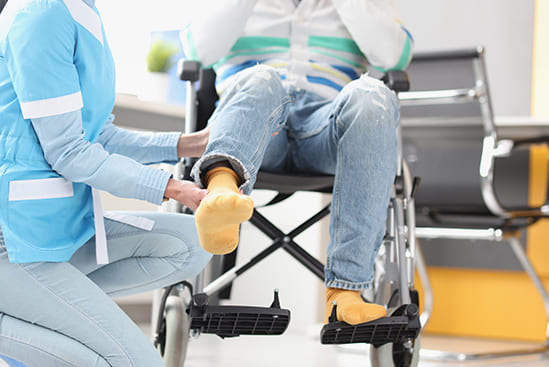
Recovering from surgery can be physically demanding and emotionally draining, especially when mobility is limited in the early stages. This is where Home Physiotherapy plays a vital role. Instead of travelling to a clinic while in pain or discomfort, patients can receive professional rehabilitation in the comfort and safety of their own homes.

Within the first few weeks after surgery, proper physiotherapy Malaysia services are crucial to restore movement, reduce pain, and prevent complications. According to the World Health Organization (WHO), rehabilitation is a set of interventions designed to optimise functioning and reduce disability in individuals with health conditions. Home-based care allows for personalised treatment plans that are adapted to the patient’s real-life environment, making recovery more practical and sustainable.

1. Specialist Rehabilitation for Joint Replacements (TKR and THR)

Total knee replacement (TKR) and total hip replacement (THR) are common procedures that require immediate, structured rehabilitation. Post-surgery, patients often face significant swelling and difficulty walking.

How Home Visits Facilitate Recovery:

  • Restoring Range of Motion: Guided exercises to reduce stiffness in the joint.
  • Functional Strengthening: Building the muscles necessary for standing and walking.
  • Home Safety Assessment: Teaching safe bed mobility and transfers while assessing for fall risks.

Rehabilitation in the home ensures exercises are tailored to daily activities, such as getting in and out of your own chairs or bathrooms. This early intervention is a core part of managing pre-post surgical conditions.

2. Evidence-Based Recovery Protocols After Spinal Surgery

Post-spinal surgery recovery, such as a discectomy or laminectomy, requires a careful and steady progression. Incorrect movements in the early weeks can delay healing or worsen symptoms.

Home-based care is especially valuable as it allows for gentle mobility exercises and core stabilisation training without the physical strain of commuting. Therapists can correct poor movement habits that commonly occur in the kitchen or living room, integrating care into a Spine & Core Rehabilitation Programme.

3. Targeted Shoulder Rehab and Fracture Fixation Care

Shoulder surgeries, such as rotator cuff repairs, follow a long rehabilitation timeline. Home-based physiotherapy Malaysia manages pain in the early phases and guides passive movements to ensure the joint remains mobile.

Furthermore, surgical fixation of fractures in the hip, wrist, or ankle often leads to muscle weakness. Practicing movement in a familiar environment builds the confidence needed for a full return to daily life. This is especially vital for the elderly, helping them regain mobility and reduce dependency on walking aids.

4. Post-Abdominal and Cardiac Surgical Support

Abdominal surgeries can significantly affect core strength and breathing patterns. Through home visits, patients benefit from:

  1. Core Reactivation: Gentle exercises to restore stability.
  2. Respiratory Care: Breathing exercises to prevent lung complications post-surgery.
  3. Endurance Training: For cardiac surgery patients, such as those recovering from a bypass, therapists can monitor cardiovascular endurance safely in a domestic setting.

5. Neurological and Brain-Related Surgical Follow-up

After neurological surgeries, patients may experience coordination and balance problems. Home-based physiotherapy Malaysia allows for task-specific functional training in the patient’s actual living space. Working in the home environment enhances “carryover”—the ability to apply what is learned in therapy to real-life independence.

The Advantages of Home-Based Post-Surgical Care

Choosing home-based rehabilitation offers several key benefits over traditional clinic visits:

  • Maximum Convenience: No travel is required while the patient is in pain.
  • Personalised Environment: Exercises are adapted to your own furniture and layout.
  • Reduced Infection Risk: Minimises exposure to hospital-acquired infections during a vulnerable recovery phase.
  • Caregiver Integration: Family members can be trained directly on how to assist with transfers and exercises safely.

If you are ready to begin your recovery journey in the comfort of your home, you can contact our team to arrange a specialist visit.

Frequently Asked Questions (FAQ)

1. Is home physiotherapy as effective as clinic-based sessions?

Yes. While clinics have more specialised equipment, home therapy focuses on functional recovery—helping you move safely within your own environment using the stairs and furniture you use every day.

2. What equipment do I need for home sessions?

Usually, very little. Your physiotherapist will bring portable equipment like resistance bands or TENS machines. Most exercises will utilise your own chairs, beds, and hallways.

3. How soon after surgery can home visits begin?

Home visits can often begin as soon as you are discharged from the hospital. Early intervention is key to managing swelling and preventing joint stiffness.

4. How long is each home visit?

A typical home session lasts about 60 minutes, which includes a physical assessment and guided exercise therapy.

Conclusion

Post-surgical recovery is a critical phase that impacts long-term health. From joint replacements and spinal surgeries to fractures and cardiac procedures, Home Physiotherapy ensures a safe and effective path back to mobility. By bringing professional care into the home, patients can recover with greater comfort, consistency, and confidence.

Share This :

Back & Neck Pain

Conditions such as stiffness, postural abnormalities and muscle overuse from prolonged desk work at the office or home is more prevalent than most would think. We provide the necessary tools to fix you up and educate you on ergonomics which can unload unnecessary stress.

Sports Injuries

Rolled ankles, jarred knees, impinged shoulders are few conditions in the plethora of sports injuries which can hamper performance and limit our enjoyment of sports. Physiotherapy not only treats the symptoms of these conditions but propels your overall fitness to greater heights.

Work Desk Injuries​

Conditions such as stiffness, postural abnormalities and muscle overuse from prolonged desk work at the office or home is more prevalent than most would think. We provide the necessary tools to fix you up and educate you on ergonomics which can unload unnecessary stress.

Pre-Post-Surgical Conditions

Surgery involves going through preparation both before and after. Physiotherapists play a vital role in getting your body ready for surgeries with circulatory, breathing and strengthening exercises. After the procedure, let us be there for your recovery and rehabilitation, taking it one step at a time.

Scoliosis & Postural Abnormalities

The way we stand, sit, walk and sleep has influence over our posture and the overall balance of muscles controlling its alignment. A comprehensive screening can be done by our physiotherapists to detect abnormalities, which we will aid in correcting.

Neurological Conditions

Neurological disabilities such as stroke, nerve compression and neuropathies can be barriers for patients to live life to its fullest. We at Synapse are committed to help you overcome these hurdles by ensuring functional mobility and quality of life is at its optimum by providing the right treatment and exercises.

Osteoarthritis & Rheumatism

Joint degeneration and inflammation happens as the human body grows older, but that does not mean our way of life degenerates as well. Relief your joint pains with a joint effort together with your physiotherapist, who will provide pain-relief treatments and prescribe exercises for your wellbeing.

Conditions Relating To Elderly

Common conditions in the older age population include hips & knee pain, back & neck pain, osteoarthritis, rheumatism, fear of falling and many more.  Aging and degeneration of bodily function is inevitable, but here at Synapse, we will help you live the best of your life.


Home Physiotherapy

We understand that some conditions or injuries can make it difficult to receive rehabilitation at our clinic be it mobility or transportation issues. Our objective is to provide you with the same high-quality physiotherapy services at home that you would receive in-clinic.
Posted on

How Malaysian Physiotherapy Clinics Improve Movement

Physiotherapy Malaysia
Synapse Physiotherapy

How Malaysian Physiotherapy Clinics Improve Movement

Introduction

Movement is essential for everyday life, from walking and working to exercising and enjoying hobbies. When pain, stiffness, or injury limits movement, quality of life can quickly decline. In recent years, Physiotherapy Malaysia has grown significantly, offering evidence-based solutions that help people regain mobility, reduce pain, and return to active living. Malaysian physiotherapy clinics focus on restoring movement through personalised treatment plans, modern rehabilitation techniques, and patient education, making them a vital part of the healthcare system.

Physiotherapy Malaysia emphasises a holistic and functional approach to care. Rather than focusing only on symptoms, physiotherapists assess how the body moves as a whole. According to the World Health Organization (WHO), rehabilitation is a set of interventions designed to optimise functioning and reduce disability in individuals with health conditions in interaction with their environment. Whether treating sports injuries, post-surgical conditions, chronic pain, or age-related mobility issues, physiotherapy clinics across Malaysia aim to improve strength, flexibility, balance, and coordination.

Early intervention and guided rehabilitation play a key role in preventing long-term movement restrictions and recurring injuries. The profession is committed to high standards of patient care and evidence-based practice to ensure the best outcomes for the local community.

The Importance of a Comprehensive Movement Assessment

The foundation of effective physiotherapy lies in accurate assessment. Malaysian physiotherapy clinics begin by evaluating posture, joint mobility, muscle strength, balance, and functional movement patterns. This may include gait analysis, range of motion testing, and specific orthopaedic or neurological assessments.

By identifying movement dysfunctions and underlying causes, physiotherapists can create targeted treatment plans. This individualised approach ensures that therapy addresses not just pain, but also the mechanical issues limiting movement. Many clinics now incorporate a Biomechanical Assessment to specifically identify imbalances that might lead to further injury.

Developing Personalised Treatment Plans for Better Mobility

No two patients move the same way, which is why personalised care is central to Physiotherapy Malaysia. After assessment, physiotherapists design customised programs based on the patient’s condition, goals, lifestyle, and activity level.

Treatment plans often evolve as the patient progresses, ensuring continued improvement. This adaptability helps patients regain movement safely while avoiding setbacks or overloading injured tissues. For those recovering from intense physical exertion, specialised loading protocols are required for high-level function. At Synapse Physiotherapy, every plan is tailored to the specific needs of the individual.

Therapeutic Exercise and Functional Training Strategies

Exercise therapy is one of the most effective tools used by Malaysian physiotherapy clinics to improve movement. These exercises are carefully selected to restore joint mobility, strengthen muscles, and improve coordination.

Key Components of Exercise Rehabilitation:

  • Strength training: For weak or inhibited muscles.
  • Stretching exercises: To improve flexibility in tight structures.
  • Core stabilisation: Essential for protecting the lower back.
  • Functional training: Tailored to improve movements specific to your daily tasks.

By focusing on functional movement rather than isolated muscles, physiotherapy helps patients move more efficiently and confidently. This is especially relevant for managing Back & Neck Pain, which often stems from modern sedentary lifestyles. You can explore our rehabilitation services to see how functional training is integrated into our care.

Manual Therapy Techniques for Joint and Soft Tissue Health

Manual therapy plays an important role in improving movement, especially in the early stages of rehabilitation. Malaysian physiotherapists are trained in various hands-on techniques that help reduce stiffness, improve joint mobility, and relieve muscle tension.

These techniques may include joint mobilisation, soft tissue massage, and myofascial release. Manual therapy is often combined with exercise to achieve lasting improvements in movement and function.

Advanced Pain Management to Restore Movement

Pain is one of the biggest barriers to movement. Physiotherapy Malaysia incorporates pain management strategies that allow patients to move more comfortably during recovery. These may include heat or cold therapy, taping techniques, and specialised electrotherapy. By reducing pain and inflammation, physiotherapy enables patients to participate more actively in rehabilitation and regain movement faster.

Postural Correction and Ergonomic Training in the Workplace

Poor posture and repetitive strain are common causes of movement limitations. Malaysian physiotherapy clinics place a strong emphasis on posture correction and ergonomic education. Correcting these habits not only improves movement but also prevents future injuries and chronic pain.

Statistics from the Department of Statistics Malaysia (DOSM) often highlight that musculoskeletal issues are a top reason for workplace absenteeism. Patients are often guided on work-desk injuries to manage these risks effectively. For more information on preventing work-related strain, you can contact our specialists for an ergonomic review.

Specialist Neurological and Geriatric Rehabilitation

Movement problems are not limited to musculoskeletal injuries. Malaysian physiotherapy clinics also provide rehabilitation for neurological and age-related conditions such as stroke, Parkinson’s disease, and balance disorders. For older adults, physiotherapy focuses on improving balance, reducing fall risk, and maintaining independence. This specialised care helps patients maintain quality of life as they age.

Frequently Asked Questions (FAQ)

1. How does physiotherapy actually improve my movement?

Physiotherapy identifies the specific muscles that are weak and the joints that are stiff. By using targeted exercises and manual techniques, it retrains your body to move with better alignment and efficiency, reducing the mechanical stress that causes pain.

2. Is physiotherapy in Malaysia suitable for chronic conditions?

Yes. For chronic conditions like osteoarthritis or long-term back pain, physiotherapy focuses on managing symptoms and improving functional capacity so you can remain active without relying solely on medication.

3. What is the difference between general exercise and physiotherapy-led exercise?

Physiotherapy-led exercise is prescribed based on a clinical assessment. It targets specific deficits in your biomechanics to ensure you are strengthening the right areas without overcompensating or risking further injury.

4. Can physiotherapy help if I am already active and fit?

Absolutely. Many athletes use physiotherapy for “prehab”—identifying subtle movement imbalances that haven’t caused pain yet but might lead to an injury during high-intensity training or competition.

5. How long does it take to see improvements in my mobility?

While some patients feel immediate relief from manual therapy, lasting improvements in movement patterns usually take 4 to 6 weeks of consistent exercise as the muscles and nervous system adapt to new ways of moving.

Conclusion

Malaysian physiotherapy clinics play a crucial role in improving movement through comprehensive assessment, personalised treatment, and evidence-based rehabilitation. By combining therapeutic exercise, manual therapy, pain management, and education, these clinics support patients at every stage of recovery. Investing in your movement today ensures a higher quality of life for years to come.

Would you like me to generate a specific list of SEO keywords to further optimise this content?


Share This :

Back & Neck Pain

Conditions such as stiffness, postural abnormalities and muscle overuse from prolonged desk work at the office or home is more prevalent than most would think. We provide the necessary tools to fix you up and educate you on ergonomics which can unload unnecessary stress.

Sports Injuries

Rolled ankles, jarred knees, impinged shoulders are few conditions in the plethora of sports injuries which can hamper performance and limit our enjoyment of sports. Physiotherapy not only treats the symptoms of these conditions but propels your overall fitness to greater heights.

Work Desk Injuries​

Conditions such as stiffness, postural abnormalities and muscle overuse from prolonged desk work at the office or home is more prevalent than most would think. We provide the necessary tools to fix you up and educate you on ergonomics which can unload unnecessary stress.

Pre-Post-Surgical Conditions

Surgery involves going through preparation both before and after. Physiotherapists play a vital role in getting your body ready for surgeries with circulatory, breathing and strengthening exercises. After the procedure, let us be there for your recovery and rehabilitation, taking it one step at a time.

Scoliosis & Postural Abnormalities

The way we stand, sit, walk and sleep has influence over our posture and the overall balance of muscles controlling its alignment. A comprehensive screening can be done by our physiotherapists to detect abnormalities, which we will aid in correcting.

Neurological Conditions

Neurological disabilities such as stroke, nerve compression and neuropathies can be barriers for patients to live life to its fullest. We at Synapse are committed to help you overcome these hurdles by ensuring functional mobility and quality of life is at its optimum by providing the right treatment and exercises.

Osteoarthritis & Rheumatism

Joint degeneration and inflammation happens as the human body grows older, but that does not mean our way of life degenerates as well. Relief your joint pains with a joint effort together with your physiotherapist, who will provide pain-relief treatments and prescribe exercises for your wellbeing.

Conditions Relating To Elderly

Common conditions in the older age population include hips & knee pain, back & neck pain, osteoarthritis, rheumatism, fear of falling and many more.  Aging and degeneration of bodily function is inevitable, but here at Synapse, we will help you live the best of your life.
Home Physiotherapy

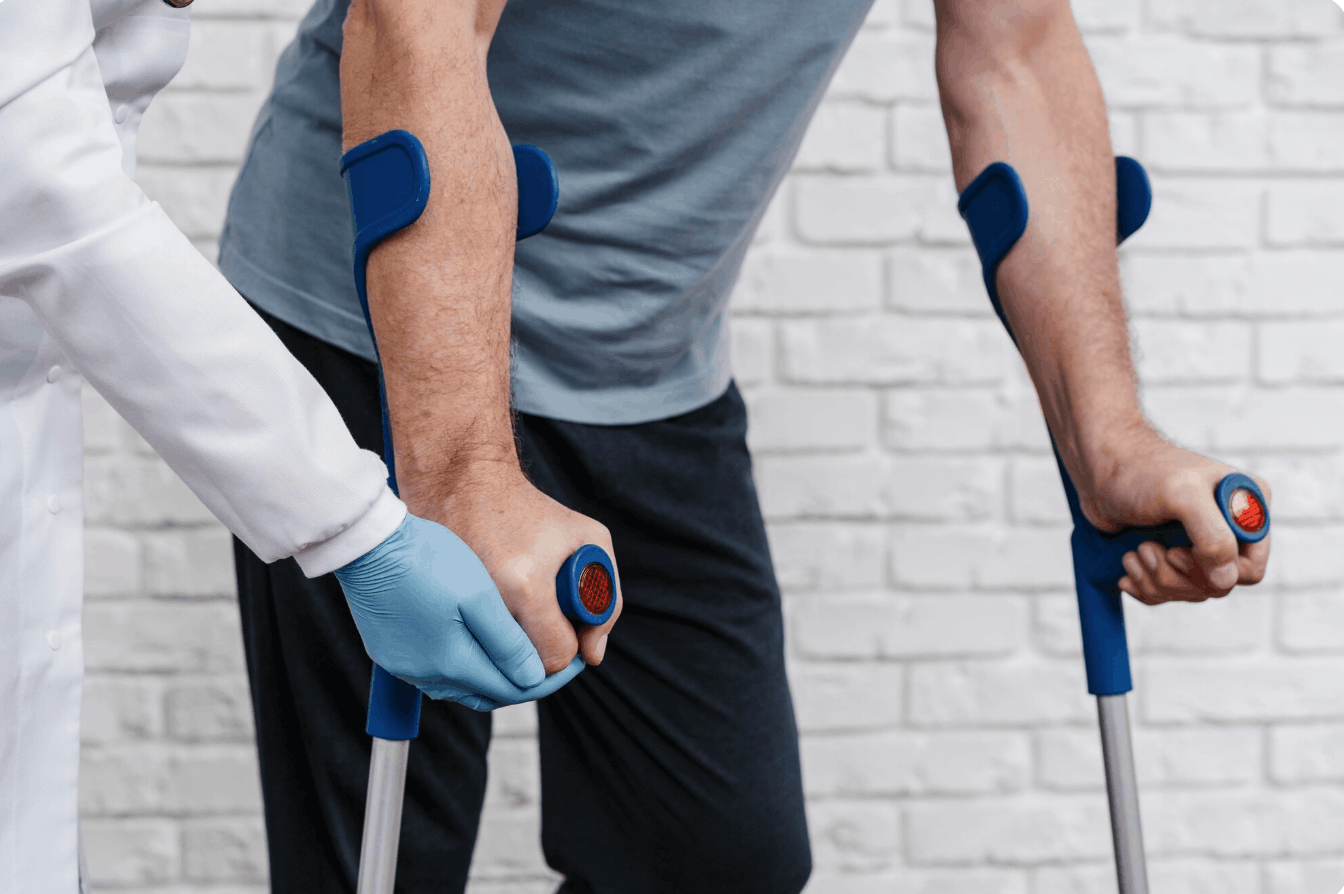
We understand that some conditions or injuries can make it difficult to receive rehabilitation at our clinic be it mobility or transportation issues. Our objective is to provide you with the same high-quality physiotherapy services at home that you would receive in-clinic.
Posted on

Why Physiotherapy Malaysia is Effective for Recovery

Physiotherapy Malaysia
Synapse Physiotherapy

What Makes Physiotherapy Malaysia Effective for Long-Term Recovery?

Physiotherapy Malaysia has grown significantly over the past decade, becoming an essential part of healthcare for people of all ages and activity levels. From office workers with chronic back pain to athletes recovering from sports injuries and elderly individuals aiming to maintain independence, the field offers a comprehensive, evidence-based approach to rehabilitation and pain management. This is where Synapse Physiotherapy makes the difference; by integrating professional expertise with compassionate care, they ensure that every patient receives a treatment plan tailored specifically to their physical needs and lifestyle goals. What makes this practice particularly effective is not just the treatments themselves, but a unique combination of professional training, patient-centred care, cultural awareness, and accessibility across the country. These factors work together to deliver meaningful, long-term outcomes rather than short-term symptom relief.


1. Strong Professional Training and Regulation

One of the key reasons Physiotherapy Malaysia is effective is the quality of professional education and regulation within the country. Malaysian physiotherapists typically complete a recognised diploma or degree programme that includes anatomy, biomechanics, pathology, exercise therapy, and clinical placements.


To ensure the highest standards of care, many practitioners pursue further certifications in specialised areas, such as:

  • Sports physiotherapy and performance.
  • Musculoskeletal rehabilitation.
  • Neurological rehabilitation for stroke or nerve injuries.
  • Women’s health and paediatric care.

In addition, the Malaysian Physiotherapy Association (MPA) and the Malaysian Health Professions Council (MHPC) play important roles in maintaining professional standards. Registration ensures that every member of the professional team adheres to ethical practice, continuing professional development, and evidence-based care. This strong foundation gives patients confidence that their treatment is safe, up to date, and effective.


2. Evidence-Based and Individualised Treatment

Effective Physiotherapy Malaysia is built on evidence-based practice, meaning treatments are guided by scientific research, clinical expertise, and individual patient needs. Rather than a “one-size-fits-all” approach, physiotherapists perform thorough assessments to identify the root cause of pain or dysfunction.


For example, knee pain may stem from poor hip control, muscle imbalance, or faulty movement patterns rather than the knee joint alone. Practitioners are trained to assess posture, movement, strength, flexibility, and functional activities. Treatment plans are then tailored to address the underlying problem, which leads to better and longer-lasting outcomes. Understanding the Benefits of Physiotherapy begins with recognising that the body must be treated as a whole, interconnected system.


3. Integration of Manual Therapy and Exercise Therapy

Another factor that makes Physiotherapy Malaysia effective is the balanced use of manual therapy and exercise therapy. Manual techniques such as joint mobilisation, soft tissue release, myofascial techniques, and neural mobilisation are commonly used to reduce pain and improve mobility, especially in the early stages of rehabilitation.


However, the process does not stop at passive treatment. Exercise therapy plays a central role in recovery. Patients are guided through:

  • Progressive Strengthening: Building muscle to support joints.
  • Stretching: Improving flexibility and range of motion.
  • Balance Training: Enhancing stability to prevent falls.
  • Functional Exercises: Designed to restore normal movement and prevent recurrence of injury.

This combination ensures that improvements achieved during treatment sessions at Synapse Physiotherapy are maintained in daily life.

4. Holistic and Patient-Centred Care

Physiotherapy in Malaysia often adopts a holistic approach, considering not only physical symptoms but also lifestyle, work demands, emotional stress, and overall well-being. Physiotherapists take time to educate patients about their condition, explain why pain occurs, and teach strategies for self-management.


This patient-centred approach empowers individuals to take an active role in their recovery. When patients understand their condition and participate in decision-making, adherence to treatment and home exercise programmes improves. This partnership between therapist and patient is a major contributor to successful outcomes.


5. Cultural Awareness and Communication

Malaysia’s multicultural society requires healthcare professionals to be culturally sensitive and adaptable. Physiotherapists are accustomed to communicating with patients from diverse backgrounds, languages, and belief systems. This cultural awareness helps build trust and rapport, which are essential for effective rehabilitation.


Clear communication also ensures that patients fully understand their diagnosis, treatment goals, and home exercises. When instructions are explained in a way that suits the patient’s background and daily routine, compliance improves and results are more sustainable. At Synapse Physiotherapy, the professional team prides itself on bridging these communication gaps to provide inclusive care.


6. Accessibility and Growing Network of Clinics

Another reason Physiotherapy Malaysia is effective is its increasing accessibility. Services are available in government hospitals, private hospitals, sports medicine centres, and standalone clinics across urban and semi-urban areas. This wide availability allows patients to seek treatment early, before conditions become chronic or severe.


Many clinics now offer:

  • Flexible appointment times to cater to working professionals.
  • Specialised services for specific conditions.
  • Modern facilities equipped with the latest rehabilitation technology.

Early intervention and consistent follow-up are crucial for recovery, and improved access makes this possible for more people.

7. Multidisciplinary Collaboration

Effective Physiotherapy Malaysia is often supported by strong collaboration with other healthcare professionals. Physiotherapists frequently work alongside orthopaedic surgeons, sports physicians, general practitioners, pain specialists, and occupational therapists.


This multidisciplinary approach ensures comprehensive care, especially for complex cases such as post-surgical rehabilitation, neurological conditions, or chronic pain. Clear communication between healthcare providers allows treatment plans to be aligned, reducing conflicting advice and improving overall patient outcomes.


8. Focus on Prevention and Long-Term Outcomes

There is an increasing emphasis on injury prevention and long-term health rather than just short-term pain relief. Patients are educated on:

  • Posture and Ergonomics: Especially for desk-bound workers.
  • Movement Efficiency: To reduce unnecessary strain on joints.
  • Activity Modification: Adjusting habits to prevent re-injury.

For example, office workers may receive advice on workstation setup, while athletes are guided on proper training load. By addressing risk factors and teaching preventive strategies, Physiotherapy Malaysia helps reduce recurrence of injuries and promotes sustainable physical health.


9. Adaptability to Modern Lifestyles

Modern lifestyles in Malaysia involve long working hours, sedentary habits, and high physical demands. Physiotherapists adapt treatment plans to fit real-life constraints, offering practical exercises that can be done at home or at work. Some clinics even incorporate digital tools, such as exercise videos and progress tracking, to support patients between sessions. This adaptability ensures continuity of care and maximises the Benefits of Physiotherapy.


Frequently Asked Questions

What should I expect during my first session?

During your first visit for Physiotherapy Malaysia, a therapist will conduct a thorough assessment of movement, strength, flexibility, and functional activities to identify the root cause of pain.


Is physiotherapy only for sports injuries?

No, it is for people of all ages and activity levels, including office workers with chronic back pain, elderly individuals maintaining independence, and athletes.

How many sessions will I need?

The number of sessions depends on your specific condition and treatment plan, but early intervention and consistent follow-up are always crucial for recovery.

Do I need a doctor’s referral for physiotherapy?

While not always mandatory, physiotherapists often work alongside general practitioners and specialists as part of a multidisciplinary approach to ensure comprehensive care.

Is exercise therapy painful?

Exercise therapy is a guided process designed to restore normal movement. While it involves progressive work, it is tailored to individual patient needs and evidence-based practice.


Conclusion

Physiotherapy Malaysia is effective because it combines strong professional training, evidence-based practice, individualised care, and cultural sensitivity within an accessible healthcare system. The integration of manual therapy, exercise, education, and prevention ensures that patients not only recover from pain and injury but also gain the knowledge and skills to maintain long-term health. As awareness continues to grow, it will remain a vital pillar of healthcare, helping individuals move better and live pain-free. If you are ready to start your journey toward better mobility, Book a consultation with our professional team at Synapse Physiotherapy today to experience the comprehensive Benefits of Physiotherapy.

Share This :

Back & Neck Pain

Conditions such as stiffness, postural abnormalities and muscle overuse from prolonged desk work at the office or home is more prevalent than most would think. We provide the necessary tools to fix you up and educate you on ergonomics which can unload unnecessary stress.

Sports Injuries

Rolled ankles, jarred knees, impinged shoulders are few conditions in the plethora of sports injuries which can hamper performance and limit our enjoyment of sports. Physiotherapy not only treats the symptoms of these conditions but propels your overall fitness to greater heights.

Work Desk Injuries​

Conditions such as stiffness, postural abnormalities and muscle overuse from prolonged desk work at the office or home is more prevalent than most would think. We provide the necessary tools to fix you up and educate you on ergonomics which can unload unnecessary stress.

Pre-Post-Surgical Conditions

Surgery involves going through preparation both before and after. Physiotherapists play a vital role in getting your body ready for surgeries with circulatory, breathing and strengthening exercises. After the procedure, let us be there for your recovery and rehabilitation, taking it one step at a time.

Scoliosis & Postural Abnormalities

The way we stand, sit, walk and sleep has influence over our posture and the overall balance of muscles controlling its alignment. A comprehensive screening can be done by our physiotherapists to detect abnormalities, which we will aid in correcting.

Neurological Conditions

Neurological disabilities such as stroke, nerve compression and neuropathies can be barriers for patients to live life to its fullest. We at Synapse are committed to help you overcome these hurdles by ensuring functional mobility and quality of life is at its optimum by providing the right treatment and exercises.

Osteoarthritis & Rheumatism

Joint degeneration and inflammation happens as the human body grows older, but that does not mean our way of life degenerates as well. Relief your joint pains with a joint effort together with your physiotherapist, who will provide pain-relief treatments and prescribe exercises for your wellbeing.

Conditions Relating To Elderly

Common conditions in the older age population include hips & knee pain, back & neck pain, osteoarthritis, rheumatism, fear of falling and many more.  Aging and degeneration of bodily function is inevitable, but here at Synapse, we will help you live the best of your life.

Home Physiotherapy

We understand that some conditions or injuries can make it difficult to receive rehabilitation at our clinic be it mobility or transportation issues. Our objective is to provide you with the same high-quality physiotherapy services at home that you would receive in-clinic.
Posted on

Physiotherapy Malaysia: Top Treatments for Muscle Tears

Physiotherapy Near Me
Synapse Physiotherapy
Physiotherapy Malaysia

Comprehensive Guide to Muscle Tear Recovery with Physiotherapy Malaysia

Muscle tears are among the most common musculoskeletal injuries seen in both professional athletes and the general population. These injuries often occur suddenly during sports, high-intensity exercise, or even during mundane daily activities such as lifting heavy objects or slipping on a wet surface. When these injuries strike, seeking expert guidance from Synapse Physiotherapy ensures a structured path toward recovery through a combination of pain relief, strength restoration, and long-term injury prevention. By choosing the right approach at Physiotherapy Malaysia, most muscle tears can heal effectively without the need for invasive surgery, allowing you to return to your daily routine with confidence.

A muscle tear, also commonly referred to as a muscle strain, ranges in severity from mild overstretching to a complete rupture of the muscle fibres. Without proper rehabilitation and professional intervention, these injuries may lead to prolonged pain, significant weakness, the formation of restrictive scar tissue, and a high risk of recurrent injuries. This is why early and structured intervention from a professional team is crucial for a successful recovery. Physiotherapists are specifically trained to assess the severity of your condition and design evidence-based treatment plans tailored to your unique lifestyle and functional goals.

Understanding the Severity of Muscle Tears

A muscle tear occurs when muscle fibres are overstretched or overloaded beyond their physiological capacity. This often happens during sudden acceleration, rapid deceleration, or when the muscle is subjected to excessive force. While any muscle can be affected, the hamstrings, quadriceps, calf muscles, groin, rotator cuff, and lower back are the most frequently injured areas. To provide the most effective treatment, Physiotherapy Malaysia classifies these injuries into three distinct grades:

  • Grade I (Mild): This involves microscopic tearing of the fibres. You may experience minimal pain and very little loss of strength or mobility.
  • Grade II (Moderate): This is a partial tear. It is usually accompanied by noticeable pain, swelling, and a clear reduction in functional ability.
  • Grade III (Severe): This is a complete rupture of the muscle. It results in significant pain, extensive swelling, and a total loss of muscle function.

Accurate grading is essential, as it determines the intensity, duration, and progression of your specific physiotherapy treatment plan. While rest is an important initial step, it is rarely sufficient for optimal recovery on its own. Improper healing can result in permanent stiffness, weakness, and poor movement control. Professional intervention at Synapse Physiotherapy helps by promoting optimal tissue healing, reducing inflammation, and preventing muscle shortening.

Top Physiotherapy Treatments for Muscle Tears

In Malaysia, the management of muscle tears involves several evidence-based stages. Each stage is designed to protect the tissue while gradually restoring the body’s ability to handle physical loads. By understanding how sport injury clinic help to treat muscle tears, patients can better appreciate the complex science behind their recovery journey.

1. Acute Injury Management and Pain Control

In the early phase, usually the first 48 to 72 hours, the primary focus is on protecting the injured muscle and controlling the initial inflammatory response. Our professional team may recommend activity modification, compression, and gentle positioning to minimise stress on the damaged fibres. Education is also a key component during this stage, ensuring you know how to move safely without aggravating the injury.

Common modalities used for pain management in Physiotherapy Malaysia include:

  • Cryotherapy: Using ice therapy to reduce acute pain and swelling.
  • Electrotherapy: Utilising TENS (Transcutaneous Electrical Nerve Stimulation) for pain modulation.
  • Manual Therapy: Techniques to reduce muscle guarding and tension in surrounding tissues.

2. Progressive Movement and Strengthening

Once the initial pain is controlled, gentle range of motion exercises are introduced to prevent stiffness and maintain muscle elasticity. These movements are performed strictly within pain-free limits. As healing improves, the focus shifts to strengthening, which is the cornerstone of rehabilitation. The progression usually follows this order:

  • Isometric Exercises: Activating the muscle without moving the joint.
  • Concentric Strengthening: Strengthening the muscle as it shortens.
  • Eccentric Strengthening: Controlling the muscle as it lengthens.

Eccentric training is particularly vital in Physiotherapy Malaysia because it helps improve muscle resilience and significantly reduces the risk of re-injury in the future. For more information on the standards of professional practice in the country, you may visit the Malaysian Physiotherapy Association (MPA), the national body representing physiotherapists in Malaysia.

3. Soft Tissue Techniques and Stretching

Manual soft tissue techniques are frequently employed to improve tissue mobility and local circulation. These may include soft tissue mobilisation, myofascial release, and trigger point therapy. When applied at the appropriate stage, these techniques help reduce tightness and prevent excessive scar tissue formation. As healing progresses, individualised stretching programmes are introduced to restore full muscle length and flexibility.

Returning to Sport and Daily Life

Rehabilitation at Physiotherapy Malaysia does not end simply because the pain has disappeared. The final stages of recovery focus on functional and sports-specific rehabilitation to ensure the muscle can handle real-world demands. This phase includes gait retraining, balance and proprioception exercises, and functional movements like squatting or lunging. For athletes, sport-specific drills are integrated to prepare the body for dynamic loads and sudden, explosive movements.

Education remains a pillar of the treatment process at Synapse Physiotherapy. Patients are taught proper warm-up techniques, correct movement patterns, and load management strategies. This empowers you to take control of your long-term musculoskeletal health and prevents the cycle of recurrent injuries.

Recovery Timeline for Muscle Tears

The duration of your recovery depends heavily on the severity of the tear and your individual health factors:

  • Grade I: Typically requires 1 to 3 weeks of rehabilitation.
  • Grade II: Usually takes 4 to 8 weeks for a full recovery.
  • Grade III: May require 3 months or more, and in some severe cases, surgical input may be necessary.

Consistent participation in a structured programme at Physiotherapy Malaysia significantly improves recovery outcomes and reduces overall downtime. Delaying treatment may prolong your recovery and increase the risk of developing chronic issues.

Frequently Asked Questions

When should I see a physiotherapist for a muscle tear?

You should seek help if you experience persistent pain, swelling, bruising, or a noticeable reduction in strength and movement. Early intervention leads to better long-term outcomes.

Is rest enough to heal a muscle tear?

While rest is important initially, it is rarely enough for a full recovery. Without guided exercise, the muscle may heal with weakness or stiffness, making it prone to future injury.

What is the most important exercise for preventing re-injury?

Eccentric strengthening, which involves controlled muscle lengthening, is considered vital for improving muscle resilience and reducing the risk of tearing the muscle again.

Can I treat a Grade III muscle tear without surgery?

Many Grade III tears can be managed with physiotherapy, though they require a longer recovery period of 3 months or more. However, some complete ruptures may require surgical consultation.

How does manual therapy help with muscle tears?

Manual therapy techniques like myofascial release help improve tissue mobility, increase circulation, and prevent the formation of excessive, restrictive scar tissue.

Conclusion

Muscle tears can significantly impact your daily life, career, and athletic performance if they are not managed with professional care. In Physiotherapy Malaysia, evidence-based rehabilitation programmes focus on safe healing, functional recovery, and long-term prevention. Through a combination of expert pain management, manual therapy, and progressive strengthening, the professional team at Synapse Physiotherapy is dedicated to helping you return to your optimal level of function.

Whether you are dealing with a minor strain or a severe rupture, a structured rehabilitation plan is the most effective way to regain your confidence and mobility safely. Don’t let a muscle injury keep you on the sidelines. If you are ready to start your journey toward a full recovery, Book a consultation with us today and experience the highest standard of care.

Share This :

Back & Neck Pain

Conditions such as stiffness, postural abnormalities and muscle overuse from prolonged desk work at the office or home is more prevalent than most would think. We provide the necessary tools to fix you up and educate you on ergonomics which can unload unnecessary stress.

Sports Injuries

Rolled ankles, jarred knees, impinged shoulders are few conditions in the plethora of sports injuries which can hamper performance and limit our enjoyment of sports. Physiotherapy not only treats the symptoms of these conditions but propels your overall fitness to greater heights.

Work Desk Injuries​

Conditions such as stiffness, postural abnormalities and muscle overuse from prolonged desk work at the office or home is more prevalent than most would think. We provide the necessary tools to fix you up and educate you on ergonomics which can unload unnecessary stress.

Pre-Post-Surgical Conditions

Surgery involves going through preparation both before and after. Physiotherapists play a vital role in getting your body ready for surgeries with circulatory, breathing and strengthening exercises. After the procedure, let us be there for your recovery and rehabilitation, taking it one step at a time.

Scoliosis & Postural Abnormalities

The way we stand, sit, walk and sleep has influence over our posture and the overall balance of muscles controlling its alignment. A comprehensive screening can be done by our physiotherapists to detect abnormalities, which we will aid in correcting.

Neurological Conditions

Neurological disabilities such as stroke, nerve compression and neuropathies can be barriers for patients to live life to its fullest. We at Synapse are committed to help you overcome these hurdles by ensuring functional mobility and quality of life is at its optimum by providing the right treatment and exercises.

Osteoarthritis & Rheumatism

Joint degeneration and inflammation happens as the human body grows older, but that does not mean our way of life degenerates as well. Relief your joint pains with a joint effort together with your physiotherapist, who will provide pain-relief treatments and prescribe exercises for your wellbeing.

Conditions Relating To Elderly

Common conditions in the older age population include hips & knee pain, back & neck pain, osteoarthritis, rheumatism, fear of falling and many more.  Aging and degeneration of bodily function is inevitable, but here at Synapse, we will help you live the best of your life.
Home Physiotherapy

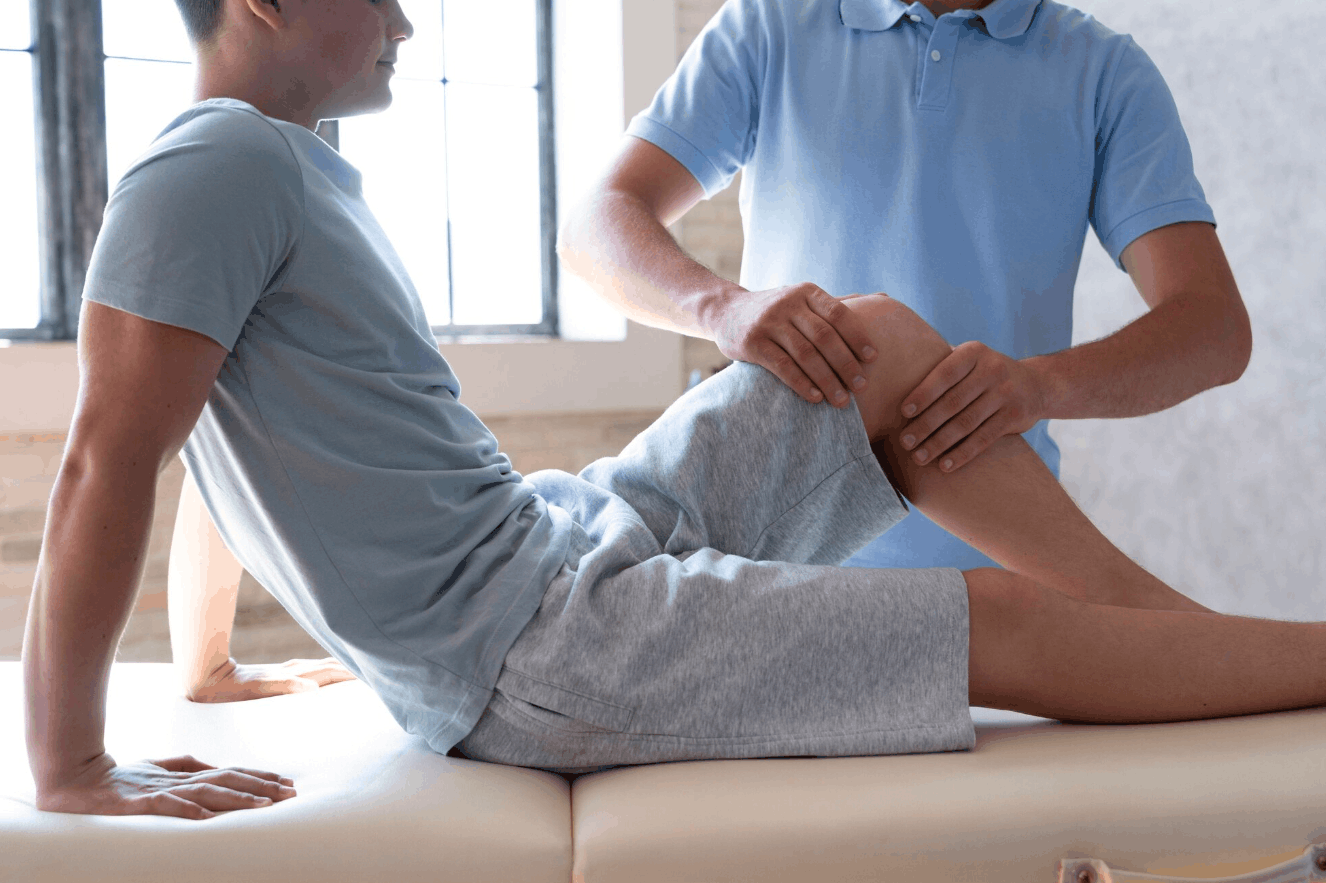
We understand that some conditions or injuries can make it difficult to receive rehabilitation at our clinic be it mobility or transportation issues. Our objective is to provide you with the same high-quality physiotherapy services at home that you would receive in-clinic.
Posted on

Physiotherapy Malaysia: Tips for Faster Rehabilitation

Synapse Physiotherapy

Introduction

Rehabilitation is a transformative journey, whether you are recovering from a complex surgery, managing a sports-related injury, or dealing with the persistent frustrations of chronic pain. In recent years, Physiotherapy Malaysia has gained significant recognition for its structured, evidence-based, and patient-centred approach to health. At Synapse Physiotherapy, we understand that every patient requires a unique roadmap to recovery, which is why our services are designed to bridge the gap between injury and peak performance. By choosing Physiotherapy Malaysia services early in the healing process, you can significantly shorten your rehabilitation time and return to the activities you love with renewed confidence.

The Essential Role of Physiotherapy in Modern Rehabilitation

Physiotherapy is a dedicated healthcare profession focused on improving movement, physical function, and overall quality of life through targeted interventions. Within the landscape of Physiotherapy Malaysia, these services are commonly utilised to treat a wide array of conditions, ranging from musculoskeletal issues like back and knee pain to more complex neurological and geriatric balance concerns. 


The true strength of a professional approach lies in its holistic nature. It is not merely about treating a single symptom; rather, it combines exercise therapy, manual techniques, patient education, and lifestyle modifications to support long-term recovery. This comprehensive method ensures that the root cause of dysfunction is addressed, rather than just the surface-level pain.

10 Practical Tips for Faster Rehabilitation

To achieve the best possible outcomes, patients must be active participants in their own recovery. Here are ten practical tips to help you maximise your results while undergoing Physiotherapy Malaysia.

1. Prioritise Early Intervention

One of the most critical factors for a swift recovery is starting treatment as soon as possible. Many individuals make the mistake of waiting until pain becomes unbearable before seeking help. Early intervention helps control swelling, prevents muscle weakness, and ensures that tissues heal correctly from the start. In the context of Physiotherapy Malaysia, early referral is highly encouraged following orthopaedic surgeries or acute sports injuries.

2. Follow Your Personalised Treatment Plan

No two bodies are the same, and therefore, no two rehabilitation plans should be identical. During your initial assessment, your therapist will evaluate your posture, strength, flexibility, and functional goals. Adhering strictly to this bespoke plan is the most effective way to improve your recovery speed. For those seeking Physiotherapy with Expert Care, a tailored approach is the gold standard for success.

3. Maintain Consistency with Appointments

Consistency is the foundation of physical progress. Skipping sessions or attending irregularly can lead to setbacks and stall your momentum. Regular sessions allow your therapist to monitor your progress and safely progress your exercises. Fortunately, many clinics providing Physiotherapy Malaysia offer flexible scheduling to accommodate busy lifestyles.

4. Commit to Your Home Exercise Programme (HEP)

Recovery does not stop when you leave the clinic. The exercises prescribed for you to perform at home are designed to complement your in-clinic treatment. To see the best results, you must perform these movements exactly as instructed, maintaining proper form and breathing techniques. At Synapse Physiotherapy, we place a heavy emphasis on patient education to ensure your home routine is both safe and effective.

5. Distinguish Between Pain and Healing Sensations

It is natural to feel some discomfort during rehabilitation, but it is vital to know the difference between “good” muscle soreness and “bad” injury-related pain. Your therapist will help you understand acceptable pain levels and identify warning signs that suggest you should modify your activity. Understanding these sensations allows you to stay active without risking further damage.

6. Focus on Movement Quality Over Strength

While building strength is important, movement quality is often more critical for long-term health. Poor movement patterns can delay your recovery and significantly increase the risk of re-injury. Experts in Physiotherapy Malaysia often focus on postural correction, joint alignment, and functional retraining to ensure your body moves efficiently. Clinical research published in The Lancet emphasises that remaining active and using exercise therapy are more effective for back pain than prolonged bed rest.

7. Optimise Your Lifestyle for Healing

Rehabilitation is influenced by your daily habits outside of the clinic. To support tissue repair and muscle growth, you must prioritise:

  • Adequate Sleep: Essential for tissue recovery.
  • Balanced Nutrition: Provides the fuel necessary for muscle and tissue repair.
  • Hydration: Keeps joints lubricated and muscles functioning optimally.

8. Maintain Open Communication

Your therapist relies on your feedback to adjust your treatment plan. Always report changes in your symptoms, any difficulties you have with specific exercises, or concerns regarding your return to work or sports. This transparency ensures that your Physiotherapy Malaysia experience remains effective and safe.

9. Follow a Gradual Return to Activity

Returning to full-intensity sport or work too quickly is a leading cause of reinjury. A structured, graded programme—including functional strengthening and task-specific drills—is necessary to build the required endurance and confidence. Relying on a professional team ensures that your return is based on physical readiness rather than just a timeline.

10. Embrace Preventative Strategies

The final stage of rehabilitation is not the end of your journey; it is the beginning of prevention. Continuing with flexibility exercises, balance training, and ergonomic adjustments will help you stay injury-free in the long term. This proactive mindset is a hallmark of the best Physiotherapy Malaysia providers.

Choosing the Right Clinic

Choosing the right provider is essential for a positive experience. When searching for Physiotherapy Malaysia, look for a clinic with licensed therapists, clear treatment explanations, and a supportive environment. A facility that offers Physiotherapy with Expert Care will prioritise your individual goals and provide a professional, motivating atmosphere.

Frequently Asked Questions

1. How long does a typical physiotherapy session last?

Most sessions in Physiotherapy Malaysia last between 45 to 60 minutes, depending on the complexity of the condition and the specific treatment techniques required for that day.

2. Is physiotherapy painful?

While some manual techniques or new exercises may cause temporary discomfort or muscle soreness, your therapist will work within your pain tolerance to ensure the treatment is productive and not harmful.

3. How many sessions will I need before I see results?

Recovery timelines vary based on the individual and the severity of the injury. However, staying consistent with your appointments and home exercises is the fastest way to see measurable improvement.

4. Do I need a doctor’s referral for physiotherapy in Malaysia?

In many cases, you can book a session directly with a clinic providing Physiotherapy Malaysia. However, some insurance providers may require a referral from a general practitioner or specialist for claims.

5. Can physiotherapy help with chronic conditions?

Yes, physiotherapy is highly effective for managing chronic issues such as knee osteoarthritis, lower back pain, and persistent shoulder impingement by improving mobility and reducing reliance on pain medication.

Conclusion

Rehabilitation is a journey that demands commitment, expert guidance, and a proactive mindset. By embracing the comprehensive services offered through Physiotherapy Malaysia, you are choosing a path that leads to faster recovery, improved movement, and the prevention of future injuries. Whether you are a professional athlete or someone looking to enjoy a pain-free daily life, the tools and expertise available at Synapse Physiotherapy can help you achieve your physical goals. Do not let pain hold you back any longer. Book a consultation with us today to start your journey toward a stronger, healthier you.

Share This :

Back & Neck Pain

Conditions such as stiffness, postural abnormalities and muscle overuse from prolonged desk work at the office or home is more prevalent than most would think. We provide the necessary tools to fix you up and educate you on ergonomics which can unload unnecessary stress.

Sports Injuries

Rolled ankles, jarred knees, impinged shoulders are few conditions in the plethora of sports injuries which can hamper performance and limit our enjoyment of sports. Physiotherapy not only treats the symptoms of these conditions but propels your overall fitness to greater heights.

Work Desk Injuries​

Conditions such as stiffness, postural abnormalities and muscle overuse from prolonged desk work at the office or home is more prevalent than most would think. We provide the necessary tools to fix you up and educate you on ergonomics which can unload unnecessary stress.

Pre-Post-Surgical Conditions

Surgery involves going through preparation both before and after. Physiotherapists play a vital role in getting your body ready for surgeries with circulatory, breathing and strengthening exercises. After the procedure, let us be there for your recovery and rehabilitation, taking it one step at a time.

Scoliosis & Postural Abnormalities

The way we stand, sit, walk and sleep has influence over our posture and the overall balance of muscles controlling its alignment. A comprehensive screening can be done by our physiotherapists to detect abnormalities, which we will aid in correcting.

Neurological Conditions

Neurological disabilities such as stroke, nerve compression and neuropathies can be barriers for patients to live life to its fullest. We at Synapse are committed to help you overcome these hurdles by ensuring functional mobility and quality of life is at its optimum by providing the right treatment and exercises.

Osteoarthritis & Rheumatism

Joint degeneration and inflammation happens as the human body grows older, but that does not mean our way of life degenerates as well. Relief your joint pains with a joint effort together with your physiotherapist, who will provide pain-relief treatments and prescribe exercises for your wellbeing.

Conditions Relating To Elderly

Common conditions in the older age population include hips & knee pain, back & neck pain, osteoarthritis, rheumatism, fear of falling and many more.  Aging and degeneration of bodily function is inevitable, but here at Synapse, we will help you live the best of your life.

Home Physiotherapy

We understand that some conditions or injuries can make it difficult to receive rehabilitation at our clinic be it mobility or transportation issues. Our objective is to provide you with the same high-quality physiotherapy services at home that you would receive in-clinic.
Posted on

Physiotherapy Malaysia: Preventing Injuries with Expert Care

Physiotherapy Malaysia
Synapse Physiotherapy

Introduction

We often think of physiotherapy as something you do after an injury—once the damage is done, and recovery begins. But here’s something many people don’t realize: physiotherapy is just as powerful in preventing injuries as it is in healing them.


Whether you’re an athlete, an office worker, or a busy parent juggling daily tasks, your body faces wear and tear every day. Poor posture, weak muscles, or even repetitive movements can lead to aches, strains, or serious injuries over time.


That’s why more people are turning to physiotherapy in Malaysia not just for treatment, but for prevention. With expert guidance, physiotherapy can help you move smarter, strengthen key muscles, correct imbalances, and avoid the pain before it even starts.


In this article, we’ll explore how physiotherapy helps prevent injuries, who can benefit, and how you can take the first step toward a stronger, healthier you.


What Is Physiotherapy?

Physiotherapy is a hands-on, movement-based treatment that helps restore and improve physical function. It uses exercises, manual therapy, posture correction, and education to help people feel better, move better, and live pain-free.


But beyond recovery, physiotherapy plays a vital role in injury prevention. It teaches your body to move the right way—reducing strain on joints, easing muscle tension, and helping you avoid accidents or overuse injuries.

Think of it as a personal coach for your body: one that keeps everything in balance.


Why Prevention Matters

It’s easy to ignore small aches and pains—until they become bigger problems. Many injuries don’t happen suddenly. They build up over time, due to poor posture, muscle weakness, or imbalances in how we sit, stand, walk, or lift things.

Common preventable issues include:

  • Back and neck pain from prolonged sitting

  • Shoulder strain from repetitive movements

  • Knee pain from improper walking or running form

  • Sports injuries due to muscle imbalances

  • Falls in older adults from poor balance or weak legs

With physiotherapy in Malaysia, you don’t have to wait for pain to slow you down. Early intervention can make all the difference.


How Physiotherapy Helps Prevent Injuries

1. Posture Correction

Many people have poor posture without even realizing it. Physiotherapists can spot misalignments and teach you how to stand, sit, and move in ways that protect your spine and joints.

2. Muscle Balance

Injury often comes from imbalance—some muscles are too tight, while others are too weak. Physiotherapy includes strengthening and stretching programs to bring your body into balance and reduce stress on joints.

3. Movement Assessment

Physiotherapists are trained to observe how you move—whether you’re walking, running, lifting, or sitting. They can identify risky patterns and teach you better techniques to reduce wear and tear.

4. Strength and Conditioning

Targeted exercise programs improve strength, endurance, and joint stability, which means your body is better prepared for everyday activities or sports.

5. Flexibility Training

Tight muscles can pull your body out of alignment and cause strain. Stretching routines and mobility work help maintain healthy, pain-free movement.

6. Education and Lifestyle Tips

Your physiotherapist will give you practical advice on things like workspace setup, lifting techniques, footwear, or even how to manage long hours at a desk—turning small habits into powerful tools for prevention.


Who Should Consider Preventive Physiotherapy?

Preventive physiotherapy isn’t just for athletes. It’s for everyone who wants to stay active and avoid future injuries. Here are a few examples:

  • Office workers who sit for long hours

  • Manual laborers or people with physically demanding jobs

  • Teenagers involved in sports or high-growth periods

  • Older adults at risk of falls or mobility loss

  • People recovering from past injuries wanting to avoid recurrence

  • Anyone who wants to move better, feel stronger, and stay pain-free

Even one or two sessions can give you helpful insights about your body and how to take better care of it.


What to Expect During a Preventive Physiotherapy Session

Your first session usually starts with a full assessment. Your physiotherapist will ask about your daily routine, physical activities, any past injuries, and current discomfort—even if it’s mild.

Then, they’ll observe how you move, test your strength and flexibility, and check your posture. Based on the findings, they’ll design a plan tailored to your needs.

This might include:

  • Simple exercises to do at home

  • Hands-on therapy to release muscle tightness

  • Posture training and ergonomic advice

  • Tips on preventing specific injuries related to your job or sport

Sessions are typically relaxed, educational, and highly practical.


Why Choose Physiotherapy in Malaysia?

Malaysia offers high-quality physiotherapy services at accessible prices, making it easier than ever to invest in your physical wellbeing.

Many clinics offer:

  • Qualified, licensed physiotherapists

  • Customised treatment plans

  • Friendly, supportive environments

  • Convenient locations and flexible scheduling

Whether you’re looking for injury prevention or early-stage care, physiotherapy in Malaysia is a smart, proactive step toward better health.


Making It a Lifestyle, Not a Quick Fix

Preventive physiotherapy works best when it’s seen as part of your wellness routine—not just a once-off solution. Just like brushing your teeth or exercising regularly, taking care of your muscles and joints is a long-term investment.

Even one session a month can help you stay on track, spot issues early, and build habits that protect your body for years to come.


Conclusion: Take the First Step with Synapse Physiotherapy

Injuries can slow you down—but you don’t have to wait for pain to take action. With the right care, you can strengthen your body, move with ease, and avoid problems before they start.


At Synapse Physiotherapy, we believe prevention is just as important as recovery. Our experienced team is here to guide you with expert care, personalized programs, and a passion for helping you move better every day.


Don’t wait for pain to knock you down. Let Synapse Physiotherapy help you stay strong, active, and injury free.

Share This :

Back & Neck Pain

Conditions such as stiffness, postural abnormalities and muscle overuse from prolonged desk work at the office or home is more prevalent than most would think. We provide the necessary tools to fix you up and educate you on ergonomics which can unload unnecessary stress.

Sports Injuries

Rolled ankles, jarred knees, impinged shoulders are few conditions in the plethora of sports injuries which can hamper performance and limit our enjoyment of sports. Physiotherapy not only treats the symptoms of these conditions but propels your overall fitness to greater heights.

Work Desk Injuries​

Conditions such as stiffness, postural abnormalities and muscle overuse from prolonged desk work at the office or home is more prevalent than most would think. We provide the necessary tools to fix you up and educate you on ergonomics which can unload unnecessary stress.

Pre-Post-Surgical Conditions

Surgery involves going through preparation both before and after. Physiotherapists play a vital role in getting your body ready for surgeries with circulatory, breathing and strengthening exercises. After the procedure, let us be there for your recovery and rehabilitation, taking it one step at a time.

Scoliosis & Postural Abnormalities

The way we stand, sit, walk and sleep has influence over our posture and the overall balance of muscles controlling its alignment. A comprehensive screening can be done by our physiotherapists to detect abnormalities, which we will aid in correcting.

Neurological Conditions

Neurological disabilities such as stroke, nerve compression and neuropathies can be barriers for patients to live life to its fullest. We at Synapse are committed to help you overcome these hurdles by ensuring functional mobility and quality of life is at its optimum by providing the right treatment and exercises.

Osteoarthritis & Rheumatism

Joint degeneration and inflammation happens as the human body grows older, but that does not mean our way of life degenerates as well. Relief your joint pains with a joint effort together with your physiotherapist, who will provide pain-relief treatments and prescribe exercises for your wellbeing.

Conditions Relating To Elderly

Common conditions in the older age population include hips & knee pain, back & neck pain, osteoarthritis, rheumatism, fear of falling and many more.  Aging and degeneration of bodily function is inevitable, but here at Synapse, we will help you live the best of your life.
Home Physiotherapy

We understand that some conditions or injuries can make it difficult to receive rehabilitation at our clinic be it mobility or transportation issues. Our objective is to provide you with the same high-quality physiotherapy services at home that you would receive in-clinic.
Posted on

Physiotherapy Malaysia: Expert Care for Your Wellness

physiotherapy malaysia
Synapse Physiotherapy

Introduction

In today’s fast-paced world, the importance of holistic health and wellness cannot be overstated. From managing chronic pain to recovering from injuries, physiotherapy plays a vital role in helping individuals regain mobility, reduce discomfort, and improve overall quality of life. 


Physiotherapy Malaysia: Expert Care for Your Wellness is not just a phrase—it’s a reflection of the high standards and expert care available throughout the country.


Malaysia has become a growing hub for healthcare excellence, and physiotherapy is no exception. Whether you’re a local resident or a medical tourist, Malaysia offers a wide array of physiotherapy services that combine advanced techniques, modern facilities, and experienced professionals. From sports rehabilitation to post-surgical recovery, physiotherapists in Malaysia are committed to delivering personalized and effective treatment plans to support every patient’s journey to recovery.


“Let’s explore how physiotherapy in Malaysia, as an expert in wellness care, is making a difference in the lives of many — one movement at a time.”

What Is Physiotherapy?

Physiotherapy is a healthcare profession focused on diagnosing, managing, and treating physical impairments, disabilities, and pain through physical methods. It involves a wide range of techniques such as manual therapy, exercise therapy, electrotherapy, and education to help restore function and movement.

In Malaysia, physiotherapy is practiced by licensed professionals who are trained to handle a variety of conditions—from acute injuries and chronic pain to neurological and musculoskeletal disorders. Physiotherapists work closely with other healthcare professionals to ensure a holistic approach to healing.

Why Choose Physiotherapy in Malaysia?

Malaysia has established itself as a center of medical excellence in Southeast Asia, and physiotherapy is a key part of its healthcare ecosystem. Here are some reasons why choosing physiotherapy in Malaysia is a smart choice:

1. Qualified Professionals

Malaysian physiotherapists undergo rigorous education and training. Many hold international certifications and regularly participate in continuing education to stay updated with the latest advancements in physiotherapy techniques.

2. Comprehensive Services

Whether you need treatment for sports injuries, back pain, stroke rehabilitation, or post-operative recovery, physiotherapy clinics in Malaysia offer comprehensive services tailored to individual needs.

3. Affordable Yet High-Quality Care

Compared to many Western countries, physiotherapy services in Malaysia are cost-effective without compromising quality. This affordability makes Malaysia an attractive destination for both locals and international patients.

4. Modern Facilities

Most physiotherapy centers are equipped with advanced tools and facilities such as hydrotherapy pools, computerized gait analysis systems, and high-tech rehabilitation equipment, enhancing the precision and effectiveness of treatments.

Common Conditions Treated

Physiotherapy in Malaysia addresses a broad spectrum of health issues, including:

  1. Musculoskeletal injuries: Sprains, strains, tendonitis, arthritis, and joint pain.

  2. Neurological disorders: Stroke, Parkinson’s disease, multiple sclerosis, and spinal cord injuries.

  3. Sports injuries: ACL tears, rotator cuff injuries, tennis elbow, and more.

  4. Post-surgical rehabilitation: Orthopedic and neurological surgeries.

  5. Pediatric and geriatric care: Developmental delays, balance disorders, and fall prevention.

Personalized Treatment Approach

One of the standout features of Physiotherapy Malaysia: Expert Care For Your Wellness is the personalized approach each patient receives. After an initial assessment, physiotherapists design customized treatment plans based on the patient’s specific condition, goals, and lifestyle.

This personalized care not only enhances the effectiveness of the therapy but also empowers patients to take an active role in their recovery. Education and home exercise programs are commonly integrated into treatment plans to ensure long-term success.

Physiotherapy Modalities Used in Malaysia

Malaysian physiotherapy centers employ a range of techniques, depending on the condition being treated. Some commonly used modalities include:

  1. Manual Therapy: Hands-on techniques to mobilize joints and soft tissues.

  2. Therapeutic Exercise: Customized movements to strengthen muscles and improve flexibility.

  3. Ultrasound and Electrotherapy: Used to reduce pain and promote healing.

  4. Dry Needling: A modern technique similar to acupuncture, used for pain relief.

  5. Ergonomic Advice: Education on posture and body mechanics to prevent recurrence of injury.

Physiotherapy for Preventive Health

Physiotherapy is not only for injury recovery; it’s also a proactive approach to maintaining good health. Many people in Malaysia are turning to physiotherapists for preventive care, such as improving posture, enhancing athletic performance, and managing lifestyle-related conditions like obesity or sedentary behavior.

Preventive physiotherapy can help reduce the risk of future injuries, improve physical function, and enhance overall wellbeing. This makes physiotherapy a valuable addition to anyone’s wellness routine.

Conclusion

Choosing physiotherapy is a powerful step toward achieving a pain-free and active life. Whether you’re recovering from an injury or looking to enhance your physical wellbeing, the expert care provided by Malaysian physiotherapists can help you reach your health goals.


Physiotherapy Malaysia: Expert Care for Your Wellness stands as a testament to the country’s commitment to quality healthcare. With highly skilled professionals, modern techniques, and patient-centered care, Synapse Physiotherapy is an ideal destination for anyone seeking top-tier physiotherapy services.

Share This :

Back & Neck Pain

Conditions such as stiffness, postural abnormalities and muscle overuse from prolonged desk work at the office or home is more prevalent than most would think. We provide the necessary tools to fix you up and educate you on ergonomics which can unload unnecessary stress.

Sports Injuries

Rolled ankles, jarred knees, impinged shoulders are few conditions in the plethora of sports injuries which can hamper performance and limit our enjoyment of sports. Physiotherapy not only treats the symptoms of these conditions but propels your overall fitness to greater heights.

Work Desk Injuries​

Conditions such as stiffness, postural abnormalities and muscle overuse from prolonged desk work at the office or home is more prevalent than most would think. We provide the necessary tools to fix you up and educate you on ergonomics which can unload unnecessary stress.

Pre-Post-Surgical Conditions

Surgery involves going through preparation both before and after. Physiotherapists play a vital role in getting your body ready for surgeries with circulatory, breathing and strengthening exercises. After the procedure, let us be there for your recovery and rehabilitation, taking it one step at a time.

Scoliosis & Postural Abnormalities

The way we stand, sit, walk and sleep has influence over our posture and the overall balance of muscles controlling its alignment. A comprehensive screening can be done by our physiotherapists to detect abnormalities, which we will aid in correcting.

Neurological Conditions

Neurological disabilities such as stroke, nerve compression and neuropathies can be barriers for patients to live life to its fullest. We at Synapse are committed to help you overcome these hurdles by ensuring functional mobility and quality of life is at its optimum by providing the right treatment and exercises.

Osteoarthritis & Rheumatism

Joint degeneration and inflammation happens as the human body grows older, but that does not mean our way of life degenerates as well. Relief your joint pains with a joint effort together with your physiotherapist, who will provide pain-relief treatments and prescribe exercises for your wellbeing.

Conditions Relating To Elderly

Common conditions in the older age population include hips & knee pain, back & neck pain, osteoarthritis, rheumatism, fear of falling and many more.  Aging and degeneration of bodily function is inevitable, but here at Synapse, we will help you live the best of your life.

Home Physiotherapy

We understand that some conditions or injuries can make it difficult to receive rehabilitation at our clinic be it mobility or transportation issues. Our objective is to provide you with the same high-quality physiotherapy services at home that you would receive in-clinic.
Posted on

Expert Physiotherapy Malaysia: Book Today

Physiotherapy Malaysia
Synapse Physiotherapy

Introduction

When it comes to healing from injuries, managing chronic pain, or enhancing physical performance, finding trusted care is crucial. Physiotherapy Malaysia services have rapidly evolved to offer evidence-based treatments tailored to each individual’s needs. Whether you’re recovering from a sports injury, experiencing joint pain, or seeking post-surgical rehab, expert physiotherapists across Malaysia are now more accessible than ever before. With state-of-the-art facilities and certified professionals, Malaysia’s physiotherapy landscape is primed to help you regain mobility, reduce discomfort, and prevent future injuries all in a supportive and personalised environment.


From Kuala Lumpur to Penang, Johor Bahru to Kota Kinabalu, patients can now easily access clinics offering advanced manual therapy, electrotherapy, dry needling, exercise rehabilitation, and more. Booking an appointment is straightforward, many centres offer online platforms with same-day slots, ensuring you receive timely care. Whether you’re an athlete or a desk-bound professional, starting your journey with Physiotherapy Malaysia can make a world of difference. Don’t delay, book your session today and take the first step toward long-term relief and functional recovery.

Why Physiotherapy is Essential for a Healthier Malaysia

Physiotherapy is no longer seen as an optional luxury, it is a vital healthcare service that addresses musculoskeletal, neurological, and cardiorespiratory conditions. In Malaysia, the growing awareness of the importance of physical rehabilitation is evident in the rising number of physiotherapy centres, public health campaigns, and insurance coverage options.


Moreover, the ageing population, sedentary lifestyles, and high rates of sports-related injuries have all contributed to increased demand for professional Physiotherapy Malaysia services. Additionally, the Ministry of Health in Malaysia continues to promote early intervention through physiotherapy to reduce the long-term burden of disability and dependence.


By addressing the root cause of pain and immobility, physiotherapists help patients regain confidence and independence in daily life. From children with developmental delays to seniors with arthritis, Physiotherapy Malaysia provides targeted, non-invasive solutions that promote healing from within.

Common Conditions Treated in Malaysian Physiotherapy Clinics

Physiotherapy Malaysia covers a broad spectrum of conditions, including:

  • Lower back pain and slipped discs

  • Neck and shoulder tension due to poor posture or stress

  • Post-stroke rehabilitation

  • Sports injuries such as ACL tears, sprains, or tennis elbow

  • Pre- and post-operative orthopaedic rehab

  • Paediatric physiotherapy for developmental concerns

  • Chronic pain syndromes, including fibromyalgia

Each treatment plan is designed based on a thorough assessment, which may include physical tests, movement analysis, and patient history. Furthermore, Malaysian clinics often incorporate a blend of Western and Eastern techniques, reflecting the country’s diverse healthcare landscape. For more information, explore conditions treated by physiotherapists in Malaysia.

Advanced Techniques Used by Expert Physiotherapists

Gone are the days when physiotherapy was limited to basic stretches and massages. Nowadays, Physiotherapy Malaysia integrates cutting-edge tools and methodologies, such as:

  • Dry needling and trigger point therapy to release tight muscles and improve blood flow

  • Shockwave therapy for tendon and ligament injuries

  • Spinal decompression therapy for herniated discs

  • Pilates-based rehabilitation to improve posture, core strength, and balance

  • Kinesio taping for joint support and inflammation control

  • Ultrasound and electrical stimulation therapies for deep tissue healing

These methods are often combined with therapeutic exercises tailored to each patient’s needs. Therefore, the goal is not just to treat symptoms but to empower patients with the tools they need for lasting recovery.

Finding the Right Physiotherapy Clinic in Malaysia

With so many options available, choosing the right clinic can feel overwhelming. However, here are a few tips to ensure you make the best choice:

Check for Qualifications and Licensing

Ensure the physiotherapist is registered under the Malaysian Physiotherapy Association or other relevant bodies.

Look for Experience

Clinics that specialise in your specific condition are more likely to offer effective treatments. You may also want to check out Synapse Physiotherapy’s expert team.

Review Treatment Philosophy

The best clinics offer a holistic approach, combining manual therapy, movement retraining, and patient education.

Evaluate Accessibility and Location

Choose a centre that’s easy to reach, especially if you require multiple sessions.

Read Reviews and Testimonials

Real patient experiences can help you understand what to expect.

Some of the top-rated physiotherapy providers in Malaysia include Synapse Physiotherapy, Physio Plus, Rehamed Therapy, and Precise Rehab, among others. Furthermore, many of these clinics also collaborate with orthopaedic surgeons, sports doctors, and chiropractors to provide a multidisciplinary care model.

Home-Based and Online Physiotherapy in Malaysia

In response to changing healthcare needs, many Malaysian physiotherapists now offer home-based Physiotherapy services. This is particularly beneficial for patients with mobility issues, post-surgical recovery, or elderly care needs. A physiotherapist can travel to your home with portable equipment, delivering high-quality therapy in the comfort of your living room. Learn more about Home Visit Physiotherapy Services.


Additionally, for those in remote areas or with tight schedules, online physiotherapy (also known as tele-physio) has emerged as a viable option. Through video consultations, patients can receive exercise guidance, posture correction, and follow-up care under expert supervision.

How to Book a Physiotherapy Session in Malaysia

Booking a session is now easier than ever. Most modern Physiotherapy Malaysia clinics offer:

  • Online booking systems via their website or mobile app

  • WhatsApp enquiries for quick responses

  • Flexible appointment hours, including evenings and weekends

  • Package plans to make therapy more affordable

First-time patients usually undergo a comprehensive assessment, after which a customized treatment plan is proposed. This plan will include the number of sessions required, estimated recovery timelines, and home exercises.


Don’t wait for your condition to worsen. The sooner you begin treatment, the quicker your recovery.

Why Malaysians Trust Physiotherapy More Than Ever

The Malaysian healthcare system has seen a paradigm shift toward preventative and rehabilitative care, with Physiotherapy Malaysia playing a central role. Patients no longer wait for surgery or long-term medication to feel better, they take proactive steps with physical therapy as the first line of defence.

Moreover, the friendly and multicultural nature of Malaysian clinics makes therapy sessions approachable and engaging. Language barriers are minimal, with many physiotherapists fluent in English, Malay, Mandarin, and Tamil.


Whether you’re an athlete, an office worker, a retiree, or a student, Physiotherapy Malaysia can improve your quality of life. The focus is on functional recovery, pain reduction, and long-term health.

Frequently Asked Questions (FAQs)

1. How long does a typical physiotherapy session last?

Most sessions range between 45 minutes to 1 hour, depending on the condition and treatment approach.

2. Do I need a doctor’s referral to start physiotherapy in Malaysia?

No, you can book directly with a certified physiotherapist without a referral.

3. Are physiotherapy sessions covered by Malaysian health insurance?

Many insurance providers offer partial or full reimbursement. It’s best to check with your insurance company beforehand.

4. Can physiotherapy help with long-term conditions like arthritis or stroke?

Yes, physiotherapy is highly effective in managing chronic conditions through tailored rehabilitation plans.

5. Is online physiotherapy as effective as in-person sessions?

For certain conditions, online consultations can be effective, especially for exercise guidance and follow-ups.

Final Thoughts: Book Your Appointment Today

If you’re experiencing pain, stiffness, or physical limitations, don’t delay your healing journey. Expert Physiotherapy Malaysia is accessible, professional, and patient-focused. With experienced therapists, modern facilities, and a wide range of treatment options, Malaysia offers some of the best rehabilitative care in Southeast Asia.


Take the first step today. Book your consultation with a certified physiotherapist and experience the benefits of personalised, evidence-based care. Visit our homepage to start your journey. Your body will thank you.

Share This :

Back & Neck Pain

Conditions such as stiffness, postural abnormalities and muscle overuse from prolonged desk work at the office or home is more prevalent than most would think. We provide the necessary tools to fix you up and educate you on ergonomics which can unload unnecessary stress.

Sports Injuries

Rolled ankles, jarred knees, impinged shoulders are few conditions in the plethora of sports injuries which can hamper performance and limit our enjoyment of sports. Physiotherapy not only treats the symptoms of these conditions but propels your overall fitness to greater heights.

Work Desk Injuries​

Conditions such as stiffness, postural abnormalities and muscle overuse from prolonged desk work at the office or home is more prevalent than most would think. We provide the necessary tools to fix you up and educate you on ergonomics which can unload unnecessary stress.

Pre-Post-Surgical Conditions

Surgery involves going through preparation both before and after. Physiotherapists play a vital role in getting your body ready for surgeries with circulatory, breathing and strengthening exercises. After the procedure, let us be there for your recovery and rehabilitation, taking it one step at a time.

Scoliosis & Postural Abnormalities

The way we stand, sit, walk and sleep has influence over our posture and the overall balance of muscles controlling its alignment. A comprehensive screening can be done by our physiotherapists to detect abnormalities, which we will aid in correcting.

Neurological Conditions

Neurological disabilities such as stroke, nerve compression and neuropathies can be barriers for patients to live life to its fullest. We at Synapse are committed to help you overcome these hurdles by ensuring functional mobility and quality of life is at its optimum by providing the right treatment and exercises.

Osteoarthritis & Rheumatism

Joint degeneration and inflammation happens as the human body grows older, but that does not mean our way of life degenerates as well. Relief your joint pains with a joint effort together with your physiotherapist, who will provide pain-relief treatments and prescribe exercises for your wellbeing.

Conditions Relating To Elderly

Common conditions in the older age population include hips & knee pain, back & neck pain, osteoarthritis, rheumatism, fear of falling and many more.  Aging and degeneration of bodily function is inevitable, but here at Synapse, we will help you live the best of your life.

Home Physiotherapy

We understand that some conditions or injuries can make it difficult to receive rehabilitation at our clinic be it mobility or transportation issues. Our objective is to provide you with the same high-quality physiotherapy services at home that you would receive in-clinic.
Posted on

Geriatric Physiotherapy Malaysia | Best Senior Exercises

Physiotherapy Malaysia
Synapse Physiotherapy

Geriatric Physiotherapy Malaysia | Best Senior Exercises

As Malaysia’s population continues to age, there is a growing emphasis on quality of life and functional independence among older adults. One of the most effective ways to support healthy ageing is through geriatric physiotherapy—a specialized branch of physiotherapy in Malaysia dedicated to improving the health, mobility, and well-being of seniors. Whether it’s managing chronic conditions or enhancing physical function, geriatric physiotherapy is a vital resource for our elderly population.

At Synapse Physio, we understand the unique needs of ageing individuals. That’s why we’ve developed our Silver Fitness Programme—a tailored physiotherapy and exercise regimen designed to support senior citizens in achieving optimal physical health and maintaining independence in their golden years.

Understanding geriatric physiotherapy 

Geriatric physiotherapy is a specialized area of physiotherapy in Malaysia that addresses the unique physical and functional needs of older adults. It is designed to restore function, enhance remaining physical abilities, and ultimately improve the overall quality of life for seniors—especially those living with age-related impairments, chronic conditions, or frailty.

Many seniors experience physical deconditioning due to a range of chronic illnesses and degenerative conditions. Common medical issues that contribute to physical decline include arthritis, osteoporosis, stroke, Parkinson’s disease, heart disease, and chronic obstructive pulmonary disease (COPD). These conditions often lead to reduced mobility, balance issues, muscle weakness, and increased risk of falls—making physiotherapy an essential part of their care plan.

Rather than focusing solely on treating specific diseases, modern geriatric rehabilitation places greater emphasis on functional ability, independence, and well-being. This approach recognizes that maintaining mobility and autonomy is just as important as managing medical conditions. By preserving and strengthening physical function, geriatric physiotherapy helps older adults remain active, independent, and engaged in daily life for as long as possible.

Benefits of Geriatric Physiotherapy

The benefits of geriatric physiotherapy in Malaysia are far-reaching and deeply impactful. Here are some of the key advantages:

1. Improved Mobility and Independence

Through targeted exercises and therapeutic techniques, older adults can improve their range of motion, coordination, and mobility. This directly enhances their ability to perform daily tasks, reducing dependency on caregivers or family members.

2. Pain Management

Chronic pain from arthritis, joint degeneration, or old injuries can significantly hinder a senior’s quality of life. Geriatric physiotherapy uses manual therapy, electrotherapy, and therapeutic exercises to alleviate pain naturally—often reducing the need for medication.

3. Fall Prevention

Falls are one of the leading causes of injury among the elderly in Malaysia. Geriatric physiotherapy emphasizes balance training, gait correction, and strengthening exercises, all of which contribute to fall prevention and safer movement.

4. Enhanced Mental Well-Being

Physical activity releases endorphins, which help combat feelings of depression or anxiety—common issues among seniors. Structured physiotherapy not only boosts physical health but also improves emotional wellness, giving seniors a sense of purpose and achievement.

5. Post-Surgical Recovery

Many seniors undergo surgeries such as hip or knee replacements. Geriatric physiotherapy plays a critical role in post-operative rehabilitation, accelerating recovery and minimizing complications.

Core Aspects of Geriatric Physiotherapy

An effective geriatric physiotherapy programme must focus on the following four key components:

1. Balance

With age, balance tends to decline due to changes in muscle tone, inner ear function, and visual perception. At Synapse Physio, we use dynamic and static balance exercises—such as tandem walking, one-leg stands, and stability ball routines—to retrain the body’s equilibrium. This helps reduce the risk of falls and improve confidence during movement.

2. Strength

Muscle atrophy is common in older adults, especially those who are sedentary. Strengthening exercises using resistance bands, light weights, or body weight help rebuild muscle mass, support joints, and enhance functional power—making activities like getting out of a chair or lifting groceries easier and safer.

3. Flexibility

Tight muscles and stiff joints can limit an elder’s ability to move freely and increase the risk of strains. Stretching exercises are included to maintain or improve joint flexibility, reduce stiffness, and promote proper posture. Flexibility routines are carefully curated to be gentle yet effective.

4. Endurance

Cardiovascular health is crucial in older age. Our endurance training includes low-impact aerobic exercises such as walking, cycling on a stationary bike, or chair aerobics. These activities increase stamina, improve heart health, and contribute to better energy levels throughout the day.

Synapse Physio’s Silver Fitness Programme

At Synapse Physio, we proudly offer the Silver Fitness Programme—a comprehensive, senior-specific physiotherapy and exercise programme designed by expert physiotherapists who specialize in geriatric care. This programme is:

  • Tailored to individual needs – We assess each senior’s physical condition, health history, and goals before creating a custom plan.
  • Safe and supervised – All sessions are monitored by certified physiotherapists to ensure safety and progress.
  • Holistic in nature – We combine physical therapy with lifestyle advice, fall prevention education, and motivational coaching.

The Silver Fitness Programme is perfect for seniors who want to stay active, manage chronic pain, recover from surgery, or simply maintain their independence. Whether you’re 60 or 90, it’s never too late to take charge of your physical health.

Why Choose Geriatric Physiotherapy in Malaysia?

Malaysia is rapidly moving toward becoming an ageing nation. With increasing awareness and improved healthcare facilities, the demand for specialized elder care is growing. Geriatric physiotherapy provides an accessible, non-invasive, and cost-effective solution to many of the challenges faced by seniors today.

At Synapse Physiotherapy, we are committed to delivering top-notch physiotherapy services for the elderly, using evidence-based methods and compassionate care. Our goal is to help every senior client live a more active, pain-free, and fulfilling life.

Share This :

Back & Neck Pain

Conditions such as stiffness, postural abnormalities and muscle overuse from prolonged desk work at the office or home is more prevalent than most would think. We provide the necessary tools to fix you up and educate you on ergonomics which can unload unnecessary stress.

Sports Injuries

Rolled ankles, jarred knees, impinged shoulders are few conditions in the plethora of sports injuries which can hamper performance and limit our enjoyment of sports. Physiotherapy not only treats the symptoms of these conditions but propels your overall fitness to greater heights.

Work Desk Injuries​

Conditions such as stiffness, postural abnormalities and muscle overuse from prolonged desk work at the office or home is more prevalent than most would think. We provide the necessary tools to fix you up and educate you on ergonomics which can unload unnecessary stress.

Pre-Post-Surgical Conditions

Surgery involves going through preparation both before and after. Physiotherapists play a vital role in getting your body ready for surgeries with circulatory, breathing and strengthening exercises. After the procedure, let us be there for your recovery and rehabilitation, taking it one step at a time.

Scoliosis & Postural Abnormalities

The way we stand, sit, walk and sleep has influence over our posture and the overall balance of muscles controlling its alignment. A comprehensive screening can be done by our physiotherapists to detect abnormalities, which we will aid in correcting.

Neurological Conditions

Neurological disabilities such as stroke, nerve compression and neuropathies can be barriers for patients to live life to its fullest. We at Synapse are committed to help you overcome these hurdles by ensuring functional mobility and quality of life is at its optimum by providing the right treatment and exercises.

Osteoarthritis & Rheumatism

Joint degeneration and inflammation happens as the human body grows older, but that does not mean our way of life degenerates as well. Relief your joint pains with a joint effort together with your physiotherapist, who will provide pain-relief treatments and prescribe exercises for your wellbeing.

Conditions Relating To Elderly

Common conditions in the older age population include hips & knee pain, back & neck pain, osteoarthritis, rheumatism, fear of falling and many more.  Aging and degeneration of bodily function is inevitable, but here at Synapse, we will help you live the best of your life.
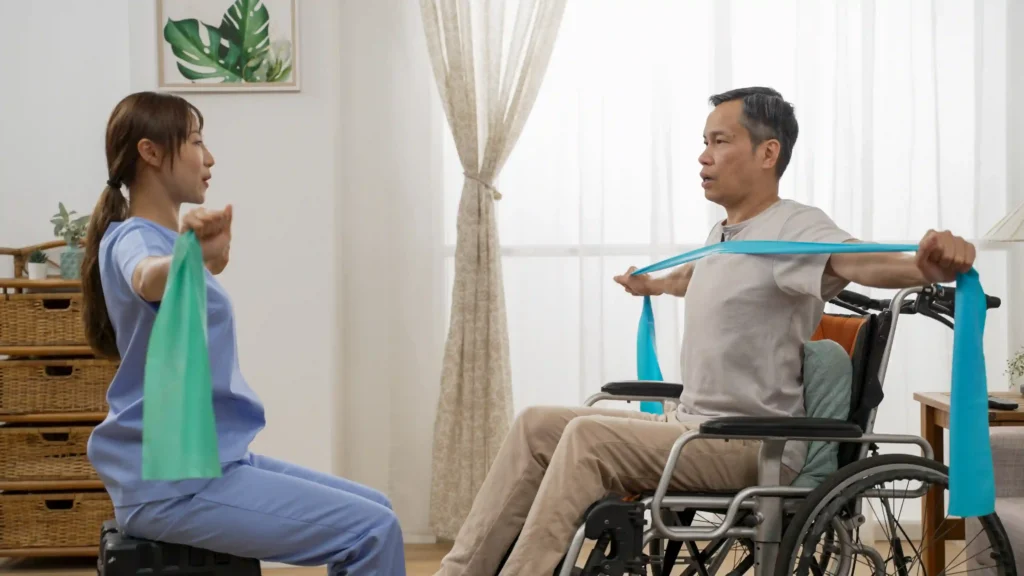
Home Physiotherapy

We understand that some conditions or injuries can make it difficult to receive rehabilitation at our clinic be it mobility or transportation issues. Our objective is to provide you with the same high-quality physiotherapy services at home that you would receive in-clinic.
Posted on

Physiotherapy Malaysia for Tendonitis & Ligament Injuries

Physiotherapy Malaysia
Synapse Physiotherapy

Introduction

Injuries to tendons and ligaments are incredibly common, whether from sports, accidents, or repetitive strain. These injuries, though often underestimated, can significantly impact mobility, quality of life, and daily functioning. Fortunately, Physiotherapy Malaysia has emerged as a reliable and effective solution for managing and recovering from such injuries.

Physiotherapy in Malaysia has grown in both accessibility and reputation, offering world-class care through evidence-based practices, modern equipment, and personalised treatment approaches. Whether you’re dealing with tendonitis, a condition marked by inflammation or irritation of a tendon or a ligament injury such as an ankle sprain or ACL tear, physiotherapists across the country are well-equipped to support your recovery journey.

Malaysian physiotherapy clinics cater to a wide demographic, from athletes to office workers, children to the elderly. With an emphasis on holistic, non-invasive methods, Physiotherapy Malaysia not only focuses on healing the current injury but also on preventing future issues through education, strengthening, and biomechanical correction.

In this article, we’ll dive into how physiotherapy helps treat tendonitis and ligament injuries, explore the techniques used by professionals in Malaysia, and share why early intervention can make all the difference.

What Are Tendonitis and Ligament Injuries?

Before we get into treatment, it’s essential to understand the nature of these injuries.

Tendonitis is the inflammation or irritation of a tendon, the thick cord that attaches muscle to bone. It typically results from repetitive strain or overuse, and it’s most common in the shoulder, elbow, knee, wrist, and heel. Conditions like tennis elbow, golfer’s elbow, Achilles tendonitis, and rotator cuff tendonitis fall under this category.

On the other hand, ligament injuries involve damage to the ligaments, fibrous connective tissues that connect bones across joints and provide stability. These injuries often occur due to sudden trauma or awkward movement, such as twisting the ankle or knee. They can range from mild sprains (Grade I) to partial tears (Grade II) or complete ruptures (Grade III).

Though these conditions differ in terms of structure and cause, both share similar symptoms like pain, swelling, stiffness, and reduced range of motion.

How Physiotherapy in Malaysia Supports Recovery

Physiotherapy Malaysia is known for its integrated, patient-centred approach. Rather than relying solely on medication or surgery, physiotherapy emphasises natural recovery through guided exercise, manual therapy, and targeted treatments.

1. Pain Reduction and Inflammation Control

Early treatment focuses on reducing inflammation and managing pain. Modalities such as ice therapy, ultrasound, shockwave therapy, and TENS (Transcutaneous Electrical Nerve Stimulation) are commonly used in Malaysian clinics.

2. Restoring Mobility and Flexibility

Once pain subsides, physiotherapists work on restoring joint movement and flexibility through gentle stretching and joint mobilisation techniques.

3. Strengthening the Affected Area

Strengthening exercises are introduced to rebuild muscle and tendon/ligament resilience, preventing re-injury. Eccentric exercises are especially effective in these cases.

4. Rehabilitation and Return to Activity

For athletes or active individuals, sport-specific rehabilitation helps ensure a safe return to previous levels of activity. For others, the goal is a full return to daily living and work. You can explore more on this through our Sports Physiotherapy programme.

Techniques Commonly Used in Malaysian Physiotherapy Clinics

Malaysian physiotherapists use a wide variety of modern and traditional techniques to treat tendonitis and ligament injuries effectively. These include:

1. Manual Therapy

Includes hands-on joint mobilisations, soft tissue massage, trigger point therapy, and myofascial release.

2. Exercise Therapy

Customised rehab programmes that strengthen muscles, improve joint stability, and correct movement imbalances.

3. Dry Needling & Cupping

These are popular complementary techniques in Malaysia. Dry needling helps reduce muscle tension, while cupping can improve circulation and tissue healing.

4. Taping and Bracing

Taping methods like Kinesio Taping provide support during movement and reduce strain on healing tissues.

5. Electrotherapy

Techniques like ultrasound therapy and TENS are used to reduce pain and accelerate healing.

Benefits of Early Physiotherapy Intervention

When it comes to tendonitis and ligament injuries, early intervention can make a huge difference. Here’s why:

1. Prevents Chronic Pain

Untreated tendon or ligament issues may lead to chronic conditions, limiting mobility and function in the long term.

2. Speeds Up Recovery

Prompt treatment can significantly shorten the healing period.

3. Improves Outcomes

Early physiotherapy ensures the injury heals correctly, minimising the risk of re-injury or compensatory problems in other joints or muscles.

4. Reduces Need for Surgery

With the right physiotherapy, many moderate injuries can be treated non-surgically. Learn more about our pain management solutions and how they can aid recovery.

What to Expect During a Physiotherapy Session in Malaysia

Your first visit typically starts with a thorough assessment. The physiotherapist will take a detailed history, ask about your lifestyle, conduct a physical exam, and possibly refer you for imaging (like ultrasound or MRI) if necessary.

From there, you’ll receive a tailored treatment plan, which might include:

  • Initial pain management strategies

  • A progressive exercise plan

  • Advice on lifestyle changes or ergonomics

  • Education on posture and movement patterns

  • Regular progress evaluations and adjustments

Sessions are usually 30 to 60 minutes long, and frequency depends on the severity of the injury.

Finding the Right Physiotherapy Clinic in Malaysia

When searching for a physiotherapy provider, consider the following:

  • Qualifications and Experience: Ensure the clinic employs licensed, experienced physiotherapists with a track record of treating musculoskeletal injuries.

  • Treatment Approach: Look for clinics that provide personalised, evidence-based care rather than one-size-fits-all solutions.

  • Facilities and Equipment: Modern clinics often have advanced rehab tools and equipment for a more effective recovery process.

  • Location and Accessibility: Choose a clinic conveniently located near your home or workplace to encourage consistency in appointments.

Malaysia boasts many reputable physiotherapy centres in major cities like Kuala Lumpur, Petaling Jaya, Penang, Johor Bahru, and Shah Alam. Many of these clinics also offer home visits and telehealth services for greater convenience.

Frequently Asked Questions (FAQs)

1. How long does it take to recover from tendonitis with physiotherapy?

Recovery time varies depending on the severity, but most patients notice improvement within 4 to 6 weeks of consistent physiotherapy.

2. Can physiotherapy completely heal ligament injuries?

Mild to moderate ligament injuries can heal fully with physiotherapy. Severe tears might require surgical consultation, but physiotherapy is still key in recovery.

3. Are the techniques used in Malaysian clinics safe?

Yes, techniques like manual therapy, electrotherapy, and dry needling are evidence-based and safely administered by qualified professionals.

4. Do I need a doctor’s referral to start physiotherapy in Malaysia?

In most cases, no referral is needed. You can directly contact a clinic and schedule an assessment with a physiotherapist.

5. Is physiotherapy suitable for elderly individuals with ligament damage?

Absolutely. Physiotherapy Malaysia is tailored for all age groups, and many clinics offer specialised programmes for seniors to support gentle, effective healing.

Conclusion

Tendonitis and ligament injuries may be frustrating, but with the right care, recovery is well within reach. Physiotherapy Malaysia provides a comprehensive, patient-focused approach to healing these injuries through a combination of manual therapy, targeted exercises, pain management techniques, and education. 

Whether you’re an athlete or simply trying to get back to daily life without pain, seeking help from a qualified physiotherapist in Malaysia can put you on the path to full recovery and long-term wellness.

Learn more about our qualified team and services to start your journey today.

Share This :

Back & Neck Pain

Conditions such as stiffness, postural abnormalities and muscle overuse from prolonged desk work at the office or home is more prevalent than most would think. We provide the necessary tools to fix you up and educate you on ergonomics which can unload unnecessary stress.

Sports Injuries

Rolled ankles, jarred knees, impinged shoulders are few conditions in the plethora of sports injuries which can hamper performance and limit our enjoyment of sports. Physiotherapy not only treats the symptoms of these conditions but propels your overall fitness to greater heights.

Work Desk Injuries​

Conditions such as stiffness, postural abnormalities and muscle overuse from prolonged desk work at the office or home is more prevalent than most would think. We provide the necessary tools to fix you up and educate you on ergonomics which can unload unnecessary stress.

Pre-Post-Surgical Conditions

Surgery involves going through preparation both before and after. Physiotherapists play a vital role in getting your body ready for surgeries with circulatory, breathing and strengthening exercises. After the procedure, let us be there for your recovery and rehabilitation, taking it one step at a time.

Scoliosis & Postural Abnormalities

The way we stand, sit, walk and sleep has influence over our posture and the overall balance of muscles controlling its alignment. A comprehensive screening can be done by our physiotherapists to detect abnormalities, which we will aid in correcting.

Neurological Conditions

Neurological disabilities such as stroke, nerve compression and neuropathies can be barriers for patients to live life to its fullest. We at Synapse are committed to help you overcome these hurdles by ensuring functional mobility and quality of life is at its optimum by providing the right treatment and exercises.

Osteoarthritis & Rheumatism

Joint degeneration and inflammation happens as the human body grows older, but that does not mean our way of life degenerates as well. Relief your joint pains with a joint effort together with your physiotherapist, who will provide pain-relief treatments and prescribe exercises for your wellbeing.

Conditions Relating To Elderly

Common conditions in the older age population include hips & knee pain, back & neck pain, osteoarthritis, rheumatism, fear of falling and many more.  Aging and degeneration of bodily function is inevitable, but here at Synapse, we will help you live the best of your life.
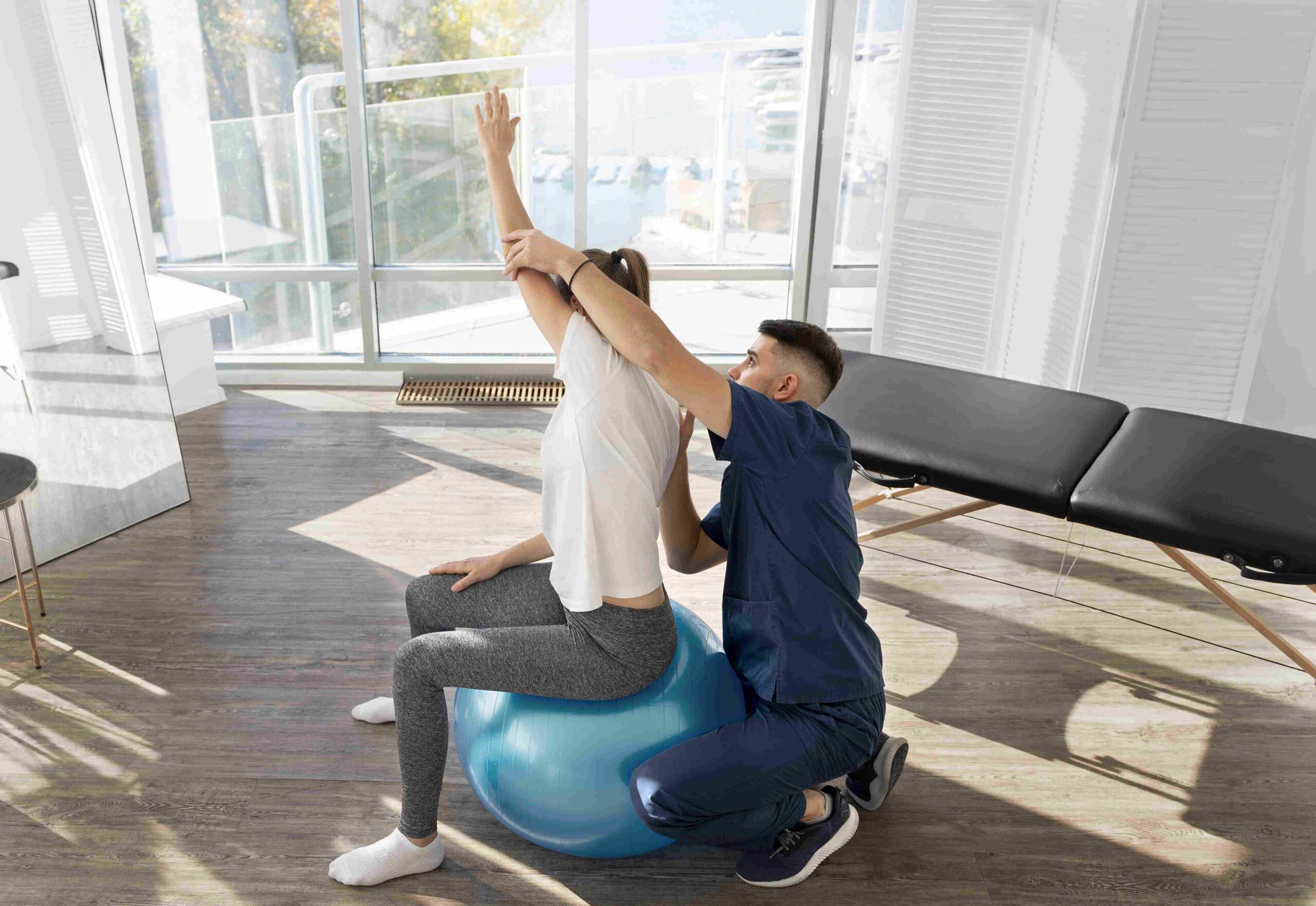
Home Physiotherapy

We understand that some conditions or injuries can make it difficult to receive rehabilitation at our clinic be it mobility or transportation issues. Our objective is to provide you with the same high-quality physiotherapy services at home that you would receive in-clinic.