Posted on

Top 5 Orthopedic Conditions Shockwave Therapy Supports

shockwave therapy
shockwave therapy
Synapse Physiotherapy

Relieving Musculoskeletal Pain: The Top 5 Orthopedic Conditions Shockwave Therapy Supports

Musculoskeletal pain remains one of the most frequent reasons individuals seek professional orthopedic or physiotherapy care today. Whether it is a sharp, persistent pain in the heel or a stubborn ache in the elbow that refuses to subside, these orthopedic conditions can significantly hinder your daily activities and diminish your overall quality of life. Fortunately, modern medical advancements have introduced non-invasive solutions that bridge the gap between conservative management and surgery. This is where Synapse Physiotherapy makes the difference through their targeted shockwave therapy protocols, designed to provide a path to recovery that is evidence-based and highly effective. Rather than simply managing symptoms, our professional team focuses on stimulating the body’s natural regenerative processes to ensure long-term wellness and functional mobility.

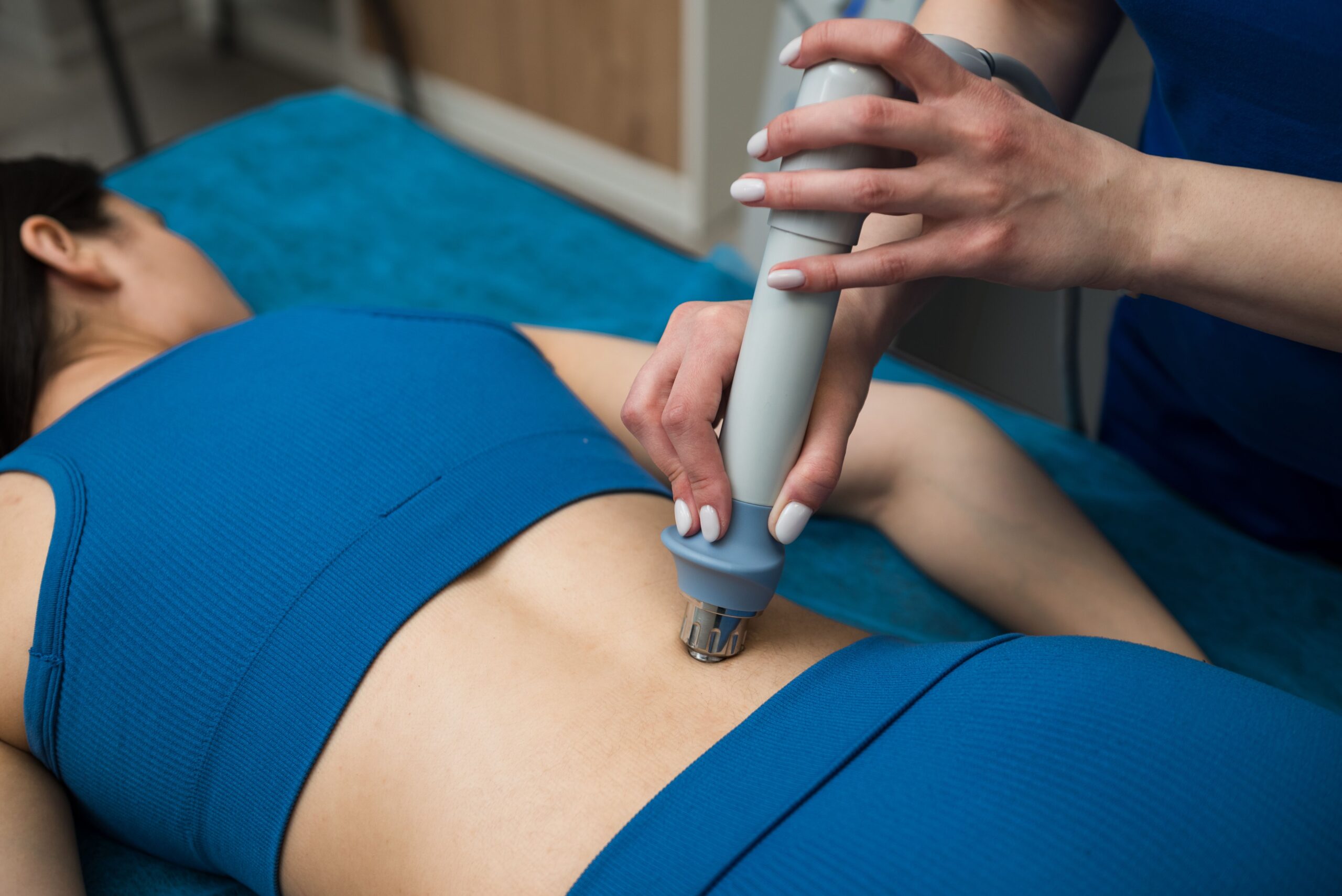
In recent years, shockwave therapy has emerged as a premier, non-invasive treatment option that supports healing across a diverse range of orthopedic conditions. By delivering high-energy acoustic waves directly to injured or degenerated tissues, this technology stimulates local blood flow, promotes rapid tissue regeneration, and helps reduce chronic pain—often removing the need for painful injections or risky surgical interventions. Understanding the science behind shockwave therapy for healing is key to appreciating how it addresses the top five most common orthopedic issues seen in clinical practice today.

1. Plantar Fasciitis: Solving Chronic Heel Pain

Plantar fasciitis is arguably the most common cause of heel pain, frequently affecting runners, individuals who spend long hours standing for work, and older adults. The condition involves the irritation or degeneration of the plantar fascia, which is the thick band of tissue responsible for supporting the arch of the foot. When this tissue becomes inflamed or undergoes degenerative changes, every step can feel like walking on sharp stones.

How Shockwave Therapy Helps the Foot

For those struggling with this condition, shockwave therapy targets the painful heel area to restart the healing journey by:

  • Increasing local blood circulation.
  • Stimulating essential tissue repair and collagen production.
  • Reducing pain sensitivity by altering specific nerve signals in the foot.

Many patients with chronic plantar fasciitis who have not seen results from rest, expensive orthotics, or stretching programs find significant improvement after a structured course of treatment. It is especially beneficial for long-standing cases where the natural tissue healing process has stalled.

2. Tennis Elbow (Lateral Epicondylitis)

Despite its name, tennis elbow is not a condition exclusive to athletes; it commonly affects office workers, manual labourers, and anyone who performs repetitive wrist or forearm movements throughout their day. This condition involves painful micro-tears and degeneration in the tendons that attach to the outer portion of the elbow.

Promoting Tendon Regeneration

Unlike traditional treatments that might only focus on temporary pain relief, shockwave therapy addresses the underlying tendon pathology. In the case of tennis elbow, the treatment works by:

  • Promoting tendon regeneration at a cellular level.
  • Breaking down abnormal scar tissue that limits movement.
  • Enhancing cellular activity in tendons that have historically healed poorly.

When this advanced therapy is combined with progressive strengthening exercises, it can lead to permanent, long-term improvement and a significantly reduced risk of recurrence.

3. Achilles Tendinopathy

Achilles tendinopathy is characterised by pain, stiffness, and noticeable swelling along the Achilles tendon, with symptoms often worsening during walking or running. While it is a common ailment for physically active individuals, it can also occur in sedentary adults due to sudden changes in activity levels.

Reactivating the Healing Process

Because the Achilles tendon naturally has a relatively poor blood supply, shockwave therapy plays a vital role in reactivating the healing process. Clinical research widely supports its use for chronic Achilles tendinopathy, offering benefits such as:

  • Improving the overall structure and strength of the tendon.
  • Stimulating the formation of new blood vessels.
  • Reducing chronic pain and stiffness that limits morning mobility.

This treatment is particularly effective in cases where eccentric loading exercises alone have proven insufficient to resolve the pain.

4. Shoulder Calcific Tendinitis

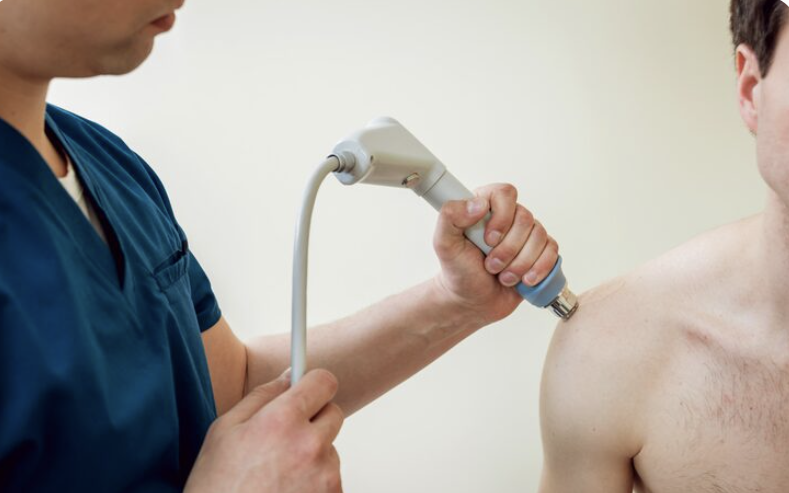
Calcific tendinitis of the shoulder occurs when calcium deposits form within the rotator cuff tendons. This often leads to intense, debilitating shoulder pain, a reduced range of motion, and significant difficulty sleeping on the affected side. It can make even the simplest tasks, like reaching for a cupboard, feel impossible.

Shutterstock

Breaking Down Calcium Deposits

High-energy shockwave therapy has shown remarkable success in reducing the size of these calcium deposits and improving overall shoulder function. The treatment manages calcific tendinitis by:

  • Physically breaking down the hardened calcium deposits.
  • Enhancing the body’s ability to absorb these calcifications.
  • Reducing the associated inflammation and pain in the joint.

Many patients experience a return to full mobility and pain relief without ever needing to undergo invasive surgical procedures.

5. Patellar Tendinopathy (Jumper’s Knee)

Patellar tendinopathy, frequently called “jumper’s knee,” affects the tendon connecting the kneecap to the shinbone. While it is often seen in athletes involved in jumping or sprinting sports, it also frequently occurs in recreational exercisers.

Restoring Function and Sport Participation

For chronic cases of jumper’s knee that do not respond to rest or basic exercise, shockwave therapy can help restore function and allow a gradual, safe return to sport. It supports recovery by:

  • Stimulating tendon healing at a deep cellular level.
  • Reducing pain experienced during high-impact activity.
  • Enhancing the overall effectiveness of your prescribed rehabilitation exercises.

Why Shockwave Therapy is the Modern Choice

Shockwave therapy stands out in the field of orthopedics because it does not simply mask symptoms with medication; instead, it encourages the body’s natural healing mechanisms. Some of the key advantages of choosing this treatment include:

  • Non-invasive: No needles or surgery are required for treatment.
  • Minimal Downtime: Most patients can resume normal activities quickly following a session.
  • Evidence-based: The technology is supported by numerous clinical studies globally.
  • Synergy: It works exceptionally well when paired with physiotherapy, exercise, and manual therapy.

A typical treatment involves a series of sessions, each lasting approximately 10 to 15 minutes. While some mild discomfort may be felt during the session, it is generally well-tolerated and any side effects are short-lived. You can read more about the clinical efficacy of these acoustic waves in the comprehensive review by the NIH.

Frequently Asked Questions

Is shockwave therapy painful?

While mild discomfort during treatment is common, it is generally well-tolerated and short-lived. The intensity can often be adjusted by your clinician to ensure your comfort.

How many sessions will I need?

Treatment typically involves a series of sessions, with each session lasting about 10-15 minutes. Your specific treatment plan will depend on the severity of your condition and whether your tissue healing has stalled.

Who is a good candidate for this treatment?

It is typically recommended for those with chronic tendon or soft tissue conditions where pain has lasted more than 3 to 6 months. It is ideal for those who have seen limited improvement with conventional treatments.

Are there any side effects?

Side effects are minimal; most patients experience only mild, short-lived discomfort and can resume normal activities quickly.

Can I use shockwave therapy instead of surgery?

In many cases, yes. For conditions like calcific tendinitis, high-energy shockwave therapy has shown success in improving function and providing relief without the need for invasive procedures.

Conclusion

Orthopedic conditions involving the tendons, ligaments, and soft tissues can be incredibly frustrating and notoriously slow to heal. However, the versatility of shockwave therapy in treating conditions like plantar fasciitis, tennis elbow, and Achilles tendinopathy highlights its effectiveness in modern rehabilitation. When integrated into a structured program at Synapse Physiotherapy, this technology allows patients to reduce pain and return to their daily lives with confidence.

If you are struggling with persistent pain that hasn’t responded to traditional methods, our professional team is ready to help you explore the science behind shockwave therapy for healing. Take the first step toward a pain-free life and Book a consultation with us today to see if this innovative treatment is right for you.

Share This :

Back & Neck Pain

Conditions such as stiffness, postural abnormalities and muscle overuse from prolonged desk work at the office or home is more prevalent than most would think. We provide the necessary tools to fix you up and educate you on ergonomics which can unload unnecessary stress.

Sports Injuries

Rolled ankles, jarred knees, impinged shoulders are few conditions in the plethora of sports injuries which can hamper performance and limit our enjoyment of sports. Physiotherapy not only treats the symptoms of these conditions but propels your overall fitness to greater heights.

Work Desk Injuries​

Conditions such as stiffness, postural abnormalities and muscle overuse from prolonged desk work at the office or home is more prevalent than most would think. We provide the necessary tools to fix you up and educate you on ergonomics which can unload unnecessary stress.

Pre-Post-Surgical Conditions

Surgery involves going through preparation both before and after. Physiotherapists play a vital role in getting your body ready for surgeries with circulatory, breathing and strengthening exercises. After the procedure, let us be there for your recovery and rehabilitation, taking it one step at a time.

Scoliosis & Postural Abnormalities

The way we stand, sit, walk and sleep has influence over our posture and the overall balance of muscles controlling its alignment. A comprehensive screening can be done by our physiotherapists to detect abnormalities, which we will aid in correcting.

Neurological Conditions

Neurological disabilities such as stroke, nerve compression and neuropathies can be barriers for patients to live life to its fullest. We at Synapse are committed to help you overcome these hurdles by ensuring functional mobility and quality of life is at its optimum by providing the right treatment and exercises.

Osteoarthritis & Rheumatism

Joint degeneration and inflammation happens as the human body grows older, but that does not mean our way of life degenerates as well. Relief your joint pains with a joint effort together with your physiotherapist, who will provide pain-relief treatments and prescribe exercises for your wellbeing.

Conditions Relating To Elderly

Common conditions in the older age population include hips & knee pain, back & neck pain, osteoarthritis, rheumatism, fear of falling and many more.  Aging and degeneration of bodily function is inevitable, but here at Synapse, we will help you live the best of your life.

Home Physiotherapy

We understand that some conditions or injuries can make it difficult to receive rehabilitation at our clinic be it mobility or transportation issues. Our objective is to provide you with the same high-quality physiotherapy services at home that you would receive in-clinic.
Posted on

What Is Shockwave Therapy? Benefits and Approach Explained

shockwave therapy
shockwave therapy
Synapse Physiotherapy

Understanding Shockwave Therapy: A Comprehensive Guide to Healing

For individuals living with persistent musculoskeletal pain, finding a treatment that offers long-term relief can be a frustrating journey. Many patients find themselves trapped in a cycle of rest and temporary fixes that fail to address the root cause of their discomfort. This is where Synapse Physiotherapy makes the difference through their advanced shockwave therapy services, designed to bridge the gap between traditional conservative care and invasive surgical interventions. Rather than merely masking symptoms, our professional team utilizes this technology to stimulate the body’s innate regenerative capabilities, ensuring each patient’s recovery journey is paced with intentional care and clinical precision.

What Exactly Is Shockwave Therapy?

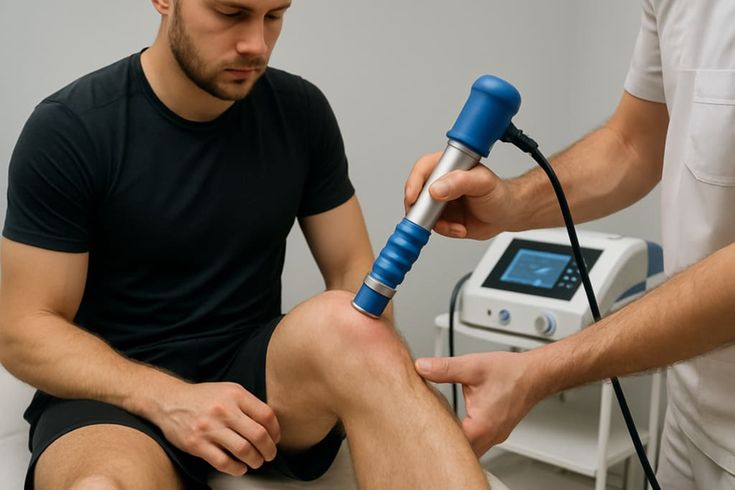
Shockwave therapy, clinically referred to as Extracorporeal Shockwave Therapy (ESWT), is a sophisticated, non-invasive medical treatment that has gained significant traction in modern physiotherapy and sports medicine. Despite the name, the treatment does not involve electrical shocks. Instead, it utilizes high-energy acoustic pressure waves that are delivered through the skin to the site of injured or painful tissues via a handheld device.

While the technology was originally pioneered for the non-surgical breakdown of kidney stones, researchers eventually discovered that these same mechanical waves could trigger profound healing responses in tendons, ligaments, and bones. Today, it is a staple in orthopaedics for treating slow-healing musculoskeletal conditions where the body’s natural repair process has stalled.

The Two Primary Modalities

Depending on the specific injury and the depth of the affected tissue, a physiotherapist may employ one of two types of shockwave technology:

  • Focused Shockwave Therapy: This method concentrates energy into a small, targeted area. It is capable of delivering energy deeper into the body, making it ideal for treating severe conditions or deep-seated issues in the joints or bones.
  • Radial Shockwave Therapy: This is the most common form used in general physiotherapy. It spreads the acoustic energy over a wider, more superficial area, which is highly effective for managing soft tissue problems and muscular trigger points.

How the Biological Healing Mechanism Works

The effectiveness of shockwave therapy lies in its ability to restart a “stalled” healing process. When these acoustic waves are applied to a chronic injury, they create controlled microtrauma within the tissue. While “trauma” might sound counterintuitive, this precise mechanical stimulus serves as a biological wake-up call, encouraging the body to resume repairing itself more aggressively.

Several key physiological effects occur during and after the treatment:

  1. Increased Blood Circulation: The mechanical pulses promote the formation of new blood vessels, bringing vital nutrients to the injured site.
  2. Collagen Production: Stimulation of collagen is essential for the structural repair of tendons and ligaments.
  3. Breakdown of Calcification: The therapy helps dissolve calcium deposits (calcifications) often found in chronic tendon injuries.
  4. Pain Signal Interference: By influencing nerve endings, the therapy can immediately reduce the transmission of pain signals to the brain.
  5. Stem Cell Activation: The waves help activate dormant stem cells, which are crucial for tissue regeneration.

Common Conditions Effectively Treated

At Synapse Physiotherapy, we often recommend this treatment for patients who have tried rest, medication, and basic exercises without success. It is particularly effective for several stubborn conditions:

Lower Limb Injuries

  • Plantar Fasciitis: This is perhaps the most well-known application, providing relief for chronic heel pain that makes walking difficult in the morning.
  • Achilles Tendinopathy: It helps reduce stiffness and pain in the large tendon at the back of the ankle.
  • Patellar Tendinopathy: Also known as Jumper’s Knee, it is a common choice for athletes dealing with persistent knee pain.

Upper Limb and Hip Issues

  • Tennis and Golfer’s Elbow: These conditions involve tendon degeneration at the elbow joint caused by repetitive strain.
  • Shoulder Calcific Tendinitis: The therapy is used to break down painful calcium deposits in the rotator cuff.
  • Gluteal Tendinopathy: It can significantly improve function for those experiencing deep hip pain.

Why Choose Shockwave Therapy?

There are numerous benefits to opting for shockwave therapy as part of your rehabilitation programme at Synapse Physiotherapy. One of the most significant advantages is that it is entirely non-invasive. There are no needles, no incisions, and no need for anaesthesia, which drastically reduces the risk of complications and eliminates the long recovery times associated with surgery.

Furthermore, it is a highly efficient option for those with busy lifestyles. Most sessions last only 10 to 20 minutes, and patients can typically return to their daily activities immediately afterward. Because it addresses the underlying biological cause of the pain, many patients find they can reduce their dependence on long-term painkillers or anti-inflammatory medications. For injuries that have persisted for more than three months, it is often the catalyst needed to achieve a faster recovery.

What to Expect During Your Session

The process of receiving a Shockwave Therapy Service at Synapse is straightforward and clinician-led. It begins with a comprehensive assessment where your physiotherapist identifies the exact location of the injury and determines if you are a suitable candidate.

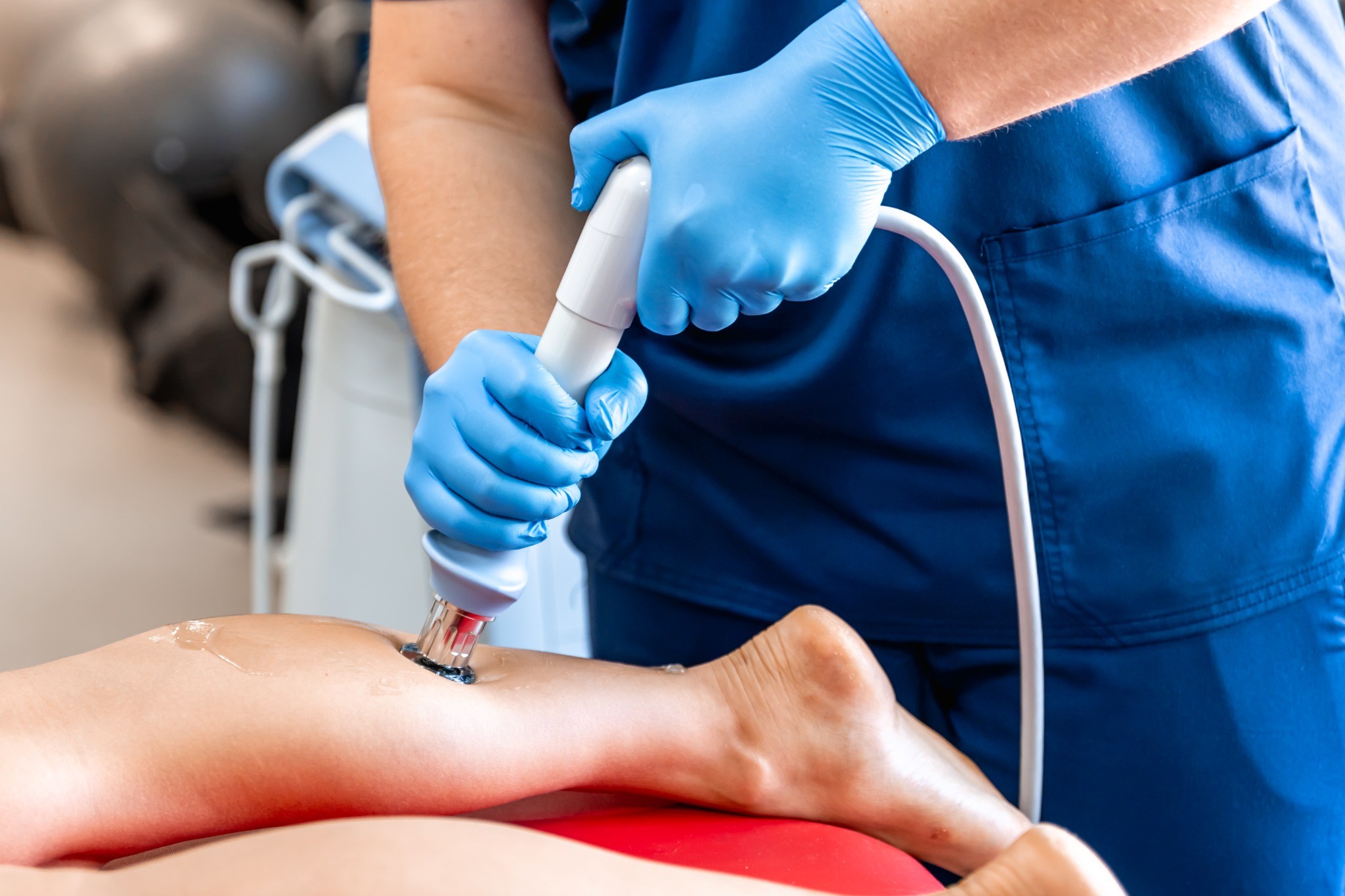
Once confirmed, a coupling gel is applied to the skin to ensure the acoustic waves travel efficiently into the tissue. The therapist then uses the handheld device to deliver the pulses. While you may feel a tapping or sharp sensation—and some mild discomfort is common—the intensity can be adjusted to ensure the treatment remains tolerable for you. After the session, you will receive personalized advice on exercise and activity modification to support the healing process. Most patients require between 3 to 6 sessions, typically spaced one week apart, to achieve optimal results.

A Comprehensive Approach to Recovery

While shockwave therapy is a powerful tool, it is not a “magic bullet” that works in isolation. For long-term success, it must be integrated into a holistic physiotherapy plan. This comprehensive approach includes strengthening and mobility exercises to support the newly healing tissue, postural corrections to prevent re-injury, and education on load management. By combining advanced technology with expert clinical guidance, we ensure that we aren’t just treating the pain, but addressing the root cause of the problem.

Frequently Asked Questions

1) Is shockwave therapy painful?

Discomfort levels vary, but most patients describe it as a sharp tapping sensation. The intensity is always adjusted to keep it within a tolerable range for the patient.

2) How many sessions will I need?

Most clinical protocols involve 3 to 6 sessions spaced about a week apart, though this depends on the specific condition and how your body responds.

3) Are there any side effects?

Some patients may experience mild soreness, redness, or swelling in the treated area, but these symptoms typically resolve within 24 to 48 hours.

4) Who should avoid this treatment?

It is generally avoided for those who are pregnant, have bleeding disorders, carry a pacemaker, or have an active infection or tumour at the treatment site.

5) How soon will I see results?

Many patients experience a reduction in pain shortly after the first few sessions, though the full biological healing of the tissue can take several weeks.

Conclusion

In summary, shockwave therapy represents a significant advancement in the non-surgical management of chronic musculoskeletal pain. By stimulating the body’s natural healing mechanisms, it provides an evidence-based path to recovery for those who have struggled with long-standing injuries. Whether you are an athlete looking to return to sport or an individual seeking to walk without heel pain, this therapy offers a safe, effective, and fast-acting solution.

At Synapse Physiotherapy, we are committed to providing the highest standard of care through our professional team of specialists. If you are ready to move past persistent pain and regain your mobility, we invite you to Book a consultation with us today to see if this treatment is right for you.

Share This :

Back & Neck Pain

Conditions such as stiffness, postural abnormalities and muscle overuse from prolonged desk work at the office or home is more prevalent than most would think. We provide the necessary tools to fix you up and educate you on ergonomics which can unload unnecessary stress.

Sports Injuries

Rolled ankles, jarred knees, impinged shoulders are few conditions in the plethora of sports injuries which can hamper performance and limit our enjoyment of sports. Physiotherapy not only treats the symptoms of these conditions but propels your overall fitness to greater heights.

Work Desk Injuries​

Conditions such as stiffness, postural abnormalities and muscle overuse from prolonged desk work at the office or home is more prevalent than most would think. We provide the necessary tools to fix you up and educate you on ergonomics which can unload unnecessary stress.

Pre-Post-Surgical Conditions

Surgery involves going through preparation both before and after. Physiotherapists play a vital role in getting your body ready for surgeries with circulatory, breathing and strengthening exercises. After the procedure, let us be there for your recovery and rehabilitation, taking it one step at a time.

Scoliosis & Postural Abnormalities

The way we stand, sit, walk and sleep has influence over our posture and the overall balance of muscles controlling its alignment. A comprehensive screening can be done by our physiotherapists to detect abnormalities, which we will aid in correcting.

Neurological Conditions

Neurological disabilities such as stroke, nerve compression and neuropathies can be barriers for patients to live life to its fullest. We at Synapse are committed to help you overcome these hurdles by ensuring functional mobility and quality of life is at its optimum by providing the right treatment and exercises.

Osteoarthritis & Rheumatism

Joint degeneration and inflammation happens as the human body grows older, but that does not mean our way of life degenerates as well. Relief your joint pains with a joint effort together with your physiotherapist, who will provide pain-relief treatments and prescribe exercises for your wellbeing.

Conditions Relating To Elderly

Common conditions in the older age population include hips & knee pain, back & neck pain, osteoarthritis, rheumatism, fear of falling and many more.  Aging and degeneration of bodily function is inevitable, but here at Synapse, we will help you live the best of your life.
Home Physiotherapy

We understand that some conditions or injuries can make it difficult to receive rehabilitation at our clinic be it mobility or transportation issues. Our objective is to provide you with the same high-quality physiotherapy services at home that you would receive in-clinic.
Posted on

Shockwave Therapy: Non-Invasive Recovery & Pain Relief

shockwave therapy
shockwave therapy
Synapse Physiotherapy

Modern rehabilitation has advanced rapidly, offering non-invasive treatments that accelerate healing and reduce pain. One such innovation gaining significant popularity in sports medicine and physiotherapy is shockwave therapy. At Synapse Physiotherapy, we integrate this advanced technology to help patients overcome stubborn injuries that refuse to heal, providing a clinically proven option to support faster recovery without the need for surgery or long-term medication. Our approach focuses on stimulating your body’s natural healing processes to address the root cause of discomfort. Whether you are dealing with chronic tendon pain, muscle tightness, or repetitive strain injuries, this treatment works by delivering high-energy acoustic waves to injured or painful areas.

What Is Shockwave Therapy?

Shockwave therapy, also known as Extracorporeal Shockwave Therapy (ESWT), is a non-invasive treatment that uses acoustic waves to stimulate healing in injured tissues. It is important to clarify that these waves are mechanical pulses rather than electric shocks. These pulses travel through the skin to target specific areas such as muscles, tendons, ligaments, and bones.


Originally developed to break down kidney stones, this technology has since been adapted for musculoskeletal care due to its ability to promote tissue repair, improve blood flow, and reduce pain. Today, it is a trusted tool widely used in Synapse Physiotherapy clinics, sports medicine centres, and orthopedic practices.

How Shockwave Therapy Works

The primary mechanism of shockwave therapy involves triggering a biological response within the body. When these controlled acoustic waves are delivered to an injured area, they initiate several critical physiological processes:

  • Increased Blood Circulation: The shockwaves stimulate neovascularisation, the formation of new blood vessels.
  • Nutrient Delivery: This improves the supply of oxygen and nutrients essential for healing damaged tissue.
  • Stimulation of Cellular Repair: The treatment activates cells responsible for tissue regeneration, such as fibroblasts and stem cells.
  • Efficient Repair: This helps repair damaged tendons, muscles, and connective tissues more effectively.
  • Pain Reduction: The therapy disrupts pain signal transmission to the brain and reduces nerve ending sensitivity.
  • Breakdown of Calcifications: For injuries involving calcified deposits or scar tissue, the mechanical energy helps break these down to restore flexibility.

Conditions Commonly Treated

This therapy is particularly effective for chronic and overuse injuries that have not responded well to conventional treatments like rest. Our professional team often recommends it for the following conditions:

  • Plantar Fasciitis: A leading cause of heel pain. For more details, see A guide to shockwave therapy.
  • Achilles Tendinopathy: Pain and stiffness in the Achilles tendon.
  • Tennis Elbow: Also known as lateral epicondylitis.
  • Golfer’s Elbow: Medial epicondylitis caused by repetitive strain.
  • Patellar Tendinopathy: Commonly referred to as jumper’s knee.
  • Shoulder Calcific Tendinitis: The buildup of calcium deposits in the tendons.
  • Chronic Muscle Tightness: Persistent trigger points that cause referred pain.

What to Expect During Your Session

A typical session is straightforward and relatively quick, usually lasting between 10 to 20 minutes. The process begins with a comprehensive assessment where a specialist evaluates your condition to ensure the treatment is appropriate.


Once confirmed, a conductive gel is applied to the skin to facilitate the transmission of the acoustic waves. The device is then used to deliver controlled pulses to the targeted area. While some patients might experience mild discomfort over sensitive spots, it is generally well-tolerated and temporary. One of the greatest benefits is that you can usually resume your daily activities immediately with minimal downtime.

Frequency and Duration of Treatment

The number of sessions required depends heavily on the severity and nature of your condition. Most patients require between 3 to 6 sessions, typically spaced about one week apart. While improvement is often noticed after the first few treatments, progress continues over several weeks as the body naturally heals. It is vital to understand that shockwave therapy is not an “instant fix” but a method of stimulating natural biological repair. Results will continue to develop even after your final session has ended.

The Benefits of Choosing Shockwave Therapy

When compared to traditional or invasive treatment options, shockwave therapy offers several distinct advantages:

  • Non-invasive: No injections or surgery are required for this treatment.
  • Drug-free Relief: It provides significant pain relief, reducing the reliance on long-term painkillers.
  • Minimal Downtime: Patients can return to their daily activities quickly.
  • Evidence-based: The treatment is supported by extensive clinical research.
  • Effective for Chronic Pain: It is ideal for individuals with injuries lasting more than 3 months.

Safety and Suitability

While shockwave therapy is considered very safe when administered by a trained professional, it is not suitable for everyone. It is typically avoided in cases involving pregnancy (over certain areas), blood clotting disorders, infections, fractures, or cancer in the treatment zone. Side effects are usually mild, such as temporary redness, swelling, or local soreness, which typically resolves within 24 to 48 hours. A proper assessment by a qualified physiotherapist is essential before beginning.

A Holistic Approach to Recovery

We believe in a combined approach for optimal results. While shockwave therapy is excellent for reducing pain and stimulating healing, it is often most effective when used alongside exercise therapy to restore strength and manual therapy to improve mobility. This combined approach ensures both short-term relief and a successful long-term recovery.

Frequently Asked Questions

Is shockwave therapy painful?

Some patients may feel mild discomfort during treatment, especially over sensitive areas, but this is generally well-tolerated and temporary.

How long does it take to see results?

Improvement is often noticed after the first few treatments, with continued progress over several weeks as the body heals.

Can I exercise after a session?

You can usually resume normal activities immediately with minimal downtime after a session.

How many sessions will I need?

Most patients require between 3 to 6 sessions, typically spaced about one week apart.

Is shockwave therapy a permanent fix?

It addresses the root cause of pain by activating the body’s own healing mechanisms, rather than just masking symptoms.

Conclusion

Shockwave therapy has transformed the way we address chronic pain and soft tissue injuries. By activating the body’s own healing mechanisms, it provides a powerful, evidence-based solution for those who want to avoid surgery and return to an active lifestyle. Whether you are a recreational runner or an office worker with repetitive strain, our professional team is here to guide your recovery. If you are struggling with persistent pain, don’t wait for it to worsen. Book a consultation with Synapse Physiotherapy today to take the first step toward lasting relief and better movement.

Share This :

Back & Neck Pain

Conditions such as stiffness, postural abnormalities and muscle overuse from prolonged desk work at the office or home is more prevalent than most would think. We provide the necessary tools to fix you up and educate you on ergonomics which can unload unnecessary stress.

Sports Injuries

Rolled ankles, jarred knees, impinged shoulders are few conditions in the plethora of sports injuries which can hamper performance and limit our enjoyment of sports. Physiotherapy not only treats the symptoms of these conditions but propels your overall fitness to greater heights.

Work Desk Injuries​

Conditions such as stiffness, postural abnormalities and muscle overuse from prolonged desk work at the office or home is more prevalent than most would think. We provide the necessary tools to fix you up and educate you on ergonomics which can unload unnecessary stress.

Pre-Post-Surgical Conditions

Surgery involves going through preparation both before and after. Physiotherapists play a vital role in getting your body ready for surgeries with circulatory, breathing and strengthening exercises. After the procedure, let us be there for your recovery and rehabilitation, taking it one step at a time.

Scoliosis & Postural Abnormalities

The way we stand, sit, walk and sleep has influence over our posture and the overall balance of muscles controlling its alignment. A comprehensive screening can be done by our physiotherapists to detect abnormalities, which we will aid in correcting.

Neurological Conditions

Neurological disabilities such as stroke, nerve compression and neuropathies can be barriers for patients to live life to its fullest. We at Synapse are committed to help you overcome these hurdles by ensuring functional mobility and quality of life is at its optimum by providing the right treatment and exercises.

Osteoarthritis & Rheumatism

Joint degeneration and inflammation happens as the human body grows older, but that does not mean our way of life degenerates as well. Relief your joint pains with a joint effort together with your physiotherapist, who will provide pain-relief treatments and prescribe exercises for your wellbeing.

Conditions Relating To Elderly

Common conditions in the older age population include hips & knee pain, back & neck pain, osteoarthritis, rheumatism, fear of falling and many more.  Aging and degeneration of bodily function is inevitable, but here at Synapse, we will help you live the best of your life.
Home Physiotherapy

We understand that some conditions or injuries can make it difficult to receive rehabilitation at our clinic be it mobility or transportation issues. Our objective is to provide you with the same high-quality physiotherapy services at home that you would receive in-clinic.
Posted on

Stubborn Heel Pain? A Guide to Shockwave Therapy

shockwave therapy
shockwave therapy
Synapse Physiotherapy

Introduction

Persistent heel pain can be more than just a minor inconvenience; it is often a frustrating barrier that interferes with your daily walking, fitness routines, or the sports you love. Many individuals suffering from this condition describe a sharp, stabbing sensation in the heel during their first steps each morning or after sitting for long periods. This is where Synapse Physiotherapy makes the difference through our specialised shockwave therapy service, designed to address the root causes of chronic tissue irritation and restore your mobility. Rather than simply managing the symptoms, we shape each recovery journey with intentional pacing and evidence-based clinical techniques that allow you to return to your active lifestyle without the shadow of discomfort.

Understanding the Root of the Problem: Plantar Fasciitis

If you experience recurring discomfort at the bottom of your foot, you may be dealing with plantar fasciitis, which is one of the most common causes of chronic heel pain. According to Harvard Health, plantar fasciitis is often caused by repetitive strain to the ligament that supports the arch of the foot, leading to tiny tears in the tissue that result in stabbing pain, particularly during your first steps in the morning. The pain may ease as you move around, but it can return later in the day if proper care and rehabilitation are not followed.

Why Does Heel Pain Become Chronic?

Over time, repeated stress on the foot can lead to micro-tears and tissue degeneration. When healing is incomplete, the tissue may no longer be able to repair itself efficiently. This transition into a chronic state usually happens when pain lasts longer than three to six months. Common symptoms associated with this condition include:

  • Sharp heel pain during the first steps in the morning.
  • Pain after prolonged driving or sitting.
  • Tenderness at the bottom or inner side of the heel.
  • Discomfort that eases with movement but returns after rest.

Several risk factors can contribute to the development of this condition, such as tight calf muscles, reduced foot strength, poor footwear, or high-impact activities like running and golf. When traditional rest and stretching fail to provide lasting relief, it is time to consider advanced interventions.

What is Shockwave Therapy?

Shockwave therapy, also known as Extracorporeal Shockwave Therapy (ESWT), is a modern, non-invasive treatment that utilises high-energy sound waves to stimulate healing in damaged soft tissues. It is a highly effective alternative for those who wish to avoid invasive injections or surgery.

How the Treatment Stimulates Healing

The shockwave therapy service at Synapse works by triggering several biological responses within the foot:

  1. Increasing Blood Flow: It enhances circulation to the heel, bringing essential nutrients for repair.
  2. Stimulating Regeneration: The sound waves encourage the body to restart its natural healing response.
  3. Reducing Pain Sensitivity: The treatment helps desensitise the nerve endings in the affected area.
  4. Breaking Down Scar Tissue: It helps in the breakdown of unhealthy, calcified scar tissue that may be preventing full recovery.

Because this method requires no downtime, it is an ideal choice for people who want to stay active during their recovery process.

What to Expect During Your Session

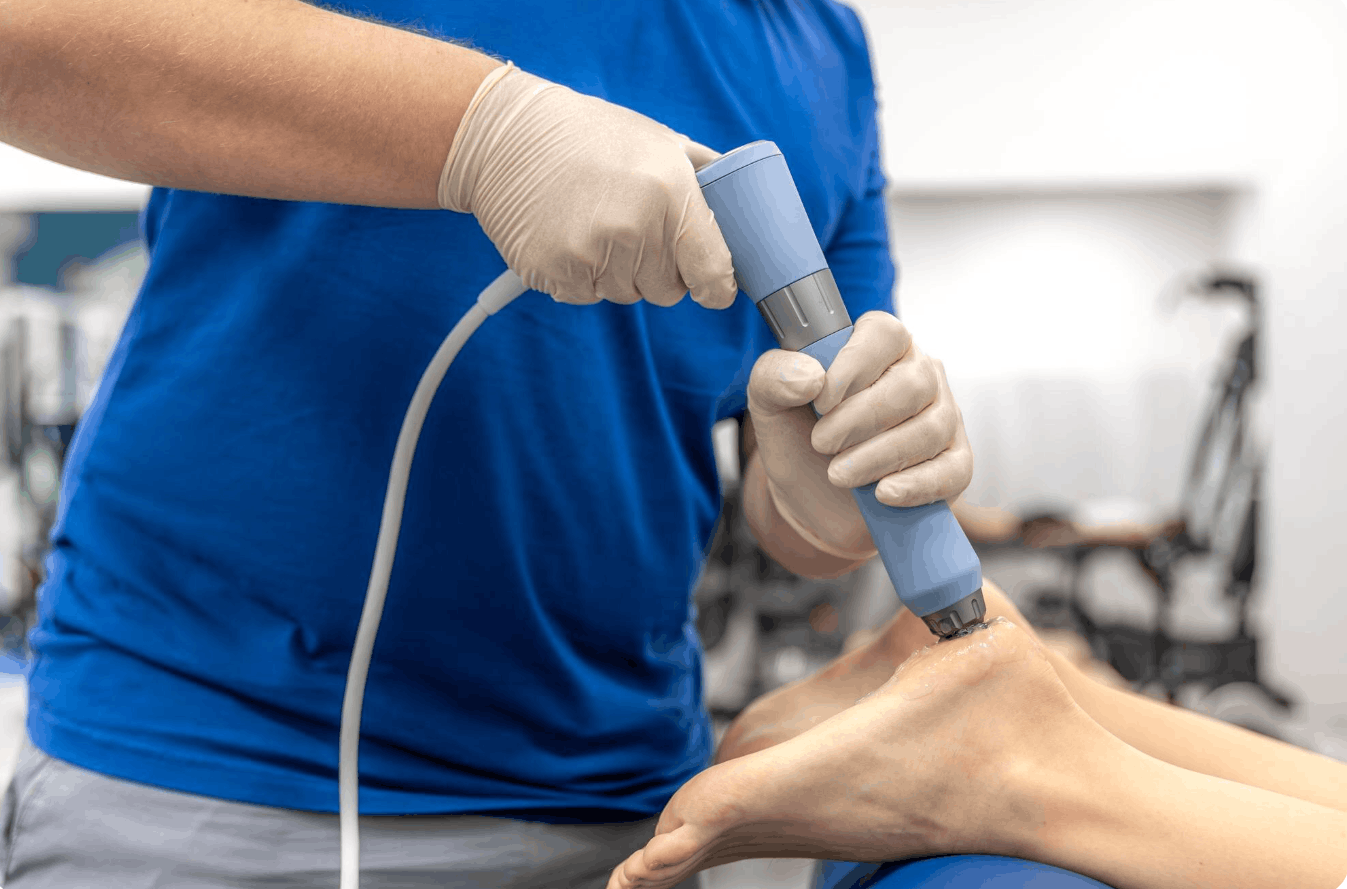
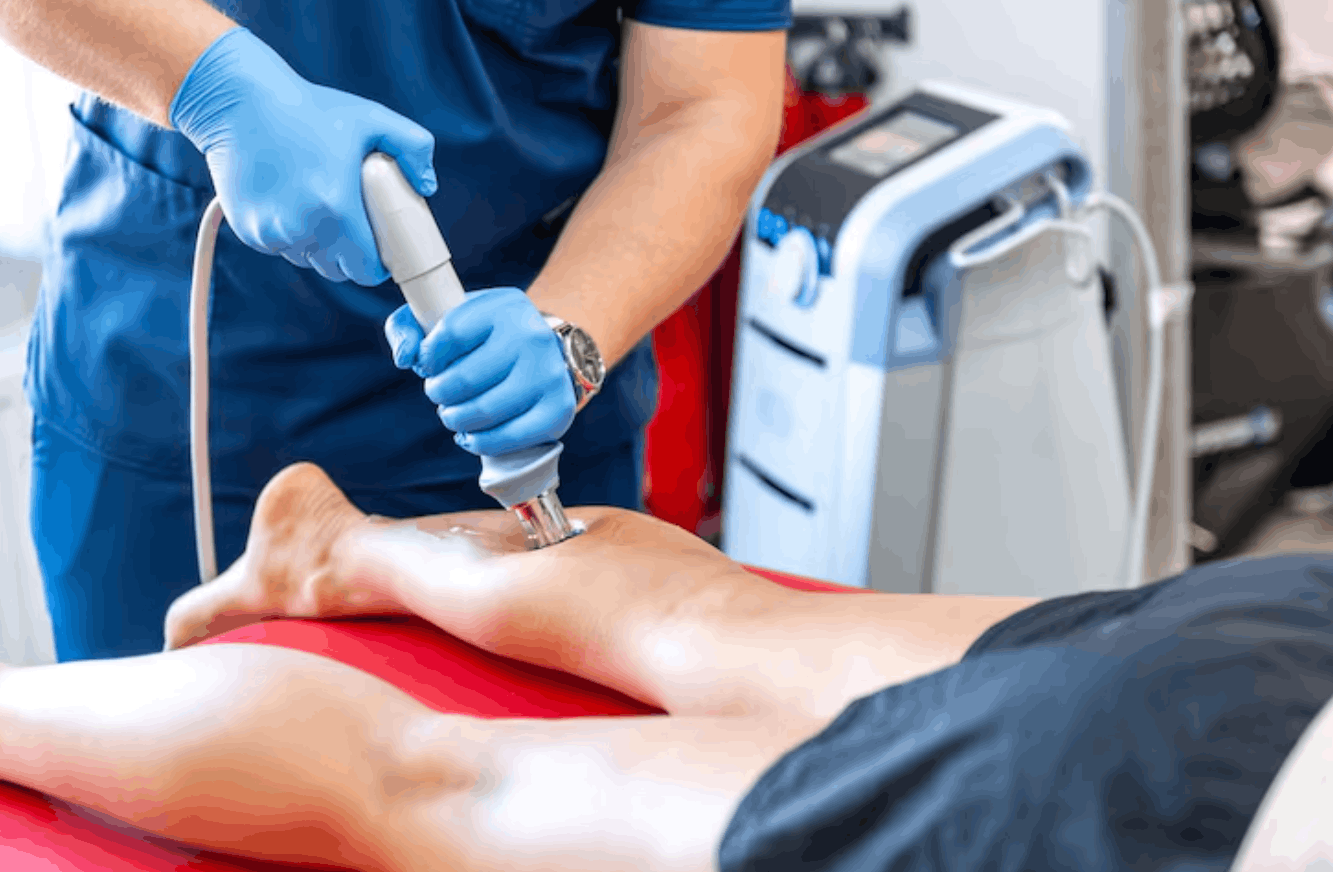
A standard session of shockwave therapy typically lasts between 10 and 15 minutes. During the procedure, your physiotherapist will first identify the most painful area of your heel. A handheld device is then applied to the skin, delivering controlled pulses of energy directly to the site of injury. While the sensation may feel slightly uncomfortable or “buzzy,” it is generally well-tolerated by most patients. A major benefit of this treatment is that most people can walk immediately after the session and resume their normal daily activities without delay.

Why Shockwave Therapy Works Best with Physiotherapy

While shockwave therapy is a powerful tool, it is most effective when integrated into a structured rehabilitation programme. At Synapse Physiotherapy, we combine technology with expert manual care and exercise prescription to ensure long-lasting results.

The Multi-Disciplinary Approach

Our professional team focuses on several key areas alongside the shockwave sessions:

  • Stretching: Targeted calf and plantar fascia stretching to reduce tension.
  • Strengthening: Improving the resilience of the foot and ankle muscles.
  • Load Management: Modifying activities to prevent further irritation during the healing phase.
  • Footwear Advice: Recommendations on arch support to prevent recurrence.

Is Shockwave Therapy Right for You?

You should consider the shockwave therapy service at Synapse if your heel pain has lasted more than three months or if the pain keeps returning despite rest and stretching. It is also highly recommended if your daily activities or sports performance are being negatively impacted. Most patients require between 6 and 8 sessions, usually scheduled once per week. It is important to remember that improvement is often gradual, as the body continues to regenerate tissue for several weeks after the final session is completed.

Frequently Asked Questions

1. Is shockwave therapy painful?

While it can be uncomfortable during the treatment, the sensation is temporary and typically improves as the healing process progresses over subsequent sessions.

2. Is shockwave therapy safe for plantar fasciitis?

Yes, shockwave therapy is a well-researched and safe treatment for chronic plantar fasciitis when performed by trained professionals.

3. Can I continue walking or exercising after treatment?

Normal walking is encouraged; however, we may suggest modifying high-impact activities temporarily to allow the tissue to recover.

4. How soon will I feel an improvement?

Some patients notice a difference after just a few sessions, while others experience a more gradual relief of symptoms over a period of 4 to 8 weeks.

5. Will the heel pain come back?

Recurrence is much less likely when shockwave therapy is combined with a rehabilitation programme that includes strengthening, footwear advice, and proper load management.

Conclusion

Stubborn heel pain does not have to be a permanent part of your life. Through the advanced application of shockwave therapy, combined with the expert guidance of the professional team at Synapse Physiotherapy, you can effectively restart your body’s healing process. Our comprehensive approach ensures that we don’t just treat the pain, but also address the underlying mechanical issues to keep you moving comfortably in the long term.


If you are ready to stop letting heel pain limit your daily life and want to explore the shockwave therapy service at Synapse, our clinicians are ready to provide a detailed assessment tailored to your specific needs. Don’t wait for the pain to worsen. Take the first step towards a healthier, more active life. Book a consultation with us today and start your journey back to optimal strength and motion.

Share This :

Back & Neck Pain

Conditions such as stiffness, postural abnormalities and muscle overuse from prolonged desk work at the office or home is more prevalent than most would think. We provide the necessary tools to fix you up and educate you on ergonomics which can unload unnecessary stress.

Sports Injuries

Rolled ankles, jarred knees, impinged shoulders are few conditions in the plethora of sports injuries which can hamper performance and limit our enjoyment of sports. Physiotherapy not only treats the symptoms of these conditions but propels your overall fitness to greater heights.

Work Desk Injuries​

Conditions such as stiffness, postural abnormalities and muscle overuse from prolonged desk work at the office or home is more prevalent than most would think. We provide the necessary tools to fix you up and educate you on ergonomics which can unload unnecessary stress.

Pre-Post-Surgical Conditions

Surgery involves going through preparation both before and after. Physiotherapists play a vital role in getting your body ready for surgeries with circulatory, breathing and strengthening exercises. After the procedure, let us be there for your recovery and rehabilitation, taking it one step at a time.

Scoliosis & Postural Abnormalities

The way we stand, sit, walk and sleep has influence over our posture and the overall balance of muscles controlling its alignment. A comprehensive screening can be done by our physiotherapists to detect abnormalities, which we will aid in correcting.

Neurological Conditions

Neurological disabilities such as stroke, nerve compression and neuropathies can be barriers for patients to live life to its fullest. We at Synapse are committed to help you overcome these hurdles by ensuring functional mobility and quality of life is at its optimum by providing the right treatment and exercises.

Osteoarthritis & Rheumatism

Joint degeneration and inflammation happens as the human body grows older, but that does not mean our way of life degenerates as well. Relief your joint pains with a joint effort together with your physiotherapist, who will provide pain-relief treatments and prescribe exercises for your wellbeing.

Conditions Relating To Elderly

Common conditions in the older age population include hips & knee pain, back & neck pain, osteoarthritis, rheumatism, fear of falling and many more.  Aging and degeneration of bodily function is inevitable, but here at Synapse, we will help you live the best of your life.
Home Physiotherapy

We understand that some conditions or injuries can make it difficult to receive rehabilitation at our clinic be it mobility or transportation issues. Our objective is to provide you with the same high-quality physiotherapy services at home that you would receive in-clinic.
Posted on

Shockwave Therapy in KL: Restore Mobility Now

shockwave therapy
shockwave therapy
Synapse Physiotherapy

Introduction

If you’re struggling with nagging joint pain, muscle aches, or sports injuries that just won’t go away, shockwave therapy might be the solution you’ve been waiting for. This non-invasive treatment is becoming more popular in Kuala Lumpur (KL) among people looking for fast, effective pain relief, without the need for surgery or heavy medication. Whether you’re an athlete recovering from a tendon injury or someone dealing with chronic heel pain, shockwave therapy can help restore your mobility and get you back on your feet.


Shockwave therapy works by sending sound waves into the affected area of your body. These waves boost blood flow, speed up healing, and break down tight scar tissue or calcium build-up that’s causing pain. The result? Less pain, better movement, and a faster return to your normal activities. At Synapse Physiotherapy clinics across KL and the Klang Valley, we’ve seen many clients bounce back from pain using this safe and scientifically backed method.

Let’s explore how shockwave therapy works, what it treats, and why it could be the missing piece in your recovery journey.

What is Shockwave Therapy?

In simple terms, shockwave therapy uses high-energy sound waves, not electricity to treat stubborn injuries and chronic pain. It’s the same type of technology that doctors use to break down kidney stones. In physiotherapy, it’s used at a much gentler level to stimulate healing in soft tissues like muscles, tendons, and ligaments.

How It Works

The device is applied to your skin (no needles or surgery involved), and the sound waves travel into the deeper tissues. These waves “wake up” the body’s natural healing process by increasing circulation and promoting the regeneration of injured tissues. As a result, you experience quicker healing and noticeable pain relief over time.

What Conditions Can Shockwave Therapy Treat?

Shockwave therapy is often used for pain and injuries that just don’t seem to go away, even after rest, stretching, or traditional physiotherapy. Below are some of the most common conditions it helps with:

Commonly Treated Conditions

  • Plantar fasciitis (heel pain)

  • Tennis elbow or golfer’s elbow

  • Shoulder tendinitis or calcification

  • Achilles tendon pain

  • Knee pain (jumper’s knee or patellar tendinopathy)

  • Hip pain or bursitis

  • Chronic neck or back tightness (due to muscle knots or trigger points)

These are conditions that usually involve tight, inflamed, or damaged tendons and tissues. When left untreated, they can affect your ability to walk, sit, lift, or play sports.

Explore all the conditions we treat here.

How Does Shockwave Therapy Help?

Understanding how shockwave therapy works inside your body can provide more clarity on why it’s so effective.

Key Healing Mechanisms

  1. Improves Blood Flow – The sound waves create tiny vibrations in your tissue, which encourage more blood to flow into the injured area. Better blood flow means faster healing.
  2. Breaks Down Scar Tissue or Calcium – In some injuries, calcium builds up in the tendons and causes pain. Shockwave breaks these deposits down so the body can reabsorb them naturally.
  3. Reduces Pain – It “resets” nerve endings in the area, helping to dull or stop the pain signals being sent to your brain.
  4. Stimulates Healing – The waves trigger the release of natural healing chemicals like collagen and growth factors, speeding up tissue repair.

What Does a Session Feel Like?

What to Expect During Treatment

A typical shockwave therapy session lasts about 15–20 minutes. Here’s what to expect:

  • You’ll lie or sit in a comfortable position depending on where your pain is.

  • Your physiotherapist will apply a gel to your skin (like an ultrasound).

  • The shockwave device is placed on the area, and you’ll hear clicking or tapping sounds.

  • You may feel a pulsing sensation or slight discomfort, especially if the area is very sore.

The intensity can be adjusted depending on your tolerance. Most people describe it as uncomfortable but bearable, like a deep massage on a tender spot. Moreover, there is no downtime needed, and many people feel better after just a few sessions.

How Many Sessions Do You Need?

Treatment Duration and Expectations

The number of sessions depends on how severe and long-standing your condition is. Typically, patients start with 3 to 6 sessions, spaced about 1 week apart. Many people begin to notice improvements after the first or second session, especially with reduced pain and easier movement.

Although not a quick fix, shockwave therapy can dramatically speed up your recovery, especially when combined with proper physiotherapy exercises and complementary treatments like our Spine & Core Rehabilitation Programme.

Why Choose Shockwave Therapy at Synapse Physiotherapy in KL?

At Synapse Physiotherapy, we use evidence-based techniques to make sure our treatments actually work. All our therapists are trained in shockwave therapy and know how to apply it effectively based on your specific injury.

What Sets Us Apart

  1. Personalised care – We assess your condition and adjust the treatment intensity to match your pain level and goals.
  2. Experienced therapists – Our team treats hundreds of patients a month with shockwave therapy across our clinics in Damansara Heights, Ampang, Cyberjaya, and KL Sentral.
  3. Combination with rehab – We don’t just do shockwave therapy alone. We combine it with stretching, strengthening, and manual therapy to give you long-term results. Explore our Strength & Conditioning programme.

Convenience – With clinics across the Klang Valley, getting quality care close to home is easy.

Is Shockwave Therapy Safe?

Yes, shockwave therapy is clinically proven and has been approved by international health authorities. It’s safe for most people, but you may not be suitable for shockwave therapy if:

  • You’re pregnant

  • You have a blood clotting disorder

  • You use a pacemaker

  • You have a tumour or infection in the treatment area

Your physiotherapist will always do a proper assessment before starting shockwave therapy to ensure it’s safe and effective for you.

Frequently Asked Questions (FAQs)

1. How soon will I feel relief after shockwave therapy?

Many people notice improvement after just one or two sessions, particularly with pain reduction and mobility.

2. Does shockwave therapy hurt during or after the session?

You may feel slight discomfort during the session, similar to a deep massage, but it is generally tolerable.

3. Is shockwave therapy suitable for old injuries?

Yes, it is often effective for chronic injuries that have not responded to other treatments.

4. Can I go back to work or exercise after a session?

Yes, most people can resume their normal activities right after a session, although high-impact activities should be avoided for 24-48 hours.

5. Will I need other treatments alongside shockwave therapy?

Combining shockwave therapy with physiotherapy exercises often results in faster, more effective recovery.

Final Thoughts: Get Moving Again

Pain doesn’t have to be a part of your everyday life. Whether it’s a sports injury, work-related strain, or an old injury that never healed right, shockwave therapy can help you get back to doing what you love, pain-free and confidently.

At Synapse Physiotherapy, we’ve seen how shockwave therapy has helped clients of all ages regain their mobility, reduce their pain, and avoid surgery. If you’ve tried everything and nothing seems to work, it might be time to explore this modern, non-invasive solution.


Let us help you restore movement and take control of your recovery. Book your shockwave therapy session in KL today.

Share This :

Back & Neck Pain

Conditions such as stiffness, postural abnormalities and muscle overuse from prolonged desk work at the office or home is more prevalent than most would think. We provide the necessary tools to fix you up and educate you on ergonomics which can unload unnecessary stress.

Sports Injuries

Rolled ankles, jarred knees, impinged shoulders are few conditions in the plethora of sports injuries which can hamper performance and limit our enjoyment of sports. Physiotherapy not only treats the symptoms of these conditions but propels your overall fitness to greater heights.

Work Desk Injuries​

Conditions such as stiffness, postural abnormalities and muscle overuse from prolonged desk work at the office or home is more prevalent than most would think. We provide the necessary tools to fix you up and educate you on ergonomics which can unload unnecessary stress.

Pre-Post-Surgical Conditions

Surgery involves going through preparation both before and after. Physiotherapists play a vital role in getting your body ready for surgeries with circulatory, breathing and strengthening exercises. After the procedure, let us be there for your recovery and rehabilitation, taking it one step at a time.

Scoliosis & Postural Abnormalities

The way we stand, sit, walk and sleep has influence over our posture and the overall balance of muscles controlling its alignment. A comprehensive screening can be done by our physiotherapists to detect abnormalities, which we will aid in correcting.

Neurological Conditions

Neurological disabilities such as stroke, nerve compression and neuropathies can be barriers for patients to live life to its fullest. We at Synapse are committed to help you overcome these hurdles by ensuring functional mobility and quality of life is at its optimum by providing the right treatment and exercises.

Osteoarthritis & Rheumatism

Joint degeneration and inflammation happens as the human body grows older, but that does not mean our way of life degenerates as well. Relief your joint pains with a joint effort together with your physiotherapist, who will provide pain-relief treatments and prescribe exercises for your wellbeing.

Conditions Relating To Elderly

Common conditions in the older age population include hips & knee pain, back & neck pain, osteoarthritis, rheumatism, fear of falling and many more.  Aging and degeneration of bodily function is inevitable, but here at Synapse, we will help you live the best of your life.
Home Physiotherapy

We understand that some conditions or injuries can make it difficult to receive rehabilitation at our clinic be it mobility or transportation issues. Our objective is to provide you with the same high-quality physiotherapy services at home that you would receive in-clinic.
Posted on

Shockwave Therapy for Plantar Fasciitis Relief

shockwave therapy
shockwave therapy
Synapse Physiotherapy

Introduction

Plantar fasciitis is one of the most common causes of heel pain, affecting millions of people worldwide. Traditional treatments for plantar fasciitis include rest, physical therapy, orthotics, and anti-inflammatory medications. However, many patients find that their pain persists despite these measures. This is where Shockwave Therapy (Extracorporeal Shockwave Therapy or ESWT) emerges as a game-changing treatment option.

In this article, we’ll explore how shockwave therapy works, its benefits, and why it is becoming a preferred treatment for plantar fasciitis relief.

What is Shockwave Therapy?

Shockwave Therapy is a non-invasive treatment that uses high-energy sound waves to stimulate healing in musculoskeletal conditions, including plantar fasciitis. It involves a handheld probe that is positioned over and moved around the base of the heel, arch of the foot, or Achilles tendon at the back of the heel. The probe delivers high-energy acoustic sound waves that expand as they travel through the foot. These waves stimulate tissue regeneration, enhance blood circulation, and break down scar tissue, accelerating the healing process. This therapy is commonly used alongside other treatments to provide a long-term solution for plantar fasciitis. 

What is Plantar Fasciitis?

Plantar fasciitis is a condition characterized by inflammation of the plantar fascia, a thick, fibrous band of tissue that runs along the bottom of the foot, connecting the heel bone to the toes. It plays a crucial role in supporting the arch of the foot and absorbing shock while walking or running. Similar to a strong rubber band, the plantar fascia provides both flexibility and stability to the foot.

When the plantar fascia is subjected to excessive stress, repetitive strain, or overstretching, tiny tears can develop, leading to irritation and inflammation. This results in persistent heel pain, particularly during the first steps in the morning or after long periods of inactivity. While plantar fasciitis often affects one foot, both feet can experience symptoms simultaneously.

Common risk factors include prolonged standing, excessive running, high-impact activities, improper footwear, and obesity. Left untreated, plantar fasciitis can lead to chronic discomfort and altered walking patterns that may contribute to additional foot, knee, or hip problems.

How Does Shockwave Therapy Work for Plantar Fasciitis?

Shockwave Therapy is an advanced treatment designed to address the underlying causes of plantar fasciitis by utilizing focused sound waves that penetrate deep into the affected tissues. The therapy initiates a biological response that encourages the body to repair itself naturally.

During treatment, a handheld probe is applied to the affected area, emitting controlled pulses of acoustic energy. These waves create microtrauma within the plantar fascia, stimulating the body’s repair mechanisms. The effects of shockwave therapy include:

  • Encourages Cellular Regeneration – Stimulates the production of collagen, a vital protein necessary for repairing damaged tissues.
  • Enhances Metabolic Activity – Increases cell activity and promotes the removal of waste products from inflamed tissues.
  • Triggers a Natural Pain-Relief Response – Promotes the release of endorphins and other pain-modulating chemicals in the body.
  • Disrupts Chronic Pain Cycles – Interrupts nerve signaling pathways that perpetuate long-term pain sensations.
  • Restores Soft Tissue Elasticity – Helps the plantar fascia regain its natural flexibility, reducing tension and discomfort.

This therapy is particularly beneficial for individuals who have been suffering from chronic plantar fasciitis that has not improved with standard treatments. Unlike invasive procedures, shockwave therapy offers a non-surgical solution with minimal downtime, allowing patients to resume daily activities with ease. 

Benefits of Shockwave Therapy for Plantar Fasciitis

Shockwave therapy offers several benefits over traditional treatments:

1. Non-Invasive and Safe

Since shockwave therapy does not require incisions or anesthesia, it eliminates the risks associated with surgery. Patients can return to their normal activities shortly after treatment.

2. Pain Reduction and Faster Healing

Studies show that shockwave therapy significantly reduces pain and accelerates healing by improving blood flow and reducing inflammation. Many patients experience relief within a few sessions.

3. Effective for Chronic Cases

For individuals who have tried conservative treatments without success, shockwave therapy provides a viable alternative. It has been proven effective even in cases of long-term, stubborn plantar fasciitis.

4. Minimal Side Effects

The side effects of shockwave therapy are minimal and may include slight redness, swelling, or discomfort at the treatment site. These effects are temporary and usually resolve within a few days.

5. Improves Mobility and Quality of Life

By reducing pain and inflammation, shockwave therapy allows patients to walk, stand, and exercise comfortably again, improving their overall quality of life.

What to Expect During Shockwave Therapy Sessions

A typical shockwave therapy session lasts 15 to 30 minutes and involves the following steps:

  1. Assessment: The therapist evaluates the patient’s symptoms and locates the most painful areas.
  2. Application of Gel: A conductive gel is applied to the heel to enhance the transmission of shockwaves.
  3. Shockwave Delivery: The handheld device delivers controlled pulses to the plantar fascia.
  4. Post-Treatment Care: Patients receive aftercare instructions, which may include stretching exercises and activity modifications.

Most patients require  6 sessions, spaced one week apart, for optimal results.

Is Shockwave Therapy Right for You?

Shockwave therapy is an excellent option for individuals who:

  • Suffer from chronic plantar fasciitis lasting more than 6 months.
  • Have not found relief with traditional treatments like orthotics and physical therapy.
  • Want to avoid invasive procedures such as steroid injections or surgery.
  • Are active and need a faster recovery solution.

However, shockwave therapy may not be suitable for everyone. Patients with blood clotting disorders, infections, or pacemakers should consult their healthcare provider before undergoing treatment.

Conclusion: Take the Next Step Towards Pain Relief

At Synapse Physiotherapy, we are committed to delivering innovative treatments, such as shockwave therapy, to help our patients achieve lasting relief from plantar fasciitis. Our team of skilled professionals ensures personalized care tailored to your specific needs, allowing you to regain mobility and live pain-free. Whether you’re an athlete, a professional on your feet all day, or someone struggling with persistent heel pain, our expert physiotherapists are here to guide you on your journey to recovery. If you’re suffering from plantar fasciitis and looking for a safe, effective, and non-invasive treatment, shockwave therapy could be the solution you need. With proven success in reducing pain and promoting healing, this therapy offers hope for individuals struggling with chronic heel pain. Contact us now!

Share This :

Back & Neck Pain

Conditions such as stiffness, postural abnormalities and muscle overuse from prolonged desk work at the office or home is more prevalent than most would think. We provide the necessary tools to fix you up and educate you on ergonomics which can unload unnecessary stress.

Sports Injuries

Rolled ankles, jarred knees, impinged shoulders are few conditions in the plethora of sports injuries which can hamper performance and limit our enjoyment of sports. Physiotherapy not only treats the symptoms of these conditions but propels your overall fitness to greater heights.

Work Desk Injuries​

Conditions such as stiffness, postural abnormalities and muscle overuse from prolonged desk work at the office or home is more prevalent than most would think. We provide the necessary tools to fix you up and educate you on ergonomics which can unload unnecessary stress.

Pre-Post-Surgical Conditions

Surgery involves going through preparation both before and after. Physiotherapists play a vital role in getting your body ready for surgeries with circulatory, breathing and strengthening exercises. After the procedure, let us be there for your recovery and rehabilitation, taking it one step at a time.

Scoliosis & Postural Abnormalities

The way we stand, sit, walk and sleep has influence over our posture and the overall balance of muscles controlling its alignment. A comprehensive screening can be done by our physiotherapists to detect abnormalities, which we will aid in correcting.

Neurological Conditions

Neurological disabilities such as stroke, nerve compression and neuropathies can be barriers for patients to live life to its fullest. We at Synapse are committed to help you overcome these hurdles by ensuring functional mobility and quality of life is at its optimum by providing the right treatment and exercises.

Osteoarthritis & Rheumatism

Joint degeneration and inflammation happens as the human body grows older, but that does not mean our way of life degenerates as well. Relief your joint pains with a joint effort together with your physiotherapist, who will provide pain-relief treatments and prescribe exercises for your wellbeing.

Conditions Relating To Elderly

Common conditions in the older age population include hips & knee pain, back & neck pain, osteoarthritis, rheumatism, fear of falling and many more.  Aging and degeneration of bodily function is inevitable, but here at Synapse, we will help you live the best of your life.

Home Physiotherapy

We understand that some conditions or injuries can make it difficult to receive rehabilitation at our clinic be it mobility or transportation issues. Our objective is to provide you with the same high-quality physiotherapy services at home that you would receive in-clinic.
Posted on

The Science Behind Shockwave Therapy for Healing

shockwave therapy
shockwave therapy
Synapse Physiotherapy

The Science Behind Shockwave Therapy for Healing

What Is Shockwave Therapy?

Shockwave therapy, also known as extracorporeal shockwave therapy (ESWT), is a non-invasive treatment that stimulates the body’s natural healing mechanisms. It helps relieve pain and promotes the healing of injured tendons, ligaments, and other soft tissues by releasing growth factors in the damaged areas.

Originally developed for breaking down kidney stones (lithotripsy), shockwave therapy has been adapted for orthopedic and rehabilitation purposes. It is considered a form of regenerative medicine due to its ability to enhance tissue repair. In addition to treating tendinopathy, it is particularly effective for stubborn ligament injuries. Some degenerative tendinopathies may involve a buildup of calcium deposits in the tendon, which focused shock waves can help break down, aiding in mobility and pain relief.

There are two main types of shockwave therapy:

  1. Focused Shockwave Therapy (FSWT) – Uses concentrated waves to target deep tissues.
  2. Radial Shockwave Therapy (RSWT) – Uses dispersed waves to treat surface-level injuries.

How Shockwave Therapy Works

Shockwave therapy works through several physiological mechanisms that enhance tissue repair and regeneration. These include:

1. Increased Blood Flow

The acoustic waves stimulate the formation of new blood vessels (angiogenesis), improving blood circulation in the affected area. Increased blood flow helps deliver oxygen and nutrients necessary for tissue repair.

2. Breakdown of Calcifications

Shockwave therapy helps dissolve calcium deposits in tendons and soft tissues, reducing stiffness and pain. This is particularly effective for conditions like calcific tendinitis.

3. Stimulation of Collagen Production

Collagen is a key protein in tendons and ligaments. Shockwave therapy promotes collagen synthesis, strengthening connective tissues and enhancing their ability to withstand stress.

4. Pain Reduction

Shockwaves disrupt pain signals by overstimulating nerve endings, leading to decreased sensitivity. Additionally, they stimulate the release of endorphins, which act as natural painkillers.

5. Acceleration of Cellular Repair

The mechanical force from shockwaves triggers cellular regeneration, stimulating the production of growth factors and stem cells that aid tissue repair.

Scientific Evidence Supporting Shockwave Therapy

Numerous studies have validated the efficacy of shockwave therapy for various conditions. Some key findings include:

  • A 2015 systematic review published in the American Journal of Sports Medicine found that shockwave therapy significantly improved pain, function, and overall quality of life in patients with plantar fasciitis and Achilles tendinopathy, making it a viable alternative to conventional treatments.
  • Research in the Journal of Orthopaedic Surgery and Research (2019) indicated that shockwave therapy is as effective as surgery for treating tennis elbow, reducing pain and improving mobility.
  • A 2021 study in the British Journal of Sports Medicine found that shockwave therapy significantly improved pain relief and tendon function in patients with patellar tendinopathy (jumper’s knee), supporting its use as a first-line treatment for chronic cases.

Conditions Treated with Shockwave Therapy

Shockwave therapy is widely used for treating:

  • Plantar Fasciitis – Heel pain caused by inflammation of the plantar fascia.
  • Tennis Elbow (Lateral Epicondylitis) – Overuse injury affecting the tendons of the elbow.
  • Achilles Tendinitis – Inflammation of the Achilles tendon, common among runners.
  • Calcific Tendinitis – Calcium deposits in tendons, especially in the shoulder.
  • Patellar Tendinopathy (Jumper’s Knee) – Overuse injury affecting the knee tendons.
  • Frozen Shoulder – Stiffness and pain in the shoulder joint.
  • Hip Pain – Conditions like trochanteric bursitis.
  • Shin Splints – Pain along the shin bone due to repetitive stress.
  • Stress Fractures – Microfractures that can benefit from enhanced bone healing.

FAQs About Shockwave Therapy

Is Shockwave Therapy Painful?

Most patients experience mild discomfort during shockwave therapy, but it is generally well-tolerated. The level of discomfort varies based on individual pain thresholds, the severity of the condition, and the proximity of the treatment area to a bone. Treatments near bones tend to be slightly more uncomfortable. To minimize discomfort, a topical gel is applied before the procedure, and the discomfort usually subsides immediately after treatment.

How Long Does a Shockwave Therapy Session Take?

A typical shockwave therapy session lasts between 10 to 15 minutes. Depending on the severity of the condition, patients usually undergo seven treatments over a period of several weeks for optimal results.

How Effective Is Shockwave Therapy?

Clinical studies and sports medicine specialists have observed significant healing in patients undergoing shockwave therapy. While results may not be immediate, pain relief and tissue repair continue to improve over time as the body’s natural healing processes are activated. Ongoing research is helping to further validate its long-term effectiveness.

Additionally, shockwave therapy is often combined with other treatments, such as:

  • Physical therapy – To strengthen the affected area and improve movement patterns.
  • Injury prevention programs – For athletes, specialists may analyze movement patterns to reduce the risk of re-injury.

How Long Is the Recovery Period from Shockwave Therapy?

One of the key benefits of shockwave therapy is its minimal downtime. Most patients can resume normal activities within 24 hours after treatment, making it an attractive option for athletes and active individuals looking for a quick recovery.

Advantages of Shockwave Therapy

1. Non-Invasive and Safe

Unlike surgery, shockwave therapy does not require incisions or anesthesia, making it a safer alternative with fewer complications.

2. Quick and Convenient

Each session typically lasts 15-30 minutes, with most patients requiring 3-6 sessions for optimal results.

3. Minimal Downtime

Patients can resume normal activities shortly after treatment, making it ideal for athletes and active individuals.

4. High Success Rate

Studies suggest 70-90% of patients experience significant pain relief and functional improvement.

Potential Side Effects and Limitations

Although shockwave therapy is generally safe, some individuals may experience:

  • Mild swelling or redness
  • Temporary discomfort during or after treatment
  • Bruising in the treated area

Additionally, shockwave therapy may not be suitable for individuals with bleeding disorders, active infections, or pregnant women.

Conclusion

The science behind shockwave therapy is compelling, with strong evidence supporting its effectiveness in stimulating healing, reducing pain, and improving mobility. As a non-invasive and efficient treatment option, it is revolutionizing the way musculoskeletal conditions are managed. If you’re struggling with chronic pain or slow-healing injuries, consulting a healthcare professional about shockwave therapy could be a game-changer for your recovery.

For those seeking expert care, Synapse Physiotherapy provides specialized shockwave therapy treatments tailored to individual needs. Their team of professionals integrates cutting-edge technology with personalized rehabilitation plans to ensure optimal recovery and long-term pain relief. Whether you are an athlete looking to return to peak performance or someone dealing with chronic musculoskeletal pain, Synapse Physiotherapy can help guide you toward a pain-free life.

Share This :

Back & Neck Pain

Conditions such as stiffness, postural abnormalities and muscle overuse from prolonged desk work at the office or home is more prevalent than most would think. We provide the necessary tools to fix you up and educate you on ergonomics which can unload unnecessary stress.

Sports Injuries

Rolled ankles, jarred knees, impinged shoulders are few conditions in the plethora of sports injuries which can hamper performance and limit our enjoyment of sports. Physiotherapy not only treats the symptoms of these conditions but propels your overall fitness to greater heights.

Work Desk Injuries​

Conditions such as stiffness, postural abnormalities and muscle overuse from prolonged desk work at the office or home is more prevalent than most would think. We provide the necessary tools to fix you up and educate you on ergonomics which can unload unnecessary stress.

Pre-Post-Surgical Conditions

Surgery involves going through preparation both before and after. Physiotherapists play a vital role in getting your body ready for surgeries with circulatory, breathing and strengthening exercises. After the procedure, let us be there for your recovery and rehabilitation, taking it one step at a time.

Scoliosis & Postural Abnormalities

The way we stand, sit, walk and sleep has influence over our posture and the overall balance of muscles controlling its alignment. A comprehensive screening can be done by our physiotherapists to detect abnormalities, which we will aid in correcting.

Neurological Conditions

Neurological disabilities such as stroke, nerve compression and neuropathies can be barriers for patients to live life to its fullest. We at Synapse are committed to help you overcome these hurdles by ensuring functional mobility and quality of life is at its optimum by providing the right treatment and exercises.

Osteoarthritis & Rheumatism

Joint degeneration and inflammation happens as the human body grows older, but that does not mean our way of life degenerates as well. Relief your joint pains with a joint effort together with your physiotherapist, who will provide pain-relief treatments and prescribe exercises for your wellbeing.

Conditions Relating To Elderly

Common conditions in the older age population include hips & knee pain, back & neck pain, osteoarthritis, rheumatism, fear of falling and many more.  Aging and degeneration of bodily function is inevitable, but here at Synapse, we will help you live the best of your life.

Home Physiotherapy

We understand that some conditions or injuries can make it difficult to receive rehabilitation at our clinic be it mobility or transportation issues. Our objective is to provide you with the same high-quality physiotherapy services at home that you would receive in-clinic.
Posted on

How Shockwave Therapy Helps with Tendon Pain at Synapse

shockwave therapy
shockwave therapy
Home Physiotherapy, Neurological Conditions, Sports Injuries, Synapse Physiotherapy

How Shockwave Therapy Helps with Tendon Pain at Synapse


Shockwave therapy is a non-invasive treatment that promotes the body’s natural healing process by stimulating growth factors in injured tendons, ligaments, and soft tissues. It is effective for tendinopathies, ligament injuries, and even breaking down calcium deposits in degenerative conditions. Synapse Physiotherapy offers this advanced regenerative treatment at every branch, making it one of the best conservative solutions for tendon problems.

Understanding Tendon Pain

Tendon pain, also referred to as tendonitis (or tendinitis), is the inflammation or irritation of a tendon that causes swelling, pain, and discomfort. Tendons are strong connective tissues that link muscles to bones, enabling smooth movement. Tendonitis often results from repetitive strain, overuse injuries, or sudden impact.

This condition is most commonly found in areas like the shoulders, elbows, and knees, with pain typically concentrated near the joint where the tendon attaches to the bone. Tendonitis can manifest as acute (short-term) pain due to recent strain or chronic (long-term) discomfort from ongoing stress or degeneration. Early treatment is crucial to prevent worsening symptoms and maintain mobility.

Symptoms of Tendonitis

Tendonitis often presents with symptoms such as:

  • Pain localized around the affected tendon and nearby areas, worsening with movement.
  • Joint stiffness or difficulty moving the affected area.
  • Cracking or popping sensations during movement.
  • Swelling, sometimes accompanied by skin discoloration ranging from redness to a darker tone.

In some cases, calcium deposits may develop, appearing as firm white or yellow bumps under the skin. These can cause itching and contribute to more severe or sudden pain.

Common Areas Affected by Tendonitis

Tendonitis can occur at any place where tendons connect muscles to bones. Common locations include:

  • The base of the thumb.
  • The elbow, particularly on the outer forearm near where the tendon attaches to the elbow.
  • Shoulders, hips, and knees, especially below the kneecap.
  • The Achilles tendon, which connects the calf muscles to the heel.

Causes of Tendonitis

Tendonitis often results from:

  • Overuse or repetitive movements, such as running or throwing.
  • Sudden strains or injuries.
  • Certain medications, such as cholesterol-lowering statins or specific antibiotics.

Additionally, underlying medical conditions like diabetes, rheumatoid arthritis, gout, osteoarthritis, or infections may contribute to tendon inflammation.

Risk Factors for Tendonitis

Anyone can develop tendonitis, but it is more common in individuals engaged in repetitive activities like:

  • Gardening, landscaping, or woodworking.
  • Shoveling, painting, or scrubbing.
  • Playing sports like tennis, golf, or baseball.

Other factors include poor posture, age-related tendon degeneration, or medical conditions that weaken muscles and joints.

Potential Complications

If untreated, tendonitis can lead to:

  • Chronic pain and inflammation.
  • Reduced mobility in the affected area.
  • Tendon tears (ruptures) or muscle weakness.

Early diagnosis and treatment are essential to prevent these complications and maintain optimal function.

What is Shockwave Therapy?

Shockwave therapy uses sound waves delivered through the skin to target injured areas of the body with a specialized device. These mechanical waves (not electric) improve blood flow to the injury, helping the body heal faster.

The therapy works through several mechanisms, including:

  • Encouraging new blood vessel growth at the tendon-bone junction.
  • Stimulating the production of tendon and bone-repair cells.
  • Increasing the activity of white blood cells to aid in healing.
  • Boosting growth factor production, collagen formation, and tissue repair.

This combination of effects promotes faster and more effective recovery from tendon and soft tissue injuries.

Benefits of Shockwave Therapy

Shockwave therapy offers multiple advantages for treating tendon and soft tissue injuries, including:

  1. Improved Blood Flow
    • Promotes the formation of new blood vessels, enhancing blood supply and oxygen to the injured area to aid tissue repair.

  2. Trigger Point Release
    • Relieves pain caused by tight trigger points commonly found in the back, neck, shoulders, and limbs.

  3. Reversal of Chronic Inflammation
    • Reduces chronic inflammation by increasing mast cell activity, which supports the body’s natural wound-healing process.

  4. Breakdown of Calcium Deposits
    • Dissolves calcium build-ups that form due to micro-tears or trauma to tendons, alleviating associated pain and stiffness.

  5. Reduction of Chronic Pain
    • Lowers levels of Substance P, a neurotransmitter linked to persistent, intense pain, resulting in significant pain relief.

These benefits make shockwave therapy a highly effective, non-invasive treatment for various musculoskeletal conditions.

Shockwave Therapy Process and What to Expect

  1. Initial Physiotherapy Assessment
    • Before beginning shockwave therapy, the therapist will conduct a thorough assessment to confirm the diagnosis of tendonitis and determine if shockwave therapy is suitable for your condition.

  2. Targeted Treatment
    • The therapist will identify the precise area that requires treatment and apply a gel to help the sound waves effectively penetrate the skin.

  3. Shockwave Delivery
    • Using a handheld device, the therapist will deliver shockwaves to the treatment area. This device generates sound waves that stimulate healing.

  4. Sensation During Treatment
    • While receiving the therapy, you may feel mild discomfort, a tingling, or a snapping sensation. The therapist can adjust the intensity based on your pain tolerance to ensure your comfort during the session.

  5. Treatment Duration and Frequency
    • Each session typically lasts between 5-10 minutes. Most conditions require multiple sessions, spaced over a few weeks, to achieve the best possible results.

  6. Post-Treatment Expectations
    • Mild Soreness: You may experience some tenderness or soreness in the treated area, which usually fades within a few days.
    • Increased Blood Flow: Shockwave therapy stimulates circulation to the injured area, aiding in the healing process.
    • Gradual Improvement: While immediate relief may not be noticeable, continued therapy often leads to gradual pain reduction and better function over time.

Shockwave therapy is a safe, non-invasive way to promote healing and alleviate pain, with noticeable improvements after several sessions.

Who Can Benefit from Shockwave Therapy?

Shockwave therapy is effective for a variety of individuals suffering from tendon and soft tissue injuries. It is particularly beneficial for those who:

  • Suffer from Tendonitis: People with conditions like Achilles tendonitis, tennis elbow, or rotator cuff tendinopathy can benefit from shockwave therapy, as it helps reduce pain and promote healing in these common areas.
  • Have Chronic Injuries: Individuals experiencing long-term or recurring tendon injuries that have not responded well to other treatments, such as physical therapy or medication, may find shockwave therapy especially helpful.
  • Prefer Non-Surgical Treatment: Those looking for a non-invasive, non-surgical approach to treat tendon pain will benefit from shockwave therapy, as it avoids the need for costly and invasive procedures.
  • Athletes and Active Individuals: Athletes and individuals who frequently engage in physical activities, such as running, tennis, or weightlifting, are at higher risk for tendon injuries and can recover faster with shockwave therapy.
  • Patients Seeking Faster Recovery: Individuals looking to speed up their recovery time from injuries and get back to daily activities or sports more quickly will find shockwave therapy effective in enhancing the healing process.

However, shockwave therapy may not be suitable for everyone, such as those with certain medical conditions or pregnant individuals. A proper assessment by a healthcare professional at Synapse Physiotherapy will determine whether this treatment is appropriate for you.

Conclusion

Shockwave therapy is a highly effective, non-invasive treatment for relieving tendon pain and promoting healing. Whether you’re dealing with chronic tendonitis, recovering from an injury, or seeking a faster recovery, Synapse Physiotherapy offers this cutting-edge therapy to help you get back to your normal activities. With expert care and multiple session options, we’re here to provide lasting relief from tendon pain. Reach out to us today and experience the benefits of shockwave therapy at Synapse Physiotherapy!

Share This :

Back & Neck Pain

Conditions such as stiffness, postural abnormalities and muscle overuse from prolonged desk work at the office or home is more prevalent than most would think. We provide the necessary tools to fix you up and educate you on ergonomics which can unload unnecessary stress.

Sports Injuries

Rolled ankles, jarred knees, impinged shoulders are few conditions in the plethora of sports injuries which can hamper performance and limit our enjoyment of sports. Physiotherapy not only treats the symptoms of these conditions but propels your overall fitness to greater heights.

Work Desk Injuries​

Conditions such as stiffness, postural abnormalities and muscle overuse from prolonged desk work at the office or home is more prevalent than most would think. We provide the necessary tools to fix you up and educate you on ergonomics which can unload unnecessary stress.

Pre-Post-Surgical Conditions

Surgery involves going through preparation both before and after. Physiotherapists play a vital role in getting your body ready for surgeries with circulatory, breathing and strengthening exercises. After the procedure, let us be there for your recovery and rehabilitation, taking it one step at a time.

Scoliosis & Postural Abnormalities

The way we stand, sit, walk and sleep has influence over our posture and the overall balance of muscles controlling its alignment. A comprehensive screening can be done by our physiotherapists to detect abnormalities, which we will aid in correcting.

Neurological Conditions

Neurological disabilities such as stroke, nerve compression and neuropathies can be barriers for patients to live life to its fullest. We at Synapse are committed to help you overcome these hurdles by ensuring functional mobility and quality of life is at its optimum by providing the right treatment and exercises.

Osteoarthritis & Rheumatism

Joint degeneration and inflammation happens as the human body grows older, but that does not mean our way of life degenerates as well. Relief your joint pains with a joint effort together with your physiotherapist, who will provide pain-relief treatments and prescribe exercises for your wellbeing.

Conditions Relating To Elderly

Common conditions in the older age population include hips & knee pain, back & neck pain, osteoarthritis, rheumatism, fear of falling and many more.  Aging and degeneration of bodily function is inevitable, but here at Synapse, we will help you live the best of your life.
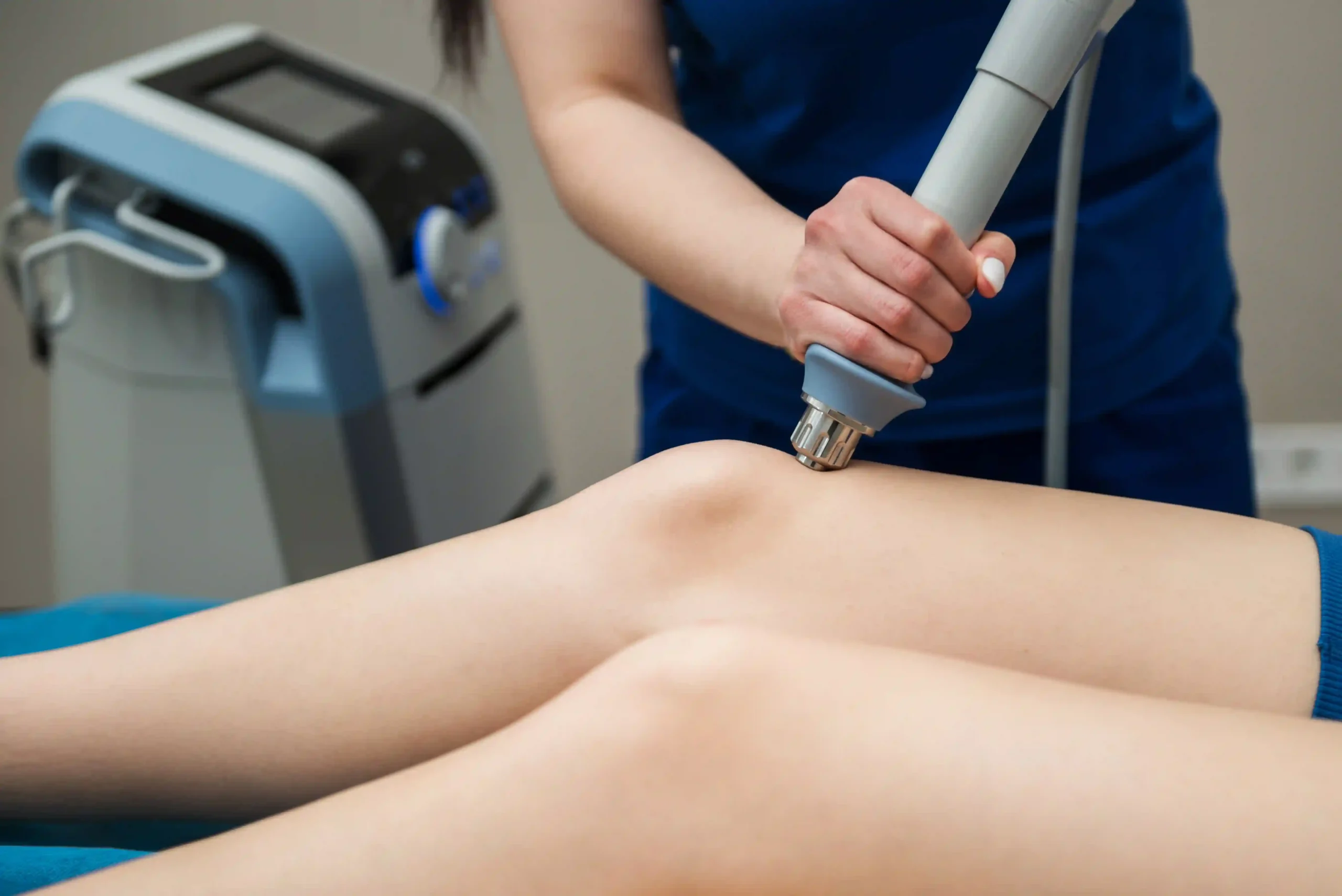
Home Physiotherapy

We understand that some conditions or injuries can make it difficult to receive rehabilitation at our clinic be it mobility or transportation issues. Our objective is to provide you with the same high-quality physiotherapy services at home that you would receive in-clinic.