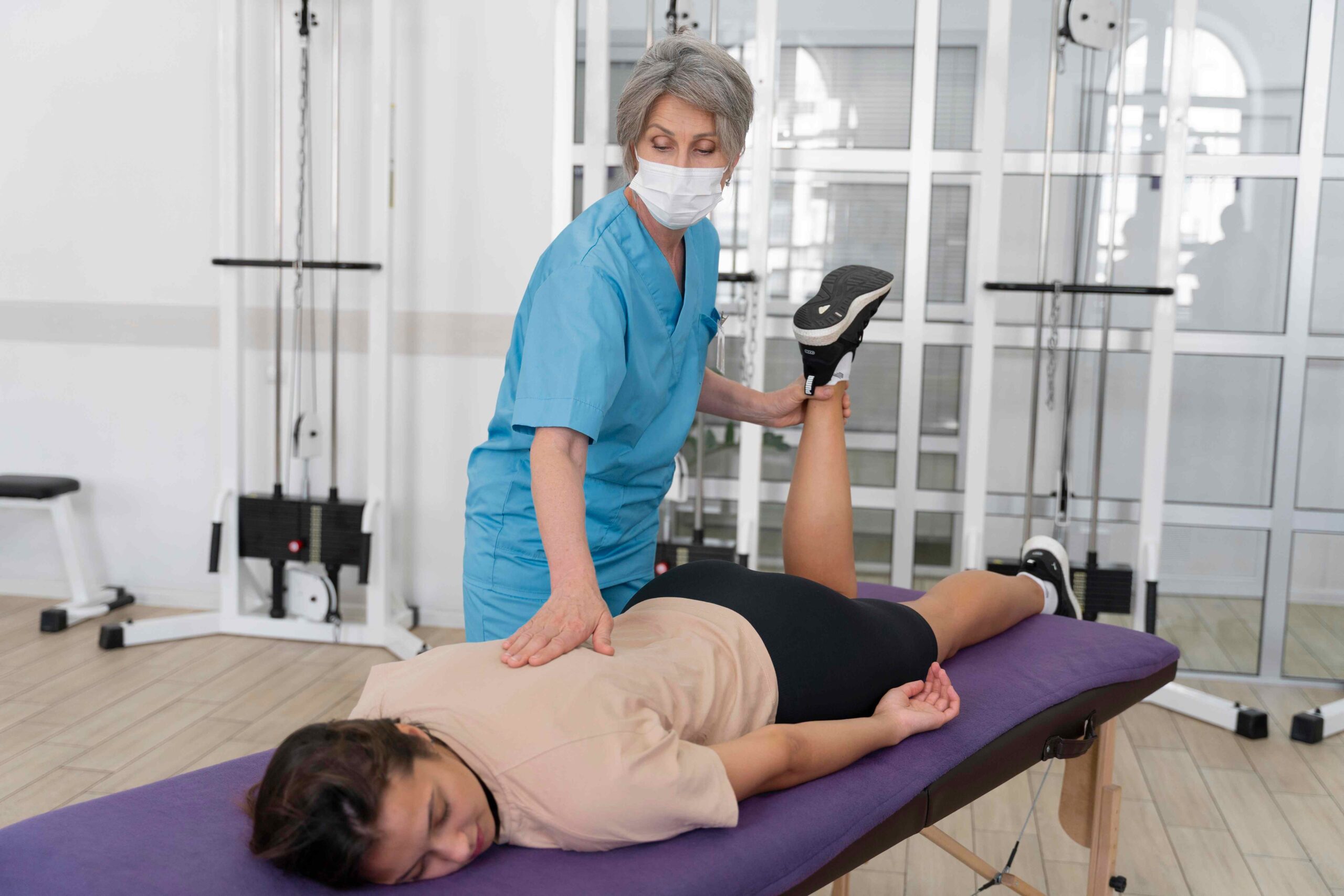
Finding the right physiotherapist can make a significant difference to your recovery, whether you have back pain, a sports injury, post-surgery rehabilitation needs, or difficulty with everyday movement. When searching for physiotherapy near me, it is tempting to choose the first clinic that appears online. Taking a little time to ask questions first helps you decide whether the physiotherapist and clinic suit your needs.
A good physiotherapy experience involves a proper assessment, clear communication, an appropriate treatment plan, and progress monitoring. Before you book, consider asking the following questions.
What Conditions Do You Commonly Treat?
When comparing physiotherapy near me, start by asking whether the physiotherapist regularly treats your condition. Physiotherapists work with a wide range of problems, including:
- Back and neck pain
- Shoulder injuries and knee pain
- Sports injuries, muscle strains, and sprains
- Joint stiffness
- Post-surgical rehabilitation
- Balance and mobility problems
- Work-related injuries
Some also have additional experience in sports, orthopaedic, neurological, or geriatric care. Choosing someone with relevant experience helps ensure your assessment and programme suit your situation. At Synapse, you can ask about the conditions the team treats before you book.
Will I Receive an Initial Assessment?
Ask whether your first appointment includes a proper assessment. This may involve discussing your symptoms and medical history, observing your movement, checking strength and flexibility, and performing clinical tests. The physiotherapist should look for possible causes and contributing factors rather than simply treating the area that hurts. Someone with knee pain, for example, may have contributing factors involving strength, mobility, training load, or previous injuries.
What Will Treatment Involve?
It is reasonable to ask which treatments the physiotherapist commonly uses. Depending on your condition, these may include therapeutic exercises, manual therapy, education, movement retraining, stretching, strengthening, and balance exercises. Some clinics also offer shockwave therapy or dry needling.
The most appropriate treatment depends on your assessment. Be cautious of clinics that promise one treatment will fix every problem, as physiotherapy should be tailored to you.
Will I Need Exercises to Do at Home?
Ask whether your rehabilitation includes a home exercise programme, since recovery does not only happen in the clinic. You may need to work on strength, mobility, balance, or movement control between appointments. A good physiotherapist can explain why each exercise was chosen and how often to do it.
The programme should also be realistic. If your schedule is busy, say so, because a shorter routine you complete consistently is more useful than a complicated one you rarely do. The NHS physiotherapy guide also notes that regular home exercises support recovery.
How Many Sessions Might I Need?
A physiotherapist cannot always give an exact number before assessing you. Recovery depends on the type and severity of the condition, how long you have had it, your general health, activity level, and how you respond to treatment.
Instead of asking for a number, try: “What would you expect my rehabilitation to look like if everything progresses normally?” This gives you a clearer picture without creating unrealistic expectations.
How Will You Measure My Progress?
A quality programme should have a way of showing whether you are improving. Ask how your physiotherapist will monitor progress, such as changes in pain, strength, range of motion, walking, balance, or your ability to do specific activities. Someone recovering from a knee injury might track squatting, climbing stairs, or running. These measures help you both decide whether to continue, adjust, or progress the plan.
What Can I Do to Help My Recovery?
Your physiotherapist should give practical advice about what to do outside the clinic. This may include temporarily modifying activities, returning to exercise gradually, managing training loads, or changing workplace habits. Ask which activities to continue, which to avoid for now, and what signs suggest you are doing too much. Understanding your role makes rehabilitation more active and collaborative.
What Are the Costs?
Before booking, ask about the fees. Find out the cost of the initial assessment and follow-up sessions, and whether specific treatments carry extra charges. If the clinic offers packages, ask what they include and whether you need to buy one. Also ask about cancellation policies, appointment length, and payment methods, so there are no surprises.
Who Will Be Treating Me?
At a larger physiotherapy near me clinic, ask whether you will see the same physiotherapist each time. Continuity helps because your physiotherapist becomes familiar with your symptoms, progress, and goals. Seeing someone else is not necessarily a problem if the clinic keeps good communication and records. You can also ask about their qualifications, experience, and areas of special interest. The NHS advises checking that a private physiotherapist is properly registered, so ask about registration in your country.
What Should I Expect During My First Appointment?
If you feel nervous, simply ask what will happen. A typical first visit includes a discussion of your symptoms and goals, a physical assessment, an explanation of the findings, and an initial treatment or exercise plan. You can prepare by bringing relevant medical reports, scans, medication details, and previous treatment records.
Frequently Asked Questions About Physiotherapy Near Me
Look beyond location. Consider the physiotherapist’s experience with your condition, the assessment process, communication, and costs.
It varies between clinics and insurers, so check when you book.
Yes, be cautious. Treatment should be tailored to your assessment rather than the same for every patient.
An exact number is rarely possible before assessment, but your physiotherapist can outline what to expect if recovery progresses normally.
Bring any scans, medical reports, medication details, and notes on previous treatment.
Choosing the Right Physiotherapist
The best physiotherapist is not the clinic with the most advertisements, the longest list of treatments, or the most expensive equipment. Look for someone who listens carefully, explains clearly, performs an appropriate assessment, and involves you in decisions about your rehabilitation. You should also feel comfortable asking questions, because physiotherapy works best with open communication.
If you are searching for physiotherapy near me, explore physiotherapy at Synapse or book a consultation with Synapse to ask these questions and start a plan you can follow comfortably.
Tags :

Back & Neck Pain
- Spine & Core Rehabilitation
- Strength & Conditioning Programme
- Pain Management
- Biomechanical Assessment
- Sports Physiotherapy
- Group Class

Sports Injuries
- Strength & Conditioning Programme
- Pain Management
- Biomechanical Assessment
- Sports Physiotherapy
- Shockwave Therapy
- Group Class

Work Desk Injuries

Pre-Post-Surgical Conditions

Scoliosis & Postural Abnormalities

Neurological Conditions

Osteoarthritis & Rheumatism
Joint degeneration and inflammation happens as the human body grows older, but that does not mean our way of life degenerates as well. Relief your joint pains with a joint effort together with your physiotherapist, who will provide pain-relief treatments and prescribe exercises for your wellbeing.

Conditions Relating To Elderly
Common conditions in the older age population include hips & knee pain, back & neck pain, osteoarthritis, rheumatism, fear of falling and many more. Aging and degeneration of bodily function is inevitable, but here at Synapse, we will help you live the best of your life.