Synapse Physiotherapy | Physio Center | Rehab Malaysia
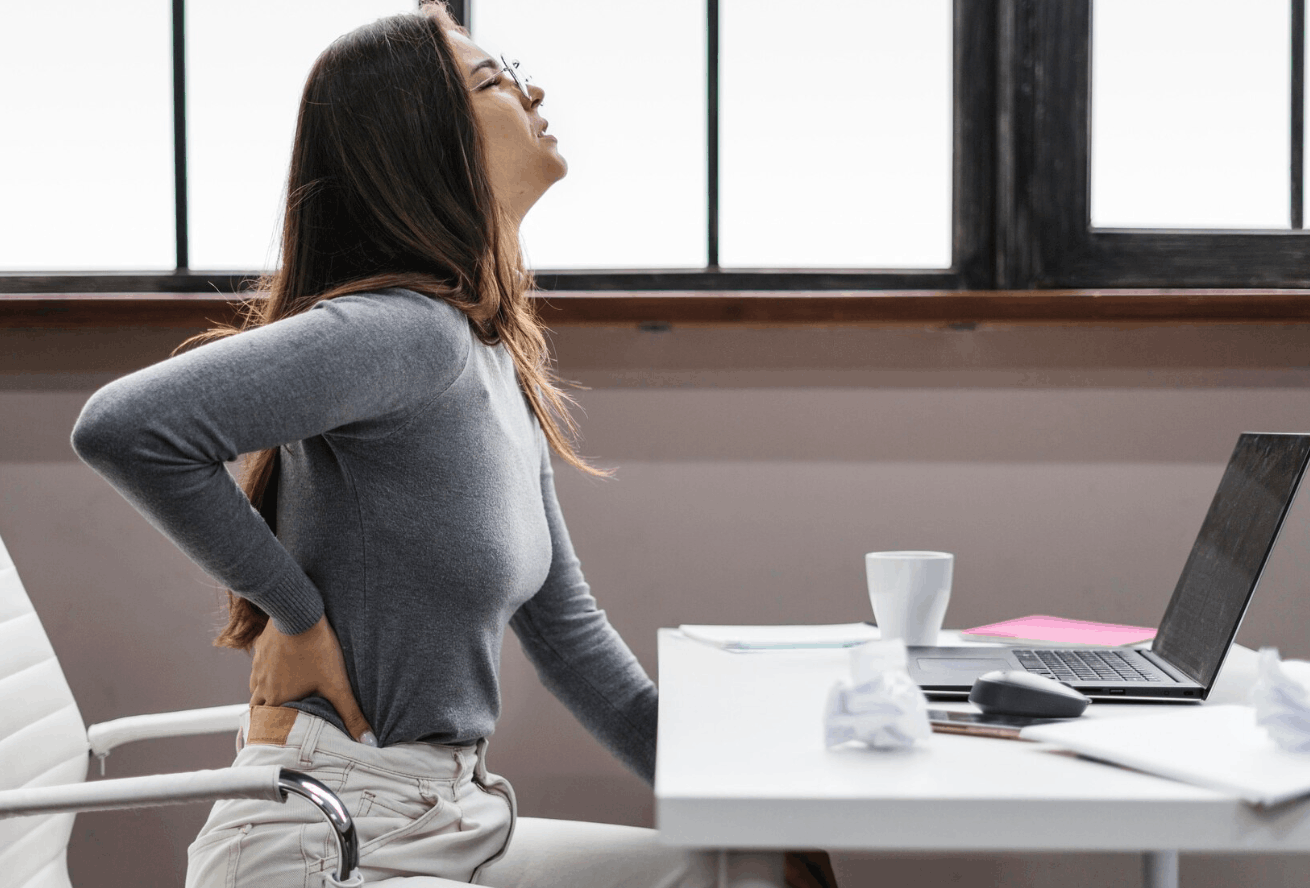
A slip disc, also known as a herniated or prolapsed disc, can cause back pain, neck pain, radiating leg pain, numbness, tingling, and muscle weakness. For some people, the discomfort may be mild and manageable. For others, it can affect walking, sitting, sleeping, working, and daily movement. This is why many patients look for safe, non-surgical treatment options.
Physiotherapy for slip disc is commonly recommended because it focuses on reducing pain, restoring movement, improving spinal support, and preventing recurrence. However, many patients worry whether exercises or manual treatment might worsen their condition. The answer depends on proper assessment, correct technique, and gradual progression.
At Synapse Physiotherapy, treatment plans are personalised according to each patient’s symptoms, movement ability, pain level, and recovery goals.
A slip disc happens when one of the soft cushions between the bones of the spine bulges or pushes outward. If the disc presses on nearby nerves, it may cause symptoms such as sciatica, numbness, tingling, or weakness. The NHS guide to slipped disc explains that a slipped disc can be painful if it presses on nerves, but it often improves gradually with the right care.
A disc problem can occur in the neck, upper back, or lower back, though it is most commonly seen in the lumbar spine.
Common Causes and Triggers:
Why Understanding Your Condition Matters:
Before starting physiotherapy for a slip disc, a clear understanding of the condition is essential. Not all disc problems are the same, and the safest treatment approach depends on:
Getting the right assessment first ensures treatment is appropriately matched to your specific condition, reducing the risk of aggravating symptoms.
The first step in safe physiotherapy for slip disc is a detailed assessment. A physiotherapist will usually ask about your pain location, how symptoms started, what makes them worse, and whether pain travels into your leg or arm. They may also assess your posture, walking pattern, spinal movement, muscle strength, reflexes, and nerve symptoms.
In some cases, medical imaging such as MRI may be recommended, especially if symptoms are severe, worsening, or linked to neurological signs. However, not every slip disc requires a scan before physiotherapy begins. Clinical assessment can often guide safe early management.
A good physiotherapist will also check for warning signs before treatment. This helps ensure that the patient is suitable for physiotherapy or needs urgent medical referral.
One of the most important ways to ensure safe physiotherapy for slip disc is to work with a qualified and experienced physiotherapist. A trained professional understands spinal anatomy, nerve irritation, pain patterns, safe exercise progression, and when to refer a patient for further medical review.
Avoid following random online exercises without proper assessment. Some exercises may help one person but worsen another, depending on the direction of disc irritation, nerve sensitivity, and movement tolerance.
Patients can explore professional rehabilitation care through Synapse Therapy’s spine core services, where treatment can be adjusted according to pain, mobility, and functional goals.
In the early stages, the spine may be sensitive. Starting too aggressively can increase pain or nerve irritation. Safe early treatment usually involves gentle and controlled movements that reduce stiffness without overloading the affected disc.
Exercises may include gentle stretching, controlled spinal movement, nerve gliding, pelvic tilts, breathing-based relaxation, and basic core activation. The goal is not to force movement, but to restore confidence and reduce fear of moving.
Physiotherapy for slip disc should feel guided and progressive. Some mild discomfort may occur, but sharp pain, worsening leg pain, or increasing numbness should not be ignored.
A common mistake is trying to push through pain. With slip disc symptoms, this can be risky. Pain that becomes sharper, travels further down the leg, or increases numbness may suggest that the exercise is not suitable at that stage.
During physiotherapy for slip disc, avoid movements that cause severe pain, increase tingling, worsen weakness, or create strong radiating symptoms. Extreme bending, heavy lifting, aggressive twisting, or intense stretching may need to be avoided temporarily.
Your physiotherapist should adjust the plan based on your response. Safe rehabilitation is not about doing the hardest exercises. It is about doing the right exercises at the right time.
Core strength is important because the muscles around the trunk help support the spine. When these muscles are weak or poorly coordinated, the spine may experience more stress during sitting, bending, lifting, and walking.
Core stability exercises may include abdominal bracing, pelvic tilts, bridging, bird-dog variations, modified planks, and controlled hip strengthening. These exercises should be introduced gradually and only when appropriate.
The NHS back pain exercises guide highlights the importance of guided movement and exercise for managing back pain. For disc-related symptoms, exercise selection should be personalised to avoid aggravating nerve irritation.
Recovery from a slip disc takes time. Some people feel better within weeks, while others need longer rehabilitation. A safe programme progresses step by step based on pain level, movement quality, strength, and confidence.
Progression may involve increasing exercise repetitions, improving flexibility, adding resistance, practising functional movements, and gradually returning to work or sport. Your physiotherapist may also teach lifting mechanics, sitting strategies, and movement modifications for daily life.
A key part of physiotherapy for slip disc is learning how much load your spine can tolerate at each stage. This reduces the risk of flare-ups and supports long-term recovery.
Pain management can make rehabilitation easier. Physiotherapists may use heat or cold therapy, gentle manual therapy, soft tissue techniques, electrotherapy such as TENS, taping, or relaxation strategies to reduce discomfort.
These methods should support active recovery, not replace it. Long-term improvement usually depends on movement, strengthening, posture correction, and lifestyle changes.
At Synapse Physiotherapy, treatment may combine hands-on care, exercise therapy, education, and functional rehabilitation to support safe recovery.
Daily habits can strongly influence slip disc symptoms. Common aggravating factors include:
Practical Tips for Protecting Your Spine Daily:
Who Benefits Most from Spine Education:
Physiotherapy for slip disc should include practical education so patients understand how to protect their spine outside the clinic, making self-management a key part of long-term recovery.
Although physiotherapy is generally safe, some symptoms require urgent medical review. Stop exercising and seek help if you experience worsening leg weakness, loss of bladder or bowel control, numbness around the groin or saddle area, severe unrelenting pain, fever with back pain, or progressive numbness.
These symptoms may indicate serious nerve involvement or another medical issue. A responsible physiotherapist will screen for these red flags before and during treatment.
For support, patients can use the Synapse Therapy contact page to arrange an appointment or ask about suitable care options.
Yes, physiotherapy for slip disc is generally safe when guided by a qualified physiotherapist after proper assessment. Treatment should be personalised and progressed gradually.
It can worsen symptoms if exercises are too aggressive or unsuitable. This is why professional assessment and correct exercise selection are important.
Safe exercises depend on your symptoms. Gentle mobility, nerve gliding, core activation, and controlled strengthening may be used, but they should be tailored to your condition.
Complete bed rest is usually not ideal for most cases. Gentle movement and guided activity often support recovery, but painful activities should be modified.
Recovery varies. Some patients improve within weeks, while others need several months depending on disc severity, nerve involvement, lifestyle, and consistency with rehabilitation.
Physiotherapy for slip disc can be safe and effective when it is guided by proper assessment, personalised treatment, gentle progression, and clear symptom monitoring. The goal is to reduce pain, restore mobility, strengthen spinal support, and help you return to daily activities with confidence.
Safety comes from balance. You need enough movement to promote recovery, but not so much that the spine or nerves become irritated. Working with a qualified physiotherapist helps ensure that exercises, manual therapy, and daily advice match your condition. Visit Synapse Physiotherapy’s conditions page for personalised slip disc rehabilitation and spine care or book a session now to start your journey to recovery.
Tags :





Joint degeneration and inflammation happens as the human body grows older, but that does not mean our way of life degenerates as well. Relief your joint pains with a joint effort together with your physiotherapist, who will provide pain-relief treatments and prescribe exercises for your wellbeing.

Common conditions in the older age population include hips & knee pain, back & neck pain, osteoarthritis, rheumatism, fear of falling and many more. Aging and degeneration of bodily function is inevitable, but here at Synapse, we will help you live the best of your life.