Synapse Physiotherapy | Physio Center | Rehab Malaysia
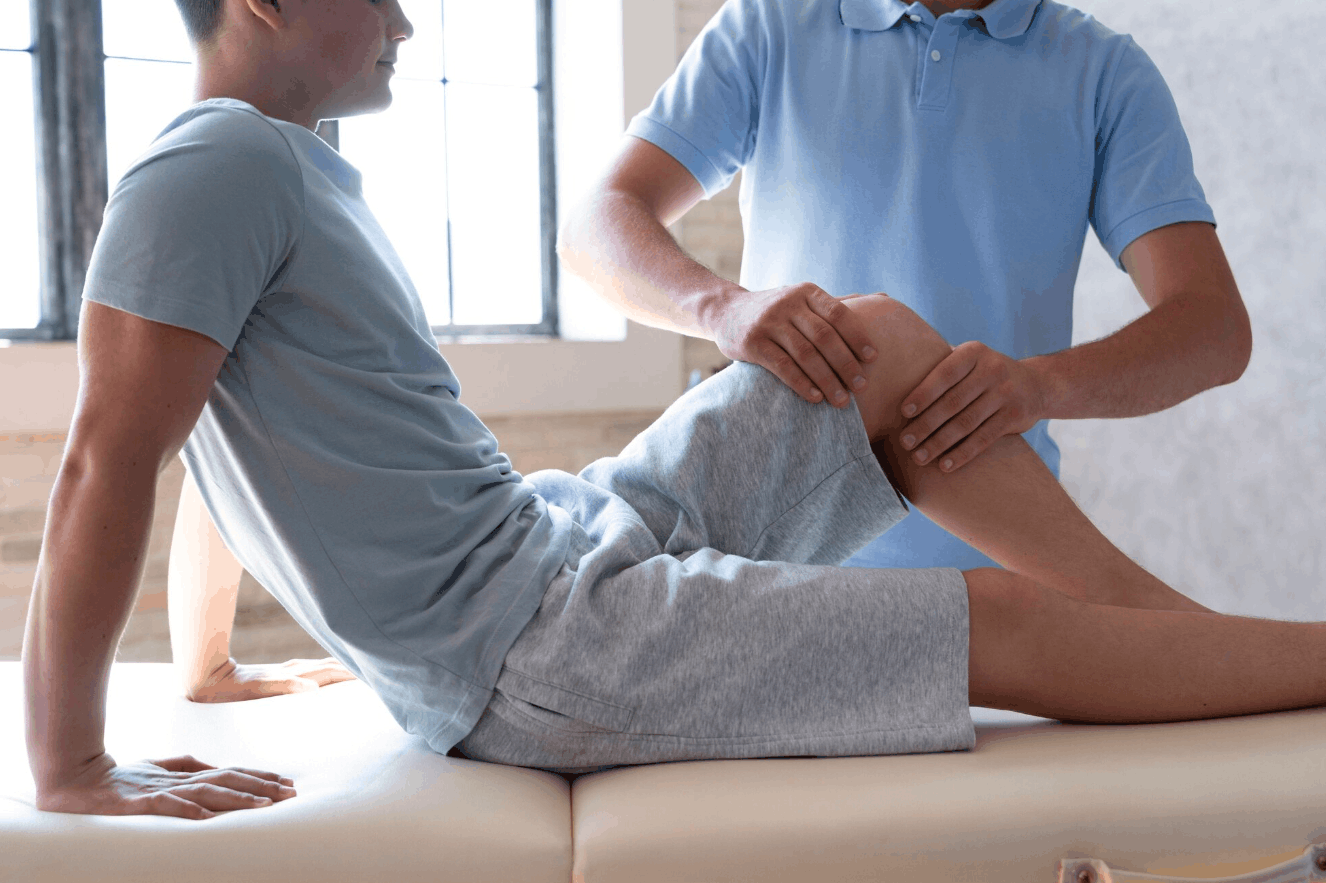
Hip and spine problems are among the most common reasons people seek physiotherapy. Whether caused by prolonged sitting, poor posture, sports injuries, ageing, muscle weakness, or post-surgical recovery, pain in these areas can affect almost every part of daily life. Simple activities such as walking, bending, climbing stairs, driving, sleeping, or working at a desk may become difficult when the hip or spine is not functioning well.
Physiotherapy Malaysia offers non-surgical, evidence-based care for people dealing with back pain, neck pain, hip pain, sciatica, slipped disc, hip impingement, postural discomfort, and rehabilitation after injury or surgery. The goal is not only to reduce pain, but also to restore movement, improve strength, and prevent the issue from returning.
At Synapse Physiotherapy, patients can receive personalised physiotherapy care designed to support recovery, improve mobility, and help them return to daily activities with greater confidence.
The hip and spine are closely connected. The lower back, pelvis, hips, and core muscles work together to support posture, walking, bending, lifting, and balance. When one area becomes stiff, weak, or painful, the other areas often compensate.
For example, limited hip mobility can place additional stress on the lower back. A spinal issue such as sciatica may change the way a person walks, which can then create hip or knee discomfort. This is why effective Physiotherapy Malaysia care should assess the entire movement chain instead of focusing only on the painful spot.
Common hip and spine conditions include lower back pain, slipped disc, sciatica, spinal stenosis, hip bursitis, hip impingement, postural-related pain, and post-surgical weakness. The NHS explains that physiotherapy can help with problems affecting the bones, joints and muscles, including back pain, neck pain, sports injuries, and rehabilitation after surgery through the NHS guide to physiotherapy.
A detailed assessment is one of the most important parts of physiotherapy. Before starting treatment, your physiotherapist should understand your symptoms, activity level, medical history, posture, movement habits, and recovery goals.
Assessment may include range of motion testing, gait analysis, posture observation, muscle strength testing, joint mobility checks, and functional movement screening. These steps help identify whether your pain is coming from stiffness, weakness, nerve irritation, muscle imbalance, joint restriction, or poor movement control.
This is where Physiotherapy Malaysia becomes valuable for long-term recovery. Instead of offering temporary relief only, a proper assessment allows your physiotherapist to design a plan that targets the root cause of your hip or spine problem.
Manual therapy is often used in the early stages of hip and spine rehabilitation, using hands-on techniques to:
Common Manual Therapy Techniques:
These approaches help patients move more comfortably, particularly when pain or stiffness is limiting daily activities.
Important: Manual therapy works best as part of a broader treatment plan, not as a standalone solution. Combining it with exercise therapy, education, and movement correction ensures the body doesn’t just feel better temporarily, but becomes stronger and more resilient over time.
Patients who want professional care can explore Synapse Therapy’s physiotherapy services to learn more about available rehabilitation support.
Exercise therapy is a core part of Physiotherapy Malaysia because it builds the strength and control needed for long-term recovery. While manual therapy can reduce stiffness and discomfort, targeted exercise helps the body maintain improvement.
For spine care, exercises may focus on core strength, spinal mobility, glute activation, hip control, and posture endurance. For hip care, exercises may target hip strength, pelvic stability, flexibility, balance, and walking mechanics.
The NHS Inform guide to exercises for hip problems explains that after a hip problem, it is important to regain movement and strength to support tissue healing and help patients return to normal activity.
A physiotherapist will progress exercises safely based on pain levels, healing stage, and functional goals. This is important because doing exercises too aggressively may irritate symptoms, while doing too little may slow recovery.
Poor posture is a major contributor to hip and spine discomfort, particularly for office workers and those who sit for long hours. Prolonged sitting can lead to:
What a Physiotherapy Posture & Ergonomic Plan May Include:
Simple Habits That Can Make a Big Difference:
A Physiotherapy Malaysia plan helps patients identify which daily habits are contributing to their symptoms and provides practical, sustainable ways to change them for long-term relief.
Pain management is an important part of hip and spine rehabilitation. When pain is high, patients may avoid movement, which can lead to stiffness, weakness, and fear of activity. Physiotherapists use pain management techniques to help patients move more confidently.
These may include heat or cold therapy, electrotherapy such as TENS or ultrasound, taping techniques, dry needling, gentle mobility work, and breathing or relaxation strategies. The right method depends on the condition and pain stage.
The best Physiotherapy Malaysia programmes combine pain relief with active rehabilitation. This means the patient gradually learns to move, strengthen, and function better rather than depending only on passive treatment.
Different conditions require different approaches. A slipped disc or sciatica may need nerve-friendly movement, spinal mobility work, and strengthening to reduce pressure and improve tolerance. Hip impingement may require hip mobility work, glute strengthening, and movement correction to reduce joint irritation.
Chronic lower back pain often benefits from core stability, graded exercise, posture correction, and confidence-building movement. After surgery, structured rehabilitation helps patients restore mobility, rebuild strength, and safely return to activities.
At Synapse Physiotherapy, treatment can be personalised based on the patient’s symptoms, function, and recovery needs.
You should consider physiotherapy if you have persistent hip or back pain, pain radiating into the leg, stiffness, reduced mobility, difficulty walking, pain after injury, or weakness after surgery. Early treatment can prevent mild issues from becoming long-term conditions.
It is also important to seek urgent medical care if you experience severe trauma, sudden weakness, numbness in the groin area, loss of bladder or bowel control, fever with back pain, or unexplained weight loss.
Physiotherapy can help with lower back pain, neck pain, slipped disc, sciatica, hip bursitis, hip impingement, spinal stiffness, postural pain, and post-surgical rehabilitation.
Yes. Many slipped disc cases improve with physiotherapy, posture advice, mobility exercises, nerve-friendly movement, and strengthening. Severe nerve symptoms should be reviewed medically.
Physiotherapy helps by improving hip mobility, strengthening supporting muscles, correcting movement patterns, and reducing strain on the hip joint.
The number of sessions depends on your condition, severity, goals, and response to treatment. Acute issues may improve faster, while chronic or post-surgical cases may need longer rehabilitation.
Physiotherapy should not be excessively painful. Some exercises may feel challenging, but treatment should be adjusted according to your comfort and recovery stage.
Hip and spine problems can affect work, movement, sleep, sport, and daily comfort, but they are often manageable with the right care. Physiotherapy Malaysia provides a safe and structured approach to reduce pain, restore mobility, strengthen supporting muscles, and prevent future recurrence.
The best results come from detailed assessment, manual therapy, targeted exercises, posture correction, pain management, and consistent rehabilitation. Whether you are dealing with back pain, sciatica, hip discomfort, or post-surgical recovery, physiotherapy can help you move with more confidence. For personalised hip and spine care, visit Synapse Physiotherapy’s conditions page for more information or book an appointment to begin your recovery journey.
Tags :






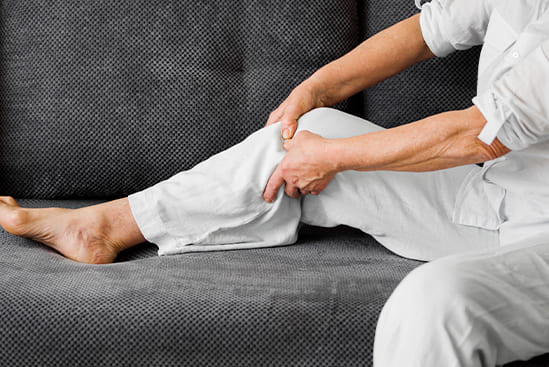
Joint degeneration and inflammation happens as the human body grows older, but that does not mean our way of life degenerates as well. Relief your joint pains with a joint effort together with your physiotherapist, who will provide pain-relief treatments and prescribe exercises for your wellbeing.

Common conditions in the older age population include hips & knee pain, back & neck pain, osteoarthritis, rheumatism, fear of falling and many more. Aging and degeneration of bodily function is inevitable, but here at Synapse, we will help you live the best of your life.