Neck pain is one of the most common musculoskeletal complaints, affecting people of all ages. Long hours at a desk, poor posture, stress, repetitive movements, and sports injuries can all contribute to muscle tightness and discomfort. Dry needling for neck pain has become a popular option because it targets the muscle trigger points behind that pain and restricted movement. One of the most common questions patients ask is: how many dry needling sessions are actually needed?
The honest answer is that it varies from person to person. The number of sessions depends on several factors, including the cause of your neck pain, its severity, how long you’ve had the condition, and how your body responds to treatment. Here’s what shapes that timeline.
What Is Dry Needling?
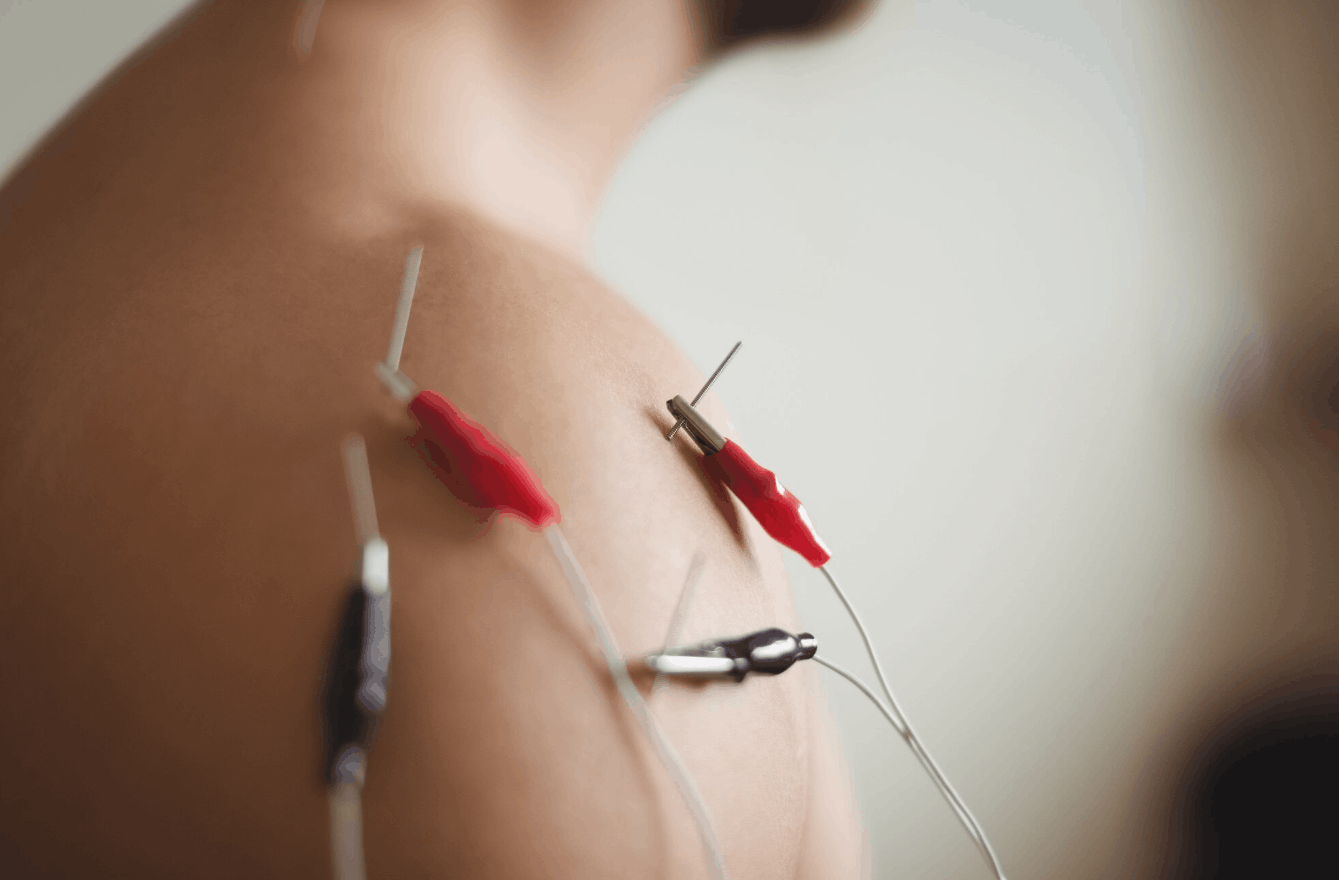
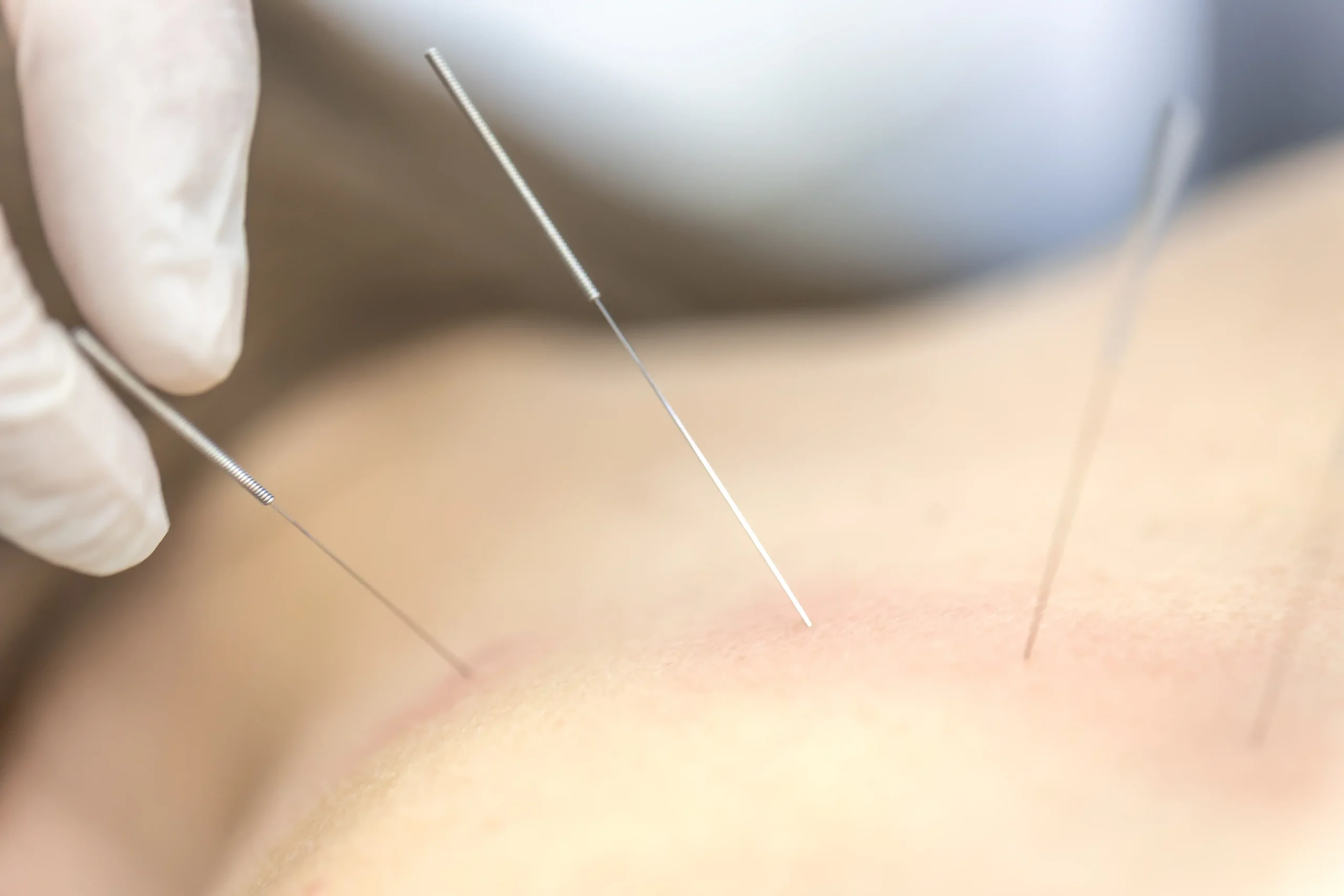
Dry needling is a physiotherapy technique that uses thin, sterile needles to target myofascial trigger points, commonly known as muscle knots. These tight, sensitive areas can cause localized pain or pain that radiates to other parts of the body. Unlike acupuncture, which is based on traditional Chinese medicine, dry needling is grounded in modern anatomy and evidence-based musculoskeletal care, a distinction Cleveland Clinic’s overview of dry needling also explains in more detail. The goal is to release muscle tension, improve blood circulation, reduce pain, and restore normal movement.
If you’ve been searching for dry needling near me, it’s likely because you’re looking for a treatment that addresses the source of your discomfort rather than simply masking the symptoms.
What Causes Neck Pain?
Neck pain can develop for many reasons, and identifying the underlying cause is essential before beginning treatment. Common causes include:
- Poor posture while working at a computer
- Prolonged smartphone use (“text neck”)
- Muscle strain
- Stress-related muscle tension
- Sports injuries
- Whiplash
- Cervical joint dysfunction
- Repetitive movements
- Sleeping in awkward positions
Many of these conditions lead to the formation of trigger points within the neck and shoulder muscles, which is exactly what dry needling is designed to address.
How Does Dry Needling Help Neck Pain?
Dry needling works by targeting overactive muscles that contribute to pain and limited movement. When the needle is inserted into a trigger point, it may produce a brief muscle twitch. This response helps release muscle tension and encourages the muscle to return to a more relaxed state. Treatment may also:
- Improve blood flow to the affected area
- Reduce muscle tightness
- Decrease pain sensitivity
- Improve range of motion
- Reduce tension headaches related to neck muscles
- Support faster rehabilitation
Many patients notice improvements in mobility after only a few sessions, especially when dry needling is combined with physiotherapy exercises.
How Many Sessions Are Usually Needed?
There is no universal number of sessions because every patient responds differently. Your physiotherapist will recommend a treatment plan based on your assessment and progress. Here is a general guideline.
Mild Neck Pain: 2 to 4 Sessions
If your neck pain is recent and mainly caused by muscle tightness or poor posture, you may only need 2 to 4 sessions. These appointments are often combined with stretching exercises, postural correction, ergonomic advice, and a home exercise program. Many patients experience noticeable improvement within the first few treatments.
Moderate Neck Pain: 4 to 6 Sessions
If symptoms have been present for several weeks or involve multiple tight muscle groups, treatment may require 4 to 6 sessions. At this stage, dry needling is often paired with manual therapy, strengthening exercises, joint mobilization, and movement retraining. This combined approach addresses both pain relief and the underlying cause of the problem.
Chronic Neck Pain: 6 to 10 Sessions or More
For neck pain lasting several months or recurring frequently, recovery may require 6 to 10 sessions or more. Chronic pain often involves long-standing muscle dysfunction, reduced mobility, and poor movement patterns, so dry needling alone is unlikely to resolve these issues completely. Instead, physiotherapists typically build a comprehensive rehabilitation plan that includes dry needling, strengthening exercises, flexibility training, postural education, stress management techniques, and lifestyle modifications. For chronic neck pain, consistent rehabilitation tends to produce the best long-term results.
Factors That Affect the Number of Sessions
Several factors influence how many treatments you may need:
- Severity of the condition: more widespread trigger points usually require additional sessions
- Duration of symptoms: recent injuries generally respond faster than pain that’s persisted for months or years
- Underlying cause: pain from poor posture may improve faster than pain tied to degenerative joint changes
- Daily activities: prolonged sitting or repetitive neck movements can slow recovery unless ergonomic changes are made
- Participation in home exercises: patients who consistently do their prescribed exercises tend to recover faster
What Happens During Each Session?
If you’ve never received dry needling before, understanding the process can ease any concerns. A typical appointment begins with a reassessment of your symptoms. Your physiotherapist identifies the muscles contributing to your pain before inserting sterile needles into specific trigger points. During treatment, you may experience a mild pinching sensation, a brief muscle twitch, temporary muscle soreness, or a feeling of relaxation afterward.
Most sessions last between 20 and 45 minutes, depending on the number of muscles treated. Afterward, your physiotherapist may recommend stretching exercises or light movement to maintain the benefits of the session.
What Can You Do Between Sessions?
Dry needling works best when combined with healthy habits that support recovery. Your physiotherapist may recommend:
- Performing daily stretching exercises
- Strengthening the neck and upper back muscles
- Improving workstation ergonomics
- Taking regular movement breaks during desk work
- Staying hydrated
- Applying heat or ice if advised
- Maintaining good posture throughout the day
Following these recommendations helps prolong the effects of treatment and reduces the risk of recurring pain.
When Will You Notice Results?
Many patients report feeling looser or experiencing reduced pain after their first session. However, lasting improvement often occurs gradually over several treatments. Some people notice increased neck mobility after one session, reduced muscle tightness within two to three sessions, significant pain relief after four to six sessions, and improved posture and movement after completing a full rehabilitation program. Your progress will depend on the nature of your condition and how consistently you follow your treatment plan.
Is Dry Needling Enough on Its Own?
Although dry needling is highly effective for releasing trigger points, it’s rarely used as a standalone treatment. Most physiotherapists combine it with manual therapy, strengthening exercises, postural correction, joint mobilization, ergonomic education, and functional movement training. This comprehensive approach addresses the root cause of neck pain while helping prevent future episodes. If dry needling for sports-related tightness is more your situation, our earlier post on why athletes use dry needling covers that angle in more detail. Whatever the cause, choose a clinic that offers a complete physiotherapy program rather than relying solely on needle-based treatment.
Frequently Asked Questions
Most patients feel a brief pinch or muscle twitch during insertion, followed by mild soreness afterward, but the discomfort is generally short-lived and well tolerated.
Some patients notice looser muscles and reduced pain immediately after their first session, though lasting relief usually builds over several treatments.
Yes. It’s typically most effective when paired with manual therapy, strengthening exercises, postural correction, and ergonomic advice rather than used alone.
Dry needling is generally safe when performed by a trained physiotherapist, though it may not be suitable for people with certain conditions, such as needle phobia, active infections, or specific bleeding disorders, so a proper assessment is essential first.
Dry needling is based on Western anatomy and targets muscular trigger points directly, while acupuncture is rooted in traditional Chinese medicine and focuses on energy pathways.
Final Thoughts
The number of dry needling sessions needed for neck pain varies depending on the severity of your symptoms, the underlying cause, and your individual response to treatment. While some people achieve relief in just a few visits, others with chronic or complex conditions may benefit from a longer rehabilitation program.
If you’ve been searching for dry needling near me, the first step is to schedule a comprehensive assessment with a qualified physiotherapist. They can identify the source of your neck pain, determine whether dry needling is appropriate, and build a personalized treatment plan that combines hands-on therapy, exercise, and education. With the right approach, dry needling can help reduce muscle tension, improve mobility, ease pain, and support a faster return to work, exercise, and everyday activities.
Tags :

Back & Neck Pain
- Spine & Core Rehabilitation
- Strength & Conditioning Programme
- Pain Management
- Biomechanical Assessment
- Sports Physiotherapy
- Group Class

Sports Injuries
- Strength & Conditioning Programme
- Pain Management
- Biomechanical Assessment
- Sports Physiotherapy
- Shockwave Therapy
- Group Class

Work Desk Injuries

Pre-Post-Surgical Conditions

Scoliosis & Postural Abnormalities

Neurological Conditions
Osteoarthritis & Rheumatism
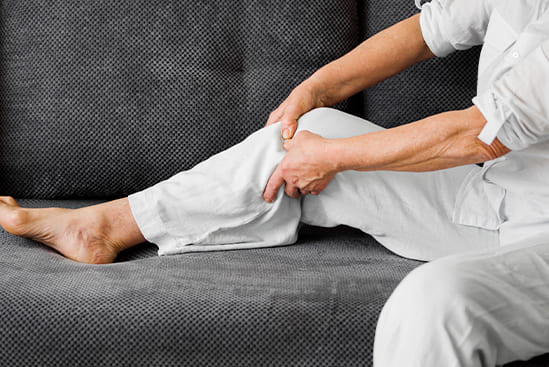
Joint degeneration and inflammation happens as the human body grows older, but that does not mean our way of life degenerates as well. Relief your joint pains with a joint effort together with your physiotherapist, who will provide pain-relief treatments and prescribe exercises for your wellbeing.

Conditions Relating To Elderly
Common conditions in the older age population include hips & knee pain, back & neck pain, osteoarthritis, rheumatism, fear of falling and many more. Aging and degeneration of bodily function is inevitable, but here at Synapse, we will help you live the best of your life.