Posted on

Home Physiotherapy: Recovering from a Stroke at Home

Home Physiotherapy
Home Physiotherapy
Synapse Physiotherapy

Introduction

Recovering from a stroke is never easy, but home physiotherapy can make the process smoother, safer, and more effective. This method helps stroke survivors regain strength, balance, and confidence all from the comfort of their own homes. With the right support and professional guidance, recovery becomes more manageable and less stressful.

Home physiotherapy brings licensed therapists directly to the patient’s living space, allowing rehabilitation to happen in a familiar setting. This can reduce anxiety, improve motivation, and lead to faster, more functional recovery. Whether the goal is to walk independently or just move safely around the house, home physiotherapy offers a smart path forward.

1. Convenience and Comfort at Your Doorstep

No Travel, Less Stress, More Consistency

For many stroke survivors, going to a clinic can be both exhausting and challenging. Some may rely on family members or caregivers for transport, which can be inconvenient and tiring for everyone involved. Home physiotherapy solves this problem by bringing expert care straight to the home.

Since sessions are held at home, patients are more likely to stick to their rehab schedule. Therapists arrive with portable tools and use furniture and spaces that the patient already knows. This makes therapy easier to follow and more relevant to everyday life.

Cost-Effective and Time-Saving

Though some may think in-home services are expensive, home physiotherapy can be more cost-effective over time, especially when factoring in transport costs, caregiver time, and potential complications from missed therapy.

By receiving therapy at home, patients avoid the financial and physical costs of traveling to a clinic. More importantly, consistent therapy helps prevent long-term disabilities, reduce hospital readmissions, and improve overall health outcomes, which can save money on medical care down the line.

2. A Plan That Fits You Perfectly

Personalised Care with Real-Life Goals

Every stroke is different. Because of this, recovery must be tailored to each person’s needs. Home physiotherapy allows therapists to assess a patient’s daily environment, then create a plan that targets specific goals, like getting out of bed, walking to the bathroom, or climbing stairs.

Some common therapy goals include:

  • Regaining strength and mobility

  • Improving coordination and balance

  • Learning to walk safely again

  • Reducing muscle tightness and stiffness

  • Preventing falls

  • Teaching caregivers how to assist properly

These personalised plans focus on what truly matters to the patient and their family, making recovery faster and more meaningful.

Faster Functional Gains and Greater Independence

The ultimate goal of stroke rehabilitation is to regain as much independence as possible. Home physiotherapy is one of the best ways to support this goal, as it focuses on real-world functionality and everyday movements.

Over time, patients often experience:

  • Improved strength and mobility
  • Better posture and balance
  • Increased ability to perform daily tasks (e.g., bathing, dressing, walking)
  • Reduced reliance on caregivers or assistive devices
  • Greater confidence in their ability to move safely and independently

These improvements don’t just benefit physical health they also contribute to a renewed sense of dignity, purpose, and motivation.

3. Familiar Spaces Build Confidence

Better Therapy, Right Where You Live

Doing therapy in the home is not only more convenient, it’s also more effective. Patients are surrounded by loved ones, familiar belongings, and daily routines. This comforting atmosphere often reduces anxiety and increases motivation, making patients more engaged in their recovery.

Therapists can also suggest home improvements such as:

  • Installing grab bars in the bathroom

  • Re-arranging furniture to allow safe movement

  • Choosing the right mobility aids for the layout

These changes help make the home a safer place, which is essential for stroke recovery.

4. Involving the Whole Family

Caregiver Training and Emotional Support

Stroke recovery is a team effort. In home physiotherapy, caregivers naturally become part of the process. Therapists guide them on how to help safely and effectively, which builds confidence and strengthens the support system.

Caregivers can learn:

  • How to assist with walking and transfers

  • Ways to position the patient to avoid stiffness

  • Tips to prevent bed sores and falls

  • Exercises to continue between sessions

When caregivers feel prepared, patients feel more supported, and that leads to better, faster progress.

Save Time, Save Money

Home physiotherapy may seem like a luxury, but it often saves money in the long run. Without the need to travel, you avoid transport costs and time away from work or other duties. Plus, consistent therapy at home can reduce the risk of complications, hospital readmissions, and long-term disabilities.

More importantly, early and steady recovery leads to better health and greater independence, which lowers medical costs down the road.

Real-Life Progress, Real Confidence

The true goal of stroke recovery is to live more independently. Home physiotherapy focuses on functional movements, such as:

  • Dressing and bathing

  • Moving from bed to chair

  • Walking inside or outside the home

As patients improve their strength, posture, and coordination, they often become less dependent on others and more confident in their ability to live life again.

Frequently Asked Questions (FAQs)

1. What is home physiotherapy, and how does it work?

Home physiotherapy is when a licensed physiotherapist visits a patient’s home to provide personalised treatment. They use portable equipment and home furniture to help the patient practice daily tasks like walking, getting up from a chair, or using the bathroom safely.

2. Is home physiotherapy as effective as clinic-based therapy?

Yes! It can be more effective for stroke patients, because therapy happens in the real environment where the patient lives, making it easier to apply learned movements to daily life.

3. How often should I schedule home physiotherapy sessions?

The frequency depends on the individual’s needs and goals. Many stroke survivors benefit from two to three sessions per week. Your physiotherapist will recommend a schedule that fits your recovery plan.

4. Can caregivers be trained during home physiotherapy sessions?

Absolutely. Therapists often train caregivers in proper techniques, safe transfers, and daily exercises. This ensures consistent support and better results between sessions.

5. Is home physiotherapy suitable for elderly stroke patients?

Yes, it’s an excellent choice. Elderly patients often find travel difficult, and being in a familiar space can improve both comfort and recovery outcomes.

Final Thoughts: A Smarter Path to Recovery

Recovering from a stroke can be overwhelming, but home physiotherapy offers a patient-centred, flexible, and highly effective path forward. It provides all the benefits of professional rehabilitation while removing many of the physical and emotional barriers that clinic-based therapy can pose.

By receiving therapy in a safe, familiar environment, patients are empowered to take charge of their recovery, supported by therapists and loved ones every step of the way. Whether the goal is to walk again, regain use of an arm, or simply move around the home with confidence, home physiotherapy delivers compassionate care where it matters most, right at home.

Want to know more about our home visit physiotherapy services? Click here.

Share This :

Back & Neck Pain

Conditions such as stiffness, postural abnormalities and muscle overuse from prolonged desk work at the office or home is more prevalent than most would think. We provide the necessary tools to fix you up and educate you on ergonomics which can unload unnecessary stress.

Sports Injuries

Rolled ankles, jarred knees, impinged shoulders are few conditions in the plethora of sports injuries which can hamper performance and limit our enjoyment of sports. Physiotherapy not only treats the symptoms of these conditions but propels your overall fitness to greater heights.

Work Desk Injuries​

Conditions such as stiffness, postural abnormalities and muscle overuse from prolonged desk work at the office or home is more prevalent than most would think. We provide the necessary tools to fix you up and educate you on ergonomics which can unload unnecessary stress.

Pre-Post-Surgical Conditions

Surgery involves going through preparation both before and after. Physiotherapists play a vital role in getting your body ready for surgeries with circulatory, breathing and strengthening exercises. After the procedure, let us be there for your recovery and rehabilitation, taking it one step at a time.

Scoliosis & Postural Abnormalities

The way we stand, sit, walk and sleep has influence over our posture and the overall balance of muscles controlling its alignment. A comprehensive screening can be done by our physiotherapists to detect abnormalities, which we will aid in correcting.

Neurological Conditions

Neurological disabilities such as stroke, nerve compression and neuropathies can be barriers for patients to live life to its fullest. We at Synapse are committed to help you overcome these hurdles by ensuring functional mobility and quality of life is at its optimum by providing the right treatment and exercises.

Osteoarthritis & Rheumatism

Joint degeneration and inflammation happens as the human body grows older, but that does not mean our way of life degenerates as well. Relief your joint pains with a joint effort together with your physiotherapist, who will provide pain-relief treatments and prescribe exercises for your wellbeing.

Conditions Relating To Elderly

Common conditions in the older age population include hips & knee pain, back & neck pain, osteoarthritis, rheumatism, fear of falling and many more.  Aging and degeneration of bodily function is inevitable, but here at Synapse, we will help you live the best of your life.

Home Physiotherapy

We understand that some conditions or injuries can make it difficult to receive rehabilitation at our clinic be it mobility or transportation issues. Our objective is to provide you with the same high-quality physiotherapy services at home that you would receive in-clinic.
Posted on

Five Key Things to Know About Therapeutic Dry Needling

dry needling vs acupuncture
Synapse Physiotherapy

Introduction

If you’ve ever had long-lasting muscle pain or tightness, you may have heard about dry needling, a technique that uses fine needles to relieve pain and restore movement. It’s often compared to acupuncture because both involve inserting needles into the skin, but there’s a key difference: dry needling is a modern, science-based practice used by physiotherapists, while acupuncture is rooted in traditional Chinese medicine.

So, what exactly is dry needling? Is it safe? And how can it help with pain that won’t go away? Let’s explore five important things you should know about this powerful treatment option, especially if you’re wondering whether it could be the solution you’ve been looking for.

1. Dry Needling Focuses on Muscle Trigger Points, Not Energy Flow

Understanding the Main Difference

While acupuncture and dry needling may look similar on the surface both use extremely thin needles their purposes, methods, and philosophies are quite different.

Dry needling is based on modern Western medicine. It targets myofascial trigger points, tight bands or “knots” in the muscles that can cause localised pain or even refer pain to other areas. These trigger points are often the root cause of discomfort, limited mobility, or stiffness.

By inserting a sterile, fine needle directly into the trigger point, a trained physiotherapist can:

  • Release tight muscle fibres

  • Improve blood flow to the affected area

  • Reduce nerve irritation

  • Help the nervous system “reset” the muscle

In contrast, acupuncture is based on balancing the flow of energy (called qi) through pathways in the body known as meridians. Its focus is not on muscles, but on promoting holistic health by restoring energy balance.

So, the key difference?

  • Dry needling = muscle and movement-focused

  • Acupuncture = energy and whole-body balance

If you’re dealing with musculoskeletal pain, dry needling may offer a more targeted and effective approach than general treatments. By directly targeting trigger points in muscles, this technique can help relieve tension, reduce inflammation, and improve overall function.

2. It’s Especially Effective for Long-Lasting Muscle Pain and Injuries

Conditions That Benefit from Dry Needling

Dry needling is especially helpful when other treatments like massage, heat, or stretching haven’t brought lasting relief. It works deep within the muscle, reaching areas that hands or massage tools simply can’t.

Some common conditions treated with dry needling include:

  • Neck and shoulder tightness

  • Chronic lower back pain

  • Headaches caused by muscle tension

  • Sciatica (nerve pain from the lower back down the leg)

  • Tennis elbow

  • Plantar fasciitis (foot pain)

  • Hip, glute, or IT band pain

  • Poor posture due to muscle imbalance

  • Recovery from sports injuries

Because it can break the pain cycle, reduce inflammation, and restore movement, dry needling is popular in sports physiotherapy. Athletes often use it to speed up recovery, reduce muscle tightness, and prevent future injuries.

3. It Might Feel Strange but Only for a Moment

What You Can Expect During and After a Session

One of the most common questions people ask is: Does dry needling hurt?
The honest answer: It can feel unusual, but not painful for most people.

Here’s what to expect:

  • Needle Insertion: The needle is very fine and goes in quickly. Many people don’t feel it at all, or just feel a tiny pinch.

  • Muscle Twitch: When the needle hits a trigger point, the muscle may twitch or contract briefly. This is called a local twitch response and is a good sign it means the therapist found the problem spot.

  • Sensation: You might feel a deep ache, heaviness, or mild cramp. These sensations are temporary and often followed by a feeling of release or lightness in the area.

  • Aftercare: It’s common to feel sore for a day or two, like after a tough workout. This is normal. Light movement, gentle stretching, or using ice can help relieve post-treatment soreness.

Many people notice a significant reduction in pain and increased mobility shortly after their first session. Most report feeling better within a day or two, with continued improvements over subsequent treatments.

Comparison: Dry Needling vs Acupuncture

Feature

Dry Needling

Acupuncture

Based on

Western medicine and muscle science

Traditional Chinese medicine

Main focus

Myofascial trigger points and muscle pain

Body energy flow (qi)

Purpose

Reduce pain, restore movement

Balance energy, support healing

Performed by

Certified physiotherapists

Licensed acupuncturists

Research-supported

Yes, strong evidence for pain relief

Some support, especially for pain

Both approaches have their place. If you’re seeking targeted relief for tight muscles, dry needling is likely the better fit. For a more holistic or energetic healing approach, acupuncture may be right for you.

Frequently Asked Questions (FAQs)

1. Is dry needling the same as acupuncture?

No. While both use thin needles, dry needling targets muscle trigger points using modern medical principles. Acupuncture is based on ancient Chinese theories of energy flow.

2. Does it hurt?

Most people feel little to no pain. You might notice a twitch or short cramp, but discomfort usually fades quickly.

3. What conditions can it help with?

Dry needling helps with chronic muscle pain, tension, poor movement, and issues like back pain, sciatica, tennis elbow, and more.

4. Who should perform it?

Only trained and certified physiotherapists. At Synapse, our team is highly experienced in safe, effective dry needling techniques.

5. Can I combine it with other treatments?

Absolutely. It’s most effective when part of a complete plan including stretching, rehab, and strength training.

Final Thoughts: Should You Try Dry Needling?

If your muscles feel tight, sore, or just “off” and nothing else seems to help, dry needling could be a game changer. It’s a safe, research-backed method that goes deep to treat the real source of pain, not just the symptoms.

At Synapse Physiotherapy, our expert team can help you figure out whether dry needling is right for you. We combine it with personalised rehab plans to support your recovery, improve your movement, and get you back to doing what you love, pain-free.

Not sure if it’s right for you? Book a consultation or explore our conditions we treat and treatment programs to learn more.

Share This :

Back & Neck Pain

Conditions such as stiffness, postural abnormalities and muscle overuse from prolonged desk work at the office or home is more prevalent than most would think. We provide the necessary tools to fix you up and educate you on ergonomics which can unload unnecessary stress.

Sports Injuries

Rolled ankles, jarred knees, impinged shoulders are few conditions in the plethora of sports injuries which can hamper performance and limit our enjoyment of sports. Physiotherapy not only treats the symptoms of these conditions but propels your overall fitness to greater heights.

Work Desk Injuries​

Conditions such as stiffness, postural abnormalities and muscle overuse from prolonged desk work at the office or home is more prevalent than most would think. We provide the necessary tools to fix you up and educate you on ergonomics which can unload unnecessary stress.

Pre-Post-Surgical Conditions

Surgery involves going through preparation both before and after. Physiotherapists play a vital role in getting your body ready for surgeries with circulatory, breathing and strengthening exercises. After the procedure, let us be there for your recovery and rehabilitation, taking it one step at a time.

Scoliosis & Postural Abnormalities

The way we stand, sit, walk and sleep has influence over our posture and the overall balance of muscles controlling its alignment. A comprehensive screening can be done by our physiotherapists to detect abnormalities, which we will aid in correcting.

Neurological Conditions

Neurological disabilities such as stroke, nerve compression and neuropathies can be barriers for patients to live life to its fullest. We at Synapse are committed to help you overcome these hurdles by ensuring functional mobility and quality of life is at its optimum by providing the right treatment and exercises.

Osteoarthritis & Rheumatism

Joint degeneration and inflammation happens as the human body grows older, but that does not mean our way of life degenerates as well. Relief your joint pains with a joint effort together with your physiotherapist, who will provide pain-relief treatments and prescribe exercises for your wellbeing.

Conditions Relating To Elderly

Common conditions in the older age population include hips & knee pain, back & neck pain, osteoarthritis, rheumatism, fear of falling and many more.  Aging and degeneration of bodily function is inevitable, but here at Synapse, we will help you live the best of your life.
Home Physiotherapy

We understand that some conditions or injuries can make it difficult to receive rehabilitation at our clinic be it mobility or transportation issues. Our objective is to provide you with the same high-quality physiotherapy services at home that you would receive in-clinic.
Posted on

What Should I Consider When Looking for a Physio Near Me?

Physio Near Me
Physio Near Me
Synapse Physiotherapy

Introduction

When you’re in pain or recovering from an injury, one of the first things you’ll probably do is hop online and search for a “physio near me.” It’s a quick and easy way to find help close to home or work. But not all physiotherapists or physiotherapy clinics are the same. While location is important, it shouldn’t be the only factor guiding your decision.

Choosing the right physiotherapist can have a major impact on how quickly and effectively you recover. The best physio for you will depend on your specific condition, goals, preferences, and even personality. After all, you’ll likely be seeing them regularly for several weeks or months.

So, before you book that first appointment with the closest clinic that pops up in your search for “physio near me,” it’s worth taking a bit of time to evaluate your options. Here are some key things to consider that will help you choose a physiotherapist who’s not just nearby, but truly right for you.

Qualifications and Licensing

First and foremost, make sure any physiotherapist you’re considering is properly qualified and registered. In most countries, including Malaysia, physiotherapists must be licensed to practice. They should hold a degree in physiotherapy and be registered with a governing body like the Malaysian Physiotherapy Association (MPA) or the Malaysian Allied Health Professions Council.

If you’re unsure, ask the clinic directly or check online. A well-qualified physio will be happy to share their credentials, additional certifications, and areas of expertise.

Experience with Your Specific Condition

Physiotherapy covers a wide range of conditions from sports injuries and post-surgical rehab to chronic pain and neurological issues. Not all physiotherapists specialise in every area.

When searching for a “physio near me,” make sure the clinic has experience dealing with your specific issue. For example:

  • If you’re recovering from a torn ACL or rotator cuff surgery, you’ll want someone with strong orthopaedic and rehab experience.
  • If you have a herniated disc or sciatica, look for someone experienced in spinal care and pain management.
  • For stroke recovery or Parkinson’s disease, a physiotherapist with neuro-rehabilitation expertise is essential.

Ask if the clinic has treated cases similar to yours before. A physio who’s familiar with your condition will be better equipped to guide your recovery efficiently.

Clinic Reputation and Reviews

Word of mouth is powerful, especially in healthcare. Check online reviews on Google, Facebook, or healthcare directories to see what other patients are saying about the clinic you’re considering.

Are the physiotherapists described as professional, knowledgeable, and friendly? Do patients feel listened to and well cared for? Are the facilities clean and well-maintained?

You can also ask friends, family, or coworkers if they’ve had positive experiences with a local physio. A personal recommendation can go a long way.

Treatment Approach and Techniques

Not all physiotherapists use the same approach. Some may focus more on hands-on techniques like manual therapy, joint mobilisation, or dry needling, while others may emphasise corrective exercises and active rehabilitation.

The most effective treatment plans usually combine a variety of methods tailored to your specific condition and goals. When speaking to the clinic, ask about:

  • What treatment methods do they use
  • Whether they provide personalised plans
  • How much emphasis is placed on patient education and home exercises

The right physio should explain what they’re doing and why, empowering you to take an active role in your recovery.

Communication and Comfort

Physiotherapy is a partnership. You should feel comfortable asking questions, giving feedback, and expressing concerns. The best physios are good communicators who listen closely, explain things clearly, and adapt the treatment as needed.

During your first appointment, pay attention to how well the physiotherapist engages with you. Do they take the time to understand your problem fully? Do they explain the next steps clearly? Do you feel respected and supported? If you don’t feel at ease, it may be worth exploring other clinics.

Clinic Accessibility and Scheduling

Location is still important. It’s one of the reasons why so many people search for a “physio near me.” But there’s more to accessibility than just distance.

Consider:

  • Is the clinic easy to get to by car or public transport?
  • Do they have convenient parking?
  • Are appointment slots available at times that suit your schedule early mornings, evenings, or weekends?
  • How long is the typical wait time for new patients?

If getting to your sessions is a hassle or the timings don’t work for you, you’re less likely to stick with your treatment plan consistently.

Facilities and Equipment

A modern, well-equipped clinic can enhance your recovery experience. While not every condition requires high-end machines, a clean and comfortable environment reflects a clinic’s commitment to quality care.

Ask about the types of equipment they use, whether they have private treatment rooms, and whether they offer tools for exercise therapy, like resistance bands, balance tools, or rehab machines.

Some clinics also offer extras like gait analysis, ultrasound therapy, or Pilates-based rehabilitation programs.

Fees, Insurance, and Payment Options

Before you commit, make sure you understand the clinic’s pricing structure. How much does each session cost? Are package rates available? Do they offer receipts or documentation for insurance claims?

Many people underestimate the financial side of long-term physiotherapy, so it’s smart to plan. If you’re using health insurance, ask whether the clinic accepts your plan and whether direct billing is available.

Transparency around pricing and payments is a sign of professionalism and good customer service.

Frequently Asked Questions (FAQs)

1. What qualifications should I look for in a physiotherapist?

Look for someone with a recognised physiotherapy degree who is licensed and registered with a professional body like the Malaysian Physiotherapy Association (MPA) or the Malaysian Allied Health Professions Council.

2. How do I know if a physio is experienced with my condition?

Ask the clinic if they’ve treated similar cases. Look for physiotherapists who specialise in the type of issue you’re facing, such as post-surgery rehab, chronic pain, or neurological recovery.

3. What should I expect during my first physiotherapy session?

A thorough assessment, clear communication, and a treatment plan tailored to your needs. You should feel heard, supported, and confident in your expertise.

4. Is it important to see the same physiotherapist every session?

Yes. Consistency helps build trust and ensures your progress is tracked effectively. Ask the clinic if you can stick with the same physio throughout your treatment.

5. How do I know if a physiotherapy clinic is reputable?

Check online reviews, ask for recommendations, and look for signs of professionalism like clean facilities, transparent pricing, and positive patient feedback.

Final Thoughts

When you’re searching for a “physio near me,” it’s easy to get caught up in convenience. But choosing the right physiotherapist is more than just picking the closest one. It’s about finding someone who understands your condition, supports your goals, and makes you feel comfortable and confident in your recovery journey.

Take the time to research, ask questions, and trust your instincts. The right physiotherapist at Synapse will not only help you heal but also empower you to move better and live stronger in the long run.

Share This :

Back & Neck Pain

Conditions such as stiffness, postural abnormalities and muscle overuse from prolonged desk work at the office or home is more prevalent than most would think. We provide the necessary tools to fix you up and educate you on ergonomics which can unload unnecessary stress.

Sports Injuries

Rolled ankles, jarred knees, impinged shoulders are few conditions in the plethora of sports injuries which can hamper performance and limit our enjoyment of sports. Physiotherapy not only treats the symptoms of these conditions but propels your overall fitness to greater heights.

Work Desk Injuries​

Conditions such as stiffness, postural abnormalities and muscle overuse from prolonged desk work at the office or home is more prevalent than most would think. We provide the necessary tools to fix you up and educate you on ergonomics which can unload unnecessary stress.

Pre-Post-Surgical Conditions

Surgery involves going through preparation both before and after. Physiotherapists play a vital role in getting your body ready for surgeries with circulatory, breathing and strengthening exercises. After the procedure, let us be there for your recovery and rehabilitation, taking it one step at a time.

Scoliosis & Postural Abnormalities

The way we stand, sit, walk and sleep has influence over our posture and the overall balance of muscles controlling its alignment. A comprehensive screening can be done by our physiotherapists to detect abnormalities, which we will aid in correcting.

Neurological Conditions

Neurological disabilities such as stroke, nerve compression and neuropathies can be barriers for patients to live life to its fullest. We at Synapse are committed to help you overcome these hurdles by ensuring functional mobility and quality of life is at its optimum by providing the right treatment and exercises.

Osteoarthritis & Rheumatism

Joint degeneration and inflammation happens as the human body grows older, but that does not mean our way of life degenerates as well. Relief your joint pains with a joint effort together with your physiotherapist, who will provide pain-relief treatments and prescribe exercises for your wellbeing.

Conditions Relating To Elderly

Common conditions in the older age population include hips & knee pain, back & neck pain, osteoarthritis, rheumatism, fear of falling and many more.  Aging and degeneration of bodily function is inevitable, but here at Synapse, we will help you live the best of your life.
Home Physiotherapy

We understand that some conditions or injuries can make it difficult to receive rehabilitation at our clinic be it mobility or transportation issues. Our objective is to provide you with the same high-quality physiotherapy services at home that you would receive in-clinic.
Posted on

Physiotherapy Clinic Near Me for Sciatica Treatment

physiotherapy clinic near me
Synapse Physiotherapy

Introduction

If you’ve ever felt a sharp, shooting pain running down your lower back and leg, you might be dealing with sciatica. It’s more than just an annoying backache—sciatica can seriously affect your daily life, from walking and sitting to sleeping comfortably.


You might be wondering, “Is there a physiotherapy clinic near me that can help with this?” Good news—yes, there is! And even better, the right physiotherapy treatment can bring relief, restore movement, and help prevent the pain from coming back.


In this article, we’ll break down what sciatica is, how physiotherapy can treat it, and what to expect when you visit a physiotherapy clinic near me for expert care.

What Is Sciatica?

Sciatica refers to pain that travels along the path of the sciatic nerve, which runs from your lower back through your hips and down each leg. It’s usually caused by irritation or compression of this nerve—often from a slipped disc, spinal stenosis, or even tight muscles like the piriformis.

Common symptoms include:

  • Sharp, burning, or shooting pain down one leg

  • Numbness or tingling in the leg or foot

  • Muscle weakness in the affected leg

  • Pain that worsens when sitting, bending, or coughing

The pain can range from mild to severe, and if left untreated, it can become chronic and affect your quality of life.

How Can Physiotherapy Help?

Physiotherapy is one of the most effective and non-invasive ways to treat sciatica. Rather than just masking the pain with medication, physiotherapy aims to fix the root cause—helping your body heal and move the way it’s meant to.

When you visit a physiotherapy clinic near me, your treatment may include:

1. Detailed Assessment

Your physiotherapist will assess your posture, flexibility, muscle strength, and nerve response to understand what’s causing your sciatica and how it affects your movement.

2. Targeted Exercises

You’ll be guided through specific exercises that aim to:

  • Reduce pressure on the sciatic nerve

  • Improve core and back strength

  • Stretch tight muscles

  • Increase mobility in the spine and hips

These exercises are simple but powerful—and they can often be done at home too.

3. Manual Therapy

Hands-on techniques like soft tissue massage, joint mobilization, and trigger point release can help relieve tension and improve blood flow to the affected areas.

4. Posture and Ergonomic Advice

Your physiotherapist will teach you how to sit, stand, lift, and move in a way that protects your spine and avoids further irritation.

5. Education and Prevention

Knowing what movements to avoid, when to stretch, and how to listen to your body is key to long-term relief and prevention.

Why Choose a Physiotherapy Clinic Near Me?

Choosing a physiotherapy clinic near me means faster, easier access to the care you need—especially when you’re in pain. No long travel times. No delays. Just real help, close to home.


Here’s what to look for in a good clinic:

  • Experienced physiotherapists with a focus on sciatica and nerve pain

  • Personalized treatment plans based on your lifestyle and symptoms

  • One-on-one sessions so you get full attention and support

  • Flexible scheduling and a warm, welcoming environment

A nearby clinic also allows for consistent follow-up appointments, which are crucial in managing and recovering from sciatica.

What to Expect at Your First Visit

Your first physiotherapy session will focus on understanding your symptoms and how they affect your life. Expect to talk about:

  • When the pain started

  • What makes it better or worse

  • Your daily activities and work habits

  • Your medical history and any past injuries

You’ll also go through a gentle physical assessment to check your range of motion, strength, and nerve response. From there, your therapist will create a custom plan and explain what your treatment journey will look like.

Real-Life Benefits of Physiotherapy for Sciatica

With the right treatment, many people experience:

  • Reduced leg and back pain

  • Improved movement and flexibility

  • Better posture and body awareness

  • Stronger core muscles to support the spine

  • A lower chance of the pain returning

Best of all, physiotherapy helps you feel more in control of your body and your recovery.

Don’t Wait—Get Help Today

Sciatica doesn’t have to take over your life. The longer it goes untreated, the more it can interfere with your movement, mood, and overall health.

If you’ve been Googling “physiotherapy clinic near me for sciatica”, now’s the time to take action. Early treatment can make a huge difference—not just in pain relief, but in preventing future problems and improving your quality of life.

Conclusion: Start Your Recovery with Synapse Physiotherapy

Finding relief from sciatica starts with finding the right care. At Synapse Physiotherapy, we provide personalized, hands-on treatment designed to target the cause of your pain and help you move freely again.

Our expert team takes the time to understand your needs, guide your recovery, and give you tools to stay strong long after your sessions end. If you’re searching for a physiotherapy clinic near me, look no further.


Let Synapse Physiotherapy be your partner in healing. Your journey toward a pain-free, active life starts today.

Share This :

Back & Neck Pain

Conditions such as stiffness, postural abnormalities and muscle overuse from prolonged desk work at the office or home is more prevalent than most would think. We provide the necessary tools to fix you up and educate you on ergonomics which can unload unnecessary stress.

Sports Injuries

Rolled ankles, jarred knees, impinged shoulders are few conditions in the plethora of sports injuries which can hamper performance and limit our enjoyment of sports. Physiotherapy not only treats the symptoms of these conditions but propels your overall fitness to greater heights.

Work Desk Injuries​

Conditions such as stiffness, postural abnormalities and muscle overuse from prolonged desk work at the office or home is more prevalent than most would think. We provide the necessary tools to fix you up and educate you on ergonomics which can unload unnecessary stress.

Pre-Post-Surgical Conditions

Surgery involves going through preparation both before and after. Physiotherapists play a vital role in getting your body ready for surgeries with circulatory, breathing and strengthening exercises. After the procedure, let us be there for your recovery and rehabilitation, taking it one step at a time.

Scoliosis & Postural Abnormalities

The way we stand, sit, walk and sleep has influence over our posture and the overall balance of muscles controlling its alignment. A comprehensive screening can be done by our physiotherapists to detect abnormalities, which we will aid in correcting.

Neurological Conditions

Neurological disabilities such as stroke, nerve compression and neuropathies can be barriers for patients to live life to its fullest. We at Synapse are committed to help you overcome these hurdles by ensuring functional mobility and quality of life is at its optimum by providing the right treatment and exercises.

Osteoarthritis & Rheumatism

Joint degeneration and inflammation happens as the human body grows older, but that does not mean our way of life degenerates as well. Relief your joint pains with a joint effort together with your physiotherapist, who will provide pain-relief treatments and prescribe exercises for your wellbeing.

Conditions Relating To Elderly

Common conditions in the older age population include hips & knee pain, back & neck pain, osteoarthritis, rheumatism, fear of falling and many more.  Aging and degeneration of bodily function is inevitable, but here at Synapse, we will help you live the best of your life.

Home Physiotherapy

We understand that some conditions or injuries can make it difficult to receive rehabilitation at our clinic be it mobility or transportation issues. Our objective is to provide you with the same high-quality physiotherapy services at home that you would receive in-clinic.
Posted on

Personalized Treatment Plans at Physiotherapy Kuala Lumpur

physiotherapy kuala lumpur
Synapse Physiotherapy

Introduction

No two bodies are the same—so why should your treatment be?


Whether you’re dealing with back pain, recovering from an injury, or just looking to move better, the best results come from care that’s tailored specifically to you. That’s the power of personalized treatment plans at physiotherapy Kuala Lumpur clinics.


In today’s fast-paced world, it’s tempting to look for quick fixes. But when it comes to healing and long-term health, one-size-fits-all approaches just don’t work. Personalized physiotherapy considers your body, lifestyle, goals, and health history—so your treatment isn’t just effective, it’s also safe, realistic, and sustainable.


Let’s explore what personalized physiotherapy really means, how it works, and why it makes such a difference in your recovery and overall well being. 

What Is Personalized Physiotherapy?

Personalized physiotherapy is a treatment approach that’s custom-built around you. Instead of giving everyone the same exercises or routines, your physiotherapist creates a plan based on your specific condition, needs, and goals.

It begins with a thorough assessment, including:

  • Your medical history

  • Your lifestyle and activity level

  • Your pain or injury symptoms

  • How you move (posture, strength, flexibility, and balance)

  • Your goals (e.g., returning to sport, walking without pain, or simply being able to sit comfortably)

From there, your physiotherapist designs a treatment plan that addresses your exact issues, targets the root cause—not just the symptoms—and guides you step by step toward recovery.

Why Personalized Plans Matter

1. Everyone Heals Differently

Two people with the same injury might recover at completely different rates. One might respond well to strength exercises, while another needs more manual therapy and rest. Personalized plans adjust to how your body reacts, ensuring the treatment stays effective.

2. Targets the Root Cause

Generic advice often masks the problem instead of fixing it. Personalized physiotherapy looks deeper to find the cause—whether it’s poor posture, muscle imbalances, or past injuries—and treats it at the source.

3. Supports Your Lifestyle

A busy professional might need desk-friendly stretches, while a runner may need sports-specific rehab. Personalized plans take your schedule, habits, and daily activities into account to create routines you can actually stick with.

4. Boosts Long-Term Results

When care is tailored to you, it’s more engaging and motivating. You’re more likely to stay consistent, track your progress, and see better long-term results.

What Does a Personalized Treatment Plan Include?

At physiotherapy Kuala Lumpur clinics, a personalized plan may include a mix of:

✔️ Manual Therapy

Hands-on techniques like joint mobilization or soft tissue massage to reduce pain, improve mobility, and release tension.

✔️ Therapeutic Exercises

Targeted movements to build strength, improve flexibility, and restore balance—customized to your current ability and fitness level.

✔️ Postural Correction

Training on how to sit, stand, and move correctly to reduce strain on joints and prevent future injuries.

✔️ Ergonomic Advice

Tips to adjust your workspace, sleeping position, or daily routine to support healing and comfort.

✔️ Home Exercise Program

Easy-to-follow exercises designed for your home environment, so you can keep progressing between sessions.

✔️ Progress Tracking

Your plan isn’t set in stone. Physiotherapists adjust it based on your recovery, keeping it relevant and effective.

Who Can Benefit?

Personalized physiotherapy is suitable for people of all ages and conditions, including:

  • Office workers with neck or back pain

  • Athletes with sports injuries or overuse strain

  • Seniors with joint pain or mobility issues

  • Post-surgery patients regaining strength

  • Children with developmental or posture concerns

  • Anyone managing chronic pain, stiffness, or imbalance

If you’re not sure what kind of treatment you need, a personalized approach is the safest and most effective place to start.

What to Expect at Your First Visit

When you walk into a physiotherapy clinic in Kuala Lumpur, you’ll be greeted by a friendly team ready to help. Your first session will usually include:

  1. A detailed consultation about your symptoms and goals

  2. A physical assessment to check how you move

  3. A discussion of what’s causing the issue

  4. A custom plan with a mix of in-clinic treatment and home exercises

  5. Support, encouragement, and adjustments as you go

There’s no need to be nervous—your physiotherapist is there to listen, support, and guide you every step of the way.

Conclusion: Your Journey Starts with Synapse Physiotherapy

You deserve care that’s made just for you—not copy-paste routines or rushed appointments. Whether you’re recovering from an injury, managing chronic pain, or simply wanting to move better, a personalized plan is your best path forward.


At Synapse Physiotherapy, we believe in treating the person, not just the problem. Our expert team in Kuala Lumpur takes time to understand your body and create a treatment plan that works with your lifestyle and goals.


Start your recovery with Synapse Physiotherapy, and experience the difference of personalized, expert care that truly puts you first.

Share This :

Back & Neck Pain

Conditions such as stiffness, postural abnormalities and muscle overuse from prolonged desk work at the office or home is more prevalent than most would think. We provide the necessary tools to fix you up and educate you on ergonomics which can unload unnecessary stress.

Sports Injuries

Rolled ankles, jarred knees, impinged shoulders are few conditions in the plethora of sports injuries which can hamper performance and limit our enjoyment of sports. Physiotherapy not only treats the symptoms of these conditions but propels your overall fitness to greater heights.

Work Desk Injuries​

Conditions such as stiffness, postural abnormalities and muscle overuse from prolonged desk work at the office or home is more prevalent than most would think. We provide the necessary tools to fix you up and educate you on ergonomics which can unload unnecessary stress.

Pre-Post-Surgical Conditions

Surgery involves going through preparation both before and after. Physiotherapists play a vital role in getting your body ready for surgeries with circulatory, breathing and strengthening exercises. After the procedure, let us be there for your recovery and rehabilitation, taking it one step at a time.

Scoliosis & Postural Abnormalities

The way we stand, sit, walk and sleep has influence over our posture and the overall balance of muscles controlling its alignment. A comprehensive screening can be done by our physiotherapists to detect abnormalities, which we will aid in correcting.

Neurological Conditions

Neurological disabilities such as stroke, nerve compression and neuropathies can be barriers for patients to live life to its fullest. We at Synapse are committed to help you overcome these hurdles by ensuring functional mobility and quality of life is at its optimum by providing the right treatment and exercises.

Osteoarthritis & Rheumatism

Joint degeneration and inflammation happens as the human body grows older, but that does not mean our way of life degenerates as well. Relief your joint pains with a joint effort together with your physiotherapist, who will provide pain-relief treatments and prescribe exercises for your wellbeing.

Conditions Relating To Elderly

Common conditions in the older age population include hips & knee pain, back & neck pain, osteoarthritis, rheumatism, fear of falling and many more.  Aging and degeneration of bodily function is inevitable, but here at Synapse, we will help you live the best of your life.
Home Physiotherapy

We understand that some conditions or injuries can make it difficult to receive rehabilitation at our clinic be it mobility or transportation issues. Our objective is to provide you with the same high-quality physiotherapy services at home that you would receive in-clinic.
Posted on

Physiotherapy Malaysia: Preventing Injuries with Expert Care

Physiotherapy Malaysia
Synapse Physiotherapy

Introduction

We often think of physiotherapy as something you do after an injury—once the damage is done, and recovery begins. But here’s something many people don’t realize: physiotherapy is just as powerful in preventing injuries as it is in healing them.


Whether you’re an athlete, an office worker, or a busy parent juggling daily tasks, your body faces wear and tear every day. Poor posture, weak muscles, or even repetitive movements can lead to aches, strains, or serious injuries over time.


That’s why more people are turning to physiotherapy in Malaysia not just for treatment, but for prevention. With expert guidance, physiotherapy can help you move smarter, strengthen key muscles, correct imbalances, and avoid the pain before it even starts.


In this article, we’ll explore how physiotherapy helps prevent injuries, who can benefit, and how you can take the first step toward a stronger, healthier you.


What Is Physiotherapy?

Physiotherapy is a hands-on, movement-based treatment that helps restore and improve physical function. It uses exercises, manual therapy, posture correction, and education to help people feel better, move better, and live pain-free.


But beyond recovery, physiotherapy plays a vital role in injury prevention. It teaches your body to move the right way—reducing strain on joints, easing muscle tension, and helping you avoid accidents or overuse injuries.

Think of it as a personal coach for your body: one that keeps everything in balance.


Why Prevention Matters

It’s easy to ignore small aches and pains—until they become bigger problems. Many injuries don’t happen suddenly. They build up over time, due to poor posture, muscle weakness, or imbalances in how we sit, stand, walk, or lift things.

Common preventable issues include:

  • Back and neck pain from prolonged sitting

  • Shoulder strain from repetitive movements

  • Knee pain from improper walking or running form

  • Sports injuries due to muscle imbalances

  • Falls in older adults from poor balance or weak legs

With physiotherapy in Malaysia, you don’t have to wait for pain to slow you down. Early intervention can make all the difference.


How Physiotherapy Helps Prevent Injuries

1. Posture Correction

Many people have poor posture without even realizing it. Physiotherapists can spot misalignments and teach you how to stand, sit, and move in ways that protect your spine and joints.

2. Muscle Balance

Injury often comes from imbalance—some muscles are too tight, while others are too weak. Physiotherapy includes strengthening and stretching programs to bring your body into balance and reduce stress on joints.

3. Movement Assessment

Physiotherapists are trained to observe how you move—whether you’re walking, running, lifting, or sitting. They can identify risky patterns and teach you better techniques to reduce wear and tear.

4. Strength and Conditioning

Targeted exercise programs improve strength, endurance, and joint stability, which means your body is better prepared for everyday activities or sports.

5. Flexibility Training

Tight muscles can pull your body out of alignment and cause strain. Stretching routines and mobility work help maintain healthy, pain-free movement.

6. Education and Lifestyle Tips

Your physiotherapist will give you practical advice on things like workspace setup, lifting techniques, footwear, or even how to manage long hours at a desk—turning small habits into powerful tools for prevention.


Who Should Consider Preventive Physiotherapy?

Preventive physiotherapy isn’t just for athletes. It’s for everyone who wants to stay active and avoid future injuries. Here are a few examples:

  • Office workers who sit for long hours

  • Manual laborers or people with physically demanding jobs

  • Teenagers involved in sports or high-growth periods

  • Older adults at risk of falls or mobility loss

  • People recovering from past injuries wanting to avoid recurrence

  • Anyone who wants to move better, feel stronger, and stay pain-free

Even one or two sessions can give you helpful insights about your body and how to take better care of it.


What to Expect During a Preventive Physiotherapy Session

Your first session usually starts with a full assessment. Your physiotherapist will ask about your daily routine, physical activities, any past injuries, and current discomfort—even if it’s mild.

Then, they’ll observe how you move, test your strength and flexibility, and check your posture. Based on the findings, they’ll design a plan tailored to your needs.

This might include:

  • Simple exercises to do at home

  • Hands-on therapy to release muscle tightness

  • Posture training and ergonomic advice

  • Tips on preventing specific injuries related to your job or sport

Sessions are typically relaxed, educational, and highly practical.


Why Choose Physiotherapy in Malaysia?

Malaysia offers high-quality physiotherapy services at accessible prices, making it easier than ever to invest in your physical wellbeing.

Many clinics offer:

  • Qualified, licensed physiotherapists

  • Customised treatment plans

  • Friendly, supportive environments

  • Convenient locations and flexible scheduling

Whether you’re looking for injury prevention or early-stage care, physiotherapy in Malaysia is a smart, proactive step toward better health.


Making It a Lifestyle, Not a Quick Fix

Preventive physiotherapy works best when it’s seen as part of your wellness routine—not just a once-off solution. Just like brushing your teeth or exercising regularly, taking care of your muscles and joints is a long-term investment.

Even one session a month can help you stay on track, spot issues early, and build habits that protect your body for years to come.


Conclusion: Take the First Step with Synapse Physiotherapy

Injuries can slow you down—but you don’t have to wait for pain to take action. With the right care, you can strengthen your body, move with ease, and avoid problems before they start.


At Synapse Physiotherapy, we believe prevention is just as important as recovery. Our experienced team is here to guide you with expert care, personalized programs, and a passion for helping you move better every day.


Don’t wait for pain to knock you down. Let Synapse Physiotherapy help you stay strong, active, and injury free.

Share This :

Back & Neck Pain

Conditions such as stiffness, postural abnormalities and muscle overuse from prolonged desk work at the office or home is more prevalent than most would think. We provide the necessary tools to fix you up and educate you on ergonomics which can unload unnecessary stress.

Sports Injuries

Rolled ankles, jarred knees, impinged shoulders are few conditions in the plethora of sports injuries which can hamper performance and limit our enjoyment of sports. Physiotherapy not only treats the symptoms of these conditions but propels your overall fitness to greater heights.

Work Desk Injuries​

Conditions such as stiffness, postural abnormalities and muscle overuse from prolonged desk work at the office or home is more prevalent than most would think. We provide the necessary tools to fix you up and educate you on ergonomics which can unload unnecessary stress.

Pre-Post-Surgical Conditions

Surgery involves going through preparation both before and after. Physiotherapists play a vital role in getting your body ready for surgeries with circulatory, breathing and strengthening exercises. After the procedure, let us be there for your recovery and rehabilitation, taking it one step at a time.

Scoliosis & Postural Abnormalities

The way we stand, sit, walk and sleep has influence over our posture and the overall balance of muscles controlling its alignment. A comprehensive screening can be done by our physiotherapists to detect abnormalities, which we will aid in correcting.

Neurological Conditions

Neurological disabilities such as stroke, nerve compression and neuropathies can be barriers for patients to live life to its fullest. We at Synapse are committed to help you overcome these hurdles by ensuring functional mobility and quality of life is at its optimum by providing the right treatment and exercises.

Osteoarthritis & Rheumatism

Joint degeneration and inflammation happens as the human body grows older, but that does not mean our way of life degenerates as well. Relief your joint pains with a joint effort together with your physiotherapist, who will provide pain-relief treatments and prescribe exercises for your wellbeing.

Conditions Relating To Elderly

Common conditions in the older age population include hips & knee pain, back & neck pain, osteoarthritis, rheumatism, fear of falling and many more.  Aging and degeneration of bodily function is inevitable, but here at Synapse, we will help you live the best of your life.
Home Physiotherapy

We understand that some conditions or injuries can make it difficult to receive rehabilitation at our clinic be it mobility or transportation issues. Our objective is to provide you with the same high-quality physiotherapy services at home that you would receive in-clinic.
Posted on

The Role of Scoliosis Physiotherapy in Correcting Posture

scoliosis physiotherapy
Synapse Physiotherapy

Introduction

Posture isn’t just about standing tall—it’s about balance, confidence, and comfort. But for people living with scoliosis, maintaining good posture can be a real challenge. The spine’s natural curve becomes uneven, causing the body to lean or twist, and that affects more than just appearance. It can lead to back pain, stiffness, fatigue, and even breathing problems.


This is where scoliosis physiotherapy plays a powerful role.


More than just a set of exercises, scoliosis physiotherapy is a personalized treatment that helps to retrain the body, improve alignment, and restore control. Whether you’re a teenager newly diagnosed with scoliosis or an adult managing long-term effects, the right therapy can help you move better, feel stronger, and stand taller—literally and figuratively.


In this article, we’ll explore how scoliosis physiotherapy can correct posture, reduce pain, and improve quality of life. And if you’ve been searching for real solutions, this is your sign to take that first step toward better alignment and greater confidence.

What Is Scoliosis?

Scoliosis is a condition where the spine curves sideways, forming an “S” or “C” shape instead of a straight line. It can develop in childhood (idiopathic scoliosis), due to neuromuscular conditions, or even appear in adults later in life (degenerative scoliosis).

Symptoms vary depending on the curve’s size and cause, but often include:

  • Uneven shoulders or hips

  • One shoulder blade sticking out

  • Leaning to one side

  • Back pain or muscle tightness

  • Poor posture and body imbalance

While some cases are mild and need only monitoring, others benefit greatly from active treatment—especially when posture and daily comfort are affected.

How Scoliosis Affects Posture

Scoliosis shifts the spine out of its natural alignment, which causes the body to compensate in unhealthy ways. Muscles on one side of the body may become tight, while others become weak or overstretched.

This imbalance can lead to:

  • A tilted head or neck

  • Slouching or leaning

  • Hunched shoulders

  • A visible curve in the back

  • Reduced range of motion

Correcting posture in people with scoliosis isn’t just about looking straighter—it’s about helping the body move efficiently, reduce strain, and stay pain-free.

What Is Scoliosis Physiotherapy?

Scoliosis physiotherapy is a type of treatment designed specifically to address the effects of scoliosis on the body. It uses targeted exercises, manual therapy, posture training, and sometimes breathing techniques to improve alignment and muscle balance.

Unlike general exercise routines, scoliosis physiotherapy is carefully personalized. It focuses on strengthening weak areas, stretching tight muscles, and retraining posture. The goal is not only to reduce the curve (if possible), but also to help you feel more comfortable and confident in your body.

Benefits of Scoliosis Physiotherapy

1. Better Posture

Therapists teach you how to align your spine in a way that feels natural and sustainable. You’ll learn how to sit, stand, and move with more awareness and control.


2. Reduced Pain

Back pain is a common complaint among people with scoliosis. Physiotherapy helps relieve tension, improve flexibility, and reduce pressure on sensitive areas.

3. Improved Strength and Balance

The exercises focus on strengthening core muscles and improving balance—two key ingredients for better posture and stability.

4. Increased Flexibility

Gentle stretches help loosen tight muscles and improve movement in the spine, shoulders, and hips.

5. Boosted Confidence

As your posture improves, you may feel more confident in your appearance and more capable in your everyday life.

What Happens During a Scoliosis Physiotherapy Session?

At your first visit, the physiotherapist will assess your spine, posture, strength, and flexibility. They’ll also ask about any symptoms like pain, stiffness, or fatigue.

From there, they’ll create a treatment plan that may include:

  • Posture training: Learning how to sit, stand, and walk with better alignment.

  • Schroth Method techniques: A scoliosis-specific exercise approach using breathing, posture, and muscle re-education.

  • Manual therapy: Hands-on techniques to release tension and mobilize the spine.

  • Strengthening exercises: Especially for the core, back, and hips.

  • Stretching routines: To target tight areas and improve range of motion.

  • Balance work: Using tools like balance pads or stability balls.

The key is consistency. Even short daily practice at home can lead to long-term improvements in posture and comfort.

Is Scoliosis Physiotherapy Only for Children?

Not at all. While scoliosis is often diagnosed during teenage years, adults with scoliosis can also benefit from physiotherapy—especially if they’re experiencing pain or posture issues.

For teens, early treatment can help slow curve progression and build good posture habits. For adults, physiotherapy can help manage chronic symptoms, improve daily function, and prevent the condition from getting worse.

How Long Does It Take to See Results?

Every case is different, but most people notice improvements in posture, comfort, and strength within a few weeks of starting scoliosis physiotherapy. Long-term progress depends on:

  • The severity of the curve

  • How often you do your exercises

  • Your body’s response to treatment

Physiotherapy doesn’t always “fix” the curve, but it can make a huge difference in how your body feels and functions.

Taking the First Step

If you or your child has scoliosis, starting physiotherapy early is one of the best things you can do. It’s a safe, natural way to manage the condition, improve posture, and take control of your health.

Look for a clinic that has experience with scoliosis-specific treatment methods and offers personalized plans. Don’t be afraid to ask questions or request a consultation.

Conclusion: Let Synapse Physiotherapy Help You Stand Tall

Living with scoliosis doesn’t mean living with pain or poor posture. With the right guidance, your spine can become stronger, more balanced, and more comfortable.


At Synapse Physiotherapy, we specialize in scoliosis care tailored to your needs. Our therapists combine proven methods with genuine care to help you move better, feel better, and stand taller—inside and out.


Ready to take the first step toward better posture? Contact Synapse Physiotherapy today and let’s begin your journey to a more aligned, confident you.

Share This :

Back & Neck Pain

Conditions such as stiffness, postural abnormalities and muscle overuse from prolonged desk work at the office or home is more prevalent than most would think. We provide the necessary tools to fix you up and educate you on ergonomics which can unload unnecessary stress.

Sports Injuries

Rolled ankles, jarred knees, impinged shoulders are few conditions in the plethora of sports injuries which can hamper performance and limit our enjoyment of sports. Physiotherapy not only treats the symptoms of these conditions but propels your overall fitness to greater heights.

Work Desk Injuries​

Conditions such as stiffness, postural abnormalities and muscle overuse from prolonged desk work at the office or home is more prevalent than most would think. We provide the necessary tools to fix you up and educate you on ergonomics which can unload unnecessary stress.

Pre-Post-Surgical Conditions

Surgery involves going through preparation both before and after. Physiotherapists play a vital role in getting your body ready for surgeries with circulatory, breathing and strengthening exercises. After the procedure, let us be there for your recovery and rehabilitation, taking it one step at a time.

Scoliosis & Postural Abnormalities

The way we stand, sit, walk and sleep has influence over our posture and the overall balance of muscles controlling its alignment. A comprehensive screening can be done by our physiotherapists to detect abnormalities, which we will aid in correcting.

Neurological Conditions

Neurological disabilities such as stroke, nerve compression and neuropathies can be barriers for patients to live life to its fullest. We at Synapse are committed to help you overcome these hurdles by ensuring functional mobility and quality of life is at its optimum by providing the right treatment and exercises.

Osteoarthritis & Rheumatism

Joint degeneration and inflammation happens as the human body grows older, but that does not mean our way of life degenerates as well. Relief your joint pains with a joint effort together with your physiotherapist, who will provide pain-relief treatments and prescribe exercises for your wellbeing.

Conditions Relating To Elderly

Common conditions in the older age population include hips & knee pain, back & neck pain, osteoarthritis, rheumatism, fear of falling and many more.  Aging and degeneration of bodily function is inevitable, but here at Synapse, we will help you live the best of your life.
Home Physiotherapy

We understand that some conditions or injuries can make it difficult to receive rehabilitation at our clinic be it mobility or transportation issues. Our objective is to provide you with the same high-quality physiotherapy services at home that you would receive in-clinic.
Posted on

Physiotherapy Malaysia: Expert Care for Your Wellness

physiotherapy malaysia
Synapse Physiotherapy

Introduction

In today’s fast-paced world, the importance of holistic health and wellness cannot be overstated. From managing chronic pain to recovering from injuries, physiotherapy plays a vital role in helping individuals regain mobility, reduce discomfort, and improve overall quality of life. 


Physiotherapy Malaysia: Expert Care for Your Wellness is not just a phrase—it’s a reflection of the high standards and expert care available throughout the country.


Malaysia has become a growing hub for healthcare excellence, and physiotherapy is no exception. Whether you’re a local resident or a medical tourist, Malaysia offers a wide array of physiotherapy services that combine advanced techniques, modern facilities, and experienced professionals. From sports rehabilitation to post-surgical recovery, physiotherapists in Malaysia are committed to delivering personalized and effective treatment plans to support every patient’s journey to recovery.


“Let’s explore how physiotherapy in Malaysia, as an expert in wellness care, is making a difference in the lives of many — one movement at a time.”

What Is Physiotherapy?

Physiotherapy is a healthcare profession focused on diagnosing, managing, and treating physical impairments, disabilities, and pain through physical methods. It involves a wide range of techniques such as manual therapy, exercise therapy, electrotherapy, and education to help restore function and movement.

In Malaysia, physiotherapy is practiced by licensed professionals who are trained to handle a variety of conditions—from acute injuries and chronic pain to neurological and musculoskeletal disorders. Physiotherapists work closely with other healthcare professionals to ensure a holistic approach to healing.

Why Choose Physiotherapy in Malaysia?

Malaysia has established itself as a center of medical excellence in Southeast Asia, and physiotherapy is a key part of its healthcare ecosystem. Here are some reasons why choosing physiotherapy in Malaysia is a smart choice:

1. Qualified Professionals

Malaysian physiotherapists undergo rigorous education and training. Many hold international certifications and regularly participate in continuing education to stay updated with the latest advancements in physiotherapy techniques.

2. Comprehensive Services

Whether you need treatment for sports injuries, back pain, stroke rehabilitation, or post-operative recovery, physiotherapy clinics in Malaysia offer comprehensive services tailored to individual needs.

3. Affordable Yet High-Quality Care

Compared to many Western countries, physiotherapy services in Malaysia are cost-effective without compromising quality. This affordability makes Malaysia an attractive destination for both locals and international patients.

4. Modern Facilities

Most physiotherapy centers are equipped with advanced tools and facilities such as hydrotherapy pools, computerized gait analysis systems, and high-tech rehabilitation equipment, enhancing the precision and effectiveness of treatments.

Common Conditions Treated

Physiotherapy in Malaysia addresses a broad spectrum of health issues, including:

  1. Musculoskeletal injuries: Sprains, strains, tendonitis, arthritis, and joint pain.

  2. Neurological disorders: Stroke, Parkinson’s disease, multiple sclerosis, and spinal cord injuries.

  3. Sports injuries: ACL tears, rotator cuff injuries, tennis elbow, and more.

  4. Post-surgical rehabilitation: Orthopedic and neurological surgeries.

  5. Pediatric and geriatric care: Developmental delays, balance disorders, and fall prevention.

Personalized Treatment Approach

One of the standout features of Physiotherapy Malaysia: Expert Care For Your Wellness is the personalized approach each patient receives. After an initial assessment, physiotherapists design customized treatment plans based on the patient’s specific condition, goals, and lifestyle.

This personalized care not only enhances the effectiveness of the therapy but also empowers patients to take an active role in their recovery. Education and home exercise programs are commonly integrated into treatment plans to ensure long-term success.

Physiotherapy Modalities Used in Malaysia

Malaysian physiotherapy centers employ a range of techniques, depending on the condition being treated. Some commonly used modalities include:

  1. Manual Therapy: Hands-on techniques to mobilize joints and soft tissues.

  2. Therapeutic Exercise: Customized movements to strengthen muscles and improve flexibility.

  3. Ultrasound and Electrotherapy: Used to reduce pain and promote healing.

  4. Dry Needling: A modern technique similar to acupuncture, used for pain relief.

  5. Ergonomic Advice: Education on posture and body mechanics to prevent recurrence of injury.

Physiotherapy for Preventive Health

Physiotherapy is not only for injury recovery; it’s also a proactive approach to maintaining good health. Many people in Malaysia are turning to physiotherapists for preventive care, such as improving posture, enhancing athletic performance, and managing lifestyle-related conditions like obesity or sedentary behavior.

Preventive physiotherapy can help reduce the risk of future injuries, improve physical function, and enhance overall wellbeing. This makes physiotherapy a valuable addition to anyone’s wellness routine.

Conclusion

Choosing physiotherapy is a powerful step toward achieving a pain-free and active life. Whether you’re recovering from an injury or looking to enhance your physical wellbeing, the expert care provided by Malaysian physiotherapists can help you reach your health goals.


Physiotherapy Malaysia: Expert Care for Your Wellness stands as a testament to the country’s commitment to quality healthcare. With highly skilled professionals, modern techniques, and patient-centered care, Synapse Physiotherapy is an ideal destination for anyone seeking top-tier physiotherapy services.

Share This :

Back & Neck Pain

Conditions such as stiffness, postural abnormalities and muscle overuse from prolonged desk work at the office or home is more prevalent than most would think. We provide the necessary tools to fix you up and educate you on ergonomics which can unload unnecessary stress.

Sports Injuries

Rolled ankles, jarred knees, impinged shoulders are few conditions in the plethora of sports injuries which can hamper performance and limit our enjoyment of sports. Physiotherapy not only treats the symptoms of these conditions but propels your overall fitness to greater heights.

Work Desk Injuries​

Conditions such as stiffness, postural abnormalities and muscle overuse from prolonged desk work at the office or home is more prevalent than most would think. We provide the necessary tools to fix you up and educate you on ergonomics which can unload unnecessary stress.

Pre-Post-Surgical Conditions

Surgery involves going through preparation both before and after. Physiotherapists play a vital role in getting your body ready for surgeries with circulatory, breathing and strengthening exercises. After the procedure, let us be there for your recovery and rehabilitation, taking it one step at a time.

Scoliosis & Postural Abnormalities

The way we stand, sit, walk and sleep has influence over our posture and the overall balance of muscles controlling its alignment. A comprehensive screening can be done by our physiotherapists to detect abnormalities, which we will aid in correcting.

Neurological Conditions

Neurological disabilities such as stroke, nerve compression and neuropathies can be barriers for patients to live life to its fullest. We at Synapse are committed to help you overcome these hurdles by ensuring functional mobility and quality of life is at its optimum by providing the right treatment and exercises.

Osteoarthritis & Rheumatism

Joint degeneration and inflammation happens as the human body grows older, but that does not mean our way of life degenerates as well. Relief your joint pains with a joint effort together with your physiotherapist, who will provide pain-relief treatments and prescribe exercises for your wellbeing.

Conditions Relating To Elderly

Common conditions in the older age population include hips & knee pain, back & neck pain, osteoarthritis, rheumatism, fear of falling and many more.  Aging and degeneration of bodily function is inevitable, but here at Synapse, we will help you live the best of your life.

Home Physiotherapy

We understand that some conditions or injuries can make it difficult to receive rehabilitation at our clinic be it mobility or transportation issues. Our objective is to provide you with the same high-quality physiotherapy services at home that you would receive in-clinic.
Posted on

Physiotherapy Kuala Lumpur: Chronic Back Pain Relief

physiotherapy kuala lumpur
Synapse Physiotherapy

Introduction

Chronic back pain is one of the most common health complaints affecting people of all ages. Whether caused by poor posture, previous injuries, sedentary habits, or underlying medical conditions, long-term back pain can significantly impact your quality of life. Fortunately, with the right approach, relief is possible—and that’s where physiotherapy plays a vital role.


If you’re seeking a non-invasive, evidence-based solution for back pain, Synapse physiotherapy in Kuala Lumpur offers some of the most effective treatment options available. Our trained physiotherapists provide specialised care tailored to each individual’s condition, helping patients regain mobility, reduce discomfort, and prevent recurrence. These treatments don’t just mask symptoms—they target the root cause of pain and aim for long-term healing.


In this post, we’ll explore the most effective physiotherapy treatments for chronic back pain, how they work, and why they’re trusted by thousands of patients across Kuala Lumpur.

Understanding Chronic Back Pain

Chronic back pain is typically defined as discomfort that persists for more than 12 weeks. It may be localised in the lower or upper back, or radiate to other areas such as the hips, buttocks, or legs. Unlike acute pain caused by sudden injuries, chronic back pain is often the result of:

  • Poor posture
  • Muscle imbalances
  • Herniated discs
  • Spinal conditions (e.g., scoliosis, spinal stenosis)
  • Degenerative disc disease
  • Repetitive strain or sedentary lifestyle

Without proper treatment, chronic back pain can lead to reduced mobility, sleep disturbances, emotional stress, and a decline in physical function.

How Physiotherapy Helps with Chronic Back Pain

Physiotherapy is a proven and safe approach to managing chronic back pain. Instead of relying on painkillers or invasive procedures, physiotherapists use physical techniques, targeted exercises, and posture correction to relieve pain and strengthen the spine.


Benefits of physiotherapy for back pain include:

  • Pain reduction without medication
  • Improved posture and alignment
  • Increased flexibility and core strength
  • Faster recovery from injuries
  • Prevention of future episodes

Physiotherapists work closely with patients to build individualised treatment plans based on the type and severity of their condition.

Effective Physiotherapy Treatments for Chronic Back Pain

Here are some of the most effective physiotherapy methods used to treat chronic back pain in Kuala Lumpur:

1. Manual Therapy

Manual therapy involves hands-on techniques to manipulate and mobilise joints, soft tissues, and muscles. It helps:

  • Improve joint mobility
  • Reduce muscle tension
  • Stimulate blood circulation
  • Alleviate stiffness and tightness

This approach is especially useful for people whose back pain is related to joint restrictions or soft tissue tightness.

2. Therapeutic Exercise

One of the foundations of physiotherapy, therapeutic exercises are customised to address a patient’s specific weaknesses and imbalances. These exercises help:

  • Strengthen the core and back muscles
  • Improve spinal stability
  • Increase flexibility and range of motion
  • Enhance posture and movement mechanics

Consistent exercise under the guidance of a physiotherapist is key to long-term recovery and prevention.

3. Postural Correction and Ergonomic Advice

Poor posture is a leading contributor to chronic back pain, especially in people with desk jobs or those who spend long hours driving. Physiotherapists offer:

  • Postural assessments
  • Personalised posture correction strategies
  • Ergonomic tips for workstations and home setups

These small adjustments can significantly reduce strain on the spine and help maintain proper alignment throughout the day.

4. Dry Needling

Dry needling is a specialised technique that involves inserting fine, sterile needles into myofascial trigger points—commonly known as muscle “knots.” This method is used to:

  • Release muscle tension
  • Reduce localised pain and inflammation
  • Improve blood flow and tissue healing
  • Restore normal muscle function

It’s important to note that dry needling should only be performed by a certified and trained physiotherapist. 


Dry needling is often used alongside other physiotherapy treatments to help manage chronic muscular back pain and restore proper movement.

5. Electrotherapy

Electrotherapy uses devices like TENS (Transcutaneous Electrical Nerve Stimulation) or ultrasound to provide pain relief and reduce inflammation. It’s often recommended for:

  • Nerve-related back pain
  • Acute flare-ups of chronic pain
  • Enhancing blood flow to injured areas

These methods are painless, non-invasive, and offer fast-acting relief for many patients.

6. Spinal Mobilisation and Traction

For patients with disc issues or nerve impingement, physiotherapists may use gentle spinal mobilisation or traction techniques. These aim to:

  • Relieve pressure on spinal discs and nerves
  • Improve spinal alignment
  • Decompress tight areas of the spine

Such techniques can provide significant relief for individuals with conditions like sciatica or herniated discs.

7. Education and Lifestyle Modifications

Long-term relief from back pain requires changes in how you move, sit, and carry out daily tasks. Physiotherapists offer practical guidance on:

  • Safe movement strategies
  • Activity modification
  • Weight management
  • Stress reduction techniques

Empowering patients with the right knowledge leads to better outcomes and a reduced risk of recurrence.

When to See a Physiotherapist for Back Pain


You should consider visiting a physiotherapist if:

  • Your back pain has lasted more than 2–3 weeks
  • The pain is interfering with your daily activities or sleep
  • You’ve experienced recurring flare-ups over the years
  • You want a drug-free, holistic recovery option
  • You’re post-surgery or recovering from an injury

Seeking early intervention can prevent minor discomfort from developing into a more serious, chronic issue.

Conclusion

When it comes to managing and overcoming chronic back pain, Synapse Physiotherapy offers some of the most effective and trusted treatment options in Kuala Lumpur. Combining personalised care, evidence-based methods, and a holistic approach to healing, Synapse Physiotherapy helps patients not only relieve pain but also improve mobility, strength, and quality of life.


If you’re living with long-term back pain, don’t let it hold you back. Synapse Physiotherapy is here to support your journey toward recovery with expert therapists, modern facilities, and compassionate care.


Take control of your back health—book an assessment with Synapse Physiotherapy today and start moving better, pain-free.

Share This :

Back & Neck Pain

Conditions such as stiffness, postural abnormalities and muscle overuse from prolonged desk work at the office or home is more prevalent than most would think. We provide the necessary tools to fix you up and educate you on ergonomics which can unload unnecessary stress.

Sports Injuries

Rolled ankles, jarred knees, impinged shoulders are few conditions in the plethora of sports injuries which can hamper performance and limit our enjoyment of sports. Physiotherapy not only treats the symptoms of these conditions but propels your overall fitness to greater heights.

Work Desk Injuries​

Conditions such as stiffness, postural abnormalities and muscle overuse from prolonged desk work at the office or home is more prevalent than most would think. We provide the necessary tools to fix you up and educate you on ergonomics which can unload unnecessary stress.

Pre-Post-Surgical Conditions

Surgery involves going through preparation both before and after. Physiotherapists play a vital role in getting your body ready for surgeries with circulatory, breathing and strengthening exercises. After the procedure, let us be there for your recovery and rehabilitation, taking it one step at a time.

Scoliosis & Postural Abnormalities

The way we stand, sit, walk and sleep has influence over our posture and the overall balance of muscles controlling its alignment. A comprehensive screening can be done by our physiotherapists to detect abnormalities, which we will aid in correcting.

Neurological Conditions

Neurological disabilities such as stroke, nerve compression and neuropathies can be barriers for patients to live life to its fullest. We at Synapse are committed to help you overcome these hurdles by ensuring functional mobility and quality of life is at its optimum by providing the right treatment and exercises.

Osteoarthritis & Rheumatism

Joint degeneration and inflammation happens as the human body grows older, but that does not mean our way of life degenerates as well. Relief your joint pains with a joint effort together with your physiotherapist, who will provide pain-relief treatments and prescribe exercises for your wellbeing.

Conditions Relating To Elderly

Common conditions in the older age population include hips & knee pain, back & neck pain, osteoarthritis, rheumatism, fear of falling and many more.  Aging and degeneration of bodily function is inevitable, but here at Synapse, we will help you live the best of your life.
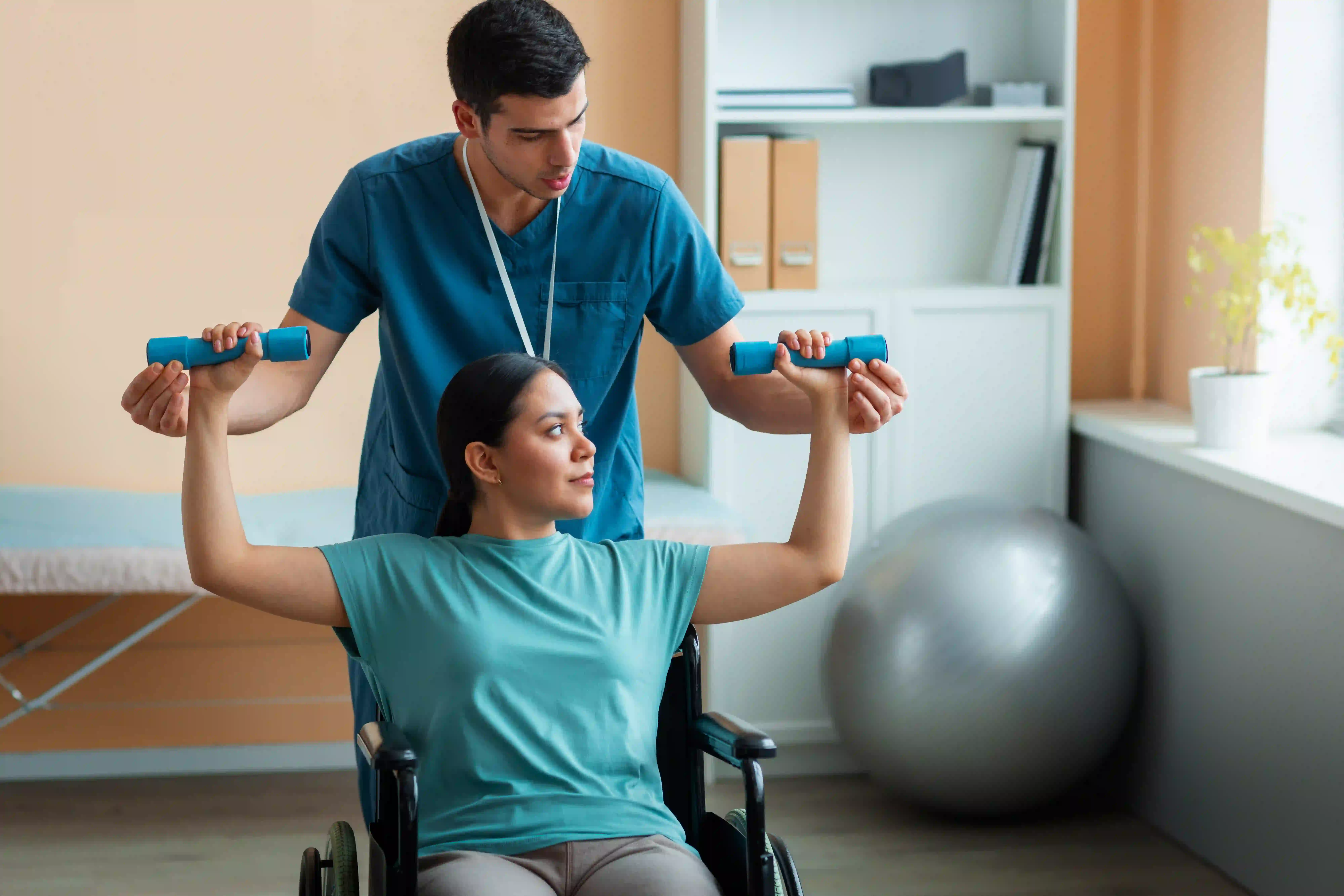
Home Physiotherapy

We understand that some conditions or injuries can make it difficult to receive rehabilitation at our clinic be it mobility or transportation issues. Our objective is to provide you with the same high-quality physiotherapy services at home that you would receive in-clinic.
Posted on

What Makes Physiotherapy the Best Option for Recovery?

Best physiotherapy
Best physiotherapy
Synapse Physiotherapy

Introduction

When injury, surgery, or chronic pain disrupt your daily life, finding the most effective way to heal becomes a top priority. Among the many treatment options available, physiotherapy consistently stands out as one of the best choices for recovery. Whether you’re dealing with a sports injury, post-surgical rehabilitation, or long-term joint pain, physiotherapy offers a personalized, evidence-based approach that promotes healing from the inside out.


For individuals searching for the best physiotherapy, it’s important to understand why this method has gained such wide acceptance across all ages and conditions. Physiotherapy doesn’t just focus on symptom relief—it aims to restore movement, rebuild strength, and improve overall functionality. With a holistic approach, it addresses the root cause of pain and empowers patients to take control of their recovery journey.

Let’s explore why physiotherapy is often considered the gold standard in rehabilitation, and what makes it the best option for those seeking a safe, sustainable path to recovery.

1. A Personalized Approach to Healing

One of the key reasons physiotherapy is so effective is its personalized nature. Every patient is unique, and so are their injuries or health concerns. A professional physiotherapist will conduct a thorough assessment to understand your specific condition, goals, and lifestyle. From there, a tailored treatment plan is created to address your individual needs.


Benefits of a personalized plan include:

  • Faster, more effective results
  • Minimization of unnecessary treatments
  • Greater motivation and engagement
  • Focused attention on both short-term relief and long-term prevention

This level of customization is what sets physiotherapy apart from generic recovery programs.


  1. Drug-Free, Non-Invasive Treatment

For many people, especially those with chronic pain, reliance on medication can become a long-term concern. Physiotherapy provides a drug-free, non-invasive alternative that promotes healing naturally. Techniques such as manual therapy, guided exercises, dry needling, and electrotherapy target the source of the pain without relying on pharmaceuticals.


This makes physiotherapy an excellent choice for:

  • Patients with sensitivities to medication
  • Those looking to avoid surgery or injections
  • Individuals preferring a more holistic recovery path

By encouraging the body to heal itself through movement, strength, and stability, physiotherapy promotes lasting results.

3. Speeds Up Post-Surgery Recovery

After surgery, regaining mobility and strength can be a slow process. Physiotherapy plays a critical role in accelerating post-operative recovery, whether it’s after joint replacements, ligament repairs, or spinal surgeries.


Post-surgical benefits of physiotherapy include:

  • Reducing swelling and inflammation
  • Restoring joint flexibility and muscle strength
  • Preventing complications such as blood clots or stiffness
  • Supporting safe and gradual return to activity

A guided rehabilitation plan ensures a smoother recovery and a quicker return to your normal routine.

4. Prevents Future Injuries

Physiotherapy doesn’t just treat the current injury—it also focuses on preventing future problems. Through movement assessments, strength testing, and education, physiotherapists can identify risk factors and teach you how to avoid re-injury.


Injury prevention strategies include:

  • Correcting posture and movement imbalances
  • Educating on proper body mechanics during daily tasks or sports
  • Strengthening weak muscle groups
  • Improving balance and coordination

This proactive approach is what makes physiotherapy a sustainable long-term solution, especially for athletes and active individuals.

5. Effective for a Wide Range of Conditions

Another major advantage of physiotherapy is its versatility. It can benefit people from all walks of life—from children to seniors—and treat a broad spectrum of conditions.


Common conditions physiotherapy treats:

  • Back and neck pain
  • Shoulder and knee injuries
  • Arthritis and joint stiffness
  • Sports injuries
  • Stroke and neurological conditions
  • Postural problems
  • Work-related or repetitive strain injuries

Whatever your health concern, there’s likely a physiotherapy method to support your recovery.

6. Encourages Active Participation

Unlike passive treatments where the patient simply receives care, physiotherapy encourages active involvement in the healing process. Patients are taught exercises to perform at home and become active participants in their own recovery.


Why this matters:

  • Builds a sense of control and responsibility
  • Reinforces positive habits and movement patterns
  • Increases treatment effectiveness between sessions
  • Encourages consistency and accountability

Empowerment is a big part of what makes physiotherapy so effective—and why it often leads to better long-term outcomes.

7. Holistic Health Benefits

Physiotherapy doesn’t only address physical issues—it also supports mental and emotional well-being. Chronic pain, reduced mobility, or injury can impact a person’s mood, confidence, and lifestyle. By restoring function and independence, physiotherapy contributes to better overall health.

Additional benefits include:

  • Improved sleep and energy levels
  • Reduced anxiety or stress about physical limitations
  • A more active, engaged lifestyle
  • Renewed confidence in movement and daily activities

Healing the body often leads to healing the mind, and physiotherapy embraces that connection.

Conclusion

When it comes to recovery from injury, surgery, or chronic pain, Synapse Physiotherapy stands out as the best choice for personalized, holistic, and results-driven care. With a patient-centered approach, expert therapists, and a strong foundation in evidence-based practice, Synapse Physiotherapy provides the best physiotherapy services to help you regain strength, mobility, and confidence.

Whether you’re starting your rehabilitation journey or looking for long-term pain management, Synapse Physiotherapy offers comprehensive support tailored to your individual needs. Our goal is to guide you through every stage of recovery—helping you move better, feel better, and live better.

Ready to take control of your recovery?
Contact Synapse Physiotherapy today and let us help you achieve your health and wellness goals.

Share This :

Back & Neck Pain

Conditions such as stiffness, postural abnormalities and muscle overuse from prolonged desk work at the office or home is more prevalent than most would think. We provide the necessary tools to fix you up and educate you on ergonomics which can unload unnecessary stress.

Sports Injuries

Rolled ankles, jarred knees, impinged shoulders are few conditions in the plethora of sports injuries which can hamper performance and limit our enjoyment of sports. Physiotherapy not only treats the symptoms of these conditions but propels your overall fitness to greater heights.

Work Desk Injuries​

Conditions such as stiffness, postural abnormalities and muscle overuse from prolonged desk work at the office or home is more prevalent than most would think. We provide the necessary tools to fix you up and educate you on ergonomics which can unload unnecessary stress.

Pre-Post-Surgical Conditions

Surgery involves going through preparation both before and after. Physiotherapists play a vital role in getting your body ready for surgeries with circulatory, breathing and strengthening exercises. After the procedure, let us be there for your recovery and rehabilitation, taking it one step at a time.

Scoliosis & Postural Abnormalities

The way we stand, sit, walk and sleep has influence over our posture and the overall balance of muscles controlling its alignment. A comprehensive screening can be done by our physiotherapists to detect abnormalities, which we will aid in correcting.

Neurological Conditions

Neurological disabilities such as stroke, nerve compression and neuropathies can be barriers for patients to live life to its fullest. We at Synapse are committed to help you overcome these hurdles by ensuring functional mobility and quality of life is at its optimum by providing the right treatment and exercises.

Osteoarthritis & Rheumatism

Joint degeneration and inflammation happens as the human body grows older, but that does not mean our way of life degenerates as well. Relief your joint pains with a joint effort together with your physiotherapist, who will provide pain-relief treatments and prescribe exercises for your wellbeing.

Conditions Relating To Elderly

Common conditions in the older age population include hips & knee pain, back & neck pain, osteoarthritis, rheumatism, fear of falling and many more.  Aging and degeneration of bodily function is inevitable, but here at Synapse, we will help you live the best of your life.

Home Physiotherapy

We understand that some conditions or injuries can make it difficult to receive rehabilitation at our clinic be it mobility or transportation issues. Our objective is to provide you with the same high-quality physiotherapy services at home that you would receive in-clinic.