Synapse Physiotherapy | Physio Center | Rehab Malaysia
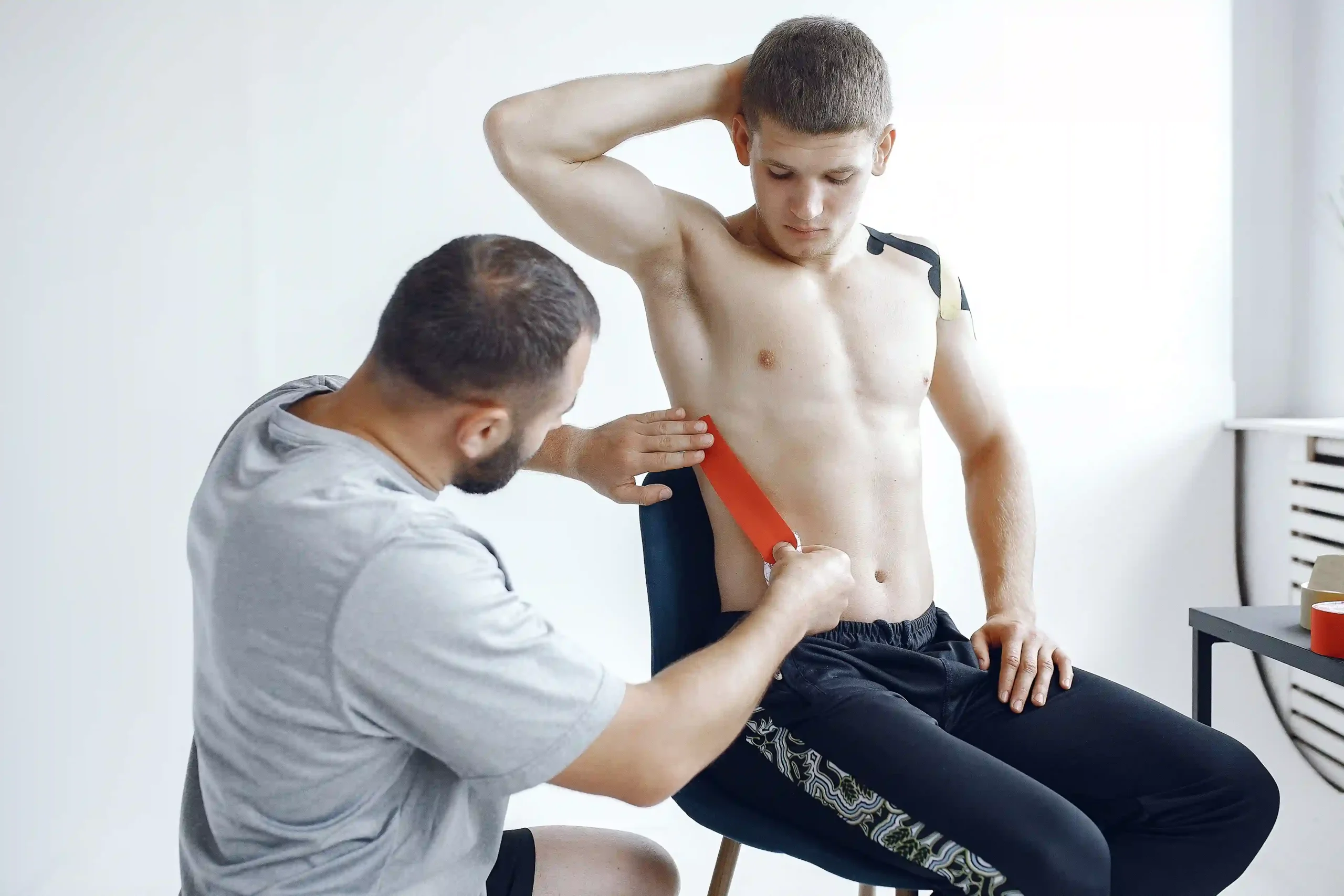
Recovery speed is a critical factor for athletes at all levels, from recreational players to elite competitors. Time away from training or competition can affect performance, confidence, and long-term progress. This is where Sports Physiotherapy plays a vital role. In the early stages of injury management and post-training recovery, professional intervention focuses on restoring movement, reducing pain, and accelerating the body’s natural healing process.
Rather than relying solely on rest, this specialised approach uses targeted assessment and active rehabilitation. According to the NHS, physiotherapy helps restore movement and function when someone is affected by injury, illness, or disability. In a sporting nation like Malaysia, where field sports and racquet games are highly popular, professional clinical intervention is essential for maintaining physical longevity and performance.
Sports Physiotherapy is a specialised branch of physiotherapy dedicated to the prevention, treatment, and rehabilitation of sports-related injuries. It takes into account the physical demands of different sports, training loads, and movement patterns specific to athletes. Unlike general physiotherapy, it focuses on returning athletes to full performance, not just pain-free daily activity.
Treatment plans are tailored to the athlete’s sport, position, and goals, ensuring recovery strategies are both effective and relevant. This specialised medical support is fundamental for athletes to maintain peak physical condition throughout the competitive season and beyond.
One of the main reasons Sports Physiotherapy speeds up recovery is early and accurate assessment. Identifying the exact cause and severity of an injury allows treatment to begin immediately and appropriately. Physiotherapists assess joint mobility, muscle strength, flexibility, balance, and functional movement.
This often begins with a comprehensive Biomechanical Assessment to see how the injury affects the entire kinetic chain. By understanding how the injury occurred and which structures are involved, clinicians can create a targeted rehabilitation plan that avoids unnecessary delays. This level of precision is what separates a professional clinic from generic recovery advice.
Pain and inflammation are natural responses to injury, but if not managed properly, they can slow recovery. Sports Physiotherapy uses non-invasive, evidence-based methods to control pain while promoting healing. Techniques such as manual therapy and guided movement help reduce muscle tension and improve circulation.
Instead of complete rest, which can lead to stiffness and weakness, clinicians encourage safe, controlled activity that supports faster recovery. In some cases, specialised modalities may be used to treat chronic tendon issues, providing a high-energy stimulus to restart the body’s natural healing process. At Synapse Physiotherapy, we integrate these modern techniques to ensure optimal recovery timelines.
Active rehabilitation is a cornerstone of recovery for athletes. Rather than waiting for pain to disappear completely, physiotherapists introduce appropriate exercises early in the process. These exercises stimulate blood flow, promote tissue repair, and prevent muscle atrophy.
By maintaining strength and mobility during recovery, athletes are able to return to training sooner and with better overall conditioning. This is particularly vital for those dealing with sports injuries that require a specific loading protocol to heal correctly.
Restricted movement is a common consequence of injury. Swelling, pain, and protective muscle guarding can limit joint mobility and slow progress. Sports Physiotherapy focuses on restoring normal range of motion through progressive exercises and hands-on techniques. Improved mobility reduces stress on surrounding tissues and allows athletes to move more efficiently, which is essential for a quick and safe return to sport.
A major advantage of Sports Physiotherapy is its sport-specific approach. Each sport places unique demands on the body, and recovery must reflect those demands. Rehabilitation programs gradually incorporate sport-specific drills such as:
These exercises prepare the athlete for real-game situations, allowing for a smoother and faster transition back to full participation. For a detailed consultation on your return-to-sport journey, feel free to contact our team.
Complete rest can lead to muscle wasting and joint stiffness. Active recovery ensures that blood flow is maintained to the injured site, providing the nutrients necessary for tissue repair while keeping the rest of the body conditioned.
In most cases, you can start within 24 to 48 hours. Early intervention helps manage swelling and prevents the development of poor compensatory movement patterns.
Often, yes. It identifies the biomechanical weaknesses that contributed to the injury. By correcting these imbalances, athletes frequently return with better form and efficiency.
While both are highly trained, a sports physiotherapist has specific expertise in high-load mechanics, sport-specific demand analysis, and rapid return-to-play protocols.
Quick recovery is essential for athletic success, and Sports Physiotherapy provides a proven, effective pathway to achieve it. Through early assessment, active rehabilitation, movement restoration, and sport-specific training, it helps athletes heal faster while reducing the risk of re-injury. Investing in professional care ensures a safe, confident, and efficient return to the sport you love.
Tags :



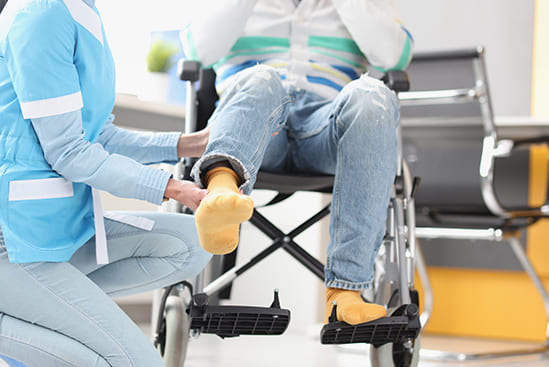


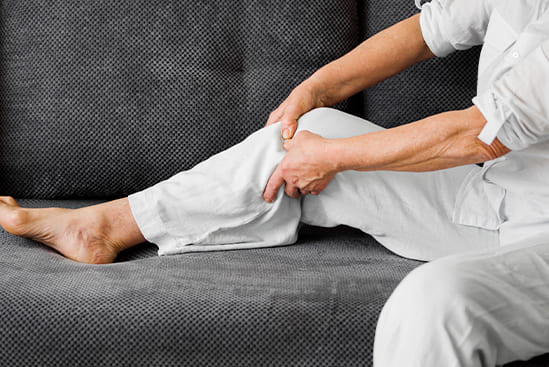
Joint degeneration and inflammation happens as the human body grows older, but that does not mean our way of life degenerates as well. Relief your joint pains with a joint effort together with your physiotherapist, who will provide pain-relief treatments and prescribe exercises for your wellbeing.

Common conditions in the older age population include hips & knee pain, back & neck pain, osteoarthritis, rheumatism, fear of falling and many more. Aging and degeneration of bodily function is inevitable, but here at Synapse, we will help you live the best of your life.