Synapse Physiotherapy | Physio Center | Rehab Malaysia
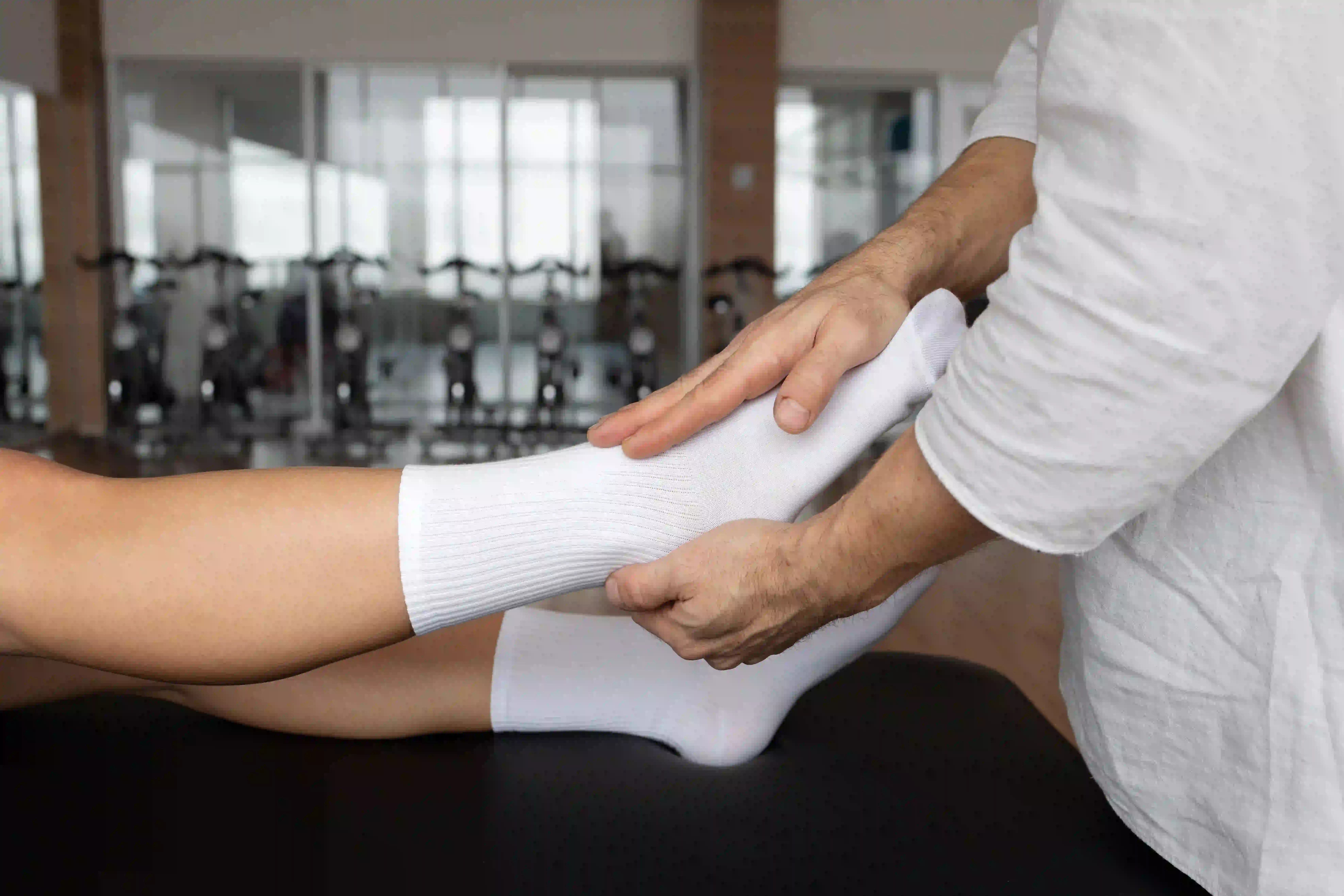
Sprains are one of the most common injuries seen in active individuals, affecting athletes and non-athletes alike. They occur when ligaments; the strong connective tissues that stabilise joints, are stretched or torn due to sudden twists, falls, or impacts. Proper management is essential to prevent long-term instability and recurring injuries. This is why seeking care at a sports injury clinic is highly recommended.
Within the first phase of injury management, a sports injury clinic provides accurate assessment, structured treatment, and guided rehabilitation tailored to the severity of the sprain. Rather than relying on rest alone, clinic-based care ensures safe healing and a timely return to activity. This article outlines the typical treatment approach for sprains at a sports injury clinic and explains how professional care supports effective recovery.
Sprains are classified into three grades based on severity. Determining the grade of a sprain is essential, as treatment and recovery timelines vary depending on severity.
Common sprain locations include the ankle, knee, wrist, and shoulder. In Malaysia, sports like badminton and football contribute to a high volume of lower limb sprains seen at a sports injury clinic. According to the Mayo Clinic, delayed treatment of severe sprains can lead to ongoing pain and joint instability, making prompt professional assessment essential for a full recovery.
The first step in treating a sprain is a thorough clinical assessment. At a sports injury clinic, clinicians evaluate the mechanism of injury, joint stability, swelling, range of motion, and functional limitations.
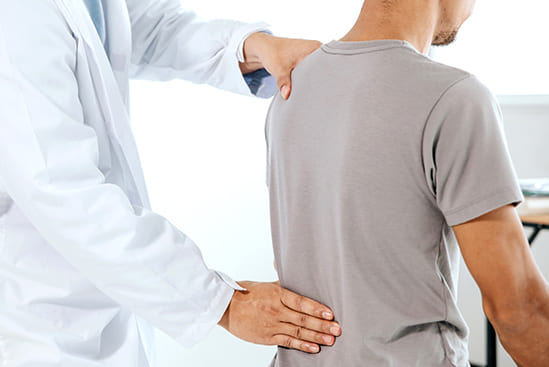
Special tests may be performed to assess ligament integrity and rule out associated injuries such as fractures or cartilage damage. Often, this involves a Biomechanical Assessment to see how the injury affects your overall movement patterns. Accurate diagnosis ensures the treatment plan addresses all contributing factors, reducing the risk of complications or mismanagement. This detailed look into your body’s mechanics is a hallmark of a professional sports injury clinic like Synapse Physiotherapy.
In the early phase of a sprain, pain and swelling control are the primary goals. Sports injury clinic professionals use evidence-based, non-invasive methods to manage acute symptoms.
Treatment may include activity modification, compression, supportive taping or bracing, and Electrotherapy to manage inflammation. These interventions help protect the injured ligament and prevent excessive stiffness. Early guidance also educates patients on safe movement during daily activities, ensuring they do not inadvertently worsen the tear.
Once pain and swelling begin to subside, restoring joint mobility becomes a key focus. Sprains often lead to restricted movement due to swelling, pain, and protective muscle guarding. A sports injury clinic introduces controlled range of motion exercises and Manual Therapy techniques to gradually restore normal joint movement. Regaining mobility is essential for proper biomechanics and prepares the joint for strengthening.
Ligament injuries can compromise joint stability, increasing the risk of repeated sprains if not addressed properly. Strengthening surrounding muscles is a crucial part of sprain rehabilitation. For example, ankle sprain rehabilitation focuses on calf, foot, and hip strength, while knee sprains emphasise quadriceps and hamstrings.
Sprains can disrupt proprioception which is the body’s ability to sense joint position and movement. Impaired proprioception increases the risk of re-injury, especially during dynamic activities. A sports injury clinic incorporates balance and coordination exercises to retrain the nervous system. Activities such as single-leg balance and sport-specific drills help restore joint awareness.
As recovery progresses, rehabilitation becomes more functional. Clinics introduce exercises that mimic real-life movements, such as jumping or directional changes. This phase prepares the joint to tolerate the demands of Sports Injuries recovery and daily life. You can learn more about our specific rehabilitation programmes to see how we bridge the gap between injury and performance.
Supportive taping or bracing is often used during sprain recovery, especially in moderate to severe cases. These supports provide additional stability while allowing movement. A sports injury clinic will determine the appropriate type and duration of support based on injury severity and activity level. Proper use of taping can enhance confidence and reduce the risk of re-injury during the early return to activity.
Education is a vital component of sprain treatment. Professionals at a sports injury clinic teach patients about proper warm-up routines, footwear choices, and activity modification to reduce future injury risk.
Patients also learn self-management strategies, including home exercises and recovery techniques, to support long-term joint health. Addressing contributing factors such as poor movement patterns or muscle imbalances is key to preventing recurrence. This is especially true for those returning to high-impact activities.
Returning to sport or physical activity too early is a common cause of chronic instability and repeat sprains. A sports injury clinic uses structured criteria to determine readiness. These criteria may include:
A gradual return to activity plan ensures safety and long-term success, preventing the “boom and bust” cycle of re-injury. If you are unsure if you are ready to play again, you can contact our experts for a return-to-sport clearance.
While a minor sprain might seem like something that can be managed at home, the underlying damage to the ligament can have long-term consequences. Ligaments do not have the same blood supply as muscles, meaning they heal slowly and often with scar tissue that is less flexible. A professional sports injury clinic ensures that this scar tissue is managed correctly through specific loading protocols. Without this, the joint may remain “loose,” leading to early onset of joint wear or chronic pain in the future.
For the first 48 to 72 hours, icing is generally recommended to help reduce acute swelling and numb pain. Heat should be avoided in the very early stages as it can increase blood flow to the area and potentially worsen swelling.
A Grade II sprain involves a partial tear, and recovery typically takes anywhere from 4 to 8 weeks. However, this depends on the joint affected and how strictly the rehabilitation programme is followed.
This depends on the severity. If you cannot put any weight on the foot or if the joint feels completely unstable, you should seek a professional assessment immediately to rule out a fracture. A clinic can provide you with appropriate gait aids if needed.
Recurring sprains are often due to “functional instability,” where the muscles around the joint are weak or the neural pathways for balance (proprioception) haven’t been fully restored. Professional rehab is designed specifically to fix these underlying issues.
Not necessarily. Clinicians at a sports injury clinic use specific protocols (like the Ottawa Ankle Rules) to determine if a fracture is likely. If you meet certain criteria, an X-ray will be recommended; otherwise, clinical management is usually sufficient.
Sprains may seem minor, but improper management can lead to chronic pain, instability, and repeated injuries. A sports injury clinic provides a comprehensive, step-by-step treatment approach that supports proper healing, restores function, and reduces re-injury risk. Through accurate assessment, progressive rehabilitation, and education, these clinics help individuals recover safely and return to their active lifestyles with confidence. By investing in professional care today, you are protecting the future health and mobility of your joints.
Tags :



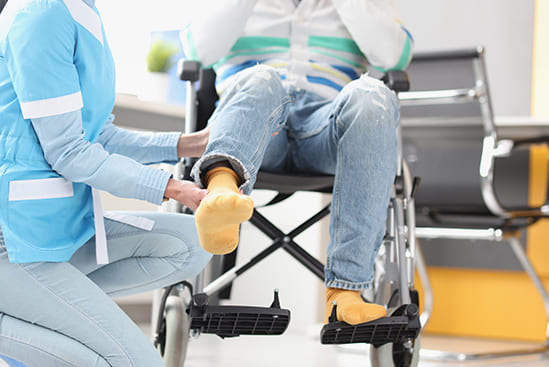
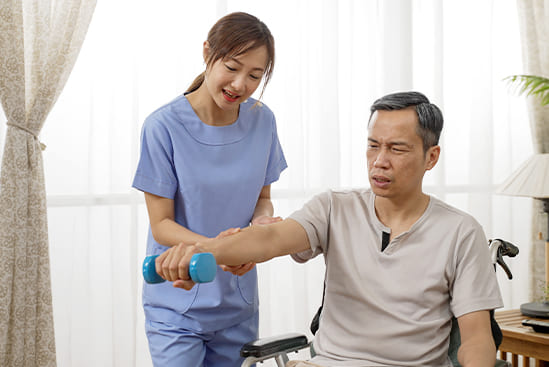
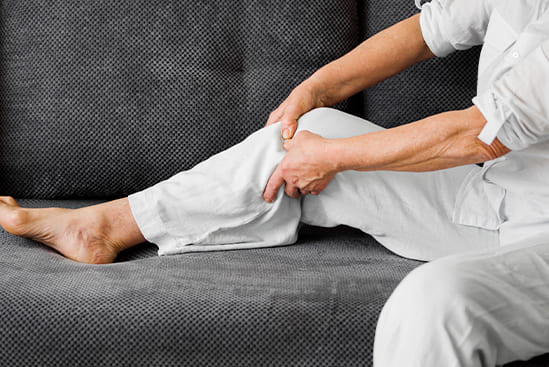
Joint degeneration and inflammation happens as the human body grows older, but that does not mean our way of life degenerates as well. Relief your joint pains with a joint effort together with your physiotherapist, who will provide pain-relief treatments and prescribe exercises for your wellbeing.
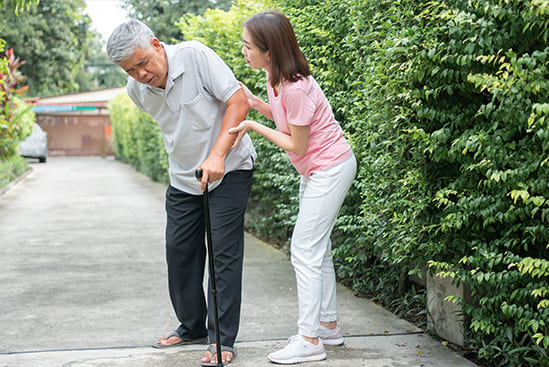
Common conditions in the older age population include hips & knee pain, back & neck pain, osteoarthritis, rheumatism, fear of falling and many more. Aging and degeneration of bodily function is inevitable, but here at Synapse, we will help you live the best of your life.