Synapse Physiotherapy | Physio Center | Rehab Malaysia
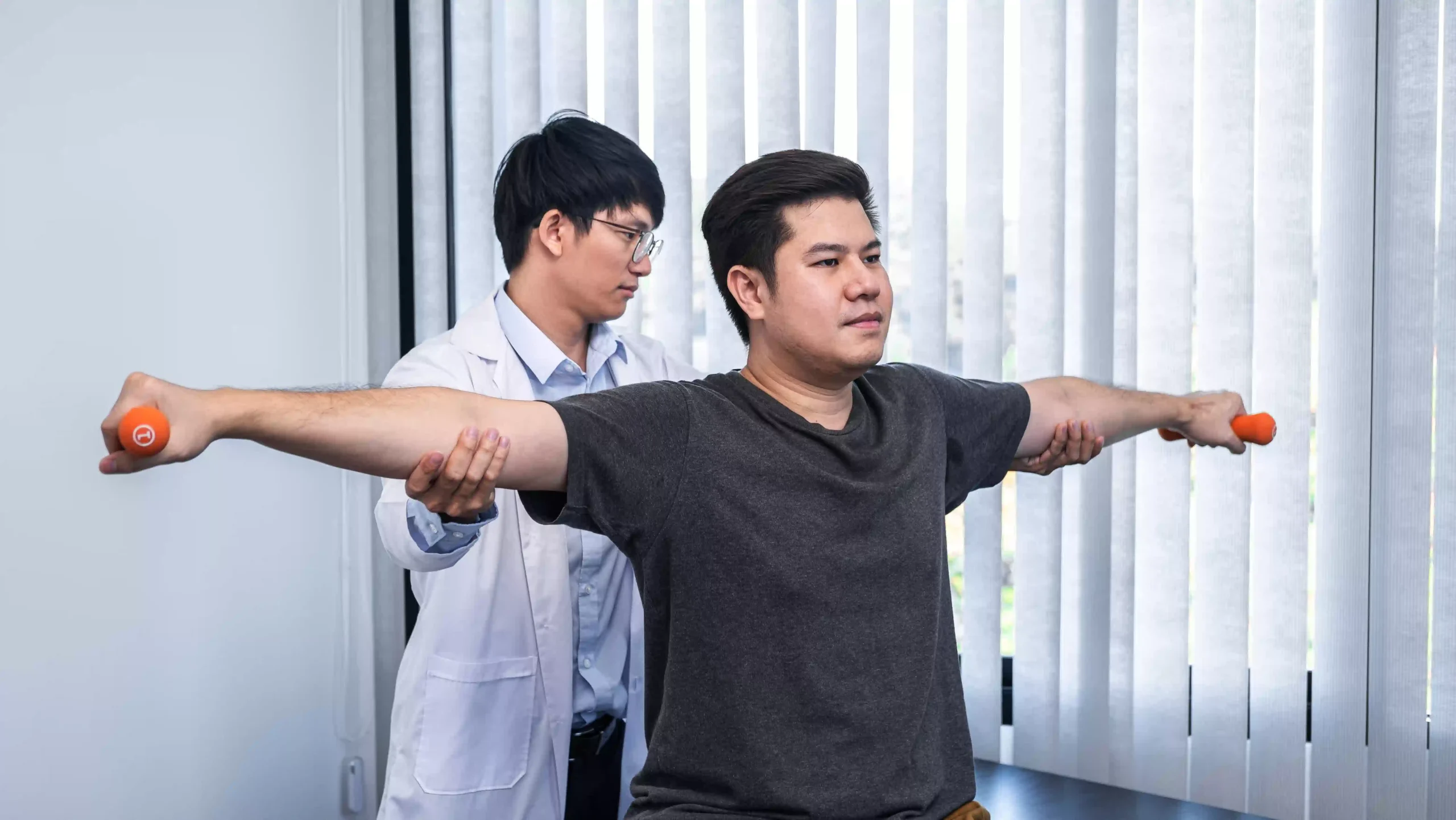
Movement is essential for everyday life, from walking and working to exercising and enjoying hobbies. When pain, stiffness, or injury limits movement, quality of life can quickly decline. In recent years, Physiotherapy Malaysia has grown significantly, offering evidence-based solutions that help people regain mobility, reduce pain, and return to active living. Malaysian physiotherapy clinics focus on restoring movement through personalised treatment plans, modern rehabilitation techniques, and patient education, making them a vital part of the healthcare system.
Physiotherapy Malaysia emphasises a holistic and functional approach to care. Rather than focusing only on symptoms, physiotherapists assess how the body moves as a whole. According to the World Health Organization (WHO), rehabilitation is a set of interventions designed to optimise functioning and reduce disability in individuals with health conditions in interaction with their environment. Whether treating sports injuries, post-surgical conditions, chronic pain, or age-related mobility issues, physiotherapy clinics across Malaysia aim to improve strength, flexibility, balance, and coordination.
Early intervention and guided rehabilitation play a key role in preventing long-term movement restrictions and recurring injuries. The profession is committed to high standards of patient care and evidence-based practice to ensure the best outcomes for the local community.
The foundation of effective physiotherapy lies in accurate assessment. Malaysian physiotherapy clinics begin by evaluating posture, joint mobility, muscle strength, balance, and functional movement patterns. This may include gait analysis, range of motion testing, and specific orthopaedic or neurological assessments.
By identifying movement dysfunctions and underlying causes, physiotherapists can create targeted treatment plans. This individualised approach ensures that therapy addresses not just pain, but also the mechanical issues limiting movement. Many clinics now incorporate a Biomechanical Assessment to specifically identify imbalances that might lead to further injury.
No two patients move the same way, which is why personalised care is central to Physiotherapy Malaysia. After assessment, physiotherapists design customised programs based on the patient’s condition, goals, lifestyle, and activity level.
Treatment plans often evolve as the patient progresses, ensuring continued improvement. This adaptability helps patients regain movement safely while avoiding setbacks or overloading injured tissues. For those recovering from intense physical exertion, specialised loading protocols are required for high-level function. At Synapse Physiotherapy, every plan is tailored to the specific needs of the individual.
Exercise therapy is one of the most effective tools used by Malaysian physiotherapy clinics to improve movement. These exercises are carefully selected to restore joint mobility, strengthen muscles, and improve coordination.
By focusing on functional movement rather than isolated muscles, physiotherapy helps patients move more efficiently and confidently. This is especially relevant for managing Back & Neck Pain, which often stems from modern sedentary lifestyles. You can explore our rehabilitation services to see how functional training is integrated into our care.
Manual therapy plays an important role in improving movement, especially in the early stages of rehabilitation. Malaysian physiotherapists are trained in various hands-on techniques that help reduce stiffness, improve joint mobility, and relieve muscle tension.
These techniques may include joint mobilisation, soft tissue massage, and myofascial release. Manual therapy is often combined with exercise to achieve lasting improvements in movement and function.
Pain is one of the biggest barriers to movement. Physiotherapy Malaysia incorporates pain management strategies that allow patients to move more comfortably during recovery. These may include heat or cold therapy, taping techniques, and specialised electrotherapy. By reducing pain and inflammation, physiotherapy enables patients to participate more actively in rehabilitation and regain movement faster.
Poor posture and repetitive strain are common causes of movement limitations. Malaysian physiotherapy clinics place a strong emphasis on posture correction and ergonomic education. Correcting these habits not only improves movement but also prevents future injuries and chronic pain.
Statistics from the Department of Statistics Malaysia (DOSM) often highlight that musculoskeletal issues are a top reason for workplace absenteeism. Patients are often guided on work-desk injuries to manage these risks effectively. For more information on preventing work-related strain, you can contact our specialists for an ergonomic review.
Movement problems are not limited to musculoskeletal injuries. Malaysian physiotherapy clinics also provide rehabilitation for neurological and age-related conditions such as stroke, Parkinson’s disease, and balance disorders. For older adults, physiotherapy focuses on improving balance, reducing fall risk, and maintaining independence. This specialised care helps patients maintain quality of life as they age.
Physiotherapy identifies the specific muscles that are weak and the joints that are stiff. By using targeted exercises and manual techniques, it retrains your body to move with better alignment and efficiency, reducing the mechanical stress that causes pain.
Yes. For chronic conditions like osteoarthritis or long-term back pain, physiotherapy focuses on managing symptoms and improving functional capacity so you can remain active without relying solely on medication.
Physiotherapy-led exercise is prescribed based on a clinical assessment. It targets specific deficits in your biomechanics to ensure you are strengthening the right areas without overcompensating or risking further injury.
Absolutely. Many athletes use physiotherapy for “prehab”—identifying subtle movement imbalances that haven’t caused pain yet but might lead to an injury during high-intensity training or competition.
While some patients feel immediate relief from manual therapy, lasting improvements in movement patterns usually take 4 to 6 weeks of consistent exercise as the muscles and nervous system adapt to new ways of moving.
Malaysian physiotherapy clinics play a crucial role in improving movement through comprehensive assessment, personalised treatment, and evidence-based rehabilitation. By combining therapeutic exercise, manual therapy, pain management, and education, these clinics support patients at every stage of recovery. Investing in your movement today ensures a higher quality of life for years to come.
Would you like me to generate a specific list of SEO keywords to further optimise this content?
Tags :






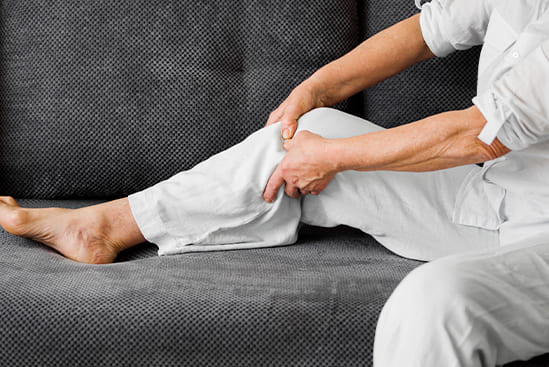
Joint degeneration and inflammation happens as the human body grows older, but that does not mean our way of life degenerates as well. Relief your joint pains with a joint effort together with your physiotherapist, who will provide pain-relief treatments and prescribe exercises for your wellbeing.

Common conditions in the older age population include hips & knee pain, back & neck pain, osteoarthritis, rheumatism, fear of falling and many more. Aging and degeneration of bodily function is inevitable, but here at Synapse, we will help you live the best of your life.