Posted on

How Physiotherapy Near Me Improves Spine Health

Synapse Physiotherapy

Introduction

Osteoarthritis is one of the most common joint conditions affecting adults today, particularly as we age. It is a degenerative condition characterised by the gradual breakdown of cartilage, which leads to pain, stiffness, and reduced mobility in weight-bearing joints like the knees, hips, and spine. For those seeking conservative, long-term solutions to these challenges, Synapse Physiotherapy provides a trusted environment where patients can access professional care close to home or work. Our approach to physiotherapy Cyberjaya focuses on creating intentional, evidence-based journeys that prioritise joint stability and movement efficiency, ensuring that rather than just managing symptoms, you are empowered to reclaim your independence and quality of life.

Understanding the Impact of Osteoarthritis

According to Harvard Health, osteoarthritis is the most common form of arthritis, and while it can damage any joint, the disorder most commonly affects joints in your hands, knees, hips, and spine. This type of joint pain occurs when the protective cartilage that cushions the ends of your bones wears down over time. This can lead to a variety of physical limitations that make daily tasks, such as climbing stairs or standing for long periods, increasingly difficult. Recognising the stages and key symptoms of osteoarthritis can enable early intervention, helping to prevent the condition from worsening.

Common Symptoms to Monitor

  • Joint Pain: Often felt during or after physical activity.
  • Stiffness: Particularly noticeable in the morning or after periods of rest.
  • Reduced Range of Motion: Difficulty moving the joint through its full extent.
  • Physical Sensations: Grinding or clicking sensations during movement, often accompanied by swelling.

Early intervention through physiotherapy Cyberjaya is vital because it helps slow disease progression and improves the muscle support required to protect affected joints.

Why Physiotherapy is Essential for Joint Health

Physiotherapy serves as a cornerstone of non-surgical care for osteoarthritis. Unlike temporary fixes, it addresses the underlying mechanics of how your body moves. By choosing a professional team to guide your rehabilitation, you can achieve several key benefits:

  1. Reduced Pain and Stiffness: Manual techniques and modalities help soothe inflamed tissues.
  2. Improved Muscle Strength: Strengthening the muscles around a joint provides better “shock absorption” for the cartilage.
  3. Enhanced Mobility and Balance: Training helps reduce the risk of falls and improves coordination.
  4. Delayed Surgical Intervention: Proactive care can often manage symptoms well enough to postpone or avoid the need for joint replacement.

Your Journey at Physiotherapy Cyberjaya

Every patient’s experience with OA is unique, which is why treatment at Synapse Physiotherapy begins with a comprehensive initial assessment.

The Initial Assessment Process

During your first visit for physiotherapy Cyberjaya, your therapist will perform a detailed evaluation:

  • Reviewing your medical and activity history to understand your lifestyle.
  • Assessing joint range of motion and muscle strength.
  • Observing your gait (walking pattern) and functional movements.
  • Identifying any postural or movement compensations you may have developed to avoid pain.

This assessment is the foundation for a targeted treatment plan designed to address your specific symptoms and functional goals.

Evidence-Based Treatment Strategies

1. Pain Management and Relief

Pain is frequently the primary reason individuals seek physiotherapy Cyberjaya. To help patients move more comfortably, therapists utilise various techniques, including gentle joint mobilisation, soft tissue massage to reduce tension, and heat or cold therapy for immediate symptom relief.

2. Customised Therapeutic Exercise

Exercise is arguably the most critical component of osteoarthritis care. A professional team will design a progressive programme that might include:

  • Knee OA: Quadriceps and hip strengthening to stabilise the knee joint.
  • Hip and Spine OA: Gluteal and core exercises to improve support and alignment.
  • Flexibility: Specific range-of-motion exercises to combat chronic stiffness.

3. Functional and Balance Training

Because OA can affect your coordination, physiotherapy Cyberjaya clinics incorporate balance exercises and gait training. These interventions ensure that you can navigate your daily environment safely and with renewed confidence.

Education and Long-Term Self-Management

A significant portion of effective care involves empowering the patient. Through education, you will learn about activity modification to reduce joint stress, the importance of weight management, and the proper use of supportive devices if necessary. At Synapse Physiotherapy, we believe that informed patients make the best lifestyle choices for their long-term health.

Preventing Flare-Ups

Consistency is the secret to managing a chronic condition like osteoarthritis. To prevent painful flare-ups, patients are encouraged to:

  • Adhere to their prescribed home exercise programmes.
  • Avoid prolonged static positions that lead to stiffness.
  • Use proper ergonomic techniques during daily activities.

Selecting the Right Clinic in Cyberjaya

When looking for physiotherapy Cyberjaya, it is important to select a provider that focuses on long-term management rather than just short-term relief. Consider a clinic that offers individualised treatment plans, clear communication, and a supportive, patient-centred environment. Whether you are in the early stages of the condition or managing moderate to advanced symptoms, professional intervention can significantly improve your comfort and quality of life.

Frequently Asked Questions

1. How often should I attend physiotherapy sessions?

The frequency depends on your symptom severity and goals. Many patients start with weekly sessions and reduce the frequency as they become more independent with their home exercises.

2. Can physiotherapy help if I have advanced osteoarthritis?

Yes. Even in advanced stages, physiotherapy Cyberjaya focuses on pain reduction, functional adaptation training, and improving your tolerance for daily activities to enhance your quality of life.

3. Is exercise safe if my joints are already painful?

Physiotherapists design safe, controlled, and pain-free movement programmes. Exercise actually improves joint support and reduces the stress placed on damaged cartilage.

4. What is the goal of the initial physiotherapy assessment?

The assessment allows the therapist to identify the specific contributing factors to your pain and design a plan that addresses your unique postural or movement compensations.

5. How does physiotherapy delay the need for surgery?

By improving muscle strength and joint stability, physiotherapy reduces the mechanical load on the joint, which can slow degeneration and maintain function for longer periods.

Conclusion

Osteoarthritis may be a chronic condition, but it does not have to dictate your lifestyle or limit your independence. Through the expert application of physiotherapy Cyberjaya, individuals can access evidence-based care that effectively reduces pain and restores mobility. By partnering with a professional team at Synapse Physiotherapy, you receive a personalised roadmap involving hands-on treatment, tailored exercises, and vital education on osteoarthritis care. Taking this proactive step towards joint health can help you manage your condition confidently and maintain the active life you enjoy. If you are ready to improve your movement and reduce joint stiffness, book a consultation today to begin your journey for a better health.

Share This :

Back & Neck Pain

Conditions such as stiffness, postural abnormalities and muscle overuse from prolonged desk work at the office or home is more prevalent than most would think. We provide the necessary tools to fix you up and educate you on ergonomics which can unload unnecessary stress.

Sports Injuries

Rolled ankles, jarred knees, impinged shoulders are few conditions in the plethora of sports injuries which can hamper performance and limit our enjoyment of sports. Physiotherapy not only treats the symptoms of these conditions but propels your overall fitness to greater heights.

Work Desk Injuries​

Conditions such as stiffness, postural abnormalities and muscle overuse from prolonged desk work at the office or home is more prevalent than most would think. We provide the necessary tools to fix you up and educate you on ergonomics which can unload unnecessary stress.

Pre-Post-Surgical Conditions

Surgery involves going through preparation both before and after. Physiotherapists play a vital role in getting your body ready for surgeries with circulatory, breathing and strengthening exercises. After the procedure, let us be there for your recovery and rehabilitation, taking it one step at a time.

Scoliosis & Postural Abnormalities

The way we stand, sit, walk and sleep has influence over our posture and the overall balance of muscles controlling its alignment. A comprehensive screening can be done by our physiotherapists to detect abnormalities, which we will aid in correcting.

Neurological Conditions

Neurological disabilities such as stroke, nerve compression and neuropathies can be barriers for patients to live life to its fullest. We at Synapse are committed to help you overcome these hurdles by ensuring functional mobility and quality of life is at its optimum by providing the right treatment and exercises.

Osteoarthritis & Rheumatism

Joint degeneration and inflammation happens as the human body grows older, but that does not mean our way of life degenerates as well. Relief your joint pains with a joint effort together with your physiotherapist, who will provide pain-relief treatments and prescribe exercises for your wellbeing.

Conditions Relating To Elderly

Common conditions in the older age population include hips & knee pain, back & neck pain, osteoarthritis, rheumatism, fear of falling and many more.  Aging and degeneration of bodily function is inevitable, but here at Synapse, we will help you live the best of your life.

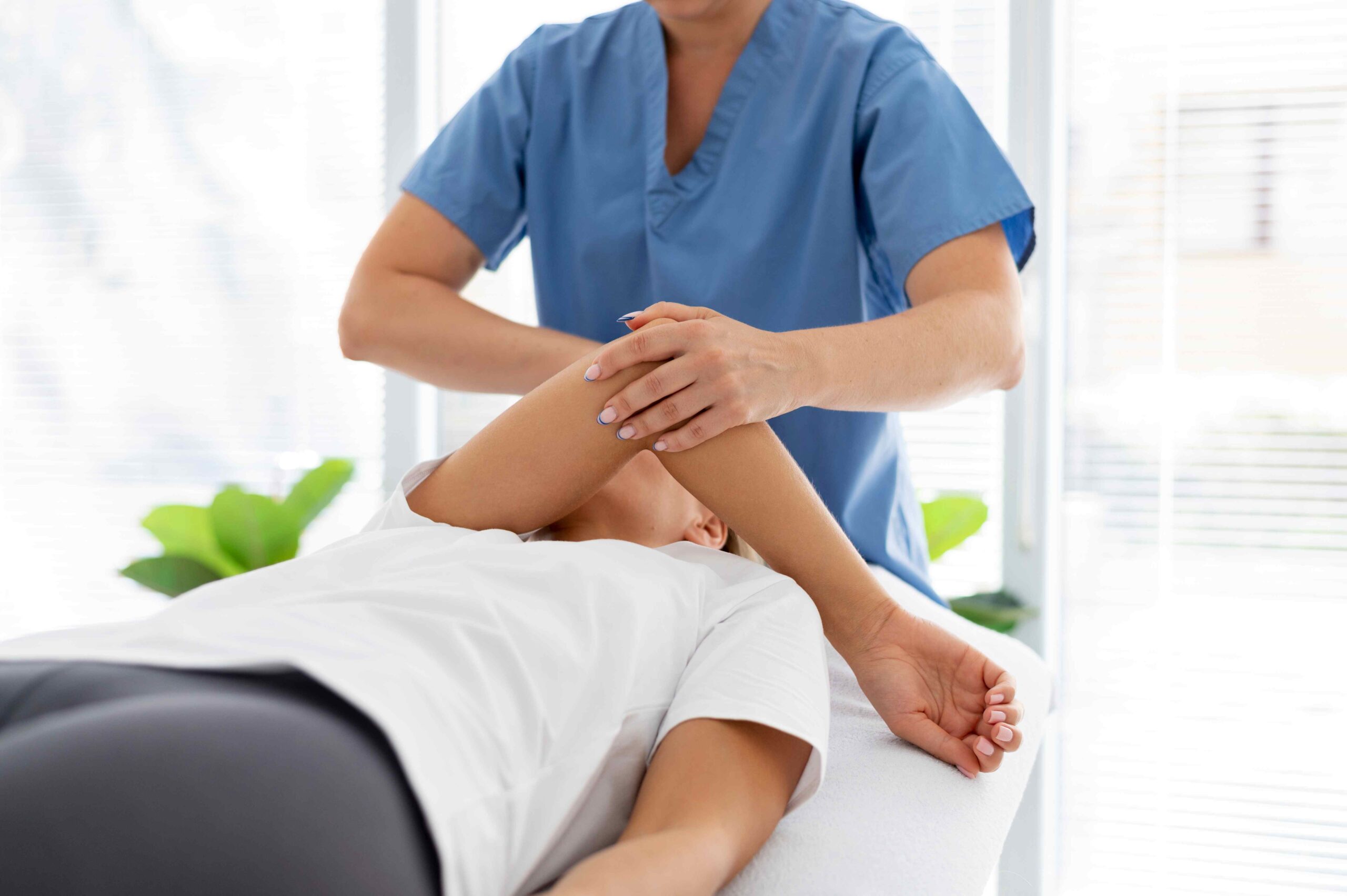
Home Physiotherapy

We understand that some conditions or injuries can make it difficult to receive rehabilitation at our clinic be it mobility or transportation issues. Our objective is to provide you with the same high-quality physiotherapy services at home that you would receive in-clinic.
Posted on

Physiotherapy Near Me: How It Supports Neurological Care

Physiotherapy Near Me
Synapse Physiotherapy

Physiotherapy Near Me: How It Supports Neurological Care

When people search for Physiotherapy Near Me, they are often looking for convenient, professional care that can make a real difference in their daily function and quality of life. For individuals living with neurological conditions, timely access to physiotherapy is especially important. Neurological disorders can affect movement, balance, strength, coordination, speech, and even confidence. The right physiotherapy support, delivered close to home, plays a critical role in recovery, adaptation, and long-term management.

Whether the condition is caused by stroke, spinal cord injury, Parkinson’s disease, multiple sclerosis, or nerve-related injuries, physiotherapy remains a cornerstone of neurological care. This article explores how physiotherapy supports neurological rehabilitation, what makes neurological physiotherapy unique, and why choosing the right local physiotherapy service matters for residents across Malaysia.

Understanding Neurological Conditions and Recovery

Neurological conditions involve damage or dysfunction of the brain, spinal cord, or peripheral nerves. Rehabilitation is a vital component in managing the long-term effects of conditions like stroke to prevent secondary complications. These disorders are often complex, requiring a therapist who understands the intricate relationship between the nervous system and muscular output.

Common neurological conditions that benefit from searching for Physiotherapy Near Me include:

  • Stroke and traumatic brain injury
  • Spinal cord injury
  • Parkinson’s disease
  • Multiple sclerosis
  • Peripheral nerve injuries and neuropathies
  • Cerebral palsy and balance disorders

These conditions often lead to muscle weakness, spasticity, poor balance, altered sensation, reduced coordination, and difficulty performing everyday tasks. Without proper rehabilitation, these impairments can worsen over time and significantly reduce independence. By engaging with a professional provider of Physiotherapy Near Me, patients can slow the progression of symptoms and reclaim their functional abilities.

What Is Neurological Physiotherapy?

Neurological physiotherapy is a specialised area of physiotherapy focused on retraining the nervous system. Unlike general musculoskeletal physiotherapy, which might focus on a specific joint or ligament, Neurological Rehab emphasises the integration of the whole body through the brain-body connection.

Core Focus Areas of Neuro-Rehab

The goal is not just to strengthen muscles, but to help the brain and nerves relearn how to control movement efficiently and safely. This involves:

  • Motor control and movement retraining: Teaching the body to move with precision again.
  • Balance and postural stability: Ensuring the patient can stand and sit without fear of falling.
  • Gait (walking) rehabilitation: Improving the quality and safety of every step.
  • Functional task practice: Practicing daily activities like dressing or cooking.
  • Neuroplasticity: Utilising the brain’s ability to reorganise and adapt to new information.

How Physiotherapy Supports Neurological Recovery

1. Promotes Neuroplasticity

One of the most powerful benefits of physiotherapy in neurological care is its ability to promote neuroplasticity. Through repetitive, task-specific exercises, the brain forms new neural pathways. This is especially important after stroke or brain injury, where undamaged parts of the brain can learn to take over lost functions. Regular sessions at a centre providing physiotherapy services ensure these pathways are reinforced consistently.

2. Improves Mobility and Walking Ability

Many neurological patients struggle with walking due to weakness, stiffness, or poor coordination. Physiotherapy helps by strengthening key muscle groups and correcting walking patterns. In many cases, a Biomechanical Assessment is used to analyse movement patterns and identify specific areas of dysfunction. This high level of analysis is why finding expert Physiotherapy Near Me is so vital for long term success.

3. Enhances Balance and Reduces Fall Risk

Balance problems are common in neurological conditions such as stroke, Parkinson’s disease, and neuropathy. Physiotherapists assess balance deficits and implement targeted training, including static and dynamic balance exercises and core stability training. This is a primary focus for Neurological Conditions where the risk of injury from a fall can be life-altering.

4. Manages Muscle Stiffness and Spasticity

Spasticity (muscle tightness) is a frequent issue after neurological injury. Physiotherapy helps manage this through stretching, positioning, and strengthening opposing muscle groups. In some instances, specialised treatments like Manual Therapy can help improve joint range of motion and reduce discomfort. By visiting a clinic specialising in Physiotherapy Near Me, patients receive hands-on care that helps keep muscles supple and functional.

Why Choosing Physiotherapy Near Me Matters

Searching for Physiotherapy Near Me is not just about convenience; it directly impacts treatment success. Neurological recovery is a marathon, not a sprint, and the accessibility of your clinic plays a massive role in your ability to cross the finish line.

Advantages of Localised Care

Local physiotherapy services offer several advantages:

  • Better adherence: Shorter travel time makes it easier to attend regular sessions, which is critical for neuroplasticity.
  • Home-based options: Some neurological patients benefit from Home Physiotherapy, especially if mobility is severely limited or transport is a challenge.
  • Family involvement: Local care allows caregivers and family members to be more involved in the rehabilitation process, learning how to assist the patient at home.
  • Continuity of care: Ongoing follow-ups and long-term planning are easier with a nearby clinic, ensuring that progress is monitored and programs are updated regularly.

Long-Term Management of Progressive Conditions

For conditions like Parkinson’s or Multiple Sclerosis, the goal of Physiotherapy Near Me shifts from pure recovery to strategic management. Therapists work to maintain existing function for as long as possible. This involves cardiovascular conditioning, strength maintenance, and flexibility training. By staying close to a trusted local therapist, patients can quickly address new symptoms as they arise.

Frequently Asked Questions

1. How Soon Should I Start Physiotherapy After a Neurological Event Like a Stroke?

Rehabilitation should ideally begin as soon as the patient is medically stable. Evidence suggests that the brain is most receptive to neuroplasticity in the early weeks and months following an injury. Early intervention helps prevent muscle contractures and sets the foundation for recovering motor skills.

2. Can Physiotherapy Help If My Neurological Condition Is Progressive, Such as Parkinson’s?

Absolutely. While physiotherapy cannot cure progressive diseases, it is essential for managing symptoms. A therapist focuses on maintaining mobility, improving balance to prevent falls, and teaching compensatory strategies that allow patients to remain independent for as long as possible.

3. What Is the Difference Between Neurological and Musculoskeletal Physiotherapy?

Musculoskeletal physiotherapy typically treats bone, joint, and soft tissue injuries like sprains or back pain. Neurological physiotherapy focuses on the central nervous system. The techniques used are designed to retrain the brain and nerves to communicate effectively with the muscles to restore complex movement patterns.

4. Is Home-Based Physiotherapy as Effective as Clinic-Based Sessions for Neuro-Rehab?

Both have distinct advantages. Clinic sessions often provide access to specialised equipment and parallel bars for gait training. However, home-based care allows the therapist to see the patient in their natural environment, making functional task practice — like getting in and out of a specific bed or chair — highly relevant and effective.

5. How Long Does a Typical Neurological Physiotherapy Programme Last?

There is no fixed timeline, as every neurological journey is unique. Some patients may require intensive short-term therapy to hit specific milestones, while others with chronic conditions may benefit from ongoing, less frequent maintenance sessions to monitor their safety and functional levels over many years.

Conclusion

Neurological recovery and management require patience, persistence, and the right professional expertise. By searching for Physiotherapy Near Me, individuals and their families can find the accessible, high-quality care necessary to navigate the complexities of the nervous system. Whether the goal is to walk again after a stroke, manage the tremors of Parkinson’s, or improve coordination following a nerve injury, local physiotherapy like Synapse Physiotherapy provides the tools and support to enhance independence. Taking the first step toward professional rehabilitation is a vital investment in your long-term health and functional freedom. Book a consultation with our dedicated team of physiotherapy experts today to get your personalised assessments.

Share This :

Back & Neck Pain

Conditions such as stiffness, postural abnormalities and muscle overuse from prolonged desk work at the office or home is more prevalent than most would think. We provide the necessary tools to fix you up and educate you on ergonomics which can unload unnecessary stress.

Sports Injuries

Rolled ankles, jarred knees, impinged shoulders are few conditions in the plethora of sports injuries which can hamper performance and limit our enjoyment of sports. Physiotherapy not only treats the symptoms of these conditions but propels your overall fitness to greater heights.

Work Desk Injuries​

Conditions such as stiffness, postural abnormalities and muscle overuse from prolonged desk work at the office or home is more prevalent than most would think. We provide the necessary tools to fix you up and educate you on ergonomics which can unload unnecessary stress.

Pre-Post-Surgical Conditions

Surgery involves going through preparation both before and after. Physiotherapists play a vital role in getting your body ready for surgeries with circulatory, breathing and strengthening exercises. After the procedure, let us be there for your recovery and rehabilitation, taking it one step at a time.

Scoliosis & Postural Abnormalities

The way we stand, sit, walk and sleep has influence over our posture and the overall balance of muscles controlling its alignment. A comprehensive screening can be done by our physiotherapists to detect abnormalities, which we will aid in correcting.

Neurological Conditions

Neurological disabilities such as stroke, nerve compression and neuropathies can be barriers for patients to live life to its fullest. We at Synapse are committed to help you overcome these hurdles by ensuring functional mobility and quality of life is at its optimum by providing the right treatment and exercises.

Osteoarthritis & Rheumatism

Joint degeneration and inflammation happens as the human body grows older, but that does not mean our way of life degenerates as well. Relief your joint pains with a joint effort together with your physiotherapist, who will provide pain-relief treatments and prescribe exercises for your wellbeing.

Conditions Relating To Elderly

Common conditions in the older age population include hips & knee pain, back & neck pain, osteoarthritis, rheumatism, fear of falling and many more.  Aging and degeneration of bodily function is inevitable, but here at Synapse, we will help you live the best of your life.
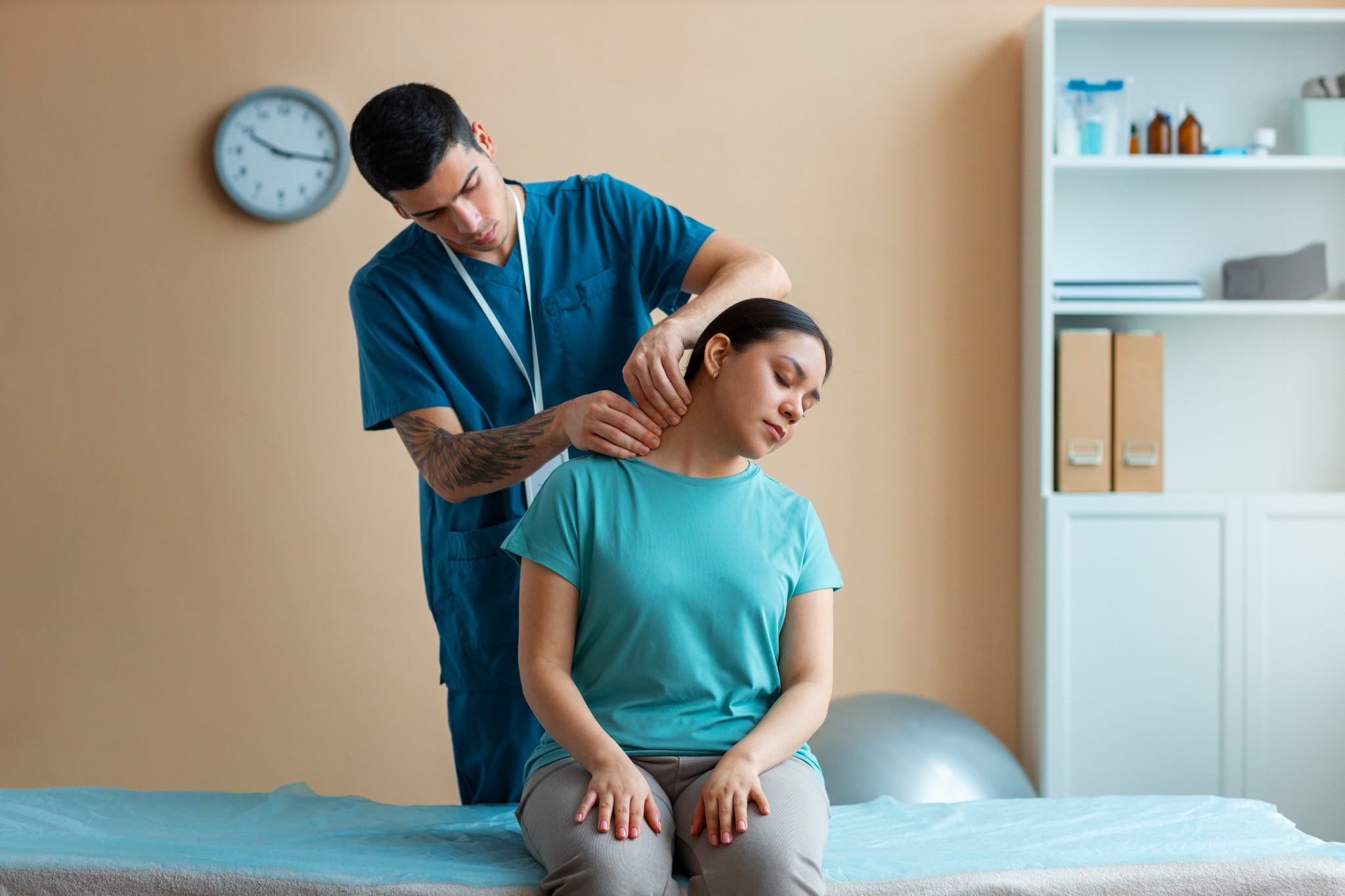
Home Physiotherapy

We understand that some conditions or injuries can make it difficult to receive rehabilitation at our clinic be it mobility or transportation issues. Our objective is to provide you with the same high-quality physiotherapy services at home that you would receive in-clinic.
Posted on

Physiotherapy Near Me: Expert Rheumatism Pain Relief

Physiotherapy Near Me
Synapse Physiotherapy

When people search for physiotherapy near me, they are often dealing with persistent joint pain, stiffness, or reduced mobility that significantly impacts their daily life. Rheumatism, a broad term used to describe joint and muscle pain related to inflammatory or degenerative conditions, remains one of the most frequent reasons patients seek professional physiotherapy support. Whilst rheumatism can feel overwhelming, the positive news is that physiotherapy plays a crucial role in managing pain, improving movement, and helping you regain confidence in your body. This is where Synapse Physiotherapy makes a difference through their expertly crafted treatment programmes, designed to address your specific physiotherapy needs near me with compassionate, evidence-based care. With the right physiotherapy approach and professional guidance, many people experience meaningful pain relief and a substantially better quality of life.

Understanding Rheumatism and Its Impact on Daily Life

“Rheumatism” is not a single diagnosis. It is an umbrella term that often includes various conditions such as rheumatoid arthritis, osteoarthritis, ankylosing spondylitis, lupus-related joint pain, and other inflammatory or degenerative musculoskeletal disorders. When searching for physiotherapy near me, understanding your condition is the first step towards effective management.

Common symptoms of rheumatism include:

  • Joint pain and tenderness
  • Morning stiffness lasting longer than 30 minutes
  • Swelling or warmth around affected joints
  • Muscle weakness and reduced strength
  • Fatigue and decreased endurance levels

These symptoms can affect the hands, knees, hips, spine, shoulders, or feet, making simple activities like walking, dressing, or gripping objects increasingly difficult. Over time, pain and stiffness may lead to reduced activity, muscle deconditioning, and emotional stress. This is precisely why finding physiotherapy near me with experienced practitioners is essential for early intervention.

Why Physiotherapy Near Me Is Important for Rheumatism Management

Physiotherapy does more than simply treat pain—it addresses how your entire body moves as an integrated system. Rheumatic conditions often cause people to move less to avoid discomfort, but this reduced movement can actually worsen stiffness and weakness over time. Effective physiotherapy aims to break this harmful cycle safely and sustainably.

The key goals of physiotherapy for rheumatism include:

  • Reducing pain and inflammation through targeted techniques
  • Improving joint mobility and flexibility
  • Strengthening muscles to provide better joint support
  • Enhancing balance and coordination for safer movement
  • Maintaining independence in daily activities and hobbies

A qualified physiotherapist tailors treatment based on your specific condition, flare-up patterns, lifestyle demands, and overall health status. When you choose physiotherapy near me with the right clinic, personalised care becomes the foundation of your recovery journey.

How Physiotherapy Near Me Helps with Rheumatism Pain Relief

Pain Management Techniques

Physiotherapists use a combination of hands-on and equipment-based treatments to reduce pain effectively. These may include:

  • Manual therapy to gently mobilise stiff joints and improve range of motion
  • Soft tissue techniques to ease muscle tension and promote relaxation
  • Heat or cold therapy to reduce stiffness or inflammation
  • Electrotherapy such as TENS (Transcutaneous Electrical Nerve Stimulation) for pain modulation

These evidence-based methods help calm irritated tissues and prepare your body for therapeutic movement and rehabilitation.

Targeted Exercise Therapy

Exercise is one of the most effective tools for managing rheumatism—when executed correctly and under professional guidance. Physiotherapy-guided exercise focuses on:

  • Range of motion exercises to systematically reduce stiffness
  • Strengthening exercises to protect vulnerable joints
  • Low-impact aerobic exercises to improve circulation and reduce fatigue
  • Functional movement training for everyday activities

Exercises are carefully progressed to avoid triggering flare-ups, ensuring they remain safe, sustainable, and aligned with your recovery goals. When searching for physiotherapy near me, prioritise clinics that emphasise progressive, evidence-based exercise programming.

Improving Joint Stability and Function

Weak muscles place excessive stress on already sensitive joints, accelerating wear and pain. Physiotherapy helps strengthen surrounding muscles so joints receive better support during all movement patterns. This targeted strengthening can significantly reduce pain when walking, climbing stairs, or lifting objects.

For example:

  • Strengthening the quadriceps helps manage knee arthritis symptoms
  • Strengthening core muscles effectively supports spinal conditions
  • Improving shoulder stability reduces upper limb pain and restriction

Education and Self-Management Strategies

One of the most valuable aspects of physiotherapy near me is comprehensive patient education. A skilled physiotherapist helps you understand:

  • How to effectively manage flare-ups when they occur
  • When to rest versus when to stay appropriately active
  • Proper posture and joint protection strategies for daily life
  • How to pace activities strategically to avoid overloading joints
  • Long-term self-management techniques for sustained improvement

This knowledge empowers you to manage your condition independently long-term, not just during clinic visits. Education is essential when selecting physiotherapy near me, as it determines your long-term success.

Improving Daily Function and Quality of Life

Physiotherapy is not simply about prescribing exercises—it’s fundamentally about helping you live better and more comfortably. Treatment plans at physiotherapy near me often focus on practical, meaningful goals such as:

  • Walking longer distances without pain or limitation
  • Getting out of bed with significantly less stiffness and discomfort
  • Returning to hobbies, leisure activities, or light sports
  • Managing work-related physical demands effectively
  • Improving overall confidence and independence

Small improvements in movement and function can cascade into significant improvements in confidence, independence, and quality of life.

When Should You Seek Physiotherapy Near Me?

You may benefit significantly from physiotherapy if you experience:

  • Persistent joint or muscle pain affecting your activities
  • Morning stiffness that does not improve with movement
  • Difficulty moving or noticeably reduced flexibility
  • Frequent flare-ups that consistently affect your daily life
  • Concerns about long-term functional decline

Early intervention is critically important. Physiotherapy near me can help slow functional decline and prevent secondary problems like muscle weakness, poor posture, or movement compensation patterns.

What to Expect During Your Physiotherapy Near Me Session

Your first physiotherapy appointment typically includes:

  1. Detailed assessment – understanding your pain patterns, medical history, and movement characteristics
  2. Comprehensive physical examination – checking joint mobility, strength, balance, and postural alignment
  3. Personalised treatment plan – combining hands-on therapy, targeted exercises, and patient education

Follow-up sessions focus on progression, monitoring flare-ups, and adjusting treatment as your condition evolves. Regular communication ensures physiotherapy near me remains effective and responsive to your needs.

Finding the Right Physiotherapy Near Me

When searching for physiotherapy near me to manage rheumatism, look for a clinic that offers:

  • Personalised, one-on-one treatment tailored to your needs
  • Proven experience managing chronic and inflammatory conditions
  • Balanced focus on both pain relief and long-term functional improvement
  • Strong emphasis on patient education and active rehabilitation
  • Evidence-based treatment approaches supported by research

Synapse Physiotherapy represents an excellent choice for physiotherapy combining expert clinical knowledge with compassionate patient care. Our professional team specialises in chronic pain management and rheumatic conditions, ensuring you receive world-class care. Additionally, our Pain Management Service by Synapse offers comprehensive, integrated approaches to pain relief that extend beyond traditional physiotherapy.

Consistency and a supportive therapeutic relationship make a significant difference in treatment outcomes when pursuing physiotherapy near me.

Frequently Asked Questions

What is the difference between rheumatism and arthritis?

Rheumatism is a broad umbrella term describing various conditions causing joint and muscle pain, whilst arthritis specifically refers to inflammation of the joints. Arthritis is actually a type of rheumatic condition. Both benefit significantly from physiotherapy treatment.

How often should I attend physiotherapy near me for rheumatism?

Frequency depends on your condition’s severity and your therapeutic response. Initially, physiotherapy may involve 2-3 sessions weekly, gradually reducing as you improve and develop self-management skills. Your physiotherapist will recommend an appropriate schedule during your initial assessment.

Can physiotherapy near me replace medication for rheumatism?

Physiotherapy near me works best as a complementary treatment alongside medical management. Whilst physiotherapy effectively reduces pain and improves function, medication may remain necessary for inflammation control. Always discuss treatment coordination with your doctor and physiotherapist.

How long before I see results from physiotherapy near me?

Many patients notice improvements in pain and mobility within 2-4 weeks of starting physiotherapy near me, though individual results vary. Chronic conditions typically require longer treatment periods for sustained improvement. Consistency and active participation accelerate progress.

Is physiotherapy near me safe during rheumatism flare-ups?

Yes, when managed by experienced physiotherapists. During flare-ups, physiotherapy near me emphasises gentle techniques, range of motion exercises, and pain management rather than strengthening. Your physiotherapist adjusts treatment intensity based on your current symptoms and tolerance levels.

Conclusion

Rheumatism may be a long-term condition, but it does not have to define or restrict your life. With the right physiotherapy approach, many people experience substantially less pain, noticeably better movement patterns, and significantly greater confidence in daily activities. Physiotherapy near me encourages safe, progressive movement, strengthens your body systematically, and equips you with practical tools to manage symptoms independently throughout your life.

If you are searching for physiotherapy near me to help with rheumatism pain relief, remember that effective care goes far beyond short-term fixes or quick solutions. A comprehensive physiotherapy programme provides lasting benefits and sustainable improvement. Book a consultation with our team at Synapse Physiotherapy today to begin your journey towards better movement, greater strength, and more comfortable living. Our experienced professionals are ready to develop a personalised treatment plan tailored specifically to your needs and goals. Together, we can help you move better, feel stronger, and enjoy life more comfortably—one step at a time.

Share This :

Back & Neck Pain

Conditions such as stiffness, postural abnormalities and muscle overuse from prolonged desk work at the office or home is more prevalent than most would think. We provide the necessary tools to fix you up and educate you on ergonomics which can unload unnecessary stress.

Sports Injuries

Rolled ankles, jarred knees, impinged shoulders are few conditions in the plethora of sports injuries which can hamper performance and limit our enjoyment of sports. Physiotherapy not only treats the symptoms of these conditions but propels your overall fitness to greater heights.

Work Desk Injuries​

Conditions such as stiffness, postural abnormalities and muscle overuse from prolonged desk work at the office or home is more prevalent than most would think. We provide the necessary tools to fix you up and educate you on ergonomics which can unload unnecessary stress.

Pre-Post-Surgical Conditions

Surgery involves going through preparation both before and after. Physiotherapists play a vital role in getting your body ready for surgeries with circulatory, breathing and strengthening exercises. After the procedure, let us be there for your recovery and rehabilitation, taking it one step at a time.

Scoliosis & Postural Abnormalities

The way we stand, sit, walk and sleep has influence over our posture and the overall balance of muscles controlling its alignment. A comprehensive screening can be done by our physiotherapists to detect abnormalities, which we will aid in correcting.

Neurological Conditions

Neurological disabilities such as stroke, nerve compression and neuropathies can be barriers for patients to live life to its fullest. We at Synapse are committed to help you overcome these hurdles by ensuring functional mobility and quality of life is at its optimum by providing the right treatment and exercises.

Osteoarthritis & Rheumatism

Joint degeneration and inflammation happens as the human body grows older, but that does not mean our way of life degenerates as well. Relief your joint pains with a joint effort together with your physiotherapist, who will provide pain-relief treatments and prescribe exercises for your wellbeing.

Conditions Relating To Elderly

Common conditions in the older age population include hips & knee pain, back & neck pain, osteoarthritis, rheumatism, fear of falling and many more.  Aging and degeneration of bodily function is inevitable, but here at Synapse, we will help you live the best of your life.

Home Physiotherapy

We understand that some conditions or injuries can make it difficult to receive rehabilitation at our clinic be it mobility or transportation issues. Our objective is to provide you with the same high-quality physiotherapy services at home that you would receive in-clinic.
Posted on

Physiotherapy Near Me: Treatments for Lower Back Pain

Synapse Physiotherapy

Introduction

Lower back pain is one of the most common musculoskeletal problems affecting people of all ages. Whether it stems from prolonged sitting, heavy lifting, sports injuries, or age-related changes, back pain can significantly affect daily activities and quality of life. When discomfort starts to interfere with work, sleep, or movement, many people begin searching for physiotherapy near me as a safe and effective solution.


This is where Synapse Physiotherapy makes the difference through their patient-centred approach, designed to bring relief and functional restoration together with comfort and flow. Rather than rushing from place to place or just masking symptoms, our clinical focus ensures each journey is shaped with intentional pacing and professional expertise to help you return to the activities you love. By choosing a local clinic for physiotherapy near me, you ensure that your recovery is managed by a professional team dedicated to long-term wellness.

Understanding the Complexity of Lower Back Pain

Lower back pain, also known as lumbar pain, is not a single condition but can be classified into acute, subacute, or chronic categories. Research published in The Lancet highlights that lower back pain remains the leading cause of disability worldwide with acute pain usually lasting few days to weeks, often resulting from muscle strain or sudden movements. Additionally, chronic lower back pain persists for more than three months and may be linked to poor posture, weak core muscles, disc problems, or degenerative conditions.


Finding a qualified provider for physiotherapy near me allows for timely assessment and consistent follow-up, which are key factors in a successful recovery. Our professional team is trained to assess these factors holistically rather than focusing only on symptoms. By identifying the root cause, we can provide a targeted strategy for pain management that addresses the specific mechanical or muscular issues contributing to your discomfort.

Common Causes of Lumbar Discomfort

There are several factors that contribute to the development of lower back issues. Understanding these can help in seeking the right physiotherapy nearby:

  • Muscle or ligament strain.
  • Poor posture and prolonged sitting.
  • Herniated or bulging discs.
  • Facet joint irritation.
  • Sciatica and nerve compression.
  • Weak core and hip muscles.
  • Sports or work-related injuries.

Why Choose Physiotherapy for Lower Back Pain?

Physiotherapy is a non-invasive, evidence-based approach that aims to reduce pain, restore movement, and improve function. Unlike painkillers that only provide temporary relief, physiotherapy near me targets the underlying issues. Seeking professional help ensures early intervention, which is crucial in preventing acute pain from becoming chronic.


The benefits of engaging with a specialist at Synapse Physiotherapy include reduced pain and stiffness, improved flexibility, and better movement patterns. Furthermore, it helps in the avoidance of unnecessary surgery or long-term medication, providing a sustainable path to health. As noted by Healthline, the benefits of physical therapy extend to improving mobility and balance, which helps prevent falls and future injuries.

What to Expect During Your Initial Assessment

When you attend a clinic for physiotherapy near me, the first session usually involves a comprehensive assessment. This detailed process ensures that the treatment plan is tailored specifically to your condition, goals, and daily activities. At Synapse Physiotherapy, we believe that a thorough About Us orientation helps patients understand their recovery path.


Your therapist will perform:

  1. Detailed history taking: Discussing pain onset, aggravating factors, and lifestyle.
  2. Postural assessment: Observing how you stand and sit.
  3. Range of motion testing: Evaluating how well your joints move.
  4. Muscle strength evaluation: Checking for weaknesses in the core and limbs.
  5. Functional movement analysis: Watching how you perform daily tasks.

Common Physiotherapy Treatments and Modalities

Once the assessment is complete, your plan for physiotherapy near me will likely include a combination of the following evidence-based treatments:

1. Manual Therapy

Manual therapy includes hands-on techniques such as joint mobilisation, soft tissue release, and muscle stretching. These techniques help reduce muscle tension, improve joint mobility, and enhance blood circulation while decreasing pain and stiffness.

2. Therapeutic Exercises

Exercise is the cornerstone of recovery. Your therapist will prescribe specific movements, including core stabilisation, stretching of tight muscles (like hamstrings and hip flexors), and strengthening exercises for the back and abdominal muscles. These exercises support the spine and reduce strain on the lower back. Adhering to these exercises is a major factor in the success of your physiotherapy near me.

3. Pain-Relief Modalities

Depending on your condition, your treatment for physiotherapy near me may include modalities such as heat or cold therapy, ultrasound, and electrical stimulation (TENS or IFC). These are particularly helpful during the early stages to reduce inflammation and muscle spasms.

Education and Long-Term Prevention

A vital part of physiotherapy near me is learning how to prevent future episodes of pain through education. This involves a shift in how you interact with your environment and how you move your body.

Postural Education and Ergonomics

Poor posture is a major contributor to pain, especially for office workers. Physiotherapists provide education on correct sitting and standing postures, proper lifting techniques, and workplace ergonomic setups. This empowers patients to manage their condition independently.

Movement Re-education

For those with recurrent pain, faulty movement patterns are often a factor. Retraining how you move during daily activities like walking or bending reduces stress on the spine and improves long-term outcomes. Consistency in these habits is vital for staying pain-free. When you choose physiotherapy near me, you gain a partner in this lifestyle transformation.

Addressing Specific Types of Back Pain

Different conditions require different approaches. For Acute Lower Back Pain, the focus is on rapid relief and preventing stiffness. For Chronic Lower Back Pain, management includes progressive strengthening and lifestyle modifications. If you suffer from Sciatica, physiotherapy near me aims to reduce nerve irritation and improve spinal mobility to relieve leg pain and numbness.


Recovery time varies based on severity, age, and activity level. While some experience relief in a few sessions, others require several weeks of structured rehabilitation. Choosing a local clinic for physiotherapy near me makes it easier to commit to the regular sessions needed for a full recovery. Our professional team is here to guide you through every stage.

Frequently Asked Questions

1. How many sessions of physiotherapy will I need?

Recovery time is individual; some feel better in a few sessions, while chronic cases may need several weeks of consistent work.

2. Is physiotherapy better than taking painkillers?

Yes, because while painkillers mask symptoms, physiotherapy near me addresses the root mechanical and muscular causes of the pain.

3. Can physiotherapy help me avoid surgery?

In many cases, yes. Physiotherapy is a non-invasive approach that improves function and strength, often making surgery unnecessary.

4. What should I wear to my physiotherapy appointment?

It is best to wear comfortable, loose-fitting clothing that allows the therapist to easily assess your movements and access the lower back area.

5. Will I be given exercises to do at home?

Yes, adherence to a home exercise programme is a major factor in the success of your treatment and long-term prevention.

Conclusion

Lower back pain can be disruptive, but it does not have to control your life. Seeking physiotherapy near me is a proactive step toward effective pain management, functional recovery, and long-term prevention. At Synapse Physiotherapy, we combine hands-on treatment, targeted exercises, and movement correction to offer a safe and sustainable solution. 


If you are struggling with persistent discomfort or recurring episodes, visiting a clinic with a professional team of physiotherapists may be the key to restoring your confidence and mobility. Our goal is to help you move with ease and return to the lifestyle you enjoy. Don’t let back pain hold you back any longer. Book a consultation today to start your journey towards a pain-free life. For more information about our approach, feel free to read more About Us and see how we can help you achieve your health goals.

Share This :

Back & Neck Pain

Conditions such as stiffness, postural abnormalities and muscle overuse from prolonged desk work at the office or home is more prevalent than most would think. We provide the necessary tools to fix you up and educate you on ergonomics which can unload unnecessary stress.

Sports Injuries

Rolled ankles, jarred knees, impinged shoulders are few conditions in the plethora of sports injuries which can hamper performance and limit our enjoyment of sports. Physiotherapy not only treats the symptoms of these conditions but propels your overall fitness to greater heights.

Work Desk Injuries​

Conditions such as stiffness, postural abnormalities and muscle overuse from prolonged desk work at the office or home is more prevalent than most would think. We provide the necessary tools to fix you up and educate you on ergonomics which can unload unnecessary stress.

Pre-Post-Surgical Conditions

Surgery involves going through preparation both before and after. Physiotherapists play a vital role in getting your body ready for surgeries with circulatory, breathing and strengthening exercises. After the procedure, let us be there for your recovery and rehabilitation, taking it one step at a time.

Scoliosis & Postural Abnormalities

The way we stand, sit, walk and sleep has influence over our posture and the overall balance of muscles controlling its alignment. A comprehensive screening can be done by our physiotherapists to detect abnormalities, which we will aid in correcting.

Neurological Conditions

Neurological disabilities such as stroke, nerve compression and neuropathies can be barriers for patients to live life to its fullest. We at Synapse are committed to help you overcome these hurdles by ensuring functional mobility and quality of life is at its optimum by providing the right treatment and exercises.

Osteoarthritis & Rheumatism

Joint degeneration and inflammation happens as the human body grows older, but that does not mean our way of life degenerates as well. Relief your joint pains with a joint effort together with your physiotherapist, who will provide pain-relief treatments and prescribe exercises for your wellbeing.

Conditions Relating To Elderly

Common conditions in the older age population include hips & knee pain, back & neck pain, osteoarthritis, rheumatism, fear of falling and many more.  Aging and degeneration of bodily function is inevitable, but here at Synapse, we will help you live the best of your life.

Home Physiotherapy

We understand that some conditions or injuries can make it difficult to receive rehabilitation at our clinic be it mobility or transportation issues. Our objective is to provide you with the same high-quality physiotherapy services at home that you would receive in-clinic.
Posted on

Physiotherapy Near Me: Safe Scoliosis Treatment Guide

Physiotherapy Near Me
Synapse Physiotherapy

Introduction

When searching for Physiotherapy Near Me, many people with scoliosis are looking for more than just pain relief—they want a safe, evidence-based approach that improves posture, movement, and long-term spinal health. Scoliosis, a condition characterised by an abnormal sideways curvature of the spine, can affect children, teenagers, and adults alike.

While severe cases may require medical intervention, physiotherapy plays a crucial role in managing scoliosis safely, non-invasively, and effectively. At Synapse Physiotherapy, our professional team provides personalised treatment plans that help patients reduce discomfort, slow curve progression, and regain confidence in their daily movements through our comprehensive Spine & Core Rehabilitation Programme.

Understanding Scoliosis

Scoliosis occurs when the spine curves laterally and often rotates, forming an “S” or “C” shape rather than a straight line. It can be classified into several types:

  • Idiopathic scoliosis – the most common type, with no known cause, often developing during adolescence
  • Congenital scoliosis – caused by spinal abnormalities present at birth
  • Neuromuscular scoliosis – associated with neurological or muscular conditions
  • Degenerative scoliosis – develops in adults due to wear and tear of the spine

Symptoms can range from mild postural changes to back pain, muscle imbalance, stiffness, fatigue, and in more severe cases, breathing difficulties. According to the National Scoliosis Foundation, early detection and appropriate treatment can significantly improve outcomes for individuals with spinal curvature.

Why Physiotherapy Is a Safe Option for Scoliosis

Physiotherapy is widely recognised as a conservative and safe treatment approach for scoliosis. Unlike surgery, Physiotherapy Near Me does not involve invasive procedures or long recovery times. Instead, it focuses on optimising how the spine and surrounding muscles function.

Key Safety Benefits Include:

  1. Non-invasive and drug-free treatment
  2. Individualised exercises based on curve type and severity
  3. Gradual progression to avoid overloading the spine
  4. Continuous monitoring and reassessment

A qualified physiotherapist ensures that every intervention is appropriate for the patient’s age, spinal condition, and activity level.

Initial Assessment: The Foundation of Safe Treatment

When you visit a physiotherapist for scoliosis, the process begins with a thorough assessment. This step is critical for safe and effective care.

The Assessment May Include:

  • Postural analysis (standing, sitting, and movement)
  • Spinal mobility and flexibility testing
  • Muscle strength and imbalance evaluation
  • Breathing pattern assessment
  • Review of X-rays or medical reports (if available)

This comprehensive evaluation allows the physiotherapist to understand how scoliosis affects your body as a whole, not just the spine.

How Physiotherapy Treats Scoliosis

1. Postural Correction and Awareness

One of the main goals of Physiotherapy Near Me is to improve postural awareness. Many people with scoliosis unknowingly adopt compensatory positions that worsen muscle imbalance. Physiotherapists teach patients how to recognise and correct poor posture during daily activities such as sitting, standing, and walking.

2. Scoliosis-Specific Exercises

Physiotherapy uses targeted exercises designed to address the unique spinal curve of each individual. These exercises aim to:

  • Strengthen weak muscles
  • Lengthen tight structures
  • Improve spinal alignment and control

Methods such as scoliosis-specific exercise programmes (for example, Schroth-based principles) are commonly used to promote safer, more symmetrical movement.

3. Core and Spinal Stability Training

A strong core provides essential support to the spine. Physiotherapists focus on deep abdominal and back muscles to improve stability and reduce excessive strain on curved segments of the spine. This targeted approach is central to effective scoliosis management.

4. Breathing and Rib Mobility Exercises

Scoliosis can affect rib cage movement and breathing efficiency, especially in thoracic curves. Physiotherapy Near Me includes breathing exercises that enhance lung expansion, rib mobility, and overall endurance.

5. Pain Management Techniques

For patients experiencing discomfort, physiotherapists may use:

  • Manual therapy techniques
  • Soft tissue mobilisation
  • Stretching programmes
  • Education on activity modification

These approaches help manage pain safely without reliance on medication.

Physiotherapy for Children and Adolescents with Scoliosis

Early intervention is especially important for younger patients whose spines are still growing. Physiotherapy Near Me for children and adolescents focuses on:

  • Monitoring curve progression
  • Encouraging balanced muscle development
  • Supporting brace compliance (if prescribed by a doctor)
  • Promoting healthy movement habits

With consistent physiotherapy, many young patients can maintain good function and reduce the risk of curve worsening.

Physiotherapy for Adults with Scoliosis

Adult scoliosis often presents with pain, stiffness, and reduced mobility. Physiotherapy Near Me helps adults by:

  • Improving spinal flexibility
  • Reducing muscle fatigue and tension
  • Enhancing balance and functional strength
  • Supporting long-term spinal health

Importantly, physiotherapy empowers adults with self-management strategies so they can stay active and independent.

What Makes Physiotherapy “Safe” for Scoliosis?

Safety in physiotherapy comes from precision and personalisation. Exercises are never generic; they are adapted to the individual’s spinal curve, physical capacity, and goals. Progression is gradual, and patients are taught proper technique to avoid strain or injury.

Physiotherapists also work collaboratively with doctors or orthopaedic specialists when needed, ensuring a coordinated and responsible approach to care.

How Long Does Physiotherapy Take to Show Results?

The timeline varies depending on factors such as age, curve severity, consistency, and lifestyle. Some patients notice improvements in posture, pain levels, and body awareness within weeks. Long-term benefits, such as improved spinal control and strength, typically develop over months of guided therapy and home exercises.

Consistency is key—regular sessions and adherence to prescribed exercises significantly influence outcomes.

Choosing the Right Physiotherapy Near You

When searching for Physiotherapy Near Me for scoliosis, look for clinics that:

  1. Perform detailed assessments
  2. Offer personalised treatment plans
  3. Emphasise education and self-management
  4. Use evidence-based techniques

A skilled physiotherapist does more than treat symptoms—they guide you towards safer movement and long-term spinal well-being. At Synapse Physiotherapy, our commitment to patient-centred care ensures every treatment plan is tailored to your unique needs.

Frequently Asked Questions

What is the best physiotherapy approach for scoliosis?

The best approach involves personalised, scoliosis-specific exercises based on your curve type and severity. Programmes like Schroth-based methods combined with core stability training provide the most effective results.

Can physiotherapy straighten my spine if I have scoliosis?

Physiotherapy cannot completely straighten a scoliotic spine, but it can improve posture, reduce pain, slow progression, and enhance overall function and quality of life through targeted exercises.

How often should I attend physiotherapy sessions for scoliosis?

Initially, sessions may be weekly or fortnightly. As you progress and master exercises, frequency may reduce to monthly check-ins whilst continuing home exercises regularly.

Is physiotherapy safe for children with scoliosis?

Yes, physiotherapy is very safe for children. Early intervention focuses on monitoring curve progression, promoting healthy movement patterns, and supporting overall spinal development without invasive procedures.

Can adults with scoliosis benefit from physiotherapy?

Absolutely. Adults benefit through improved flexibility, reduced pain and stiffness, better balance, and enhanced functional strength, helping maintain independence and active lifestyles.

Conclusion

Scoliosis can feel overwhelming, but it does not have to define your quality of life. With the right physiotherapy support, scoliosis can be managed safely, effectively, and proactively. If you are looking for Physiotherapy Near Me, choosing a professional, patient-centred approach can make a meaningful difference in posture, comfort, and confidence.

Physiotherapy is not about forcing the spine to be “perfect”—it’s about helping your body move better, feel stronger, and function at its best, safely and sustainably. Book a consultation today to begin your journey towards better spinal health and improved quality of life.


Share This :

Back & Neck Pain

Conditions such as stiffness, postural abnormalities and muscle overuse from prolonged desk work at the office or home is more prevalent than most would think. We provide the necessary tools to fix you up and educate you on ergonomics which can unload unnecessary stress.

Sports Injuries

Rolled ankles, jarred knees, impinged shoulders are few conditions in the plethora of sports injuries which can hamper performance and limit our enjoyment of sports. Physiotherapy not only treats the symptoms of these conditions but propels your overall fitness to greater heights.

Work Desk Injuries​

Conditions such as stiffness, postural abnormalities and muscle overuse from prolonged desk work at the office or home is more prevalent than most would think. We provide the necessary tools to fix you up and educate you on ergonomics which can unload unnecessary stress.

Pre-Post-Surgical Conditions

Surgery involves going through preparation both before and after. Physiotherapists play a vital role in getting your body ready for surgeries with circulatory, breathing and strengthening exercises. After the procedure, let us be there for your recovery and rehabilitation, taking it one step at a time.

Scoliosis & Postural Abnormalities

The way we stand, sit, walk and sleep has influence over our posture and the overall balance of muscles controlling its alignment. A comprehensive screening can be done by our physiotherapists to detect abnormalities, which we will aid in correcting.

Neurological Conditions

Neurological disabilities such as stroke, nerve compression and neuropathies can be barriers for patients to live life to its fullest. We at Synapse are committed to help you overcome these hurdles by ensuring functional mobility and quality of life is at its optimum by providing the right treatment and exercises.

Osteoarthritis & Rheumatism

Joint degeneration and inflammation happens as the human body grows older, but that does not mean our way of life degenerates as well. Relief your joint pains with a joint effort together with your physiotherapist, who will provide pain-relief treatments and prescribe exercises for your wellbeing.

Conditions Relating To Elderly

Common conditions in the older age population include hips & knee pain, back & neck pain, osteoarthritis, rheumatism, fear of falling and many more.  Aging and degeneration of bodily function is inevitable, but here at Synapse, we will help you live the best of your life.

Home Physiotherapy

We understand that some conditions or injuries can make it difficult to receive rehabilitation at our clinic be it mobility or transportation issues. Our objective is to provide you with the same high-quality physiotherapy services at home that you would receive in-clinic.
Posted on

Physiotherapy Near Me: Relieve Tight Muscles

Physiotherapy Near Me
Home Physiotherapy, Sports Injuries

Introduction

Are you constantly feeling stiff, sore, or restricted in movement? Whether you’re dealing with post-workout tightness, stress-induced muscle tension, or pain from poor posture, finding the right solution can make all the difference. If you’ve been searching for physiotherapy near me to address tight muscles, you’re on the right track. Physiotherapy is not just for injury recovery, it’s a proven method to help release muscle tightness, improve mobility, and prevent long-term discomfort.


Tight muscles can stem from many causes: overuse, lack of stretching, sedentary lifestyles, or even emotional stress. The result? Restricted movement, pain, and potential injury. Physiotherapists are trained to identify the root cause of your tension and use a range of manual therapy techniques, exercises, and modalities to restore flexibility and relieve discomfort. Choosing a clinic nearby ensures consistent follow-up and personalised care tailored to your body and lifestyle.


In this article, we’ll explore how physiotherapy works to relieve tight muscles, what treatment techniques are commonly used, the benefits of seeing a local therapist, and how to maintain results long term. If you’re considering professional help for relief, start here: Homepage – Synapse Physiotherapy

Understanding Muscle Tightness

Muscle tightness is more than just an annoying ache. It can significantly affect your posture, energy levels, and daily activities. When muscles are chronically tight, they pull on joints and surrounding tissues, causing pain and limiting mobility. Without treatment, tightness can also lead to compensation patterns in the body, which often cause injuries in seemingly unrelated areas.

Types of Muscle Tightness

There are two main types of muscle tightness:

  • Functional tightness: Where muscles become stiff due to a lack of movement, poor posture, or stress.

  • Structural tightness: Where physical changes in the muscle (such as scarring or adhesions) cause restriction.

Physiotherapists assess which type you have and design a tailored treatment plan based on your needs.

How Physiotherapy Relieves Tight Muscles

When you visit a physiotherapy clinic, the first step is a thorough assessment. The physiotherapist will evaluate your posture, movement patterns, muscle tone, and strength. From there, they develop a program that might include the following:

1. Manual Therapy

Hands-on techniques like soft tissue massage, myofascial release, and trigger point therapy are highly effective in breaking up adhesions, improving blood flow, and releasing tension in overactive muscles.

2. Dry Needling

For deep muscle knots and stubborn tension, dry needling can stimulate muscle relaxation and reduce pain. It’s especially useful for chronic tightness that doesn’t respond well to stretching alone.

3. Stretching Programs

Targeted stretching routines help lengthen tight muscles and improve flexibility. Your physiotherapist will teach you how to stretch safely and effectively, often including both static and dynamic methods.

4. Strengthening Exercises

Tight muscles often occur alongside weak opposing muscle groups. Strengthening underactive areas (like glutes or core muscles) helps reduce the workload on tight muscles, creating better muscular balance.

Learn how our Strength & Conditioning Programme helps improve muscle function.

5. Postural Correction

Poor posture is a common cause of tightness in areas like the neck, shoulders, and lower back. Physiotherapists teach you ergonomic strategies and exercises to support correct alignment.

6. Heat or Ultrasound Therapy

These modalities increase circulation and promote relaxation in tight muscle tissues, preparing them for manual therapy or stretching.

Benefits of Choosing a Local Physiotherapy Clinic

When searching for physiotherapy near me, there are clear advantages to staying local:

  • Convenience: A nearby clinic makes it easier to attend sessions regularly, which is crucial for progress.

  • Personalised follow-up: Local therapists often build stronger rapport with clients, tracking progress closely and adjusting treatment when needed.

  • Quicker recovery: The more consistent your sessions, the faster your muscles can release and restore optimal function.

  • Ongoing support: Beyond treatment, your local physiotherapist can guide you on home exercises, posture correction, and long-term prevention strategies.

If you live in a city like Kuala Lumpur or Petaling Jaya, there are plenty of skilled physiotherapists available who specialise in muscle tension relief.

Who Can Benefit from Muscle Release Physiotherapy?

Relieving tight muscles isn’t just for athletes or those in pain. Physiotherapy can benefit:

  • Office workers with tension in the neck, shoulders, or lower back.

  • Active individuals dealing with post-exercise soreness or imbalance.

  • Older adults looking to improve flexibility and movement.

  • Students who spend long hours hunched over books or devices.

  • Busy parents carrying children or heavy bags.

  • Anyone experiencing chronic muscle tightness, even without a specific injury.

How Many Sessions Will You Need?

The number of physiotherapy sessions varies depending on the severity and cause of your muscle tightness. Some people feel relief after just one or two visits, while others may need several weeks of regular care. Your therapist will reassess your condition regularly to make sure you’re progressing and adjust your treatment plan as needed.

Preventing Muscle Tightness in the Future

Once your muscles are released and you feel more mobile, it’s important to maintain the results. Here’s how:

  • Regular movement: Avoid sitting for long periods, get up and stretch every 30–60 minutes.

  • Daily stretching: Maintain flexibility with short stretching sessions, especially before and after physical activity.

  • Strength training: Build muscle balance by strengthening weak areas.

  • Hydration and nutrition: Muscles need adequate water and nutrients to function well.

  • Stress management: Tightness can be a physical response to emotional stress. Practices like breathing exercises, mindfulness, or light yoga can help.

Choosing the Right Physiotherapist Near You

Look for a clinic that specialises in muscle and soft tissue treatments, and check if their team includes experienced therapists who understand the demands of your lifestyle. Some clinics also offer integrated services like chiropractic care, sports massage, or clinical Pilates to complement your physiotherapy.


Reading reviews, asking for recommendations, and calling the clinic to ask about their approach are all good ways to ensure you choose the right partner for your recovery journey.

Frequently Asked Questions (FAQs)

1. Is it normal to feel sore after physiotherapy?

Yes, mild soreness is normal as your body adjusts to new movements and therapies. It usually resolves within a day or two.

2. Can I do stretching at home between sessions?

Absolutely. In fact, your physiotherapist will likely prescribe home stretches to enhance your recovery and maintain flexibility.

3. How do I know if my tight muscles are due to posture?

A professional assessment can determine if poor posture is the cause. Common signs include stiffness in the neck, shoulders, and lower back.

4. What happens if I ignore chronic muscle tightness?

Ignoring it may lead to imbalances, limited mobility, and compensatory injuries over time. Early intervention helps prevent long-term issues.

5. Can older adults benefit from physiotherapy for tight muscles?

Yes, older adults can greatly benefit by improving flexibility, balance, and mobility, leading to better overall quality of life.

Conclusion

If tight muscles are limiting your daily comfort or performance, it’s time to take action. Finding physiotherapy near me can be the key to unlocking long-lasting relief. Physiotherapists use proven techniques to release tension, restore movement, and prevent future issues, no matter your age or activity level.


Don’t let stiffness and discomfort hold you back. With the right treatment plan and local support, you can move freely again and enjoy a healthier, more active lifestyle.


Ready to take the next step? Book your appointment today or learn more about our About Physiotherapy Centre.

Share This :

Back & Neck Pain

Conditions such as stiffness, postural abnormalities and muscle overuse from prolonged desk work at the office or home is more prevalent than most would think. We provide the necessary tools to fix you up and educate you on ergonomics which can unload unnecessary stress.

Sports Injuries

Rolled ankles, jarred knees, impinged shoulders are few conditions in the plethora of sports injuries which can hamper performance and limit our enjoyment of sports. Physiotherapy not only treats the symptoms of these conditions but propels your overall fitness to greater heights.

Work Desk Injuries​

Conditions such as stiffness, postural abnormalities and muscle overuse from prolonged desk work at the office or home is more prevalent than most would think. We provide the necessary tools to fix you up and educate you on ergonomics which can unload unnecessary stress.

Pre-Post-Surgical Conditions

Surgery involves going through preparation both before and after. Physiotherapists play a vital role in getting your body ready for surgeries with circulatory, breathing and strengthening exercises. After the procedure, let us be there for your recovery and rehabilitation, taking it one step at a time.

Scoliosis & Postural Abnormalities

The way we stand, sit, walk and sleep has influence over our posture and the overall balance of muscles controlling its alignment. A comprehensive screening can be done by our physiotherapists to detect abnormalities, which we will aid in correcting.

Neurological Conditions

Neurological disabilities such as stroke, nerve compression and neuropathies can be barriers for patients to live life to its fullest. We at Synapse are committed to help you overcome these hurdles by ensuring functional mobility and quality of life is at its optimum by providing the right treatment and exercises.

Osteoarthritis & Rheumatism

Joint degeneration and inflammation happens as the human body grows older, but that does not mean our way of life degenerates as well. Relief your joint pains with a joint effort together with your physiotherapist, who will provide pain-relief treatments and prescribe exercises for your wellbeing.

Conditions Relating To Elderly

Common conditions in the older age population include hips & knee pain, back & neck pain, osteoarthritis, rheumatism, fear of falling and many more.  Aging and degeneration of bodily function is inevitable, but here at Synapse, we will help you live the best of your life.

Home Physiotherapy

We understand that some conditions or injuries can make it difficult to receive rehabilitation at our clinic be it mobility or transportation issues. Our objective is to provide you with the same high-quality physiotherapy services at home that you would receive in-clinic.
Posted on

Physiotherapy Near Me: Find Trusted Experts Nearby

Physiotherapy Near Me
Synapse Physiotherapy

Introduction

In today’s fast-paced world, musculoskeletal pain, post-injury recovery, and chronic physical conditions have become increasingly common. Whether you’re struggling with back pain, recovering from surgery, or dealing with a sports injury, finding the right physiotherapy services is crucial for your healing and overall well-being. If you’ve been searching for Physiotherapy Near Me, you’re likely looking for accessible, expert care that delivers results. Choosing a trusted physiotherapist nearby ensures not only convenience but also consistent, high-quality treatment to support your health journey.

Physiotherapy is more than just rehabilitation, it’s a holistic approach to restoring movement, reducing pain, and preventing future injuries. Furthermore, with the rise in demand for physiotherapy services across Malaysia and beyond, many clinics now offer specialised treatments that cater to specific conditions such as slipped discs, tendonitis, postural imbalances, and more. By selecting a nearby physiotherapist, you can save time, maintain regular appointments, and build a trusting relationship with a dedicated expert who understands your unique needs.

This article will guide you through the importance of finding a physiotherapist near you, the qualities to look for in a trusted expert, and how local clinics can offer personalised solutions that help you recover better and move freely.

Why Choosing a Local Physiotherapist Matters

1. Convenience and Consistency

When dealing with physical discomfort or injury, early intervention is key. Having access to physiotherapy near me can significantly improve your chances of a quicker and more effective recovery. Regular therapy sessions are vital for recovery. A clinic that’s close to your home or workplace allows you to attend appointments more consistently, ensuring progress isn’t delayed due to missed sessions or long travel times.

2. Faster Access to Treatment

Moreover, local physiotherapists can often provide quicker assessments and immediate treatment plans, reducing waiting times and preventing your condition from worsening.

3. Familiarity with Community Needs

Physiotherapists in your area may have a better understanding of common lifestyle habits and injuries specific to your region, such as repetitive strain from office work, sports injuries common in your community, or conditions related to local ergonomic trends.

What to Look For in a Trusted Physiotherapy Expert

1. Accreditation and Credentials

When searching for physiotherapy near me, you want more than just someone with a certificate on the wall. Ensure your physiotherapist is licensed and registered with a reputable governing body such as the Malaysian Physiotherapy Association (MPA) or equivalent in your country. This guarantees they meet professional standards and continue to update their knowledge.

2. Specialisation in Your Condition

Physiotherapy covers a wide range of services from orthopaedic and neurological rehab to sports physiotherapy and women’s health. Choose a physiotherapist who has experience and training specific to your condition. You may want to explore special programmes like Spine & Core Rehabilitation to match your needs.

3. Hands-On Experience and Manual Therapy Skills

Effective physiotherapy often combines therapeutic exercise with manual techniques such as myofascial release, joint mobilisation, or dry needling. Look for experts who offer a holistic and hands-on approach.

4. Positive Reviews and Patient Testimonials

Word-of-mouth, Google reviews, or personal referrals can be powerful indicators of a physiotherapist’s effectiveness, professionalism, and patient care standards.

5. Comfortable Environment and Clear Communication

A welcoming clinic with empathetic practitioners who communicate clearly about your diagnosis and treatment plan will help you feel more supported and involved in your recovery.

Services You Can Expect from Nearby Physiotherapy Clinics

Modern physiotherapy clinics are equipped to treat a wide range of conditions using advanced techniques and technology. Some services include:

  • Manual Therapy: Techniques to reduce pain and improve mobility.

  • Exercise Prescription: Tailored programs to rebuild strength, flexibility, and endurance.

  • Electrotherapy: Use of ultrasound or electrical stimulation to reduce inflammation.

  • Dry Needling: Targeted treatment for muscular pain and tightness.

  • Post-Surgical Rehabilitation: Recovery support after joint replacement, ligament repair, or spinal surgery.

  • Sports Injury Management: Prevention and recovery strategies for athletes of all levels.

  • Postural and Ergonomic Correction: Guidance for office workers and individuals with chronic back or neck pain.

How to Start Your Search for “Physiotherapy Near Me”

1. Use Online Directories or Google Maps

A quick online search for “physiotherapy near me” will provide a list of nearby clinics with ratings, reviews, and directions. Tools like Google Maps allow you to filter by proximity and operating hours.

2. Check Clinic Websites for Specialisations

Look at clinic websites to read about the team’s qualifications, available services, and their approach to care. Many clinics offer first-time consultations or assessments. You can explore our team and services to get a better understanding.

3. Ask for Referrals

Your GP, specialist doctor, or even friends and family may be able to recommend a physiotherapist they trust and have had success with.

4. Schedule a Consultation

Meet the physiotherapist in person to discuss your concerns, treatment goals, and whether their approach aligns with your expectations. A good therapist will listen, explain things clearly, and help you feel confident in your recovery journey.

Physiotherapy in Malaysia: A Growing Network of Expertise

Across Malaysia, the demand for qualified physiotherapists has grown, especially in urban centres such as Kuala Lumpur, Petaling Jaya, Johor Bahru, and Penang. Many local clinics now combine traditional hands-on techniques with the latest evidence-based practices to provide effective, individualised care.

Clinics such as Synapse Physiotherapy in the Klang Valley, for example, have made a name for themselves by offering detailed assessments, state-of-the-art equipment, and a team of experienced physiotherapists who prioritise patient-centred care.

Frequently Asked Questions (FAQs)

1. How often should I attend physiotherapy sessions?

The frequency depends on your condition and the treatment plan. However, consistent appointments are key for optimal results.

2. Do I need a referral to see a physiotherapist?

In most cases, no referral is needed. However, for insurance purposes, some may require it, best to check with your provider.

3. What should I bring to my first appointment?

Bring any medical reports, imaging (X-rays, MRIs), and a list of symptoms or previous treatments if applicable.

4. How long does a typical physiotherapy session last?

A standard session typically lasts between 30 to 60 minutes, depending on the treatment type and individual needs.

5. Can physiotherapy help with chronic pain?

Yes, physiotherapy is highly effective in managing and reducing chronic pain through a combination of techniques and lifestyle advice.

Conclusion: Get Back to Living with Confidence

Searching for “Physiotherapy Near Me” is more than just finding the nearest clinic, it’s about discovering a trusted healthcare partner who can guide you back to pain-free movement and a better quality of life. The right physiotherapist will not only treat your symptoms but will empower you with the tools and knowledge to prevent future issues and stay active.

So don’t wait for your pain or discomfort to get worse. Begin your journey to recovery by exploring local physiotherapy services today. Whether you’re an athlete, a desk-bound worker, or someone recovering from surgery, a qualified physiotherapist nearby can make all the difference in your healing process, helping you move better, feel stronger, and live fully.

Share This :

Back & Neck Pain

Conditions such as stiffness, postural abnormalities and muscle overuse from prolonged desk work at the office or home is more prevalent than most would think. We provide the necessary tools to fix you up and educate you on ergonomics which can unload unnecessary stress.

Sports Injuries

Rolled ankles, jarred knees, impinged shoulders are few conditions in the plethora of sports injuries which can hamper performance and limit our enjoyment of sports. Physiotherapy not only treats the symptoms of these conditions but propels your overall fitness to greater heights.

Work Desk Injuries​

Conditions such as stiffness, postural abnormalities and muscle overuse from prolonged desk work at the office or home is more prevalent than most would think. We provide the necessary tools to fix you up and educate you on ergonomics which can unload unnecessary stress.

Pre-Post-Surgical Conditions

Surgery involves going through preparation both before and after. Physiotherapists play a vital role in getting your body ready for surgeries with circulatory, breathing and strengthening exercises. After the procedure, let us be there for your recovery and rehabilitation, taking it one step at a time.

Scoliosis & Postural Abnormalities

The way we stand, sit, walk and sleep has influence over our posture and the overall balance of muscles controlling its alignment. A comprehensive screening can be done by our physiotherapists to detect abnormalities, which we will aid in correcting.

Neurological Conditions

Neurological disabilities such as stroke, nerve compression and neuropathies can be barriers for patients to live life to its fullest. We at Synapse are committed to help you overcome these hurdles by ensuring functional mobility and quality of life is at its optimum by providing the right treatment and exercises.

Osteoarthritis & Rheumatism

Joint degeneration and inflammation happens as the human body grows older, but that does not mean our way of life degenerates as well. Relief your joint pains with a joint effort together with your physiotherapist, who will provide pain-relief treatments and prescribe exercises for your wellbeing.

Conditions Relating To Elderly

Common conditions in the older age population include hips & knee pain, back & neck pain, osteoarthritis, rheumatism, fear of falling and many more.  Aging and degeneration of bodily function is inevitable, but here at Synapse, we will help you live the best of your life.

Home Physiotherapy

We understand that some conditions or injuries can make it difficult to receive rehabilitation at our clinic be it mobility or transportation issues. Our objective is to provide you with the same high-quality physiotherapy services at home that you would receive in-clinic.
Posted on

Physiotherapy Near Me | Effective Jaw Pain Relief

Physiotherapy Near Me
Synapse Physiotherapy

Introduction

If you’ve ever found yourself searching online for “physiotherapy near me” while struggling with nagging jaw pain, you’re not alone. Jaw pain can significantly interfere with daily life, making it hard to chew, talk, or even yawn without discomfort. Often linked to a condition known as temporomandibular joint disorder (TMJ or TMD), this type of pain can become chronic if left untreated. Fortunately, physiotherapy offers a proven and effective approach to managing and relieving jaw pain.

When you’re looking for physiotherapy near me, it’s crucial to find a clinic that understands the intricate anatomy of the jaw and offers a personalised approach to treatment. Whether the pain is due to clenching, grinding, arthritis, or postural imbalances, a skilled physiotherapist can assess the root cause and develop a targeted plan to alleviate your symptoms.

In this article, we’ll explore what causes jaw pain, how physiotherapy helps, what to expect from treatment, and how to choose the right physiotherapist for your needs. If you’re tired of living with jaw pain, this guide is your first step toward finding real, lasting relief.

Understanding Jaw Pain and TMJ Disorders

The temporomandibular joint (TMJ) connects your jawbone to your skull and allows movements such as chewing, speaking, and yawning. When this joint becomes dysfunctional whether due to injury, muscle strain, poor posture, or dental issues it can result in a wide range of symptoms, including:

  • Jaw pain or tenderness

  • Clicking, popping, or grinding noises when opening or closing the mouth

  • Limited range of motion

  • Headaches

  • Neck and shoulder tension

  • Earaches or ringing in the ears

These symptoms can range from mildly annoying to severely debilitating. TMJ dysfunction affects both men and women, but is more common in women between the ages of 20 and 40.

How Physiotherapy Helps Relieve Jaw Pain

Many people associate physiotherapy with back or sports injuries; however, it’s also highly effective in treating jaw pain and TMJ dysfunction. Therefore, identifying the cause through a comprehensive assessment is key. Your physiotherapist will consider factors such as:

  • Muscle tightness or imbalance

  • Poor posture, particularly forward head posture

  • Joint stiffness or misalignment

  • Stress-related clenching or bruxism (grinding teeth)

Once the cause is identified, your physiotherapist will tailor a treatment plan that may include the following components:

1. Manual Therapy

Hands-on techniques are used to release tight muscles and improve joint mobility. This can include gentle massage around the jaw, neck, and shoulders to reduce tension.

2. Jaw Exercises

Specific exercises can strengthen and retrain the muscles around the jaw, improving alignment and movement. These exercises are often simple and can be done at home.

3. Postural Correction

Poor posture is a major contributor to jaw pain. Physiotherapists teach exercises and awareness techniques to improve neck and shoulder posture, reducing strain on the jaw.

4. Dry Needling or Myofascial Release

Some clinics offer dry needling or advanced soft tissue release to address deep muscle tightness that contributes to jaw dysfunction.

5. Education and Lifestyle Advice

Your therapist may provide advice on reducing habits that worsen TMJ symptoms, such as nail biting, chewing gum, or grinding teeth during sleep. In some cases, collaboration with a dentist may be recommended. You can explore our Pain Management services for further support.

What to Expect During a Physiotherapy Session

Your first session typically begins with a detailed history and physical examination. In addition to assessing your jaw’s movement, alignment, and muscle condition, your physiotherapist may also examine related areas like your neck, shoulders, and upper back.

Treatment usually starts on the first visit and may include a combination of manual therapy, stretches, and exercises. You’ll likely be given a home program to follow, which is key to maintaining progress between sessions.

Most people see noticeable improvements within a few weeks, especially when they follow their physiotherapist’s advice and stick with the recommended routine.

Choosing the Right “Physiotherapy Near Me” for Jaw Pain

Not all physiotherapists specialise in TMJ dysfunction, so it’s important to choose a clinic that has experience in treating jaw-related conditions. Here are a few things to look for when searching for effective physiotherapy near me:

  • Experience with TMJ dysfunction: Ask if the clinic regularly treats jaw pain and what techniques they use.

  • Multidisciplinary approach: Some cases benefit from collaboration with dentists, chiropractors, or psychologists clinics that offer this are a plus.

  • Personalised treatment: Look for clinics that tailor their treatment plans based on your specific needs and lifestyle.

  • Convenient location and hours: Consistency is key with physiotherapy, so find a place that fits your schedule and is easy to access.

If you’re located in the Klang Valley area, for example, clinics like Synapse Physiotherapy have a strong reputation for treating musculoskeletal issues, including TMJ disorders, with a holistic and evidence-based approach.

Home Remedies to Support Your Physiotherapy

While professional treatment is essential, there are also things you can do at home to support your recovery. Moreover, these simple steps can enhance your physiotherapy outcomes:

  • Apply heat or ice to the affected area for 15–20 minutes to reduce pain and inflammation.

  • Avoid hard or chewy foods, especially during flare-ups. Stick to soft foods that don’t strain your jaw.

  • Practice stress management, such as mindfulness or breathing exercises, to reduce tension-related clenching.

  • Stay consistent with your home exercises as prescribed by your physiotherapist.

These small changes can go a long way in supporting your body’s natural healing process.

Frequently Asked Questions (FAQs)

1. How long does it take to see results from physiotherapy for jaw pain?

Most patients notice improvements within a few weeks, especially when following the home program and attending sessions consistently.

2. Can I treat jaw pain with home exercises alone?

While home exercises are important, professional assessment and treatment are essential to address the root cause and ensure lasting relief.

3. Is jaw pain always caused by TMJ dysfunction?

Not always. Jaw pain can result from multiple issues, including dental problems, muscle strain, or postural imbalance. A physiotherapist can help identify the cause.

4. Will physiotherapy help with jaw clicking or popping?

Yes, targeted physiotherapy can help improve joint alignment and muscle function, often reducing or eliminating clicking and popping sounds.

5. Should I stop eating certain foods during TMJ flare-ups?

Yes, avoiding hard or chewy foods during flare-ups helps reduce strain on the jaw and promotes healing.

Final Thoughts

Jaw pain doesn’t have to be something you simply learn to live with. By searching for “physiotherapy near me” and finding the right clinic with expertise in TMJ dysfunction, you can take control of your health and start feeling better, often faster than you think.

Physiotherapy offers a safe, non-invasive, and effective way to treat jaw pain at its source rather than just masking the symptoms. Through a combination of hands-on techniques, exercises, and education, you’ll be empowered to manage your pain and prevent it from coming back.

So the next time your jaw starts to ache, don’t ignore it. Reach out to a local clinic like Synapse Physiotherapy and take the first step toward lasting relief. Your jaw and your peace of mind will thank you.

Share This :

Back & Neck Pain

Conditions such as stiffness, postural abnormalities and muscle overuse from prolonged desk work at the office or home is more prevalent than most would think. We provide the necessary tools to fix you up and educate you on ergonomics which can unload unnecessary stress.

Sports Injuries

Rolled ankles, jarred knees, impinged shoulders are few conditions in the plethora of sports injuries which can hamper performance and limit our enjoyment of sports. Physiotherapy not only treats the symptoms of these conditions but propels your overall fitness to greater heights.

Work Desk Injuries​

Conditions such as stiffness, postural abnormalities and muscle overuse from prolonged desk work at the office or home is more prevalent than most would think. We provide the necessary tools to fix you up and educate you on ergonomics which can unload unnecessary stress.

Pre-Post-Surgical Conditions

Surgery involves going through preparation both before and after. Physiotherapists play a vital role in getting your body ready for surgeries with circulatory, breathing and strengthening exercises. After the procedure, let us be there for your recovery and rehabilitation, taking it one step at a time.

Scoliosis & Postural Abnormalities

The way we stand, sit, walk and sleep has influence over our posture and the overall balance of muscles controlling its alignment. A comprehensive screening can be done by our physiotherapists to detect abnormalities, which we will aid in correcting.

Neurological Conditions

Neurological disabilities such as stroke, nerve compression and neuropathies can be barriers for patients to live life to its fullest. We at Synapse are committed to help you overcome these hurdles by ensuring functional mobility and quality of life is at its optimum by providing the right treatment and exercises.

Osteoarthritis & Rheumatism

Joint degeneration and inflammation happens as the human body grows older, but that does not mean our way of life degenerates as well. Relief your joint pains with a joint effort together with your physiotherapist, who will provide pain-relief treatments and prescribe exercises for your wellbeing.

Conditions Relating To Elderly

Common conditions in the older age population include hips & knee pain, back & neck pain, osteoarthritis, rheumatism, fear of falling and many more.  Aging and degeneration of bodily function is inevitable, but here at Synapse, we will help you live the best of your life.
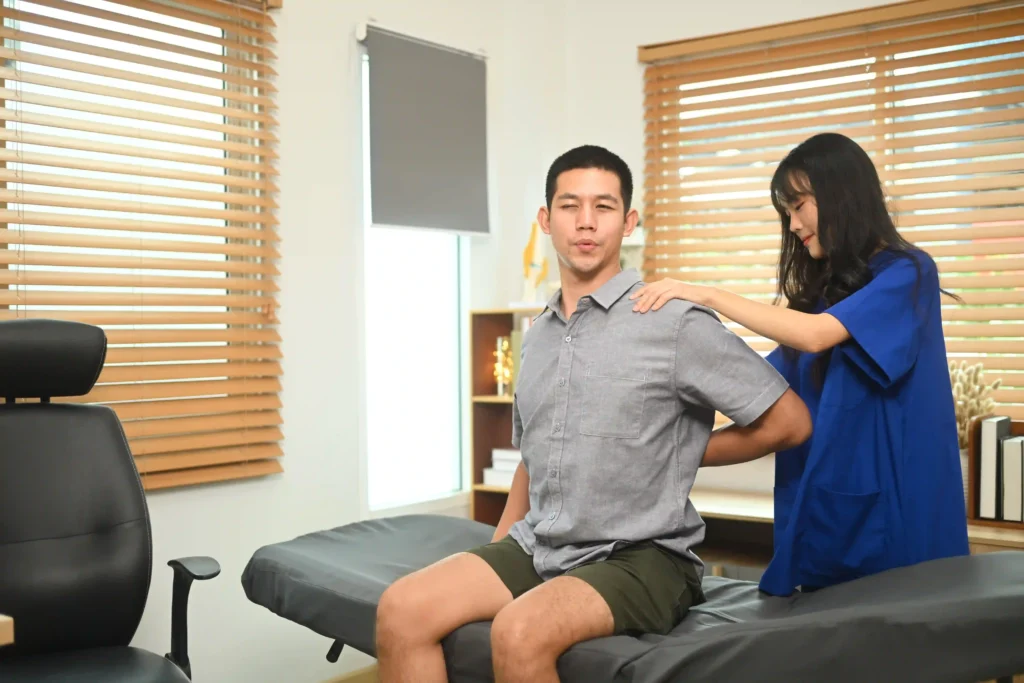
Home Physiotherapy

We understand that some conditions or injuries can make it difficult to receive rehabilitation at our clinic be it mobility or transportation issues. Our objective is to provide you with the same high-quality physiotherapy services at home that you would receive in-clinic.
Posted on

Physiotherapy Near Me: Treating Chronic Pain Effectively

Physiotherapy Near Me
Sports Injuries, Synapse Physiotherapy

Introduction

Chronic pain is an unwelcome companion for many people, affecting their daily lives, work performance, and emotional well-being. If you’ve ever searched for “physiotherapy near me” in hopes of finding a solution, you’re not alone. Millions of individuals worldwide struggle with persistent discomfort caused by injuries, postural issues, or underlying health conditions. 

Fortunately, physiotherapy offers a proven, non-invasive pathway to managing and often eliminating chronic pain, restoring function and improving quality of life.

Understanding Chronic Pain

Chronic pain is defined as pain that persists for more than 12 weeks, even after the initial injury or condition has healed. It can be constant or intermittent and ranges from mild to severe. Common causes include:

  • Musculoskeletal injuries (e.g., sprains, strains, fractures)


  • Degenerative diseases (like osteoarthritis)


  • Neuropathic conditions (such as sciatica or diabetic neuropathy)


  • Poor posture or repetitive strain


  • Past trauma or surgeries


Unlike acute pain, which serves as a warning signal of injury, chronic pain often lingers beyond its useful purpose, disrupting sleep, mood, and overall functionality.

How Physiotherapy Helps with Chronic Pain

Physiotherapy aims to restore normal movement, reduce pain, and prevent recurrence by targeting the underlying dysfunctions. Here’s how:

1. Comprehensive Assessment

To begin with, your journey starts with a thorough evaluation. A physiotherapist will assess your posture, range of motion, muscle strength, joint function, and movement patterns. They may also ask about your medical history, lifestyle, and the nature of your pain. This comprehensive evaluation helps pinpoint the root cause and design a tailored treatment plan.

2. Pain Management Techniques

Furthermore, modern physiotherapy includes a wide array of pain relief modalities. These may include:

  • Manual Therapy – Hands-on techniques to improve tissue flexibility and joint mobility.


  • Dry Needling – Targeting trigger points to relieve muscle tightness.


  • Electrotherapy (TENS, ultrasound) – Using controlled electrical signals or sound waves to reduce inflammation and promote healing.


  • Taping and Bracing – Supporting injured structures and guiding proper movement.


3. Corrective Exercises

In addition, targeted strengthening and stretching exercises form the core of physiotherapy. These exercises help recondition weak muscles, correct imbalances, and improve joint stability. A well-prescribed exercise plan can reduce reliance on pain medications and prevent the pain from returning.

4. Postural and Ergonomic Training

Moreover, many chronic pain cases are caused or worsened by poor posture or repetitive strain, especially in work settings. Physiotherapists provide ergonomic advice and teach proper movement mechanics to prevent flare-ups.

If you’re dealing with conditions like slip disc, targeted physiotherapy for slip disc is essential in reducing nerve compression and enhancing spinal mobility.

Benefits of Finding Physiotherapy Near You

If you’re living with chronic pain, convenience plays a significant role in sticking with your treatment plan. That’s why searching for physiotherapy near me can be the first step toward consistent, effective care.

Why Proximity Matters

Here’s why location matters:

  • Regular Sessions: Chronic pain often requires multiple visits. A nearby clinic makes it easier to maintain consistent appointments.


  • Personalised Follow-Ups: Local physiotherapists can provide closer follow-ups and adapt your program based on progress.


  • Emergency Consults: In the case of sudden flare-ups, a nearby clinic means faster access to care.


  • Community-Based Therapists: Local practitioners often understand lifestyle-related pain factors specific to your area (e.g., desk jobs, sports injuries, long commutes).


Additionally, if you’re managing a slip disc, having a local clinic that offers strength & conditioning programmes or shockwave therapy can be a game changer for long-term spinal health.

What to Look for in a Physiotherapy Clinic

Choosing the right clinic can drastically influence the success of your treatment. Here’s what to consider:

1. Qualified and Experienced Therapists

Check for certifications, areas of expertise, and years of experience. Some therapists specialise in orthopaedics, sports injuries, or neurological conditions. Choose one that aligns with your needs.

2. Personalised Treatment Plans

Avoid one-size-fits-all approaches. The best physiotherapy is customised based on your pain profile, goals, and daily activities.

3. Comprehensive Facilities

Clinics equipped with the latest modalities (like ultrasound, dry needling, and shockwave therapy) offer more versatile treatment options.

4. Patient Reviews and Testimonials

Feedback from other patients can give you insight into the quality of care, bedside manner, and results.

5. Transparent Pricing and Accessibility

Check if the clinic offers flexible hours, package rates, or insurance support. This can make long-term treatment more sustainable.

Frequently Asked Questions (FAQs)

1. How does physiotherapy help manage chronic pain?

Physiotherapy addresses chronic pain by identifying and treating the root cause whether it’s muscle imbalance, joint dysfunction, or poor posture. Through a combination of manual therapy, corrective exercises, and pain relief techniques, it helps restore mobility, reduce discomfort, and prevent recurrence.

2. How many physiotherapy sessions are typically needed for chronic pain?

The number of sessions depends on factors like the severity of the condition, duration of pain, and individual goals. Some people see improvement within a few sessions, while others with long-standing issues may require a longer treatment plan. Regular sessions are essential for long-term relief.

3. Is physiotherapy suitable for all types of chronic pain?

Yes, physiotherapy is effective for many types of chronic pain, including back and neck pain, joint pain (like knees and shoulders), post-surgical rehabilitation, arthritis, and repetitive strain injuries. A qualified physiotherapist will tailor the approach to your specific condition.

4. What should I expect during my first physiotherapy session?

Your first session typically includes a detailed assessment of your posture, movement patterns, joint mobility, muscle strength, and pain history. Based on this, the physiotherapist will create a personalised treatment plan, which may include hands-on therapy, exercises, and lifestyle advice.

5. Can I receive physiotherapy at home if I can’t travel?

Yes, many clinics now offer home visit physiotherapy services for individuals who have mobility limitations or severe pain that makes travel difficult. This ensures you still get expert care in the comfort of your own home.

Conclusion

Chronic pain can seem overwhelming, but it doesn’t have to be a permanent part of your life. Physiotherapy combines expert knowledge, personalised care, and hands-on techniques to effectively manage and reduce pain. By choosing a clinic near you, you increase your chances of staying consistent with treatment and achieving long-term relief.

So, next time you find yourself typing physiotherapy near me into a search engine, remember that it could be the first step toward a healthier, pain-free life. Prioritise your well-being, take action, and trust in the power of professional physiotherapy. Especially for conditions like chronic pain, targeted care and programs such as spine & core rehabilitation can truly transform your recovery journey.

Share This :

Back & Neck Pain

Conditions such as stiffness, postural abnormalities and muscle overuse from prolonged desk work at the office or home is more prevalent than most would think. We provide the necessary tools to fix you up and educate you on ergonomics which can unload unnecessary stress.

Sports Injuries

Rolled ankles, jarred knees, impinged shoulders are few conditions in the plethora of sports injuries which can hamper performance and limit our enjoyment of sports. Physiotherapy not only treats the symptoms of these conditions but propels your overall fitness to greater heights.

Work Desk Injuries​

Conditions such as stiffness, postural abnormalities and muscle overuse from prolonged desk work at the office or home is more prevalent than most would think. We provide the necessary tools to fix you up and educate you on ergonomics which can unload unnecessary stress.

Pre-Post-Surgical Conditions

Surgery involves going through preparation both before and after. Physiotherapists play a vital role in getting your body ready for surgeries with circulatory, breathing and strengthening exercises. After the procedure, let us be there for your recovery and rehabilitation, taking it one step at a time.

Scoliosis & Postural Abnormalities

The way we stand, sit, walk and sleep has influence over our posture and the overall balance of muscles controlling its alignment. A comprehensive screening can be done by our physiotherapists to detect abnormalities, which we will aid in correcting.

Neurological Conditions

Neurological disabilities such as stroke, nerve compression and neuropathies can be barriers for patients to live life to its fullest. We at Synapse are committed to help you overcome these hurdles by ensuring functional mobility and quality of life is at its optimum by providing the right treatment and exercises.

Osteoarthritis & Rheumatism

Joint degeneration and inflammation happens as the human body grows older, but that does not mean our way of life degenerates as well. Relief your joint pains with a joint effort together with your physiotherapist, who will provide pain-relief treatments and prescribe exercises for your wellbeing.

Conditions Relating To Elderly

Common conditions in the older age population include hips & knee pain, back & neck pain, osteoarthritis, rheumatism, fear of falling and many more.  Aging and degeneration of bodily function is inevitable, but here at Synapse, we will help you live the best of your life.

Home Physiotherapy

We understand that some conditions or injuries can make it difficult to receive rehabilitation at our clinic be it mobility or transportation issues. Our objective is to provide you with the same high-quality physiotherapy services at home that you would receive in-clinic.
Posted on

Spine and Core Rehab Benefits at Synapse Cyberjaya Clinic

Physiotherapy Near Me
Pre-Post-Surgical Conditions, Scoliosis & Postural Abnormalities, Sports Injuries, Synapse Physiotherapy, Work Desk Injuries​

Spine and Core Rehab Benefits at Synapse Cyberjaya Clinic


What is Spine and Core Rehabilitation?

Spine and core rehabilitation is a comprehensive program tailored to individuals experiencing spine-related issues, including problems in the neck, upper back, and lower back. The primary goal is to reduce pain caused by spine conditions and to design specific exercises that strengthen core muscles, thereby preventing re-injury.

This program is suitable for a wide range of conditions, including acute and chronic spine problems. It is also highly beneficial for post-operative patients, as the rehabilitation plan is carefully designed to align with medical precautions and promote safe recovery. For example, tailored exercises and therapies are implemented to restore mobility and strength while adhering to post-surgical restrictions.

Additionally, the program addresses secondary issues that arise from spine problems, such as weakness in the upper or lower limbs caused by nerve entrapment. The program helps improve functionality and overall quality of life by focusing on these side effects.

Whether you are dealing with neck pain, back pain, or other spine-related challenges, this rehabilitation program offers a conservative approach to treatment. For individuals seeking alternatives to surgery, physiotherapy is an excellent first step. Feel free to search for “physiotherapy near me” to explore treatment options that prioritize your recovery and well-being.

Benefits of Spine and Core Rehabilitation at Synapse Cyberjaya Clinic

Physiotherapy near me spine and core rehabilitation offers numerous advantages that can significantly improve your overall health and well-being. Here are the key benefits:

  • Pain Relief: Strengthening the core reduces pressure on the spine and surrounding tissues, helping to alleviate pain, particularly in individuals with chronic back pain.
  • Improved Posture: A strong core supports proper spinal alignment, reducing slouching and minimizing strain on the spine for better posture.
  • Enhanced Stability: Core strengthening creates a stable foundation for movement, reducing the risk of injuries and improving body control during physical activities.
  • Better Balance and Coordination: Core-focused exercises enhance proprioception, leading to improved balance and coordination while decreasing the risk of falls.
  • Accelerated Recovery: A stable and strong core expedites the rehabilitation process following spinal injuries or surgeries, promoting faster healing and recovery.
  • Injury Prevention: By encouraging proper body mechanics and stabilizing the spine, core strengthening reduces the likelihood of future injuries.
  • Increased Flexibility and Range of Motion: Core exercises improve flexibility in the muscles surrounding the spine, enhancing overall mobility and range of motion.
  • Improved Functional Movements: A stronger core enhances your ability to perform daily activities like lifting, bending, and twisting more efficiently and with less discomfort.

Physiotherapy near me benefits not only help manage existing spine problems but also play a crucial role in preventing future issues, making spine and core rehabilitation an essential component of a healthier, pain-free lifestyle. At Synapse Cyberjaya Clinic, we tailor our programs to address your unique needs, ensuring optimal outcomes and long-term benefits.

Why Choose Synapse Cyberjaya Clinic for Your Rehabilitation Needs?

At Synapse Cyberjaya Clinic, we take pride in offering exceptional care for spine and core rehabilitation, thanks to our team of highly experienced physiotherapists. Here’s why we stand out:

  • Expert Physiotherapists: Our skilled physiotherapists specialize in providing thorough assessments and creating personalized treatment programs tailored to each individual’s specific needs. With advanced manual therapy techniques, they effectively address a wide range of spine-related issues.
  • State-of-the-Art Facilities: Our clinic is equipped with modern facilities, including electrotherapy devices and a spinal decompression bed, to enhance recovery and provide effective pain relief. These tools ensure a comprehensive approach to spine and core rehabilitation.
  • Prime Location: Conveniently located in Cyberjaya, our physiotherapy near meclinic is situated in a shop lot directly opposite the well-known Tamarind Square, making it easily accessible for residents and visitors in the area.
  • Insurance-Friendly: Synapse Cyberjaya Clinic is a panel clinic for many insurance companies, making it easier for patients to access care without worrying about financial constraints.
  • Holistic Approach: Beyond treating symptoms, we focus on addressing the root causes of spine problems to ensure long-lasting results and improved quality of life.

Whether you’re dealing with acute pain, recovering from surgery, or seeking preventative care, Synapse Cyberjaya Clinic is your trusted partner in achieving optimal spine health. With our patient-centered care, advanced techniques, and convenient physiotherapy near me location, we are committed to helping you regain mobility, strength, and confidence in your daily life.

Who Can Benefit from Spine and Core Rehabilitation?

Spine and core rehabilitation is suitable for a wide range of individuals dealing with various spine-related conditions or seeking preventative care. Here’s who can benefit from this program:

  • Individuals with Acute or Chronic Spine Problems: Whether you’re experiencing sudden back pain or dealing with long-term discomfort in the neck or lower back, this program offers effective solutions to manage pain and improve function.
  • Post-Operative Patients: Rehabilitation is essential for those recovering from spine surgeries, such as discectomies or spinal fusions. Our program is carefully designed to follow post-surgical precautions, ensuring safe and steady recovery.
  • Patients with Nerve-Related Symptoms: Conditions like nerve entrapment or sciatica that cause weakness or tingling in the limbs can be addressed with targeted rehabilitation to restore nerve function and muscle strength.
  • Athletes and Active Individuals: For athletes recovering from spine injuries or looking to prevent future ones, core strengthening and stabilization exercises are critical for optimal performance and injury prevention.
  • Office Workers and Sedentary Individuals: Prolonged sitting or poor posture can lead to chronic back and neck pain. This program helps correct posture, strengthen weakened muscles, and prevent further deterioration.
  • Older Adults: As we age, the spine may become more susceptible to injuries and degenerative conditions. Spine and core rehabilitation can help improve mobility, balance, and overall quality of life.
  • Individuals Seeking Non-Surgical Solutions: For those looking to manage spine-related pain without resorting to surgery, rehabilitation provides a conservative and effective alternative.


The Rehab Process: What to Expect at Synapse Cyberjaya Clinic

At Synapse Cyberjaya Clinic, we follow a structured and patient-centered rehabilitation process to ensure optimal outcomes. Here’s what you can expect during your spine and core rehabilitation physiotherapy near me journey:

  • Comprehensive Assessment:

 Your first session begins with an in-depth evaluation to understand your condition. This includes:

  • Assessing spine movement and flexibility to identify restrictions or abnormalities.
  • Performing special tests to pinpoint the root cause of the issue.
  • Check your posture for misalignments or strain patterns.
  • Conducting a strength assessment to identify weak muscles and imbalances.
  • After the assessment, our physiotherapist will discuss your condition, explain the contributing factors, and collaborate with you to establish realistic rehabilitation goals. A personalized treatment plan will then be created to meet your unique needs.

  • Personalized Treatment:

Your rehabilitation sessions will include a combination of therapies tailored to your condition:

  • Manual Therapy: Specialized hands-on techniques to enhance mobility, relieve tension, and reduce pain.
  • Electrotherapy: Advanced modalities, such as TENS or ultrasound, to promote healing and manage discomfort.
  • Therapeutic Exercises: Customized exercises designed to strengthen your core, improve stability, and enhance overall flexibility and mobility.


  • Session Duration and Follow-Ups:

 Each session typically lasts 45 minutes to 1 hour, providing ample time to focus on both therapy and education. Progress is meticulously recorded after every session to monitor improvements and identify areas needing adjustment.

  • Progress Tracking and Adjustments:

 Our physiotherapists conduct regular follow-ups to evaluate your progress and modify your rehabilitation plan as needed. This dynamic approach ensures that your treatment evolves with your recovery, optimizing outcomes at every stage.

At Synapse Cyberjaya Clinic, we prioritize not just treating the symptoms but addressing the root cause of your spine and core issues. We aim to help you achieve a pain-free, functional lifestyle with long-term results.

Conclusion

If you’re experiencing spine-related issues or believe that spine and core rehabilitation could benefit you, don’t hesitate to take the first step toward recovery. At Synapse Cyberjaya Clinic, our experienced physiotherapists, state-of-the-art facilities, and personalized approach ensure you receive the care and support needed to regain strength, mobility, and a pain-free life.

Book your appointment today at Synapse Physiotherapy and let us design a rehabilitation program tailored to your needs. Your journey to better spine health starts here!

Share This :

Back & Neck Pain

Conditions such as stiffness, postural abnormalities and muscle overuse from prolonged desk work at the office or home is more prevalent than most would think. We provide the necessary tools to fix you up and educate you on ergonomics which can unload unnecessary stress.

Sports Injuries

Rolled ankles, jarred knees, impinged shoulders are few conditions in the plethora of sports injuries which can hamper performance and limit our enjoyment of sports. Physiotherapy not only treats the symptoms of these conditions but propels your overall fitness to greater heights.

Work Desk Injuries​

Conditions such as stiffness, postural abnormalities and muscle overuse from prolonged desk work at the office or home is more prevalent than most would think. We provide the necessary tools to fix you up and educate you on ergonomics which can unload unnecessary stress.

Pre-Post-Surgical Conditions

Surgery involves going through preparation both before and after. Physiotherapists play a vital role in getting your body ready for surgeries with circulatory, breathing and strengthening exercises. After the procedure, let us be there for your recovery and rehabilitation, taking it one step at a time.

Scoliosis & Postural Abnormalities

The way we stand, sit, walk and sleep has influence over our posture and the overall balance of muscles controlling its alignment. A comprehensive screening can be done by our physiotherapists to detect abnormalities, which we will aid in correcting.

Neurological Conditions

Neurological disabilities such as stroke, nerve compression and neuropathies can be barriers for patients to live life to its fullest. We at Synapse are committed to help you overcome these hurdles by ensuring functional mobility and quality of life is at its optimum by providing the right treatment and exercises.

Osteoarthritis & Rheumatism

Joint degeneration and inflammation happens as the human body grows older, but that does not mean our way of life degenerates as well. Relief your joint pains with a joint effort together with your physiotherapist, who will provide pain-relief treatments and prescribe exercises for your wellbeing.

Conditions Relating To Elderly

Common conditions in the older age population include hips & knee pain, back & neck pain, osteoarthritis, rheumatism, fear of falling and many more.  Aging and degeneration of bodily function is inevitable, but here at Synapse, we will help you live the best of your life.

Home Physiotherapy

We understand that some conditions or injuries can make it difficult to receive rehabilitation at our clinic be it mobility or transportation issues. Our objective is to provide you with the same high-quality physiotherapy services at home that you would receive in-clinic.