Synapse Physiotherapy | Physio Center | Rehab Malaysia
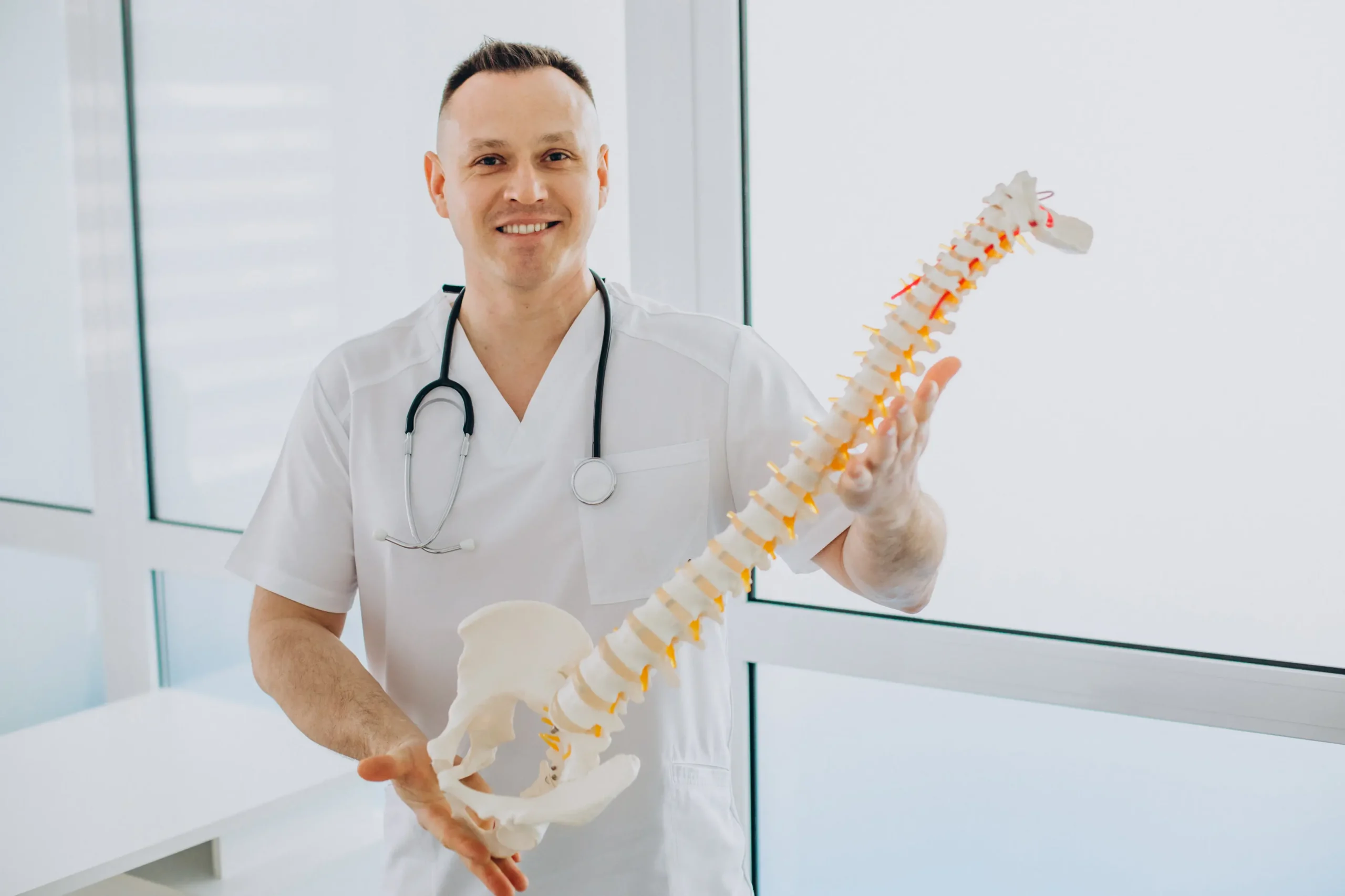
Back and neck pain are among the most common health complaints worldwide, affecting people of all ages and lifestyles. The good news is that most spinal conditions can be managed without surgery. A spine specialist is trained to diagnose and treat spinal disorders using a wide range of non-surgical approaches all tailored to reduce pain, restore function, and improve long-term spinal health. By adopting a conservative, step-by-step approach starting with the least invasive methods, specialists help patients avoid unnecessary surgery while promoting natural healing and sustainable recovery. I
Before any treatment begins, a spine specialist conducts a thorough assessment. This includes a detailed medical history, physical examination, posture and movement analysis, and, when needed, imaging studies such as X-rays, MRI, or CT scans. Accurate diagnosis is essential because different spinal conditions — such as slip disc (herniated disc), sciatica, spinal stenosis, or degenerative disc disease — require different treatment strategies.
By identifying the root cause of pain rather than just treating symptoms, a spine specialist can design targeted non-surgical treatment plans that are both effective and safe. Often, these professionals will refer patients for a biomechanical assessment to identify specific muscular imbalances that contribute to spinal strain. According to the World Health Organization (WHO), musculoskeletal conditions affect 1.71 billion people globally, emphasising the need for professional clinical diagnosis and early intervention.
One of the most commonly used non-surgical treatments is physiotherapy. A spine specialist often works closely with physiotherapists to restore strength, flexibility, and mobility. Physiotherapy programmes are customised based on the patient’s diagnosis, pain level, and daily activities. At a multidisciplinary sports physiotherapy clinic, the focus is often on returning the patient to their peak physical performance through structured loading.
These exercises not only relieve pain but also prevent future injuries by improving spinal support and movement control. Our Spine & Core Rehabilitation Programme is often the gold standard for long-term recovery, and our team at Synapse Physiotherapy specialises in these evidence-based movement protocols.
Medications are often prescribed as part of a comprehensive non-surgical plan. A spine specialist may recommend non-steroidal anti-inflammatory drugs (NSAIDs) to reduce pain and swelling, muscle relaxants for acute spasms, or short-term analgesics for intense episodes. Medication is usually combined with active treatments like exercise, rather than used in isolation. Clinical guidelines consistently recommend that pharmacological intervention should always be paired with physical activity for the best long-term outcomes in musculoskeletal health.
For patients who do not respond adequately to exercise and medication alone, a spine specialist may recommend targeted spinal injections. These procedures are minimally invasive and often performed under imaging guidance for precision. This is a common step before considering surgery, especially when pain prevents a patient from participating in their necessary rehabilitation exercises.
These injections help reduce inflammation and pain, allowing patients to engage more effectively in physiotherapy and daily activities. Our dedicated pain management service integrates these procedures seamlessly with rehabilitation.
Manual therapy is another important non-surgical tool used by spine specialists and trained clinicians. Techniques such as joint mobilisation, soft tissue release, and gentle spinal manipulation can help improve joint movement, reduce stiffness, and ease muscle tightness.
These methods are especially useful for mechanical back pain, postural issues, and early-stage degenerative conditions. When applied appropriately, manual therapy can provide significant symptom relief without the risks associated with surgery. Many athletes visit a clinical setting specifically for these hands-on techniques to maintain spinal fluidity during high-intensity training seasons.
Spinal pain is often influenced by daily habits, work posture, and activity levels. A spine specialist will usually provide guidance on lifestyle modifications to support recovery and prevent recurrence. This holistic view is a hallmark of high-quality care, where the environment outside the clinic is considered just as important as the treatment inside.
By addressing these contributing factors, patients can achieve longer-lasting results. This is particularly vital for managing back and neck pain caused by sedentary office work.
In selected cases, a spine specialist may recommend braces or support devices. These are commonly used for acute flare-ups of back pain or spinal instability, and are typically used for short periods alongside active rehabilitation to avoid weakening the supporting muscles.
Education is a cornerstone of non-surgical spine care. A spine specialist spends time helping patients understand their condition and recovery expectations. Self-management strategies such as home exercise programmes and pain flare-up management plans empower patients to take an active role in their recovery. If you have questions about your specific condition, feel free to contact our specialists for a consultation.
Non-surgical treatments are especially effective for a wide range of spinal conditions. If you have been diagnosed with any of the following, conservative care is often the recommended first-line approach:
Most patients experience significant improvement within weeks to months when non-surgical care is applied consistently and correctly. Whether the injury occurred at home or during a match, visiting a specialist early ensures that these non-surgical paths are explored fully. For patients dealing with persistent soft tissue or tendon pain alongside their spinal condition, our article on the top orthopedic conditions shockwave therapy supports covers complementary non-invasive treatment options worth exploring.
Most patients can avoid surgery if they do not have “red flag” symptoms like loss of bowel or bladder control, extreme muscle weakness, or pain that does not improve with conservative care. A spine specialist will use physical tests and imaging to determine if non-surgical routes are safe for you.
Spinal injections are performed using local anaesthesia to numb the skin, so most patients feel only a brief pressure or stinging sensation. The procedure is usually quick and performed in an outpatient setting.
Generally, a period of 6 to 12 weeks of consistent non-surgical treatment that also include physiotherapy and medication is recommended. If there is no improvement in pain or function after this window, your specialist may discuss alternative options.
While the disc itself may not “pop back in,” physiotherapy helps by reducing inflammation around the nerve and strengthening the muscles that support the spine. This takes the pressure off the disc, allowing the body to naturally resorb the herniated material over time.
A spine specialist will modify techniques for patients with bone density issues. Gentle mobilisation and soft tissue work are often very safe and effective, whereas high-velocity thrusts are usually avoided to ensure patient safety.
A spine specialist plays a vital role in helping patients manage spinal conditions without surgery. Through accurate diagnosis, personalised treatment plans, and a combination of physiotherapy, medication, injections, manual therapy, and lifestyle guidance, most spinal problems can be treated effectively and safely.
Non-surgical care focuses not just on pain relief, but on restoring function, preventing recurrence, and improving quality of life. For anyone experiencing persistent back or neck pain, consulting a spine specialist early can make a significant difference — often helping patients recover fully without the need for surgical intervention. Taking the first step toward a clinical assessment at Synapse Physiotherapy can set you on the right path toward a pain-free, active life.
Tags :






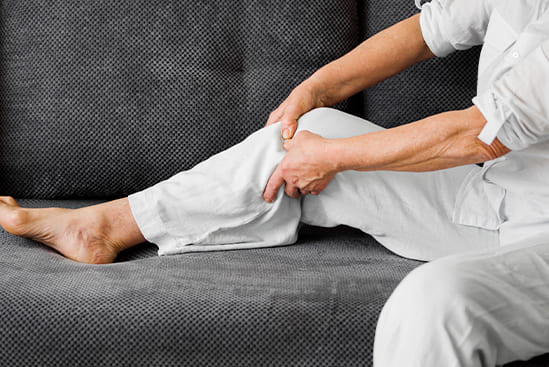
Joint degeneration and inflammation happens as the human body grows older, but that does not mean our way of life degenerates as well. Relief your joint pains with a joint effort together with your physiotherapist, who will provide pain-relief treatments and prescribe exercises for your wellbeing.

Common conditions in the older age population include hips & knee pain, back & neck pain, osteoarthritis, rheumatism, fear of falling and many more. Aging and degeneration of bodily function is inevitable, but here at Synapse, we will help you live the best of your life.