Posted on

What Services Are Offered by Physiotherapy in Ampang?

physiotherapy ampang
Synapse Physiotherapy

Introduction

Physiotherapy in Ampang is becoming an increasingly popular choice for individuals seeking non-invasive, effective solutions for pain relief, rehabilitation, and physical wellness. Located in the heart of the Klang Valley, Ampang is home to many well-equipped clinics offering tailored physiotherapy services for a wide range of conditions.

Whether you’re recovering from an injury, managing a chronic illness, or simply looking to improve your mobility and strength, physiotherapy in Ampang provides expert care and customized treatment plans for every need. Here’s a closer look at the services available and how they can support your health and recovery.

1. Musculoskeletal Physiotherapy

This is the most common form of physiotherapy and focuses on treating problems related to muscles, bones, ligaments, and joints.

Common issues treated include:

  • Back and neck pain
  • Shoulder injuries
  • Knee problems (e.g., ACL tears, runner’s knee)
  • Tendonitis and bursitis
  • General joint and muscle pain

Treatment methods may involve:
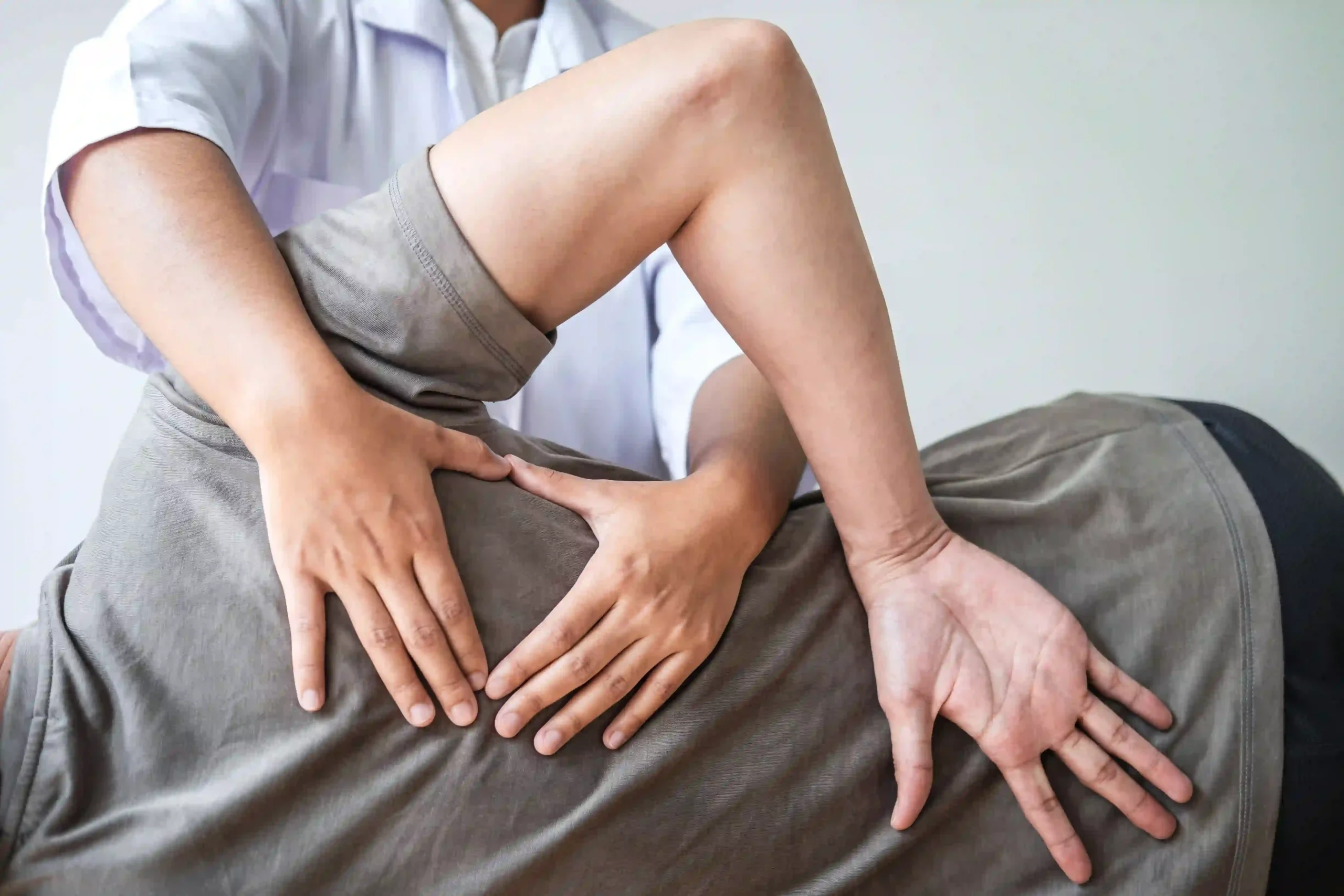
Manual therapy, dry needling, ultrasound, and structured exercise programs to restore mobility and reduce discomfort.

2. Sports Injury Rehabilitation

Whether you’re a professional athlete or a weekend warrior, sports injuries can disrupt your performance and daily life.

Key services include:

  • Post-injury rehabilitation
  • Movement and flexibility assessments
  • Return-to-sport training
  • Preventive strategies to reduce reinjury risk

These programs are tailored to your sport and level of activity, ensuring a safe and effective return to physical performance.

3. Post-Surgical Rehabilitation

Recovering after surgery requires careful guidance and structured physiotherapy to restore strength and function.

Common post-surgical rehab includes:

  • Joint replacement (knee, hip, shoulder)
  • Spinal surgery
  • Ligament and tendon repairs

Therapy focuses on:
Pain management, improving joint range, muscle strengthening, and safe mobility techniques—especially critical in the early stages of post-op rehab. 

4. Neurological Rehabilitation

Physiotherapy in Ampang also offers specialized care for individuals with neurological conditions.

Conditions treated include:

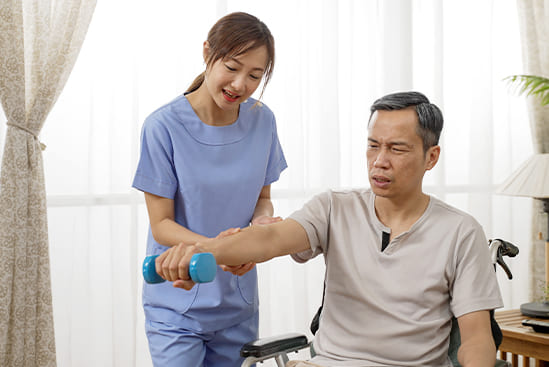
  • Stroke
  • Parkinson’s disease
  • Multiple sclerosis
  • Traumatic brain or spinal cord injuries

Goals of therapy:

  • Improve coordination and balance
  • Regain functional independence
  • Reduce muscle stiffness or spasticity
  • Retrain movement and gait patterns

Patients often receive one-on-one care with therapists trained in neurological rehabilitation.

5. Geriatric Physiotherapy

As we age, maintaining strength, balance, and flexibility becomes more important to prevent injuries and preserve independence.

Geriatric physiotherapy addresses:

  • Fall prevention
  • Arthritis and osteoporosis management
  • General mobility enhancement
  • Chronic pain in joints and muscles

Therapists design low-impact, safe exercise routines for older adults to help them stay active and confident in daily life.

6. Pain Management

Chronic pain can significantly affect quality of life. Physiotherapy offers non-drug, long-term strategies to reduce pain and improve mobility.

Techniques used include:

  • Manual therapy and soft tissue release
  • Electrotherapy (TENS, ultrasound)
  • Postural correction and ergonomic advice
  • Strengthening and flexibility exercises

These approaches can help manage conditions like chronic back pain, joint discomfort, and fibromyalgia.

7. Ergonomic & Workplace Assessments

If you spend long hours at a desk or perform repetitive tasks at work, physiotherapists can help you prevent and manage strain injuries.

Services may include:

  • Office and workstation assessments
  • Posture correction advice
  • Exercise routines for desk-bound workers
  • Recommendations for ergonomic tools or setup

These preventive services are ideal for employees, employers, and even remote workers.

8. Home Physiotherapy Services

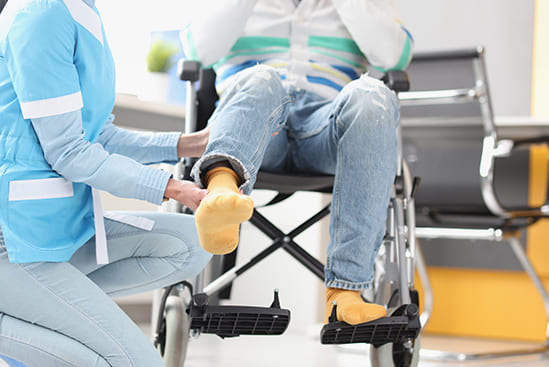
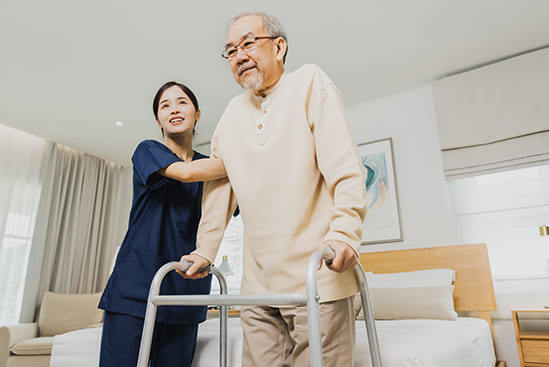
For individuals who find it difficult to travel to a clinic, some physiotherapists in Ampang offer home visits.

Ideal for:

  • Stroke patients
  • Post-surgical patients
  • Elderly with limited mobility
  • Long-term rehabilitation cases

Benefits include:
Personalized care in the comfort of your home, better convenience, and continuity of treatment.

Conclusion

Synapse Physiotherapy in Ampang offers a comprehensive range of evidence-based treatments to support your health and recovery, whether you’re an athlete, a senior, recovering from surgery, or managing a long-term condition. With personalized care plans, expert therapists, and a strong commitment to holistic wellness, Synapse Physiotherapy is dedicated to helping you regain mobility, reduce pain, and improve your overall quality of life.


If you’re looking for trusted, professional care, Synapse Physiotherapy provides the best physiotherapy services in Ampang, combining clinical expertise with genuine compassion. From your first assessment to the final stages of rehabilitation, you’ll be supported every step of the way.


Ready to begin your recovery journey?
Book an appointment with Synapse Physiotherapy today and take the first step toward a stronger, healthier you.

Share This :

Back & Neck Pain

Conditions such as stiffness, postural abnormalities and muscle overuse from prolonged desk work at the office or home is more prevalent than most would think. We provide the necessary tools to fix you up and educate you on ergonomics which can unload unnecessary stress.

Sports Injuries

Rolled ankles, jarred knees, impinged shoulders are few conditions in the plethora of sports injuries which can hamper performance and limit our enjoyment of sports. Physiotherapy not only treats the symptoms of these conditions but propels your overall fitness to greater heights.

Work Desk Injuries​

Conditions such as stiffness, postural abnormalities and muscle overuse from prolonged desk work at the office or home is more prevalent than most would think. We provide the necessary tools to fix you up and educate you on ergonomics which can unload unnecessary stress.

Pre-Post-Surgical Conditions

Surgery involves going through preparation both before and after. Physiotherapists play a vital role in getting your body ready for surgeries with circulatory, breathing and strengthening exercises. After the procedure, let us be there for your recovery and rehabilitation, taking it one step at a time.

Scoliosis & Postural Abnormalities

The way we stand, sit, walk and sleep has influence over our posture and the overall balance of muscles controlling its alignment. A comprehensive screening can be done by our physiotherapists to detect abnormalities, which we will aid in correcting.

Neurological Conditions

Neurological disabilities such as stroke, nerve compression and neuropathies can be barriers for patients to live life to its fullest. We at Synapse are committed to help you overcome these hurdles by ensuring functional mobility and quality of life is at its optimum by providing the right treatment and exercises.

Osteoarthritis & Rheumatism

Joint degeneration and inflammation happens as the human body grows older, but that does not mean our way of life degenerates as well. Relief your joint pains with a joint effort together with your physiotherapist, who will provide pain-relief treatments and prescribe exercises for your wellbeing.
Conditions Relating To Elderly

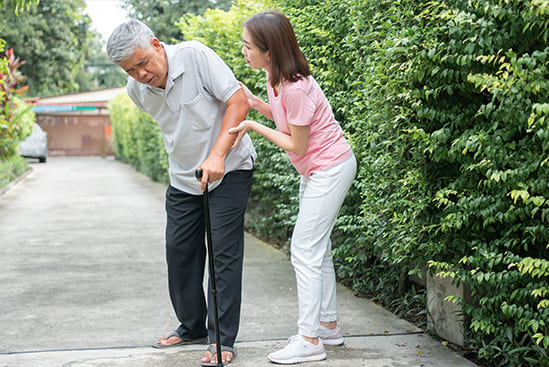
Common conditions in the older age population include hips & knee pain, back & neck pain, osteoarthritis, rheumatism, fear of falling and many more.  Aging and degeneration of bodily function is inevitable, but here at Synapse, we will help you live the best of your life.
Home Physiotherapy

We understand that some conditions or injuries can make it difficult to receive rehabilitation at our clinic be it mobility or transportation issues. Our objective is to provide you with the same high-quality physiotherapy services at home that you would receive in-clinic.
Posted on

Dry Needling Near Me for Trigger Point Pain

dry needling near me
Synapse Physiotherapy

Introduction

If you’ve been typing “dry needling near me” in search engines looking for relief from stubborn muscle knots or chronic pain, you’re not alone. Trigger point pain often described as deep, aching discomfort that radiates from tight, sensitive muscle bands is one of the most common causes of musculoskeletal pain. Whether you’re an athlete managing recurring strains, an office worker suffering from desk-related tightness, or someone recovering from an injury, dry needling can offer significant relief.


Additionally, understanding how dry needling fits into your treatment plan can help you take the next step toward lasting recovery. Learn more about our approach on the Synapse Physiotherapy homepage.

What Is Trigger Point Pain?

Trigger point pain occurs when a muscle becomes overly tight and irritated, forming a hard, sensitive nodule or “knot” that can refer pain to other areas. For example, a trigger point in the neck may cause tension headaches or shoulder discomfort. These points can develop from muscle overuse, repetitive strain, poor posture, stress, or direct trauma.

Importantly, when left untreated, they can restrict the range of motion and contribute to chronic pain syndromes. Even more concerning, these hidden trigger points often resist common treatments like massage or stretching. That’s precisely where dry needling near me becomes a game-changer.

How Does Dry Needling Work?

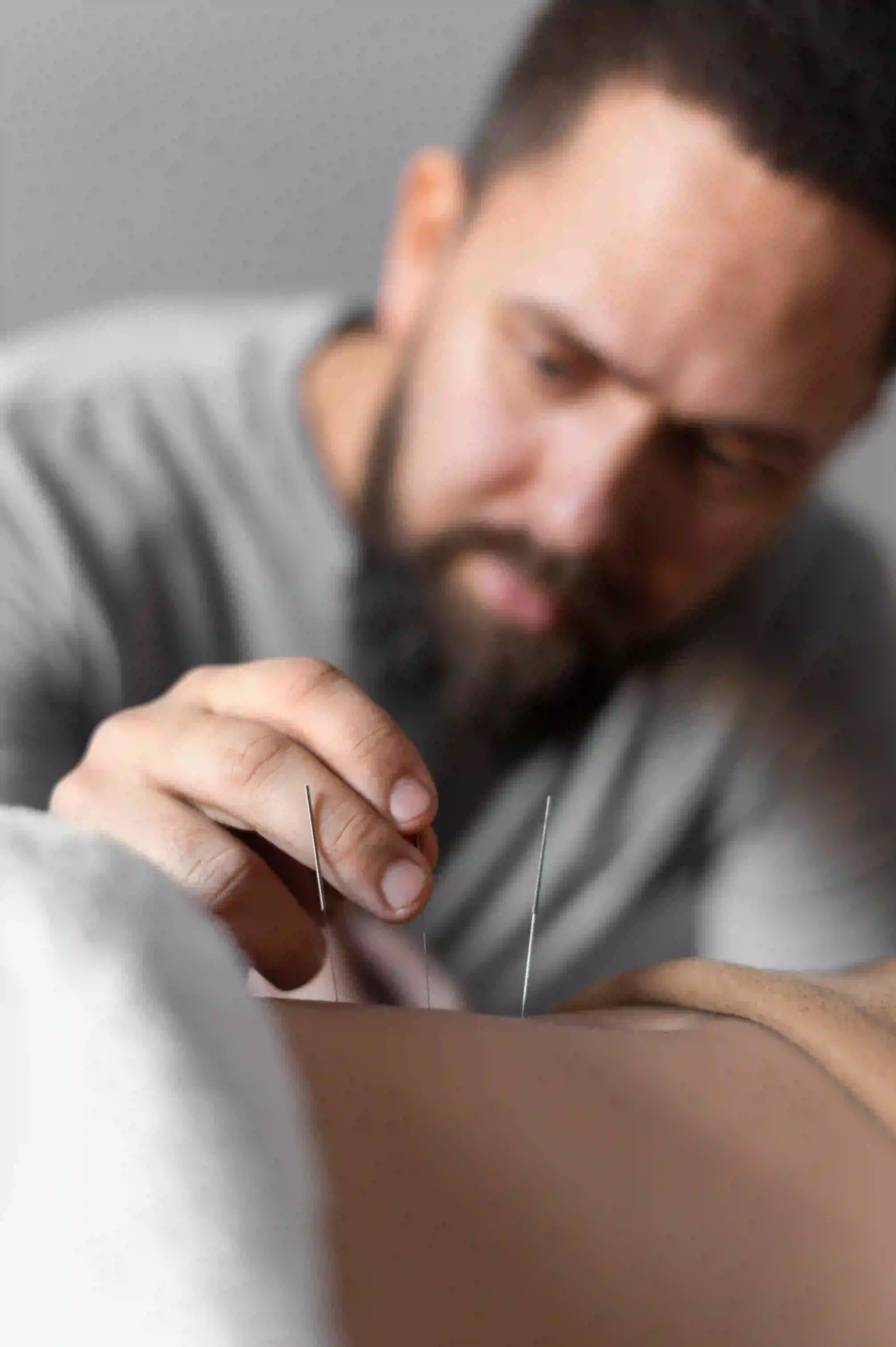
Dry needling uses ultra-thin, sterile needles to penetrate the skin and stimulate the underlying myofascial trigger points. The needle targets the dysfunctional muscle tissue, prompting it to twitch and then relax. This mechanical disruption not only improves blood flow but also decreases inflammation and restores normal muscle tone.

Although it may initially sound similar to acupuncture, dry needling is distinctly different. It is grounded in Western anatomical and neurophysiological science and is performed exclusively by trained physiotherapists. It is especially effective for musculoskeletal problems such as:

Common Conditions Treated

  • Neck and back pain

  • Sports injuries

  • Shoulder impingement

  • Tennis elbow

  • Hip and gluteal pain

  • Tension headaches

  • Plantar fasciitis

Moreover, patients frequently report an immediate reduction in muscle tension and a noticeable improvement in range of motion following treatment. Explore other conditions we manage here.

What to Expect During a Dry Needling Session

A typical dry needling near me session begins with a thorough assessment by a physiotherapist. Once the source of your trigger point pain is identified, the therapist will gently insert the needle into the muscle. You might feel a slight prick followed by a twitch response in the muscle that’s a good sign the needle has hit the trigger point.

Furthermore, most sessions last between 30 to 45 minutes and may be combined with other physiotherapy techniques such as manual therapy, stretching, or guided exercise. While mild soreness is common, it usually resolves within 24 to 48 hours, just like after a deep tissue massage.

Benefits of Dry Needling

Choosing dry needling near me as part of your recovery plan offers many physical and therapeutic benefits. In particular, it allows for precise intervention that supports both short-term relief and long-term functional gains.

Why Consider Dry Needling?

  • Targeted pain relief: Directly addresses the source of pain in tight muscle tissue.

  • Fast results: Many people feel better after just one or two sessions.

  • Improved flexibility: Releases restricted muscles to restore mobility.

  • Reduced reliance on pain medication: Offers a natural alternative to drugs.

  • Boosted circulation and healing: Encourages muscle recovery and tissue regeneration.

Altogether, when combined with broader physiotherapy strategies, dry needling can play a crucial role in sustainable recovery.

Is Dry Needling Safe?

Yes, dry needling is widely regarded as safe when performed by a trained physiotherapist. The needles used are sterile, single-use, and incredibly fine, minimising both discomfort and the risk of infection. While side effects are rare, they may include temporary soreness, bruising, or mild dizziness.

Of course, if you have a bleeding disorder, are pregnant, or experience anxiety around needles, it’s important to inform your physiotherapist so they can tailor the treatment appropriately or suggest alternatives.

Choosing the Right Clinic for Dry Needling Near You

When searching for reliable dry needling near me, be sure to choose a clinic with certified, experienced physiotherapists trained in this specific technique. A trusted clinic will conduct a detailed assessment, explain each step of the procedure, and offer follow-up care as needed.

It’s also wise to select a centre that takes a holistic approach, one that combines dry needling with tailored exercise plans, posture correction, and rehabilitation guidance. For instance, Synapse Physiotherapy in Damansara Heights integrates dry needling with advanced, evidence-based care.

Who Can Benefit From Dry Needling?

Dry needling near me can be highly effective for a wide variety of individuals, not just athletes. It offers relief for people from all walks of life who are dealing with recurring muscle tension, pain, or reduced mobility.

Ideal Candidates Include:

  • Office workers with shoulder, neck, or back tightness

  • Athletes with repetitive strain or overuse injuries

  • Manual labourers dealing with chronic muscle knots

  • Patients recovering post-surgery who experience muscular compensation

  • Individuals with sedentary lifestyles experience stiffness and tension

Frequently Asked Questions (FAQs)

1. How many dry needling sessions will I need?

The number of sessions varies based on your condition and goals. Many patients experience improvement within 1–2 sessions, while others may need a longer treatment plan.

2. Is dry needling painful?

Most people feel only a brief prick and a muscle twitch. Any post-session soreness is usually mild and temporary.

3. Can dry needling be combined with other treatments?

Yes, it’s often paired with manual therapy, stretching, strengthening, or sports physiotherapy for optimal results.

4. Is dry needling suitable for chronic pain?

Absolutely. It’s an effective option for long-standing muscle pain and tension when other methods have failed.

5. Are the effects of dry needling long-lasting?

When combined with corrective exercise and lifestyle changes, the effects can be very sustainable.

Final Thoughts: Your Path to Pain Relief Starts Here

If you’re dealing with persistent muscle pain or stiffness and keep asking, “Where can I get effective dry needling near me?” your solution might be closer than you think. This targeted technique not only relieves pain but also helps you regain mobility and control over your life.

Clinics like Synapse Physiotherapy are committed to patient-centred care, offering dry needling as part of a broader rehabilitation plan tailored to your needs. Whether you’re recovering from injury or managing daily tension, don’t let pain define your day, take control and book your assessment now.


Finally, explore other supportive programmes like our Spine & Core Rehabilitation to enhance your long-term outcomes.

Share This :

Back & Neck Pain

Conditions such as stiffness, postural abnormalities and muscle overuse from prolonged desk work at the office or home is more prevalent than most would think. We provide the necessary tools to fix you up and educate you on ergonomics which can unload unnecessary stress.

Sports Injuries

Rolled ankles, jarred knees, impinged shoulders are few conditions in the plethora of sports injuries which can hamper performance and limit our enjoyment of sports. Physiotherapy not only treats the symptoms of these conditions but propels your overall fitness to greater heights.

Work Desk Injuries​

Conditions such as stiffness, postural abnormalities and muscle overuse from prolonged desk work at the office or home is more prevalent than most would think. We provide the necessary tools to fix you up and educate you on ergonomics which can unload unnecessary stress.

Pre-Post-Surgical Conditions

Surgery involves going through preparation both before and after. Physiotherapists play a vital role in getting your body ready for surgeries with circulatory, breathing and strengthening exercises. After the procedure, let us be there for your recovery and rehabilitation, taking it one step at a time.

Scoliosis & Postural Abnormalities

The way we stand, sit, walk and sleep has influence over our posture and the overall balance of muscles controlling its alignment. A comprehensive screening can be done by our physiotherapists to detect abnormalities, which we will aid in correcting.

Neurological Conditions

Neurological disabilities such as stroke, nerve compression and neuropathies can be barriers for patients to live life to its fullest. We at Synapse are committed to help you overcome these hurdles by ensuring functional mobility and quality of life is at its optimum by providing the right treatment and exercises.

Osteoarthritis & Rheumatism

Joint degeneration and inflammation happens as the human body grows older, but that does not mean our way of life degenerates as well. Relief your joint pains with a joint effort together with your physiotherapist, who will provide pain-relief treatments and prescribe exercises for your wellbeing.

Conditions Relating To Elderly

Common conditions in the older age population include hips & knee pain, back & neck pain, osteoarthritis, rheumatism, fear of falling and many more.  Aging and degeneration of bodily function is inevitable, but here at Synapse, we will help you live the best of your life.
Home Physiotherapy

We understand that some conditions or injuries can make it difficult to receive rehabilitation at our clinic be it mobility or transportation issues. Our objective is to provide you with the same high-quality physiotherapy services at home that you would receive in-clinic.
Posted on

Shockwave Therapy in KL: Restore Mobility Now

shockwave therapy
shockwave therapy
Synapse Physiotherapy

Introduction

If you’re struggling with nagging joint pain, muscle aches, or sports injuries that just won’t go away, shockwave therapy might be the solution you’ve been waiting for. This non-invasive treatment is becoming more popular in Kuala Lumpur (KL) among people looking for fast, effective pain relief, without the need for surgery or heavy medication. Whether you’re an athlete recovering from a tendon injury or someone dealing with chronic heel pain, shockwave therapy can help restore your mobility and get you back on your feet.


Shockwave therapy works by sending sound waves into the affected area of your body. These waves boost blood flow, speed up healing, and break down tight scar tissue or calcium build-up that’s causing pain. The result? Less pain, better movement, and a faster return to your normal activities. At Synapse Physiotherapy clinics across KL and the Klang Valley, we’ve seen many clients bounce back from pain using this safe and scientifically backed method.

Let’s explore how shockwave therapy works, what it treats, and why it could be the missing piece in your recovery journey.

What is Shockwave Therapy?

In simple terms, shockwave therapy uses high-energy sound waves, not electricity to treat stubborn injuries and chronic pain. It’s the same type of technology that doctors use to break down kidney stones. In physiotherapy, it’s used at a much gentler level to stimulate healing in soft tissues like muscles, tendons, and ligaments.

How It Works

The device is applied to your skin (no needles or surgery involved), and the sound waves travel into the deeper tissues. These waves “wake up” the body’s natural healing process by increasing circulation and promoting the regeneration of injured tissues. As a result, you experience quicker healing and noticeable pain relief over time.

What Conditions Can Shockwave Therapy Treat?

Shockwave therapy is often used for pain and injuries that just don’t seem to go away, even after rest, stretching, or traditional physiotherapy. Below are some of the most common conditions it helps with:

Commonly Treated Conditions

  • Plantar fasciitis (heel pain)

  • Tennis elbow or golfer’s elbow

  • Shoulder tendinitis or calcification

  • Achilles tendon pain

  • Knee pain (jumper’s knee or patellar tendinopathy)

  • Hip pain or bursitis

  • Chronic neck or back tightness (due to muscle knots or trigger points)

These are conditions that usually involve tight, inflamed, or damaged tendons and tissues. When left untreated, they can affect your ability to walk, sit, lift, or play sports.

Explore all the conditions we treat here.

How Does Shockwave Therapy Help?

Understanding how shockwave therapy works inside your body can provide more clarity on why it’s so effective.

Key Healing Mechanisms

  1. Improves Blood Flow – The sound waves create tiny vibrations in your tissue, which encourage more blood to flow into the injured area. Better blood flow means faster healing.
  2. Breaks Down Scar Tissue or Calcium – In some injuries, calcium builds up in the tendons and causes pain. Shockwave breaks these deposits down so the body can reabsorb them naturally.
  3. Reduces Pain – It “resets” nerve endings in the area, helping to dull or stop the pain signals being sent to your brain.
  4. Stimulates Healing – The waves trigger the release of natural healing chemicals like collagen and growth factors, speeding up tissue repair.

What Does a Session Feel Like?

What to Expect During Treatment

A typical shockwave therapy session lasts about 15–20 minutes. Here’s what to expect:

  • You’ll lie or sit in a comfortable position depending on where your pain is.

  • Your physiotherapist will apply a gel to your skin (like an ultrasound).

  • The shockwave device is placed on the area, and you’ll hear clicking or tapping sounds.

  • You may feel a pulsing sensation or slight discomfort, especially if the area is very sore.

The intensity can be adjusted depending on your tolerance. Most people describe it as uncomfortable but bearable, like a deep massage on a tender spot. Moreover, there is no downtime needed, and many people feel better after just a few sessions.

How Many Sessions Do You Need?

Treatment Duration and Expectations

The number of sessions depends on how severe and long-standing your condition is. Typically, patients start with 3 to 6 sessions, spaced about 1 week apart. Many people begin to notice improvements after the first or second session, especially with reduced pain and easier movement.

Although not a quick fix, shockwave therapy can dramatically speed up your recovery, especially when combined with proper physiotherapy exercises and complementary treatments like our Spine & Core Rehabilitation Programme.

Why Choose Shockwave Therapy at Synapse Physiotherapy in KL?

At Synapse Physiotherapy, we use evidence-based techniques to make sure our treatments actually work. All our therapists are trained in shockwave therapy and know how to apply it effectively based on your specific injury.

What Sets Us Apart

  1. Personalised care – We assess your condition and adjust the treatment intensity to match your pain level and goals.
  2. Experienced therapists – Our team treats hundreds of patients a month with shockwave therapy across our clinics in Damansara Heights, Ampang, Cyberjaya, and KL Sentral.
  3. Combination with rehab – We don’t just do shockwave therapy alone. We combine it with stretching, strengthening, and manual therapy to give you long-term results. Explore our Strength & Conditioning programme.

Convenience – With clinics across the Klang Valley, getting quality care close to home is easy.

Is Shockwave Therapy Safe?

Yes, shockwave therapy is clinically proven and has been approved by international health authorities. It’s safe for most people, but you may not be suitable for shockwave therapy if:

  • You’re pregnant

  • You have a blood clotting disorder

  • You use a pacemaker

  • You have a tumour or infection in the treatment area

Your physiotherapist will always do a proper assessment before starting shockwave therapy to ensure it’s safe and effective for you.

Frequently Asked Questions (FAQs)

1. How soon will I feel relief after shockwave therapy?

Many people notice improvement after just one or two sessions, particularly with pain reduction and mobility.

2. Does shockwave therapy hurt during or after the session?

You may feel slight discomfort during the session, similar to a deep massage, but it is generally tolerable.

3. Is shockwave therapy suitable for old injuries?

Yes, it is often effective for chronic injuries that have not responded to other treatments.

4. Can I go back to work or exercise after a session?

Yes, most people can resume their normal activities right after a session, although high-impact activities should be avoided for 24-48 hours.

5. Will I need other treatments alongside shockwave therapy?

Combining shockwave therapy with physiotherapy exercises often results in faster, more effective recovery.

Final Thoughts: Get Moving Again

Pain doesn’t have to be a part of your everyday life. Whether it’s a sports injury, work-related strain, or an old injury that never healed right, shockwave therapy can help you get back to doing what you love, pain-free and confidently.

At Synapse Physiotherapy, we’ve seen how shockwave therapy has helped clients of all ages regain their mobility, reduce their pain, and avoid surgery. If you’ve tried everything and nothing seems to work, it might be time to explore this modern, non-invasive solution.


Let us help you restore movement and take control of your recovery. Book your shockwave therapy session in KL today.

Share This :

Back & Neck Pain

Conditions such as stiffness, postural abnormalities and muscle overuse from prolonged desk work at the office or home is more prevalent than most would think. We provide the necessary tools to fix you up and educate you on ergonomics which can unload unnecessary stress.

Sports Injuries

Rolled ankles, jarred knees, impinged shoulders are few conditions in the plethora of sports injuries which can hamper performance and limit our enjoyment of sports. Physiotherapy not only treats the symptoms of these conditions but propels your overall fitness to greater heights.

Work Desk Injuries​

Conditions such as stiffness, postural abnormalities and muscle overuse from prolonged desk work at the office or home is more prevalent than most would think. We provide the necessary tools to fix you up and educate you on ergonomics which can unload unnecessary stress.

Pre-Post-Surgical Conditions

Surgery involves going through preparation both before and after. Physiotherapists play a vital role in getting your body ready for surgeries with circulatory, breathing and strengthening exercises. After the procedure, let us be there for your recovery and rehabilitation, taking it one step at a time.

Scoliosis & Postural Abnormalities

The way we stand, sit, walk and sleep has influence over our posture and the overall balance of muscles controlling its alignment. A comprehensive screening can be done by our physiotherapists to detect abnormalities, which we will aid in correcting.

Neurological Conditions

Neurological disabilities such as stroke, nerve compression and neuropathies can be barriers for patients to live life to its fullest. We at Synapse are committed to help you overcome these hurdles by ensuring functional mobility and quality of life is at its optimum by providing the right treatment and exercises.

Osteoarthritis & Rheumatism

Joint degeneration and inflammation happens as the human body grows older, but that does not mean our way of life degenerates as well. Relief your joint pains with a joint effort together with your physiotherapist, who will provide pain-relief treatments and prescribe exercises for your wellbeing.

Conditions Relating To Elderly

Common conditions in the older age population include hips & knee pain, back & neck pain, osteoarthritis, rheumatism, fear of falling and many more.  Aging and degeneration of bodily function is inevitable, but here at Synapse, we will help you live the best of your life.
Home Physiotherapy

We understand that some conditions or injuries can make it difficult to receive rehabilitation at our clinic be it mobility or transportation issues. Our objective is to provide you with the same high-quality physiotherapy services at home that you would receive in-clinic.
Posted on

Top Clinic for Pickleball Sprains & Strains Care

sports injury clinic
Synapse Physiotherapy

Introduction

Pickleball is growing fast in Malaysia, attracting players of all ages to its fast-paced and fun gameplay. However, like any racket sport, it’s not without its risks, especially sprains and strains. If you’re experiencing lingering pain after a game or struggling with mobility, getting expert help from a sports injury clinic is essential. These clinics are designed to treat common athletic injuries like ankle sprains, wrist strains, and shoulder overuse injuries with precision and care.


At a trusted sports injury clinic, you’ll find physiotherapists who understand the mechanics of pickleball. Moreover, they offer evidence-based treatment plans to reduce inflammation, restore strength, and prevent recurrence. Whether you’re a casual weekend player or an avid tournament competitor, early intervention can significantly shorten recovery time and get you back on the court safely.

Sprains and strains shouldn’t be ignored, they are often a warning sign of deeper tissue stress or improper technique. That’s why choosing the right sports injury clinic can make all the difference in your performance and long-term joint health.

Learn more about how we help active players recover at Synapse Physiotherapy

Understanding Pickleball Sprains & Strains

Pickleball requires quick lateral movements, sudden changes in direction, and repetitive upper-body motion. While the sport is considered low-impact, the dynamic movements involved can place considerable stress on joints and muscles, especially if warm-ups are skipped or technique is off.

Common Sprains and Strains in Pickleball

  • Ankle Sprains: Often from landing awkwardly or sudden pivots.

  • Wrist Strains: Resulting from quick reflexes or improper grip.

  • Knee Ligament Strains: Due to repetitive squatting, lunging, or overextension.

  • Rotator Cuff Strains: From frequent overhead strokes and smashes.

  • Lower Back Strains: Especially in older or deconditioned players.

While minor strains might feel manageable at first, neglecting proper care can lead to chronic pain or secondary injuries. That’s where a specialised sports injury clinic becomes crucial.

Why Choose a Sports Injury Clinic?

A sports injury clinic offers specialised treatment tailored to athletes and active individuals. Unlike general healthcare centres, these clinics are staffed by professionals who understand the biomechanics of sports-specific movements. Therefore, this ensures more accurate diagnoses and targeted recovery programs.

Key Advantages of a Sports Injury Clinic

  • Comprehensive Assessments: Clinicians evaluate posture, movement patterns, muscle imbalances, and joint function.

  • Tailored Recovery Plans: Custom physiotherapy sessions that address both symptoms and root causes.

  • State-of-the-Art Equipment: From ultrasound therapy to resistance training tools.

  • Education on Injury Prevention: Learn how to warm up, cool down, and strengthen weak areas.

For pickleball players, this means faster healing and safer return to play, with guidance from experts who understand the demands of your sport.

Explore our full range of sports-focused services

What to Expect During Treatment

When you visit a reputable sports injury clinic for a pickleball-related strain or sprain, your treatment journey typically begins with a detailed assessment. The physiotherapist will ask about your playing frequency, injury history, and current symptoms.

Step-by-Step Care Process

  • Pain Management: Initial treatment to reduce inflammation, swelling, and discomfort using modalities like ice therapy, TENS, or taping.

  • Manual Therapy: Hands-on techniques such as soft tissue release, joint mobilisation, or dry needling to improve tissue mobility.

  • Rehabilitation Exercises: Strengthening and flexibility exercises targeting injured and supporting muscle groups.

  • Movement Re-education: Correcting faulty movement patterns that led to the injury in the first place.

  • Return-to-Play Progression: Gradual reintroduction of pickleball-specific movements to ensure you’re game-ready without risking re-injury.

Each stage is guided by measurable milestones, so you know you’re making progress toward full recovery.

How to Choose the Right Clinic

With so many clinics available, how do you choose one that’s right for your pickleball recovery? Not all clinics offer the same quality of care, which is why selecting the best sports injury clinic can significantly impact your outcome.

Factors to Consider When Selecting a Clinic

  • Specialisation in Sports Injuries: Look for clinics that regularly treat athletic injuries and have experienced sports physiotherapists.

  • Positive Reputation: Check online reviews, testimonials, or get referrals from fellow players or coaches.

  • Customised Programs: Avoid one-size-fits-all treatment each injury is unique.

  • Accessibility: Choose a clinic with flexible hours and convenient locations, especially if you’re in the Klang Valley.

  • Collaborative Care: A clinic that works closely with your orthopaedic or medical team can enhance recovery.

Clinics like Synapse Physiotherapy are known for their thorough approach, sports-focused care, and success in helping active individuals recover quickly.

Injury Prevention Tips for Pickleball Players

While treatment is critical, prevention is just as important. As such, incorporating good habits into your routine can significantly reduce your risk of injury.

Practical Tips to Avoid Sprains and Strains

  • Always Warm Up: Focus on dynamic movements like leg swings, shoulder rolls, and light jogging before play.

  • Strengthen Your Core & Legs: Strong lower-body and core muscles reduce stress on joints and improve balance.

  • Improve Flexibility: Incorporate stretching routines post-game, especially for hamstrings, calves, shoulders, and wrists.

  • Wear Proper Shoes: Court shoes with good ankle support and grip are essential.

  • Listen to Your Body: Don’t push through pain, what feels like a minor niggle could become a major problem without rest and rehab.

Frequently Asked Questions (FAQs)

1. How long does recovery from a pickleball sprain typically take?

Recovery time varies depending on the severity of the injury, but with proper care at a sports injury clinic, most minor sprains can heal in 2–4 weeks.

2. Do I need a referral to visit a sports injury clinic?

No, you can book directly with a physiotherapist without a doctor’s referral at most sports injury clinics, including Synapse Physiotherapy.

3. Can a sports injury clinic help with chronic pain from older injuries?

Yes, even older or chronic injuries benefit from targeted rehabilitation and manual therapy offered by a qualified sports injury clinic.

4. Are there specific rehab programs for pickleball players?

Absolutely. Clinics like Synapse Physiotherapy offer sport-specific rehab plans tailored for pickleball, including shoulder and ankle stability training.

5. How soon should I start treatment after an injury?

Ideally, you should begin treatment within the first 48–72 hours. Early care from a sports injury clinic helps reduce complications and speeds up healing.

The Takeaway

Sprains and strains from pickleball can happen to beginners and seasoned players alike. However, that doesn’t mean you have to sit out the season or rely on painkillers to get by. Seeking help from a professional sports injury clinic gives you access to the right treatment, the right advice, and the right support system to recover fully and get back to the sport you love.

Early intervention means faster healing, fewer complications, and better performance on the court. So don’t wait, if you’re experiencing discomfort after a game, book a physiotherapy assessment today. Whether it’s your ankle, wrist, or shoulder giving you trouble, a targeted recovery plan can make all the difference.


If you’re in the Klang Valley, Synapse Physiotherapy is ready to help you bounce back from injury. With a team of experienced physiotherapists, sports-focused rehab programs, and multiple clinic locations, you’ll get personalised care tailored to your recovery goals.

Share This :

Back & Neck Pain

Conditions such as stiffness, postural abnormalities and muscle overuse from prolonged desk work at the office or home is more prevalent than most would think. We provide the necessary tools to fix you up and educate you on ergonomics which can unload unnecessary stress.

Sports Injuries

Rolled ankles, jarred knees, impinged shoulders are few conditions in the plethora of sports injuries which can hamper performance and limit our enjoyment of sports. Physiotherapy not only treats the symptoms of these conditions but propels your overall fitness to greater heights.

Work Desk Injuries​

Conditions such as stiffness, postural abnormalities and muscle overuse from prolonged desk work at the office or home is more prevalent than most would think. We provide the necessary tools to fix you up and educate you on ergonomics which can unload unnecessary stress.

Pre-Post-Surgical Conditions

Surgery involves going through preparation both before and after. Physiotherapists play a vital role in getting your body ready for surgeries with circulatory, breathing and strengthening exercises. After the procedure, let us be there for your recovery and rehabilitation, taking it one step at a time.

Scoliosis & Postural Abnormalities

The way we stand, sit, walk and sleep has influence over our posture and the overall balance of muscles controlling its alignment. A comprehensive screening can be done by our physiotherapists to detect abnormalities, which we will aid in correcting.

Neurological Conditions

Neurological disabilities such as stroke, nerve compression and neuropathies can be barriers for patients to live life to its fullest. We at Synapse are committed to help you overcome these hurdles by ensuring functional mobility and quality of life is at its optimum by providing the right treatment and exercises.

Osteoarthritis & Rheumatism

Joint degeneration and inflammation happens as the human body grows older, but that does not mean our way of life degenerates as well. Relief your joint pains with a joint effort together with your physiotherapist, who will provide pain-relief treatments and prescribe exercises for your wellbeing.

Conditions Relating To Elderly

Common conditions in the older age population include hips & knee pain, back & neck pain, osteoarthritis, rheumatism, fear of falling and many more.  Aging and degeneration of bodily function is inevitable, but here at Synapse, we will help you live the best of your life.

Home Physiotherapy

We understand that some conditions or injuries can make it difficult to receive rehabilitation at our clinic be it mobility or transportation issues. Our objective is to provide you with the same high-quality physiotherapy services at home that you would receive in-clinic.
Posted on

Slip Disc Physiotherapy Without Surgery

physiotherapy for slip disc
Synapse Physiotherapy

Introduction

Living with a slip disc can be a painful and debilitating experience, affecting everything from your posture to your ability to walk, sit, or even sleep. While surgery is sometimes necessary for severe cases, many individuals can avoid the operating table through targeted, non-invasive care. One of the most effective and proven approaches is physiotherapy for slip disc, which offers long-term relief without the risks and downtime associated with surgery. Learn more about our centre.


In the first stages of recovery, physiotherapy for slip disc focuses on reducing inflammation and relieving pressure on the affected nerves. As the healing progresses, your treatment plan evolves to include exercises and manual therapy techniques that strengthen the surrounding muscles, correct posture, and prevent future flare-ups. The goal is not just to relieve your pain but to restore normal function and help you return to your daily activities, without the need for invasive procedures.

In this article, we’ll explore how physiotherapy for slip disc works, the techniques involved, and why so many patients in Malaysia and worldwide are choosing this safe and effective route to recovery. If you’re dealing with persistent back or neck pain due to a slipped disc, this could be your solution.

Understanding a Slip Disc: Causes and Symptoms

A slip disc, also known as a herniated disc or prolapsed disc, occurs when the soft inner portion of an intervertebral disc bulges out through a tear in the outer ring. This protrusion can press against nearby nerves, leading to pain, numbness, tingling, or weakness in the back, neck, arms, or legs, depending on the location of the affected disc.

Common Causes Include:

  • Poor posture over time

  • Sudden trauma or accidents

  • Repetitive lifting or twisting movements

  • Natural age-related disc degeneration

Common Symptoms:

  • Sharp or radiating pain in the back or neck

  • Numbness or tingling in limbs

  • Muscle weakness or spasms

  • Reduced flexibility or mobility

Fortunately, not every case of slip disc requires surgery. In fact, research shows that conservative treatments like physiotherapy for slip disc can be just as effective if not more at achieving long-term pain relief and functional recovery.

How Physiotherapy Helps Slip Disc Recovery

The primary goal of physiotherapy for slip disc is to alleviate pressure on the spinal nerves, reduce inflammation, and improve mobility. It is a structured, evidence-based approach tailored to each patient’s symptoms, lifestyle, and overall health status. Explore our Spine & Core Programme for more targeted solutions.

1. Pain Management

To begin with, modalities such as ice/heat therapy, ultrasound, TENS (Transcutaneous Electrical Nerve Stimulation), and dry needling help to reduce pain and inflammation in the initial phase.

2. Manual Therapy

Moreover, techniques like joint mobilisation, spinal traction, and soft tissue massage relieve stiffness and reduce pressure on the nerve roots. Spinal decompression therapy is particularly useful for disc-related issues.

3. Corrective Exercises

Gradually, carefully guided movements and stretches improve core strength, enhance spinal stability, and encourage disc retraction. These include:

4. Postural Training and Ergonomics

Additionally, education on proper sitting, standing, and lifting techniques helps prevent recurring issues. Therapists often recommend adjustments to home and work setups.

5. Functional Rehabilitation

Finally, as pain subsides, rehab progresses toward rebuilding balance, coordination, and endurance for daily activities, sports, or work tasks.

Benefits of Non-Surgical Physiotherapy for Slip Disc

Choosing physiotherapy for slip disc over surgery offers several compelling advantages:

1. No Surgical Risks

Avoid complications such as infection, nerve damage, or failed back surgery syndrome (FBSS). Physiotherapy is a low-risk option suitable for most patients.

2. Cost-Effective

Compared to surgery, physiotherapy for slip disc is much more affordable and often covered by insurance plans. It also avoids lengthy hospital stays or medication reliance.

3. Personalised Care

Each treatment plan is customised to your individual needs and progress. Physiotherapists adjust techniques over time based on your response.

4. Long-Term Relief

Instead of just masking symptoms, physiotherapy for slip disc addresses the root causes of poor posture, weak core muscles, or incorrect movement patterns thereby preventing recurrence.

5. Faster Recovery

In many cases, patients return to normal activities within a few weeks or months of consistent physiotherapy for slip disc, depending on the severity of the disc herniation.

When Is Surgery Necessary?

Although most cases respond well to physiotherapy for slip disc, there are exceptions. Surgery may be required if:

  • Symptoms persist or worsen after several weeks of conservative care

  • There is significant nerve compression causing severe weakness

  • Loss of bladder or bowel control occurs (a medical emergency)

Even in cases where surgery becomes necessary, physiotherapy for slip disc plays a vital role before and after the procedure to ensure better outcomes and faster healing. Learn more about our neurological rehabilitation approach.

What to Expect at Your First Physiotherapy Session

At your initial consultation, the physiotherapist will conduct a thorough assessment including:

  • Review of medical history and symptoms

  • Physical examination and movement tests

  • Possible referrals for imaging (MRI or X-ray)

Based on the findings, a tailored treatment plan is created. Your therapist will explain the goals, timelines, and exercises clearly, so you stay informed and motivated throughout your recovery.

Frequently Asked Questions (FAQs)

1. How long does it take for physiotherapy to treat a slipped disc?

Recovery varies by individual, but many patients see improvement within a few weeks to months of consistent sessions.

2. Is physiotherapy painful for slipped disc patients?

Generally, no. While some exercises may cause mild discomfort, the process is closely monitored and adjusted for your comfort.

3. Can a slipped disc heal completely without surgery?

In most cases, yes. With dedicated physiotherapy for slip disc, many patients avoid surgery entirely and regain full function.

4. Do I need a doctor’s referral for physiotherapy?

Not always. Many clinics accept direct bookings, but some insurance providers may require a referral.

5. What happens if I ignore a slipped disc?

Without treatment, symptoms may worsen, possibly leading to chronic pain, mobility issues, or nerve damage.

Conclusion: Start Your Recovery Without Surgery

Living with a slipped disc doesn’t mean you’re destined for surgery. With the right physiotherapy for slip disc approach, you can manage your pain, heal naturally, and return to the activities you love without the scalpel.


Physiotherapy for slip disc is a powerful, science-backed method to recover safely, restore spinal health, and avoid unnecessary procedures. Whether your symptoms are mild or severe, early intervention with a skilled physiotherapist can make all the difference. Start your recovery with Synapse Physiotherapy and take control of your spinal health today.

Share This :

Back & Neck Pain

Conditions such as stiffness, postural abnormalities and muscle overuse from prolonged desk work at the office or home is more prevalent than most would think. We provide the necessary tools to fix you up and educate you on ergonomics which can unload unnecessary stress.

Sports Injuries

Rolled ankles, jarred knees, impinged shoulders are few conditions in the plethora of sports injuries which can hamper performance and limit our enjoyment of sports. Physiotherapy not only treats the symptoms of these conditions but propels your overall fitness to greater heights.

Work Desk Injuries​

Conditions such as stiffness, postural abnormalities and muscle overuse from prolonged desk work at the office or home is more prevalent than most would think. We provide the necessary tools to fix you up and educate you on ergonomics which can unload unnecessary stress.

Pre-Post-Surgical Conditions

Surgery involves going through preparation both before and after. Physiotherapists play a vital role in getting your body ready for surgeries with circulatory, breathing and strengthening exercises. After the procedure, let us be there for your recovery and rehabilitation, taking it one step at a time.

Scoliosis & Postural Abnormalities

The way we stand, sit, walk and sleep has influence over our posture and the overall balance of muscles controlling its alignment. A comprehensive screening can be done by our physiotherapists to detect abnormalities, which we will aid in correcting.

Neurological Conditions

Neurological disabilities such as stroke, nerve compression and neuropathies can be barriers for patients to live life to its fullest. We at Synapse are committed to help you overcome these hurdles by ensuring functional mobility and quality of life is at its optimum by providing the right treatment and exercises.

Osteoarthritis & Rheumatism

Joint degeneration and inflammation happens as the human body grows older, but that does not mean our way of life degenerates as well. Relief your joint pains with a joint effort together with your physiotherapist, who will provide pain-relief treatments and prescribe exercises for your wellbeing.

Conditions Relating To Elderly

Common conditions in the older age population include hips & knee pain, back & neck pain, osteoarthritis, rheumatism, fear of falling and many more.  Aging and degeneration of bodily function is inevitable, but here at Synapse, we will help you live the best of your life.

Home Physiotherapy

We understand that some conditions or injuries can make it difficult to receive rehabilitation at our clinic be it mobility or transportation issues. Our objective is to provide you with the same high-quality physiotherapy services at home that you would receive in-clinic.
Posted on

Pickleball Injury? Get Treated at a Sports Injury Clinic

sports injury clinic
Synapse Physiotherapy

Introduction

Pickleball, a fast-growing sport across all age groups, offers an exciting mix of tennis, badminton, and table tennis. But while it’s fun and accessible, the sport is not without its physical toll. Whether you’re a beginner or a seasoned player, it’s easy to sustain injuries from repetitive movement, awkward lunges, or even accidental collisions. If you’ve found yourself sidelined with a sprained ankle, sore shoulder, or nagging knee pain, it’s time to consider professional help. The best place to start your recovery journey? A sports injury clinic.


A sports injury clinic is specifically designed to diagnose, treat, and rehabilitate musculoskeletal injuries related to physical activity. These clinics are equipped with experienced physiotherapists, rehabilitation specialists, and targeted treatment plans that help athletes and recreational players return to their sport stronger and safer. For pickleball players, this means more than just healing, it’s about preventing recurring issues and restoring full mobility so you can enjoy the game you love with confidence.

In this article, we’ll explore the most common pickleball injuries, why seeing a sports injury clinic matters, and how expert care can significantly improve your long-term outcome.

Common Pickleball Injuries

Though it may look like a low-impact game, pickleball involves quick lateral movements, pivoting, overhead shots, and frequent start-stop motions. These actions can put stress on joints and muscles, especially if you play frequently or without a proper warm-up. Some of the most common injuries include:

  • Ankle sprains – often caused by sudden changes in direction

  • Shoulder strains or rotator cuff injuries – from repetitive overhead shots

  • Knee pain – due to jumping, pivoting, or playing on hard surfaces

  • Tennis elbow – inflammation from repetitive paddle swings

  • Achilles tendonitis – from sudden movement or poor footwear

  • Lower back pain – from twisting and bending during play

While some injuries are acute (like falls or sprains), others build up over time. Consequently, ignoring the early signs can turn a small issue into a chronic condition that limits your mobility and affects your daily life.

Why Choose a Sports Injury Clinic?

1. Specialised Diagnosis

A general clinic might offer temporary relief, but a sports injury clinic focuses specifically on movement-related injuries. The goal isn’t just to mask the pain, it’s to identify the root cause, treat it effectively, and ensure it doesn’t return.

Sports injury clinics use advanced assessments to identify movement dysfunctions and diagnose injuries accurately. Physiotherapists understand the biomechanics of sports and can detect even subtle imbalances that contribute to injuries.

2. Targeted Treatment Plans

Every injury is unique. At a sports injury clinic, you’ll receive a treatment plan tailored to your needs, whether that involves manual therapy, corrective exercises, or advanced rehab techniques like dry needling or ultrasound therapy. In addition, progress is monitored closely to adjust your therapy as needed.

3. Rehabilitation with Return-to-Sport Focus

Recovery doesn’t end when the pain stops. Sports injury clinics guide you through a structured rehabilitation process that rebuilds strength, mobility, and neuromuscular control, ensuring you’re fully ready to return to the pickleball court.

4. Injury Prevention Education

Furthermore, you’ll also gain insights into how to warm up correctly, strengthen weak areas, improve your form, and reduce risk factors. This proactive approach can help you play more confidently and safely in the future.

What to Expect During Your Visit

A first visit to a sports injury clinic typically involves a detailed consultation and physical assessment. You’ll be asked about your injury history, level of activity, playing frequency, and any symptoms you’re experiencing. The physiotherapist will then conduct movement tests and possibly use tools like gait analysis or musculoskeletal ultrasound to get a deeper understanding of the injury.

From there, a personalised treatment plan is developed, which may include:

  • Manual therapy – to reduce pain and improve mobility

  • Taping or bracing – to protect the injured area during recovery

  • Strength and conditioning exercises – tailored to your needs

  • Stretching and mobility work – to improve the range of motion

  • Electrotherapy or shockwave therapy – for tissue repair and pain relief

Follow-up sessions are usually spaced out based on your progress, with ongoing adjustments to your rehabilitation plan. For additional support, explore our Strength & Conditioning Programme.

Recovery Timeline for Common Pickleball Injuries

While every case is unique, here’s a general idea of how long common pickleball injuries may take to heal with proper treatment from a sports injury clinic:

  • Mild ankle sprain: 2–3 weeks

  • Rotator cuff strain: 4–6 weeks

  • Tennis elbow: 4–8 weeks

  • Achilles tendonitis: 6–10 weeks

  • Knee pain (patellar tracking issues): 3–6 weeks

Starting treatment early can significantly shorten your recovery time and help you avoid long-term complications.

Tips to Prevent Pickleball Injuries

An essential part of sports injury clinic care is education, helping athletes prevent repeat injuries. Here are some quick prevention tips to keep you playing pickleball safely:

  • Warm up properly: Dynamic stretching and light cardio are key.

  • Use appropriate footwear: Court shoes with good grip and support reduce fall risk.

  • Strengthen supporting muscles: Focus on core, hips, and shoulders.

  • Rest between games: Don’t overload your body with excessive back-to-back play.

  • Use correct technique: Improper mechanics can lead to strain and overuse injuries.

Many sports injury clinics also offer injury screening and movement assessments for active individuals who want to stay in peak condition.

Find a Clinic That Understands Your Sport

Not all physiotherapy clinics are created equal. If you’re passionate about pickleball, choose a sports injury clinic with experience treating racquet sport players. Their team will understand the physical demands of the sport and design a plan that suits your goals, whether that’s getting back to casual games or preparing for competitive tournaments.

Look for clinics that offer:

  • Experienced sports physiotherapists

  • Access to modern rehab equipment

  • Clear communication and patient education

  • A focus on return-to-sport and performance

Learn more about our specialised sports physiotherapy services and how we tailor treatments for racquet sport athletes.

Frequently Asked Questions (FAQs)

1. Can I treat a pickleball injury at home before visiting a clinic?

Yes, you can apply rest, ice, compression, and elevation (RICE) for minor injuries. However, persistent or severe pain should be evaluated at a sports injury clinic for proper diagnosis and recovery planning.

2. How soon should I visit a sports injury clinic after an injury?

Ideally, visit within the first 48–72 hours, especially if you’re experiencing swelling, reduced mobility, or sharp pain. Early intervention can prevent further damage and speed up healing.

3. Do I need a referral to attend a sports injury clinic?

In most cases, no referral is necessary. You can directly book an appointment with a sports injury clinic and start your assessment and treatment plan immediately.

4. Will the treatment involve exercises or just manual therapy?

Treatment plans are typically comprehensive. You’ll receive both manual therapy and a personalised exercise regimen aimed at restoring strength and preventing re-injury.

5. Are sports injury clinics only for athletes?

Not at all. While they specialise in sports-related injuries, sports injury clinics also treat recreational players, fitness enthusiasts, and anyone experiencing musculoskeletal pain.

Conclusion

Pickleball injuries don’t have to keep you off the court for long. With the right support from a sports injury clinic, you can recover faster, move better, and play without fear of re-injury. Whether you’re dealing with a sore shoulder or a stubborn ankle sprain, don’t wait to take the first step toward healing and long-term joint health.


Explore more about our team and recovery programmes and invest in your body so you can keep enjoying the game stronger, smarter, and injury-free.

Share This :

Back & Neck Pain

Conditions such as stiffness, postural abnormalities and muscle overuse from prolonged desk work at the office or home is more prevalent than most would think. We provide the necessary tools to fix you up and educate you on ergonomics which can unload unnecessary stress.

Sports Injuries

Rolled ankles, jarred knees, impinged shoulders are few conditions in the plethora of sports injuries which can hamper performance and limit our enjoyment of sports. Physiotherapy not only treats the symptoms of these conditions but propels your overall fitness to greater heights.

Work Desk Injuries​

Conditions such as stiffness, postural abnormalities and muscle overuse from prolonged desk work at the office or home is more prevalent than most would think. We provide the necessary tools to fix you up and educate you on ergonomics which can unload unnecessary stress.

Pre-Post-Surgical Conditions

Surgery involves going through preparation both before and after. Physiotherapists play a vital role in getting your body ready for surgeries with circulatory, breathing and strengthening exercises. After the procedure, let us be there for your recovery and rehabilitation, taking it one step at a time.

Scoliosis & Postural Abnormalities

The way we stand, sit, walk and sleep has influence over our posture and the overall balance of muscles controlling its alignment. A comprehensive screening can be done by our physiotherapists to detect abnormalities, which we will aid in correcting.

Neurological Conditions

Neurological disabilities such as stroke, nerve compression and neuropathies can be barriers for patients to live life to its fullest. We at Synapse are committed to help you overcome these hurdles by ensuring functional mobility and quality of life is at its optimum by providing the right treatment and exercises.

Osteoarthritis & Rheumatism

Joint degeneration and inflammation happens as the human body grows older, but that does not mean our way of life degenerates as well. Relief your joint pains with a joint effort together with your physiotherapist, who will provide pain-relief treatments and prescribe exercises for your wellbeing.

Conditions Relating To Elderly

Common conditions in the older age population include hips & knee pain, back & neck pain, osteoarthritis, rheumatism, fear of falling and many more.  Aging and degeneration of bodily function is inevitable, but here at Synapse, we will help you live the best of your life.

Home Physiotherapy

We understand that some conditions or injuries can make it difficult to receive rehabilitation at our clinic be it mobility or transportation issues. Our objective is to provide you with the same high-quality physiotherapy services at home that you would receive in-clinic.
Posted on

Physiotherapy Kuala Lumpur with Real Results

physiotherapy kuala lumpur
Synapse Physiotherapy

Introduction

In the heart of Malaysia’s bustling capital, Synapse physiotherapy Kuala Lumpur services have become an integral part of recovery, wellness, and pain management for individuals from all walks of life. Whether you’re an athlete healing from a sports injury, an office professional battling chronic back pain, or someone recovering post-surgery, one name consistently stands out for delivering truly personalised and results-driven care Synapse Physiotherapy.


With multiple clinics strategically located across the Klang Valley including our well-situated branch in Damansara Heights Synapse Physiotherapy is raising the bar for physiotherapy in Kuala Lumpur by integrating evidence-based practice, modern clinical techniques, and genuinely personalised treatment. Not only do we aim to alleviate pain, but we also strive to restore function, improve mobility, build strength, and prevent future injuries, ensuring sustainable recovery for every client.

What Makes Synapse Physiotherapy Different?

Personalised, Collaborative Approach

At Synapse, we understand that physiotherapy in Kuala Lumpur isn’t a one-size-fits-all service. Since every individual has unique goals and physical challenges, we take the time to understand these specific needs thoroughly. Moreover, our highly trained physiotherapists work in close collaboration with clients to identify the underlying root causes of pain or dysfunction, crafting a customised plan that focuses on restoring strength, improving movement, and enhancing overall performance.

Whole-Body, Root-Cause-Focused Methodology

What truly sets Synapse apart is our commitment to a comprehensive, whole-body approach. Instead of merely treating symptoms, we aim to resolve the biomechanical, muscular, and neurological dysfunctions that often lead to recurring issues. Notably, our therapists are not just proficient in manual therapy and targeted exercise prescription they are also deeply committed to educating clients about their condition, empowering them with tools to accelerate their healing journey.

Common Conditions We Treat

At our clinics throughout Kuala Lumpur, we address a wide array of musculoskeletal and neurological conditions. By doing so, we tailor every treatment plan with precision for sustainable outcomes.

A Wide Range of Issues Including:

  • Chronic neck and back pain from prolonged desk work

  • Sports injuries such as ligament tears, sprains, and muscle strains

  • Post-operative rehabilitation following orthopaedic surgeries

  • Sciatica, slipped discs, and nerve compression

  • Stroke rehabilitation and neurological recovery

  • Temporomandibular joint (TMJ) disorders

  • Women’s health and postnatal physiotherapy

Our condition-specific treatment plans are thoughtfully crafted to help clients return to pain-free living whether it’s for lifting your child, walking without discomfort, or rejoining your favourite sport. For more details on conditions we manage, visit our Conditions Page.

Advanced Techniques We Use

Synapse Physiotherapy is committed to using the most up-to-date and clinically effective methods available to ensure every client gets the results they need. As such, our wide range of advanced treatment techniques is carefully selected to suit individual goals and conditions.

Our Modern, Evidence-Based Methods:

  • Manual therapy and joint mobilisation for restoring range and reducing stiffness

  • Dry needling to relieve chronic muscular tension

  • Electrotherapy and therapeutic ultrasound to promote cellular-level healing

  • Functional rehabilitation targeting specific movement patterns

  • Prescribed strengthening, stretching, and motor control exercises

  • Ergonomic advice and postural correction especially vital for desk-based workers

  • Gait and balance training, particularly beneficial for stroke survivors and elderly clients

These tools are integrated into tailored treatment pathways, continuously refined through regular assessments to ensure optimal, long-term outcomes.

Sports Physiotherapy at Synapse

Kuala Lumpur’s active sporting community including weekend warriors, competitive athletes, and fitness enthusiasts regularly turns to Synapse for expert care and performance optimisation. Indeed, physiotherapy in Kuala Lumpur would not be complete without comprehensive sports rehabilitation services.

Tailored Rehab and Injury Prevention

At Synapse, we specialise in sports-specific rehabilitation, addressing the biomechanics of your sport. Whether it’s improving ankle stability for runners, shoulder mobility for swimmers, or managing knee injuries for footballers, we provide targeted solutions. Additionally, we offer pre-season conditioning and injury prevention screenings to ensure you’re always ready to perform. Learn more about our Sports Physiotherapy programs.

Tailored Treatment Programs

Built Around You, Evolving With You

Personalisation is at the heart of our philosophy. At Synapse, we begin each journey with an in-depth biomechanical and functional assessment. This not only identifies the cause of pain or dysfunction but also helps us map out a program that evolves as your body adapts and improves.

From lifting toddlers pain-free to climbing stairs without effort or returning to competitive sports, our treatment pathways are designed with your goals in mind, every step of the way.

Post-Surgical and Neurological Rehab

Post-operative care requires a structured and progressive approach, and that’s exactly what we deliver at Synapse. Whether you’ve had ACL reconstruction, rotator cuff repair, joint replacement, or spinal surgery, our physiotherapists are equipped with the knowledge and techniques to guide your full recovery.

For neurological conditions such as stroke and Parkinson’s disease, our dedicated Neurological Rehabilitation programs focus on re-establishing coordination, movement, and independence.

Education, Empowerment, and Prevention

Our commitment doesn’t end when the session does. We place a strong emphasis on educating clients to take control of their recovery. Through ergonomic advice, movement awareness, proper body mechanics, and long-term habits, we help clients maintain results and prevent future injuries.

We’ll teach you how to optimise your workspace, move efficiently, and strengthen your body in ways that support your everyday activities. Discover more about our Spine & Core Rehabilitation program for improved postural function.

Frequently Asked Questions (FAQs)

1. How many sessions will I need for noticeable results?

This varies depending on the condition and its severity. After a thorough assessment, your physiotherapist will recommend a customised plan with an estimated timeline.

2. Do you offer home visits for physiotherapy?

Yes, Synapse offers Home Visit services for clients who are unable to travel to our clinics. This ensures continuity of care from the comfort of your home.

3. Are the treatment programs covered by insurance?

Many of our services are eligible for insurance claims. We also assist clients with documentation and liaise with doctors or specialists when needed.

4. Can physiotherapy help with chronic desk-related back pain?

Absolutely. We not only address the pain but also provide ergonomic and postural advice to prevent recurrence, making physiotherapy Kuala Lumpur essential for office workers.

5. Is physiotherapy suitable for elderly patients?

Yes. Our Geriatric Rehabilitation Programme is designed specifically for older adults, focusing on mobility, balance, and independence.

Start Your Recovery Journey with Synapse

At Synapse Physiotherapy Kuala Lumpur, our mission is simple: help you move better, feel better, and live better. By blending clinical expertise, a client-first approach, and a focus on real, measurable progress, we’ve earned our place as a trusted leader in physiotherapy Kuala Lumpur.

Whether you’re recovering from surgery, managing chronic pain, or striving to improve strength and mobility, we’re here to support you. Visit our About Page to learn more about our philosophy, or browse our Blogs for wellness insights.


Book an assessment with Synapse today and experience physiotherapy that delivers real results.

Share This :

Back & Neck Pain

Conditions such as stiffness, postural abnormalities and muscle overuse from prolonged desk work at the office or home is more prevalent than most would think. We provide the necessary tools to fix you up and educate you on ergonomics which can unload unnecessary stress.

Sports Injuries

Rolled ankles, jarred knees, impinged shoulders are few conditions in the plethora of sports injuries which can hamper performance and limit our enjoyment of sports. Physiotherapy not only treats the symptoms of these conditions but propels your overall fitness to greater heights.

Work Desk Injuries​

Conditions such as stiffness, postural abnormalities and muscle overuse from prolonged desk work at the office or home is more prevalent than most would think. We provide the necessary tools to fix you up and educate you on ergonomics which can unload unnecessary stress.

Pre-Post-Surgical Conditions

Surgery involves going through preparation both before and after. Physiotherapists play a vital role in getting your body ready for surgeries with circulatory, breathing and strengthening exercises. After the procedure, let us be there for your recovery and rehabilitation, taking it one step at a time.

Scoliosis & Postural Abnormalities

The way we stand, sit, walk and sleep has influence over our posture and the overall balance of muscles controlling its alignment. A comprehensive screening can be done by our physiotherapists to detect abnormalities, which we will aid in correcting.

Neurological Conditions

Neurological disabilities such as stroke, nerve compression and neuropathies can be barriers for patients to live life to its fullest. We at Synapse are committed to help you overcome these hurdles by ensuring functional mobility and quality of life is at its optimum by providing the right treatment and exercises.

Osteoarthritis & Rheumatism

Joint degeneration and inflammation happens as the human body grows older, but that does not mean our way of life degenerates as well. Relief your joint pains with a joint effort together with your physiotherapist, who will provide pain-relief treatments and prescribe exercises for your wellbeing.

Conditions Relating To Elderly

Common conditions in the older age population include hips & knee pain, back & neck pain, osteoarthritis, rheumatism, fear of falling and many more.  Aging and degeneration of bodily function is inevitable, but here at Synapse, we will help you live the best of your life.

Home Physiotherapy

We understand that some conditions or injuries can make it difficult to receive rehabilitation at our clinic be it mobility or transportation issues. Our objective is to provide you with the same high-quality physiotherapy services at home that you would receive in-clinic.
Posted on

Sports Physiotherapy for Injury Repair in Pickleball

Sports Physiotherapy
Synapse Physiotherapy

Introduction

Pickleball, one of the fastest-growing sports worldwide, combines elements of tennis, badminton, and table tennis. With its explosive bursts, quick pivots, and strategic movement, pickleball offers a fun and engaging workout, but it also carries the risk of injury. As more people of all ages flock to the courts, the demand for effective recovery solutions is rising. This is where Sports Physiotherapy plays a crucial role. Whether you’re a weekend warrior or a competitive player, the right physiotherapy approach can significantly speed up recovery, restore function, and prevent future injuries.


Sports Physiotherapy focuses on the assessment, diagnosis, treatment, and prevention of sports-related injuries. In the context of pickleball, common conditions like rotator cuff injuries, ankle sprains, tennis elbow, and knee strains are frequently seen. A skilled sports physiotherapist can tailor a rehabilitation plan to your unique biomechanics and sport-specific demands. This ensures optimal healing, improved performance, and greater longevity in your athletic journey. With a combination of manual therapy, targeted exercise programs, education, and return-to-play strategies, Sports Physiotherapy is indispensable for any pickleball enthusiast looking to recover properly and stay in the game.

Understanding Pickleball-Related Injuries

Despite being relatively low-impact compared to contact sports, pickleball’s repetitive motions and quick directional changes put strain on multiple joints and muscle groups. Consequently, injuries typically occur due to overuse, poor technique, inadequate warm-up, or simply accidents on the court.

Most common injuries in pickleball include:

  • Rotator cuff tendinitis or tears – caused by repetitive overhead motions during serves and smashes.

  • Lateral epicondylitis (tennis elbow) – a common overuse injury from swinging the paddle.

  • Achilles tendinitis – often results from quick stops and starts.

  • Ankle sprains – frequently happen during abrupt changes in direction.

  • Meniscus injuries or patellar pain, especially in older athletes with existing joint degeneration.

Addressing these injuries early with Sports Physiotherapy can mean the difference between a quick return to play and a prolonged recovery period. For more on relevant conditions, explore our Conditions Page.

The Role of Sports Physiotherapy in Recovery

Accurate Diagnosis and Individualised Assessment

A detailed assessment is the foundation of an effective recovery plan. Sports physiotherapists will evaluate your movement patterns, strength imbalances, flexibility, posture, and biomechanics. For pickleball players, they also consider sport-specific actions like lunges, lateral shuffles, and paddle swings to identify potential contributors to your injury. As a result, this targeted analysis ensures a precise recovery roadmap.

Manual Therapy and Pain Relief Techniques

Hands-on treatments such as joint mobilisations, soft tissue massage, dry needling, and trigger point therapy can help reduce pain, improve range of motion, and restore joint mobility. For pickleball athletes, this might include techniques to address shoulder stiffness, elbow pain, or tight calf muscles. When combined with other modalities, these methods accelerate healing.

Therapeutic Exercise Programs

Targeted strengthening and stretching exercises form the core of Sports Physiotherapy. A customised program for a pickleball injury could include:

  • Eccentric strengthening for tendons (e.g., rotator cuff or Achilles tendon)

  • Balance and proprioceptive training to reduce ankle sprain recurrence

  • Core stability exercises to enhance court movement and prevent lower back strain

Progressively challenging exercises ensure you recover safely while rebuilding resilience and sport readiness. Additionally, you might explore our Spine & Core Rehabilitation Programme for added support.

Sport-Specific Conditioning

Beyond general rehab, a key component of Sports Physiotherapy is helping athletes return to their sport at full capacity. Therefore, your physiotherapist may simulate game-like scenarios and drills to retrain the body under real conditions. This is especially important in pickleball, where timing, agility, and coordination are critical.

Education and Injury Prevention

Education on biomechanics, proper warm-up routines, equipment use (like the right shoes or paddle grip), and court awareness is essential. Sports physiotherapists guide players on body mechanics that reduce strain and prevent recurring injuries. Moreover, continuous learning ensures long-term success in your athletic journey.

Preventing Future Injuries in Pickleball

Recovery doesn’t end once the pain subsides. In fact, ongoing preventive strategies are vital for long-term health and performance. Here’s how Sports Physiotherapy supports injury prevention:

  • Movement screenings to detect and correct imbalances

  • Functional training tailored to your level and playing style

  • Advice on rest and recovery cycles, especially for older players or those with underlying joint conditions

  • Education on footwear, playing surface, and load management

Incorporating these elements into your training can dramatically lower your injury risk and enhance your enjoyment of the sport.

Case Example: Rehabbing a Shoulder Injury

Consider “Linda,” a 52-year-old recreational pickleball player who developed shoulder pain after increasing her weekly playtime. She was diagnosed with rotator cuff tendinitis. Her Sports Physiotherapy plan included:

  • Soft tissue mobilisation and dry needling to reduce muscle tightness

  • A progressive rotator cuff strengthening program using resistance bands

  • Postural re-education and ergonomic advice on paddle grip and swing mechanics

  • Court-specific drills at week 5 of rehab to reintroduce overhead movement safely

Within 6 weeks, Linda returned to play with improved control and reduced pain and more importantly, with strategies to avoid flare-ups in the future.

Frequently Asked Questions (FAQs)

1. How soon should I start Sports Physiotherapy after a pickleball injury?

You should ideally begin Sports Physiotherapy as early as possible after injury. Early intervention helps reduce inflammation, limit complications, and accelerate recovery.

2. Can Sports Physiotherapy help prevent injuries even if I’m not currently injured?

Absolutely. Sports Physiotherapy includes preventive strategies such as movement screening, strengthening weak areas, and correcting biomechanical faults that could lead to injuries.

3. How long does it take to recover from common pickleball injuries with physiotherapy?

Recovery time varies depending on the severity of the injury. However, with consistent sessions and adherence to a personalised program, many players see improvement within 4 to 8 weeks.

4. Do older adults benefit differently from Sports Physiotherapy?

Yes, older players often need tailored programs that consider slower tissue healing, joint degeneration, and balance challenges. Sports Physiotherapy provides age-appropriate care for safe and effective recovery.

5. What should I expect during a Sports Physiotherapy session?

Expect a comprehensive assessment followed by hands-on treatments, guided exercises, sport-specific drills, and education on injury prevention and recovery strategies.

Why Sports Physiotherapy Matters More Than Ever

Pickleball’s popularity among older adults makes injury management even more important. Unlike younger athletes, older players may have pre-existing musculoskeletal issues, slower tissue healing, or lower baseline fitness. Sports Physiotherapy offers age-appropriate care, helping these players stay active while minimising risk.


Moreover, with competitive leagues and tournaments on the rise, performance demands are increasing. Players looking to improve agility, power, or endurance also benefit from a physiotherapist’s guidance to train smart and play safely. For more advanced performance goals, our Strength & Conditioning Programme may also complement your rehab plan.

Conclusion: Invest in Your Recovery and Performance

Whether you’re just starting or aiming for a pickleball championship, Sports Physiotherapy is your key ally in both injury recovery and performance enhancement. From acute treatment to preventive care and return-to-sport planning, physiotherapists bring the tools, knowledge, and hands-on expertise needed for a complete and confident recovery.


If you’re nursing an injury or want to protect your body for the long run, don’t wait. Consult a certified Sports Physiotherapist at Synapse and get back to the game you love stronger, smarter, and more resilient than ever.

Share This :

Back & Neck Pain

Conditions such as stiffness, postural abnormalities and muscle overuse from prolonged desk work at the office or home is more prevalent than most would think. We provide the necessary tools to fix you up and educate you on ergonomics which can unload unnecessary stress.

Sports Injuries

Rolled ankles, jarred knees, impinged shoulders are few conditions in the plethora of sports injuries which can hamper performance and limit our enjoyment of sports. Physiotherapy not only treats the symptoms of these conditions but propels your overall fitness to greater heights.

Work Desk Injuries​

Conditions such as stiffness, postural abnormalities and muscle overuse from prolonged desk work at the office or home is more prevalent than most would think. We provide the necessary tools to fix you up and educate you on ergonomics which can unload unnecessary stress.

Pre-Post-Surgical Conditions

Surgery involves going through preparation both before and after. Physiotherapists play a vital role in getting your body ready for surgeries with circulatory, breathing and strengthening exercises. After the procedure, let us be there for your recovery and rehabilitation, taking it one step at a time.

Scoliosis & Postural Abnormalities

The way we stand, sit, walk and sleep has influence over our posture and the overall balance of muscles controlling its alignment. A comprehensive screening can be done by our physiotherapists to detect abnormalities, which we will aid in correcting.

Neurological Conditions

Neurological disabilities such as stroke, nerve compression and neuropathies can be barriers for patients to live life to its fullest. We at Synapse are committed to help you overcome these hurdles by ensuring functional mobility and quality of life is at its optimum by providing the right treatment and exercises.

Osteoarthritis & Rheumatism

Joint degeneration and inflammation happens as the human body grows older, but that does not mean our way of life degenerates as well. Relief your joint pains with a joint effort together with your physiotherapist, who will provide pain-relief treatments and prescribe exercises for your wellbeing.

Conditions Relating To Elderly

Common conditions in the older age population include hips & knee pain, back & neck pain, osteoarthritis, rheumatism, fear of falling and many more.  Aging and degeneration of bodily function is inevitable, but here at Synapse, we will help you live the best of your life.

Home Physiotherapy

We understand that some conditions or injuries can make it difficult to receive rehabilitation at our clinic be it mobility or transportation issues. Our objective is to provide you with the same high-quality physiotherapy services at home that you would receive in-clinic.
Posted on

Expert Physiotherapy Malaysia: Book Today

Physiotherapy Malaysia
Synapse Physiotherapy

Introduction

When it comes to healing from injuries, managing chronic pain, or enhancing physical performance, finding trusted care is crucial. Physiotherapy Malaysia services have rapidly evolved to offer evidence-based treatments tailored to each individual’s needs. Whether you’re recovering from a sports injury, experiencing joint pain, or seeking post-surgical rehab, expert physiotherapists across Malaysia are now more accessible than ever before. With state-of-the-art facilities and certified professionals, Malaysia’s physiotherapy landscape is primed to help you regain mobility, reduce discomfort, and prevent future injuries all in a supportive and personalised environment.


From Kuala Lumpur to Penang, Johor Bahru to Kota Kinabalu, patients can now easily access clinics offering advanced manual therapy, electrotherapy, dry needling, exercise rehabilitation, and more. Booking an appointment is straightforward, many centres offer online platforms with same-day slots, ensuring you receive timely care. Whether you’re an athlete or a desk-bound professional, starting your journey with Physiotherapy Malaysia can make a world of difference. Don’t delay, book your session today and take the first step toward long-term relief and functional recovery.

Why Physiotherapy is Essential for a Healthier Malaysia

Physiotherapy is no longer seen as an optional luxury, it is a vital healthcare service that addresses musculoskeletal, neurological, and cardiorespiratory conditions. In Malaysia, the growing awareness of the importance of physical rehabilitation is evident in the rising number of physiotherapy centres, public health campaigns, and insurance coverage options.


Moreover, the ageing population, sedentary lifestyles, and high rates of sports-related injuries have all contributed to increased demand for professional Physiotherapy Malaysia services. Additionally, the Ministry of Health in Malaysia continues to promote early intervention through physiotherapy to reduce the long-term burden of disability and dependence.


By addressing the root cause of pain and immobility, physiotherapists help patients regain confidence and independence in daily life. From children with developmental delays to seniors with arthritis, Physiotherapy Malaysia provides targeted, non-invasive solutions that promote healing from within.

Common Conditions Treated in Malaysian Physiotherapy Clinics

Physiotherapy Malaysia covers a broad spectrum of conditions, including:

  • Lower back pain and slipped discs

  • Neck and shoulder tension due to poor posture or stress

  • Post-stroke rehabilitation

  • Sports injuries such as ACL tears, sprains, or tennis elbow

  • Pre- and post-operative orthopaedic rehab

  • Paediatric physiotherapy for developmental concerns

  • Chronic pain syndromes, including fibromyalgia

Each treatment plan is designed based on a thorough assessment, which may include physical tests, movement analysis, and patient history. Furthermore, Malaysian clinics often incorporate a blend of Western and Eastern techniques, reflecting the country’s diverse healthcare landscape. For more information, explore conditions treated by physiotherapists in Malaysia.

Advanced Techniques Used by Expert Physiotherapists

Gone are the days when physiotherapy was limited to basic stretches and massages. Nowadays, Physiotherapy Malaysia integrates cutting-edge tools and methodologies, such as:

  • Dry needling and trigger point therapy to release tight muscles and improve blood flow

  • Shockwave therapy for tendon and ligament injuries

  • Spinal decompression therapy for herniated discs

  • Pilates-based rehabilitation to improve posture, core strength, and balance

  • Kinesio taping for joint support and inflammation control

  • Ultrasound and electrical stimulation therapies for deep tissue healing

These methods are often combined with therapeutic exercises tailored to each patient’s needs. Therefore, the goal is not just to treat symptoms but to empower patients with the tools they need for lasting recovery.

Finding the Right Physiotherapy Clinic in Malaysia

With so many options available, choosing the right clinic can feel overwhelming. However, here are a few tips to ensure you make the best choice:

Check for Qualifications and Licensing

Ensure the physiotherapist is registered under the Malaysian Physiotherapy Association or other relevant bodies.

Look for Experience

Clinics that specialise in your specific condition are more likely to offer effective treatments. You may also want to check out Synapse Physiotherapy’s expert team.

Review Treatment Philosophy

The best clinics offer a holistic approach, combining manual therapy, movement retraining, and patient education.

Evaluate Accessibility and Location

Choose a centre that’s easy to reach, especially if you require multiple sessions.

Read Reviews and Testimonials

Real patient experiences can help you understand what to expect.

Some of the top-rated physiotherapy providers in Malaysia include Synapse Physiotherapy, Physio Plus, Rehamed Therapy, and Precise Rehab, among others. Furthermore, many of these clinics also collaborate with orthopaedic surgeons, sports doctors, and chiropractors to provide a multidisciplinary care model.

Home-Based and Online Physiotherapy in Malaysia

In response to changing healthcare needs, many Malaysian physiotherapists now offer home-based Physiotherapy services. This is particularly beneficial for patients with mobility issues, post-surgical recovery, or elderly care needs. A physiotherapist can travel to your home with portable equipment, delivering high-quality therapy in the comfort of your living room. Learn more about Home Visit Physiotherapy Services.


Additionally, for those in remote areas or with tight schedules, online physiotherapy (also known as tele-physio) has emerged as a viable option. Through video consultations, patients can receive exercise guidance, posture correction, and follow-up care under expert supervision.

How to Book a Physiotherapy Session in Malaysia

Booking a session is now easier than ever. Most modern Physiotherapy Malaysia clinics offer:

  • Online booking systems via their website or mobile app

  • WhatsApp enquiries for quick responses

  • Flexible appointment hours, including evenings and weekends

  • Package plans to make therapy more affordable

First-time patients usually undergo a comprehensive assessment, after which a customized treatment plan is proposed. This plan will include the number of sessions required, estimated recovery timelines, and home exercises.


Don’t wait for your condition to worsen. The sooner you begin treatment, the quicker your recovery.

Why Malaysians Trust Physiotherapy More Than Ever

The Malaysian healthcare system has seen a paradigm shift toward preventative and rehabilitative care, with Physiotherapy Malaysia playing a central role. Patients no longer wait for surgery or long-term medication to feel better, they take proactive steps with physical therapy as the first line of defence.

Moreover, the friendly and multicultural nature of Malaysian clinics makes therapy sessions approachable and engaging. Language barriers are minimal, with many physiotherapists fluent in English, Malay, Mandarin, and Tamil.


Whether you’re an athlete, an office worker, a retiree, or a student, Physiotherapy Malaysia can improve your quality of life. The focus is on functional recovery, pain reduction, and long-term health.

Frequently Asked Questions (FAQs)

1. How long does a typical physiotherapy session last?

Most sessions range between 45 minutes to 1 hour, depending on the condition and treatment approach.

2. Do I need a doctor’s referral to start physiotherapy in Malaysia?

No, you can book directly with a certified physiotherapist without a referral.

3. Are physiotherapy sessions covered by Malaysian health insurance?

Many insurance providers offer partial or full reimbursement. It’s best to check with your insurance company beforehand.

4. Can physiotherapy help with long-term conditions like arthritis or stroke?

Yes, physiotherapy is highly effective in managing chronic conditions through tailored rehabilitation plans.

5. Is online physiotherapy as effective as in-person sessions?

For certain conditions, online consultations can be effective, especially for exercise guidance and follow-ups.

Final Thoughts: Book Your Appointment Today

If you’re experiencing pain, stiffness, or physical limitations, don’t delay your healing journey. Expert Physiotherapy Malaysia is accessible, professional, and patient-focused. With experienced therapists, modern facilities, and a wide range of treatment options, Malaysia offers some of the best rehabilitative care in Southeast Asia.


Take the first step today. Book your consultation with a certified physiotherapist and experience the benefits of personalised, evidence-based care. Visit our homepage to start your journey. Your body will thank you.

Share This :

Back & Neck Pain

Conditions such as stiffness, postural abnormalities and muscle overuse from prolonged desk work at the office or home is more prevalent than most would think. We provide the necessary tools to fix you up and educate you on ergonomics which can unload unnecessary stress.

Sports Injuries

Rolled ankles, jarred knees, impinged shoulders are few conditions in the plethora of sports injuries which can hamper performance and limit our enjoyment of sports. Physiotherapy not only treats the symptoms of these conditions but propels your overall fitness to greater heights.

Work Desk Injuries​

Conditions such as stiffness, postural abnormalities and muscle overuse from prolonged desk work at the office or home is more prevalent than most would think. We provide the necessary tools to fix you up and educate you on ergonomics which can unload unnecessary stress.

Pre-Post-Surgical Conditions

Surgery involves going through preparation both before and after. Physiotherapists play a vital role in getting your body ready for surgeries with circulatory, breathing and strengthening exercises. After the procedure, let us be there for your recovery and rehabilitation, taking it one step at a time.

Scoliosis & Postural Abnormalities

The way we stand, sit, walk and sleep has influence over our posture and the overall balance of muscles controlling its alignment. A comprehensive screening can be done by our physiotherapists to detect abnormalities, which we will aid in correcting.

Neurological Conditions

Neurological disabilities such as stroke, nerve compression and neuropathies can be barriers for patients to live life to its fullest. We at Synapse are committed to help you overcome these hurdles by ensuring functional mobility and quality of life is at its optimum by providing the right treatment and exercises.

Osteoarthritis & Rheumatism

Joint degeneration and inflammation happens as the human body grows older, but that does not mean our way of life degenerates as well. Relief your joint pains with a joint effort together with your physiotherapist, who will provide pain-relief treatments and prescribe exercises for your wellbeing.

Conditions Relating To Elderly

Common conditions in the older age population include hips & knee pain, back & neck pain, osteoarthritis, rheumatism, fear of falling and many more.  Aging and degeneration of bodily function is inevitable, but here at Synapse, we will help you live the best of your life.

Home Physiotherapy

We understand that some conditions or injuries can make it difficult to receive rehabilitation at our clinic be it mobility or transportation issues. Our objective is to provide you with the same high-quality physiotherapy services at home that you would receive in-clinic.
Posted on

Trusted Physiotherapy Petaling Jaya Experts

physiotherapy petaling jaya
Synapse Physiotherapy

Introduction

If you’re searching for effective physiotherapy in Petaling Jaya, you’re not alone. Whether you’re recovering from a sports injury, managing chronic pain, or seeking post-surgical rehabilitation, finding the right physiotherapy provider is crucial to your recovery journey. Petaling Jaya has become a hub for healthcare excellence, and physiotherapy services here are no exception. With expert physiotherapists, state-of-the-art facilities, and a patient-first approach, Petaling Jaya is home to some of Malaysia’s most trusted physiotherapy centres.


Physiotherapy Petaling Jaya services cater to a wide range of conditions from back pain and slipped discs to ACL injuries, shoulder pain, stroke rehab, and more. The best clinics combine hands-on therapy, evidence-based techniques, and personalised exercise programs tailored to each patient’s goals. Whether you’re an athlete aiming to return to sport, a working professional dealing with postural stress, or an older adult managing mobility issues, physiotherapy in Petaling Jaya offers solutions that are both effective and compassionate.


This article explores what sets Petaling Jaya’s top physiotherapists apart, how to choose the right clinic, and what to expect from your treatment journey. Read on to learn how expert physiotherapy can help restore movement, reduce pain, and improve your quality of life. To learn more about a reputable clinic that provides these services, explore Synapse Physiotherapy’s homepage.

Common Conditions Treated by Physiotherapists

1. Back and Neck Pain

Muscle strain, slipped discs, and poor posture can often lead to chronic back or neck pain. In response, physiotherapists in Petaling Jaya use manual therapy, dry needling, and corrective exercises to relieve discomfort and help prevent recurrence.

2. Sports Injuries

Whether it’s a sprained ankle, torn ligament, or runner’s knee, sports injuries require precise rehabilitation plans. Clinics in PJ, including those specialising in sports physiotherapy, cater to both amateur and professional athletes.

3. Stroke Rehabilitation

Post-stroke physiotherapy focuses on restoring movement, balance, and coordination. Moreover, experienced neuro-physiotherapists work closely with patients to support meaningful and steady recovery.

4. Post-Surgical Rehab

From knee replacements to spinal surgery, physiotherapy in Petaling Jaya plays a vital role in regaining strength and mobility after surgical procedures.

5. Chronic Conditions

Individuals dealing with arthritis, scoliosis, or neurological conditions such as Parkinson’s greatly benefit from long-term physiotherapy support. This ongoing care helps manage symptoms and maintain functional independence.

What to Expect During Your First Visit

When you visit a physiotherapy clinic in Petaling Jaya, your journey begins with a comprehensive assessment. Typically, the physiotherapist will:

  • Take a complete medical and injury history

  • Perform a physical examination

  • Assess posture, movement, and flexibility

  • Identify pain triggers and muscular imbalances

Following this detailed assessment, a personalised treatment plan is developed. The ultimate goal is to not only alleviate pain but also address its underlying cause, ensuring long-term and effective recovery.

Modern Techniques and Technologies

Clinics offering physiotherapy in Petaling Jaya often combine traditional manual therapies with cutting-edge technologies, creating a well-rounded and impactful treatment experience. Techniques include:

  • Electrotherapy (TENS/Ultrasound): For pain relief and muscle stimulation

  • Dry Needling & Myofascial Release: To release muscle knots and trigger points

  • Exercise Prescription Software: To guide home-based rehabilitation routines

  • Manual Therapy: Hands-on techniques for joint and soft tissue mobilisation

  • Postural Correction Tools: Ideal for office workers and ergonomic issues

To explore specific therapeutic programmes, check out the Spine & Core Rehabilitation Programme.

Why Personalised Care Matters

No two bodies are identical, which is precisely why physiotherapy Petaling Jaya centres focus on tailored, individualised care. Clinics prioritise personal goals and specific conditions through customised plans. Whether it involves hands-on manual therapy, guided strengthening routines, or expert ergonomic advice, trusted practitioners adjust their approach accordingly.


Clinics like Synapse Physiotherapy stand out for their detailed assessments and program customisation. Beyond treatment, they also empower patients through education and self-management tools that ensure lasting benefits.

Qualities of a Trusted Physiotherapy Clinic

When selecting a physiotherapy Petaling Jaya provider, keep an eye out for these important traits:

  • Qualified and Experienced Team: Therapists should be registered with the Malaysian Physiotherapy Association or similar bodies.

  • Comprehensive Services: Look for clinics offering manual therapy, rehab programs, and special treatments such as dry needling or stroke rehabilitation.

  • Client Testimonials: Positive reviews and word-of-mouth recommendations speak volumes about the clinic’s effectiveness and care quality.

  • Comfortable Environment: Ensure facilities are clean, well-equipped, and focused on patient comfort and privacy.

  • Accessible Location: A conveniently located clinic with flexible booking options including online platforms is always a plus.

To get to know the professionals behind exceptional care, visit Our Team at Synapse.

Synapse Physiotherapy: A Leading Example

Among the top providers of physiotherapy in Petaling Jaya, Synapse Physiotherapy is a standout name. With clinics throughout the Klang Valley including Damansara Heights. Synapse is dedicated to delivering evidence-based, patient-centric treatment.


Their team comprises experienced therapists with deep expertise across orthopaedics, neurology, sports rehab, and chronic pain management. With a strong focus on thorough assessments, one-on-one sessions, and continuous progress monitoring, Synapse ensures patients receive compassionate, effective, and personalised care.

Frequently Asked Questions (FAQs)

1. What should I wear to my physiotherapy session?

Wear comfortable, loose-fitting clothes that allow your therapist to assess the affected area easily and guide you through exercises.

2. How many sessions will I need?

The number of sessions varies based on your condition and recovery goals. Your physiotherapist will outline a plan after your initial assessment.

3. Do I need a doctor’s referral to begin physiotherapy?

No, most clinics in Petaling Jaya accept direct appointments without referrals. However, bringing any relevant medical reports can help.

4. Will my insurance cover physiotherapy?

Many clinics work with insurance providers, but it’s best to check with both the clinic and your insurer beforehand.

5. Can physiotherapy help with long-term pain?

Yes, long-term pain from conditions like arthritis or scoliosis can be effectively managed through consistent physiotherapy and home exercises.

Conclusion

If you’re looking for effective physiotherapy in Petaling Jaya, rest assured you are in capable hands. The area is home to some of Malaysia’s most trusted physiotherapists who blend clinical knowledge with genuine empathy. From pain relief to performance enhancement, they provide the support needed to help you move better and live pain-free.


Whether you’re managing a chronic condition, recovering from surgery, or simply want to improve your physical function, physiotherapy in Petaling Jaya can be your first step towards a healthier future. Choose a trusted clinic, stay committed to your recovery, and allow the experts to guide your journey to full wellness.


To begin your recovery journey, visit Synapse Physiotherapy’s website today.

Share This :

Back & Neck Pain

Conditions such as stiffness, postural abnormalities and muscle overuse from prolonged desk work at the office or home is more prevalent than most would think. We provide the necessary tools to fix you up and educate you on ergonomics which can unload unnecessary stress.

Sports Injuries

Rolled ankles, jarred knees, impinged shoulders are few conditions in the plethora of sports injuries which can hamper performance and limit our enjoyment of sports. Physiotherapy not only treats the symptoms of these conditions but propels your overall fitness to greater heights.

Work Desk Injuries​

Conditions such as stiffness, postural abnormalities and muscle overuse from prolonged desk work at the office or home is more prevalent than most would think. We provide the necessary tools to fix you up and educate you on ergonomics which can unload unnecessary stress.

Pre-Post-Surgical Conditions

Surgery involves going through preparation both before and after. Physiotherapists play a vital role in getting your body ready for surgeries with circulatory, breathing and strengthening exercises. After the procedure, let us be there for your recovery and rehabilitation, taking it one step at a time.

Scoliosis & Postural Abnormalities

The way we stand, sit, walk and sleep has influence over our posture and the overall balance of muscles controlling its alignment. A comprehensive screening can be done by our physiotherapists to detect abnormalities, which we will aid in correcting.

Neurological Conditions

Neurological disabilities such as stroke, nerve compression and neuropathies can be barriers for patients to live life to its fullest. We at Synapse are committed to help you overcome these hurdles by ensuring functional mobility and quality of life is at its optimum by providing the right treatment and exercises.

Osteoarthritis & Rheumatism

Joint degeneration and inflammation happens as the human body grows older, but that does not mean our way of life degenerates as well. Relief your joint pains with a joint effort together with your physiotherapist, who will provide pain-relief treatments and prescribe exercises for your wellbeing.

Conditions Relating To Elderly

Common conditions in the older age population include hips & knee pain, back & neck pain, osteoarthritis, rheumatism, fear of falling and many more.  Aging and degeneration of bodily function is inevitable, but here at Synapse, we will help you live the best of your life.

Home Physiotherapy

We understand that some conditions or injuries can make it difficult to receive rehabilitation at our clinic be it mobility or transportation issues. Our objective is to provide you with the same high-quality physiotherapy services at home that you would receive in-clinic.