Synapse Physiotherapy | Physio Center | Rehab Malaysia
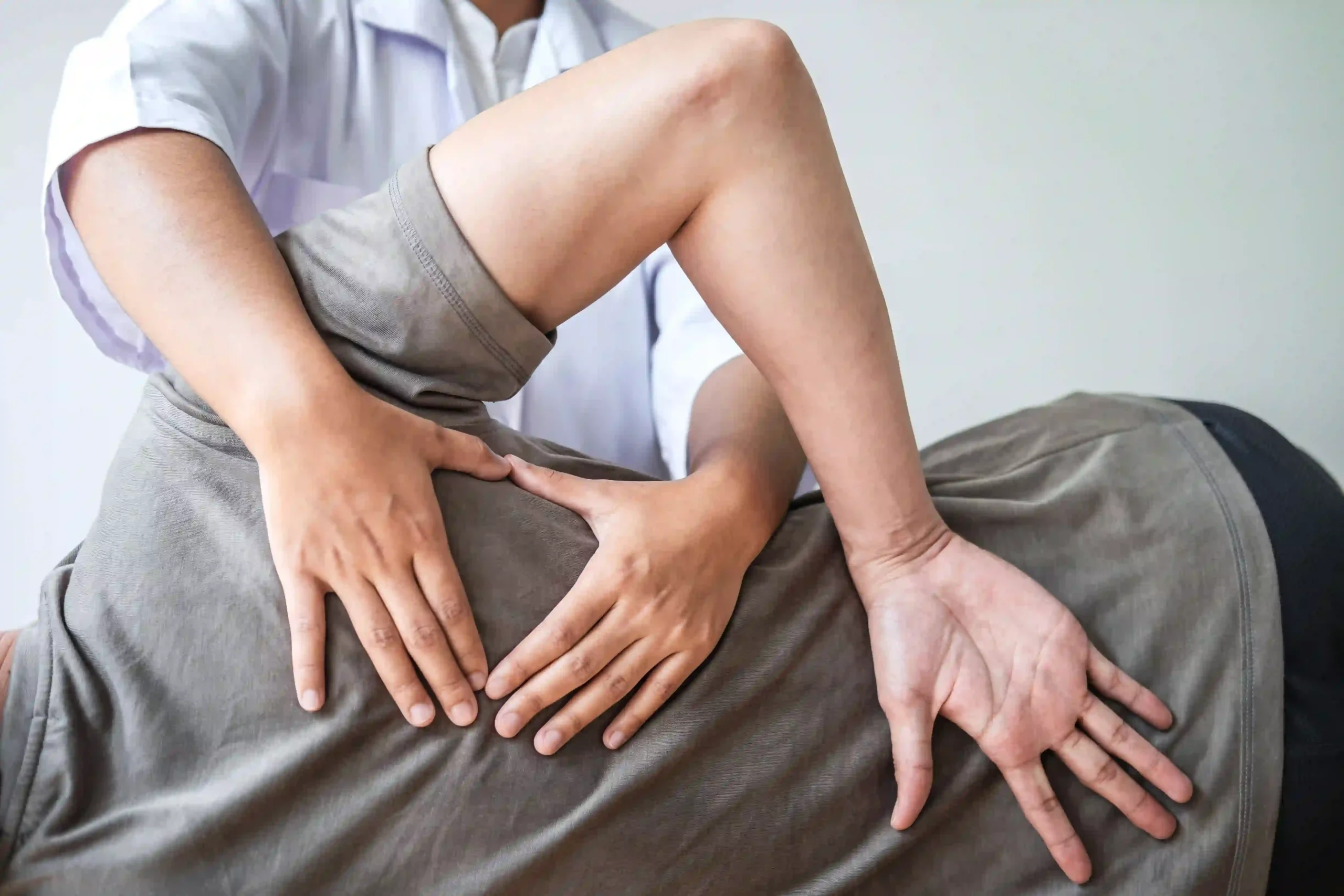
A slip disc, also known as a herniated or prolapsed intervertebral disc, is one of the most common causes of back and leg pain among adults today. It occurs when the soft inner portion of a spinal disc pushes out through a weakened outer layer, irritating nearby nerves and causing significant discomfort. This can lead to symptoms such as lower back pain, neck pain, radiating leg pain (sciatica), numbness, tingling, or muscle weakness. While surgery is sometimes considered in severe cases, many people can recover successfully without going under the knife. This is where Synapse Physiotherapy makes a difference; our evidence-based physiotherapy for slip disc is designed to provide a first-line treatment option that helps patients regain mobility, reduce pain, and return to daily activities safely. By focusing on the root cause of the problem rather than just masking symptoms, we help you achieve a sustainable recovery.
The spine is a complex structure made up of vertebrae separated by intervertebral discs that act as essential shock absorbers. A slip disc typically occurs due to age-related degeneration, poor posture, repetitive strain, heavy lifting, sudden trauma, or prolonged sitting. Modern lifestyle factors, such as weak core muscles, obesity, and a sedentary lifestyle, further increase the risk of injury. The Mayo Clinic provides detailed insights into how disc degeneration contributes to spinal conditions as we age.
When a disc herniates, it can compress nearby spinal nerves, leading to pain that may travel down the arms or legs depending on the affected region. For instance, a herniated disc in the lumbar spine often results in sciatica. Early and appropriate management by a professional team is crucial to prevent the condition from worsening and to ensure the best possible outcome.
Many people assume that a slip disc automatically means surgery, but this is a common misconception. Research shows that a large percentage of disc herniations improve significantly with conservative treatment. Surgery is usually reserved for specific, severe cases, such as cases involving severe neurological deficits, bowel or bladder dysfunction, or persistent pain that does not respond to non-surgical care after several months.
Physiotherapy for slip disc offers a safe and effective alternative by promoting natural healing and restoring function without the risks associated with surgical procedures. Through consistent care from a dedicated Synapse Physiotherapy clinic, symptoms can often improve within weeks to months, making surgery unnecessary for many patients.
One of the primary goals of any rehabilitation plan is immediate pain relief. At Synapse Physiotherapy, therapists use various modalities to calm the nervous system. These include manual therapy, soft tissue techniques, heat or cold therapy, and electrotherapy to reduce muscle spasms and inflammation. These methods help calm irritated nerves and make movement more comfortable.
A slip disc often causes stiffness and restricted movement due to pain and “muscle guarding,” where the body tightens up to protect the injured area. Physiotherapy for slip disc includes gentle stretching and mobility exercises designed to improve spinal movement without aggravating symptoms. These exercises help maintain joint health and improve overall flexibility.
Weak core and back muscles place extra stress on the spine, increasing the risk of disc injury and delayed healing. Therefore, Spine core rehabilitation is a cornerstone of our treatment approach. We place a strong emphasis on strengthening deep core muscles, including the transverse abdominis and multifidus, which support the spine. A stronger core improves spinal stability, reduces disc pressure, and allows the injured disc to heal more effectively.
Poor posture and incorrect movement techniques are common contributors to spinal issues. Prolonged sitting, slouching, and improper lifting can repeatedly stress the spine. During physiotherapy for slip disc, therapists assess your posture, work ergonomics, and daily habits. Patients are taught how to sit, stand, bend, and lift correctly to reduce strain. Simple changes in body mechanics can make a significant difference in pain levels and recovery speed.
When a disc presses on a nerve, it results in tingling, numbness, or shooting pain. Physiotherapists use specialised nerve mobilisation techniques to improve nerve movement and reduce sensitivity. These techniques are particularly helpful for alleviating radiating pain, such as sciatica caused by lumbar disc herniation. These exercises are introduced gradually and tailored to the individual’s specific symptoms.
No two slip disc cases are exactly the same, which is why a “one size fits all” approach rarely works. At Synapse Physiotherapy, treatment plans are personalised based on the location of the disc injury, severity of symptoms, lifestyle, and patient goals. Exercises are adjusted as recovery progresses to ensure continuous improvement without overloading the spine. Home exercise programmes also play a vital role, empowering patients to take an active role in their own healing process.
Recovery from a slip disc does not end when the pain subsides. One of the biggest advantages of physiotherapy for slip disc is its focus on long-term prevention. Patients learn how to maintain spinal health through regular exercise, proper posture, and activity modification. By addressing muscle imbalances and enhancing core strength, you significantly reduce the risk of future disc problems. This proactive approach is especially important for individuals with desk jobs or physically demanding work.
Early intervention leads to better outcomes. If you experience persistent back or neck pain, pain radiating into the arms or legs, numbness, or weakness, seeking physiotherapy for slip disc early can prevent the condition from worsening. Even chronic cases can benefit from a thorough assessment by a professional team, ensuring that the treatment plan is safe, appropriate, and aligned with medical findings such as MRI results.
For many patients, consistent physiotherapy for slip disc can significantly improve symptoms within weeks to months. However, the exact timeline depends on the severity of the herniation and the patient’s commitment to the rehabilitation programme.
Yes, a large percentage of disc herniations improve with conservative treatment. Physiotherapy promotes natural healing by reducing nerve irritation and improving spinal stability.
Initially, you should avoid heavy lifting, sudden twisting, or any movement that causes shooting pain. Your therapist will provide a personalised plan to ensure you are moving safely.
Gentle walking is often encouraged as part of restoring mobility, provided it does not aggravate your symptoms. It helps maintain circulation and joint health.
While an MRI can be helpful, a qualified physiotherapist can perform a thorough assessment to begin treatment. They will align your plan with any existing medical findings.
Slip disc recovery without surgery is not only possible but highly achievable for many individuals with the right approach. Physiotherapy for slip disc offers a holistic, non-invasive solution that addresses pain, restores movement, and strengthens the spine. By working with the professional team at Synapse Physiotherapy, you can move beyond short-term relief toward long-term functional independence. Whether you require intensive Spine core rehabilitation or guidance on posture, our experts are here to help. Don’t let spinal pain hold you back—Book a consultation today to start your journey toward a safer and more sustainable recovery.
Tags :



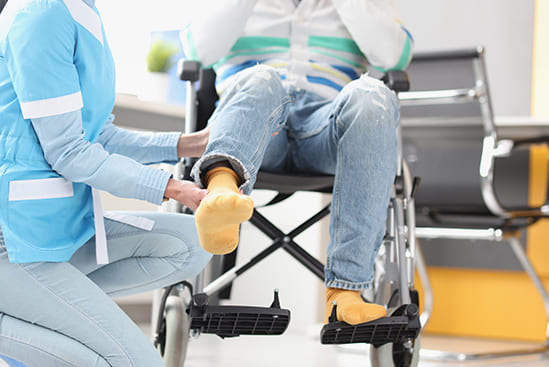


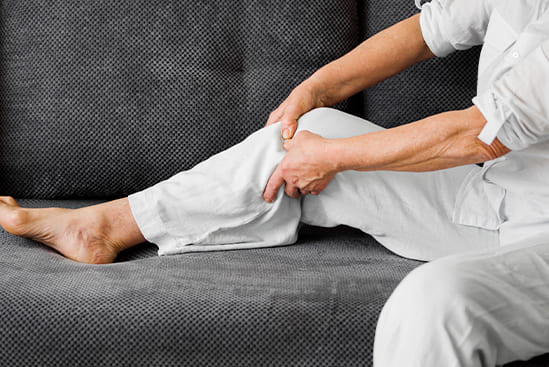
Joint degeneration and inflammation happens as the human body grows older, but that does not mean our way of life degenerates as well. Relief your joint pains with a joint effort together with your physiotherapist, who will provide pain-relief treatments and prescribe exercises for your wellbeing.

Common conditions in the older age population include hips & knee pain, back & neck pain, osteoarthritis, rheumatism, fear of falling and many more. Aging and degeneration of bodily function is inevitable, but here at Synapse, we will help you live the best of your life.