Posted on

What Non-Surgical Treatments Do Spine Specialists Use

spine specialist
spine specialist
Synapse Physiotherapy

What Non-Surgical Treatments Do Spine Specialists Use

Introduction

Back and neck pain are among the most common health complaints worldwide, affecting people of all ages and lifestyles. The good news is that most spinal conditions can be managed without surgery. A spine specialist is trained to diagnose and treat spinal disorders using a wide range of non-surgical approaches all tailored to reduce pain, restore function, and improve long-term spinal health. By adopting a conservative, step-by-step approach starting with the least invasive methods, specialists help patients avoid unnecessary surgery while promoting natural healing and sustainable recovery. I

Accurate Diagnosis: The Foundation of Non-Surgical Spine Care

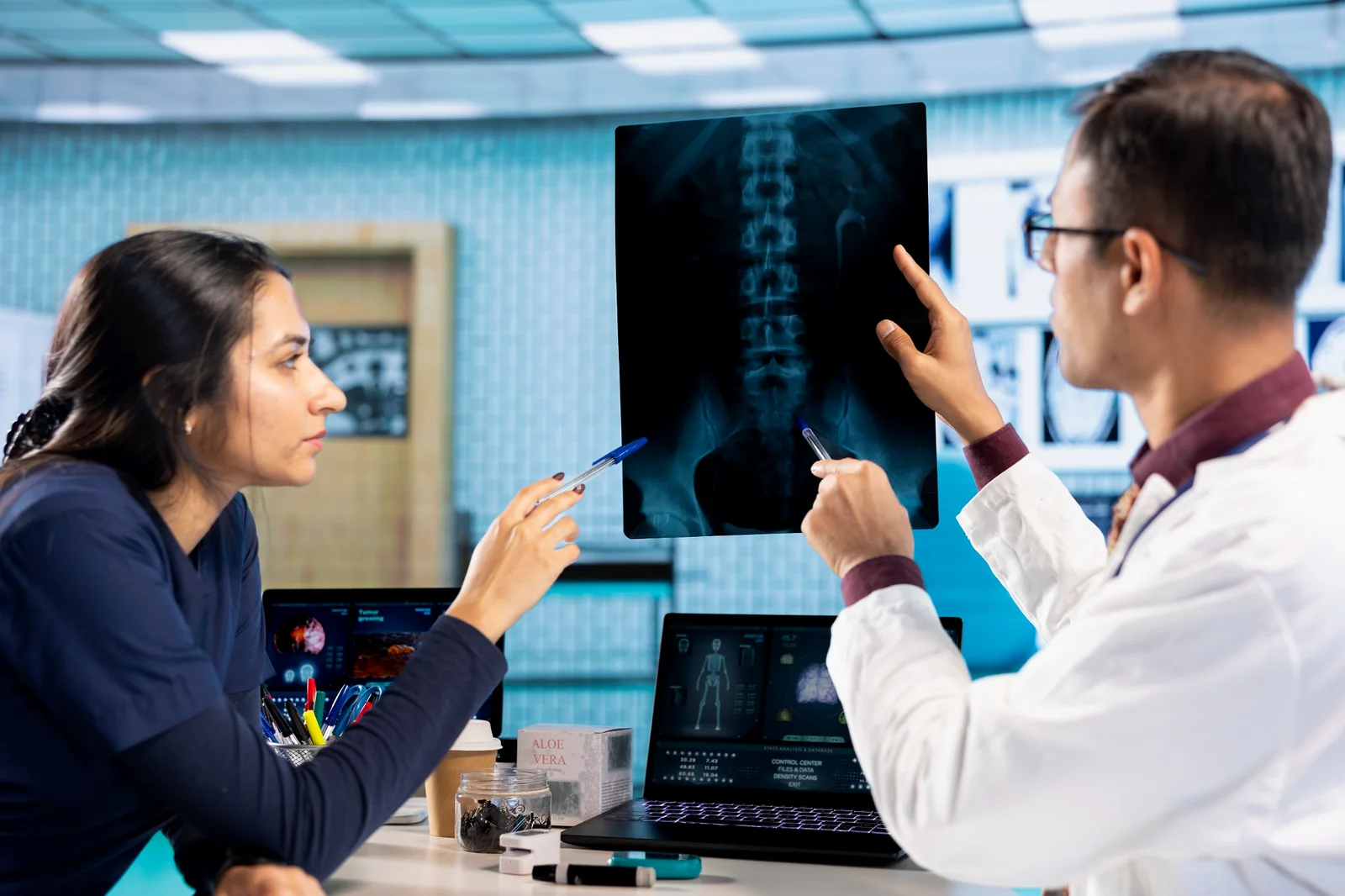
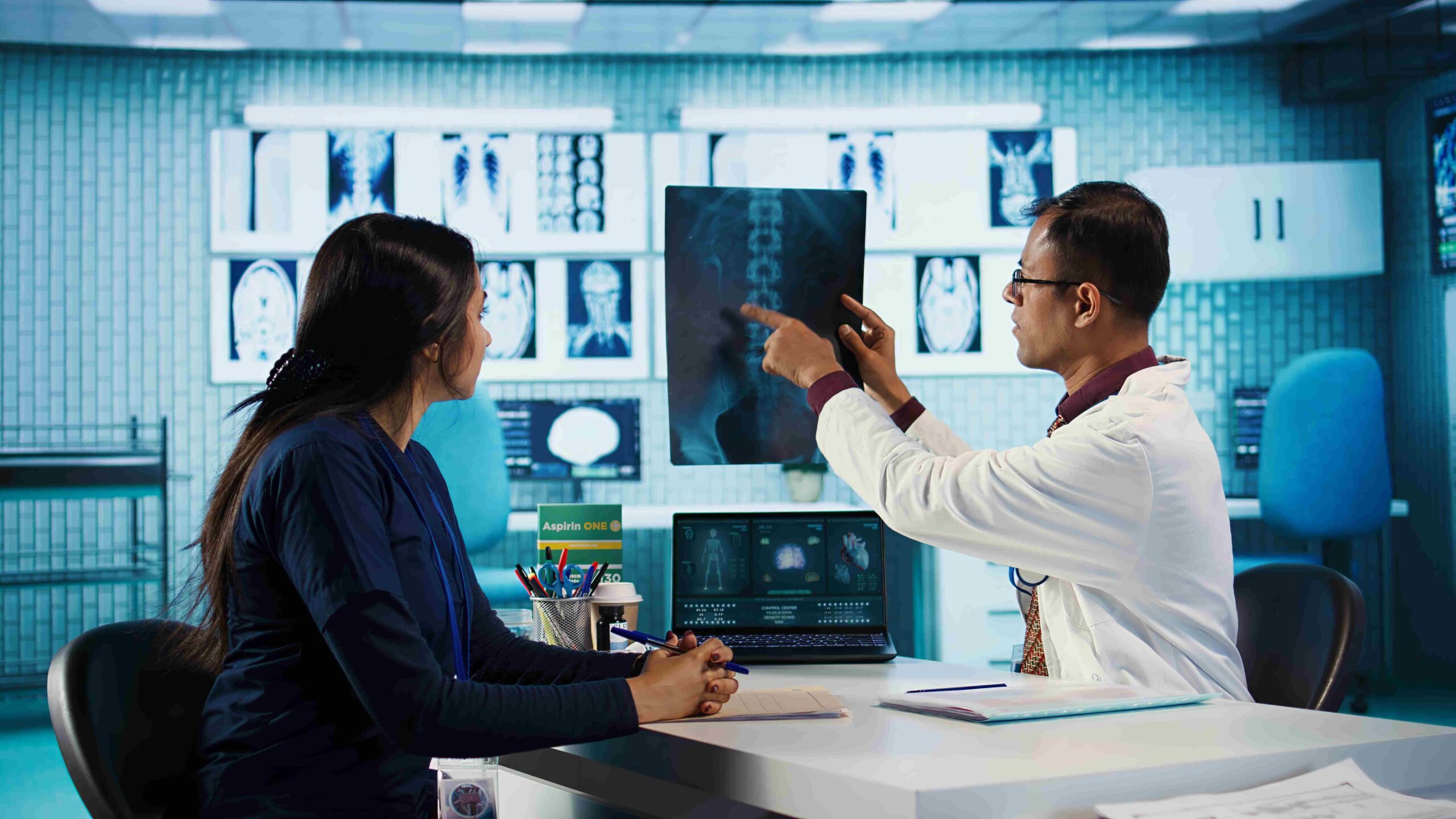
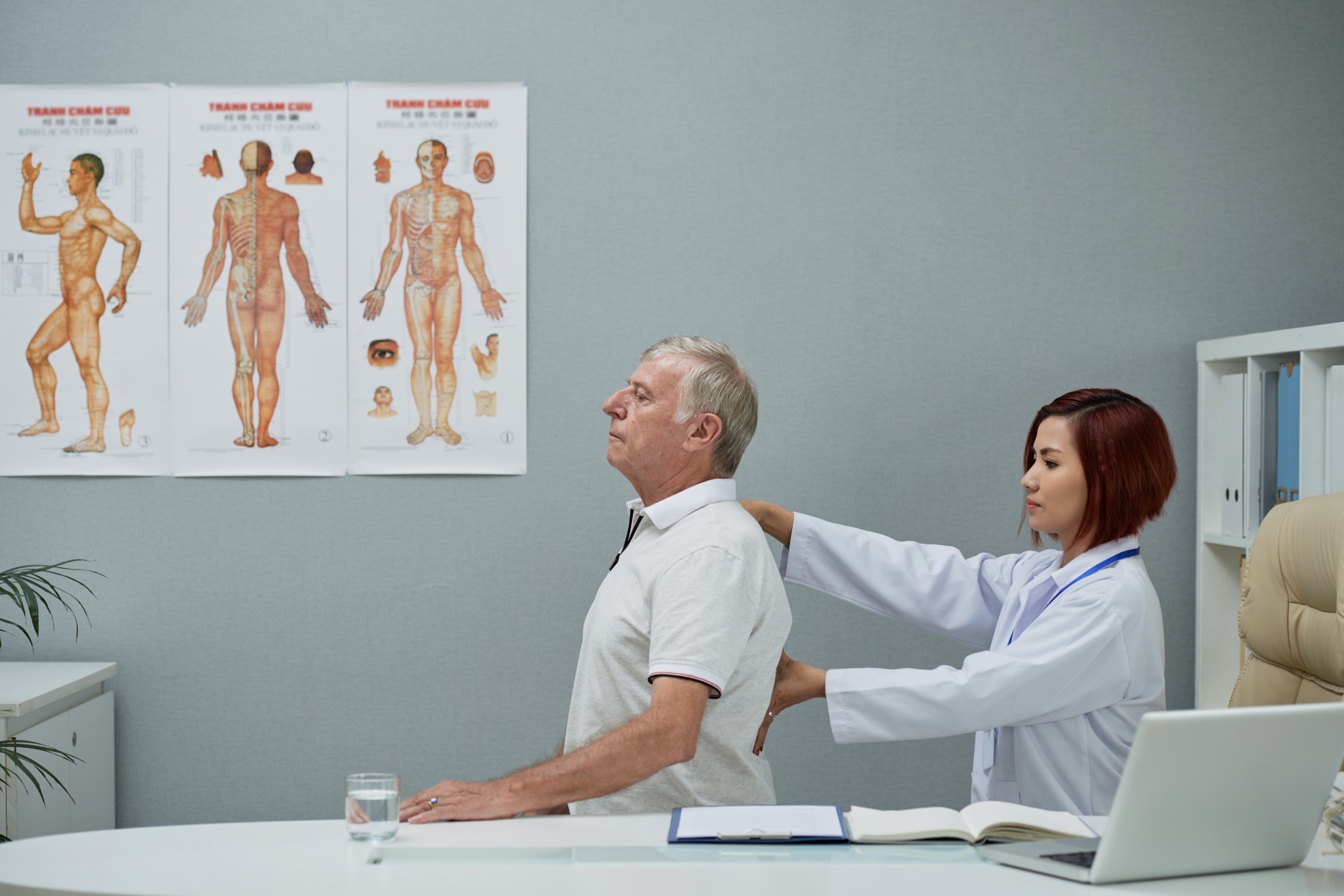
Before any treatment begins, a spine specialist conducts a thorough assessment. This includes a detailed medical history, physical examination, posture and movement analysis, and, when needed, imaging studies such as X-rays, MRI, or CT scans. Accurate diagnosis is essential because different spinal conditions — such as slip disc (herniated disc), sciatica, spinal stenosis, or degenerative disc disease — require different treatment strategies.

By identifying the root cause of pain rather than just treating symptoms, a spine specialist can design targeted non-surgical treatment plans that are both effective and safe. Often, these professionals will refer patients for a biomechanical assessment to identify specific muscular imbalances that contribute to spinal strain. According to the World Health Organization (WHO), musculoskeletal conditions affect 1.71 billion people globally, emphasising the need for professional clinical diagnosis and early intervention.

Physiotherapy and Rehabilitation for Spinal Conditions

One of the most commonly used non-surgical treatments is physiotherapy. A spine specialist often works closely with physiotherapists to restore strength, flexibility, and mobility. Physiotherapy programmes are customised based on the patient’s diagnosis, pain level, and daily activities. At a multidisciplinary sports physiotherapy clinic, the focus is often on returning the patient to their peak physical performance through structured loading.

Key Components of a Spinal Physiotherapy Programme

  • Core and spinal stabilisation exercises: Essential for protecting the lower back and reducing disc pressure.
  • Stretching: To improve flexibility in the hamstrings and hip flexors.
  • Manual therapy: To reduce stiffness and muscle tension in the cervical and lumbar regions.
  • Postural correction: Crucial for those suffering from work desk injuries caused by prolonged sitting.

These exercises not only relieve pain but also prevent future injuries by improving spinal support and movement control. Our Spine & Core Rehabilitation Programme is often the gold standard for long-term recovery, and our team at Synapse Physiotherapy specialises in these evidence-based movement protocols.

Medication Management for Spinal Pain and Inflammation

Medications are often prescribed as part of a comprehensive non-surgical plan. A spine specialist may recommend non-steroidal anti-inflammatory drugs (NSAIDs) to reduce pain and swelling, muscle relaxants for acute spasms, or short-term analgesics for intense episodes. Medication is usually combined with active treatments like exercise, rather than used in isolation. Clinical guidelines consistently recommend that pharmacological intervention should always be paired with physical activity for the best long-term outcomes in musculoskeletal health.

Spinal Injections and Minimally Invasive Pain Management

For patients who do not respond adequately to exercise and medication alone, a spine specialist may recommend targeted spinal injections. These procedures are minimally invasive and often performed under imaging guidance for precision. This is a common step before considering surgery, especially when pain prevents a patient from participating in their necessary rehabilitation exercises.

Types of Spinal Injections

  • Epidural steroid injections: For nerve inflammation and radiating pain.
  • Facet joint injections: For joint-related back pain.
  • Nerve root blocks: For radiating leg or arm pain caused by nerve compression.

These injections help reduce inflammation and pain, allowing patients to engage more effectively in physiotherapy and daily activities. Our dedicated pain management service integrates these procedures seamlessly with rehabilitation.

Manual Therapy and Spinal Mobilisation Techniques

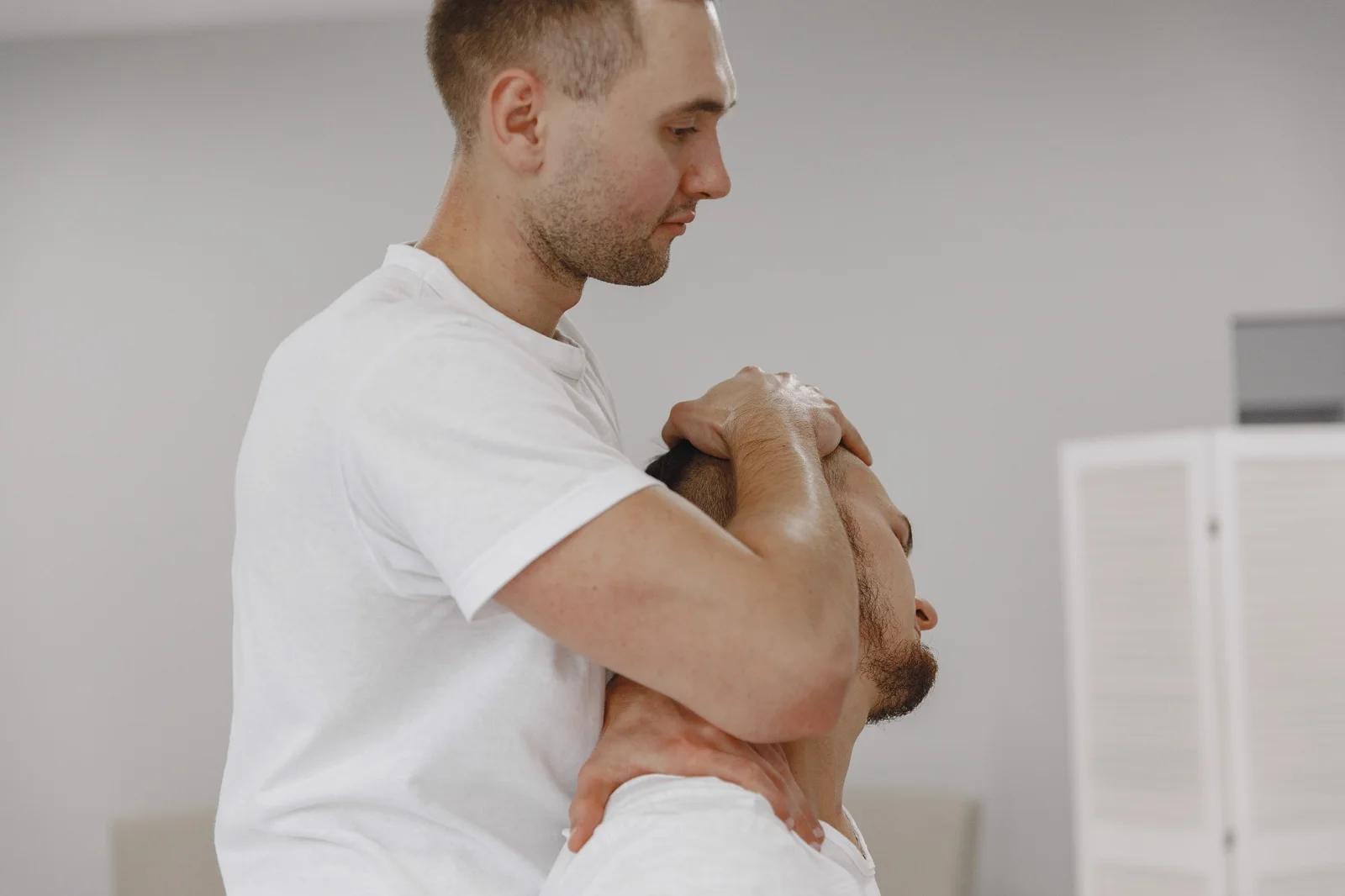
Manual therapy is another important non-surgical tool used by spine specialists and trained clinicians. Techniques such as joint mobilisation, soft tissue release, and gentle spinal manipulation can help improve joint movement, reduce stiffness, and ease muscle tightness.

When Is Manual Therapy Most Beneficial?

These methods are especially useful for mechanical back pain, postural issues, and early-stage degenerative conditions. When applied appropriately, manual therapy can provide significant symptom relief without the risks associated with surgery. Many athletes visit a clinical setting specifically for these hands-on techniques to maintain spinal fluidity during high-intensity training seasons.

Lifestyle Modification and Ergonomic Guidance

Spinal pain is often influenced by daily habits, work posture, and activity levels. A spine specialist will usually provide guidance on lifestyle modifications to support recovery and prevent recurrence. This holistic view is a hallmark of high-quality care, where the environment outside the clinic is considered just as important as the treatment inside.

Common Lifestyle and Ergonomic Recommendations

  • Ergonomic workstation adjustments to prevent “tech neck” and cervical strain.
  • Proper lifting techniques to avoid acute disc herniations.
  • Weight management to reduce the load on the lumbar spine.
  • Activity pacing to ensure the body has adequate time to recover between sessions.

By addressing these contributing factors, patients can achieve longer-lasting results. This is particularly vital for managing back and neck pain caused by sedentary office work.

Bracing, Patient Education, and Self-Management

In selected cases, a spine specialist may recommend braces or support devices. These are commonly used for acute flare-ups of back pain or spinal instability, and are typically used for short periods alongside active rehabilitation to avoid weakening the supporting muscles.

The Role of Patient Education in Non-Surgical Recovery

Education is a cornerstone of non-surgical spine care. A spine specialist spends time helping patients understand their condition and recovery expectations. Self-management strategies such as home exercise programmes and pain flare-up management plans empower patients to take an active role in their recovery. If you have questions about your specific condition, feel free to contact our specialists for a consultation.

Conditions Most Effectively Treated Without Surgery

Non-surgical treatments are especially effective for a wide range of spinal conditions. If you have been diagnosed with any of the following, conservative care is often the recommended first-line approach:

Most patients experience significant improvement within weeks to months when non-surgical care is applied consistently and correctly. Whether the injury occurred at home or during a match, visiting a specialist early ensures that these non-surgical paths are explored fully. For patients dealing with persistent soft tissue or tendon pain alongside their spinal condition, our article on the top orthopedic conditions shockwave therapy supports covers complementary non-invasive treatment options worth exploring.

Frequently Asked Questions (FAQ)

1. How do I know if I can avoid spine surgery?

Most patients can avoid surgery if they do not have “red flag” symptoms like loss of bowel or bladder control, extreme muscle weakness, or pain that does not improve with conservative care. A spine specialist will use physical tests and imaging to determine if non-surgical routes are safe for you.

2. Are spinal injections painful?

Spinal injections are performed using local anaesthesia to numb the skin, so most patients feel only a brief pressure or stinging sensation. The procedure is usually quick and performed in an outpatient setting.

3. How long should I try non-surgical treatment before considering surgery?

Generally, a period of 6 to 12 weeks of consistent non-surgical treatment that also include physiotherapy and medication is recommended. If there is no improvement in pain or function after this window, your specialist may discuss alternative options.

4. Can physical therapy actually fix a slip disc?

While the disc itself may not “pop back in,” physiotherapy helps by reducing inflammation around the nerve and strengthening the muscles that support the spine. This takes the pressure off the disc, allowing the body to naturally resorb the herniated material over time.

5. Is manual therapy safe for older adults with osteoporosis?

A spine specialist will modify techniques for patients with bone density issues. Gentle mobilisation and soft tissue work are often very safe and effective, whereas high-velocity thrusts are usually avoided to ensure patient safety.

Conclusion

A spine specialist plays a vital role in helping patients manage spinal conditions without surgery. Through accurate diagnosis, personalised treatment plans, and a combination of physiotherapy, medication, injections, manual therapy, and lifestyle guidance, most spinal problems can be treated effectively and safely.

Non-surgical care focuses not just on pain relief, but on restoring function, preventing recurrence, and improving quality of life. For anyone experiencing persistent back or neck pain, consulting a spine specialist early can make a significant difference — often helping patients recover fully without the need for surgical intervention. Taking the first step toward a clinical assessment at Synapse Physiotherapy can set you on the right path toward a pain-free, active life.

Share This :

Back & Neck Pain

Conditions such as stiffness, postural abnormalities and muscle overuse from prolonged desk work at the office or home is more prevalent than most would think. We provide the necessary tools to fix you up and educate you on ergonomics which can unload unnecessary stress.

Sports Injuries

Rolled ankles, jarred knees, impinged shoulders are few conditions in the plethora of sports injuries which can hamper performance and limit our enjoyment of sports. Physiotherapy not only treats the symptoms of these conditions but propels your overall fitness to greater heights.

Work Desk Injuries​

Conditions such as stiffness, postural abnormalities and muscle overuse from prolonged desk work at the office or home is more prevalent than most would think. We provide the necessary tools to fix you up and educate you on ergonomics which can unload unnecessary stress.

Pre-Post-Surgical Conditions

Surgery involves going through preparation both before and after. Physiotherapists play a vital role in getting your body ready for surgeries with circulatory, breathing and strengthening exercises. After the procedure, let us be there for your recovery and rehabilitation, taking it one step at a time.

Scoliosis & Postural Abnormalities

The way we stand, sit, walk and sleep has influence over our posture and the overall balance of muscles controlling its alignment. A comprehensive screening can be done by our physiotherapists to detect abnormalities, which we will aid in correcting.

Neurological Conditions

Neurological disabilities such as stroke, nerve compression and neuropathies can be barriers for patients to live life to its fullest. We at Synapse are committed to help you overcome these hurdles by ensuring functional mobility and quality of life is at its optimum by providing the right treatment and exercises.

Osteoarthritis & Rheumatism

Joint degeneration and inflammation happens as the human body grows older, but that does not mean our way of life degenerates as well. Relief your joint pains with a joint effort together with your physiotherapist, who will provide pain-relief treatments and prescribe exercises for your wellbeing.

Conditions Relating To Elderly

Common conditions in the older age population include hips & knee pain, back & neck pain, osteoarthritis, rheumatism, fear of falling and many more.  Aging and degeneration of bodily function is inevitable, but here at Synapse, we will help you live the best of your life.

Home Physiotherapy

We understand that some conditions or injuries can make it difficult to receive rehabilitation at our clinic be it mobility or transportation issues. Our objective is to provide you with the same high-quality physiotherapy services at home that you would receive in-clinic.
Posted on

Why Early Care from a Spine Specialist Matters

spine specialist
spine specialist
Synapse Physiotherapy

Why Early Care from a Spine Specialist Matters?

The human spine is a complex structure of bones, joints, ligaments, and muscles. It provides the central support for your entire body, allowing you to stand upright, bend, and twist while protecting the spinal cord. However, because we use our backs for almost every movement, they are highly susceptible to wear and tear. Seeking early intervention from a spine specialist is often the difference between a quick recovery and a lifetime of chronic discomfort.

In Malaysia, many individuals wait until their pain is unbearable before seeking professional help. By this stage, what started as a simple muscle strain may have progressed into a herniated disc or nerve impingement. Understanding the role of a spine specialist and how they work alongside physiotherapy can help you maintain mobility well into your later years. Early care is the most effective way to ensure that minor aches do not turn into debilitating conditions.

The Role of a Spine Specialist in Modern Healthcare

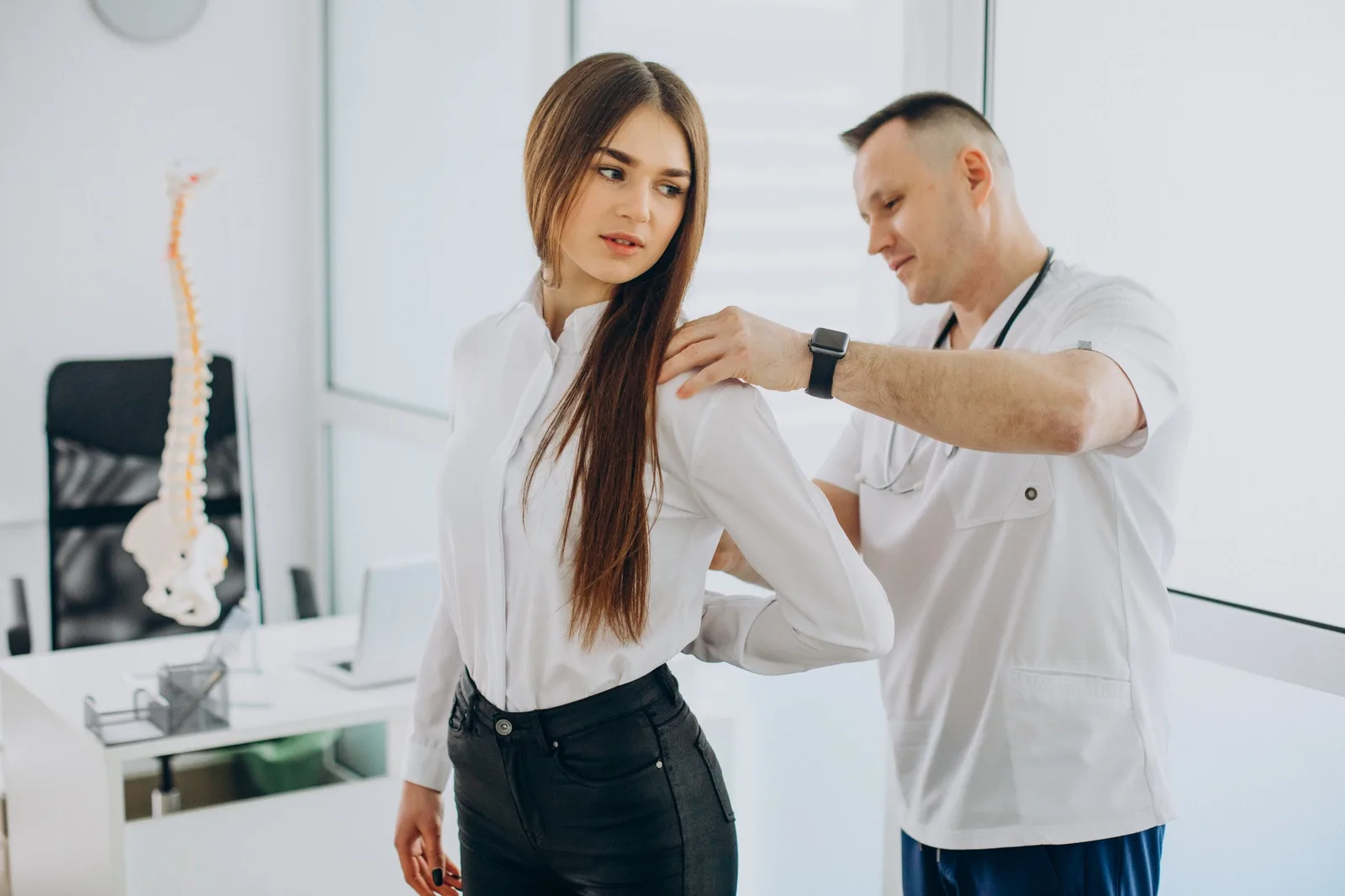
A spine specialist is a healthcare professional focused on diagnosing and treating conditions affecting the vertebral column. While some may focus on surgical interventions, many emphasize conservative management, such as Manual Therapy, to restore function without invasive procedures. These professionals are trained to look beyond the immediate area of pain to find the root cause of the issue.

Early consultation allows for a comprehensive Biomechanical Assessment. This assessment identifies movement compensations that might be putting undue stress on your vertebrae. When caught early, these issues are often reversible through targeted exercise and postural adjustments. A spine specialist ensures that the mechanical alignment of your body is optimized to handle the stresses of daily life, whether you are an office worker or an athlete.

How Physiotherapy Supports Spinal Health

When recommended by a spine specialist, physiotherapy becomes a cornerstone of recovery. Modern physiotherapy goes beyond just “rubbing the pain away”; it is a science-based approach to restoring the body’s natural alignment. According to the Mayo Clinic, physical therapy is one of the most important components of back pain treatment, helping patients build strength and learn correct movement mechanics to prevent recurrence. Working with a clinical team ensures that your rehabilitation is precise and effective.

Physiotherapy for spinal health may include:

  • Postural correction: Adjusting work and home environments to reduce repetitive strain.
  • Core strengthening: Utilizing a Spine & Core Rehabilitation Programme to take pressure off individual discs.
  • Flexibility work: Stretching tight muscles caused by prolonged sitting or sedentary lifestyles.
  • Manual therapy: Improving spinal mobility and reducing joint stiffness through hands-on techniques.
  • Movement education: Learning safer strategies for lifting, walking, and exercising.

Physiotherapy empowers patients to take control of their spinal health and build habits that protect the spine long term. This is particularly important for those dealing with Work-Desk Injuries, where ergonomic failures lead to chronic neck and back tension. At Synapse Physiotherapy, we provide tailored programmes to address these specific mechanical needs.

Early Spine Care for Different Life Stages

Spinal care is not one-size-fits-all. Lifestyle demands change at different stages of life, and early care from a spine specialist is beneficial at every age. By addressing age-specific risks, a specialist can prevent the progression of common degenerative conditions.

Students and Teenagers

With the rise of “text neck” and heavy school bags, younger generations benefit from posture correction and early Scoliosis & Postural Abnormalities screening. Identifying these issues during growth spurts allows for more effective non-surgical correction.

Working Adults

This group often faces the highest stress levels. Early intervention helps reduce work-related neck and back pain before it leads to long-term sick leave. A spine specialist can provide ergonomic advice that prevents the development of chronic herniated discs.

Active Individuals and Athletes

For those who push their bodies, a spine specialist can help prevent overuse injuries and optimize performance through better spinal alignment. This is often paired with Sports Physiotherapy to ensure the athlete returns to play safely.

Older Adults

Maintaining mobility and independence is the primary goal for seniors. Managing Osteoarthritis & Rheumatism early can prevent falls and preserve quality of life, ensuring that individuals remain active in their golden years.

Understanding the Malaysian Context of Spinal Care

In Malaysia, lifestyle factors such as long commutes in heavy traffic and desk-bound jobs contribute significantly to spinal issues. Musculoskeletal disorders are a growing concern in the national workforce. Taking a proactive approach by visiting a spine specialist at the first sign of trouble aligns with national health goals of promoting a more active and pain-free society.

Public health awareness in Malaysia is increasingly focusing on ergonomics at the workplace. By consulting a spine specialist early, you are participating in a preventive healthcare model that reduces the long-term burden on the medical system and improves your personal productivity.

Frequently Asked Questions

1. When Should I See a Spine Specialist?

You should consider seeing a spine specialist if you experience persistent back or neck pain, stiffness, numbness, tingling, or discomfort that interferes with daily activities, even if the pain feels mild at first. Early diagnosis often leads to better non-surgical outcomes.

2. Can Lifestyle Habits Really Cause Spinal Problems?

Yes. Poor posture, prolonged sitting, lack of movement, and weak muscles are among the leading causes of spinal pain today. Over time, these habits can lead to disc issues, joint stiffness, and nerve irritation. If you’re unsure how to improve your habits, you can contact our team for a professional assessment.

3. Is Physiotherapy Effective for Spinal Pain?

Physiotherapy is one of the most effective treatments for spinal pain, especially when started early. It improves strength, flexibility, posture, and movement patterns to prevent recurrence. A structured rehabilitation programme is often the best alternative to medication.

4. Can Physiotherapy Help Avoid Surgery?

In many cases, yes. Early physiotherapy guided by a spine specialist can manage pain, restore function, and reduce the need for surgical intervention by addressing the root mechanical cause of the pain through targeted strengthening and manual techniques.

5. How Long Does Physiotherapy Take to See Results?

Many patients notice improvement within a few sessions, especially when treatment starts early. Long-term success depends on consistency and lifestyle adjustments. Your therapist will monitor your progress and adjust your plan as your mobility improves.

Conclusion: A Healthier Lifestyle Starts with Early Spine Care

Your spine supports every movement you make, from working and exercising to resting and sleeping. Ignoring early signs of discomfort can allow small problems to grow into long-term limitations. Early care from a spine specialist, combined with lifestyle-focused physiotherapy, offers the best chance for lasting spinal health.

At Synapse Physiotherapy, we focus on treating spinal pain at its source, not just the symptoms. Our physiotherapy programmes work hand-in-hand with spine specialist insights to restore movement, correct posture, and help patients build healthier daily habits. Whether your pain is new or long-standing, early action with the right care can protect your spine for years to come. Investing in your spinal health today is an investment in your future mobility.

Share This :

Back & Neck Pain

Conditions such as stiffness, postural abnormalities and muscle overuse from prolonged desk work at the office or home is more prevalent than most would think. We provide the necessary tools to fix you up and educate you on ergonomics which can unload unnecessary stress.

Sports Injuries

Rolled ankles, jarred knees, impinged shoulders are few conditions in the plethora of sports injuries which can hamper performance and limit our enjoyment of sports. Physiotherapy not only treats the symptoms of these conditions but propels your overall fitness to greater heights.

Work Desk Injuries​

Conditions such as stiffness, postural abnormalities and muscle overuse from prolonged desk work at the office or home is more prevalent than most would think. We provide the necessary tools to fix you up and educate you on ergonomics which can unload unnecessary stress.

Pre-Post-Surgical Conditions

Surgery involves going through preparation both before and after. Physiotherapists play a vital role in getting your body ready for surgeries with circulatory, breathing and strengthening exercises. After the procedure, let us be there for your recovery and rehabilitation, taking it one step at a time.

Scoliosis & Postural Abnormalities

The way we stand, sit, walk and sleep has influence over our posture and the overall balance of muscles controlling its alignment. A comprehensive screening can be done by our physiotherapists to detect abnormalities, which we will aid in correcting.

Neurological Conditions

Neurological disabilities such as stroke, nerve compression and neuropathies can be barriers for patients to live life to its fullest. We at Synapse are committed to help you overcome these hurdles by ensuring functional mobility and quality of life is at its optimum by providing the right treatment and exercises.

Osteoarthritis & Rheumatism

Joint degeneration and inflammation happens as the human body grows older, but that does not mean our way of life degenerates as well. Relief your joint pains with a joint effort together with your physiotherapist, who will provide pain-relief treatments and prescribe exercises for your wellbeing.

Conditions Relating To Elderly

Common conditions in the older age population include hips & knee pain, back & neck pain, osteoarthritis, rheumatism, fear of falling and many more.  Aging and degeneration of bodily function is inevitable, but here at Synapse, we will help you live the best of your life.
Home Physiotherapy

We understand that some conditions or injuries can make it difficult to receive rehabilitation at our clinic be it mobility or transportation issues. Our objective is to provide you with the same high-quality physiotherapy services at home that you would receive in-clinic.
Posted on

How a Spine Specialist Can Help Treat Sciatic Nerve Pain

spine specialist
spine specialist
Synapse Physiotherapy

Understanding Sciatica: How a Spine Specialist Provides Lasting Relief

Sciatica pain can be a frightening, disruptive, and exhausting experience, especially when it begins to affect your ability to walk, sit, sleep, or perform at work. Many individuals initially attempt to manage the discomfort with over-the-counter painkillers or prolonged rest, only to find that the sharp, radiating pain inevitably returns. This cycle of temporary relief is where a spine specialist plays a critical role. By focusing on the intricate relationship between the spine, nerves, and surrounding musculoskeletal structures, these experts help patients reduce pain and restore function. At Synapse Physiotherapy, our professional team is dedicated to providing evidence-based Sciatica Pain Treatment that goes beyond surface-level symptoms to address the root cause of nerve irritation. Rather than simply masking the ache, we shape each recovery journey with intentional pacing and targeted interventions to help you return to your daily life with confidence.

What is Sciatica?

It is important to understand that sciatica is not a standalone diagnosis; rather, it is a set of symptoms caused by the irritation or compression of the sciatic nerve. As the largest nerve in the human body, the sciatic nerve runs from the lower back, through the buttocks, and down each leg. When this nerve is compromised, it can lead to a variety of debilitating sensations.

A spine specialist is trained to recognise the hallmark signs of nerve compression, which often include:

  • Radiating Pain: Sharp or burning sensations that travel down one leg.
  • Sensory Changes: Numbness or a “pins and needles” tingling sensation in the leg or foot.
  • Physical Weakness: A noticeable loss of strength in the lower limb.
  • Positional Aggravation: Pain that worsens significantly when sitting, bending, or coughing.

Common Causes of Nerve Compression

Because sciatica can stem from various underlying spinal issues, a proper assessment is essential. A spine specialist will investigate several potential causes, such as a lumbar disc herniation—often referred to as a slipped disc. Other common culprits include degenerative disc disease, spinal stenosis (the narrowing of the spinal canal), and spondylolisthesis. In some instances, the pain may simply be the result of muscle tightness or poor spinal mechanics that a spine specialist can correct through movement therapy.

The Importance of Specialist Care

While some cases of nerve irritation improve with time, persistent or worsening symptoms require the input of a spine specialist. These experts focus specifically on spinal and nerve-related conditions, allowing them to differentiate sciatica from hip or knee-related issues that may mimic similar symptoms. By identifying the exact source of compression, a spine specialist can prevent patients from undergoing unnecessary or ineffective treatments, ultimately guiding a safer and more progressive recovery. Early intervention by a spine specialist is often the key to reducing the risk of chronic pain and long-term disability.

Comprehensive Assessment and Diagnosis

One of the most valuable services a spine specialist provides is a thorough clinical evaluation. This process begins with a detailed history-taking session, where the specialist asks about pain onset, lifestyle factors, and previous injuries. Following this, a physical examination is conducted to assess posture, spinal alignment, and range of motion.

A spine specialist will also perform neurological tests to check reflexes, strength, and sensation. Nerve tension tests, such as the Straight Leg Raise (SLR), help determine the specific spinal level where the nerve is irritated. If symptoms are severe, the spine specialist may recommend imaging, such as an MRI to visualise discs and nerves, or X-rays to assess bone alignment. Crucially, they correlate these images with clinical symptoms to avoid “incidental findings” that may not actually be causing the pain.

Non-Surgical Treatment Pathways

The majority of sciatica cases can be successfully managed without surgery. A spine specialist typically prioritises conservative management strategies, including:

1. Targeted Physiotherapy

Specialist-guided rehabilitation focuses on reducing nerve irritation and improving spinal mobility. By strengthening the core and hip muscles, a spine specialist helps stabilise the spine and correct the movement patterns that led to the injury.

2. Manual Therapy

Depending on the specific condition, a spine specialist may employ gentle spinal mobilisation, soft tissue techniques, or “nerve gliding” exercises. These manual techniques aim to restore movement without further aggravating the sensitive nerve.

3. Pain Management and Education

Education is a cornerstone of treatment. A spine specialist provides advice on activity modification, ergonomic workstation setups, and the use of heat or cold therapy. This empowers patients to move without fear, which is vital for long-term recovery.

Interventional and Surgical Options

For patients experiencing significant pain that does not respond to initial care, a spine specialist may suggest injection-based treatments. Epidural steroid injections or selective nerve root blocks can reduce inflammation around the nerve, creating a “window of opportunity” for physiotherapy to become more effective.

While surgery is rarely the first choice, a spine specialist is trained to identify “red flags” that require surgical referral. These include progressive muscle weakness, severe nerve compression, or medical emergencies like bowel or bladder dysfunction. If surgery is necessary, the spine specialist ensures the patient is prepared with both pre- and post-operative guidance to ensure the best possible outcome.

Long-Term Prevention and Lifestyle

Preventing the recurrence of pain is a primary goal for any spine specialist. This involves teaching proper sitting posture and safe lifting techniques to manage spinal load. Furthermore, a spine specialist will provide a roadmap for a safe return to sports or work, often involving ongoing flexibility and mobility maintenance programmes. Addressing lifestyle factors, such as weight management and taking regular movement breaks, further ensures the long-term health of the spine.

Frequently Asked Questions

How long does sciatica usually last?

Many cases improve within a few weeks, but you should consult a spine specialist if the pain lasts more than 2 to 4 weeks or if it is frequently recurring.

Can I exercise with sciatica?

Yes, but it must be the right kind of movement. A spine specialist will prescribe progressive exercises that improve mobility without irritating the sciatic nerve.

Is surgery always necessary for a slipped disc?

No, most cases of lumbar disc herniation are successfully treated by a spine specialist using non-surgical methods like physiotherapy and lifestyle changes.

What are the “red flags” I should watch out for?

You should seek immediate medical attention if you experience leg weakness, numbness, or any changes in bowel or bladder control.

How does a spine specialist find the cause of pain?

Through a combination of detailed clinical history, physical nerve tension tests, and, if necessary, imaging like an MRI or CT scan.

Conclusion

Sciatica pain can significantly diminish your quality of life, but with the right expert guidance, it does not have to be a permanent burden. A spine specialist at Synapse Physiotherapy offers the comprehensive assessment and accurate diagnosis needed to create a tailored recovery plan. Whether through targeted Sciatica Pain Treatment, manual therapy, or interventional strategies, our professional team focuses on the root cause of your discomfort to help you return to your daily activities with lasting relief. If you are struggling with persistent leg or lower back pain, taking the step to Book a consultation with a spine specialist may be the most important decision you make for your long-term spinal health.

Share This :

Back & Neck Pain

Conditions such as stiffness, postural abnormalities and muscle overuse from prolonged desk work at the office or home is more prevalent than most would think. We provide the necessary tools to fix you up and educate you on ergonomics which can unload unnecessary stress.

Sports Injuries

Rolled ankles, jarred knees, impinged shoulders are few conditions in the plethora of sports injuries which can hamper performance and limit our enjoyment of sports. Physiotherapy not only treats the symptoms of these conditions but propels your overall fitness to greater heights.

Work Desk Injuries​

Conditions such as stiffness, postural abnormalities and muscle overuse from prolonged desk work at the office or home is more prevalent than most would think. We provide the necessary tools to fix you up and educate you on ergonomics which can unload unnecessary stress.

Pre-Post-Surgical Conditions

Surgery involves going through preparation both before and after. Physiotherapists play a vital role in getting your body ready for surgeries with circulatory, breathing and strengthening exercises. After the procedure, let us be there for your recovery and rehabilitation, taking it one step at a time.

Scoliosis & Postural Abnormalities

The way we stand, sit, walk and sleep has influence over our posture and the overall balance of muscles controlling its alignment. A comprehensive screening can be done by our physiotherapists to detect abnormalities, which we will aid in correcting.

Neurological Conditions

Neurological disabilities such as stroke, nerve compression and neuropathies can be barriers for patients to live life to its fullest. We at Synapse are committed to help you overcome these hurdles by ensuring functional mobility and quality of life is at its optimum by providing the right treatment and exercises.

Osteoarthritis & Rheumatism

Joint degeneration and inflammation happens as the human body grows older, but that does not mean our way of life degenerates as well. Relief your joint pains with a joint effort together with your physiotherapist, who will provide pain-relief treatments and prescribe exercises for your wellbeing.

Conditions Relating To Elderly

Common conditions in the older age population include hips & knee pain, back & neck pain, osteoarthritis, rheumatism, fear of falling and many more.  Aging and degeneration of bodily function is inevitable, but here at Synapse, we will help you live the best of your life.
Home Physiotherapy

We understand that some conditions or injuries can make it difficult to receive rehabilitation at our clinic be it mobility or transportation issues. Our objective is to provide you with the same high-quality physiotherapy services at home that you would receive in-clinic.
Posted on

How Spine Specialists Fix Back Pain in Malaysia

spine specialist
spine specialist
Synapse Physiotherapy

Introduction

Back pain is a leading cause of disability in Malaysia, affecting people of all ages—from office workers with prolonged sitting habits to active individuals and older adults. When back pain becomes persistent, severe, or begins to radiate down the limbs, patients are often referred to a spine specialist for further evaluation and diagnosis. 

This is where Synapse Physiotherapy makes the difference through their careful approach and personalised care, designed to complement the medical interventions of a spine specialist with comfort, balance, and flow. Rather than just focusing on temporary relief, we shape each recovery journey with intentional pacing and targeted exercises that allow you to truly regain your quality of life.

Understanding the Role of a Spine Specialist in Malaysia

In Malaysia, a spine specialist is typically a medical doctor; commonly an orthopaedic spine surgeon or a neurosurgeon that were trained specifically to diagnose and treat complex spinal disorders. Their primary role involves identifying the root cause of back pain, determining whether surgery is necessary, and managing acute pain or inflammation through medical interventions. They also play a crucial part in coordinating both conservative and surgical care pathways.

However, it is important to note that not all back pain cases require surgical intervention. In fact, most professionals in this field strongly recommend physiotherapy as the first line of treatment, especially for non-severe cases. By working alongside a spine specialist, a professional team of physiotherapists can help manage symptoms through movement-based therapy. 

Why Physiotherapy is the First Choice for Mild Slip Discs

A mild slip disc, such as a disc bulge or small herniation, is a frequent reason why patients experience debilitating back pain or sciatica. In many such instances, a spine specialist in Malaysia will prefer non-surgical management before considering any operative procedures. This conservative approach is often highly effective and avoids the risks associated with surgery.

For these cases, patients are frequently referred to our Spine & Core Rehabilitation Programme to:

  • Reduce nerve irritation and associated numbness.
  • Improve overall spinal stability.
  • Correct poor posture and faulty movement habits.
  • Strengthen the core and back muscles to support the vertebrae.

As detailed by Healthline, physical therapy can be as effective as surgery for many conditions, helping patients manage pain and improve mobility without invasive risks. Clinical experience consistently shows that many mild slip disc cases improve significantly with structured rehabilitation, often allowing patients to avoid the need for surgery altogether.

The Importance of Physiotherapy Before Surgery

Before making the definitive decision to undergo spinal surgery, a spine specialist will often recommend a trial of physiotherapy, provided there is no severe nerve damage or “red-flag” symptoms. This pre-operative phase is a crucial decision-making step that helps restore spinal mobility safely and identifies whether the symptoms are purely mechanical or surgical in nature.

Engaging with a professional team before a procedure helps reduce existing pain and inflammation while improving the muscle support around the spine. In some cases, once the function improves through targeted therapy, surgery may no longer be required. This collaborative approach ensures that the patient and their spine specialist can make a well-informed and confident decision about the best treatment options available.

Collaborative Care: How Specialists and Physiotherapists Work Together

The most successful outcomes for back pain often result from a partnership between medical and rehabilitative experts. While a spine specialist focuses on the medical diagnosis and structural issues of the spine, Synapse Physiotherapy addresses the functional aspects of recovery.

A physiotherapy specialist addresses several key areas including:

  1. Muscle Imbalances: Correcting uneven pull on the spine.
  2. Weak Core Stability: Building the internal “brace” for the back.
  3. Faulty Movement Patterns: Retraining how you bend, lift, and walk.
  4. Reduced Flexibility: Improving the range of motion in the joints and soft tissues.

This collaborative effort ensures that patients receive comprehensive spine care that goes beyond short-term pain relief to focus on long-term health.

Essential Post-Operative Recovery

Spinal surgery may successfully correct a structural problem, such as a herniated disc, but surgery alone does not restore muscle strength or movement confidence. This is why a spine specialist will routinely refer patients for post-operative physiotherapy.

Post-surgery rehabilitation is essential for:

  • Controlling pain and swelling after the procedure.
  • Ensuring safe mobilisation to prevent stiffness.
  • Gradual return to daily activities and work.
  • Preventing re-injury through education and core stabilisation.

Without proper guidance, patients may experience persistent muscle weakness or a fear of movement that hinders their full recovery.

Long-Term Spine Health and Prevention

One of the biggest misconceptions in back pain management is that the problems are considered “fixed” once the pain is gone or the surgery is complete. A spine specialist will always emphasise that long-term care is vital to prevent recurrence. A personalised Spine & Core Rehabilitation Programme plays a central role to ensure an optimal recovery phase post-surgical procedure.

Long-term physiotherapy helps maintain proper spinal alignment and improves posture at both work and home. This is particularly important for Malaysians who have sedentary office jobs or physically demanding roles that put constant strain on the back. By enhancing body awareness and movement control, you can significantly reduce the risk of future disc or joint problems.

Frequently Asked Questions

Will a spine specialist always recommend physiotherapy first?

In most mild to moderate cases, yes. Physiotherapy is generally considered the first line of treatment before more invasive options like surgery are considered.

Can physiotherapy really help with a slip disc?

Yes, many mild slip disc cases respond exceptionally well to targeted physiotherapy that focuses on spinal stability, core strength, and nerve relief.

How long should I try physiotherapy before considering surgery?

This depends on your specific condition, but a spine specialist usually recommends a trial of several weeks to a few months, provided symptoms do not worsen.

Is physiotherapy still needed after a successful surgery?

Absolutely. Post-operative physiotherapy is essential for proper healing, recovering lost strength, and ensuring the long-term success of the surgical intervention.

Can physiotherapy prevent future back pain?

Yes, ongoing physiotherapy and regular exercise significantly reduce the risk of recurrence by maintaining muscle support and good postural habits.

Conclusion

Navigating back pain requires a structured and professional approach. While a spine specialist plays a critical role in diagnosing complex conditions and performing necessary surgeries, physiotherapy remains a cornerstone of comprehensive spine care. From managing mild slip discs to supporting your recovery after an operation, the synergy between medical expertise and rehabilitative care is essential for lasting health. 

At Synapse Physiotherapy, our dedicated team of physiotherapists provides patient-centred rehabilitation programs tailored to your individual needs, helping you move better, feel stronger, and regain confidence in everyday activities. Book your consultation today and let us support you in managing back pain with confidence.

Share This :

Back & Neck Pain

Conditions such as stiffness, postural abnormalities and muscle overuse from prolonged desk work at the office or home is more prevalent than most would think. We provide the necessary tools to fix you up and educate you on ergonomics which can unload unnecessary stress.

Sports Injuries

Rolled ankles, jarred knees, impinged shoulders are few conditions in the plethora of sports injuries which can hamper performance and limit our enjoyment of sports. Physiotherapy not only treats the symptoms of these conditions but propels your overall fitness to greater heights.

Work Desk Injuries​

Conditions such as stiffness, postural abnormalities and muscle overuse from prolonged desk work at the office or home is more prevalent than most would think. We provide the necessary tools to fix you up and educate you on ergonomics which can unload unnecessary stress.

Pre-Post-Surgical Conditions

Surgery involves going through preparation both before and after. Physiotherapists play a vital role in getting your body ready for surgeries with circulatory, breathing and strengthening exercises. After the procedure, let us be there for your recovery and rehabilitation, taking it one step at a time.

Scoliosis & Postural Abnormalities

The way we stand, sit, walk and sleep has influence over our posture and the overall balance of muscles controlling its alignment. A comprehensive screening can be done by our physiotherapists to detect abnormalities, which we will aid in correcting.

Neurological Conditions

Neurological disabilities such as stroke, nerve compression and neuropathies can be barriers for patients to live life to its fullest. We at Synapse are committed to help you overcome these hurdles by ensuring functional mobility and quality of life is at its optimum by providing the right treatment and exercises.

Osteoarthritis & Rheumatism

Joint degeneration and inflammation happens as the human body grows older, but that does not mean our way of life degenerates as well. Relief your joint pains with a joint effort together with your physiotherapist, who will provide pain-relief treatments and prescribe exercises for your wellbeing.

Conditions Relating To Elderly

Common conditions in the older age population include hips & knee pain, back & neck pain, osteoarthritis, rheumatism, fear of falling and many more.  Aging and degeneration of bodily function is inevitable, but here at Synapse, we will help you live the best of your life.
Home Physiotherapy

We understand that some conditions or injuries can make it difficult to receive rehabilitation at our clinic be it mobility or transportation issues. Our objective is to provide you with the same high-quality physiotherapy services at home that you would receive in-clinic.
Posted on

Spine Specialist Guide to Correcting Postural Abnormalities

Physiotherapy Near Me
spine specialist
Synapse Physiotherapy

How a Spine Specialist Relieves Postural Abnormalities

Poor posture is increasingly common due to prolonged sitting and sedentary lifestyles. When unaddressed, postural problems escalate into chronic neck and back pain, headaches, nerve irritation, and reduced quality of life. A spine specialist identifies and corrects postural abnormalities through expert assessment and targeted treatment. At Synapse Physiotherapy, our spine specialist delivers integrated care addressing both symptoms and underlying causes, developing customised treatment plans for your unique anatomy and recovery goals.

Understanding Postural Abnormalities

Postural abnormalities occur when the spine fails to maintain optimal alignment. Common examples include forward head posture, rounded shoulders, excessive thoracic kyphosis, lumbar hyperlordosis, scoliosis, and uneven pelvic alignment. These develop gradually and often go unnoticed until pain emerges.

Poor postural patterns increase stress on the spine, muscles, ligaments, and discs, leading to fatigue, degeneration, and nerve compression. A spine specialist addresses both structural and functional causes. For comprehensive information on spinal wellness, the Ministry of Health Malaysia provides evidence-based resources supporting proper postural management and long-term spinal health. This comprehensive approach tackles root causes rather than temporary relief.

Comprehensive Assessment by a Spine Specialist

Effective postural correction begins with thorough assessment. A spine specialist evaluates posture across multiple positions, observing spinal curves, shoulder and pelvic alignment, head position, and weight distribution.

Assessment includes spinal mobility, muscle strength, neuromuscular control, and functional movement patterns. Imaging studies such as X-rays or MRI identify structural issues when clinically indicated. This evaluation determines whether your postural issue is muscular, joint-related, neurological, or structural—a critical distinction shaping your treatment plan.

Identifying the Root Cause of Poor Posture

Effective treatment requires identifying underlying causes. A spine specialist recognises that postural problems stem from muscle imbalances, prolonged static positions, previous injuries, spinal degeneration, or poor ergonomic habits.

A spine specialist examines how daily activities and lifestyle factors contribute to the problem. Prolonged desk work weakens deep neck muscles whilst tight chest muscles pull the body into poor alignment. Addressing these root causes is essential for long-term improvement.

Pain Relief and Symptom Management

Patients often seek a spine specialist due to postural pain. Early treatment focuses on relieving neck pain, back pain, and muscle tightness through manual therapy, movement strategies, medication when appropriate, and physiotherapy referrals.

Reducing pain allows patients to participate actively in corrective exercises—vital for postural correction.

Correcting Spinal Alignment

A spine specialist improves spinal alignment and movement efficiency by restoring balanced posture suited to your individual anatomy. Through guided treatment plans, they improve joint mobility where stiffness exists and enhance stability where excessive movement occurs, reducing abnormal spine stress and enabling natural postural maintenance.

Collaboration with Physiotherapy and Rehabilitation

A spine specialist works with physiotherapists to address postural abnormalities. Through Spine Core Rehabilitation with Synapse, targeted exercises strengthen neck flexors, scapular stabilisers, core muscles, and hip muscles. A spine specialist ensures rehabilitation programmes align with your diagnosis and recovery goals.

Education and Postural Awareness

Education is vital for postural correction. A spine specialist helps patients understand how posture affects spinal health and teaches recognition of poor posture during daily activities. Advice includes sitting posture, standing alignment, lifting techniques, and workstation ergonomics. Understanding the reasoning behind treatment increases consistency and lasting results.

Addressing Work and Lifestyle Factors

Modern lifestyles contribute to postural abnormalities through long hours of desk work and limited physical activity. A spine specialist reviews workplace ergonomics including chair height, monitor position, and keyboard placement. Lifestyle recommendations include increasing physical activity, posture-friendly exercises, and stress management. Our professional team at Synapse Physiotherapy provides tailored lifestyle recommendations.

Preventing Progression and Complications

Untreated postural abnormalities worsen over time, leading to degenerative changes and chronic pain. Early intervention prevents complications by addressing issues before they become severe. For structural conditions, a spine specialist monitors progression and adjusts treatment accordingly, focusing on maintaining function and quality of life.

Long-Term Management and Follow-Up

Postural correction is a long-term process requiring ongoing commitment and professional guidance. A spine specialist provides continuous guidance and follow-up to ensure progress is maintained. Treatment plans may be adjusted as posture improves, pain reduces, and functional capacity increases.

Long-term management focuses on empowering patients with knowledge and tools needed to maintain healthy posture independently. This includes continued exercise, regular movement, and ongoing postural awareness. A spine specialist helps you develop habits that support optimal spinal health for years to come.

Frequently Asked Questions

What qualifications should a spine specialist have?

A spine specialist should possess advanced qualifications in spinal medicine, orthopaedic surgery, or physiotherapy with specific training in spinal conditions. Look for credentials including medical degrees, board certifications, and continuing education in spine management.

How long does postural correction typically take?

The timeline varies depending on condition severity. Most patients notice improvements within 4 to 8 weeks of consistent treatment. However, a spine specialist typically recommends 3 to 6 months of dedicated rehabilitation for significant, lasting changes.

Can postural abnormalities be corrected without surgery?

Yes, many postural abnormalities can be successfully corrected through non-surgical interventions. A spine specialist first attempts conservative treatment including physiotherapy, exercise, ergonomic modifications, and manual therapy. Surgery is considered only when severe structural issues cannot be resolved.

How often should I follow up with a spine specialist?

Follow-up frequency depends on condition severity and progress. Initially, a spine specialist may recommend weekly or bi-weekly sessions during acute treatment. As you improve, appointments typically reduce to monthly check-ins, then periodic maintenance visits.

Conclusion

A spine specialist plays an indispensable role in relieving postural abnormalities by combining expert assessment, targeted treatment, rehabilitation, and patient education. By addressing both symptoms and underlying causes of poor posture, a spine specialist helps restore spinal alignment, reduce pain, and improve function.

With early intervention and personalised approach, you can achieve lasting postural improvement and protect your spine health for the long term. If you are struggling with postural abnormalities or chronic pain related to poor posture, take the first step towards recovery today. Book a consultation with our experienced team at Synapse Physiotherapy, where our spine specialist can provide the expert assessment and treatment you deserve. Invest in your spinal health with professional guidance from a spine specialist who understands your unique needs.

Share This :

Back & Neck Pain

Conditions such as stiffness, postural abnormalities and muscle overuse from prolonged desk work at the office or home is more prevalent than most would think. We provide the necessary tools to fix you up and educate you on ergonomics which can unload unnecessary stress.

Sports Injuries

Rolled ankles, jarred knees, impinged shoulders are few conditions in the plethora of sports injuries which can hamper performance and limit our enjoyment of sports. Physiotherapy not only treats the symptoms of these conditions but propels your overall fitness to greater heights.

Work Desk Injuries​

Conditions such as stiffness, postural abnormalities and muscle overuse from prolonged desk work at the office or home is more prevalent than most would think. We provide the necessary tools to fix you up and educate you on ergonomics which can unload unnecessary stress.

Pre-Post-Surgical Conditions

Surgery involves going through preparation both before and after. Physiotherapists play a vital role in getting your body ready for surgeries with circulatory, breathing and strengthening exercises. After the procedure, let us be there for your recovery and rehabilitation, taking it one step at a time.

Scoliosis & Postural Abnormalities

The way we stand, sit, walk and sleep has influence over our posture and the overall balance of muscles controlling its alignment. A comprehensive screening can be done by our physiotherapists to detect abnormalities, which we will aid in correcting.

Neurological Conditions

Neurological disabilities such as stroke, nerve compression and neuropathies can be barriers for patients to live life to its fullest. We at Synapse are committed to help you overcome these hurdles by ensuring functional mobility and quality of life is at its optimum by providing the right treatment and exercises.

Osteoarthritis & Rheumatism

Joint degeneration and inflammation happens as the human body grows older, but that does not mean our way of life degenerates as well. Relief your joint pains with a joint effort together with your physiotherapist, who will provide pain-relief treatments and prescribe exercises for your wellbeing.

Conditions Relating To Elderly

Common conditions in the older age population include hips & knee pain, back & neck pain, osteoarthritis, rheumatism, fear of falling and many more.  Aging and degeneration of bodily function is inevitable, but here at Synapse, we will help you live the best of your life.
Home Physiotherapy

We understand that some conditions or injuries can make it difficult to receive rehabilitation at our clinic be it mobility or transportation issues. Our objective is to provide you with the same high-quality physiotherapy services at home that you would receive in-clinic.
Posted on

Spine Injury Symptoms That Require a Spine Specialist Visit

Physiotherapy Near Me
spine specialist
Synapse Physiotherapy

Spine injuries and spinal conditions can affect your ability to move, work, and enjoy daily life. While some back or neck discomfort can improve with rest and basic care, certain spine injury symptoms should never be ignored. Recognising when to consult a spine specialist is crucial for early diagnosis, preventing complications, and ensuring the right treatment pathway—whether that is conservative management or surgery.

Importantly, after seeing a spine specialist, physiotherapy plays a vital role in recovery. From non-surgical treatment plans to post-operative rehabilitation, physiotherapy helps restore movement, strength, and long-term spine health.

Why Early Assessment by a Spine Specialist Matters

The spine protects the spinal cord and supports the entire body. Injuries or degeneration affecting the spine can lead to nerve compression, mobility issues, or even permanent damage if untreated. A spine specialist can accurately diagnose the problem using clinical assessment and imaging, then decide whether conservative treatment, injections, or surgery is required.

However, specialist care does not end with diagnosis. Physiotherapy is often recommended either immediately or after medical intervention to address the root cause, reduce pain, and prevent recurrence.

Spine Injury Symptoms You Should Not Ignore

1. Persistent Back or Neck Pain Lasting More Than a Few Weeks

Occasional aches are common, but pain that persists for weeks or worsens over time may indicate disc injury, joint degeneration, or spinal instability. If pain does not respond to rest or basic treatment, a spine specialist assessment is advised.

After diagnosis, physiotherapy helps by:

  • Improving spinal mobility

  • Strengthening supporting muscles

  • Correcting posture and movement habits

This conservative approach often prevents the need for surgery.

2. Pain Radiating to the Arms or Legs

Pain that travels from the spine into the arm or leg may suggest nerve root compression, commonly seen in disc herniation or spinal stenosis. Symptoms may include sharp pain, tingling, or electric-like sensations.

Once a spine specialist confirms the diagnosis, physiotherapy plays a key role by:

  • Reducing nerve irritation

  • Improving spinal alignment

  • Gradually restoring functional movement

Many patients improve significantly with physiotherapy-based conservative treatment.

3. Numbness, Tingling, or Weakness in the Limbs

These neurological symptoms should be taken seriously. Weakness in the arms or legs may indicate ongoing nerve compression, which requires prompt medical evaluation.

Physiotherapy after specialist review focuses on:

  • Nerve mobility exercises

  • Muscle strengthening

  • Balance and coordination retraining

This helps prevent long-term nerve dysfunction and functional decline.

4. Difficulty Walking or Poor Balance

Changes in walking pattern, frequent tripping, or balance issues may be linked to spinal cord involvement. Conditions affecting the cervical or thoracic spine can interfere with coordination and stability.

After specialist clearance, physiotherapy helps by:

  • Improving gait mechanics

  • Enhancing core and lower limb strength

  • Restoring confidence in movement

Early rehabilitation significantly improves outcomes.

5. Pain After Trauma or Accidents

Spine pain following a fall, sports injury, or motor vehicle accident requires specialist evaluation to rule out fractures or ligament damage. Even if imaging shows no fracture, soft tissue or disc injuries can still cause ongoing pain.

Physiotherapy is essential for:

  • Reducing stiffness after immobilisation

  • Restoring normal movement patterns

  • Preventing chronic pain development

6. Loss of Bowel or Bladder Control

This is a medical emergency and requires immediate specialist attention. While surgery or urgent medical intervention is prioritised, post-operative physiotherapy is critical for regaining strength, mobility, and independence.

Conservative Treatment: How Physiotherapy Supports Non-Surgical Spine Care

Many spine conditions do not require surgery. After assessment by a spine specialist, patients are often referred for physiotherapy as the first-line treatment.

Physiotherapy helps by:

  • Reducing pain and inflammation

  • Improving spinal flexibility and stability

  • Strengthening deep core and postural muscles

  • Teaching safe movement strategies

A structured physiotherapy programme can significantly improve quality of life and help patients avoid invasive procedures.

Post-Operative Physiotherapy: Essential for Recovery

For patients who require spinal surgery, physiotherapy is not optional—it is essential. Surgery addresses the structural issue, but physiotherapy restores function.

Post-operative physiotherapy focuses on:

  • Safe mobilisation and walking

  • Gradual strengthening of the spine and limbs

  • Scar tissue management

  • Preventing re-injury and future spine problems

Without proper rehabilitation, recovery may be incomplete, and long-term outcomes may be compromised.

Long-Term Spine Health Through Physiotherapy

Whether managed conservatively or surgically, physiotherapy helps patients:

  • Return to work and daily activities safely

  • Reduce the risk of recurrence

  • Improve posture and spinal mechanics

  • Build long-term resilience of the spine

This makes physiotherapy a crucial partner in spine care, working alongside spine specialists.

Conclusion: Comprehensive Spine Care with Synapse Physiotherapy

Recognising spine injury symptoms early and consulting a spine specialist can prevent serious complications. However, successful spine recovery does not stop at diagnosis or surgery. Physiotherapy is a key component of both conservative treatment and post-operative rehabilitation.

At Synapse Physiotherapy, we work closely with spine specialists to provide evidence-based physiotherapy programmes tailored to your condition. Whether you are managing a spine problem without surgery or recovering after an operation, our goal is to restore movement, reduce pain, and help you return to an active, confident life.

If you’ve been advised to start physiotherapy after seeing a spine specialist, Synapse Physiotherapy is here to support your recovery every step of the way.


Share This :

Back & Neck Pain

Conditions such as stiffness, postural abnormalities and muscle overuse from prolonged desk work at the office or home is more prevalent than most would think. We provide the necessary tools to fix you up and educate you on ergonomics which can unload unnecessary stress.

Sports Injuries

Rolled ankles, jarred knees, impinged shoulders are few conditions in the plethora of sports injuries which can hamper performance and limit our enjoyment of sports. Physiotherapy not only treats the symptoms of these conditions but propels your overall fitness to greater heights.

Work Desk Injuries​

Conditions such as stiffness, postural abnormalities and muscle overuse from prolonged desk work at the office or home is more prevalent than most would think. We provide the necessary tools to fix you up and educate you on ergonomics which can unload unnecessary stress.

Pre-Post-Surgical Conditions

Surgery involves going through preparation both before and after. Physiotherapists play a vital role in getting your body ready for surgeries with circulatory, breathing and strengthening exercises. After the procedure, let us be there for your recovery and rehabilitation, taking it one step at a time.

Scoliosis & Postural Abnormalities

The way we stand, sit, walk and sleep has influence over our posture and the overall balance of muscles controlling its alignment. A comprehensive screening can be done by our physiotherapists to detect abnormalities, which we will aid in correcting.

Neurological Conditions

Neurological disabilities such as stroke, nerve compression and neuropathies can be barriers for patients to live life to its fullest. We at Synapse are committed to help you overcome these hurdles by ensuring functional mobility and quality of life is at its optimum by providing the right treatment and exercises.

Osteoarthritis & Rheumatism

Joint degeneration and inflammation happens as the human body grows older, but that does not mean our way of life degenerates as well. Relief your joint pains with a joint effort together with your physiotherapist, who will provide pain-relief treatments and prescribe exercises for your wellbeing.

Conditions Relating To Elderly

Common conditions in the older age population include hips & knee pain, back & neck pain, osteoarthritis, rheumatism, fear of falling and many more.  Aging and degeneration of bodily function is inevitable, but here at Synapse, we will help you live the best of your life.
Home Physiotherapy

We understand that some conditions or injuries can make it difficult to receive rehabilitation at our clinic be it mobility or transportation issues. Our objective is to provide you with the same high-quality physiotherapy services at home that you would receive in-clinic.
Posted on

How a Spine Specialist Helps Herniated Disc Recovery

spine specialist
spine specialist
Synapse Physiotherapy

Introduction

Recovering from a herniated disc can feel overwhelming, especially when pain, stiffness, or nerve symptoms interfere with daily life. While some people improve with rest and basic care, others require more targeted management to heal safely and effectively. This is where a spine specialist plays a vital role in navigating the complexities of spinal health. Within the first stages of assessment and recovery, they help identify the exact cause of symptoms, rule out serious conditions, and design a treatment plan tailored to your spine and lifestyle.


This is where Synapse Physiotherapy makes the difference through their well-crafted Spine Rehabilitation services, designed to bring these moments of recovery together with comfort, balance, and flow. Rather than rushing through fragmented treatments, we shape each journey with intentional pacing, seamless transitions, and carefully chosen experiences that allow you to truly be present in your healing process. Early involvement of a spine specialist often reduces unnecessary investigations, prevents prolonged pain, and supports a smoother recovery journey.  

Understanding How a Herniated Disc Occurs

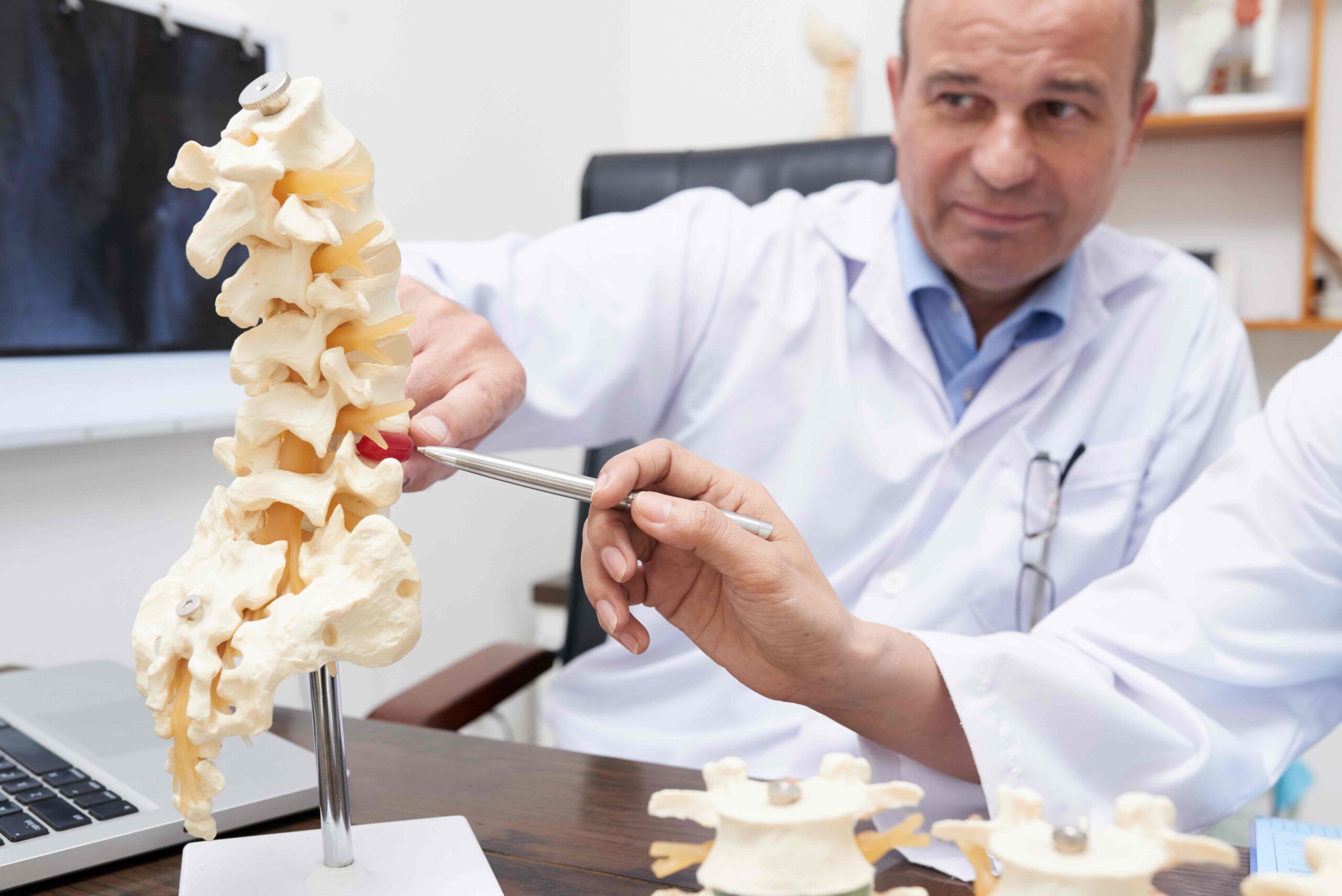
A herniated disc occurs when the soft inner portion of a spinal disc pushes through its outer layer, potentially irritating nearby nerves. This can lead to back or neck pain, radiating arm or leg pain, numbness, tingling, or weakness. Understanding how a spine specialist supports recovery can help patients make informed decisions and feel more confident about their treatment path.


The spine is made up of vertebrae stacked on top of one another, separated by discs that act as shock absorbers. These discs allow for flexibility and smooth movement. Over time, due to ageing, repetitive strain, poor posture, or sudden injury, a disc may weaken. When pressure builds, the disc can bulge or rupture, leading to what a spine specialist identifies as a slip or herniated disc. According to Healthline, the specific symptoms of a herniated disc often depend on where the disc is situated in the spinal column and whether the disc is pressing on a nerve.

Accurate Diagnosis as the First Step to Recovery

One of the most important contributions of a spine specialist is making an accurate diagnosis. Not all back or neck pain comes from a herniated disc, and even when disc changes appear on imaging, they may not be the true source of symptoms. They perform a detailed medical history and physical examination, focusing on posture, movement, reflexes, strength, and sensation.


A spine specialist will assess how symptoms behave with certain positions or activities, which provides valuable clues about nerve involvement. When needed, imaging such as MRI is requested strategically, ensuring that findings are interpreted in the context of clinical symptoms rather than in isolation. This careful diagnostic approach helps avoid over-treatment and ensures that recovery strategies are targeted and effective. 

Creating a Personalised, Non-Surgical Treatment Plan

Contrary to common fear, most herniated discs do not require surgery. A spine specialist prioritises conservative care whenever it is safe and appropriate. Recovery plans are individualised based on the disc location, severity of symptoms, activity level, and overall health. Non-surgical management may include:

  • Activity modification to reduce stress on the spine.
  • Structured Spine Rehabilitation to restore mobility and strength.
  • Medications to manage pain and inflammation.
  • Education on posture, ergonomics, and movement patterns.

A spine specialist coordinates care to ensure treatments complement one another rather than working at cross purposes. This comprehensive approach helps patients recover while minimising the risk of recurrence.

Guiding Safe and Effective Physiotherapy

Physiotherapy is a cornerstone of herniated disc recovery, but doing the wrong exercises too early can worsen symptoms. A spine specialist at Synapse Physiotherapy ensures that rehabilitation is introduced at the right time and at the right intensity. This is important in order to define clear goals, such as reducing nerve irritation and improving spinal stability. 


As symptoms improve, exercise programmes are progressed safely to rebuild strength and confidence. This guidance is especially important for patients eager to return to work, sports, or physically demanding activities. By monitoring this progress, the spine specialist ensures that the patient is always moving toward functional restoration.

Managing Pain Without Over-Reliance on Medication

Pain control is essential during recovery, but long-term dependence on painkillers is not ideal. A spine specialist balances pain relief with healing, using medications judiciously and for appropriate durations. In some cases, targeted interventions such as epidural steroid injections or nerve root blocks may be recommended.


These procedures can reduce inflammation around irritated nerves, allowing patients to participate more effectively in rehabilitation. A spine specialist determines whether such interventions are suitable, ensuring they are used as part of a broader recovery plan rather than as a standalone solution.

Identifying When Surgery Is Truly Needed

While most patients improve without surgery, some situations require surgical consideration. A spine specialist is trained to recognise when conservative care is no longer effective or when neurological risk is increasing. Surgery may be considered if:

  • Severe pain persists despite adequate non-surgical treatment.
  • Progressive weakness or numbness develops.
  • There is loss of bladder or bowel control.
  • Quality of life is significantly impaired.

Importantly, a spine specialist does not rush this decision. They explain all options, potential benefits, risks, and recovery expectations, allowing patients to make informed choices. Timely referral can prevent permanent nerve damage.

Long-Term Strategies for Spine Health

Recovery does not end when pain subsides. A spine specialist focuses on preventing recurrence by addressing contributing factors such as poor posture, weak core muscles, and improper lifting techniques. Long-term strategies supported by our professional team may include:

  • Ongoing exercise programs for spinal stability.
  • Ergonomic adjustments at work and home.
  • Lifestyle advice related to weight management and activity.
  • Guidance on safe return to sports or heavy work.

This preventative approach helps patients maintain spine health well beyond the initial episode. Involving a spine specialist early can lead to a clearer recovery plan and reduced anxiety.

Frequently Asked Questions

1. When should I see a spine specialist for back pain?

You should consider seeing a spine specialist if your pain lasts longer than 4–6 weeks despite treatment, if symptoms are worsening, or if pain significantly interferes with your sleep and work.

2. Can a spine specialist help me avoid surgery?

Yes, in many cases. A spine specialist prioritises non-invasive approaches, such as targeted Spine Rehabilitation, which improve function and strength, often making surgery unnecessary.

3. What are the red flags that require an urgent visit to a spine specialist?

Urgent signs include progressive muscle weakness, loss of bladder or bowel control, numbness in the saddle area, or difficulty walking.

4. Is an MRI the first thing a spine specialist will order?

Not necessarily. A spine specialist uses imaging strategically when symptoms suggest nerve involvement or when pain persists, ensuring findings are interpreted alongside a physical exam.

5. How does a spine specialist coordinate my recovery?

A spine specialist acts as a central coordinator, working with a multidisciplinary team of physiotherapists and pain specialists to ensure care is cohesive and aligned with your goals.

Conclusion

A herniated disc can disrupt daily life, but with the right guidance, recovery is achievable. A spine specialist plays a critical role in diagnosing the problem accurately, guiding conservative treatment, managing pain, and identifying when further intervention is needed. More importantly, they provide education, reassurance, and long-term strategies to protect spinal health.


At Synapse Physiotherapy, our professional team works in harmony, equipped with specialist advice to provide comprehensive Spine Rehabilitation tailored to your needs. Whether your symptoms are mild or persistent, involving a spine specialist early can be an effective approach to managing spinal discomfort and preventing further complications. Book a consultation today and take the first step toward restoring your health, mobility, and confidence.


Share This :

Back & Neck Pain

Conditions such as stiffness, postural abnormalities and muscle overuse from prolonged desk work at the office or home is more prevalent than most would think. We provide the necessary tools to fix you up and educate you on ergonomics which can unload unnecessary stress.

Sports Injuries

Rolled ankles, jarred knees, impinged shoulders are few conditions in the plethora of sports injuries which can hamper performance and limit our enjoyment of sports. Physiotherapy not only treats the symptoms of these conditions but propels your overall fitness to greater heights.

Work Desk Injuries​

Conditions such as stiffness, postural abnormalities and muscle overuse from prolonged desk work at the office or home is more prevalent than most would think. We provide the necessary tools to fix you up and educate you on ergonomics which can unload unnecessary stress.

Pre-Post-Surgical Conditions

Surgery involves going through preparation both before and after. Physiotherapists play a vital role in getting your body ready for surgeries with circulatory, breathing and strengthening exercises. After the procedure, let us be there for your recovery and rehabilitation, taking it one step at a time.

Scoliosis & Postural Abnormalities

The way we stand, sit, walk and sleep has influence over our posture and the overall balance of muscles controlling its alignment. A comprehensive screening can be done by our physiotherapists to detect abnormalities, which we will aid in correcting.

Neurological Conditions

Neurological disabilities such as stroke, nerve compression and neuropathies can be barriers for patients to live life to its fullest. We at Synapse are committed to help you overcome these hurdles by ensuring functional mobility and quality of life is at its optimum by providing the right treatment and exercises.

Osteoarthritis & Rheumatism

Joint degeneration and inflammation happens as the human body grows older, but that does not mean our way of life degenerates as well. Relief your joint pains with a joint effort together with your physiotherapist, who will provide pain-relief treatments and prescribe exercises for your wellbeing.

Conditions Relating To Elderly

Common conditions in the older age population include hips & knee pain, back & neck pain, osteoarthritis, rheumatism, fear of falling and many more.  Aging and degeneration of bodily function is inevitable, but here at Synapse, we will help you live the best of your life.
Home Physiotherapy

We understand that some conditions or injuries can make it difficult to receive rehabilitation at our clinic be it mobility or transportation issues. Our objective is to provide you with the same high-quality physiotherapy services at home that you would receive in-clinic.
Posted on

When to See a Spine Specialist for Slip Disc Signs

Synapse Physiotherapy

Introduction

Back pain is one of the most common health complaints worldwide, and while many episodes resolve with rest and simple care, some symptoms may point to a more serious issue such as a slip disc. Knowing when to seek help from a spine specialist can make a crucial difference in preventing long-term pain, nerve damage, or disability. Early recognition and timely referral often lead to better outcomes, faster recovery, and safer treatment options.


This is where Synapse Physiotherapy makes the difference through their evidence-based approach and personalised care, designed to bring relief and functional restoration together with comfort and flow. Rather than rushing into invasive procedures, we shape each recovery journey with intentional pacing and professional expertise to ensure you receive the most appropriate care from a spine specialist or clinical expert. Our Spine & Core Rehabilitation services are tailored to allow you to truly be present in your recovery without the burden of persistent pain.

Understanding the Mechanics of a Slip Disc

According to the Mayo Clinic, while many people have no symptoms from a herniated disc, others may experience significant pain that requires clinical evaluation. Your spine is made up of vertebrae stacked on top of one another, separated by discs that act as shock absorbers. These discs allow for flexibility and smooth movement during daily activities. Over time, due to ageing, repetitive strain, poor posture, or sudden injury, a disc may weaken. When pressure builds, the soft inner portion can bulge or rupture through the outer layer, leading to a slip disc.


A spine specialist often sees these issues in the lower back (lumbar spine) and neck (cervical spine), though they can occur anywhere along the spine. It is important to note that not everyone with a disc herniation will experience pain; some people have disc changes seen on scans but no symptoms at all. However, when the disc irritates or compresses nearby nerves, it leads to the neurological symptoms that require professional intervention.

Common Signs and Symptoms to Watch For

Symptoms typically depend on the location of the affected disc and whether nerves are involved. Recognising these signs early can help you decide when to consult a spine specialist. Common indicators include:

  • Localised back or neck pain that may worsen with movement, bending, or prolonged sitting.
  • Radiating pain down the arm or leg, often described as sharp, burning, or electric.
  • Numbness or tingling in the arms, hands, legs, or feet.
  • Muscle weakness, such as difficulty lifting the foot or maintaining balance.
  • Pain that worsens with coughing, sneezing, or straining.

In many cases, these symptoms improve with conservative care such as rest, Spine & Core Rehabilitation, and activity modification. However, if these symptoms persist, a spine specialist should be consulted for a more detailed assessment.

When Symptoms Are No Longer “Normal” Back Pain

Occasional back pain after heavy lifting or long hours of sitting is common. What separates routine discomfort from a potentially serious disc problem is persistence, progression, and neurological involvement. You should consider seeing a spine specialist if your pain lasts longer than four to six weeks despite appropriate treatment, or if symptoms are getting worse instead of better.


A spine specialist has advanced training in spinal conditions and can determine whether your symptoms are disc-related or due to another cause. If the pain significantly interferes with your daily activities, sleep, or work, or if you find yourself relying heavily on painkillers just to function, it is time to seek professional advice. Early input from a spine specialist can prevent unnecessary procedures while ensuring serious conditions are not missed.

Red Flag Signs That Need Urgent Specialist Review

Some symptoms indicate possible nerve or spinal cord compression and require immediate medical attention. You should not delay seeing a spine specialist or visiting an emergency department if you experience “red flag” signs. These include:

  1. Loss of bladder or bowel control.
  2. Progressive muscle weakness in the arms or legs.
  3. Numbness in the saddle area, including the inner thighs, buttocks, or groin.
  4. Severe, unrelenting pain that does not ease even with rest.
  5. Difficulty walking or experiencing frequent falls.

These signs may suggest a serious condition such as cauda equina syndrome, where early intervention by a spine specialist is critical. As detailed by Medical News Today, cauda equina syndrome is a rare but surgical emergency that requires immediate attention to prevent permanent damage.

The Role of a Spine Specialist in Your Recovery

A spine specialist, such as an orthopaedic spine surgeon or neurosurgeon, offers expertise beyond general back pain management. Their role is not just to recommend surgery; in fact, most slip discs do not require surgical intervention. Instead, a spine specialist performs a thorough clinical assessment focused on neurological function.


They help identify the exact source of pain to avoid misdiagnosis and determine whether advanced imaging like an MRI or CT scan is truly necessary. By consulting a spine specialist, you gain access to targeted non-surgical treatments such as injections or advanced medications. If surgery is eventually needed, the spine specialist will explain the risks and benefits clearly to help you make an informed decision.

Non-Surgical vs Surgical Management Options

The majority of slip disc cases improve with conservative treatment guided by a spine specialist. This often involves a professional team providing:

  • Physiotherapy focused on posture, core strength, and mobility.
  • Activity modification and ergonomic advice.
  • Pain and anti-inflammatory medications.
  • Epidural or nerve root injections in selected cases.

Surgery is only considered by a spine specialist if severe nerve pain persists beyond six to twelve weeks, if there is a progressive neurological deficit, or if red flag symptoms are present. The ultimate goal of the spine specialist is to restore your quality of life using the most evidence-based and safe methods available.

Identifying Risk Factors for Disc Problems

Certain individuals are at a higher risk of developing slip disc issues and may be more likely to require the attention of a spine specialist. These risk factors include:

  • Physically demanding jobs involving frequent heavy lifting.
  • Prolonged sitting with poor posture.
  • A history of spinal injury.
  • Being overweight or physically inactive.
  • Smoking, which negatively affects disc health and healing.

Recognising these factors early allows for better prevention strategies. If you fall into these categories, consulting a spine specialist sooner rather than later can help you manage your spinal health proactively.

The Importance of Listening to Your Body

One of the biggest mistakes people make is ignoring ongoing or worsening symptoms, hoping they will simply go away. While patience is often appropriate for mild back pain, persistent nerve-related symptoms deserve the attention of a spine specialist. Seeing a spine specialist does not mean you are committing to surgery; it means you are choosing clarity and an accurate diagnosis.


Your spine supports everything you do, and taking its warning signs seriously is an investment in your long-term health. A timely consultation with a spine specialist ensures that you receive the right treatment at the right time. Whether that involves reassurance, rehabilitation, or advanced intervention, the expertise of a spine specialist is invaluable for protecting your mobility.

Frequently Asked Questions

1. Does a slip disc always require surgery?

No, the majority of slip disc cases improve with conservative care such as physiotherapy and medication, and a spine specialist only recommends surgery in specific, severe cases.

2. What is the first step a spine specialist takes?

A spine specialist will typically perform a thorough clinical assessment of your neurological function and history before deciding if imaging is needed.

3. How long should I wait before seeing a spine specialist?

If your pain persists for more than four to six weeks despite basic care, or if it is getting worse, you should consider seeing a spine specialist.

4. Can imaging alone diagnose my pain?

No, a spine specialist uses imaging in combination with your physical examination, as disc bulges can be seen on scans even in people without pain.

5. What are the “red flags” for a slip disc?

Urgent symptoms that require a spine specialist include loss of bladder/bowel control, saddle area numbness, and progressive muscle weakness.

Conclusion

Slip disc symptoms can range from mild discomfort to serious neurological problems that impact your daily life. Understanding when to seek help can protect your spine and your overall quality of life. If your pain persists, spreads, or is accompanied by weakness, do not wait to consult a spine specialist. At Synapse Physiotherapy, our dedicated physiotherapists are dedicated in providing comprehensive Spine & Core Rehabilitation to help you manage these conditions effectively. Book a consultation today to start your journey towards a pain-free life and discover how our specialised care can support your spinal health.


Share This :

Back & Neck Pain

Conditions such as stiffness, postural abnormalities and muscle overuse from prolonged desk work at the office or home is more prevalent than most would think. We provide the necessary tools to fix you up and educate you on ergonomics which can unload unnecessary stress.

Sports Injuries

Rolled ankles, jarred knees, impinged shoulders are few conditions in the plethora of sports injuries which can hamper performance and limit our enjoyment of sports. Physiotherapy not only treats the symptoms of these conditions but propels your overall fitness to greater heights.

Work Desk Injuries​

Conditions such as stiffness, postural abnormalities and muscle overuse from prolonged desk work at the office or home is more prevalent than most would think. We provide the necessary tools to fix you up and educate you on ergonomics which can unload unnecessary stress.

Pre-Post-Surgical Conditions

Surgery involves going through preparation both before and after. Physiotherapists play a vital role in getting your body ready for surgeries with circulatory, breathing and strengthening exercises. After the procedure, let us be there for your recovery and rehabilitation, taking it one step at a time.

Scoliosis & Postural Abnormalities

The way we stand, sit, walk and sleep has influence over our posture and the overall balance of muscles controlling its alignment. A comprehensive screening can be done by our physiotherapists to detect abnormalities, which we will aid in correcting.

Neurological Conditions

Neurological disabilities such as stroke, nerve compression and neuropathies can be barriers for patients to live life to its fullest. We at Synapse are committed to help you overcome these hurdles by ensuring functional mobility and quality of life is at its optimum by providing the right treatment and exercises.

Osteoarthritis & Rheumatism

Joint degeneration and inflammation happens as the human body grows older, but that does not mean our way of life degenerates as well. Relief your joint pains with a joint effort together with your physiotherapist, who will provide pain-relief treatments and prescribe exercises for your wellbeing.

Conditions Relating To Elderly

Common conditions in the older age population include hips & knee pain, back & neck pain, osteoarthritis, rheumatism, fear of falling and many more.  Aging and degeneration of bodily function is inevitable, but here at Synapse, we will help you live the best of your life.
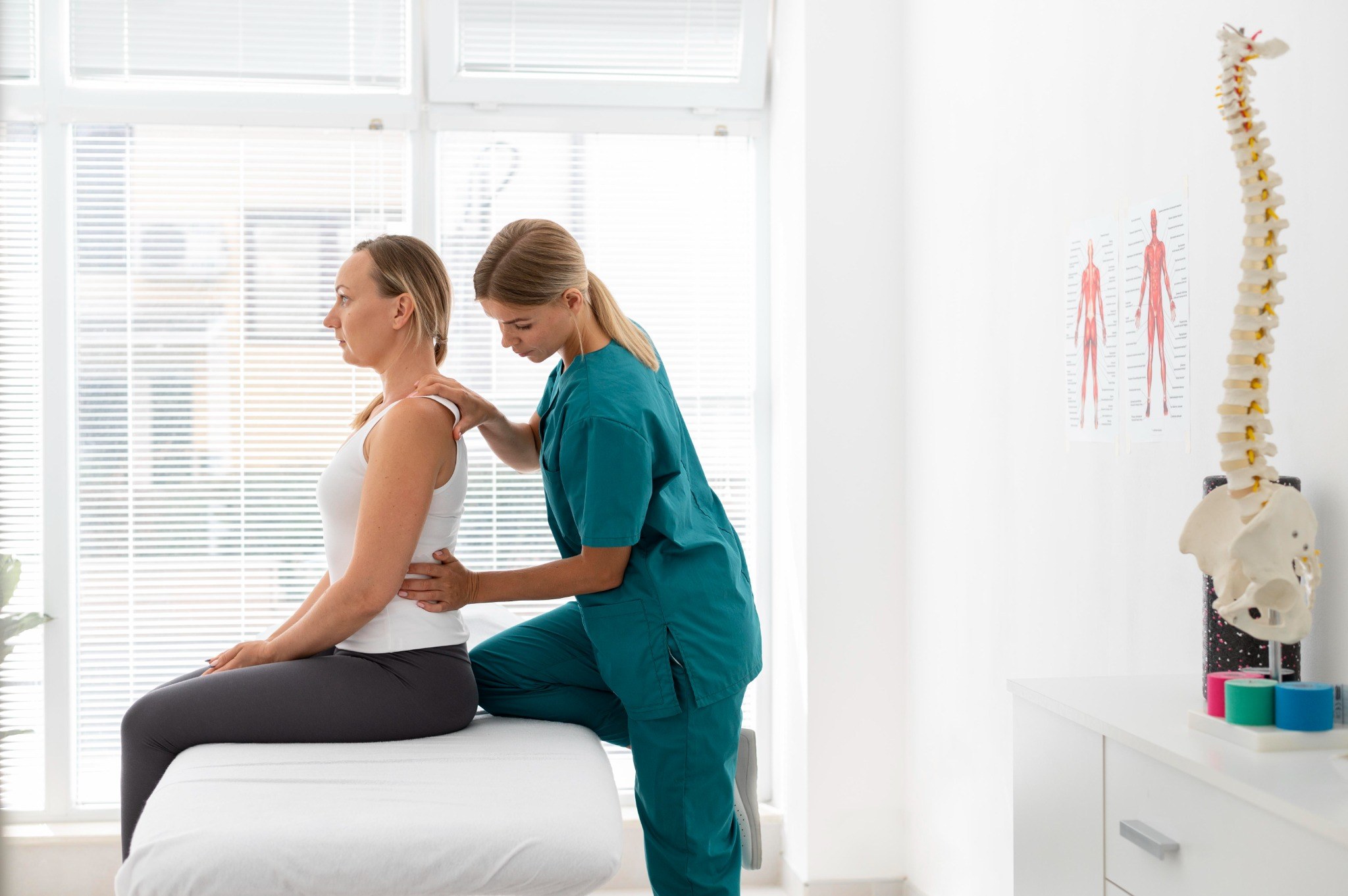
Home Physiotherapy

We understand that some conditions or injuries can make it difficult to receive rehabilitation at our clinic be it mobility or transportation issues. Our objective is to provide you with the same high-quality physiotherapy services at home that you would receive in-clinic.
Posted on

Spine Specialist: Your Partner in Long-Term Spine Health

spine specialist
spine specialist
Synapse Physiotherapy

Introduction

Spine health plays a vital role in overall mobility, independence, and quality of life. From sitting at a desk for extended hours to lifting, walking, and sleeping, the spine is involved in almost every daily movement. When back or neck pain becomes persistent, many people seek temporary solutions that only mask symptoms. This is where a spine specialist becomes essential.


At Synapse Physiotherapy, we understand that maintaining spinal function requires more than quick fixes. Our Spine & Core Rehabilitation Service focuses on diagnosing, treating, and preventing spinal conditions using a comprehensive and long-term approach. Rather than offering short-term pain relief alone, our spine specialist team helps patients maintain spinal function, prevent recurrence, and protect spine health over time.

Understanding the Role of a Spine Specialist

A spine specialist is a healthcare professional with advanced training in spinal conditions affecting the neck, mid-back, and lower back. These specialists may come from backgrounds such as orthopaedics, neurosurgery, sports medicine, or physiotherapy, with a focused interest in spine care.


Their role goes beyond treating pain. A spine specialist aims to:

  • Identify the root cause of spinal symptoms
  • Restore normal movement and function
  • Prevent progression of spinal conditions
  • Educate patients on maintaining spine health

This holistic focus is crucial for long-term outcomes and ensures that patients receive care tailored to their individual needs.

Accurate Diagnosis for Targeted Treatment

Long-term spine health begins with an accurate diagnosis. Many spinal conditions present with similar symptoms, such as pain, stiffness, or nerve-related discomfort. A spine specialist uses a detailed assessment to determine the exact cause.


This process often includes:

  1. Comprehensive medical history
  2. Postural and movement assessment
  3. Neurological examination
  4. Imaging studies when appropriate

By understanding whether the issue is disc-related, joint-related, muscular, or nerve-based, the spine specialist can create a targeted and effective treatment plan. Accurate diagnosis prevents unnecessary treatments and reduces the risk of chronic problems developing over time.

Non-Surgical Management and Early Intervention

One of the most important ways a spine specialist supports long-term spine health is through non-surgical care. The majority of spinal conditions can be managed without surgery when addressed early.


Non-surgical strategies may include:

  • Structured rehabilitation programmes
  • Activity modification and pacing
  • Pain management strategies
  • Postural and ergonomic advice

Early intervention helps control symptoms before they worsen, reducing the likelihood of long-term disability and improving overall quality of life.

Personalised Rehabilitation and Exercise Prescription

Exercise is a cornerstone of spine health, but not all exercises are suitable for everyone. A spine specialist designs personalised rehabilitation programmes based on individual needs, diagnosis, and lifestyle factors.


Rehabilitation may focus on:

  • Core muscle strengthening
  • Improving spinal mobility and flexibility
  • Enhancing posture and movement control
  • Correcting muscle imbalances

These programmes are progressively adjusted to ensure the spine remains supported during daily activities and physical demands. Over time, this approach builds resilience and reduces the risk of re-injury, helping patients return to their normal activities with confidence.

Managing Chronic and Degenerative Spine Conditions

Conditions such as degenerative disc disease, spinal stenosis, and osteoarthritis require long-term management rather than short-term fixes. A spine specialist helps patients manage these conditions by slowing progression and maintaining function. Research published by the National Institute of Arthritis and Musculoskeletal and Skin Diseases shows that early intervention and appropriate exercise can significantly slow the progression of degenerative spine conditions.


Long-term management may involve:

  • Education on symptom management
  • Regular review and programme adjustment
  • Load management strategies
  • Maintaining mobility and strength

With proper guidance from a spine specialist, many individuals with degenerative conditions can remain active and independent for years to come.

Preventing Recurrence of Spine Pain

Recurrent back or neck pain is common, especially when underlying causes are not addressed. A spine specialist focuses on identifying contributing factors such as poor posture, weak muscles, repetitive strain, or improper movement patterns.


Prevention strategies include:

  • Teaching correct lifting and bending techniques
  • Addressing workplace ergonomics
  • Improving flexibility and endurance
  • Encouraging regular physical activity

By addressing these factors, a spine specialist reduces the likelihood of repeated episodes of pain and helps patients maintain their independence.

Education and Empowerment for Self-Management

A key aspect of long-term spine health is patient education. A spine specialist empowers patients by helping them understand their condition and how to manage it independently.


Education may include:

  • Understanding pain and spine mechanics
  • Knowing when to rest versus staying active
  • Recognising warning signs that require attention
  • Developing confidence in movement

Educated patients are more likely to stay active, adhere to exercise programmes, and make healthier lifestyle choices that support their long-term spine health.

Supporting Safe Return to Work and Sport

For working adults and athletes, spine issues can significantly impact performance and productivity. A spine specialist supports a safe and structured return to work or sport by ensuring the spine is ready for specific demands.


This may involve:

  1. Functional strength training
  2. Gradual load progression
  3. Sport- or job-specific movement training
  4. Injury prevention strategies

This targeted approach reduces the risk of reinjury and supports long-term participation in activities that matter most to patients.

Collaborative Care and Timely Referral

A spine specialist often works closely with other healthcare professionals, including general practitioners, physiotherapists, pain specialists, and surgeons. This collaborative approach ensures comprehensive care that addresses all aspects of spinal health.


When necessary, a spine specialist can:

  • Refer for imaging or specialist consultation
  • Identify red flags requiring urgent care
  • Guide patients through pre- and post-surgical rehabilitation

Timely referral ensures patients receive the right care at the right time, preventing complications and supporting optimal recovery.

Lifestyle and Wellness Guidance

Long-term spine health is influenced by lifestyle factors such as physical activity, weight, stress, and sleep. A spine specialist provides guidance that supports overall well-being and spinal function.


Lifestyle advice may include:

  • Incorporating regular low-impact exercise
  • Maintaining a healthy body weight
  • Managing stress and muscle tension
  • Improving sleep posture and habits

These factors play a significant role in reducing spinal strain and promoting recovery, ensuring that patients can enjoy better health outcomes over time.

When Should You See a Spine Specialist?

You may benefit from seeing a spine specialist if:

  • Back or neck pain persists beyond a few weeks
  • Pain interferes with daily activities or sleep
  • There are recurring episodes of spine pain
  • You experience numbness, weakness, or nerve symptoms

Early assessment helps prevent minor issues from becoming long-term problems and ensures you receive the most appropriate care for your condition.

Frequently Asked Questions

What conditions does a spine specialist treat?

A spine specialist treats a wide range of spinal conditions including disc herniation, degenerative disc disease, spinal stenosis, sciatica, postural problems, sports-related spine injuries, and chronic back or neck pain.

How is a spine specialist different from a general physiotherapist?

Whilst general physiotherapists treat various musculoskeletal conditions, a spine specialist has advanced training and focused expertise specifically in spinal disorders, allowing for more targeted diagnosis and treatment of complex spine conditions.

Do I need a referral to see a spine specialist?

In most cases, you can see a spine specialist directly without a referral. However, some insurance plans may require a GP referral, so it’s best to check with your provider beforehand.

How long does spine rehabilitation typically take?

The duration of rehabilitation varies depending on the condition’s severity and individual factors. Acute conditions may improve within 4-6 weeks, whilst chronic or degenerative conditions may require ongoing management over several months.

Can a spine specialist help prevent future spine problems?

Yes, a spine specialist focuses heavily on prevention through personalised exercise programmes, ergonomic advice, movement education, and lifestyle modifications that reduce the risk of future spine issues and maintain long-term spinal health.

Conclusion

Long-term spine health requires more than temporary pain relief—it requires a comprehensive, proactive approach. A spine specialist supports long-term spine health through accurate diagnosis, personalised rehabilitation, education, and preventive strategies. By addressing both current symptoms and future risks, specialists help patients stay active, independent, and confident in their movement.


At Synapse Physiotherapy, our professional team is dedicated to providing expert spine care tailored to your unique needs. Investing in spine health today with the guidance of a spine specialist can lead to better mobility, reduced pain, and improved quality of life for years to come.


Don’t let spine pain hold you back from living your best life. Book a consultation with our experienced team today and take the first step towards lasting spinal health.


Share This :

Back & Neck Pain

Conditions such as stiffness, postural abnormalities and muscle overuse from prolonged desk work at the office or home is more prevalent than most would think. We provide the necessary tools to fix you up and educate you on ergonomics which can unload unnecessary stress.

Sports Injuries

Rolled ankles, jarred knees, impinged shoulders are few conditions in the plethora of sports injuries which can hamper performance and limit our enjoyment of sports. Physiotherapy not only treats the symptoms of these conditions but propels your overall fitness to greater heights.

Work Desk Injuries​

Conditions such as stiffness, postural abnormalities and muscle overuse from prolonged desk work at the office or home is more prevalent than most would think. We provide the necessary tools to fix you up and educate you on ergonomics which can unload unnecessary stress.

Pre-Post-Surgical Conditions

Surgery involves going through preparation both before and after. Physiotherapists play a vital role in getting your body ready for surgeries with circulatory, breathing and strengthening exercises. After the procedure, let us be there for your recovery and rehabilitation, taking it one step at a time.

Scoliosis & Postural Abnormalities

The way we stand, sit, walk and sleep has influence over our posture and the overall balance of muscles controlling its alignment. A comprehensive screening can be done by our physiotherapists to detect abnormalities, which we will aid in correcting.

Neurological Conditions

Neurological disabilities such as stroke, nerve compression and neuropathies can be barriers for patients to live life to its fullest. We at Synapse are committed to help you overcome these hurdles by ensuring functional mobility and quality of life is at its optimum by providing the right treatment and exercises.

Osteoarthritis & Rheumatism

Joint degeneration and inflammation happens as the human body grows older, but that does not mean our way of life degenerates as well. Relief your joint pains with a joint effort together with your physiotherapist, who will provide pain-relief treatments and prescribe exercises for your wellbeing.

Conditions Relating To Elderly

Common conditions in the older age population include hips & knee pain, back & neck pain, osteoarthritis, rheumatism, fear of falling and many more.  Aging and degeneration of bodily function is inevitable, but here at Synapse, we will help you live the best of your life.

Home Physiotherapy

We understand that some conditions or injuries can make it difficult to receive rehabilitation at our clinic be it mobility or transportation issues. Our objective is to provide you with the same high-quality physiotherapy services at home that you would receive in-clinic.
Posted on

Spine Specialist Care for Scoliosis & Postural Problems

spine specialist
spine specialist
Synapse Physiotherapy

Understanding Scoliosis and Postural Problems

Scoliosis and postural problems are increasingly common spine conditions affecting people of all ages across Malaysia and globally. Left unaddressed, these conditions may lead to chronic discomfort, mobility limitations, persistent pain, and in severe cases, complications affecting respiratory function or cardiovascular health. These spinal issues often develop gradually and may go unnoticed until visible signs appear, such as noticeable spinal curvature, shoulder asymmetry, hip misalignment, or ongoing pain.

A qualified spine specialist plays a crucial role in accurately diagnosing and effectively treating scoliosis and postural problems, whilst physiotherapists provide targeted rehabilitation to strengthen supporting muscles, correct postural alignment, and reduce discomfort. At Synapse Physiotherapy, our integrated approach combines expert medical assessment with personalised rehabilitation programmes, ensuring comprehensive spine health management tailored to each patient’s unique needs.

What Is Scoliosis?

Scoliosis is characterised by an abnormal sideways curvature of the spine, typically forming an “S” or “C” shape when viewed from behind. Whilst mild cases may present minimal symptoms, moderate to severe scoliosis can result in several noticeable effects:

  • Uneven shoulders or hips creating visible asymmetry
  • Persistent back, neck, or shoulder pain
  • Reduced flexibility and restricted range of motion
  • Unusual fatigue during daily activities or physical exercise
  • Clothing fitting unevenly across the body

Scoliosis can develop during childhood, adolescence, or adulthood, with each stage presenting unique challenges. According to the National Health Service, early identification and monitoring of scoliosis in children can prevent severe progression requiring invasive treatment. Early detection by a spine specialist is crucial to prevent curve progression and maintain optimal long-term spinal health.

What Are Postural Problems?

Postural problems occur when the spine, shoulders, or hips fall out of proper alignment, often resulting from modern lifestyle factors. Poor posture frequently leads to muscle imbalance, chronic strain, and persistent discomfort. Common postural issues identified by a spine specialist include:

  • Forward head posture, often from prolonged device usage
  • Rounded shoulders from desk-based work
  • Excessive kyphosis, creating a hunchback appearance
  • Flat back syndrome affecting natural spinal curves
  • Anterior pelvic tilt causing lower back strain

These conditions typically result from prolonged sitting, inadequate ergonomics, repetitive strain injuries, or weakened postural muscles. Without professional intervention from a spine specialist, these issues can progressively worsen, leading to chronic pain syndromes and significantly reduced functional capacity.

The Role of a Spine Specialist

A spine specialist, such as an orthopaedic surgeon or physiatrist, focuses on diagnosing the precise nature and severity of scoliosis and postural problems, then determining whether conservative management or surgical intervention is appropriate. The comprehensive assessment typically includes:

  • Detailed review of medical history and presenting symptoms
  • Thorough physical examination assessing posture and mobility
  • Advanced imaging studies including X-rays, MRI, or CT scans
  • Functional movement analysis
  • Neurological assessment when indicated

Once the condition is fully evaluated, the spine specialist develops a comprehensive, evidence-based treatment plan. This often incorporates physiotherapy interventions, structured exercise programmes, bracing protocols for adolescents, and in severe or rapidly progressing cases, surgical intervention to correct significant spinal deformity.

How Physiotherapy Supports Spine Health

Physiotherapy forms an essential cornerstone in managing scoliosis and postural problems effectively. Skilled physiotherapists work collaboratively with a spine specialist to provide non-invasive, scientifically validated interventions. The Spine & Core Rehabilitation Programme at Synapse Physiotherapy focuses on several key treatment areas.

Posture Correction

Corrective exercises systematically retrain muscles to support the spine appropriately. Specialised techniques including the Schroth Method and Pilates-based rehabilitation strengthen the precise muscle groups that maintain optimal spinal alignment. Patients develop enhanced postural awareness, which improves both physical appearance and functional capacity during daily activities.

Core and Back Strengthening

Strong core musculature provides essential stability for the entire spine. Physiotherapists guide patients through progressive strengthening exercises targeting the abdominal, back, and pelvic floor muscles. This reduces excessive strain on spinal structures and improves overall postural support, complementing the treatment plan established by the spine specialist.

Flexibility and Mobility Enhancement

Tight, shortened muscles can significantly worsen spinal curvature and contribute to persistent pain. Structured stretching routines improve flexibility throughout the spine, hips, shoulders, and legs, allowing for more balanced movement patterns and reduced discomfort during daily activities.

Pain Management Techniques

Physiotherapy effectively manages pain using evidence-based techniques including:

  • Manual therapy and gentle spinal mobilisation
  • Trigger point release and therapeutic massage
  • Strategic heat or cold therapy application
  • Posture retraining and personalised ergonomic guidance
  • Progressive muscle relaxation techniques

These interventions not only relieve presenting symptoms but also prevent further complications by systematically addressing underlying muscle imbalances identified by the spine specialist.

Bracing Support and Compliance

For adolescents with progressing scoliosis curves, bracing may be recommended by a spine specialist as part of conservative management. Physiotherapists complement brace treatment by ensuring correct brace fit, teaching exercises that maintain flexibility and muscle strength whilst wearing the brace, and monitoring spinal alignment throughout critical growth periods. This combination approach slows curve progression whilst maintaining mobility and normal function.

Lifestyle and Ergonomic Guidance

Our professional team educates patients on sustainable daily habits that support long-term spinal health:

  • Maintaining proper sitting and standing posture throughout the day
  • Utilising ergonomic chairs and workstation setups
  • Avoiding prolonged static postures with regular movement breaks
  • Performing regular stretching and strengthening exercises
  • Choosing appropriate supportive footwear
  • Managing screen time and device positioning

These practical measures help sustain improvements achieved during therapy sessions and significantly reduce the risk of symptom recurrence.

Frequently Asked Questions

Can physiotherapy cure scoliosis completely?

Physiotherapy cannot structurally cure or reverse established scoliosis, but it can significantly reduce pain levels, improve postural alignment, and prevent further curve progression, particularly in mild to moderate cases. When combined with guidance from a spine specialist, physiotherapy offers excellent outcomes for managing symptoms and maintaining quality of life.

How often should I attend physiotherapy sessions?

Most patients initially attend 2–3 supervised sessions per week, combined with prescribed daily home exercises. As posture improves and symptoms reduce, session frequency typically decreases. Your spine specialist and physiotherapist will adjust your treatment schedule based on individual progress.

Can adults benefit from physiotherapy for scoliosis?

Absolutely. Adults can experience significant pain relief, improved postural alignment, and enhanced mobility through targeted physiotherapy, even when spinal curvature is already well-established. Treatment focuses on managing symptoms and preventing progression rather than curve correction.

Is bracing necessary if I’m doing physiotherapy?

Bracing is typically recommended for children or adolescents with progressing scoliosis curves during growth periods. Physiotherapy supports bracing protocols by maintaining essential muscle strength, spinal flexibility, and overall compliance with the treatment plan prescribed by your spine specialist.

How long does it take to see measurable results?

Pain relief and improved postural awareness are often noticed within 2–4 weeks of consistent physiotherapy. Measurable improvements in spinal alignment and functional capacity typically require several months of dedicated treatment, regular home exercise compliance, and ongoing monitoring by your spine specialist.

When Surgical Intervention Might Be Required

Whilst the majority of scoliosis cases can be effectively managed through conservative approaches, severe or rapidly progressing curves may require surgical intervention. A spine specialist carefully assesses each patient individually, considering severity of curvature, pain levels and functional limitations, age and remaining growth potential, and risk of long-term cardiopulmonary complications.

Post-surgical physiotherapy becomes critical for optimal recovery, regaining normal mobility patterns, and maintaining long-term spinal strength and stability under the guidance of your spine specialist.

Conclusion: Comprehensive Spine Care

Scoliosis and postural problems can significantly impact daily functioning, quality of life, and long-term health outcomes. However, with early professional intervention and an integrated approach combining expertise from a spine specialist and skilled physiotherapists, patients can achieve remarkable improvements in posture, substantial pain reduction, and enhanced spinal function.

At Synapse Physiotherapy, we provide expert clinical evaluation, personalised physiotherapy programmes, evidence-based posture retraining, and comprehensive long-term spinal care. Our dedicated team supports both paediatric and adult patients in managing scoliosis and postural problems safely and effectively through our specialised Spine & Core Rehabilitation Programme.

For anyone seeking professional care for scoliosis or postural correction in Malaysia, Synapse Physiotherapy is committed to delivering comprehensive, patient-centred spine health services. Book a consultation today to begin your journey towards improved spinal health and enhanced quality of life.

Share This :

Back & Neck Pain

Conditions such as stiffness, postural abnormalities and muscle overuse from prolonged desk work at the office or home is more prevalent than most would think. We provide the necessary tools to fix you up and educate you on ergonomics which can unload unnecessary stress.

Sports Injuries

Rolled ankles, jarred knees, impinged shoulders are few conditions in the plethora of sports injuries which can hamper performance and limit our enjoyment of sports. Physiotherapy not only treats the symptoms of these conditions but propels your overall fitness to greater heights.

Work Desk Injuries​

Conditions such as stiffness, postural abnormalities and muscle overuse from prolonged desk work at the office or home is more prevalent than most would think. We provide the necessary tools to fix you up and educate you on ergonomics which can unload unnecessary stress.

Pre-Post-Surgical Conditions

Surgery involves going through preparation both before and after. Physiotherapists play a vital role in getting your body ready for surgeries with circulatory, breathing and strengthening exercises. After the procedure, let us be there for your recovery and rehabilitation, taking it one step at a time.

Scoliosis & Postural Abnormalities

The way we stand, sit, walk and sleep has influence over our posture and the overall balance of muscles controlling its alignment. A comprehensive screening can be done by our physiotherapists to detect abnormalities, which we will aid in correcting.

Neurological Conditions

Neurological disabilities such as stroke, nerve compression and neuropathies can be barriers for patients to live life to its fullest. We at Synapse are committed to help you overcome these hurdles by ensuring functional mobility and quality of life is at its optimum by providing the right treatment and exercises.

Osteoarthritis & Rheumatism

Joint degeneration and inflammation happens as the human body grows older, but that does not mean our way of life degenerates as well. Relief your joint pains with a joint effort together with your physiotherapist, who will provide pain-relief treatments and prescribe exercises for your wellbeing.

Conditions Relating To Elderly

Common conditions in the older age population include hips & knee pain, back & neck pain, osteoarthritis, rheumatism, fear of falling and many more.  Aging and degeneration of bodily function is inevitable, but here at Synapse, we will help you live the best of your life.

Home Physiotherapy

We understand that some conditions or injuries can make it difficult to receive rehabilitation at our clinic be it mobility or transportation issues. Our objective is to provide you with the same high-quality physiotherapy services at home that you would receive in-clinic.