Synapse Physiotherapy | Physio Center | Rehab Malaysia
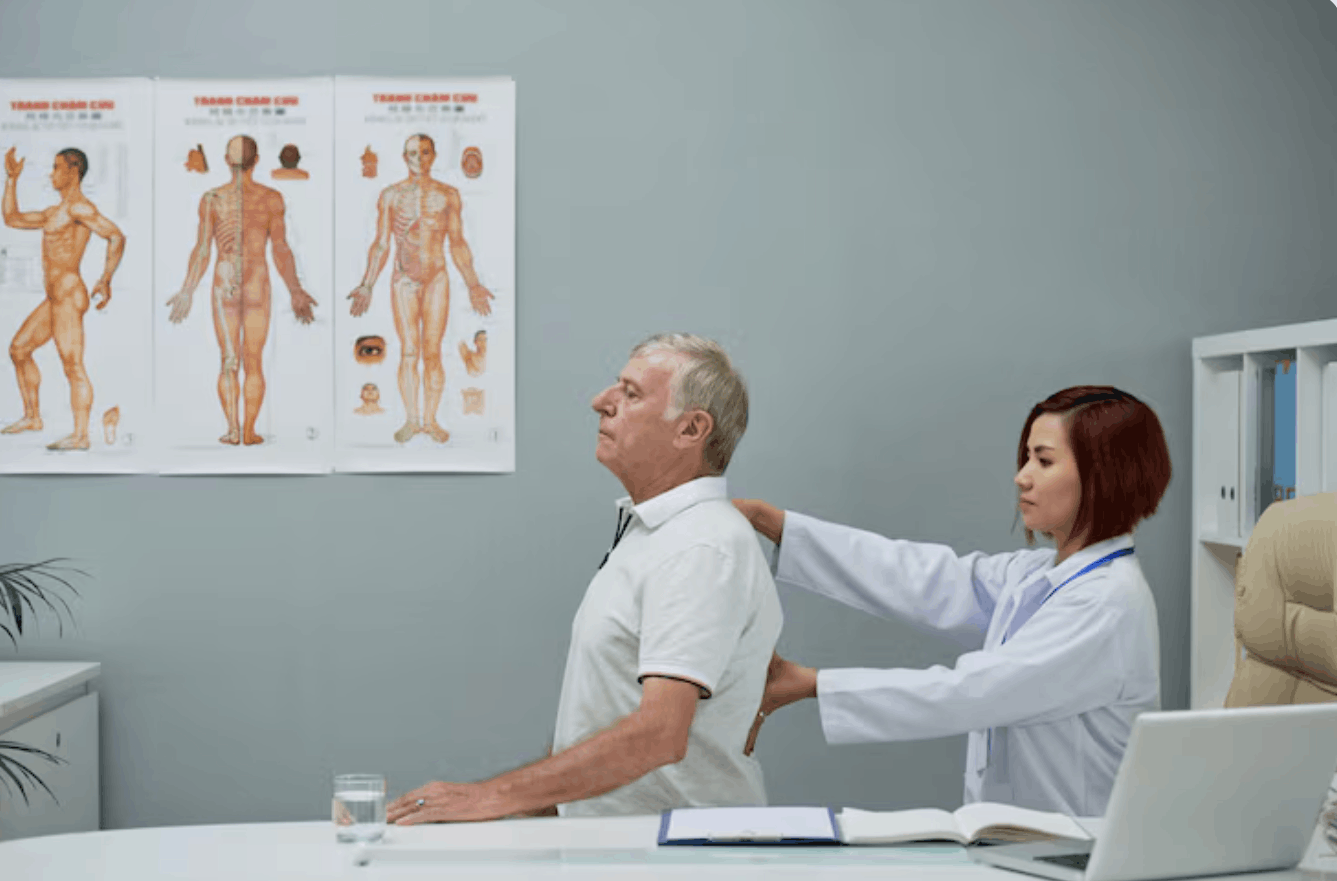
Many people with back pain wonder whether physiotherapy for slip disc is truly worth the cost. A slipped disc can affect work, sleep, walking, sitting, exercise and overall quality of life. Symptoms may range from mild back discomfort to severe nerve pain that travels into the leg or arm. Because of this, patients often look for treatment that is effective, safe and financially sensible.
In many cases, physiotherapy for slip disc is recommended as part of conservative care before surgery or more invasive procedures are considered. The aim is not only to reduce pain temporarily. Physiotherapy also helps improve spinal movement, strengthen supporting muscles, reduce recurrence risk and guide patients back to daily activities safely.
At Synapse Physiotherapy, patients with spine-related pain can receive assessment, rehabilitation and exercise-based care tailored to their symptoms and goals. When compared with unmanaged pain, repeated flare-ups or unnecessary long-term inactivity, physiotherapy may offer strong long-term value.
A slip disc, also known as a slipped disc, herniated disc or prolapsed disc, happens when the soft inner material of a spinal disc pushes outward through the outer layer. This may irritate or press on nearby nerves, causing pain and movement difficulty.
Common symptoms may include:
A slipped disc commonly affects the lower back, but it may also occur in the neck. Causes may include ageing, poor posture, heavy lifting, repetitive bending, sudden injury, prolonged sitting or low activity levels.
However, not every slipped disc causes severe symptoms. Some people improve with conservative treatment, while others may need specialist medical care if nerve symptoms are serious or worsening.
Physiotherapy for slip disc is often recommended because many disc-related symptoms can improve without surgery. Conservative rehabilitation focuses on reducing pain, restoring movement and improving the support around the spine.
The NHS guide to slipped disc explains that keeping active and taking suitable pain relief can help ease symptoms. It also notes that if pain is very bad, you may need to rest at first, but gradual gentle exercise such as walking, swimming or yoga can support faster recovery as long as symptoms do not worsen.
This is why physiotherapy is valuable. A physiotherapist can guide safe movement, choose suitable exercises and help patients avoid activities that aggravate symptoms. Instead of guessing what to do, patients receive a structured plan based on their condition.
The exact treatment plan depends on your symptoms, pain level, nerve involvement, activity goals and general health. A good physiotherapy plan is personalised, not copied from a generic exercise list.
Physiotherapy may include:
In the early stage, pain may limit movement and sleep. Physiotherapy may use gentle manual therapy, heat or cold guidance, TENS when suitable, positioning advice and activity modification to make movement more comfortable.
Gentle mobility exercises can reduce stiffness and help patients regain confidence. These exercises should be selected carefully because some movements may ease symptoms while others may irritate them.
Core strengthening helps improve support around the spine. This may include deep abdominal activation, pelvic control, hip strengthening and progressive stability exercises.
Long sitting hours and poor workstation setup may aggravate slipped disc symptoms. Physiotherapists can guide sitting posture, work breaks, lifting technique and safe movement strategies.
Some patients with sciatica-like symptoms may benefit from carefully guided nerve mobility exercises. These must be done correctly and should not worsen symptoms.
At Synapse Physiotherapy, spine and core rehabilitation may support patients with back pain, disc-related discomfort and movement limitations through structured rehabilitation.
For many patients, physiotherapy for slip disc can be more cost-effective than surgery, especially when symptoms are mild to moderate and there are no emergency warning signs. Surgery can involve hospital fees, imaging, anaesthesia, specialist care, time away from work and post-surgical rehabilitation.
Physiotherapy still requires time and financial commitment, especially when several sessions are needed. However, the cost is often spread across sessions and focused on long-term improvement. It also helps patients learn how to manage their spine better, which may reduce future flare-ups.
Potential cost-related benefits include:
However, physiotherapy is not a replacement for urgent medical care. Severe nerve compression or serious red flag symptoms need prompt medical assessment.
The cost of physiotherapy can vary between patients because each condition is different. Some people need only a short plan, while others require longer rehabilitation because symptoms are chronic or complex.
Factors that may affect cost include:
A mild case may improve with a few sessions and a home programme. A chronic case with recurring flare-ups may require a longer plan involving pain management, strengthening and movement retraining.
This is why a proper assessment is important before estimating how much rehabilitation may cost.
When asking whether physiotherapy for slip disc is worth the cost, it is helpful to consider long-term value rather than only the price per session. Slip disc symptoms can affect productivity, sleep, exercise, family life and confidence. If pain becomes chronic, the total personal and financial impact may be much higher.
Physiotherapy may support long-term value by helping patients:
For patients with persistent discomfort, pain management physiotherapy may help reduce symptoms while active rehabilitation continues.
Physiotherapy for slip disc may be especially worthwhile when symptoms are affecting daily life but are not medical emergencies. It may be helpful for people who want to avoid unnecessary invasive treatment and recover through guided movement.
It may be suitable for:
Early care can be useful because pain often leads to protective movement habits. Over time, these habits may cause more stiffness and weakness. Physiotherapy helps patients move safely before the problem becomes harder to manage.
Although physiotherapy helps many patients, it is not a guaranteed cure for every slipped disc. Some symptoms require further medical investigation or specialist care.
Seek urgent medical attention if you experience:
These warning signs may indicate serious nerve involvement or another medical concern. Physiotherapy can continue later if appropriate, but urgent medical assessment should come first.
Patients can get more value from physiotherapy when they take an active role in recovery. Attending sessions is important, but what happens between sessions matters too.
To maximise results:
For patients who need to rebuild physical capacity after pain improves, strength and conditioning may support safer progression back to work, exercise or sport.
Many people search online for slipped disc exercises, but not every exercise is suitable for every patient. Some people feel better with certain movements, while others feel worse. A physiotherapist can help identify which movements are safe and useful for your symptoms.
Professional guidance matters because it helps avoid common mistakes such as:
Patients can also learn more about the Synapse Physiotherapy team before starting care.
For many patients, yes. Physiotherapy can reduce pain, improve movement, strengthen the spine and lower recurrence risk, especially when started early and followed consistently.
This depends on symptom severity, nerve involvement, lifestyle and response to treatment. Some people improve within a few sessions, while chronic or complex cases may need longer care.
Physiotherapy may help many patients recover without surgery, especially in mild to moderate cases. However, surgery may still be needed if there is severe nerve compression or progressive weakness.
Short rest may be needed if pain is severe, but prolonged bed rest is usually not ideal. Gradual safe movement often supports recovery better than complete inactivity.
Avoid movements that sharply worsen symptoms, heavy lifting without guidance, prolonged sitting without breaks and exercises that increase leg or arm nerve pain.
For many people, physiotherapy for slip disc is worth the cost because it focuses on long-term recovery rather than temporary symptom relief. Through assessment, pain management, mobility work, strengthening, posture correction and education, physiotherapy can help patients move better and reduce recurrence risk.
Although treatment requires time, consistency and financial commitment, the benefits may outweigh the cost when compared with chronic pain, repeated flare-ups or unnecessary invasive procedures. Severe symptoms still need medical review, but many patients can improve through structured conservative rehabilitation.
For personalised support, visit Synapse Physiotherapy, explore spine and core rehabilitation, or contact Synapse Physiotherapy to book an appointment.
Tags :





Joint degeneration and inflammation happens as the human body grows older, but that does not mean our way of life degenerates as well. Relief your joint pains with a joint effort together with your physiotherapist, who will provide pain-relief treatments and prescribe exercises for your wellbeing.

Common conditions in the older age population include hips & knee pain, back & neck pain, osteoarthritis, rheumatism, fear of falling and many more. Aging and degeneration of bodily function is inevitable, but here at Synapse, we will help you live the best of your life.