Synapse Physiotherapy | Physio Center | Rehab Malaysia

Balance and mobility are essential for everyday independence. Walking, climbing stairs, standing from a chair, getting out of bed, exercising and returning to sport all depend on the body’s ability to move with control and confidence. When balance or mobility becomes poor, simple activities may start to feel difficult, tiring or unsafe.
This is why many people search for physiotherapy Ampang when they need support for movement problems, fall risk, injury recovery or age-related weakness. Physiotherapy helps identify why balance or mobility has changed, then uses targeted exercises, manual therapy, gait training and functional retraining to improve daily movement.
At Synapse Physiotherapy, patients can receive guided rehabilitation for balance, mobility, pain, strength and movement confidence. Whether the goal is to walk more steadily, recover from injury or return to sport, physiotherapy can provide a structured path towards better function.
Balance is the body’s ability to maintain stability while standing still or moving. Mobility is the ability to move freely, safely and efficiently through daily activities. Both depend on several body systems working together.
These include:
When one or more of these systems is affected, a person may feel unsteady, stiff or less confident when moving. This can happen after injury, surgery, stroke, ageing, pain, neurological conditions or long periods of inactivity.
Physiotherapy Ampang services are useful because they focus on the cause of movement difficulty, not only the symptom. For example, someone who feels unsteady while walking may have weak leg muscles, poor ankle control, reduced joint mobility or delayed balance reactions.
A proper assessment is the first step in improving balance and mobility. Physiotherapists assess how the body moves, where weakness or stiffness exists and how these issues affect daily function.
A physiotherapy assessment may include:
This assessment helps the physiotherapist create a personalised treatment plan. For example, an older adult with fall risk may need strength and balance training. An athlete recovering from an ankle sprain may need proprioception and agility work. A stroke patient may need neurological rehabilitation and gait retraining.
Patients who need professional assessment can learn more about the Synapse Physiotherapy team before starting their rehabilitation journey.
Strong muscles are important for balance. The hips, thighs, calves and core help keep the body stable during standing, walking and changing direction. When these muscles become weak, the body may feel unstable or tire easily.
Physiotherapy Ampang programmes may include strengthening exercises such as:
Strengthening is usually progressed gradually. A patient may start with simple supported movements before moving towards more challenging exercises. This helps the body adapt safely and reduces the risk of strain.
For patients who need to rebuild strength after injury or inactivity, strength and conditioning may support better movement control and physical resilience.
Proprioception is the body’s ability to sense position and movement. It helps you know where your joints are without needing to look at them. After an ankle sprain, knee injury, stroke or long period of inactivity, proprioception may become reduced.
Poor proprioception can make movement feel uncertain. A person may feel unsteady on uneven ground, during quick turns or when stepping off a curb.
Balance training may include:
The NHS guide to balance exercises explains that balance exercises can be done at home to help improve health and mobility. In physiotherapy, these exercises can be adapted based on the patient’s condition, safety level and goals.
Mobility problems often happen when joints become stiff, muscles become tight or pain limits movement. This may affect walking, squatting, reaching, bending or climbing stairs.
Physiotherapy may include:
Manual therapy may help reduce stiffness, but active exercises are still needed for long-term improvement. The goal is to help patients use their improved movement in real life, not only during treatment sessions.
For patients with pain that limits movement, pain management physiotherapy may help support symptom relief while mobility and strengthening work continue.
Gait refers to the way a person walks. Walking difficulties may happen after stroke, surgery, injury, ageing or neurological conditions. Some people may walk slowly, limp, drag one foot, take short steps or feel afraid of falling.
Gait rehabilitation may focus on:
Physiotherapy Ampang can help patients practise walking in a controlled way before progressing to more challenging environments. This may include walking around obstacles, changing direction, walking on different surfaces or improving stair confidence.
The goal is not only to walk further. It is to walk more safely, smoothly and confidently.
Ageing can affect balance and mobility due to muscle loss, slower reflexes, reduced joint flexibility and changes in confidence. This can increase the risk of falls, especially when walking on uneven surfaces, using stairs or moving quickly.
Physiotherapy for older adults may include:
Fall prevention is not only about avoiding injury. It also helps older adults maintain independence, social activity and confidence. Even simple exercises, when done consistently and safely, can improve daily function.
Physiotherapy Ampang services can be especially helpful for older adults who feel less steady, have fallen before or have started avoiding activity because of fear.
Neurological conditions can affect balance, coordination, strength and walking ability. Stroke patients, for example, may experience weakness on one side of the body, poor coordination and difficulty with standing or walking.
Physiotherapy can support neurological rehabilitation by working on:
For patients with neurological conditions, neurological rehabilitation may help improve independence and daily function through structured therapy.
Progress may be gradual, but consistent rehabilitation can help patients regain better control and confidence.
Athletes and active individuals also need balance and mobility. Sports such as football, badminton, running, basketball and tennis require quick direction changes, jumping, landing and coordination.
After injury, balance and mobility may be reduced even after pain improves. This can increase the risk of re-injury if the athlete returns too soon.
Sports-focused physiotherapy may include:
For active individuals, sports physiotherapy can help bridge the gap between injury recovery and safe return to sport.
Physiotherapy should improve real-life movement. This is why functional training is important. Instead of only training isolated muscles, physiotherapists help patients practise tasks they actually need in daily life.
Functional training may include:
This approach helps patients feel the benefit of physiotherapy in everyday situations. It also makes rehabilitation more meaningful and easier to follow.
Balance and mobility do not usually improve after one session. Progress requires consistent practice and gradual progression. Patients are often given home exercises to support clinic sessions.
Consistency helps:
Physiotherapy Ampang works best when patients follow the treatment plan, attend sessions regularly and practise exercises safely at home. The physiotherapist will adjust exercises as the patient improves.
Yes. Physiotherapy can help improve balance through strength training, proprioception exercises, gait training and functional movement practice.
Older adults, stroke patients, people recovering from injury or surgery, athletes and anyone with walking difficulty, stiffness or instability may benefit.
The timeline depends on the cause of the problem, severity, health condition and consistency with exercises. Some people notice improvement within weeks, while others need longer rehabilitation.
Balance exercises can be safe when properly selected and supervised. Patients with high fall risk should begin under physiotherapist guidance before doing exercises at home.
Yes. Physiotherapy may help stroke patients improve strength, balance, walking ability and independence through neurological rehabilitation and functional training.
Balance and mobility are essential for independence, confidence and quality of life. When these abilities become affected by injury, ageing, neurological conditions, pain or surgery, physiotherapy Ampang can provide structured support for recovery.
Through assessment, strengthening, balance training, mobility work, gait rehabilitation and functional retraining, physiotherapy helps patients move more safely and confidently. Whether the goal is fall prevention, stroke recovery, sports rehabilitation or better daily movement, a personalised plan can make recovery more effective.
For personalised balance and mobility support, visit Synapse Physiotherapy or contact Synapse Physiotherapy to book an appointment and begin your rehabilitation journey with guided care.
Tags :



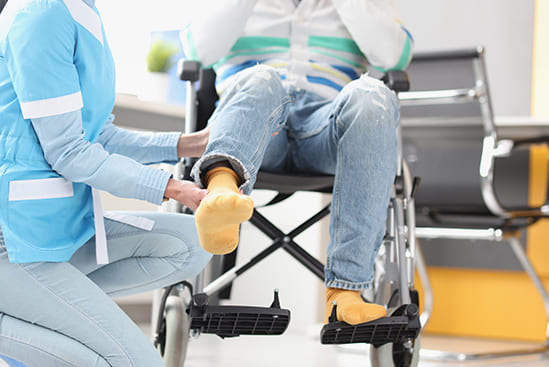


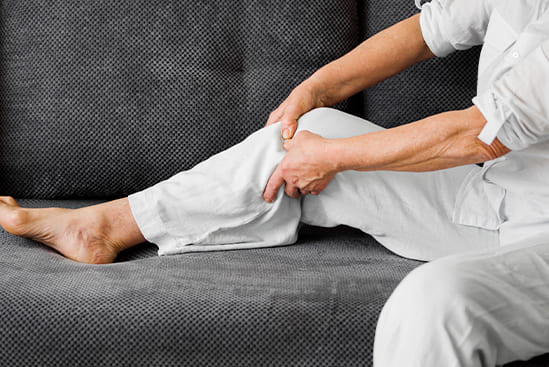
Joint degeneration and inflammation happens as the human body grows older, but that does not mean our way of life degenerates as well. Relief your joint pains with a joint effort together with your physiotherapist, who will provide pain-relief treatments and prescribe exercises for your wellbeing.

Common conditions in the older age population include hips & knee pain, back & neck pain, osteoarthritis, rheumatism, fear of falling and many more. Aging and degeneration of bodily function is inevitable, but here at Synapse, we will help you live the best of your life.