Synapse Physiotherapy | Physio Center | Rehab Malaysia
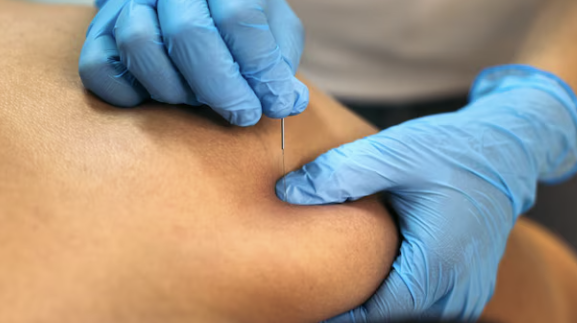
Athletes constantly place high demands on their bodies. Running, jumping, throwing, lifting, sprinting and rapid changes in direction can all increase stress on muscles, tendons and joints. Over time, this may lead to muscle tightness, trigger points, overuse injuries and recurring pain. This is why many active individuals search for dry needling near me when they need targeted treatment for muscle-related discomfort.
Dry needling is commonly used in physiotherapy to help release tight muscles, reduce pain and improve movement. For athletes, it may be useful when muscle tightness limits performance, delays recovery or makes rehabilitation exercises harder to complete. However, dry needling works best when it is combined with a wider physiotherapy plan, including strengthening, mobility work, load management and movement correction.
At Synapse Physiotherapy, dry needling may be considered after proper assessment to determine whether it is suitable for the patient’s condition. The aim is not only to reduce discomfort, but also to support better recovery and long-term movement quality.
Dry needling is a physiotherapy technique that involves inserting very thin, sterile needles into specific areas of muscle. These areas are often called trigger points or muscle knots. A trigger point is a tight, sensitive area in the muscle that may cause local pain, referred pain, stiffness or reduced movement.
The term “dry” means that no medication or fluid is injected into the body. The needle itself is used to stimulate the muscle tissue and encourage a response from the nervous system and surrounding soft tissues.
Although dry needling may look similar to acupuncture, the two approaches are different. Acupuncture is based on traditional Chinese medicine principles, while dry needling is based on anatomy, physiology and musculoskeletal assessment.
According to Cleveland Clinic’s guide to dry needling, dry needling may help release trigger points, reduce muscle pain and stiffness, and improve flexibility and range of motion.
Athletes often want fast access to recovery support because their training schedules are demanding. When pain, tightness or stiffness interrupts training, they may search for dry needling near me to find nearby physiotherapy care that can assess and treat the problem early.
Common reasons athletes seek dry needling include:
Convenience matters because athletes often train several times a week. A nearby clinic can make it easier to stay consistent with treatment, rehabilitation and follow-up sessions.
Dry needling is not only used for pain relief. It may support recovery by improving muscle relaxation and allowing athletes to move more comfortably during rehabilitation.
Tight muscles can restrict movement and make training feel uncomfortable. When a trigger point is stimulated with a dry needle, the muscle may produce a local twitch response. This can help release muscle tension and improve comfort.
Restricted movement can affect sports performance. A tight shoulder may affect throwing or serving, while tight hamstrings may reduce sprinting efficiency. By reducing muscular restriction, dry needling may help improve mobility.
Pain can stop athletes from training properly or completing rehabilitation exercises. Dry needling may help reduce pain sensitivity and make movement feel easier.
Athletes recovering from injury often need strengthening and movement retraining. If tight muscles are limiting movement, dry needling may help create a better window for exercise-based rehabilitation.
This is why dry needling near me searches are common among athletes who want treatment that supports both recovery and performance.
Dry needling may be used as part of physiotherapy care for several sports-related issues. It is not suitable for every injury, so assessment is important before treatment begins.
Common conditions may include:
For athletes with sports-related injuries, sports physiotherapy can help combine dry needling with strengthening, mobility training and return-to-sport planning.
Many athletes try stretching, massage, foam rolling or heat therapy before searching for dry needling near me. These methods can be helpful, but they may not always fully address deeper trigger points or stubborn muscle tightness.
Dry needling is different because it targets the affected muscle tissue directly. It may reach deeper areas that are difficult to treat with surface-level techniques.
However, this does not mean dry needling replaces other recovery methods. In many cases, the best approach combines several strategies, such as:
For athletes who need to rebuild physical capacity, strength and conditioning may support long-term recovery and performance.
The sensation of dry needling varies from person to person. The needles used are very thin, and many patients feel only mild discomfort during insertion. When a trigger point is reached, the muscle may twitch briefly. This can feel like a quick cramp, ache or deep pressure.
After treatment, some soreness is normal. It may feel similar to post-exercise muscle soreness and usually settles within 24 to 48 hours. Athletes should follow aftercare advice and avoid intense training immediately after treatment if the treated area feels sore.
A physiotherapist should always explain what to expect before starting treatment. If you feel dizzy, uncomfortable or anxious during treatment, let your therapist know immediately.
The right frequency depends on the athlete’s condition, training load, symptoms and response to treatment. Some athletes may only need dry needling occasionally during flare-ups, while others may use it as part of a short rehabilitation plan.
Dry needling is usually not recommended as a standalone long-term solution. If tightness keeps returning, the underlying cause should be assessed. This may involve checking strength, mobility, training load, biomechanics and recovery habits.
A physiotherapy plan may combine dry needling with:
This integrated approach is more useful than relying only on repeated passive treatment.
Searching for dry needling near me is often about convenience, but convenience can affect recovery. Athletes with tight training schedules may delay treatment if the clinic is too far away or difficult to access. Delayed care may allow symptoms to worsen or affect training consistency.
Nearby physiotherapy support can help with:
At Synapse Physiotherapy, athletes can receive assessment and treatment planning based on their symptoms, activity demands and recovery goals.
Dry needling can be helpful for many athletes, but it is not appropriate for everyone. A physiotherapist should review your medical history before treatment.
Dry needling may not be suitable or may require extra caution if you have:
This is why professional assessment is important. The treatment should only be performed by a trained healthcare professional using sterile, single-use needles.
Patients can learn more about the Synapse Physiotherapy team before booking their appointment.
Dry needling may reduce muscle tightness and pain, but sports recovery requires more than symptom relief. Athletes need strength, control, mobility and confidence to return safely to sport.
A complete sports physiotherapy plan may include:
For athletes with ongoing discomfort, pain management physiotherapy may help reduce symptoms while active rehabilitation continues.
Athletes often search for dry needling near me because they want nearby access to treatment for muscle tightness, trigger points, sports pain or recovery support.
No. Dry needling may be used for professional athletes, recreational players, gym users, runners and active individuals when suitable after assessment.
Dry needling may help improve movement comfort and range of motion when muscle tightness is limiting performance. It should be combined with strengthening and movement training.
Mild soreness may last 24 to 48 hours. It usually feels similar to post-exercise muscle soreness. Your physiotherapist will advise on aftercare.
No. Both use thin needles, but dry needling is based on musculoskeletal assessment and trigger point treatment, while acupuncture follows traditional Chinese medicine principles.
Athletes search for dry needling near me because they want targeted support for muscle tightness, trigger points, pain and recovery. Dry needling may help reduce stiffness, improve range of motion and make rehabilitation exercises more comfortable when used appropriately.
However, it should not be treated as a standalone solution. The best results often come when dry needling is combined with physiotherapy assessment, strengthening, mobility work, load management and sport-specific rehabilitation.
For personalised support, visit Synapse Physiotherapy, explore sports physiotherapy, or contact Synapse Physiotherapy to book an appointment.
Tags :
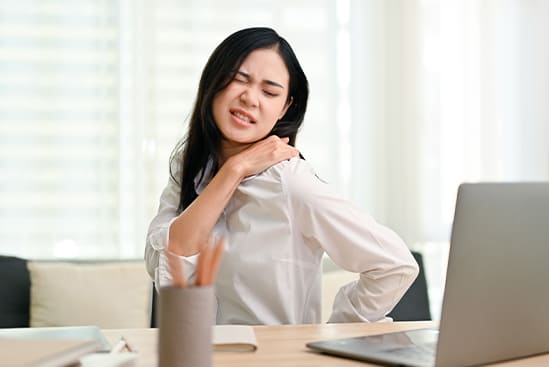
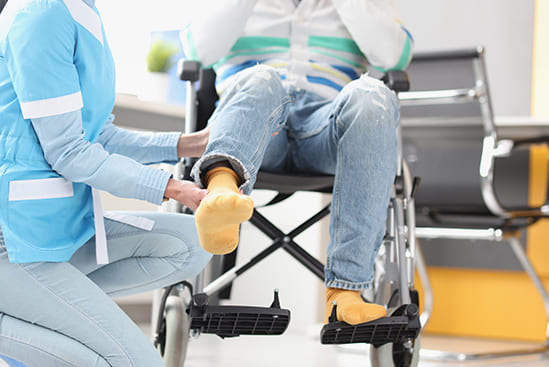
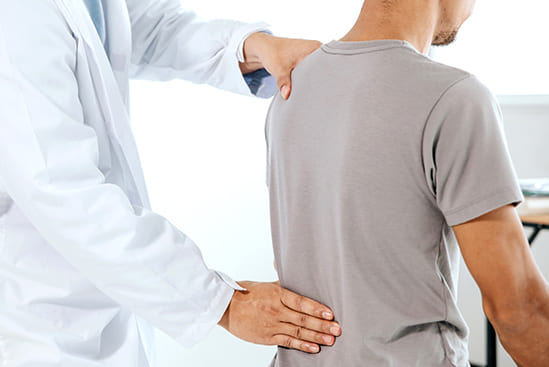
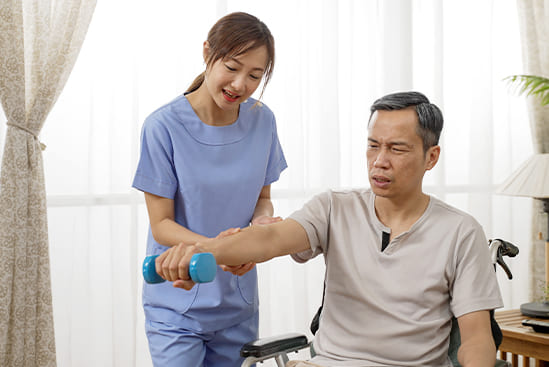
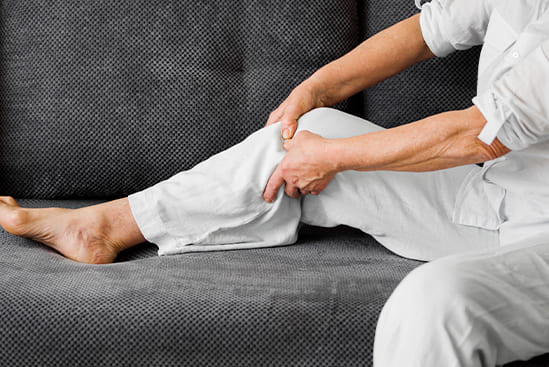
Joint degeneration and inflammation happens as the human body grows older, but that does not mean our way of life degenerates as well. Relief your joint pains with a joint effort together with your physiotherapist, who will provide pain-relief treatments and prescribe exercises for your wellbeing.
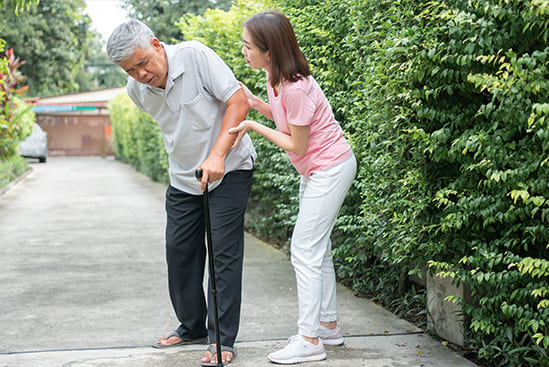
Common conditions in the older age population include hips & knee pain, back & neck pain, osteoarthritis, rheumatism, fear of falling and many more. Aging and degeneration of bodily function is inevitable, but here at Synapse, we will help you live the best of your life.