Synapse Physiotherapy | Physio Center | Rehab Malaysia
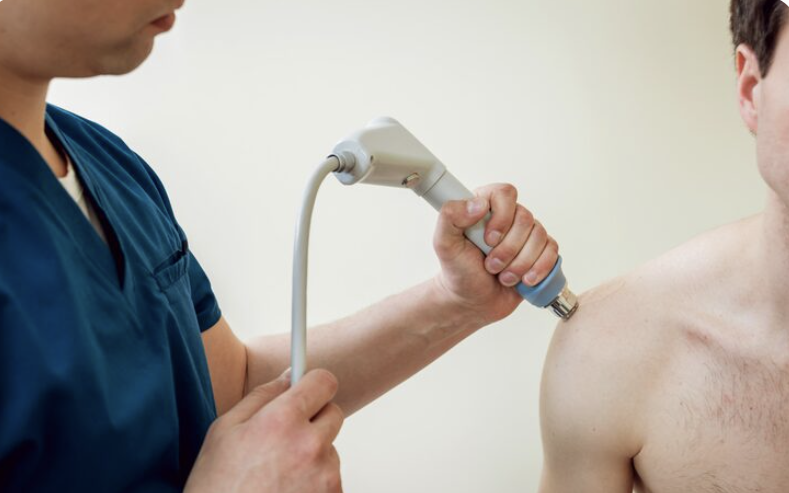
When dealing with chronic pain, stubborn tendon problems, or recurring soft tissue injuries, many patients look for non-invasive treatment options that can support healing without surgery. Shockwave therapy has become a popular option in physiotherapy because it may help stimulate tissue repair, reduce pain, and improve function for conditions such as plantar fasciitis, Achilles tendinopathy, tennis elbow, calcific shoulder tendinitis, and patellar tendinopathy.
One of the most common questions patients ask is simple: how many sessions are needed? The answer depends on your condition, symptom duration, pain severity, activity level, and how your body responds to treatment. While many people need around three to six sessions, the exact number should be based on professional assessment rather than a fixed package.
At Synapse Physiotherapy, treatment plans are personalised to each patient’s condition, recovery goals, and rehabilitation needs.
Shockwave therapy, also known as extracorporeal shockwave therapy, uses acoustic pressure waves delivered through a handheld device. These waves are applied to the painful or injured area to stimulate a healing response in the tissue.
It is commonly used for chronic tendon and soft tissue conditions where healing has slowed down. The treatment may help increase blood flow, reduce pain sensitivity, stimulate collagen production, and support tissue regeneration.
The Royal Orthopaedic Hospital’s shockwave therapy guide explains that shockwave treatment may be used for heel pain and aims to increase blood flow and stimulate healing in the affected area.
Typical Shockwave Therapy Treatment Plan:
These figures are a general guide rather than a strict rule. Response times vary between patients:
Ongoing Reassessment Throughout Treatment:
A physiotherapist will regularly review your progress to determine the most appropriate next steps, including:
Regular reassessment ensures treatment remains aligned with your progress and that the overall plan continues to meet your recovery needs.
Shockwave therapy works by stimulating a biological response. This process takes time. A single session may start the healing response, but repeated sessions help reinforce the effect and encourage gradual tissue recovery.
The treatment may trigger increased circulation, tissue repair activity, collagen remodelling, and reduced pain signalling. These changes build over time, which is why several sessions are often recommended.
It is important to understand that the goal is not only short-term pain relief. The aim is to improve the quality and tolerance of the affected tissue so it can handle daily movement, work, sport, or exercise better.
The number of shockwave therapy sessions needed varies depending on several individual factors.
Key Factors That Influence Treatment Duration:
How Symptom Duration Affects Recovery:
Condition Type | Recovery Outlook |
Acute or early-stage injury | May respond faster as tissue has not yet developed long-term changes |
Chronic condition lasting 6 months or more | May require more consistent treatment and longer rehabilitation |
How Different Conditions May Respond:
Each condition responds differently to shockwave therapy, and treatment plans are adjusted accordingly.
A mild or early-stage condition may respond within three sessions, while a long-standing or severe condition may require five to six sessions or more. Your physiotherapist will guide the plan based on how your body responds throughout treatment.
After the first shockwave therapy session, some patients notice mild pain relief, while others may feel temporary soreness in the treated area. This soreness usually settles within a short period and may be part of the tissue response.
By the second or third session, many patients begin noticing reduced pain, improved mobility, or better tolerance during daily activity. However, improvement is not always immediate. For some chronic conditions, the most noticeable results appear several weeks after the final session.
By the fourth to sixth session, patients may experience clearer functional improvements, such as walking with less heel pain, gripping with less elbow discomfort, or returning to exercise with better tolerance. Progress should be monitored carefully and adjusted based on response.
More sessions are not always better. Shockwave therapy needs the right dosage, timing, and intensity. Too few sessions may not provide enough stimulation, but too many sessions without reassessment may irritate the tissue or provide limited extra benefit.
This is why clinical monitoring matters. A physiotherapist should check whether your pain is reducing, movement is improving, and functional goals are being met. If there is no improvement after several sessions, the treatment plan may need to be reviewed.
Sometimes the diagnosis may need reassessment. In other cases, the shockwave settings, treatment area, exercise programme, or load management plan may need adjustment.
Some patients may need additional sessions beyond the usual three to six. This may happen with very chronic conditions, recurrent injuries, high sports demands, deeper tissue problems, or slow healing response.
For example, an athlete returning to high-impact sport may need closer monitoring and a longer rehabilitation plan. A patient with long-standing plantar fasciitis may need a more complete programme involving shockwave therapy, calf strengthening, foot exercises, footwear advice, and activity modification.
At Synapse Therapy’s shokwave therapy services, care can be tailored according to pain, function, movement limitations, and recovery goals.
Shockwave therapy works best when combined with a structured physiotherapy programme. The treatment may stimulate healing, but exercises help restore strength, flexibility, movement control, and tissue capacity.
For plantar fasciitis, this may include calf stretching, foot strengthening, footwear advice, and walking load management. For Achilles tendinopathy, eccentric calf strengthening and gradual return to running may be needed. For tennis elbow, grip strengthening, forearm loading, and ergonomic advice may be included.
Manual therapy, posture correction, taping, mobility exercises, and strength training may also be used depending on the condition. Home Physiotherapy may be suitable for some patients who need rehabilitation support at home, but shockwave treatment itself is usually performed in a clinical setting with the appropriate device.
Positive Signs That Shockwave Therapy Is Working:
Functional improvements:
Physical improvements:
Progress from shockwave therapy is often gradual rather than immediate. Small, consistent improvements are a meaningful sign that the tissue is responding and healing is underway.
It is important to continue your rehabilitation exercises even when pain improves. Stopping too early may allow symptoms to return, especially if the underlying weakness or overload problem remains.
Your treatment plan may need review if pain worsens and does not settle, symptoms do not improve after several sessions, new numbness or weakness appears, or the treated area becomes unusually swollen or irritated.
A physiotherapist may adjust the intensity, change the treatment area, modify your exercises, reduce training load, or suggest further assessment. If symptoms suggest a condition outside the scope of physiotherapy, referral may be recommended.
Most patients need around three to six sessions, often spaced one week apart. The exact number depends on the condition, severity, and treatment response.
One session may provide some relief, but most chronic conditions need multiple sessions to stimulate a stronger healing response.
A typical session usually takes around 10 to 20 minutes, depending on the treatment area and condition.
It may feel uncomfortable or like strong tapping over a tender area, but most patients tolerate it well. Intensity can often be adjusted.
Some patients improve after one to two sessions, while others notice clearer results several weeks after completing the treatment course.
Shockwave therapy can be a valuable non-invasive treatment for chronic tendon, muscle, and soft tissue problems. Most patients need around three to six sessions, but the exact number depends on the condition, symptom duration, severity, and individual healing response.
The best results usually come from combining treatment with a personalised physiotherapy plan. Strengthening, stretching, manual therapy, posture correction, and load management all help improve long-term recovery and reduce recurrence.
For more information on assessment and treatment planning, visit Synapse Physiotherapy’s conditions page or contact Synapse Therapy to arrange an appointment.
Tags :



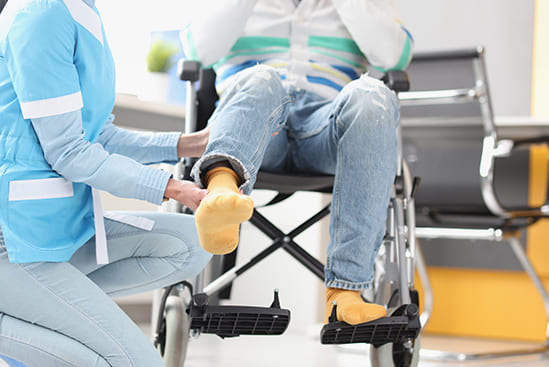


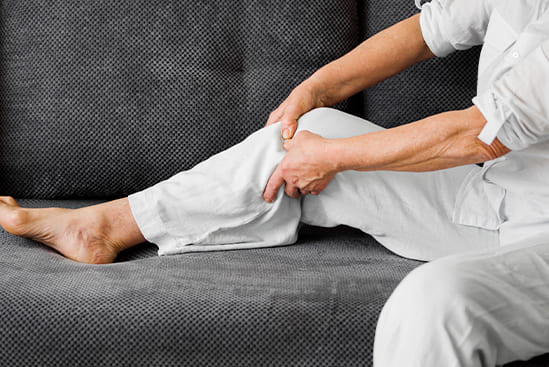
Joint degeneration and inflammation happens as the human body grows older, but that does not mean our way of life degenerates as well. Relief your joint pains with a joint effort together with your physiotherapist, who will provide pain-relief treatments and prescribe exercises for your wellbeing.

Common conditions in the older age population include hips & knee pain, back & neck pain, osteoarthritis, rheumatism, fear of falling and many more. Aging and degeneration of bodily function is inevitable, but here at Synapse, we will help you live the best of your life.