Synapse Physiotherapy | Physio Center | Rehab Malaysia

Many people search for physiotherapy Cyberjaya when pain, stiffness, injury or surgery starts to affect their ability to move comfortably. Mobility problems can interfere with work, exercise, sports, sleep and daily routines. When movement becomes limited, even simple activities such as walking, climbing stairs, bending, lifting or getting out of a chair may feel difficult.
Physiotherapy helps improve mobility by identifying the cause of restricted movement and guiding the body through safe, structured rehabilitation. Instead of only masking symptoms, physiotherapy focuses on restoring joint movement, reducing pain, strengthening weak muscles and rebuilding confidence in movement.
At Synapse Physiotherapy, patients can receive personalised care for pain, injuries, post-surgical recovery and movement problems. With early assessment and consistent rehabilitation, many patients can improve mobility more efficiently and return to daily activities with better confidence.
Mobility refers to the ability to move freely, efficiently and with minimal pain. Good mobility allows the body to bend, rotate, walk, squat, reach and perform daily activities smoothly. When mobility becomes restricted, the body may compensate by using other muscles or joints, which can create further discomfort.
Mobility problems may happen because of:
Without proper treatment, reduced mobility may lead to further weakness, stiffness, balance problems and chronic pain. This is why physiotherapy Cyberjaya can be helpful for patients who want guided recovery rather than relying only on rest.
A good physiotherapy plan begins with assessment. Physiotherapists do not only look at where the pain is. They assess how the body moves and what may be causing the limitation.
A mobility assessment may include:
This helps the physiotherapist understand whether the mobility problem is caused by stiffness, weakness, pain, poor control, nerve involvement or a combination of factors.
For example, a patient with knee stiffness may also have weak hip muscles or poor walking mechanics. A patient with lower back pain may have limited hip mobility, weak core muscles or poor posture habits. A personalised plan can then be created based on the patient’s needs.
One reason physiotherapy Cyberjaya may improve mobility faster is early intervention. When people avoid movement because of pain, the body may become stiffer and weaker over time. This can make recovery slower.
Delayed rehabilitation may lead to:
Early physiotherapy encourages safe movement before these problems become more severe. The NHS guide to physiotherapy explains that physiotherapy can ease pain and improve movement after injury, illness or disability. It also notes that physiotherapy is often used to improve movement, strength and stamina after surgery.
This supports the role of structured rehabilitation for patients recovering from injuries, surgery or movement limitations.
Every patient’s mobility problem is different. A person recovering from knee surgery needs a different plan from someone with neck pain, a slipped disc or ankle instability. Physiotherapy Cyberjaya should be tailored to the individual rather than delivered as a general exercise routine.
A personalised programme may consider:
This individualised approach helps patients progress at the right pace. Moving too little may delay recovery, while doing too much too soon may irritate healing tissues. Physiotherapy helps find the right balance.
Exercise therapy is one of the most important parts of mobility improvement. It helps restore flexibility, strength, coordination and movement confidence. Unlike general fitness exercises, rehabilitation exercises are selected based on the patient’s condition and recovery stage.
Exercise therapy may focus on:
For example, knee rehabilitation may include quadriceps strengthening and walking retraining. Shoulder rehabilitation may include range of motion and stabilisation exercises. Spine rehabilitation may focus on core control, hip strength and posture correction.
For patients who need to rebuild physical capacity, strength and conditioning may support safer progression back to work, sport or daily activity.
Manual therapy may be used when joint stiffness, muscle tightness or soft tissue restrictions limit movement. It involves hands-on techniques performed by a physiotherapist to improve comfort and mobility.
Manual therapy may include:
These techniques can help patients move more comfortably during exercises and daily activities. However, manual therapy works best when combined with active rehabilitation. Hands-on treatment may reduce stiffness, but exercises help maintain and build on those improvements.
For patients with persistent discomfort, pain management physiotherapy may help reduce symptoms while movement and strengthening work continue.
Pain is one of the biggest reasons people stop moving. When movement feels painful, patients may avoid walking, bending, exercising or using the affected area. Over time, this avoidance can lead to stiffness and weakness.
Physiotherapy may help manage pain through:
As pain improves, patients often feel more confident moving again. This creates a positive cycle. Better movement supports circulation, strength and flexibility, which may further improve function.
The goal is not to push through severe pain. The goal is to restore safe movement gradually.
Weak muscles can significantly limit mobility. If the muscles around a joint are weak, movement may feel unstable, tiring or painful. Strengthening helps improve control and reduces unnecessary strain on joints and soft tissues.
Important muscle groups may include:
Strengthening should be progressive. Patients may begin with simple controlled exercises, then move towards more challenging functional tasks as they improve.
Poor posture can place extra stress on muscles, joints and the spine. Over time, this may contribute to stiffness, pain and reduced movement efficiency.
Common posture-related issues include:
A physiotherapist may teach posture correction, ergonomic advice and safer movement strategies. These changes can reduce repeated strain and improve how the body moves during work, exercise and daily activities.
For spine-related movement issues, spine and core rehabilitation may help improve spinal support, mobility and movement control.
Some patients struggle with walking after surgery, injury, neurological conditions or long periods of inactivity. Physiotherapy can include gait retraining and balance exercises to improve movement confidence.
Gait and balance training may focus on:
Balance training is especially important for older adults and patients recovering from major injuries. It can also help athletes who need better control during running, landing or changing direction.
Post-surgical rehabilitation is one of the areas where physiotherapy can improve mobility significantly. After surgery, patients may experience swelling, pain, weakness and restricted joint movement. Waiting too long to rehabilitate may delay functional recovery.
Common surgeries that may need physiotherapy include:
Physiotherapists guide patients through safe rehabilitation stages while protecting healing tissues. Early stages may focus on pain control and gentle movement, while later stages focus on strengthening, balance and return to activity.
Physiotherapy Cyberjaya services may support many musculoskeletal and neurological conditions that affect mobility.
Common conditions include:
For active individuals recovering from injuries, sports physiotherapy may help restore strength, coordination and confidence before returning to sport or gym training.
Physiotherapy is not only about what happens during clinic sessions. Patient education is an important part of long-term recovery. A physiotherapist helps patients understand what is causing their mobility problem and what they can do between sessions.
Patients may learn:
This education helps patients continue improving outside the clinic. It also reduces dependence on passive treatment alone.
Physiotherapy can improve mobility efficiently, but consistency is essential. Mobility often improves when patients attend sessions regularly and complete home exercises as advised.
Recovery is usually better when patients:
Patients can also learn more about the Synapse Physiotherapy team before starting a rehabilitation plan.
Physiotherapy may help improve mobility efficiently when treatment starts early and the patient follows the programme consistently. Recovery speed depends on the cause, severity and overall health.
Physiotherapy may support back pain, neck pain, sports injuries, arthritis, post-surgery weakness, slipped disc symptoms, stroke-related movement problems and balance issues.
Manual therapy may reduce stiffness, but long-term mobility usually requires exercises, strengthening, posture correction and movement retraining.
Yes. Home exercises help maintain progress between sessions and improve strength, flexibility and confidence in movement.
You should seek physiotherapy if stiffness, pain, weakness or balance problems affect walking, work, exercise, sleep or daily activities.
Mobility problems can affect independence, work, exercise and overall well-being. Physiotherapy Cyberjaya provides a structured way to restore movement safely through assessment, pain relief, manual therapy, exercise rehabilitation, posture correction, balance training and education.
Early intervention can prevent stiffness, weakness and compensation patterns from becoming worse. With a personalised plan and consistent participation, patients can improve flexibility, strength, balance and confidence in movement more effectively.
For personalised mobility support, visit Synapse Physiotherapy or contact Synapse Physiotherapy to book an appointment and begin your rehabilitation journey with guided care.
Tags :



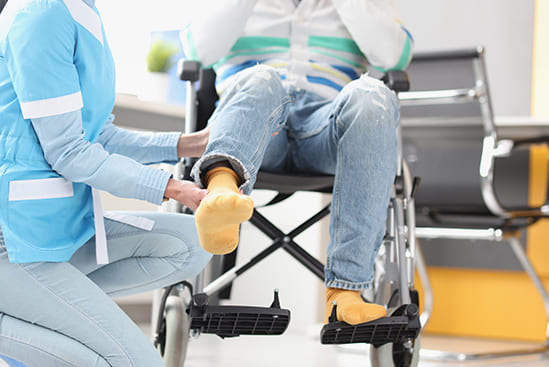


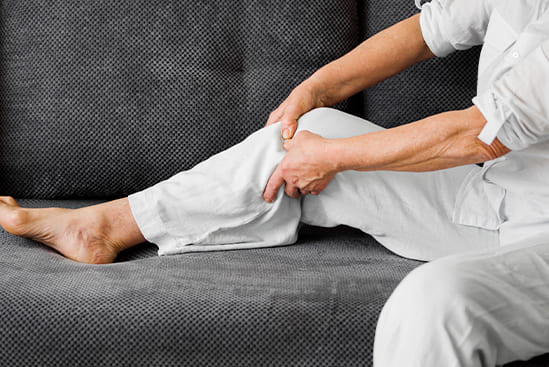
Joint degeneration and inflammation happens as the human body grows older, but that does not mean our way of life degenerates as well. Relief your joint pains with a joint effort together with your physiotherapist, who will provide pain-relief treatments and prescribe exercises for your wellbeing.

Common conditions in the older age population include hips & knee pain, back & neck pain, osteoarthritis, rheumatism, fear of falling and many more. Aging and degeneration of bodily function is inevitable, but here at Synapse, we will help you live the best of your life.