Posted on

How Injuries Cause Osteoarthritis & Physio Helps

Sports Injury Clinic
Osteoarthritis & Rheumatism, Synapse Physiotherapy

Introduction

Osteoarthritis (OA) is a degenerative joint disease characterised by the breakdown of cartilage, leading to pain, stiffness, and reduced mobility. While ageing and genetic factors are common contributors, injuries to joints also play a significant role in the development and progression of osteoarthritis. In this article, we will be discussing post – traumatic arthritis and how physiotherapy can help. If you are looking for a sports injury clinic, search for us on Google for the closest Synapse Physiotherapy to you and we will be able to assist you in your recovery. Our team of expert physiotherapists will be able to execute a holistic treatment plan to help you with your challenges with osteoarthritis.

Post-traumatic arthritis (PTA) develops after an acute direct trauma to the joints. In some cases, a  history of physical trauma may also be found in patients with chronic inflammatory arthritis. PTA can occur at any age, in any joints and may develop from any kind of acute physical trauma, such as injury in sports, vehicle accidents, falls or military injuries. Although a single trauma may sometimes be sufficient to induce arthropathy, repeated injuries as well as excess body weight are known to increase the risk of PTA..

Usually after an acute trauma, the symptoms following that include swelling, synovial effusions, severe pain and sometimes internal bleeding. This may take up to 2 – 3 months for a spontaneous full recovery. However, if there is a persistence of symptoms after a 6 month period, you will need treatment and medical attention as it can now be considered a pathological condition and chronic PTA.


Some of the risk factors for PTA are

  • Age: risk of osteoarthritis increases with age.
  • Sex: Women are more likely to develop osteoarthritis.
  • Obesity: Increased weight adds stress to weight-bearing joints, such as your hips and knees.
  • Joint injuries: Injuries from sports or from an accident can increase risk of osteoarthritis.
  • Repeated stress on the joint: Repetitive stress leads to repetitive injuries which will then increase the risk of osteoarthritis.
  • Genetics: Some people inherit a tendency to develop osteoarthritis.
  • Bone deformities: Malformed joints or defective cartilage will lead to increased risk of osteoarthritis.

Understanding the connection between injuries and OA, as well as the role of physiotherapy in managing the condition, is crucial for effective prevention and treatment.


How Injuries Lead to Osteoarthritis

Injuries to the joints can initiate a cascade of events that ultimately result in osteoarthritis. The most common types of injuries that lead to OA include:

  1. Ligament Tears (e.g: ACL Injury)

Ligament injuries, such as anterior cruciate ligament (ACL) tears, destabilise the joint and alter its biomechanics. This instability increases wear and tear on the cartilage, accelerating its degeneration.

  1. Meniscal Tears

The menisci are cartilage structures that cushion and stabilise the knee joint. Tears in the meniscus can lead to uneven load distribution and increased stress on the cartilage, promoting its breakdown.

3. Fractures

Fractures involving the joint surface can disrupt the normal anatomy and alignment of the joint, leading to uneven cartilage wear and the development of osteoarthritis over time.

4. Dislocations

Joint dislocations can damage cartilage and other structures within the joint. Even after reduction, the joint may not function normally, leading to accelerated cartilage wear.

5. Repeated Trauma

Chronic, repeated trauma to a joint, common in high-impact sports and certain occupations, can cause cumulative damage to the cartilage and other joint structures, resulting in osteoarthritis.


Mechanism of Injury-Induced Osteoarthritis

 The process by which injuries lead to osteoarthritis involves several mechanisms:

 – Inflammation: Acute injuries cause inflammation, which can persist and lead to chronic low-grade inflammation. This inflammatory state contributes to cartilage degradation.


– Altered Biomechanics: Injuries often result in changes to the way a joint moves and bears weight. These altered biomechanics can cause abnormal stress on the cartilage, accelerating its wear.


– Cartilage Damage: Direct trauma to the cartilage from an injury can initiate its breakdown. Once cartilage is damaged, it has limited capacity to heal, leading to progressive deterioration.


– Subchondral Bone Changes: Injury can also affect the bone beneath the cartilage (subchondral bone), causing it to become harder and less shock-absorbent, further stressing the cartilage.


The Role of Physiotherapy in Managing Osteoarthritis

Physiotherapy is a cornerstone in the management of osteoarthritis, offering non-surgical and drug-free strategies to alleviate symptoms, improve function, and enhance quality of life. Here’s how physiotherapy can help:

1. Pain Management

    – Manual Therapy: Techniques such as joint mobilisation and soft tissue massage can reduce pain and improve joint function.

   – Modalities: Use of heat, ice, ultrasound, and electrical stimulation can help manage pain and inflammation.

2. Improving Joint Mobility and Flexibility


   – Range of Motion Exercises: Gentle stretching and movement exercises help maintain and improve joint flexibility.

   – Flexibility Training: Specific stretching routines can alleviate stiffness and improve overall mobility.

3. Strengthening Muscles


   – Resistance Training: Strengthening the muscles around the affected joint provides better support and reduces stress on the joint.

   – Functional Exercises: Targeted exercises improve the strength and function of muscles used in daily activities.

4. Enhancing Balance and Proprioception


   – Balance Exercises: Training exercises enhance stability and reduce the risk of falls.

   – Proprioceptive Training: Exercises to improve the body’s sense of joint position and movement, enhancing overall coordination.

5. Education and Self-Management


   – Patient Education: Teaching individuals about OA, its progression, and how to manage symptoms effectively.

   – Activity Modification: Advising on lifestyle and activity modifications to reduce joint stress.

6. Weight Management


   – Exercise Programs: Tailored exercise programs can help with weight management, reducing the load on weight-bearing joints.

   – Nutritional Advice: Guidance on healthy eating to support weight management and overall joint health.

Preventing Osteoarthritis After an Injury

Early intervention and appropriate management of joint injuries can reduce the risk of developing osteoarthritis:

 – Rehabilitation: Comprehensive rehabilitation after an injury to restore normal joint function and biomechanics.

– Protective Bracing: Use of braces or supports to stabilise the joint and prevent further injury.

– Strength and Flexibility Training: Maintaining strong and flexible muscles around the joint to provide better support and reduce stress.

FAQs

1. How does physiotherapy help in managing osteoarthritis?

Physiotherapy reduces pain, improves mobility, strengthens muscles, and enhances balance, all of which are crucial for managing osteoarthritis effectively.

2. Can physiotherapy prevent osteoarthritis after an injury?

Yes, early physiotherapy intervention helps restore joint function and prevent the long-term joint degeneration that can lead to osteoarthritis.

3. How soon after an injury should I start physiotherapy?

Physiotherapy should begin as soon as possible after an injury to promote optimal healing, reduce pain, and prevent joint dysfunction that could lead to osteoarthritis.

4. Is physiotherapy effective for chronic osteoarthritis pain?

Yes, physiotherapy is highly effective in managing chronic osteoarthritis pain, improving joint mobility, and enhancing quality of life through non-invasive techniques.

5. Can exercise make osteoarthritis worse?

When done correctly under the guidance of a physiotherapist, exercise can actually help manage osteoarthritis by strengthening the muscles that support the joints and improving flexibility.

Conclusion

Injuries to joints are a significant risk factor for the development of osteoarthritis, as they initiate processes that lead to cartilage degradation and joint dysfunction. Physiotherapy plays a vital role in managing osteoarthritis, offering strategies to alleviate pain, improve mobility, strengthen muscles, and enhance overall quality of life. Early and effective intervention following joint injuries, combined with ongoing physiotherapy, can help mitigate the risk of osteoarthritis and promote long-term joint health.

Share This :

Back & Neck Pain

Conditions such as stiffness, postural abnormalities and muscle overuse from prolonged desk work at the office or home is more prevalent than most would think. We provide the necessary tools to fix you up and educate you on ergonomics which can unload unnecessary stress.

Sports Injuries

Rolled ankles, jarred knees, impinged shoulders are few conditions in the plethora of sports injuries which can hamper performance and limit our enjoyment of sports. Physiotherapy not only treats the symptoms of these conditions but propels your overall fitness to greater heights.

Work Desk Injuries​

Conditions such as stiffness, postural abnormalities and muscle overuse from prolonged desk work at the office or home is more prevalent than most would think. We provide the necessary tools to fix you up and educate you on ergonomics which can unload unnecessary stress.

Pre-Post-Surgical Conditions

Surgery involves going through preparation both before and after. Physiotherapists play a vital role in getting your body ready for surgeries with circulatory, breathing and strengthening exercises. After the procedure, let us be there for your recovery and rehabilitation, taking it one step at a time.

Scoliosis & Postural Abnormalities

The way we stand, sit, walk and sleep has influence over our posture and the overall balance of muscles controlling its alignment. A comprehensive screening can be done by our physiotherapists to detect abnormalities, which we will aid in correcting.

Neurological Conditions

Neurological disabilities such as stroke, nerve compression and neuropathies can be barriers for patients to live life to its fullest. We at Synapse are committed to help you overcome these hurdles by ensuring functional mobility and quality of life is at its optimum by providing the right treatment and exercises.

Osteoarthritis & Rheumatism

Joint degeneration and inflammation happens as the human body grows older, but that does not mean our way of life degenerates as well. Relief your joint pains with a joint effort together with your physiotherapist, who will provide pain-relief treatments and prescribe exercises for your wellbeing.
Conditions Relating To Elderly

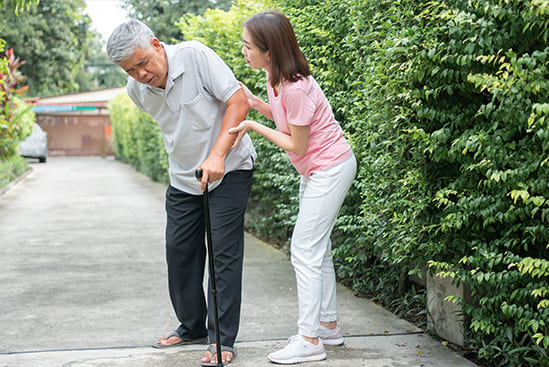
Common conditions in the older age population include hips & knee pain, back & neck pain, osteoarthritis, rheumatism, fear of falling and many more.  Aging and degeneration of bodily function is inevitable, but here at Synapse, we will help you live the best of your life.
Home Physiotherapy

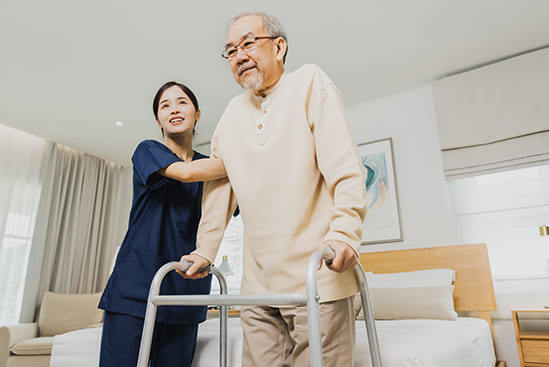
We understand that some conditions or injuries can make it difficult to receive rehabilitation at our clinic be it mobility or transportation issues. Our objective is to provide you with the same high-quality physiotherapy services at home that you would receive in-clinic.
Posted on

Parkinson’s Disease: How Physiotherapy Managing The Symptoms

Physiotherapy Malaysia
Neurological Conditions, Synapse Physiotherapy

Introduction 

Parkinson’s disease (PD) is a progressive neurodegenerative disorder characterised by the degeneration of dopamine-producing neurons in the brain. This results in a range of motor and non-motor symptoms that can significantly impact an individual’s quality of life. Moreover, Parkinson disease patients have an increased risk of falls, even in the early stages, which may have widespread consequences such as fractures, hospitalisation and may even be fatal at times if the fall is severe. 

If you are looking for physiotherapy in Malaysia, come on over to Synapse Physiotherapy. Our physiotherapists are well-equipped and trained in treating any neurological diseases such as Parkinson’s disease, stroke and multiple sclerosis.

As the disease progresses, these symptoms result in progressive difficulties in activities of daily living, greater dependence on others and social isolation, while having a significant impact on the quality of life of patients and their families. While there is no cure for Parkinson’s disease, various treatment modalities, including physiotherapy, play a crucial role in managing symptoms and improving daily function by aiming to improve multiple Parkinson disease related impairments, including problems related to physical capacity, inactivity, gait, posture, transfers, balance, and falls.  


Understanding Parkinson’s Disease

 Parkinson’s disease primarily affects movement, leading to cardinal motor symptoms such as:

 – Resting tremors: Involuntary shaking, often starting in the hands.

– Bradykinesia: Slowness of movement during daily activities such as dressing, showering, or moving in bed. Feeling that the feet are frozen to the floor, making it hard to take a first step or to turn around when walking.

– Muscle Rigidity: Stiffness and inflexibility of the muscles, causing pain and discomfort in the neck, trunk, or shoulders.

– Postural Instability: An unstable stooped posture, resulting in impaired balance and coordination, leading to a greater risk of falls.

 Some other symptoms include:

– Altered walking pattern, including freezing of gait

– Difficulty speaking at a normal voice level

– Trouble swallowing, increasing risk of choking

– Difficulty making facial expressions, often portrayed as having a mask face

– Difficulty holding and releasing urine (bladder urgency and incontinence).

Non-motor symptoms can include cognitive changes, mood disorders, fatigue, lightheadedness, sleep disturbances, and autonomic dysfunctions.


The Role of Physiotherapy in Parkinson’s Disease

Physiotherapy assessment and management focuses on improving physical capacity and quality of movement in daily life through walking, transfer training, balance and falls education, and practice of manual activities such as reaching and grasping. This makes physiotherapy an essential component of comprehensive care for individuals with Parkinson’s disease.

During the earlier stages of Parkinson’s disease, your physiotherapists will emphasise on education and self-management like going for programmes that promote general fitness and inclusion in community activity. Physiotherapy specific exercise is proven to offset the effects of Parkinson’s and to minimise deterioration in strength, endurance, flexibility and balance.

As the condition progresses, physiotherapists will teach and apply movement strategies to overcome challenges in generating automatic movement and thought, including strategies to compensate for loss of function, using external cues like auditory, tactile, visual and sensory as well as internal cues be it mental rehearsal or visualisation. Physiotherapy can also greatly help with dual task training, self-instruction and improving attention span.


The goals of physiotherapy for Parkinson’s patients include:

 – Improving mobility and flexibility

– Enhancing balance and coordination

– Increasing strength and endurance

– Reducing pain and discomfort

– Promoting independence in daily activities

Key Physiotherapy Interventions

  1. Exercise Therapy

Regular exercise is vital for maintaining physical health and mitigating the symptoms of Parkinson’s disease. Exercise therapy includes:

    – Aerobic Exercise: Activities like walking, cycling, and swimming improve cardiovascular health and overall endurance.

   – Strength Training: Resistance exercises targeting major muscle groups help maintain muscle mass and strength.

   – Flexibility Exercises: Stretching routines enhance flexibility and reduce muscle stiffness.

   – Balance and Coordination Training: Exercises such as standing on one leg, using balance boards, and practising Tai Chi improve stability and reduce the risk of falls.


2. Gait Training

 Parkinson’s disease often affects the way individuals walk, leading to shuffling steps, reduced arm swing, and difficulty initiating movement. Gait training focuses on:

   – Improving Stride Length and Speed: Techniques to encourage longer, more deliberate steps.

– Enhancing Arm Swing: Promoting coordinated arm movements to assist with balance.

   – Cueing Strategies: Using auditory (metronome beats) or visual cues (floor markers) to help initiate and maintain walking patterns.


3. Postural Training

Postural instability is a common issue in Parkinson’s disease, leading to a stooped posture and increased fall risk. Postural training includes:

  – Exercises to Strengthen Core Muscles: Core stability exercises enhance trunk control and posture.

   – Stretching and Strengthening: Targeting muscles of the back and shoulders to correct stooped posture.

   – Postural Awareness: Techniques to increase awareness of body alignment and promote upright posture.


4. Functional Training

Functional training aims to improve the ability to perform daily activities and maintain independence. This involves:

    – Task-Specific Training: Practising activities such as rising from a chair, turning, and reaching.

   – Adaptive Techniques: Teaching methods to modify movements for greater ease and safety.

   – Use of Assistive Devices: Recommending and training in the use of canes, walkers, or other devices to enhance mobility.


5. Respiratory Training

 Respiratory complications can arise in Parkinson’s disease, leading to reduced lung function and respiratory muscle weakness. Respiratory training includes:

   – Breathing Exercises: Techniques to improve lung capacity and efficiency.

   – Strengthening Respiratory Muscles: Exercises like diaphragmatic breathing and using resistance devices.


6. Education and Support

Physiotherapists play a crucial role in educating patients and their caregivers about Parkinson’s disease, exercise benefits, and safety precautions. Providing emotional support and encouragement is also vital in maintaining motivation and adherence to therapy.


Emerging Techniques and Research

Ongoing research in physiotherapy for Parkinson’s disease is exploring innovative techniques and technologies:


– Virtual Reality (VR) Training: VR-based exercises offer engaging and immersive ways to practise movements and improve balance.

– Robotics and Exoskeletons: Assistive robotic devices can enhance strength training and mobility exercises.

– Dance Therapy: Dance, particularly styles emphasising rhythm and coordination, has shown promise in improving motor function and quality of life.


Conclusion

Physiotherapy is a vital component in the management of Parkinson’s disease, offering a range of interventions to address motor and non-motor symptoms. Through tailored exercise programs, gait and postural training, functional training, and respiratory exercises, physiotherapists help individuals with Parkinson’s maintain mobility, independence, and quality of life. As research continues to advance, new techniques and technologies hold promise for further enhancing the effectiveness of physiotherapy in this population.

Share This :

Back & Neck Pain

Conditions such as stiffness, postural abnormalities and muscle overuse from prolonged desk work at the office or home is more prevalent than most would think. We provide the necessary tools to fix you up and educate you on ergonomics which can unload unnecessary stress.

Sports Injuries

Rolled ankles, jarred knees, impinged shoulders are few conditions in the plethora of sports injuries which can hamper performance and limit our enjoyment of sports. Physiotherapy not only treats the symptoms of these conditions but propels your overall fitness to greater heights.

Work Desk Injuries​

Conditions such as stiffness, postural abnormalities and muscle overuse from prolonged desk work at the office or home is more prevalent than most would think. We provide the necessary tools to fix you up and educate you on ergonomics which can unload unnecessary stress.

Pre-Post-Surgical Conditions

Surgery involves going through preparation both before and after. Physiotherapists play a vital role in getting your body ready for surgeries with circulatory, breathing and strengthening exercises. After the procedure, let us be there for your recovery and rehabilitation, taking it one step at a time.

Scoliosis & Postural Abnormalities

The way we stand, sit, walk and sleep has influence over our posture and the overall balance of muscles controlling its alignment. A comprehensive screening can be done by our physiotherapists to detect abnormalities, which we will aid in correcting.

Neurological Conditions

Neurological disabilities such as stroke, nerve compression and neuropathies can be barriers for patients to live life to its fullest. We at Synapse are committed to help you overcome these hurdles by ensuring functional mobility and quality of life is at its optimum by providing the right treatment and exercises.

Osteoarthritis & Rheumatism

Joint degeneration and inflammation happens as the human body grows older, but that does not mean our way of life degenerates as well. Relief your joint pains with a joint effort together with your physiotherapist, who will provide pain-relief treatments and prescribe exercises for your wellbeing.

Conditions Relating To Elderly

Common conditions in the older age population include hips & knee pain, back & neck pain, osteoarthritis, rheumatism, fear of falling and many more.  Aging and degeneration of bodily function is inevitable, but here at Synapse, we will help you live the best of your life.
Home Physiotherapy

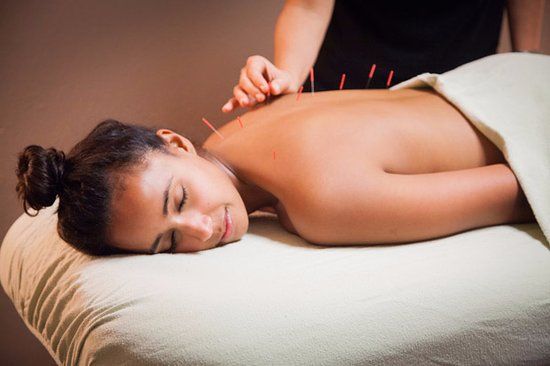
We understand that some conditions or injuries can make it difficult to receive rehabilitation at our clinic be it mobility or transportation issues. Our objective is to provide you with the same high-quality physiotherapy services at home that you would receive in-clinic.
Posted on

What is Muscular Dystrophy? Physiotherapy Petaling Jaya

physiotherapy petaling jaya
Sports Injuries, Synapse Physiotherapy

Introduction

Muscular Dystrophy (MD) is a group of genetically inherited diseases that cause muscles to weaken and waste away over time, affecting approximately 1 in 5,000 people worldwide. While MD can start at any age, it is most often diagnosed in childhood. The root cause of MD is the lack or absence of essential proteins, known as glycoproteins, in the muscle cell membranes. These proteins are crucial for muscle health and function; without them, muscles progressively weaken and deteriorate.

Physiotherapy is very important for individuals with muscular dystrophy. Physiotherapy interventions help them perform their activities of daily living (ADLs) independently, increasing their self-efficacy and mental well-being. Therefore, individuals with this condition should seek out physiotherapy nearby, such as searching for “physiotherapy Petaling Jaya,” to start their rehabilitation and maintain functional mobility.

Type + Sign & symptoms


Muscular dystrophy can be inherited through different genetic patterns. Duchenne muscular dystrophy is the most common in children, while myotonic dystrophy is the most prevalent in adults.

Duchenne Muscular Dystrophy (DMD)


Duchenne Muscular Dystrophy (DMD) is the most common type of muscular dystrophy. It primarily affects children assigned male at birth (AMAB), but children assigned female at birth (AFAB) can also develop a milder form of the disease. As DMD progresses, it can impact the heart and lungs, leading to significant health challenges.

Initially, children with DMD may have trouble walking and frequently fall. Over time, the muscle weakness becomes severe enough that daily activities become difficult, and many individuals will eventually require the use of a wheelchair.

  • Signs & Symptoms
    • Frequent falls
    • Difficulty rising from a lying or sitting position
    • Waddling gait (An exaggerated movement of the upper body creates a duck-like walk)
    • Large calf muscles
    • Walking on the toes
    • Developmental delay

Myotonic Dystrophy: 


Myotonic dystrophy (MD) is the most common type of muscular dystrophy diagnosed in adulthood, affecting adults assigned female at birth (AFAB) and adults assigned male at birth (AMAB) equally. Myotonic Dystrophy is inherited in an autosomal dominant fashion, meaning that only one copy of the altered gene is needed to cause the disorder.

People with MD experience difficulty relaxing their muscles after using them. This condition can also impact the heart and lungs, and it may cause endocrine issues such as thyroid disease and diabetes.

  • Signs & Symptoms
    • Myotonia (Inability to relax muscles following contractions)
    • Slurred speech
    • Temporary jaw lock
    • Cataracts (Clouding in the lens of your eye)
    • Cardiac conduction defects (Problems with the electrical signals that control the heartbeat)
    • Facial and Neck Muscle Weakness (The facial and neck muscles are often the first to be affected, leading to long, thin faces, drooping eyelids, and swan-like neck)

Risk Factors / Causes


Muscular dystrophy (MD) is primarily caused by genetic changes. Here’s a clear overview of how these genetic factors contribute to the development of MD:

Humans have 23 pairs of chromosomes, with one chromosome in each pair inherited from each parent. Among these, one pair determines a person’s sex (X and Y chromosomes), while the remaining 22 pairs, called autosomal chromosomes, govern other traits.

Genetic changes occur when mutations in a gene lead to a shortage of dystrophin, a crucial protein for healthy muscle function. This deficiency may result in the body producing too little dystrophin, producing it incorrectly, or failing to produce it altogether.

Medical Management

Treatment for MD focuses on managing symptoms, slowing disease progression, and enhancing quality of life. While there is no cure, various approaches can help improve daily functioning and overall well-being.

Conservative Management:

  • Medication:
      • Antiarrhythmics & ACE Inhibitors: Used to manage heart complications.
      • Sodium Channel Blockers: Medications like phenytoin, procainamide, or mexiletine help manage irregular heartbeats.
      • Steroids (e.g., Prednisone): These can slow the progression of muscular dystrophy.
  • Assistive Devices:
    • Wheelchairs: Proper seating to support mobility and comfort.
    • Ankle-Foot Orthoses (AFOs): Lightweight or molded devices to support foot and ankle function.
  • Physiotherapy: Helps maintain muscle strength, improve mobility, and manage physical function.
  • Genetic Counseling: Provides information on the genetic aspects of the condition.
  • Supportive Counseling: Addresses emotional and psychological needs, helping patients stay active and engaged.

Surgical Options:

  • Contracture Release: Surgery to relieve tight muscles or joints.
  • Cardiac Devices: Implantation of defibrillators or pacemakers to manage heart problems.
  • Spinal Correction Surgery: Performed to correct scoliosis, which can help maintain respiratory function and walking ability.

How does physiotherapy help you?


Physiotherapy is essential for managing muscular dystrophy. It helps maintain muscle strength, flexibility, and prevents joint stiffness. By slowing the progression of the disease, physiotherapy enhances daily function and improves quality of life.

Intervention

  • Strengthening Exercise: Muscle training to improve muscle endurance and muscle strength (prevent disuse atrophy)
  • Stretching Exercise: Stretching tight muscles to prevent contractures and ease muscle spasms. 
  • Posture & position correction: Correcting and varying positions to increase comfort and prevent pressure sores.
  • Cardiorespiratory endurance exercise: Exercise to increase stamina and reduce fatigue
  • Balance exercise: Activities to improve balance and make it easier for you to respond to differing surfaces such as slopes, hills, kerbs, gravel, and grass.
  • Advice on mechanical support such as wheelchairs, walking aids and orthotic devices in order to improve functional ability.
  • Hydrotherapy and massage to provide relief and improve muscle relaxation.
  • Breathing Exercise: Breathing control and assisted coughing if appropriate to maintain a clear chest.

FAQs

1. What is Muscular Dystrophy?

Muscular Dystrophy is a genetic disorder that weakens muscles over time, leading to a decline in physical abilities.

2. How does physiotherapy help with Muscular Dystrophy?

Physiotherapy helps maintain muscle strength, flexibility, and mobility, slowing the progression of muscle weakening.

3. Is there a cure for Muscular Dystrophy?

Currently, there is no cure, but treatments like physiotherapy and medications can help manage symptoms and improve quality of life.

4. Can physiotherapy prevent the need for surgery in MD?

While physiotherapy cannot prevent all surgeries, it can delay the need for surgical interventions by maintaining muscle function and joint flexibility.

5. When should someone with Muscular Dystrophy start physiotherapy?

Early intervention is key—starting physiotherapy as soon as a diagnosis is made can help preserve mobility and delay the progression of symptoms.

Conclusion

Understanding muscular dystrophy and its impact on daily life is the first step toward managing the condition effectively. At Synapse Physiotherapy, we are dedicated to providing personalized care that addresses your unique needs and enhances your quality of life. Our expert physiotherapists are committed to offering tailored treatment plans that not only focus on managing symptoms but also aim to improve mobility, strength, and overall well-being. If you or a loved one is facing the challenges of muscular dystrophy, don’t hesitate to reach out to us. 

Share This :

Back & Neck Pain

Conditions such as stiffness, postural abnormalities and muscle overuse from prolonged desk work at the office or home is more prevalent than most would think. We provide the necessary tools to fix you up and educate you on ergonomics which can unload unnecessary stress.

Sports Injuries

Rolled ankles, jarred knees, impinged shoulders are few conditions in the plethora of sports injuries which can hamper performance and limit our enjoyment of sports. Physiotherapy not only treats the symptoms of these conditions but propels your overall fitness to greater heights.

Work Desk Injuries​

Conditions such as stiffness, postural abnormalities and muscle overuse from prolonged desk work at the office or home is more prevalent than most would think. We provide the necessary tools to fix you up and educate you on ergonomics which can unload unnecessary stress.

Pre-Post-Surgical Conditions

Surgery involves going through preparation both before and after. Physiotherapists play a vital role in getting your body ready for surgeries with circulatory, breathing and strengthening exercises. After the procedure, let us be there for your recovery and rehabilitation, taking it one step at a time.

Scoliosis & Postural Abnormalities

The way we stand, sit, walk and sleep has influence over our posture and the overall balance of muscles controlling its alignment. A comprehensive screening can be done by our physiotherapists to detect abnormalities, which we will aid in correcting.

Neurological Conditions

Neurological disabilities such as stroke, nerve compression and neuropathies can be barriers for patients to live life to its fullest. We at Synapse are committed to help you overcome these hurdles by ensuring functional mobility and quality of life is at its optimum by providing the right treatment and exercises.

Osteoarthritis & Rheumatism

Joint degeneration and inflammation happens as the human body grows older, but that does not mean our way of life degenerates as well. Relief your joint pains with a joint effort together with your physiotherapist, who will provide pain-relief treatments and prescribe exercises for your wellbeing.

Conditions Relating To Elderly

Common conditions in the older age population include hips & knee pain, back & neck pain, osteoarthritis, rheumatism, fear of falling and many more.  Aging and degeneration of bodily function is inevitable, but here at Synapse, we will help you live the best of your life.

Home Physiotherapy

We understand that some conditions or injuries can make it difficult to receive rehabilitation at our clinic be it mobility or transportation issues. Our objective is to provide you with the same high-quality physiotherapy services at home that you would receive in-clinic.
Posted on

Aquatic Therapy for Stroke Rehabilitation Kuala Lumpur

physiotherapy kuala lumpur
Sports Injuries, Synapse Physiotherapy

Introduction

What is Aquatic Therapy?

Hydrotherapy, also known as aquatherapy, involves activities performed in water to aid in rehabilitation and recovery from hard training or serious injuries. This form of exercise, typically conducted in warm water, has been used for thousands of years and is popular for treating patients with neurological and musculoskeletal conditions. It helps individuals practice coordinated and balanced movements.

The primary goals of hydrotherapy include muscle relaxation, strengthening, improving joint motion, and reducing pain. In specific populations, it also enhances muscle coordination and balance. Physiotherapists frequently use hydrotherapy in rehabilitation settings because water provides a secure, low-risk, and supportive training environment. This makes it particularly beneficial for older adults who want to engage in fitness programs without the risk of falling, leading to high client satisfaction and adherence.

Aquatic therapy is a common treatment for patients with neurological disorders, aiming to achieve optimal functional independence. The physical properties of water, such as buoyancy, viscosity, and thermodynamics, offer significant benefits for mobility in individuals with disabilities. Consequently, aquatic therapy continues to be widely utilized in neurorehabilitation.

Patients needing rehabilitation after a stroke might search for physiotherapy services nearby, such as “physiotherapy Kuala Lumpur,” to find hydrotherapy options.

What is Stroke?

According to the World Health Organization, a stroke is defined as a sudden onset of rapidly developing clinical signs of focal or global disturbance of cerebral function, lasting 24 hours or longer, or leading to death, with no apparent cause other than a vascular origin. This includes cerebral infarction, intracerebral hemorrhage, and subarachnoid hemorrhage.

There are two main types of strokes. The most common type, accounting for 85% of all acute strokes, is an ischemic stroke, caused by an interruption of blood flow to a specific area of the brain. 

The other type, hemorrhagic strokes, make up 15% of acute strokes and occur due to the bursting of a blood vessel, leading to acute hemorrhage. Hemorrhagic strokes include intracerebral hemorrhage (ICH) and subarachnoid hemorrhage, with the latter accounting for about 5% of all strokes.

Regardless of the stroke type, it is crucial to understand that with each minute a stroke remains untreated, close to two million neurons die. This highlights the importance of the “time is brain” concept in the context of acute stroke and its treatment.

Treatments for stroke patients

Following a stroke, treatment focuses on maximizing recovery and regaining daily function. Patients typically work with a team of specialists:

  • Speech-Language Pathologists: Help recover communication and oral functions, addressing issues like swallowing and speech.
  • Occupational Therapists: Assist in relearning daily tasks and navigating the home safely, often providing mobility aids and home modifications.
  • Physical Therapists: Focus on improving physical abilities, particularly walking, sitting, and standing.
  • Psychologists or Psychiatrists: Address emotional health, helping patients cope with depression and emotional distress through therapy and medication.

Physiotherapy for stroke patients

Physiotherapy for stroke focuses on helping patients regain physical abilities and improve their quality of life. The primary goals include restoring movement, enhancing strength and coordination, and preventing complications. Key components of physiotherapy for stroke patients include:

  • Gait Training: Helping patients relearn how to walk and improve their gait.
  • Strengthening Exercises: Building muscle strength and endurance.
  • Balance and Coordination Exercises: Improving stability and coordination to prevent falls.
  • Range of Motion Exercises: Enhancing flexibility and joint mobility.
  • Functional Training: Practicing daily activities such as sitting, standing, and transferring to regain independence.

How does aquatic therapy help stroke patients?

Hydrotherapy, or aquatic therapy, uses water for physical therapy and is highly effective for stroke patients. Typically conducted in warm or room-temperature therapy pools, aquatic therapy involves exercises designed to improve movement and abilities. The buoyancy of the water supports the body, reducing weight and stress on joints, while the water’s viscosity provides resistance, enhancing strength and cardiovascular workouts. The water pressure also aids in blood circulation and protects against falls.

Aquatic therapy offers several benefits for stroke patients:

  • Improved Mobility: Water reduces body weight by up to 90%, easing movement and allowing patients to work on balance and coordination. Range-of-motion exercises and simulated walking become feasible even if land-based exercises are too challenging.
  • Increased Strength: The natural resistance of water allows for effective strength training and targets areas that might be more difficult to work on, on land. Patients can perform exercises like squats and lunges in water even if they cannot do so on land.
  • Pain Relief: The pressure of water massages muscles, reducing pain during and after sessions. Warm water further alleviates muscle tension and stimulates endorphin release, providing natural pain relief.
  • Cardiovascular Health: Water immersion enhances cardiovascular fitness with low-impact exercises. Standing or moving in water increases heart workload, improving endurance and potentially lowering the risk of future strokes.
  • Balance Training: Aquatic therapy provides a safe environment for balance exercises, which is especially beneficial for stroke patients who often have balance issues. The water’s support reduces the risk of falls and allows for progress through resistance jets or manual disturbances.
  • Muscle Relaxation: Warm water helps relax spastic muscles, reducing stiffness and discomfort, which allows for more effective muscle lengthening and overall therapy.

Overall, aquatic therapy not only aids in physical recovery but also boosts emotional well-being, especially in group settings where patients experience a sense of progress and independence.


Specific techniques for stroke patient

Aquatic therapy employs techniques tailored to the unique properties of water to enhance sensory-motor recovery for stroke survivors. Various methods are used, each designed to optimize movement and function in a water-based environment:

  • Halliwick’s Method: This approach, part of Water Specific Therapy (WST), focuses on helping clients control their movements through various water-based activities. It emphasizes balance and postural control by challenging the client with destabilizing forces in a safe environment. This method incorporates rotational patterns and encourages independence through active disengagement.
  • Bad Ragaz Ring Method (BRRM): Based on Proprioceptive Neuromuscular Facilitation, BRRM involves three-dimensional, diagonal movements in water. It focuses on strengthening and stability, with active and therapist-assisted exercises. Clinical trials, such as one by Hyun-Gyu Cha et al., have shown BRRM to improve balance and leg muscle activation in chronic stroke patients.
  • Ai Chi: This method includes 19 katas of postural control movements performed in chest-deep water. Clients follow slow, rhythmic movements combined with mindful breathing, typically with minimal hands-on assistance from the therapist. Research by Pei-Hsin Ku et al. indicates Ai Chi improves balance, weight shifting, and lower extremity control in stroke patients compared to conventional water-based exercises.
  • Task Type Training Approach (TTTA): Developed by David Morris, TTTA involves teaching functional activities through task simulation in the pool. It integrates activities like pushing, pulling, carrying, and lifting objects to enhance functional skills. Practitioners should have a solid understanding of neurological dysfunction and motor learning principles.

These methods utilize the unique properties of water to provide safe, effective rehabilitation tailored to individual needs, helping stroke survivors regain function and improve their quality of life.

FAQs

1. How soon after a stroke can I start aquatic therapy?

Aquatic therapy can be introduced once a stroke patient is medically stable and able to participate in physical activity, typically a few weeks post-stroke.

2. Is aquatic therapy safe for all stroke patients?

Aquatic therapy is generally safe for most stroke patients, but it’s important to consult with a healthcare provider to ensure it’s appropriate for your specific condition.

3. How long are aquatic therapy sessions?

Sessions typically last between 30 to 60 minutes, depending on the patient’s endurance and rehabilitation needs.

4. Can aquatic therapy be combined with other rehabilitation treatments?

Yes, aquatic therapy is often combined with land-based physical therapy, occupational therapy, and speech therapy to create a comprehensive rehabilitation plan.

5. How long does it take to see results from aquatic therapy?

Results vary depending on the severity of the stroke, but many patients begin to see improvements in mobility and strength within a few weeks of consistent therapy.

Conclusion

In conclusion, hydrotherapy has demonstrated remarkable effectiveness in stroke rehabilitation, facilitating faster recovery of functional mobility and enhancing overall quality of life. At Synapse Physiotherapy, we offer comprehensive hydrotherapy services designed to support your individual rehabilitation needs. Contact us today to discover how our specialized approach can help you achieve your recovery goals.

Share This :

Back & Neck Pain

Conditions such as stiffness, postural abnormalities and muscle overuse from prolonged desk work at the office or home is more prevalent than most would think. We provide the necessary tools to fix you up and educate you on ergonomics which can unload unnecessary stress.

Sports Injuries

Rolled ankles, jarred knees, impinged shoulders are few conditions in the plethora of sports injuries which can hamper performance and limit our enjoyment of sports. Physiotherapy not only treats the symptoms of these conditions but propels your overall fitness to greater heights.

Work Desk Injuries​

Conditions such as stiffness, postural abnormalities and muscle overuse from prolonged desk work at the office or home is more prevalent than most would think. We provide the necessary tools to fix you up and educate you on ergonomics which can unload unnecessary stress.

Pre-Post-Surgical Conditions

Surgery involves going through preparation both before and after. Physiotherapists play a vital role in getting your body ready for surgeries with circulatory, breathing and strengthening exercises. After the procedure, let us be there for your recovery and rehabilitation, taking it one step at a time.

Scoliosis & Postural Abnormalities

The way we stand, sit, walk and sleep has influence over our posture and the overall balance of muscles controlling its alignment. A comprehensive screening can be done by our physiotherapists to detect abnormalities, which we will aid in correcting.

Neurological Conditions

Neurological disabilities such as stroke, nerve compression and neuropathies can be barriers for patients to live life to its fullest. We at Synapse are committed to help you overcome these hurdles by ensuring functional mobility and quality of life is at its optimum by providing the right treatment and exercises.

Osteoarthritis & Rheumatism

Joint degeneration and inflammation happens as the human body grows older, but that does not mean our way of life degenerates as well. Relief your joint pains with a joint effort together with your physiotherapist, who will provide pain-relief treatments and prescribe exercises for your wellbeing.

Conditions Relating To Elderly

Common conditions in the older age population include hips & knee pain, back & neck pain, osteoarthritis, rheumatism, fear of falling and many more.  Aging and degeneration of bodily function is inevitable, but here at Synapse, we will help you live the best of your life.

Home Physiotherapy

We understand that some conditions or injuries can make it difficult to receive rehabilitation at our clinic be it mobility or transportation issues. Our objective is to provide you with the same high-quality physiotherapy services at home that you would receive in-clinic.
Posted on

The 4 Phases of Rehabilitation After ACL Repair Surgery

rehab malaysia
rehab malaysia
Sports Injuries, Synapse Physiotherapy

Introduction 

Anterior cruciate ligament (ACL) repair surgery is a common procedure for athletes and active individuals who suffer from ACL tears. Complete ACL tears are usually treated by sports medicine physicians and orthopaedic surgeons with an ACL reconstruction surgery, in which the torn ligament is replaced with a tissue graft to mimic the natural ACL. Holistic and interdisciplinary approach to treating ACL injuries is crucial in making sure that your ACL recovers fully. Looking for top-tier ACL rehabilitation in Malaysia? Synapse Physiotherapy is a leading expert in treating ACL tears and providing comprehensive post-operative rehabilitation. With a team dedicated to personalised recovery plans, we’re committed to helping you get back to peak performance. Our expert and professional physiotherapist will be able to correctly design your rehabilitation plan and facilitate your return to sports in the best way possible.

You may be wondering if there is a necessity to get ACL surgery, in which the answer depends on the severity of the ACL tear and the lifestyle of the patient. For example: a completely torn ACL cannot heal on its own. However, in a certain population of young patients who had experienced a partial tear of the ACL, the ligament may heal without the need for surgery. In addition, patients who only have a partial tear, non-surgical treatment may be an option.For patients who maintain an active lifestyle that have completely torn their ACL, especially for competitive athletes, it is highly recommended for surgery to allow them to return to pre-injury level of activity and avoid any further damage to the knee. Athletes who participate in cutting and pivoting sports such as soccer, basketball, football, and hockey are at increased risk of meniscus injury if an ACL is left untreated with surgery or rehabilitation.

However, in some older patients or others whose lifestyles do not include rigorous exercise with side to side movements, a non-surgical treatment may allow them to return to normal routine without an intact ACL although this varies from individual to individual. For a complete tear of the ACL, reconstruction surgery is typically scheduled between 3 to 6 weeks after injury as this allows inflammation in the affected knee to subside. The gap time also allows physiotherapy treatment to focus on restoring normal knee flexion and extension range of motion, which is one of the criteria that needs to be met before reconstruction surgery can be done.

Post-surgery rehab, a comprehensive rehabilitation program, is crucial for regaining strength, stability, and function in the knee. Proper rehabilitation can also prevent stiffness in the knee joint after surgery. Physiotherapy rehabilitation typically progresses through four distinct phases, each with specific goals and exercises to ensure a successful recovery.

Phase 1: Immediate Post-Surgery (Weeks 0-2)

 Goals:

– Protect the surgical repair

– Reduce pain and swelling

– Restore basic knee movement

– Begin muscle activation

Key Components:

  1. Pain and Swelling Management:

 Rest and Ice: Apply ice regularly to reduce inflammation and pain.

Compression and Elevation: Use compression bandages and keep the leg elevated to minimise swelling.

  1. Mobility Exercises:

Passive Range of Motion (ROM) Exercises: Assisted exercises to gently move the knee joint without active muscle contraction, such as heel slides.

Patellar Mobilisation: Gentle movements of the kneecap to prevent stiffness.

  1. Muscle Activation:

Quadriceps Setting: Isometric exercises to activate the quadriceps without moving the knee joint.

Ankle Pumps: Promotes circulation and prevents blood clots.

  1. Weight Bearing:

Crutch Use: Gradual weight-bearing as tolerated with crutches, following the surgeon’s guidance.

Phase 2: Early Rehabilitation (Weeks 2-6)

Goals:

– Restore full knee ROM

– Improve muscle strength

– Maintain patellar mobility

– Achieve normal gait pattern

Key Components:

  1. Range of Motion Exercises:

Active-Assisted ROM Exercises: Exercises to increase knee flexion and extension, such as using a stationary bike with minimal resistance.

Wall Slides: To enhance knee movement.

  1. Strengthening Exercises:

Closed Kinetic Chain Exercises: Such as mini squats and leg presses, which are safer for the healing ligament.

Straight Leg Raises: To strengthen the quadriceps without stressing the knee.

  1. Gait Training:

Walking Drills: Focus on proper walking mechanics and reducing limping.

Treadmill Walking: At a slow pace to ensure even weight distribution.

  1. Neuromuscular Training:

 Balance Exercises: Such as standing on one leg or using a balance board to improve knee stability.

Phase 3: Intermediate Rehabilitation (Weeks 6-12)

Goals:

– Increase muscle strength and endurance

– Enhance proprioception and balance

– Gradually return to functional activities

Key Components:

  1. Strength Training:

Progressive Resistance Exercises: Including leg presses, hamstring curls, and hip strengthening exercises.

Core Strengthening: To support overall stability and function.

  1. Proprioception and Balance:

Single-Leg Balance Drills: With added challenges such as soft surfaces or perturbations.

Dynamic Balance Exercises: Such as lateral movements and step-ups.

  1. Cardiovascular Fitness:

Low-Impact Aerobic Exercises: Such as swimming, cycling, or using an elliptical machine to maintain cardiovascular health.

  1. Functional Training:

Sport-Specific Drills: Gradual introduction of sport-specific movements to prepare for return to activity.

Plyometric Exercises: Light jumping and landing drills to build explosive strength and coordination.

Phase 4: Advanced Rehabilitation and Return to Sport (Weeks 12+)

 Goals:

– Achieve full strength and functional capacity

– Return safely to sports or high-level activities

– Prevent re-injury

Key Components:

  1. Advanced Strengthening:

High-Intensity Resistance Training: To achieve pre-injury strength levels.

Multi-Directional Strength Exercises: Such as lunges and agility drills.

  1. Agility and Plyometrics:

Advanced Plyometric Drills: Including box jumps, lateral hops, and bounding exercises.

Agility Drills: Such as cone drills, ladder drills, and shuttle runs to enhance quickness and coordination.

  1. Sport-Specific Training:

Gradual Return to Sport: Supervised introduction of sport-specific activities and drills.

Simulated Game Situations: To build confidence and ensure readiness for competition.

  1. Injury Prevention:

Ongoing Neuromuscular Training: To maintain balance, proprioception, and overall knee stability.

Education on Proper Techniques: Emphasising safe movement patterns and techniques to avoid future injuries

FAQs

1. How long does it take to fully recover from ACL surgery? 

Full recovery from ACL surgery typically takes 9-12 months, depending on the individual and adherence to the rehabilitation program.

2. Is ACL surgery always necessary for a torn ligament? 

Not always. The need for surgery depends on the severity of the tear, the patient’s lifestyle, and their desired level of activity.

3. Can physiotherapy alone help with ACL recovery? 

Physiotherapy is essential for recovery, whether surgery is performed or not. It helps restore knee function, strength, and stability.

4. What are the risks of not following a rehabilitation program? 

Skipping rehabilitation increases the risk of knee instability, reduced mobility, and re-injury, potentially leading to chronic pain or further surgeries.

5. When can I return to sports after ACL surgery? 

Most athletes can return to sports after completing the advanced rehabilitation phase, typically around 9-12 months post-surgery, with their physiotherapist’s approval.

Conclusion 

Physiotherapy rehabilitation after ACL repair surgery is a structured and progressive process that requires dedication and guidance from your surgeon and physiotherapist. By following the four phases of rehabilitation—Immediate Post-Surgery, Early Rehabilitation, Intermediate Rehabilitation, and Advanced Rehabilitation—patients can achieve a full recovery, regain knee function, and safely return to their desired activities. Adhering to the prescribed exercises by your physiotherapist and protocols ensures the best possible outcome and minimises the risk of re-injury.

Share This :

Back & Neck Pain

Conditions such as stiffness, postural abnormalities and muscle overuse from prolonged desk work at the office or home is more prevalent than most would think. We provide the necessary tools to fix you up and educate you on ergonomics which can unload unnecessary stress.

Sports Injuries

Rolled ankles, jarred knees, impinged shoulders are few conditions in the plethora of sports injuries which can hamper performance and limit our enjoyment of sports. Physiotherapy not only treats the symptoms of these conditions but propels your overall fitness to greater heights.

Work Desk Injuries​

Conditions such as stiffness, postural abnormalities and muscle overuse from prolonged desk work at the office or home is more prevalent than most would think. We provide the necessary tools to fix you up and educate you on ergonomics which can unload unnecessary stress.

Pre-Post-Surgical Conditions

Surgery involves going through preparation both before and after. Physiotherapists play a vital role in getting your body ready for surgeries with circulatory, breathing and strengthening exercises. After the procedure, let us be there for your recovery and rehabilitation, taking it one step at a time.

Scoliosis & Postural Abnormalities

The way we stand, sit, walk and sleep has influence over our posture and the overall balance of muscles controlling its alignment. A comprehensive screening can be done by our physiotherapists to detect abnormalities, which we will aid in correcting.

Neurological Conditions

Neurological disabilities such as stroke, nerve compression and neuropathies can be barriers for patients to live life to its fullest. We at Synapse are committed to help you overcome these hurdles by ensuring functional mobility and quality of life is at its optimum by providing the right treatment and exercises.

Osteoarthritis & Rheumatism

Joint degeneration and inflammation happens as the human body grows older, but that does not mean our way of life degenerates as well. Relief your joint pains with a joint effort together with your physiotherapist, who will provide pain-relief treatments and prescribe exercises for your wellbeing.

Conditions Relating To Elderly

Common conditions in the older age population include hips & knee pain, back & neck pain, osteoarthritis, rheumatism, fear of falling and many more.  Aging and degeneration of bodily function is inevitable, but here at Synapse, we will help you live the best of your life.
Home Physiotherapy

We understand that some conditions or injuries can make it difficult to receive rehabilitation at our clinic be it mobility or transportation issues. Our objective is to provide you with the same high-quality physiotherapy services at home that you would receive in-clinic.
Posted on

Best Physiotherapy | Trigger Point Therapy at Synapse Rehab

Best physiotherapy
Best physiotherapy
Synapse Physiotherapy

What is Trigger point? 

A Trigger Point (TrP) is a hyperirritable spot, often felt as a palpable nodule within taut bands of the skeletal muscles’ fascia. Applying direct pressure or contracting the muscle can cause a jump sign, local tenderness, a local twitch response, and referred pain that typically follows a pattern distant from the trigger point itself.

Jump Sign

The jump sign is a characteristic behavioral response to pressure on a Trigger Point (TrP). Individuals often react strongly to the intense pain, wincing or crying out in a manner that seems disproportionate to the pressure applied by the examiner’s fingers. They may involuntarily move or jerk a part of their body, such as the shoulder or head, that is not being palpated. This reaction reflects the extreme tenderness of a TrP and is considered pathognomonic for its presence.

Local Twitch Response

This response is defined as a brief, visible, or palpable contraction of the muscle and skin when tense muscle fibers contract due to needle penetration or transverse snapping palpation.

Referred Pain

It is also known as reflective pain, referred pain is perceived at a location different from the site of the painful stimulus. This pain does not follow dermatomes, myotomes, or nerve roots and is reproducible without causing specific joint swelling or neurological deficits. Pain from a myofascial TrP follows a distinct, discrete, and constant pattern or map, with no gender or racial differences, and can reliably reproduce symptoms according to the referred pain map.

Types of trigger points 


Active Trigger Points

Active trigger points cause pain even without applying pressure. They are a common source of myofascial pain and can occur anywhere in the body. Examples include headaches, neck pain, back pain (including sciatica), and knee pain. In diagnostic imaging, an “X” marks the trigger point location, and the red area indicates the referral pain pattern.

Latent Trigger Points

Latent trigger points cause pain when pressed and often refer pain to another area. These points are precursors to active trigger points. If latent trigger points worsen through strain, they can become active, resulting in pain that typically requires intervention.

Satellite Trigger Points

Satellite trigger points are areas where pain is referred. For instance, if shoulder pain refers to the elbow, the elbow contains satellite trigger points. Treating these points is crucial as they are part of the overall pain pattern, highlighting the need to address more than just the painful area.

Factors Contributing to Trigger Points:

  • Aging: The natural aging process can contribute to the development of trigger points.
  • Injury: Sustained from falls, stress, or birth trauma.
  • Lack of Exercise: Particularly common in sedentary individuals aged 27.5 to 55 years, with 45% being men.
  • Bad Posture: Includes upper and lower crossed patterns, swayback posture, telephone posture, and cross-legged sitting.
  • Muscle Overuse and Micro-trauma: Such as from weightlifting.
  • Chronic Stress: Conditions like anxiety, depression, and psychological stress can lead to trigger points.
  • Vitamin Deficiencies: Lack of vitamins C, D, B, folic acid, and iron.
  • Sleep Disturbance: Poor sleep quality can contribute to the development of trigger points.
  • Joint Problems and Hypermobility: Issues with joints and excessive mobility can lead to trigger points.

How to diagnose trigger points.

Diagnosing trigger points involves a comprehensive approach that combines patient history, physical examination, and specific diagnostic techniques. Initially, a detailed patient history is taken to understand the nature of the pain, including its location, duration, intensity, and any factors that alleviate or exacerbate it. The medical history review includes past injuries, surgeries, chronic conditions, stress levels, sleep patterns, and lifestyle factors such as exercise habits and posture. Understanding specific pain patterns, such as headaches, neck pain, back pain, and other referred pain areas, is crucial.

During the physical examination, palpation is used to feel for taut bands or nodules within the muscle tissue, identifying areas of tenderness and noting any jump sign, which is a sudden, involuntary reaction to pressure on the trigger point. A local twitch response, where the muscle and skin briefly contract in response to pressure or needle penetration, can further confirm the presence of trigger points. Observing referred pain, where pressing on the trigger point causes pain to radiate to a different area, is another key diagnostic criterion.

Functional assessment includes evaluating the range of motion (ROM) and stiffness in affected muscles and joints, as well as muscle strength testing to identify any weaknesses or imbalances. Postural analysis helps to detect any abnormalities or compensatory patterns. Although diagnostic imaging is not typically used for trigger points, it may be necessary to rule out other conditions. Techniques like dry needling can also help confirm trigger points by eliciting a twitch response and symptom relief. Throughout the diagnostic process, patient feedback is crucial in verifying the accuracy of pain replication and the effectiveness of the examination and treatment. By integrating these methods, clinicians can accurately diagnose trigger points and develop an effective, personalized treatment plan.

Symptoms of a Trigger Point

Trigger Point Characteristics:

  • Location: The nodule or band felt is within a muscle, not on a bone or nerve.
  • Referral Pain: Trigger point referral pain differs from nerve pain. When pressing on a nerve, the sensation is like an electric shock or pins and needles. In contrast, trigger point pain is a dull pain that radiates.
  • Persistent Muscle Pain: Muscle pain that persists or worsens with movement or exercise.
  • Chronic Muscle Pain: Continuous muscle pain that doesn’t resolve on its own.

Physical Symptoms:

  • Muscle Weakness or Imbalance: There may be weakness or imbalance in the affected muscle or related muscles, often leading to altered motor recruitment.
  • Changes in Range of Motion (ROM): Patients may experience restricted ROM.
  • Painful Movement: Movements may be painful and sometimes exacerbate symptoms.
  • Accompanying Symptoms: Conditions like tension headaches, migraines, tinnitus, and temporomandibular joint problems often accompany trigger points.
  • Postural Abnormalities and Compensations: Patients may exhibit postural abnormalities and compensatory mechanisms.


How is the trigger therapy?


There are several methods for releasing a trigger point. The most common technique involves applying sustained pressure using fingers, thumbs, elbows, or a massage ball or tool. This sustained pressure helps to relax the muscle and alleviate pain. Another increasingly popular method is dry needling, where a thin needle is inserted into the trigger point to release tension and promote healing. The effectiveness of dry needling is becoming more recognized, leading to its broader adoption in trigger point therapy.

The benefits of trigger point therapy


  1. Improved Circulation: Trigger point therapy can significantly enhance circulation. Tight muscles often restrict blood flow, leading to problems like fatigue, headaches, and dizziness. By releasing these tight muscles, trigger point therapy improves circulation, which can boost overall energy levels and well-being.


  1. Reduced Tension and Stress: Tight muscles contribute to tension and stress. Trigger point therapy helps release these muscles, reducing tension and stress and promoting a more relaxed state.


  1. Improved Mobility and Flexibility: Tight muscles can restrict movement and decrease range of motion, making everyday activities challenging. Trigger point therapy releases these muscles, enhancing mobility and flexibility, allowing for a greater range of motion.


  1. Better Sleep: Tight muscles can cause pain and discomfort, disrupting sleep. Trigger point therapy helps alleviate muscle tightness, leading to improved sleep quality.


  1. Relief From Headache Pain: Tight muscles in the head and neck are common sources of tension and stress, often triggering headaches. Trigger point therapy releases these muscles, providing relief from headache pain.


  1. Improved Posture: Tight muscles can misalign the body, leading to poor posture. Trigger point therapy releases these muscles, improving posture and reducing the likelihood of injuries.


  1. Reduced Muscle Soreness After Workout: Regular workouts can leave muscles tight and sore despite good stretching routines. Trigger point therapy helps release these tight muscles, reducing post-workout muscle soreness.


FAQs

1. What is trigger point therapy?

Trigger point therapy is a treatment that involves applying pressure to muscle knots (trigger points) to relieve pain and restore mobility.

2. How long does a trigger point therapy session take?

Sessions typically last 30 to 60 minutes, depending on the number of trigger points and the severity of the condition.

3. Is trigger point therapy painful?

Some discomfort may be felt during treatment, especially when pressure is applied to sensitive areas, but this is usually brief and followed by relief.

4. How many sessions are needed for effective relief?

The number of sessions varies depending on the individual, but most patients experience relief after 3 to 6 sessions.

5. Can trigger point therapy help with chronic pain?

Yes, trigger point therapy is highly effective in treating chronic pain by releasing muscle tension and improving circulation.

Conclusion

In conclusion, trigger point therapy is an effective method for relieving pain and improving overall well-being. Synapse Physiotherapy offers this service, and you can receive this therapy from our registered physiotherapists.

Share This :

Back & Neck Pain

Conditions such as stiffness, postural abnormalities and muscle overuse from prolonged desk work at the office or home is more prevalent than most would think. We provide the necessary tools to fix you up and educate you on ergonomics which can unload unnecessary stress.

Sports Injuries

Rolled ankles, jarred knees, impinged shoulders are few conditions in the plethora of sports injuries which can hamper performance and limit our enjoyment of sports. Physiotherapy not only treats the symptoms of these conditions but propels your overall fitness to greater heights.

Work Desk Injuries​

Conditions such as stiffness, postural abnormalities and muscle overuse from prolonged desk work at the office or home is more prevalent than most would think. We provide the necessary tools to fix you up and educate you on ergonomics which can unload unnecessary stress.

Pre-Post-Surgical Conditions

Surgery involves going through preparation both before and after. Physiotherapists play a vital role in getting your body ready for surgeries with circulatory, breathing and strengthening exercises. After the procedure, let us be there for your recovery and rehabilitation, taking it one step at a time.

Scoliosis & Postural Abnormalities

The way we stand, sit, walk and sleep has influence over our posture and the overall balance of muscles controlling its alignment. A comprehensive screening can be done by our physiotherapists to detect abnormalities, which we will aid in correcting.

Neurological Conditions

Neurological disabilities such as stroke, nerve compression and neuropathies can be barriers for patients to live life to its fullest. We at Synapse are committed to help you overcome these hurdles by ensuring functional mobility and quality of life is at its optimum by providing the right treatment and exercises.

Osteoarthritis & Rheumatism

Joint degeneration and inflammation happens as the human body grows older, but that does not mean our way of life degenerates as well. Relief your joint pains with a joint effort together with your physiotherapist, who will provide pain-relief treatments and prescribe exercises for your wellbeing.

Conditions Relating To Elderly

Common conditions in the older age population include hips & knee pain, back & neck pain, osteoarthritis, rheumatism, fear of falling and many more.  Aging and degeneration of bodily function is inevitable, but here at Synapse, we will help you live the best of your life.
Home Physiotherapy

We understand that some conditions or injuries can make it difficult to receive rehabilitation at our clinic be it mobility or transportation issues. Our objective is to provide you with the same high-quality physiotherapy services at home that you would receive in-clinic.
Posted on

Trigger Point Relief vs. Balancing Qi: Dry Needling & Acupuncture

dry needling vs acupuncture
Synapse Physiotherapy

Introduction

The topic of “Dry Needling vs. Acupuncture” often sparks discussion among people. Many individuals tend to mix up these two practices. Both involve the use of fine needles, which contributes to the confusion. Despite this similarity, dry needling and acupuncture are distinct in their techniques, uses, and advantages.

Background 

Acupuncture

Acupuncture, which began in ancient China more than 2,000 years ago, is a key component of Traditional Chinese Medicine (TCM). This practice focuses on restoring the flow of life force energy, or “qi,” by inserting thin needles at specific points on the body along pathways known as meridians.

Dry needling 

Dry needling, a more contemporary therapeutic method, originated in the 20th century. It is based on modern Western medicine and focuses on myofascial trigger points, which are tight knots within muscles that cause pain and dysfunction. The goal of dry needling is to release these trigger points, promoting healing and alleviating pain.


Mechanism of dry needling 

Dry needling has demonstrated immediate benefits.. The proposed mechanisms of action include:

  1. Local Twitch Response: Dry needling can trigger a ‘local twitch response,’ an involuntary spinal reflex that causes a localized contraction of the affected muscles. This response can alter the length and tension of muscle fibers and stimulate mechanoreceptors such as A Beta fibers, which recruit inhibitory interneurons, resulting in localized analgesia and reduced pain perception.
  2. Effects on Blood Flow: Persistent contraction of taut muscle bands in trigger points may lead to local ischemia and hypoxia. Dry needling induces vasodilation in small blood vessels, increasing muscle blood flow and oxygenation.
  3. Neurophysiological Effects: Dry needling can provoke local and central nervous responses, promoting homeostasis at the trigger point site and reducing both central and peripheral sensitization to pain.
  4. Remote Effects: Dry needling of distal myofascial trigger points (MTrP) has been shown to have an analgesic effect on proximal MTrP. However, evidence regarding the contralateral effect is conflicting.
  5. Placebo Effect: Patient expectations regarding dry needling can significantly influence their perception of pain.

Mechanism of  acupuncture

Traditional Chinese Medicine (TCM) holds the belief that the body’s vital energy, known as qi (pronounced chi), flows through specific channels called meridians. When qi is balanced, a person enjoys spiritual, emotional, and physical health. However, an imbalance in qi can lead to disease. This imbalance can result from blocked qi, which disrupts the harmony between yin and yang.

What is yin yang?

The principles of Yin and Yang describe a continuum of energy flowing within the body between two opposite yet interconnected poles. Health is achieved when these two forces are in balance. Despite being opposites, Yin and Yang are related, inseparable, and can transform into each other. Any disturbance in their balance can lead to illness, infections, injuries, and other health issues.


What is Qi and Meridians? 

Qi, the vital energy force, circulates throughout the body and is balanced, collected, and enhanced by dietary intake and air, according to acupuncture principles. Meridians are channels that carry Qi throughout the body. When illness causes an imbalance, obstruction, or irregular flow of Qi, acupuncture can help restore balance.

Meridians consist of acupuncture points that form specific pathways. There are fourteen main meridians in the body, according to acupuncture principles. These energy systems receive, rebuild, and regulate the organs and systems, ensuring overall health and balance.

Hence, acupuncturists will identify over 2,000 acupuncture points connected by meridians. They use this technique to clear blockages or stagnant qi, promoting its smooth flow and enhancing health. The practice involves inserting fine needles into specific points along the meridians, which practitioners may activate through manual manipulation or electrical stimulation.


 Benefits of dry needling 

Fast Pain Relief

Trigger points, commonly found in the upper back, shoulder, and neck, can occur in any body part. When dry needles are inserted into these trigger points, the knots relax and improve blood flow. This enhanced circulation helps remove painful wastes and delivers oxygen and nutrients that accelerate healing.

Improved Range of Motion

Trigger points can be painful and restrict movement. Without frequent movement, muscles can weaken and lose mass. A dry needling session can release these knots. Often, this treatment is combined with a physiotherapy program to retrain muscles, rebuild strength, and prevent recurrence.

Accelerated Recovery

Following an injury or surgery, proper healing is crucial. Incorporating dry needling into a physiotherapy program can help speed up recovery.

Improved Chronic Conditions

Dry needling can benefit chronic pain conditions like fibromyalgia and myofascial pain syndrome. Fibromyalgia involves pain and muscle tenderness, affecting movement and causing trigger points. Dry needling can help patients with fibromyalgia experience pain relief.

Myofascial pain syndrome occurs when trigger points develop in the fascia, a sheet of connective tissue surrounding and supporting organs, blood vessels, nerves, and muscles. Dry needling can help alleviate this pain as well.

Benefits of acupuncture

Pain Relief

Acupuncture can alleviate pain, relax muscles and fascia, and relieve tissue adhesions. Scientific theories explaining acupuncture’s pain-relief effects include the “gate control theory” and the “endogenous opioid theory.” According to the gate control theory, acupuncture stimulates the nerves, filling the neural pathways and preventing pain signals from reaching the brain. The sensation experienced during acupuncture, known as “deqi,” involves feelings of soreness, numbness, fullness, and pain, which indicate the blocking of pain stimuli. Additionally, acupuncture stimulation prompts the brain to release endorphins, which are natural pain relievers.


Mental Health

Acupuncture has been found to have positive effects on mood and mental well-being. It can help regulate neurotransmitters such as serotonin and dopamine, which play crucial roles in mood regulation. Acupuncture is often used as a complementary therapy for conditions like depression, anxiety, and PTSD.

Enhanced Immune Function

Acupuncture is believed to support the body’s immune system by enhancing the flow of Qi (vital energy) and balancing internal systems. Regular acupuncture sessions may help strengthen the immune response and reduce the risk of illness and infection.

Better Digestive Health

Acupuncture can assist in regulating digestive function and alleviating symptoms of gastrointestinal disorders such as irritable bowel syndrome (IBS), acid reflux, bloating, and constipation. By balancing the body’s energy flow and reducing stress, acupuncture may improve digestion and enhance nutrient absorption.

Hormonal Balance

Acupuncture may aid in regulating hormonal imbalances, making it beneficial for conditions such as polycystic ovary syndrome (PCOS), infertility, menopausal symptoms, and menstrual irregularities. It can help regulate menstrual cycles, improve ovarian function, and alleviate symptoms associated with hormonal fluctuations.

FAQs

1. Is dry needling painful?

Some patients feel a brief discomfort when the needle is inserted, but the relief experienced afterward usually outweighs the initial sensation.

2. Can acupuncture help with chronic pain?

Yes, acupuncture is effective in managing chronic pain by reducing inflammation, improving circulation, and promoting the body’s natural healing processes.

3. How many sessions of dry needling are typically needed?

The number of sessions depends on the severity of the condition, but many patients see improvements after just a few treatments.

4. Are the needles used in both treatments the same?

Yes, both dry needling and acupuncture use thin, sterile needles, but they are applied differently based on the therapy’s goals.

5. Can I combine dry needling and acupuncture in my treatment plan?

Yes, many patients benefit from combining both treatments, especially if they are dealing with both physical pain and broader wellness concerns.


Conclusion

To sum up, those dealing with musculoskeletal issues might benefit significantly from dry needling performed by a physiotherapist, as it directly addresses specific trigger points and muscle tightness. On the other hand, if you’re looking for a broader health approach or have other health issues beyond musculoskeletal concerns, consulting a licensed acupuncturist for acupuncture might be a better fit. The results of these treatments can differ from person to person. At Synapse Physiotherapy, we provide dry needling services. Feel free to contact us for further details or to book a session.


Share This :

Back & Neck Pain

Conditions such as stiffness, postural abnormalities and muscle overuse from prolonged desk work at the office or home is more prevalent than most would think. We provide the necessary tools to fix you up and educate you on ergonomics which can unload unnecessary stress.

Sports Injuries

Rolled ankles, jarred knees, impinged shoulders are few conditions in the plethora of sports injuries which can hamper performance and limit our enjoyment of sports. Physiotherapy not only treats the symptoms of these conditions but propels your overall fitness to greater heights.

Work Desk Injuries​

Conditions such as stiffness, postural abnormalities and muscle overuse from prolonged desk work at the office or home is more prevalent than most would think. We provide the necessary tools to fix you up and educate you on ergonomics which can unload unnecessary stress.

Pre-Post-Surgical Conditions

Surgery involves going through preparation both before and after. Physiotherapists play a vital role in getting your body ready for surgeries with circulatory, breathing and strengthening exercises. After the procedure, let us be there for your recovery and rehabilitation, taking it one step at a time.

Scoliosis & Postural Abnormalities

The way we stand, sit, walk and sleep has influence over our posture and the overall balance of muscles controlling its alignment. A comprehensive screening can be done by our physiotherapists to detect abnormalities, which we will aid in correcting.

Neurological Conditions

Neurological disabilities such as stroke, nerve compression and neuropathies can be barriers for patients to live life to its fullest. We at Synapse are committed to help you overcome these hurdles by ensuring functional mobility and quality of life is at its optimum by providing the right treatment and exercises.

Osteoarthritis & Rheumatism

Joint degeneration and inflammation happens as the human body grows older, but that does not mean our way of life degenerates as well. Relief your joint pains with a joint effort together with your physiotherapist, who will provide pain-relief treatments and prescribe exercises for your wellbeing.

Conditions Relating To Elderly

Common conditions in the older age population include hips & knee pain, back & neck pain, osteoarthritis, rheumatism, fear of falling and many more.  Aging and degeneration of bodily function is inevitable, but here at Synapse, we will help you live the best of your life.
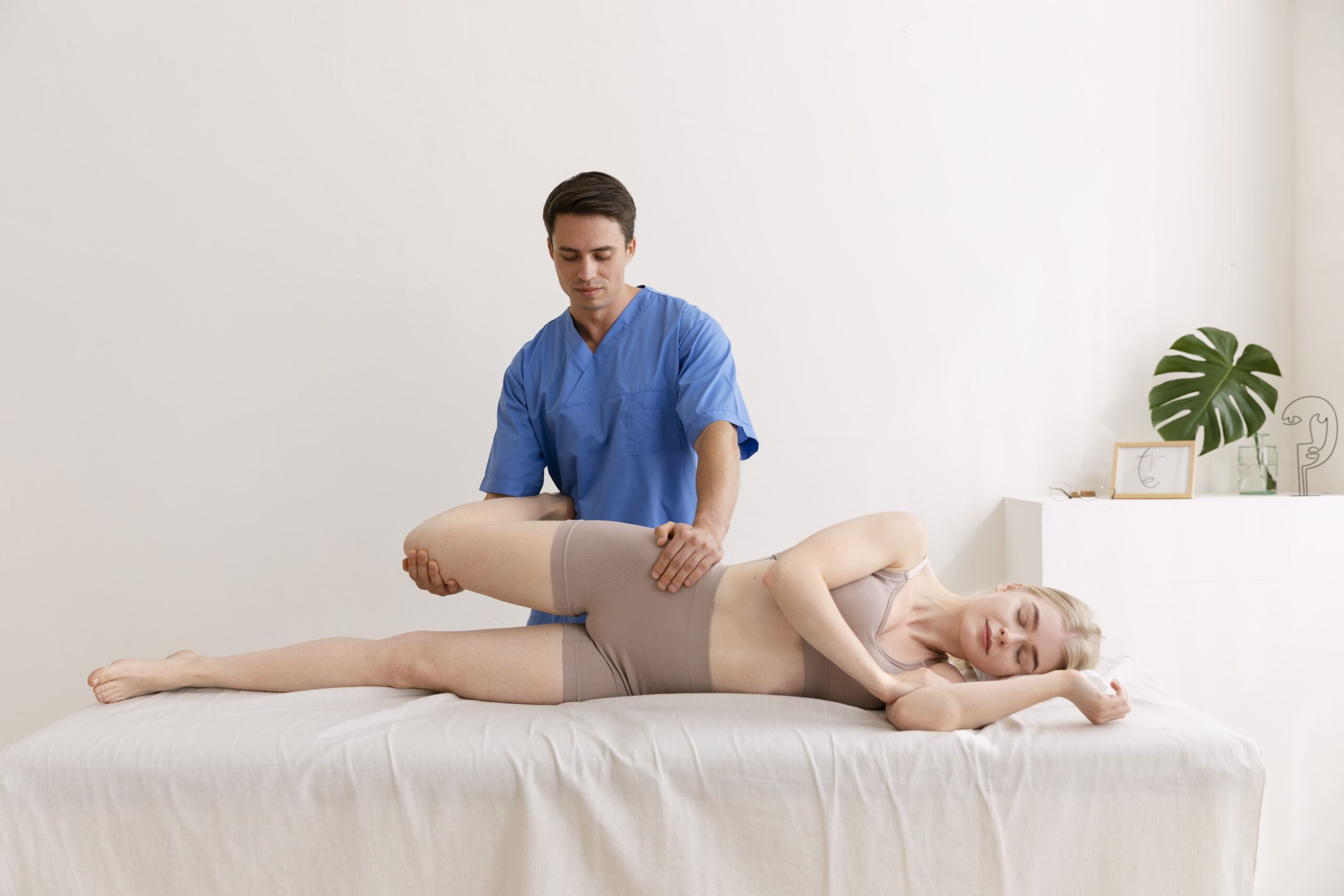
Home Physiotherapy

We understand that some conditions or injuries can make it difficult to receive rehabilitation at our clinic be it mobility or transportation issues. Our objective is to provide you with the same high-quality physiotherapy services at home that you would receive in-clinic.
Posted on

How Do I Know If My Physiotherapy Sessions Are Effective?

Physio Near Me
Physio Near Me
Synapse Physiotherapy

Introduction

Physiotherapy is a crucial component in the recovery process for many individuals dealing with injuries, chronic pain, or post-surgical rehabilitation. Physiotherapy, also known as physical therapy, is a healthcare profession dedicated to the assessment, diagnosis, treatment, and prevention of physical dysfunction and pain. It is a branch of rehabilitative healthcare where trained and licensed medical professionals use specially designed equipment and exercise regimens to treat abnormal physical functions and provide appropriate treatment. The best physiotherapy treatments should be holistic and look at different factors that could influence the patient’s concern and pain.

If you are looking for any physio near you, you can find the nearest Synapse Physiotherapy to you and get help for your injuries today. Our professional physiotherapists will be able to address any concerns that you have and set goals to ensure that you meet your recovery timeline and expectations.

Physical therapists

Physiotherapists, or physical therapists, play a crucial role in enhancing patients’ mobility, strength, and overall well-being. They employ a variety of techniques and exercises to treat a wide range of conditions. The list of diseases treated by physical therapy includes neurological disorders, genetic, or musculoskeletal disorders, as well as sports injuries or even common issues like dizziness.

Physiotherapists ideally collaborate closely with other medical professionals to provide comprehensive care, but they can also offer physiotherapy as a standalone treatment when appropriate.

However, in cases where it supports other treatments, your doctor will refer you to a physiotherapist for preventative, restorative, or pain management. People of all ages can improve their health for a long list of diseases treated by physical therapy.

Once you have started receiving physiotherapy for some time, you may wonder if your sessions have been effective, or if you are doing enough in your sessions and in your day to day to help in your recovery. There are certain key indicators and red flags to look out for to ensure that you are getting the most out of your physiotherapy sessions. 

For example some of the red flags to look out for are:

  • Lack of progress or plateauing.
  • Increased pain or symptoms.
  • Inadequate communication or education from your physiotherapist.
  • Insufficient exercise prescription or poor exercise guidance.
  • Failure to address underlying causes or contributing factors.
  • Failure to comply with the treatment plan.
  • Incompliance with exercise prescription or not sticking to the exercise guide given by your physiotherapist.
  • Failure to adapt and change your lifestyle that causes you pain and injury.


However, it’s important to assess the effectiveness of your physiotherapy sessions to ensure you’re on the right path to recovery.

Here are some key indicators to help you determine if your physiotherapy sessions are effective.

  1. Pain Reduction

One of the primary goals of physiotherapy is to alleviate pain. If you notice a significant reduction in your pain levels over the course of your treatment, this is a positive sign. Keep a pain diary to track changes in pain intensity and frequency. If pain persists or worsens, it’s essential to communicate this with your physiotherapist, who may need to adjust your treatment plan.


  1. Improved Mobility and Functionality

Effective physiotherapy should lead to improved mobility and functionality. You should be able to perform daily activities with greater ease and less discomfort. For example, if you’re undergoing physiotherapy for a knee injury, you should notice improvements in your ability to walk, climb stairs, or bend your knee without pain. Your physiotherapist may use specific tests to measure your range of motion and compare it to previous sessions.


  1. Achievement of Treatment Goals

At the beginning of your physiotherapy journey, your physiotherapist should set specific, measurable, achievable, relevant, and time-bound (SMART) goals. These goals might include improving strength, increasing flexibility, or returning to a particular sport or activity. Regularly review these goals with your physiotherapist to monitor your progress. Achieving these goals indicates that your treatment is on the right track.


  1. Positive Feedback from Your Physiotherapist

Your physiotherapist plays a critical role in monitoring your progress. They will conduct regular assessments to evaluate your improvement and make necessary adjustments to your treatment plan. Positive feedback from your physiotherapist, such as noting improvements in your strength, flexibility, and overall function, is a good indicator that your sessions are effective.

Another aspect that you are taking the next steps in a successful physiotherapy session is reviewing your exercises for progression. The exercises prescribed to you are for the purpose of building strength, improve flexibility, increase stamina as well as reduce pain. Your physiotherapist will be checking your form and how it has improved from your initial session, asking you how difficult your exercises are and from there determine whether to progress you if they’re too easy or reduce their intensity if you have suffered a setback. Your physiotherapist can also offer you tips and tricks to reduce pain and pacing for managing your energy levels and fatigue.


5. Enhanced Quality of Life

 An overall improvement in your quality of life is a strong indicator of effective physiotherapy. This includes better sleep, increased energy levels, and the ability to participate in activities you enjoy without pain or discomfort. If you find that you can engage more fully in life and feel better overall, it’s a sign that your physiotherapy is making a positive impact.

FAQs

1. How long does it take to see results from physiotherapy?

Most patients begin to notice improvements within 2 to 4 weeks, but the timeline can vary depending on the severity of your condition and your commitment to your treatment plan.

2. What should I do if I’m not seeing progress in my physiotherapy sessions?

If you’re not noticing improvements, it’s essential to communicate this with your physiotherapist. They can adjust your treatment plan or suggest additional interventions to enhance your progress.

3. Can physiotherapy help with chronic pain?

Yes, physiotherapy is highly effective in managing chronic pain by improving mobility, strengthening muscles, and providing strategies to reduce pain over time.

4. How do I know if I need to continue physiotherapy?

If you’ve met your treatment goals and feel confident in your mobility and strength, you may no longer need sessions. However, ongoing therapy may be necessary for maintaining progress, especially for chronic conditions.

5. Why is it important to find a ‘Physio Near Me’?

Finding a physiotherapist nearby ensures that you can attend sessions consistently, which is crucial for achieving the best possible results from your treatment.


Conclusion

Evaluating the effectiveness of your physiotherapy sessions involves monitoring pain levels, mobility improvements, goal achievement, feedback from your physiotherapist, and overall quality of life. Regular communication with your physiotherapist is essential to ensure that your treatment plan is tailored to your needs and is adjusted as necessary. Remember, recovery is a gradual process, and consistent effort and patience are key to achieving the best outcomes from your physiotherapy sessions.


Share This :

Back & Neck Pain

Conditions such as stiffness, postural abnormalities and muscle overuse from prolonged desk work at the office or home is more prevalent than most would think. We provide the necessary tools to fix you up and educate you on ergonomics which can unload unnecessary stress.

Sports Injuries

Rolled ankles, jarred knees, impinged shoulders are few conditions in the plethora of sports injuries which can hamper performance and limit our enjoyment of sports. Physiotherapy not only treats the symptoms of these conditions but propels your overall fitness to greater heights.

Work Desk Injuries​

Conditions such as stiffness, postural abnormalities and muscle overuse from prolonged desk work at the office or home is more prevalent than most would think. We provide the necessary tools to fix you up and educate you on ergonomics which can unload unnecessary stress.

Pre-Post-Surgical Conditions

Surgery involves going through preparation both before and after. Physiotherapists play a vital role in getting your body ready for surgeries with circulatory, breathing and strengthening exercises. After the procedure, let us be there for your recovery and rehabilitation, taking it one step at a time.

Scoliosis & Postural Abnormalities

The way we stand, sit, walk and sleep has influence over our posture and the overall balance of muscles controlling its alignment. A comprehensive screening can be done by our physiotherapists to detect abnormalities, which we will aid in correcting.

Neurological Conditions

Neurological disabilities such as stroke, nerve compression and neuropathies can be barriers for patients to live life to its fullest. We at Synapse are committed to help you overcome these hurdles by ensuring functional mobility and quality of life is at its optimum by providing the right treatment and exercises.

Osteoarthritis & Rheumatism

Joint degeneration and inflammation happens as the human body grows older, but that does not mean our way of life degenerates as well. Relief your joint pains with a joint effort together with your physiotherapist, who will provide pain-relief treatments and prescribe exercises for your wellbeing.

Conditions Relating To Elderly

Common conditions in the older age population include hips & knee pain, back & neck pain, osteoarthritis, rheumatism, fear of falling and many more.  Aging and degeneration of bodily function is inevitable, but here at Synapse, we will help you live the best of your life.
Home Physiotherapy

We understand that some conditions or injuries can make it difficult to receive rehabilitation at our clinic be it mobility or transportation issues. Our objective is to provide you with the same high-quality physiotherapy services at home that you would receive in-clinic.
Posted on

Sports Massage vs. Deep Tissue Massage | Synapse

Sports Massage
Sports Massage
Sports Injuries, Synapse Physiotherapy

Introduction

Massage therapy uses touch and manipulation of soft tissues to treat pain, relax the body, and prevent injury. There are various types of massage therapy, each offering unique benefits. Two of the most common types are deep tissue massage therapy and sports massage therapy. While these techniques are similar, the best choice depends on your lifestyle, goals, and needs. You can receive a sports massage or deep tissue massage from a certified physiotherapist at a nearby physiotherapy center.

What is Sports Massage?

Sports massage is a deep form of soft tissue mobilization that can be beneficial in both sporting and non-sporting contexts. It employs various techniques, including effleurage, kneading, wringing, hacking, and trigger pointing. Sports massage aims to relax the musculoskeletal system and address specific problem areas. This type of massage helps relieve muscular tension, break down adhesions, mobilize soft tissues, and reduce pain.

Benefits of sports massage.

Reducing Delayed Onset Muscle Soreness (DOMS)

Sports massage is effective in reducing delayed onset muscle soreness (DOMS), which can arise from minor muscle or connective tissue damage, local muscle spasms that limit blood flow, or a buildup of waste products from energy production. By reducing muscle spasms, flushing out waste products, and increasing blood flow, sports massage helps alleviate DOMS. Increased blood flow delivers oxygen and nutrients to aid in the repair of damaged tissues.


Integrating into a Training Program

Incorporating sports massage into a training program helps the body recover from the stresses of exercise and facilitates the rebuilding phase of conditioning. It improves blood and lymph circulation, promotes muscle relaxation, and provides general relaxation. Additionally, sports massage helps flush out waste products and enhances cell nutrition, leading to relief from soreness and stiffness, increased flexibility, and a reduced risk of future injury.

Post-Event Recovery

Sports massage is beneficial after sporting events such as a 10k run, football match, or cycle race, as well as after workouts or gym classes. It aids muscle recovery, prevents injuries, and prepares the body for future exercise. By reducing muscle spasms and the metabolic buildup of waste products that occur during exercise, sports massage enhances post-event recovery.

Pre-Event Preparation

Pre-event massage can be administered directly before exercise or in the weeks leading up to an event. It helps improve performance and decreases the chance of injury by enhancing circulation, increasing tissue elasticity, and reducing muscle tension. As part of a warm-up routine, sports massage prepares the muscles for exercise.

Relieving Tight Muscles

Muscle tightness can limit flexibility, increase pain, and lead to future injuries. Sports massage helps release muscle tightness by increasing blood flow through tight muscles, breaking down inflexible tissues, and stretching out muscle fibers. Regular use of sports massage to relieve tight muscles can reduce the risk of injury and maximize performance.

What is a deep tissue massage? 

Deep tissue massage targets chronic tension in muscles located deep beneath the body’s surface. This technique involves slow strokes, direct pressure, or friction movements that go across the muscle grain. Chronic muscle tension or injury often leads to adhesions (bands of painful, rigid tissue) in muscles, tendons, and ligaments, which can block circulation and cause pain, limited movement, and inflammation. Deep tissue massage works by physically breaking down these adhesions to relieve pain and restore normal movement.

Physiotherapists use their fingers, thumbs, or occasionally elbows to apply the necessary pressure. This technique is particularly helpful for chronically tense and contracted areas such as stiff necks, low back tightness, and sore shoulders. While some of the same strokes used in classic massage are employed, the movements in deep tissue massage are slower, and the pressure is deeper and concentrated on areas of tension and pain.

Unlike classic massage therapy, which is primarily for relaxation, deep tissue massage usually focuses on specific problems, such as chronic pain, limited mobility, recovery from injuries (e.g., whiplash, falls, sports injuries), osteoarthritis pain, fibromyalgia, and muscle spasms.

Benefits of Deep Tissue Massage 

Pain Relief

Research shows that deep tissue massage can effectively alleviate chronic neck and lower back pain, as well as pain following a C-section. People with myofascial pain syndrome, which causes pain in the muscles and fascia, may also benefit from deep tissue massage.

Joint pain often results from an imbalance in the muscles’ length-tension relationship—the correlation between the length of muscle fibers and the force they generate. By releasing tension in one area, deep tissue massage can reduce discomfort in another, providing relief for conditions like arthritis.

Improved Range of Motion

Deep tissue massage can enhance the range of motion for many individuals. A 2023 study with 41 participants aged 20 to 34 showed that a single session of deep tissue massage significantly improved the cervical spine’s range of motion for up to two weeks after the treatment.

Relief for Symptoms of Anxiety and Depression

Certain types of touch and massage can help relax the body’s stress response. A review on the role of massage therapy in treating various psychiatric disorders found that massage might be beneficial for individuals with depression, anxiety, and insomnia, particularly as a complementary therapy to other treatments.

Improved Body Awareness

Deep tissue massage can increase awareness of previously unnoticed or ignored tightness or discomfort in the body. This heightened awareness helps patients understand where they hold tension, which is crucial for taking steps toward healing and improving mind-body communication regarding the body’s well-being.

Differences between sports massage and deep tissue massage 

While both deep tissue and sports massage involve manual therapy to alleviate muscle tension, they differ significantly in their techniques and objectives.

Deep tissue massage is primarily used to address chronic pain and muscle tension by focusing on the deeper layers of muscle tissue. This type of massage employs slow strokes, direct pressure, and friction movements that work across the muscle grain. The primary objective of deep tissue massage is to break down adhesions, relieve pain, and restore normal movement. It is particularly beneficial for individuals dealing with chronic conditions such as persistent back pain, fibromyalgia, or ongoing muscle tightness and spasms.

In contrast, sports massage is more targeted, addressing specific areas of the body that are strained or injured due to athletic activities. This form of massage is designed to prepare the body for physical exertion, aid in recovery after intense exercise, and prevent injuries. Techniques in sports massage include effleurage, kneading, wringing, hacking, trigger pointing, stretching, and joint mobilization. These methods help reduce delayed onset muscle soreness (DOMS), improve flexibility, and enhance overall athletic performance. Sports massage is beneficial not only post-event but also as part of a pre-event routine to enhance circulation, increase tissue elasticity, and reduce muscle tension.

Overall, while deep tissue massage focuses on alleviating chronic pain and tension in deeper muscle layers, sports massage is tailored to the needs of athletes, emphasizing preparation and recovery related to physical activities.

When do you need it? 

When deciding between a deep tissue massage and a sports massage, your specific conditions and needs should guide your choice. If you’re uncertain about which type of massage to choose, you can base your decision on the functions listed above or seek an assessment from a professional physiotherapist. A physiotherapist can evaluate your specific needs and recommend the most appropriate type of massage. Synapse Physiotherapy offers both deep tissue and sports massage, ensuring that you receive the treatment best suited to your condition.

FAQs 

1. What is the primary purpose of sports massage?

Sports massage is primarily aimed at enhancing athletic performance, reducing recovery time, and preventing injuries in active individuals.

2. How does deep tissue massage differ from a regular massage?

Deep tissue massage targets deeper muscle layers and connective tissues, addressing chronic pain and stiffness, while regular massages focus on relaxation and surface-level tension relief.

3. Can sports massage help with non-sports-related injuries?

Yes, sports massage can be beneficial for treating various musculoskeletal issues, even in non-athletes, by improving circulation and reducing muscle tension.

4. Is one massage better for chronic pain management?

Deep tissue massage is generally more effective for chronic pain management because it targets the deeper muscle layers and breaks down adhesions that contribute to long-term discomfort.

5. How often should you get a sports massage if you are an athlete?

The frequency depends on your training intensity, but most athletes benefit from a sports massage at least once a week to maintain optimal performance and recovery.

Conclusion

In conclusion, both sports massage and deep tissue massage offer valuable benefits, depending on individual needs. For those experiencing chronic pain or muscle tension, deep tissue massage can provide effective relief by targeting deeper muscle layers. Athletes or individuals engaged in intense physical activities may benefit from sports massage, which aids in recovery and reduces delayed onset muscle soreness (DOMS). Ultimately, a thorough assessment by a qualified therapist will determine the most appropriate treatment. At Synapse Physiotherapy, our skilled physiotherapists offer both services, ensuring personalized care to meet your specific requirements.

Share This :

Back & Neck Pain

Conditions such as stiffness, postural abnormalities and muscle overuse from prolonged desk work at the office or home is more prevalent than most would think. We provide the necessary tools to fix you up and educate you on ergonomics which can unload unnecessary stress.

Sports Injuries

Rolled ankles, jarred knees, impinged shoulders are few conditions in the plethora of sports injuries which can hamper performance and limit our enjoyment of sports. Physiotherapy not only treats the symptoms of these conditions but propels your overall fitness to greater heights.

Work Desk Injuries​

Conditions such as stiffness, postural abnormalities and muscle overuse from prolonged desk work at the office or home is more prevalent than most would think. We provide the necessary tools to fix you up and educate you on ergonomics which can unload unnecessary stress.

Pre-Post-Surgical Conditions

Surgery involves going through preparation both before and after. Physiotherapists play a vital role in getting your body ready for surgeries with circulatory, breathing and strengthening exercises. After the procedure, let us be there for your recovery and rehabilitation, taking it one step at a time.

Scoliosis & Postural Abnormalities

The way we stand, sit, walk and sleep has influence over our posture and the overall balance of muscles controlling its alignment. A comprehensive screening can be done by our physiotherapists to detect abnormalities, which we will aid in correcting.

Neurological Conditions

Neurological disabilities such as stroke, nerve compression and neuropathies can be barriers for patients to live life to its fullest. We at Synapse are committed to help you overcome these hurdles by ensuring functional mobility and quality of life is at its optimum by providing the right treatment and exercises.

Osteoarthritis & Rheumatism

Joint degeneration and inflammation happens as the human body grows older, but that does not mean our way of life degenerates as well. Relief your joint pains with a joint effort together with your physiotherapist, who will provide pain-relief treatments and prescribe exercises for your wellbeing.

Conditions Relating To Elderly

Common conditions in the older age population include hips & knee pain, back & neck pain, osteoarthritis, rheumatism, fear of falling and many more.  Aging and degeneration of bodily function is inevitable, but here at Synapse, we will help you live the best of your life.

Home Physiotherapy

We understand that some conditions or injuries can make it difficult to receive rehabilitation at our clinic be it mobility or transportation issues. Our objective is to provide you with the same high-quality physiotherapy services at home that you would receive in-clinic.
Posted on

Living with Chronic Pain? Look for Physiotherapy Near Me

Physiotherapy Near Me
Synapse Physiotherapy

Introduction

Chronic pain is increasingly common, affecting an estimated 10-20% of the population who report experiencing chronic or recurrent pain. This type of pain is a significant cause of human suffering and disability. Interestingly, the factors that predict whether acute pain will become chronic are not related to biological indicators such as physical examination results or X-ray changes. Instead, they are linked to psychosocial variables like mood, stress, and the social context in which the pain occurs.

When chronic pain persists despite medical treatment, the situation becomes even more complicated. Patients often find themselves trapped in a vicious cycle of pain that is not merely due to disease progression. Individuals in pain, especially when it worsens with movement, tend to avoid activities that provoke symptoms. Although resting might seem helpful, it actually leads to secondary stiffness and weakness, exacerbating the symptoms.

This loss of function can lead to diminished self-esteem and role identity, potentially causing financial hardship, strained relationships, medication side effects, and sleep deprivation.The Global Burden of Disease Study 2013 examined “years lived with disability” (YLDs)—a measure combining prevalence with a disability-weighting factor—for various diseases and injuries across 188 countries. The study found that chronic low back pain was the leading cause of YLDs worldwide, followed by major depressive disorder. Other common causes included chronic neck pain, migraine, osteoarthritis, other musculoskeletal disorders, and medication overuse headaches.

To address these issues, physiotherapy plays an important role in managing chronic pain. Seeking physiotherapy treatment can be a crucial step in alleviating pain and preventing it from diminishing your quality of life. You can search for “physiotherapy near me” to find local treatment options.


What is Pain?

Pain is an uncomfortable sensory and emotional experience. Each person experiences pain differently, even if the causes are similar. Pain is deeply personal, and an individual’s description of their pain is the most accurate measure. It can vary from mild to severe and may include sensations such as pricking, tingling, stinging, burning, shooting, aching, or electric-like feelings.Pain is one of the most critical signals our body uses to ensure our survival. It can alert us to harmful changes.

Physiology 

Pain begins when specialized receptors called nociceptors detect harmful stimuli, such as heat, pressure, or chemicals. These nociceptors generate electrical signals that travel through peripheral nerves to the spinal cord. In the spinal cord, the signals can be amplified or reduced before being relayed to the brain. Once in the brain, the signals reach the thalamus and then various regions, including the somatosensory cortex (for identifying pain), the limbic system (for emotional response), and the prefrontal cortex (for processing). The brain interprets these signals as pain, leading to reactions like withdrawing from the source of pain and physiological responses such as increased heart rate.

Chronic pain

Chronic pain endures for more than three months or exceeds the typical healing period. Sometimes, an acute pain condition may persist and evolve into chronic pain. In other instances, chronic pain arises without any apparent reason. Individuals may suffer from multiple chronic pain conditions simultaneously, or experience both chronic and acute pain at the same time.

Risk factors for chronic pain 

Chronic pain can result from various conditions or injuries, and several risk factors increase the likelihood of experiencing it. Genetics play a role, as some causes like migraines tend to run in families. Obesity can worsen conditions like arthritis due to added pressure on joints. Age is another factor, with older individuals more prone to conditions such as arthritis and neuropathy. Previous injuries can lead to chronic pain later on, and physically demanding jobs increase the risk as well. Stress, including frequent stress and post-traumatic stress disorder, is linked to chronic pain. Lastly, smoking heightens the risk of developing conditions that require chronic pain treatment.

Complications of chronic pain

Chronic pain can have a profound impact on an individual’s overall well-being, leading to various complications:

  1. Decreased Quality of Life: Persistent pain can hinder daily activities, limit mobility, and reduce the ability to engage in hobbies and social interactions, leading to a diminished overall quality of life.
  2. Depression: The ongoing struggle with pain can lead to feelings of hopelessness and sadness, contributing to clinical depression. The constant burden of pain can make it difficult to enjoy life and can alter one’s mood and outlook.
  3. Anxiety: Chronic pain often brings about anxiety due to the uncertainty of pain flare-ups and the potential for worsening conditions. This anxiety can exacerbate the perception of pain and create a vicious cycle.
  4. Substance Abuse Disorders: In an effort to manage pain, some individuals may turn to medications or substances, leading to dependency or addiction. The misuse of pain medication can further complicate health and life situations.
  5. Worsening of Existing Chronic Disease: Chronic pain can exacerbate pre-existing conditions such as diabetes or heart disease. The stress and physical toll of constant pain can negatively affect the management and progression of other chronic illnesses.
  6. Increased Risk of Suicidal Ideation and Suicide: The relentless nature of chronic pain can lead to feelings of despair and hopelessness, increasing the risk of suicidal thoughts and actions. The psychological burden of managing long-term pain can be overwhelming and lead some individuals to contemplate or commit suicide.


Management of chronic pain 


Change in lifestyle 

Making lifestyle changes and taking good care of yourself can significantly help manage chronic pain. The following actions can help you cope with chronic pain and improve your overall health:

  1. Avoid Smoking: Smoking can worsen pain and impede healing, so quitting smoking is beneficial for pain management.
  2. Pace Yourself: Avoid overexertion by creating a daily schedule with a few priorities and ample time for rest and self-care.
  3. Eat a Healthy Diet: A balanced diet can reduce inflammation and improve overall well-being.
  4. Exercise Regularly: Physical activity helps maintain strength and flexibility, and can reduce pain and improve mood.
  5. Get Enough Sleep: Quality sleep is crucial for healing and managing pain.
  6. Manage Stress: Techniques such as mindfulness, meditation, and relaxation exercises can help reduce stress and alleviate pain.
  7. Join a Support Group: Connecting with others with similar conditions can provide emotional support and practical tips for managing pain.
  8. Limit Alcohol: Reducing alcohol intake can improve sleep quality and reduce pain.
  9. Think Positively: Maintaining a positive outlook can improve coping strategies and overall quality of life.

Physiotherapy managements

  1. Patient education: Teaching patients about the nature of chronic pain and how to manage it effectively.
  2. Manual therapy: Techniques such as massage, mobilization, and manipulation to relieve pain and improve mobility.
  3. Therapeutic electrical modalities: Use of heat, cold, ultrasound, and electrical stimulation (e.g., TENS) to reduce pain and inflammation.

TENS : Transcutaneous electric nerve stimulation (TENS) helps reduce pain by using electrical currents to stimulate nerves. In conventional TENS, high-frequency (100 Hz or more), low-intensity, and short-duration pulses (50–80 microseconds) are used. This setup targets specific nerve fibers called Aβ fibers, which help block pain signals from other nerve fibers (Aδ and C fibers) that carry pain sensations to the spinal cord.

  1. General exercises: To progressively build up a patient’s tolerance and confidence for daily activities or sports. For example, low-impact exercises like walking, swimming, cycling can help improve overall fitness and reduce pain sensitivity.

  2. Specific exercises: To mobilize tight and stiff body regions and gradually develop normal movement control. For example, strengthening and stretching exercises target specific muscles. It can improve muscle strength to support and stabilize joints, reducing stress and strain. It can improve the range of motion and reduce stiffness in muscles and joints.

  3. Hydrotherapy: To build up strength, reduce stiffness and pain.

  4. Relaxation Techniques: Physiotherapists will teach patients relaxation positions and breathing exercises such as deep breathing, progressive muscle relaxation, and mindfulness to reduce stress and pain perception.

  5. Graded exposure, pacing: There are often particular activities that are challenging, painful and sometimes avoided for fear of causing damage. With knowledge of pain and confidence to move, patients can gradually re-engage with these activities. Pacing means that we set a baseline and work towards the patient’s goal. Physiotherapists will encourage patients to balance activity and rest to avoid overexertion and flare-ups.


Benefits of physiotherapy in chronic pain

Physiotherapy offers multiple benefits for managing chronic pain and improving overall health:

  1. Reducing Pain: Physiotherapy techniques can alleviate pain, decreasing stress on affected areas and enabling gradual increases in activity.
  2. Increasing Flexibility and Mobility: By enhancing joint range of motion, physiotherapy helps people move more easily and freely.
  3. Reducing Stiffness: Improved joint mobility reduces stiffness, facilitating easier movement.
  4. Improving Strength: Exercises boost muscle strength, reducing the stress and strain on joints.
  5. Improving Function: Enhanced range of motion, strength, and flexibility make daily activities like sitting or dressing less painful and difficult.
  6. Improving Quality of Life: Increased activity, independence, and control contribute to a better quality of life.
  7. Improving Sleep: Reduced pain and increased physical activity from physiotherapy can enhance sleep quality, aiding recovery and decreasing pain levels.

FAQs

1. How can physiotherapy help with chronic pain?

Physiotherapy can reduce chronic pain by using techniques such as manual therapy, exercises, and education to improve mobility and decrease discomfort.

2. What should I expect during my first physiotherapy session for chronic pain?

Your first session will include an assessment of your pain, medical history, and physical condition, followed by a personalized treatment plan to manage your pain.

3. How do I find the best physiotherapy near me for chronic pain management?

Look for licensed physiotherapists with experience in treating chronic pain, check reviews, and seek recommendations from your doctor or community.

4. How many physiotherapy sessions are needed to see improvement in chronic pain?

The number of sessions varies depending on the severity of your pain, but many patients start noticing improvements after a few consistent visits.

5. Is physiotherapy covered by insurance for chronic pain treatment?

Most insurance plans cover physiotherapy for chronic pain, but it’s best to confirm with your provider for specific coverage details.


Conclusion

In conclusion, if you are experiencing chronic pain, seeing a physiotherapist can be highly beneficial. Synapse Physiotherapy offers personalized treatment plans that include pain relief techniques, exercise therapy, education, and lifestyle modifications

Share This :

Back & Neck Pain

Conditions such as stiffness, postural abnormalities and muscle overuse from prolonged desk work at the office or home is more prevalent than most would think. We provide the necessary tools to fix you up and educate you on ergonomics which can unload unnecessary stress.

Sports Injuries

Rolled ankles, jarred knees, impinged shoulders are few conditions in the plethora of sports injuries which can hamper performance and limit our enjoyment of sports. Physiotherapy not only treats the symptoms of these conditions but propels your overall fitness to greater heights.

Work Desk Injuries​

Conditions such as stiffness, postural abnormalities and muscle overuse from prolonged desk work at the office or home is more prevalent than most would think. We provide the necessary tools to fix you up and educate you on ergonomics which can unload unnecessary stress.

Pre-Post-Surgical Conditions

Surgery involves going through preparation both before and after. Physiotherapists play a vital role in getting your body ready for surgeries with circulatory, breathing and strengthening exercises. After the procedure, let us be there for your recovery and rehabilitation, taking it one step at a time.

Scoliosis & Postural Abnormalities

The way we stand, sit, walk and sleep has influence over our posture and the overall balance of muscles controlling its alignment. A comprehensive screening can be done by our physiotherapists to detect abnormalities, which we will aid in correcting.

Neurological Conditions

Neurological disabilities such as stroke, nerve compression and neuropathies can be barriers for patients to live life to its fullest. We at Synapse are committed to help you overcome these hurdles by ensuring functional mobility and quality of life is at its optimum by providing the right treatment and exercises.

Osteoarthritis & Rheumatism

Joint degeneration and inflammation happens as the human body grows older, but that does not mean our way of life degenerates as well. Relief your joint pains with a joint effort together with your physiotherapist, who will provide pain-relief treatments and prescribe exercises for your wellbeing.

Conditions Relating To Elderly

Common conditions in the older age population include hips & knee pain, back & neck pain, osteoarthritis, rheumatism, fear of falling and many more.  Aging and degeneration of bodily function is inevitable, but here at Synapse, we will help you live the best of your life.

Home Physiotherapy

We understand that some conditions or injuries can make it difficult to receive rehabilitation at our clinic be it mobility or transportation issues. Our objective is to provide you with the same high-quality physiotherapy services at home that you would receive in-clinic.