Posted on

5 Tips for Preventing Sports-Related Injuries: Physiotherapy

Physiotherapy Near Me
Sports Injuries, Synapse Physiotherapy

What is sports injury?

The term “sports injury” refers to injuries that frequently occur during sports or exercise activities and can be broadly classified into two main types: acute and chronic. Acute injuries happen suddenly, often due to a fall, impact, or sudden twisting of a joint, and include conditions such as sprains, where ligaments are torn, and dislocations, where joints are displaced. In contrast, chronic injuries develop gradually over time, typically as a result of repetitive overuse of a specific area of the body. Common examples of chronic injuries are shin splints, which cause pain along the shinbone, and stress fractures, which are tiny cracks in bones caused by repetitive stress. Understanding the nature and classification of sports injuries is crucial for implementing effective treatment and prevention strategies for active individuals. For those experiencing sports-related injuries, seeking assistance from a sports injury clinic is advisable.

Causes of sports injuries

Lack of Conditioning and Poor Training

The risk of sports injuries increases significantly if you do not maintain proper conditioning or adequately prepare your body for physical activity. A lack of conditioning can lead to muscle imbalances and generally weakens your muscles, bones, tendons, and ligaments. When examining the causes of sports injuries, poor training methods are often a common factor. To prevent imbalances, ensure that all muscle groups are exercised equally. Additionally, training at full intensity all the time can lead to wear and tear on your muscles and ligaments, so it’s crucial to vary the intensity of your workouts.

Incorporating regular stretching and effective warm-ups is essential for gradually preparing your body for increased intensity and movement. Equally important is allowing your body time to rest. Taking breaks not only helps athletes overcome training plateaus but also reduces the risk of overuse injuries.

Overtraining and Injury Prevention

Overtraining poses a significant risk of injury, underscoring the importance of regular and effective rehabilitation to allow adequate recovery time for the body. Rushing back from a previous injury also heightens the risk of reinjury.

When recovering from an injury, it’s crucial to incrementally increase training intensity in collaboration with coaching staff to rebuild strength in the affected area. This gradual approach helps mitigate the chances of further injury and supports a safer return to full activity levels.

Unavoidable Factors in Sports Injuries

Occasionally, sports injuries are simply unavoidable, stemming from accidents, heavy impacts, or even unpredictable occurrences of bad luck. Moreover, changes in playing surfaces can increase susceptibility to injury, as can the use of low-quality equipment or dehydration exacerbated by extreme climate conditions. These factors highlight the unpredictable nature of sports injuries, despite precautions taken to mitigate risks through proper training and conditioning.

Tips for preventing sports injuries

1. Wear Protective Gear

Protective gear includes any equipment that helps prevent injuries. The type of gear you need depends on your sport.

Helmets are the most common form of protection. They safeguard your head in sports like football, hockey, baseball, softball, biking, skateboarding, and inline skating.

Ensure you’re wearing the correct helmet for your sport. For example, don’t use a baseball batting helmet for football. Your helmet should fit snugly and comfortably. If it has a strap, like a bike helmet, make sure it’s fastened to keep the helmet in place when you need it.

Other sports require additional protection such as eye guards, mouthguards, pads, wrist guards, elbow guards, knee guards, and protective cups for boys. Also, don’t forget your feet; cleats with rubber or plastic points are worn in football, baseball, softball, and soccer to improve traction.

Consult with your parents or coach to determine the necessary gear, and always wear it during practice and games.

2. Warm Up

You’ve probably heard about the importance of ‘cold muscles’ vs ‘warm muscles’ for performance and injury prevention. Cold muscles, or muscles that haven’t been properly warmed up, are more prone to injury because they’re tight and less flexible. Tight muscles can lead to injuries like pulled hamstrings, groin strains, and Achilles tendon injuries. That’s why a proper warm-up is crucial before playing any sport, especially if you haven’t played in a while.

A good warm-up not only loosens your muscles but also raises your heart rate and body temperature, enhancing your athletic performance. It should last at least 10 minutes and include both light aerobic activities (like jumping jacks) and dynamic stretching exercises (like leg swings).

Cooling down after sports is equally important. It helps your body gradually return to its normal state and prevents blood from pooling in your extremities, which can cause lightheadedness and dizziness. A proper cool-down should last at least 5 minutes and include static stretching exercises (like quad stretches) and light aerobic activities (like walking).

Regular stretching throughout the day can also help prevent sports injuries by keeping your muscles loose and flexible. Simple stretches can be done during downtime, like when you wake up in the morning or before bed at night.

3. Know the Rules of the Game

When players understand the rules, they know what to expect from each other. For instance, in soccer, you can’t tackle from behind to steal the ball; it’s safer to aim for the ball instead of the player.

In sports with specific plays, understanding your role can help keep you out of danger.

4. Watch Out for Others

Some rules focus on safety and courtesy rather than scoring. For example, in baseball, a batter should drop the bat after hitting the ball to avoid hitting anyone. Similarly, a diver should check the pool before diving to ensure it’s clear.

Communicate on the field to avoid collisions. For instance, a baseball outfielder might shout “I got it” to signal to teammates. Listening to your coach and being considerate, like pointing out untied shoelaces, also enhances safety.

5. Keep Your Body in Shape

For many fall athletes, the start of the season means returning after a long break from their sport. If you’ve taken several months off, it’s crucial to ease back into your routine to avoid overstressing your body and increasing the risk of injury.

Gradually reintroducing physical activity into your schedule a few weeks before the season begins can help your body adapt to the demands of your sport and prevent injuries once you start playing again.

Maintaining a balanced workout routine is also essential. Strength training for both the lower and upper body should be part of every athlete’s regimen. Strengthening the muscles around your joints helps prevent common injuries such as knee and shoulder injuries.

6. Use Proper Technique

Using proper technique in any sport is vital for injury prevention. Correct movements reduce the stress on your joints and muscles, helping you avoid overuse injuries.

For example, in football, proper tackling techniques can prevent shoulder injuries. In basketball, proper shooting techniques can help avoid wrist and elbow injuries. If you’re unsure about the correct technique for your sport, consult your coach or a sports medicine specialist. They can provide the proper training to help you avoid injuries.

7. Rest When You Need or Injured, 

Listening to your body and taking breaks when experiencing pain or soreness is critical for any athlete. Playing through pain can lead to more severe injuries or worsen existing ones. Untreated overuse injuries can result in long-term problems that might require surgery.

If you’re injured, seek medical care promptly. A sports injury doctor can assess your injury and create a treatment plan to help you recover and return to playing as soon as possible.

Breaks are also essential for preventing mental burnout, which can affect your performance. If you’re feeling overwhelmed or stressed, take a step back to focus on self-care—ensure you’re getting enough sleep, eating a balanced diet, and spending time with friends and family. These activities can reduce stress and improve your overall well-being, which is crucial for peak performance.

Common sport injuries

  • Broken bone: A bone fracture happens when a bone is subjected to sudden force, causing it to break.
  • Cartilage tear: Cartilage, which cushions and protects bone ends in joints like the knee and shoulder, can tear due to injury.
  • Concussion: This is a brain injury resulting from a bump or blow to the head, temporarily affecting brain function.
  • Dislocation: Dislocation occurs when a bone’s end moves out of its normal position within a joint, such as a shoulder popping out of its socket.
  • Tendinitis: Tendinitis happens when tendons, connecting muscles to bones, become inflamed due to repetitive movements over time. For example, jumper’s knee is a type of patellar tendinitis.
  • Sprains: A sprain occurs when a ligament stretches too much or tears. Ligaments connect bones and stabilize joints, and sprains are common in areas like the ankle, knee, and wrist, ranging in severity.

Management

Rest: Reduce your usual activities, especially if you’ve injured your foot, ankle, or knee. Use a crutch to take weight off the injured limb; for instance, use it on the opposite side of the injured foot or ankle (left crutch for right foot injury).


Ice: Apply an ice pack to the injured area for 20 minutes, four to eight times a day. Use a cold pack, ice bag, or a plastic bag filled with crushed ice wrapped in a towel. Remove the ice after 20 minutes to prevent cold injury.


Compression: Apply even pressure with compression to the injured area to reduce swelling. You can use an elastic wrap, special boot, air cast, or splint as recommended by your doctor.


Elevation: Raise the injured area on a pillow above the level of your heart to help reduce swelling.


Pain management: Your doctor may prescribe painkillers to alleviate pain and swelling.


Immobilization: Sometimes, immobilization is necessary to prevent further damage. Slings, splints, casts, or leg immobilizers may be used depending on the injury.


Surgery: In severe cases, surgery may be required to repair torn tendons or ligaments, or to realign broken bones. However, most sports injuries do not require surgery.


Rehabilitation (Physiotherapy): Physiotherapy is essential for sports injuries because it promotes healing, restores function, and manages pain effectively. Through personalized treatment plans that include techniques like manual therapy and targeted exercises, physiotherapists help athletes regain strength, flexibility, and range of motion necessary for returning to sports safely. They also educate on injury prevention and proper techniques, ensuring athletes can perform at their best while minimizing the risk of re-injury. Overall, physiotherapy plays a crucial role in optimizing recovery and enhancing athletic performance.

Frequently Asked Questions (FAQs)

The most common sports injuries include sprains, strains, fractures, and dislocations. Sprains, particularly ankle sprains, are very common as they involve the stretching or tearing of ligaments.

Physiotherapy aids recovery by promoting healing, restoring function, and managing pain. Physiotherapists create personalized treatment plans with techniques like manual therapy and targeted exercises to help athletes regain strength, flexibility, and range of motion, ensuring a safe return to sports.

You should see a sports injury specialist if you experience severe pain, significant swelling, an inability to move the affected area, or if symptoms persist despite rest and basic treatments. Timely consultation helps in accurate diagnosis and effective treatment planning.

Recovery time varies depending on the type and severity of the injury. Minor injuries like mild sprains may heal within a few weeks, while severe injuries such as fractures or ligament tears may take several months and may require surgery and extensive rehabilitation.

Effective prevention strategies include wearing appropriate protective gear, warming up before activities, following the rules of the game, maintaining proper technique, staying in good physical condition, and taking rest periods to avoid overtraining. Regularly consulting with coaches and physiotherapists can also help identify and mitigate risks.

Conclusion

In summary, athletes must prioritize preventing sports injuries as they can significantly impact performance. If injured, it’s crucial to manage the injury wisely. Rehabilitation after initial acute management is essential to facilitate a safe return to sports. Preventing recurrence and restoring performance to pre-injury levels are paramount. Synapse Physiotherapy specializes in sports injury treatment. Contact us for the best treatment options and personalized care to support your recovery and enhance your athletic performance.

Produced by MYSense

Share This :

Back & Neck Pain

Conditions such as stiffness, postural abnormalities and muscle overuse from prolonged desk work at the office or home is more prevalent than most would think. We provide the necessary tools to fix you up and educate you on ergonomics which can unload unnecessary stress.

Sports Injuries

Rolled ankles, jarred knees, impinged shoulders are few conditions in the plethora of sports injuries which can hamper performance and limit our enjoyment of sports. Physiotherapy not only treats the symptoms of these conditions but propels your overall fitness to greater heights.

Work Desk Injuries​

Conditions such as stiffness, postural abnormalities and muscle overuse from prolonged desk work at the office or home is more prevalent than most would think. We provide the necessary tools to fix you up and educate you on ergonomics which can unload unnecessary stress.

Pre-Post-Surgical Conditions

Surgery involves going through preparation both before and after. Physiotherapists play a vital role in getting your body ready for surgeries with circulatory, breathing and strengthening exercises. After the procedure, let us be there for your recovery and rehabilitation, taking it one step at a time.

Scoliosis & Postural Abnormalities

The way we stand, sit, walk and sleep has influence over our posture and the overall balance of muscles controlling its alignment. A comprehensive screening can be done by our physiotherapists to detect abnormalities, which we will aid in correcting.

Neurological Conditions

Neurological disabilities such as stroke, nerve compression and neuropathies can be barriers for patients to live life to its fullest. We at Synapse are committed to help you overcome these hurdles by ensuring functional mobility and quality of life is at its optimum by providing the right treatment and exercises.

Osteoarthritis & Rheumatism

Joint degeneration and inflammation happens as the human body grows older, but that does not mean our way of life degenerates as well. Relief your joint pains with a joint effort together with your physiotherapist, who will provide pain-relief treatments and prescribe exercises for your wellbeing.

Conditions Relating To Elderly

Common conditions in the older age population include hips & knee pain, back & neck pain, osteoarthritis, rheumatism, fear of falling and many more.  Aging and degeneration of bodily function is inevitable, but here at Synapse, we will help you live the best of your life.
Home Physiotherapy

We understand that some conditions or injuries can make it difficult to receive rehabilitation at our clinic be it mobility or transportation issues. Our objective is to provide you with the same high-quality physiotherapy services at home that you would receive in-clinic.
Posted on

6 Red Flags Signs for Slipped Disc I Physiotherapy Malaysia

Physiotherapy Malaysia
Home Physiotherapy, Scoliosis & Postural Abnormalities, Synapse Physiotherapy

What Is A Slipped Disc ?

A slipped disc, also known as a disc prolapse, protrusion, or herniated disc, occurs when part of the gel-like disc between the vertebrae leaks out and makes contact with nearby nerves or the spinal cord. It is a common cause of back pain. Patients who experience pain related to a herniated disc often recall a specific event that triggered their discomfort. Following the diagnosis of a slipped disc, it is important to start a physiotherapy program. You can get the best rehabilitation in physiotherapy Malaysia to aid your recovery and help manage your condition effectively.

Causes Of Slipped Discs

Discs are composed of strong connective tissue that functions as shock absorbers for the spine while also allowing movement. Each disc has a tough outer layer that encases a softer, gel-like substance in its center. If the outer layer gets damaged, small tears may form, allowing the inner substance to leak out and contact the nerves or spinal cord. Slipped discs are most common in individuals aged 30 to 50 and tend to affect men more than women. As people age, their discs dehydrate, making them more susceptible to tearing and, consequently, to slipped discs. Additional risk factors include repetitive lifting of heavy objects, prolonged sitting such as during long-distance driving, and being overweight.


Stages , Signs And Symptoms  

1. Disc Degeneration:

  • Description: The intervertebral discs lose their hydration and elasticity due to aging or repetitive stress, making them less able to absorb shock.
  • Symptoms: Often asymptomatic in this stage but may cause mild discomfort or stiffness.


2. Prolapse (Protrusion):

  • Description: The outer layer of the disc (annulus fibrosus) weakens, and the inner gel-like core (nucleus pulposus) starts to bulge out but does not rupture the outer layer.
  • Symptoms: Mild to moderate pain, stiffness, and possible nerve irritation if the bulge presses against surrounding nerves.


3. Extrusion:

  • Description: The nucleus pulposus breaks through the annulus fibrosus but remains within the disc space.
  • Symptoms: More pronounced pain, numbness, tingling, and muscle weakness, as the extruded material compresses nearby nerves.


4. Sequestration (Sequestered Disc):

  • Description: Fragments of the nucleus pulposus break free from the main disc and migrate into the spinal canal.
  • Symptoms: Severe pain, significant neurological symptoms, and possibly loss of bladder or bowel control if nerve roots are severely compressed (cauda equina syndrome).

Diagnostic Method Imaging 

    • X-rays: X-rays are readily available at most clinics and outpatient offices. This imaging technique can be used to assess structural instability. If x-rays reveal an acute fracture, further investigation with a CT scan or MRI is necessary. X-rays can also show narrowed disc space, loss of lumbar lordosis, and complementary scoliosis.
    • CT Scan: A CT scan is preferred for visualizing bony structures in the spine. It can also reveal calcified herniated discs, and the size and shape of the spinal cord, along with the surrounding soft tissue. While less accessible in office settings compared to x-rays, CT scans are more accessible than MRIs. For patients with non-MRI-compatible implanted devices, CT myelography can be used to visualize herniated discs.
    • MRI: MRI is the preferred and most sensitive method for visualizing herniated discs. MRI findings assist surgeons and other healthcare providers in planning procedural care when indicated. This imaging technique can identify disc protrusion and nerve root compression.

Physiotherapy assessment

A physiotherapy assessment for a slipped (herniated) disc begins with a detailed patient history, focusing on previous back injuries, surgeries, medical conditions, and the nature and duration of current symptoms such as pain, numbness, tingling, or weakness. The physiotherapist will inquire about the patient’s daily activities, occupation, recent changes in physical activity, and identify movements or positions that aggravate or relieve symptoms. Observation involves evaluating the patient’s posture for abnormalities or asymmetries, observing gait for deviations or limping, and checking for muscle atrophy. Palpation is used to detect tenderness along the spine and surrounding muscles, as well as areas of muscle spasm.

Range of motion (ROM) testing assesses the mobility of the lumbar and cervical spine in various movements, noting any pain or discomfort. A neurological examination is conducted to test deep tendon reflexes, check for sensory deficits, and assess muscle strength in the extremities. Special tests such as the Straight Leg Raise (SLR), Slump Test, and Spurling’s Test help identify nerve root irritation or compression. A functional assessment evaluates the impact of symptoms on daily activities and the patient’s ability to perform functional movements like bending, lifting, sitting, and standing.

If available, imaging studies such as MRI or CT scans are reviewed to confirm the diagnosis and identify the specific location and severity of the disc herniation. Goal setting involves establishing short-term objectives focused on pain relief and inflammation reduction, and long-term goals aimed at restoring normal function, improving strength and flexibility, and preventing recurrence.

Management

  • Interventional: Epidural steroid injections, nerve blocks.
  • Surgical: Microdiscectomy, laminectomy, or spinal fusion, especially in severe cases or when conservative treatments fail.
  • Conservative: Physical therapy, anti-inflammatory medications, pain relievers, lifestyle modifications.

Physiotherapy for a slipped disc

Stretching: Evidence suggests that adding hyperextension to an exercise program may not provide additional benefits compared to intensive exercise alone for functional status or pain outcomes. Similarly, combining strength training with stretching did not show significant differences in disability and pain compared to strength training alone.


Muscle Strengthening: Strong muscles support the spine and can help manage pain. Core stability should be fully regained and controlled before progressing to strength and power training, as improper technique can increase the risk of back problems and pain.


Spinal Manipulative Therapy and Mobilization: These therapies can provide short-term pain relief for acute low back pain. For chronic low back pain, spinal manipulation has shown effects similar to nonsteroidal anti-inflammatory drugs (NSAIDs).


Transcutaneous Electrical Nerve Stimulation (TENS): TENS therapy contributes to pain relief and improves function and mobility of the lumbosacral spine.


Manipulative Treatment: Manipulative treatment for lumbar disc herniation appears safe and effective, potentially better than other therapies, though more high-quality evidence is needed for further investigation.


Traction: Traction therapy has shown positive effects on pain, disability, and straight leg raise (SLR) in patients with intervertebral disc herniation. Combining mechanical traction with medication and electrotherapy may offer additional benefits.


Hot Therapies: Heat therapy increases blood flow to the affected area, delivering oxygen and nutrients that aid healing and removes waste products from muscle spasms.


Cryotherapy: Cold therapy reduces spasm and inflammation, particularly in the acute phase of injury.


Ultrasound: Used as phonophoresis, ultrasound increases the extensibility of connective tissues.


Ergonomic Advice: Provide guidance on proper body mechanics and ergonomic adjustments to reduce strain on the spine.

Frequently Asked Questions (FAQs)

Common symptoms include back pain, numbness, tingling, and muscle weakness. Severe cases can cause loss of bladder or bowel control.

Diagnosis involves a physical examination, patient history, and imaging studies such as X-rays, CT scans, or MRI.

Yes, physiotherapy can help manage pain, improve function, and prevent recurrence through exercises, therapies, and ergonomic advice.

Recovery time varies depending on the severity of the condition and the treatment approach, ranging from a few weeks to several months.

Preventive measures include maintaining a healthy weight, practicing good posture, exercising regularly, and avoiding heavy lifting.

Conclusion

In summary, physiotherapy is essential for rehabilitating both acute and chronic slipped discs, including preventing future issues. Synapse Physiotherapy specializes in creating personalized treatment plans based on thorough assessments. For acute cases, the focus is on reducing pain and inflammation with exercises and therapies. In chronic cases, the emphasis shifts to improving core strength, flexibility, and posture to manage symptoms long-term and prevent recurrence. By teaching proper body mechanics and providing ongoing support, Synapse Physiotherapy helps patients recover effectively and maintain spinal health, ensuring a better quality of life.

Produced by MYSense

Share This :

Back & Neck Pain

Conditions such as stiffness, postural abnormalities and muscle overuse from prolonged desk work at the office or home is more prevalent than most would think. We provide the necessary tools to fix you up and educate you on ergonomics which can unload unnecessary stress.

Sports Injuries

Rolled ankles, jarred knees, impinged shoulders are few conditions in the plethora of sports injuries which can hamper performance and limit our enjoyment of sports. Physiotherapy not only treats the symptoms of these conditions but propels your overall fitness to greater heights.

Work Desk Injuries​

Conditions such as stiffness, postural abnormalities and muscle overuse from prolonged desk work at the office or home is more prevalent than most would think. We provide the necessary tools to fix you up and educate you on ergonomics which can unload unnecessary stress.

Pre-Post-Surgical Conditions

Surgery involves going through preparation both before and after. Physiotherapists play a vital role in getting your body ready for surgeries with circulatory, breathing and strengthening exercises. After the procedure, let us be there for your recovery and rehabilitation, taking it one step at a time.

Scoliosis & Postural Abnormalities

The way we stand, sit, walk and sleep has influence over our posture and the overall balance of muscles controlling its alignment. A comprehensive screening can be done by our physiotherapists to detect abnormalities, which we will aid in correcting.

Neurological Conditions

Neurological disabilities such as stroke, nerve compression and neuropathies can be barriers for patients to live life to its fullest. We at Synapse are committed to help you overcome these hurdles by ensuring functional mobility and quality of life is at its optimum by providing the right treatment and exercises.

Osteoarthritis & Rheumatism

Joint degeneration and inflammation happens as the human body grows older, but that does not mean our way of life degenerates as well. Relief your joint pains with a joint effort together with your physiotherapist, who will provide pain-relief treatments and prescribe exercises for your wellbeing.

Conditions Relating To Elderly

Common conditions in the older age population include hips & knee pain, back & neck pain, osteoarthritis, rheumatism, fear of falling and many more.  Aging and degeneration of bodily function is inevitable, but here at Synapse, we will help you live the best of your life.

Home Physiotherapy

We understand that some conditions or injuries can make it difficult to receive rehabilitation at our clinic be it mobility or transportation issues. Our objective is to provide you with the same high-quality physiotherapy services at home that you would receive in-clinic.
Posted on

How Physiotherapy Helps You Recover From Muscle Strains

physiotherapy cyberjaya
Synapse Physiotherapy

Introduction

Muscle strains, commonly referred to as pulled muscles, occur when muscle fibres are overstretched or torn. Muscle injuries like these are a common occurrence, affecting athletes, fitness enthusiasts, and even individuals engaging in everyday activities. Because of this, physiotherapy has been gaining favour and popularity in managing muscle injuries and strains. Understanding how to effectively manage these injuries is also crucial for optimal recovery and the prevention of further damage.

If you are looking for physiotherapy in Cyberjaya to manage your muscle strain, head on over to our Synapse Cyberjaya branch and let our expert physiotherapists help you with your injuries. We will be able to come up with a holistic treatment plan after doing a full comprehensive assessment on you.

This type of injury can result from sudden, forceful movements or prolonged overuse, and is often seen in athletes. However, this can also affect anyone.  The tear can occur in any one of these such as: within the muscle itself, at the junction between the muscle and tendon (most common type), and in the tendon where it attaches to the bone.

These injuries commonly happen during excessive loading of the muscle. For example, injuries often occur when a muscle is contracting while elongating. There are some other factors that can predispose an individual to injury such as older age, previous muscle injury, less flexibility, lack of strength in the muscle and fatigue.

Recovery from muscle strains involves several steps, and physiotherapy plays a crucial role in this process. Here’s how physiotherapy helps you recover from muscle strains.

Understanding Muscle Strains

Before diving into the benefits of physiotherapy, it’s essential to understand the nature of muscle strains. Muscle strains vary in severity:

Grade I: Mild strain causing minimal muscle fibre damage and mild discomfort.

Grade II: Moderate strain involving a greater number of muscle fibres, leading to more intense pain and swelling.

Grade III: Severe strain with a complete muscle tear, resulting in significant pain, swelling, and loss of function.

The Role of Physiotherapy in Recovery

1. Accurate Diagnosis and Assessment

Physiotherapists are trained to assess the extent of muscle damage accurately. An initial evaluation helps determine the severity of the strain, identify the affected muscles, and develop a tailored treatment plan. This step is crucial for effective recovery as it prevents misdiagnosis and ensures that the appropriate therapeutic interventions are applied.


2. Pain Management

Managing pain is a primary concern in the initial stages of a muscle strain. Physiotherapists use various techniques such as ice therapy, heat therapy, and electrical stimulation to reduce pain and inflammation. These methods help to alleviate discomfort and create a conducive environment for healing.


3. Promoting Healing through Manual Therapy

Manual therapy techniques, including massage, myofascial release, and gentle stretching, are used to enhance blood flow to the injured area. Improved circulation brings essential nutrients and oxygen to the damaged tissues, promoting faster healing. Additionally, these techniques help reduce muscle tension and prevent the formation of scar tissue, which can impede recovery.


4. Restoring Range of Motion

Muscle strains often lead to stiffness and limited range of motion in the affected area. Physiotherapists design specific stretching and flexibility exercises to gradually restore normal movement. These exercises are tailored to the individual’s condition and are progressed as healing occurs, ensuring a safe and effective recovery process.


5. Strengthening Exercises

Once the initial pain and inflammation subsides, physiotherapists introduce strengthening exercises to rebuild muscle strength and endurance. These exercises target not only the injured muscle but also the surrounding muscles to ensure overall stability and prevent future injuries. Strengthening the muscles helps restore functionality and prepares the individual to return to their daily activities or sports.


6. Functional Training

Functional training is a crucial aspect of physiotherapy, especially for athletes and individuals engaged in physical activities. Physiotherapists incorporate exercises that mimic real-life movements and activities. This approach helps patients regain confidence in using the injured muscle and ensures a smoother transition back to their regular routines.


7. Education and Injury Prevention

Physiotherapy goes beyond just treatment; it involves educating patients about proper body mechanics, posture, and techniques to avoid future injuries. Physiotherapists provide guidance on warm-up routines, stretching exercises, and ergonomic practices that reduce the risk of muscle strains. This preventive aspect of physiotherapy empowers individuals to take better care of their muscles and overall physical health.

The Benefits of Physiotherapy for Muscle Strains

1. Accelerated Recovery

Physiotherapy accelerates the healing process by addressing the underlying causes of muscle strains and providing targeted interventions. The combination of pain management, manual therapy, and structured exercise programs speeds up recovery and minimises downtime.


2. Reduced Risk of Complications

Without proper treatment, muscle strains can lead to complications such as chronic pain, reduced flexibility, and recurrent injuries. Physiotherapy helps mitigate these risks by promoting optimal healing and preventing the formation of scar tissue.


3. Personalized Treatment Plans

Physiotherapists create individualised treatment plans based on the specific needs and goals of each patient. This personalised approach ensures that the treatment is effective and aligns with the patient’s lifestyle and activities.


4. Enhanced Quality of Life

Recovering from a muscle strain with the help of physiotherapy allows individuals to regain their mobility, strength, and confidence. This improvement in physical function translates to an enhanced quality of life, enabling individuals to resume their daily activities and pursue their interests without limitations.

Frequently Asked Questions (FAQs)

Physiotherapy aids in muscle strain recovery by reducing pain, promoting healing, and restoring strength and flexibility through targeted exercises and treatments.

Treatments may include manual therapy, stretching, strengthening exercises, ultrasound, and heat or cold therapy to enhance recovery.

Recovery time varies but generally ranges from a few weeks to several months, depending on the severity of the strain and adherence to the treatment plan.

Yes, physiotherapy can help prevent future strains by improving muscle strength, flexibility, and teaching proper movement techniques and posture.

It’s best to start physiotherapy as soon as possible after a muscle strain to reduce pain, prevent stiffness, and promote effective healing.

Conclusion

Muscle strains can be debilitating, but with the right approach, recovery is achievable. Physiotherapy plays a pivotal role in the rehabilitation process by providing accurate diagnosis, effective pain management, and targeted interventions. Through a combination of manual therapy, stretching, strengthening exercises, and functional training, physiotherapists help individuals recover from muscle strains, regain their strength, and prevent future injuries. By embracing physiotherapy, individuals can ensure a smoother and more successful recovery, ultimately enhancing their overall well-being and quality of life.

Produced by MYSense

Share This :

Back & Neck Pain

Conditions such as stiffness, postural abnormalities and muscle overuse from prolonged desk work at the office or home is more prevalent than most would think. We provide the necessary tools to fix you up and educate you on ergonomics which can unload unnecessary stress.

Sports Injuries

Rolled ankles, jarred knees, impinged shoulders are few conditions in the plethora of sports injuries which can hamper performance and limit our enjoyment of sports. Physiotherapy not only treats the symptoms of these conditions but propels your overall fitness to greater heights.

Work Desk Injuries​

Conditions such as stiffness, postural abnormalities and muscle overuse from prolonged desk work at the office or home is more prevalent than most would think. We provide the necessary tools to fix you up and educate you on ergonomics which can unload unnecessary stress.

Pre-Post-Surgical Conditions

Surgery involves going through preparation both before and after. Physiotherapists play a vital role in getting your body ready for surgeries with circulatory, breathing and strengthening exercises. After the procedure, let us be there for your recovery and rehabilitation, taking it one step at a time.

Scoliosis & Postural Abnormalities

The way we stand, sit, walk and sleep has influence over our posture and the overall balance of muscles controlling its alignment. A comprehensive screening can be done by our physiotherapists to detect abnormalities, which we will aid in correcting.

Neurological Conditions

Neurological disabilities such as stroke, nerve compression and neuropathies can be barriers for patients to live life to its fullest. We at Synapse are committed to help you overcome these hurdles by ensuring functional mobility and quality of life is at its optimum by providing the right treatment and exercises.

Osteoarthritis & Rheumatism

Joint degeneration and inflammation happens as the human body grows older, but that does not mean our way of life degenerates as well. Relief your joint pains with a joint effort together with your physiotherapist, who will provide pain-relief treatments and prescribe exercises for your wellbeing.

Conditions Relating To Elderly

Common conditions in the older age population include hips & knee pain, back & neck pain, osteoarthritis, rheumatism, fear of falling and many more.  Aging and degeneration of bodily function is inevitable, but here at Synapse, we will help you live the best of your life.

Home Physiotherapy

We understand that some conditions or injuries can make it difficult to receive rehabilitation at our clinic be it mobility or transportation issues. Our objective is to provide you with the same high-quality physiotherapy services at home that you would receive in-clinic.
Posted on

Physiotherapy After Total Knee Replacement

physiotherapy petaling jaya
Home Physiotherapy, Synapse Physiotherapy

Introduction

Total knee replacement (TKR) is a common surgical procedure for patients with severe knee arthritis or injury, designed to relieve pain and restore function. Post-operative physiotherapy is crucial for a successful recovery, ensuring optimal outcomes and enabling patients to return to their daily activities. In particular, rehabilitation protocols, with early postoperative ambulation, are highly effective, which leads to shorter postoperative hospital stays and lower analgesic intake.

If you are looking for physiotherapy in Petaling Jaya for your post TKR rehabilitation, look for the nearest Synapse Physiotherapy to you and our expert physiotherapist will be able to help you return to your best form!

A knee replacement also known as a knee arthroplasty is one of the most successful surgeries performed throughout the world, however understanding that each part of the recovery process that comes after the surgery is very important for you to reach your goal of a well-functioning knee even after 15 years of post-surgery. Typically, a knee replacement surgery takes about 13 weeks to recover. However, the recovery timeline is dependent on a lot of factors such as type(s) of procedure, limiting complications, and being consistent with your doctor and physiotherapy visits. Even after 13 weeks, it is highly recommended that you continue with your rehabilitation program to further strengthen your knee and achieve full recovery.

This article delves into the importance of physiotherapy after TKR, what not to do after knee replacement surgery, outlining the stages of rehabilitation, common exercises, and tips for maximising recovery.

The Importance of Physiotherapy Post-TKR

  1. Enhanced Recovery: Physiotherapy accelerates the healing process, helping to reduce pain and swelling while improving mobility.
  2. Strength and Stability: Targeted exercises strengthen the muscles around the knee, providing better support and stability.
  3. Improved Range of Motion: Early mobilisation and specific exercises help regain the knee’s range of motion, crucial for everyday activities.
  4. Preventing Complications: Regular physiotherapy can prevent complications such as blood clots, joint stiffness, and muscle atrophy.
  5. Boosting Confidence: Structured physiotherapy programs can enhance patients’ confidence in using their new knee, promoting a quicker return to normal life.

What not to do after knee replacement surgery

  1. Do not skip your physiotherapy sessions and knee exercises.

Rehabilitation exercises provided to you will play a key part when recovering from a knee replacement. Staying mobile in the weeks and months after surgery will help you to recover faster and improve mobility as well as range of motion in the affected joint.

  1. Do not ignore professional advice.

Follow the advice of your orthopaedic surgeon and your physiotherapist for the best chance of a full recovery as they are professionals in this field of healthcare. 

  1. Do not do too much too soon.

Healing and recovery takes time and everyone progresses at a different rate. Overexerting yourself too soon can prolong your recovery and lead to unnecessary pain and discomfort. Work with your physiotherapist and follow the timeline of your recovery plan.

  1. Do not avoid using walking aids or assistive devices during your recovery.

Assistive devices such as walking frames, crutches and walking sticks are designed to support you during your recovery. These devices are designed to take some of the pressure off your knee, helping you to balance and walk with more confidence. 

  1. Do not use a pillow under your knee in bed.

Placing a pillow under your knee may feel comfortable however this position will cause your knee to bend. This will cause excessive stress on the joint replacement and may cause contractures to happen. Ideally, you need to keep your knee as straight as possible while sleeping.

  1. Do not forget proper wound care and medication.

Proper education on wound care is essential in order to avoid infection and complications that could delay recovery. You need to follow instructions given by your medical provider on how to care for your wound and how to keep it clean and take any medication that has been prescribed to you.

Stages of Rehabilitation

A. Immediate Post-Operative Phase (0-2 weeks)

  1. Goals: Pain management, reduction of swelling, and commencement of easier exercises.
  2. Exercises:
  • Ankle Pumps: To promote circulation and prevent blood clots.
  • Quad Sets: Isometric exercises to activate the quadriceps.
  • Heel Slides: Gentle bending and straightening of the knee to improve range of motion.
  1. Techniques:
  • Cryotherapy (ice application) to reduce swelling and pain.
  • Elevation of the leg to control swelling.


B. Early Recovery Phase (2-6 weeks)

  1. Goals: Increase range of motion, improve strength, and enhance walking ability.
  2. Exercises:
  •  Straight Leg Raises: To strengthen the quadriceps without bending the knee.
  •  Knee Bends: To improve flexibility and motion.
  •  Seated Marching: To promote knee and hip mobility.
  1. Techniques:
  • Continued use of cryotherapy as needed.
  • Gradual increase in weight-bearing activities.


C. Intermediate Recovery Phase (6-12 weeks)

  1. Goals: Further improve strength, range of motion, and functional mobility.
  2. Exercises:
  • Mini Squats: To strengthen the lower body.
  • Stationary Cycling: To enhance cardiovascular fitness and knee motion.
  • Step-Ups: To improve balance and leg strength.
  1. Techniques:
  • Gait training to improve walking patterns.
  • Use of resistance bands for progressive strengthening.


D. Advanced Recovery Phase (3-6 months)

  1. Goals: Achieve full functional recovery and return to normal activities.
  2. Exercises: 
  • Lunges: To enhance lower body strength and stability.
  • Balance Exercises: To improve proprioception and prevent falls.
  • Advanced Strength Training: Using weights or resistance machines. 
  1. Techniques:
  • Functional training tailored to the patient’s lifestyle and goals.
  • Continued cardiovascular exercises such as swimming or cycling.

Tips for Maximising Recovery

  1. Adherence to Physiotherapy Program: Consistency is key; follow the prescribed exercises and attend all physiotherapy sessions.
  2. Pain Management: Use prescribed pain medications and non-pharmacological methods like ice and elevation to manage discomfort.
  3. Healthy Diet: Maintain a balanced diet rich in proteins, vitamins, and minerals to support healing.
  4. Stay Active: Incorporate gentle activities like walking into your daily routine to promote circulation and mobility.
  5. Regular Follow-Up: Attend all follow-up appointments with your surgeon and physiotherapist to monitor progress and make necessary adjustments.

Frequently Asked Questions (FAQs)

Physiotherapy is crucial for restoring mobility, reducing pain, and improving strength and flexibility after a total knee replacement.

Physiotherapy typically begins within 24 hours after surgery to promote early movement and prevent complications.

Exercises may include range-of-motion activities, strengthening exercises, walking, and balance training to enhance recovery.

The duration of physiotherapy varies but generally lasts for several weeks to a few months, depending on individual progress and goals.

Yes, physiotherapy can help manage and reduce pain through targeted exercises, manual therapy, and modalities like ice and heat.

Conclusion

Physiotherapy is an indispensable component of recovery after a total knee replacement. Through structured and progressive rehabilitation, patients can achieve significant improvements in pain relief, mobility, and overall quality of life. By understanding the stages of rehabilitation and committing to a comprehensive physiotherapy program, patients can maximise their recovery and enjoy the benefits of their new knee joint. 

Produced by MYSense

Share This :

Back & Neck Pain

Conditions such as stiffness, postural abnormalities and muscle overuse from prolonged desk work at the office or home is more prevalent than most would think. We provide the necessary tools to fix you up and educate you on ergonomics which can unload unnecessary stress.

Sports Injuries

Rolled ankles, jarred knees, impinged shoulders are few conditions in the plethora of sports injuries which can hamper performance and limit our enjoyment of sports. Physiotherapy not only treats the symptoms of these conditions but propels your overall fitness to greater heights.

Work Desk Injuries​

Conditions such as stiffness, postural abnormalities and muscle overuse from prolonged desk work at the office or home is more prevalent than most would think. We provide the necessary tools to fix you up and educate you on ergonomics which can unload unnecessary stress.

Pre-Post-Surgical Conditions

Surgery involves going through preparation both before and after. Physiotherapists play a vital role in getting your body ready for surgeries with circulatory, breathing and strengthening exercises. After the procedure, let us be there for your recovery and rehabilitation, taking it one step at a time.

Scoliosis & Postural Abnormalities

The way we stand, sit, walk and sleep has influence over our posture and the overall balance of muscles controlling its alignment. A comprehensive screening can be done by our physiotherapists to detect abnormalities, which we will aid in correcting.

Neurological Conditions

Neurological disabilities such as stroke, nerve compression and neuropathies can be barriers for patients to live life to its fullest. We at Synapse are committed to help you overcome these hurdles by ensuring functional mobility and quality of life is at its optimum by providing the right treatment and exercises.

Osteoarthritis & Rheumatism

Joint degeneration and inflammation happens as the human body grows older, but that does not mean our way of life degenerates as well. Relief your joint pains with a joint effort together with your physiotherapist, who will provide pain-relief treatments and prescribe exercises for your wellbeing.

Conditions Relating To Elderly

Common conditions in the older age population include hips & knee pain, back & neck pain, osteoarthritis, rheumatism, fear of falling and many more.  Aging and degeneration of bodily function is inevitable, but here at Synapse, we will help you live the best of your life.
Home Physiotherapy

We understand that some conditions or injuries can make it difficult to receive rehabilitation at our clinic be it mobility or transportation issues. Our objective is to provide you with the same high-quality physiotherapy services at home that you would receive in-clinic.
Posted on

When Should I See a Physiotherapist? Kuala Lumpur

physiotherapy kuala lumpur
Home Physiotherapy, Synapse Physiotherapy

What is physiotherapy?

The terms “physical therapy” and “physiotherapy” are synonymous and used interchangeably, as are “physiotherapist” and “physical therapist.”


Physiotherapy is a healthcare service that emphasizes the science of movement to help restore, maintain, and optimize the strength, function, movement, and overall well-being of patients with various health conditions. It encompasses physical rehabilitation, injury prevention, and the promotion of health and fitness. A distinctive feature of this treatment is that physiotherapists engage patients in their own recovery journey. Choosing the right physiotherapy center is very important. There are a lot of excellent physiotherapy clinics in Kuala Lumpur. These clinics offer personalized treatment plans tailored to individual needs, with skilled and experienced teams capable of managing various injuries and physical conditions.

Sub-specialities of physiotherapy

Physiotherapy has significantly advanced, now encompassing various sub-specialties that allow for highly effective, condition-specific treatments. These sub-specialties include:

  • Orthopaedic/Musculoskeletal Physiotherapy
  • Neurological Physiotherapy
  • Cardiopulmonary Physiotherapy
  • Paediatric Physiotherapy
  • Geriatric Physiotherapy
  • Rehabilitation and Pain Management

What is a physiotherapist ?

A physiotherapist, also known as a physical therapist, is a healthcare professional who specializes in diagnosing and treating individuals who have medical problems or health-related conditions that limit their abilities to move and perform functional activities in their daily lives.


What do you expect during a physiotherapy session? 

During a physiotherapy session, several key steps are typically involved to ensure a comprehensive and effective treatment.

  1. Initial Assessment:
    • The session usually begins with an initial assessment where the physiotherapist gathers detailed information about your medical history, current symptoms, lifestyle, and goals.
    • They may ask about the onset, duration, and nature of your problem, and any previous treatments you have received.
  2. Physical Examination:
    • The physiotherapist performs a thorough physical examination to assess your movement, strength, flexibility, balance, and posture.
    • This may include observing you perform certain movements, palpating (feeling) different areas, and conducting specific tests to evaluate joint and muscle function.
  3. Diagnosis and Goal Setting:
    • Based on the assessment and examination, the physiotherapist diagnoses the issue and discusses the findings with you.
    • Together, you will set realistic and achievable goals for your treatment.
  4. Treatment Plan:
    • A personalized treatment plan is created to address your specific needs and goals. This plan may include a variety of therapeutic techniques and interventions.
    • The plan will also outline the frequency and duration of your physiotherapy sessions.
  5. Interventions:
    • Manual Therapy: Hands-on techniques such as massage, joint mobilizations, or manipulations to relieve pain and improve mobility.
    • Exercise Therapy: Tailored exercises to strengthen muscles, improve flexibility, enhance balance, and promote overall physical function.
    • Modalities: Use of equipment like ultrasound, electrical stimulation, heat/ice therapy, or traction to reduce pain and inflammation.
    • Education and Advice: Guidance on posture, ergonomics, activity modifications, and self-management strategies to prevent further injury and promote recovery.
    • Assistive Devices: Recommendations for braces, supports, or mobility aids if necessary.
  6. Monitoring and Progress Evaluation:
    • Throughout the session, the physiotherapist monitors your response to the treatment and adjusts the interventions as needed.
    • They will regularly evaluate your progress towards the goals and make any necessary changes to the treatment plan.
  7. Home Exercise Program:
    • At the end of the session, the physiotherapist may prescribe a home exercise program to reinforce the session’s work and promote continued progress between appointments.
  8. Follow-up Sessions:
    • Subsequent sessions will build on the initial assessment, incorporating feedback and progress to continuously adept the treatment plan.
    • Regular follow-up helps to ensure that you are progressing and allows the physiotherapist to address any new or ongoing concerns.

Each physiotherapy session is tailored to the individual’s specific needs, ensuring a focused approach to rehabilitation and recovery.

Physical conditions that require seeing a physiotherapist

Many conditions may require or prompt you to consult a physiotherapist. Being aware of these conditions ensures timely and appropriate care.

Post-Surgery Rehabilitation

After major surgery, post-surgery rehabilitation may be necessary to manage various consequences such as pain, reduced strength, limited range of motion, swelling, balance and coordination issues. For orthopedic surgeries, this can include pain management and restoring mobility. For cardiac surgeries, it may involve addressing breathing difficulties and postural problems. Neurological surgeries might require rehabilitation for weakness, decreased mobility, and loss of sensation. Abdominal surgeries can result in breathing difficulties and continence problems, all of which physiotherapy can help manage.

Pain Due to Injury

Persistent pain after an injury is a clear indicator that you should see a physiotherapist. These professionals can trace the source of the pain and treat it effectively. They identify areas of weakness or stiffness that may be aggravating the injury and provide exercises to alleviate pain and improve movement. Pain management might include relief exercises, low-impact aerobic training, strengthening exercises, and potentially TENS (Transcutaneous Electrical Nerve Stimulation) and ultrasound.

Sports Injury

Sports injury treatment and rehabilitation have become specialized fields due to the growing popularity of sports. Physiotherapy is crucial in treating sports injuries, with sports physiotherapists working closely with sports physicians and orthopedic surgeons to ensure athletes can return to their sports with minimized injury risk.

Joint or Muscle Pain

Joint or muscle pain can significantly impact daily activities and quality of life. If you experience constant or intermittent pain, a burning or throbbing sensation, or stiffness that improves with movement, and initial treatments are ineffective, it’s time to visit a physiotherapist. They can help alleviate pain and improve flexibility through a balanced fitness program. Muscle pain symptoms like tenderness, redness, swelling, limited motion, weakness, or spasms also warrant a visit to a physiotherapist if they persist.

Idiopathic Pain or Pain of Unknown Etiology

Pain with no identifiable cause, known as idiopathic pain, should prompt a visit to a healthcare provider or physiotherapist. Examples include unexplained neck or shoulder pain lasting over three months. Physiotherapists can often diagnose and treat such pain without a referral.

Pain or Condition Interfering with Daily Activities

Chronic pain, lasting over 3-6 months, may be linked to conditions like arthritis or cancer, or may have no clear cause. This type of pain should signal the need for a physiotherapist. Evidence shows that physiotherapists can significantly improve quality of life for those with chronic pain through various therapeutic skills.

Balance Problems

Balance issues can stem from vestibular problems, peripheral neuropathy, joint, muscle, or vision problems, side effects of medication, or neurological conditions. Physiotherapy can be an effective adjuvant therapy for balance problems. Specialized therapists can create customized balance retraining exercise programs.

Rehabilitation Following a Neurological Condition Such as Stroke or Injury

A stroke, which disrupts blood flow to the brain and results in brain cell death, can cause significant mobility issues such as paraplegia, hemiplegia, or quadriplegia. Physiotherapists play a crucial role in stroke rehabilitation, focusing on positioning, mobilization, balance, gait, and overall mobility to improve the patient’s quality of life.

Feel free to contact Synapse Physiotherapy in Kuala Lumpur for your treatment needs, especially if you’re experiencing a reduced quality of life due to physical impairments. They are known for providing excellent physiotherapy services tailored to individual needs, aimed at improving your overall well-being.

Frequently Asked Questions (FAQs)

Physiotherapists can treat a wide range of conditions, including musculoskeletal injuries, neurological disorders, cardiovascular issues, pediatric conditions, and geriatric problems. They are also adept at managing chronic pain and facilitating post-surgery rehabilitation.

The frequency of visits to a physiotherapist depends on your specific condition and treatment plan. Typically, sessions can range from once a week to several times a week, depending on the severity and type of the issue being treated.

No, you generally do not need a referral to see a physiotherapist in Kuala Lumpur. You can directly contact a physiotherapy clinic to schedule an appointment.

Wear comfortable, loose-fitting clothing that allows easy movement. Depending on the area being treated, you might be asked to expose certain parts of your body, so clothing that is easy to adjust is recommended.

Yes, physiotherapy is highly effective in managing chronic pain. Physiotherapists use various techniques such as manual therapy, exercise, and education to help reduce pain and improve function, thereby enhancing the quality of life for individuals with chronic pain.

Conclusion

Understanding when to see a physiotherapist is crucial for maintaining and improving your health and well-being. Whether you’re recovering from surgery, dealing with chronic pain, or experiencing issues that interfere with your daily life, physiotherapy can provide effective treatment and relief. In Kuala Lumpur, there are many skilled physiotherapists ready to help you on your path to recovery and optimal health. Don’t hesitate to seek their expertise to enhance your quality of life.

Produced by MYSense

Share This :

Back & Neck Pain

Conditions such as stiffness, postural abnormalities and muscle overuse from prolonged desk work at the office or home is more prevalent than most would think. We provide the necessary tools to fix you up and educate you on ergonomics which can unload unnecessary stress.

Sports Injuries

Rolled ankles, jarred knees, impinged shoulders are few conditions in the plethora of sports injuries which can hamper performance and limit our enjoyment of sports. Physiotherapy not only treats the symptoms of these conditions but propels your overall fitness to greater heights.

Work Desk Injuries​

Conditions such as stiffness, postural abnormalities and muscle overuse from prolonged desk work at the office or home is more prevalent than most would think. We provide the necessary tools to fix you up and educate you on ergonomics which can unload unnecessary stress.

Pre-Post-Surgical Conditions

Surgery involves going through preparation both before and after. Physiotherapists play a vital role in getting your body ready for surgeries with circulatory, breathing and strengthening exercises. After the procedure, let us be there for your recovery and rehabilitation, taking it one step at a time.

Scoliosis & Postural Abnormalities

The way we stand, sit, walk and sleep has influence over our posture and the overall balance of muscles controlling its alignment. A comprehensive screening can be done by our physiotherapists to detect abnormalities, which we will aid in correcting.

Neurological Conditions

Neurological disabilities such as stroke, nerve compression and neuropathies can be barriers for patients to live life to its fullest. We at Synapse are committed to help you overcome these hurdles by ensuring functional mobility and quality of life is at its optimum by providing the right treatment and exercises.

Osteoarthritis & Rheumatism

Joint degeneration and inflammation happens as the human body grows older, but that does not mean our way of life degenerates as well. Relief your joint pains with a joint effort together with your physiotherapist, who will provide pain-relief treatments and prescribe exercises for your wellbeing.

Conditions Relating To Elderly

Common conditions in the older age population include hips & knee pain, back & neck pain, osteoarthritis, rheumatism, fear of falling and many more.  Aging and degeneration of bodily function is inevitable, but here at Synapse, we will help you live the best of your life.
Home Physiotherapy

We understand that some conditions or injuries can make it difficult to receive rehabilitation at our clinic be it mobility or transportation issues. Our objective is to provide you with the same high-quality physiotherapy services at home that you would receive in-clinic.
Posted on

Benefits of Post-Surgical Rehab I Physiotherapy Malaysia

rehab malaysia
rehab malaysia
Pre-Post-Surgical Conditions, Synapse Physiotherapy

Introduction

Surgery, whether elective or emergency, is often a crucial step toward resolving a medical condition. For many illnesses and injuries, surgery may often be a necessary solution and it also depends on the severity of the illness or injury. However, the journey to full recovery doesn’t end in the operating room. Physiotherapy can be immensely helpful and beneficial in the recovery and healing process after a major surgery. This type of physiotherapy is known as postoperative rehabilitation in Malaysia.

Post-surgical rehabilitation is an essential component of the healing process, offering numerous benefits that help patients regain strength, function, and quality of life. Physiotherapy can speed up your recovery process immensely and ensure the treatment and surgery’s success. It is important to understand that rehabilitation is a long process and that it may take many months or even up to a year to completely heal and recover from your surgery . Therefore, it is important that the patient is committed to the treatment plan for the best outcome. 

This article explores the key benefits of post-surgical rehabilitation and why it is a vital part of the recovery journey. There are typically three stages in postoperative rehabilitation:

  1. Immediately following surgery, the first stage is when the body is ultimately immobilised as the body goes through a basic healing process. There will be swelling and the initial pain of surgery will subside.
  2. Second stage is where the patient’s physiotherapist will work with him or her to design a treatment plan involving progressive exercises that will begin to strengthen the muscles, restoring the patient’s range of motion and overall stability.
  3. Third stage is when the patient can slowly return to their normal, pre-surgery state. This is the ultimate goal of postoperative rehabilitation and physiotherapy as a whole.

Understanding Post-Surgical Rehabilitation

Post-surgical rehabilitation involves a series of personalised therapies and exercises designed to aid recovery after surgery. You may not feel up to moving about and exercising but after an operation, in most cases postoperative exercise prescribed by a professional physiotherapist should begin as soon as possible for the best results. Patients, who get moving as soon as possible, are more likely to have better outcomes. Staying immobile for too long after a procedure decreases muscle strength, heart and lung capacity and also mobility. A physiotherapist will be able to prevent this through safe, assisted movement in a controlled environment.

This multidisciplinary approach typically includes physical therapy, occupational therapy, and sometimes other specialised treatments depending on the type of surgery and the patient’s needs.

Key Benefits of Post-Surgical Rehabilitation

A. Accelerated Recovery

  1. Reduced Recovery Time: Structured rehabilitation programs help expedite the healing process, enabling patients to return to their normal activities as quickly as possible. 
  2. Enhanced Healing: Therapeutic exercises and modalities promote better circulation and tissue repair, reducing the risk of complications.

B. Pain Management

  1. Alleviation of Post-Surgical Pain: Some soreness and pain are to be expected after most, if not, all operative procedures. Techniques such as manual therapy, electrotherapy, and targeted exercises help manage and reduce pain, stiffness and inflammation, thus minimising the need for pain medications.
  2. Addressing Chronic Pain: Early intervention can prevent the development of chronic (pain) conditions that might arise from prolonged inactivity or improper healing.

C. Restoration of Function and Mobility

  1. Improved Range of Motion: Rehabilitation exercises aim to restore joint and muscle flexibility that may be compromised after surgery. Reducing scar tissue is one of the ways physiotherapy can help improve flexibility and range of motion for patients after surgery. Some of the techniques utilised are myofascial release, massage and manual manipulation. These techniques are designed to increase range of motion after an invasive procedure.
  2. Strength and Endurance: Strengthening exercises rebuild muscle mass and improve overall endurance, helping patients regain their physical capabilities.

D. Prevention of Complications

  1. Reduced Risk of Blood Clots: Lack of movement not only raises the risk of post-surgical stiffness, weakness, and other complications near the site of the procedure, but can also increase the chance of cardiopulmonary complications as well. Physical activity and specific exercises help maintain healthy blood flow, reducing the risk of deep vein thrombosis (DVT) or otherwise known as blood clots, contractures, infection, and other circulatory issues.

E. Improved Mental Health

  1. Boosted Mood and Confidence: Physical activity releases endorphins, which can enhance mood and alleviate symptoms of anxiety and depression.
  2. Sense of Accomplishment: Achieving rehabilitation milestones can boost patients’ confidence and motivate them to stay committed to their recovery.

F. Enhanced Independence

  1. Restoration of Daily Activities: Postoperative rehabilitation focuses on helping patients regain the skills needed for everyday tasks, such as dressing, bathing, and cooking.
  2. Return to Work and Leisure: A successful rehabilitation program enables patients to return to their work and leisure activities, improving their overall quality of life. If you have specific expectations or goals, communicate them with your physiotherapist. They can design a holistic and comprehensive rehabilitation plan to help you achieve your goals without risking reinjury or impeding your healing and recovery..

Personalised Care

Post-surgical rehabilitation programs are customised to meet the specific needs of each patient, ensuring that the therapy is both effective and safe. Physiotherapists know when and how to incorporate strengthening and stretching exercises to support your fitness and health throughout your healing journey. They take a holistic approach, also providing education on lifestyle changes, nutrition, and preventive measures to promote long-term health and well-being.

Frequently Asked Questions (FAQs)

Post-surgical rehabilitation is a personalised program of exercises and therapies designed to help patients recover strength, mobility, and function after surgery.

It is crucial for speeding up recovery, reducing pain and swelling, preventing complications, and restoring normal movement and strength.

Rehabilitation typically begins as soon as possible, often within days of surgery, depending on the type and extent of the surgery and the patient’s overall health.

Exercises may include range-of-motion exercises, strength training, balance and coordination activities, and aerobic conditioning, tailored to the patient’s specific needs.

Yes, effective rehabilitation can help prevent future injuries by improving strength, flexibility, and overall function, ensuring a safer return to daily activities and physical fitness.

Conclusion

Post-surgical rehabilitation is the cornerstone of recovery, offering a wide array of benefits that extend beyond physical healing. By participating in a structured rehabilitation program, patients can achieve faster recovery, better pain management, improved function and mobility, and an overall enhancement in their quality of life. Embracing post-surgical rehabilitation as an integral part of the healing journey is key to achieving optimal outcomes and long-term wellness.

Produced by MYSense

Share This :

Back & Neck Pain

Conditions such as stiffness, postural abnormalities and muscle overuse from prolonged desk work at the office or home is more prevalent than most would think. We provide the necessary tools to fix you up and educate you on ergonomics which can unload unnecessary stress.

Sports Injuries

Rolled ankles, jarred knees, impinged shoulders are few conditions in the plethora of sports injuries which can hamper performance and limit our enjoyment of sports. Physiotherapy not only treats the symptoms of these conditions but propels your overall fitness to greater heights.

Work Desk Injuries​

Conditions such as stiffness, postural abnormalities and muscle overuse from prolonged desk work at the office or home is more prevalent than most would think. We provide the necessary tools to fix you up and educate you on ergonomics which can unload unnecessary stress.

Pre-Post-Surgical Conditions

Surgery involves going through preparation both before and after. Physiotherapists play a vital role in getting your body ready for surgeries with circulatory, breathing and strengthening exercises. After the procedure, let us be there for your recovery and rehabilitation, taking it one step at a time.

Scoliosis & Postural Abnormalities

The way we stand, sit, walk and sleep has influence over our posture and the overall balance of muscles controlling its alignment. A comprehensive screening can be done by our physiotherapists to detect abnormalities, which we will aid in correcting.

Neurological Conditions

Neurological disabilities such as stroke, nerve compression and neuropathies can be barriers for patients to live life to its fullest. We at Synapse are committed to help you overcome these hurdles by ensuring functional mobility and quality of life is at its optimum by providing the right treatment and exercises.

Osteoarthritis & Rheumatism

Joint degeneration and inflammation happens as the human body grows older, but that does not mean our way of life degenerates as well. Relief your joint pains with a joint effort together with your physiotherapist, who will provide pain-relief treatments and prescribe exercises for your wellbeing.

Conditions Relating To Elderly

Common conditions in the older age population include hips & knee pain, back & neck pain, osteoarthritis, rheumatism, fear of falling and many more.  Aging and degeneration of bodily function is inevitable, but here at Synapse, we will help you live the best of your life.

Home Physiotherapy

We understand that some conditions or injuries can make it difficult to receive rehabilitation at our clinic be it mobility or transportation issues. Our objective is to provide you with the same high-quality physiotherapy services at home that you would receive in-clinic.
Posted on

How a Back Injury Affects Your Life I Best Physiotherapy

Best physiotherapy
Best physiotherapy
Back & Neck Pain, Synapse Physiotherapy

How a Back Injury Affects Your Life I Best Physiotherapy

According to the European Guidelines for the prevention of low back pain, it is defined as “pain and discomfort, localized below the costal margin and above the inferior gluteal folds, with or without leg pain.” Similarly, S. Kinkade describes low back pain as “pain that occurs posteriorly in the region between the lower rib margin and the proximal thighs.” Low back pain (LBP) is the fifth most common reason for physician visits, affecting nearly 60-80% of people at some point in their lives. Studies indicate that up to 23% of adults worldwide suffer from chronic low back pain, with a one-year recurrence rate ranging from 24% to 80% in this population. Physiotherapy is widely recognized as one of the most effective non-surgical treatments for managing low back pain, particularly chronic low back pain. Hence, you must reach the best physiotherapy nearby to get management for your back injury.

Types of low back pain

1.Specific low back pain

Specific low back pain refers to pain that can be attributed to a specific cause or condition affecting the structures in the lower back region. 


2. Herniated Disc

 A herniated disc occurs when the soft inner core of a disc in the spine leaks out through the outer portion, irritating nearby nerves and causing pain, numbness, or weakness.


3. Spinal Stenosis

Spinal stenosis is a narrowing of the spaces within the spine, which can put pressure on the spinal cord and nerves, leading to pain, numbness, or weakness.


4. Spondylolisthesis

This condition occurs when one vertebra slips forward over the one below it, which can compress the nerves and cause low back pain and possibly leg pain.


5. Degenerative Disc Disease

This is a condition where the discs in the spine break down due to age or injury, causing pain due to irritation of the nerves.


6. Compression Fractures

Fractures in the vertebrae due to osteoporosis or trauma can cause sudden onset of severe pain.


7. Ankylosing Spondylitis

This is a type of arthritis that primarily affects the spine, causing inflammation and pain.


8. Infections or Tumors

 Infections of the spine (e.g., osteomyelitis) or tumors in the spine can cause localized pain in the lower back.


9. Muscle or Ligament Strain

While this is more common in non-specific low back pain, specific causes like traumatic injury or overuse can lead to strains or sprains that cause pain.


10. Sacralization or Lumbarization

 These are congenital abnormalities where there is an abnormal number of vertebrae or abnormal fusion of vertebrae, which can lead to pain and dysfunction.


11. Non-specific low back pain 

Non-specific low back pain is defined as pain in the lower back that is not attributed to any recognizable or known specific pathology. It is the most common type of low back pain and is typically diagnosed after specific causes, such as herniated discs, fractures, or infections, have been ruled out through diagnostic testing. It is further classified based on duration. Low back pain is categorized into three subtypes based on duration: acute, sub-acute, and chronic. Acute low back pain lasts less than 6 weeks, sub-acute lasts between 6 and 12 weeks, and chronic persistence lasts for 12 weeks or more. Low back pain that lasts longer than three months is considered chronic. 

Non-specific low back pain accounts for over 90% of patients presenting to primary care and represents the majority of individuals seeking physiotherapy for low back pain. Physiotherapy assessment aims to identify impairments that may have contributed to the onset of pain or increased the likelihood of developing persistent pain. These impairments include biological factors (e.g., weakness, stiffness), psychological factors (e.g., depression, fear of movement, catastrophization), and social factors (e.g., work environment) [20]. The assessment does not focus on identifying anatomical structures (e.g., the intervertebral disc) as the source of pain.

How a back injury affects your life

Depression and Mood Swing

Chronic back pain can have a significant emotional impact over time. The ongoing struggle with pain and uncertainty about improvement can lead to serious emotional issues such as depression, anger, anxiety, and mood swings. While occasional emotional distress is normal, persistent issues need to be addressed. Engaging in activities you enjoy, as long as they don’t cause pain, can help distract from the discomfort. Exploring stress-relief activities can also be beneficial. If pain continues, consider joining a support group to find relief through sharing experiences with others who understand.

Low Self-Esteem

Chronic back pain can disrupt daily life and hinder activities you enjoy, leading to lowered self-esteem. It’s crucial to change this mindset as soon as possible. Although it may seem challenging, recognizing your inherent worth is essential. Chronic back pain does not define your identity. If low self-esteem remains a problem, seeking therapy and joining support groups can be very helpful.

Relationships

Chronic pain can significantly impact relationships. The physical pain and its emotional effects often cause sufferers to withdraw from social interactions. Friends might not fully grasp the extent of the struggle, leading to feelings of isolation. Family dynamics can also shift. If chronic back pain is affecting your relationships, it’s important to consult a professional about pain-management strategies or surgical options.

Signs and symptoms 

  • Pain in the lower back area, which may radiate into the lower extremities. 
  • Movement and coordination impairments.
  • Difficulty maintaining a neutral position and/or difficulty maintaining standing, sitting, or lying positions, especially when pain radiates to the lower extremities. 
  • Carrying objects in the arms or bending can also provoke complaints. 
  • Daily activities such as household tasks, sports, and recreational activities can be challenging. 
  • When pain is widespread, the sensory experiences of the patient can also become altered.

Prevention

Primary prevention: Practices aimed at preventing low back pain before it occurs. This includes promoting regular exercise to strengthen back muscles, educating people about proper lifting techniques, and ensuring ergonomic workplace setups to reduce the risk of injury.

Secondary prevention: Actions taken to prevent recurrent episodes or worsening of low back pain after it has occurred. This includes early intervention with physiotherapy and exercise to prevent chronicity, as well as patient education on pain management techniques and strategies to avoid aggravating activities.

Tertiary prevention: Measures to improve quality of life and reduce symptoms for people with chronic low back pain. This includes providing access to pain management programs, rehabilitation services, and support groups, as well as promoting return-to-work programs and ergonomic adjustments in the workplace to facilitate functioning despite ongoing symptoms.

Physiotherapy Treatments

1. Education and Advice

  • Providing information about the nature of low back pain, reassurance about the prognosis, and advice on self-management strategies.

2. Exercise Therapy

  • Core Strengthening: Exercises to strengthen the abdominal and back muscles, which provide support to the spine (e.g., plank variations, bridges).
  • Flexibility and Range of Motion: Stretching exercises to improve flexibility and maintain or restore normal range of motion in the spine and surrounding muscles (e.g., hamstring stretches, cat-cow stretch).
  • Aerobic Conditioning: Low-impact exercises such as walking, swimming, or cycling to improve cardiovascular fitness and reduce stiffness.

3. Manual Therapy

  • Spinal Mobilization: Passive movement of spinal joints to reduce pain and improve mobility.
  • Spinal Manipulation: High-velocity, low-amplitude thrusts to joints to alleviate pain and restore function (often used cautiously and selectively).
  • Soft Tissue Mobilization: Massage and other hands-on techniques to relax tense muscles and improve circulation.

4. Modalities

  • Heat Therapy: Applying heat packs or warm towels to the affected area to relax muscles and improve blood flow.
  • Cold Therapy: Using ice packs or cold packs to reduce inflammation and numb the area, particularly in acute stages.
  • Electrotherapy: Techniques such as TENS (transcutaneous electrical nerve stimulation) or ultrasound to provide pain relief and promote healing.

5. Psychological Support:

  • Addressing psychological factors such as anxiety, depression, or fear of movement through cognitive-behavioral techniques and counseling.
  • Encouraging relaxation techniques and stress management strategies.

6. Posture and Movement Re-Education:

    • Teaching proper posture and body mechanics during daily activities, including lifting, sitting, and standing.
    • Advising on ergonomic modifications at home and work to reduce strain on the spine.

7. Functional Rehabilitation

      • Specific exercises and activities aimed at improving the ability to perform daily tasks and activities without pain.
      • Gradual return to work or sports activities through structured rehabilitation programs.

Frequently Asked Questions (FAQs)

Preventing low back pain involves regular exercise to strengthen core muscles, maintaining proper posture, using ergonomic furniture, and practicing safe lifting techniques. Engaging in activities that promote flexibility and staying active also helps.

Physiotherapy offers a diverse array of techniques aimed at reducing pain, enhancing mobility, and strengthening the muscles supporting the spine. These techniques include electrotherapy, hot and cold packs, ultrasound therapy, manual therapy, nerve mobilization, exercise therapy, and education on proper body mechanics and posture correction. By addressing the root causes of pain and promoting healing, physiotherapy can effectively manage and treat low back pain.

You should see a physiotherapist if your back pain persists for more than a few weeks, is severe, or is affecting your daily activities. Early intervention can prevent the condition from worsening and promote faster recovery.

During a physiotherapy session, you can expect an assessment of your condition, personalized exercise plans, manual therapy, and education on posture and movement techniques. The therapist may also use modalities like heat, cold, or electrotherapy for pain relief.

Yes, physiotherapy can be effective for various types of back pain, including specific conditions like herniated discs, spinal stenosis, and non-specific low back pain. A tailored treatment plan can address the underlying causes and improve overall function.

Conclusion

In summary, physiotherapy for low back pain is typically individualized based on the specific needs and circumstances of each patient. The goal is to reduce pain, improve function, and enhance quality of life through a combination of these evidence-based treatments. Synapse Physiotherapy specializes in treating low back pain and is dedicated to helping individuals regain their mobility and quality of life. Addressing back pain early with professional rehabilitation can prevent it from affecting daily activities. If you have any questions or need assistance, feel free to reach out to Synapse Physiotherapy for expert care and support.


Produced by MYSense

Share This :

Back & Neck Pain

Conditions such as stiffness, postural abnormalities and muscle overuse from prolonged desk work at the office or home is more prevalent than most would think. We provide the necessary tools to fix you up and educate you on ergonomics which can unload unnecessary stress.

Sports Injuries

Rolled ankles, jarred knees, impinged shoulders are few conditions in the plethora of sports injuries which can hamper performance and limit our enjoyment of sports. Physiotherapy not only treats the symptoms of these conditions but propels your overall fitness to greater heights.

Work Desk Injuries​

Conditions such as stiffness, postural abnormalities and muscle overuse from prolonged desk work at the office or home is more prevalent than most would think. We provide the necessary tools to fix you up and educate you on ergonomics which can unload unnecessary stress.

Pre-Post-Surgical Conditions

Surgery involves going through preparation both before and after. Physiotherapists play a vital role in getting your body ready for surgeries with circulatory, breathing and strengthening exercises. After the procedure, let us be there for your recovery and rehabilitation, taking it one step at a time.

Scoliosis & Postural Abnormalities

The way we stand, sit, walk and sleep has influence over our posture and the overall balance of muscles controlling its alignment. A comprehensive screening can be done by our physiotherapists to detect abnormalities, which we will aid in correcting.

Neurological Conditions

Neurological disabilities such as stroke, nerve compression and neuropathies can be barriers for patients to live life to its fullest. We at Synapse are committed to help you overcome these hurdles by ensuring functional mobility and quality of life is at its optimum by providing the right treatment and exercises.

Osteoarthritis & Rheumatism

Joint degeneration and inflammation happens as the human body grows older, but that does not mean our way of life degenerates as well. Relief your joint pains with a joint effort together with your physiotherapist, who will provide pain-relief treatments and prescribe exercises for your wellbeing.

Conditions Relating To Elderly

Common conditions in the older age population include hips & knee pain, back & neck pain, osteoarthritis, rheumatism, fear of falling and many more.  Aging and degeneration of bodily function is inevitable, but here at Synapse, we will help you live the best of your life.

Home Physiotherapy

We understand that some conditions or injuries can make it difficult to receive rehabilitation at our clinic be it mobility or transportation issues. Our objective is to provide you with the same high-quality physiotherapy services at home that you would receive in-clinic.
Posted on

Effective Non-Surgical Slipped Disc Treatments

physiotherapy for slip disc
Synapse Physiotherapy

Introduction

If you are looking for physiotherapy for a slipped disc, you can come over to Synapse Physiotherapy for a comprehensive physical assessment. Our experienced physiotherapist(s) will be able to help you get back to your peak performance. In this article, we will be discussing in length the condition of slipped disc, the associated causes and treatment strategies available that do not involve surgeries.

Understanding Slipped Discs

The layman’s term slipped disc, is also known as a herniated disc, disc prolapse, or a ruptured disc. It refers to a condition where portions of an abnormal, injured or degenerated disc have protruded against an adjacent nerve tissue. Slipped disc is a common spinal condition that can cause significant pain and discomfort. The most frequently affected area is in the lower back and cervical (neck) level however any disc can rupture and become herniated, therefore exposing the spinal nerves and spinal cord to this vulnerability.

Anatomy and Mechanism of Injury

To further understand this condition, let’s dive deeper into the anatomy involved as well as the mechanism of injury. Discs are protective shock absorbing pads between the vertebrae of the spine. Technically the disc does not slip like how we think it does. What actually happens is that the inner layer of the intervertebral disc may either bulge, split, or rupture. This causes the cartilage surrounding the disc to herniate, allowing the central gel portion of the disc to press against the surrounding nerve tissues. Oftentimes, it may compress nearby nerves and cause symptoms such as back pain, sciatica, and weakness in the limbs. Understanding the causes, symptoms, and treatment options for slipped disc is crucial for effectively managing this condition and promoting recovery.

Certain risk factors will further increase the chances of suffering from a slipped disc.

These risk factors include:

  1. Ageing as it is associated with degeneration and loss of elasticity of the discs and supporting structures.
  2. Injury from improper lifting, especially if accompanied by twisting or turning.
  3. Excessive strain associated with physical activities.
  4. Sudden forceful acute trauma.

Causes of Slipped Disc:

Slipped disc can result from various factors, including:

  1. Age-related Degeneration: The natural ageing process can lead to wear and tear of the spinal discs, causing them to lose hydration, elasticity, and structural integrity over time. This age-related degeneration increases the risk of disc herniation.
  2. Trauma or Injury: Sudden trauma or repetitive stress on the spine, such as heavy lifting, twisting motions, or sports-related injuries, can cause the outer layer of a spinal disc to tear or rupture, leading to disc herniation.
  3. Poor Posture: Maintaining poor posture, such as prolonged sitting, slouching, or improper lifting techniques, can place excessive strain on the spinal discs and increase the risk of disc herniation.
  4. Genetic Factors: Genetic predisposition may play a role in the development of slipped disc, as certain individuals may inherit traits that make them more susceptible to disc degeneration and herniation.

Symptoms of Slipped Disc:

The symptoms of slipped disc vary depending on the location and severity of the herniation but may include:

  1. Back Pain: Persistent or sharp pain in the lower back or neck, often worsened by movement or prolonged sitting.
  2. Radiating Pain: Pain that radiates down the leg (sciatica) or arm, following the path of the affected nerve root. This pain may be accompanied by numbness, tingling, or weakness in the affected limb.
  3. Muscle Weakness: Weakness or loss of muscle function in the legs or arms, making it difficult to perform certain activities or maintain balance.
  4. Nerve Compression: Compression of spinal nerves may lead to symptoms such as difficulty walking, changes in bowel or bladder function, and loss of sensation in the groyne area (cauda equina syndrome), which requires immediate medical attention.

Treatment Options for Slipped Disc:

While slipped discs can cause significant discomfort, many individuals find relief with conservative treatment measures. Common treatment options include:

  1. Rest and Activity Modification: Resting the affected area and avoiding activities that exacerbate symptoms, such as heavy lifting or prolonged sitting, can help alleviate pain and prevent further aggravation of the herniated disc.
  2. Pain Management: Over-the-counter or prescription medications, such as nonsteroidal anti-inflammatory drugs (NSAIDs), muscle relaxants, or pain relievers, may be used to alleviate pain and inflammation associated with slipped disc. 
  3. Physical Therapy: Physical therapy exercises and techniques, including stretching, strengthening, and core stabilisation exercises, can help improve spinal alignment, alleviate pressure on the affected disc, and strengthen supporting muscles to prevent future injury.
  4. Heat and Cold Therapy: Applying heat or cold packs to the affected area can help reduce inflammation, alleviate pain, and promote relaxation of tense muscles. Alternating between heat and cold therapy may provide additional relief.
  5. Epidural Steroid Injections: In cases of severe pain or inflammation, epidural steroid injections may be recommended to deliver anti-inflammatory medications directly into the affected area of the spine, providing targeted relief.
  6. Chiropractic Care: Chiropractic adjustments and spinal manipulation techniques may help realign the spine, reduce pressure on the affected disc, and alleviate symptoms associated with slipped disc.
  7. Acupuncture: Acupuncture, an ancient Chinese healing practice involving the insertion of thin needles into specific points on the body, may help relieve pain and improve symptoms associated with slipped discs by stimulating nerve function and promoting natural healing.

Prevention and Management Strategies:

While slipped disc cannot always be prevented, adopting healthy lifestyle habits and practising proper body mechanics can help reduce the risk of disc herniation:

  1. Maintain a Healthy Weight: Excess weight places added strain on the spine and increases the risk of disc degeneration and herniation. Maintain a healthy weight through regular exercise and a balanced diet rich in nutrients.
  2. Practise Good Posture: Maintain proper posture when sitting, standing, and lifting heavy objects to reduce stress on the spine and supporting structures.
  3. Exercise Regularly: Engage in regular physical activity to strengthen the muscles of the back, abdomen, and legs, which provide support and stability for the spine.
  4. Use Proper Lifting Techniques: When lifting objects, bend the knees, keep the back straight, and use the legs to lift the load. Avoid twisting the spine while lifting to prevent injuries. 
  5. Stay Hydrated: Drink plenty of water to maintain hydration and promote the elasticity and shock-absorbing properties of spinal discs.
  6. Quit Smoking: Smoking can impair blood flow to the spinal discs, leading to decreased nutrient delivery and increased risk of disc degeneration. Quitting smoking can improve spinal health and reduce the risk of slip disc.

Frequently Asked Questions (FAQs)

A slipped disc, or herniated disc, occurs when the inner gel-like core of a spinal disc bulges or ruptures through the outer layer, pressing against nearby nerves. This can happen due to heavy lifting, injury, or age-related degeneration.

Recovery time varies depending on the severity of the herniation and the treatment approach. With consistent non-surgical treatment, most people experience significant improvement within a few weeks to a few months.

Non-surgical treatments are effective for many individuals, but the success rate depends on factors such as the severity of the slipped disc, overall health, and adherence to the treatment plan. Consulting with a healthcare professional is essential to determine the best approach.

Yes, maintaining a healthy weight, engaging in regular exercise, practising proper posture, and using correct lifting techniques can significantly reduce the risk of developing slipped discs.

If you experience severe pain, numbness, muscle weakness, or difficulty with everyday activities, it’s essential to seek medical attention. A specialist can provide a comprehensive assessment and recommend appropriate treatment options.

Conclusion

In conclusion, slipped disc is a common spinal condition that can cause significant pain and discomfort, but with proper treatment and management strategies, many individuals can find relief and regain function. By understanding the causes, recognizing the symptoms, and implementing appropriate treatment measures, individuals can take proactive steps to manage slipped disc effectively and promote spinal health and well-being.

Produced by MYSense

Share This :

Back & Neck Pain

Conditions such as stiffness, postural abnormalities and muscle overuse from prolonged desk work at the office or home is more prevalent than most would think. We provide the necessary tools to fix you up and educate you on ergonomics which can unload unnecessary stress.

Sports Injuries

Rolled ankles, jarred knees, impinged shoulders are few conditions in the plethora of sports injuries which can hamper performance and limit our enjoyment of sports. Physiotherapy not only treats the symptoms of these conditions but propels your overall fitness to greater heights.

Work Desk Injuries​

Conditions such as stiffness, postural abnormalities and muscle overuse from prolonged desk work at the office or home is more prevalent than most would think. We provide the necessary tools to fix you up and educate you on ergonomics which can unload unnecessary stress.

Pre-Post-Surgical Conditions

Surgery involves going through preparation both before and after. Physiotherapists play a vital role in getting your body ready for surgeries with circulatory, breathing and strengthening exercises. After the procedure, let us be there for your recovery and rehabilitation, taking it one step at a time.

Scoliosis & Postural Abnormalities

The way we stand, sit, walk and sleep has influence over our posture and the overall balance of muscles controlling its alignment. A comprehensive screening can be done by our physiotherapists to detect abnormalities, which we will aid in correcting.

Neurological Conditions

Neurological disabilities such as stroke, nerve compression and neuropathies can be barriers for patients to live life to its fullest. We at Synapse are committed to help you overcome these hurdles by ensuring functional mobility and quality of life is at its optimum by providing the right treatment and exercises.

Osteoarthritis & Rheumatism

Joint degeneration and inflammation happens as the human body grows older, but that does not mean our way of life degenerates as well. Relief your joint pains with a joint effort together with your physiotherapist, who will provide pain-relief treatments and prescribe exercises for your wellbeing.

Conditions Relating To Elderly

Common conditions in the older age population include hips & knee pain, back & neck pain, osteoarthritis, rheumatism, fear of falling and many more.  Aging and degeneration of bodily function is inevitable, but here at Synapse, we will help you live the best of your life.
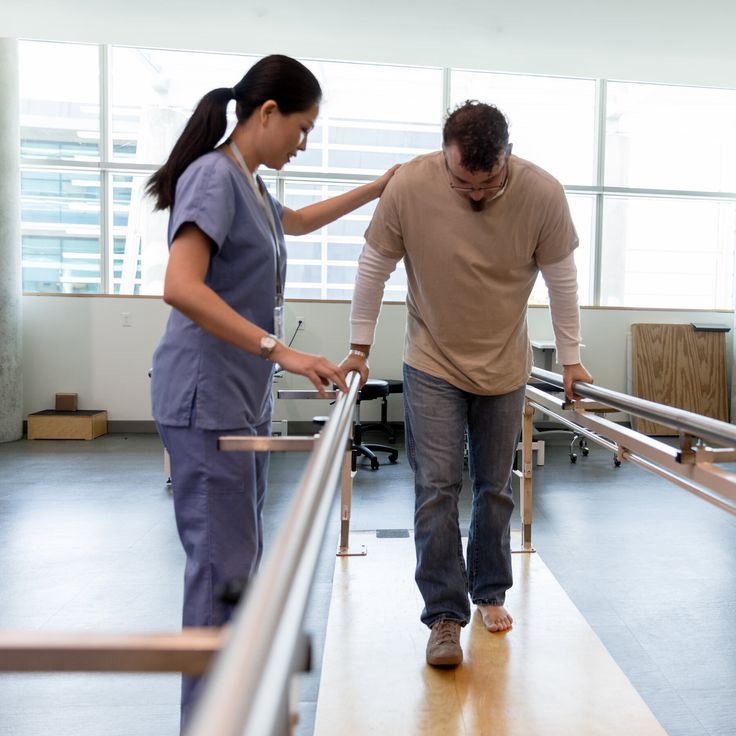
Home Physiotherapy

We understand that some conditions or injuries can make it difficult to receive rehabilitation at our clinic be it mobility or transportation issues. Our objective is to provide you with the same high-quality physiotherapy services at home that you would receive in-clinic.
Posted on

What Causes Muscle Fatigue? I Sports Physiotherapy

Sports Physiotherapy
Sports Injuries, Synapse Physiotherapy

What Causes Muscle Fatigue? I Sports Physiotherapy

Frequent and intense muscle use leads to a decline in performance called muscle fatigue. This phenomenon commonly limits athletic performance and other strenuous or prolonged activities. It also exacerbates and restricts daily life in various pathological conditions, such as neurological, muscular and cardiovascular disorders, as well as aging and frailty. When you experience fatigue, the strength of your muscle movements diminishes, causing you to feel weaker. Sports physiotherapy effectively manages muscle fatigue by conducting detailed assessments to identify its root cause and providing appropriate treatments.

Mechanism of fatigue

Muscle fatigue can occur through two primary mechanisms. 

Peripheral fatigue arises from changes at or beyond the neuromuscular junction. This may be caused by the depletion of necessary substances or the accumulation of byproducts from muscle activity.

Central fatigue originates in the central nervous system (CNS), reducing the neural drive to the muscles. It is triggered by inhibitory signals from receptors, likely chemoreceptors, in the fatigued muscles. This inhibition can affect the motor pathways anywhere from the brain’s voluntary centers to the spinal motor neurons, resulting in a decrease in motor impulses sent to the muscles.

Causes

Muscle fatigue is a prevalent issue, especially among women experiencing muscle pain. This condition can arise from numerous causes, with aging and excessive physical activity being the most common. However, muscle fatigue can also be a symptom of various illnesses or situations. These include arthritis, obesity, anaerobic infections, anemia, anxiety and depression, chronic fatigue syndrome, chemotherapy, fibromyalgia, common colds, and pregnancy. Each of these conditions can contribute to muscle fatigue in different ways, highlighting the broad range of potential underlying factors.

How is physical exercise related to muscle fatigue?

Physical exercise affects muscle cells in several ways. When you exercise, your muscles undergo biochemical changes. For example, they accumulate inorganic phosphate, protons (acids), lactate, and free magnesium ions. These substances directly impact the muscle’s mechanical processes, such as the mitochondria, and can affect how nerve signals are transmitted within muscle cells.

The metabolic activity in muscles during exercise leads to an increased demand for oxygen and nutrients, which is met by an increase in blood circulation and gas exchange. This high demand also causes a shift in energy resources within the body, as nutrients are redirected to the working muscles.

During exercise, muscle fibers also release cytokines, which are small proteins that have various effects throughout the body, including the brain.

All of these physiological processes eventually contribute to sensations of fatigue and exhaustion in the mind of the person exercising. This leads to a reduction or complete cessation of exercise.

In summary, exercise causes various biochemical changes in muscles, increases the demand for oxygen and nutrients, and leads to the release of cytokines. These processes ultimately result in feelings of fatigue and the need to stop exercising. 

Symptoms

When you experience fatigue, the strength of your muscle movements decreases, making you feel weaker, which is often the first sign. Other symptoms of muscle fatigue include soreness, localized pain, shortness of breath, muscle twitching, trembling, a weak grip, and muscle cramps.

Physiotherapy treatments

Sports physiotherapy can be very effective in managing and alleviating muscle fatigue. 

  1. Assessment and Diagnosis: Sports physiotherapists are trained to assess and diagnose the specific causes of muscle fatigue. They will evaluate factors such as muscle strength, flexibility, endurance, and posture, as well as consider any underlying conditions or injuries that may contribute to fatigue. This assessment is crucial because it allows them to tailor the treatment plan to the individual’s needs, addressing the root causes of the fatigue.


  1. Manual Therapy: Manual therapy techniques are hands-on treatments that can help reduce muscle tension and improve blood circulation. These techniques may include:
    • Massage: Helps in loosening tight muscles and improving blood flow to the affected areas.
    • Myofascial Release: Targets the fascia, the connective tissue around muscles, to release tension and improve range of motion.
    • Joint Mobilizations: Gentle movements applied to the joints to improve their range and reduce stiffness. These therapies can enhance muscle function, reduce pain, and promote relaxation, aiding in the recovery from muscle fatigue.
  2. Exercise Prescription: Sports physiotherapists design specific exercise programs that target the muscles affected by fatigue. These exercises aim to:
    • Strengthen Muscles: Building strength in the affected muscles helps reduce fatigue and improve endurance.
    • Increase Endurance: Aerobic exercises and conditioning programs can improve cardiovascular fitness and endurance, reducing the likelihood of muscle fatigue during physical activity. By prescribing exercises tailored to the individual’s needs, physiotherapists help restore muscle function and prevent future fatigue.

  3. Stretching and Flexibility: Stretching exercises are important for maintaining muscle flexibility and preventing stiffness, which can contribute to fatigue. Benefits of stretching include:
    • Improved Range of Motion: Stretching helps maintain or increase the range of motion in joints, allowing muscles to work more efficiently.
    • Enhanced Blood Flow: Stretching promotes better circulation, which aids in the removal of metabolic waste products that accumulate during exercise.
    • Reduced Risk of Injury: Flexible muscles are less prone to injury, which can also lead to less fatigue. Sports physiotherapists educate patients on proper stretching techniques and incorporate stretching exercises into treatment plans to improve flexibility and reduce muscle fatigue.

  4. Education and Advice: Education is a key component of sports physiotherapy. Physiotherapists provide advice on:
    • Proper Techniques: Ensuring individuals use correct body mechanics and techniques during exercise and daily activities to prevent muscle strain and fatigue.
    • Posture: Education about proper posture helps reduce strain on muscles and joints, decreasing fatigue.
    • Ergonomic Adjustments: Providing guidance on ergonomic setups in work or home environments helps to reduce muscle fatigue.
    • Rest and Recovery: Advising on the importance of adequate rest and recovery periods between activities to allow muscles to repair and rebuild.

  5. Modalities: Modalities are therapeutic tools and techniques used by physiotherapists to aid in the recovery process. These may include:
    • Ultrasound: Uses sound waves to generate heat and promote blood flow to help reduce muscle stiffness and promote healing.
    • Electrical Stimulation (e.g., TENS): Aims to reduce pain and muscle spasm, promoting relaxation and aiding in the recovery process.
    • Heat/Cold Therapy: Application of heat (to increase blood flow and relax muscles) or cold (to reduce inflammation and pain) to manage muscle fatigue and soreness.

Frequently Asked Questions (FAQs)

Muscle fatigue is a decline in muscle performance and strength due to intense or prolonged activity. It limits athletic performance by causing weakness, soreness, and a reduced ability to continue exercising at optimal levels.

Sports physiotherapy helps manage muscle fatigue through detailed assessments, tailored exercise programs, manual therapy techniques like massage and myofascial release, and education on proper techniques, posture, and recovery strategies.

Common causes of muscle fatigue include aging, excessive physical activity, illnesses like arthritis and chronic fatigue syndrome, conditions such as obesity and anemia, and factors like anxiety, depression, and pregnancy.

Yes, stretching exercises improve muscle flexibility, enhance blood flow, and maintain joint range of motion, all of which help prevent stiffness and reduce the risk of muscle fatigue during physical activity.

Manual therapy techniques, including massage, myofascial release, and joint mobilizations, reduce muscle tension, improve blood circulation, and enhance muscle function, which helps in recovering from and preventing muscle fatigue.

Conclusion

In summary, sports physiotherapy offers a holistic approach to managing muscle fatigue. Through assessment, manual therapy, exercise prescription, stretching, education,and modalities, physiotherapists can help individuals recover from muscle fatigue effectively and safely, while also preventing future occurrences. This comprehensive care helps optimize muscle function, reduce fatigue, and improve overall physical performance and well-being. Synapse Physiotherapy offers top-tier sports physiotherapy services that can greatly benefit you. Experience your physiotherapy sessions at one of our Synapse branches.

Produced by MYSense

Share This :

Back & Neck Pain

Conditions such as stiffness, postural abnormalities and muscle overuse from prolonged desk work at the office or home is more prevalent than most would think. We provide the necessary tools to fix you up and educate you on ergonomics which can unload unnecessary stress.

Sports Injuries

Rolled ankles, jarred knees, impinged shoulders are few conditions in the plethora of sports injuries which can hamper performance and limit our enjoyment of sports. Physiotherapy not only treats the symptoms of these conditions but propels your overall fitness to greater heights.

Work Desk Injuries​

Conditions such as stiffness, postural abnormalities and muscle overuse from prolonged desk work at the office or home is more prevalent than most would think. We provide the necessary tools to fix you up and educate you on ergonomics which can unload unnecessary stress.

Pre-Post-Surgical Conditions

Surgery involves going through preparation both before and after. Physiotherapists play a vital role in getting your body ready for surgeries with circulatory, breathing and strengthening exercises. After the procedure, let us be there for your recovery and rehabilitation, taking it one step at a time.

Scoliosis & Postural Abnormalities

The way we stand, sit, walk and sleep has influence over our posture and the overall balance of muscles controlling its alignment. A comprehensive screening can be done by our physiotherapists to detect abnormalities, which we will aid in correcting.

Neurological Conditions

Neurological disabilities such as stroke, nerve compression and neuropathies can be barriers for patients to live life to its fullest. We at Synapse are committed to help you overcome these hurdles by ensuring functional mobility and quality of life is at its optimum by providing the right treatment and exercises.

Osteoarthritis & Rheumatism

Joint degeneration and inflammation happens as the human body grows older, but that does not mean our way of life degenerates as well. Relief your joint pains with a joint effort together with your physiotherapist, who will provide pain-relief treatments and prescribe exercises for your wellbeing.

Conditions Relating To Elderly

Common conditions in the older age population include hips & knee pain, back & neck pain, osteoarthritis, rheumatism, fear of falling and many more.  Aging and degeneration of bodily function is inevitable, but here at Synapse, we will help you live the best of your life.
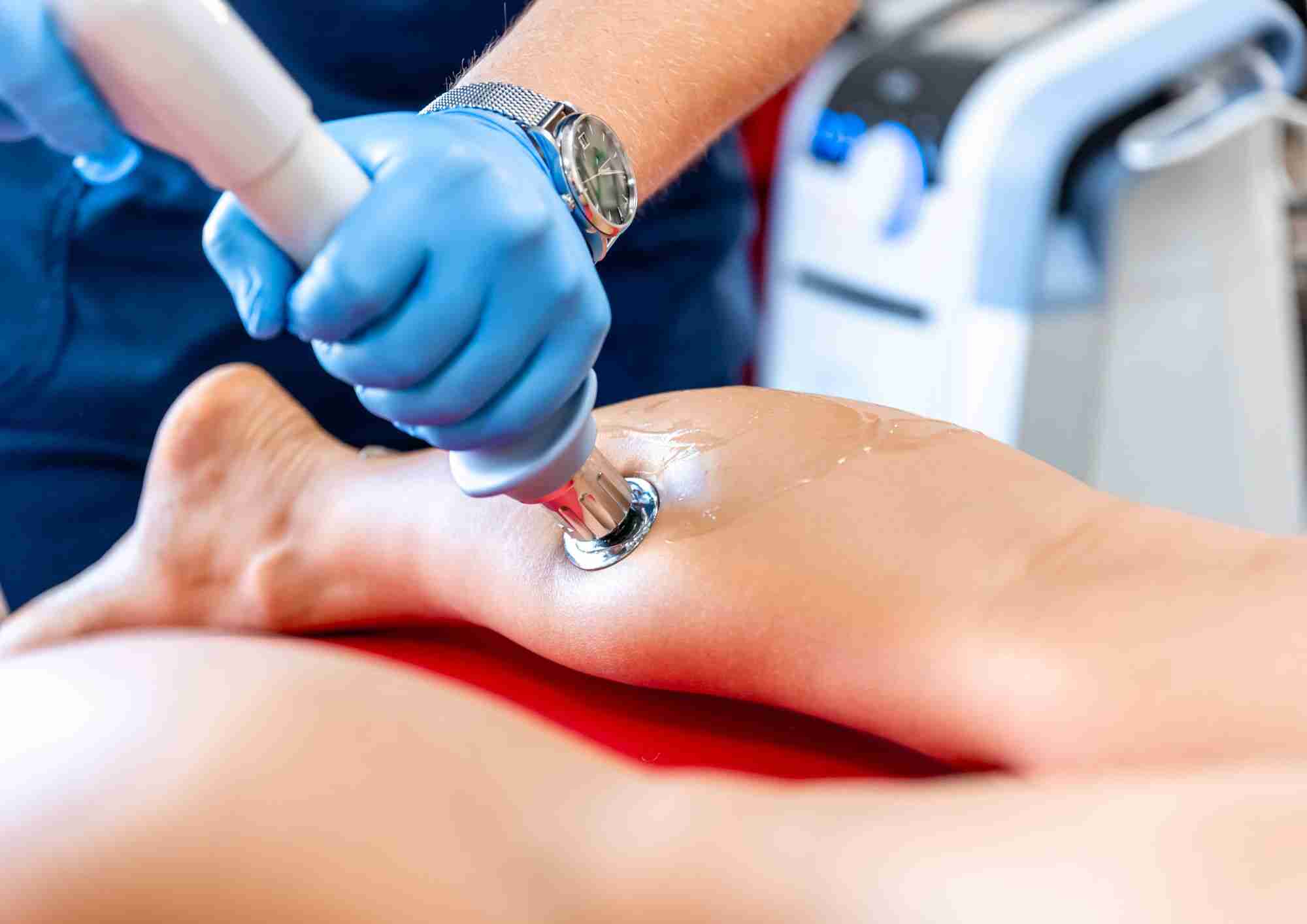
Home Physiotherapy

We understand that some conditions or injuries can make it difficult to receive rehabilitation at our clinic be it mobility or transportation issues. Our objective is to provide you with the same high-quality physiotherapy services at home that you would receive in-clinic.
Posted on

How Can I Relieve Pain in My Neck I Physiotherapy Ampang

physiotherapy ampang
Back & Neck Pain, Synapse Physiotherapy

Introduction

Waking up with a stiff neck is a frustrating and uncomfortable way to start your day. Neck pain is a common issue affecting about 10% of the population at any given time. If you’re suffering from neck pain and seeking physiotherapy in Ampang, visit Synapse Physiotherapy Jalan Ampang for a thorough assessment and customised treatment plan. Let our expert physiotherapists help you achieve a pain-free life. This guide explores neck pain and how physiotherapy can help.

Understanding Neck Pain

Neck pain is a prevalent issue that can severely affect your quality of life. Understanding its causes and symptoms is crucial to managing and alleviating the pain effectively.

Causes of Neck Pain

Before diving into physiotherapy solutions, it’s essential to understand the common causes of neck pain:


  1. Muscle Strain: Often due to overuse, such as prolonged periods of poor posture while working in front of a computer. Simple activities like reading in bed or clenching your jaw can also strain neck muscles.
  2. Injury: Whiplash or other traumatic injuries can cause significant neck pain. These injuries often result from sudden jerks or accidents, leading to soft tissue damage.
  3. Degenerative Diseases: Conditions like osteoarthritis and spinal stenosis gradually wear down the structures in your neck, causing chronic pain.
  4. Poor Posture: Consistently holding the neck in awkward positions, such as hunching over a smartphone, can lead to pain. Over time, poor posture can alter the spine’s natural alignment.
  5. Herniated Cervical Disc: A condition where a disc in the spine is damaged and presses on a nerve, leading to severe pain and discomfort.

Symptoms of Neck Pain

Recognizing the symptoms of neck pain can help you seek appropriate treatment:

    • 1. Tight muscles or muscle spasms
    • 2. Inability to move your head, or a decreased range of motion
    • 3. Pain that worsens when holding your head in one position for a prolonged period
    • 4. A tingling or numbing sensation in your neck, arms, or shoulders
    • 5. Persistent headache
    • 6. Nausea, vomiting, and sensitivity to light
    • 7. Low energy or intense fatigue

Physiotherapy Techniques for Neck Pain

Physiotherapy offers a range of techniques designed to alleviate neck pain effectively. Here are some of the most effective methods:

Manual Therapy

Manual therapy involves hands-on techniques to manipulate the muscles and joints. These techniques are aimed at reducing pain and improving mobility:

  1. Massage Therapy: Reduces muscle tension and improves blood flow. By targeting tight areas, massage therapy can relieve pain and promote relaxation.
  2. Joint Mobilisation: Gentle movements of the joints to increase range of motion and reduce stiffness. This technique can be particularly effective for arthritis sufferers.
  3. Myofascial Release: Focuses on releasing tension in the connective tissues surrounding the muscles. This can improve flexibility and reduce pain in the affected areas.

Therapeutic Exercises

Exercises are the cornerstone of physiotherapy, helping to strengthen muscles and improve flexibility. Key exercises include:

  1. Neck Stretches:
  2. Chin Tucks: Sit or stand up straight. Pull your chin straight back, creating a double chin. Hold for 5 seconds and repeat 10 times. This exercise helps strengthen the muscles that pull the head back into alignment over the shoulders.
  3. Upper Trapezius Stretch: Sit on one hand, tilt your head away from that hand, and use the other hand to gently pull your head further. Hold for 20-30 seconds and switch sides. This stretch targets the upper trapezius muscle, which often becomes tight with neck pain.
  4. Strengthening Exercises:
  5. Isometric Exercises: Press your hand against your forehead while resisting the motion with your neck muscles. Hold for 5 seconds and repeat 10 times. Isometric exercises help build strength without moving the neck.
  6. Scapular Retraction: Squeeze your shoulder blades together and hold for 5 seconds. Repeat 10-15 times. Strengthening the upper back can support better posture and reduce neck strain.

Postural Training

Good posture is vital for preventing and alleviating neck pain. Physiotherapists often teach proper ergonomics and postural habits:

  1. Desk Ergonomics: Ensure your computer screen is at eye level and your chair supports your lower back. Adjust your chair to ensure both feet are supported on the ground. Small changes can make a big difference in reducing strain on your neck.
  2. Postural Awareness: Regularly check and correct your posture throughout the day. Avoid slouching and keep your head aligned with your spine. Simple reminders, such as setting a timer to check your posture, can help develop better habits.

Heat and Cold Therapy

Applying heat can help relax tense muscles and increase blood flow, while cold therapy can reduce inflammation and numb sharp pain. Alternate between heat and cold packs for maximum benefit.

Electrical Stimulation

Transcutaneous electrical nerve stimulation (TENS) units can provide pain relief by sending small electrical impulses to the affected area, reducing pain signals to the brain. This can be particularly helpful for chronic pain conditions.

Lifestyle and Preventive Measures

In addition to physiotherapy, making certain lifestyle adjustments can help manage and prevent neck pain:


  1. Regular Exercise: Engage in regular physical activity to keep your muscles strong and flexible. Activities such as swimming, walking, and yoga can be beneficial.
  2. Stress Management: Techniques such as yoga, meditation, and deep breathing can help reduce stress-related muscle tension. Hot baths, showers, massages, and gentle stretching can also ease muscle tension.
  3. Proper Sleep: Ensure your pillow supports your neck adequately. Sleeping on your back or side is generally better for neck health than sleeping on your stomach. Investing in a good pillow can make a significant difference.
  4. Carrying Heavy Loads: Make sure the weight is evenly distributed between both sides of the body. Excess weight on your shoulders can lead to neck strain. Consider using a backpack instead of a single-strap bag to distribute weight more evenly.

Frequently Asked Questions (FAQs)

Neck pain can stem from muscle strain, injury, degenerative diseases like osteoarthritis, poor posture, and conditions such as herniated cervical discs.

Physiotherapy can help alleviate neck pain through manual therapy, targeted exercises, postural training, and lifestyle adjustments designed to strengthen muscles and improve flexibility.

Recommended exercises include neck stretches like chin tucks and upper trapezius stretches, as well as strengthening exercises like isometric exercises and scapular retractions.

Yes, consistently holding the neck in awkward positions due to poor posture can lead to muscle strain and discomfort, contributing to neck pain.

If you have persistent or severe neck pain, consulting a physiotherapist is advisable. They can provide a comprehensive assessment and create a personalised treatment plan to address your specific needs.

Conclusion

Neck pain can significantly impact your quality of life, but physiotherapy offers a range of effective treatments to alleviate pain and improve function. Through manual therapy, targeted exercises, postural training, and lifestyle adjustments, you can manage and prevent neck pain effectively. Don’t let neck pain control your life any longer. If you’re experiencing persistent neck pain, consult with a physiotherapist to develop a personalised treatment plan tailored to your specific needs. Visit Synapse Physiotherapy in Ampang today and take the first step towards a pain-free life.

Produced by MYSense

Share This :

Back & Neck Pain

Conditions such as stiffness, postural abnormalities and muscle overuse from prolonged desk work at the office or home is more prevalent than most would think. We provide the necessary tools to fix you up and educate you on ergonomics which can unload unnecessary stress.

Sports Injuries

Rolled ankles, jarred knees, impinged shoulders are few conditions in the plethora of sports injuries which can hamper performance and limit our enjoyment of sports. Physiotherapy not only treats the symptoms of these conditions but propels your overall fitness to greater heights.

Work Desk Injuries​

Conditions such as stiffness, postural abnormalities and muscle overuse from prolonged desk work at the office or home is more prevalent than most would think. We provide the necessary tools to fix you up and educate you on ergonomics which can unload unnecessary stress.

Pre-Post-Surgical Conditions

Surgery involves going through preparation both before and after. Physiotherapists play a vital role in getting your body ready for surgeries with circulatory, breathing and strengthening exercises. After the procedure, let us be there for your recovery and rehabilitation, taking it one step at a time.

Scoliosis & Postural Abnormalities

The way we stand, sit, walk and sleep has influence over our posture and the overall balance of muscles controlling its alignment. A comprehensive screening can be done by our physiotherapists to detect abnormalities, which we will aid in correcting.

Neurological Conditions

Neurological disabilities such as stroke, nerve compression and neuropathies can be barriers for patients to live life to its fullest. We at Synapse are committed to help you overcome these hurdles by ensuring functional mobility and quality of life is at its optimum by providing the right treatment and exercises.

Osteoarthritis & Rheumatism

Joint degeneration and inflammation happens as the human body grows older, but that does not mean our way of life degenerates as well. Relief your joint pains with a joint effort together with your physiotherapist, who will provide pain-relief treatments and prescribe exercises for your wellbeing.

Conditions Relating To Elderly

Common conditions in the older age population include hips & knee pain, back & neck pain, osteoarthritis, rheumatism, fear of falling and many more.  Aging and degeneration of bodily function is inevitable, but here at Synapse, we will help you live the best of your life.

Home Physiotherapy

We understand that some conditions or injuries can make it difficult to receive rehabilitation at our clinic be it mobility or transportation issues. Our objective is to provide you with the same high-quality physiotherapy services at home that you would receive in-clinic.