Posted on

Muscle Stiffness: Causes & Treatment | Physiotherapy PJ

physiotherapy petaling jaya
Synapse Physiotherapy

What is muscle stiffness?

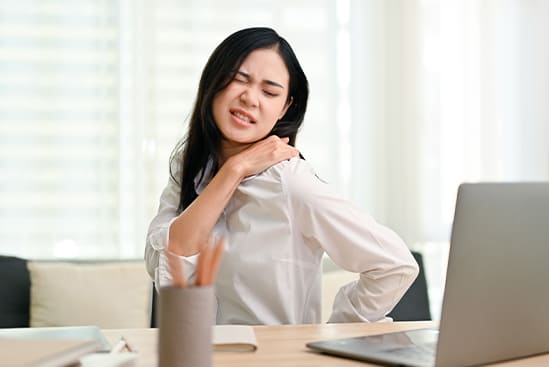
Muscle stiffness is the feeling of tight or tense muscles, often causing discomfort and making movement difficult. It can result from overusing a muscle or could be a sign of an underlying condition. The body contains three types of muscles: skeletal, cardiac, and smooth. Skeletal muscle, which is responsible for voluntary movement, is the type most commonly affected by stiffness. Normally, the nervous system sends signals to skeletal muscles, prompting them to contract and produce movement. However, if there’s an issue with the communication between the nervous system and the muscles, the muscles may remain contracted, causing stiffness.

Treatment for muscle stiffness includes physiotherapy, which offers customized plans to address the root causes. These therapies use specific exercises and hands-on techniques to improve flexibility, reduce discomfort, and enhance muscle health, providing long-term relief. To begin, you can search for nearby options like Physiotherapy in Petaling Jaya to book your session.

Signs and symptoms of muscle stiffness

Muscle stiffness is commonly marked by soreness and limited movement, often accompanied by cramps, pain, or weakness. It tends to occur in the morning, typically lasting less than 30 minutes after waking or for a few days after engaging in unfamiliar or strenuous exercise. Additional symptoms depend on the cause and location of the stiffness. Muscle stiffness can affect walking, leading to a slower, more painful gait. If spasms are present, they might be triggered by intense emotions, loud sounds, or sudden movements. In neuromuscular disorders, muscle stiffness may also be associated with a curved lower spine (lumbar hyperlordosis) and neurological symptoms like balance issues, numbness, tingling, or drooping eyelids.

Causes of muscle stiffness

1. Exercises 

Exercise is one of the leading causes of muscle stiffness. While exercise is vital for maintaining a healthy lifestyle—promoting stronger muscles, bones, and improved heart and lung function—it can also lead to muscle soreness. This is especially common when trying new exercises, as unfamiliar muscles are engaged. This can lead to minor tears in muscle fibers or even strain, resulting in muscle stiffness, tightness, or aches either during or shortly after the workout. As the muscles repair and grow stronger, discomfort may occur. Sometimes, muscle pain doesn’t start until 12 to 24 hours after exercise, a condition known as delayed onset muscle soreness (DOMS). The discomfort in DOMS often peaks between 24 and 72 hours post-exercise.

Electrolyte imbalances can also contribute to muscle stiffness, particularly after exercise. Electrolytes, such as sodium and potassium, are essential minerals that help conduct nerve impulses and facilitate muscle contraction, among other vital functions. During exercise, electrolytes are lost through sweat, which can impair the nervous system’s ability to properly regulate muscle movement, leading to stiffness.

2. Injuries 

Soft tissue injuries most commonly affect the muscles, tendons, and ligaments and can result from sports, exercise, or everyday activities.

These injuries are categorized into two types:

  • Acute injuries, caused by sudden events like a twist, fall, or direct impact to the body, such as sprains and strains.
  • Overuse injuries, which develop when an activity is repeated frequently, preventing muscles from fully recovering between repetitions. Tendinitis and bursitis are common examples.

The severity and symptoms of these injuries can vary. In addition to tightness or stiffness, other symptoms may include cramping, aches, spasms, pain, swelling, and weakness.

Muscle stiffness is commonly associated with exercise or injury, but other factors, such as underlying medical conditions or medication side effects can also cause it.

3. Fibromyalgia. 

Fibromyalgia is a condition that results in widespread pain and stiffness throughout the body. Those with fibromyalgia may also experience fatigue, sleep disturbances, headaches, anxiety, depression, cognitive challenges, tingling or numbness in the extremities, jaw or facial pain, and digestive issues.

4. ADHD

Certain medications used to treat attention deficit hyperactivity disorder (ADHD), like dexmethylphenidate, can sometimes cause severe muscle stiffness and pain in some individuals.

5. Lupus 

Lupus is an autoimmune disease capable of affecting nearly any organ in the body. It is characterized by periods of flare-ups, where symptoms intensify, and periods of remission, during which symptoms may significantly improve.

What is the difference between joint stiffness and muscle stiffness?

Muscle stiffness is the sensation of persistent tightness or discomfort that disrupts normal activities and movement. In contrast, muscle spasticity involves involuntary muscle tightening, commonly referred to as a muscle spasm. Spasticity is often linked to chronic conditions such as multiple sclerosis (MS), cerebral palsy, and amyotrophic lateral sclerosis (ALS).

What is the difference between muscle stiffness and muscle weakness?

Muscle stiffness is characterized by a painful or tight sensation in the muscles, while muscle weakness refers to a loss of strength. Typically, muscle stiffness is temporary and can be relieved with home treatments. On the other hand, muscle weakness may result from a lack of exercise or be a symptom of a chronic condition.

Treatments

The treatment for muscle stiffness will vary depending on the underlying cause.


Home treatments 


  • Alternate between heat and cold therapy for 20 minutes at a time, several times a day.
  • Rest until the stiffness subsides.
  • Sit in a warm bath to enhance blood circulation.
  • Incorporate stretching throughout the day, particularly before and after exercise.
  • Take nonsteroidal anti-inflammatory drugs (NSAIDs) like ibuprofen.

Physiotherapy in Treating Muscle Stiffness

1. Ultrasound Therapy 

Ultrasound therapy is a non-invasive treatment that uses high-frequency sound waves to stimulate healing in muscles affected by stiffness. This therapy increases blood flow, reduces inflammation, and promotes tissue repair, targeting the specific muscles involved. As a result, it provides relief from stiffness and helps enhance flexibility and overall muscle health. 

2. Electrical Stimulation 

Electrical stimulation is another effective method for managing muscle stiffness. It involves applying controlled electrical currents to targeted muscles, which promotes relaxation and reduces tension. By inducing muscle contractions, this therapy helps alleviate stiffness and improve muscle function. Incorporating electrical stimulation into physiotherapy treatments offers a non-invasive option for those seeking relief from the discomfort associated with muscle stiffness. 

3. Myofascial Release 

Myofascial release is a specialized technique aimed at relieving muscle stiffness by releasing tension in the fascia, the connective tissue that surrounds muscles. During this treatment, skilled therapists apply sustained pressure to areas where the fascia is restricted, helping to restore muscle flexibility and alleviate discomfort. This approach is effective in enhancing the natural elasticity of muscles, providing significant relief from stiffness.

4. Joint Mobilization 

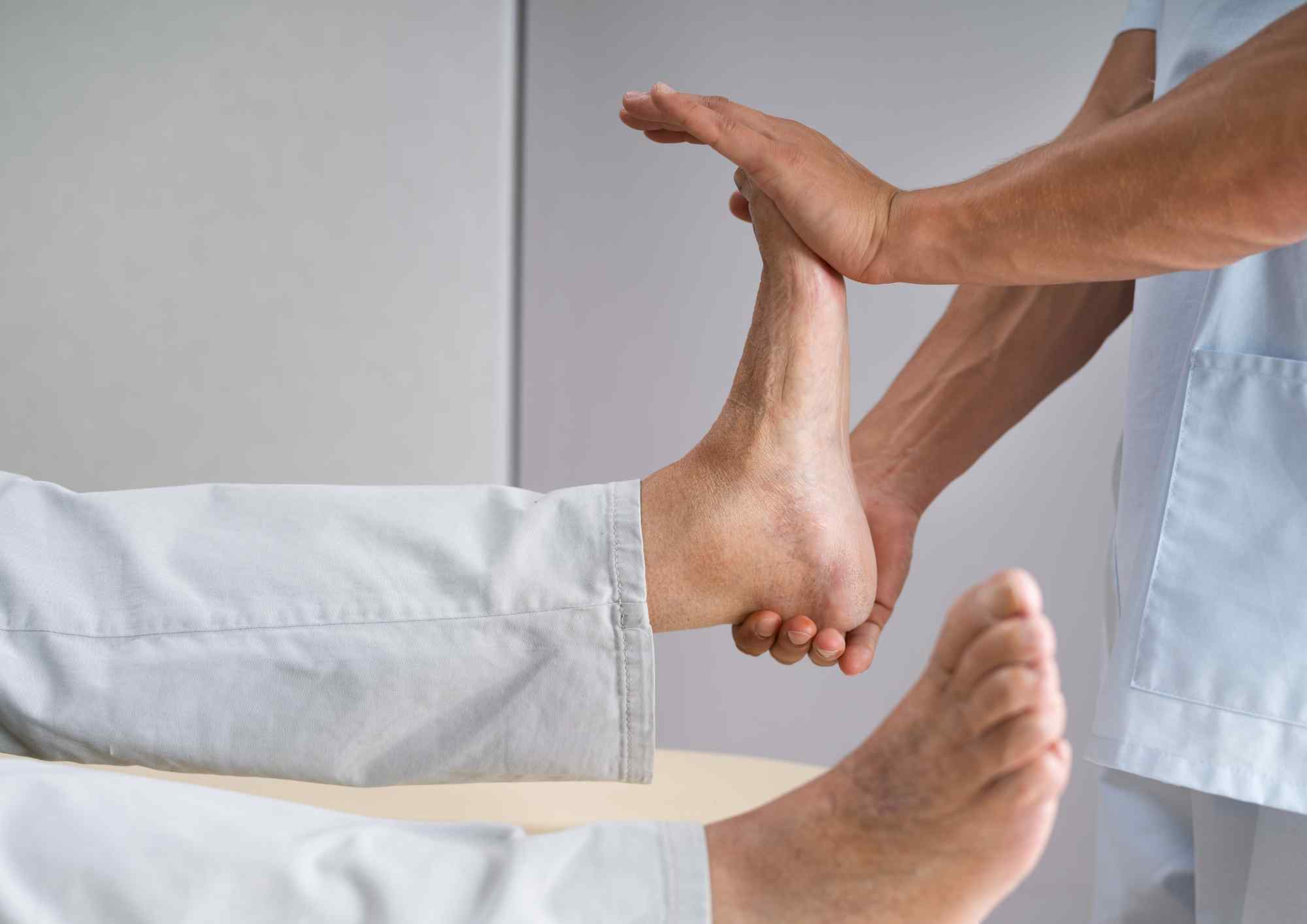
Joint mobilization is a hands-on technique used by physiotherapists to address muscle stiffness by improving joint flexibility and reducing tension. This method involves controlled movements of specific joints to enhance their range of motion. By targeting joint restrictions, joint mobilization helps alleviate stiffness, contributing to greater muscle comfort 

5. Stretching Exercises 

Incorporating stretching exercises can effectively reduce muscle stiffness and improve flexibility. Dynamic stretches, such as arm circles and leg swings, help to enhance muscle function, while static stretches like hamstring and quadriceps stretches target specific muscle groups to alleviate tension. 

6. Range of Motion (ROM) Exercises 

Range of Motion (ROM) exercises involve controlled movements that guide joints through their full range, promoting flexibility and easing stiffness. Physiotherapists often design specific ROM exercises to target areas affected by stiffness, enhancing joint mobility and improving muscle comfort.

7. Strengthening Exercises 

Strengthening exercises, such as resistance training activities like squats, lunges, and bicep curls, are crucial for improving muscle function and reducing tension. These exercises, tailored by physiotherapists, help build strength and flexibility, playing a key role in a comprehensive approach to managing and overcoming muscle stiffness. Regular practice of these exercises supports overall musculoskeletal health.

Frequently Asked Questions (FAQs)

Incorporate warm-ups, cool-downs, and dynamic stretching into your routine. Stay hydrated and consume electrolyte-rich foods to maintain muscle function.

Muscle stiffness refers to persistent tightness, while spasticity involves involuntary muscle contractions, often linked to neurological disorders.

  1. While it’s often benign, persistent or severe stiffness with symptoms like numbness or balance issues may indicate conditions like fibromyalgia or lupus. Seek medical advice if symptoms persist.

Yes, alternate between heat and cold therapy, rest, take over-the-counter anti-inflammatory medications, and stretch regularly to alleviate mild stiffness.

Physiotherapists use hands-on techniques, targeted exercises, and advanced therapies like ultrasound or electrical stimulation to treat stiffness and improve muscle health.

Conclusion

In conclusion, if you are experiencing muscle stiffness due to poor posture, a previous injury, intense exercise, or an underlying neuromuscular condition, seeking professional advice is crucial. A tailored physiotherapy program from a qualified physiotherapist can address these issues effectively and prevent discomfort from impacting your daily life. To begin your rehabilitation journey and find relief, consider starting a personalized program with Synapse Physiotherapy.


Produced by MYSense

Share This :

Back & Neck Pain

Conditions such as stiffness, postural abnormalities and muscle overuse from prolonged desk work at the office or home is more prevalent than most would think. We provide the necessary tools to fix you up and educate you on ergonomics which can unload unnecessary stress.

Sports Injuries

Rolled ankles, jarred knees, impinged shoulders are few conditions in the plethora of sports injuries which can hamper performance and limit our enjoyment of sports. Physiotherapy not only treats the symptoms of these conditions but propels your overall fitness to greater heights.

Work Desk Injuries​

Conditions such as stiffness, postural abnormalities and muscle overuse from prolonged desk work at the office or home is more prevalent than most would think. We provide the necessary tools to fix you up and educate you on ergonomics which can unload unnecessary stress.

Pre-Post-Surgical Conditions

Surgery involves going through preparation both before and after. Physiotherapists play a vital role in getting your body ready for surgeries with circulatory, breathing and strengthening exercises. After the procedure, let us be there for your recovery and rehabilitation, taking it one step at a time.

Scoliosis & Postural Abnormalities

The way we stand, sit, walk and sleep has influence over our posture and the overall balance of muscles controlling its alignment. A comprehensive screening can be done by our physiotherapists to detect abnormalities, which we will aid in correcting.

Neurological Conditions

Neurological disabilities such as stroke, nerve compression and neuropathies can be barriers for patients to live life to its fullest. We at Synapse are committed to help you overcome these hurdles by ensuring functional mobility and quality of life is at its optimum by providing the right treatment and exercises.

Osteoarthritis & Rheumatism

Joint degeneration and inflammation happens as the human body grows older, but that does not mean our way of life degenerates as well. Relief your joint pains with a joint effort together with your physiotherapist, who will provide pain-relief treatments and prescribe exercises for your wellbeing.
Conditions Relating To Elderly

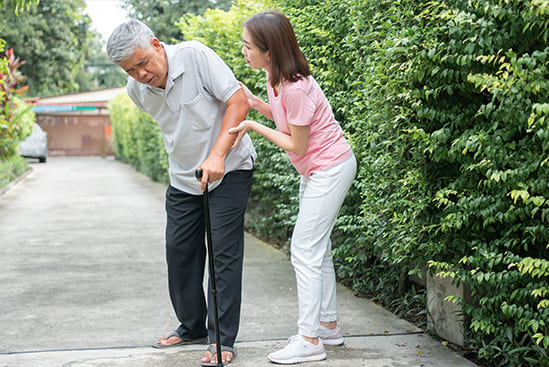
Common conditions in the older age population include hips & knee pain, back & neck pain, osteoarthritis, rheumatism, fear of falling and many more.  Aging and degeneration of bodily function is inevitable, but here at Synapse, we will help you live the best of your life.
Home Physiotherapy

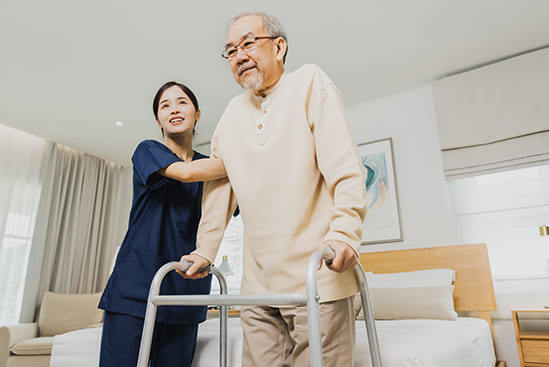
We understand that some conditions or injuries can make it difficult to receive rehabilitation at our clinic be it mobility or transportation issues. Our objective is to provide you with the same high-quality physiotherapy services at home that you would receive in-clinic.
Posted on

5 Overuse Injuries Signs I Physiotherapy Kuala Lumpur

physiotherapy kuala lumpur
Synapse Physiotherapy

Introduction

Overuse injuries, as the name suggests, occur when repetitive stress is placed on a muscle, joint, or tissue without giving it enough time to recover. These injuries can sneak up slowly and are common among athletes, active individuals, and even people performing repetitive tasks in daily life. If you are looking for physiotherapy in Kuala Lumpur to manage your overuse injury, head on over to the nearest Synapse Physiotherapy branch and have our expert physiotherapist address your concerns.

With an overuse injury, signs of overuse and inflammation may be present but not noticeable at the beginning stages. Often the first sign may be stiffness or soreness in the morning which may disappear when the joint is warmed up. Continued use may cause continued damage and the pain will last through and past warm up. It may even get worse after an activity that involves the painful joint.

The four stages of an overuse injury are as follow:

  1. The discomfort disappears during warm-up.
  2. The discomfort may disappear during warm up but reappears at the end of an activity.
  3. Discomfort that gets worse during the activity.
  4. Pain or discomfort all the time.

Causes Overuse Injuries

You may also wonder what causes overuse injuries, but by far the most common cause of overuse injury is training errors and doing an activity too much too soon. The following list are some of the common causes of an overuse injury:

  1.  Lack of appropriate muscle strength or endurance.
  2.  Poor core stability
  3.  Muscle imbalance
  4.  Inflexibility
  5.  Malalignment of joint
  6.  Training errors
  7.  Faulty technique
  8.  Incorrect equipment

5 Key To Managing An Overuse Injury

The key to managing an overuse injury is recognizing the early signs and seeking appropriate treatment, such as physiotherapy, to prevent further damage. Below are five telltale signs you might have an overuse injury, and how physiotherapy can aid your recovery.

1. Persistent Pain or Discomfort

Unlike an acute injury, where pain is immediate and sudden, overuse injuries present with gradual, persistent pain. This pain is usually localised to the affected area, like your knee, shoulder, or wrist, and worsens with activity. If the pain lingers even after resting or becomes part of your daily routine, you may be dealing with an overuse injury.

How Physiotherapy Can Help:

A physiotherapist can assess the affected area, identify the underlying cause of your discomfort, and create a tailored rehabilitation plan. This may involve stretching and strengthening exercises, manual therapy, and modalities like ultrasound or heat to alleviate pain and inflammation.

2. Reduced Range of Motion

A key indicator of an overuse injury is a noticeable reduction in the range of motion. For instance, if you’ve developed shoulder tendinitis, you may find it difficult to lift your arm overhead without discomfort. The joint may feel stiff, or you may experience difficulty moving it through its full range.

How Physiotherapy Can Help:

Physiotherapy focuses on improving joint mobility through techniques like manual therapy, stretching, and mobility exercises. A physiotherapist can guide you through safe movements and stretches that gently improve flexibility without aggravating the injury.

3. Swelling or Inflammation

Chronic swelling around a joint or tendon is a common symptom of overuse injuries, such as tendinitis or bursitis. While the swelling may not be as intense as with an acute injury, it can still cause discomfort and limit function. Over time, persistent inflammation can lead to tissue damage if not treated properly.

How Physiotherapy Can Help:

Physiotherapists use a variety of treatments, such as ice therapy, compression, and specific exercises, to reduce swelling. They also work to address any biomechanical issues, like improper form or muscle imbalances, that might be contributing to the inflammation.

4. Weakness in the Affected Area

Overuse injuries can lead to muscle weakness in the affected area, making it difficult to perform daily activities. You may notice a loss of strength when gripping objects, lifting items, or engaging in your usual workout routine. This weakness often results from the body’s protective response to pain and inflammation, as it tries to avoid using the injured tissue.


How Physiotherapy Can Help:

A physiotherapist can design a strength-training program that targets the weakened muscles without overstressing them. They may also introduce functional exercises to improve strength in a way that supports your daily activities and sport-specific movements.

5. Recurring Pain After Rest or Activity

One of the hallmarks of an overuse injury is the recurring nature of the pain. You might feel fine after resting for a few days, but the moment you resume your usual activity, the pain returns. This cycle of temporary relief followed by recurring discomfort is a sign that the underlying issue isn’t healing properly.

How Physiotherapy Can Help:

Physiotherapy can break this cycle by addressing the root cause of the injury. A physiotherapist will conduct a thorough evaluation to identify improper movement patterns or muscle imbalances that may be contributing to the problem. They’ll then help you modify your activity, adjust your form, and incorporate injury-prevention strategies to avoid future flare-ups.

Frequently Asked Questions (FAQs)

Overuse injuries are often caused by repetitive movements, poor posture, muscle imbalances, or training errors, such as doing too much too soon.

Preventing overuse injuries involves proper warm-ups, maintaining flexibility and strength, using correct techniques, and allowing adequate recovery time between activities.

If you experience persistent pain, swelling, reduced range of motion, or recurring discomfort, consult a physiotherapist promptly to prevent further damage.

No, overuse injuries can affect anyone who performs repetitive tasks, including office workers, manual labourers, and those engaging in everyday activities.

Recovery time depends on the severity of the injury and adherence to the treatment plan. With physiotherapy, most patients see improvements within weeks.

Conclusion

In conclusion, overuse injuries can disrupt your daily routine and prevent you from performing at your best, whether in sports or everyday activities. Ignoring the early signs often leads to chronic pain or more severe damage. That’s why early intervention is key.

Physiotherapy offers a holistic and effective approach to managing overuse injuries. By addressing the root causes, reducing pain, improving flexibility, and restoring strength, a physiotherapist can guide you through a safe recovery process and help you prevent future injuries. If you suspect you have an overuse injury, seeking professional care can help you recover faster and get back to the activities you love.

Produced by MYSense

Share This :

Back & Neck Pain

Conditions such as stiffness, postural abnormalities and muscle overuse from prolonged desk work at the office or home is more prevalent than most would think. We provide the necessary tools to fix you up and educate you on ergonomics which can unload unnecessary stress.

Sports Injuries

Rolled ankles, jarred knees, impinged shoulders are few conditions in the plethora of sports injuries which can hamper performance and limit our enjoyment of sports. Physiotherapy not only treats the symptoms of these conditions but propels your overall fitness to greater heights.

Work Desk Injuries​

Conditions such as stiffness, postural abnormalities and muscle overuse from prolonged desk work at the office or home is more prevalent than most would think. We provide the necessary tools to fix you up and educate you on ergonomics which can unload unnecessary stress.

Pre-Post-Surgical Conditions

Surgery involves going through preparation both before and after. Physiotherapists play a vital role in getting your body ready for surgeries with circulatory, breathing and strengthening exercises. After the procedure, let us be there for your recovery and rehabilitation, taking it one step at a time.

Scoliosis & Postural Abnormalities

The way we stand, sit, walk and sleep has influence over our posture and the overall balance of muscles controlling its alignment. A comprehensive screening can be done by our physiotherapists to detect abnormalities, which we will aid in correcting.

Neurological Conditions

Neurological disabilities such as stroke, nerve compression and neuropathies can be barriers for patients to live life to its fullest. We at Synapse are committed to help you overcome these hurdles by ensuring functional mobility and quality of life is at its optimum by providing the right treatment and exercises.

Osteoarthritis & Rheumatism

Joint degeneration and inflammation happens as the human body grows older, but that does not mean our way of life degenerates as well. Relief your joint pains with a joint effort together with your physiotherapist, who will provide pain-relief treatments and prescribe exercises for your wellbeing.

Conditions Relating To Elderly

Common conditions in the older age population include hips & knee pain, back & neck pain, osteoarthritis, rheumatism, fear of falling and many more.  Aging and degeneration of bodily function is inevitable, but here at Synapse, we will help you live the best of your life.
Home Physiotherapy

We understand that some conditions or injuries can make it difficult to receive rehabilitation at our clinic be it mobility or transportation issues. Our objective is to provide you with the same high-quality physiotherapy services at home that you would receive in-clinic.
Posted on

Rehab Malaysia | Key Differences: Arthritis vs Rheumatism

rehab malaysia
rehab malaysia
Synapse Physiotherapy

Introduction

Both arthritis and rheumatism are terms commonly associated with joint pain and inflammation, often used interchangeably. However, they refer to distinct conditions affecting the musculoskeletal system. Understanding their differences is crucial for diagnosis and treatment. Physiotherapy plays a pivotal role in managing these conditions by reducing pain, improving mobility, and enhancing quality of life. Let’s explore the key differences between arthritis and rheumatism and how physiotherapy can help manage these conditions.

What is Arthritis?

Arthritis is a broad term used to describe more than 100 different conditions affecting the joints. The most common types of arthritis are osteoarthritis and rheumatoid arthritis.

1. Osteoarthritis (OA):

   – Often referred to as “wear and tear” arthritis, osteoarthritis results from the breakdown of cartilage in the joints over time. It primarily affects weight-bearing joints such as the knees, hips, and spine.

   – Symptoms include joint pain, stiffness, swelling, and reduced range of motion.

   – OA is more common in older adults but can also develop in younger individuals due to injury or repetitive stress.

 2. Rheumatoid Arthritis (RA):

   – Unlike osteoarthritis, rheumatoid arthritis is an autoimmune disease where the immune system mistakenly attacks the synovium (the lining of the joints). This leads to chronic inflammation and can affect multiple joints simultaneously.

   – RA often causes symmetrical joint pain, typically in smaller joints such as those in the hands, wrists, and feet, but it can also affect other organs like the lungs, heart, and eyes.

   – Symptoms include joint pain, swelling, fatigue, and prolonged morning stiffness.

   – RA can occur at any age and may lead to joint deformity over time.

What is Rheumatism?

Rheumatism is an umbrella term historically used to describe various painful conditions that affect the joints, muscles, and connective tissues. Today, the term is less commonly used in medical diagnosis, and more specific conditions are identified, such as:

1. Rheumatoid Arthritis (RA):

   – As mentioned earlier, RA is an autoimmune form of arthritis, and it falls under the category of rheumatism.

 2. Fibromyalgia:

   – A rheumatic condition characterised by widespread muscle pain, fatigue, and tenderness in soft tissues. It does not involve joint inflammation like arthritis, but it causes significant discomfort and mobility issues.

 3. Polymyalgia Rheumatica:

   – A condition that causes stiffness and aching in large muscles, particularly around the shoulders and hips. It primarily affects older adults and is linked to inflammation, although the cause is unclear.

In essence, rheumatism can refer to a range of musculoskeletal conditions, including arthritis, but the term is less precise. Arthritis refers specifically to joint inflammation, whereas rheumatism can encompass both joint and muscle-related conditions.

Key Differences Between Arthritis and Rheumatism:

1. Scope:

   – Arthritis: Primarily affects the joints, leading to inflammation, pain, and degeneration.

   – Rheumatism: Refers to a broader spectrum of conditions that affect both joints and soft tissues, including muscles and tendons.

 2. Types:

   – Arthritis: Specific types like osteoarthritis, rheumatoid arthritis, gout, and psoriatic arthritis.

   – Rheumatism: Can include conditions like fibromyalgia, polymyalgia rheumatica, and even rheumatoid arthritis.

 
3. Inflammation vs. Pain:

   – Arthritis: Typically involves joint inflammation as a defining feature.

   – Rheumatism: May or may not involve inflammation but generally results in pain, stiffness, or discomfort in muscles and joints.

How Physiotherapy Can Help with Arthritis and Rheumatism

Physiotherapy is a key component of managing both arthritis and rheumatic conditions. It focuses on relieving pain, restoring function, and improving mobility, often helping patients avoid or delay the need for surgery or long-term medication use.

1. Pain Management

– Manual therapy techniques such as joint mobilization, soft tissue massage, and stretching help reduce pain by relaxing muscles and improving joint mobility.

– Modalities like ultrasound, electrical stimulation, and heat or cold therapy can provide relief from pain and inflammation.

2. Improved Mobility and Range of Motion

– Arthritis and rheumatism often lead to stiffness and reduced range of motion in affected joints and muscles. Physiotherapists design personalised stretching exercises to maintain or improve joint flexibility.

– Strengthening exercises focus on stabilising joints and reducing the stress on affected areas by building muscle around them. This is particularly important for weight-bearing joints like the hips and knees in osteoarthritis.

3. Joint Protection Strategies

– Physiotherapists educate patients on joint protection techniques and proper body mechanics to reduce stress on joints during daily activities. This includes using assistive devices (like canes or braces), modifying movements, and improving posture to prevent further joint damage.

4. Balance and Coordination Training

– Conditions like rheumatoid arthritis can affect balance, increasing the risk of falls. Physiotherapy incorporates balance and proprioception exercises to improve stability and coordination, helping to reduce this risk.

5. Managing Fatigue and Improving Endurance

– Many patients with rheumatoid arthritis and rheumatic conditions experience significant fatigue. A physiotherapist can guide patients through graded exercise programs that improve cardiovascular fitness and stamina without exacerbating symptoms.

 6. Aquatic Therapy

– Water-based exercises are particularly beneficial for patients with arthritis and rheumatism. The buoyancy of water reduces the load on joints, allowing patients to perform exercises more comfortably and safely.

7. Post-Surgical Rehabilitation

– For patients undergoing joint replacement surgeries or other interventions related to arthritis, physiotherapy is essential for post-operative recovery. It helps restore strength, flexibility, and function after surgery.

Frequently Asked Questions (FAQs)

Arthritis specifically targets joint inflammation, while rheumatism is a broader term that includes conditions affecting both joints and soft tissues, such as muscles and tendons.

Yes, physiotherapy is highly beneficial for managing both conditions by reducing pain, improving joint mobility, and helping patients regain strength and balance.

The most common types are osteoarthritis, which results from cartilage breakdown, and rheumatoid arthritis, an autoimmune condition affecting joint lining.

No, rheumatism is a general term, while rheumatoid arthritis is a specific autoimmune disease that falls under the broader category of rheumatic conditions.

Physiotherapy techniques include joint mobilisation, soft tissue massage, stretching exercises, and the use of modalities like ultrasound and heat or cold therapy.

Conclusion

While arthritis and rheumatism share overlapping symptoms, they refer to different sets of conditions affecting the joints and musculoskeletal system. Understanding the differences is essential for effective diagnosis and treatment. Physiotherapy is a highly effective, non-invasive treatment option for managing both conditions, helping patients reduce pain, maintain mobility, and improve their overall quality of life. Through personalised exercises, pain relief techniques, and joint protection strategies, physiotherapists play a crucial role in managing the daily challenges of arthritis and rheumatism.

Produced by MYSense

Share This :

Back & Neck Pain

Conditions such as stiffness, postural abnormalities and muscle overuse from prolonged desk work at the office or home is more prevalent than most would think. We provide the necessary tools to fix you up and educate you on ergonomics which can unload unnecessary stress.

Sports Injuries

Rolled ankles, jarred knees, impinged shoulders are few conditions in the plethora of sports injuries which can hamper performance and limit our enjoyment of sports. Physiotherapy not only treats the symptoms of these conditions but propels your overall fitness to greater heights.

Work Desk Injuries​

Conditions such as stiffness, postural abnormalities and muscle overuse from prolonged desk work at the office or home is more prevalent than most would think. We provide the necessary tools to fix you up and educate you on ergonomics which can unload unnecessary stress.

Pre-Post-Surgical Conditions

Surgery involves going through preparation both before and after. Physiotherapists play a vital role in getting your body ready for surgeries with circulatory, breathing and strengthening exercises. After the procedure, let us be there for your recovery and rehabilitation, taking it one step at a time.

Scoliosis & Postural Abnormalities

The way we stand, sit, walk and sleep has influence over our posture and the overall balance of muscles controlling its alignment. A comprehensive screening can be done by our physiotherapists to detect abnormalities, which we will aid in correcting.

Neurological Conditions

Neurological disabilities such as stroke, nerve compression and neuropathies can be barriers for patients to live life to its fullest. We at Synapse are committed to help you overcome these hurdles by ensuring functional mobility and quality of life is at its optimum by providing the right treatment and exercises.

Osteoarthritis & Rheumatism

Joint degeneration and inflammation happens as the human body grows older, but that does not mean our way of life degenerates as well. Relief your joint pains with a joint effort together with your physiotherapist, who will provide pain-relief treatments and prescribe exercises for your wellbeing.

Conditions Relating To Elderly

Common conditions in the older age population include hips & knee pain, back & neck pain, osteoarthritis, rheumatism, fear of falling and many more.  Aging and degeneration of bodily function is inevitable, but here at Synapse, we will help you live the best of your life.

Home Physiotherapy

We understand that some conditions or injuries can make it difficult to receive rehabilitation at our clinic be it mobility or transportation issues. Our objective is to provide you with the same high-quality physiotherapy services at home that you would receive in-clinic.
Posted on

How to Heal Slip Discs Quickly with Physiotherapy

Physiotherapy cyberjaya
Scoliosis & Postural Abnormalities, Synapse Physiotherapy

Introduction

A slipped disc, also known as a prolapsed or herniated disc, is a common yet often misunderstood spinal condition. Imagine your spinal column as a stack of sturdy bones (vertebrae) carefully cushioned by soft, gel-like discs. When one of these discs bulges outwards, it’s called a slipped disc. 

It might surprise you to learn that slipped discs are more common than you think, affecting 5 to 20 adults per 1000 annually. This condition can cause significant discomfort and pain, interfering with your daily life and preventing you from enjoying the activities you love. Physiotherapy is often considered the best conservative treatment for a slipped disc. If you have this condition, you should seek physiotherapy treatments as soon as possible. You may search for physiotherapy services around you, such as ‘physiotherapy Cyberjaya’.

Risk Factor

Understanding the risk factors for a slipped disc can help in prevention and early intervention. 

1. Aging and Gender

As you age, your discs become less flexible and more prone to tearing or rupturing, a process known as disc degeneration. 

2. Gender

Men are also more likely to suffer from herniated discs than women, particularly between the ages of 20 and 50.

3. Physically Demanding Work

Jobs or hobbies that require repetitive lifting, bending, twisting, pulling, or pushing can increase the wear and tear on your spine, accelerating the natural degeneration process.

4. Improper Lifting Techniques

Lifting heavy objects incorrectly can put undue strain on your spine. Using your back muscles instead of your legs to lift weight can cause injury, especially if you twist while lifting

5. Body Weight

Carrying extra weight increases the strain on your spine, making it more likely for discs to herniate. Being overweight or obese can exacerbate this risk.

Sign & Symptoms

Experiencing a slipped disc can lead to various uncomfortable and sometimes debilitating symptoms. Here are the common signs and symptoms of a slipped disc:

General Symptoms

  • Pain and Numbness: Typically occurs on one side of the body.
  • Radiating Pain: Extends to your arms or legs, depending on the location of the slipped disc.
  • Unexplained Muscle Weakness: Weakness in muscles served by the affected nerves, causing difficulty in lifting or holding items.
  • Difficulty Walking: Pain that occurs when walking or standing
  • Weakness and Stumbling: Muscles served by the affected nerves tend to weaken, leading to a higher chance of stumbling. 

Symptoms Based on the Location of the Slipped Disc

  • Lower Back (Lumbar Region)
  • Lower Back Pain: Sharp or burning pain in the lower back, buttocks, thigh, and calf.
  • Leg Pain: Pain that may extend to the back of the thigh or calf, even the sole of the foot.
  • Numbness or Tingling: Radiating numbness or tingling in the legs or feet.
  • Neck (Cervical Region)
  • Shoulder and Arm Pain: Sharp or burning pain in the shoulder and arm, which can worsen with coughing, sneezing, or certain movements.
  • Numbness or Tingling: Radiating numbness or tingling in the shoulder, arm, or hand.

Management

Seeking timely medical care for a slipped disc is crucial, especially if your pain travels down your arm or leg, or if you experience numbness, tingling, or weakness. Here are the primary medical management strategies for a slipped disc:

Conservative Treatment

  • Activity Modification: Avoid movements that cause pain and incorporate rest.
  • Pain Management: Use pain relief medications as recommended.

Surgery

Few people with herniated discs require surgery. However, it may be considered if conservative treatments fail to improve symptoms after six weeks, especially if you have:

  • Poorly controlled pain
  • Numbness or weakness
  • Trouble standing or walking
  • Loss of bladder or bowel control

Surgical Options:


  • Diskectomy: Removal of the protruding portion of the disc. In rare cases, the entire disc must be removed, and the vertebrae might need to be fused with a bone graft.
  • Spinal Fusion: Metal hardware is placed in the spine to provide stability during the bone fusion process, which takes months.
  • Artificial Disc Implantation: In rare cases, a surgeon might suggest the implantation of an artificial disc.

How Does Physiotherapy Help You?


Following a thorough evaluation, our team will identify the cause of your prolapse and develop a personalized treatment plan to get you on the path to recovery. Here are some of the ways we can assist you:

Pain Management

  • Pain Control: Utilizing various techniques to reduce pain and inflammation.
    • TENS Therapy (Transcutaneous Electrical Nerve Stimulation)
    • Ultrasound Therapy
    • Hydrotherapy
    • Massage Therapy
    • Heat and Cold Therapy: Applying heat to relax muscles and cold to reduce inflammation and numb pain

Movement and Motor Control

  • Re-education of Movement: Teach you proper movement patterns to avoid further injury.
  • Motor Control Exercises: Enhancing your ability to control movements to prevent strain on the affected area.

Proprioception and Strengthening

  • Exercises for Proprioception: Improving your body’s ability to sense movement, action, and location.
  • Strengthening and Stability Exercises: Focusing on core stability and muscle strength to support and protect your spine.

Specialized Techniques

  • McKenzie Method: A specific approach to back pain that involves exercises to centralize pain and improve spinal function.
  • Spinal Manipulation and Mobilization: Techniques to improve spinal alignment and relieve pressure on nerves.

How to prevent it?


Preventing a prolapsed disc involves a combination of lifestyle adjustments and proper techniques. 

  1. Maintain a Healthy Weight: Follow a balanced diet and engage in regular physical activity to maintain an appropriate weight.
  2. Exercise Regularly: Focus on exercises that strengthen your core, back and leg muscles. Activities like swimming are beneficial.
  3. Use Proper Lifting Techniques: Always bend at your knees, not your waist. Use your legs to lift heavy objects, and keep the object close to your body.
  4. Maintain Good Posture: Sit and stand with your back straight, shoulders back, and feet flat on the floor. Use ergonomic chairs and desks if you sit for long periods.
  5. Avoid Prolonged Sitting or Standing: Take regular breaks to move and stretch if you have a sedentary job or need to stand for long periods. Walk around for a few minutes every hour.
  6. Quit Smoking: Smoking reduces blood flow to the discs in your spine, causing them to degenerate more quickly.
  7. Stay Hydrated: Proper hydration keeps your spinal discs pliable and healthy.
  8. Wear Supportive Footwear: Choose shoes that provide good arch support and cushioning, especially if you stand or walk a lot.

FAQs

1. How long does it take to recover from a slipped disc?

Recovery time can vary, but with conservative treatment and physiotherapy, most patients recover within six weeks to three months.

2. Is surgery always required for a herniated disc?

No, surgery is only necessary if conservative treatments fail to relieve symptoms or if there are severe neurological deficits.

3. How does physiotherapy help with a slipped disc?

Physiotherapy aids recovery by reducing pain, improving mobility, and strengthening the muscles that support your spine.

4. Can slipped discs recur after treatment?

Yes, without proper care and preventative measures, such as strengthening and posture improvement, slipped discs can recur.

5. What activities should be avoided with a slipped disc?

Avoid heavy lifting, high-impact sports, and activities that require twisting or bending until your physiotherapist advises otherwise.

Conclusion

In summary, a slipped disc, or herniated disc, can disrupt your daily life and bring about considerable discomfort. If you’re dealing with a slipped disc or wish to prevent future issues, don’t hesitate to contact Synapse physiotherapy clinic. Our expert team is dedicated to developing personalized treatment plans that address your unique needs and guide you toward a safe and effective recovery. Let us help you get back to the activities you love with confidence and comfort.

Share This :

Back & Neck Pain

Conditions such as stiffness, postural abnormalities and muscle overuse from prolonged desk work at the office or home is more prevalent than most would think. We provide the necessary tools to fix you up and educate you on ergonomics which can unload unnecessary stress.

Sports Injuries

Rolled ankles, jarred knees, impinged shoulders are few conditions in the plethora of sports injuries which can hamper performance and limit our enjoyment of sports. Physiotherapy not only treats the symptoms of these conditions but propels your overall fitness to greater heights.

Work Desk Injuries​

Conditions such as stiffness, postural abnormalities and muscle overuse from prolonged desk work at the office or home is more prevalent than most would think. We provide the necessary tools to fix you up and educate you on ergonomics which can unload unnecessary stress.

Pre-Post-Surgical Conditions

Surgery involves going through preparation both before and after. Physiotherapists play a vital role in getting your body ready for surgeries with circulatory, breathing and strengthening exercises. After the procedure, let us be there for your recovery and rehabilitation, taking it one step at a time.

Scoliosis & Postural Abnormalities

The way we stand, sit, walk and sleep has influence over our posture and the overall balance of muscles controlling its alignment. A comprehensive screening can be done by our physiotherapists to detect abnormalities, which we will aid in correcting.

Neurological Conditions

Neurological disabilities such as stroke, nerve compression and neuropathies can be barriers for patients to live life to its fullest. We at Synapse are committed to help you overcome these hurdles by ensuring functional mobility and quality of life is at its optimum by providing the right treatment and exercises.

Osteoarthritis & Rheumatism

Joint degeneration and inflammation happens as the human body grows older, but that does not mean our way of life degenerates as well. Relief your joint pains with a joint effort together with your physiotherapist, who will provide pain-relief treatments and prescribe exercises for your wellbeing.

Conditions Relating To Elderly

Common conditions in the older age population include hips & knee pain, back & neck pain, osteoarthritis, rheumatism, fear of falling and many more.  Aging and degeneration of bodily function is inevitable, but here at Synapse, we will help you live the best of your life.

Home Physiotherapy

We understand that some conditions or injuries can make it difficult to receive rehabilitation at our clinic be it mobility or transportation issues. Our objective is to provide you with the same high-quality physiotherapy services at home that you would receive in-clinic.
Posted on

How Injuries Cause Osteoarthritis & Physio Helps

Sports Injury Clinic
Osteoarthritis & Rheumatism, Synapse Physiotherapy

Introduction

Osteoarthritis (OA) is a degenerative joint disease characterised by the breakdown of cartilage, leading to pain, stiffness, and reduced mobility. While ageing and genetic factors are common contributors, injuries to joints also play a significant role in the development and progression of osteoarthritis. In this article, we will be discussing post – traumatic arthritis and how physiotherapy can help. If you are looking for a sports injury clinic, search for us on Google for the closest Synapse Physiotherapy to you and we will be able to assist you in your recovery. Our team of expert physiotherapists will be able to execute a holistic treatment plan to help you with your challenges with osteoarthritis.

Post-traumatic arthritis (PTA) develops after an acute direct trauma to the joints. In some cases, a  history of physical trauma may also be found in patients with chronic inflammatory arthritis. PTA can occur at any age, in any joints and may develop from any kind of acute physical trauma, such as injury in sports, vehicle accidents, falls or military injuries. Although a single trauma may sometimes be sufficient to induce arthropathy, repeated injuries as well as excess body weight are known to increase the risk of PTA..

Usually after an acute trauma, the symptoms following that include swelling, synovial effusions, severe pain and sometimes internal bleeding. This may take up to 2 – 3 months for a spontaneous full recovery. However, if there is a persistence of symptoms after a 6 month period, you will need treatment and medical attention as it can now be considered a pathological condition and chronic PTA.


Some of the risk factors for PTA are

  • Age: risk of osteoarthritis increases with age.
  • Sex: Women are more likely to develop osteoarthritis.
  • Obesity: Increased weight adds stress to weight-bearing joints, such as your hips and knees.
  • Joint injuries: Injuries from sports or from an accident can increase risk of osteoarthritis.
  • Repeated stress on the joint: Repetitive stress leads to repetitive injuries which will then increase the risk of osteoarthritis.
  • Genetics: Some people inherit a tendency to develop osteoarthritis.
  • Bone deformities: Malformed joints or defective cartilage will lead to increased risk of osteoarthritis.

Understanding the connection between injuries and OA, as well as the role of physiotherapy in managing the condition, is crucial for effective prevention and treatment.


How Injuries Lead to Osteoarthritis

Injuries to the joints can initiate a cascade of events that ultimately result in osteoarthritis. The most common types of injuries that lead to OA include:

  1. Ligament Tears (e.g: ACL Injury)

Ligament injuries, such as anterior cruciate ligament (ACL) tears, destabilise the joint and alter its biomechanics. This instability increases wear and tear on the cartilage, accelerating its degeneration.

  1. Meniscal Tears

The menisci are cartilage structures that cushion and stabilise the knee joint. Tears in the meniscus can lead to uneven load distribution and increased stress on the cartilage, promoting its breakdown.

3. Fractures

Fractures involving the joint surface can disrupt the normal anatomy and alignment of the joint, leading to uneven cartilage wear and the development of osteoarthritis over time.

4. Dislocations

Joint dislocations can damage cartilage and other structures within the joint. Even after reduction, the joint may not function normally, leading to accelerated cartilage wear.

5. Repeated Trauma

Chronic, repeated trauma to a joint, common in high-impact sports and certain occupations, can cause cumulative damage to the cartilage and other joint structures, resulting in osteoarthritis.


Mechanism of Injury-Induced Osteoarthritis

 The process by which injuries lead to osteoarthritis involves several mechanisms:

 – Inflammation: Acute injuries cause inflammation, which can persist and lead to chronic low-grade inflammation. This inflammatory state contributes to cartilage degradation.


– Altered Biomechanics: Injuries often result in changes to the way a joint moves and bears weight. These altered biomechanics can cause abnormal stress on the cartilage, accelerating its wear.


– Cartilage Damage: Direct trauma to the cartilage from an injury can initiate its breakdown. Once cartilage is damaged, it has limited capacity to heal, leading to progressive deterioration.


– Subchondral Bone Changes: Injury can also affect the bone beneath the cartilage (subchondral bone), causing it to become harder and less shock-absorbent, further stressing the cartilage.


The Role of Physiotherapy in Managing Osteoarthritis

Physiotherapy is a cornerstone in the management of osteoarthritis, offering non-surgical and drug-free strategies to alleviate symptoms, improve function, and enhance quality of life. Here’s how physiotherapy can help:

1. Pain Management

    – Manual Therapy: Techniques such as joint mobilisation and soft tissue massage can reduce pain and improve joint function.

   – Modalities: Use of heat, ice, ultrasound, and electrical stimulation can help manage pain and inflammation.

2. Improving Joint Mobility and Flexibility


   – Range of Motion Exercises: Gentle stretching and movement exercises help maintain and improve joint flexibility.

   – Flexibility Training: Specific stretching routines can alleviate stiffness and improve overall mobility.

3. Strengthening Muscles


   – Resistance Training: Strengthening the muscles around the affected joint provides better support and reduces stress on the joint.

   – Functional Exercises: Targeted exercises improve the strength and function of muscles used in daily activities.

4. Enhancing Balance and Proprioception


   – Balance Exercises: Training exercises enhance stability and reduce the risk of falls.

   – Proprioceptive Training: Exercises to improve the body’s sense of joint position and movement, enhancing overall coordination.

5. Education and Self-Management


   – Patient Education: Teaching individuals about OA, its progression, and how to manage symptoms effectively.

   – Activity Modification: Advising on lifestyle and activity modifications to reduce joint stress.

6. Weight Management


   – Exercise Programs: Tailored exercise programs can help with weight management, reducing the load on weight-bearing joints.

   – Nutritional Advice: Guidance on healthy eating to support weight management and overall joint health.

Preventing Osteoarthritis After an Injury

Early intervention and appropriate management of joint injuries can reduce the risk of developing osteoarthritis:

 – Rehabilitation: Comprehensive rehabilitation after an injury to restore normal joint function and biomechanics.

– Protective Bracing: Use of braces or supports to stabilise the joint and prevent further injury.

– Strength and Flexibility Training: Maintaining strong and flexible muscles around the joint to provide better support and reduce stress.

FAQs

1. How does physiotherapy help in managing osteoarthritis?

Physiotherapy reduces pain, improves mobility, strengthens muscles, and enhances balance, all of which are crucial for managing osteoarthritis effectively.

2. Can physiotherapy prevent osteoarthritis after an injury?

Yes, early physiotherapy intervention helps restore joint function and prevent the long-term joint degeneration that can lead to osteoarthritis.

3. How soon after an injury should I start physiotherapy?

Physiotherapy should begin as soon as possible after an injury to promote optimal healing, reduce pain, and prevent joint dysfunction that could lead to osteoarthritis.

4. Is physiotherapy effective for chronic osteoarthritis pain?

Yes, physiotherapy is highly effective in managing chronic osteoarthritis pain, improving joint mobility, and enhancing quality of life through non-invasive techniques.

5. Can exercise make osteoarthritis worse?

When done correctly under the guidance of a physiotherapist, exercise can actually help manage osteoarthritis by strengthening the muscles that support the joints and improving flexibility.

Conclusion

Injuries to joints are a significant risk factor for the development of osteoarthritis, as they initiate processes that lead to cartilage degradation and joint dysfunction. Physiotherapy plays a vital role in managing osteoarthritis, offering strategies to alleviate pain, improve mobility, strengthen muscles, and enhance overall quality of life. Early and effective intervention following joint injuries, combined with ongoing physiotherapy, can help mitigate the risk of osteoarthritis and promote long-term joint health.

Share This :

Back & Neck Pain

Conditions such as stiffness, postural abnormalities and muscle overuse from prolonged desk work at the office or home is more prevalent than most would think. We provide the necessary tools to fix you up and educate you on ergonomics which can unload unnecessary stress.

Sports Injuries

Rolled ankles, jarred knees, impinged shoulders are few conditions in the plethora of sports injuries which can hamper performance and limit our enjoyment of sports. Physiotherapy not only treats the symptoms of these conditions but propels your overall fitness to greater heights.

Work Desk Injuries​

Conditions such as stiffness, postural abnormalities and muscle overuse from prolonged desk work at the office or home is more prevalent than most would think. We provide the necessary tools to fix you up and educate you on ergonomics which can unload unnecessary stress.

Pre-Post-Surgical Conditions

Surgery involves going through preparation both before and after. Physiotherapists play a vital role in getting your body ready for surgeries with circulatory, breathing and strengthening exercises. After the procedure, let us be there for your recovery and rehabilitation, taking it one step at a time.

Scoliosis & Postural Abnormalities

The way we stand, sit, walk and sleep has influence over our posture and the overall balance of muscles controlling its alignment. A comprehensive screening can be done by our physiotherapists to detect abnormalities, which we will aid in correcting.

Neurological Conditions

Neurological disabilities such as stroke, nerve compression and neuropathies can be barriers for patients to live life to its fullest. We at Synapse are committed to help you overcome these hurdles by ensuring functional mobility and quality of life is at its optimum by providing the right treatment and exercises.

Osteoarthritis & Rheumatism

Joint degeneration and inflammation happens as the human body grows older, but that does not mean our way of life degenerates as well. Relief your joint pains with a joint effort together with your physiotherapist, who will provide pain-relief treatments and prescribe exercises for your wellbeing.

Conditions Relating To Elderly

Common conditions in the older age population include hips & knee pain, back & neck pain, osteoarthritis, rheumatism, fear of falling and many more.  Aging and degeneration of bodily function is inevitable, but here at Synapse, we will help you live the best of your life.

Home Physiotherapy

We understand that some conditions or injuries can make it difficult to receive rehabilitation at our clinic be it mobility or transportation issues. Our objective is to provide you with the same high-quality physiotherapy services at home that you would receive in-clinic.
Posted on

Parkinson’s Disease: How Physiotherapy Managing The Symptoms

Physiotherapy Malaysia
Neurological Conditions, Synapse Physiotherapy

Introduction 

Parkinson’s disease (PD) is a progressive neurodegenerative disorder characterised by the degeneration of dopamine-producing neurons in the brain. This results in a range of motor and non-motor symptoms that can significantly impact an individual’s quality of life. Moreover, Parkinson disease patients have an increased risk of falls, even in the early stages, which may have widespread consequences such as fractures, hospitalisation and may even be fatal at times if the fall is severe. 

If you are looking for physiotherapy in Malaysia, come on over to Synapse Physiotherapy. Our physiotherapists are well-equipped and trained in treating any neurological diseases such as Parkinson’s disease, stroke and multiple sclerosis.

As the disease progresses, these symptoms result in progressive difficulties in activities of daily living, greater dependence on others and social isolation, while having a significant impact on the quality of life of patients and their families. While there is no cure for Parkinson’s disease, various treatment modalities, including physiotherapy, play a crucial role in managing symptoms and improving daily function by aiming to improve multiple Parkinson disease related impairments, including problems related to physical capacity, inactivity, gait, posture, transfers, balance, and falls.  


Understanding Parkinson’s Disease

 Parkinson’s disease primarily affects movement, leading to cardinal motor symptoms such as:

 – Resting tremors: Involuntary shaking, often starting in the hands.

– Bradykinesia: Slowness of movement during daily activities such as dressing, showering, or moving in bed. Feeling that the feet are frozen to the floor, making it hard to take a first step or to turn around when walking.

– Muscle Rigidity: Stiffness and inflexibility of the muscles, causing pain and discomfort in the neck, trunk, or shoulders.

– Postural Instability: An unstable stooped posture, resulting in impaired balance and coordination, leading to a greater risk of falls.

 Some other symptoms include:

– Altered walking pattern, including freezing of gait

– Difficulty speaking at a normal voice level

– Trouble swallowing, increasing risk of choking

– Difficulty making facial expressions, often portrayed as having a mask face

– Difficulty holding and releasing urine (bladder urgency and incontinence).

Non-motor symptoms can include cognitive changes, mood disorders, fatigue, lightheadedness, sleep disturbances, and autonomic dysfunctions.


The Role of Physiotherapy in Parkinson’s Disease

Physiotherapy assessment and management focuses on improving physical capacity and quality of movement in daily life through walking, transfer training, balance and falls education, and practice of manual activities such as reaching and grasping. This makes physiotherapy an essential component of comprehensive care for individuals with Parkinson’s disease.

During the earlier stages of Parkinson’s disease, your physiotherapists will emphasise on education and self-management like going for programmes that promote general fitness and inclusion in community activity. Physiotherapy specific exercise is proven to offset the effects of Parkinson’s and to minimise deterioration in strength, endurance, flexibility and balance.

As the condition progresses, physiotherapists will teach and apply movement strategies to overcome challenges in generating automatic movement and thought, including strategies to compensate for loss of function, using external cues like auditory, tactile, visual and sensory as well as internal cues be it mental rehearsal or visualisation. Physiotherapy can also greatly help with dual task training, self-instruction and improving attention span.


The goals of physiotherapy for Parkinson’s patients include:

 – Improving mobility and flexibility

– Enhancing balance and coordination

– Increasing strength and endurance

– Reducing pain and discomfort

– Promoting independence in daily activities

Key Physiotherapy Interventions

  1. Exercise Therapy

Regular exercise is vital for maintaining physical health and mitigating the symptoms of Parkinson’s disease. Exercise therapy includes:

    – Aerobic Exercise: Activities like walking, cycling, and swimming improve cardiovascular health and overall endurance.

   – Strength Training: Resistance exercises targeting major muscle groups help maintain muscle mass and strength.

   – Flexibility Exercises: Stretching routines enhance flexibility and reduce muscle stiffness.

   – Balance and Coordination Training: Exercises such as standing on one leg, using balance boards, and practising Tai Chi improve stability and reduce the risk of falls.


2. Gait Training

 Parkinson’s disease often affects the way individuals walk, leading to shuffling steps, reduced arm swing, and difficulty initiating movement. Gait training focuses on:

   – Improving Stride Length and Speed: Techniques to encourage longer, more deliberate steps.

– Enhancing Arm Swing: Promoting coordinated arm movements to assist with balance.

   – Cueing Strategies: Using auditory (metronome beats) or visual cues (floor markers) to help initiate and maintain walking patterns.


3. Postural Training

Postural instability is a common issue in Parkinson’s disease, leading to a stooped posture and increased fall risk. Postural training includes:

  – Exercises to Strengthen Core Muscles: Core stability exercises enhance trunk control and posture.

   – Stretching and Strengthening: Targeting muscles of the back and shoulders to correct stooped posture.

   – Postural Awareness: Techniques to increase awareness of body alignment and promote upright posture.


4. Functional Training

Functional training aims to improve the ability to perform daily activities and maintain independence. This involves:

    – Task-Specific Training: Practising activities such as rising from a chair, turning, and reaching.

   – Adaptive Techniques: Teaching methods to modify movements for greater ease and safety.

   – Use of Assistive Devices: Recommending and training in the use of canes, walkers, or other devices to enhance mobility.


5. Respiratory Training

 Respiratory complications can arise in Parkinson’s disease, leading to reduced lung function and respiratory muscle weakness. Respiratory training includes:

   – Breathing Exercises: Techniques to improve lung capacity and efficiency.

   – Strengthening Respiratory Muscles: Exercises like diaphragmatic breathing and using resistance devices.


6. Education and Support

Physiotherapists play a crucial role in educating patients and their caregivers about Parkinson’s disease, exercise benefits, and safety precautions. Providing emotional support and encouragement is also vital in maintaining motivation and adherence to therapy.


Emerging Techniques and Research

Ongoing research in physiotherapy for Parkinson’s disease is exploring innovative techniques and technologies:


– Virtual Reality (VR) Training: VR-based exercises offer engaging and immersive ways to practise movements and improve balance.

– Robotics and Exoskeletons: Assistive robotic devices can enhance strength training and mobility exercises.

– Dance Therapy: Dance, particularly styles emphasising rhythm and coordination, has shown promise in improving motor function and quality of life.


Conclusion

Physiotherapy is a vital component in the management of Parkinson’s disease, offering a range of interventions to address motor and non-motor symptoms. Through tailored exercise programs, gait and postural training, functional training, and respiratory exercises, physiotherapists help individuals with Parkinson’s maintain mobility, independence, and quality of life. As research continues to advance, new techniques and technologies hold promise for further enhancing the effectiveness of physiotherapy in this population.

Share This :

Back & Neck Pain

Conditions such as stiffness, postural abnormalities and muscle overuse from prolonged desk work at the office or home is more prevalent than most would think. We provide the necessary tools to fix you up and educate you on ergonomics which can unload unnecessary stress.

Sports Injuries

Rolled ankles, jarred knees, impinged shoulders are few conditions in the plethora of sports injuries which can hamper performance and limit our enjoyment of sports. Physiotherapy not only treats the symptoms of these conditions but propels your overall fitness to greater heights.

Work Desk Injuries​

Conditions such as stiffness, postural abnormalities and muscle overuse from prolonged desk work at the office or home is more prevalent than most would think. We provide the necessary tools to fix you up and educate you on ergonomics which can unload unnecessary stress.

Pre-Post-Surgical Conditions

Surgery involves going through preparation both before and after. Physiotherapists play a vital role in getting your body ready for surgeries with circulatory, breathing and strengthening exercises. After the procedure, let us be there for your recovery and rehabilitation, taking it one step at a time.

Scoliosis & Postural Abnormalities

The way we stand, sit, walk and sleep has influence over our posture and the overall balance of muscles controlling its alignment. A comprehensive screening can be done by our physiotherapists to detect abnormalities, which we will aid in correcting.

Neurological Conditions

Neurological disabilities such as stroke, nerve compression and neuropathies can be barriers for patients to live life to its fullest. We at Synapse are committed to help you overcome these hurdles by ensuring functional mobility and quality of life is at its optimum by providing the right treatment and exercises.

Osteoarthritis & Rheumatism

Joint degeneration and inflammation happens as the human body grows older, but that does not mean our way of life degenerates as well. Relief your joint pains with a joint effort together with your physiotherapist, who will provide pain-relief treatments and prescribe exercises for your wellbeing.

Conditions Relating To Elderly

Common conditions in the older age population include hips & knee pain, back & neck pain, osteoarthritis, rheumatism, fear of falling and many more.  Aging and degeneration of bodily function is inevitable, but here at Synapse, we will help you live the best of your life.

Home Physiotherapy

We understand that some conditions or injuries can make it difficult to receive rehabilitation at our clinic be it mobility or transportation issues. Our objective is to provide you with the same high-quality physiotherapy services at home that you would receive in-clinic.
Posted on

What is Muscular Dystrophy? Physiotherapy Petaling Jaya

physiotherapy petaling jaya
Sports Injuries, Synapse Physiotherapy

Introduction

Muscular Dystrophy (MD) is a group of genetically inherited diseases that cause muscles to weaken and waste away over time, affecting approximately 1 in 5,000 people worldwide. While MD can start at any age, it is most often diagnosed in childhood. The root cause of MD is the lack or absence of essential proteins, known as glycoproteins, in the muscle cell membranes. These proteins are crucial for muscle health and function; without them, muscles progressively weaken and deteriorate.

Physiotherapy is very important for individuals with muscular dystrophy. Physiotherapy interventions help them perform their activities of daily living (ADLs) independently, increasing their self-efficacy and mental well-being. Therefore, individuals with this condition should seek out physiotherapy nearby, such as searching for “physiotherapy Petaling Jaya,” to start their rehabilitation and maintain functional mobility.

Type + Sign & symptoms


Muscular dystrophy can be inherited through different genetic patterns. Duchenne muscular dystrophy is the most common in children, while myotonic dystrophy is the most prevalent in adults.

Duchenne Muscular Dystrophy (DMD)


Duchenne Muscular Dystrophy (DMD) is the most common type of muscular dystrophy. It primarily affects children assigned male at birth (AMAB), but children assigned female at birth (AFAB) can also develop a milder form of the disease. As DMD progresses, it can impact the heart and lungs, leading to significant health challenges.

Initially, children with DMD may have trouble walking and frequently fall. Over time, the muscle weakness becomes severe enough that daily activities become difficult, and many individuals will eventually require the use of a wheelchair.

  • Signs & Symptoms
    • Frequent falls
    • Difficulty rising from a lying or sitting position
    • Waddling gait (An exaggerated movement of the upper body creates a duck-like walk)
    • Large calf muscles
    • Walking on the toes
    • Developmental delay

Myotonic Dystrophy: 


Myotonic dystrophy (MD) is the most common type of muscular dystrophy diagnosed in adulthood, affecting adults assigned female at birth (AFAB) and adults assigned male at birth (AMAB) equally. Myotonic Dystrophy is inherited in an autosomal dominant fashion, meaning that only one copy of the altered gene is needed to cause the disorder.

People with MD experience difficulty relaxing their muscles after using them. This condition can also impact the heart and lungs, and it may cause endocrine issues such as thyroid disease and diabetes.

  • Signs & Symptoms
    • Myotonia (Inability to relax muscles following contractions)
    • Slurred speech
    • Temporary jaw lock
    • Cataracts (Clouding in the lens of your eye)
    • Cardiac conduction defects (Problems with the electrical signals that control the heartbeat)
    • Facial and Neck Muscle Weakness (The facial and neck muscles are often the first to be affected, leading to long, thin faces, drooping eyelids, and swan-like neck)

Risk Factors / Causes


Muscular dystrophy (MD) is primarily caused by genetic changes. Here’s a clear overview of how these genetic factors contribute to the development of MD:

Humans have 23 pairs of chromosomes, with one chromosome in each pair inherited from each parent. Among these, one pair determines a person’s sex (X and Y chromosomes), while the remaining 22 pairs, called autosomal chromosomes, govern other traits.

Genetic changes occur when mutations in a gene lead to a shortage of dystrophin, a crucial protein for healthy muscle function. This deficiency may result in the body producing too little dystrophin, producing it incorrectly, or failing to produce it altogether.

Medical Management

Treatment for MD focuses on managing symptoms, slowing disease progression, and enhancing quality of life. While there is no cure, various approaches can help improve daily functioning and overall well-being.

Conservative Management:

  • Medication:
      • Antiarrhythmics & ACE Inhibitors: Used to manage heart complications.
      • Sodium Channel Blockers: Medications like phenytoin, procainamide, or mexiletine help manage irregular heartbeats.
      • Steroids (e.g., Prednisone): These can slow the progression of muscular dystrophy.
  • Assistive Devices:
    • Wheelchairs: Proper seating to support mobility and comfort.
    • Ankle-Foot Orthoses (AFOs): Lightweight or molded devices to support foot and ankle function.
  • Physiotherapy: Helps maintain muscle strength, improve mobility, and manage physical function.
  • Genetic Counseling: Provides information on the genetic aspects of the condition.
  • Supportive Counseling: Addresses emotional and psychological needs, helping patients stay active and engaged.

Surgical Options:

  • Contracture Release: Surgery to relieve tight muscles or joints.
  • Cardiac Devices: Implantation of defibrillators or pacemakers to manage heart problems.
  • Spinal Correction Surgery: Performed to correct scoliosis, which can help maintain respiratory function and walking ability.

How does physiotherapy help you?


Physiotherapy is essential for managing muscular dystrophy. It helps maintain muscle strength, flexibility, and prevents joint stiffness. By slowing the progression of the disease, physiotherapy enhances daily function and improves quality of life.

Intervention

  • Strengthening Exercise: Muscle training to improve muscle endurance and muscle strength (prevent disuse atrophy)
  • Stretching Exercise: Stretching tight muscles to prevent contractures and ease muscle spasms. 
  • Posture & position correction: Correcting and varying positions to increase comfort and prevent pressure sores.
  • Cardiorespiratory endurance exercise: Exercise to increase stamina and reduce fatigue
  • Balance exercise: Activities to improve balance and make it easier for you to respond to differing surfaces such as slopes, hills, kerbs, gravel, and grass.
  • Advice on mechanical support such as wheelchairs, walking aids and orthotic devices in order to improve functional ability.
  • Hydrotherapy and massage to provide relief and improve muscle relaxation.
  • Breathing Exercise: Breathing control and assisted coughing if appropriate to maintain a clear chest.

FAQs

1. What is Muscular Dystrophy?

Muscular Dystrophy is a genetic disorder that weakens muscles over time, leading to a decline in physical abilities.

2. How does physiotherapy help with Muscular Dystrophy?

Physiotherapy helps maintain muscle strength, flexibility, and mobility, slowing the progression of muscle weakening.

3. Is there a cure for Muscular Dystrophy?

Currently, there is no cure, but treatments like physiotherapy and medications can help manage symptoms and improve quality of life.

4. Can physiotherapy prevent the need for surgery in MD?

While physiotherapy cannot prevent all surgeries, it can delay the need for surgical interventions by maintaining muscle function and joint flexibility.

5. When should someone with Muscular Dystrophy start physiotherapy?

Early intervention is key—starting physiotherapy as soon as a diagnosis is made can help preserve mobility and delay the progression of symptoms.

Conclusion

Understanding muscular dystrophy and its impact on daily life is the first step toward managing the condition effectively. At Synapse Physiotherapy, we are dedicated to providing personalized care that addresses your unique needs and enhances your quality of life. Our expert physiotherapists are committed to offering tailored treatment plans that not only focus on managing symptoms but also aim to improve mobility, strength, and overall well-being. If you or a loved one is facing the challenges of muscular dystrophy, don’t hesitate to reach out to us. 

Share This :

Back & Neck Pain

Conditions such as stiffness, postural abnormalities and muscle overuse from prolonged desk work at the office or home is more prevalent than most would think. We provide the necessary tools to fix you up and educate you on ergonomics which can unload unnecessary stress.

Sports Injuries

Rolled ankles, jarred knees, impinged shoulders are few conditions in the plethora of sports injuries which can hamper performance and limit our enjoyment of sports. Physiotherapy not only treats the symptoms of these conditions but propels your overall fitness to greater heights.

Work Desk Injuries​

Conditions such as stiffness, postural abnormalities and muscle overuse from prolonged desk work at the office or home is more prevalent than most would think. We provide the necessary tools to fix you up and educate you on ergonomics which can unload unnecessary stress.

Pre-Post-Surgical Conditions

Surgery involves going through preparation both before and after. Physiotherapists play a vital role in getting your body ready for surgeries with circulatory, breathing and strengthening exercises. After the procedure, let us be there for your recovery and rehabilitation, taking it one step at a time.

Scoliosis & Postural Abnormalities

The way we stand, sit, walk and sleep has influence over our posture and the overall balance of muscles controlling its alignment. A comprehensive screening can be done by our physiotherapists to detect abnormalities, which we will aid in correcting.

Neurological Conditions

Neurological disabilities such as stroke, nerve compression and neuropathies can be barriers for patients to live life to its fullest. We at Synapse are committed to help you overcome these hurdles by ensuring functional mobility and quality of life is at its optimum by providing the right treatment and exercises.

Osteoarthritis & Rheumatism

Joint degeneration and inflammation happens as the human body grows older, but that does not mean our way of life degenerates as well. Relief your joint pains with a joint effort together with your physiotherapist, who will provide pain-relief treatments and prescribe exercises for your wellbeing.

Conditions Relating To Elderly

Common conditions in the older age population include hips & knee pain, back & neck pain, osteoarthritis, rheumatism, fear of falling and many more.  Aging and degeneration of bodily function is inevitable, but here at Synapse, we will help you live the best of your life.

Home Physiotherapy

We understand that some conditions or injuries can make it difficult to receive rehabilitation at our clinic be it mobility or transportation issues. Our objective is to provide you with the same high-quality physiotherapy services at home that you would receive in-clinic.
Posted on

Aquatic Therapy for Stroke Rehabilitation Kuala Lumpur

physiotherapy kuala lumpur
Sports Injuries, Synapse Physiotherapy

Introduction

What is Aquatic Therapy?

Hydrotherapy, also known as aquatherapy, involves activities performed in water to aid in rehabilitation and recovery from hard training or serious injuries. This form of exercise, typically conducted in warm water, has been used for thousands of years and is popular for treating patients with neurological and musculoskeletal conditions. It helps individuals practice coordinated and balanced movements.

The primary goals of hydrotherapy include muscle relaxation, strengthening, improving joint motion, and reducing pain. In specific populations, it also enhances muscle coordination and balance. Physiotherapists frequently use hydrotherapy in rehabilitation settings because water provides a secure, low-risk, and supportive training environment. This makes it particularly beneficial for older adults who want to engage in fitness programs without the risk of falling, leading to high client satisfaction and adherence.

Aquatic therapy is a common treatment for patients with neurological disorders, aiming to achieve optimal functional independence. The physical properties of water, such as buoyancy, viscosity, and thermodynamics, offer significant benefits for mobility in individuals with disabilities. Consequently, aquatic therapy continues to be widely utilized in neurorehabilitation.

Patients needing rehabilitation after a stroke might search for physiotherapy services nearby, such as “physiotherapy Kuala Lumpur,” to find hydrotherapy options.

What is Stroke?

According to the World Health Organization, a stroke is defined as a sudden onset of rapidly developing clinical signs of focal or global disturbance of cerebral function, lasting 24 hours or longer, or leading to death, with no apparent cause other than a vascular origin. This includes cerebral infarction, intracerebral hemorrhage, and subarachnoid hemorrhage.

There are two main types of strokes. The most common type, accounting for 85% of all acute strokes, is an ischemic stroke, caused by an interruption of blood flow to a specific area of the brain. 

The other type, hemorrhagic strokes, make up 15% of acute strokes and occur due to the bursting of a blood vessel, leading to acute hemorrhage. Hemorrhagic strokes include intracerebral hemorrhage (ICH) and subarachnoid hemorrhage, with the latter accounting for about 5% of all strokes.

Regardless of the stroke type, it is crucial to understand that with each minute a stroke remains untreated, close to two million neurons die. This highlights the importance of the “time is brain” concept in the context of acute stroke and its treatment.

Treatments for stroke patients

Following a stroke, treatment focuses on maximizing recovery and regaining daily function. Patients typically work with a team of specialists:

  • Speech-Language Pathologists: Help recover communication and oral functions, addressing issues like swallowing and speech.
  • Occupational Therapists: Assist in relearning daily tasks and navigating the home safely, often providing mobility aids and home modifications.
  • Physical Therapists: Focus on improving physical abilities, particularly walking, sitting, and standing.
  • Psychologists or Psychiatrists: Address emotional health, helping patients cope with depression and emotional distress through therapy and medication.

Physiotherapy for stroke patients

Physiotherapy for stroke focuses on helping patients regain physical abilities and improve their quality of life. The primary goals include restoring movement, enhancing strength and coordination, and preventing complications. Key components of physiotherapy for stroke patients include:

  • Gait Training: Helping patients relearn how to walk and improve their gait.
  • Strengthening Exercises: Building muscle strength and endurance.
  • Balance and Coordination Exercises: Improving stability and coordination to prevent falls.
  • Range of Motion Exercises: Enhancing flexibility and joint mobility.
  • Functional Training: Practicing daily activities such as sitting, standing, and transferring to regain independence.

How does aquatic therapy help stroke patients?

Hydrotherapy, or aquatic therapy, uses water for physical therapy and is highly effective for stroke patients. Typically conducted in warm or room-temperature therapy pools, aquatic therapy involves exercises designed to improve movement and abilities. The buoyancy of the water supports the body, reducing weight and stress on joints, while the water’s viscosity provides resistance, enhancing strength and cardiovascular workouts. The water pressure also aids in blood circulation and protects against falls.

Aquatic therapy offers several benefits for stroke patients:

  • Improved Mobility: Water reduces body weight by up to 90%, easing movement and allowing patients to work on balance and coordination. Range-of-motion exercises and simulated walking become feasible even if land-based exercises are too challenging.
  • Increased Strength: The natural resistance of water allows for effective strength training and targets areas that might be more difficult to work on, on land. Patients can perform exercises like squats and lunges in water even if they cannot do so on land.
  • Pain Relief: The pressure of water massages muscles, reducing pain during and after sessions. Warm water further alleviates muscle tension and stimulates endorphin release, providing natural pain relief.
  • Cardiovascular Health: Water immersion enhances cardiovascular fitness with low-impact exercises. Standing or moving in water increases heart workload, improving endurance and potentially lowering the risk of future strokes.
  • Balance Training: Aquatic therapy provides a safe environment for balance exercises, which is especially beneficial for stroke patients who often have balance issues. The water’s support reduces the risk of falls and allows for progress through resistance jets or manual disturbances.
  • Muscle Relaxation: Warm water helps relax spastic muscles, reducing stiffness and discomfort, which allows for more effective muscle lengthening and overall therapy.

Overall, aquatic therapy not only aids in physical recovery but also boosts emotional well-being, especially in group settings where patients experience a sense of progress and independence.


Specific techniques for stroke patient

Aquatic therapy employs techniques tailored to the unique properties of water to enhance sensory-motor recovery for stroke survivors. Various methods are used, each designed to optimize movement and function in a water-based environment:

  • Halliwick’s Method: This approach, part of Water Specific Therapy (WST), focuses on helping clients control their movements through various water-based activities. It emphasizes balance and postural control by challenging the client with destabilizing forces in a safe environment. This method incorporates rotational patterns and encourages independence through active disengagement.
  • Bad Ragaz Ring Method (BRRM): Based on Proprioceptive Neuromuscular Facilitation, BRRM involves three-dimensional, diagonal movements in water. It focuses on strengthening and stability, with active and therapist-assisted exercises. Clinical trials, such as one by Hyun-Gyu Cha et al., have shown BRRM to improve balance and leg muscle activation in chronic stroke patients.
  • Ai Chi: This method includes 19 katas of postural control movements performed in chest-deep water. Clients follow slow, rhythmic movements combined with mindful breathing, typically with minimal hands-on assistance from the therapist. Research by Pei-Hsin Ku et al. indicates Ai Chi improves balance, weight shifting, and lower extremity control in stroke patients compared to conventional water-based exercises.
  • Task Type Training Approach (TTTA): Developed by David Morris, TTTA involves teaching functional activities through task simulation in the pool. It integrates activities like pushing, pulling, carrying, and lifting objects to enhance functional skills. Practitioners should have a solid understanding of neurological dysfunction and motor learning principles.

These methods utilize the unique properties of water to provide safe, effective rehabilitation tailored to individual needs, helping stroke survivors regain function and improve their quality of life.

FAQs

1. How soon after a stroke can I start aquatic therapy?

Aquatic therapy can be introduced once a stroke patient is medically stable and able to participate in physical activity, typically a few weeks post-stroke.

2. Is aquatic therapy safe for all stroke patients?

Aquatic therapy is generally safe for most stroke patients, but it’s important to consult with a healthcare provider to ensure it’s appropriate for your specific condition.

3. How long are aquatic therapy sessions?

Sessions typically last between 30 to 60 minutes, depending on the patient’s endurance and rehabilitation needs.

4. Can aquatic therapy be combined with other rehabilitation treatments?

Yes, aquatic therapy is often combined with land-based physical therapy, occupational therapy, and speech therapy to create a comprehensive rehabilitation plan.

5. How long does it take to see results from aquatic therapy?

Results vary depending on the severity of the stroke, but many patients begin to see improvements in mobility and strength within a few weeks of consistent therapy.

Conclusion

In conclusion, hydrotherapy has demonstrated remarkable effectiveness in stroke rehabilitation, facilitating faster recovery of functional mobility and enhancing overall quality of life. At Synapse Physiotherapy, we offer comprehensive hydrotherapy services designed to support your individual rehabilitation needs. Contact us today to discover how our specialized approach can help you achieve your recovery goals.

Share This :

Back & Neck Pain

Conditions such as stiffness, postural abnormalities and muscle overuse from prolonged desk work at the office or home is more prevalent than most would think. We provide the necessary tools to fix you up and educate you on ergonomics which can unload unnecessary stress.

Sports Injuries

Rolled ankles, jarred knees, impinged shoulders are few conditions in the plethora of sports injuries which can hamper performance and limit our enjoyment of sports. Physiotherapy not only treats the symptoms of these conditions but propels your overall fitness to greater heights.

Work Desk Injuries​

Conditions such as stiffness, postural abnormalities and muscle overuse from prolonged desk work at the office or home is more prevalent than most would think. We provide the necessary tools to fix you up and educate you on ergonomics which can unload unnecessary stress.

Pre-Post-Surgical Conditions

Surgery involves going through preparation both before and after. Physiotherapists play a vital role in getting your body ready for surgeries with circulatory, breathing and strengthening exercises. After the procedure, let us be there for your recovery and rehabilitation, taking it one step at a time.

Scoliosis & Postural Abnormalities

The way we stand, sit, walk and sleep has influence over our posture and the overall balance of muscles controlling its alignment. A comprehensive screening can be done by our physiotherapists to detect abnormalities, which we will aid in correcting.

Neurological Conditions

Neurological disabilities such as stroke, nerve compression and neuropathies can be barriers for patients to live life to its fullest. We at Synapse are committed to help you overcome these hurdles by ensuring functional mobility and quality of life is at its optimum by providing the right treatment and exercises.

Osteoarthritis & Rheumatism

Joint degeneration and inflammation happens as the human body grows older, but that does not mean our way of life degenerates as well. Relief your joint pains with a joint effort together with your physiotherapist, who will provide pain-relief treatments and prescribe exercises for your wellbeing.

Conditions Relating To Elderly

Common conditions in the older age population include hips & knee pain, back & neck pain, osteoarthritis, rheumatism, fear of falling and many more.  Aging and degeneration of bodily function is inevitable, but here at Synapse, we will help you live the best of your life.
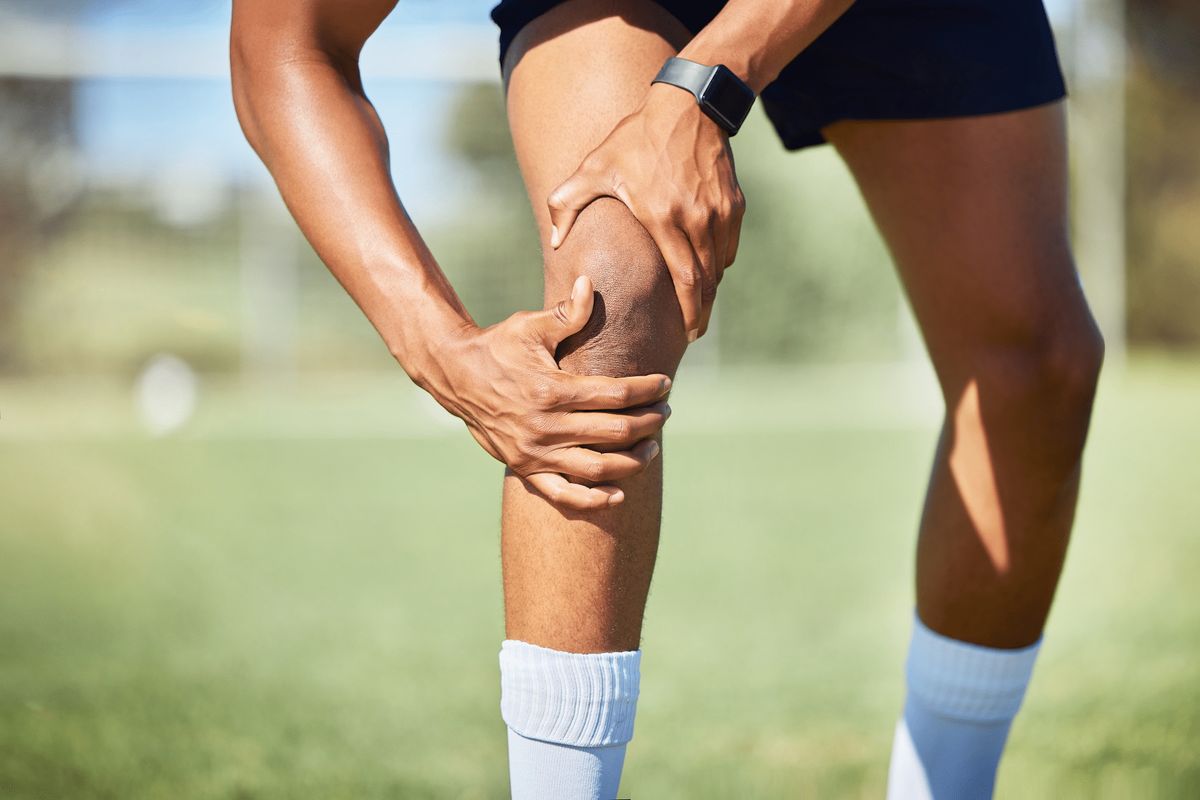
Home Physiotherapy

We understand that some conditions or injuries can make it difficult to receive rehabilitation at our clinic be it mobility or transportation issues. Our objective is to provide you with the same high-quality physiotherapy services at home that you would receive in-clinic.
Posted on

The 4 Phases of Rehabilitation After ACL Repair Surgery

rehab malaysia
rehab malaysia
Sports Injuries, Synapse Physiotherapy

Introduction 

Anterior cruciate ligament (ACL) repair surgery is a common procedure for athletes and active individuals who suffer from ACL tears. Complete ACL tears are usually treated by sports medicine physicians and orthopaedic surgeons with an ACL reconstruction surgery, in which the torn ligament is replaced with a tissue graft to mimic the natural ACL. Holistic and interdisciplinary approach to treating ACL injuries is crucial in making sure that your ACL recovers fully. Looking for top-tier ACL rehabilitation in Malaysia? Synapse Physiotherapy is a leading expert in treating ACL tears and providing comprehensive post-operative rehabilitation. With a team dedicated to personalised recovery plans, we’re committed to helping you get back to peak performance. Our expert and professional physiotherapist will be able to correctly design your rehabilitation plan and facilitate your return to sports in the best way possible.

You may be wondering if there is a necessity to get ACL surgery, in which the answer depends on the severity of the ACL tear and the lifestyle of the patient. For example: a completely torn ACL cannot heal on its own. However, in a certain population of young patients who had experienced a partial tear of the ACL, the ligament may heal without the need for surgery. In addition, patients who only have a partial tear, non-surgical treatment may be an option.For patients who maintain an active lifestyle that have completely torn their ACL, especially for competitive athletes, it is highly recommended for surgery to allow them to return to pre-injury level of activity and avoid any further damage to the knee. Athletes who participate in cutting and pivoting sports such as soccer, basketball, football, and hockey are at increased risk of meniscus injury if an ACL is left untreated with surgery or rehabilitation.

However, in some older patients or others whose lifestyles do not include rigorous exercise with side to side movements, a non-surgical treatment may allow them to return to normal routine without an intact ACL although this varies from individual to individual. For a complete tear of the ACL, reconstruction surgery is typically scheduled between 3 to 6 weeks after injury as this allows inflammation in the affected knee to subside. The gap time also allows physiotherapy treatment to focus on restoring normal knee flexion and extension range of motion, which is one of the criteria that needs to be met before reconstruction surgery can be done.

Post-surgery rehab, a comprehensive rehabilitation program, is crucial for regaining strength, stability, and function in the knee. Proper rehabilitation can also prevent stiffness in the knee joint after surgery. Physiotherapy rehabilitation typically progresses through four distinct phases, each with specific goals and exercises to ensure a successful recovery.

Phase 1: Immediate Post-Surgery (Weeks 0-2)

 Goals:

– Protect the surgical repair

– Reduce pain and swelling

– Restore basic knee movement

– Begin muscle activation

Key Components:

  1. Pain and Swelling Management:

 Rest and Ice: Apply ice regularly to reduce inflammation and pain.

Compression and Elevation: Use compression bandages and keep the leg elevated to minimise swelling.

  1. Mobility Exercises:

Passive Range of Motion (ROM) Exercises: Assisted exercises to gently move the knee joint without active muscle contraction, such as heel slides.

Patellar Mobilisation: Gentle movements of the kneecap to prevent stiffness.

  1. Muscle Activation:

Quadriceps Setting: Isometric exercises to activate the quadriceps without moving the knee joint.

Ankle Pumps: Promotes circulation and prevents blood clots.

  1. Weight Bearing:

Crutch Use: Gradual weight-bearing as tolerated with crutches, following the surgeon’s guidance.

Phase 2: Early Rehabilitation (Weeks 2-6)

Goals:

– Restore full knee ROM

– Improve muscle strength

– Maintain patellar mobility

– Achieve normal gait pattern

Key Components:

  1. Range of Motion Exercises:

Active-Assisted ROM Exercises: Exercises to increase knee flexion and extension, such as using a stationary bike with minimal resistance.

Wall Slides: To enhance knee movement.

  1. Strengthening Exercises:

Closed Kinetic Chain Exercises: Such as mini squats and leg presses, which are safer for the healing ligament.

Straight Leg Raises: To strengthen the quadriceps without stressing the knee.

  1. Gait Training:

Walking Drills: Focus on proper walking mechanics and reducing limping.

Treadmill Walking: At a slow pace to ensure even weight distribution.

  1. Neuromuscular Training:

 Balance Exercises: Such as standing on one leg or using a balance board to improve knee stability.

Phase 3: Intermediate Rehabilitation (Weeks 6-12)

Goals:

– Increase muscle strength and endurance

– Enhance proprioception and balance

– Gradually return to functional activities

Key Components:

  1. Strength Training:

Progressive Resistance Exercises: Including leg presses, hamstring curls, and hip strengthening exercises.

Core Strengthening: To support overall stability and function.

  1. Proprioception and Balance:

Single-Leg Balance Drills: With added challenges such as soft surfaces or perturbations.

Dynamic Balance Exercises: Such as lateral movements and step-ups.

  1. Cardiovascular Fitness:

Low-Impact Aerobic Exercises: Such as swimming, cycling, or using an elliptical machine to maintain cardiovascular health.

  1. Functional Training:

Sport-Specific Drills: Gradual introduction of sport-specific movements to prepare for return to activity.

Plyometric Exercises: Light jumping and landing drills to build explosive strength and coordination.

Phase 4: Advanced Rehabilitation and Return to Sport (Weeks 12+)

 Goals:

– Achieve full strength and functional capacity

– Return safely to sports or high-level activities

– Prevent re-injury

Key Components:

  1. Advanced Strengthening:

High-Intensity Resistance Training: To achieve pre-injury strength levels.

Multi-Directional Strength Exercises: Such as lunges and agility drills.

  1. Agility and Plyometrics:

Advanced Plyometric Drills: Including box jumps, lateral hops, and bounding exercises.

Agility Drills: Such as cone drills, ladder drills, and shuttle runs to enhance quickness and coordination.

  1. Sport-Specific Training:

Gradual Return to Sport: Supervised introduction of sport-specific activities and drills.

Simulated Game Situations: To build confidence and ensure readiness for competition.

  1. Injury Prevention:

Ongoing Neuromuscular Training: To maintain balance, proprioception, and overall knee stability.

Education on Proper Techniques: Emphasising safe movement patterns and techniques to avoid future injuries

FAQs

1. How long does it take to fully recover from ACL surgery? 

Full recovery from ACL surgery typically takes 9-12 months, depending on the individual and adherence to the rehabilitation program.

2. Is ACL surgery always necessary for a torn ligament? 

Not always. The need for surgery depends on the severity of the tear, the patient’s lifestyle, and their desired level of activity.

3. Can physiotherapy alone help with ACL recovery? 

Physiotherapy is essential for recovery, whether surgery is performed or not. It helps restore knee function, strength, and stability.

4. What are the risks of not following a rehabilitation program? 

Skipping rehabilitation increases the risk of knee instability, reduced mobility, and re-injury, potentially leading to chronic pain or further surgeries.

5. When can I return to sports after ACL surgery? 

Most athletes can return to sports after completing the advanced rehabilitation phase, typically around 9-12 months post-surgery, with their physiotherapist’s approval.

Conclusion 

Physiotherapy rehabilitation after ACL repair surgery is a structured and progressive process that requires dedication and guidance from your surgeon and physiotherapist. By following the four phases of rehabilitation—Immediate Post-Surgery, Early Rehabilitation, Intermediate Rehabilitation, and Advanced Rehabilitation—patients can achieve a full recovery, regain knee function, and safely return to their desired activities. Adhering to the prescribed exercises by your physiotherapist and protocols ensures the best possible outcome and minimises the risk of re-injury.

Share This :

Back & Neck Pain

Conditions such as stiffness, postural abnormalities and muscle overuse from prolonged desk work at the office or home is more prevalent than most would think. We provide the necessary tools to fix you up and educate you on ergonomics which can unload unnecessary stress.

Sports Injuries

Rolled ankles, jarred knees, impinged shoulders are few conditions in the plethora of sports injuries which can hamper performance and limit our enjoyment of sports. Physiotherapy not only treats the symptoms of these conditions but propels your overall fitness to greater heights.

Work Desk Injuries​

Conditions such as stiffness, postural abnormalities and muscle overuse from prolonged desk work at the office or home is more prevalent than most would think. We provide the necessary tools to fix you up and educate you on ergonomics which can unload unnecessary stress.

Pre-Post-Surgical Conditions

Surgery involves going through preparation both before and after. Physiotherapists play a vital role in getting your body ready for surgeries with circulatory, breathing and strengthening exercises. After the procedure, let us be there for your recovery and rehabilitation, taking it one step at a time.

Scoliosis & Postural Abnormalities

The way we stand, sit, walk and sleep has influence over our posture and the overall balance of muscles controlling its alignment. A comprehensive screening can be done by our physiotherapists to detect abnormalities, which we will aid in correcting.

Neurological Conditions

Neurological disabilities such as stroke, nerve compression and neuropathies can be barriers for patients to live life to its fullest. We at Synapse are committed to help you overcome these hurdles by ensuring functional mobility and quality of life is at its optimum by providing the right treatment and exercises.

Osteoarthritis & Rheumatism

Joint degeneration and inflammation happens as the human body grows older, but that does not mean our way of life degenerates as well. Relief your joint pains with a joint effort together with your physiotherapist, who will provide pain-relief treatments and prescribe exercises for your wellbeing.

Conditions Relating To Elderly

Common conditions in the older age population include hips & knee pain, back & neck pain, osteoarthritis, rheumatism, fear of falling and many more.  Aging and degeneration of bodily function is inevitable, but here at Synapse, we will help you live the best of your life.

Home Physiotherapy

We understand that some conditions or injuries can make it difficult to receive rehabilitation at our clinic be it mobility or transportation issues. Our objective is to provide you with the same high-quality physiotherapy services at home that you would receive in-clinic.
Posted on

Best Physiotherapy | Trigger Point Therapy at Synapse Rehab

Best physiotherapy
Best physiotherapy
Synapse Physiotherapy

What is Trigger point? 

A Trigger Point (TrP) is a hyperirritable spot, often felt as a palpable nodule within taut bands of the skeletal muscles’ fascia. Applying direct pressure or contracting the muscle can cause a jump sign, local tenderness, a local twitch response, and referred pain that typically follows a pattern distant from the trigger point itself.

Jump Sign

The jump sign is a characteristic behavioral response to pressure on a Trigger Point (TrP). Individuals often react strongly to the intense pain, wincing or crying out in a manner that seems disproportionate to the pressure applied by the examiner’s fingers. They may involuntarily move or jerk a part of their body, such as the shoulder or head, that is not being palpated. This reaction reflects the extreme tenderness of a TrP and is considered pathognomonic for its presence.

Local Twitch Response

This response is defined as a brief, visible, or palpable contraction of the muscle and skin when tense muscle fibers contract due to needle penetration or transverse snapping palpation.

Referred Pain

It is also known as reflective pain, referred pain is perceived at a location different from the site of the painful stimulus. This pain does not follow dermatomes, myotomes, or nerve roots and is reproducible without causing specific joint swelling or neurological deficits. Pain from a myofascial TrP follows a distinct, discrete, and constant pattern or map, with no gender or racial differences, and can reliably reproduce symptoms according to the referred pain map.

Types of trigger points 


Active Trigger Points

Active trigger points cause pain even without applying pressure. They are a common source of myofascial pain and can occur anywhere in the body. Examples include headaches, neck pain, back pain (including sciatica), and knee pain. In diagnostic imaging, an “X” marks the trigger point location, and the red area indicates the referral pain pattern.

Latent Trigger Points

Latent trigger points cause pain when pressed and often refer pain to another area. These points are precursors to active trigger points. If latent trigger points worsen through strain, they can become active, resulting in pain that typically requires intervention.

Satellite Trigger Points

Satellite trigger points are areas where pain is referred. For instance, if shoulder pain refers to the elbow, the elbow contains satellite trigger points. Treating these points is crucial as they are part of the overall pain pattern, highlighting the need to address more than just the painful area.

Factors Contributing to Trigger Points:

  • Aging: The natural aging process can contribute to the development of trigger points.
  • Injury: Sustained from falls, stress, or birth trauma.
  • Lack of Exercise: Particularly common in sedentary individuals aged 27.5 to 55 years, with 45% being men.
  • Bad Posture: Includes upper and lower crossed patterns, swayback posture, telephone posture, and cross-legged sitting.
  • Muscle Overuse and Micro-trauma: Such as from weightlifting.
  • Chronic Stress: Conditions like anxiety, depression, and psychological stress can lead to trigger points.
  • Vitamin Deficiencies: Lack of vitamins C, D, B, folic acid, and iron.
  • Sleep Disturbance: Poor sleep quality can contribute to the development of trigger points.
  • Joint Problems and Hypermobility: Issues with joints and excessive mobility can lead to trigger points.

How to diagnose trigger points.

Diagnosing trigger points involves a comprehensive approach that combines patient history, physical examination, and specific diagnostic techniques. Initially, a detailed patient history is taken to understand the nature of the pain, including its location, duration, intensity, and any factors that alleviate or exacerbate it. The medical history review includes past injuries, surgeries, chronic conditions, stress levels, sleep patterns, and lifestyle factors such as exercise habits and posture. Understanding specific pain patterns, such as headaches, neck pain, back pain, and other referred pain areas, is crucial.

During the physical examination, palpation is used to feel for taut bands or nodules within the muscle tissue, identifying areas of tenderness and noting any jump sign, which is a sudden, involuntary reaction to pressure on the trigger point. A local twitch response, where the muscle and skin briefly contract in response to pressure or needle penetration, can further confirm the presence of trigger points. Observing referred pain, where pressing on the trigger point causes pain to radiate to a different area, is another key diagnostic criterion.

Functional assessment includes evaluating the range of motion (ROM) and stiffness in affected muscles and joints, as well as muscle strength testing to identify any weaknesses or imbalances. Postural analysis helps to detect any abnormalities or compensatory patterns. Although diagnostic imaging is not typically used for trigger points, it may be necessary to rule out other conditions. Techniques like dry needling can also help confirm trigger points by eliciting a twitch response and symptom relief. Throughout the diagnostic process, patient feedback is crucial in verifying the accuracy of pain replication and the effectiveness of the examination and treatment. By integrating these methods, clinicians can accurately diagnose trigger points and develop an effective, personalized treatment plan.

Symptoms of a Trigger Point

Trigger Point Characteristics:

  • Location: The nodule or band felt is within a muscle, not on a bone or nerve.
  • Referral Pain: Trigger point referral pain differs from nerve pain. When pressing on a nerve, the sensation is like an electric shock or pins and needles. In contrast, trigger point pain is a dull pain that radiates.
  • Persistent Muscle Pain: Muscle pain that persists or worsens with movement or exercise.
  • Chronic Muscle Pain: Continuous muscle pain that doesn’t resolve on its own.

Physical Symptoms:

  • Muscle Weakness or Imbalance: There may be weakness or imbalance in the affected muscle or related muscles, often leading to altered motor recruitment.
  • Changes in Range of Motion (ROM): Patients may experience restricted ROM.
  • Painful Movement: Movements may be painful and sometimes exacerbate symptoms.
  • Accompanying Symptoms: Conditions like tension headaches, migraines, tinnitus, and temporomandibular joint problems often accompany trigger points.
  • Postural Abnormalities and Compensations: Patients may exhibit postural abnormalities and compensatory mechanisms.


How is the trigger therapy?


There are several methods for releasing a trigger point. The most common technique involves applying sustained pressure using fingers, thumbs, elbows, or a massage ball or tool. This sustained pressure helps to relax the muscle and alleviate pain. Another increasingly popular method is dry needling, where a thin needle is inserted into the trigger point to release tension and promote healing. The effectiveness of dry needling is becoming more recognized, leading to its broader adoption in trigger point therapy.

The benefits of trigger point therapy


  1. Improved Circulation: Trigger point therapy can significantly enhance circulation. Tight muscles often restrict blood flow, leading to problems like fatigue, headaches, and dizziness. By releasing these tight muscles, trigger point therapy improves circulation, which can boost overall energy levels and well-being.


  1. Reduced Tension and Stress: Tight muscles contribute to tension and stress. Trigger point therapy helps release these muscles, reducing tension and stress and promoting a more relaxed state.


  1. Improved Mobility and Flexibility: Tight muscles can restrict movement and decrease range of motion, making everyday activities challenging. Trigger point therapy releases these muscles, enhancing mobility and flexibility, allowing for a greater range of motion.


  1. Better Sleep: Tight muscles can cause pain and discomfort, disrupting sleep. Trigger point therapy helps alleviate muscle tightness, leading to improved sleep quality.


  1. Relief From Headache Pain: Tight muscles in the head and neck are common sources of tension and stress, often triggering headaches. Trigger point therapy releases these muscles, providing relief from headache pain.


  1. Improved Posture: Tight muscles can misalign the body, leading to poor posture. Trigger point therapy releases these muscles, improving posture and reducing the likelihood of injuries.


  1. Reduced Muscle Soreness After Workout: Regular workouts can leave muscles tight and sore despite good stretching routines. Trigger point therapy helps release these tight muscles, reducing post-workout muscle soreness.


FAQs

1. What is trigger point therapy?

Trigger point therapy is a treatment that involves applying pressure to muscle knots (trigger points) to relieve pain and restore mobility.

2. How long does a trigger point therapy session take?

Sessions typically last 30 to 60 minutes, depending on the number of trigger points and the severity of the condition.

3. Is trigger point therapy painful?

Some discomfort may be felt during treatment, especially when pressure is applied to sensitive areas, but this is usually brief and followed by relief.

4. How many sessions are needed for effective relief?

The number of sessions varies depending on the individual, but most patients experience relief after 3 to 6 sessions.

5. Can trigger point therapy help with chronic pain?

Yes, trigger point therapy is highly effective in treating chronic pain by releasing muscle tension and improving circulation.

Conclusion

In conclusion, trigger point therapy is an effective method for relieving pain and improving overall well-being. Synapse Physiotherapy offers this service, and you can receive this therapy from our registered physiotherapists.

Share This :

Back & Neck Pain

Conditions such as stiffness, postural abnormalities and muscle overuse from prolonged desk work at the office or home is more prevalent than most would think. We provide the necessary tools to fix you up and educate you on ergonomics which can unload unnecessary stress.

Sports Injuries

Rolled ankles, jarred knees, impinged shoulders are few conditions in the plethora of sports injuries which can hamper performance and limit our enjoyment of sports. Physiotherapy not only treats the symptoms of these conditions but propels your overall fitness to greater heights.

Work Desk Injuries​

Conditions such as stiffness, postural abnormalities and muscle overuse from prolonged desk work at the office or home is more prevalent than most would think. We provide the necessary tools to fix you up and educate you on ergonomics which can unload unnecessary stress.

Pre-Post-Surgical Conditions

Surgery involves going through preparation both before and after. Physiotherapists play a vital role in getting your body ready for surgeries with circulatory, breathing and strengthening exercises. After the procedure, let us be there for your recovery and rehabilitation, taking it one step at a time.

Scoliosis & Postural Abnormalities

The way we stand, sit, walk and sleep has influence over our posture and the overall balance of muscles controlling its alignment. A comprehensive screening can be done by our physiotherapists to detect abnormalities, which we will aid in correcting.

Neurological Conditions

Neurological disabilities such as stroke, nerve compression and neuropathies can be barriers for patients to live life to its fullest. We at Synapse are committed to help you overcome these hurdles by ensuring functional mobility and quality of life is at its optimum by providing the right treatment and exercises.

Osteoarthritis & Rheumatism

Joint degeneration and inflammation happens as the human body grows older, but that does not mean our way of life degenerates as well. Relief your joint pains with a joint effort together with your physiotherapist, who will provide pain-relief treatments and prescribe exercises for your wellbeing.

Conditions Relating To Elderly

Common conditions in the older age population include hips & knee pain, back & neck pain, osteoarthritis, rheumatism, fear of falling and many more.  Aging and degeneration of bodily function is inevitable, but here at Synapse, we will help you live the best of your life.

Home Physiotherapy

We understand that some conditions or injuries can make it difficult to receive rehabilitation at our clinic be it mobility or transportation issues. Our objective is to provide you with the same high-quality physiotherapy services at home that you would receive in-clinic.