Posted on

5 Sports Injuries Treated with Shockwave Therapy at Synapse

Sports Injury Clinic
Synapse Physiotherapy

Introduction

Athletes, whether professional or recreational, often push their bodies to the limit. While this dedication brings incredible performance gains, it can also lead to overuse injuries and strain on muscles, tendons, and joints. At Synapse Physiotherapy, we understand how frustrating and painful these injuries can be, not just physically, but emotionally too. That’s why we offer cutting-edge solutions like Shockwave Therapy to speed up healing, reduce pain, and help you return to the activities you love.


As a trusted Sports Injury Clinic in the Klang Valley, Synapse specialises in advanced rehabilitation treatments, including Radial and Focused Shockwave Therapy. This non-invasive technique stimulates the body’s natural healing process, boosts circulation, and breaks down scar tissue. Whether you’re recovering from a long-standing tendon issue or a stubborn muscle injury, shockwave therapy is a game-changer.


Let’s explore five common sports injuries we treat using shockwave therapy at our Sports Physiotherapy centre.

1. Plantar Fasciitis

Why Shockwave Works

One of the most common causes of heel pain among runners, hikers, and athletes who spend long hours on their feet is Plantar Fasciitis. This condition is caused by inflammation of the plantar fascia, the thick band of tissue running along the bottom of your foot.

Shockwave therapy targets the inflamed area with high-energy sound waves, increasing blood flow and stimulating cell regeneration. At Synapse, our physiotherapists use this method to break down fibrous tissue and accelerate healing. Most patients report significant pain reduction after just a few sessions.

Who It Helps

  • Runners

  • Dancers

  • Tennis players

  • Golfers

2. Tennis Elbow (Lateral Epicondylitis)

Why Shockwave Works

Tennis elbow isn’t limited to tennis players, it affects anyone performing repetitive arm and wrist movements, including manual workers and desk job professionals. The condition results in pain and inflammation around the outer elbow due to overuse of the forearm muscles.

Shockwave therapy stimulates collagen production and promotes the resorption of calcium deposits at the site of pain. This reduces inflammation, improves range of motion, and accelerates healing. At Synapse, our therapists tailor treatment to each individual’s severity and activity level.

Who It Helps

  • Tennis and squash players

  • Weightlifters

  • Musicians

  • Office workers with poor ergonomics

3. Patellar Tendinopathy (Jumper’s Knee)

Why Shockwave Works

This condition affects the tendon connecting the kneecap to the shinbone and is common among athletes in jumping sports like basketball, volleyball, and track and field. It causes pain just below the kneecap and worsens with activity.

Shockwave therapy increases metabolic activity and circulation at the tendon site, enhancing tissue repair. Synapse’s clinicians combine this treatment with strengthening exercises to ensure long-term recovery and prevent recurrence.

Who It Helps

  • Basketball players

  • Volleyball players

  • Footballers

  • High jumpers

4. Achilles Tendinopathy

Why Shockwave Works

Achilles tendinopathy is a painful condition resulting from overuse of the Achilles tendon, which connects your calf muscles to your heel bone. It’s especially common in runners and athletes in high-impact sports.

By delivering focused acoustic energy to the affected area, shockwave therapy promotes healing in chronic cases where traditional treatments may have failed. At Synapse, we often combine shockwave with manual therapy and eccentric loading programs to restore full function.

Who It Helps

  • Runners and sprinters

  • Gym-goers doing plyometrics

  • Soccer players

  • Trail runners

5. Rotator Cuff Tendinopathy

Why Shockwave Works

Rotator cuff injuries are frequent among athletes who engage in overhead sports like swimming, baseball, and badminton. These injuries can result in pain, reduced shoulder mobility, and weakness, particularly during lifting or throwing.

Shockwave therapy enhances neovascularisation (formation of new blood vessels), which speeds up the repair of tendinous tissue in the shoulder. At Synapse, we use precise application techniques to target deep-seated rotator cuff injuries and support patients with guided exercise rehabilitation.

Who It Helps

  • Swimmers

  • Badminton and tennis players

  • Weightlifters

  • Baseball pitchers

What Makes Shockwave Therapy at Synapse Different?

At Synapse Physiotherapy, we don’t just apply shockwave therapy and send you on your way. Instead, our experienced team conducts a detailed assessment to understand your biomechanics, posture, and muscle imbalances. Shockwave therapy is then integrated into a comprehensive rehabilitation plan tailored to your sport and goals.

Here’s what sets us apart:

  • Personalised Treatment Plans: Every injury is different, so your therapy should be too.

  • Certified Physiotherapists: Our team has advanced training in shockwave therapy and sports injury management.

  • Multi-Clinic Access: With five convenient locations across the Klang Valley, recovery is never far from home.

  • Integrated Care: We combine shockwave therapy with manual therapy, dry needling, and strength training for holistic results.

Additionally, if you are also struggling with spinal issues, our Spine & Core Rehabilitation Programme is a dedicated solution designed to complement your recovery, especially for those seeking physiotherapy for slip disc or postural dysfunctions.

Frequently Asked Questions (FAQs)

1. What types of injuries respond best to shockwave therapy?

Shockwave therapy is most effective for chronic soft tissue injuries, especially those involving tendons, ligaments, and fascia. Conditions like plantar fasciitis, tennis elbow, and physiotherapy for slip disc-related muscle tightness respond well.

2. Is shockwave therapy painful?

While some patients may experience mild discomfort during the session, it is generally well-tolerated. The sensation is often described as a tapping or pulsing on the skin.

3. How many sessions will I need?

Typically, patients require 3 to 6 sessions, depending on the severity and chronicity of the condition. Your physiotherapist will evaluate your progress at each stage.

4. Can shockwave therapy help with slip disc-related pain?

Yes, while it doesn’t treat the disc itself, shockwave therapy can reduce muscle tightness and associated tendon inflammation, making it a valuable adjunct in physiotherapy for slip disc.

5. Do you combine other therapies with shockwave treatment?

Absolutely. At Synapse, we integrate shockwave therapy with manual therapy, dry needling, strengthening programmes, and tailored rehabilitation plans to address the root cause of your pain.

Final Thoughts

Sports injuries can be frustrating, but they don’t have to define your journey. With innovative solutions like shockwave therapy, athletes of all levels can recover faster, train smarter, and reduce the risk of reinjury. At Synapse Physiotherapy, we’re committed to helping you move better and live pain-free.


If you’re searching for a reliable and effective Sports Injury Clinic for physiotherapy for slip disc or sports injury, Synapse offers the perfect blend of science, care, and performance-driven recovery.


Book your assessment today and get back in the game, stronger than ever.

Share This :

Back & Neck Pain

Conditions such as stiffness, postural abnormalities and muscle overuse from prolonged desk work at the office or home is more prevalent than most would think. We provide the necessary tools to fix you up and educate you on ergonomics which can unload unnecessary stress.

Sports Injuries

Rolled ankles, jarred knees, impinged shoulders are few conditions in the plethora of sports injuries which can hamper performance and limit our enjoyment of sports. Physiotherapy not only treats the symptoms of these conditions but propels your overall fitness to greater heights.

Work Desk Injuries​

Conditions such as stiffness, postural abnormalities and muscle overuse from prolonged desk work at the office or home is more prevalent than most would think. We provide the necessary tools to fix you up and educate you on ergonomics which can unload unnecessary stress.

Pre-Post-Surgical Conditions

Surgery involves going through preparation both before and after. Physiotherapists play a vital role in getting your body ready for surgeries with circulatory, breathing and strengthening exercises. After the procedure, let us be there for your recovery and rehabilitation, taking it one step at a time.

Scoliosis & Postural Abnormalities

The way we stand, sit, walk and sleep has influence over our posture and the overall balance of muscles controlling its alignment. A comprehensive screening can be done by our physiotherapists to detect abnormalities, which we will aid in correcting.

Neurological Conditions

Neurological disabilities such as stroke, nerve compression and neuropathies can be barriers for patients to live life to its fullest. We at Synapse are committed to help you overcome these hurdles by ensuring functional mobility and quality of life is at its optimum by providing the right treatment and exercises.

Osteoarthritis & Rheumatism

Joint degeneration and inflammation happens as the human body grows older, but that does not mean our way of life degenerates as well. Relief your joint pains with a joint effort together with your physiotherapist, who will provide pain-relief treatments and prescribe exercises for your wellbeing.

Conditions Relating To Elderly

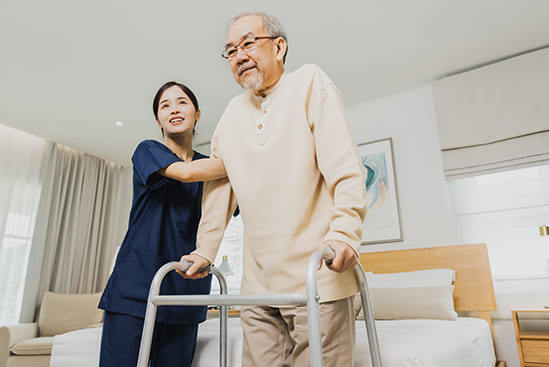
Common conditions in the older age population include hips & knee pain, back & neck pain, osteoarthritis, rheumatism, fear of falling and many more.  Aging and degeneration of bodily function is inevitable, but here at Synapse, we will help you live the best of your life.
Home Physiotherapy

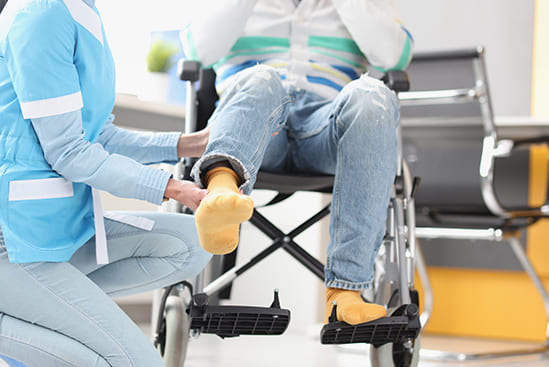
We understand that some conditions or injuries can make it difficult to receive rehabilitation at our clinic be it mobility or transportation issues. Our objective is to provide you with the same high-quality physiotherapy services at home that you would receive in-clinic.
Posted on

How effective is physiotherapy for slip disc recovery? l Synapse

physiotherapy for slip disc
Synapse Physiotherapy

Introduction

If you’ve been diagnosed with a slipped disc, you’re probably wondering whether physiotherapy can truly help. The short answer? Yes, it can and quite effectively, too. Physiotherapy for slip disc is one of the most recommended, evidence-based treatment options for people suffering from this condition. Rather than relying solely on painkillers or jumping into surgery, many patients find significant relief and long-term recovery through structured physiotherapy.


A slipped disc, also known as a herniated or prolapsed disc, occurs when the soft inner gel of a spinal disc pushes out through a tear in the outer layer. This can press on nearby nerves, causing pain, numbness, tingling, or weakness, usually in the lower back, neck, arms, or legs. While the symptoms can be debilitating, physiotherapy for slip disc offers a non-invasive path to healing.


At Synapse Physiotherapy, we approach physiotherapy for slip disc by combining manual therapy, guided exercises, posture correction, and patient education. Our goal is not just to reduce your pain but to help you regain strength, mobility, and confidence so you can return to the activities you love without fear of re-injury.

Understanding the Slip Disc Condition

The spine is made up of bones (vertebrae) separated by cushioning discs that act as shock  absorbers. These discs have a tough outer layer and a softer inner core. When the inner material pushes through a weak spot in the outer layer, it can compress spinal nerves and lead to various symptoms.

Causes and Symptoms

Common causes of a slipped disc include:

  • Repetitive strain or overuse

  • Poor posture and prolonged sitting

  • Heavy lifting with incorrect form

  • Sudden trauma or accidents

  • Degenerative changes with age

Furthermore, symptoms can range from mild discomfort to severe pain and nerve-related issues. For many, the idea of surgery might feel overwhelming, but the good news is that conservative care, particularly physiotherapy for slip disc, is often the most effective first line of treatment.

Why Physiotherapy for Slip Disc Works

Physiotherapy for slip disc isn’t just about treating pain, it’s about addressing the root cause of your symptoms. A qualified physiotherapist doesn’t just look at the affected disc; they assess your overall movement, posture, strength, and flexibility to design a plan that promotes healing.

Pain Management Techniques

Through techniques like manual therapy, spinal mobilisation, dry needling, and electrotherapy, physiotherapists can help reduce inflammation and alleviate pain in the short term, allowing you to move more comfortably and begin active rehabilitation.

Core Muscle Strengthening

Weak core muscles can put excess pressure on the spine. Therefore, a well-structured physiotherapy programme includes core strengthening exercises that stabilise the spine and reduce the risk of further disc issues. Consider exploring our Spine & Core Rehabilitation Programme to support your journey.

Posture and Body Mechanics

Many slip disc cases are linked to poor posture or improper movement patterns. Physiotherapists can teach you how to sit, stand, lift, and move in a way that protects your spine and minimises strain.

Improving Flexibility and Mobility

Tight muscles can exacerbate nerve compression. As a result, stretching and mobility work guided by a physiotherapist helps release tension, improve range of motion, and ease nerve symptoms.

Ongoing Education and Prevention

One of the most valuable aspects of physiotherapy is patient education. Knowing how to manage your condition, avoid triggers, and maintain spinal health empowers you for long-term recovery. You can learn more about related treatments in our Pain Management section.

What to Expect at Synapse Physiotherapy

At Synapse Physiotherapy, our approach to physiotherapy for slip disc recovery is personalised and science-driven. Here’s what your journey might look like:

Initial Assessment

We begin with a comprehensive physical evaluation, including history-taking, posture and movement analysis, and neurological testing. If you have imaging results (MRI or CT scans), we’ll review those too.

Customised Treatment Plan

Based on your unique presentation, we tailor a recovery plan that may include:

  • Manual therapy for joint and soft tissue mobilisation

  • Core and stability exercises

  • McKenzie or directional preference exercises

  • Functional training (lifting, bending, walking)

  • Ergonomic advice for work and home

  • Gradual return-to-activity protocols

Explore our full range of programmes, including Strength & Conditioning and Neurological Rehabilitation for additional support.

Monitoring and Adjustments

Your body adapts over time, so your physiotherapy plan will evolve as you heal. Our therapists will track your progress, make necessary adjustments, and support you every step of the way.

Recovery Timeline and When to Consider Surgery

Timeline for Recovery

Everyone’s recovery journey is different, but here’s a general timeline:

  • Acute Phase (0–2 weeks): Focus on pain relief and gentle mobility

  • Subacute Phase (2–6 weeks): Begin strengthening and postural work

  • Rehabilitation Phase (6–12 weeks): Build endurance, restore full function

  • Maintenance Phase (3+ months): Prevent recurrence and promote spinal health

While some people see improvement within a few weeks, others may need longer, especially if symptoms have been chronic. The key is consistency and guided progression.

When Is Surgery Needed?

Surgery is usually reserved for cases where:

  • There’s no improvement after 8–12 weeks of conservative care

  • Symptoms are severe and worsening (e.g., progressive weakness or loss of bladder/bowel control)

  • There’s significant nerve compression that threatens long-term function

Even in these cases, pre- and post-operative physiotherapy for slip disc plays a vital role in recovery.

Evidence Behind Physiotherapy for Slip Disc

Numerous clinical studies support the effectiveness of physiotherapy for slip disc, especially in treating lumbar and cervical disc herniation. Research shows that with consistent therapy, many patients experience:

  • Reduced pain intensity

  • Improved function and quality of life

  • Lower recurrence rates

  • Less need for surgical intervention

In fact, one study published in the Journal of Orthopaedic & Sports Physical Therapy found that patients with lumbar disc herniation who underwent structured physiotherapy had outcomes equal to or better than those who opted for surgery, especially over the long term.

Frequently Asked Questions (FAQs)

1. How long does physiotherapy for slip disc take to show results?

Most people begin to feel relief within the first 2–6 weeks. However, chronic cases may require longer-term care.

2. Is physiotherapy for slip disc better than surgery?

Yes, in many cases. Clinical research suggests that structured physiotherapy offers outcomes as good as or better than surgery, especially over the long term.

3. What types of exercises are included in physiotherapy for slip disc?

Exercises typically include core strengthening, mobility drills, postural correction, and functional movements based on your specific needs.

4. Can I continue working during slip disc physiotherapy treatment?

Yes, many patients can work during treatment. Your physiotherapist may provide ergonomic advice and movement strategies to support you.

5. What if my symptoms don’t improve with physiotherapy?

If there’s no significant improvement after 8–12 weeks, your physiotherapist may refer you for further evaluation or discuss alternative interventions, including surgery.

Final Thoughts

If you’re dealing with a slipped disc, don’t rush into invasive treatments before exploring physiotherapy for slip disc. With a tailored plan, consistent effort, and expert guidance, many people experience significant relief without ever needing surgery.


At Synapse, our experienced physiotherapists are here to guide you back to a pain-free, active life. Physiotherapy for slip disc isn’t just about short-term relief it’s about long-term resilience, movement confidence, and living without fear of flare-ups.

Share This :

Back & Neck Pain

Conditions such as stiffness, postural abnormalities and muscle overuse from prolonged desk work at the office or home is more prevalent than most would think. We provide the necessary tools to fix you up and educate you on ergonomics which can unload unnecessary stress.

Sports Injuries

Rolled ankles, jarred knees, impinged shoulders are few conditions in the plethora of sports injuries which can hamper performance and limit our enjoyment of sports. Physiotherapy not only treats the symptoms of these conditions but propels your overall fitness to greater heights.

Work Desk Injuries​

Conditions such as stiffness, postural abnormalities and muscle overuse from prolonged desk work at the office or home is more prevalent than most would think. We provide the necessary tools to fix you up and educate you on ergonomics which can unload unnecessary stress.

Pre-Post-Surgical Conditions

Surgery involves going through preparation both before and after. Physiotherapists play a vital role in getting your body ready for surgeries with circulatory, breathing and strengthening exercises. After the procedure, let us be there for your recovery and rehabilitation, taking it one step at a time.

Scoliosis & Postural Abnormalities

The way we stand, sit, walk and sleep has influence over our posture and the overall balance of muscles controlling its alignment. A comprehensive screening can be done by our physiotherapists to detect abnormalities, which we will aid in correcting.

Neurological Conditions

Neurological disabilities such as stroke, nerve compression and neuropathies can be barriers for patients to live life to its fullest. We at Synapse are committed to help you overcome these hurdles by ensuring functional mobility and quality of life is at its optimum by providing the right treatment and exercises.

Osteoarthritis & Rheumatism

Joint degeneration and inflammation happens as the human body grows older, but that does not mean our way of life degenerates as well. Relief your joint pains with a joint effort together with your physiotherapist, who will provide pain-relief treatments and prescribe exercises for your wellbeing.

Conditions Relating To Elderly

Common conditions in the older age population include hips & knee pain, back & neck pain, osteoarthritis, rheumatism, fear of falling and many more.  Aging and degeneration of bodily function is inevitable, but here at Synapse, we will help you live the best of your life.
Home Physiotherapy

We understand that some conditions or injuries can make it difficult to receive rehabilitation at our clinic be it mobility or transportation issues. Our objective is to provide you with the same high-quality physiotherapy services at home that you would receive in-clinic.
Posted on

Dry Needling VS Acupuncture for Lower Back Pain

dry needling vs acupuncture
Synapse Physiotherapy

Introduction

Lower back pain is one of the most common conditions affecting people of all ages. Whether it’s due to prolonged sitting, poor posture, muscle tightness, or injury, it can seriously impact your daily life. At Synapse Physiotherapy, we provide personalised, evidence-based treatments that go beyond temporary relief.


One treatment that’s becoming more popular and effective is dry needling. But people often ask: What is the difference between dry needling vs acupuncture?


Both use fine needles inserted into the body, yet they are based on different medical theories and goals. While acupuncture is rooted in Traditional Chinese Medicine and aims to balance energy or “qi,” dry needling follows Western medicine principles and targets painful muscle knots called trigger points.


Knowing the differences between dry needling vs acupuncture can help you choose the right treatment for your lower back pain.

What is Dry Needling?

A Modern Technique for Muscle Pain

Dry needling is a clinical technique where a trained physiotherapist inserts thin needles into muscle trigger points tight bands within muscles that can cause pain and stiffness. It is called “dry” because no substance is injected.

The main goal is to create a quick twitch response in the muscle, which can help release tightness, improve blood flow, and reduce pain. Unlike acupuncture, dry needling is based on anatomy and medical science, not energy flow.

Why Use Dry Needling?

Many cases of lower back pain are actually caused by problems in nearby muscles, such as the glutes or paraspinal muscles. These trigger points may lead to referred pain, where you feel discomfort in one area even though the real issue lies elsewhere.

Dry needling is especially useful for treating chronic or stubborn lower back pain that hasn’t improved with stretching, massage, or exercise alone. It’s often combined with other treatments such as manual therapy and posture retraining for better outcomes. Learn more about our Spine & Core Rehabilitation Programme.

How Dry Needling Helps Lower Back Pain

Lower back pain is rarely just about the spine, it often involves surrounding muscles, joints, and even the nervous system. Muscle tightness, trigger points, and poor movement patterns all contribute to discomfort and reduced mobility. That’s where dry needling comes in.

Here are some specific ways dry needling can help:

1. Releases Myofascial Trigger Points

Trigger points can cause local and referred pain. By inserting a needle into these points, dry needling disrupts the dysfunctional muscle activity, encouraging relaxation and healing.

2. Reduces Pain

Dry needling influences the nervous system and reduces pain perception by decreasing the sensitivity of nerves in the area. This results in immediate relief for many patients, especially when paired with movement retraining.

3. Improves Range of Motion

Tight muscles limit movement. Once a trigger point is deactivated through dry needling, the muscle becomes more pliable, restoring flexibility and allowing better movement mechanics.

4. Promotes Natural Healing

Needling increases local blood flow and stimulates a mild inflammatory response, kick-starting the body’s natural healing processes.

Dry Needling vs Acupuncture: Key Differences

To better understand which treatment may be right for you, here’s a quick comparison of dry needling vs acupuncture:

Feature

Dry Needling

Acupuncture

Origin

Western medicine

Traditional Chinese Medicine

Goal

Release muscle trigger points

Balance body energy (qi)

Technique

Targets specific muscle areas

Uses meridian points across the body

Training

Taught to physiotherapists and other allied health professionals

Requires TCM certification

Conditions Treated

Musculoskeletal pain, movement issues

Wide range including digestive, emotional, and pain conditions

At Synapse Physiotherapy, our focus is clinical and functional. Dry needling is not just an add-on, but a deliberate technique used in synergy with other therapies to help patients move better and recover faster.

What to Expect During a Dry Needling Session

If it’s your first time, knowing what to expect can help ease any anxiety. Here’s a typical dry needling experience at Synapse Physiotherapy:

1. Assessment

Before needling begins, your physiotherapist will assess your posture, mobility, and pain points. We’ll determine whether dry needling is suitable based on your specific condition and goals.

2. Treatment

The therapist will insert thin, sterile needles into the target muscles. You might feel a quick twitch or a dull ache. This is a normal reaction that signals the release of the trigger point.

3. Post-Treatment

After dry needling, you might feel muscle soreness for 24–48 hours, similar to the feeling after a good workout. Your therapist may recommend gentle stretching, hydration, and movement to enhance the effects.

Is Dry Needling Safe?

Yes, when done by trained professionals, dry needling is a safe and effective method. At Synapse Physiotherapy, our physiotherapists are fully certified and follow strict hygiene and safety protocols.

However, some mild side effects may occur, including soreness, bruising, or light-headedness. Your therapist will discuss these risks with you and answer all your questions before treatment.

Why Choose Synapse Physiotherapy?

With clinics across the Klang Valley and a dedicated team of experienced physiotherapists, Synapse Physiotherapy is committed to helping you move without pain. Our approach is always personalised, we combine modern techniques like dry needling with hands-on therapy, exercise rehab, and lifestyle advice to treat the root cause of your lower back pain.

We understand that pain affects not just your body, but your confidence, energy levels, and overall quality of life. That’s why we don’t believe in one-size-fits-all treatment plans. Instead, we listen, assess, and guide you every step of the way towards recovery.

Frequently Asked Questions (FAQs)

1. Is dry needling the same as acupuncture?

No. While both use needles, dry needling vs acupuncture differ in theory, training, and purpose. Dry needling targets muscle trigger points, while acupuncture focuses on energy flow or “qi.”

2. Does dry needling hurt?

You may feel a quick twitch or dull ache during treatment. Some soreness after is normal, but it usually fades within 1–2 days.

3. How many sessions do I need?

It depends on your condition. Some people feel better after just one session, while others may need multiple visits along with exercise therapy.

4. Can dry needling help with sciatica or herniated discs?

Yes. If your back pain involves muscle tightness or referred pain, dry needling can be part of your treatment plan. However, a full assessment is needed to determine the best approach. Check our Conditions Treated. Visit the page for more details.

5. Is dry needling covered in Synapse home visits?

Yes, dry needling can be included as part of our Home Visit services when appropriate. A qualified physiotherapist will assess your condition before starting.

Conclusion

Dry needling is a powerful tool in the fight against lower back pain. When integrated into a comprehensive treatment program, it can accelerate healing, relieve chronic discomfort, and restore function. Understanding the difference between dry needling vs acupuncture is key to making informed choices about your care.


If you’re struggling with lower back pain and want to explore effective, non-invasive treatment options, our team at Synapse Physiotherapy is here to help. Let us guide you towards a life of better movement and less pain naturally.

Share This :

Back & Neck Pain

Conditions such as stiffness, postural abnormalities and muscle overuse from prolonged desk work at the office or home is more prevalent than most would think. We provide the necessary tools to fix you up and educate you on ergonomics which can unload unnecessary stress.

Sports Injuries

Rolled ankles, jarred knees, impinged shoulders are few conditions in the plethora of sports injuries which can hamper performance and limit our enjoyment of sports. Physiotherapy not only treats the symptoms of these conditions but propels your overall fitness to greater heights.

Work Desk Injuries​

Conditions such as stiffness, postural abnormalities and muscle overuse from prolonged desk work at the office or home is more prevalent than most would think. We provide the necessary tools to fix you up and educate you on ergonomics which can unload unnecessary stress.

Pre-Post-Surgical Conditions

Surgery involves going through preparation both before and after. Physiotherapists play a vital role in getting your body ready for surgeries with circulatory, breathing and strengthening exercises. After the procedure, let us be there for your recovery and rehabilitation, taking it one step at a time.

Scoliosis & Postural Abnormalities

The way we stand, sit, walk and sleep has influence over our posture and the overall balance of muscles controlling its alignment. A comprehensive screening can be done by our physiotherapists to detect abnormalities, which we will aid in correcting.

Neurological Conditions

Neurological disabilities such as stroke, nerve compression and neuropathies can be barriers for patients to live life to its fullest. We at Synapse are committed to help you overcome these hurdles by ensuring functional mobility and quality of life is at its optimum by providing the right treatment and exercises.

Osteoarthritis & Rheumatism

Joint degeneration and inflammation happens as the human body grows older, but that does not mean our way of life degenerates as well. Relief your joint pains with a joint effort together with your physiotherapist, who will provide pain-relief treatments and prescribe exercises for your wellbeing.

Conditions Relating To Elderly

Common conditions in the older age population include hips & knee pain, back & neck pain, osteoarthritis, rheumatism, fear of falling and many more.  Aging and degeneration of bodily function is inevitable, but here at Synapse, we will help you live the best of your life.
Home Physiotherapy

We understand that some conditions or injuries can make it difficult to receive rehabilitation at our clinic be it mobility or transportation issues. Our objective is to provide you with the same high-quality physiotherapy services at home that you would receive in-clinic.
Posted on

How Long Does Spine and Core Rehab Typically Take?

Physio Near Me
Physio Near Me
Synapse Physiotherapy

Introduction

Are you struggling with chronic back pain, recovering from a spinal injury, or trying to fix poor posture? If so, spine and core rehabilitation might be the key to getting your life back on track. Many people search for a reliable Physio Near Me to manage pain, improve mobility, and rebuild core strength. But one of the most common questions asked is, “How long will recovery take?”


The truth is, there’s no one-size-fits-all answer. The time needed for spine and core physiotherapy depends on your unique condition, health status, and dedication to the rehab process. In this guide, we’ll break down the common recovery timelines, key factors that influence progress, and practical tips to help you get the best results.


Whether you’re dealing with a mild strain or recovering from spinal surgery, this article will help you understand what to expect and how to get better, faster, with the help of a trusted Physio Near Me.

Factors That Affect How Long Spine and Core Rehab Takes

Severity of the Condition

The more serious your spinal issue is, the longer the therapy may take. For example, small muscle strains or mild disc problems might need only a few weeks of care. But if you’ve had spinal surgery or suffer from a herniated disc, the process might take many months.

Commitment to the Rehab Plan

If you regularly attend your Physio Near Me sessions and do your exercises at home, your chances of faster recovery improve. On the other hand, skipping sessions or doing exercises incorrectly can slow down your progress.

Age and General Health

Younger people and those in good health usually recover more quickly. However, if you are older or have health conditions like diabetes or obesity, your body might take longer to heal fully.

Treatment Methods Used

The type of therapy you receive also affects your timeline. Your Physio Near Me might use methods like manual therapy, stretching, hydrotherapy, or strength training. A custom plan designed just for you, like the Spine & Core Rehabilitation Programme, can speed up your healing.

General Timeline for Spine and Core Physio Near Me

The following is a general guide to how long each stage of rehabilitation might take. Keep in mind, though, that your timeline may vary based on your body and your progress.

Acute Phase (0–6 Weeks)

At this stage, the goal is to reduce pain and swelling while restoring basic movement. Your physiotherapist might use gentle exercises, manual therapy, or stretches. Some people with minor issues may feel better by the end of this phase.

Subacute Phase (6–12 Weeks)

Now the focus shifts toward strengthening your core muscles and improving posture. Many people notice they have less pain and better movement by this stage. If your condition is moderate, you might complete your recovery within this period.

Chronic Phase (3–6 Months or More)

If your case is more serious, like after spinal surgery, you’ll likely need longer rehabilitation. Your Physio Near Me will guide you through advanced core exercises and resistance training. This phase helps prevent future injuries and improves long-term strength and flexibility.

How to Recover Faster with Physio Near Me

Stay Consistent with Your Sessions

Skipping sessions or not doing your home exercises can delay your recovery. Be sure to follow your plan exactly and attend every session.

Make Lifestyle Changes

Try to maintain a healthy weight, sit and stand with proper posture, and avoid sitting for long periods. These changes, although small, can make a big difference when paired with Physio Near Me.

Eat Foods That Help You Heal

A diet high in protein, vitamins, and anti-inflammatory foods such as fruits, vegetables, and lean meats can help your muscles and tissues recover faster.

Take Care of Your Mental Health

Believe it or not, your mindset also matters. Managing stress and staying positive can help you stick to your program and heal more efficiently.

Why Spine and Core Rehab Is Worth It

While spine and core rehabilitation may take time, the long-term rewards are well worth the effort. Whether you’re recovering from spinal surgery, dealing with chronic back pain, or trying to correct long-standing postural issues, working with an experienced Physio Near Me can help you regain strength, prevent re-injury, and get back to doing the things you love.

A structured physiotherapy programme improves spinal stability, enhances core strength, and reduces pain over time. With the right plan in place, guided by qualified professionals, you can restore mobility, improve your daily function, and avoid more serious issues in the future.

To maximise your results, consider pairing spine and core rehab with related services like our Pain Management Programme for targeted relief or the Strength & Conditioning Programme to build long-term resilience. These additional services work hand-in-hand with your spine rehab to support your full recovery and prevent future setbacks.

When you choose a trusted Physiotherapy Centre like Synapse, you’re not just treating symptoms, you’re investing in long-term spinal health, improved performance, and a better quality of life.

Frequently Asked Questions (FAQs)

1. How many sessions will I need with Physio Near Me for spine rehab?

It depends on your condition, but many patients need 8 to 20 sessions. More complex cases may need 3 to 6 months of ongoing care.

2. Can I recover faster if I attend all my sessions?

Yes, being consistent with your Physio Near Me visits and doing your home exercises can greatly speed up your recovery.

3. Is spine and core physiotherapy painful?

You might feel some discomfort at first, but your physiotherapist will adjust your plan to ensure you’re progressing safely.

4. How do I know if my spine problem is serious?

Severe pain, numbness, or difficulty walking are signs you should see a physiotherapist right away. They will assess your condition and guide your next steps.

5. Can spine and core rehab prevent future injuries?

Yes, building core strength and improving posture through regular Physio Near Me sessions can reduce your risk of injury in the future.

Conclusion

Spine and core physiotherapy is a step-by-step journey that depends on many factors, like your condition, age, treatment plan, and how committed you are. While some people recover within a few weeks, others may need several months of support from a Physio Near Me. Staying consistent with your sessions, following expert advice, and making healthy lifestyle changes can help speed up your recovery.


By choosing the right physiotherapy centre like Synapse Physiotherapy, you’ll receive personalised care that supports long-term spinal health, helps prevent future injuries, and improves your overall well-being. No matter where you are in your healing journey, expert guidance can make a real difference.

Share This :

Back & Neck Pain

Conditions such as stiffness, postural abnormalities and muscle overuse from prolonged desk work at the office or home is more prevalent than most would think. We provide the necessary tools to fix you up and educate you on ergonomics which can unload unnecessary stress.

Sports Injuries

Rolled ankles, jarred knees, impinged shoulders are few conditions in the plethora of sports injuries which can hamper performance and limit our enjoyment of sports. Physiotherapy not only treats the symptoms of these conditions but propels your overall fitness to greater heights.

Work Desk Injuries​

Conditions such as stiffness, postural abnormalities and muscle overuse from prolonged desk work at the office or home is more prevalent than most would think. We provide the necessary tools to fix you up and educate you on ergonomics which can unload unnecessary stress.

Pre-Post-Surgical Conditions

Surgery involves going through preparation both before and after. Physiotherapists play a vital role in getting your body ready for surgeries with circulatory, breathing and strengthening exercises. After the procedure, let us be there for your recovery and rehabilitation, taking it one step at a time.

Scoliosis & Postural Abnormalities

The way we stand, sit, walk and sleep has influence over our posture and the overall balance of muscles controlling its alignment. A comprehensive screening can be done by our physiotherapists to detect abnormalities, which we will aid in correcting.

Neurological Conditions

Neurological disabilities such as stroke, nerve compression and neuropathies can be barriers for patients to live life to its fullest. We at Synapse are committed to help you overcome these hurdles by ensuring functional mobility and quality of life is at its optimum by providing the right treatment and exercises.

Osteoarthritis & Rheumatism

Joint degeneration and inflammation happens as the human body grows older, but that does not mean our way of life degenerates as well. Relief your joint pains with a joint effort together with your physiotherapist, who will provide pain-relief treatments and prescribe exercises for your wellbeing.

Conditions Relating To Elderly

Common conditions in the older age population include hips & knee pain, back & neck pain, osteoarthritis, rheumatism, fear of falling and many more.  Aging and degeneration of bodily function is inevitable, but here at Synapse, we will help you live the best of your life.

Home Physiotherapy

We understand that some conditions or injuries can make it difficult to receive rehabilitation at our clinic be it mobility or transportation issues. Our objective is to provide you with the same high-quality physiotherapy services at home that you would receive in-clinic.
Posted on

Benefits of Physiotherapy for Cervical Spondylosis

physiotherapy kuala lumpur
Synapse Physiotherapy

Benefits of Physiotherapy for Cervical Spondylosis


What is cervical spondylosis?

Cervical spondylosis refers to the progressive degenerative changes in the cervical spine, including the intervertebral discs, facet joints, and other structural components. This condition is a natural part of aging and is commonly seen in individuals over 50. It can lead to symptoms such as neck pain, stiffness, and, in some cases, radicular symptoms like tingling or numbness due to nerve compression. Neck pain, being one of the most widespread conditions globally, significantly impacts daily life and can lead to disability if left untreated.

If you are experiencing symptoms of cervical spondylosis, it is crucial to seek treatment. One of the best conservative approaches for managing this condition is physiotherapy. Physiotherapy offers effective methods to alleviate pain, improve mobility, and enhance your overall quality of life. You can easily find physiotherapy services nearby, such as Physiotherapy Cyberjaya, to start your recovery journey.


Sign and symptoms 

Cervical spondylosis can present in three main forms:

  1. Non-specific neck pain: Pain localized to the neck or spine.
  2. Cervical radiculopathy: Symptoms like pain, numbness, or weakness that follow the nerve path, often affecting the arms.
  3. Cervical myelopathy: A more severe condition involving spinal cord damage, leading to numbness, coordination problems, difficulty walking, weak grip, and sometimes bowel or bladder issues.

The symptoms vary depending on the stage of the condition and where the nerves are compressed. While imaging might show spondylosis, some people with such findings have no symptoms, and others may have severe symptoms even with minor abnormalities. This makes it challenging to distinguish between normal aging and disease.

The most common symptom is pain, typically felt in the neck, shoulders, arms, or between the shoulder blades. In some cases, the pain may be unusual, such as chest or breast pain, or present as a chronic headache radiating to the base of the neck or the skull.

Other symptoms include tingling, muscle weakness, and in severe cases, swallowing or airway difficulties. Central cord syndrome, which can cause significant motor and sensory issues, may also occur in advanced cases.

If you experience any of these symptoms, it’s essential to seek treatment to manage the condition effectively.


Risk Factors for Cervical Spondylosis

Several factors can increase the likelihood of developing cervical spondylosis, including:

  1. Age: The condition is most common as a natural part of aging.
  2. Occupation: Jobs that require repetitive neck movements, uncomfortable postures, or frequent overhead work can put extra strain on the neck.
  3. Neck Injuries: Previous neck injuries can heighten the risk of developing cervical spondylosis.
  4. Genetic Factors: Some individuals, particularly those with a family history, may experience these changes more quickly or severely.
  5. Smoking: Smoking has been associated with an increased risk of neck pain and may worsen cervical spondylosis.

Causes of Cervical Spondylosis

As people age, the structures in the neck and spine gradually experience wear and tear. This natural aging process can lead to:

  1. Dehydrated Disks: The spinal disks, which act as cushions between the vertebrae, begin to dry out and shrink around the age of 40. This shrinkage results in more bone-on-bone contact between the vertebrae.

  2. Herniated Disks: Cracks may form on the outer layer of the spinal disks, allowing the soft inner material to push through. In some cases, this material presses on the spinal cord or nerve roots, causing pain and other symptoms.

  3. Bone Spurs: As disks deteriorate, the body may produce extra bone to try to stabilize the spine. These bone spurs can sometimes press on the spinal cord or nerves, leading to discomfort and nerve-related issues.

  4. Stiff Ligaments: Ligaments, which connect bones, can become stiffer with age. This stiffness reduces neck flexibility and may contribute to pain and reduced range of motion.

These age-related changes are the primary causes of cervical spondylosis, emphasizing the importance of maintaining neck health and seeking treatment if symptoms develop.


Management


The treatment for cervical spondylosis depends on how severe the symptoms are. If there are no serious signs like nerve damage, the goal is to relieve pain, help with daily activities, and prevent long-term damage to nerves. The approach starts with non-surgical methods.


1. Medications:

Pain relief starts with NSAIDs, steroids, muscle relaxants, and antidepressants. If pain persists, stronger medications like opioids may be used short-term, but combining medication with physical therapy is more effective.

2. Supportive Equipment:

A soft cervical collar can help with acute pain, but should not be worn for more than 2-3 weeks. A cervical pillow used at night helps maintain proper neck alignment and relieves discomfort.

3. Invasive Treatments:

If other treatments don’t work, options like steroid injections or radiofrequency treatments may be considered. Studies show that around 50% of patients experience significant pain relief after cervical injections.


Physiotherapy 

Physiotherapy plays a vital role in managing cervical spondylosis, offering a non-invasive, effective approach to relieve pain, restore function, and prevent further degeneration of the cervical spine. It combines various techniques to target symptoms and improve overall well-being:

1. Pain Relief

Physiotherapists use techniques like electrotherapy (e.g., Transcutaneous Electrical Nerve Stimulation – TENS) to reduce pain and inflammation. Electrotherapy helps block pain signals and promotes healing by stimulating blood flow to the affected areas.

2. Manual Therapy

Manual therapy involves hands-on techniques, such as joint mobilization and soft tissue manipulation, to improve neck mobility, reduce stiffness, and relieve muscle tension. This therapy helps restore normal function to the spine and surrounding muscles, reducing discomfort.

3. Therapeutic Exercises

Therapeutic exercises are tailored to improve the strength and flexibility of the neck, shoulders, and upper back. These exercises target the muscles supporting the cervical spine, enhancing stability and reducing strain. They also help to increase range of motion, alleviate stiffness, and prevent further injury by correcting muscle imbalances.

4. Improved Posture

Physiotherapists also focus on posture correction through specialized exercises and ergonomic guidance. By improving posture, physiotherapy helps distribute mechanical load more evenly across the spine, reducing pressure on the affected areas.

5. Prevention of Further Degeneration

Regular physiotherapy sessions help manage symptoms and prevent the progression of cervical spondylosis by improving muscle strength, joint mobility, and posture. This proactive approach can reduce the risk of future complications such as nerve compression or spinal cord involvement.


Conclusion

In conclusion, physiotherapy is an essential and effective treatment for managing cervical spondylosis. By utilizing a combination of electrotherapy, manual therapy, and therapeutic exercises, physiotherapists help reduce pain, improve mobility, and strengthen the muscles supporting the cervical spine. This comprehensive approach not only provides immediate relief but also prevents further degeneration and enhances long-term neck health. For those experiencing symptoms of cervical spondylosis, seeking professional physiotherapy can significantly improve quality of life and help maintain spinal function. You can choose Synapse Physiotherapy, and our team will help guide you on the path to recovery.

Share This :

Back & Neck Pain

Conditions such as stiffness, postural abnormalities and muscle overuse from prolonged desk work at the office or home is more prevalent than most would think. We provide the necessary tools to fix you up and educate you on ergonomics which can unload unnecessary stress.

Sports Injuries

Rolled ankles, jarred knees, impinged shoulders are few conditions in the plethora of sports injuries which can hamper performance and limit our enjoyment of sports. Physiotherapy not only treats the symptoms of these conditions but propels your overall fitness to greater heights.

Work Desk Injuries​

Conditions such as stiffness, postural abnormalities and muscle overuse from prolonged desk work at the office or home is more prevalent than most would think. We provide the necessary tools to fix you up and educate you on ergonomics which can unload unnecessary stress.

Pre-Post-Surgical Conditions

Surgery involves going through preparation both before and after. Physiotherapists play a vital role in getting your body ready for surgeries with circulatory, breathing and strengthening exercises. After the procedure, let us be there for your recovery and rehabilitation, taking it one step at a time.

Scoliosis & Postural Abnormalities

The way we stand, sit, walk and sleep has influence over our posture and the overall balance of muscles controlling its alignment. A comprehensive screening can be done by our physiotherapists to detect abnormalities, which we will aid in correcting.

Neurological Conditions

Neurological disabilities such as stroke, nerve compression and neuropathies can be barriers for patients to live life to its fullest. We at Synapse are committed to help you overcome these hurdles by ensuring functional mobility and quality of life is at its optimum by providing the right treatment and exercises.

Osteoarthritis & Rheumatism

Joint degeneration and inflammation happens as the human body grows older, but that does not mean our way of life degenerates as well. Relief your joint pains with a joint effort together with your physiotherapist, who will provide pain-relief treatments and prescribe exercises for your wellbeing.

Conditions Relating To Elderly

Common conditions in the older age population include hips & knee pain, back & neck pain, osteoarthritis, rheumatism, fear of falling and many more.  Aging and degeneration of bodily function is inevitable, but here at Synapse, we will help you live the best of your life.

Home Physiotherapy

We understand that some conditions or injuries can make it difficult to receive rehabilitation at our clinic be it mobility or transportation issues. Our objective is to provide you with the same high-quality physiotherapy services at home that you would receive in-clinic.
Posted on

Treating Shoulder Impingement Syndrome with Physiotherapy KL

physiotherapy kuala lumpur
Synapse Physiotherapy

Treating Shoulder Impingement Syndrome with Physiotherapy KL

Introduction

Shoulder impingement syndrome can significantly hinder daily activities and lead to chronic discomfort if left untreated. Effective management is essential; consulting a skilled physiotherapist is crucial in your recovery. You can search for physiotherapy clinics in your area, such as Physiotherapy Kuala Lumpur, to find professional guidance and support tailored to your needs. This article explores how Physiotherapy Kuala Lumpur can help alleviate shoulder impingement and guide you toward a pain-free life.

What is shoulder impingement syndrome?

Shoulder impingement occurs when the outer edge of the shoulder blade (scapula) presses against the rotator cuff located beneath it. This condition, also called impingement syndrome or shoulder impingement syndrome, involves the pinching or friction within the joint, leading to pain, particularly during movement.

The rotator cuff comprises four muscles that connect the shoulder blade to the upper arm bone (humerus). These muscles enable you to lift your arm overhead and rotate it in various directions.

Positioned in a narrow space between the humerus and the acromion (the upper part of the shoulder blade), the rotator cuff is vulnerable to compression between these bones, resulting in shoulder impingement.

Causes 

Shoulder impingement typically develops as an overuse injury, resulting from repeated stress on the shoulder joint and rotator cuff over time. The primary culprits are repetitive overhead rotational movements—actions that involve twisting and turning the shoulders with raised arms. These motions are often associated with sports training or performing repetitive tasks in the workplace.

In some cases, shoulder impingement can occur without a clear cause, a condition known as idiopathic impingement. Additionally, sudden trauma, such as a fall, car accident, or sports injury, can also lead to impingement.

Risk Factors 

Shoulder impingement can affect anyone, but it is more common among athletes and individuals with physically demanding jobs. Typically, the condition develops gradually over weeks or months.

Sports that often contribute to shoulder impingement include:

  • Swimming
  • Baseball
  • Volleyball
  • Tennis

Similarly, jobs that involve repetitive shoulder strain or overhead activities, such as construction, painting, and window washing, can increase the risk of developing shoulder impingement.


Sign and symptoms 

Shoulder pain is the primary symptom of shoulder impingement, typically originating from the front of the shoulder. This pain may also:

  • Cause tenderness when the shoulder is touched.
  • Spread from the front of the shoulder to the side of the arm.
  • Intensify at night, potentially disrupting sleep.

Certain movements or positions can worsen shoulder impingement pain, such as:

  • Raising your arm above your head.
  • Lifting or lowering your arm.
  • Reaching for objects.
  • Lying on the affected side.
  • Reaching behind your back, such as accessing a back pocket or unzipping a bag.

It’s essential to treat shoulder impingement syndrome promptly to avoid secondary complications. If untreated, the condition can lead to:

  • Bursa Irritation: The bursa, a small fluid-filled sac that reduces friction between tissues, may become inflamed, causing additional pain and limited mobility.
  • Rotator Cuff Tendinitis or Tears: If shoulder impingement is left unaddressed, it can lead to chronic tendinitis or even tears in the rotator cuff tendons, which can significantly impair shoulder function.

Physiotherapy Kuala Lumpur is a highly effective approach for managing shoulder impingement. A physical therapist will tailor a treatment plan to your specific needs. Here’s an in-depth look at some of the common Physiotherapy Kuala Lumpur techniques used to treat shoulder impingement syndrome:


1. Patient Education

A key component of Physiotherapy Kuala Lumpur is educating patients about their condition and helping them understand factors contributing to their pain. For instance, your therapist might:

  • Teach Postural Awareness: If poor posture is contributing to the condition, they may guide you in adjusting your sitting, standing, or sleeping posture to prevent additional stress on your shoulder.
  • Activity Modifications: For example, if you’re an athlete, the therapist may recommend changes to your training routine, like reducing the frequency of overhead movements or adjusting the mechanics of your throwing technique. Similarly, if you work in construction, they might suggest taking breaks to rest your shoulders and reduce overhead lifting.
  • Home Exercises: You may be given exercises to perform at home to prevent further injury and encourage healing.

2. Pain Management

Physical therapists are skilled at managing pain using non-invasive methods. Some pain-management strategies include:

  • Ice Therapy: Applying ice packs to the affected area for 15-20 minutes several times a day can help reduce inflammation and pain.
  • Heat Therapy: Alternating with heat can help loosen tight muscles and improve blood circulation, promoting healing.
  • TENS (Transcutaneous Electrical Nerve Stimulation): A TENS unit may be used to help manage pain by sending electrical impulses through the skin to block pain signals and increase endorphin production.

3. Range-of-Motion (ROM) Exercises

Limited range of motion is a common result of shoulder impingement, and restoring normal movement is vital for recovery. Your therapist may incorporate:

  • Gentle Stretching: For instance, exercises like pendulum swings (bending at the waist and gently swinging the arm in a circular motion) can help improve shoulder mobility.
  • Self-Stretching Techniques: Your therapist may teach you stretches to perform at home, such as reaching the hand behind your back and using the opposite hand to gently stretch the affected shoulder.


4. Manual Therapy

Manual therapy involves hands-on techniques that the therapist uses to treat the shoulder joint and surrounding tissues. Examples include:

  • Joint Mobilization: The therapist may apply gentle, controlled movements to the shoulder joint to increase its mobility. For example, they might gently move the shoulder joint in circular motions to improve the space between the humerus and the acromion.
  • Soft Tissue Manipulation: Techniques like massage or myofascial release can target tight muscles around the shoulder to relieve tension and improve overall mobility. This may involve using their hands to apply pressure to trigger points in muscles to release tightness and improve flexibility.

5. Muscle Strengthening

Weak or imbalanced muscles around the shoulder joint can worsen impingement, so strengthening these muscles is critical. The therapist will design a progressive resistance program to build strength, which may include:

  • Isometric Exercises: These exercises involve contracting muscles without moving the joint, which is often a good starting point for people who experience pain during motion. An example is the isometric shoulder press, where you push your hand against a stationary object to engage the shoulder muscles.
  • Theraband Exercises: Your therapist may use resistance bands to help strengthen the shoulder muscles gradually. For example, external rotations with a resistance band can target rotator cuff muscles.
  • Core Strengthening: Since the shoulder is supported by the upper body and core muscles, strengthening the core (such as doing planks or bridges) can help improve posture and reduce stress on the shoulder.
  • Advanced Strengthening: As you progress, the therapist may introduce exercises such as dumbbell presses, rows, or push-ups to further strengthen the shoulder muscles.

6. Functional Training

Once pain, strength, and motion improve, it’s time to safely return to more demanding activities. Functional training prepares the shoulder for real-life movements and activities. This phase may include:

  • Movement Retraining: If you’re an athlete, your therapist may guide you in regaining proper throwing or swinging techniques. For example, if you’re a tennis player, they may help you adjust your serve motion to reduce shoulder strain.
  • Work Activity Retraining: For those who engage in physical labor, the therapist may show you how to lift or reach in ways that minimize shoulder stress, such as using proper lifting techniques or adjusting your posture while working.
  • Sport-Specific Drills: The therapist may incorporate drills that mimic sports movements (like a throwing motion or racket swing) while focusing on safe movement patterns. This can help you return to your sport safely and with less risk of reinjury.

With a comprehensive, personalized physical therapy program, you can effectively manage shoulder impingement, reduce pain, regain mobility, and eventually return to your everyday activities or athletic pursuits.

Conclusion

Shoulder impingement syndrome doesn’t have to disrupt your life. With the right Physiotherapy Kuala Lumpur treatment, such as the services offered by Synapse Physiotherapy, you can regain mobility, reduce pain, and significantly improve your overall quality of life. At Synapse Physiotherapy, experienced therapists provide personalized treatment plans to help you heal and return to your daily activities with ease. Don’t wait—consult a physiotherapist today and take the first step toward recovery with Synapse Physiotherapy. Your path to pain-free living begins now!

Share This :

Back & Neck Pain

Conditions such as stiffness, postural abnormalities and muscle overuse from prolonged desk work at the office or home is more prevalent than most would think. We provide the necessary tools to fix you up and educate you on ergonomics which can unload unnecessary stress.

Sports Injuries

Rolled ankles, jarred knees, impinged shoulders are few conditions in the plethora of sports injuries which can hamper performance and limit our enjoyment of sports. Physiotherapy not only treats the symptoms of these conditions but propels your overall fitness to greater heights.

Work Desk Injuries​

Conditions such as stiffness, postural abnormalities and muscle overuse from prolonged desk work at the office or home is more prevalent than most would think. We provide the necessary tools to fix you up and educate you on ergonomics which can unload unnecessary stress.

Pre-Post-Surgical Conditions

Surgery involves going through preparation both before and after. Physiotherapists play a vital role in getting your body ready for surgeries with circulatory, breathing and strengthening exercises. After the procedure, let us be there for your recovery and rehabilitation, taking it one step at a time.

Scoliosis & Postural Abnormalities

The way we stand, sit, walk and sleep has influence over our posture and the overall balance of muscles controlling its alignment. A comprehensive screening can be done by our physiotherapists to detect abnormalities, which we will aid in correcting.

Neurological Conditions

Neurological disabilities such as stroke, nerve compression and neuropathies can be barriers for patients to live life to its fullest. We at Synapse are committed to help you overcome these hurdles by ensuring functional mobility and quality of life is at its optimum by providing the right treatment and exercises.

Osteoarthritis & Rheumatism

Joint degeneration and inflammation happens as the human body grows older, but that does not mean our way of life degenerates as well. Relief your joint pains with a joint effort together with your physiotherapist, who will provide pain-relief treatments and prescribe exercises for your wellbeing.

Conditions Relating To Elderly

Common conditions in the older age population include hips & knee pain, back & neck pain, osteoarthritis, rheumatism, fear of falling and many more.  Aging and degeneration of bodily function is inevitable, but here at Synapse, we will help you live the best of your life.
Home Physiotherapy

We understand that some conditions or injuries can make it difficult to receive rehabilitation at our clinic be it mobility or transportation issues. Our objective is to provide you with the same high-quality physiotherapy services at home that you would receive in-clinic.
Posted on

6 Benefits of Home Physiotherapy for Pain Relief | Synapse

Home Physiotherapy
Home Physiotherapy
Home Physiotherapy, Sports Injuries, Synapse Physiotherapy

6 Benefits of Home Physiotherapy for Pain Relief | Synapse

Physiotherapy has long been recognized as a transformative treatment method, helping countless individuals restore their strength, mobility, and overall quality of life. Traditionally, accessing physiotherapy required patients to visit clinics or hospitals. However, the rise of home-based physiotherapy is reshaping this approach, offering a convenient and effective alternative for many.

Home physiotherapy is crucial in providing care for individuals dealing with specific health challenges, particularly for those who find traveling to a clinic difficult. By bringing treatment directly to the patient’s home, physiotherapists can address individual health concerns, discuss treatment goals, and tailor their approach to foster better recovery outcomes.

Top Benefits of Home Physiotherapy for Pain Relief

  • Convenience

In today’s fast-paced world, convenience is a priority, and home physiotherapy aligns perfectly with this need. For individuals with mobility challenges or limited access to transportation, traveling to a clinic can be a significant obstacle. Home physiotherapy removes this barrier by bringing professional care directly to your doorstep.

  • Tailored, Personalized Care

Receiving physiotherapy at home gives therapists a unique opportunity to observe a patient’s daily environment, enabling them to craft treatments that are both condition-specific and adapted to the patient’s lifestyle. For example, they can factor in the home layout, the type of furniture used, or routine tasks into the therapy plan, creating a highly personalized approach that enhances recovery outcomes.

  • Better Treatment Compliance

Patients are often more relaxed and committed to their therapy when it takes place in a familiar environment. The comfort of home can enhance motivation and make it easier to stick to prescribed treatment routines. Additionally, having a therapist come to your home encourages consistency and reduces the likelihood of skipping sessions, ultimately leading to better results.

  • Lower Risk of Infection

For patients with weakened immune systems or increased vulnerability to illnesses, avoiding crowded clinics can be crucial. Home physiotherapy minimizes exposure to potential pathogens, providing a safer alternative for treatment. By staying in a controlled and familiar environment, patients can focus on their recovery without unnecessary health risks.

  • Cost-Effectiveness

While home physiotherapy may seem costlier at first glance, it often proves to be more economical in the long run. Eliminating travel expenses, reducing time away from work, and ensuring consistent treatment all contribute to better value over time. Patients benefit from tailored care without the additional burdens that come with frequent clinic visits.


What Conditions Can Be Treated with Home Physiotherapy?

Home-based physiotherapy can address various medical conditions, helping patients regain flexibility, strength, and overall functionality. Here are some of the most common issues treated through this approach:

  • Chronic Pain Management

Chronic pain caused by conditions such as arthritis, fibromyalgia, or back pain can be challenging to live with. At-home physiotherapy provides specialized exercises and techniques that help alleviate discomfort and improve the patient’s quality of life.

  • Post-Surgery Rehabilitation

Following surgical procedures, physiotherapy is often essential to manage pain, restore mobility, and rebuild muscle strength. Home-based rehabilitation offers patients a convenient and supportive environment to recover effectively.

  • Mobility Issues and Balance Disorders in the Elderly

Elderly individuals often face challenges with mobility and balance, which can impact their ability to perform daily tasks independently. Home physiotherapy focuses on improving strength, coordination, and balance, enabling seniors to regain confidence and lead more active lives.

  • Neurological Conditions

Neurological disorders such as stroke, Parkinson’s disease, or multiple sclerosis often require consistent physiotherapy to improve motor skills, restore movement, and enhance overall functionality. At-home care provides a comfortable setting for addressing these complex needs.

What Happens When a Physiotherapist Visits Your Home

  • Assess the Patient’s Needs

When a physiotherapist visits your home, they begin with an initial evaluation to assess your physical condition and review your medical history. This helps them understand your unique needs and identify any specific challenges you may face.

  • Create a Personalized Treatment Plan

After the assessment, the physiotherapist develops a customized treatment plan tailored to your goals and health requirements. This plan is designed to address your specific issues and maximize recovery.

  • Implement Treatment Strategies

The physiotherapist then puts the treatment plan into action. This may include various techniques such as manual therapy, exercises, and the use of assistive devices, all aimed at improving your physical function and relieving pain.

  • Monitor Progress and Adjust the Plan

Throughout the treatment process, the physiotherapist regularly monitors your progress to ensure you’re on track. If necessary, they will adjust the plan to incorporate new strategies or exercises, ensuring continuous improvement and the best possible outcomes.

Is home physiotherapy as effective as clinic-based treatments?

Yes, it is! Home physiotherapy offers the same level of professional care and expertise as clinic-based sessions. In many cases, it can be even more effective, thanks to the comfortable setting, tailored treatments, and higher levels of patient commitment. 

What if I don’t have the necessary equipment at home?

Physiotherapists are skilled at incorporating everyday household items into treatment plans when specialized equipment isn’t available. Additionally, they often bring portable tools and devices to ensure the therapy sessions remain effective and uninterrupted, regardless of your home setup.

Conclusion 

Home physiotherapy offers a convenient, personalized, and effective solution for managing pain, improving mobility, and enhancing overall well-being. With its ability to provide tailored treatments in the comfort of your own home, it’s a game-changer for those struggling with chronic pain, recovering from surgery, or facing mobility challenges.

If you’re ready to experience the benefits of home physiotherapy and take control of your recovery journey, Synapse Physiotherapy is here to help. Contact us today or book a session to start your path toward pain-free living!

Share This :

Back & Neck Pain

Conditions such as stiffness, postural abnormalities and muscle overuse from prolonged desk work at the office or home is more prevalent than most would think. We provide the necessary tools to fix you up and educate you on ergonomics which can unload unnecessary stress.

Sports Injuries

Rolled ankles, jarred knees, impinged shoulders are few conditions in the plethora of sports injuries which can hamper performance and limit our enjoyment of sports. Physiotherapy not only treats the symptoms of these conditions but propels your overall fitness to greater heights.

Work Desk Injuries​

Conditions such as stiffness, postural abnormalities and muscle overuse from prolonged desk work at the office or home is more prevalent than most would think. We provide the necessary tools to fix you up and educate you on ergonomics which can unload unnecessary stress.

Pre-Post-Surgical Conditions

Surgery involves going through preparation both before and after. Physiotherapists play a vital role in getting your body ready for surgeries with circulatory, breathing and strengthening exercises. After the procedure, let us be there for your recovery and rehabilitation, taking it one step at a time.

Scoliosis & Postural Abnormalities

The way we stand, sit, walk and sleep has influence over our posture and the overall balance of muscles controlling its alignment. A comprehensive screening can be done by our physiotherapists to detect abnormalities, which we will aid in correcting.

Neurological Conditions

Neurological disabilities such as stroke, nerve compression and neuropathies can be barriers for patients to live life to its fullest. We at Synapse are committed to help you overcome these hurdles by ensuring functional mobility and quality of life is at its optimum by providing the right treatment and exercises.

Osteoarthritis & Rheumatism

Joint degeneration and inflammation happens as the human body grows older, but that does not mean our way of life degenerates as well. Relief your joint pains with a joint effort together with your physiotherapist, who will provide pain-relief treatments and prescribe exercises for your wellbeing.

Conditions Relating To Elderly

Common conditions in the older age population include hips & knee pain, back & neck pain, osteoarthritis, rheumatism, fear of falling and many more.  Aging and degeneration of bodily function is inevitable, but here at Synapse, we will help you live the best of your life.
Home Physiotherapy

We understand that some conditions or injuries can make it difficult to receive rehabilitation at our clinic be it mobility or transportation issues. Our objective is to provide you with the same high-quality physiotherapy services at home that you would receive in-clinic.
Posted on

Spine and Core Rehab Benefits at Synapse Cyberjaya Clinic

Physiotherapy Near Me
Pre-Post-Surgical Conditions, Scoliosis & Postural Abnormalities, Sports Injuries, Synapse Physiotherapy, Work Desk Injuries​

Spine and Core Rehab Benefits at Synapse Cyberjaya Clinic


What is Spine and Core Rehabilitation?

Spine and core rehabilitation is a comprehensive program tailored to individuals experiencing spine-related issues, including problems in the neck, upper back, and lower back. The primary goal is to reduce pain caused by spine conditions and to design specific exercises that strengthen core muscles, thereby preventing re-injury.

This program is suitable for a wide range of conditions, including acute and chronic spine problems. It is also highly beneficial for post-operative patients, as the rehabilitation plan is carefully designed to align with medical precautions and promote safe recovery. For example, tailored exercises and therapies are implemented to restore mobility and strength while adhering to post-surgical restrictions.

Additionally, the program addresses secondary issues that arise from spine problems, such as weakness in the upper or lower limbs caused by nerve entrapment. The program helps improve functionality and overall quality of life by focusing on these side effects.

Whether you are dealing with neck pain, back pain, or other spine-related challenges, this rehabilitation program offers a conservative approach to treatment. For individuals seeking alternatives to surgery, physiotherapy is an excellent first step. Feel free to search for “physiotherapy near me” to explore treatment options that prioritize your recovery and well-being.

Benefits of Spine and Core Rehabilitation at Synapse Cyberjaya Clinic

Physiotherapy near me spine and core rehabilitation offers numerous advantages that can significantly improve your overall health and well-being. Here are the key benefits:

  • Pain Relief: Strengthening the core reduces pressure on the spine and surrounding tissues, helping to alleviate pain, particularly in individuals with chronic back pain.
  • Improved Posture: A strong core supports proper spinal alignment, reducing slouching and minimizing strain on the spine for better posture.
  • Enhanced Stability: Core strengthening creates a stable foundation for movement, reducing the risk of injuries and improving body control during physical activities.
  • Better Balance and Coordination: Core-focused exercises enhance proprioception, leading to improved balance and coordination while decreasing the risk of falls.
  • Accelerated Recovery: A stable and strong core expedites the rehabilitation process following spinal injuries or surgeries, promoting faster healing and recovery.
  • Injury Prevention: By encouraging proper body mechanics and stabilizing the spine, core strengthening reduces the likelihood of future injuries.
  • Increased Flexibility and Range of Motion: Core exercises improve flexibility in the muscles surrounding the spine, enhancing overall mobility and range of motion.
  • Improved Functional Movements: A stronger core enhances your ability to perform daily activities like lifting, bending, and twisting more efficiently and with less discomfort.

Physiotherapy near me benefits not only help manage existing spine problems but also play a crucial role in preventing future issues, making spine and core rehabilitation an essential component of a healthier, pain-free lifestyle. At Synapse Cyberjaya Clinic, we tailor our programs to address your unique needs, ensuring optimal outcomes and long-term benefits.

Why Choose Synapse Cyberjaya Clinic for Your Rehabilitation Needs?

At Synapse Cyberjaya Clinic, we take pride in offering exceptional care for spine and core rehabilitation, thanks to our team of highly experienced physiotherapists. Here’s why we stand out:

  • Expert Physiotherapists: Our skilled physiotherapists specialize in providing thorough assessments and creating personalized treatment programs tailored to each individual’s specific needs. With advanced manual therapy techniques, they effectively address a wide range of spine-related issues.
  • State-of-the-Art Facilities: Our clinic is equipped with modern facilities, including electrotherapy devices and a spinal decompression bed, to enhance recovery and provide effective pain relief. These tools ensure a comprehensive approach to spine and core rehabilitation.
  • Prime Location: Conveniently located in Cyberjaya, our physiotherapy near meclinic is situated in a shop lot directly opposite the well-known Tamarind Square, making it easily accessible for residents and visitors in the area.
  • Insurance-Friendly: Synapse Cyberjaya Clinic is a panel clinic for many insurance companies, making it easier for patients to access care without worrying about financial constraints.
  • Holistic Approach: Beyond treating symptoms, we focus on addressing the root causes of spine problems to ensure long-lasting results and improved quality of life.

Whether you’re dealing with acute pain, recovering from surgery, or seeking preventative care, Synapse Cyberjaya Clinic is your trusted partner in achieving optimal spine health. With our patient-centered care, advanced techniques, and convenient physiotherapy near me location, we are committed to helping you regain mobility, strength, and confidence in your daily life.

Who Can Benefit from Spine and Core Rehabilitation?

Spine and core rehabilitation is suitable for a wide range of individuals dealing with various spine-related conditions or seeking preventative care. Here’s who can benefit from this program:

  • Individuals with Acute or Chronic Spine Problems: Whether you’re experiencing sudden back pain or dealing with long-term discomfort in the neck or lower back, this program offers effective solutions to manage pain and improve function.
  • Post-Operative Patients: Rehabilitation is essential for those recovering from spine surgeries, such as discectomies or spinal fusions. Our program is carefully designed to follow post-surgical precautions, ensuring safe and steady recovery.
  • Patients with Nerve-Related Symptoms: Conditions like nerve entrapment or sciatica that cause weakness or tingling in the limbs can be addressed with targeted rehabilitation to restore nerve function and muscle strength.
  • Athletes and Active Individuals: For athletes recovering from spine injuries or looking to prevent future ones, core strengthening and stabilization exercises are critical for optimal performance and injury prevention.
  • Office Workers and Sedentary Individuals: Prolonged sitting or poor posture can lead to chronic back and neck pain. This program helps correct posture, strengthen weakened muscles, and prevent further deterioration.
  • Older Adults: As we age, the spine may become more susceptible to injuries and degenerative conditions. Spine and core rehabilitation can help improve mobility, balance, and overall quality of life.
  • Individuals Seeking Non-Surgical Solutions: For those looking to manage spine-related pain without resorting to surgery, rehabilitation provides a conservative and effective alternative.


The Rehab Process: What to Expect at Synapse Cyberjaya Clinic

At Synapse Cyberjaya Clinic, we follow a structured and patient-centered rehabilitation process to ensure optimal outcomes. Here’s what you can expect during your spine and core rehabilitation physiotherapy near me journey:

  • Comprehensive Assessment:

 Your first session begins with an in-depth evaluation to understand your condition. This includes:

  • Assessing spine movement and flexibility to identify restrictions or abnormalities.
  • Performing special tests to pinpoint the root cause of the issue.
  • Check your posture for misalignments or strain patterns.
  • Conducting a strength assessment to identify weak muscles and imbalances.
  • After the assessment, our physiotherapist will discuss your condition, explain the contributing factors, and collaborate with you to establish realistic rehabilitation goals. A personalized treatment plan will then be created to meet your unique needs.

  • Personalized Treatment:

Your rehabilitation sessions will include a combination of therapies tailored to your condition:

  • Manual Therapy: Specialized hands-on techniques to enhance mobility, relieve tension, and reduce pain.
  • Electrotherapy: Advanced modalities, such as TENS or ultrasound, to promote healing and manage discomfort.
  • Therapeutic Exercises: Customized exercises designed to strengthen your core, improve stability, and enhance overall flexibility and mobility.


  • Session Duration and Follow-Ups:

 Each session typically lasts 45 minutes to 1 hour, providing ample time to focus on both therapy and education. Progress is meticulously recorded after every session to monitor improvements and identify areas needing adjustment.

  • Progress Tracking and Adjustments:

 Our physiotherapists conduct regular follow-ups to evaluate your progress and modify your rehabilitation plan as needed. This dynamic approach ensures that your treatment evolves with your recovery, optimizing outcomes at every stage.

At Synapse Cyberjaya Clinic, we prioritize not just treating the symptoms but addressing the root cause of your spine and core issues. We aim to help you achieve a pain-free, functional lifestyle with long-term results.

Conclusion

If you’re experiencing spine-related issues or believe that spine and core rehabilitation could benefit you, don’t hesitate to take the first step toward recovery. At Synapse Cyberjaya Clinic, our experienced physiotherapists, state-of-the-art facilities, and personalized approach ensure you receive the care and support needed to regain strength, mobility, and a pain-free life.

Book your appointment today at Synapse Physiotherapy and let us design a rehabilitation program tailored to your needs. Your journey to better spine health starts here!

Share This :

Back & Neck Pain

Conditions such as stiffness, postural abnormalities and muscle overuse from prolonged desk work at the office or home is more prevalent than most would think. We provide the necessary tools to fix you up and educate you on ergonomics which can unload unnecessary stress.

Sports Injuries

Rolled ankles, jarred knees, impinged shoulders are few conditions in the plethora of sports injuries which can hamper performance and limit our enjoyment of sports. Physiotherapy not only treats the symptoms of these conditions but propels your overall fitness to greater heights.

Work Desk Injuries​

Conditions such as stiffness, postural abnormalities and muscle overuse from prolonged desk work at the office or home is more prevalent than most would think. We provide the necessary tools to fix you up and educate you on ergonomics which can unload unnecessary stress.

Pre-Post-Surgical Conditions

Surgery involves going through preparation both before and after. Physiotherapists play a vital role in getting your body ready for surgeries with circulatory, breathing and strengthening exercises. After the procedure, let us be there for your recovery and rehabilitation, taking it one step at a time.

Scoliosis & Postural Abnormalities

The way we stand, sit, walk and sleep has influence over our posture and the overall balance of muscles controlling its alignment. A comprehensive screening can be done by our physiotherapists to detect abnormalities, which we will aid in correcting.

Neurological Conditions

Neurological disabilities such as stroke, nerve compression and neuropathies can be barriers for patients to live life to its fullest. We at Synapse are committed to help you overcome these hurdles by ensuring functional mobility and quality of life is at its optimum by providing the right treatment and exercises.

Osteoarthritis & Rheumatism

Joint degeneration and inflammation happens as the human body grows older, but that does not mean our way of life degenerates as well. Relief your joint pains with a joint effort together with your physiotherapist, who will provide pain-relief treatments and prescribe exercises for your wellbeing.

Conditions Relating To Elderly

Common conditions in the older age population include hips & knee pain, back & neck pain, osteoarthritis, rheumatism, fear of falling and many more.  Aging and degeneration of bodily function is inevitable, but here at Synapse, we will help you live the best of your life.
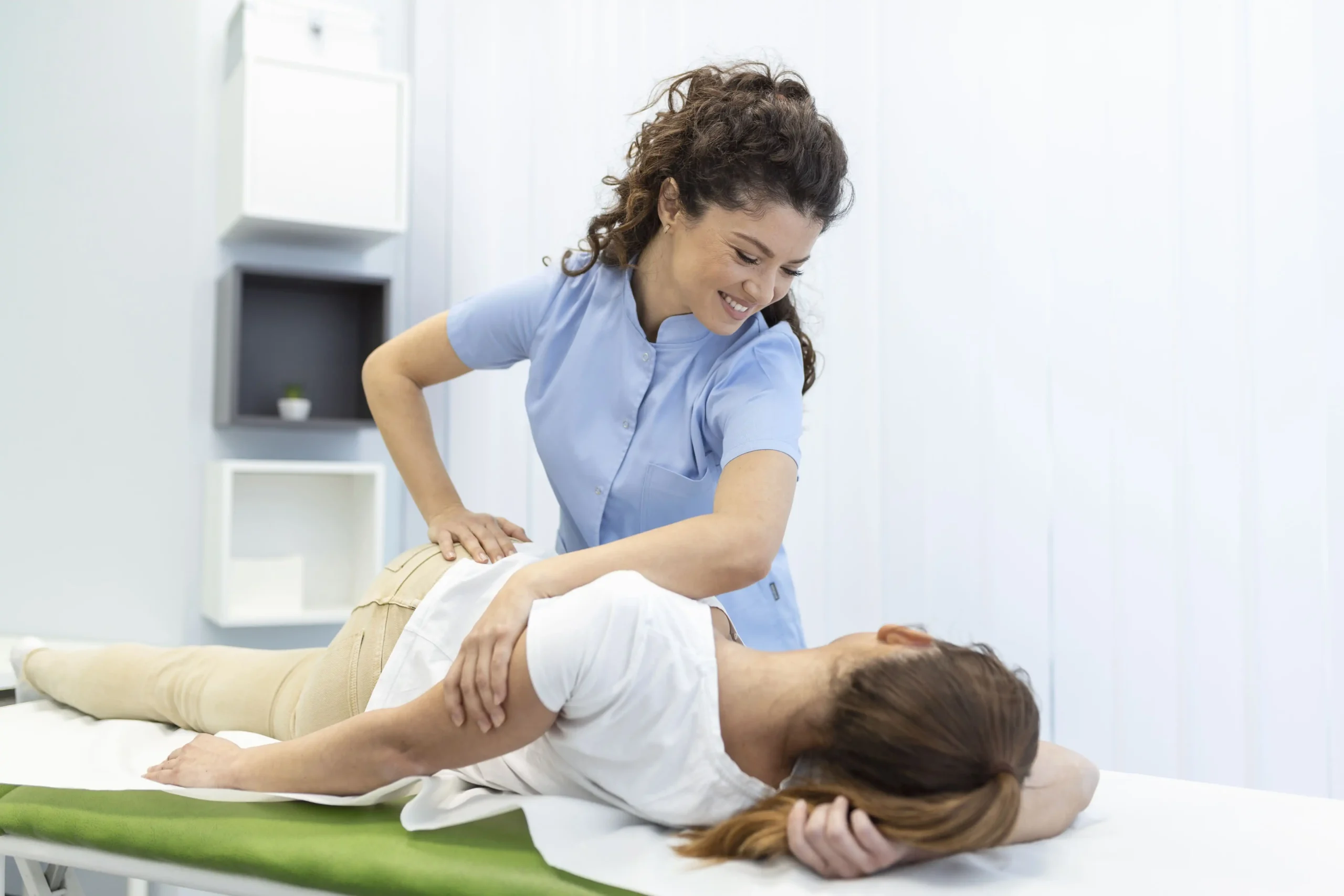
Home Physiotherapy

We understand that some conditions or injuries can make it difficult to receive rehabilitation at our clinic be it mobility or transportation issues. Our objective is to provide you with the same high-quality physiotherapy services at home that you would receive in-clinic.
Posted on

How Physiotherapy Can Help Relieve Acute Back Pain

Physiotherapy Malaysia
Osteoarthritis & Rheumatism, Pre-Post-Surgical Conditions, Synapse Physiotherapy

Introduction

Acute back pain is one of the most common physical complaints among Malaysians. Whether caused by poor posture, sudden injury, or lifting something the wrong way, it can interrupt daily life and make even simple movements difficult. In recent years, many people have turned to Physiotherapy Malaysia services for a safer, more effective approach to recovery one that doesn’t rely on painkillers or invasive procedures.


Physiotherapy focuses on treating the source of pain rather than just covering the symptoms. It combines hands-on therapy, guided exercise, and practical advice to help people heal and prevent future injury. Clinics across Malaysia now offer advanced treatment methods and personalised care to support faster and long-lasting recovery from acute back pain.

Understanding Acute Back Pain

Acute back pain is short-term pain that usually lasts for less than six weeks. It often results from a specific event such as lifting something heavy, twisting awkwardly, or sitting in one position for too long. While some cases may improve with rest and time, others can become more serious without proper treatment.

The pain may be sharp or stabbing and is often felt in the lower back. It might also cause stiffness, limited movement, and difficulty standing or walking. When left untreated, acute pain can develop into chronic discomfort that becomes harder to manage.

That’s why early intervention is important. Seeking professional help through Physiotherapy Malaysia ensures the pain is not only managed but also prevented from returning. You can learn more about the different types of conditions treated through physiotherapy by visiting Synapse’s conditions page.

How Physiotherapy Addresses Back Pain

When you visit a physiotherapy clinic in Malaysia, the first step is usually a full physical assessment. This helps the physiotherapist understand the cause of the pain, how it affects your movement, and what might be contributing to the problem. Some clinics also collaborate with imaging centres or orthopaedic specialists for a more accurate diagnosis when needed.

Accurate Assessment and Diagnosis

A detailed assessment is essential for building an effective treatment plan. Physiotherapists will evaluate your posture, joint movement, muscle strength, and flexibility. This process helps identify whether the pain is related to muscle strain, joint stiffness, or poor alignment.

Pain Relief and Manual Therapy

In the early stages, the main goal is to reduce pain and ease inflammation. This might involve heat or cold therapy, ultrasound, or TENS (transcutaneous electrical nerve stimulation). These methods help calm the affected area and prepare your body for more active treatment.

Manual therapy is often part of the treatment as well. Using techniques such as joint mobilisation and soft tissue massage, your physiotherapist can relieve muscle tension, improve alignment, and restore movement in the spine.

Exercise and Movement Therapy

Once the pain starts to improve, your physiotherapist will guide you through a personalised exercise programme. These exercises are designed to strengthen your core, improve your posture, and restore normal function. Common movements include gentle stretches, balance work, and activities that mimic everyday tasks like bending or lifting.

Physiotherapists from Synapse Rehab Centre offer targeted spine and core rehabilitation programmes that help build long-term strength and prevent the pain from returning.

Education and Prevention Strategies

One of the key benefits of physiotherapy is the focus on education. You’ll learn how to avoid movements or habits that could cause your pain to return. This may include advice on your sitting posture, lifting techniques, or how to set up your work desk more ergonomically.

These practical tips are especially helpful in a country like Malaysia, where long hours at a desk or behind the wheel are common. By learning how to move safely and protect your back, you’ll not only recover faster but also stay pain-free for longer.

What Makes Physiotherapy in Malaysia a Reliable Option

As awareness of holistic and non-invasive care grows, more people are turning to Physiotherapy Malaysia to manage back pain. Clinics in cities like Kuala Lumpur, Penang, and Johor Bahru, as well as smaller towns, now offer modern equipment and trained professionals who provide personalised care to suit each patient’s condition.

Your experience typically begins with an initial consultation and assessment, followed by hands-on treatment and exercise sessions. Progress is monitored closely, and your physiotherapist will adjust your plan as needed. Clinics such as Synapse Physiotherapy Centre are known for their patient-centred approach and commitment to quality care.

Benefits of Physiotherapy for Acute Back Pain

The advantages of using physiotherapy to treat back pain are many. It offers a drug-free, non-invasive approach that focuses on long-term healing. Every treatment is tailored to your needs, helping you recover safely and effectively. Most importantly, it gives you the tools and knowledge to manage your health independently.

Patients often report faster recovery, better posture, and improved movement after a full course of treatment. With ongoing support from a qualified physiotherapist, you’ll also reduce your chances of experiencing similar problems in the future.

To explore more ways physiotherapy supports recovery, visit the Synapse page on Pain Management.

Frequently Asked Questions (FAQs)

1. How long should I wait before seeing a physiotherapist for back pain?

If your back pain doesn’t improve within a few days, or if it’s severe from the beginning, it’s best to see a physiotherapist sooner rather than later. Early treatment leads to quicker results.

2. Can physiotherapy prevent future back pain?

Yes. Physiotherapy doesn’t just treat current painit also strengthens your body and teaches you how to avoid future injuries.

3. Is physiotherapy safe for all ages?

Absolutely. Treatment is adapted to each person’s age, health status, and activity level. It’s suitable for everyone, including seniors.

4. Will I need to continue exercising at home?

Yes. Home exercises are often part of your recovery plan and help speed up progress. Your physiotherapist will guide you on what to do and how often.

5. Do I need a referral to start physiotherapy in Malaysia?

In most cases, you can book directly with a clinic. Some clinics may work with doctors or offer home visits for added convenience.

Final Thoughts

Acute back pain can happen to anyone, but you don’t have to let it affect your life for long. Physiotherapy Malaysia offers effective, customised solutions that treat the root cause of your pain and help you feel like yourself again. With expert care, you can return to work, sport, or daily routines more confidently and with less risk of future injury.


If you’re ready to take the next step toward recovery, reach out to a trusted physiotherapy provider near you. A visit to the right clinic could be the beginning of a healthier, pain-free life.

Share This :

Back & Neck Pain

Conditions such as stiffness, postural abnormalities and muscle overuse from prolonged desk work at the office or home is more prevalent than most would think. We provide the necessary tools to fix you up and educate you on ergonomics which can unload unnecessary stress.

Sports Injuries

Rolled ankles, jarred knees, impinged shoulders are few conditions in the plethora of sports injuries which can hamper performance and limit our enjoyment of sports. Physiotherapy not only treats the symptoms of these conditions but propels your overall fitness to greater heights.

Work Desk Injuries​

Conditions such as stiffness, postural abnormalities and muscle overuse from prolonged desk work at the office or home is more prevalent than most would think. We provide the necessary tools to fix you up and educate you on ergonomics which can unload unnecessary stress.

Pre-Post-Surgical Conditions

Surgery involves going through preparation both before and after. Physiotherapists play a vital role in getting your body ready for surgeries with circulatory, breathing and strengthening exercises. After the procedure, let us be there for your recovery and rehabilitation, taking it one step at a time.

Scoliosis & Postural Abnormalities

The way we stand, sit, walk and sleep has influence over our posture and the overall balance of muscles controlling its alignment. A comprehensive screening can be done by our physiotherapists to detect abnormalities, which we will aid in correcting.

Neurological Conditions

Neurological disabilities such as stroke, nerve compression and neuropathies can be barriers for patients to live life to its fullest. We at Synapse are committed to help you overcome these hurdles by ensuring functional mobility and quality of life is at its optimum by providing the right treatment and exercises.

Osteoarthritis & Rheumatism

Joint degeneration and inflammation happens as the human body grows older, but that does not mean our way of life degenerates as well. Relief your joint pains with a joint effort together with your physiotherapist, who will provide pain-relief treatments and prescribe exercises for your wellbeing.

Conditions Relating To Elderly

Common conditions in the older age population include hips & knee pain, back & neck pain, osteoarthritis, rheumatism, fear of falling and many more.  Aging and degeneration of bodily function is inevitable, but here at Synapse, we will help you live the best of your life.
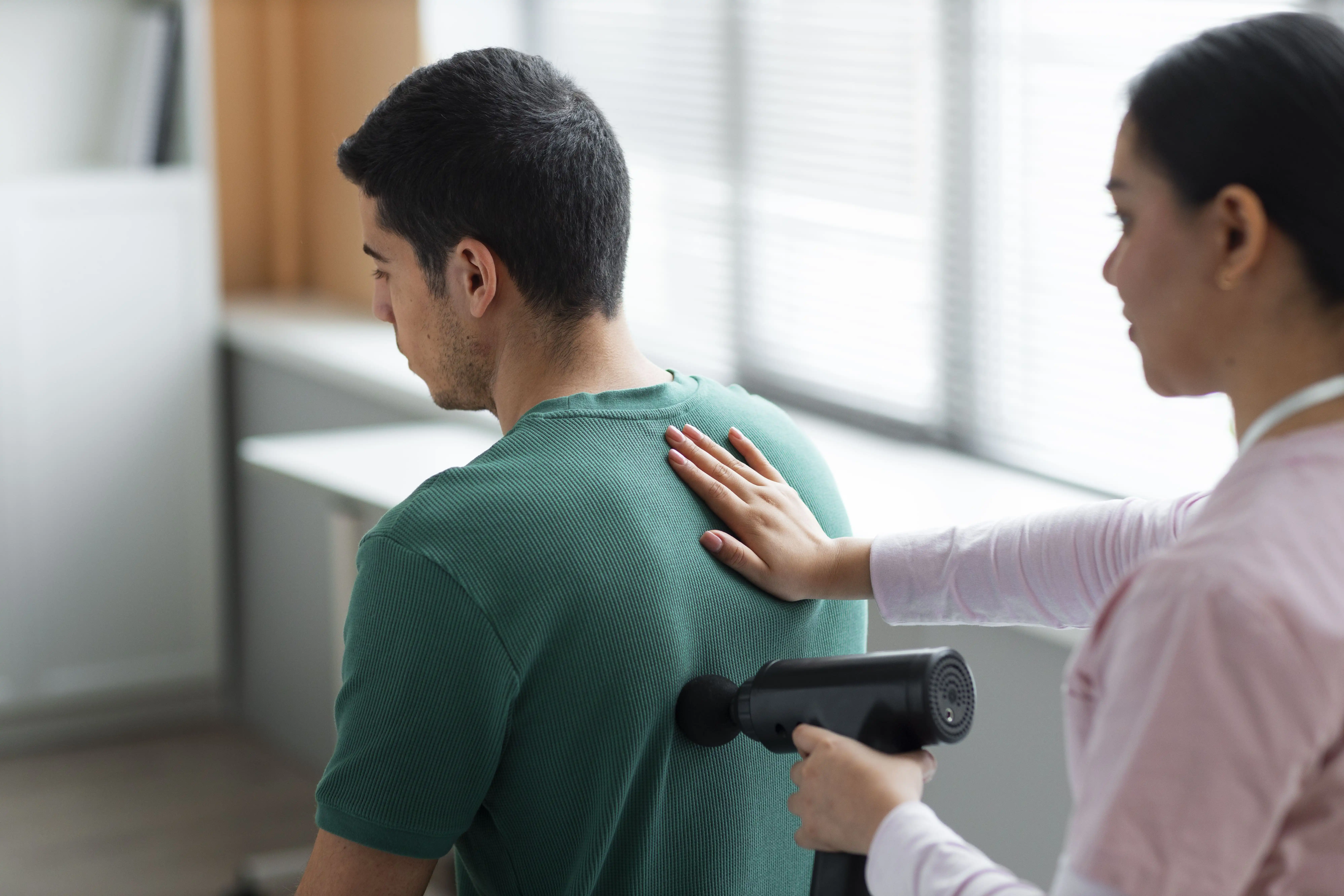
Home Physiotherapy

We understand that some conditions or injuries can make it difficult to receive rehabilitation at our clinic be it mobility or transportation issues. Our objective is to provide you with the same high-quality physiotherapy services at home that you would receive in-clinic.
Posted on

Rehabilitation After Knee Surgery

Physiotherapy cyberjaya
Osteoarthritis & Rheumatism, Pre-Post-Surgical Conditions, Synapse Physiotherapy

Rehabilitation After Knee Surgery

The knee is a remarkable and intricate joint, connecting the thigh bone (femur) to the shin bone (tibia), and is essential for movement in our daily lives. Whether it’s walking, running, or jumping, the knee supports a wide range of activities that define our mobility. However, this vital joint is susceptible to various conditions that can lead to pain, discomfort, or reduced functionality. In some cases, surgery becomes necessary to restore its function and relieve discomfort. But surgery is just the first step—complete recovery requires a structured rehabilitation process guided by a professional physiotherapist. If you’re searching for support nearby, consider looking up options like “physiotherapy Cyberjaya” to begin your journey to recovery.


Common Knee Conditions That May Require Surgery

Osteoarthritis: The Degenerative Joint Disease


Osteoarthritis is one of the leading causes of knee surgery. This condition occurs when the cartilage that cushions the knee joint deteriorates over time, leading to pain, stiffness, and limited mobility. While non-surgical treatments like physical therapy and pain management can help in the early stages, advanced cases may require surgical intervention, such as total knee replacement, to restore function and improve quality of life.

ACL Tears: A Common Sports Injury


Anterior cruciate ligament (ACL) tears often occur during sports involving sudden stops or pivots. This injury causes knee instability and pain. While mild tears may heal with therapy and bracing, complete ACL tears often necessitate reconstruction surgery. The procedure replaces the damaged ligament with a graft, followed by rehabilitation to regain strength and mobility, enabling patients to return to active lifestyles.

Meniscus Tears: Damaged Shock Absorbers


The meniscus, a C-shaped cartilage in the knee, cushions and stabilizes the joint. Meniscus tears typically result from sudden twisting or forceful movements. Small tears may heal with rest and therapy, but larger or complex injuries often require surgery to repair or trim the damaged tissue, ensuring proper knee function and pain relief.

These procedures, paired with proper physiotherapy at Synapse Physiotherapy Cyberjaya, can help patients recover mobility and return to their daily activities.


Why Is Physiotherapy Crucial After Knee Surgery?

Physiotherapy is essential in the recovery process after knee surgery, aiding in restoring strength, mobility, and overall function. A physiotherapist creates a personalized rehabilitation plan tailored to your specific needs, gradually advancing as you heal.

Pain Management

Post-surgery pain is common, and physiotherapists use various techniques to alleviate discomfort. These include manual therapy, therapeutic exercises, and guidance on safe use of mobility aids like crutches or walkers to promote effective and secure mobility.

Controlling Swelling and Inflammation

Swelling and inflammation are natural responses after knee surgery. Physiotherapists utilize methods such as manual lymphatic drainage, compression therapy, and targeted exercises to manage these symptoms. This reduces pain, promotes healing, and helps restore joint function.

Restoring Range of Motion

Knee surgery often results in reduced flexibility and range of motion. Physiotherapists employ techniques like passive motion exercises, joint mobilizations, and stretching to restore full mobility, enabling better performance in daily activities and improved knee functionality.

Strengthening and Stability

Muscle weakness and imbalances around the knee can occur due to surgery and immobilization. Physiotherapists focus on strengthening key muscle groups like the quadriceps, hamstrings, and calves to enhance stability, protect the joint, and prevent future injuries.

Functional Training

Rehabilitation also emphasizes regaining abilities needed for everyday activities and sports. Physiotherapists tailor exercises to your goals, such as walking, climbing stairs, or squatting, while improving strength, balance, coordination, and agility to help you confidently resume your routine.

Education and Guidance

Physiotherapists at Synapse Physiotherapy Cyberjaya provide essential advice on postoperative care, including wound care, scar tissue management, proper body mechanics, and precautions to prevent re-injury. They also offer strategies for modifying activities to avoid complications and achieve a smooth recovery.

With the right physiotherapy support, you can recover effectively and regain confidence in your mobility.

What to expect during the session

When starting physical therapy after knee surgery at Synapse Physiotherapy Cyberjaya, you can expect a carefully planned and personalized approach to support your recovery. Physiotherapists collaborate closely with your surgical team to design a rehabilitation program tailored to your specific needs and goals.

Post-surgical therapy sessions focus on progressive exercises aimed at enhancing mobility, strength, balance, and overall functionality. The process begins gradually with passive stretches to promote flexibility, progressing to more intense strength-building and functional training exercises as you improve. While full recovery takes several months, the lasting benefits make the journey worthwhile.

Throughout your therapy at Synapse Physiotherapy Cyberjaya, a variety of techniques are employed to manage pain, reduce inflammation, and aid your body’s natural healing. Sessions often include manual therapy methods like soft tissue manipulation and joint mobilization, along with advanced interventions such as electrical stimulation or ultrasound therapy to further alleviate discomfort and promote recovery.

Knee Exercises for Post-Surgery Rehabilitation

Rehabilitation exercises after knee surgery play a vital role in restoring strength, mobility, and functionality. Below are common physiotherapy-guided exercises designed to support your recovery:

1. Ankle Pumps

  • Purpose: Improves circulation and prevents blood clots.
  • How to Do: Lie on your back and flex your foot up and down, pointing your toes toward your head and then away. Repeat 10–20 times every hour.

2. Quad Sets

  • Purpose: Strengthens the quadriceps without bending the knee.
  • How to Do: Sit or lie down with your leg extended. Tighten the thigh muscle by pressing the back of your knee into the floor. Hold for 5 seconds, then relax. Repeat 10–15 times.

3. Heel Slides

  • Purpose: Improves knee flexibility and range of motion.
  • How to Do: Lie on your back with your legs straight. Slide your heel toward your buttocks, bending the knee as much as possible, then slowly extend it back. Perform 10–15 repetitions.

4. Straight Leg Raises

  • Purpose: Builds strength in the quadriceps while keeping the knee stable.
  • How to Do: Lie flat on your back, bend one leg with the foot flat on the floor, and keep the other leg straight. Lift the straight leg about 12 inches off the ground, hold for 3–5 seconds, then lower slowly. Repeat 10–15 times.

5. Glute Bridges

  • Purpose: Strengthens the glute muscles and supports knee stability.
  • How to Do: Lie on your back with knees bent and feet flat. Squeeze your glutes and lift your hips toward the ceiling, hold for a few seconds, and slowly lower back down. Perform 10–15 repetitions.

6. Mini Squats

  • Purpose: Improves knee strength and stability.
  • How to Do: Stand with feet shoulder-width apart. Bend your knees slightly, lowering your body as if sitting on a chair, then return to standing. Keep your movements controlled and shallow. Perform 10–15 repetitions.

7. Step-Ups

  • Purpose: Builds strength and improves balance.
  • How to Do: Use a low step or platform. Step up with your surgical leg, then bring the other leg up, and step down the same way. Perform 10–15 repetitions.

8. Calf Raises

  • Purpose: Strengthens calf muscles and enhances joint stability.
  • How to Do: Stand with feet shoulder-width apart, and rise onto your toes, lifting your heels off the ground. Lower back slowly. Perform 10–15 repetitions.

9. Hamstring Curls

  • Purpose: Strengthens the muscles behind the knee.
  • How to Do: Lie on your stomach, bend your surgical leg at the knee, bringing your heel toward your buttocks, then lower it slowly. Perform 10–15 repetitions.

10. Balance Exercises

  • Purpose: Enhances knee stability and coordination.
  • How to Do: Stand on your surgical leg while holding onto a stable surface for balance. Gradually reduce support as your balance improves. Hold for 20–30 seconds, and repeat 3–5 times.

Tips for Safe Rehabilitation

  • Always follow your physiotherapist’s guidance regarding intensity and frequency.
  • Perform exercises slowly and avoid pushing through pain.
  • Monitor for swelling or discomfort and apply ice if needed.
  • Stay consistent for the best long-term results.

These exercises, when performed regularly under professional supervision, can help restore knee function, reduce pain, and improve your overall quality of life.

Conclusion

Physiotherapy Cyberjaya’s rehabilitation is the cornerstone of recovery after knee surgery, ensuring patients regain strength, mobility, and function effectively. Through tailored exercises, pain management techniques, and expert guidance, physiotherapy not only accelerates healing but also minimizes complications and helps prevent re-injury. It provides the tools and support necessary to restore confidence and return to daily activities or sports with ease.

At Synapse Physiotherapy Cyberjaya, we are committed to guiding you through every step of your recovery journey. Our team of skilled physiotherapists designs personalized rehabilitation programs that cater to your unique needs, helping you achieve a full and lasting recovery. With the right care and dedication, we’ll help you get back to the activities you love, stronger than ever.

Share This :

Back & Neck Pain

Conditions such as stiffness, postural abnormalities and muscle overuse from prolonged desk work at the office or home is more prevalent than most would think. We provide the necessary tools to fix you up and educate you on ergonomics which can unload unnecessary stress.

Sports Injuries

Rolled ankles, jarred knees, impinged shoulders are few conditions in the plethora of sports injuries which can hamper performance and limit our enjoyment of sports. Physiotherapy not only treats the symptoms of these conditions but propels your overall fitness to greater heights.

Work Desk Injuries​

Conditions such as stiffness, postural abnormalities and muscle overuse from prolonged desk work at the office or home is more prevalent than most would think. We provide the necessary tools to fix you up and educate you on ergonomics which can unload unnecessary stress.

Pre-Post-Surgical Conditions

Surgery involves going through preparation both before and after. Physiotherapists play a vital role in getting your body ready for surgeries with circulatory, breathing and strengthening exercises. After the procedure, let us be there for your recovery and rehabilitation, taking it one step at a time.

Scoliosis & Postural Abnormalities

The way we stand, sit, walk and sleep has influence over our posture and the overall balance of muscles controlling its alignment. A comprehensive screening can be done by our physiotherapists to detect abnormalities, which we will aid in correcting.

Neurological Conditions

Neurological disabilities such as stroke, nerve compression and neuropathies can be barriers for patients to live life to its fullest. We at Synapse are committed to help you overcome these hurdles by ensuring functional mobility and quality of life is at its optimum by providing the right treatment and exercises.

Osteoarthritis & Rheumatism

Joint degeneration and inflammation happens as the human body grows older, but that does not mean our way of life degenerates as well. Relief your joint pains with a joint effort together with your physiotherapist, who will provide pain-relief treatments and prescribe exercises for your wellbeing.

Conditions Relating To Elderly

Common conditions in the older age population include hips & knee pain, back & neck pain, osteoarthritis, rheumatism, fear of falling and many more.  Aging and degeneration of bodily function is inevitable, but here at Synapse, we will help you live the best of your life.

Home Physiotherapy

We understand that some conditions or injuries can make it difficult to receive rehabilitation at our clinic be it mobility or transportation issues. Our objective is to provide you with the same high-quality physiotherapy services at home that you would receive in-clinic.