Posted on

Rehab Clinics Near Me: The Road to Physical and Mental Healing

rehab clinics near me
Sports Injuries, Synapse Physiotherapy

Introduction

In today’s fast-paced and stress-laden world, the importance of comprehensive healing both physical and mental has never been more evident. Whether recovering from an injury, surgery, or dealing with mental health challenges or addiction, rehabilitation plays a crucial role in restoring health and balance. A common and essential search many people make is for “rehab clinics near me”, hoping to find a place where their journey to wellness can begin. These clinics provide a beacon of hope, offering structured programs and expert care tailored to individual needs.

When we think about rehabilitation, the first thing that often comes to mind is physical therapy regaining strength after an accident, a sports injury, or a medical condition. However, modern rehab clinics near me are much more than that. Many now offer a holistic approach that incorporates physical therapy, mental health counselling, substance abuse recovery, and lifestyle changes, recognising that true recovery goes beyond just treating symptoms.

Understanding What Rehab Clinics Offer

Physical Rehabilitation Services

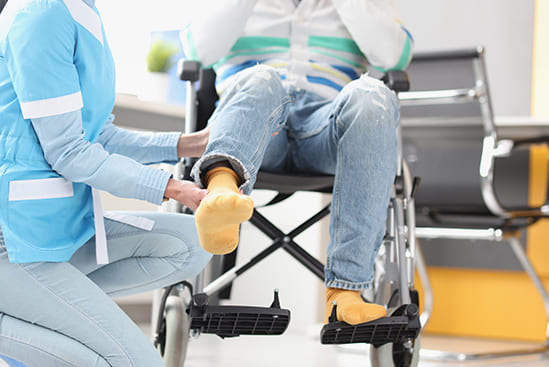
Rehab clinics vary widely in their services. Some focus solely on physical rehabilitation, helping patients recover mobility, strength, and function. For physical rehab, common treatments include:

  • Physiotherapy for musculoskeletal injuries

  • Post-surgery rehabilitation to speed recovery and reduce complications

  • Neurological rehab for stroke, spinal cord injuries, or Parkinson’s

  • Occupational therapy to help with daily activities

Explore more on our Neurological Rehabilitation and Sports Physiotherapy services.

Mental Health and Addiction Recovery

On the other hand, others specialise in addiction treatment, guiding individuals through detox, therapy, and long-term recovery plans. For mental health and addiction, services may include:

  • Individual and group therapy

  • Cognitive Behavioural Therapy (CBT)

  • Medication-assisted treatment

  • Life skills training and relapse prevention

Moreover, the beauty of today’s rehab clinics near me lies in their multidisciplinary approach. Many centres employ a team that may include doctors, physiotherapists, psychologists, occupational therapists, and nutritionists all working together to create a personalised plan for recovery.

Why Search for “Rehab Clinics Near Me”?

The proximity of a rehab clinic can significantly affect the success of a treatment program. Therefore, being able to access help quickly and conveniently reduces stress and increases the likelihood of consistent participation in therapy sessions. Additionally, local rehab clinics near me understand the specific needs of the community, including cultural nuances, language preferences, and regional health concerns.

Furthermore, having a support system nearby family and friends who can participate in therapy sessions or simply offer encouragement, plays a vital role in long-term healing. That’s why the phrase “rehab clinics near me” is more than just a search term. It’s a step toward integrating healing into one’s daily life.

The Role of Mental Health in Rehabilitation

Mental health is often the missing piece in recovery. Chronic pain, injury-related trauma, or prolonged illness can take a heavy emotional toll. Likewise, those dealing with substance abuse or mental health disorders frequently face physical health challenges. Integrated rehab clinics near me understand this dynamic and strive to address both areas simultaneously.

For instance, someone recovering from a car accident might not only need physiotherapy for physical injuries but also counselling for trauma and anxiety. Clinics that offer dual services reduce the burden of travelling between separate providers, ensuring more consistent care.

The Importance of Personalised Care

One-size-fits-all approaches rarely work in rehabilitation. Every person’s body, history, and goals are different. That’s why top rehab clinics near me invest in thorough assessments before developing a treatment plan. These assessments consider factors such as:

  • Medical history and current condition

  • Psychological well-being

  • Lifestyle and home environment

  • Personal goals and motivations

From there, a tailored plan is created. A young athlete with a torn ACL might focus on sport-specific rehab, while an older adult recovering from hip surgery may need a gentler, more gradual approach. This level of personalisation increases the chance of a full recovery and reduces the risk of setbacks.

Discover how our Strength & Conditioning Programme and Geriatric Rehabilitation Programme cater to specific patient needs.

Building a Path to Long-Term Recovery

Successful rehabilitation doesn’t end with the last session. Thus, rehab clinics near me play a critical role in equipping patients with the tools they need for long-term wellness. This often includes:

  • Home exercise programs

  • Nutritional guidance

  • Mental health coping strategies

  • Support groups or community resources

Some clinics offer follow-up care, either in-person or through telehealth, to ensure progress continues. Patients are encouraged to maintain their routines and stay engaged with the clinic if they need support.

Choosing the Right Clinic

When looking for rehab clinics near me, it’s essential to consider more than just distance. Here are a few factors to keep in mind:

  • Accreditations and Licenses: Ensure the clinic meets national or regional healthcare standards.

  • Experienced Staff: Look for professionals with relevant certifications and years of experience.

  • Range of Services: Especially if you need both physical and mental rehabilitation.

  • Patient Reviews: Honest feedback from former patients can give insight into care quality.

  • Insurance and Payment Plans: Cost is a practical factor, so confirm what’s covered.

Most importantly, visit the clinic if possible. A welcoming environment, clean facilities, and a compassionate team make a significant difference in your rehab journey. Learn more about our team of experts and how we can help.

The Emotional Side of Healing

Rehab is not just about the body, it’s also about hope, resilience, and regaining independence. People often arrive at clinics feeling broken, afraid, or unsure. A good rehab clinic helps to restore not only physical function but also a sense of self-worth. Being part of a supportive, healing environment can be life-changing.

Not only that, but the connection with therapists and fellow patients can be just as therapeutic as the treatment itself. Shared stories, small milestones, and collective encouragement foster a sense of community and belonging, which accelerates recovery.

Frequently Asked Questions (FAQs)

1. How do I find reliable rehab clinics near me?

Start by searching online and checking for accreditations, patient reviews, and the services offered. Visiting the clinic and speaking with staff can also provide valuable insights.

2. What services do rehab clinics near me typically offer?

Most clinics offer a range of services, including physical therapy, mental health counselling, occupational therapy, and addiction recovery programs.

3. Can rehab clinics near me help with both physical and mental health issues?

Yes, many modern clinics adopt a multidisciplinary approach that treats both physical conditions and mental health challenges under one roof.

4. Are rehab clinics near me covered by insurance?

It depends on your insurance plan. It’s best to contact the clinic directly and check which services are covered under your policy.

5. How long does a rehabilitation program usually last?

The duration varies depending on the individual’s condition and goals. It can range from a few weeks to several months. Clinics will usually assess and customise the timeline based on your needs.

Final Thoughts

The search for “rehab clinics near me” is often prompted by a personal crisis, a broken bone, a battle with addiction, or a mental health challenge. But it’s also the start of a powerful transformation. Today’s rehab is evolving to meet the complex needs of the whole person, offering integrated care that restores body, mind, and spirit.

Whether you’re looking for help for yourself or a loved one, know that the road to recovery begins with that first step. And often, that step is just around the corner at a local rehab clinic, ready to walk the journey with you.

Share This :

Back & Neck Pain

Conditions such as stiffness, postural abnormalities and muscle overuse from prolonged desk work at the office or home is more prevalent than most would think. We provide the necessary tools to fix you up and educate you on ergonomics which can unload unnecessary stress.

Sports Injuries

Rolled ankles, jarred knees, impinged shoulders are few conditions in the plethora of sports injuries which can hamper performance and limit our enjoyment of sports. Physiotherapy not only treats the symptoms of these conditions but propels your overall fitness to greater heights.

Work Desk Injuries​

Conditions such as stiffness, postural abnormalities and muscle overuse from prolonged desk work at the office or home is more prevalent than most would think. We provide the necessary tools to fix you up and educate you on ergonomics which can unload unnecessary stress.

Pre-Post-Surgical Conditions

Surgery involves going through preparation both before and after. Physiotherapists play a vital role in getting your body ready for surgeries with circulatory, breathing and strengthening exercises. After the procedure, let us be there for your recovery and rehabilitation, taking it one step at a time.

Scoliosis & Postural Abnormalities

The way we stand, sit, walk and sleep has influence over our posture and the overall balance of muscles controlling its alignment. A comprehensive screening can be done by our physiotherapists to detect abnormalities, which we will aid in correcting.

Neurological Conditions

Neurological disabilities such as stroke, nerve compression and neuropathies can be barriers for patients to live life to its fullest. We at Synapse are committed to help you overcome these hurdles by ensuring functional mobility and quality of life is at its optimum by providing the right treatment and exercises.

Osteoarthritis & Rheumatism

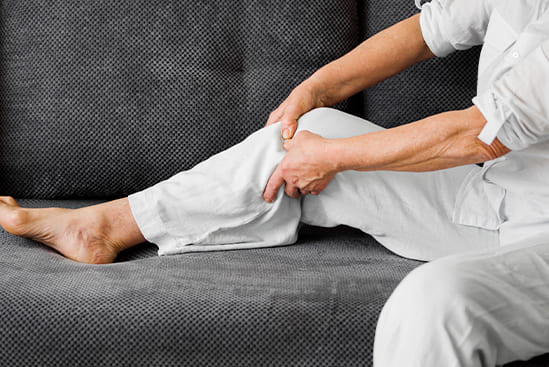
Joint degeneration and inflammation happens as the human body grows older, but that does not mean our way of life degenerates as well. Relief your joint pains with a joint effort together with your physiotherapist, who will provide pain-relief treatments and prescribe exercises for your wellbeing.
Conditions Relating To Elderly

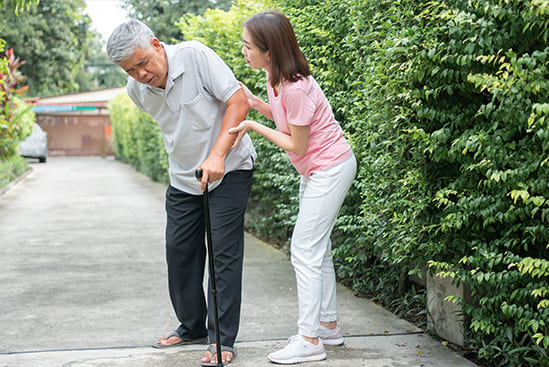
Common conditions in the older age population include hips & knee pain, back & neck pain, osteoarthritis, rheumatism, fear of falling and many more.  Aging and degeneration of bodily function is inevitable, but here at Synapse, we will help you live the best of your life.
Home Physiotherapy

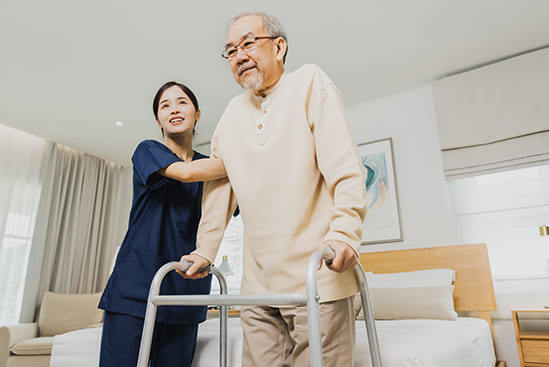
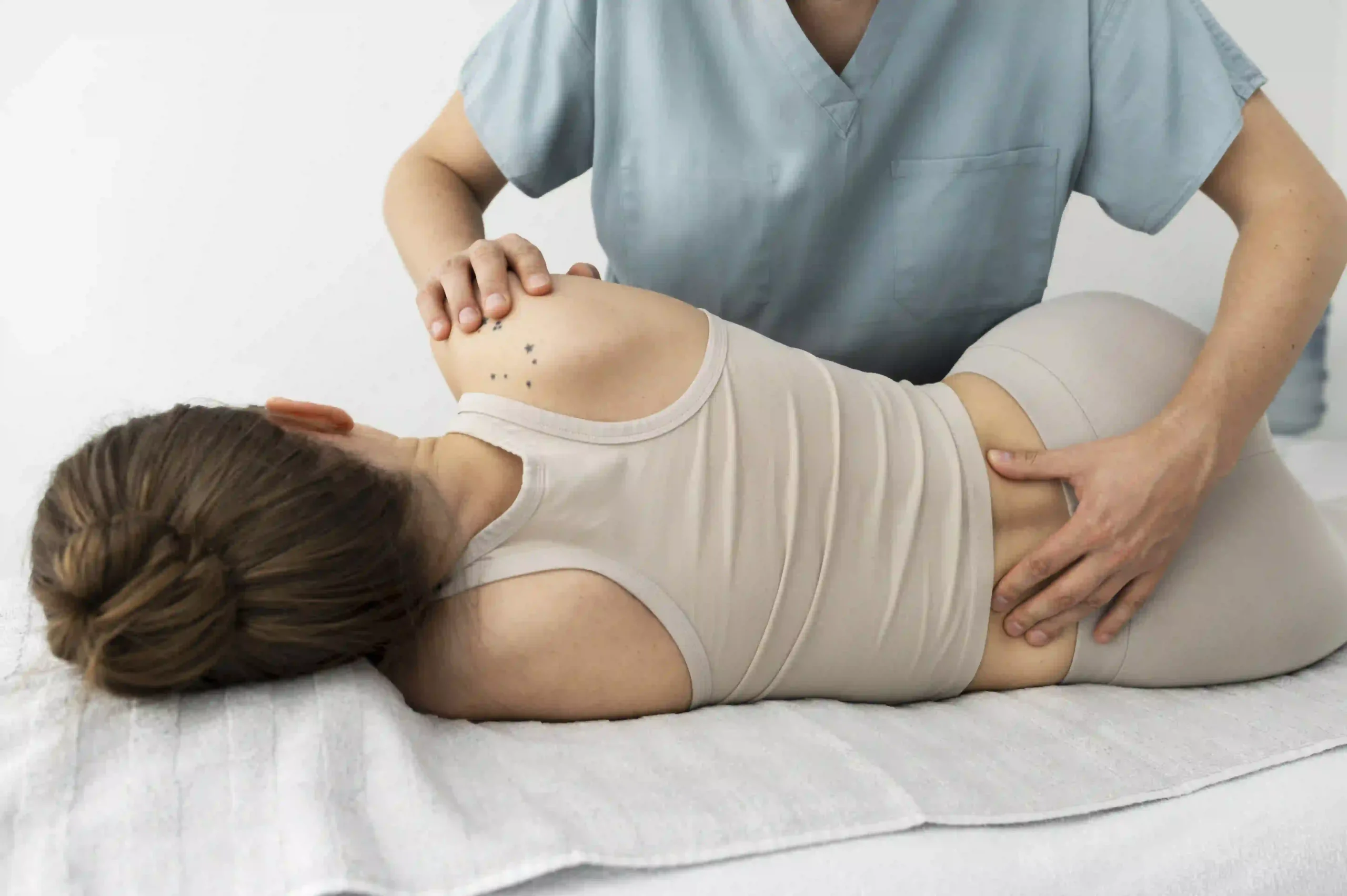
We understand that some conditions or injuries can make it difficult to receive rehabilitation at our clinic be it mobility or transportation issues. Our objective is to provide you with the same high-quality physiotherapy services at home that you would receive in-clinic.
Posted on

Affordable Physiotherapy Petaling Jaya for All Ages

physiotherapy petaling jaya
Sports Injuries, Synapse Physiotherapy

Introduction

Physiotherapy has become an essential part of healthcare for people of all ages. Whether it’s for recovering from injuries, managing chronic conditions, or improving mobility, professional physiotherapy care can make a world of difference. In Petaling Jaya, residents are fortunate to have access to a range of reputable clinics that offer high-quality yet affordable care.

If you’re searching for affordable physiotherapy in Petaling Jaya, you’re in the right place, because this city is home to experienced therapists who provide effective treatments tailored to your needs.

Rising Demand for Physiotherapy in Petaling Jaya

The demand for physiotherapy in Petaling Jaya has grown steadily as more people become aware of the long-term benefits of proper rehabilitation. From young athletes managing sports injuries to elderly individuals coping with arthritis or post-surgical rehabilitation, physiotherapy Petaling Jaya offers personalised treatment strategies that support recovery and improve quality of life. 

Moreover, accessibility is also key, and fortunately, many clinics in PJ strive to keep costs reasonable without compromising on the standard of care. As a result, physiotherapy services in Petaling Jaya are not just accessible but sustainable for ongoing health management.

What is Physiotherapy?

Physiotherapy and other musculoskeletal conditions is a form of healthcare that focuses on helping individuals restore movement and function when affected by injury, illness, or disability. It can also help reduce the risk of future injuries or health issues. 

Through a combination of manual therapy, exercise programs, education, and lifestyle advice, physiotherapists work collaboratively with patients to help them reach their goals.

A Holistic and Versatile Approach

In addition to its rehabilitative role, this holistic approach makes physiotherapy Petaling Jaya highly versatile. It is used not just for injury recovery but also for preventive care and managing chronic health problems. 

In Petaling Jaya, modern physiotherapy clinics are equipped with state-of-the-art tools and knowledgeable practitioners who specialise in various fields such as orthopaedics, neurology, geriatrics, paediatrics, and sports medicine.

Why Choose Physiotherapy in Petaling Jaya?

Petaling Jaya, often referred to as PJ, is one of Malaysia’s most developed and well-connected urban areas. It boasts a vibrant healthcare scene with numerous clinics, hospitals, and wellness centres.

Convenient Locations

Clinics are spread across PJ, making it easy for patients from various neighbourhoods to find a nearby provider.

Experienced Professionals

Many physiotherapists in Petaling Jaya have international certifications and years of experience, ensuring high standards of treatment.

Affordable Rates

Competitive pricing makes it possible for more people to access regular physiotherapy Petaling Jaya sessions.

Multilingual Services

Clinics often cater to a multilingual population, offering services in English, Malay, Mandarin, and Tamil.

Comprehensive Services

From manual therapy and electrotherapy to guided rehabilitation programs, clinics in PJ offer a full range of services. You can explore specialised treatments like the Spine & Core Rehabilitation Programme.

Tailored Treatments for Every Age Group

One of the key strengths of physiotherapy in Petaling Jaya is the ability to cater to all age groups. Indeed, different age brackets face unique challenges when it comes to physical health, and a skilled physiotherapist can customise treatments accordingly.

Children and Adolescents

Young individuals may require physiotherapy at Petaling Jaya services for conditions like scoliosis, developmental delays, or sports injuries. Pediatric physiotherapists are trained to work with children in a way that is both effective and engaging.

Adults

Working adults often face postural issues, repetitive strain injuries, and the physical toll of sedentary lifestyles. Physiotherapy and similar concerns helps in managing back pain, neck stiffness, and general mobility issues, offering relief and preventive guidance.

Seniors

Older adults may need help with mobility, balance, or chronic conditions such as osteoarthritis or Parkinson’s disease. Geriatric physiotherapy focuses on improving quality of life by promoting independence and safety in daily activities.

Common Conditions Treated by Physiotherapists in PJ

Here are some of the most common conditions addressed by physiotherapists in Petaling Jaya:

  • Back and Neck Pain
  • Sports Injuries
  • Stroke Rehabilitation
  • Joint and Muscle Pain
  • Post-surgical Rehabilitation
  • Balance and Fall Prevention
  • Pediatric Developmental Delays

Many of these are also addressed in depth under Synapse’s Conditions page, where you’ll find helpful insights and treatment pathways.

What to Expect During a Physiotherapy Session

1. Initial Assessment

Your therapist will begin by reviewing your medical history, symptoms, and goals. A physical assessment will help identify the root cause of the problem.

2. Treatment Plan

Based on the assessment, a customised plan will be developed, which may include exercises, manual therapy, and home care routines.

3. Ongoing Evaluation

Progress is tracked over time, and the treatment plan is adjusted to ensure optimal results.

4. Education and Advice

You’ll also receive practical advice on posture, ergonomics, and lifestyle changes to prevent future issues.

Choosing the Right Clinic in Petaling Jaya

1. Qualifications and Experience

Ensure the physiotherapist is licensed and has relevant experience.

2. Clinic Facilities

Look for clean, well-equipped clinics that offer the latest technologies.

3. Patient Reviews

Online reviews and testimonials can offer insights into patient satisfaction.

4. Specialisations

Choose a clinic that specialises in your condition, whether it’s sports rehab, neurological recovery, or post-surgery care.

5. Cost Transparency

A good clinic should offer upfront pricing with no hidden charges. Learn more about Synapse’s offerings through their About Us page.

Making Physiotherapy Accessible for All

Affordable physiotherapy Petaling Jaya doesn’t mean low quality. Many clinics in Petaling Jaya have found ways to optimise their operations to offer cost-effective services without cutting corners. Some clinics even offer package deals, family discounts, and flexible payment options to ease the financial burden for patients.

Moreover, some physiotherapy centres in Petaling Jaya collaborate with insurance providers or corporate wellness programs, further reducing out-of-pocket expenses for eligible patients.

Frequently Asked Questions (FAQs)

1. Who can benefit from physiotherapy in Petaling Jaya?

Physiotherapy Petaling Jaya is beneficial for people of all ages from children with developmental delays to seniors managing chronic conditions. It is especially useful for injury rehabilitation, preventive care, and improving overall mobility and quality of life.

2. How do I choose the right physiotherapy clinic in Petaling Jaya?

When selecting a physiotherapy clinic in Petaling Jaya, consider factors like therapist qualifications, clinic facilities, specialisations, patient reviews, and cost transparency. Visiting the clinic’s website and reviewing their About Us page can provide valuable insights.

3. What should I expect during my first physiotherapy session?

Your first session typically includes an initial assessment of your medical history, symptoms, and goals. The therapist will then develop a personalised treatment plan, which may include exercises, manual therapy, and education for home care.

4. Are home visit physiotherapy services available in Petaling Jaya?

Yes, many clinics offer Home Visit services, which are ideal for patients who prefer in-home care due to mobility issues or convenience.

5. What types of conditions are commonly treated by physiotherapists in PJ?

Common conditions include back and neck pain, sports injuries, joint and muscle pain, stroke recovery, post-surgical rehabilitation, pediatric developmental delays, and balance or mobility issues. You can explore more on Synapse’s Conditions page.

Final Thoughts

Affordable physiotherapy in Petaling Jaya is not just a healthcare service. It’s a vital resource for maintaining a healthy, active lifestyle across all age groups. From injury rehabilitation to preventive care and chronic condition management, physiotherapy offers a pathway to better health and improved quality of life.

With a wide range of professional clinics, compassionate therapists, and personalised treatment options, PJ continues to be a top destination for accessible, effective physiotherapy care. So, whether you’re a young athlete, a busy professional, or a retiree seeking to move more comfortably, consider exploring the many excellent options for physiotherapy in Petaling Jaya. Your journey to better health and mobility might just be a session away.

For more resources, visit our Homepage.

Share This :

Back & Neck Pain

Conditions such as stiffness, postural abnormalities and muscle overuse from prolonged desk work at the office or home is more prevalent than most would think. We provide the necessary tools to fix you up and educate you on ergonomics which can unload unnecessary stress.

Sports Injuries

Rolled ankles, jarred knees, impinged shoulders are few conditions in the plethora of sports injuries which can hamper performance and limit our enjoyment of sports. Physiotherapy not only treats the symptoms of these conditions but propels your overall fitness to greater heights.

Work Desk Injuries​

Conditions such as stiffness, postural abnormalities and muscle overuse from prolonged desk work at the office or home is more prevalent than most would think. We provide the necessary tools to fix you up and educate you on ergonomics which can unload unnecessary stress.

Pre-Post-Surgical Conditions

Surgery involves going through preparation both before and after. Physiotherapists play a vital role in getting your body ready for surgeries with circulatory, breathing and strengthening exercises. After the procedure, let us be there for your recovery and rehabilitation, taking it one step at a time.

Scoliosis & Postural Abnormalities

The way we stand, sit, walk and sleep has influence over our posture and the overall balance of muscles controlling its alignment. A comprehensive screening can be done by our physiotherapists to detect abnormalities, which we will aid in correcting.

Neurological Conditions

Neurological disabilities such as stroke, nerve compression and neuropathies can be barriers for patients to live life to its fullest. We at Synapse are committed to help you overcome these hurdles by ensuring functional mobility and quality of life is at its optimum by providing the right treatment and exercises.

Osteoarthritis & Rheumatism

Joint degeneration and inflammation happens as the human body grows older, but that does not mean our way of life degenerates as well. Relief your joint pains with a joint effort together with your physiotherapist, who will provide pain-relief treatments and prescribe exercises for your wellbeing.

Conditions Relating To Elderly

Common conditions in the older age population include hips & knee pain, back & neck pain, osteoarthritis, rheumatism, fear of falling and many more.  Aging and degeneration of bodily function is inevitable, but here at Synapse, we will help you live the best of your life.

Home Physiotherapy

We understand that some conditions or injuries can make it difficult to receive rehabilitation at our clinic be it mobility or transportation issues. Our objective is to provide you with the same high-quality physiotherapy services at home that you would receive in-clinic.
Posted on

Physiotherapy Near Me: Treating Chronic Pain Effectively

Physiotherapy Near Me
Sports Injuries, Synapse Physiotherapy

Introduction

Chronic pain is an unwelcome companion for many people, affecting their daily lives, work performance, and emotional well-being. If you’ve ever searched for “physiotherapy near me” in hopes of finding a solution, you’re not alone. Millions of individuals worldwide struggle with persistent discomfort caused by injuries, postural issues, or underlying health conditions. 

Fortunately, physiotherapy offers a proven, non-invasive pathway to managing and often eliminating chronic pain, restoring function and improving quality of life.

Understanding Chronic Pain

Chronic pain is defined as pain that persists for more than 12 weeks, even after the initial injury or condition has healed. It can be constant or intermittent and ranges from mild to severe. Common causes include:

  • Musculoskeletal injuries (e.g., sprains, strains, fractures)


  • Degenerative diseases (like osteoarthritis)


  • Neuropathic conditions (such as sciatica or diabetic neuropathy)


  • Poor posture or repetitive strain


  • Past trauma or surgeries


Unlike acute pain, which serves as a warning signal of injury, chronic pain often lingers beyond its useful purpose, disrupting sleep, mood, and overall functionality.

How Physiotherapy Helps with Chronic Pain

Physiotherapy aims to restore normal movement, reduce pain, and prevent recurrence by targeting the underlying dysfunctions. Here’s how:

1. Comprehensive Assessment

To begin with, your journey starts with a thorough evaluation. A physiotherapist will assess your posture, range of motion, muscle strength, joint function, and movement patterns. They may also ask about your medical history, lifestyle, and the nature of your pain. This comprehensive evaluation helps pinpoint the root cause and design a tailored treatment plan.

2. Pain Management Techniques

Furthermore, modern physiotherapy includes a wide array of pain relief modalities. These may include:

  • Manual Therapy – Hands-on techniques to improve tissue flexibility and joint mobility.


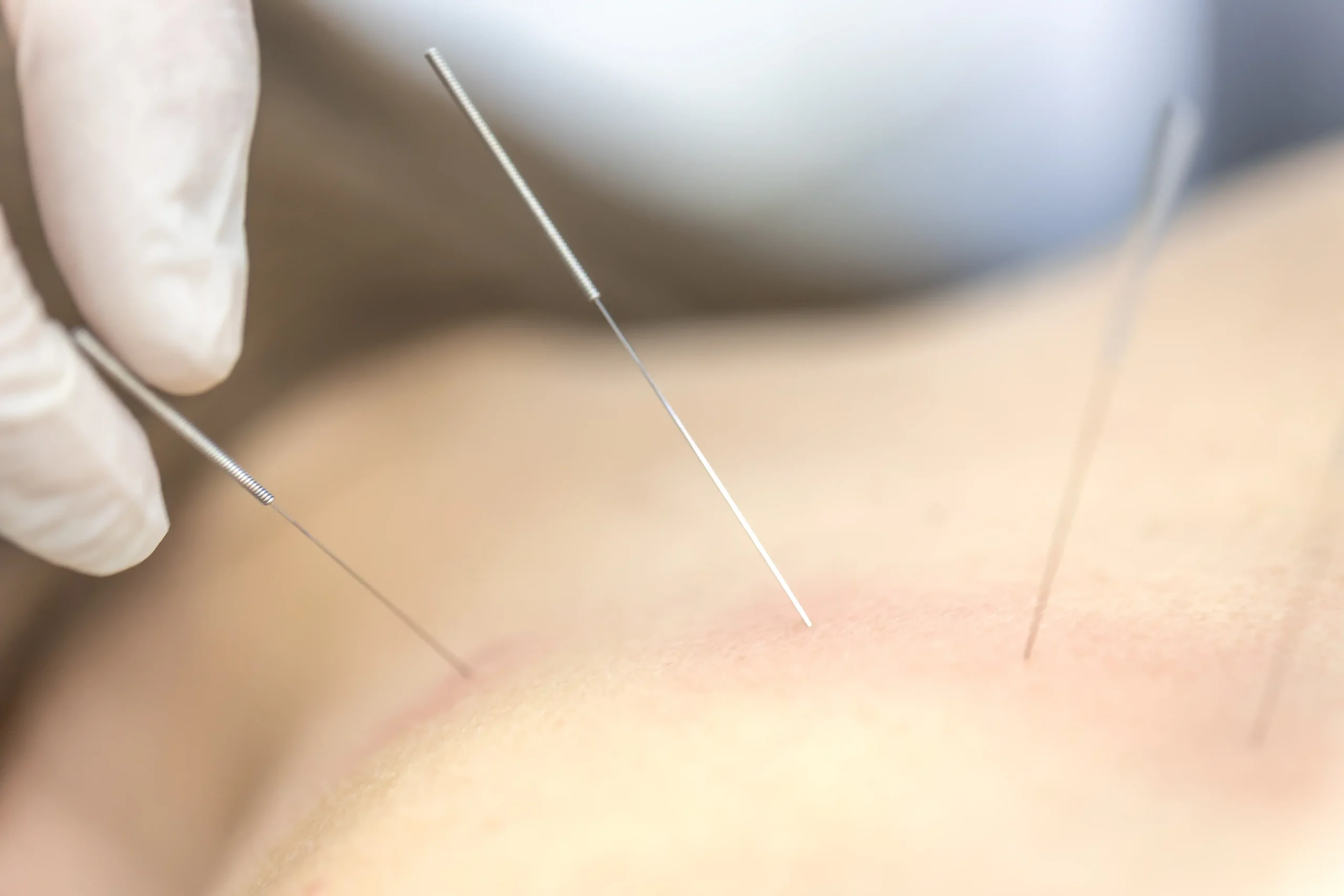
  • Dry Needling – Targeting trigger points to relieve muscle tightness.


  • Electrotherapy (TENS, ultrasound) – Using controlled electrical signals or sound waves to reduce inflammation and promote healing.


  • Taping and Bracing – Supporting injured structures and guiding proper movement.


3. Corrective Exercises

In addition, targeted strengthening and stretching exercises form the core of physiotherapy. These exercises help recondition weak muscles, correct imbalances, and improve joint stability. A well-prescribed exercise plan can reduce reliance on pain medications and prevent the pain from returning.

4. Postural and Ergonomic Training

Moreover, many chronic pain cases are caused or worsened by poor posture or repetitive strain, especially in work settings. Physiotherapists provide ergonomic advice and teach proper movement mechanics to prevent flare-ups.

If you’re dealing with conditions like slip disc, targeted physiotherapy for slip disc is essential in reducing nerve compression and enhancing spinal mobility.

Benefits of Finding Physiotherapy Near You

If you’re living with chronic pain, convenience plays a significant role in sticking with your treatment plan. That’s why searching for physiotherapy near me can be the first step toward consistent, effective care.

Why Proximity Matters

Here’s why location matters:

  • Regular Sessions: Chronic pain often requires multiple visits. A nearby clinic makes it easier to maintain consistent appointments.


  • Personalised Follow-Ups: Local physiotherapists can provide closer follow-ups and adapt your program based on progress.


  • Emergency Consults: In the case of sudden flare-ups, a nearby clinic means faster access to care.


  • Community-Based Therapists: Local practitioners often understand lifestyle-related pain factors specific to your area (e.g., desk jobs, sports injuries, long commutes).


Additionally, if you’re managing a slip disc, having a local clinic that offers strength & conditioning programmes or shockwave therapy can be a game changer for long-term spinal health.

What to Look for in a Physiotherapy Clinic

Choosing the right clinic can drastically influence the success of your treatment. Here’s what to consider:

1. Qualified and Experienced Therapists

Check for certifications, areas of expertise, and years of experience. Some therapists specialise in orthopaedics, sports injuries, or neurological conditions. Choose one that aligns with your needs.

2. Personalised Treatment Plans

Avoid one-size-fits-all approaches. The best physiotherapy is customised based on your pain profile, goals, and daily activities.

3. Comprehensive Facilities

Clinics equipped with the latest modalities (like ultrasound, dry needling, and shockwave therapy) offer more versatile treatment options.

4. Patient Reviews and Testimonials

Feedback from other patients can give you insight into the quality of care, bedside manner, and results.

5. Transparent Pricing and Accessibility

Check if the clinic offers flexible hours, package rates, or insurance support. This can make long-term treatment more sustainable.

Frequently Asked Questions (FAQs)

1. How does physiotherapy help manage chronic pain?

Physiotherapy addresses chronic pain by identifying and treating the root cause whether it’s muscle imbalance, joint dysfunction, or poor posture. Through a combination of manual therapy, corrective exercises, and pain relief techniques, it helps restore mobility, reduce discomfort, and prevent recurrence.

2. How many physiotherapy sessions are typically needed for chronic pain?

The number of sessions depends on factors like the severity of the condition, duration of pain, and individual goals. Some people see improvement within a few sessions, while others with long-standing issues may require a longer treatment plan. Regular sessions are essential for long-term relief.

3. Is physiotherapy suitable for all types of chronic pain?

Yes, physiotherapy is effective for many types of chronic pain, including back and neck pain, joint pain (like knees and shoulders), post-surgical rehabilitation, arthritis, and repetitive strain injuries. A qualified physiotherapist will tailor the approach to your specific condition.

4. What should I expect during my first physiotherapy session?

Your first session typically includes a detailed assessment of your posture, movement patterns, joint mobility, muscle strength, and pain history. Based on this, the physiotherapist will create a personalised treatment plan, which may include hands-on therapy, exercises, and lifestyle advice.

5. Can I receive physiotherapy at home if I can’t travel?

Yes, many clinics now offer home visit physiotherapy services for individuals who have mobility limitations or severe pain that makes travel difficult. This ensures you still get expert care in the comfort of your own home.

Conclusion

Chronic pain can seem overwhelming, but it doesn’t have to be a permanent part of your life. Physiotherapy combines expert knowledge, personalised care, and hands-on techniques to effectively manage and reduce pain. By choosing a clinic near you, you increase your chances of staying consistent with treatment and achieving long-term relief.

So, next time you find yourself typing physiotherapy near me into a search engine, remember that it could be the first step toward a healthier, pain-free life. Prioritise your well-being, take action, and trust in the power of professional physiotherapy. Especially for conditions like chronic pain, targeted care and programs such as spine & core rehabilitation can truly transform your recovery journey.

Share This :

Back & Neck Pain

Conditions such as stiffness, postural abnormalities and muscle overuse from prolonged desk work at the office or home is more prevalent than most would think. We provide the necessary tools to fix you up and educate you on ergonomics which can unload unnecessary stress.

Sports Injuries

Rolled ankles, jarred knees, impinged shoulders are few conditions in the plethora of sports injuries which can hamper performance and limit our enjoyment of sports. Physiotherapy not only treats the symptoms of these conditions but propels your overall fitness to greater heights.

Work Desk Injuries​

Conditions such as stiffness, postural abnormalities and muscle overuse from prolonged desk work at the office or home is more prevalent than most would think. We provide the necessary tools to fix you up and educate you on ergonomics which can unload unnecessary stress.

Pre-Post-Surgical Conditions

Surgery involves going through preparation both before and after. Physiotherapists play a vital role in getting your body ready for surgeries with circulatory, breathing and strengthening exercises. After the procedure, let us be there for your recovery and rehabilitation, taking it one step at a time.

Scoliosis & Postural Abnormalities

The way we stand, sit, walk and sleep has influence over our posture and the overall balance of muscles controlling its alignment. A comprehensive screening can be done by our physiotherapists to detect abnormalities, which we will aid in correcting.

Neurological Conditions

Neurological disabilities such as stroke, nerve compression and neuropathies can be barriers for patients to live life to its fullest. We at Synapse are committed to help you overcome these hurdles by ensuring functional mobility and quality of life is at its optimum by providing the right treatment and exercises.

Osteoarthritis & Rheumatism

Joint degeneration and inflammation happens as the human body grows older, but that does not mean our way of life degenerates as well. Relief your joint pains with a joint effort together with your physiotherapist, who will provide pain-relief treatments and prescribe exercises for your wellbeing.

Conditions Relating To Elderly

Common conditions in the older age population include hips & knee pain, back & neck pain, osteoarthritis, rheumatism, fear of falling and many more.  Aging and degeneration of bodily function is inevitable, but here at Synapse, we will help you live the best of your life.
Home Physiotherapy

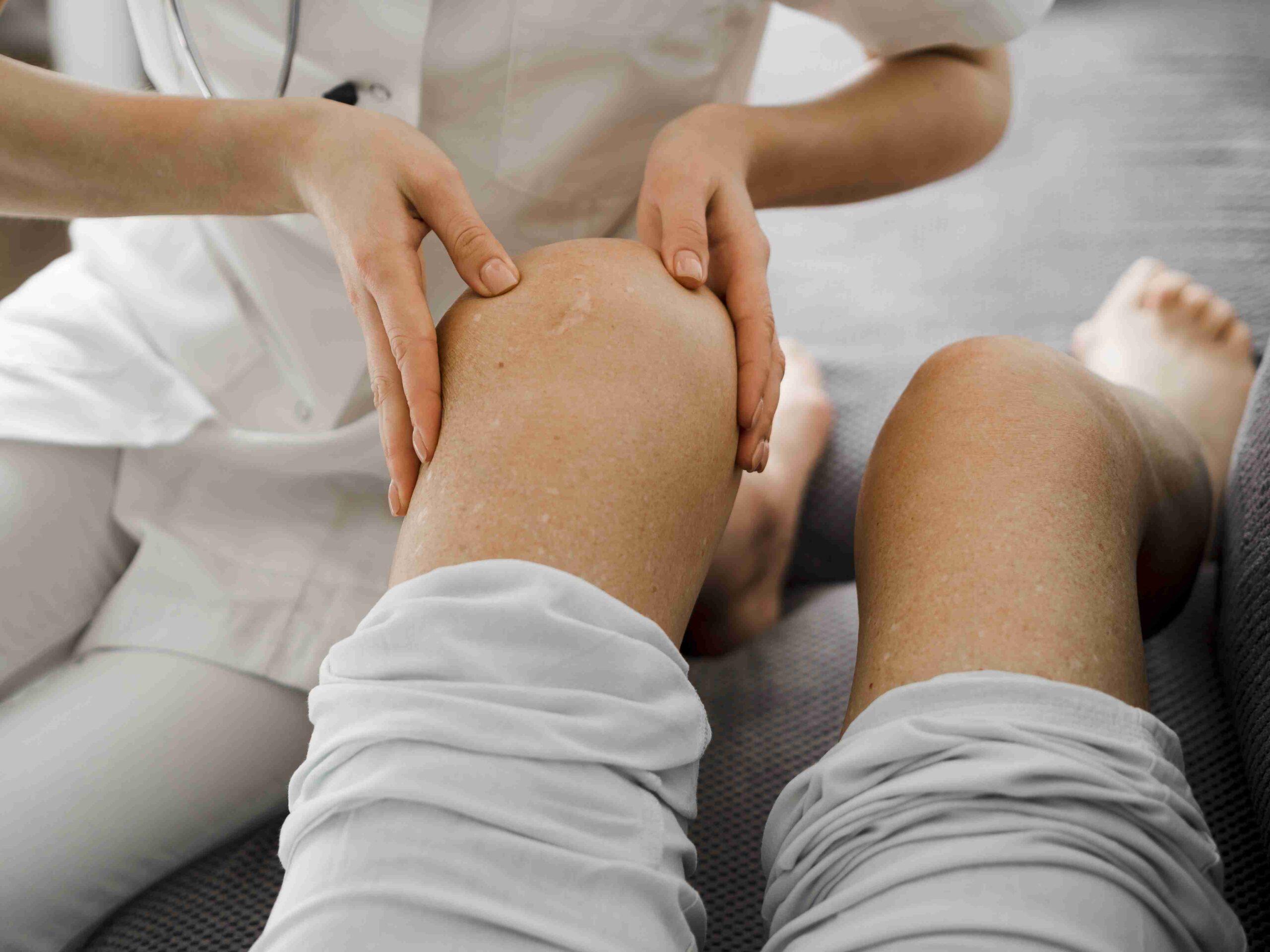
We understand that some conditions or injuries can make it difficult to receive rehabilitation at our clinic be it mobility or transportation issues. Our objective is to provide you with the same high-quality physiotherapy services at home that you would receive in-clinic.
Posted on

Best Physio Near Me for Elderly Mobility & Balance

Physio Near Me
Physio Near Me
Synapse Physiotherapy

Best Physio Near Me for Elderly Mobility & Balance

Are you or a loved one searching for “physio near me” to seek specialized physiotherapy to improve mobility and balance in later years? Finding the right physiotherapist specializing in elderly care can significantly enhance quality of life and independence. At Synapse Physiotherapy, we understand the unique challenges faced by seniors and offer tailored physiotherapy programs designed to address mobility issues and improve balance effectively.

The Importance of Mobility for Seniors

Understanding the Benefits of Mobility

Mobility is much more than just the ability to walk quickly or move without pain—it is fundamental to maintaining overall health, independence, and a high quality of life in older age. Staying active has profound physical, mental, and emotional benefits for seniors. Engaging in regular movement, whether through walking, tai chi, swimming, or even gardening, can significantly enhance well-being in numerous ways:

  • Improved Cardiovascular Health: Movement helps maintain heart health, regulate blood pressure, and reduce the risk of heart disease and stroke.
  • Enhanced Balance and Fall Prevention: Regular activity strengthens muscles and joints, improving stability and reducing the risk of falls.
  • Cognitive Function Support: Physical activity has been linked to better memory, mental sharpness, and a lower risk of cognitive decline and dementia.
  • Boosted Immune System: Regular exercise can enhance immune responses, helping the body fight infections and illnesses more effectively.
  • Pain Reduction: Gentle movements like stretching and mobility exercises can alleviate pain from arthritis, joint stiffness, and other chronic conditions.
  • Mood and Mental Health Benefits: Exercise releases endorphins, which improve mood, alleviate stress, and reduce the risk of anxiety and depression.

For seniors, maintaining mobility is directly linked to staying independent longer, allowing them to perform daily tasks with ease and continue participating in activities they enjoy.

Common Mobility Issues in Older Adults

Aging affects everyone differently, but certain mobility challenges are more prevalent among seniors. Many of these issues stem from musculoskeletal and neurological changes that impact movement, balance, and coordination. Some of the most common mobility-related concerns include:

  • Arthritis: Joint inflammation can lead to stiffness and pain, limiting movement and affecting daily activities.
  • Osteoporosis: Weak and brittle bones increase the risk of fractures, making mobility more challenging.
  • Loss of Muscle Mass (Sarcopenia): As people age, muscle strength naturally declines, leading to reduced endurance and mobility issues.
  • Neuropathy: Nerve damage, often linked to conditions like diabetes, can result in numbness, tingling, and difficulty walking.
  • Parkinson’s Disease and Neurological Disorders: These conditions affect coordination, balance, and muscle control, making movement unpredictable.
  • Balance Disorders: Conditions like vertigo or inner ear problems can make standing and walking difficult, increasing fall risk.

Recognizing and addressing these issues early can help seniors maintain their mobility for longer and prevent complications that lead to reduced independence.

Strategies for Improving and Maintaining Mobility

Fortunately, there are many ways seniors can preserve and even improve their mobility, ensuring they stay active and independent. A well-rounded approach includes:

  1. Regular Low-Impact Exercise: Activities like walking, swimming, and cycling provide cardiovascular benefits while being gentle on the joints.
  2. Strength Training: Light resistance training using weights or resistance bands can help rebuild muscle mass and prevent weakness.
  3. Flexibility and Stretching Exercises: Yoga and stretching routines enhance range of motion, reduce stiffness, and improve circulation.
  4. Balance and Coordination Training: Specific exercises like standing on one foot, heel-to-toe walking, or using stability balls can help prevent falls.
  5. Physical Therapy: A trained physiotherapist can develop personalized movement strategies to improve mobility, relieve pain, and address balance concerns.
  6. Assistive Devices: Using canes, walkers, or orthotic supports when necessary can enhance mobility and provide additional stability.
  7. Proper Footwear and Posture Awareness: Wearing supportive shoes and practicing good posture can help prevent unnecessary strain and injuries.
  8. Healthy Diet and Hydration: Nutrition plays a crucial role in maintaining muscle strength, bone density, and joint health. Proper hydration is also essential for flexibility and circulation.
  9. Regular Health Checkups: Identifying and addressing mobility-related issues early through medical evaluations can help prevent them from worsening.
  10. Engagement in Social Activities: Participating in group exercise classes, dance programs, or outdoor activities can make movement more enjoyable and sustainable.

The Importance of Maintaining Balance as We Age

As we grow older, prioritizing our health becomes increasingly essential. This includes regular medical checkups and lifestyle adjustments to prevent chronic diseases. A crucial yet often overlooked aspect of aging well is maintaining and improving balance. Since balance naturally declines over time, it’s vital to engage in activities that help preserve it—after all, if we don’t use it, we risk losing it.

Good balance is essential for nearly every movement we make, from walking and stepping over uneven terrain to quickly changing direction, standing up from a chair, and bending down to tie our shoes.

What is Balance and Why is it Important?

Balance refers to the ability to maintain control over your body’s position, whether you’re standing still (such as holding a yoga pose) or in motion (like walking or getting up from a seated position). Staying upright and stable while moving requires constant coordination between various bodily systems, making balance a complex but essential function.

Three key systems work together to provide the sensory information needed for maintaining balance:

  • Visual System: The eyes help detect movement and spatial orientation.
  • Vestibular System: Located in the inner ear, this system monitors motion, head positioning, and spatial awareness.
  • Somatosensory System: Sensory receptors in the joints, muscles, and skin (particularly in the ankles, knees, spine, and neck) provide feedback about body positioning and movement.

The brain continuously integrates and processes information from these three systems to maintain stability. However, as we age, this process can become less efficient, making older adults more susceptible to falls and balance-related issues.

The Benefits of Balance Exercises

Incorporating balance training into a regular fitness routine offers numerous advantages, including:

  • Fall Prevention: Strengthening core and limb control helps improve stability, allowing for quicker adjustments to sudden changes in body position. This reduces the risk of tripping over unseen obstacles or uneven surfaces.
  • Lower Risk of Injuries: Enhanced balance minimizes the likelihood of falls, which can lead to severe injuries like fractures or sprains. It also boosts confidence, reducing fear and anxiety about movement, particularly outdoors.
  • Improved Proprioception: Balance exercises enhance proprioception—the body’s ability to sense its position in space. This heightened awareness helps with coordination and movement efficiency, leading to better overall mobility.

By consistently working on balance, older adults can maintain their independence, reduce fall-related risks, and continue engaging in daily activities with confidence and ease.

Why Choose Synapse Physiotherapy?

At Synapse Physiotherapy, we are dedicated to providing top-tier physiotherapy services for elderly mobility and balance. Our commitment to excellence and patient-centered care makes us the preferred choice for many seniors looking to improve their movement, strength, and overall quality of life.

What Sets Us Apart?

  1. Specialized Expertise in Geriatric Physiotherapy
    Our highly skilled physiotherapists have extensive training in geriatric care, specializing in conditions such as arthritis, osteoporosis, Parkinson’s disease, and post-stroke rehabilitation. We understand the complexities of aging and tailor our treatments accordingly.
  2. Personalized Treatment Plans
    No two individuals are the same, and neither are their mobility needs. Our team designs customized physiotherapy plans to address each patient’s unique challenges, ensuring a targeted approach for optimal recovery and independence.
  3. Comprehensive Assessments for Tailored Care
    Before starting any treatment, we conduct detailed assessments to identify the root cause of mobility issues. This allows us to develop precise interventions that deliver the best possible outcomes.
  4. Evidence-Based Physiotherapy Techniques
    Our treatments are rooted in the latest scientific research and physiotherapy best practices. We integrate modern techniques and innovative rehabilitation strategies to maximize treatment effectiveness.
  5. A Holistic Approach to Senior Wellness
    Beyond treating mobility limitations, we focus on overall well-being, independence, and quality of life. Our programs help seniors regain confidence in their movements and maintain an active lifestyle.

Our Specialized Services

At Synapse Physiotherapy, we go beyond traditional physiotherapy by offering a Silver Fitness Program—a specialized fitness program designed exclusively for seniors. Think of it as a “gym for the elderly”, where we emphasize:

 Strength Training: Helps build muscle mass, improve endurance, and enhance mobility.
Flexibility Exercises: Increases range of motion and prevents stiffness.
Cardiovascular Workouts: Boosts heart health and improves stamina for daily activities.
Balance and Stability Training: Essential for fall prevention and maintaining confidence in movement.

Additionally, we offer:

  • Gait Training: Focused on refining walking patterns, stability, and coordination.
  • Fall Prevention Programs: Practical strategies to reduce fall risks and improve home safety.

By combining physiotherapy with targeted exercise programs, we empower seniors to maintain their independence and continue enjoying life to the fullest.

Regain Your Mobility & Confidence with Synapse Physiotherapy!

Whether you’re looking to improve balance, regain strength, or prevent falls, Synapse Physiotherapy is here to help. Contact us today to schedule an assessment and take the first step toward a healthier, more active future! 🚶‍♂️✨

Share This :

Back & Neck Pain

Conditions such as stiffness, postural abnormalities and muscle overuse from prolonged desk work at the office or home is more prevalent than most would think. We provide the necessary tools to fix you up and educate you on ergonomics which can unload unnecessary stress.

Sports Injuries

Rolled ankles, jarred knees, impinged shoulders are few conditions in the plethora of sports injuries which can hamper performance and limit our enjoyment of sports. Physiotherapy not only treats the symptoms of these conditions but propels your overall fitness to greater heights.

Work Desk Injuries​

Conditions such as stiffness, postural abnormalities and muscle overuse from prolonged desk work at the office or home is more prevalent than most would think. We provide the necessary tools to fix you up and educate you on ergonomics which can unload unnecessary stress.

Pre-Post-Surgical Conditions

Surgery involves going through preparation both before and after. Physiotherapists play a vital role in getting your body ready for surgeries with circulatory, breathing and strengthening exercises. After the procedure, let us be there for your recovery and rehabilitation, taking it one step at a time.

Scoliosis & Postural Abnormalities

The way we stand, sit, walk and sleep has influence over our posture and the overall balance of muscles controlling its alignment. A comprehensive screening can be done by our physiotherapists to detect abnormalities, which we will aid in correcting.

Neurological Conditions

Neurological disabilities such as stroke, nerve compression and neuropathies can be barriers for patients to live life to its fullest. We at Synapse are committed to help you overcome these hurdles by ensuring functional mobility and quality of life is at its optimum by providing the right treatment and exercises.

Osteoarthritis & Rheumatism

Joint degeneration and inflammation happens as the human body grows older, but that does not mean our way of life degenerates as well. Relief your joint pains with a joint effort together with your physiotherapist, who will provide pain-relief treatments and prescribe exercises for your wellbeing.

Conditions Relating To Elderly

Common conditions in the older age population include hips & knee pain, back & neck pain, osteoarthritis, rheumatism, fear of falling and many more.  Aging and degeneration of bodily function is inevitable, but here at Synapse, we will help you live the best of your life.
Home Physiotherapy

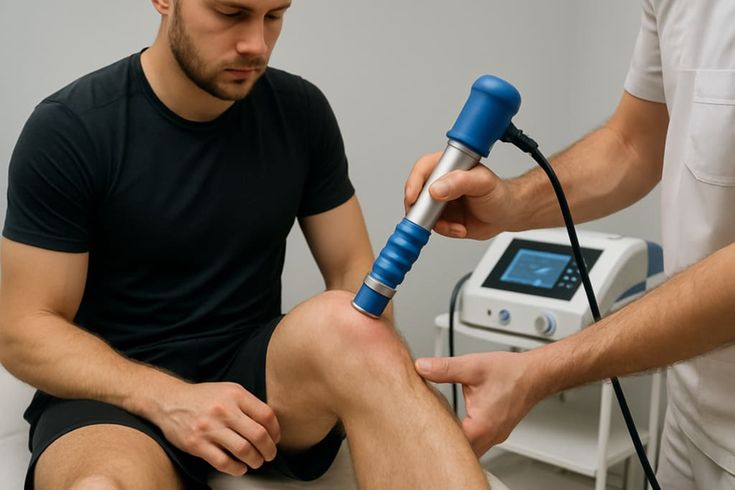
We understand that some conditions or injuries can make it difficult to receive rehabilitation at our clinic be it mobility or transportation issues. Our objective is to provide you with the same high-quality physiotherapy services at home that you would receive in-clinic.
Posted on

The Science Behind Shockwave Therapy for Healing

shockwave therapy
shockwave therapy
Synapse Physiotherapy

The Science Behind Shockwave Therapy for Healing

What Is Shockwave Therapy?

Shockwave therapy, also known as extracorporeal shockwave therapy (ESWT), is a non-invasive treatment that stimulates the body’s natural healing mechanisms. It helps relieve pain and promotes the healing of injured tendons, ligaments, and other soft tissues by releasing growth factors in the damaged areas.

Originally developed for breaking down kidney stones (lithotripsy), shockwave therapy has been adapted for orthopedic and rehabilitation purposes. It is considered a form of regenerative medicine due to its ability to enhance tissue repair. In addition to treating tendinopathy, it is particularly effective for stubborn ligament injuries. Some degenerative tendinopathies may involve a buildup of calcium deposits in the tendon, which focused shock waves can help break down, aiding in mobility and pain relief.

There are two main types of shockwave therapy:

  1. Focused Shockwave Therapy (FSWT) – Uses concentrated waves to target deep tissues.
  2. Radial Shockwave Therapy (RSWT) – Uses dispersed waves to treat surface-level injuries.

How Shockwave Therapy Works

Shockwave therapy works through several physiological mechanisms that enhance tissue repair and regeneration. These include:

1. Increased Blood Flow

The acoustic waves stimulate the formation of new blood vessels (angiogenesis), improving blood circulation in the affected area. Increased blood flow helps deliver oxygen and nutrients necessary for tissue repair.

2. Breakdown of Calcifications

Shockwave therapy helps dissolve calcium deposits in tendons and soft tissues, reducing stiffness and pain. This is particularly effective for conditions like calcific tendinitis.

3. Stimulation of Collagen Production

Collagen is a key protein in tendons and ligaments. Shockwave therapy promotes collagen synthesis, strengthening connective tissues and enhancing their ability to withstand stress.

4. Pain Reduction

Shockwaves disrupt pain signals by overstimulating nerve endings, leading to decreased sensitivity. Additionally, they stimulate the release of endorphins, which act as natural painkillers.

5. Acceleration of Cellular Repair

The mechanical force from shockwaves triggers cellular regeneration, stimulating the production of growth factors and stem cells that aid tissue repair.

Scientific Evidence Supporting Shockwave Therapy

Numerous studies have validated the efficacy of shockwave therapy for various conditions. Some key findings include:

  • A 2015 systematic review published in the American Journal of Sports Medicine found that shockwave therapy significantly improved pain, function, and overall quality of life in patients with plantar fasciitis and Achilles tendinopathy, making it a viable alternative to conventional treatments.
  • Research in the Journal of Orthopaedic Surgery and Research (2019) indicated that shockwave therapy is as effective as surgery for treating tennis elbow, reducing pain and improving mobility.
  • A 2021 study in the British Journal of Sports Medicine found that shockwave therapy significantly improved pain relief and tendon function in patients with patellar tendinopathy (jumper’s knee), supporting its use as a first-line treatment for chronic cases.

Conditions Treated with Shockwave Therapy

Shockwave therapy is widely used for treating:

  • Plantar Fasciitis – Heel pain caused by inflammation of the plantar fascia.
  • Tennis Elbow (Lateral Epicondylitis) – Overuse injury affecting the tendons of the elbow.
  • Achilles Tendinitis – Inflammation of the Achilles tendon, common among runners.
  • Calcific Tendinitis – Calcium deposits in tendons, especially in the shoulder.
  • Patellar Tendinopathy (Jumper’s Knee) – Overuse injury affecting the knee tendons.
  • Frozen Shoulder – Stiffness and pain in the shoulder joint.
  • Hip Pain – Conditions like trochanteric bursitis.
  • Shin Splints – Pain along the shin bone due to repetitive stress.
  • Stress Fractures – Microfractures that can benefit from enhanced bone healing.

FAQs About Shockwave Therapy

Is Shockwave Therapy Painful?

Most patients experience mild discomfort during shockwave therapy, but it is generally well-tolerated. The level of discomfort varies based on individual pain thresholds, the severity of the condition, and the proximity of the treatment area to a bone. Treatments near bones tend to be slightly more uncomfortable. To minimize discomfort, a topical gel is applied before the procedure, and the discomfort usually subsides immediately after treatment.

How Long Does a Shockwave Therapy Session Take?

A typical shockwave therapy session lasts between 10 to 15 minutes. Depending on the severity of the condition, patients usually undergo seven treatments over a period of several weeks for optimal results.

How Effective Is Shockwave Therapy?

Clinical studies and sports medicine specialists have observed significant healing in patients undergoing shockwave therapy. While results may not be immediate, pain relief and tissue repair continue to improve over time as the body’s natural healing processes are activated. Ongoing research is helping to further validate its long-term effectiveness.

Additionally, shockwave therapy is often combined with other treatments, such as:

  • Physical therapy – To strengthen the affected area and improve movement patterns.
  • Injury prevention programs – For athletes, specialists may analyze movement patterns to reduce the risk of re-injury.

How Long Is the Recovery Period from Shockwave Therapy?

One of the key benefits of shockwave therapy is its minimal downtime. Most patients can resume normal activities within 24 hours after treatment, making it an attractive option for athletes and active individuals looking for a quick recovery.

Advantages of Shockwave Therapy

1. Non-Invasive and Safe

Unlike surgery, shockwave therapy does not require incisions or anesthesia, making it a safer alternative with fewer complications.

2. Quick and Convenient

Each session typically lasts 15-30 minutes, with most patients requiring 3-6 sessions for optimal results.

3. Minimal Downtime

Patients can resume normal activities shortly after treatment, making it ideal for athletes and active individuals.

4. High Success Rate

Studies suggest 70-90% of patients experience significant pain relief and functional improvement.

Potential Side Effects and Limitations

Although shockwave therapy is generally safe, some individuals may experience:

  • Mild swelling or redness
  • Temporary discomfort during or after treatment
  • Bruising in the treated area

Additionally, shockwave therapy may not be suitable for individuals with bleeding disorders, active infections, or pregnant women.

Conclusion

The science behind shockwave therapy is compelling, with strong evidence supporting its effectiveness in stimulating healing, reducing pain, and improving mobility. As a non-invasive and efficient treatment option, it is revolutionizing the way musculoskeletal conditions are managed. If you’re struggling with chronic pain or slow-healing injuries, consulting a healthcare professional about shockwave therapy could be a game-changer for your recovery.

For those seeking expert care, Synapse Physiotherapy provides specialized shockwave therapy treatments tailored to individual needs. Their team of professionals integrates cutting-edge technology with personalized rehabilitation plans to ensure optimal recovery and long-term pain relief. Whether you are an athlete looking to return to peak performance or someone dealing with chronic musculoskeletal pain, Synapse Physiotherapy can help guide you toward a pain-free life.

Share This :

Back & Neck Pain

Conditions such as stiffness, postural abnormalities and muscle overuse from prolonged desk work at the office or home is more prevalent than most would think. We provide the necessary tools to fix you up and educate you on ergonomics which can unload unnecessary stress.

Sports Injuries

Rolled ankles, jarred knees, impinged shoulders are few conditions in the plethora of sports injuries which can hamper performance and limit our enjoyment of sports. Physiotherapy not only treats the symptoms of these conditions but propels your overall fitness to greater heights.

Work Desk Injuries​

Conditions such as stiffness, postural abnormalities and muscle overuse from prolonged desk work at the office or home is more prevalent than most would think. We provide the necessary tools to fix you up and educate you on ergonomics which can unload unnecessary stress.

Pre-Post-Surgical Conditions

Surgery involves going through preparation both before and after. Physiotherapists play a vital role in getting your body ready for surgeries with circulatory, breathing and strengthening exercises. After the procedure, let us be there for your recovery and rehabilitation, taking it one step at a time.

Scoliosis & Postural Abnormalities

The way we stand, sit, walk and sleep has influence over our posture and the overall balance of muscles controlling its alignment. A comprehensive screening can be done by our physiotherapists to detect abnormalities, which we will aid in correcting.

Neurological Conditions

Neurological disabilities such as stroke, nerve compression and neuropathies can be barriers for patients to live life to its fullest. We at Synapse are committed to help you overcome these hurdles by ensuring functional mobility and quality of life is at its optimum by providing the right treatment and exercises.

Osteoarthritis & Rheumatism

Joint degeneration and inflammation happens as the human body grows older, but that does not mean our way of life degenerates as well. Relief your joint pains with a joint effort together with your physiotherapist, who will provide pain-relief treatments and prescribe exercises for your wellbeing.

Conditions Relating To Elderly

Common conditions in the older age population include hips & knee pain, back & neck pain, osteoarthritis, rheumatism, fear of falling and many more.  Aging and degeneration of bodily function is inevitable, but here at Synapse, we will help you live the best of your life.
Home Physiotherapy

We understand that some conditions or injuries can make it difficult to receive rehabilitation at our clinic be it mobility or transportation issues. Our objective is to provide you with the same high-quality physiotherapy services at home that you would receive in-clinic.
Posted on

Is Dry Needling Near Me Safe? What You Need to Know

dry needling near me
Synapse Physiotherapy

Is Dry Needling Near Me Safe? What You Need to Know


When searching for relief from muscle pain or tightness, you might have come across a treatment called dry needling. But before you book an appointment, you probably have one important question: Is dry needling near me safe? In this article, we’ll dive into the safety of dry needling, how it works, and what you need to know before deciding if it’s the right choice for your pain management.

What is dry needling? 

Dry needling, also known as trigger point dry needling or intramuscular stimulation (IMS), is a specialized treatment performed by healthcare professionals, including physical therapists, physicians, chiropractors, and sports medicine specialists. While some acupuncturists argue that dry needling is based on traditional acupuncture, others view it as a modern version of trigger point injections, minus the use of medication. This evidence-based method is mainly used to alleviate muscle pain, tension, and dysfunction by targeting myofascial trigger points—tight, knotted bands of muscle that can cause pain and limit movement.

Benefits of Dry Needling

  • Pain Relief: By targeting trigger points, dry needling effectively alleviates muscle pain and discomfort in areas like the neck, back, shoulders, and hips. It helps deactivate painful muscle knots, providing lasting relief.

  • Improved Range of Motion: Releasing muscle tightness enhances flexibility and movement, making it especially beneficial for athletes, those recovering from injuries, and individuals with mobility challenges.

  • Enhanced Blood Flow: Needle insertion promotes increased circulation to the affected muscles, aiding faster healing, reducing inflammation, and supporting overall tissue repair.

  • Muscle Relaxation: Dry needling reduces muscle tension and stiffness, preventing spasms and offering a deep sense of relaxation and relief.

  • Faster Recovery: By addressing the underlying cause of muscle pain, dry needling speeds up recovery from injuries, overuse conditions, and post-exercise fatigue, helping individuals get back to their daily routines sooner.

  • Improved Nerve Function: Studies suggest that dry needling can enhance nerve communication, boosting muscle control, reducing nerve-related pain, and supporting overall neuromuscular function.

What to Expect During and After a Dry Needling Session

During the Dry Needling Session:
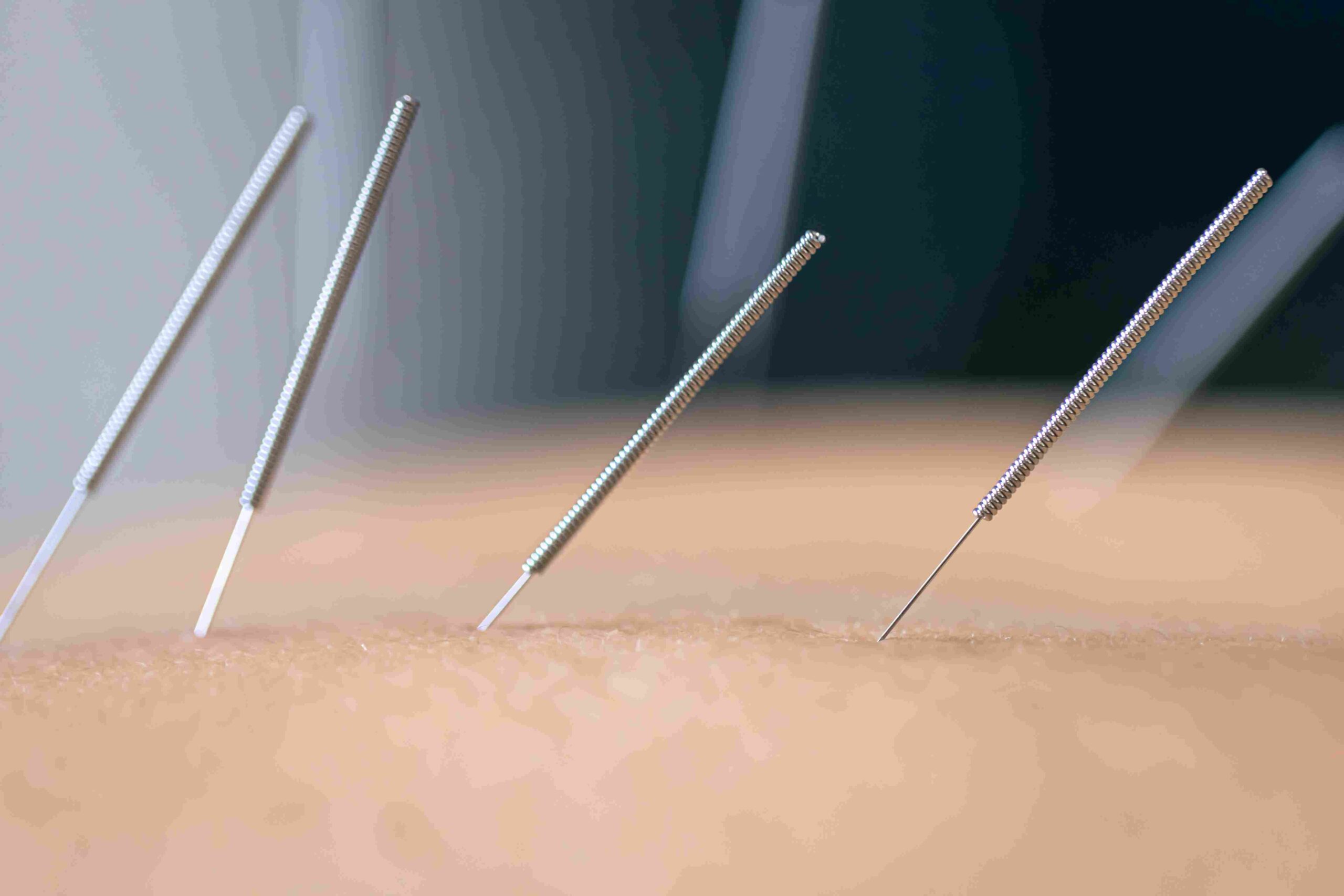
A trained practitioner will carefully insert thin, sterile needles into specific muscle trigger points to release tension and relieve pain. You may experience a mild prick or slight discomfort upon needle insertion, followed by a muscle twitch—an involuntary contraction of the muscle, which indicates that the trigger point has been successfully targeted. The needles will remain in place for a short period, ranging from a few seconds to several minutes, depending on your treatment plan. The practitioner may gently manipulate the needles to enhance relaxation and improve pain relief. While mild soreness or tingling is possible, the procedure is generally well-tolerated and does not cause significant pain.

After a Dry Needling Session:

  • Mild Muscle Soreness: It’s normal to experience slight tenderness or soreness in the treated area, similar to the muscle soreness felt after exercise. This discomfort typically lasts 24 to 48 hours and can be relieved with heat, gentle stretching, and staying hydrated.

  • Improved Flexibility & Range of Motion: Many people notice immediate improvements in mobility and flexibility, as dry needling helps release tight muscles and reduce movement restrictions, making it particularly beneficial for athletes, active individuals, and those recovering from injuries.

  • Pain Reduction & Muscle Relaxation: One of the main benefits of dry needling is its ability to alleviate muscle pain and tension. While some may experience instant relief, others may feel gradual improvement over the next 24 to 72 hours as their muscles continue to relax and heal.

How Safe is Dry Needling?

Dry needling is generally considered safe when performed by a trained and licensed healthcare provider, such as a physical therapist, chiropractor, or acupuncturist. However, as with any medical treatment, there are potential risks involved.

1. Qualified Practitioners Matter

The safety of dry needling largely depends on the experience and qualifications of the practitioner. It’s essential to seek out professionals who have received specific training in dry needling techniques. Many states require practitioners to have advanced certifications and clinical experience to perform this procedure.

2. Potential Side Effects

While rare, some side effects can occur. Common reactions include mild bruising, soreness, or slight bleeding at the insertion site. These effects typically subside within a few days. In rare cases, patients may experience more severe side effects such as fainting, dizziness, or injury to surrounding tissues. To minimize risks, ensure your practitioner uses proper techniques and follows sterilization protocols.

3. Who Should Avoid Dry Needling?

Dry needling is not suitable for everyone. If you are pregnant, have a blood clotting disorder, or have certain skin conditions or infections, dry needling may not be appropriate. Always consult with your healthcare provider before starting any new treatment, especially if you have pre-existing conditions or are taking medication.

Is Dry Needling Near Me Right for You?

If you’re considering dry needling as a treatment option, it’s important to weigh the pros and cons based on your specific condition. Here’s what to consider:

  1. Find a Licensed Professional: Make sure your practitioner has the necessary qualifications and experience to perform dry needling safely.
  2. Consult with Your Doctor: Before starting any treatment, it’s a good idea to check with your healthcare provider, especially if you have underlying medical conditions.
  3. Research Local Clinics: Search for “dry needling near me” and read reviews, check ratings, and inquire about the credentials of local practitioners.


Conclusion:

 If you’re considering dry needling as part of your pain management or recovery plan, Synapse Physiotherapy offers expert, personalized treatments that can help relieve muscle tension, improve mobility, and promote overall healing. Our trained practitioners use evidence-based techniques to ensure a safe and effective experience. Contact us today to learn how dry needling can benefit you!

Share This :

Back & Neck Pain

Conditions such as stiffness, postural abnormalities and muscle overuse from prolonged desk work at the office or home is more prevalent than most would think. We provide the necessary tools to fix you up and educate you on ergonomics which can unload unnecessary stress.

Sports Injuries

Rolled ankles, jarred knees, impinged shoulders are few conditions in the plethora of sports injuries which can hamper performance and limit our enjoyment of sports. Physiotherapy not only treats the symptoms of these conditions but propels your overall fitness to greater heights.

Work Desk Injuries​

Conditions such as stiffness, postural abnormalities and muscle overuse from prolonged desk work at the office or home is more prevalent than most would think. We provide the necessary tools to fix you up and educate you on ergonomics which can unload unnecessary stress.

Pre-Post-Surgical Conditions

Surgery involves going through preparation both before and after. Physiotherapists play a vital role in getting your body ready for surgeries with circulatory, breathing and strengthening exercises. After the procedure, let us be there for your recovery and rehabilitation, taking it one step at a time.

Scoliosis & Postural Abnormalities

The way we stand, sit, walk and sleep has influence over our posture and the overall balance of muscles controlling its alignment. A comprehensive screening can be done by our physiotherapists to detect abnormalities, which we will aid in correcting.

Neurological Conditions

Neurological disabilities such as stroke, nerve compression and neuropathies can be barriers for patients to live life to its fullest. We at Synapse are committed to help you overcome these hurdles by ensuring functional mobility and quality of life is at its optimum by providing the right treatment and exercises.

Osteoarthritis & Rheumatism

Joint degeneration and inflammation happens as the human body grows older, but that does not mean our way of life degenerates as well. Relief your joint pains with a joint effort together with your physiotherapist, who will provide pain-relief treatments and prescribe exercises for your wellbeing.

Conditions Relating To Elderly

Common conditions in the older age population include hips & knee pain, back & neck pain, osteoarthritis, rheumatism, fear of falling and many more.  Aging and degeneration of bodily function is inevitable, but here at Synapse, we will help you live the best of your life.
Home Physiotherapy

We understand that some conditions or injuries can make it difficult to receive rehabilitation at our clinic be it mobility or transportation issues. Our objective is to provide you with the same high-quality physiotherapy services at home that you would receive in-clinic.
Posted on

Physiotherapy Clinics Near Me: A Guide to Your First Visit

physiotherapy clinic near me
Synapse Physiotherapy

Physiotherapy Clinics Near Me: A Guide to Your First Visit


If you’re searching for physiotherapy clinics near me,” you’re likely dealing with pain, recovering from an injury, or seeking improved mobility. Physiotherapy offers a non-invasive, effective way to regain strength and enhance your overall well-being. In this guide, we’ll walk you through what to expect during your first physiotherapy visit, how to prepare, and how to choose the best clinic for your needs.

What is physiotherapy? 

Physical therapy is a specialized form of rehabilitative care that focuses on diagnosing and treating injuries, chronic and acute conditions, and movement disorders. It is often considered a conservative approach to managing musculoskeletal issues. Physical therapists, as trained healthcare professionals, use targeted techniques such as prescribed exercises, manual therapy, and patient education to restore mobility, enhance range of motion, reduce pain, and improve overall physical function. Their goal is not only to aid recovery but also to strengthen the body, prevent future injuries, and enhance the overall quality of life for individuals of all ages.

Benefits of physiotherapy


  • Rehabilitation from Sports Injuries – Helps prevent further damage, reduce pain, and restore strength and mobility using targeted exercises, massage, and therapies like heat, cold, and ultrasound.
  • Pain Reduction – Provides an effective alternative to opioids for managing acute and chronic pain through stretching, therapeutic exercises, electrical stimulation, and manual therapy.
  • Support for Neurological Conditions – Aids recovery from stroke, multiple sclerosis, Parkinson’s, and spinal cord injuries by improving balance, coordination, and mobility while reducing fall risk.
  • Arthritis Symptom Relief – Enhances joint mobility, reduces pain and stiffness, and strengthens muscles to better support affected joints.
  • Pelvic Floor Dysfunction Treatment – Helps with urinary incontinence, pelvic pain, and postpartum recovery by strengthening pelvic muscles through specialized physical therapy.
  • Faster Post-Surgery Recovery – Reduces pain, improves range of motion, and minimizes scar tissue buildup, aiding a smoother return to daily activities.
  • Chronic Pain Management & Opioid Reduction – Early physical therapy interventions have been shown to decrease reliance on opioids, particularly for conditions like chronic low back pain.

When to See a Physiotherapist

  1. Persistent Pain – If you’re in constant pain, it could indicate an acute injury or developing chronic condition that needs immediate attention.
  2. Unusual Pain During Recovery – Unexpected or unexplained pain after an injury may signal nerve damage or musculoskeletal issues requiring professional assessment.
  3. Difficulty with Daily Activities – If pain or mobility issues prevent you from performing everyday tasks, physiotherapy can help restore function and reduce discomfort.
  4. New Areas of Pain – Pain in unfamiliar areas may stem from physical or even emotional stress. A physiotherapist can help identify and address the root cause.
  5. Lower Back Pain – Whether due to an injury, herniated disc, or structural issue, persistent lower back pain should be evaluated by a physiotherapist.
  6. Upcoming Important Events – If an injury or pain is affecting your ability to participate in a special event, physiotherapy can help you recover and prepare.
  7. Repetitive Injuries – Frequent injuries may result from overuse, poor biomechanics, or improper technique. Physiotherapy can help prevent future flare-ups and long-term damage.

What to Expect During Your Physiotherapy Visit

  1. Medical History Interview – The physiotherapist will ask about your injury’s history, including when and how it occurred, along with details about your job, hobbies, past injuries, and overall health. This helps identify the cause and impact of the issue, and assists in categorizing your condition (acute vs. chronic, bone vs. tissue, etc.).
  2. Assessment – You’ll undergo a full-body evaluation to identify any underlying causes and factors affecting your recovery. Physiotherapists take a holistic approach, assessing not only the injury site but also other areas like your posture and overall movement to determine the best treatment plan.
  3. Treatment – The physiotherapist will use hands-on techniques such as manual therapy, mobilization, or manipulation to treat the affected area. They may also use modalities like dry needling, ultrasound, or laser therapy for more chronic or acute conditions to improve circulation and reduce inflammation.
  4. Exercise Regimen – To reinforce treatment, you’ll receive an individualized exercise plan, focusing on strengthening, stabilization, or motor control. This helps retrain your body to move better and prevent future injuries. Your therapist will also discuss a follow-up plan, including any additional visits needed for full recovery.

How to Prepare for Your Physiotherapy Session

  • Wear comfortable, loose-fitting clothing for easy movement.
  • Bring any relevant medical documents or test results.
  • Note any questions or concerns to discuss with your physiotherapist.
  • Arrive a few minutes early to complete any necessary paperwork.

How Long Do Physiotherapy Sessions Usually Last?

Physiotherapy sessions typically range from 45 minutes to 1 hour.

What Should I Wear for My First Physiotherapy Session?

Wear comfortable, loose-fitting clothing that allows for easy movement. There’s no need to dress up—shorts and a T-shirt are great, or you can opt for athletic gear like leggings. If the session involves hip or knee assessment, bring shorts. Also, make sure to wear supportive shoes with good traction.

Why Do I Need to Attend Physiotherapy and How Often Should I Go?

Having a treatment plan with your physiotherapist is crucial. The frequency of your sessions depends on the severity of your injury and the prescribed treatments. Initially, you may need to visit 1-2 times a week, gradually reducing visits as you progress with healing.

How to Maximize the Benefits of Your Physiotherapy Treatment

To ensure effective physiotherapy sessions, it’s important to set clear goals and be transparent with your therapist about what you’re experiencing. Honest communication helps them provide the best care. Stay positive and confident during your sessions, as this can boost your progress. Finally, follow all the instructions given by your therapist, including exercises and at-home care, to optimize your recovery.

Finding the Right Physiotherapy Clinic Near You

When searching for a physiotherapy clinic nearby, consider:

  • Reputation & Reviews – Check online ratings and patient testimonials.
  • Services Offered – Ensure the clinic provides treatment for your specific condition.
  • Qualified Staff – Look for licensed and experienced physiotherapists.
  • Convenience & Accessibility – Choose a location that is easy to reach and has flexible appointment options.

Conclusion

In summary, physiotherapy plays a vital role in addressing movement issues and promoting recovery from injuries or chronic conditions. By attending regular sessions, wearing comfortable clothing, and being open with your therapist about your symptoms, you can ensure a more successful outcome. The personalized treatment plans, exercises, and at-home care provided by your physiotherapist will help you regain mobility, reduce pain, and improve your overall quality of life. With the right approach and consistent effort, physiotherapy can significantly aid in your journey toward healing and long-term wellness. contact us now!

Share This :

Back & Neck Pain

Conditions such as stiffness, postural abnormalities and muscle overuse from prolonged desk work at the office or home is more prevalent than most would think. We provide the necessary tools to fix you up and educate you on ergonomics which can unload unnecessary stress.

Sports Injuries

Rolled ankles, jarred knees, impinged shoulders are few conditions in the plethora of sports injuries which can hamper performance and limit our enjoyment of sports. Physiotherapy not only treats the symptoms of these conditions but propels your overall fitness to greater heights.

Work Desk Injuries​

Conditions such as stiffness, postural abnormalities and muscle overuse from prolonged desk work at the office or home is more prevalent than most would think. We provide the necessary tools to fix you up and educate you on ergonomics which can unload unnecessary stress.

Pre-Post-Surgical Conditions

Surgery involves going through preparation both before and after. Physiotherapists play a vital role in getting your body ready for surgeries with circulatory, breathing and strengthening exercises. After the procedure, let us be there for your recovery and rehabilitation, taking it one step at a time.

Scoliosis & Postural Abnormalities

The way we stand, sit, walk and sleep has influence over our posture and the overall balance of muscles controlling its alignment. A comprehensive screening can be done by our physiotherapists to detect abnormalities, which we will aid in correcting.

Neurological Conditions

Neurological disabilities such as stroke, nerve compression and neuropathies can be barriers for patients to live life to its fullest. We at Synapse are committed to help you overcome these hurdles by ensuring functional mobility and quality of life is at its optimum by providing the right treatment and exercises.

Osteoarthritis & Rheumatism

Joint degeneration and inflammation happens as the human body grows older, but that does not mean our way of life degenerates as well. Relief your joint pains with a joint effort together with your physiotherapist, who will provide pain-relief treatments and prescribe exercises for your wellbeing.

Conditions Relating To Elderly

Common conditions in the older age population include hips & knee pain, back & neck pain, osteoarthritis, rheumatism, fear of falling and many more.  Aging and degeneration of bodily function is inevitable, but here at Synapse, we will help you live the best of your life.
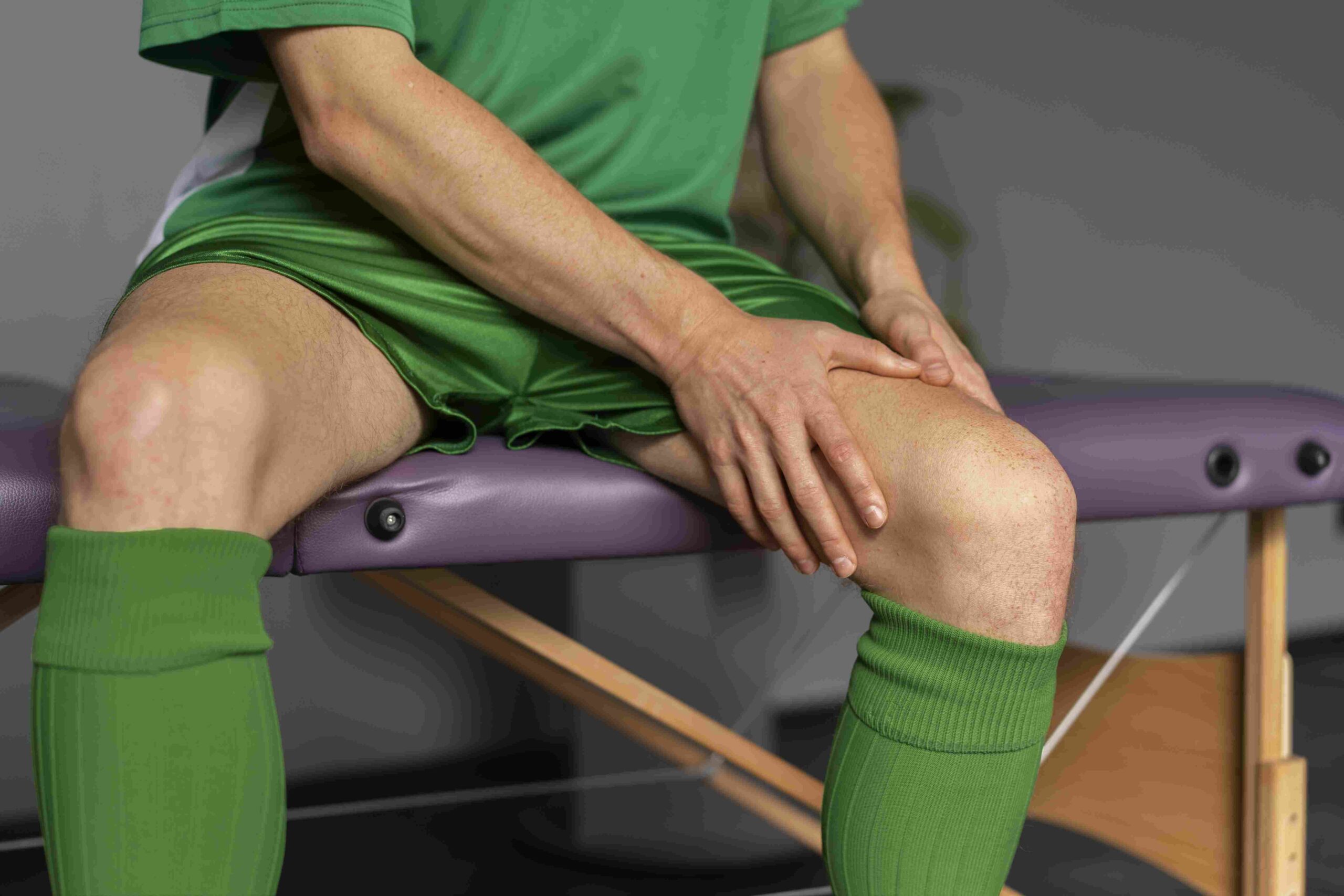
Home Physiotherapy

We understand that some conditions or injuries can make it difficult to receive rehabilitation at our clinic be it mobility or transportation issues. Our objective is to provide you with the same high-quality physiotherapy services at home that you would receive in-clinic.
Posted on

Sports Physiotherapy: Treatment for Muscle Strains at Synapse

Sports Physiotherapy
Sports Injuries, Synapse Physiotherapy

Sports Physiotherapy: Treatment for Muscle Strains at Synapse


In the realm of sports and physical wellness, muscle strains are a common hurdle athletes face. At Synapse Sports Physiotherapy, we specialize in effective treatments tailored to athletes dealing with muscle strains. Our comprehensive approach combines advanced physiotherapy techniques with personalized care, ensuring athletes recover swiftly and safely.

What is muscle strain? 

A muscle strain, or pulled muscle, is similar to a ligament sprain but affects the muscle fibers or tendons. It occurs when the muscle cannot handle the physical demands placed upon it, leading to fiber tears. This type of injury is caused by excessive mechanical stress, often due to a forceful eccentric contraction or overstretching. Muscle strains are especially common in dynamic, non-contact sports that involve sprinting, jumping, or sudden movements.

Classification of Muscle Strains

Muscle injuries are categorized into three grades—mild, moderate, and severe—based on the extent of fiber damage, as

determined by clinical and imaging assessments:

  • Grade I (Mild): A minor strain where only a small number of muscle fibers are affected. Strength remains intact, and the range of motion is fully preserved. Pain and tenderness may not appear immediately but often develop the next day.
  • Grade II (Moderate): Involves a partial tear of the muscle, with nearly half of the fibers damaged. This results in noticeable pain, swelling, and a slight reduction in muscle strength.
  • Grade III (Severe): A complete muscle rupture, where the tendon may detach from the muscle or the muscle itself tears into two separate parts. This causes intense pain, significant swelling, and a total loss of function.

Symptoms of a muscle strain may include:

  • Swelling, discoloration, or redness around the injured area
  • Pain, even when the muscle is at rest
  • Complete inability to move or use the affected muscle
  • Weakness in the muscle or tendons

Physiotherapy Treatment for Muscle Strains

Physiotherapy plays a crucial role in the recovery process for muscle strains by focusing on pain relief, inflammation control, and restoring muscle function. Treatment is typically divided into different phases, beginning with immediate care to manage symptoms and prevent further damage, followed by a structured rehabilitation program to regain strength, flexibility, and functional movement. The ultimate goal is to ensure a safe and effective return to daily activities or sports while minimizing the risk of re-injury. All the treatment will be provided after the physiotherapist does the assessment. A professional evaluation is crucial to determine the severity of the strain, identify the affected muscle group, and establish a personalized treatment plan.

Acute Phase (Initial Stage of Injury Management)

  1. RICE Protocol (Rest, Ice, Compression, Elevation)
    • This well-known method is used to reduce swelling, manage pain, and prevent further strain on the injured muscle.
    • Rest allows the muscle fibers to begin healing without additional stress.
    • Ice helps minimize swelling and numbs the area to reduce pain.
    • Compression with a bandage or wrap prevents excessive swelling.
    • Elevation encourages fluid drainage, reducing inflammation.
  2. Electrotherapy for Pain Management
    • Modalities like ultrasound therapy and TENS (Transcutaneous Electrical Nerve Stimulation) may be used to enhance circulation, reduce muscle spasms, and alleviate pain.
    • These therapies can help accelerate the healing process by stimulating blood flow and promoting tissue repair.
    • Heat Therapy: In later stages of healing, heat may be used to relax tight muscles and improve circulation.
  3. Gentle Mobilization and Range of Motion Exercises
    • Early, controlled movement is essential to prevent stiffness and maintain joint mobility without aggravating the strain.
    • A physiotherapist may guide light, pain-free movements to ensure that the affected muscle does not become overly tight or weak during recovery.

Rehabilitation Phase (Restoring Strength & Function)

  1. Stretching Exercises
    • Gradual stretching helps restore flexibility to the injured muscle and prevents excessive tightness.
    • Dynamic and static stretching techniques are used as healing progresses to regain the full range of motion.
    • Manual Therapy Techniques: Soft tissue massage, joint mobilization, and myofascial release may be included to improve muscle elasticity and relieve tension.
  2. Strengthening Exercises
    • As pain subsides, progressive resistance training is introduced to rebuild muscle strength.
    • Exercises may include bodyweight movements, resistance bands, and light weights before advancing to more challenging activities.
    • Gradual Progression: It’s essential to increase the intensity and complexity of exercises progressively to prevent re-injury while ensuring the muscle adapts to increasing demands.
  3. Proprioceptive & Neuromuscular Training
    • Proprioceptive training focuses on improving body awareness, balance, and coordination, which is crucial for preventing future injuries.
    • This may include exercises like single-leg balance work, agility drills, and controlled functional movements that replicate real-life activities.
  4. Functional Exercises for a Safe Return to Activity
    • Rehabilitation is tailored to match the individual’s daily activities or sport-specific movements.
    • Functional training ensures that the muscle can handle real-world demands, reducing the likelihood of re-injury.

Benefits of Choosing Synapse Sports Physiotherapy

Choosing Synapse means opting for excellence in sports physiotherapy:

  • Expertise: Our team consists of highly trained physiotherapists with extensive experience in sports injuries.
  • Personalized Care: We prioritize personalized care to ensure each athlete receives the attention they deserve.
  • Holistic Approach: Beyond treating the symptoms, we focus on preventing future injuries through education and ongoing support.
  • State-of-the-Art Facility: Our clinic is equipped with state-of-the-art technology to facilitate optimal recovery.

Why Sports Physiotherapy Matters

Sports physiotherapy at Synapse goes beyond mere treatment; it’s about empowering athletes to regain strength, flexibility, and confidence. By addressing muscle strains promptly and effectively, we help athletes get back to peak performance safely and swiftly.

Contact Us Today

If you’re seeking specialized care for muscle strains or other sports-related injuries, Synapse Sports Physiotherapy is here to help. Contact us today to schedule your consultation and take the first step towards a healthier, more active lifestyle.

Share This :

Back & Neck Pain

Conditions such as stiffness, postural abnormalities and muscle overuse from prolonged desk work at the office or home is more prevalent than most would think. We provide the necessary tools to fix you up and educate you on ergonomics which can unload unnecessary stress.

Sports Injuries

Rolled ankles, jarred knees, impinged shoulders are few conditions in the plethora of sports injuries which can hamper performance and limit our enjoyment of sports. Physiotherapy not only treats the symptoms of these conditions but propels your overall fitness to greater heights.

Work Desk Injuries​

Conditions such as stiffness, postural abnormalities and muscle overuse from prolonged desk work at the office or home is more prevalent than most would think. We provide the necessary tools to fix you up and educate you on ergonomics which can unload unnecessary stress.

Pre-Post-Surgical Conditions

Surgery involves going through preparation both before and after. Physiotherapists play a vital role in getting your body ready for surgeries with circulatory, breathing and strengthening exercises. After the procedure, let us be there for your recovery and rehabilitation, taking it one step at a time.

Scoliosis & Postural Abnormalities

The way we stand, sit, walk and sleep has influence over our posture and the overall balance of muscles controlling its alignment. A comprehensive screening can be done by our physiotherapists to detect abnormalities, which we will aid in correcting.

Neurological Conditions

Neurological disabilities such as stroke, nerve compression and neuropathies can be barriers for patients to live life to its fullest. We at Synapse are committed to help you overcome these hurdles by ensuring functional mobility and quality of life is at its optimum by providing the right treatment and exercises.

Osteoarthritis & Rheumatism

Joint degeneration and inflammation happens as the human body grows older, but that does not mean our way of life degenerates as well. Relief your joint pains with a joint effort together with your physiotherapist, who will provide pain-relief treatments and prescribe exercises for your wellbeing.

Conditions Relating To Elderly

Common conditions in the older age population include hips & knee pain, back & neck pain, osteoarthritis, rheumatism, fear of falling and many more.  Aging and degeneration of bodily function is inevitable, but here at Synapse, we will help you live the best of your life.
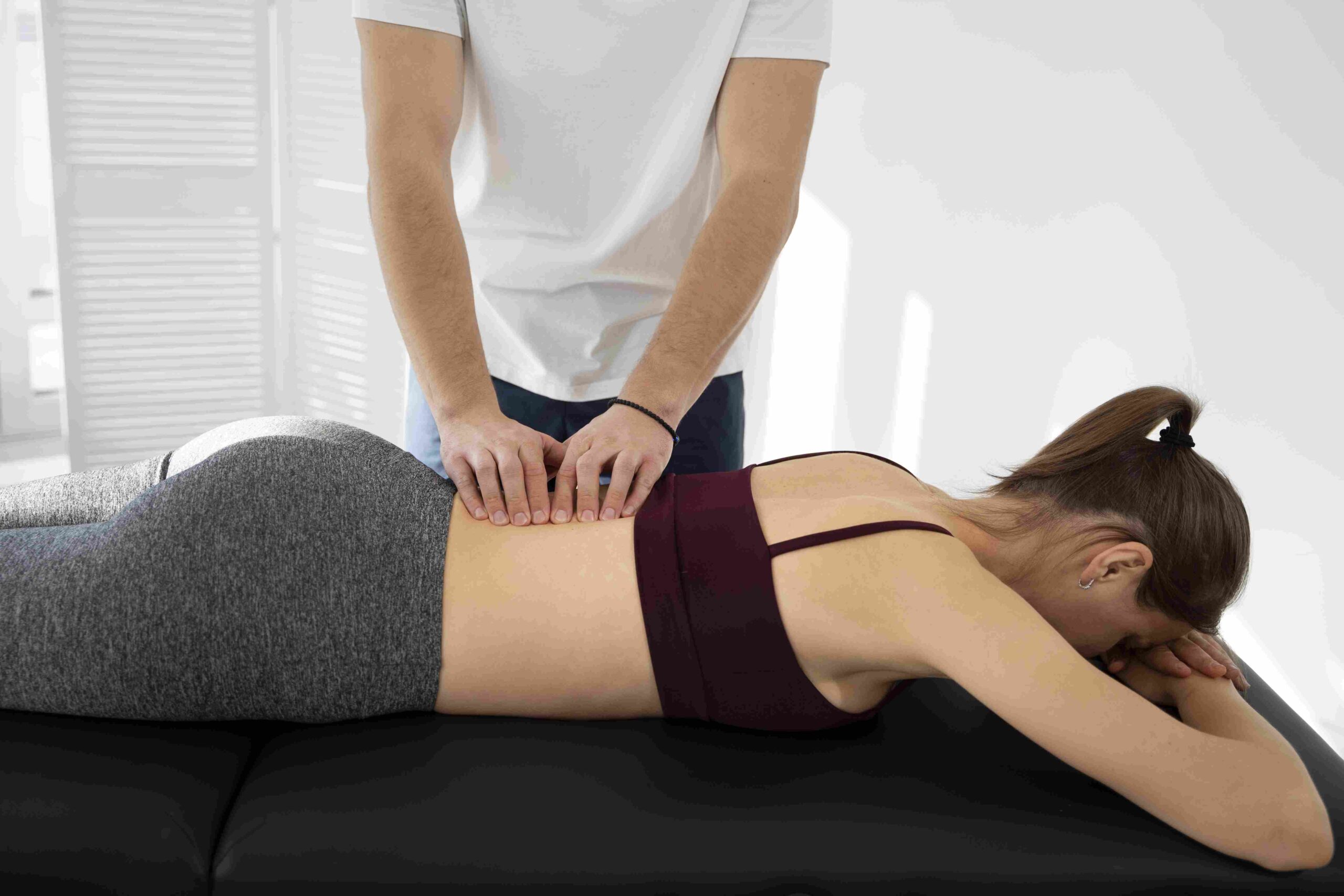
Home Physiotherapy

We understand that some conditions or injuries can make it difficult to receive rehabilitation at our clinic be it mobility or transportation issues. Our objective is to provide you with the same high-quality physiotherapy services at home that you would receive in-clinic.
Posted on

Sports Massage Techniques That Relieve Tension Fast

Sports Massage
Sports Massage
Sports Injuries, Synapse Physiotherapy

Introduction

Sports massage is an intensive method of soft tissue mobilization that can be utilized in both athletic and non-athletic settings. It incorporates a variety of specialized methods, such as effleurage, kneading, wringing, hacking, and trigger point therapy, to target muscle tension and enhance mobility. This type of massage not only promotes overall relaxation but also plays a crucial role in addressing specific problem areas, breaking down adhesions, improving soft tissue flexibility, and alleviating pain

Benefits of Sports Massage

1. Reduction of Delayed Onset Muscle Soreness (DOMS)

DOMS, or delayed onset muscle soreness, is a common experience following intense exercise. It arises due to metabolic inefficiencies, where the body, lacking sufficient oxygen supply, relies on glycolysis to produce energy, generating lactic acid as a byproduct. This accumulation of waste products contributes to post-exercise discomfort and stiffness. Sports massage enhances circulation, helping to flush out these metabolic byproducts, reducing soreness, and promoting a faster recovery process.

2. Pain Relief

Sports massage alleviates pain through multiple mechanisms. The physical pressure applied during the massage helps relax tense muscles, reduces spasms, and disrupts pain signals traveling to the brain. Additionally, it stimulates the release of endorphins, the body’s natural painkillers, providing a non-invasive way to manage discomfort. By reducing muscle stiffness and improving mobility, sports massage is a beneficial tool for both acute and chronic pain relief.

3. Improved Flexibility

Muscle tightness and adhesions can significantly limit an individual’s range of motion, affecting performance and daily activities. Sports massage works to break down these adhesions and stretch muscle fibers, improving overall flexibility. Increased circulation delivers oxygen-rich blood to muscle tissues, ensuring they remain supple and more resistant to injury. Athletes and fitness enthusiasts alike benefit from enhanced flexibility, as it directly contributes to improved movement efficiency and reduced injury risk.

4. Enhanced Recovery

Following an injury, the body initiates a natural healing process that includes the formation of scar tissue. While scar tissue serves to repair damage, excessive buildup can lead to restricted mobility and chronic stiffness. Sports massage aids in breaking down these fibrous tissues, restoring natural movement and function. By improving blood circulation, massage therapy ensures a steady supply of essential nutrients and oxygen to damaged tissues, expediting the healing process and minimizing downtime due to injuries.

5. Maximized Performance

Sports massage is a valuable tool for optimizing physical performance. By preparing muscles for exertion, it helps prevent injuries, enhances endurance, and supports quicker recovery post-exercise. Regular sessions improve muscle readiness and efficiency, allowing athletes to train more frequently without excessive fatigue. Additionally, sports massage has psychological benefits, such as reducing stress and increasing mental clarity, which are essential for peak performance in competitive sports.

6. Injury Prevention

Preventing injuries is one of the most significant advantages of sports massage. Regular sessions help alleviate chronic muscle tension, correct muscle imbalances, and reduce stress on joints and soft tissues. By identifying tight or overworked muscles, therapists can target specific problem areas before they develop into more serious injuries. This proactive approach ensures long-term musculoskeletal health, making sports massage a crucial component of injury prevention strategies for athletes and active individuals.

Top Sports Massage Techniques for Fast Relief

1. Effleurage (Gliding Strokes)

Effleurage is a foundational massage technique that involves smooth, gliding strokes performed with light to moderate pressure. This method is typically used at the beginning and end of a massage session to warm up and relax the muscles.

How it works:

  • Enhances blood flow, preparing muscles for deeper work.
  • Relaxes the nervous system and reduces overall tension.

2. Petrissage (Kneading and Squeezing)

Petrissage involves kneading, rolling, and lifting soft tissues to improve circulation and break down muscle knots.

How it works:

  • Promotes deeper muscle relaxation and reduces stiffness.
  • Stimulates lymphatic drainage, aiding in toxin removal.

3. Deep Tissue Massage

Deep tissue massage targets the deeper layers of muscle and fascia to alleviate chronic muscle tightness and pain.

How it works:

  • Uses firm pressure applied with fingers, knuckles, and elbows.
  • Effective for treating muscle adhesions and persistent soreness.

4. Trigger Point Therapy

Trigger point therapy focuses on releasing tight knots or “trigger points” in the muscles that cause referred pain in other areas of the body.

How it works:

  • Direct pressure is applied to specific points in the muscle.
  • Helps relieve muscle spasms and restores normal function.

5. Compression Therapy

Compression therapy involves rhythmic pressing movements that stimulate circulation and alleviate muscular discomfort.

How it works:

  • Uses sustained pressure to improve blood flow and muscle relaxation.
  • Ideal for pre-event preparation to enhance muscle readiness.

6. Friction Massage

Friction massage is utilized to break down scar tissue and improve mobility in tight or injured areas.

How it works:

  • Circular or transverse movements are applied to affected areas.
  • Increases tissue elasticity and enhances healing.

7. Vibration and Shaking

Vibration and shaking techniques help loosen tight muscles and stimulate blood circulation.

How it works:

  • Rapid shaking or vibrating movements are used to relax overworked muscles.
  • Reduces fatigue and improves muscle recovery.

When to Use Sports Massage

Sports massage can be used strategically in different scenarios to maximize its benefits:

  • Pre-event massage – Warms up muscles and enhances performance.
  • Post-event massage – Reduces muscle soreness and speeds up recovery.
  • Rehabilitation massage – Aids in injury recovery and restores mobility.
  • Maintenance massage – Ensures muscle health and prevents future injuries.

How to Prepare for a Sports Massage

  1. Do Your Research
    Before your appointment, research what to expect from a sports massage. This helps ease any nerves and gives you a clearer idea of the techniques used. Start by checking the massage therapist’s website for specific details about the session.
  2. Ensure the Studio is Accredited
    Make sure the massage studio is accredited by a recognized body, which ensures that their services meet safety and quality standards. Accreditation is a sign of professionalism, and it helps ensure you receive proper care.
  3. Stay Hydrated
    Hydration is key before a sports massage. Dehydration can lead to muscle cramps and make the massage more difficult for the therapist. Drink plenty of water, or beverages with electrolytes, especially if you’re prone to cramping.
  4. Wear Comfortable Clothing
    Wear loose-fitting clothes or undergarments suitable for the massage. You may need to remove outer garments for easy access to muscles, and a towel will be provided to maintain your comfort during the session.
  5. Avoid Heavy Meals
    Don’t eat a heavy meal right before your session. Lying face-down after eating can be uncomfortable, and digestion slows down during a massage. Opt for a light snack instead to avoid feeling sick or sluggish.

What to Expect From a Sports Massage Session

  1. Consultation
    Before the massage, you’ll have an initial consultation with your therapist. This involves assessments of your posture, flexibility, mobility, and symmetry. You’ll also discuss any pain, injuries, health issues, medications, and your exercise routine to ensure the massage targets the right areas.
  2. Pre-Massage Preparation
    You’ll be asked to remove outer clothing, leaving suitable underwear on. If you’re uncomfortable with this, you can discuss it during the consultation. The therapist may use pillows or bolsters for support, and oils, creams, or gels to facilitate the massage, depending on the type of treatment.
  3. During the Massage
    Sports massages can involve some pain, especially if deep pressure is applied to target muscle knots. The therapist will aim to work below your pain threshold, but it’s important to communicate any discomfort so they can adjust the pressure or technique.
  4. Post-Massage Relief
    After pressure is released, you’ll likely feel immediate relief from the intensity of the massage and the muscle tension.

In general, expect the session to follow a pattern of consultation, preparation, the massage itself, and post-massage relief.

What to Expect After a Sports Massage

After a sports massage, it’s common to experience some soreness or discomfort. This is due to the body’s process of metabolizing waste products released from the soft tissues. You may feel additional tension, particularly in areas that need healing, such as your back if treated for pain. The soreness could last up to 48 hours as the body fully adjusts.

To help reduce soreness and speed up recovery, consider these methods:

  1. Stretching
    Gentle stretching, both static and dynamic, can release muscle tension and improve flexibility. This will help alleviate aches as your muscles recover.

  2. Heat Therapy
    Apply heat through warm baths, saunas, or heated pads to ease muscle tension and enhance recovery.
    .

  3. Stay Hydrated
    Drinking plenty of water post-massage helps flush toxins from the muscles and aids in muscle elasticity, reducing soreness and promoting faster recovery.

While the level of pain varies, following these tips can help manage post-massage discomfort and speed up your recovery process.

Conclusion

Sports massage is a powerful technique that offers both immediate relief and long-term benefits by alleviating muscle tension, reducing pain, and enhancing flexibility. Techniques such as effleurage, petrissage, deep tissue massage, and trigger point therapy play a vital role in maintaining muscle health, preventing injuries, and optimizing performance. Whether you are recovering from an intense workout, preventing injuries, or enhancing mobility, integrating sports massage into your routine can significantly improve your overall physical well-being and athletic performance.

At Synapse Physiotherapy, we combine the expertise of skilled massage therapists with personalized treatment plans to ensure that each session targets your specific needs. Incorporating sports massage into a holistic physiotherapy approach can help you recover faster, improve movement efficiency, and prevent future injuries, enhancing both your athletic performance and overall quality of life.

Share This :

Back & Neck Pain

Conditions such as stiffness, postural abnormalities and muscle overuse from prolonged desk work at the office or home is more prevalent than most would think. We provide the necessary tools to fix you up and educate you on ergonomics which can unload unnecessary stress.

Sports Injuries

Rolled ankles, jarred knees, impinged shoulders are few conditions in the plethora of sports injuries which can hamper performance and limit our enjoyment of sports. Physiotherapy not only treats the symptoms of these conditions but propels your overall fitness to greater heights.

Work Desk Injuries​

Conditions such as stiffness, postural abnormalities and muscle overuse from prolonged desk work at the office or home is more prevalent than most would think. We provide the necessary tools to fix you up and educate you on ergonomics which can unload unnecessary stress.

Pre-Post-Surgical Conditions

Surgery involves going through preparation both before and after. Physiotherapists play a vital role in getting your body ready for surgeries with circulatory, breathing and strengthening exercises. After the procedure, let us be there for your recovery and rehabilitation, taking it one step at a time.

Scoliosis & Postural Abnormalities

The way we stand, sit, walk and sleep has influence over our posture and the overall balance of muscles controlling its alignment. A comprehensive screening can be done by our physiotherapists to detect abnormalities, which we will aid in correcting.

Neurological Conditions

Neurological disabilities such as stroke, nerve compression and neuropathies can be barriers for patients to live life to its fullest. We at Synapse are committed to help you overcome these hurdles by ensuring functional mobility and quality of life is at its optimum by providing the right treatment and exercises.

Osteoarthritis & Rheumatism

Joint degeneration and inflammation happens as the human body grows older, but that does not mean our way of life degenerates as well. Relief your joint pains with a joint effort together with your physiotherapist, who will provide pain-relief treatments and prescribe exercises for your wellbeing.

Conditions Relating To Elderly

Common conditions in the older age population include hips & knee pain, back & neck pain, osteoarthritis, rheumatism, fear of falling and many more.  Aging and degeneration of bodily function is inevitable, but here at Synapse, we will help you live the best of your life.
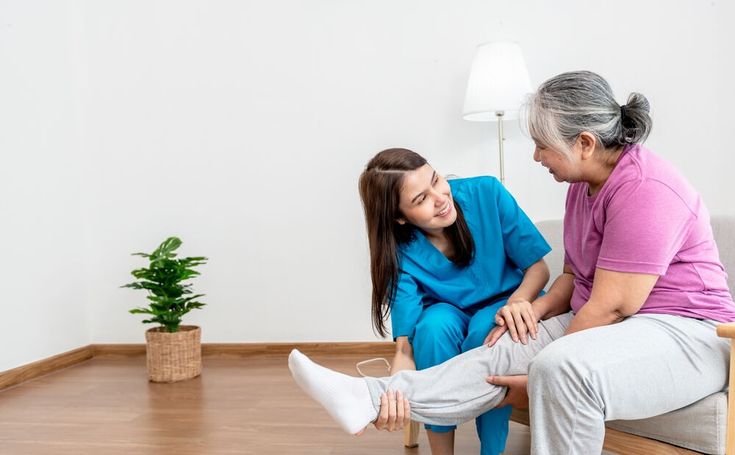
Home Physiotherapy

We understand that some conditions or injuries can make it difficult to receive rehabilitation at our clinic be it mobility or transportation issues. Our objective is to provide you with the same high-quality physiotherapy services at home that you would receive in-clinic.
Posted on

What Services Does a Physiotherapy Clinic Near Me Offer?

physiotherapy clinic near me
Synapse Physiotherapy

What Services Does a Physiotherapy Clinic Near Me Offer?


If you’ve ever typed “physiotherapy clinic near me” into a search engine, you’re probably looking for expert help with pain relief, injury recovery, or movement optimisation. Whether you’re an athlete, office worker, or recovering from surgery, a nearby physiotherapy clinic can offer a wide range of services tailored to your individual needs. But what exactly can you expect when you step into a local physiotherapy clinic?

Physiotherapy is not just for those who have been injured; it’s a comprehensive healthcare service aimed at improving movement, reducing pain, and enhancing physical function and quality of life. A physiotherapy clinic near you is likely staffed by certified physiotherapists and equipped with modern tools to address various musculoskeletal, neurological, and cardiopulmonary conditions.

From initial assessments to specialised treatments, these clinics play a crucial role in helping people of all ages stay active, mobile, and pain-free. Whether you’re seeking help for spinal issues, post-surgical care, or sports rehabilitation, here’s what to expect from your local physiotherapy clinic near me.

1. Initial Assessment and Diagnosis

The journey usually begins with a detailed assessment. Your physiotherapist will ask questions about your medical history, lifestyle, and current symptoms. This is followed by a physical examination to evaluate your strength, mobility, balance, posture, and range of motion.

The goal of this assessment is to determine the root cause of your discomfort or limitation. Based on the findings, your physiotherapist will create a personalised treatment plan that’s designed to meet your specific goals,  whether it’s returning to sports, recovering from surgery, or simply moving better without pain.

2. Manual Therapy

Manual therapy is one of the most hands-on components of physiotherapy. It includes techniques like:

  • Joint mobilisation and manipulation
  • Soft tissue massage
  • Myofascial release
  • Trigger point therapy

These techniques help reduce muscle tension, improve circulation, and restore joint function. They are particularly beneficial for conditions like neck pain, back pain, muscle strains, and arthritis. These are common treatments at a physiotherapy clinic near me for issues like back pain, arthritis, or spinal problems. Manual therapy can help relieve pain, reduce tension, and restore joint function.

3. Exercise Therapy and Rehabilitation

A cornerstone of physiotherapy, exercise therapy is used to improve strength, flexibility, and endurance. Your physiotherapist will design a set of exercises tailored to your condition, lifestyle, and goals.

This may include:

  • Core strengthening

  • Stretching routines

  • Balance training

  • Functional movement exercises

  • Postural correction

Rehabilitation programs are essential for people recovering from injuries, surgeries, or chronic conditions. The aim is to restore optimal movement and prevent future issues through consistent, guided exercise.

Explore our Strength & Conditioning Programme to complement your recovery journey.

4. Sports Injury Rehabilitation

If you’re an athlete or fitness enthusiast, a physiotherapy clinic near me will often provide sport-specific rehab. Whether it’s a sprained ankle, ACL tear, rotator cuff injury, or tennis elbow, physiotherapists can guide you through a safe and effective recovery.

They not only help in healing the injury but also work on:

  • Improving performance

  • Injury prevention strategies

  • Return-to-play assessments

Some clinics may even offer video analysis of movement patterns for sports like running or golf to fine-tune technique and avoid injury. Learn more through our Sports Physiotherapy service.

5. Post-Surgical Rehabilitation

Post-operative physiotherapy is crucial for regaining mobility and function after surgery. Your physiotherapist will work closely with your surgeon’s recommendations to ensure safe progress.

Common post-surgical rehab cases include:

  • Total knee or hip replacement

  • Spinal surgeries

  • ACL reconstruction

  • Shoulder surgeries

Treatment plans typically involve a combination of manual therapy, exercise, and modalities like ultrasound or electrotherapy to reduce swelling, pain, and stiffness. Treatment may involve exercise, manual therapy, and modalities like electrotherapy or ultrasound, all available through your physiotherapy clinic near me.

6. Pain Management

Chronic pain can be debilitating, affecting both your physical and emotional well-being. A physiotherapy clinic near you may offer comprehensive pain management strategies that go beyond medication.

These may include:

  • Dry needling

  • Transcutaneous electrical nerve stimulation (TENS)

  • Heat and cold therapy

  • Education on posture and ergonomics

  • Breathing and relaxation techniques

By addressing the underlying issues and teaching self-management techniques, physiotherapy helps reduce reliance on painkillers and enhances quality of life.

Our Pain Management program is designed to support your journey toward long-term relief, including physiotherapy for slip disc and other spinal conditions.

7. Neurological Physiotherapy

Patients with neurological disorders such as stroke, Parkinson’s disease, or multiple sclerosis can benefit from specialised neurological physiotherapy. The aim is to restore movement, balance, and coordination, helping patients regain independence.

Services may include:

  • Gait training

  • Balance exercises

  • Functional mobility tasks

  • Motor relearning techniques

  • Assistive device training

Neurological physiotherapy is often long-term and highly individualised, focusing on maximising the patient’s potential at every stage. Visit our Neurological Rehabilitation page for more.

8. Women’s Health Physiotherapy

Some physiotherapy clinics also offer services targeted at women’s health issues, such as:

  • Pregnancy-related back and pelvic pain
  • Postnatal recovery
  • Pelvic floor dysfunction
  • Incontinence
  • Diastasis recti

Treatment often involves gentle strengthening exercises, breathing techniques, and education on posture and movement patterns to support women through different stages of life.

9. Ergonomic and Workplace Assessments

A physiotherapy clinic near me may provide ergonomic assessments either in-clinic or at your workplace. These assessments help identify poor posture habits or workstation setups that might be contributing to pain or injury.

Following the assessment, your physiotherapist might recommend:

  • Adjustments to your workstation

  • Tips for posture correction

  • Break-time exercises or stretches

  • Lifestyle changes to support better physical health

These interventions are especially helpful for office workers, drivers, or anyone with a repetitive strain job.

10. Home Exercise Programs and Virtual Consultations

Many modern physiotherapy clinics offer home-based care solutions such as tailored exercise programs and virtual consultations. This makes physiotherapy more accessible, especially for those with busy schedules or mobility issues.

You’ll receive instructional videos, exercise logs, and regular progress check-ins to stay on track from the comfort of your home. This remote support is ideal for busy schedules or mobility challenges and helps patients stay consistent with their treatment plan.

Frequently Asked Questions (FAQs)

1. What can I expect from a physiotherapy clinic near me for spinal issues?

You can expect a mix of manual therapy, exercise plans, and pain management techniques to reduce inflammation, improve mobility, and restore spine health.

2. How long does recovery take at a physiotherapy clinic near me?

Recovery depends on your condition, but many patients improve within 6–12 weeks of consistent care. Chronic or complex issues may require longer treatment plans.

3. Can a physiotherapy clinic near me help prevent further back or neck problems?

Yes. Strength training, ergonomic advice, and posture correction provided by your local clinic can help reduce the risk of future injuries.

4. Is post-operative rehab available at a physiotherapy clinic near me?

Absolutely. Post-surgical care is a core service that helps reduce pain, restore function, and accelerate recovery after procedures like joint or spinal surgeries.

5. Do I need a doctor’s referral to visit a physiotherapy clinic near me?

In most cases, no referral is required. However, bringing your medical records can help your physiotherapist tailor your care more precisely.

Final Thoughts

The next time you search “physiotherapy clinic near me,” know that you’re not just looking for a place that treats injuries. You’re looking for a partner in your long-term health journey, someone who understands your body, listens to your goals, and equips you with the tools to move better and feel better.

Physiotherapy offers a holistic and science-based approach to managing pain, enhancing mobility, and promoting overall well-being. Whether you’re recovering from surgery, managing a chronic condition, or simply trying to stay active and healthy, your local physiotherapy clinic has the expertise and services to support you every step of the way.

Whether you’re recovering from surgery, managing chronic pain, or staying active as you age, our dedicated Spine & Core Rehabilitation Programme can guide you toward a safe and lasting recovery.

Share This :

Back & Neck Pain

Conditions such as stiffness, postural abnormalities and muscle overuse from prolonged desk work at the office or home is more prevalent than most would think. We provide the necessary tools to fix you up and educate you on ergonomics which can unload unnecessary stress.

Sports Injuries

Rolled ankles, jarred knees, impinged shoulders are few conditions in the plethora of sports injuries which can hamper performance and limit our enjoyment of sports. Physiotherapy not only treats the symptoms of these conditions but propels your overall fitness to greater heights.

Work Desk Injuries​

Conditions such as stiffness, postural abnormalities and muscle overuse from prolonged desk work at the office or home is more prevalent than most would think. We provide the necessary tools to fix you up and educate you on ergonomics which can unload unnecessary stress.

Pre-Post-Surgical Conditions

Surgery involves going through preparation both before and after. Physiotherapists play a vital role in getting your body ready for surgeries with circulatory, breathing and strengthening exercises. After the procedure, let us be there for your recovery and rehabilitation, taking it one step at a time.

Scoliosis & Postural Abnormalities

The way we stand, sit, walk and sleep has influence over our posture and the overall balance of muscles controlling its alignment. A comprehensive screening can be done by our physiotherapists to detect abnormalities, which we will aid in correcting.

Neurological Conditions

Neurological disabilities such as stroke, nerve compression and neuropathies can be barriers for patients to live life to its fullest. We at Synapse are committed to help you overcome these hurdles by ensuring functional mobility and quality of life is at its optimum by providing the right treatment and exercises.

Osteoarthritis & Rheumatism

Joint degeneration and inflammation happens as the human body grows older, but that does not mean our way of life degenerates as well. Relief your joint pains with a joint effort together with your physiotherapist, who will provide pain-relief treatments and prescribe exercises for your wellbeing.

Conditions Relating To Elderly

Common conditions in the older age population include hips & knee pain, back & neck pain, osteoarthritis, rheumatism, fear of falling and many more.  Aging and degeneration of bodily function is inevitable, but here at Synapse, we will help you live the best of your life.

Home Physiotherapy

We understand that some conditions or injuries can make it difficult to receive rehabilitation at our clinic be it mobility or transportation issues. Our objective is to provide you with the same high-quality physiotherapy services at home that you would receive in-clinic.