Synapse Physiotherapy | Physio Center | Rehab Malaysia
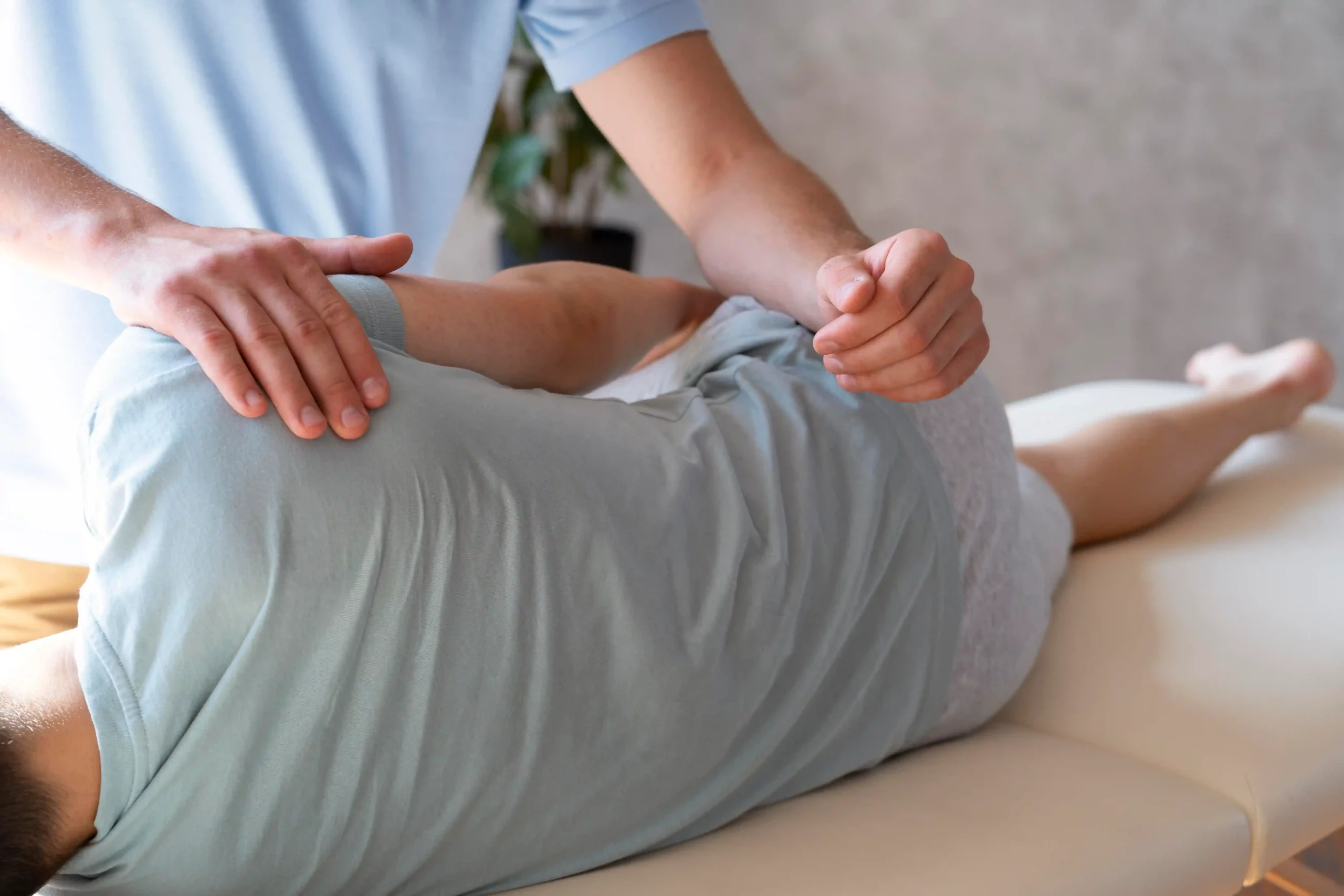
A slip disc, also known as a herniated or prolapsed disc, is one of the most common causes of back and neck pain. It occurs when the soft inner portion of a spinal disc pushes out through its outer layer, irritating nearby nerves. This can lead to symptoms such as pain, numbness, tingling, or weakness in the arms or legs.
Fortunately, most cases do not require surgery. According to the NHS, a slipped disc can be painful, but it usually gets better with rest, gentle exercise, and physiotherapy. Physiotherapy for slip disc is widely recognised as one of the most effective non-surgical treatment options, helping patients relieve pain, restore movement, and prevent recurrence.
One of the leading causes of slip disc is poor posture, especially during prolonged sitting. Slouching, forward head posture, and inadequate lumbar support increase pressure on the spinal discs, particularly in the neck and lower back. Over time, constant poor posture weakens the disc structure and surrounding muscles. Office workers and individuals who spend long hours using computers are especially at risk of Work-Desk Injuries that progress into chronic disc issues.
Physiotherapy for slip disc focuses on postural correction, ergonomic education, and strengthening of postural muscles. By improving spinal alignment and teaching proper sitting habits, therapy reduces disc stress and promotes natural healing.
Lifting heavy objects incorrectly is a common trigger for a slip disc, particularly in the lower back. Bending at the waist instead of the knees or twisting while lifting can place excessive force on the spinal discs. These actions may cause immediate disc injury or worsen existing disc degeneration.
Physiotherapists teach proper lifting techniques and body mechanics to protect the spine. Strengthening core and hip muscles also improves load distribution, reducing the risk of further damage. A Biomechanical Assessment can help identify if your lifting technique is putting your spine at risk. At Synapse Physiotherapy, we specialise in these movement screens to prevent future injury.
As people age, spinal discs naturally lose water content and elasticity. This condition, known as degenerative disc disease, makes discs less flexible and more prone to tearing or herniation, even during simple daily activities. While this is a primary concern in elderly care, maintaining mobility remains the top priority.
Physiotherapy for slip disc improves spinal mobility and joint support, helping to compensate for degeneration. Regular exercise and movement guidance reduce stiffness, improve circulation, and slow further deterioration. You can view our full list of clinical services to see how we manage degenerative conditions.
Weak core muscles provide inadequate support for the spine, increasing the workload on spinal discs. Without proper muscular support, even normal movements can strain the discs and lead to injury. A lack of structural support means the vertebrae must absorb more shock, leading to the gradual wearing down of the protective disc layers.
Core stabilisation exercises are a key component of recovery. Strengthening the abdominal, back, and pelvic muscles improves spinal stability and reduces disc pressure. Many patients benefit from a structured Spine & Core Rehabilitation Programme to build a foundation for a pain-free life.
Repetitive activities such as bending, twisting, or prolonged driving can gradually overload the spine. Over time, repetitive strain causes micro-damage to the discs, increasing the risk of herniation. Athletes and manual workers are particularly susceptible to these mechanical failures.
Physiotherapy for slip disc identifies faulty movement patterns and corrects them through targeted exercises and manual therapy. Activity modification and recovery strategies help reduce repetitive stress on the spine. If you have questions about your specific symptoms, you can contact our specialists for a consultation.
While the disc material that has pushed out may not “pop” back in, the body can naturally resorb the herniated portion over time. Physiotherapy facilitates this by reducing inflammation and strengthening the surrounding muscles to take pressure off the injured disc.
Muscle strains are usually localised to the back. A slip disc often causes radicular pain—pain that travels down the leg (sciatica) or arm, sometimes accompanied by numbness or a “pins and needles” sensation.
Modern evidence suggests that prolonged bed rest can actually delay recovery. “Relative rest”—staying active within pain-free limits—is much more effective for healing.
Most patients experience significant pain relief within 2 to 4 weeks of consistent therapy. However, full rehabilitation to build a strong core and prevent recurrence usually takes 8 to 12 weeks.
Most patients experience significant pain relief within 2 to 4 weeks of consistent therapy. However, full rehabilitation to build a “bulletproof” core and prevent recurrence usually takes 8 to 12 weeks. While symptoms may subside early, completing the full strengthening phase is essential to ensure long-term spinal stability.
A slip disc is often caused by a combination of poor posture, improper lifting, age, weak muscles, and repetitive strain. While these factors may seem unavoidable, their impact can be effectively managed. Physiotherapy for slip disc plays a crucial role in relieving pain, restoring movement, and preventing recurrence without the need for surgery in most cases.
Tags :
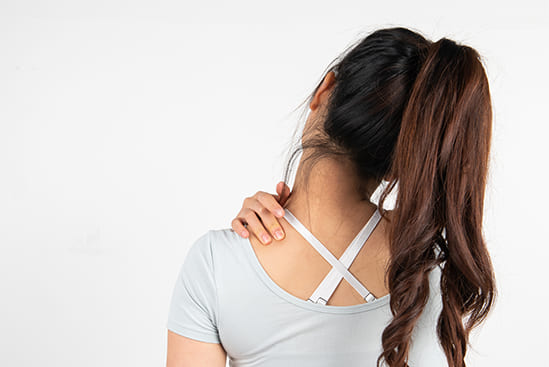


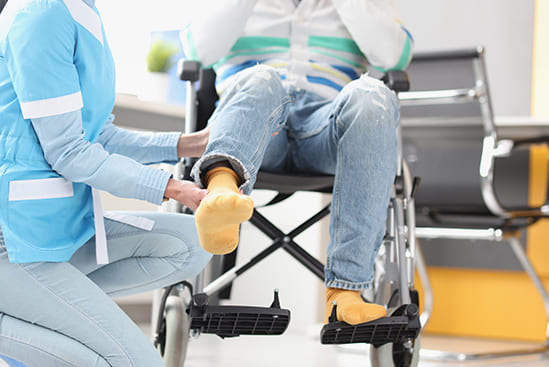


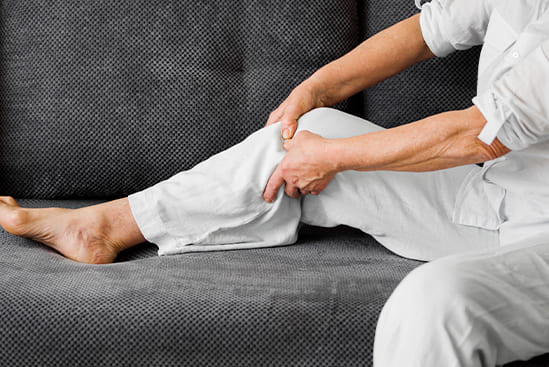
Joint degeneration and inflammation happens as the human body grows older, but that does not mean our way of life degenerates as well. Relief your joint pains with a joint effort together with your physiotherapist, who will provide pain-relief treatments and prescribe exercises for your wellbeing.

Common conditions in the older age population include hips & knee pain, back & neck pain, osteoarthritis, rheumatism, fear of falling and many more. Aging and degeneration of bodily function is inevitable, but here at Synapse, we will help you live the best of your life.