Synapse Physiotherapy | Physio Center | Rehab Malaysia
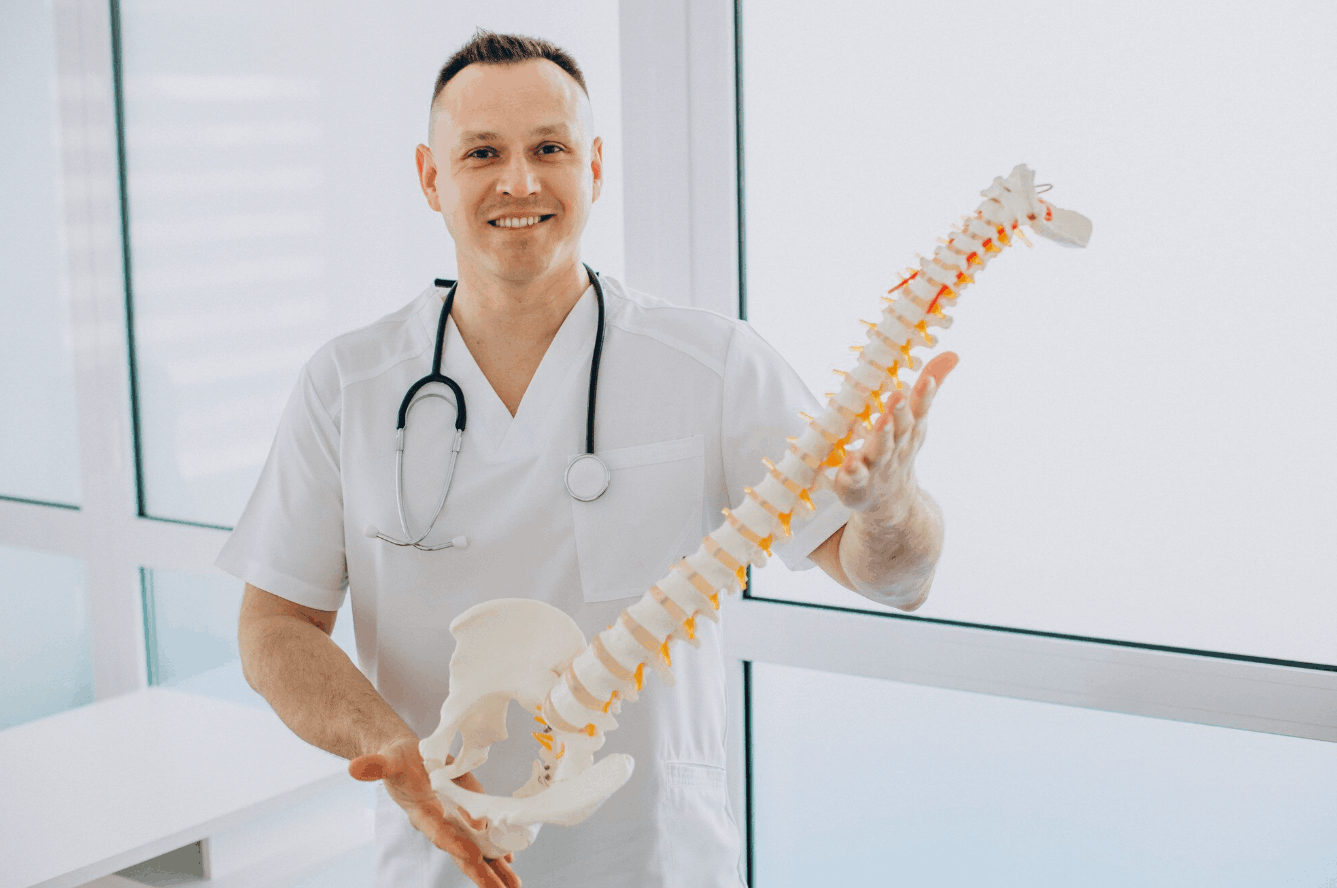
Spine injuries can affect the way you sit, stand, walk, work, sleep, and exercise. Whether the problem starts from poor posture, heavy lifting, sports activity, age-related changes, or an accident, spinal pain should not be ignored when it becomes persistent or starts affecting daily movement. A spine specialist can help identify the root cause of pain and guide patients towards safe, effective treatment.
Spinal conditions can range from mild muscle strain to nerve compression or degenerative changes. Some improve with rest and guided rehabilitation, while others need more structured care. Early assessment is important because untreated spine problems may develop into chronic pain, weakness, or recurring movement limitations.
At Synapse Physiotherapy, patients can receive personalised physiotherapy care for musculoskeletal conditions, pain management, movement restoration, and rehabilitation support.
A spine specialist assesses, diagnoses, and manages conditions affecting the neck, upper back, lower back, spinal joints, discs, muscles, ligaments, and nerves. Depending on the condition, care may involve physiotherapy, rehabilitation exercises, pain management, posture correction, lifestyle advice, imaging referrals, or specialist medical review.
In physiotherapy care, the focus is often on non-surgical treatment first. This may include restoring movement, reducing pain, improving strength, correcting posture, and helping patients return to daily activities safely.
A specialist approach is useful because back or neck pain can have many causes. Pain may come from a disc, nerve, joint, muscle, ligament, or movement imbalance. Proper assessment helps avoid guesswork and ensures the treatment plan matches the actual problem.
A herniated disc, commonly called a slipped disc, is one of the most recognised spine injuries. It happens when the soft inner part of a spinal disc bulges or pushes through the outer layer. If it presses on a nearby nerve, it can cause pain, numbness, tingling, or weakness.
The NHS guide to slipped disc explains that a slipped disc is when a soft cushion of tissue between the bones in the spine bulges outwards and may be painful if it presses on nerves.
A slipped disc may cause localised neck or back pain. If nerve irritation is present, pain may travel into the arm or leg. In the lower back, this may feel like sciatica, with pain travelling down the buttock, thigh, calf, or foot. Some patients also experience pins and needles, numbness, or muscle weakness.
A spine specialist may recommend physiotherapy, pain management, gentle mobility exercises, posture advice, and progressive strengthening. Many cases improve without surgery, especially when managed early. Severe weakness, worsening nerve symptoms, or loss of bladder or bowel control requires urgent medical attention.
Spinal strains and sprains are common causes of back and neck pain. A strain affects muscles or tendons, while a sprain affects ligaments. These injuries may occur from lifting heavy objects, sudden twisting, poor posture, repetitive work, sports movements, or prolonged sitting.
Although strains and sprains are often not dangerous, they can cause significant discomfort and stiffness. If not managed properly, they may lead to recurring pain or movement compensation.
Symptoms may include muscle tightness, stiffness, pain during movement, limited range of motion, tenderness, and difficulty bending or turning. Some patients feel worse after sitting for too long or after sudden activity.
A spine specialist may recommend manual therapy, mobility exercises, strengthening, ergonomic advice, and gradual return to activity. Physiotherapy can help reduce pain while correcting the movement habits that may have contributed to the injury.
Patients can explore personalised rehabilitation support through Synapse Therapy’s spine rehabilitation services.
Degenerative disc disease happens when spinal discs gradually lose hydration, height, and elasticity with age. This is a natural process, but in some people, it can cause chronic back or neck pain, stiffness, and reduced mobility.
The condition does not always mean the spine is severely damaged. Many people have disc degeneration without major symptoms. Pain usually occurs when degeneration irritates nearby joints, muscles, or nerves.
Symptoms may include persistent lower back or neck pain, stiffness after rest, pain that worsens with prolonged sitting or activity, and occasional nerve-related symptoms if nearby nerves are irritated.
A spine specialist usually focuses on improving function and reducing strain on the spine. Treatment may include strengthening the core and hip muscles, improving flexibility, correcting posture, and teaching movement strategies for work and daily activity.
Lifestyle changes can also help. Regular exercise, weight management, good sitting habits, and proper lifting technique may reduce stress on the spine.
Spinal stenosis occurs when spaces within the spine narrow, placing pressure on the spinal cord or nerves. It is more common with age and may affect the neck or lower back.
NHS Inform explains that spinal stenosis can affect any part of the spine but is most common in the lower back and neck, and may lead to pain in the lower back and legs or in the neck, arms and hands. NHS Inform’s spinal stenosis guide also notes that many people can manage symptoms well with the right advice and information.
Spinal stenosis may cause back or neck pain, numbness, tingling, weakness, difficulty walking, or pain that worsens when standing for long periods. Some people feel better when sitting or bending forward.
A spine specialist may recommend exercises to improve spinal mobility, core strength, hip flexibility, and walking tolerance. Pain management, activity modification, and posture strategies may also be included. In severe cases, medical referral may be needed.
Whiplash is a neck injury caused by sudden acceleration and deceleration, commonly after car accidents, sports collisions, or falls. The neck is rapidly forced forward and backward, irritating muscles, ligaments, joints, and sometimes nerves.
Other traumatic spine injuries may include fractures, dislocations, or more serious structural damage. These require medical assessment, especially after a major accident.
Whiplash may cause neck pain, stiffness, headaches, reduced range of motion, shoulder discomfort, dizziness, fatigue, or difficulty concentrating. Symptoms may appear immediately or develop after a few hours.
A spine specialist can guide safe rehabilitation once serious injury has been ruled out. Treatment may include gentle movement, manual therapy, strengthening, posture advice, and gradual return to normal activity. Early movement is often encouraged within safe limits to prevent prolonged stiffness.
Early diagnosis can make spine recovery smoother and more effective.
What a Spine Assessment May Include:
A spine specialist helps identify whether pain is mechanical, nerve-related, inflammatory, traumatic, or linked to a more serious condition — preventing unnecessary treatment delays and ensuring the right plan begins early.
Seek Urgent Medical Attention If You Experience:
These symptoms may indicate a serious spinal condition requiring immediate medical evaluation and do not delay seeking care.
Many spine injuries can be managed without surgery. Physiotherapy often plays a central role by improving movement, strength, posture, and confidence. Treatment may include manual therapy, exercise therapy, nerve mobility work, core strengthening, ergonomic advice, and education on safe activity.
A personalised programme can help reduce pain while improving long-term spinal resilience. At Synapse Physiotherapy, care can support patients with back pain, neck pain, sciatica, orthopaedic rehabilitation, and sports-related injuries.
Rehabilitation is not only about reducing pain. It also helps prevent recurrence. A spine specialist may work with physiotherapists to strengthen supporting muscles, improve flexibility, restore normal movement, and correct poor habits.
Prevention strategies may include proper lifting technique, regular exercise, posture changes, workstation adjustments, movement breaks, and strengthening the core, glutes, and upper back muscles. For patients who need professional support, contact Synapse Therapy to arrange an appointment and discuss suitable care options.
You should consider seeing a specialist if back or neck pain persists, spreads to the arms or legs, causes numbness or weakness, limits daily activities, or does not improve with basic care.
Yes. Many slipped disc cases improve with physiotherapy, gentle exercise, pain management, and strengthening. Severe or worsening nerve symptoms should be reviewed medically.
No. Back pain may come from muscles, joints, ligaments, nerves, posture, movement habits, or age-related changes. Assessment helps identify the likely cause.
Many people manage spinal stenosis with exercises, activity modification, physiotherapy, pain management, and lifestyle advice. Severe cases may need specialist medical review.
Recovery time depends on the condition, severity, age, activity level, and consistency with treatment. Mild strains may improve within weeks, while chronic or nerve-related conditions may take longer.
Spine injuries can affect comfort, movement, and quality of life, but many conditions can improve with timely care. A spine specialist can help assess and manage common problems such as slipped discs, spinal strains, degenerative disc disease, spinal stenosis, and whiplash-related injuries.
The right treatment plan often includes physiotherapy, movement correction, strengthening, posture advice, and long-term prevention strategies. Early assessment is important because it helps identify the cause of pain and reduces the risk of chronic problems.
For personalised spine care, movement assessment, and rehabilitation support, patients can explore the programmes available at Synapse Physiotherapy. Those who need guided recovery for back pain, posture-related discomfort, sports injuries, or post-surgical rehabilitation may also book an appointment to receive advice based on their condition.
Tags :






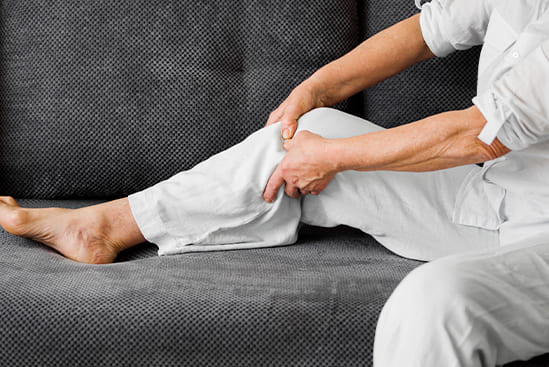
Joint degeneration and inflammation happens as the human body grows older, but that does not mean our way of life degenerates as well. Relief your joint pains with a joint effort together with your physiotherapist, who will provide pain-relief treatments and prescribe exercises for your wellbeing.

Common conditions in the older age population include hips & knee pain, back & neck pain, osteoarthritis, rheumatism, fear of falling and many more. Aging and degeneration of bodily function is inevitable, but here at Synapse, we will help you live the best of your life.