Posted on

Why Sports Physiotherapy is Essential for Athlete Recovery

shockwave therapy
Sports Physiotherapy
Synapse Physiotherapy

The Role of Sports Physiotherapy in Enhancing Athlete Recovery

Recovery is a critical part of any athlete’s training journey. Without proper recovery, the body becomes vulnerable to fatigue, overuse injuries, and reduced performance. This is why Sports Physiotherapy has become an essential component of modern athletic care, supporting the body’s natural healing process while restoring strength, mobility, and control. At Synapse Physiotherapy, we understand that recovery is not just about resting; it is about proactive management. Our Sport Physiotherapy Service is designed to provide athletes with a structured, active approach that ensures they return to peak performance safely and efficiently, rather than relying on passive treatments alone.

Understanding the Specialised Field of Sports Physiotherapy

Sports Physiotherapy is a specialised field focused on the prevention, treatment, and rehabilitation of sports-related injuries. It differs from general physiotherapy by considering the unique physical demands placed on athletes and tailoring recovery programmes accordingly. Rather than treating symptoms alone, this discipline addresses the underlying causes of pain, weakness, or movement dysfunction.

Recovery in this context is not limited to post-injury care. It also plays a vital preventive role by:

  • Identifying early signs of tissue overload.
  • Correcting inefficient movement patterns.
  • Optimising physical performance through evidence-based techniques.

Faster and Safer Recovery from Injuries

One of the primary reasons athletes seek out Sports Physiotherapy is for faster and safer injury recovery. Injuries such as muscle strains, ligament sprains, tendon injuries, and joint pain can worsen if not managed properly. The professional team at Synapse Physiotherapy uses evidence-based techniques such as manual therapy, therapeutic exercises, and guided loading to promote tissue healing.

By progressively restoring movement and strength, athletes can return to training with a significantly reduced risk of re-injury. This structured approach is far more effective than resting alone or returning to sport too quickly, which often leads to setbacks. Through guided loading, the tissues are prepared for the specific stresses of the athlete’s chosen sport.

The Benefits of Active Recovery After Training

Recovery is not only about injury management; it is also about managing training load. High-intensity training and frequent competitions place immense stress on muscles, joints, and the nervous system. Sports Physiotherapy supports active recovery through:

  • Mobility Work: Improving the range of motion in restricted joints.
  • Soft Tissue Techniques: Reducing muscle tightness and post-exercise fatigue.
  • Targeted Exercises: Enhancing circulation to reduce stiffness.

Active recovery helps athletes feel fresher for their next session, leading to more consistent training and better long-term performance.

Improving Movement Efficiency and Performance

Efficient movement is key to both performance and injury prevention. Poor biomechanics can increase stress on tissues and limit athletic output. Sports Physiotherapy includes detailed movement assessments to identify inefficiencies such as muscle imbalances, joint restrictions, or poor coordination.

Once these issues are identified, corrective exercises are prescribed to improve movement quality. As athletes move more efficiently, they use less energy, perform better, and reduce unnecessary strain on the body. This optimisation ensures that every ounce of effort is translated into athletic results rather than being wasted on compensating for poor mechanics.

Reducing the Risk of Overuse Injuries

Overuse injuries develop gradually due to repetitive stress and inadequate recovery. Common examples include tendinopathy, stress fractures, and chronic joint pain. Sports Physiotherapy helps reduce the risk of these injuries by monitoring training load and addressing early warning signs.

Athletes learn how to balance intensity, volume, and recovery. Strengthening and flexibility programmes are tailored to support vulnerable areas, allowing athletes to train consistently without physical breakdown. By catching these issues early, athletes avoid the long periods of downtime associated with major injuries.

Sport-Specific Recovery Programmes

Every sport places different demands on the body. A runner’s recovery needs differ significantly from those of a swimmer, footballer, or weightlifter. Sports Physiotherapy offers sport-specific recovery programmes that reflect these unique demands.

Treatment methods are chosen based on the specific movements, intensity, and physical requirements of the athlete’s sport. This targeted approach ensures that recovery strategies are relevant and effective, rather than generic. Whether you are a marathon runner or a powerlifter, the focus remains on the specific stresses your body undergoes.

Mental Confidence and Long-Term Longevity

Recovery is not just physical; it is also psychological. Injuries and persistent fatigue can affect confidence, motivation, and focus. Sports Physiotherapy provides structure and reassurance during the recovery process. Clear progressions, measurable goals, and guidance from a professional team help athletes feel confident in their journey.

As physical capacity improves, mental readiness and trust in the body also increase. This is vital for long-term athletic longevity. Without proper recovery, repeated stress can lead to chronic pain and early joint degeneration. By investing in sustainable training and recovery habits, athletes learn to care for their bodies and maintain physical resilience for years to come.

Support for Athletes at All Levels

It is a common misconception that Sports Physiotherapy is only for elite professionals. In reality, recreational athletes, youth athletes, and older individuals all benefit from structured recovery care. Whether someone is training for a local competition, general fitness, or personal enjoyment, these services adapt to individual goals and abilities. This inclusivity makes it a valuable resource for anyone seeking to stay active and pain-free.

Integrating these practices into a regular routine yields the greatest benefits. Ongoing assessments and preventive exercises help athletes stay ahead of injuries rather than reacting to them after they occur. By working alongside coaches, a sports physiotherapist ensures that recovery strategies align perfectly with training demands.

Frequently Asked Questions

What is the difference between general physiotherapy and sports physiotherapy?

General physiotherapy treats a broad range of conditions, whereas Sports Physiotherapy focuses specifically on the athletic population, addressing the high-intensity demands and unique physical requirements of sports.

How often should an athlete see a sports physiotherapist?

For maximum benefit, it should be integrated into regular training. While frequency depends on training volume, ongoing assessments help identify early signs of overload.

Can sports physiotherapy help if I am not currently injured?

Yes. It plays a major preventive role by correcting movement patterns, monitoring training load, and improving movement efficiency to prevent future issues.

Does sports physiotherapy involve more than just massage?

Absolutely. It includes manual therapy, therapeutic exercises, guided loading, movement assessments, and education on balancing training intensity with recovery.

Is sports physiotherapy suitable for young athletes?

Yes, youth athletes benefit from structured recovery care, which helps them build physical resilience and stay active.

Conclusion

Recovery is a cornerstone of athletic success, and Sports Physiotherapy offers a safe, effective, and evidence-based approach to achieving it. From faster injury recovery and active post-training care to improved movement efficiency and injury prevention, these services support athletes at every stage of their journey. By investing in proper recovery through Synapse Physiotherapy, athletes can train smarter, perform better, and enjoy a longer, healthier sporting career.

If you are looking to optimise your performance or recover from a persistent ache, our Sport Physiotherapy Service is here to help. Our professional team is dedicated to providing personalised care tailored to your specific sport and goals. Don’t wait for an injury to sideline your progress; take a proactive step toward your health today. Book a consultation with us to start your journey toward peak physical condition.

Share This :

Back & Neck Pain

Conditions such as stiffness, postural abnormalities and muscle overuse from prolonged desk work at the office or home is more prevalent than most would think. We provide the necessary tools to fix you up and educate you on ergonomics which can unload unnecessary stress.

Sports Injuries

Rolled ankles, jarred knees, impinged shoulders are few conditions in the plethora of sports injuries which can hamper performance and limit our enjoyment of sports. Physiotherapy not only treats the symptoms of these conditions but propels your overall fitness to greater heights.

Work Desk Injuries​

Conditions such as stiffness, postural abnormalities and muscle overuse from prolonged desk work at the office or home is more prevalent than most would think. We provide the necessary tools to fix you up and educate you on ergonomics which can unload unnecessary stress.

Pre-Post-Surgical Conditions

Surgery involves going through preparation both before and after. Physiotherapists play a vital role in getting your body ready for surgeries with circulatory, breathing and strengthening exercises. After the procedure, let us be there for your recovery and rehabilitation, taking it one step at a time.

Scoliosis & Postural Abnormalities

The way we stand, sit, walk and sleep has influence over our posture and the overall balance of muscles controlling its alignment. A comprehensive screening can be done by our physiotherapists to detect abnormalities, which we will aid in correcting.

Neurological Conditions

Neurological disabilities such as stroke, nerve compression and neuropathies can be barriers for patients to live life to its fullest. We at Synapse are committed to help you overcome these hurdles by ensuring functional mobility and quality of life is at its optimum by providing the right treatment and exercises.

Osteoarthritis & Rheumatism

Joint degeneration and inflammation happens as the human body grows older, but that does not mean our way of life degenerates as well. Relief your joint pains with a joint effort together with your physiotherapist, who will provide pain-relief treatments and prescribe exercises for your wellbeing.

Conditions Relating To Elderly

Common conditions in the older age population include hips & knee pain, back & neck pain, osteoarthritis, rheumatism, fear of falling and many more.  Aging and degeneration of bodily function is inevitable, but here at Synapse, we will help you live the best of your life.

Home Physiotherapy

We understand that some conditions or injuries can make it difficult to receive rehabilitation at our clinic be it mobility or transportation issues. Our objective is to provide you with the same high-quality physiotherapy services at home that you would receive in-clinic.
Posted on

Top Physiotherapy Petaling Jaya Options for Pain Relief

physiotherapy petaling jaya
Synapse Physiotherapy

Comprehensive Physiotherapy Treatment Options for Pain Relief in Petaling Jaya

Living with persistent pain can significantly diminish your quality of life, whether the discomfort stems from a recent sports injury, long hours at a desk, poor posture, or a complex chronic condition. In recent years, an increasing number of individuals have turned to physiotherapy Petaling Jaya clinics as a safe, effective, and evidence-based method to manage pain and restore physical function. This proactive approach focuses not just on temporary relief but on addressing the underlying root cause of pain to help you move better and live more comfortably in the long term. This is where Synapse Physiotherapy makes the difference through their expertly designed treatment pathways, ensuring that every patient receives a personalised recovery plan that balances clinical excellence with compassionate care.

Understanding the Role of Physiotherapy in Modern Healthcare

Petaling Jaya (PJ) has rapidly evolved into a primary hub for high-quality physiotherapy services, offering a diverse range of modern treatment options tailored to various conditions and lifestyles. From hands-on manual therapy to advanced biomechanical rehabilitation, physiotherapy Petaling Jaya provides comprehensive solutions for pain relief without relying solely on medication or invasive surgery. By choosing a professional team of experts, patients can access holistic care that addresses the body as a whole, rather than treating symptoms in isolation.

The primary goal of these treatments is to help patients recover and regain confidence in their physical abilities. By integrating various modalities, such as exercise therapy and electrotherapy, clinics in PJ ensure that the path to recovery is both sustainable and efficient. To learn more about the global standards of physical therapy, you can explore resources from World Physiotherapy.

1. Manual Therapy for Enhanced Mobility

Manual therapy remains one of the most vital and commonly utilised techniques in physiotherapy Petaling Jaya. This approach involves skilled, hands-on treatment by a trained physiotherapist to improve joint movement, reduce muscle tension, and alleviate pain.

Key Techniques in Manual Therapy

  • Joint Mobilisation: Involves hands-on movement to improve joint mechanics.
  • Soft Tissue Massage: Used to reduce muscle tension and relieve pain.
  • Myofascial Release: Targeted treatment to improve flexibility and function.

Manual therapy is particularly effective for treating conditions like neck pain, lower back pain, frozen shoulder, and general joint stiffness. By restoring normal movement patterns, this treatment reduces pain while simultaneously improving flexibility and overall function. Many clinics now combine these hands-on sessions with corrective exercises to ensure long-lasting results.

2. Tailored Exercise Therapy and Rehabilitation

Exercise therapy is a cornerstone of recovery and plays a crucial role in long-term pain management. Unlike generic gym routines, the programmes provided by Synapse Physiotherapy are personalised based on your specific condition, pain levels, and personal health goals.

Our Exercise Focus Areas

  • Strengthening exercises to support weak muscles.
  • Stretching routines to improve flexibility.
  • Core stability training for better spine health.
  • Balance and coordination exercises to improve functional movement.

This method is especially beneficial for chronic pain conditions, post-surgery recovery, and injury prevention. Under the guidance of a skilled therapist, patients can safely rebuild their strength and significantly reduce the risk of recurring pain. Clinical research published in journals like The Lancet highlights the importance of exercise in managing lower back pain effectively.

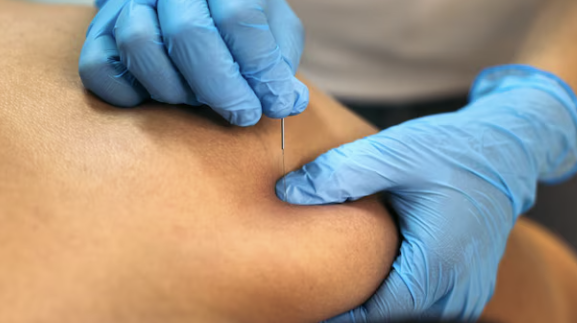
3. Dry Needling for Trigger Point Release

Dry needling is a specialised technique used to treat muscle tightness and “trigger points” that cause restricted movement. It involves the insertion of fine needles into specific muscle areas to release tension and improve blood flow.

This treatment is highly effective for:

  • Neck and shoulder tension.
  • Sports-related muscle injuries.
  • Tension headaches and chronic muscular pain.

Many patients report noticeable relief and improved mobility after just a few sessions. In the context of physiotherapy Petaling Jaya, dry needling is frequently integrated with exercise therapy to achieve optimal recovery outcomes.

4. Electrotherapy and Modern Modalities

Electrotherapy utilises electrical or ultrasonic energy to reduce inflammation and muscle spasms. Common modalities used include TENS (Transcutaneous Electrical Nerve Stimulation), ultrasound therapy, and interferential therapy. These treatments are particularly helpful during the acute phase of an injury when pain levels might otherwise prevent a patient from beginning their rehabilitation. By managing symptoms early, electrotherapy allows patients to start gentle exercises sooner, accelerating the overall healing process.

5. Sports Physiotherapy for Active Lifestyles

As PJ is home to many active individuals and competitive athletes, sports physiotherapy has become a crucial service. This branch of care focuses specifically on treating and preventing injuries related to physical activity, such as ligament sprains, muscle strains, and tendon injuries like Achilles tendonitis or tennis elbow.

? Our specialists do more than just relieve pain; they analyse movement patterns to correct biomechanical issues. This detailed approach reduces the risk of future injuries and helps athletes return to their sport safely and with renewed confidence.

6. Postural Correction and Spine Health

Poor posture is a leading cause of neck, shoulder, and back pain, particularly for those working in office environments. Physiotherapists address these issues through education, ergonomic assessments, and targeted exercises.

Treatment typically involves:

  • Postural awareness training.
  • Workplace ergonomic adjustments.
  • Strengthening postural muscles.
  • Stretching tight muscle groups.

Back pain, whether caused by a slipped disc or prolonged sitting, is one of the most common reasons residents seek physiotherapy Petaling Jaya. Rather than merely masking symptoms, the goal is to restore spinal health and prevent future flare-ups through non-invasive solutions.

7. Post-Surgical Recovery and Chronic Pain

Following surgery, such as knee replacement or spinal repair, structured rehabilitation is essential for regaining function. Physiotherapists guide patients through progressive stages, focusing on pain control and rebuilding strength. For further reading on why medical experts recommend physical therapy after surgery, refer to the .

For those dealing with long-term conditions like arthritis, chronic pain management programmes offer a way to maintain an active lifestyle. These programmes empower patients with self-management strategies, reducing dependence on medication and improving their overall quality of life. One of the greatest advantages of seeking physiotherapy Petaling Jaya is the access to this personalised, evidence-based care that ensures relief is sustainable.

Frequently Asked Questions

What should I expect during my first physiotherapy session?

Your first session involves a thorough assessment where the therapist discusses your medical history, evaluates your movement, and designs a tailored treatment plan.

Is physiotherapy only for sports injuries?

No, it treats a wide range of conditions including chronic back pain, postural issues, post-surgical recovery, and age-related conditions like arthritis.

How many sessions of physiotherapy will I need?

The number of sessions depends on the severity of your condition and your personal goals; some see results in just a few sessions, while others require longer-term rehabilitation.

Does dry needling hurt?

Most patients feel only a minor sensation during the insertion of the fine needles, and many report immediate relief from muscle tension following the treatment.

Can physiotherapy help me avoid surgery?

In many cases, yes. Physiotherapy provides non-invasive solutions for spine and joint issues, often addressing the root cause to prevent the need for surgical intervention.

Conclusion

Pain does not have to control your life. With a wide range of effective treatment options available, physiotherapy Petaling Jaya clinics provide safe, professional, and long-lasting solutions for pain relief. Whether you are recovering from an injury, managing chronic pain, or simply looking to move better, choosing a professional team offers a proactive path toward better health and mobility. By addressing the root cause of pain and focusing on functional recovery, Synapse Physiotherapy helps individuals return to daily activities with confidence, comfort, and improved quality of life.

If you are ready to start your journey toward a pain-free life, Book a consultation today and discover Why choose Synapse As Your Trusted Physiotherapy Expert.

Share This :

Back & Neck Pain

Conditions such as stiffness, postural abnormalities and muscle overuse from prolonged desk work at the office or home is more prevalent than most would think. We provide the necessary tools to fix you up and educate you on ergonomics which can unload unnecessary stress.

Sports Injuries

Rolled ankles, jarred knees, impinged shoulders are few conditions in the plethora of sports injuries which can hamper performance and limit our enjoyment of sports. Physiotherapy not only treats the symptoms of these conditions but propels your overall fitness to greater heights.

Work Desk Injuries​

Conditions such as stiffness, postural abnormalities and muscle overuse from prolonged desk work at the office or home is more prevalent than most would think. We provide the necessary tools to fix you up and educate you on ergonomics which can unload unnecessary stress.

Pre-Post-Surgical Conditions

Surgery involves going through preparation both before and after. Physiotherapists play a vital role in getting your body ready for surgeries with circulatory, breathing and strengthening exercises. After the procedure, let us be there for your recovery and rehabilitation, taking it one step at a time.

Scoliosis & Postural Abnormalities

The way we stand, sit, walk and sleep has influence over our posture and the overall balance of muscles controlling its alignment. A comprehensive screening can be done by our physiotherapists to detect abnormalities, which we will aid in correcting.

Neurological Conditions

Neurological disabilities such as stroke, nerve compression and neuropathies can be barriers for patients to live life to its fullest. We at Synapse are committed to help you overcome these hurdles by ensuring functional mobility and quality of life is at its optimum by providing the right treatment and exercises.

Osteoarthritis & Rheumatism

Joint degeneration and inflammation happens as the human body grows older, but that does not mean our way of life degenerates as well. Relief your joint pains with a joint effort together with your physiotherapist, who will provide pain-relief treatments and prescribe exercises for your wellbeing.

Conditions Relating To Elderly

Common conditions in the older age population include hips & knee pain, back & neck pain, osteoarthritis, rheumatism, fear of falling and many more.  Aging and degeneration of bodily function is inevitable, but here at Synapse, we will help you live the best of your life.
Home Physiotherapy

We understand that some conditions or injuries can make it difficult to receive rehabilitation at our clinic be it mobility or transportation issues. Our objective is to provide you with the same high-quality physiotherapy services at home that you would receive in-clinic.
Posted on

Why Visit a Sports Injury Clinic for Sprain Recovery

sports injury clinic
Synapse Physiotherapy

Introduction

Sprains are among the most common physical setbacks experienced by athletes, active individuals, and even those performing routine daily tasks. Whether it is a sudden ankle twist from a misstep, a knee injury sustained during sports, or a wrist sprain following a fall, these injuries are frequently underestimated. Many people assume that a bit of rest will suffice, but untreated or poorly managed ligament damage can lead to chronic pain, long-term instability, and repeated injuries. This is where Synapse Physiotherapy makes the difference through our specialised rehabilitation programmes, designed to provide a comprehensive recovery that focuses on restoring strength, mobility, and function safely. By visiting a dedicated sports injury clinic, you ensure that your injury is not just masked by temporary measures, but truly healed through expert clinical intervention.

Understanding the Mechanics of a Sprain

To appreciate the importance of professional care, one must first understand what a sprain actually entails. A sprain occurs when a ligament—the strong connective tissue that stabilises your joints—is overstretched or torn. These injuries are not all the same and are typically categorised into three distinct grades to determine the necessary level of care:

  • Grade 1 (Mild): This involves a ligament that has been stretched with only minimal microscopic tearing.
  • Grade 2 (Moderate): This consists of a partial ligament tear, usually accompanied by noticeable swelling and pain.
  • Grade 3 (Severe): This is a complete ligament rupture, which often leads to total joint instability.

Commonly affected areas include the ankles, knees, wrists, shoulders, and thumbs. Without proper assessment at a sports injury clinic, even a mild Grade 1 sprain can worsen without proper care.

The Hidden Dangers of Ignoring Ligament Injuries

A common mistake is relying solely on rest, ice, or painkillers when a sprain is sustained. While these measures are helpful for immediate symptom relief, they do not address underlying structural issues such as muscle weakness, joint instability, or poor movement patterns. Ignoring a sprain or returning to activity too soon can result in a cycle of recurrent injuries.

When you skip a visit to a sports injury clinic, you risk developing chronic joint pain and reduced sports performance. Over time, the lack of stability in the joint can lead to early joint degeneration, which may limit your mobility later in life. Professional intervention ensures the ligament heals correctly, significantly reducing the risk of future injuries.

Key Benefits of Professional Clinical Care

Choosing to seek help from a sports injury clinic offers several advantages that go beyond simple first aid. Our professional team at Synapse Physiotherapy utilises evidence-based practices to ensure your journey from injury to peak performance is seamless and safe.

1. Accurate Assessment and Diagnostic Precision

At a sports injury clinic, trained physiotherapists perform a detailed physical examination to identify the exact severity of the damage. This involves evaluating joint stability, measuring the range of motion, and testing muscle strength. This level of detail is vital because early and accurate diagnosis allows for a targeted treatment plan, which ultimately leads to a faster recovery.

2. Tailored Rehabilitation Programmes

No two bodies react to an injury in the exact same way. A sports injury clinic creates individualised programmes based on your specific injury grade, your activity level, and your long-term goals. This personalised approach ensures that the injured ligament is not overloaded too soon, which is the most common cause of re-injury.

3. Advanced Physiotherapy Techniques

A sports injury clinic utilises a variety of specialised treatments to promote tissue healing and reduce inflammation. These may include:

  • Manual Therapy: Hands-on techniques to improve joint mobility and reduce stiffness.
  • Progressive Loading: Exercises that gradually increase the weight and stress placed on the ligament.
  • Taping and Bracing: Providing external support to the joint during the crucial stages of healing.
  • Massage Service for Sprain Injury: Utilising soft tissue work to improve circulation and reduce muscle tension.

Preventing Recurrent Injuries Through Training

One of the primary goals of a sports injury clinic is to ensure that once you recover, you stay recovered. The biggest risk factor for a sprain is having had a previous one. To combat this, physiotherapists focus heavily on proprioception—your body’s ability to sense its position in space—and balance training. These elements are often overlooked in general fitness routines but are critical for preventing repeated sprains and long-term instability.

Furthermore, if you are a runner, footballer, or gym enthusiast, a sports injury clinic will provide sports-specific functional training. This prepares your body for the high-demand movements required in your specific sport, ensuring you have the confidence to return to the field or the court without fear of another setback.

When to Seek Professional Help

It is important to know when a sprain requires more than just home care. You should Book a consultation at a sports injury clinic if you experience:

  • Persistent pain or swelling that does not subside after a sprain.
  • Significant difficulty bearing weight or using the joint.
  • A sensation of the joint “giving way” or feeling unstable.
  • Limited movement after a few days or recurrent sprains in the same joint.

Early intervention at a sports injury clinic almost always leads to better clinical outcomes and a shorter overall recovery time.

Frequently Asked Questions

Do I need physiotherapy for a mild sprain?

Yes. Even mild sprains can result in residual weakness or poor joint control. A sports injury clinic provides the necessary guidance to ensure proper healing and prevent the injury from becoming a recurring issue.

How long does it take to recover from a sprain?

Recovery timelines vary based on severity. Mild sprains typically recover within 2 to 4 weeks, whereas moderate to severe cases may require 6 to 12 weeks of structured rehabilitation at a sports injury clinic.

Can I continue playing sports while recovering?

This depends entirely on the severity of the injury. A physiotherapist at a sports injury clinic will guide you on safe activity levels and provide modifications to prevent further damage.

What happens if a sprain is left untreated?

Neglecting a sprain can lead to chronic pain, permanent joint instability, and a significant reduction in your athletic performance. It may also increase the likelihood of repeated injuries.

Is imaging like an X-ray or MRI always needed?

Not always. A thorough clinical assessment at a sports injury clinic often provides enough information. Imaging is generally recommended only if fractures or severe ligament damage are suspected.

Conclusion

Sprains may initially seem like minor inconveniences, but without the right management, they can evolve into long-term physical problems. Visiting a sports injury clinic ensures that you receive an accurate diagnosis, a structured recovery plan, and the professional support needed to return to your peak physical condition. At Synapse Physiotherapy, our professional team is dedicated to helping you recover stronger and with more confidence. We go beyond simple pain relief, focusing on the stability and function required for you to live an active, pain-free life.

If you are struggling with a new injury or a nagging, recurrent joint issue, do not wait for it to worsen. Contact us today to learn more about our specialised treatments and Massage Service for Sprain Injury. Take the first step towards a full recovery and Book a consultation with our experts at Synapse Physiotherapy.

Share This :

Back & Neck Pain

Conditions such as stiffness, postural abnormalities and muscle overuse from prolonged desk work at the office or home is more prevalent than most would think. We provide the necessary tools to fix you up and educate you on ergonomics which can unload unnecessary stress.

Sports Injuries

Rolled ankles, jarred knees, impinged shoulders are few conditions in the plethora of sports injuries which can hamper performance and limit our enjoyment of sports. Physiotherapy not only treats the symptoms of these conditions but propels your overall fitness to greater heights.

Work Desk Injuries​

Conditions such as stiffness, postural abnormalities and muscle overuse from prolonged desk work at the office or home is more prevalent than most would think. We provide the necessary tools to fix you up and educate you on ergonomics which can unload unnecessary stress.

Pre-Post-Surgical Conditions

Surgery involves going through preparation both before and after. Physiotherapists play a vital role in getting your body ready for surgeries with circulatory, breathing and strengthening exercises. After the procedure, let us be there for your recovery and rehabilitation, taking it one step at a time.

Scoliosis & Postural Abnormalities

The way we stand, sit, walk and sleep has influence over our posture and the overall balance of muscles controlling its alignment. A comprehensive screening can be done by our physiotherapists to detect abnormalities, which we will aid in correcting.

Neurological Conditions

Neurological disabilities such as stroke, nerve compression and neuropathies can be barriers for patients to live life to its fullest. We at Synapse are committed to help you overcome these hurdles by ensuring functional mobility and quality of life is at its optimum by providing the right treatment and exercises.

Osteoarthritis & Rheumatism

Joint degeneration and inflammation happens as the human body grows older, but that does not mean our way of life degenerates as well. Relief your joint pains with a joint effort together with your physiotherapist, who will provide pain-relief treatments and prescribe exercises for your wellbeing.

Conditions Relating To Elderly

Common conditions in the older age population include hips & knee pain, back & neck pain, osteoarthritis, rheumatism, fear of falling and many more.  Aging and degeneration of bodily function is inevitable, but here at Synapse, we will help you live the best of your life.
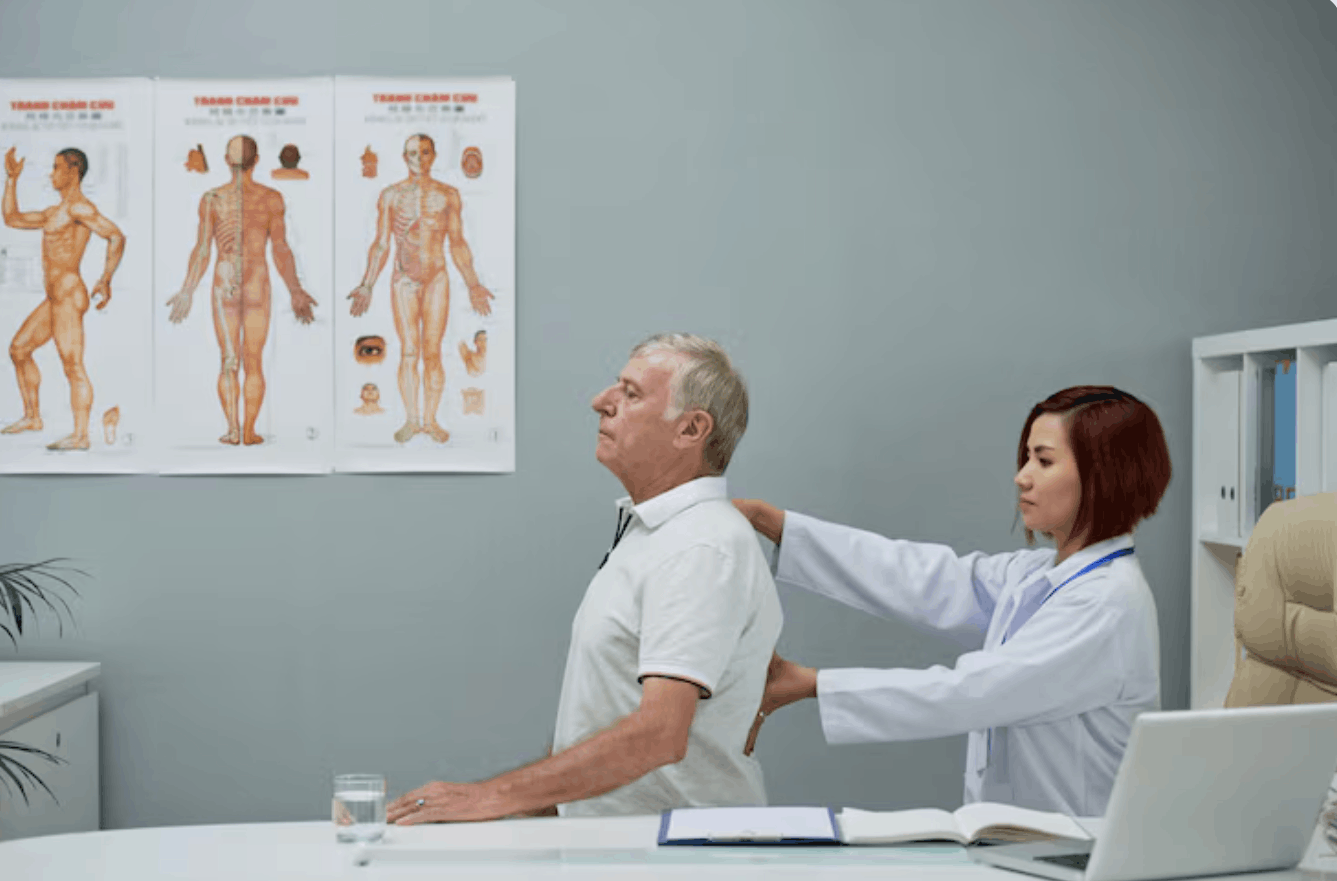
Home Physiotherapy

We understand that some conditions or injuries can make it difficult to receive rehabilitation at our clinic be it mobility or transportation issues. Our objective is to provide you with the same high-quality physiotherapy services at home that you would receive in-clinic.
Posted on

Physiotherapy Malaysia: Top Treatments for Muscle Tears

Physiotherapy Near Me
Synapse Physiotherapy
Physiotherapy Malaysia

Comprehensive Guide to Muscle Tear Recovery with Physiotherapy Malaysia

Muscle tears are among the most common musculoskeletal injuries seen in both professional athletes and the general population. These injuries often occur suddenly during sports, high-intensity exercise, or even during mundane daily activities such as lifting heavy objects or slipping on a wet surface. When these injuries strike, seeking expert guidance from Synapse Physiotherapy ensures a structured path toward recovery through a combination of pain relief, strength restoration, and long-term injury prevention. By choosing the right approach at Physiotherapy Malaysia, most muscle tears can heal effectively without the need for invasive surgery, allowing you to return to your daily routine with confidence.

A muscle tear, also commonly referred to as a muscle strain, ranges in severity from mild overstretching to a complete rupture of the muscle fibres. Without proper rehabilitation and professional intervention, these injuries may lead to prolonged pain, significant weakness, the formation of restrictive scar tissue, and a high risk of recurrent injuries. This is why early and structured intervention from a professional team is crucial for a successful recovery. Physiotherapists are specifically trained to assess the severity of your condition and design evidence-based treatment plans tailored to your unique lifestyle and functional goals.

Understanding the Severity of Muscle Tears

A muscle tear occurs when muscle fibres are overstretched or overloaded beyond their physiological capacity. This often happens during sudden acceleration, rapid deceleration, or when the muscle is subjected to excessive force. While any muscle can be affected, the hamstrings, quadriceps, calf muscles, groin, rotator cuff, and lower back are the most frequently injured areas. To provide the most effective treatment, Physiotherapy Malaysia classifies these injuries into three distinct grades:

  • Grade I (Mild): This involves microscopic tearing of the fibres. You may experience minimal pain and very little loss of strength or mobility.
  • Grade II (Moderate): This is a partial tear. It is usually accompanied by noticeable pain, swelling, and a clear reduction in functional ability.
  • Grade III (Severe): This is a complete rupture of the muscle. It results in significant pain, extensive swelling, and a total loss of muscle function.

Accurate grading is essential, as it determines the intensity, duration, and progression of your specific physiotherapy treatment plan. While rest is an important initial step, it is rarely sufficient for optimal recovery on its own. Improper healing can result in permanent stiffness, weakness, and poor movement control. Professional intervention at Synapse Physiotherapy helps by promoting optimal tissue healing, reducing inflammation, and preventing muscle shortening.

Top Physiotherapy Treatments for Muscle Tears

In Malaysia, the management of muscle tears involves several evidence-based stages. Each stage is designed to protect the tissue while gradually restoring the body’s ability to handle physical loads. By understanding how sport injury clinic help to treat muscle tears, patients can better appreciate the complex science behind their recovery journey.

1. Acute Injury Management and Pain Control

In the early phase, usually the first 48 to 72 hours, the primary focus is on protecting the injured muscle and controlling the initial inflammatory response. Our professional team may recommend activity modification, compression, and gentle positioning to minimise stress on the damaged fibres. Education is also a key component during this stage, ensuring you know how to move safely without aggravating the injury.

Common modalities used for pain management in Physiotherapy Malaysia include:

  • Cryotherapy: Using ice therapy to reduce acute pain and swelling.
  • Electrotherapy: Utilising TENS (Transcutaneous Electrical Nerve Stimulation) for pain modulation.
  • Manual Therapy: Techniques to reduce muscle guarding and tension in surrounding tissues.

2. Progressive Movement and Strengthening

Once the initial pain is controlled, gentle range of motion exercises are introduced to prevent stiffness and maintain muscle elasticity. These movements are performed strictly within pain-free limits. As healing improves, the focus shifts to strengthening, which is the cornerstone of rehabilitation. The progression usually follows this order:

  • Isometric Exercises: Activating the muscle without moving the joint.
  • Concentric Strengthening: Strengthening the muscle as it shortens.
  • Eccentric Strengthening: Controlling the muscle as it lengthens.

Eccentric training is particularly vital in Physiotherapy Malaysia because it helps improve muscle resilience and significantly reduces the risk of re-injury in the future. For more information on the standards of professional practice in the country, you may visit the Malaysian Physiotherapy Association (MPA), the national body representing physiotherapists in Malaysia.

3. Soft Tissue Techniques and Stretching

Manual soft tissue techniques are frequently employed to improve tissue mobility and local circulation. These may include soft tissue mobilisation, myofascial release, and trigger point therapy. When applied at the appropriate stage, these techniques help reduce tightness and prevent excessive scar tissue formation. As healing progresses, individualised stretching programmes are introduced to restore full muscle length and flexibility.

Returning to Sport and Daily Life

Rehabilitation at Physiotherapy Malaysia does not end simply because the pain has disappeared. The final stages of recovery focus on functional and sports-specific rehabilitation to ensure the muscle can handle real-world demands. This phase includes gait retraining, balance and proprioception exercises, and functional movements like squatting or lunging. For athletes, sport-specific drills are integrated to prepare the body for dynamic loads and sudden, explosive movements.

Education remains a pillar of the treatment process at Synapse Physiotherapy. Patients are taught proper warm-up techniques, correct movement patterns, and load management strategies. This empowers you to take control of your long-term musculoskeletal health and prevents the cycle of recurrent injuries.

Recovery Timeline for Muscle Tears

The duration of your recovery depends heavily on the severity of the tear and your individual health factors:

  • Grade I: Typically requires 1 to 3 weeks of rehabilitation.
  • Grade II: Usually takes 4 to 8 weeks for a full recovery.
  • Grade III: May require 3 months or more, and in some severe cases, surgical input may be necessary.

Consistent participation in a structured programme at Physiotherapy Malaysia significantly improves recovery outcomes and reduces overall downtime. Delaying treatment may prolong your recovery and increase the risk of developing chronic issues.

Frequently Asked Questions

When should I see a physiotherapist for a muscle tear?

You should seek help if you experience persistent pain, swelling, bruising, or a noticeable reduction in strength and movement. Early intervention leads to better long-term outcomes.

Is rest enough to heal a muscle tear?

While rest is important initially, it is rarely enough for a full recovery. Without guided exercise, the muscle may heal with weakness or stiffness, making it prone to future injury.

What is the most important exercise for preventing re-injury?

Eccentric strengthening, which involves controlled muscle lengthening, is considered vital for improving muscle resilience and reducing the risk of tearing the muscle again.

Can I treat a Grade III muscle tear without surgery?

Many Grade III tears can be managed with physiotherapy, though they require a longer recovery period of 3 months or more. However, some complete ruptures may require surgical consultation.

How does manual therapy help with muscle tears?

Manual therapy techniques like myofascial release help improve tissue mobility, increase circulation, and prevent the formation of excessive, restrictive scar tissue.

Conclusion

Muscle tears can significantly impact your daily life, career, and athletic performance if they are not managed with professional care. In Physiotherapy Malaysia, evidence-based rehabilitation programmes focus on safe healing, functional recovery, and long-term prevention. Through a combination of expert pain management, manual therapy, and progressive strengthening, the professional team at Synapse Physiotherapy is dedicated to helping you return to your optimal level of function.

Whether you are dealing with a minor strain or a severe rupture, a structured rehabilitation plan is the most effective way to regain your confidence and mobility safely. Don’t let a muscle injury keep you on the sidelines. If you are ready to start your journey toward a full recovery, Book a consultation with us today and experience the highest standard of care.

Share This :

Back & Neck Pain

Conditions such as stiffness, postural abnormalities and muscle overuse from prolonged desk work at the office or home is more prevalent than most would think. We provide the necessary tools to fix you up and educate you on ergonomics which can unload unnecessary stress.

Sports Injuries

Rolled ankles, jarred knees, impinged shoulders are few conditions in the plethora of sports injuries which can hamper performance and limit our enjoyment of sports. Physiotherapy not only treats the symptoms of these conditions but propels your overall fitness to greater heights.

Work Desk Injuries​

Conditions such as stiffness, postural abnormalities and muscle overuse from prolonged desk work at the office or home is more prevalent than most would think. We provide the necessary tools to fix you up and educate you on ergonomics which can unload unnecessary stress.

Pre-Post-Surgical Conditions

Surgery involves going through preparation both before and after. Physiotherapists play a vital role in getting your body ready for surgeries with circulatory, breathing and strengthening exercises. After the procedure, let us be there for your recovery and rehabilitation, taking it one step at a time.

Scoliosis & Postural Abnormalities

The way we stand, sit, walk and sleep has influence over our posture and the overall balance of muscles controlling its alignment. A comprehensive screening can be done by our physiotherapists to detect abnormalities, which we will aid in correcting.

Neurological Conditions

Neurological disabilities such as stroke, nerve compression and neuropathies can be barriers for patients to live life to its fullest. We at Synapse are committed to help you overcome these hurdles by ensuring functional mobility and quality of life is at its optimum by providing the right treatment and exercises.

Osteoarthritis & Rheumatism

Joint degeneration and inflammation happens as the human body grows older, but that does not mean our way of life degenerates as well. Relief your joint pains with a joint effort together with your physiotherapist, who will provide pain-relief treatments and prescribe exercises for your wellbeing.

Conditions Relating To Elderly

Common conditions in the older age population include hips & knee pain, back & neck pain, osteoarthritis, rheumatism, fear of falling and many more.  Aging and degeneration of bodily function is inevitable, but here at Synapse, we will help you live the best of your life.
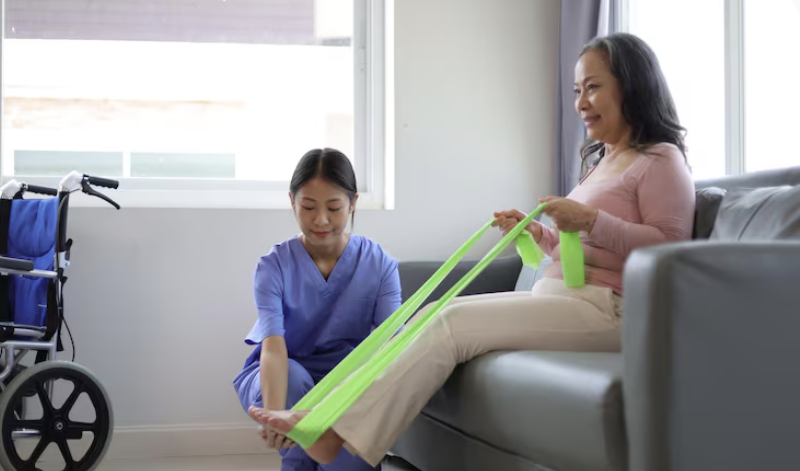
Home Physiotherapy

We understand that some conditions or injuries can make it difficult to receive rehabilitation at our clinic be it mobility or transportation issues. Our objective is to provide you with the same high-quality physiotherapy services at home that you would receive in-clinic.
Posted on

Neurological Physiotherapy Petaling Jaya | Regain Mobility

Physiotherapy Near Me
physiotherapy petaling jaya
Synapse Physiotherapy

Comprehensive Guide to Neurological Physiotherapy Petaling Jaya

Neurological conditions can significantly affect a person’s movement, independence, and overall quality of life. From the daily frustration of muscle weakness to more complex balance problems and chronic pain, these issues often require long-term, specialised care to manage effectively. This is where Synapse Physiotherapy makes a definitive difference, providing structured physiotherapy Petaling Jaya services designed to bridge the gap between initial diagnosis and functional recovery. By focusing on intentional pacing and evidence-based techniques, our professional team ensures that each patient’s journey toward health is seamless, supportive, and effectively managed, allowing individuals to truly be present in their recovery and regain confidence in daily life.

Understanding Neurological Physiotherapy

Neurological physiotherapy is a specialised branch of physical therapy dedicated to treating conditions that affect the brain, spinal cord, and peripheral nerves. Unlike general physical therapy, which might focus on a singular joint or muscle injury, this discipline addresses the complexities of the central and peripheral nervous systems. These conditions may stem from sudden trauma, long-term illness, genetic degeneration, or congenital factors.

The core objective is not merely to build muscle strength, but to optimise how the nervous system communicates with the rest of the body. Through the Syynapse Neurological Rehabilitation Service, patients undergo highly individualised treatment plans. These plans often incorporate task-specific training, gait retraining, and technology-assisted rehabilitation to help the brain “rewire” itself—a process known as neuroplasticity.

Major Conditions Treated in Petaling Jaya

1. Stroke Recovery (Cerebrovascular Accident)

Stroke is one of the most frequent conditions addressed by physiotherapy Petaling Jaya specialists. It occurs when blood flow to the brain is interrupted, often resulting in hemiplegia (paralysis on one side) or coordination loss. The rehabilitation process is critical for regaining motor control.

As noted by the Mayo Clinic, the goal of stroke rehabilitation is to help you relearn skills you lost when the stroke affected part of your brain. Physiotherapy focus areas include:

  • Neuroplasticity Facilitation: Using repetitive, task-oriented exercises to encourage the brain to find new pathways for movement.
  • Gait Retraining: Helping patients move from a wheelchair to independent walking with or without assistive devices.
  • Upper Limb Function: Retraining the arms and hands for fine motor tasks like writing or eating.

2. Parkinson’s Disease Management

Parkinson’s is a progressive disorder that affects the dopamine-producing neurons in the brain, leading to tremors, muscle rigidity, and “freezing” of movement. Our professional team uses specific sensory cues and rhythmic training to help patients overcome these motor hurdles. While there is no cure, physiotherapy is essential for maintaining mobility and preventing the postural changes often associated with the disease.

3. Multiple Sclerosis (MS)

Multiple Sclerosis occurs when the immune system attacks the protective sheath (myelin) that covers nerve fibres. This causes communication problems between the brain and the rest of the body. At Synapse Physiotherapy, the focus for MS patients is on energy conservation and progressive resistance training. We aim to manage the fluctuating nature of the symptoms, helping patients stay active while avoiding the extreme fatigue that can trigger a relapse.

Specialized Rehabilitation for Spinal and Brain Injuries

Spinal Cord Injury (SCI)

Spinal cord injuries are life-altering events that require intensive, long-term commitment. Whether the injury is “complete” or “incomplete,” the role of the physiotherapist is to maximise the patient’s remaining physical potential.

  • Strengthening: Building up the muscles above the level of injury to support daily life.
  • Wheelchair Skills: Teaching advanced techniques for navigating environmental barriers.
  • Respiratory Care: For higher-level injuries, breathing exercises are vital to prevent lung infections.

Traumatic Brain Injury (TBI)

TBI can result from falls, road accidents, or sports impacts. Because TBI often involves cognitive as well as physical deficits, our professional team adopts a multi-modal approach. We focus on balance, motor planning, and sensory integration to help patients navigate their environments safely and with increased independence.

Peripheral Nerves and Childhood Conditions

Peripheral Nerve Injuries

These affect the nerves outside the brain and spinal cord, often due to physical trauma, compression, or metabolic issues like diabetes. Physiotherapy Petaling Jaya experts use electrical stimulation and specific nerve-gliding exercises to promote healing and restore sensation and strength to the affected limbs.

Cerebral Palsy (CP)

While CP is often diagnosed in early childhood, the physical needs of individuals with CP evolve as they age into adolescence and adulthood. Ongoing therapy is crucial for:

  • Spasticity Management: Using stretching and positioning to prevent joint contractures.
  • Functional Mobility: Adapting exercises as the body grows to ensure the individual remains as independent as possible in their community.

Balance, Vestibular Disorders, and Dizziness

Balance is a complex interaction between the eyes, the inner ear (vestibular system), and the body’s sensors (proprioception). When any of these are disrupted, it can lead to debilitating vertigo or a constant fear of falling.

  • Vestibular Rehabilitation: Specific head and eye movements to “re-train” the brain to process signals correctly.
  • Balance Training: Using unstable surfaces and controlled challenges to improve reactions.
  • Fall Prevention: A critical service for older adults in PJ to maintain their safety and confidence at home.

Why Choose Synapse Physiotherapy in Petaling Jaya?

Choosing the right facility is paramount for neurological recovery. Petaling Jaya has become a hub for specialised care, featuring clinics equipped with modern rehabilitation facilities and highly trained staff. At Synapse Physiotherapy, we pride ourselves on a holistic approach. This means your treatment isn’t just about the number of repetitions you can perform; it considers your emotional well-being, your home environment, and your specific lifestyle goals.

By offering one-on-one sessions, our professional team ensures that every minute of your therapy is productive and focused on your unique path to recovery.

Frequently Asked Questions

What should I expect during my first neurological physiotherapy session?

The initial session involves a detailed medical history review followed by a physical assessment of your movement, strength, reflexes, and balance. This allows the therapist to create a bespoke treatment plan.

How long does it take to see results in neurological rehabilitation?

Neurological recovery is a marathon, not a sprint. While some patients see functional gains within weeks, others may work for months or years to achieve their goals. Consistency is the most important factor.

Can physiotherapy help if my condition is progressive (like MS)?

Absolutely. In progressive conditions, the goal is “pre-habilitation” and maintenance—keeping you as strong and mobile as possible for as long as possible.

Is neurological physiotherapy painful?

The goal is function, not pain. Some exercises may be physically demanding or involve stretching tight muscles, but your therapist will always work within your comfort levels.

Do I need a doctor’s referral to start treatment?

While many of our patients are referred by neurologists or GPs, you can book an assessment directly with us to begin your journey.

Conclusion

Neurological challenges can be life-altering, but they do not define your future potential for movement or independence. Through the dedicated Syynapse Neurological Rehabilitation Service, individuals across PJ are reclaiming their confidence and physical capabilities. Whether you are managing a progressive condition or recovering from an acute injury, the right support system is essential. Early assessment and a personalised approach at Synapse Physiotherapy can make a profound difference in your long-term outcome. Don’t wait to reclaim your mobility and quality of life. Book a consultation with our expert professional team today and take the first step toward a more independent future.

Share This :

Back & Neck Pain

Conditions such as stiffness, postural abnormalities and muscle overuse from prolonged desk work at the office or home is more prevalent than most would think. We provide the necessary tools to fix you up and educate you on ergonomics which can unload unnecessary stress.

Sports Injuries

Rolled ankles, jarred knees, impinged shoulders are few conditions in the plethora of sports injuries which can hamper performance and limit our enjoyment of sports. Physiotherapy not only treats the symptoms of these conditions but propels your overall fitness to greater heights.

Work Desk Injuries​

Conditions such as stiffness, postural abnormalities and muscle overuse from prolonged desk work at the office or home is more prevalent than most would think. We provide the necessary tools to fix you up and educate you on ergonomics which can unload unnecessary stress.

Pre-Post-Surgical Conditions

Surgery involves going through preparation both before and after. Physiotherapists play a vital role in getting your body ready for surgeries with circulatory, breathing and strengthening exercises. After the procedure, let us be there for your recovery and rehabilitation, taking it one step at a time.

Scoliosis & Postural Abnormalities

The way we stand, sit, walk and sleep has influence over our posture and the overall balance of muscles controlling its alignment. A comprehensive screening can be done by our physiotherapists to detect abnormalities, which we will aid in correcting.

Neurological Conditions

Neurological disabilities such as stroke, nerve compression and neuropathies can be barriers for patients to live life to its fullest. We at Synapse are committed to help you overcome these hurdles by ensuring functional mobility and quality of life is at its optimum by providing the right treatment and exercises.

Osteoarthritis & Rheumatism

Joint degeneration and inflammation happens as the human body grows older, but that does not mean our way of life degenerates as well. Relief your joint pains with a joint effort together with your physiotherapist, who will provide pain-relief treatments and prescribe exercises for your wellbeing.

Conditions Relating To Elderly

Common conditions in the older age population include hips & knee pain, back & neck pain, osteoarthritis, rheumatism, fear of falling and many more.  Aging and degeneration of bodily function is inevitable, but here at Synapse, we will help you live the best of your life.

Home Physiotherapy

We understand that some conditions or injuries can make it difficult to receive rehabilitation at our clinic be it mobility or transportation issues. Our objective is to provide you with the same high-quality physiotherapy services at home that you would receive in-clinic.
Posted on

How a Spine Specialist Can Help Treat Sciatic Nerve Pain

spine specialist
spine specialist
Synapse Physiotherapy

Understanding Sciatica: How a Spine Specialist Provides Lasting Relief

Sciatica pain can be a frightening, disruptive, and exhausting experience, especially when it begins to affect your ability to walk, sit, sleep, or perform at work. Many individuals initially attempt to manage the discomfort with over-the-counter painkillers or prolonged rest, only to find that the sharp, radiating pain inevitably returns. This cycle of temporary relief is where a spine specialist plays a critical role. By focusing on the intricate relationship between the spine, nerves, and surrounding musculoskeletal structures, these experts help patients reduce pain and restore function. At Synapse Physiotherapy, our professional team is dedicated to providing evidence-based Sciatica Pain Treatment that goes beyond surface-level symptoms to address the root cause of nerve irritation. Rather than simply masking the ache, we shape each recovery journey with intentional pacing and targeted interventions to help you return to your daily life with confidence.

What is Sciatica?

It is important to understand that sciatica is not a standalone diagnosis; rather, it is a set of symptoms caused by the irritation or compression of the sciatic nerve. As the largest nerve in the human body, the sciatic nerve runs from the lower back, through the buttocks, and down each leg. When this nerve is compromised, it can lead to a variety of debilitating sensations.

A spine specialist is trained to recognise the hallmark signs of nerve compression, which often include:

  • Radiating Pain: Sharp or burning sensations that travel down one leg.
  • Sensory Changes: Numbness or a “pins and needles” tingling sensation in the leg or foot.
  • Physical Weakness: A noticeable loss of strength in the lower limb.
  • Positional Aggravation: Pain that worsens significantly when sitting, bending, or coughing.

Common Causes of Nerve Compression

Because sciatica can stem from various underlying spinal issues, a proper assessment is essential. A spine specialist will investigate several potential causes, such as a lumbar disc herniation—often referred to as a slipped disc. Other common culprits include degenerative disc disease, spinal stenosis (the narrowing of the spinal canal), and spondylolisthesis. In some instances, the pain may simply be the result of muscle tightness or poor spinal mechanics that a spine specialist can correct through movement therapy.

The Importance of Specialist Care

While some cases of nerve irritation improve with time, persistent or worsening symptoms require the input of a spine specialist. These experts focus specifically on spinal and nerve-related conditions, allowing them to differentiate sciatica from hip or knee-related issues that may mimic similar symptoms. By identifying the exact source of compression, a spine specialist can prevent patients from undergoing unnecessary or ineffective treatments, ultimately guiding a safer and more progressive recovery. Early intervention by a spine specialist is often the key to reducing the risk of chronic pain and long-term disability.

Comprehensive Assessment and Diagnosis

One of the most valuable services a spine specialist provides is a thorough clinical evaluation. This process begins with a detailed history-taking session, where the specialist asks about pain onset, lifestyle factors, and previous injuries. Following this, a physical examination is conducted to assess posture, spinal alignment, and range of motion.

A spine specialist will also perform neurological tests to check reflexes, strength, and sensation. Nerve tension tests, such as the Straight Leg Raise (SLR), help determine the specific spinal level where the nerve is irritated. If symptoms are severe, the spine specialist may recommend imaging, such as an MRI to visualise discs and nerves, or X-rays to assess bone alignment. Crucially, they correlate these images with clinical symptoms to avoid “incidental findings” that may not actually be causing the pain.

Non-Surgical Treatment Pathways

The majority of sciatica cases can be successfully managed without surgery. A spine specialist typically prioritises conservative management strategies, including:

1. Targeted Physiotherapy

Specialist-guided rehabilitation focuses on reducing nerve irritation and improving spinal mobility. By strengthening the core and hip muscles, a spine specialist helps stabilise the spine and correct the movement patterns that led to the injury.

2. Manual Therapy

Depending on the specific condition, a spine specialist may employ gentle spinal mobilisation, soft tissue techniques, or “nerve gliding” exercises. These manual techniques aim to restore movement without further aggravating the sensitive nerve.

3. Pain Management and Education

Education is a cornerstone of treatment. A spine specialist provides advice on activity modification, ergonomic workstation setups, and the use of heat or cold therapy. This empowers patients to move without fear, which is vital for long-term recovery.

Interventional and Surgical Options

For patients experiencing significant pain that does not respond to initial care, a spine specialist may suggest injection-based treatments. Epidural steroid injections or selective nerve root blocks can reduce inflammation around the nerve, creating a “window of opportunity” for physiotherapy to become more effective.

While surgery is rarely the first choice, a spine specialist is trained to identify “red flags” that require surgical referral. These include progressive muscle weakness, severe nerve compression, or medical emergencies like bowel or bladder dysfunction. If surgery is necessary, the spine specialist ensures the patient is prepared with both pre- and post-operative guidance to ensure the best possible outcome.

Long-Term Prevention and Lifestyle

Preventing the recurrence of pain is a primary goal for any spine specialist. This involves teaching proper sitting posture and safe lifting techniques to manage spinal load. Furthermore, a spine specialist will provide a roadmap for a safe return to sports or work, often involving ongoing flexibility and mobility maintenance programmes. Addressing lifestyle factors, such as weight management and taking regular movement breaks, further ensures the long-term health of the spine.

Frequently Asked Questions

How long does sciatica usually last?

Many cases improve within a few weeks, but you should consult a spine specialist if the pain lasts more than 2 to 4 weeks or if it is frequently recurring.

Can I exercise with sciatica?

Yes, but it must be the right kind of movement. A spine specialist will prescribe progressive exercises that improve mobility without irritating the sciatic nerve.

Is surgery always necessary for a slipped disc?

No, most cases of lumbar disc herniation are successfully treated by a spine specialist using non-surgical methods like physiotherapy and lifestyle changes.

What are the “red flags” I should watch out for?

You should seek immediate medical attention if you experience leg weakness, numbness, or any changes in bowel or bladder control.

How does a spine specialist find the cause of pain?

Through a combination of detailed clinical history, physical nerve tension tests, and, if necessary, imaging like an MRI or CT scan.

Conclusion

Sciatica pain can significantly diminish your quality of life, but with the right expert guidance, it does not have to be a permanent burden. A spine specialist at Synapse Physiotherapy offers the comprehensive assessment and accurate diagnosis needed to create a tailored recovery plan. Whether through targeted Sciatica Pain Treatment, manual therapy, or interventional strategies, our professional team focuses on the root cause of your discomfort to help you return to your daily activities with lasting relief. If you are struggling with persistent leg or lower back pain, taking the step to Book a consultation with a spine specialist may be the most important decision you make for your long-term spinal health.

Share This :

Back & Neck Pain

Conditions such as stiffness, postural abnormalities and muscle overuse from prolonged desk work at the office or home is more prevalent than most would think. We provide the necessary tools to fix you up and educate you on ergonomics which can unload unnecessary stress.

Sports Injuries

Rolled ankles, jarred knees, impinged shoulders are few conditions in the plethora of sports injuries which can hamper performance and limit our enjoyment of sports. Physiotherapy not only treats the symptoms of these conditions but propels your overall fitness to greater heights.

Work Desk Injuries​

Conditions such as stiffness, postural abnormalities and muscle overuse from prolonged desk work at the office or home is more prevalent than most would think. We provide the necessary tools to fix you up and educate you on ergonomics which can unload unnecessary stress.

Pre-Post-Surgical Conditions

Surgery involves going through preparation both before and after. Physiotherapists play a vital role in getting your body ready for surgeries with circulatory, breathing and strengthening exercises. After the procedure, let us be there for your recovery and rehabilitation, taking it one step at a time.

Scoliosis & Postural Abnormalities

The way we stand, sit, walk and sleep has influence over our posture and the overall balance of muscles controlling its alignment. A comprehensive screening can be done by our physiotherapists to detect abnormalities, which we will aid in correcting.

Neurological Conditions

Neurological disabilities such as stroke, nerve compression and neuropathies can be barriers for patients to live life to its fullest. We at Synapse are committed to help you overcome these hurdles by ensuring functional mobility and quality of life is at its optimum by providing the right treatment and exercises.

Osteoarthritis & Rheumatism

Joint degeneration and inflammation happens as the human body grows older, but that does not mean our way of life degenerates as well. Relief your joint pains with a joint effort together with your physiotherapist, who will provide pain-relief treatments and prescribe exercises for your wellbeing.

Conditions Relating To Elderly

Common conditions in the older age population include hips & knee pain, back & neck pain, osteoarthritis, rheumatism, fear of falling and many more.  Aging and degeneration of bodily function is inevitable, but here at Synapse, we will help you live the best of your life.

Home Physiotherapy

We understand that some conditions or injuries can make it difficult to receive rehabilitation at our clinic be it mobility or transportation issues. Our objective is to provide you with the same high-quality physiotherapy services at home that you would receive in-clinic.
Posted on

Why Early Care at a Sports Injury Clinic Matters for Recovery

sports injury clinic
Synapse Physiotherapy

Introduction

Whether you are a professional athlete, a weekend runner, or someone who enjoys recreational sports, injuries can happen when you least expect them. A sudden twist, an awkward landing, or repetitive strain can lead to pain that disrupts training and daily life. Seeking early care at a sports injury clinic is one of the most important decisions you can make after an injury. This is where Synapse Physiotherapy makes the difference through their specialised assessment and rehabilitation plans, designed to address the root cause of your pain rather than just the symptoms. Rather than waiting for pain to “settle down,” early assessment and treatment can significantly influence how fast, safely, and completely you recover.

Understanding Sports Injuries and Early Symptoms

Sports injuries range from acute trauma, such as ankle sprains or muscle tears, to overuse conditions like tendinitis and stress fractures. Many people ignore early symptoms, especially if the pain feels mild or intermittent. However, these early warning signs are your body’s way of signalling that something is wrong. Swelling, reduced range of motion, weakness, stiffness, or pain during activity should not be dismissed. At a professional sports injury clinic, clinicians are trained to detect subtle signs of injury that may not yet be obvious. Early diagnosis allows the root cause to be addressed before the condition worsens or becomes chronic.

Preventing Minor Injuries from Becoming Major Problems

One of the biggest advantages of seeking early care is injury prevention in the long term. A small muscle strain, if left untreated, can alter movement patterns. This compensation places extra stress on surrounding muscles and joints, increasing the risk of secondary injuries. For example, an untreated knee injury may change how you walk or run, eventually leading to hip or lower back pain. Early intervention at a sports injury clinic helps correct these issues early, preventing a cascade of problems that could take months to resolve.

Faster and More Effective Recovery

Time is a crucial factor in injury recovery; the sooner appropriate treatment begins, the more efficient the healing process tends to be. Early care can reduce inflammation, limit tissue damage, and promote proper healing. A reputable sports injury clinic often uses evidence-based approaches such as:

  • Manual Therapy: Hands-on techniques to improve mobility.
  • Targeted Exercises: Specific rehabilitation movements.
  • Taping: Providing external support to injured areas.
  • Progressive Rehabilitation: Structured programs that evolve with your recovery.

When applied early, these interventions can shorten recovery time and help you return to sport or activity sooner, with a reduced risk of re-injury.

Accurate Diagnosis Through Specialized Expertise

Sports-related injuries require a different level of assessment compared to general aches and pains. The professional team at a dedicated sports injury clinic has specific training in biomechanics, movement analysis, and sport-specific demands. They understand how different sports place unique stresses on the body. This expertise allows for a more accurate diagnosis; instead of simply treating symptoms, they identify contributing factors such as muscle imbalances, poor technique, inadequate footwear, or training errors. Addressing these factors early leads to a more complete and lasting recovery.

Reducing the Risk of Chronic Pain

Delaying treatment is one of the main reasons acute injuries turn into chronic conditions. Chronic pain can persist for months or years, affecting performance, motivation, and quality of life. Early care helps interrupt this cycle. By controlling pain, restoring movement, and rebuilding strength early, a sports injury clinic reduces the likelihood of ongoing pain and stiffness. This is particularly important for athletes who train regularly and place repeated stress on their bodies.

Psychological Benefits of Early Treatment

Injuries do not only affect the body; they also impact mental well-being. Frustration, anxiety, and fear of re-injury are common, especially when recovery is prolonged. Early assessment provides clarity and reassurance. Knowing what the injury is, how serious it is, and what the recovery plan looks like can ease anxiety and restore confidence. A sports injury clinic often guides patients step-by-step through recovery, setting realistic goals and timelines. This structured approach helps individuals stay motivated and mentally engaged in the healing process.

Personalized Rehabilitation Programs

No two injuries are exactly the same, even if they share a diagnosis. Early care allows rehabilitation programs to be tailored to your specific needs, sport, and fitness level. At a sports injury clinic, treatment plans are adjusted based on how your body responds in the early stages of recovery. Exercises can be progressed safely, ensuring that healing tissues are challenged appropriately without being overloaded. This personalisation is key to optimal outcomes.

Safe and Confident Return to Sport

Returning to sport too early or without proper rehabilitation increases the risk of re-injury. Early care ensures that return-to-play decisions are based on objective measures such as strength, flexibility, balance, and functional performance—not just the absence of pain. The Sport Injury Physiotherapy Service at Synapse focuses on restoring sport-specific movements, such as jumping, cutting, or throwing, before clearance is given. This approach helps athletes return with confidence and reduced fear, knowing their body is truly ready.

Long-Term Performance and Injury Prevention

Early intervention is not just about recovery; it is also about long-term performance. Identifying weaknesses, movement inefficiencies, or training errors early can improve overall athletic performance. Many sports injury clinic facilities provide education on:

  1. Warm-up Routines: Preparing the body for the demands of sport.
  2. Recovery Strategies: Managing fatigue and tissue health.
  3. Load Management: Balancing training to prevent overuse.
  4. Injury Prevention Exercises: Targeted drills to strengthen vulnerable structures.

These strategies help athletes train smarter and reduce the likelihood of future injuries. When you invest in early care, you are not just fixing a current problem; you are protecting your performance and well-being for the future.

When Should You Seek Early Care?

You should consider visiting a sports injury clinic if you experience:

  • Pain that persists for more than a few days.
  • Swelling, bruising, or instability.
  • Reduced strength or range of motion.
  • Pain that worsens with activity.
  • Recurrent injuries in the same area.

Early assessment does not always mean aggressive treatment; sometimes, simple advice and guided exercises are enough to prevent a minor issue from escalating.

Frequently Asked Questions

Why should I go to a sports injury clinic instead of a general doctor?

A sports injury clinic employs clinicians with specific training in biomechanics and movement analysis, allowing them to understand the unique stresses different sports place on the body.

How soon after an injury should I seek help?

As soon as possible. Time is a crucial factor, and early treatment can reduce inflammation, limit tissue damage, and significantly influence how fast you recover.

Will I be told to stop exercising completely?

Not necessarily. A sports injury clinic focuses on a structured, progressive approach to help you return to activity sooner with a reduced risk of re-injury.

Can a sports injury clinic help with chronic pain?

Yes. Early care helps interrupt the cycle of chronic pain by restoring movement and rebuilding strength before acute injuries become long-term conditions.

What is the main goal of a sports-specific rehab program?

The goal is to ensure a safe return to sport based on objective measures like strength and functional performance, rather than just the absence of pain.

Conclusion

Early care at a sports injury clinic plays a vital role in effective recovery, injury prevention, and long-term athletic health. By addressing injuries promptly with the help of a professional team, you reduce downtime, prevent complications, and protect your performance and well-being. Ignoring pain or “pushing through” may seem harmless in the short term, but it often leads to longer and more complex recovery later. Whether you require the specialised Sport Injury Physiotherapy Service at Synapse or a general assessment, taking action now is an investment in your body’s future. If you are experiencing discomfort or want to ensure your body is performing at its peak, Synapse Physiotherapy is ready to support your journey. To begin your personalised recovery plan, Book a consultation today.

Share This :

Back & Neck Pain

Conditions such as stiffness, postural abnormalities and muscle overuse from prolonged desk work at the office or home is more prevalent than most would think. We provide the necessary tools to fix you up and educate you on ergonomics which can unload unnecessary stress.

Sports Injuries

Rolled ankles, jarred knees, impinged shoulders are few conditions in the plethora of sports injuries which can hamper performance and limit our enjoyment of sports. Physiotherapy not only treats the symptoms of these conditions but propels your overall fitness to greater heights.

Work Desk Injuries​

Conditions such as stiffness, postural abnormalities and muscle overuse from prolonged desk work at the office or home is more prevalent than most would think. We provide the necessary tools to fix you up and educate you on ergonomics which can unload unnecessary stress.

Pre-Post-Surgical Conditions

Surgery involves going through preparation both before and after. Physiotherapists play a vital role in getting your body ready for surgeries with circulatory, breathing and strengthening exercises. After the procedure, let us be there for your recovery and rehabilitation, taking it one step at a time.

Scoliosis & Postural Abnormalities

The way we stand, sit, walk and sleep has influence over our posture and the overall balance of muscles controlling its alignment. A comprehensive screening can be done by our physiotherapists to detect abnormalities, which we will aid in correcting.

Neurological Conditions

Neurological disabilities such as stroke, nerve compression and neuropathies can be barriers for patients to live life to its fullest. We at Synapse are committed to help you overcome these hurdles by ensuring functional mobility and quality of life is at its optimum by providing the right treatment and exercises.

Osteoarthritis & Rheumatism

Joint degeneration and inflammation happens as the human body grows older, but that does not mean our way of life degenerates as well. Relief your joint pains with a joint effort together with your physiotherapist, who will provide pain-relief treatments and prescribe exercises for your wellbeing.

Conditions Relating To Elderly

Common conditions in the older age population include hips & knee pain, back & neck pain, osteoarthritis, rheumatism, fear of falling and many more.  Aging and degeneration of bodily function is inevitable, but here at Synapse, we will help you live the best of your life.
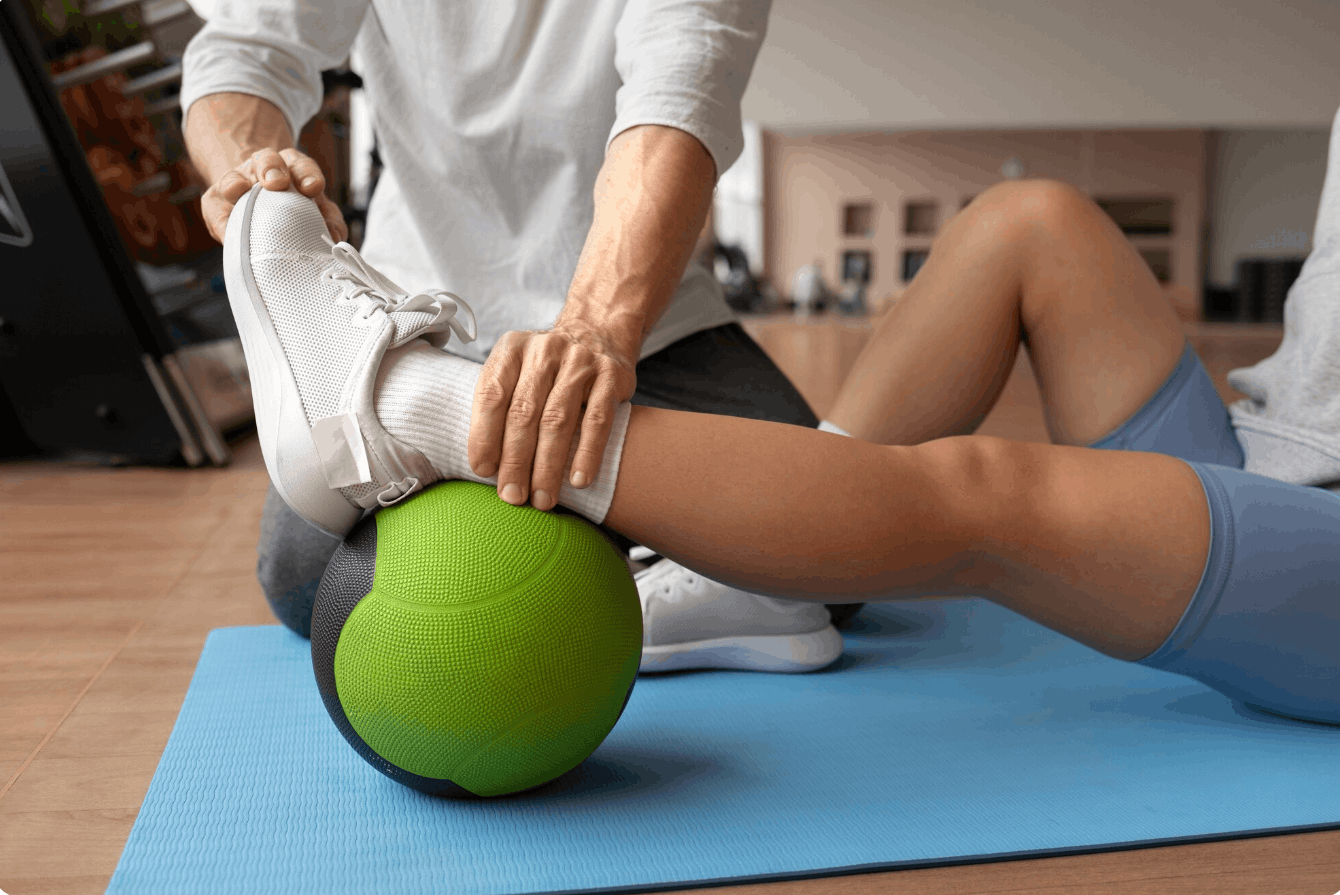
Home Physiotherapy

We understand that some conditions or injuries can make it difficult to receive rehabilitation at our clinic be it mobility or transportation issues. Our objective is to provide you with the same high-quality physiotherapy services at home that you would receive in-clinic.
Posted on

Shoulder Pain Rehab at a Sports Injury Clinic in Malaysia

Physiotherapy Near Me
sports injury clinic
Synapse Physiotherapy

Comprehensive Shoulder Pain Rehabilitation at a Sports Injury Clinic in Malaysia

Shoulder pain is a pervasive issue that affects a diverse demographic in Malaysia, from high-performance athletes and dedicated gym-goers to office professionals in Kuala Lumpur and Ampang. Because the shoulder is the most mobile joint in the human body, its complex structure of bones, tendons, and ligaments makes it uniquely vulnerable to both acute injury and repetitive overuse. Without a structured intervention, what begins as minor discomfort can quickly escalate into a chronic condition that severely limits your daily activities, work performance, and athletic potential. This is where Synapse Physiotherapy makes the difference through our specialised rehabilitation programmes, designed to bridge the gap between initial pain and a full return to function. Rather than simply treating symptoms, we shape each journey with intentional pacing and carefully chosen evidence-based treatments that allow you to recover with comfort, balance, and flow.

Understanding the Role of a Sports Injury Clinic

A dedicated sports injury clinic provides an essential service by offering structured, evidence-based treatments that go far beyond basic rest. In the bustling urban hubs of Malaysia, these clinics are the first line of defence against musculoskeletal conditions that arise from both active lifestyles and sedentary work environments. By visiting a sports injury clinic, patients gain access to a multidisciplinary approach that combines clinical expertise with advanced therapeutic technologies. The primary goal of any reputable sports injury clinic is to empower the patient, providing them with the tools and knowledge necessary to manage their condition and prevent the recurrence of debilitating pain.

Common Shoulder Conditions Managed by Professionals

The shoulder is a masterpiece of biomechanics, but its reliance on soft tissue for stability means it is prone to a variety of issues. A sports injury clinic in Malaysia typically manages a broad spectrum of shoulder-related problems, ranging from sudden trauma to degenerative changes. Some of the most common conditions treated include:

  • Rotator Cuff Injuries: These involve strains or tears to the group of muscles and tendons that keep the arm bone centered in the shoulder socket.
  • Shoulder Impingement Syndrome: This occurs when the tendons of the rotator cuff are intermittently trapped and compressed during shoulder movements.
  • Instability and Dislocation: Frequent in contact sports, where the shoulder joint is forced out of its normal position.
  • Tendinitis and Bursitis: Inflammation of the tendons or the fluid-filled sacs (bursae) that provide cushioning for the joint.
  • Labral Injuries: Damage to the cartilage rim that deepens the shoulder socket.
  • Frozen Shoulder: Also known as adhesive capsulitis, this leads to significant stiffness and loss of range of motion.

Many of these conditions develop over time due to improper training techniques, poor ergonomic setups at work, or underlying muscle imbalances. Identifying these factors early is a core priority for the professional team at Synapse Physiotherapy.

The Importance of an Accurate Clinical Assessment

The journey to recovery at a sports injury clinic always begins with a comprehensive assessment. Because shoulder pain is often influenced by factors distal to the site of pain—such as neck posture or mid-back stiffness—a thorough evaluation is critical. When you visit a sports injury clinic, you can expect a detailed diagnostic process that includes:

  1. Detailed History: A deep dive into your injury timeline, activity levels, and lifestyle demands.
  2. Posture and Movement Analysis: Observing how you hold yourself and how your shoulder blades move during various tasks.
  3. Range of Motion Testing: Measuring the exact degrees of movement in all directions.
  4. Strength Assessment: Testing the specific muscles of the rotator cuff and scapular stabilisers to find weaknesses.
  5. Functional Testing: Simulating work or sports-specific movements to see where the biomechanical breakdown occurs.

This precise data allows our professional team to design a bespoke Pain Management Physiotherapy Service with Synapse that addresses the root cause of your discomfort.

Pain Management and Early Intervention Strategies

In the acute phase of an injury, the primary objective of a sports injury clinic is to reduce inflammation and restore a basic level of comfortable movement. Early-stage rehab is vital because it prevents the development of “fear-avoidance” behaviours, where patients stop moving altogether, leading to further stiffness and muscle atrophy. To manage this effectively, a sports injury clinic may employ several modalities:

  • Manual Therapy: Hands-on techniques used by therapists to improve joint gliding and reduce muscle guarding.
  • Soft Tissue Release: Targeting specific tight or overworked muscles to alleviate tension.
  • Shockwave Therapy: An advanced non-invasive treatment often used for chronic tendon issues that haven’t responded to other treatments.
  • Electrotherapy: Using electrical stimulation to assist in pain modulation and muscle activation.

By settling the pain early, the sports injury clinic prepares the joint for the more active phases of rehabilitation that involve strengthening and conditioning.

Restoring Mobility and Correcting Movement Patterns

Restricted movement is a hallmark of shoulder dysfunction. A sports injury clinic does not just focus on the shoulder joint itself but looks at the entire “kinetic chain”. To ensure a full recovery, therapists guide patients through progressive exercises to restore:

  • Glenohumeral (Shoulder) Joint Movement: Ensuring the ball-and-socket joint moves smoothly.
  • Scapular Mobility: The shoulder blade must move in sync with the arm to prevent impingement.
  • Thoracic Spine Flexibility: A stiff upper back often forces the shoulder to overwork, leading to injury.

Improving mobility in these specific areas prevents the body from “compensating” by using the wrong muscles, which is a major cause of re-injury. Education is a cornerstone of this phase; at Synapse Physiotherapy, we teach you how to adjust your posture and manage your physical load to keep the pain from returning.

Strength and Stability: The Foundation of Shoulder Health

Unlike the hip joint, which is deep and stable, the shoulder relies almost entirely on muscle control for its stability. Therefore, a sports injury clinic places heavy emphasis on progressive strengthening. A well-rounded programme will typically focus on the following key areas:

  • Rotator Cuff Strengthening: Building the endurance and power of the deep muscles that stabilise the joint.
  • Scapular Stabiliser Activation: Training the muscles that control the shoulder blade (like the serratus anterior and rhomboids).
  • Upper Back and Core Integration: Ensuring the “anchor” of the shoulder—the torso—is strong and stable.

As you progress through your journey at the sports injury clinic, the exercises become more challenging, moving from simple isolated movements to complex, functional patterns that mimic your everyday life or sport.

Sports-Specific Rehabilitation and Post-Surgical Care

For those looking to return to high-level competition, a sports injury clinic provides specialised “return-to-play” protocols. This involves endurance training for overhead sports like badminton or swimming, as well as reaction drills to ensure the shoulder can handle sudden impacts. The sports injury clinic uses clear criteria to determine when an athlete is ready to return, significantly reducing the risk of a second injury.

Furthermore, if surgery is unavoidable, a sports injury clinic is vital for post-operative success. Surgeons and physiotherapists work in tandem to guide patients through protection phases, gentle movement, and eventually, full-scale conditioning. Proper post-surgical physiotherapy at a sports injury clinic is often the deciding factor in whether a patient regains 100% of their former function and mobility.

Frequently Asked Questions

How long does shoulder pain rehabilitation take?

The duration of recovery at a sports injury clinic depends on the injury’s severity; mild strains may resolve in weeks, while complex tears or post-surgical cases can take several months of structured rehab.

Do I need an MRI or X-ray before visiting a sports injury clinic?

Not necessarily. Most shoulder conditions are diagnosed through clinical assessment. A sports injury clinic will recommend imaging only if symptoms persist or if a serious structural tear is suspected.

Can physiotherapy help me avoid having shoulder surgery?

Yes, in many cases. Many shoulder conditions respond exceptionally well to conservative management at a sports injury clinic if the treatment is started early and followed consistently.

Will the rehabilitation exercises be painful?

Rehab is designed to be progressive and tolerable. While some minor discomfort is expected when restoring movement, the professional team will always adjust exercises to suit your pain threshold.

Can I continue to play sports while undergoing rehab?

This is determined on a case-by-case basis. Your therapist at the sports injury clinic will provide guidance on activity modification and the safest timeline for returning to your sport.

Conclusion

Shoulder pain is a complex challenge that requires more than just passive rest or temporary medication. By choosing a professional sports injury clinic, you are opting for a comprehensive path to recovery that prioritises clinical precision and functional long-term health. Whether you are a professional athlete in Malaysia or an office worker struggling with daily discomfort, early intervention at a sports injury clinic is the key to a faster, more effective recovery.

At Synapse Physiotherapy, our dedicated professional team is committed to delivering a high-quality Pain Management Physiotherapy Service with Synapse. We provide the assessment, treatment, and education you need to return to your life with confidence and strength. Do not let shoulder pain dictate your lifestyle any longer. Book a consultation with us today and take the first step toward lasting relief with our professional team.

Share This :

Back & Neck Pain

Conditions such as stiffness, postural abnormalities and muscle overuse from prolonged desk work at the office or home is more prevalent than most would think. We provide the necessary tools to fix you up and educate you on ergonomics which can unload unnecessary stress.

Sports Injuries

Rolled ankles, jarred knees, impinged shoulders are few conditions in the plethora of sports injuries which can hamper performance and limit our enjoyment of sports. Physiotherapy not only treats the symptoms of these conditions but propels your overall fitness to greater heights.

Work Desk Injuries​

Conditions such as stiffness, postural abnormalities and muscle overuse from prolonged desk work at the office or home is more prevalent than most would think. We provide the necessary tools to fix you up and educate you on ergonomics which can unload unnecessary stress.

Pre-Post-Surgical Conditions

Surgery involves going through preparation both before and after. Physiotherapists play a vital role in getting your body ready for surgeries with circulatory, breathing and strengthening exercises. After the procedure, let us be there for your recovery and rehabilitation, taking it one step at a time.

Scoliosis & Postural Abnormalities

The way we stand, sit, walk and sleep has influence over our posture and the overall balance of muscles controlling its alignment. A comprehensive screening can be done by our physiotherapists to detect abnormalities, which we will aid in correcting.

Neurological Conditions

Neurological disabilities such as stroke, nerve compression and neuropathies can be barriers for patients to live life to its fullest. We at Synapse are committed to help you overcome these hurdles by ensuring functional mobility and quality of life is at its optimum by providing the right treatment and exercises.

Osteoarthritis & Rheumatism

Joint degeneration and inflammation happens as the human body grows older, but that does not mean our way of life degenerates as well. Relief your joint pains with a joint effort together with your physiotherapist, who will provide pain-relief treatments and prescribe exercises for your wellbeing.

Conditions Relating To Elderly

Common conditions in the older age population include hips & knee pain, back & neck pain, osteoarthritis, rheumatism, fear of falling and many more.  Aging and degeneration of bodily function is inevitable, but here at Synapse, we will help you live the best of your life.
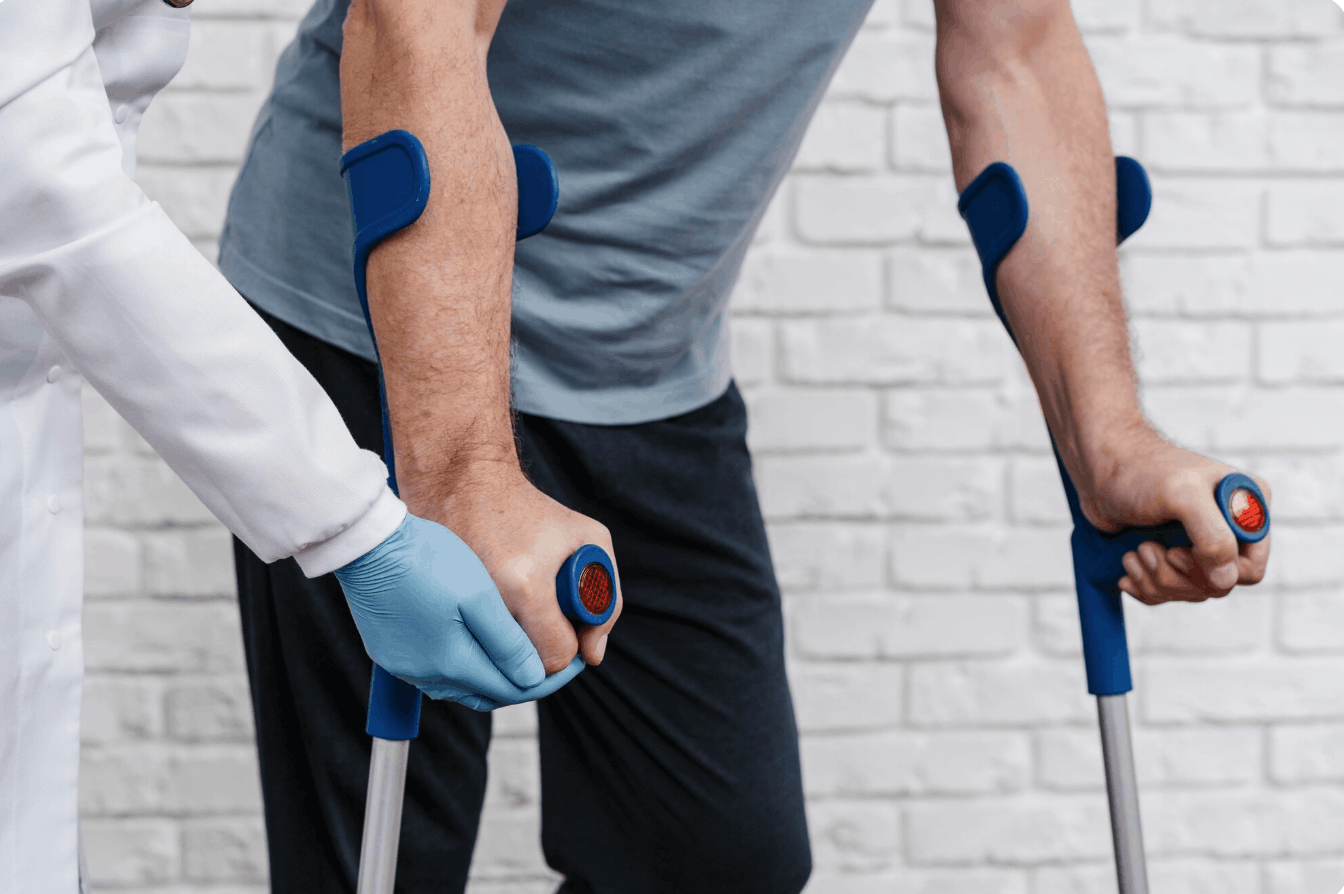
Home Physiotherapy

We understand that some conditions or injuries can make it difficult to receive rehabilitation at our clinic be it mobility or transportation issues. Our objective is to provide you with the same high-quality physiotherapy services at home that you would receive in-clinic.
Posted on

Sports Injury Clinic: Safe Return to Athletic Performance

Physiotherapy Near Me
sports injury clinic
Synapse Physiotherapy

The Essential Role of a Sports Injury Clinic in Athletic Recovery

Athletic injuries can be both physically painful and mentally challenging, often forcing dedicated individuals to step away from the training and competition they love. Whether an injury occurs during professional sports, recreational activities, or routine fitness training, proper rehabilitation is the foundational requirement for a safe and confident return to play. This is where a sports injury clinic plays a central role in an athlete’s journey. At Synapse Physiotherapy, we understand that every injury is unique, which is why our Sport Physiotherapy & Rehabilitation Service is designed to provide intentional pacing and seamless transitions from the treatment table back to the field. By focusing on the root cause of the issue rather than just temporary pain relief, our sports injury clinic guides athletes through a complete recovery process that minimises the risk of re-injury.

Comprehensive Injury Assessment and Diagnosis

The journey back to peak performance begins with a thorough and detailed assessment. A sports injury clinic uses clinical evaluations to understand the specific nature and severity of an injury, ensuring no stone is left unturned. This diagnostic phase is critical because many athletic injuries involve multiple structures simultaneously. For instance, a knee injury may affect ligaments, muscles, and movement control at the same time.

During an assessment at a sports injury clinic, clinicians typically review:

  • The specific mechanism of how the injury occurred
  • Current joint mobility and range of motion
  • Muscle strength and flexibility levels
  • Functional movement patterns specific to the athlete’s sport
  • Previous injury history and recovery patterns

By identifying all contributing factors, the experts at Synapse Physiotherapy can design a targeted and effective rehabilitation plan tailored to the individual’s needs. This comprehensive approach ensures that your sports injury clinic experience addresses not just the immediate injury but also prevents future complications.

Managing Early Pain and Inflammation

In the immediate aftermath of an injury, controlling pain and inflammation is the highest priority. A sports injury clinic employs evidence-based, non-invasive methods to manage these symptoms whilst protecting the injured tissues from further damage. These early interventions often include manual therapy, guided rest, supportive taping, and gentle mobility exercises.

The Ministry of Health (MOH) Malaysia highlights that prompt and correct initial management of soft tissue injuries is essential to prevent long-term complications. Early management at a sports injury clinic is vital because it helps reduce swelling, restore basic movement, and prevent the onset of chronic stiffness. Furthermore, this phase focuses heavily on education. Athletes are taught how to modify their daily activities and light training to ensure they do not accidentally worsen the injury during the fragile early stages of healing.

Key early management strategies include:

  • Manual therapy and hands-on treatment
  • Guided rest protocols tailored to your injury
  • Supportive taping and strapping techniques
  • Gentle mobility and pain-relief exercises
  • Activity modification education

Restoring Mobility and Flexibility

Once the initial inflammation is under control, the rehabilitation focus at a sports injury clinic shifts towards restoring joint mobility and muscle flexibility. It is common for injuries to lead to restricted movement due to pain, swelling, or protective muscle guarding. To combat this, clinicians use progressive stretching, joint mobilisation, and active movement exercises to restore a normal range of motion.

Regaining full mobility is crucial for long-term health. Limited movement in one joint can alter the body’s entire biomechanics, increasing stress on other areas and significantly raising the risk of secondary injuries. A structured approach at a sports injury clinic ensures that the body moves fluidly before it is subjected to the high-intensity demands of competitive sport.

Progressive mobility restoration typically includes:

  • Passive and active-assisted stretching
  • Joint mobilisation techniques
  • Neural mobility exercises
  • Flexibility progressions specific to your sport

Strength and Conditioning Rehabilitation

Strength loss is an inevitable consequence of injury and the subsequent period of inactivity. Consequently, a sports injury clinic places a strong emphasis on rebuilding muscle strength and endurance to support the previously injured structures. Rehabilitation exercises are introduced gradually, typically starting with basic muscle activation before progressing to resistance training and functional strengthening.

These programmes are never “one-size-fits-all.” They are meticulously designed to match the physical demands of the athlete’s specific sport:

  • Runners: Focus often shifts towards hip and calf strength to handle impact and prevent overuse injuries
  • Throwing Athletes: Emphasis is placed on shoulder stability, rotator cuff strength, and core power
  • Field Athletes: Programmes prioritise explosive power, deceleration capabilities, and lateral movements
  • Contact Sport Athletes: Training emphasises collision tolerance and dynamic stabilisation

Our professional team at Synapse Physiotherapy designs each strength programme based on your specific sport and position, ensuring your sports injury clinic experience translates directly to performance gains.

Rebuilding Neuromuscular Control

Effective return to play requires more than just raw strength; it requires excellent neuromuscular control—the ability of the nervous system to coordinate movement efficiently. Injuries often disrupt balance, timing, and joint awareness (proprioception). A sports injury clinic incorporates specific balance training, coordination drills, and movement retraining to restore this control.

This is particularly important for injuries involving the ankle, knee, or shoulder, where joint stability relies heavily on the nervous system’s ability to activate muscles at the right millisecond. Progressive neuromuscular retraining at a sports injury clinic helps athletes regain the reflexive stability and body awareness essential for competition.

Neuromuscular training strategies include:

  • Progressive balance and stability exercises
  • Coordination and agility drills
  • Proprioceptive feedback training
  • Reactive movement patterns
  • Sport-specific movement challenges

Sport-Specific Rehabilitation and Drills

One of the primary advantages of seeking help from a sports injury clinic is access to sport-specific rehabilitation. Generic exercises are often insufficient to prepare an athlete for the chaotic and high-speed demands of competition. Clinicians gradually introduce drills that mimic real-game movements, ensuring your sports injury clinic experience prepares you for authentic sporting demands.

Common sport-specific rehabilitation drills include:

  • Cutting and Pivoting: Essential for field sports like football or rugby
  • Sprinting and Acceleration: Critical for track and field or basketball
  • Jumping and Landing: Vital for volleyball and netball players
  • Tackling or Contact Drills: Necessary for contact-heavy sports
  • Change of Direction: Important for all court and field sports

These exercises help athletes transition safely from the clinic to full training by exposing the body to controlled, progressive stress similar to competition. A quality sports injury clinic gradually progresses these demands to match your sport’s requirements.

Psychological Readiness and Injury Prevention

Returning to play is a psychological journey as much as a physical one. Fear of re-injury and reduced confidence are common hurdles that a sports injury clinic addresses through systematic progression. Our approach supports psychological readiness by setting clear goals and tracking measurable progress. As athletes see their strength return and mobility improve, their trust in their body improves, reducing hesitation during play.

Furthermore, the final goal is the prevention of future issues. By correcting movement faults, addressing muscle imbalances, and educating athletes on proper warm-up routines and training load management, Synapse Physiotherapy ensures that the athlete returns stronger and more resilient than they were before the injury occurred.

Frequently Asked Questions

When is it safe to return to sports after an injury?

Safe return-to-play depends on meeting specific criteria, including strength benchmarks (typically 90% symmetry between limbs), movement quality assessments, and functional tests that ensure the athlete can handle the demands of competition. Your sports injury clinic will establish clear return-to-play protocols tailored to your sport.

How does a sports injury clinic prevent re-injury?

A sports injury clinic prevents re-injury by addressing the root causes, such as muscle imbalances or poor movement mechanics, and by providing education on proper recovery and training load management. Sport-specific strength and conditioning programmes further reduce recurrence risk.

Why is sport-specific training important in rehabilitation?

Generic exercises do not always mimic the intensity of a game. Sport-specific drills like cutting, jumping, and sprinting prepare the body for the exact stresses it will face during a match. A sports injury clinic specialising in your sport ensures your rehabilitation is competition-ready.

Can a sports injury clinic help with mental recovery?

Yes. By setting clear goals and providing evidence of physical progress, a sports injury clinic helps athletes regain confidence and overcome the fear of re-injury. Progressive milestones and measurable improvements boost psychological readiness significantly.

Does the sports injury clinic work with my coach?

Many clinics, including Synapse Physiotherapy, collaborate with coaches and trainers to ensure rehabilitation aligns with your training schedule and performance goals. This coordination ensures your sports injury clinic care complements your coaching programme.

Conclusion

A successful return to play requires more than just healing the injury—it demands a structured, comprehensive approach to rehabilitation. From the initial assessment to the final sport-specific drill, a sports injury clinic guides athletes through every stage of recovery. By utilising the expertise of Synapse Physiotherapy and evidence-based methods, you can ensure your recovery is sustainable and your performance is fully restored. Do not leave your athletic career to chance; ensure you have the right support system in place to get back to the game you love.

Ready to start your recovery journey? Book a consultation with our experts today and discover how our clinic can transform your athletic career.


Share This :

Back & Neck Pain

Conditions such as stiffness, postural abnormalities and muscle overuse from prolonged desk work at the office or home is more prevalent than most would think. We provide the necessary tools to fix you up and educate you on ergonomics which can unload unnecessary stress.

Sports Injuries

Rolled ankles, jarred knees, impinged shoulders are few conditions in the plethora of sports injuries which can hamper performance and limit our enjoyment of sports. Physiotherapy not only treats the symptoms of these conditions but propels your overall fitness to greater heights.

Work Desk Injuries​

Conditions such as stiffness, postural abnormalities and muscle overuse from prolonged desk work at the office or home is more prevalent than most would think. We provide the necessary tools to fix you up and educate you on ergonomics which can unload unnecessary stress.

Pre-Post-Surgical Conditions

Surgery involves going through preparation both before and after. Physiotherapists play a vital role in getting your body ready for surgeries with circulatory, breathing and strengthening exercises. After the procedure, let us be there for your recovery and rehabilitation, taking it one step at a time.

Scoliosis & Postural Abnormalities

The way we stand, sit, walk and sleep has influence over our posture and the overall balance of muscles controlling its alignment. A comprehensive screening can be done by our physiotherapists to detect abnormalities, which we will aid in correcting.

Neurological Conditions

Neurological disabilities such as stroke, nerve compression and neuropathies can be barriers for patients to live life to its fullest. We at Synapse are committed to help you overcome these hurdles by ensuring functional mobility and quality of life is at its optimum by providing the right treatment and exercises.

Osteoarthritis & Rheumatism

Joint degeneration and inflammation happens as the human body grows older, but that does not mean our way of life degenerates as well. Relief your joint pains with a joint effort together with your physiotherapist, who will provide pain-relief treatments and prescribe exercises for your wellbeing.

Conditions Relating To Elderly

Common conditions in the older age population include hips & knee pain, back & neck pain, osteoarthritis, rheumatism, fear of falling and many more.  Aging and degeneration of bodily function is inevitable, but here at Synapse, we will help you live the best of your life.

Home Physiotherapy

We understand that some conditions or injuries can make it difficult to receive rehabilitation at our clinic be it mobility or transportation issues. Our objective is to provide you with the same high-quality physiotherapy services at home that you would receive in-clinic.
Posted on

How Spine Specialists Fix Back Pain in Malaysia

spine specialist
spine specialist
Synapse Physiotherapy

Introduction

Back pain is a leading cause of disability in Malaysia, affecting people of all ages—from office workers with prolonged sitting habits to active individuals and older adults. When back pain becomes persistent, severe, or begins to radiate down the limbs, patients are often referred to a spine specialist for further evaluation and diagnosis. 

This is where Synapse Physiotherapy makes the difference through their careful approach and personalised care, designed to complement the medical interventions of a spine specialist with comfort, balance, and flow. Rather than just focusing on temporary relief, we shape each recovery journey with intentional pacing and targeted exercises that allow you to truly regain your quality of life.

Understanding the Role of a Spine Specialist in Malaysia

In Malaysia, a spine specialist is typically a medical doctor; commonly an orthopaedic spine surgeon or a neurosurgeon that were trained specifically to diagnose and treat complex spinal disorders. Their primary role involves identifying the root cause of back pain, determining whether surgery is necessary, and managing acute pain or inflammation through medical interventions. They also play a crucial part in coordinating both conservative and surgical care pathways.

However, it is important to note that not all back pain cases require surgical intervention. In fact, most professionals in this field strongly recommend physiotherapy as the first line of treatment, especially for non-severe cases. By working alongside a spine specialist, a professional team of physiotherapists can help manage symptoms through movement-based therapy. 

Why Physiotherapy is the First Choice for Mild Slip Discs

A mild slip disc, such as a disc bulge or small herniation, is a frequent reason why patients experience debilitating back pain or sciatica. In many such instances, a spine specialist in Malaysia will prefer non-surgical management before considering any operative procedures. This conservative approach is often highly effective and avoids the risks associated with surgery.

For these cases, patients are frequently referred to our Spine & Core Rehabilitation Programme to:

  • Reduce nerve irritation and associated numbness.
  • Improve overall spinal stability.
  • Correct poor posture and faulty movement habits.
  • Strengthen the core and back muscles to support the vertebrae.

As detailed by Healthline, physical therapy can be as effective as surgery for many conditions, helping patients manage pain and improve mobility without invasive risks. Clinical experience consistently shows that many mild slip disc cases improve significantly with structured rehabilitation, often allowing patients to avoid the need for surgery altogether.

The Importance of Physiotherapy Before Surgery

Before making the definitive decision to undergo spinal surgery, a spine specialist will often recommend a trial of physiotherapy, provided there is no severe nerve damage or “red-flag” symptoms. This pre-operative phase is a crucial decision-making step that helps restore spinal mobility safely and identifies whether the symptoms are purely mechanical or surgical in nature.

Engaging with a professional team before a procedure helps reduce existing pain and inflammation while improving the muscle support around the spine. In some cases, once the function improves through targeted therapy, surgery may no longer be required. This collaborative approach ensures that the patient and their spine specialist can make a well-informed and confident decision about the best treatment options available.

Collaborative Care: How Specialists and Physiotherapists Work Together

The most successful outcomes for back pain often result from a partnership between medical and rehabilitative experts. While a spine specialist focuses on the medical diagnosis and structural issues of the spine, Synapse Physiotherapy addresses the functional aspects of recovery.

A physiotherapy specialist addresses several key areas including:

  1. Muscle Imbalances: Correcting uneven pull on the spine.
  2. Weak Core Stability: Building the internal “brace” for the back.
  3. Faulty Movement Patterns: Retraining how you bend, lift, and walk.
  4. Reduced Flexibility: Improving the range of motion in the joints and soft tissues.

This collaborative effort ensures that patients receive comprehensive spine care that goes beyond short-term pain relief to focus on long-term health.

Essential Post-Operative Recovery

Spinal surgery may successfully correct a structural problem, such as a herniated disc, but surgery alone does not restore muscle strength or movement confidence. This is why a spine specialist will routinely refer patients for post-operative physiotherapy.

Post-surgery rehabilitation is essential for:

  • Controlling pain and swelling after the procedure.
  • Ensuring safe mobilisation to prevent stiffness.
  • Gradual return to daily activities and work.
  • Preventing re-injury through education and core stabilisation.

Without proper guidance, patients may experience persistent muscle weakness or a fear of movement that hinders their full recovery.

Long-Term Spine Health and Prevention

One of the biggest misconceptions in back pain management is that the problems are considered “fixed” once the pain is gone or the surgery is complete. A spine specialist will always emphasise that long-term care is vital to prevent recurrence. A personalised Spine & Core Rehabilitation Programme plays a central role to ensure an optimal recovery phase post-surgical procedure.

Long-term physiotherapy helps maintain proper spinal alignment and improves posture at both work and home. This is particularly important for Malaysians who have sedentary office jobs or physically demanding roles that put constant strain on the back. By enhancing body awareness and movement control, you can significantly reduce the risk of future disc or joint problems.

Frequently Asked Questions

Will a spine specialist always recommend physiotherapy first?

In most mild to moderate cases, yes. Physiotherapy is generally considered the first line of treatment before more invasive options like surgery are considered.

Can physiotherapy really help with a slip disc?

Yes, many mild slip disc cases respond exceptionally well to targeted physiotherapy that focuses on spinal stability, core strength, and nerve relief.

How long should I try physiotherapy before considering surgery?

This depends on your specific condition, but a spine specialist usually recommends a trial of several weeks to a few months, provided symptoms do not worsen.

Is physiotherapy still needed after a successful surgery?

Absolutely. Post-operative physiotherapy is essential for proper healing, recovering lost strength, and ensuring the long-term success of the surgical intervention.

Can physiotherapy prevent future back pain?

Yes, ongoing physiotherapy and regular exercise significantly reduce the risk of recurrence by maintaining muscle support and good postural habits.

Conclusion

Navigating back pain requires a structured and professional approach. While a spine specialist plays a critical role in diagnosing complex conditions and performing necessary surgeries, physiotherapy remains a cornerstone of comprehensive spine care. From managing mild slip discs to supporting your recovery after an operation, the synergy between medical expertise and rehabilitative care is essential for lasting health. 

At Synapse Physiotherapy, our dedicated team of physiotherapists provides patient-centred rehabilitation programs tailored to your individual needs, helping you move better, feel stronger, and regain confidence in everyday activities. Book your consultation today and let us support you in managing back pain with confidence.

Share This :

Back & Neck Pain

Conditions such as stiffness, postural abnormalities and muscle overuse from prolonged desk work at the office or home is more prevalent than most would think. We provide the necessary tools to fix you up and educate you on ergonomics which can unload unnecessary stress.

Sports Injuries

Rolled ankles, jarred knees, impinged shoulders are few conditions in the plethora of sports injuries which can hamper performance and limit our enjoyment of sports. Physiotherapy not only treats the symptoms of these conditions but propels your overall fitness to greater heights.

Work Desk Injuries​

Conditions such as stiffness, postural abnormalities and muscle overuse from prolonged desk work at the office or home is more prevalent than most would think. We provide the necessary tools to fix you up and educate you on ergonomics which can unload unnecessary stress.

Pre-Post-Surgical Conditions

Surgery involves going through preparation both before and after. Physiotherapists play a vital role in getting your body ready for surgeries with circulatory, breathing and strengthening exercises. After the procedure, let us be there for your recovery and rehabilitation, taking it one step at a time.

Scoliosis & Postural Abnormalities

The way we stand, sit, walk and sleep has influence over our posture and the overall balance of muscles controlling its alignment. A comprehensive screening can be done by our physiotherapists to detect abnormalities, which we will aid in correcting.

Neurological Conditions

Neurological disabilities such as stroke, nerve compression and neuropathies can be barriers for patients to live life to its fullest. We at Synapse are committed to help you overcome these hurdles by ensuring functional mobility and quality of life is at its optimum by providing the right treatment and exercises.

Osteoarthritis & Rheumatism

Joint degeneration and inflammation happens as the human body grows older, but that does not mean our way of life degenerates as well. Relief your joint pains with a joint effort together with your physiotherapist, who will provide pain-relief treatments and prescribe exercises for your wellbeing.

Conditions Relating To Elderly

Common conditions in the older age population include hips & knee pain, back & neck pain, osteoarthritis, rheumatism, fear of falling and many more.  Aging and degeneration of bodily function is inevitable, but here at Synapse, we will help you live the best of your life.

Home Physiotherapy

We understand that some conditions or injuries can make it difficult to receive rehabilitation at our clinic be it mobility or transportation issues. Our objective is to provide you with the same high-quality physiotherapy services at home that you would receive in-clinic.