Synapse Physiotherapy | Physio Center | Rehab Malaysia

Sciatica pain can be a frightening, disruptive, and exhausting experience, especially when it begins to affect your ability to walk, sit, sleep, or perform at work. Many individuals initially attempt to manage the discomfort with over-the-counter painkillers or prolonged rest, only to find that the sharp, radiating pain inevitably returns. This cycle of temporary relief is where a spine specialist plays a critical role. By focusing on the intricate relationship between the spine, nerves, and surrounding musculoskeletal structures, these experts help patients reduce pain and restore function. At Synapse Physiotherapy, our professional team is dedicated to providing evidence-based Sciatica Pain Treatment that goes beyond surface-level symptoms to address the root cause of nerve irritation. Rather than simply masking the ache, we shape each recovery journey with intentional pacing and targeted interventions to help you return to your daily life with confidence.
What is Sciatica?
It is important to understand that sciatica is not a standalone diagnosis; rather, it is a set of symptoms caused by the irritation or compression of the sciatic nerve. As the largest nerve in the human body, the sciatic nerve runs from the lower back, through the buttocks, and down each leg. When this nerve is compromised, it can lead to a variety of debilitating sensations.
A spine specialist is trained to recognise the hallmark signs of nerve compression, which often include:
Common Causes of Nerve Compression
Because sciatica can stem from various underlying spinal issues, a proper assessment is essential. A spine specialist will investigate several potential causes, such as a lumbar disc herniation—often referred to as a slipped disc. Other common culprits include degenerative disc disease, spinal stenosis (the narrowing of the spinal canal), and spondylolisthesis. In some instances, the pain may simply be the result of muscle tightness or poor spinal mechanics that a spine specialist can correct through movement therapy.
While some cases of nerve irritation improve with time, persistent or worsening symptoms require the input of a spine specialist. These experts focus specifically on spinal and nerve-related conditions, allowing them to differentiate sciatica from hip or knee-related issues that may mimic similar symptoms. By identifying the exact source of compression, a spine specialist can prevent patients from undergoing unnecessary or ineffective treatments, ultimately guiding a safer and more progressive recovery. Early intervention by a spine specialist is often the key to reducing the risk of chronic pain and long-term disability.
One of the most valuable services a spine specialist provides is a thorough clinical evaluation. This process begins with a detailed history-taking session, where the specialist asks about pain onset, lifestyle factors, and previous injuries. Following this, a physical examination is conducted to assess posture, spinal alignment, and range of motion.
A spine specialist will also perform neurological tests to check reflexes, strength, and sensation. Nerve tension tests, such as the Straight Leg Raise (SLR), help determine the specific spinal level where the nerve is irritated. If symptoms are severe, the spine specialist may recommend imaging, such as an MRI to visualise discs and nerves, or X-rays to assess bone alignment. Crucially, they correlate these images with clinical symptoms to avoid “incidental findings” that may not actually be causing the pain.
The majority of sciatica cases can be successfully managed without surgery. A spine specialist typically prioritises conservative management strategies, including:
Specialist-guided rehabilitation focuses on reducing nerve irritation and improving spinal mobility. By strengthening the core and hip muscles, a spine specialist helps stabilise the spine and correct the movement patterns that led to the injury.
Depending on the specific condition, a spine specialist may employ gentle spinal mobilisation, soft tissue techniques, or “nerve gliding” exercises. These manual techniques aim to restore movement without further aggravating the sensitive nerve.
Education is a cornerstone of treatment. A spine specialist provides advice on activity modification, ergonomic workstation setups, and the use of heat or cold therapy. This empowers patients to move without fear, which is vital for long-term recovery.
For patients experiencing significant pain that does not respond to initial care, a spine specialist may suggest injection-based treatments. Epidural steroid injections or selective nerve root blocks can reduce inflammation around the nerve, creating a “window of opportunity” for physiotherapy to become more effective.
While surgery is rarely the first choice, a spine specialist is trained to identify “red flags” that require surgical referral. These include progressive muscle weakness, severe nerve compression, or medical emergencies like bowel or bladder dysfunction. If surgery is necessary, the spine specialist ensures the patient is prepared with both pre- and post-operative guidance to ensure the best possible outcome.
Preventing the recurrence of pain is a primary goal for any spine specialist. This involves teaching proper sitting posture and safe lifting techniques to manage spinal load. Furthermore, a spine specialist will provide a roadmap for a safe return to sports or work, often involving ongoing flexibility and mobility maintenance programmes. Addressing lifestyle factors, such as weight management and taking regular movement breaks, further ensures the long-term health of the spine.
Many cases improve within a few weeks, but you should consult a spine specialist if the pain lasts more than 2 to 4 weeks or if it is frequently recurring.
Yes, but it must be the right kind of movement. A spine specialist will prescribe progressive exercises that improve mobility without irritating the sciatic nerve.
No, most cases of lumbar disc herniation are successfully treated by a spine specialist using non-surgical methods like physiotherapy and lifestyle changes.
You should seek immediate medical attention if you experience leg weakness, numbness, or any changes in bowel or bladder control.
Through a combination of detailed clinical history, physical nerve tension tests, and, if necessary, imaging like an MRI or CT scan.
Sciatica pain can significantly diminish your quality of life, but with the right expert guidance, it does not have to be a permanent burden. A spine specialist at Synapse Physiotherapy offers the comprehensive assessment and accurate diagnosis needed to create a tailored recovery plan. Whether through targeted Sciatica Pain Treatment, manual therapy, or interventional strategies, our professional team focuses on the root cause of your discomfort to help you return to your daily activities with lasting relief. If you are struggling with persistent leg or lower back pain, taking the step to Book a consultation with a spine specialist may be the most important decision you make for your long-term spinal health.
Tags :






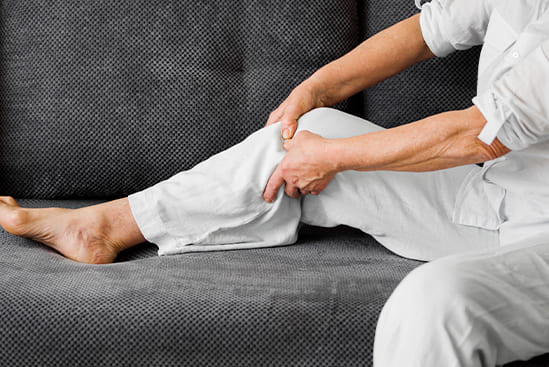
Joint degeneration and inflammation happens as the human body grows older, but that does not mean our way of life degenerates as well. Relief your joint pains with a joint effort together with your physiotherapist, who will provide pain-relief treatments and prescribe exercises for your wellbeing.

Common conditions in the older age population include hips & knee pain, back & neck pain, osteoarthritis, rheumatism, fear of falling and many more. Aging and degeneration of bodily function is inevitable, but here at Synapse, we will help you live the best of your life.