Synapse Physiotherapy | Physio Center | Rehab Malaysia
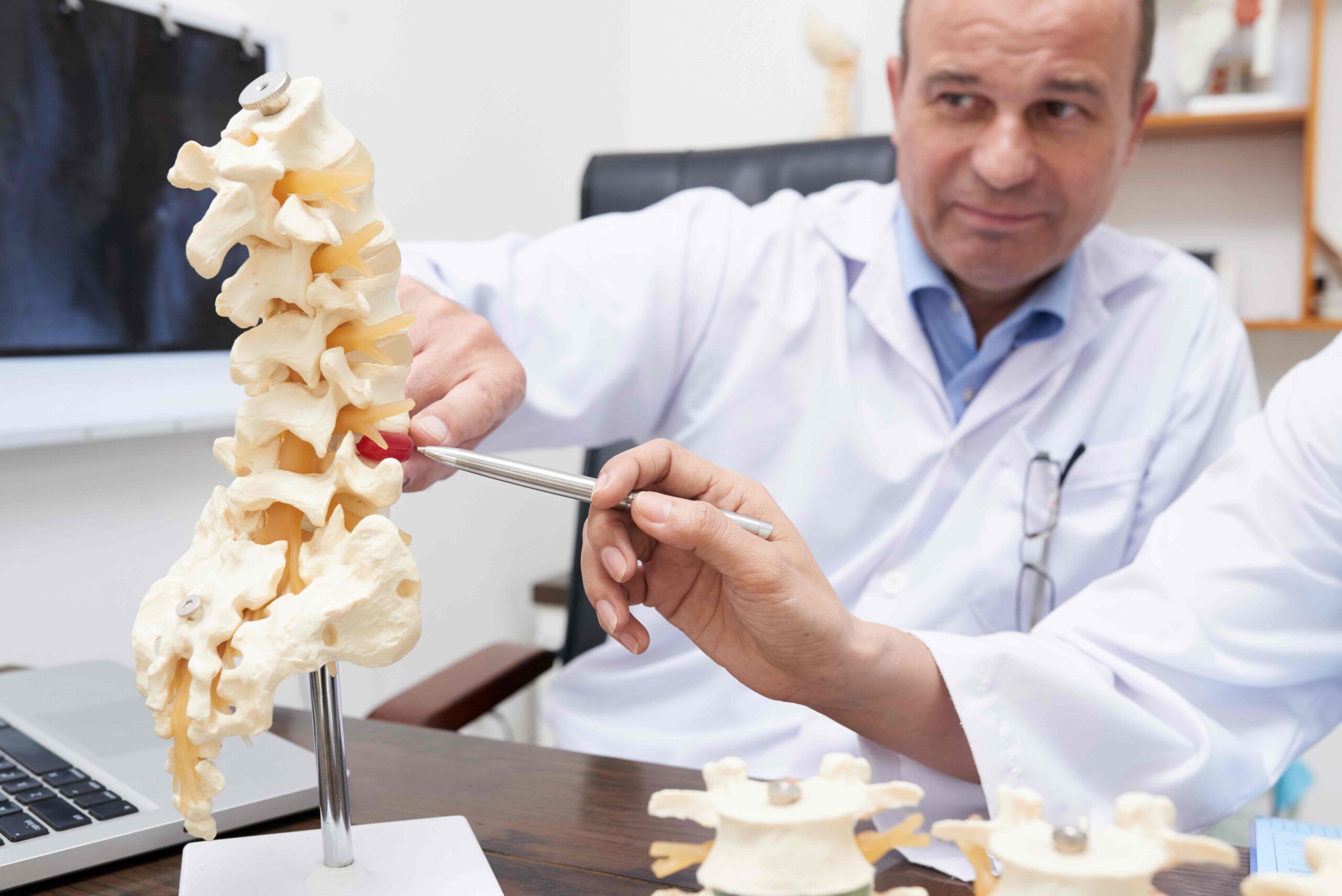
Back and neck pain can significantly impact your daily life, making even simple activities like sitting, walking, or sleeping uncomfortable. While many people try to manage these issues with rest or over-the-counter pain relief, persistent spinal problems often require professional evaluation and treatment. This is where a spine specialist plays a vital role.
Every patient’s condition is unique, which means there is no one-size-fits-all solution for spinal disorders. A spine specialist develops a personalised recovery plan based on your diagnosis, symptoms, lifestyle, and long-term health goals. Rather than simply treating pain, the objective is to restore function, improve mobility, and prevent future injuries.
In this article, we’ll explore how a spine specialist creates an individualised recovery plan and why this tailored approach leads to better outcomes.
A spine specialist is a medical professional with advanced training in diagnosing and treating conditions affecting the spine, including the neck, upper back, lower back, spinal discs, nerves, and surrounding muscles. Depending on their specialty, they may be an orthopaedic spine surgeon, neurosurgeon, or physician specialising in physical medicine and rehabilitation, a distinction OrthoInfo’s overview of spine surgeons explains in more detail.
A spine specialist manages a wide range of conditions, including herniated discs, sciatica, degenerative disc disease, spinal stenosis, scoliosis, chronic neck pain, chronic lower back pain, pinched nerves, and spinal injuries. For sciatica specifically, our guide to how a spine specialist treats sciatic nerve pain covers the assessment process in more detail. Their expertise allows them to recommend the most appropriate treatment options, ranging from conservative therapies to minimally invasive procedures and, when necessary, surgery.
The first step in creating a personalised recovery plan is conducting a detailed medical assessment. A spine specialist begins by discussing your symptoms, medical history, occupation, daily activities, and previous treatments. Understanding when the pain started, what aggravates it, and how it affects your lifestyle provides valuable information for determining the underlying cause.
During the consultation, your specialist may ask:
This thorough evaluation helps guide the next stage of diagnosis.
A physical examination provides important clues about the source of spinal pain. Your spine specialist will assess your posture, spinal alignment, muscle strength, joint mobility, reflexes, sensation, walking pattern, and balance and coordination. These assessments help identify nerve involvement, muscle weakness, restricted movement, or spinal instability that may contribute to your symptoms.
To accurately diagnose many spinal conditions, imaging studies are often necessary. Depending on your symptoms, a spine specialist may recommend X-rays, MRI scans, CT scans, bone scans, electromyography (EMG), or nerve conduction studies. These tests provide detailed information about spinal structures, allowing the specialist to identify issues such as herniated discs, spinal stenosis, fractures, nerve compression, or degenerative changes. Accurate diagnosis is essential because effective treatment depends on understanding the exact cause of your pain.
Every patient has different factors that influence recovery. A spine specialist considers several personal factors when designing your treatment plan, including age, occupation, physical activity level, weight, existing medical conditions, previous spinal injuries, surgical history, and lifestyle habits.
For example, an office worker with chronic neck pain may require ergonomic adjustments and posture training, while a construction worker recovering from a lumbar disc injury may need a progressive strength and lifting programme before returning to work. Personalising treatment improves both safety and long-term success.
Successful rehabilitation begins with clearly defined goals. A spine specialist works closely with patients to establish realistic objectives based on their condition and lifestyle. Recovery goals may include reducing daily pain, improving spinal flexibility, restoring muscle strength, returning to work, resuming sports participation, increasing walking tolerance, and preventing future flare-ups. Having measurable goals helps track progress and keeps patients motivated throughout recovery.
After completing the assessment, the spine specialist develops a treatment plan tailored to your specific diagnosis. In many cases, this plan is carried out in partnership with a physiotherapy team such as Synapse’s, who work alongside the spine specialist on the day-to-day rehabilitation.
Depending on the condition, your recovery programme may include physiotherapy, where targeted rehabilitation exercises strengthen supporting muscles, improve posture, restore flexibility, and reduce pain. It may also involve pain management, such as anti-inflammatory medications, muscle relaxants, or carefully supervised pain management strategies to improve comfort during recovery. For patients with persistent nerve irritation or inflammation, image-guided injections such as epidural steroid injections or facet joint injections may provide temporary relief that allows rehabilitation to progress.
The specialist may also recommend lifestyle modifications such as improving posture, weight management, workplace ergonomic adjustments, smoking cessation, and regular physical activity. These changes help reduce stress on the spine and prevent recurring problems.
Although surgery is often viewed as a last resort, some conditions require surgical intervention, particularly when there is severe nerve compression, spinal instability, or progressive neurological deficits. A spine specialist carefully evaluates whether surgery offers the best opportunity for long-term recovery.
Recovery is not a static process. As your condition improves, your treatment plan should evolve. Regular follow-up appointments allow your spine specialist to monitor pain levels, assess mobility improvements, evaluate muscle strength, review imaging if necessary, modify exercises, adjust medications, and address new symptoms. This ongoing monitoring ensures treatment remains effective throughout every stage of recovery.
Long-term success extends beyond eliminating pain. A spine specialist focuses on preventing recurrence by teaching patients healthy movement habits and self-management strategies. Preventive recommendations often include maintaining regular exercise, strengthening core muscles, improving flexibility, practising safe lifting techniques, maintaining a healthy body weight, taking frequent movement breaks during prolonged sitting, and using ergonomic office equipment. These habits reduce stress on the spine and lower the likelihood of future injuries.
Every spinal condition presents differently. Two patients with the same MRI findings may experience entirely different symptoms and recovery timelines. A personalised approach allows the spine specialist to address each patient’s unique needs instead of relying on standardised treatment protocols.
Individualised care offers several advantages, including faster recovery, improved pain control, better mobility, reduced risk of complications, a lower chance of recurring injuries, more efficient rehabilitation, and higher patient satisfaction. By tailoring treatment to each individual, spine specialists can deliver more effective and sustainable results.
You should consider consulting a spine specialist if you experience back or neck pain lasting more than six weeks, pain radiating into the arms or legs, numbness or tingling, muscle weakness, difficulty walking, persistent pain despite conservative treatment, or pain following an accident or injury. Loss of bladder or bowel control requires immediate medical attention. Early assessment often prevents minor spinal problems from progressing into more serious conditions.
The initial assessment and treatment plan are usually completed within the first one or two visits, though the plan continues to be refined as your specialist monitors your progress.
This depends on your healthcare provider and insurance requirements, but many spine specialists and physiotherapy clinics accept direct enquiries without a referral.
No. Most spinal conditions are managed successfully with conservative treatments such as physiotherapy, pain management, and lifestyle changes, with surgery considered only when non-surgical options have not worked.
Yes. It’s common for a spine specialist to diagnose the condition and set treatment goals, while a physiotherapy team carries out the day-to-day rehabilitation exercises and progress tracking.
It helps to bring any previous scans or medical reports, a list of current medications, and a summary of your symptoms, including what makes them better or worse.
Recovering from a spinal condition requires more than simply treating pain, it requires understanding the root cause, identifying contributing factors, and creating a plan that fits your individual needs. A spine specialist develops a personalised recovery plan through comprehensive assessments, advanced diagnostic testing, goal setting, and evidence-based treatment strategies tailored to your lifestyle and condition.
Whether you’re managing chronic back pain, recovering from a spinal injury, or dealing with a herniated disc, working with a qualified spine specialist ensures you receive care focused on restoring function, improving mobility, and preventing future problems.
With the right guidance and a personalised recovery plan, you can return to your daily activities with greater confidence, reduced pain, and improved spinal health. Book an assessment with Synapse and find out how our physiotherapy team can support your recovery plan.
Tags :







Joint degeneration and inflammation happens as the human body grows older, but that does not mean our way of life degenerates as well. Relief your joint pains with a joint effort together with your physiotherapist, who will provide pain-relief treatments and prescribe exercises for your wellbeing.

Common conditions in the older age population include hips & knee pain, back & neck pain, osteoarthritis, rheumatism, fear of falling and many more. Aging and degeneration of bodily function is inevitable, but here at Synapse, we will help you live the best of your life.