Posted on

Why Injury Prevention Starts at a Sports Injury Clinic

sports injury clinic
Synapse Physiotherapy

Why Injury Prevention Starts at a Sports Injury Clinic

Introduction

In today’s active and fast-paced lifestyle, injuries are no longer limited to professional athletes. From weekend runners and gym-goers to office workers and students, more people are experiencing strains, sprains, and overuse injuries caused by daily movement habits. The good news is that many of these injuries are preventable. That is why injury prevention starts at a sports injury clinic, where early assessment, expert guidance, and physiotherapy-focused care play a vital role in keeping people active and pain-free.

Understanding Injury Prevention Beyond Sports

When people hear the term sports injury clinic, they often think it is only for athletes. In reality, these facilities are designed for anyone who moves — which is everyone. These clinics specialise in understanding how the body responds to physical stress, repetitive movements, and improper mechanics. Whether you are dealing with sports injuries or aches from a desk job, the principles of biomechanics remain the same.

Injury prevention is not just about avoiding accidents. It is about identifying weaknesses, imbalances, poor movement patterns, and lifestyle habits that increase the risk of injury. A sports injury clinic focuses on correcting these issues early, before pain or damage occurs. In Malaysia, the push for a healthier nation means more people are taking up hobbies like hiking and badminton, making the role of a preventive clinic more important than ever.

How Modern Lifestyles Increase Injury Risk

Modern lifestyles place unique demands on the body. Long hours of sitting, sudden bursts of exercise, poor warm-up routines, and lack of recovery all contribute to injury risk. Common lifestyle-related injury factors include:

  • Sedentary work followed by intense, high-impact workouts
  • Poor posture and weak core muscles from long office hours
  • Repetitive movements at work or during repetitive exercise
  • Inadequate flexibility and mobility in the joints
  • Ignoring minor aches, stiffness, and early warning signs

Over time, these factors overload muscles, joints, and tendons. Without early intervention, small problems can develop into chronic injuries. A sports injury clinic addresses these risks proactively rather than reactively. According to the Chartered Society of Physiotherapy, physiotherapists are uniquely positioned to address the root causes of lifestyle-related injuries before they escalate — making preventive clinical care an essential investment in long-term health.

Why Early Assessment at a Sports Injury Clinic Matters

One of the biggest advantages of visiting a sports injury clinic is early assessment. Physiotherapists trained in injury prevention can identify subtle issues that may not yet cause pain but are likely to lead to injury. This often involves a biomechanical assessment to look at how your body moves as a complete system. You can explore our full range of physiotherapy services to understand how a holistic clinical approach can protect your movement for years to come.

Early assessment allows clinicians to:

  • Detect muscle imbalances and joint restrictions before they cause pain
  • Analyse movement patterns and posture during functional tasks
  • Identify areas of overuse or poor load management in training
  • Design personalised prevention programmes tailored to your lifestyle

By catching these issues early, patients can continue their activities safely while reducing the risk of future injury. This is a core service at Synapse Physiotherapy, provided to support long-term wellness.

The Role of Physiotherapy in Injury Prevention

Physiotherapy is the foundation of injury prevention in a sports injury clinic. Rather than focusing only on treatment after injury, physiotherapy emphasises preparation, conditioning, and resilience. This proactive approach ensures that the body is robust enough to handle the stresses of daily life and physical activity.

Building Proactive Resilience

Injury prevention physiotherapy may include strength and conditioning programmes to build resilient muscles and bones. It also focuses on core stability and balance training, which is crucial for protecting the spine and joints. Flexibility and mobility exercises ensure a full, healthy range of motion, while manual therapy can be used to optimise joint movement and reduce soft tissue tension. Our Spine Core Rehabilitation and Strength Conditioning programmes are specifically designed to build this kind of resilience.

Physiotherapists also educate patients on how to move better in daily life, whether lifting at work, exercising at the gym, or playing sports on weekends. This is particularly helpful for those dealing with work-desk injuries who need ergonomic guidance. Read more in our blog on Slip Disc Recovery: How Physiotherapy Helps Without Surgery to understand how chronic strain develops and how physiotherapy can address it.

Tailored Strategies for All Activity Levels

You do not need to be an elite athlete to benefit from a sports injury clinic. Injury prevention is just as important for beginners and recreational movers:

  • Beginners learn proper technique to avoid early overload
  • Recreational athletes maintain performance without the setback of injury
  • Active adults stay consistent with exercise safely
  • Older adults benefit from programmes such as our Geriatric Rehabilitation Programme to reduce fall risk and maintain independence

Long-Term Benefits of Injury Prevention

Preventing injuries does more than keep people active; it supports long-term health and wellbeing. Individuals who invest in injury prevention often experience better performance, improved confidence in movement, and fewer interruptions to their routines. Additional benefits include:

  • Reduced medical and treatment costs over time
  • Improved recovery and resilience when injuries do occur
  • Enhanced movement efficiency and energy conservation
  • Greater enjoyment of physical activity without the fear of pain

Most importantly, prevention allows people to stay active consistently rather than cycling between injury and recovery. This consistency is the key to maintaining a healthy cardiovascular system and strong musculoskeletal health throughout one’s life. For those recovering from existing conditions, our blog on Top 5 Orthopedic Conditions Shockwave Therapy Supports provides further insight into how treatment and prevention work hand in hand.

Why a Sports Injury Clinic Is the Best Place to Start

A sports injury clinic offers specialised expertise that general fitness or self-guided programmes cannot provide. With professional assessment, evidence-based physiotherapy, and ongoing monitoring, patients receive personalised care tailored to their bodies and lifestyles. Injury prevention is most effective when guided by trained professionals who understand biomechanics, load management, and recovery principles. Learn more about our approach at Synapse Physiotherapy.

Frequently Asked Questions (FAQ)

1. I don’t play sports; can I still benefit from a sports injury clinic?

Yes. These clinics specialise in musculoskeletal health and biomechanics. Whether your strain comes from gardening, lifting children, or sitting at a desk, the clinical principles used to prevent injuries apply to everyone.

2. How often should I go for a preventive assessment?

For most active individuals, an annual or bi-annual check-up is sufficient. However, if you are starting a new fitness regime or increasing your workload at the office, a more frequent assessment may be beneficial.

3. What happens during a biomechanical assessment?

A clinician will observe how you move, walk, or perform specific tasks related to your daily life. They look for joint stiffening, muscle weakness, or compensatory movements that could lead to future pain.

4. Can physiotherapy help with workplace ergonomics?

Absolutely. Physiotherapists are experts in posture and movement. They can provide specific advice on your desk setup and suggest micro-movements to prevent chronic neck and back tension.

5. Is injury prevention covered by insurance in Malaysia?

Coverage varies by provider and policy. Some corporate wellness plans or private medical insurances cover physiotherapy assessments. It is best to contact us directly to discuss your specific situation.

Conclusion

Injuries do not happen overnight. They develop gradually through daily habits, movement patterns, and unmanaged stress on the body. That is why injury prevention starts at a sports injury clinic, where early assessment and physiotherapy-focused care can stop problems before they begin. At Synapse Physiotherapy, we believe prevention is just as important as treatment. Our sports injury clinic approach focuses on identifying risks early, improving movement quality, and helping individuals stay active with confidence. Whether you are an athlete, fitness enthusiast, or simply want to move better in daily life, investing in injury prevention today can protect your health for years to come

Share This :

Back & Neck Pain

Conditions such as stiffness, postural abnormalities and muscle overuse from prolonged desk work at the office or home is more prevalent than most would think. We provide the necessary tools to fix you up and educate you on ergonomics which can unload unnecessary stress.

Sports Injuries

Rolled ankles, jarred knees, impinged shoulders are few conditions in the plethora of sports injuries which can hamper performance and limit our enjoyment of sports. Physiotherapy not only treats the symptoms of these conditions but propels your overall fitness to greater heights.

Work Desk Injuries​

Conditions such as stiffness, postural abnormalities and muscle overuse from prolonged desk work at the office or home is more prevalent than most would think. We provide the necessary tools to fix you up and educate you on ergonomics which can unload unnecessary stress.

Pre-Post-Surgical Conditions

Surgery involves going through preparation both before and after. Physiotherapists play a vital role in getting your body ready for surgeries with circulatory, breathing and strengthening exercises. After the procedure, let us be there for your recovery and rehabilitation, taking it one step at a time.

Scoliosis & Postural Abnormalities

The way we stand, sit, walk and sleep has influence over our posture and the overall balance of muscles controlling its alignment. A comprehensive screening can be done by our physiotherapists to detect abnormalities, which we will aid in correcting.

Neurological Conditions

Neurological disabilities such as stroke, nerve compression and neuropathies can be barriers for patients to live life to its fullest. We at Synapse are committed to help you overcome these hurdles by ensuring functional mobility and quality of life is at its optimum by providing the right treatment and exercises.

Osteoarthritis & Rheumatism

Joint degeneration and inflammation happens as the human body grows older, but that does not mean our way of life degenerates as well. Relief your joint pains with a joint effort together with your physiotherapist, who will provide pain-relief treatments and prescribe exercises for your wellbeing.

Conditions Relating To Elderly

Common conditions in the older age population include hips & knee pain, back & neck pain, osteoarthritis, rheumatism, fear of falling and many more.  Aging and degeneration of bodily function is inevitable, but here at Synapse, we will help you live the best of your life.


Home Physiotherapy

We understand that some conditions or injuries can make it difficult to receive rehabilitation at our clinic be it mobility or transportation issues. Our objective is to provide you with the same high-quality physiotherapy services at home that you would receive in-clinic.
Posted on

What Non-Surgical Treatments Do Spine Specialists Use

spine specialist
spine specialist
Synapse Physiotherapy

What Non-Surgical Treatments Do Spine Specialists Use

Introduction

Back and neck pain are among the most common health complaints worldwide, affecting people of all ages and lifestyles. The good news is that most spinal conditions can be managed without surgery. A spine specialist is trained to diagnose and treat spinal disorders using a wide range of non-surgical approaches all tailored to reduce pain, restore function, and improve long-term spinal health. By adopting a conservative, step-by-step approach starting with the least invasive methods, specialists help patients avoid unnecessary surgery while promoting natural healing and sustainable recovery. I

Accurate Diagnosis: The Foundation of Non-Surgical Spine Care

Before any treatment begins, a spine specialist conducts a thorough assessment. This includes a detailed medical history, physical examination, posture and movement analysis, and, when needed, imaging studies such as X-rays, MRI, or CT scans. Accurate diagnosis is essential because different spinal conditions — such as slip disc (herniated disc), sciatica, spinal stenosis, or degenerative disc disease — require different treatment strategies.

By identifying the root cause of pain rather than just treating symptoms, a spine specialist can design targeted non-surgical treatment plans that are both effective and safe. Often, these professionals will refer patients for a biomechanical assessment to identify specific muscular imbalances that contribute to spinal strain. According to the World Health Organization (WHO), musculoskeletal conditions affect 1.71 billion people globally, emphasising the need for professional clinical diagnosis and early intervention.

Physiotherapy and Rehabilitation for Spinal Conditions

One of the most commonly used non-surgical treatments is physiotherapy. A spine specialist often works closely with physiotherapists to restore strength, flexibility, and mobility. Physiotherapy programmes are customised based on the patient’s diagnosis, pain level, and daily activities. At a multidisciplinary sports physiotherapy clinic, the focus is often on returning the patient to their peak physical performance through structured loading.

Key Components of a Spinal Physiotherapy Programme

  • Core and spinal stabilisation exercises: Essential for protecting the lower back and reducing disc pressure.
  • Stretching: To improve flexibility in the hamstrings and hip flexors.
  • Manual therapy: To reduce stiffness and muscle tension in the cervical and lumbar regions.
  • Postural correction: Crucial for those suffering from work desk injuries caused by prolonged sitting.

These exercises not only relieve pain but also prevent future injuries by improving spinal support and movement control. Our Spine & Core Rehabilitation Programme is often the gold standard for long-term recovery, and our team at Synapse Physiotherapy specialises in these evidence-based movement protocols.

Medication Management for Spinal Pain and Inflammation

Medications are often prescribed as part of a comprehensive non-surgical plan. A spine specialist may recommend non-steroidal anti-inflammatory drugs (NSAIDs) to reduce pain and swelling, muscle relaxants for acute spasms, or short-term analgesics for intense episodes. Medication is usually combined with active treatments like exercise, rather than used in isolation. Clinical guidelines consistently recommend that pharmacological intervention should always be paired with physical activity for the best long-term outcomes in musculoskeletal health.

Spinal Injections and Minimally Invasive Pain Management

For patients who do not respond adequately to exercise and medication alone, a spine specialist may recommend targeted spinal injections. These procedures are minimally invasive and often performed under imaging guidance for precision. This is a common step before considering surgery, especially when pain prevents a patient from participating in their necessary rehabilitation exercises.

Types of Spinal Injections

  • Epidural steroid injections: For nerve inflammation and radiating pain.
  • Facet joint injections: For joint-related back pain.
  • Nerve root blocks: For radiating leg or arm pain caused by nerve compression.

These injections help reduce inflammation and pain, allowing patients to engage more effectively in physiotherapy and daily activities. Our dedicated pain management service integrates these procedures seamlessly with rehabilitation.

Manual Therapy and Spinal Mobilisation Techniques

Manual therapy is another important non-surgical tool used by spine specialists and trained clinicians. Techniques such as joint mobilisation, soft tissue release, and gentle spinal manipulation can help improve joint movement, reduce stiffness, and ease muscle tightness.

When Is Manual Therapy Most Beneficial?

These methods are especially useful for mechanical back pain, postural issues, and early-stage degenerative conditions. When applied appropriately, manual therapy can provide significant symptom relief without the risks associated with surgery. Many athletes visit a clinical setting specifically for these hands-on techniques to maintain spinal fluidity during high-intensity training seasons.

Lifestyle Modification and Ergonomic Guidance

Spinal pain is often influenced by daily habits, work posture, and activity levels. A spine specialist will usually provide guidance on lifestyle modifications to support recovery and prevent recurrence. This holistic view is a hallmark of high-quality care, where the environment outside the clinic is considered just as important as the treatment inside.

Common Lifestyle and Ergonomic Recommendations

  • Ergonomic workstation adjustments to prevent “tech neck” and cervical strain.
  • Proper lifting techniques to avoid acute disc herniations.
  • Weight management to reduce the load on the lumbar spine.
  • Activity pacing to ensure the body has adequate time to recover between sessions.

By addressing these contributing factors, patients can achieve longer-lasting results. This is particularly vital for managing back and neck pain caused by sedentary office work.

Bracing, Patient Education, and Self-Management

In selected cases, a spine specialist may recommend braces or support devices. These are commonly used for acute flare-ups of back pain or spinal instability, and are typically used for short periods alongside active rehabilitation to avoid weakening the supporting muscles.

The Role of Patient Education in Non-Surgical Recovery

Education is a cornerstone of non-surgical spine care. A spine specialist spends time helping patients understand their condition and recovery expectations. Self-management strategies such as home exercise programmes and pain flare-up management plans empower patients to take an active role in their recovery. If you have questions about your specific condition, feel free to contact our specialists for a consultation.

Conditions Most Effectively Treated Without Surgery

Non-surgical treatments are especially effective for a wide range of spinal conditions. If you have been diagnosed with any of the following, conservative care is often the recommended first-line approach:

Most patients experience significant improvement within weeks to months when non-surgical care is applied consistently and correctly. Whether the injury occurred at home or during a match, visiting a specialist early ensures that these non-surgical paths are explored fully. For patients dealing with persistent soft tissue or tendon pain alongside their spinal condition, our article on the top orthopedic conditions shockwave therapy supports covers complementary non-invasive treatment options worth exploring.

Frequently Asked Questions (FAQ)

1. How do I know if I can avoid spine surgery?

Most patients can avoid surgery if they do not have “red flag” symptoms like loss of bowel or bladder control, extreme muscle weakness, or pain that does not improve with conservative care. A spine specialist will use physical tests and imaging to determine if non-surgical routes are safe for you.

2. Are spinal injections painful?

Spinal injections are performed using local anaesthesia to numb the skin, so most patients feel only a brief pressure or stinging sensation. The procedure is usually quick and performed in an outpatient setting.

3. How long should I try non-surgical treatment before considering surgery?

Generally, a period of 6 to 12 weeks of consistent non-surgical treatment that also include physiotherapy and medication is recommended. If there is no improvement in pain or function after this window, your specialist may discuss alternative options.

4. Can physical therapy actually fix a slip disc?

While the disc itself may not “pop back in,” physiotherapy helps by reducing inflammation around the nerve and strengthening the muscles that support the spine. This takes the pressure off the disc, allowing the body to naturally resorb the herniated material over time.

5. Is manual therapy safe for older adults with osteoporosis?

A spine specialist will modify techniques for patients with bone density issues. Gentle mobilisation and soft tissue work are often very safe and effective, whereas high-velocity thrusts are usually avoided to ensure patient safety.

Conclusion

A spine specialist plays a vital role in helping patients manage spinal conditions without surgery. Through accurate diagnosis, personalised treatment plans, and a combination of physiotherapy, medication, injections, manual therapy, and lifestyle guidance, most spinal problems can be treated effectively and safely.

Non-surgical care focuses not just on pain relief, but on restoring function, preventing recurrence, and improving quality of life. For anyone experiencing persistent back or neck pain, consulting a spine specialist early can make a significant difference — often helping patients recover fully without the need for surgical intervention. Taking the first step toward a clinical assessment at Synapse Physiotherapy can set you on the right path toward a pain-free, active life.

Share This :

Back & Neck Pain

Conditions such as stiffness, postural abnormalities and muscle overuse from prolonged desk work at the office or home is more prevalent than most would think. We provide the necessary tools to fix you up and educate you on ergonomics which can unload unnecessary stress.

Sports Injuries

Rolled ankles, jarred knees, impinged shoulders are few conditions in the plethora of sports injuries which can hamper performance and limit our enjoyment of sports. Physiotherapy not only treats the symptoms of these conditions but propels your overall fitness to greater heights.

Work Desk Injuries​

Conditions such as stiffness, postural abnormalities and muscle overuse from prolonged desk work at the office or home is more prevalent than most would think. We provide the necessary tools to fix you up and educate you on ergonomics which can unload unnecessary stress.

Pre-Post-Surgical Conditions

Surgery involves going through preparation both before and after. Physiotherapists play a vital role in getting your body ready for surgeries with circulatory, breathing and strengthening exercises. After the procedure, let us be there for your recovery and rehabilitation, taking it one step at a time.

Scoliosis & Postural Abnormalities

The way we stand, sit, walk and sleep has influence over our posture and the overall balance of muscles controlling its alignment. A comprehensive screening can be done by our physiotherapists to detect abnormalities, which we will aid in correcting.

Neurological Conditions

Neurological disabilities such as stroke, nerve compression and neuropathies can be barriers for patients to live life to its fullest. We at Synapse are committed to help you overcome these hurdles by ensuring functional mobility and quality of life is at its optimum by providing the right treatment and exercises.

Osteoarthritis & Rheumatism

Joint degeneration and inflammation happens as the human body grows older, but that does not mean our way of life degenerates as well. Relief your joint pains with a joint effort together with your physiotherapist, who will provide pain-relief treatments and prescribe exercises for your wellbeing.

Conditions Relating To Elderly

Common conditions in the older age population include hips & knee pain, back & neck pain, osteoarthritis, rheumatism, fear of falling and many more.  Aging and degeneration of bodily function is inevitable, but here at Synapse, we will help you live the best of your life.
Home Physiotherapy

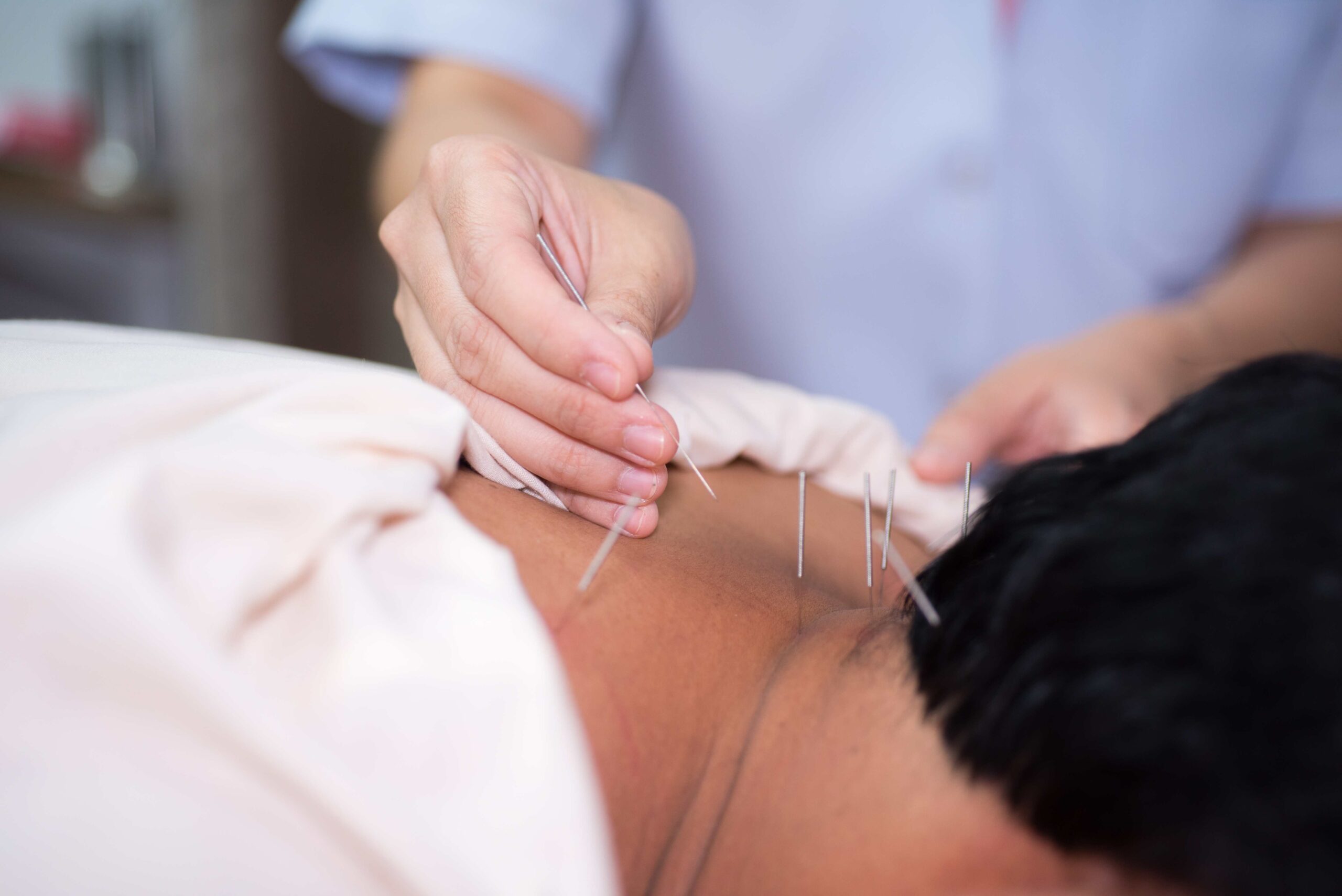
We understand that some conditions or injuries can make it difficult to receive rehabilitation at our clinic be it mobility or transportation issues. Our objective is to provide you with the same high-quality physiotherapy services at home that you would receive in-clinic.
Posted on

Treatment Approach for Sprains at a Sports Injury Clinic

sports injury clinic
Synapse Physiotherapy

Treatment Approach for Sprains at a Sports Injury Clinic

Introduction

Sprains are one of the most common injuries seen in active individuals, affecting athletes and non-athletes alike. They occur when ligaments;  the strong connective tissues that stabilise joints, are stretched or torn due to sudden twists, falls, or impacts. Proper management is essential to prevent long-term instability and recurring injuries. This is why seeking care at a sports injury clinic is highly recommended.

Within the first phase of injury management, a sports injury clinic provides accurate assessment, structured treatment, and guided rehabilitation tailored to the severity of the sprain. Rather than relying on rest alone, clinic-based care ensures safe healing and a timely return to activity. This article outlines the typical treatment approach for sprains at a sports injury clinic and explains how professional care supports effective recovery.

Understanding Sprains and Their Severity

Sprains are classified into three grades based on severity. Determining the grade of a sprain is essential, as treatment and recovery timelines vary depending on severity.

  • Grade I: Mild stretching of the ligament with minimal swelling and pain.
  • Grade II: Partial ligament tears, moderate swelling, pain, and some joint instability.
  • Grade III: Complete ligament tears, often causing significant swelling, bruising, and joint instability.

Common sprain locations include the ankle, knee, wrist, and shoulder. In Malaysia, sports like badminton and football contribute to a high volume of lower limb sprains seen at a sports injury clinic. According to the Mayo Clinic, delayed treatment of severe sprains can lead to ongoing pain and joint instability, making prompt professional assessment essential for a full recovery.

Comprehensive Assessment at a Sports Injury Clinic

The first step in treating a sprain is a thorough clinical assessment. At a sports injury clinic, clinicians evaluate the mechanism of injury, joint stability, swelling, range of motion, and functional limitations.

Special tests may be performed to assess ligament integrity and rule out associated injuries such as fractures or cartilage damage. Often, this involves a Biomechanical Assessment to see how the injury affects your overall movement patterns. Accurate diagnosis ensures the treatment plan addresses all contributing factors, reducing the risk of complications or mismanagement. This detailed look into your body’s mechanics is a hallmark of a professional sports injury clinic like Synapse Physiotherapy.

Acute Phase Management: Pain and Swelling Control

In the early phase of a sprain, pain and swelling control are the primary goals. Sports injury clinic professionals use evidence-based, non-invasive methods to manage acute symptoms.

Treatment may include activity modification, compression, supportive taping or bracing, and Electrotherapy to manage inflammation. These interventions help protect the injured ligament and prevent excessive stiffness. Early guidance also educates patients on safe movement during daily activities, ensuring they do not inadvertently worsen the tear.

Restoring Joint Mobility and Strength

Once pain and swelling begin to subside, restoring joint mobility becomes a key focus. Sprains often lead to restricted movement due to swelling, pain, and protective muscle guarding. A sports injury clinic introduces controlled range of motion exercises and Manual Therapy techniques to gradually restore normal joint movement. Regaining mobility is essential for proper biomechanics and prepares the joint for strengthening.

Ligament injuries can compromise joint stability, increasing the risk of repeated sprains if not addressed properly. Strengthening surrounding muscles is a crucial part of sprain rehabilitation. For example, ankle sprain rehabilitation focuses on calf, foot, and hip strength, while knee sprains emphasise quadriceps and hamstrings.

Proprioception and Functional Rehabilitation

Sprains can disrupt proprioception which is the body’s ability to sense joint position and movement. Impaired proprioception increases the risk of re-injury, especially during dynamic activities. A sports injury clinic incorporates balance and coordination exercises to retrain the nervous system. Activities such as single-leg balance and sport-specific drills help restore joint awareness.

As recovery progresses, rehabilitation becomes more functional. Clinics introduce exercises that mimic real-life movements, such as jumping or directional changes. This phase prepares the joint to tolerate the demands of Sports Injuries recovery and daily life. You can learn more about our specific rehabilitation programmes to see how we bridge the gap between injury and performance.

Use of Taping and Bracing

Supportive taping or bracing is often used during sprain recovery, especially in moderate to severe cases. These supports provide additional stability while allowing movement. A sports injury clinic will determine the appropriate type and duration of support based on injury severity and activity level. Proper use of taping can enhance confidence and reduce the risk of re-injury during the early return to activity.

Education and Injury Prevention Strategies

Education is a vital component of sprain treatment. Professionals at a sports injury clinic teach patients about proper warm-up routines, footwear choices, and activity modification to reduce future injury risk.

Patients also learn self-management strategies, including home exercises and recovery techniques, to support long-term joint health. Addressing contributing factors such as poor movement patterns or muscle imbalances is key to preventing recurrence. This is especially true for those returning to high-impact activities.

Safe Return to Activity

Returning to sport or physical activity too early is a common cause of chronic instability and repeat sprains. A sports injury clinic uses structured criteria to determine readiness. These criteria may include:

  • Full, pain-free range of motion.
  • Strength levels comparable to the uninjured side.
  • Demonstrated balance and agility through functional testing.
  • Psychological readiness and confidence in the joint.

A gradual return to activity plan ensures safety and long-term success, preventing the “boom and bust” cycle of re-injury. If you are unsure if you are ready to play again, you can contact our experts for a return-to-sport clearance.

The Long-Term Importance of Professional Guidance

While a minor sprain might seem like something that can be managed at home, the underlying damage to the ligament can have long-term consequences. Ligaments do not have the same blood supply as muscles, meaning they heal slowly and often with scar tissue that is less flexible. A professional sports injury clinic ensures that this scar tissue is managed correctly through specific loading protocols. Without this, the joint may remain “loose,” leading to early onset of joint wear or chronic pain in the future.

Frequently Asked Questions

1. Is It Better to Ice or Heat a New Sprain?

For the first 48 to 72 hours, icing is generally recommended to help reduce acute swelling and numb pain. Heat should be avoided in the very early stages as it can increase blood flow to the area and potentially worsen swelling.

2. How Long Does a Grade II Sprain Take to Heal?

A Grade II sprain involves a partial tear, and recovery typically takes anywhere from 4 to 8 weeks. However, this depends on the joint affected and how strictly the rehabilitation programme is followed.

3. Can I Walk on a Sprained Ankle?

This depends on the severity. If you cannot put any weight on the foot or if the joint feels completely unstable, you should seek a professional assessment immediately to rule out a fracture. A clinic can provide you with appropriate gait aids if needed.

4. Why Does My Sprain Keep Coming Back?

Recurring sprains are often due to “functional instability,” where the muscles around the joint are weak or the neural pathways for balance (proprioception) haven’t been fully restored. Professional rehab is designed specifically to fix these underlying issues.

5. Do I Need an X-Ray for Every Sprain?

Not necessarily. Clinicians at a sports injury clinic use specific protocols (like the Ottawa Ankle Rules) to determine if a fracture is likely. If you meet certain criteria, an X-ray will be recommended; otherwise, clinical management is usually sufficient.

Conclusion

Sprains may seem minor, but improper management can lead to chronic pain, instability, and repeated injuries. A sports injury clinic provides a comprehensive, step-by-step treatment approach that supports proper healing, restores function, and reduces re-injury risk. Through accurate assessment, progressive rehabilitation, and education, these clinics help individuals recover safely and return to their active lifestyles with confidence. By investing in professional care today, you are protecting the future health and mobility of your joints.

Share This :

Back & Neck Pain

Conditions such as stiffness, postural abnormalities and muscle overuse from prolonged desk work at the office or home is more prevalent than most would think. We provide the necessary tools to fix you up and educate you on ergonomics which can unload unnecessary stress.

Sports Injuries

Rolled ankles, jarred knees, impinged shoulders are few conditions in the plethora of sports injuries which can hamper performance and limit our enjoyment of sports. Physiotherapy not only treats the symptoms of these conditions but propels your overall fitness to greater heights.

Work Desk Injuries​

Conditions such as stiffness, postural abnormalities and muscle overuse from prolonged desk work at the office or home is more prevalent than most would think. We provide the necessary tools to fix you up and educate you on ergonomics which can unload unnecessary stress.

Pre-Post-Surgical Conditions

Surgery involves going through preparation both before and after. Physiotherapists play a vital role in getting your body ready for surgeries with circulatory, breathing and strengthening exercises. After the procedure, let us be there for your recovery and rehabilitation, taking it one step at a time.

Scoliosis & Postural Abnormalities

The way we stand, sit, walk and sleep has influence over our posture and the overall balance of muscles controlling its alignment. A comprehensive screening can be done by our physiotherapists to detect abnormalities, which we will aid in correcting.

Neurological Conditions

Neurological disabilities such as stroke, nerve compression and neuropathies can be barriers for patients to live life to its fullest. We at Synapse are committed to help you overcome these hurdles by ensuring functional mobility and quality of life is at its optimum by providing the right treatment and exercises.

Osteoarthritis & Rheumatism

Joint degeneration and inflammation happens as the human body grows older, but that does not mean our way of life degenerates as well. Relief your joint pains with a joint effort together with your physiotherapist, who will provide pain-relief treatments and prescribe exercises for your wellbeing.

Conditions Relating To Elderly

Common conditions in the older age population include hips & knee pain, back & neck pain, osteoarthritis, rheumatism, fear of falling and many more.  Aging and degeneration of bodily function is inevitable, but here at Synapse, we will help you live the best of your life.
Home Physiotherapy

We understand that some conditions or injuries can make it difficult to receive rehabilitation at our clinic be it mobility or transportation issues. Our objective is to provide you with the same high-quality physiotherapy services at home that you would receive in-clinic.
Posted on

Why Early Care from a Spine Specialist Matters

spine specialist
spine specialist
Synapse Physiotherapy

Why Early Care from a Spine Specialist Matters?

The human spine is a complex structure of bones, joints, ligaments, and muscles. It provides the central support for your entire body, allowing you to stand upright, bend, and twist while protecting the spinal cord. However, because we use our backs for almost every movement, they are highly susceptible to wear and tear. Seeking early intervention from a spine specialist is often the difference between a quick recovery and a lifetime of chronic discomfort.

In Malaysia, many individuals wait until their pain is unbearable before seeking professional help. By this stage, what started as a simple muscle strain may have progressed into a herniated disc or nerve impingement. Understanding the role of a spine specialist and how they work alongside physiotherapy can help you maintain mobility well into your later years. Early care is the most effective way to ensure that minor aches do not turn into debilitating conditions.

The Role of a Spine Specialist in Modern Healthcare

A spine specialist is a healthcare professional focused on diagnosing and treating conditions affecting the vertebral column. While some may focus on surgical interventions, many emphasize conservative management, such as Manual Therapy, to restore function without invasive procedures. These professionals are trained to look beyond the immediate area of pain to find the root cause of the issue.

Early consultation allows for a comprehensive Biomechanical Assessment. This assessment identifies movement compensations that might be putting undue stress on your vertebrae. When caught early, these issues are often reversible through targeted exercise and postural adjustments. A spine specialist ensures that the mechanical alignment of your body is optimized to handle the stresses of daily life, whether you are an office worker or an athlete.

How Physiotherapy Supports Spinal Health

When recommended by a spine specialist, physiotherapy becomes a cornerstone of recovery. Modern physiotherapy goes beyond just “rubbing the pain away”; it is a science-based approach to restoring the body’s natural alignment. According to the Mayo Clinic, physical therapy is one of the most important components of back pain treatment, helping patients build strength and learn correct movement mechanics to prevent recurrence. Working with a clinical team ensures that your rehabilitation is precise and effective.

Physiotherapy for spinal health may include:

  • Postural correction: Adjusting work and home environments to reduce repetitive strain.
  • Core strengthening: Utilizing a Spine & Core Rehabilitation Programme to take pressure off individual discs.
  • Flexibility work: Stretching tight muscles caused by prolonged sitting or sedentary lifestyles.
  • Manual therapy: Improving spinal mobility and reducing joint stiffness through hands-on techniques.
  • Movement education: Learning safer strategies for lifting, walking, and exercising.

Physiotherapy empowers patients to take control of their spinal health and build habits that protect the spine long term. This is particularly important for those dealing with Work-Desk Injuries, where ergonomic failures lead to chronic neck and back tension. At Synapse Physiotherapy, we provide tailored programmes to address these specific mechanical needs.

Early Spine Care for Different Life Stages

Spinal care is not one-size-fits-all. Lifestyle demands change at different stages of life, and early care from a spine specialist is beneficial at every age. By addressing age-specific risks, a specialist can prevent the progression of common degenerative conditions.

Students and Teenagers

With the rise of “text neck” and heavy school bags, younger generations benefit from posture correction and early Scoliosis & Postural Abnormalities screening. Identifying these issues during growth spurts allows for more effective non-surgical correction.

Working Adults

This group often faces the highest stress levels. Early intervention helps reduce work-related neck and back pain before it leads to long-term sick leave. A spine specialist can provide ergonomic advice that prevents the development of chronic herniated discs.

Active Individuals and Athletes

For those who push their bodies, a spine specialist can help prevent overuse injuries and optimize performance through better spinal alignment. This is often paired with Sports Physiotherapy to ensure the athlete returns to play safely.

Older Adults

Maintaining mobility and independence is the primary goal for seniors. Managing Osteoarthritis & Rheumatism early can prevent falls and preserve quality of life, ensuring that individuals remain active in their golden years.

Understanding the Malaysian Context of Spinal Care

In Malaysia, lifestyle factors such as long commutes in heavy traffic and desk-bound jobs contribute significantly to spinal issues. Musculoskeletal disorders are a growing concern in the national workforce. Taking a proactive approach by visiting a spine specialist at the first sign of trouble aligns with national health goals of promoting a more active and pain-free society.

Public health awareness in Malaysia is increasingly focusing on ergonomics at the workplace. By consulting a spine specialist early, you are participating in a preventive healthcare model that reduces the long-term burden on the medical system and improves your personal productivity.

Frequently Asked Questions

1. When Should I See a Spine Specialist?

You should consider seeing a spine specialist if you experience persistent back or neck pain, stiffness, numbness, tingling, or discomfort that interferes with daily activities, even if the pain feels mild at first. Early diagnosis often leads to better non-surgical outcomes.

2. Can Lifestyle Habits Really Cause Spinal Problems?

Yes. Poor posture, prolonged sitting, lack of movement, and weak muscles are among the leading causes of spinal pain today. Over time, these habits can lead to disc issues, joint stiffness, and nerve irritation. If you’re unsure how to improve your habits, you can contact our team for a professional assessment.

3. Is Physiotherapy Effective for Spinal Pain?

Physiotherapy is one of the most effective treatments for spinal pain, especially when started early. It improves strength, flexibility, posture, and movement patterns to prevent recurrence. A structured rehabilitation programme is often the best alternative to medication.

4. Can Physiotherapy Help Avoid Surgery?

In many cases, yes. Early physiotherapy guided by a spine specialist can manage pain, restore function, and reduce the need for surgical intervention by addressing the root mechanical cause of the pain through targeted strengthening and manual techniques.

5. How Long Does Physiotherapy Take to See Results?

Many patients notice improvement within a few sessions, especially when treatment starts early. Long-term success depends on consistency and lifestyle adjustments. Your therapist will monitor your progress and adjust your plan as your mobility improves.

Conclusion: A Healthier Lifestyle Starts with Early Spine Care

Your spine supports every movement you make, from working and exercising to resting and sleeping. Ignoring early signs of discomfort can allow small problems to grow into long-term limitations. Early care from a spine specialist, combined with lifestyle-focused physiotherapy, offers the best chance for lasting spinal health.

At Synapse Physiotherapy, we focus on treating spinal pain at its source, not just the symptoms. Our physiotherapy programmes work hand-in-hand with spine specialist insights to restore movement, correct posture, and help patients build healthier daily habits. Whether your pain is new or long-standing, early action with the right care can protect your spine for years to come. Investing in your spinal health today is an investment in your future mobility.

Share This :

Back & Neck Pain

Conditions such as stiffness, postural abnormalities and muscle overuse from prolonged desk work at the office or home is more prevalent than most would think. We provide the necessary tools to fix you up and educate you on ergonomics which can unload unnecessary stress.

Sports Injuries

Rolled ankles, jarred knees, impinged shoulders are few conditions in the plethora of sports injuries which can hamper performance and limit our enjoyment of sports. Physiotherapy not only treats the symptoms of these conditions but propels your overall fitness to greater heights.

Work Desk Injuries​

Conditions such as stiffness, postural abnormalities and muscle overuse from prolonged desk work at the office or home is more prevalent than most would think. We provide the necessary tools to fix you up and educate you on ergonomics which can unload unnecessary stress.

Pre-Post-Surgical Conditions

Surgery involves going through preparation both before and after. Physiotherapists play a vital role in getting your body ready for surgeries with circulatory, breathing and strengthening exercises. After the procedure, let us be there for your recovery and rehabilitation, taking it one step at a time.

Scoliosis & Postural Abnormalities

The way we stand, sit, walk and sleep has influence over our posture and the overall balance of muscles controlling its alignment. A comprehensive screening can be done by our physiotherapists to detect abnormalities, which we will aid in correcting.

Neurological Conditions

Neurological disabilities such as stroke, nerve compression and neuropathies can be barriers for patients to live life to its fullest. We at Synapse are committed to help you overcome these hurdles by ensuring functional mobility and quality of life is at its optimum by providing the right treatment and exercises.

Osteoarthritis & Rheumatism

Joint degeneration and inflammation happens as the human body grows older, but that does not mean our way of life degenerates as well. Relief your joint pains with a joint effort together with your physiotherapist, who will provide pain-relief treatments and prescribe exercises for your wellbeing.

Conditions Relating To Elderly

Common conditions in the older age population include hips & knee pain, back & neck pain, osteoarthritis, rheumatism, fear of falling and many more.  Aging and degeneration of bodily function is inevitable, but here at Synapse, we will help you live the best of your life.

Home Physiotherapy

We understand that some conditions or injuries can make it difficult to receive rehabilitation at our clinic be it mobility or transportation issues. Our objective is to provide you with the same high-quality physiotherapy services at home that you would receive in-clinic.
Posted on

Physiotherapy Near Me: How It Supports Neurological Care

Physiotherapy Near Me
Synapse Physiotherapy

Physiotherapy Near Me: How It Supports Neurological Care

When people search for Physiotherapy Near Me, they are often looking for convenient, professional care that can make a real difference in their daily function and quality of life. For individuals living with neurological conditions, timely access to physiotherapy is especially important. Neurological disorders can affect movement, balance, strength, coordination, speech, and even confidence. The right physiotherapy support, delivered close to home, plays a critical role in recovery, adaptation, and long-term management.

Whether the condition is caused by stroke, spinal cord injury, Parkinson’s disease, multiple sclerosis, or nerve-related injuries, physiotherapy remains a cornerstone of neurological care. This article explores how physiotherapy supports neurological rehabilitation, what makes neurological physiotherapy unique, and why choosing the right local physiotherapy service matters for residents across Malaysia.

Understanding Neurological Conditions and Recovery

Neurological conditions involve damage or dysfunction of the brain, spinal cord, or peripheral nerves. Rehabilitation is a vital component in managing the long-term effects of conditions like stroke to prevent secondary complications. These disorders are often complex, requiring a therapist who understands the intricate relationship between the nervous system and muscular output.

Common neurological conditions that benefit from searching for Physiotherapy Near Me include:

  • Stroke and traumatic brain injury
  • Spinal cord injury
  • Parkinson’s disease
  • Multiple sclerosis
  • Peripheral nerve injuries and neuropathies
  • Cerebral palsy and balance disorders

These conditions often lead to muscle weakness, spasticity, poor balance, altered sensation, reduced coordination, and difficulty performing everyday tasks. Without proper rehabilitation, these impairments can worsen over time and significantly reduce independence. By engaging with a professional provider of Physiotherapy Near Me, patients can slow the progression of symptoms and reclaim their functional abilities.

What Is Neurological Physiotherapy?

Neurological physiotherapy is a specialised area of physiotherapy focused on retraining the nervous system. Unlike general musculoskeletal physiotherapy, which might focus on a specific joint or ligament, Neurological Rehab emphasises the integration of the whole body through the brain-body connection.

Core Focus Areas of Neuro-Rehab

The goal is not just to strengthen muscles, but to help the brain and nerves relearn how to control movement efficiently and safely. This involves:

  • Motor control and movement retraining: Teaching the body to move with precision again.
  • Balance and postural stability: Ensuring the patient can stand and sit without fear of falling.
  • Gait (walking) rehabilitation: Improving the quality and safety of every step.
  • Functional task practice: Practicing daily activities like dressing or cooking.
  • Neuroplasticity: Utilising the brain’s ability to reorganise and adapt to new information.

How Physiotherapy Supports Neurological Recovery

1. Promotes Neuroplasticity

One of the most powerful benefits of physiotherapy in neurological care is its ability to promote neuroplasticity. Through repetitive, task-specific exercises, the brain forms new neural pathways. This is especially important after stroke or brain injury, where undamaged parts of the brain can learn to take over lost functions. Regular sessions at a centre providing physiotherapy services ensure these pathways are reinforced consistently.

2. Improves Mobility and Walking Ability

Many neurological patients struggle with walking due to weakness, stiffness, or poor coordination. Physiotherapy helps by strengthening key muscle groups and correcting walking patterns. In many cases, a Biomechanical Assessment is used to analyse movement patterns and identify specific areas of dysfunction. This high level of analysis is why finding expert Physiotherapy Near Me is so vital for long term success.

3. Enhances Balance and Reduces Fall Risk

Balance problems are common in neurological conditions such as stroke, Parkinson’s disease, and neuropathy. Physiotherapists assess balance deficits and implement targeted training, including static and dynamic balance exercises and core stability training. This is a primary focus for Neurological Conditions where the risk of injury from a fall can be life-altering.

4. Manages Muscle Stiffness and Spasticity

Spasticity (muscle tightness) is a frequent issue after neurological injury. Physiotherapy helps manage this through stretching, positioning, and strengthening opposing muscle groups. In some instances, specialised treatments like Manual Therapy can help improve joint range of motion and reduce discomfort. By visiting a clinic specialising in Physiotherapy Near Me, patients receive hands-on care that helps keep muscles supple and functional.

Why Choosing Physiotherapy Near Me Matters

Searching for Physiotherapy Near Me is not just about convenience; it directly impacts treatment success. Neurological recovery is a marathon, not a sprint, and the accessibility of your clinic plays a massive role in your ability to cross the finish line.

Advantages of Localised Care

Local physiotherapy services offer several advantages:

  • Better adherence: Shorter travel time makes it easier to attend regular sessions, which is critical for neuroplasticity.
  • Home-based options: Some neurological patients benefit from Home Physiotherapy, especially if mobility is severely limited or transport is a challenge.
  • Family involvement: Local care allows caregivers and family members to be more involved in the rehabilitation process, learning how to assist the patient at home.
  • Continuity of care: Ongoing follow-ups and long-term planning are easier with a nearby clinic, ensuring that progress is monitored and programs are updated regularly.

Long-Term Management of Progressive Conditions

For conditions like Parkinson’s or Multiple Sclerosis, the goal of Physiotherapy Near Me shifts from pure recovery to strategic management. Therapists work to maintain existing function for as long as possible. This involves cardiovascular conditioning, strength maintenance, and flexibility training. By staying close to a trusted local therapist, patients can quickly address new symptoms as they arise.

Frequently Asked Questions

1. How Soon Should I Start Physiotherapy After a Neurological Event Like a Stroke?

Rehabilitation should ideally begin as soon as the patient is medically stable. Evidence suggests that the brain is most receptive to neuroplasticity in the early weeks and months following an injury. Early intervention helps prevent muscle contractures and sets the foundation for recovering motor skills.

2. Can Physiotherapy Help If My Neurological Condition Is Progressive, Such as Parkinson’s?

Absolutely. While physiotherapy cannot cure progressive diseases, it is essential for managing symptoms. A therapist focuses on maintaining mobility, improving balance to prevent falls, and teaching compensatory strategies that allow patients to remain independent for as long as possible.

3. What Is the Difference Between Neurological and Musculoskeletal Physiotherapy?

Musculoskeletal physiotherapy typically treats bone, joint, and soft tissue injuries like sprains or back pain. Neurological physiotherapy focuses on the central nervous system. The techniques used are designed to retrain the brain and nerves to communicate effectively with the muscles to restore complex movement patterns.

4. Is Home-Based Physiotherapy as Effective as Clinic-Based Sessions for Neuro-Rehab?

Both have distinct advantages. Clinic sessions often provide access to specialised equipment and parallel bars for gait training. However, home-based care allows the therapist to see the patient in their natural environment, making functional task practice — like getting in and out of a specific bed or chair — highly relevant and effective.

5. How Long Does a Typical Neurological Physiotherapy Programme Last?

There is no fixed timeline, as every neurological journey is unique. Some patients may require intensive short-term therapy to hit specific milestones, while others with chronic conditions may benefit from ongoing, less frequent maintenance sessions to monitor their safety and functional levels over many years.

Conclusion

Neurological recovery and management require patience, persistence, and the right professional expertise. By searching for Physiotherapy Near Me, individuals and their families can find the accessible, high-quality care necessary to navigate the complexities of the nervous system. Whether the goal is to walk again after a stroke, manage the tremors of Parkinson’s, or improve coordination following a nerve injury, local physiotherapy like Synapse Physiotherapy provides the tools and support to enhance independence. Taking the first step toward professional rehabilitation is a vital investment in your long-term health and functional freedom. Book a consultation with our dedicated team of physiotherapy experts today to get your personalised assessments.

Share This :

Back & Neck Pain

Conditions such as stiffness, postural abnormalities and muscle overuse from prolonged desk work at the office or home is more prevalent than most would think. We provide the necessary tools to fix you up and educate you on ergonomics which can unload unnecessary stress.

Sports Injuries

Rolled ankles, jarred knees, impinged shoulders are few conditions in the plethora of sports injuries which can hamper performance and limit our enjoyment of sports. Physiotherapy not only treats the symptoms of these conditions but propels your overall fitness to greater heights.

Work Desk Injuries​

Conditions such as stiffness, postural abnormalities and muscle overuse from prolonged desk work at the office or home is more prevalent than most would think. We provide the necessary tools to fix you up and educate you on ergonomics which can unload unnecessary stress.

Pre-Post-Surgical Conditions

Surgery involves going through preparation both before and after. Physiotherapists play a vital role in getting your body ready for surgeries with circulatory, breathing and strengthening exercises. After the procedure, let us be there for your recovery and rehabilitation, taking it one step at a time.

Scoliosis & Postural Abnormalities

The way we stand, sit, walk and sleep has influence over our posture and the overall balance of muscles controlling its alignment. A comprehensive screening can be done by our physiotherapists to detect abnormalities, which we will aid in correcting.

Neurological Conditions

Neurological disabilities such as stroke, nerve compression and neuropathies can be barriers for patients to live life to its fullest. We at Synapse are committed to help you overcome these hurdles by ensuring functional mobility and quality of life is at its optimum by providing the right treatment and exercises.

Osteoarthritis & Rheumatism

Joint degeneration and inflammation happens as the human body grows older, but that does not mean our way of life degenerates as well. Relief your joint pains with a joint effort together with your physiotherapist, who will provide pain-relief treatments and prescribe exercises for your wellbeing.

Conditions Relating To Elderly

Common conditions in the older age population include hips & knee pain, back & neck pain, osteoarthritis, rheumatism, fear of falling and many more.  Aging and degeneration of bodily function is inevitable, but here at Synapse, we will help you live the best of your life.
Home Physiotherapy

We understand that some conditions or injuries can make it difficult to receive rehabilitation at our clinic be it mobility or transportation issues. Our objective is to provide you with the same high-quality physiotherapy services at home that you would receive in-clinic.
Posted on

Top 5 Orthopedic Conditions Shockwave Therapy Supports

shockwave therapy
shockwave therapy
Synapse Physiotherapy

Relieving Musculoskeletal Pain: The Top 5 Orthopedic Conditions Shockwave Therapy Supports

Musculoskeletal pain remains one of the most frequent reasons individuals seek professional orthopedic or physiotherapy care today. Whether it is a sharp, persistent pain in the heel or a stubborn ache in the elbow that refuses to subside, these orthopedic conditions can significantly hinder your daily activities and diminish your overall quality of life. Fortunately, modern medical advancements have introduced non-invasive solutions that bridge the gap between conservative management and surgery. This is where Synapse Physiotherapy makes the difference through their targeted shockwave therapy protocols, designed to provide a path to recovery that is evidence-based and highly effective. Rather than simply managing symptoms, our professional team focuses on stimulating the body’s natural regenerative processes to ensure long-term wellness and functional mobility.

In recent years, shockwave therapy has emerged as a premier, non-invasive treatment option that supports healing across a diverse range of orthopedic conditions. By delivering high-energy acoustic waves directly to injured or degenerated tissues, this technology stimulates local blood flow, promotes rapid tissue regeneration, and helps reduce chronic pain—often removing the need for painful injections or risky surgical interventions. Understanding the science behind shockwave therapy for healing is key to appreciating how it addresses the top five most common orthopedic issues seen in clinical practice today.

1. Plantar Fasciitis: Solving Chronic Heel Pain

Plantar fasciitis is arguably the most common cause of heel pain, frequently affecting runners, individuals who spend long hours standing for work, and older adults. The condition involves the irritation or degeneration of the plantar fascia, which is the thick band of tissue responsible for supporting the arch of the foot. When this tissue becomes inflamed or undergoes degenerative changes, every step can feel like walking on sharp stones.

How Shockwave Therapy Helps the Foot

For those struggling with this condition, shockwave therapy targets the painful heel area to restart the healing journey by:

  • Increasing local blood circulation.
  • Stimulating essential tissue repair and collagen production.
  • Reducing pain sensitivity by altering specific nerve signals in the foot.

Many patients with chronic plantar fasciitis who have not seen results from rest, expensive orthotics, or stretching programs find significant improvement after a structured course of treatment. It is especially beneficial for long-standing cases where the natural tissue healing process has stalled.

2. Tennis Elbow (Lateral Epicondylitis)

Despite its name, tennis elbow is not a condition exclusive to athletes; it commonly affects office workers, manual labourers, and anyone who performs repetitive wrist or forearm movements throughout their day. This condition involves painful micro-tears and degeneration in the tendons that attach to the outer portion of the elbow.

Promoting Tendon Regeneration

Unlike traditional treatments that might only focus on temporary pain relief, shockwave therapy addresses the underlying tendon pathology. In the case of tennis elbow, the treatment works by:

  • Promoting tendon regeneration at a cellular level.
  • Breaking down abnormal scar tissue that limits movement.
  • Enhancing cellular activity in tendons that have historically healed poorly.

When this advanced therapy is combined with progressive strengthening exercises, it can lead to permanent, long-term improvement and a significantly reduced risk of recurrence.

3. Achilles Tendinopathy

Achilles tendinopathy is characterised by pain, stiffness, and noticeable swelling along the Achilles tendon, with symptoms often worsening during walking or running. While it is a common ailment for physically active individuals, it can also occur in sedentary adults due to sudden changes in activity levels.

Reactivating the Healing Process

Because the Achilles tendon naturally has a relatively poor blood supply, shockwave therapy plays a vital role in reactivating the healing process. Clinical research widely supports its use for chronic Achilles tendinopathy, offering benefits such as:

  • Improving the overall structure and strength of the tendon.
  • Stimulating the formation of new blood vessels.
  • Reducing chronic pain and stiffness that limits morning mobility.

This treatment is particularly effective in cases where eccentric loading exercises alone have proven insufficient to resolve the pain.

4. Shoulder Calcific Tendinitis

Calcific tendinitis of the shoulder occurs when calcium deposits form within the rotator cuff tendons. This often leads to intense, debilitating shoulder pain, a reduced range of motion, and significant difficulty sleeping on the affected side. It can make even the simplest tasks, like reaching for a cupboard, feel impossible.

Shutterstock

Breaking Down Calcium Deposits

High-energy shockwave therapy has shown remarkable success in reducing the size of these calcium deposits and improving overall shoulder function. The treatment manages calcific tendinitis by:

  • Physically breaking down the hardened calcium deposits.
  • Enhancing the body’s ability to absorb these calcifications.
  • Reducing the associated inflammation and pain in the joint.

Many patients experience a return to full mobility and pain relief without ever needing to undergo invasive surgical procedures.

5. Patellar Tendinopathy (Jumper’s Knee)

Patellar tendinopathy, frequently called “jumper’s knee,” affects the tendon connecting the kneecap to the shinbone. While it is often seen in athletes involved in jumping or sprinting sports, it also frequently occurs in recreational exercisers.

Restoring Function and Sport Participation

For chronic cases of jumper’s knee that do not respond to rest or basic exercise, shockwave therapy can help restore function and allow a gradual, safe return to sport. It supports recovery by:

  • Stimulating tendon healing at a deep cellular level.
  • Reducing pain experienced during high-impact activity.
  • Enhancing the overall effectiveness of your prescribed rehabilitation exercises.

Why Shockwave Therapy is the Modern Choice

Shockwave therapy stands out in the field of orthopedics because it does not simply mask symptoms with medication; instead, it encourages the body’s natural healing mechanisms. Some of the key advantages of choosing this treatment include:

  • Non-invasive: No needles or surgery are required for treatment.
  • Minimal Downtime: Most patients can resume normal activities quickly following a session.
  • Evidence-based: The technology is supported by numerous clinical studies globally.
  • Synergy: It works exceptionally well when paired with physiotherapy, exercise, and manual therapy.

A typical treatment involves a series of sessions, each lasting approximately 10 to 15 minutes. While some mild discomfort may be felt during the session, it is generally well-tolerated and any side effects are short-lived. You can read more about the clinical efficacy of these acoustic waves in the comprehensive review by the NIH.

Frequently Asked Questions

Is shockwave therapy painful?

While mild discomfort during treatment is common, it is generally well-tolerated and short-lived. The intensity can often be adjusted by your clinician to ensure your comfort.

How many sessions will I need?

Treatment typically involves a series of sessions, with each session lasting about 10-15 minutes. Your specific treatment plan will depend on the severity of your condition and whether your tissue healing has stalled.

Who is a good candidate for this treatment?

It is typically recommended for those with chronic tendon or soft tissue conditions where pain has lasted more than 3 to 6 months. It is ideal for those who have seen limited improvement with conventional treatments.

Are there any side effects?

Side effects are minimal; most patients experience only mild, short-lived discomfort and can resume normal activities quickly.

Can I use shockwave therapy instead of surgery?

In many cases, yes. For conditions like calcific tendinitis, high-energy shockwave therapy has shown success in improving function and providing relief without the need for invasive procedures.

Conclusion

Orthopedic conditions involving the tendons, ligaments, and soft tissues can be incredibly frustrating and notoriously slow to heal. However, the versatility of shockwave therapy in treating conditions like plantar fasciitis, tennis elbow, and Achilles tendinopathy highlights its effectiveness in modern rehabilitation. When integrated into a structured program at Synapse Physiotherapy, this technology allows patients to reduce pain and return to their daily lives with confidence.

If you are struggling with persistent pain that hasn’t responded to traditional methods, our professional team is ready to help you explore the science behind shockwave therapy for healing. Take the first step toward a pain-free life and Book a consultation with us today to see if this innovative treatment is right for you.

Share This :

Back & Neck Pain

Conditions such as stiffness, postural abnormalities and muscle overuse from prolonged desk work at the office or home is more prevalent than most would think. We provide the necessary tools to fix you up and educate you on ergonomics which can unload unnecessary stress.

Sports Injuries

Rolled ankles, jarred knees, impinged shoulders are few conditions in the plethora of sports injuries which can hamper performance and limit our enjoyment of sports. Physiotherapy not only treats the symptoms of these conditions but propels your overall fitness to greater heights.

Work Desk Injuries​

Conditions such as stiffness, postural abnormalities and muscle overuse from prolonged desk work at the office or home is more prevalent than most would think. We provide the necessary tools to fix you up and educate you on ergonomics which can unload unnecessary stress.

Pre-Post-Surgical Conditions

Surgery involves going through preparation both before and after. Physiotherapists play a vital role in getting your body ready for surgeries with circulatory, breathing and strengthening exercises. After the procedure, let us be there for your recovery and rehabilitation, taking it one step at a time.

Scoliosis & Postural Abnormalities

The way we stand, sit, walk and sleep has influence over our posture and the overall balance of muscles controlling its alignment. A comprehensive screening can be done by our physiotherapists to detect abnormalities, which we will aid in correcting.

Neurological Conditions

Neurological disabilities such as stroke, nerve compression and neuropathies can be barriers for patients to live life to its fullest. We at Synapse are committed to help you overcome these hurdles by ensuring functional mobility and quality of life is at its optimum by providing the right treatment and exercises.

Osteoarthritis & Rheumatism

Joint degeneration and inflammation happens as the human body grows older, but that does not mean our way of life degenerates as well. Relief your joint pains with a joint effort together with your physiotherapist, who will provide pain-relief treatments and prescribe exercises for your wellbeing.

Conditions Relating To Elderly

Common conditions in the older age population include hips & knee pain, back & neck pain, osteoarthritis, rheumatism, fear of falling and many more.  Aging and degeneration of bodily function is inevitable, but here at Synapse, we will help you live the best of your life.
Home Physiotherapy

We understand that some conditions or injuries can make it difficult to receive rehabilitation at our clinic be it mobility or transportation issues. Our objective is to provide you with the same high-quality physiotherapy services at home that you would receive in-clinic.
Posted on

Enhancing Senior Health and Mobility with Physiotherapy Cyberjaya

physiotherapy cyberjaya
Synapse Physiotherapy

Enhancing Senior Health and Mobility with Physiotherapy Cyberjaya

As the population ages, maintaining mobility, independence, and a high quality of life becomes increasingly vital for seniors. Many older adults face daily challenges such as joint pain, muscle weakness, balance issues, or chronic conditions that limit their activities. This is where Synapse Physiotherapy makes the difference through their evidence-based solutions at physiotherapy cyberjaya, designed specifically to meet the unique physiological needs of senior citizens. By providing a structured environment with expert supervision, we help seniors stay active while significantly minimising the risk of injury.

Why Specialized Physiotherapy Is Essential for Healthy Ageing

Ageing naturally brings significant changes to the musculoskeletal and nervous systems. Over time, muscle mass decreases, joints lose their natural lubrication, bones lose density, and balance reactions begin to slow down. These physiological shifts can increase the risk of falls and lead to a loss of independence. Professional physiotherapy cyberjaya services allow seniors to manage these age-related conditions effectively without relying solely on medication. According to the World Health Organization, maintaining functional ability is key to healthy ageing.

The primary focus of a geriatric programme is to improve strength, flexibility, and confidence in movement. Whether a senior is recovering from a recent surgery, managing long-term arthritis, or looking for ways to prevent falls, physiotherapy is a vital pillar of support. Through the Geriatric, Best Senior Physiotherapy Exercises, individuals can maintain or improve their mobility , reduce persistent stiffness , and recover safely after illness or surgery.

Common Conditions Treated with Senior Physiotherapy

1. Osteoarthritis and Chronic Joint Pain

Osteoarthritis is one of the most prevalent conditions affecting seniors in Cyberjaya, particularly in the knees, hips, and spine. Expert physiotherapy cyberjaya helps reduce joint pain through gentle exercises and manual therapy. Strengthening the muscles around affected joints is crucial because it reduces the direct stress on joint surfaces and improves overall function.

2. Balance Problems and Fall Prevention

Falls are a major health concern for the elderly and can lead to serious fractures. At Synapse Physiotherapy, our professional team assesses balance, walking patterns, and muscle strength to identify specific fall risk factors. We utilise balance training and gait re-education to help seniors feel more stable and confident when moving around their homes or the community.

3. Post-Surgical Rehabilitation

After major procedures such as hip or knee replacements, professional physiotherapy cyberjaya is essential for a safe recovery. A structured rehabilitation programme restores movement and function while protecting the surgical site. Early intervention guided by experts reduces the risk of post-surgical complications and significantly speeds up the recovery timeline.

4. Neurological Conditions

Seniors living with stroke, Parkinson’s disease, or peripheral neuropathy require specialised care. Physiotherapy treatment for these conditions focuses on improving movement control, coordination, and functional independence through specific neurological rehabilitation techniques.

What Makes Physiotherapy Safe for Seniors?

Safety is the cornerstone of any senior-focused treatment at physiotherapy cyberjaya. The process begins with a thorough assessment of medical history, current medications, and functional abilities. This ensures that every treatment plan is tailored to the senior’s overall health status.

  • Individualised Treatment Plans: There is no “one-size-fits-all” approach ; exercises are selected based on the individual’s fitness level and specific goals.
  • Gentle and Controlled Techniques: We prioritise low-impact movements designed to minimise joint stress.
  • Constant Monitoring: Our professional team provides close supervision and adjusts the intensity gradually to avoid overloading the body.
  • Education: Seniors and their caregivers are educated on safe movements and posture to reduce injury risks outside the clinic.

Safe Physiotherapy Options and Modalities

To ensure a comprehensive recovery, various safe physiotherapy options are available at physiotherapy cyberjaya. These include:

  1. Therapeutic Exercise: Using body weight or resistance bands to maintain muscle mass and endurance.
  2. Manual Therapy: Hands-on techniques like soft tissue mobilisation to improve circulation and reduce stiffness.
  3. Pain Management Modalities: The use of heat, cold, or electrotherapy to relieve muscle tension.
  4. Home Exercise Programmes: Easy-to-follow routines that seniors can perform safely in their own environment.

Choosing physiotherapy cyberjaya allows seniors to receive this professional care close to home, making regular sessions more convenient. Modern facilities at Synapse Physiotherapy provide one-on-one supervised sessions in a senior-friendly environment.

Supporting Long-Term Independence

The ultimate goal of physiotherapy cyberjaya is the preservation of independence. By improving physical strength and balance, seniors are better equipped to perform daily tasks like climbing stairs or household activities. Beyond the physical benefits, staying active reduces the fear of movement and enhances mental well-being and mood.

Seniors do not need to wait for severe pain to seek help. Early intervention at Synapse Physiotherapy helps prevent minor aches from turning into major mobility issues. Whether it is difficulty walking or recovery after hospitalisation, a proactive plan is the best path to healthy ageing.

Frequently Asked Questions

Is physiotherapy safe for seniors with heart conditions?

Yes, but it requires a thorough assessment of medical history first. Our professional team monitors intensity levels closely to ensure the exercises are safe and appropriate for your cardiovascular health.

How often should a senior attend physiotherapy sessions?

Frequency depends on the individual’s goals and condition. Typically, consistent weekly sessions at physiotherapy cyberjaya help maintain progress and ensure safe movement patterns.

Can physiotherapy help if I have a fear of falling?

Absolutely. Balance and gait training are specifically designed to improve stability and coordination. This builds the confidence needed to move safely and reduces the fear of falling.

Do I need a doctor’s referral for physiotherapy in Cyberjaya?

While not always mandatory, a referral can provide helpful medical context. You can Book a consultation directly with us for a full assessment of your needs.

Will the exercises be too painful or difficult?

No. Senior-focused physiotherapy cyberjaya prioritises gentle, low-impact, and controlled movements. We progress the intensity gradually based on your comfort and tolerance.

Conclusion

Safe and effective physiotherapy is a cornerstone of senior health, providing the necessary tools to maintain independence and dignity. With personalised care and professional supervision at Synapse Physiotherapy, seniors in Cyberjaya can manage chronic pain, prevent life-altering falls, and recover from surgeries more effectively. Don’t let mobility issues limit your lifestyle. To start your journey toward a healthier, more active life, Book a consultation with our dedicated team today.

Share This :

Back & Neck Pain

Conditions such as stiffness, postural abnormalities and muscle overuse from prolonged desk work at the office or home is more prevalent than most would think. We provide the necessary tools to fix you up and educate you on ergonomics which can unload unnecessary stress.

Sports Injuries

Rolled ankles, jarred knees, impinged shoulders are few conditions in the plethora of sports injuries which can hamper performance and limit our enjoyment of sports. Physiotherapy not only treats the symptoms of these conditions but propels your overall fitness to greater heights.

Work Desk Injuries​

Conditions such as stiffness, postural abnormalities and muscle overuse from prolonged desk work at the office or home is more prevalent than most would think. We provide the necessary tools to fix you up and educate you on ergonomics which can unload unnecessary stress.

Pre-Post-Surgical Conditions

Surgery involves going through preparation both before and after. Physiotherapists play a vital role in getting your body ready for surgeries with circulatory, breathing and strengthening exercises. After the procedure, let us be there for your recovery and rehabilitation, taking it one step at a time.

Scoliosis & Postural Abnormalities

The way we stand, sit, walk and sleep has influence over our posture and the overall balance of muscles controlling its alignment. A comprehensive screening can be done by our physiotherapists to detect abnormalities, which we will aid in correcting.

Neurological Conditions

Neurological disabilities such as stroke, nerve compression and neuropathies can be barriers for patients to live life to its fullest. We at Synapse are committed to help you overcome these hurdles by ensuring functional mobility and quality of life is at its optimum by providing the right treatment and exercises.

Osteoarthritis & Rheumatism

Joint degeneration and inflammation happens as the human body grows older, but that does not mean our way of life degenerates as well. Relief your joint pains with a joint effort together with your physiotherapist, who will provide pain-relief treatments and prescribe exercises for your wellbeing.

Conditions Relating To Elderly

Common conditions in the older age population include hips & knee pain, back & neck pain, osteoarthritis, rheumatism, fear of falling and many more.  Aging and degeneration of bodily function is inevitable, but here at Synapse, we will help you live the best of your life.

Home Physiotherapy

We understand that some conditions or injuries can make it difficult to receive rehabilitation at our clinic be it mobility or transportation issues. Our objective is to provide you with the same high-quality physiotherapy services at home that you would receive in-clinic.
Posted on

Dry Needling Near Me: Expert Relief for Pain | Synapse

dry needling near me
Synapse Physiotherapy

Dry Needling Near Me: Targeted Relief for Neck, Back, and Joint Pain

If you are searching for “dry needling near me,” you are likely dealing with ongoing neck pain, back stiffness, or joint discomfort that significantly affects your daily life. These musculoskeletal issues are increasingly common among office workers, active individuals, and those recovering from sports injuries. This is where Synapse Physiotherapy makes a difference by integrating advanced dry needling techniques into a complete rehabilitation program. Rather than providing a temporary fix, our approach focuses on restoring how your body moves and functions, ensuring that each session contributes to your long-term strength and recovery. Dry needling is a highly effective physiotherapy treatment that targets muscular pain and movement restriction at its root cause, helping you recover faster and move more freely.

Understanding Dry Needling as a Modern Therapy

Dry needling is a modern physiotherapy technique that uses thin, sterile needles inserted into myofascial trigger points—tight knots within muscles that cause pain, stiffness, and reduced movement. The term “dry” is used because no medication or fluid is injected into the body; the needle itself creates the therapeutic effect. Because this practice is rooted in modern anatomy, biomechanics, and pain science, it is a targeted and evidence-based treatment used by trained physiotherapists.

The primary objectives of this treatment include:

  • Release tight and overactive muscles to restore balance.
  • Reduce pain and muscle guarding.
  • Improve blood circulation to injured tissue.
  • Restore normal muscle function and movement.

How Does Dry Needling Actually Work?

When a practitioner performs dry needling, the insertion of the needle into a trigger point stimulates a local response in the muscle. This physiological response is crucial because it helps the muscle relax and effectively resets abnormal pain signals sent to the brain. This process is vital for anyone searching for “dry needling near me” to resolve chronic tension.

The benefits of this stimulation include decreasing muscle tension and improving flexibility. Furthermore, it works by reducing pressure on joints and nerves while supporting faster tissue recovery. Many patients feel improvement after just a few sessions, especially when the treatment is combined with therapeutic exercises and posture correction provided by a professional team.

Relieving Chronic Neck Pain and Stiffness

Neck pain is one of the most common reasons people seek “dry needling near me“. In our modern world, factors like prolonged sitting, phone use, stress, and poor posture often overload neck and shoulder muscles, leading to stiffness and discomfort. Dry needling for the neck area specifically helps to release tight neck and shoulder muscles while reducing tension-related pain.

Additionally, it can improve neck rotation and mobility, supporting better posture and movement control. This makes the technique particularly effective for desk workers and individuals with recurring neck strain.

Addressing Back Pain and Spinal Health

Back pain—whether in the upper, middle, or lower back—is often linked to muscle tightness and poor movement patterns rather than structural damage alone. If you have been looking for “dry needling near me” to help with chronic spinal stiffness, this therapy can be transformative. The treatment works by deactivating painful muscle trigger points and reducing muscle spasms.

By improving spinal movement, it supports rehabilitation for both acute and chronic back pain. When integrated with core strengthening and mobility exercises at Synapse Physiotherapy, it helps prevent pain from returning.

Support for Joint-Related Discomfort

Although dry needling does not treat the joint directly, it is highly effective for muscles surrounding painful joints. Tight or imbalanced muscles can increase stress on joints and limit movement. Searching for “dry needling near me” can provide relief for various conditions, including:

  • Shoulder pain.
  • Hip and pelvic discomfort.
  • Knee pain related to muscle overload.
  • Ankle movement restrictions.

By improving muscle function around the joint, dry needling helps reduce joint stress and improves overall movement quality.

Dry Needling vs. Acupuncture: The Key Differences

Many people confuse dry needling and acupuncture because both use thin needles, but they are very different in philosophy, training, and treatment goals. Dry needling is based on Western medicine and anatomy. It targets specific muscle trigger points and focuses on pain relief, muscle function, and movement restoration. It is performed by physiotherapists as part of a rehabilitation program, commonly combined with exercise therapy.

Acupuncture, on the other hand, is based on Traditional Chinese Medicine (TCM) and uses energy pathways known as meridians. It aims to balance energy (Qi) in the body and often focuses on overall wellness and systemic health. Acupuncture may not specifically target muscle trigger points. In short, dry needling is a musculoskeletal treatment, while acupuncture is a traditional holistic therapy.

Safety and What to Expect

If you are asking, “Is dry needling safe?” the answer is yes, provided it is performed by a qualified and trained physiotherapist. At Synapse Physiotherapy, single-use sterile needles are always used, and treatment is based on a thorough assessment of your condition. Some mild soreness after treatment is normal and usually resolves within 24-48 hours.

The number of sessions needed depends on the severity and duration of your condition, as well as your activity level and posture. While some people notice improvement within 1-3 sessions, long-standing issues may require a longer rehabilitation plan.

Frequently Asked Questions

What is the main goal of dry needling?

The main goals are to release tight muscles, reduce pain, improve circulation, and restore normal muscle function.

How does dry needling differ from acupuncture?

Dry needling is based on Western anatomy and targets muscle trigger points, whereas acupuncture is based on Traditional Chinese Medicine and energy meridians.

Is dry needling a safe procedure?

Yes, it is safe when performed by a qualified physiotherapist using sterile, single-use needles.

How many sessions will I typically need?

It varies by individual, but many notice results within 1-3 sessions, while chronic cases may need a longer plan.

What areas of the body can be treated?

It is commonly used for neck pain, back pain, and joint-related issues in the shoulders, hips, knees, and ankles.

Conclusion

Finding “dry needling near me” is the first step toward reclaiming your mobility and living without the constant distraction of muscle pain. Whether you are struggling with neck tension from office work, back spasms, or joint-related discomfort, dry needling offers a targeted, evidence-based solution.

At Synapse Physiotherapy, we believe in a holistic approach to recovery. By combining dry needling with manual therapy and personalized exercise, our professional team ensures you don’t just feel better today, but stay stronger for the future. If you are ready to address the root cause of your pain, Book a consultation with us today and start your journey toward lasting relief.

Share This :

Back & Neck Pain

Conditions such as stiffness, postural abnormalities and muscle overuse from prolonged desk work at the office or home is more prevalent than most would think. We provide the necessary tools to fix you up and educate you on ergonomics which can unload unnecessary stress.

Sports Injuries

Rolled ankles, jarred knees, impinged shoulders are few conditions in the plethora of sports injuries which can hamper performance and limit our enjoyment of sports. Physiotherapy not only treats the symptoms of these conditions but propels your overall fitness to greater heights.

Work Desk Injuries​

Conditions such as stiffness, postural abnormalities and muscle overuse from prolonged desk work at the office or home is more prevalent than most would think. We provide the necessary tools to fix you up and educate you on ergonomics which can unload unnecessary stress.

Pre-Post-Surgical Conditions

Surgery involves going through preparation both before and after. Physiotherapists play a vital role in getting your body ready for surgeries with circulatory, breathing and strengthening exercises. After the procedure, let us be there for your recovery and rehabilitation, taking it one step at a time.

Scoliosis & Postural Abnormalities

The way we stand, sit, walk and sleep has influence over our posture and the overall balance of muscles controlling its alignment. A comprehensive screening can be done by our physiotherapists to detect abnormalities, which we will aid in correcting.

Neurological Conditions

Neurological disabilities such as stroke, nerve compression and neuropathies can be barriers for patients to live life to its fullest. We at Synapse are committed to help you overcome these hurdles by ensuring functional mobility and quality of life is at its optimum by providing the right treatment and exercises.

Osteoarthritis & Rheumatism

Joint degeneration and inflammation happens as the human body grows older, but that does not mean our way of life degenerates as well. Relief your joint pains with a joint effort together with your physiotherapist, who will provide pain-relief treatments and prescribe exercises for your wellbeing.

Conditions Relating To Elderly

Common conditions in the older age population include hips & knee pain, back & neck pain, osteoarthritis, rheumatism, fear of falling and many more.  Aging and degeneration of bodily function is inevitable, but here at Synapse, we will help you live the best of your life.

Home Physiotherapy

We understand that some conditions or injuries can make it difficult to receive rehabilitation at our clinic be it mobility or transportation issues. Our objective is to provide you with the same high-quality physiotherapy services at home that you would receive in-clinic.
Posted on

Slip Disc Recovery: How Physiotherapy Helps Without Surgery

physiotherapy for slip disc
Synapse Physiotherapy

Slip Disc Recovery Without Surgery: How Physiotherapy Can Help You Heal

A slip disc, also known as a herniated or prolapsed intervertebral disc, is one of the most common causes of back and leg pain among adults today. It occurs when the soft inner portion of a spinal disc pushes out through a weakened outer layer, irritating nearby nerves and causing significant discomfort. This can lead to symptoms such as lower back pain, neck pain, radiating leg pain (sciatica), numbness, tingling, or muscle weakness. While surgery is sometimes considered in severe cases, many people can recover successfully without going under the knife. This is where Synapse Physiotherapy makes a difference; our evidence-based physiotherapy for slip disc is designed to provide a first-line treatment option that helps patients regain mobility, reduce pain, and return to daily activities safely. By focusing on the root cause of the problem rather than just masking symptoms, we help you achieve a sustainable recovery.

Understanding Slip Disc and Its Causes

The spine is a complex structure made up of vertebrae separated by intervertebral discs that act as essential shock absorbers. A slip disc typically occurs due to age-related degeneration, poor posture, repetitive strain, heavy lifting, sudden trauma, or prolonged sitting. Modern lifestyle factors, such as weak core muscles, obesity, and a sedentary lifestyle, further increase the risk of injury. The Mayo Clinic provides detailed insights into how disc degeneration contributes to spinal conditions as we age.

When a disc herniates, it can compress nearby spinal nerves, leading to pain that may travel down the arms or legs depending on the affected region. For instance, a herniated disc in the lumbar spine often results in sciatica. Early and appropriate management by a professional team is crucial to prevent the condition from worsening and to ensure the best possible outcome.

Why Surgery Is Not Always Necessary

Many people assume that a slip disc automatically means surgery, but this is a common misconception. Research shows that a large percentage of disc herniations improve significantly with conservative treatment. Surgery is usually reserved for specific, severe cases, such as cases involving severe neurological deficits, bowel or bladder dysfunction, or persistent pain that does not respond to non-surgical care after several months.

Physiotherapy for slip disc offers a safe and effective alternative by promoting natural healing and restoring function without the risks associated with surgical procedures. Through consistent care from a dedicated Synapse Physiotherapy clinic, symptoms can often improve within weeks to months, making surgery unnecessary for many patients.

How Physiotherapy Facilitates Recovery

1. Pain Reduction and Inflammation Control

One of the primary goals of any rehabilitation plan is immediate pain relief. At Synapse Physiotherapy, therapists use various modalities to calm the nervous system. These include manual therapy, soft tissue techniques, heat or cold therapy, and electrotherapy to reduce muscle spasms and inflammation. These methods help calm irritated nerves and make movement more comfortable.

2. Restoring Mobility and Flexibility

A slip disc often causes stiffness and restricted movement due to pain and “muscle guarding,” where the body tightens up to protect the injured area. Physiotherapy for slip disc includes gentle stretching and mobility exercises designed to improve spinal movement without aggravating symptoms. These exercises help maintain joint health and improve overall flexibility.

3. Strengthening Core and Spinal Muscles

Weak core and back muscles place extra stress on the spine, increasing the risk of disc injury and delayed healing. Therefore, Spine core rehabilitation is a cornerstone of our treatment approach. We place a strong emphasis on strengthening deep core muscles, including the transverse abdominis and multifidus, which support the spine. A stronger core improves spinal stability, reduces disc pressure, and allows the injured disc to heal more effectively.

4. Improving Posture and Movement Patterns

Poor posture and incorrect movement techniques are common contributors to spinal issues. Prolonged sitting, slouching, and improper lifting can repeatedly stress the spine. During physiotherapy for slip disc, therapists assess your posture, work ergonomics, and daily habits. Patients are taught how to sit, stand, bend, and lift correctly to reduce strain. Simple changes in body mechanics can make a significant difference in pain levels and recovery speed.

5. Nerve Mobilisation and Symptom Relief

When a disc presses on a nerve, it results in tingling, numbness, or shooting pain. Physiotherapists use specialised nerve mobilisation techniques to improve nerve movement and reduce sensitivity. These techniques are particularly helpful for alleviating radiating pain, such as sciatica caused by lumbar disc herniation. These exercises are introduced gradually and tailored to the individual’s specific symptoms.

Personalised Exercise Programmes

No two slip disc cases are exactly the same, which is why a “one size fits all” approach rarely works. At Synapse Physiotherapy, treatment plans are personalised based on the location of the disc injury, severity of symptoms, lifestyle, and patient goals. Exercises are adjusted as recovery progresses to ensure continuous improvement without overloading the spine. Home exercise programmes also play a vital role, empowering patients to take an active role in their own healing process.

Long-Term Prevention and Spinal Health

Recovery from a slip disc does not end when the pain subsides. One of the biggest advantages of physiotherapy for slip disc is its focus on long-term prevention. Patients learn how to maintain spinal health through regular exercise, proper posture, and activity modification. By addressing muscle imbalances and enhancing core strength, you significantly reduce the risk of future disc problems. This proactive approach is especially important for individuals with desk jobs or physically demanding work.

When to Seek Professional Help

Early intervention leads to better outcomes. If you experience persistent back or neck pain, pain radiating into the arms or legs, numbness, or weakness, seeking physiotherapy for slip disc early can prevent the condition from worsening. Even chronic cases can benefit from a thorough assessment by a professional team, ensuring that the treatment plan is safe, appropriate, and aligned with medical findings such as MRI results.

Frequently Asked Questions

How long does it take to recover from a slip disc with physiotherapy?

For many patients, consistent physiotherapy for slip disc can significantly improve symptoms within weeks to months. However, the exact timeline depends on the severity of the herniation and the patient’s commitment to the rehabilitation programme.

Can a slip disc heal on its own without surgery?

Yes, a large percentage of disc herniations improve with conservative treatment. Physiotherapy promotes natural healing by reducing nerve irritation and improving spinal stability.

What exercises should I avoid with a slip disc?

Initially, you should avoid heavy lifting, sudden twisting, or any movement that causes shooting pain. Your therapist will provide a personalised plan to ensure you are moving safely.

Is walking good for a slip disc?

Gentle walking is often encouraged as part of restoring mobility, provided it does not aggravate your symptoms. It helps maintain circulation and joint health.

Will I need an MRI before starting physiotherapy?

While an MRI can be helpful, a qualified physiotherapist can perform a thorough assessment to begin treatment. They will align your plan with any existing medical findings.

Conclusion

Slip disc recovery without surgery is not only possible but highly achievable for many individuals with the right approach. Physiotherapy for slip disc offers a holistic, non-invasive solution that addresses pain, restores movement, and strengthens the spine. By working with the professional team at Synapse Physiotherapy, you can move beyond short-term relief toward long-term functional independence. Whether you require intensive Spine core rehabilitation or guidance on posture, our experts are here to help. Don’t let spinal pain hold you back—Book a consultation today to start your journey toward a safer and more sustainable recovery.

Share This :

Back & Neck Pain

Conditions such as stiffness, postural abnormalities and muscle overuse from prolonged desk work at the office or home is more prevalent than most would think. We provide the necessary tools to fix you up and educate you on ergonomics which can unload unnecessary stress.

Sports Injuries

Rolled ankles, jarred knees, impinged shoulders are few conditions in the plethora of sports injuries which can hamper performance and limit our enjoyment of sports. Physiotherapy not only treats the symptoms of these conditions but propels your overall fitness to greater heights.

Work Desk Injuries​

Conditions such as stiffness, postural abnormalities and muscle overuse from prolonged desk work at the office or home is more prevalent than most would think. We provide the necessary tools to fix you up and educate you on ergonomics which can unload unnecessary stress.

Pre-Post-Surgical Conditions

Surgery involves going through preparation both before and after. Physiotherapists play a vital role in getting your body ready for surgeries with circulatory, breathing and strengthening exercises. After the procedure, let us be there for your recovery and rehabilitation, taking it one step at a time.

Scoliosis & Postural Abnormalities

The way we stand, sit, walk and sleep has influence over our posture and the overall balance of muscles controlling its alignment. A comprehensive screening can be done by our physiotherapists to detect abnormalities, which we will aid in correcting.

Neurological Conditions

Neurological disabilities such as stroke, nerve compression and neuropathies can be barriers for patients to live life to its fullest. We at Synapse are committed to help you overcome these hurdles by ensuring functional mobility and quality of life is at its optimum by providing the right treatment and exercises.

Osteoarthritis & Rheumatism

Joint degeneration and inflammation happens as the human body grows older, but that does not mean our way of life degenerates as well. Relief your joint pains with a joint effort together with your physiotherapist, who will provide pain-relief treatments and prescribe exercises for your wellbeing.

Conditions Relating To Elderly

Common conditions in the older age population include hips & knee pain, back & neck pain, osteoarthritis, rheumatism, fear of falling and many more.  Aging and degeneration of bodily function is inevitable, but here at Synapse, we will help you live the best of your life.
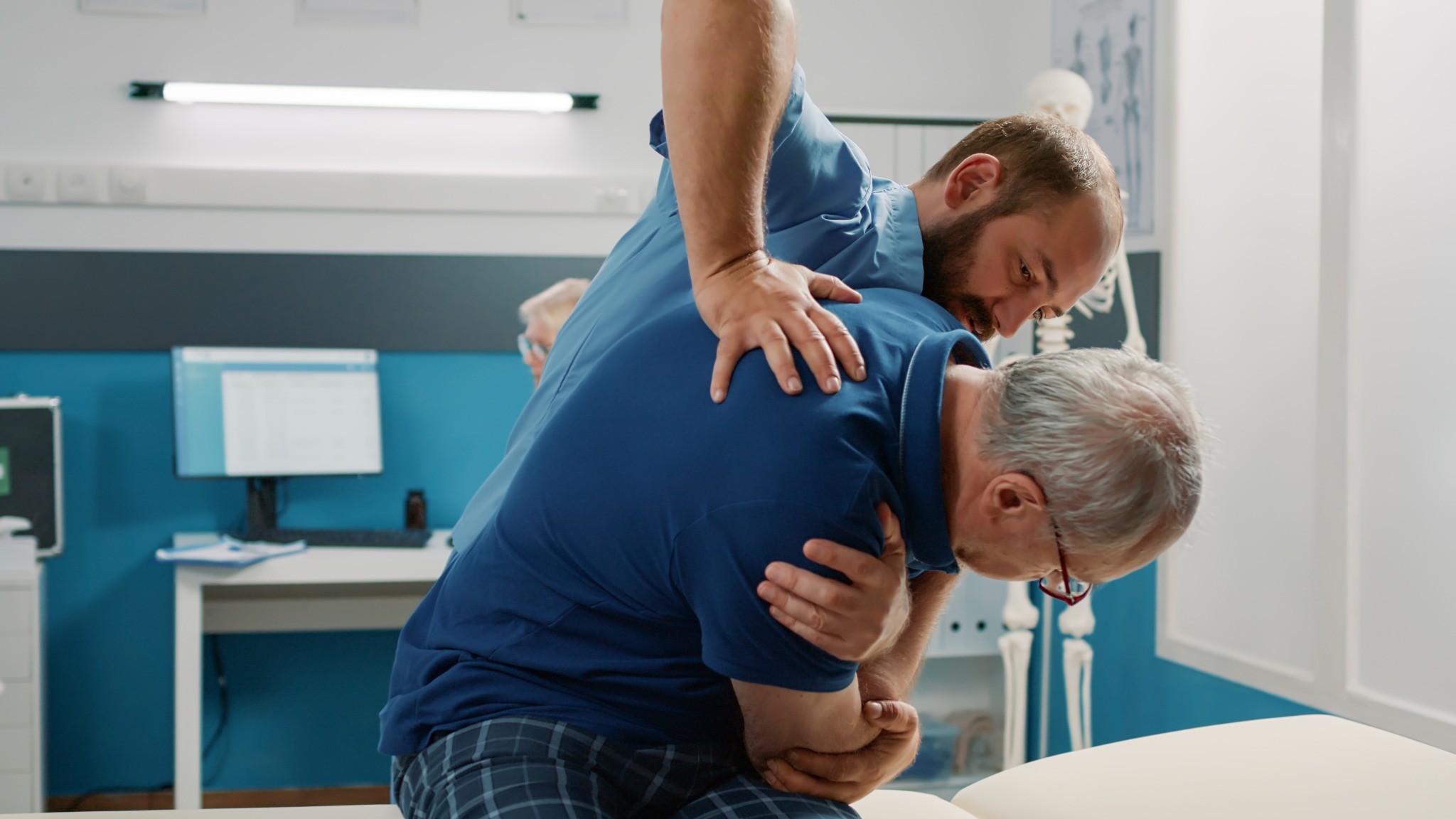
Home Physiotherapy

We understand that some conditions or injuries can make it difficult to receive rehabilitation at our clinic be it mobility or transportation issues. Our objective is to provide you with the same high-quality physiotherapy services at home that you would receive in-clinic.
Posted on

Post-Surgery Physiotherapy Kuala Lumpur | Recover Faster

Synapse Physiotherapy

Comprehensive Guide to Post-Surgery Physiotherapy Kuala Lumpur

Recovering from a surgical procedure is a critical phase that determines how effectively an individual regains their movement, strength, and independence. Whether the procedure involves the spine, shoulder, knee, or hip, professional rehabilitation plays a major role in achieving optimal long-term outcomes. In a busy urban environment, having access to specialised care is essential, which is why physiotherapy kuala lumpur services are widely sought after for structured post-surgical recovery.

This is where Synapse Physiotherapy makes the difference through their evidence-based rehabilitation programmes, designed to guide patients safely through the healing process. Within the initial stages of recovery, these dedicated clinics help manage post-operative pain, restore joint mobility, and provide the necessary support to return to daily activities. Rather than relying on passive rest alone, structured physiotherapy kuala lumpur ensures that your recovery is active, progressive, and strictly aligned with medical advice.

Understanding the Importance of Post-Surgery Rehabilitation

Post-surgery physiotherapy focuses specifically on restoring physical function after a medical procedure. While surgery often corrects underlying structural problems, it does not automatically restore your previous levels of strength, coordination, or movement. Without a guided rehabilitation plan, patients may unfortunately experience persistent stiffness, muscle weakness, and limited functional capacity.

Expert practitioners at Synapse Physiotherapy work closely with medical guidelines to design personalised programmes based on the specific type of surgery, the current healing stage, and individual lifestyle goals. Treatment is carefully progressed to protect surgical repairs while encouraging safe, controlled movement. By choosing a physiotherapy kuala lumpur clinic, you ensure that your recovery is handled by a professional team that understands the complexities of post-operative care.

Early Management of Pain and Swelling

Pain and swelling are common side effects following any surgical intervention and can significantly limit your movement if not managed correctly. Specialist physiotherapy kuala lumpur helps reduce these symptoms using non-invasive methods such as:

  • Gentle Exercises: Promoting blood flow and movement without straining the surgical site.
  • Positioning Advice: Teaching patients how to rest and position limbs to minimise symptoms.
  • Manual Techniques: Hands-on therapy to alleviate muscle tension and support healing.

Early movement, when deemed appropriate by a therapist, prevents joint stiffness and improves circulation, which directly supports tissue healing. Furthermore, therapists educate patients on safe ways to sit, stand, and walk during the early recovery phase, which drastically reduces the risk of post-operative complications.

Restoring Mobility and Range of Motion

Surgery often leads to restricted joint movement due to the formation of scar tissue, swelling, and protective muscle guarding. Regaining this mobility is a primary goal of physiotherapy kuala lumpur. Clinicians utilise controlled exercises and manual therapy to gradually restore the full range of motion in the affected area.

This progression is carefully monitored to avoid placing unnecessary stress on healing tissues. Improved mobility allows patients to perform daily tasks more comfortably and prepares the body for the next phase: strengthening exercises. For those specifically recovering from upper limb procedures, learning How Synapse help with post-surgery shoulder rehabilitation can be a vital step in regaining the ability to reach and lift safely.

Rebuilding Strength and Stability Safely

Muscle weakness can develop quite quickly after surgery due to inactivity and the body’s natural reaction to pain. Strengthening exercises must be introduced progressively to rebuild the muscle support surrounding the surgical area. When engaging in physiotherapy kuala lumpur, you ensure that these exercises are performed with correct form and at an intensity that matches your healing stage.

This is especially critical for surgeries involving major weight-bearing joints such as the knee or hip, where muscle support is essential for stability. Gradual strengthening not only improves physical capability but also helps patients regain confidence in their body’s ability to move.

Improving Balance and Coordination

After a surgical procedure, balance and coordination may be compromised, particularly in lower limb surgeries. Professional physiotherapy kuala lumpur includes exercises that retrain the nervous system to improve joint awareness and movement control.

Better balance reduces the risk of accidental falls and supports a much smoother return to walking and other functional activities. These exercises are tailored to the patient’s current ability and are progressed as their physical recovery improves.

Managing Scar Tissue and Soft Tissue

Scar tissue formation is a natural part of the body’s healing process, but excessive stiffness in this tissue can limit your eventual range of movement. Physiotherapists use specific manual techniques to manage scar tissue and maintain the flexibility of the surrounding soft tissues.

Proper scar management through physiotherapy kuala lumpur helps improve the final appearance of the incision, increases physical comfort, and enhances overall function. Patients are also taught self-management techniques to support their ongoing recovery at home.

Functional Rehabilitation for Daily Life

The ultimate goal of any post-surgery physiotherapy kuala lumpur programme is to restore a patient’s independence. Treatment focuses on essential functional movements such as:

  1. Walking and Stair Climbing: Ensuring mobility within the home and community.
  2. Lifting and Reaching: Restoring the ability to manage groceries or household items.
  3. Work-Specific Tasks: Simulating the physical demands of your specific job.

By simulating real-life activities during rehabilitation, the professional team ensures patients can safely return to work, household tasks, and recreational hobbies. This practical approach makes the recovery journey more meaningful and effective for the patient.

A Personalised Approach to Recovery in KL

Clinics offering physiotherapy kuala lumpur provide individualised care that is tailored to each patient’s specific needs. Factors such as your lifestyle, work demands, age, and pre-surgery fitness level are all considered when designing your rehabilitation programme.

Regular progress assessments allow the therapists at Synapse Physiotherapy to adjust the treatment plan as healing progresses. This personalised approach ensures that the recovery process is as efficient as possible and remains perfectly aligned with the patient’s personal goals. According to standards set by World Physiotherapy, personalised exercise programmes are essential for effective functional recovery.

Preventing Long-Term Post-Surgical Complications

Engaging in physiotherapy kuala lumpur plays a vital role in preventing long-term complications such as chronic joint stiffness, muscle atrophy, and poor movement patterns. By promoting early and safe movement through guided rehabilitation, physiotherapy reduces the risk of permanent functional limitations. Additionally, education on posture, ergonomics, and activity modification further supports a healthy recovery.

Emotional Support and Building Confidence

Recovery after surgery can be an emotionally challenging experience, as fear of pain or re-injury often affects a patient’s confidence. A physiotherapy kuala lumpur specialist provides the necessary reassurance, clear guidance, and realistic expectations throughout the entire journey. As patients see gradual, tangible improvements in their physical abilities, their confidence increases, supporting both their physical and emotional well-being.

Frequently Asked Questions

When should I start physiotherapy after surgery?

Early movement is often encouraged to prevent stiffness and improve circulation , but the exact timing depends on medical guidelines and your specific healing stage.

How often will I need to attend physiotherapy kuala lumpur sessions?

The frequency of sessions is determined by your individual needs, the stage of your healing, and the specific goals set by your professional team.

Will post-surgery physiotherapy be painful?

Physiotherapists use gentle techniques and exercises to manage pain rather than increase it. Treatment is carefully progressed to protect healing tissues.

Can I do my rehabilitation exercises at home?

Yes, patients are often taught self-management techniques and exercises to support their ongoing recovery at home.

Why is physiotherapy better than just resting?

Structured rehabilitation ensures recovery is active and progressive. Rest alone does not automatically restore strength, movement, or coordination.

Conclusion

Post-surgery recovery requires more than just the passage of time; it requires structured, professional rehabilitation. With the specialised support of physiotherapy kuala lumpur services, patients can effectively manage pain, restore movement, rebuild their strength, and return to daily life with confidence.

Choosing to work with the professional team at Synapse Physiotherapy is a key investment in your long-term function and quality of life. Whether you are seeking general recovery or specific information on How Synapse help with post-surgery shoulder rehabilitation, expert guidance is just a step away. Don’t leave your recovery to chance—Book a consultation today to start your journey back to full health.

Share This :

Back & Neck Pain

Conditions such as stiffness, postural abnormalities and muscle overuse from prolonged desk work at the office or home is more prevalent than most would think. We provide the necessary tools to fix you up and educate you on ergonomics which can unload unnecessary stress.

Sports Injuries

Rolled ankles, jarred knees, impinged shoulders are few conditions in the plethora of sports injuries which can hamper performance and limit our enjoyment of sports. Physiotherapy not only treats the symptoms of these conditions but propels your overall fitness to greater heights.

Work Desk Injuries​

Conditions such as stiffness, postural abnormalities and muscle overuse from prolonged desk work at the office or home is more prevalent than most would think. We provide the necessary tools to fix you up and educate you on ergonomics which can unload unnecessary stress.

Pre-Post-Surgical Conditions

Surgery involves going through preparation both before and after. Physiotherapists play a vital role in getting your body ready for surgeries with circulatory, breathing and strengthening exercises. After the procedure, let us be there for your recovery and rehabilitation, taking it one step at a time.

Scoliosis & Postural Abnormalities

The way we stand, sit, walk and sleep has influence over our posture and the overall balance of muscles controlling its alignment. A comprehensive screening can be done by our physiotherapists to detect abnormalities, which we will aid in correcting.

Neurological Conditions

Neurological disabilities such as stroke, nerve compression and neuropathies can be barriers for patients to live life to its fullest. We at Synapse are committed to help you overcome these hurdles by ensuring functional mobility and quality of life is at its optimum by providing the right treatment and exercises.

Osteoarthritis & Rheumatism

Joint degeneration and inflammation happens as the human body grows older, but that does not mean our way of life degenerates as well. Relief your joint pains with a joint effort together with your physiotherapist, who will provide pain-relief treatments and prescribe exercises for your wellbeing.

Conditions Relating To Elderly

Common conditions in the older age population include hips & knee pain, back & neck pain, osteoarthritis, rheumatism, fear of falling and many more.  Aging and degeneration of bodily function is inevitable, but here at Synapse, we will help you live the best of your life.

Home Physiotherapy

We understand that some conditions or injuries can make it difficult to receive rehabilitation at our clinic be it mobility or transportation issues. Our objective is to provide you with the same high-quality physiotherapy services at home that you would receive in-clinic.