
A slip disc can cause lower back pain, neck pain, muscle stiffness, and symptoms that travel into the arms or legs. For some people, discomfort improves within a few weeks, while others need several months of rehabilitation to regain their normal activity level. Understanding the recovery process helps you set realistic expectations and make informed treatment decisions.
Physiotherapy for slip disc plays an important role in managing symptoms, improving mobility, rebuilding strength, and supporting a safe return to daily activities. However, recovery is not the same for everyone. Disc location, severity, nerve involvement, and general health all influence progress.
“Slip disc” usually means a bulging or herniated intervertebral disc, where disc material extends beyond its usual boundary and may irritate nearby nerves. Many people improve with conservative treatment without surgery. This timeline is a general guide rather than a fixed schedule.
Stage 1: Acute Phase (First 1–2 Weeks)
Symptoms are often most noticeable now. You may have sharp or aching pain, muscle tightness, difficulty bending forward, or discomfort when sitting, standing, or walking for long. If the disc irritates a nerve, pain may radiate into the buttock, thigh, calf, or foot, sometimes with tingling or altered sensation.
The goals are to manage symptoms, maintain tolerable movement, and identify warning signs that need medical attention. At Synapse, physiotherapy for slip disc starts with an assessment of spinal movement, strength, sensation, reflexes when indicated, and aggravating activities. Management may include:
- Education about the condition and suitable activity modification
- Gentle movements within your tolerance
- Short, frequent walks if comfortable
- Advice on comfortable sitting, standing, and sleeping positions
Prolonged bed rest is generally discouraged, as gentle movement is often more helpful than complete inactivity. Avoid forcing stretches or repeating movements that significantly worsen radiating pain, numbness, or weakness.
Important: new bladder or bowel problems, numbness around the groin or saddle region, or rapidly worsening weakness need emergency medical assessment. The NHS slipped disc guidance lists the symptoms that need urgent help. Do not wait for a physiotherapy appointment.
Stage 2: Early Recovery Phase (Weeks 2–6)
As symptoms settle, daily activities often become easier, such as getting out of bed, walking around the house, changing positions, or sitting briefly. Progress is not always steady, and symptoms may fluctuate with activity, sleep, stress, and spinal loading. Some people still have nerve-related symptoms even after back pain improves.
Physiotherapy now focuses on comfortable movement and gradually improving tolerance to everyday activities. A programme may include gentle spinal mobility exercises chosen according to your response, low-load trunk muscle activation, hip mobility work, gradual walking progression, and education on lifting and changing positions. Not everyone needs the same exercises. The aim is steady functional progress without repeatedly provoking significant symptoms.
Stage 3: Strengthening and Functional Recovery (Weeks 6–12)
By this stage, many people with uncomplicated disc-related symptoms have improved meaningfully, although recovery can take longer with nerve irritation, persistent pain, or significant limitations. You may return to longer walks, household tasks, work, and selected exercise. Rehabilitation typically includes:
- Trunk strengthening for abdominal and back muscles to improve control
- Hip and lower-limb strengthening to support walking, lifting, and stairs
- Movement control training for bending, lifting, and squatting
- Endurance training such as walking or stationary cycling
- Work preparation, with a gradual return to prolonged sitting, standing, or lifting
Progression should follow function, symptom response, and clinical findings rather than weeks alone. Persistent or worsening neurological symptoms should be reassessed instead of managed by simply increasing exercise intensity. You can explore the physiotherapy treatment for slip disc available at Synapse.
Stage 4: Return to Normal Activities (3–6 Months)
Some people need several months to regain their previous activity levels, especially when symptoms have lasted long or work and hobbies place heavy demands on the spine. The focus shifts to building physical capacity and preventing recurrence.
Rehabilitation may include more challenging strengthening, cardiovascular conditioning, lifting practice, and activity-specific training. A desk worker may build sitting tolerance with regular movement breaks, while someone in a physical job may need progressive lifting practice before full duties. A disc bulge on an MRI does not mean you must avoid exercise permanently. Return-to-activity decisions should consider symptoms, strength, function, and medical advice. Some people recover before three months, and others have symptoms beyond six. Persistent symptoms do not automatically mean surgery, but ongoing limitations should be reviewed by a healthcare professional.
Stage 5: Long-Term Management and Prevention
Once symptoms improve, staying active supports spinal health and reduces the impact of future episodes. Long-term management may involve regular strengthening, aerobic exercise, sensible lifting strategies, and a balance between activity and recovery. Learn to recognise symptom changes and adjust activities when needed.
A recurrence of back pain does not automatically mean the disc has been damaged further, but new neurological symptoms or a significant change in your usual pain pattern need reassessment.
What Factors Affect Slip Disc Recovery Time?
Several factors influence how quickly you recover:
- Severity and location of the herniation and degree of nerve involvement
- Duration of symptoms, since persistent symptoms may need a longer, more individualised approach
- Neurological involvement, where significant weakness needs medical assessment
- General health, including sleep and activity
- Work demands, such as prolonged sitting or heavy lifting
- Consistency with your rehabilitation programme
If symptoms fail to improve with conservative care or neurological deficits worsen, a doctor may recommend further investigation or specialist assessment.
When Should You Consider Physiotherapy for Slip Disc?
Physiotherapy for slip disc care may suit you when your symptoms have been screened for serious causes and conservative management is appropriate. A physiotherapist assesses movement limitations, identifies aggravating activities, builds a personalised exercise programme, and monitors strength and function. Severe or progressive neurological symptoms need medical evaluation, and emergency warning signs should never be managed through routine physiotherapy alone.
Frequently Asked Questions About Physiotherapy for Slip Disc
It varies. Some people improve within weeks, while others need three to six months or longer, depending on severity and nerve involvement.
Not necessarily. Many people improve with conservative treatment, and persistent symptoms do not automatically mean surgery.
Prolonged bed rest is generally discouraged. Gentle movement within your tolerance is often more helpful.
Often yes. A bulge does not mean permanent avoidance of exercise, but your physiotherapist or doctor should guide what suits your symptoms.
Seek emergency care for bladder or bowel changes, saddle numbness, or rapidly worsening weakness.
Take the Next Step in Your Slip Disc Recovery
Slip disc recovery usually progresses from symptom management to better mobility, strengthening, and a return to normal activities, and the timeline is individual. If you have persistent back pain or symptoms radiating into your arms or legs, book a consultation with Synapse for an assessment and a plan built around realistic expectations.
Tags :

Back & Neck Pain
- Spine & Core Rehabilitation
- Strength & Conditioning Programme
- Pain Management
- Biomechanical Assessment
- Sports Physiotherapy
- Group Class

Sports Injuries
- Strength & Conditioning Programme
- Pain Management
- Biomechanical Assessment
- Sports Physiotherapy
- Shockwave Therapy
- Group Class

Work Desk Injuries
Pre-Post-Surgical Conditions

Scoliosis & Postural Abnormalities

Neurological Conditions
Osteoarthritis & Rheumatism
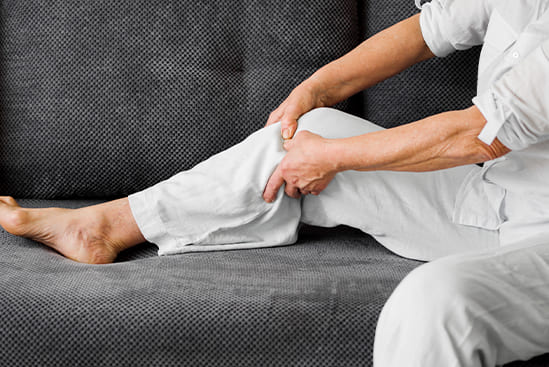
Joint degeneration and inflammation happens as the human body grows older, but that does not mean our way of life degenerates as well. Relief your joint pains with a joint effort together with your physiotherapist, who will provide pain-relief treatments and prescribe exercises for your wellbeing.

Conditions Relating To Elderly
Common conditions in the older age population include hips & knee pain, back & neck pain, osteoarthritis, rheumatism, fear of falling and many more. Aging and degeneration of bodily function is inevitable, but here at Synapse, we will help you live the best of your life.