Synapse Physiotherapy | Physio Center | Rehab Malaysia

Shoulder and wrist strain are common musculoskeletal problems that affect people of all ages and lifestyles. Long hours at a computer, sports, repetitive tasks, or carrying heavy objects can all stress the muscles and tendons of the upper limbs.
Mild strains may improve with self-care, but persistent pain, stiffness, and weakness can interfere with lifting, typing, reaching overhead, or even getting dressed. Physiotherapy Ampang services offer a structured approach to pain management, movement restoration, and rehabilitation, helping you return gradually to everyday activities.
A strain is an injury to a muscle or tendon caused by excessive force, overstretching, or repeated loading. The shoulder and wrist work differently, but both can be affected by sudden injuries and repetitive movements.
The shoulder is a highly mobile joint that depends on coordinated movement between muscles and tendons. Repeated overhead movements, heavy lifting, poor load management, or sudden pulling can irritate these structures. Common triggers include:
Symptoms may include pain when raising the arm, tenderness, muscle tightness, and discomfort when sleeping on the affected side. However, shoulder pain is not always a muscle strain. Rotator cuff tendinopathy, bursitis, joint problems, or referred pain from the neck can look similar and need proper assessment.
The wrist is essential for gripping, lifting, typing, and controlling objects. Strain may develop when the muscles and tendons that move the wrist face excessive or repetitive loading, such as:
Symptoms include wrist pain, tenderness, discomfort when gripping, and reduced grip strength. However, wrist pain can also come from tendon irritation, ligament injuries, nerve compression, or fractures. Persistent pain, significant swelling, or symptoms after a fall should be assessed by a healthcare professional. The NHS guidance on sprains and strains explains when to seek medical help.
Choosing physiotherapy Ampang services is a practical option if you live or work nearby and need guidance for upper-limb pain. At Synapse, your physiotherapist reviews your symptoms, movement limitations, strength, and daily activities before recommending treatment.
Your first appointment usually begins with a discussion of your symptoms and medical history. Your physiotherapist may ask when the pain started, which movements aggravate it, and how it affects your routine. A physical assessment may include:
This helps identify contributing factors and whether further medical assessment is needed, which matters because shoulder and wrist symptoms can come from different conditions.
Early rehabilitation often focuses on managing pain and improving comfortable movement. Depending on your condition, this may include gentle movement exercises, selected manual therapy, and advice on modifying aggravating activities. Treatment should not rely only on temporary pain relief. A good programme also addresses strength, mobility, and the demands placed on the affected area. You can explore the physiotherapy treatment in Ampang offered at Synapse.
Exercise-based rehabilitation is a key part of recovering from many shoulder and wrist injuries.
For shoulder strain, exercises may include:
For wrist strain, exercises may include:
The right exercises depend on the injury, pain level, and recovery stage, and your physiotherapist will guide technique, resistance, and progression.
Strain is often influenced by how you perform daily activities and manage training loads. A desk worker may benefit from adjusting their workstation and taking regular movement breaks. Someone with wrist pain during weightlifting may need to review their grip, exercise selection, and recovery time. Physiotherapy Ampang clinics can help you find practical strategies that fit your work, exercise routine, and lifestyle.
Mild symptoms may improve with activity modification. Consider an assessment if your pain persists, repeatedly returns, limits your movement, or affects work, exercise, or daily tasks.
Seek prompt medical assessment if you experience severe pain, substantial swelling, obvious deformity, significant weakness, or symptoms after a major injury. A wrist injury after a fall may involve a fracture, so obtain medical assessment before starting rehabilitation exercises. Numbness, tingling, or pain extending from the neck into the arm may also need further assessment.
Early sessions usually prioritise symptom management, comfortable movement, and suitable activity modifications. As symptoms improve, treatment progresses towards strengthening, functional training, and more demanding tasks. Someone with shoulder strain may move from gentle arm movements to resistance exercises and overhead lifting, while a wrist strain patient may progress to grip strengthening.
Recovery time varies. Mild strains may improve relatively quickly, while more significant injuries may need longer rehabilitation. Consistently following your home exercise programme supports recovery.
Pain after a fall, obvious deformity, significant swelling, or numbness needs prompt medical assessment. A physiotherapist can also tell you if further medical assessment is needed.
Not necessarily. Mild symptoms often improve with activity modification, and your physiotherapist can advise what level of movement suits you.
Yes. Assessment can identify contributing movement patterns, and exercises, workstation changes, and regular breaks can all help.
It depends on the severity of your injury and your progress. Your physiotherapist can estimate this after assessment.
Yes, in most cases. Following your prescribed home programme supports recovery between appointments.
Identifying the cause of your symptoms and following an appropriate rehabilitation programme can help you regain movement, improve strength, and return to your routine. Rather than pushing through discomfort, book a consultation with Synapse to start personalised rehabilitation and work towards better upper-limb function.
Tags :






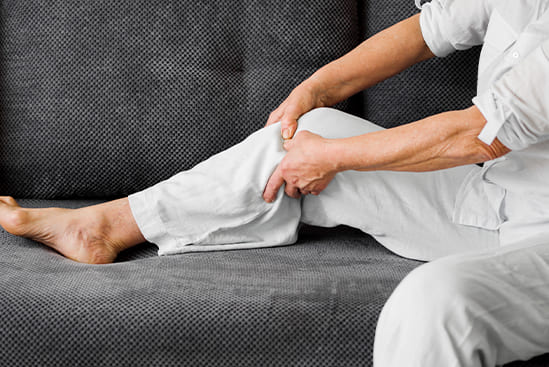
Joint degeneration and inflammation happens as the human body grows older, but that does not mean our way of life degenerates as well. Relief your joint pains with a joint effort together with your physiotherapist, who will provide pain-relief treatments and prescribe exercises for your wellbeing.

Common conditions in the older age population include hips & knee pain, back & neck pain, osteoarthritis, rheumatism, fear of falling and many more. Aging and degeneration of bodily function is inevitable, but here at Synapse, we will help you live the best of your life.