Synapse Physiotherapy | Physio Center | Rehab Malaysia

Returning to work after an injury can be challenging, especially when pain, reduced mobility, muscle weakness, or limited endurance affects everyday tasks. Whether the injury happened at work, during sport, or in an accident, proper rehabilitation helps you regain your abilities and return to your routine safely.
Physiotherapy Malaysia services help people recover from musculoskeletal injuries, improve movement, and rebuild the strength needed for workplace responsibilities. Returning to work is not simply about waiting for the pain to disappear. It means restoring functional capacity, rebuilding confidence in movement, and making sure your body can tolerate the demands of your job.
With appropriate assessment, structured rehabilitation, and workplace modifications when necessary, many people can work towards a safer and more sustainable return to employment. Understanding the nature of your injury is the first step in choosing the right rehabilitation approach and return-to-work plan.
Office workers, healthcare professionals, and people in physically demanding jobs face different challenges during recovery. Common injuries that may need physiotherapy include:
Physiotherapy improves physical function through assessment, education, and therapeutic exercise. Your programme should reflect your injury, recovery stage, and job requirements. At Synapse, rehabilitation is planned around what your work actually demands.
Rehabilitation begins by assessing pain, joint movement, muscle strength, flexibility, balance, and functional movement. Your physiotherapist also considers workplace demands such as sitting, standing, lifting, or walking. An office employee with lower back pain may need to improve sitting tolerance, while a warehouse worker may need progressive strengthening and lifting practice.
Gentle mobility exercises, graded movement, and manual therapy can ease pain and stiffness in the early stages. However, pain relief alone does not mean you are ready for all work duties. Strength, movement control, and activity tolerance matter too.
Progressive strengthening rebuilds the capacity needed for work. Programmes may include resistance exercises, core strengthening, and balance training. Functional training can simulate repeated sit-to-stand movements, controlled lifting, or stair climbing, progressed gradually to suit your symptoms.
Some people can perform a task briefly but struggle to repeat it all day. Graded activity programmes gradually increase duration, repetitions, or workload. For office workers, this may mean building sitting tolerance with movement breaks. For physical jobs, it may mean building stamina for repeated lifting or standing.
A successful return depends on functional ability, injury severity, job requirements, and medical advice. Returning too quickly may aggravate symptoms, while prolonged inactivity can reduce strength and confidence. A return-to-work plan may follow these steps:
Communication between you, your employer, physiotherapist, and treating doctor keeps the process coordinated, so everyone understands your current abilities and any temporary limits on your duties. Modified duties should always respect your medical restrictions and workplace safety requirements. In Malaysia, the SOCSO Return to Work programme also supports eligible insured workers who have suffered an employment injury.
Returning to work is only one part of recovery. These strategies help reduce the risk of recurrence:
Prevention does not depend on a perfect posture or avoiding all physical activity. Instead, it involves building adequate physical capacity, varying your movements, and managing your workload sensibly.
Physiotherapy Malaysia providers offer assessment and rehabilitation for back pain, sports injuries, joint problems, and post-operative recovery. You can learn more about physiotherapy services in Malaysia at Synapse.
A qualified physiotherapist identifies functional limitations, recommends suitable exercises, monitors progress, and advises when further medical assessment is needed. Treatment should be tailored to your age, health, job, injury severity, and goals. Recovery timelines vary: minor injuries may improve quickly, while complex or post-surgical cases may need longer rehabilitation and medical supervision.
It depends on your injury, job demands, and medical advice. Your doctor and physiotherapist can guide a safe timeline.
Not always. Pain relief is only one factor, and functional strength and endurance must also be considered.
Often yes, where feasible. Temporary modifications must stay within your medical restrictions and workplace safety requirements.
Minor injuries may improve relatively quickly, while complex or post-surgical conditions may take longer.
Yes. Continuing your prescribed exercises helps maintain progress and reduce the risk of re-injury.
Returning to work after an injury requires more than symptom relief. It involves restoring movement, rebuilding strength, and preparing your body for daily employment. If an injury is affecting your job, book a consultation with Synapse to discuss your rehabilitation needs and return-to-work goals.
Tags :






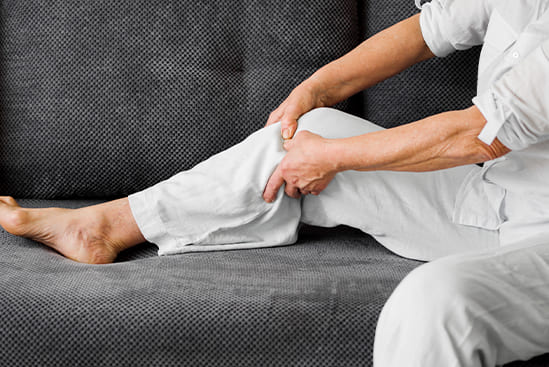
Joint degeneration and inflammation happens as the human body grows older, but that does not mean our way of life degenerates as well. Relief your joint pains with a joint effort together with your physiotherapist, who will provide pain-relief treatments and prescribe exercises for your wellbeing.

Common conditions in the older age population include hips & knee pain, back & neck pain, osteoarthritis, rheumatism, fear of falling and many more. Aging and degeneration of bodily function is inevitable, but here at Synapse, we will help you live the best of your life.