Synapse Physiotherapy | Physio Center | Rehab Malaysia
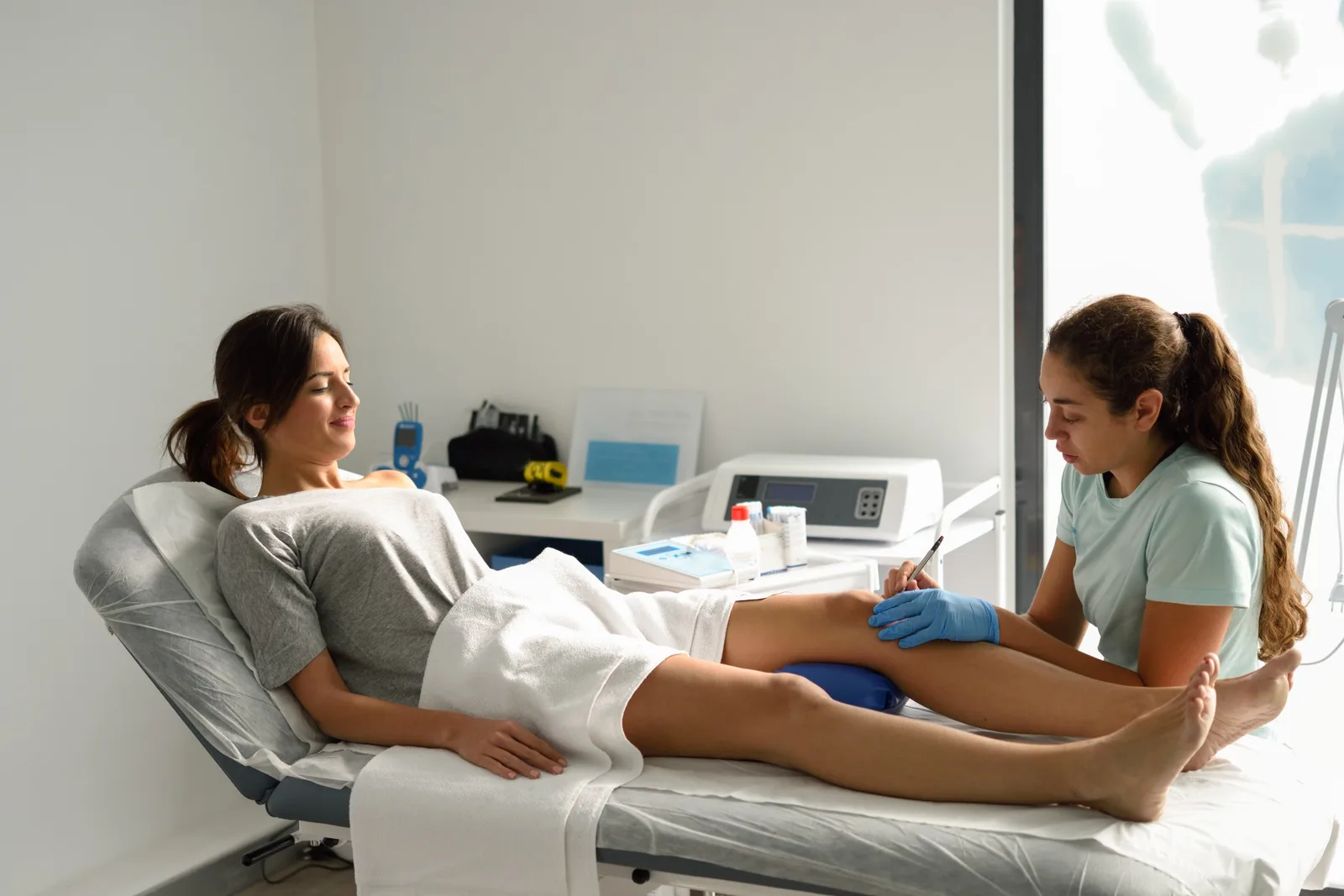
Sports and physical activity are excellent ways to stay fit and build strength. However, athletes and active people can suffer injuries that affect their performance, mobility, and enjoyment of their favourite activities. From ankle sprains and muscle strains to knee injuries and shoulder pain, injuries can happen during training, competition, or everyday exercise.
Physiotherapy Cyberjaya services can help you manage sports injuries, restore movement, and work towards a safe return to activity. Whether you are a recreational runner, a gym enthusiast, or a competitive athlete, physiotherapy aims to do more than relieve pain. It rebuilds strength, improves movement control, and addresses factors that may contribute to repeated injuries.
Injuries vary with the activity, training intensity, and physical demands involved. Common examples include:
Identifying the type and severity of an injury is essential for choosing the right rehabilitation programme. The NHS guidance on sprains and strains explains when to seek medical help.
Physiotherapy provides a structured approach that addresses pain, movement limitations, strength deficits, and functional difficulties. At Synapse, rehabilitation is built around your injury, fitness level, and sporting demands.
Rehabilitation starts with a thorough assessment of your injury history, symptoms, training routine, and aggravating activities. Depending on the injury, it may include joint range of motion, muscle strength, swelling, balance, coordination, and functional tests. Someone with an ankle sprain may need ankle mobility and single-leg balance testing, while a runner with knee pain may need a review of lower-limb strength and training load. This also shows whether further medical assessment or imaging is necessary.
Pain and swelling can restrict movement after an injury. Physiotherapy may include education, activity modification, gentle mobility exercises, and appropriate manual therapy. Other approaches may be considered when clinically indicated, but they should complement active rehabilitation rather than replace it. You can explore the sports injury physiotherapy offered at Synapse.
Muscle weakness can develop after an injury, especially when activity has been reduced. A physiotherapist may prescribe resistance exercises for the injured region and surrounding muscles. Ankle rehabilitation may include calf strengthening, while knee rehabilitation may involve quadriceps, hamstring, and hip strengthening. Intensity increases progressively according to your symptoms and recovery stage.
Balance and coordination matter in sports involving jumping, landing, sprinting, and changing direction. After an ankle or knee injury, you may lose confidence in dynamic movements. Physiotherapy may include single-leg balance exercises, controlled landing drills, and agility training. Combined with suitable strength work, these exercises may reduce the risk of future injury.
Returning to sport takes more than walking comfortably. A football player may need sprinting, kicking, and change-of-direction drills, while a badminton player may practise lunging, jumping, and rapid lateral movements. Progression should follow clinical findings, functional performance, and symptom response rather than time alone.
Recovery depends on the type and severity of the injury, your health, and your sport. Mild injuries may improve within a few weeks, while complex ligament injuries, significant muscle tears, tendon conditions, and post-surgical cases may need several months.
Returning too early may aggravate symptoms or cause another injury, but avoiding movement for too long can also lead to weakness. A physiotherapist helps set realistic milestones for progressing towards strengthening, running, jumping, and full participation.
Seek prompt medical assessment after a significant injury, especially if you cannot bear weight, have substantial swelling, feel joint instability, or suspect a fracture. Sudden severe pain or an audible pop with major loss of function also needs assessment.
Not all sports injuries can be prevented, but appropriate preparation may reduce the likelihood of some. Physiotherapy helps identify modifiable risk factors and improve your physical readiness. Key strategies include:
Physiotherapy close to home, work, or training makes it easier to attend appointments consistently and follow your programme. A qualified physiotherapist can assess sports-related pain, create an individualised plan, and monitor your progress.
When choosing a provider, consider qualifications, clinical experience, treatment planning, and communication. A good programme gives clear guidance on home exercises, activity modification, and progression towards your goals, whether that is recreational exercise or competitive sport.
Often early, once any serious injury such as a fracture has been ruled out. A physiotherapist can advise on timing after assessment.
Not always. Your physiotherapist decides after assessment whether imaging or further medical review is needed.
No. Recreational runners, gym-goers, and weekend players can all benefit from physiotherapy Cyberjaya sports injury rehabilitation.
Often yes, with modifications. Your physiotherapist can advise which activities are suitable.
Rebuild strength gradually, manage training loads, and follow your prescribed exercises and progression.
Sports injuries can affect people at every fitness level, and without proper management, pain, weakness, and reduced movement control may linger. With an individualised plan and sensible progression, many people can regain their abilities and return to the activities they enjoy. If a sports injury is affecting your movement or performance, book a consultation with Synapse for a physiotherapy Cyberjaya assessment.
Tags :





Joint degeneration and inflammation happens as the human body grows older, but that does not mean our way of life degenerates as well. Relief your joint pains with a joint effort together with your physiotherapist, who will provide pain-relief treatments and prescribe exercises for your wellbeing.

Common conditions in the older age population include hips & knee pain, back & neck pain, osteoarthritis, rheumatism, fear of falling and many more. Aging and degeneration of bodily function is inevitable, but here at Synapse, we will help you live the best of your life.