Knee pain can make walking, climbing stairs, standing from a chair, and exercising increasingly difficult. For people with knee osteoarthritis, these challenges often develop gradually and affect independence and quality of life. Osteoarthritis is a long-term condition, but appropriate treatment and regular physical activity can help manage symptoms, maintain mobility, and improve daily function.
If you have persistent knee discomfort, physiotherapy Ampang services offer a structured approach through comprehensive assessment, personalised exercise programmes, and practical lifestyle guidance. Understanding the condition and the role of physiotherapy is the first step towards taking control of it.
What Is Knee Osteoarthritis?
Knee osteoarthritis involves changes in the knee joint’s cartilage, underlying bone, joint lining, and surrounding structures. It is commonly associated with ageing but can also affect younger people, particularly after previous knee injuries. Healthy cartilage reduces friction and distributes forces during movement. In osteoarthritis, the cartilage may gradually thin or become damaged, contributing to pain, stiffness, and reduced function.
Common symptoms include:
- Pain during walking, standing, or climbing stairs
- Stiffness after waking or prolonged sitting
- Swelling or tenderness around the joint
- Reduced knee bending or straightening
- Difficulty standing from a chair
Symptoms vary from person to person. Osteoarthritis is often called degenerative, but that does not mean the knee will inevitably worsen or that surgery is always needed. Exercise, symptom management, and lifestyle adjustments help many people stay active. The NHS osteoarthritis guidance also recommends staying active and keeping a healthy weight.
How Can Physiotherapy Ampang Help Manage Knee Osteoarthritis?
Physiotherapy is central to conservative management. The main goals are to reduce the impact of symptoms, build muscle strength, maintain joint mobility, and help you do daily activities more comfortably. At Synapse, physiotherapy Ampang care begins with an assessment of your current limitations and realistic rehabilitation goals.
Comprehensive Knee Assessment
Your physiotherapist discusses your symptoms, medical history, activity levels, and previous treatments. You may be asked when the pain started, what aggravates it, and whether the knee swells. The physical assessment may include knee range of motion, quadriceps and hamstring strength, hip and lower-limb function, walking pattern and balance, and functional movements such as squatting. They may also review previous imaging or reports. If your symptoms suggest another condition, a medical review may be recommended.
Strengthening Exercises for Better Knee Support
Strengthening is one of the most important parts of osteoarthritis management. The quadriceps control knee movement during walking, stairs, and standing, and the hamstrings and gluteal muscles also contribute. When these muscles are weak, daily tasks become harder. Your physiotherapist may introduce:
- Quadriceps sets: gently tightening the thigh muscles with the leg supported
- Straight-leg raises: lifting the leg with the knee straight, if comfortable
- Sit-to-stand exercises: improving functional leg strength
- Supported squats: strengthening within a comfortable range
- Step-ups: building the strength needed for stairs
Intensity is adjusted to your pain, swelling, and tolerance. Strengthening does not need heavy weights or high-impact movements to help.
Improving Knee Mobility and Flexibility
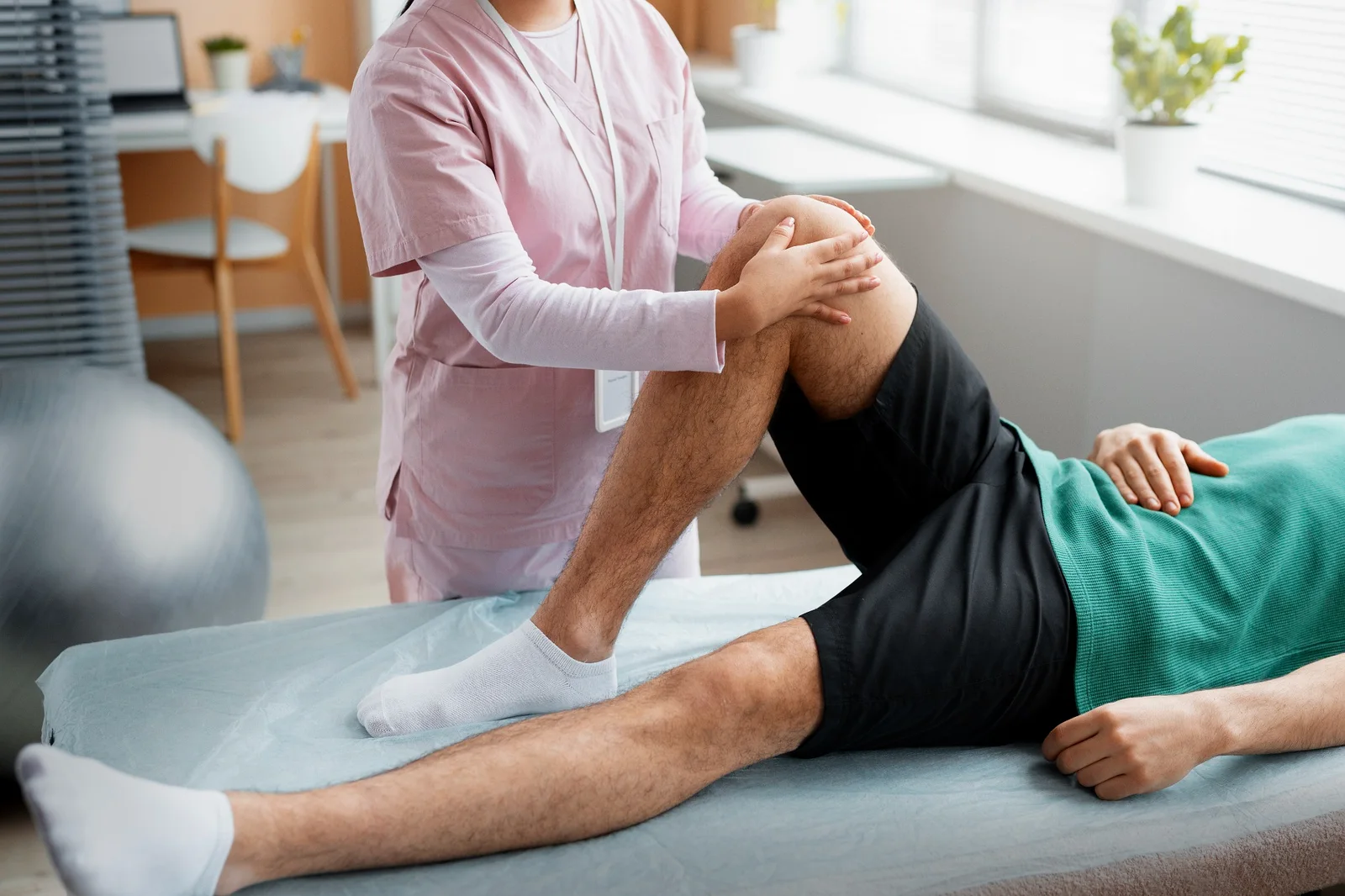
Stiffness can make it difficult to bend or straighten the leg, especially after long sitting or on waking. Gentle mobility exercises, such as heel slides and comfortable bending and straightening, help maintain movement. Your physiotherapist may also check whether the hip, ankle, or surrounding muscles are limiting you. The goal is functional mobility without needlessly irritating the joint.
Pain Management and Manual Therapy
Some people have discomfort that makes exercising hard to start. Depending on your assessment, physiotherapy may include manual therapy or gentle movement techniques, which can give short-term relief but should complement active rehabilitation rather than replace it. Your physiotherapist can also advise on pacing, modifying aggravating movements, and managing flare-ups. You can explore the knee pain physiotherapy services at Synapse.
Balance and Functional Training
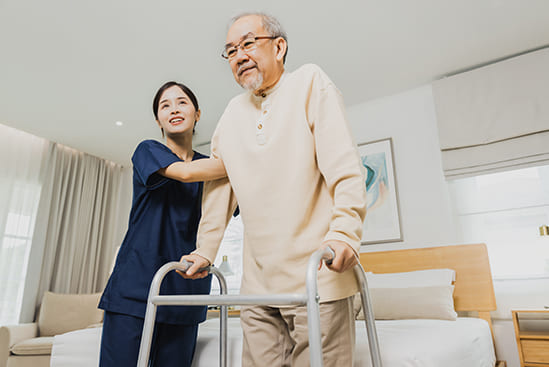
Osteoarthritis can affect balance, walking speed, and confidence, which may raise the risk of falls in older adults. Functional training may include walking practice, supported balance exercises, step-ups and step-downs, sit-to-stand training, and practising direction changes. Exercises are adapted to your ability and progressed as strength and confidence grow.
Can Weight Management Help Knee Osteoarthritis?
Body weight affects the force placed on the knee during weight-bearing activity, so weight management may reduce symptoms for people who are overweight. It should be supportive and individualised. A physiotherapist can recommend suitable activities such as comfortable walking, stationary cycling, or water-based exercise. Exercise remains beneficial even when weight loss is not a goal.
What to Expect During Physiotherapy Sessions in Ampang
Your plan depends on symptom severity, ability, medical history, and goals. Early sessions focus on comfortable movement, symptom management, and suitable strengthening. As your knee improves, the programme may progress to more challenging exercises, longer walks, and stair training, along with a home exercise programme. Some people need a short period of supervised rehabilitation, while others benefit from longer-term guidance. Consistency helps maintain the benefits.
When Should You Seek Physiotherapy for Knee Osteoarthritis?
Consider an assessment if knee pain keeps returning, stiffness limits movement, or daily activities are getting harder. Early assessment helps establish a plan before reduced activity leads to further loss of strength and function.
However, sudden severe knee pain, a hot and markedly swollen joint, fever, inability to bear weight, or significant symptoms after an injury need prompt medical assessment. These should not automatically be blamed on osteoarthritis. If you already have a diagnosis, your physiotherapist can work alongside your medical team.
Frequently Asked Questions About Physiotherapy Ampang
No. Physiotherapy cannot reverse joint changes, but it can reduce the impact of symptoms and improve your ability to manage daily activities.
Appropriate exercise is a key part of management, and your physiotherapist adjusts intensity to your pain and tolerance.
Not necessarily. Many people manage symptoms conservatively with exercise, activity changes, and guidance.
It varies. Some people need a short supervised period, while others benefit from longer-term guidance and ongoing exercise.
If you have sudden severe pain, a hot swollen joint, fever, or cannot bear weight, seek medical assessment promptly.
Take the Next Step Towards Better Knee Mobility
Knee osteoarthritis can limit walking and exercise, but it does not mean you must stop moving. With physiotherapy Ampang, you can receive an individualised approach that focuses on strengthening, mobility, balance, and independence. If knee pain is affecting your quality of life, book a consultation with Synapse for a comprehensive assessment and a plan you can follow consistently.
Tags :

Back & Neck Pain
- Spine & Core Rehabilitation
- Strength & Conditioning Programme
- Pain Management
- Biomechanical Assessment
- Sports Physiotherapy
- Group Class

Sports Injuries
- Strength & Conditioning Programme
- Pain Management
- Biomechanical Assessment
- Sports Physiotherapy
- Shockwave Therapy
- Group Class

Work Desk Injuries
Pre-Post-Surgical Conditions

Scoliosis & Postural Abnormalities
Neurological Conditions
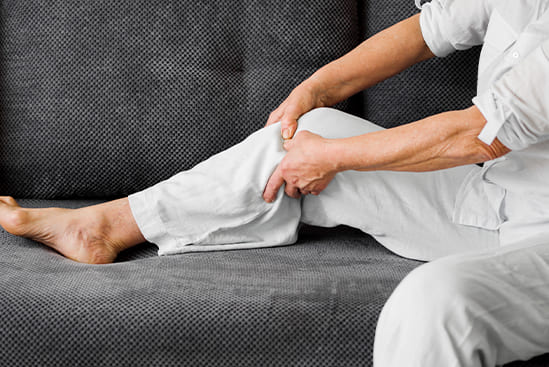
Osteoarthritis & Rheumatism
Joint degeneration and inflammation happens as the human body grows older, but that does not mean our way of life degenerates as well. Relief your joint pains with a joint effort together with your physiotherapist, who will provide pain-relief treatments and prescribe exercises for your wellbeing.
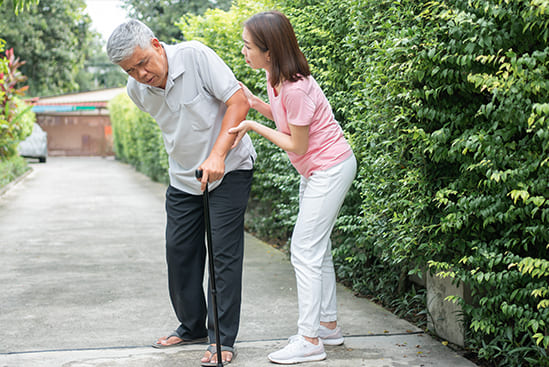
Conditions Relating To Elderly
Common conditions in the older age population include hips & knee pain, back & neck pain, osteoarthritis, rheumatism, fear of falling and many more. Aging and degeneration of bodily function is inevitable, but here at Synapse, we will help you live the best of your life.