Introduction
We often think of physiotherapy as something you do after an injury—once the damage is done, and recovery begins. But here’s something many people don’t realize: physiotherapy is just as powerful in preventing injuries as it is in healing them.
Whether you’re an athlete, an office worker, or a busy parent juggling daily tasks, your body faces wear and tear every day. Poor posture, weak muscles, or even repetitive movements can lead to aches, strains, or serious injuries over time.
That’s why more people are turning to physiotherapy in Malaysia not just for treatment, but for prevention. With expert guidance, physiotherapy can help you move smarter, strengthen key muscles, correct imbalances, and avoid the pain before it even starts.
In this article, we’ll explore how physiotherapy helps prevent injuries, who can benefit, and how you can take the first step toward a stronger, healthier you.
What Is Physiotherapy?
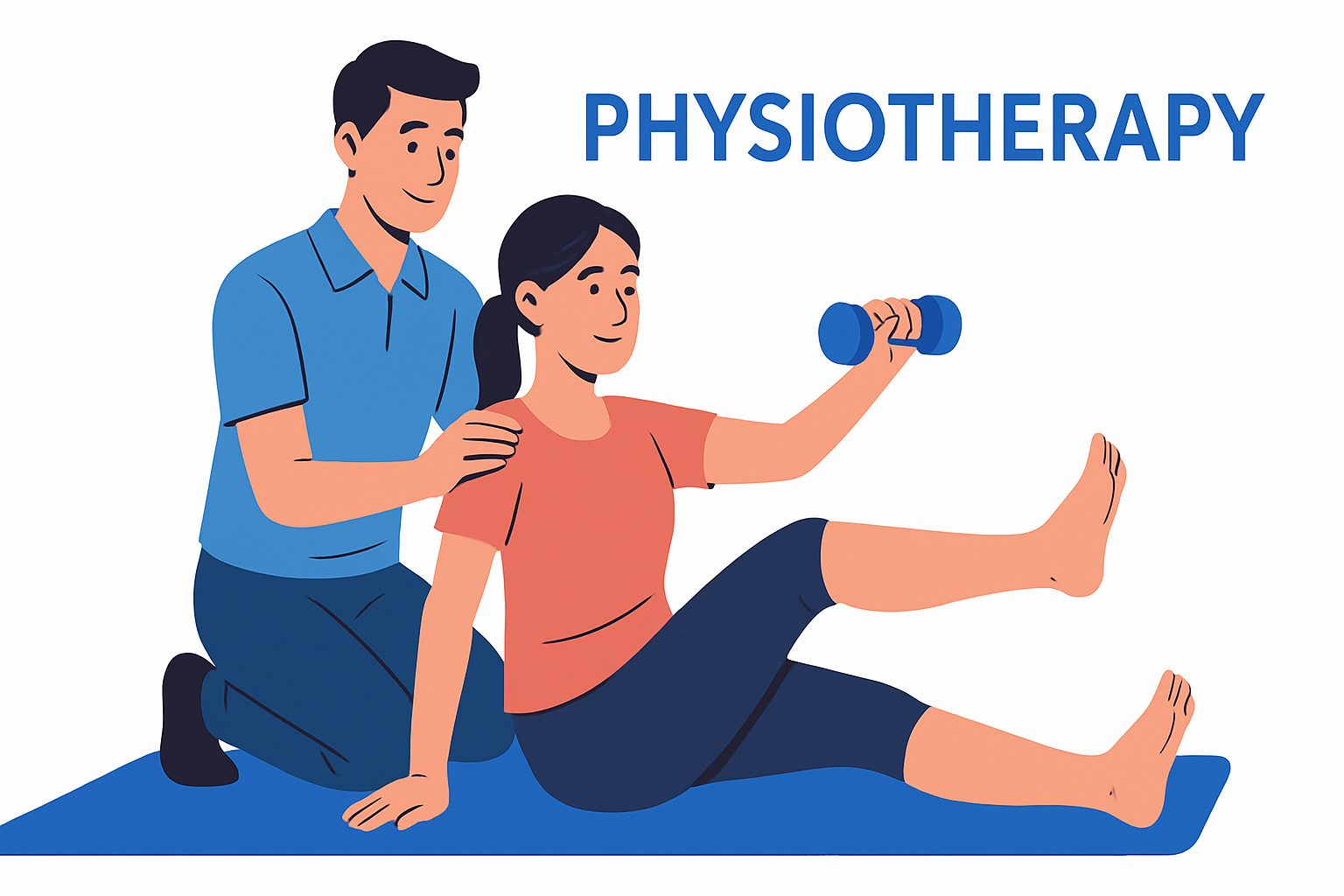
Physiotherapy is a hands-on, movement-based treatment that helps restore and improve physical function. It uses exercises, manual therapy, posture correction, and education to help people feel better, move better, and live pain-free.
But beyond recovery, physiotherapy plays a vital role in injury prevention. It teaches your body to move the right way—reducing strain on joints, easing muscle tension, and helping you avoid accidents or overuse injuries.
Think of it as a personal coach for your body: one that keeps everything in balance.
Why Prevention Matters
It’s easy to ignore small aches and pains—until they become bigger problems. Many injuries don’t happen suddenly. They build up over time, due to poor posture, muscle weakness, or imbalances in how we sit, stand, walk, or lift things.
Common preventable issues include:
- Back and neck pain from prolonged sitting
- Shoulder strain from repetitive movements
- Knee pain from improper walking or running form
- Sports injuries due to muscle imbalances
- Falls in older adults from poor balance or weak legs
With physiotherapy in Malaysia, you don’t have to wait for pain to slow you down. Early intervention can make all the difference.
How Physiotherapy Helps Prevent Injuries
1. Posture Correction
Many people have poor posture without even realizing it. Physiotherapists can spot misalignments and teach you how to stand, sit, and move in ways that protect your spine and joints.
2. Muscle Balance
Injury often comes from imbalance—some muscles are too tight, while others are too weak. Physiotherapy includes strengthening and stretching programs to bring your body into balance and reduce stress on joints.
3. Movement Assessment
Physiotherapists are trained to observe how you move—whether you’re walking, running, lifting, or sitting. They can identify risky patterns and teach you better techniques to reduce wear and tear.
4. Strength and Conditioning
Targeted exercise programs improve strength, endurance, and joint stability, which means your body is better prepared for everyday activities or sports.
5. Flexibility Training
Tight muscles can pull your body out of alignment and cause strain. Stretching routines and mobility work help maintain healthy, pain-free movement.
6. Education and Lifestyle Tips
Your physiotherapist will give you practical advice on things like workspace setup, lifting techniques, footwear, or even how to manage long hours at a desk—turning small habits into powerful tools for prevention.
Who Should Consider Preventive Physiotherapy?
Preventive physiotherapy isn’t just for athletes. It’s for everyone who wants to stay active and avoid future injuries. Here are a few examples:
- Office workers who sit for long hours
- Manual laborers or people with physically demanding jobs
- Teenagers involved in sports or high-growth periods
- Older adults at risk of falls or mobility loss
- People recovering from past injuries wanting to avoid recurrence
- Anyone who wants to move better, feel stronger, and stay pain-free
Even one or two sessions can give you helpful insights about your body and how to take better care of it.
What to Expect During a Preventive Physiotherapy Session
Your first session usually starts with a full assessment. Your physiotherapist will ask about your daily routine, physical activities, any past injuries, and current discomfort—even if it’s mild.
Then, they’ll observe how you move, test your strength and flexibility, and check your posture. Based on the findings, they’ll design a plan tailored to your needs.
This might include:
- Simple exercises to do at home
- Hands-on therapy to release muscle tightness
- Posture training and ergonomic advice
- Tips on preventing specific injuries related to your job or sport
Sessions are typically relaxed, educational, and highly practical.
Why Choose Physiotherapy in Malaysia?
Malaysia offers high-quality physiotherapy services at accessible prices, making it easier than ever to invest in your physical wellbeing.
Many clinics offer:
- Qualified, licensed physiotherapists
- Customised treatment plans
- Friendly, supportive environments
- Convenient locations and flexible scheduling
Whether you’re looking for injury prevention or early-stage care, physiotherapy in Malaysia is a smart, proactive step toward better health.
Making It a Lifestyle, Not a Quick Fix
Preventive physiotherapy works best when it’s seen as part of your wellness routine—not just a once-off solution. Just like brushing your teeth or exercising regularly, taking care of your muscles and joints is a long-term investment.
Even one session a month can help you stay on track, spot issues early, and build habits that protect your body for years to come.
Conclusion: Take the First Step with Synapse Physiotherapy
Injuries can slow you down—but you don’t have to wait for pain to take action. With the right care, you can strengthen your body, move with ease, and avoid problems before they start.
At Synapse Physiotherapy, we believe prevention is just as important as recovery. Our experienced team is here to guide you with expert care, personalized programs, and a passion for helping you move better every day.
Don’t wait for pain to knock you down. Let Synapse Physiotherapy help you stay strong, active, and injury free.
Tags :

Back & Neck Pain
- Spine & Core Rehabilitation
- Strength & Conditioning Programme
- Pain Management
- Biomechanical Assessment
- Sports Physiotherapy
- Group Class

Sports Injuries
- Strength & Conditioning Programme
- Pain Management
- Biomechanical Assessment
- Sports Physiotherapy
- Shockwave Therapy
- Group Class

Work Desk Injuries

Pre-Post-Surgical Conditions

Scoliosis & Postural Abnormalities

Neurological Conditions

Osteoarthritis & Rheumatism
Joint degeneration and inflammation happens as the human body grows older, but that does not mean our way of life degenerates as well. Relief your joint pains with a joint effort together with your physiotherapist, who will provide pain-relief treatments and prescribe exercises for your wellbeing.

Conditions Relating To Elderly
Common conditions in the older age population include hips & knee pain, back & neck pain, osteoarthritis, rheumatism, fear of falling and many more. Aging and degeneration of bodily function is inevitable, but here at Synapse, we will help you live the best of your life.