







Synapse Physiotherapy | Physio Center | Rehab Malaysia

No matter what aches and pain you have, our team of brilliant physios at Synapse Physiotherapy Center can be of assistance. We aim to improve your physical function, help you recover from your injuries, relieve your pain, enhance your mobility, and ultimately promote better well being.
Lower back pain troubles millions worldwide, but choosing the right treatment can be confusing — especially when considering dry needling vs acupuncture. At Synapse Physiotherapy, patients often ask us about these treatments, wondering which is more effective for lower back pain relief.
When researching pain management techniques, the debate around dry needling vs acupuncture comes up frequently. While both use thin, sterile needles, the methods are quite different. Acupuncture is rooted in Traditional Chinese Medicine (TCM) and aims to balance the energy flow (Qi) throughout the body by inserting needles along specific meridians. On the other hand, dry needling is a modern, evidence-based practice where physiotherapists insert needles directly into muscle trigger points — “knots” or tight bands that cause pain and limit movement.
At Synapse Physiotherapy, we evaluate every case of lower back pain individually. When patients ask about dry needling vs acupuncture for their back problems, we clarify that dry needling zeroes in on muscle tension, improving mobility and quickly reducing pain by targeting myofascial trigger points. Acupuncture, meanwhile, focuses on stimulating the body’s overall healing response and restoring balance, which some patients prefer for general wellness.
For stubborn lower back pain, the results of dry needling vs acupuncture often show dry needling to be more direct and faster-acting. According to research published in the Journal of Orthopaedic & Sports Physical Therapy, dry needling can significantly reduce pain and improve function in patients with myofascial pain syndrome. At Synapse Physiotherapy, we combine dry needling with manual therapy, spine and core rehabilitation exercises, and patient education to address the root cause of your pain — not just the symptoms.
If you’re comparing dry needling vs acupuncture based on benefits for lower back pain, dry needling offers for most clients:
Acupuncture may appeal if you’re seeking relief from stress, chronic conditions, or want a holistic approach to healing. However, for direct muscle pain, many patients find dry needling to be the faster solution.
Whether you’re drawn to dry needling vs acupuncture, Synapse Physiotherapy provides a science-driven, patient-centered approach. Our team specialises in treating lower back pain with dry needling as a core component of your recovery process, complemented by manual therapy, core strengthening, and education to prevent future flare-ups.
If you’re curious about dry needling vs acupuncture for lower back pain or want to experience the difference, contact Synapse Physiotherapy today and book a personalised session.
Tags :
Joint degeneration and inflammation happens as the human body grows older, but that does not mean our way of life degenerates as well. Relief your joint pains with a joint effort together with your physiotherapist, who will provide pain-relief treatments and prescribe exercises for your wellbeing.
Common conditions in the older age population include hips & knee pain, back & neck pain, osteoarthritis, rheumatism, fear of falling and many more. Aging and degeneration of bodily function is inevitable, but here at Synapse, we will help you live the best of your life.

Acute back pain is one of the most common musculoskeletal complaints affecting people of all ages. Whether it’s triggered by a sudden movement, poor posture, heavy lifting, or prolonged sitting, the pain can severely disrupt daily activities and reduce quality of life. Fortunately, with proper intervention, recovery can be both swift and effective, and this is where Physiotherapy Malaysia stands out as an essential healthcare service.
At Synapse Physiotherapy, with clinics conveniently located across the Klang Valley including Damansara Heights, our team specialises in diagnosing, treating, and preventing acute back pain using evidence-based techniques. Physiotherapy Malaysia offers tailored treatment plans to address the root cause of pain, not just the symptoms, helping patients regain mobility, strength, and confidence in movement. Whether you’re an office worker, athlete, or retiree, early physiotherapy intervention can make all the difference in preventing short-term pain from becoming a chronic issue.
Acute back pain refers to pain lasting less than six weeks. It can appear suddenly, after bending awkwardly, lifting heavy objects, or sleeping in an uncomfortable position. Common causes include:
Symptoms range from dull aches to sharp pains, often limiting mobility or radiating to the legs. Physiotherapy Malaysia emphasises early assessment and treatment to prevent symptoms from worsening.
Physiotherapy plays a vital role in both relieving pain and addressing its causes. At Synapse Physiotherapy, the aim is to restore pain-free function through a holistic and personalised approach. Central to this is the expertise available at Physiotherapy Malaysia, supporting comprehensive recovery plans for every patient.
Your first visit involves a detailed review, posture analysis, and specific testing to identify the affected structures. This ensures treatment targets the actual source of pain, a process at the heart of Physiotherapy Malaysia’s clinical excellence.
Evidence-based techniques like manual therapy, electrotherapy, and heat/cold treatments are used to reduce pain and inflammation. These interventions, offered by Physiotherapy Malaysia, calm symptoms and support patients in starting effective rehabilitation early.
Movement is medicine, physiotherapists prescribe exercises for stretching, core strengthening, mobility, and functional retraining. At Physiotherapy Malaysia, these programs are tailored to your condition and progressively adjusted for optimal results.
Many cases of acute back pain are preventable. Physiotherapists at Synapse provide advice on posture, ergonomic setups, safe lifting, and sleep positions. These strategies are a core part of education at Physiotherapy Malaysia to maintain spinal health and prevent future episodes.
Beyond the clinic, Synapse offers guidance on safe activity levels, nutrition for recovery, and gradual return to everyday routines. The holistic focus at Physiotherapy Malaysia empowers individuals to manage their own recovery and long-term wellness.
Some people rely on rest or painkillers, but prolonged inactivity can worsen recovery. Research shows early intervention, with help from Physiotherapy Malaysia, leads to faster healing and reduced risk of chronic pain by restoring movement and strengthening supportive muscles.
What makes Synapse Physiotherapy and Physiotherapy Malaysia unique is the combination of clinical expertise and patient-focused care. Every session integrates treatment, ongoing progress reviews, lifestyle advice, and education.
With clinics in Damansara Heights, Mont Kiara, and Subang, expert care is close by.
Consult a physiotherapist if you experience:
Early treatment from Physiotherapy Malaysia helps prevent long-term complications.
Acute back pain can seem overwhelming, but with guidance from Physiotherapy Malaysia, recovery is not only possible, it’s within reach.
If you are searching for effective, patient-focused care in Physiotherapy Malaysia, look no further than Synapse Physiotherapy. Our expert team is ready to help you move better, feel better, and live pain-free.
Tags :
Joint degeneration and inflammation happens as the human body grows older, but that does not mean our way of life degenerates as well. Relief your joint pains with a joint effort together with your physiotherapist, who will provide pain-relief treatments and prescribe exercises for your wellbeing.
Common conditions in the older age population include hips & knee pain, back & neck pain, osteoarthritis, rheumatism, fear of falling and many more. Aging and degeneration of bodily function is inevitable, but here at Synapse, we will help you live the best of your life.

Falls are one of the leading causes of injury and hospitalisation among the elderly, making fall prevention a critical aspect of senior healthcare. As people age, the risk of losing balance and sustaining falls increases due to declining muscle strength, impaired mobility, and age-related health conditions. One highly effective method for reducing this risk is home physiotherapy. This approach allows elderly individuals to receive targeted therapy in the comfort and safety of their own homes, helping them improve balance, strength, and confidence in daily activities.
Home physiotherapy represents a revolutionary approach to elderly healthcare, bringing professional physiotherapy services directly to patients’ residences. This specialised form of home physiotherapy focuses on creating safer living environments whilst delivering targeted interventions that reduce fall risks among senior citizens. The familiar environment reduces anxiety, whilst personalised home physiotherapy programmes address specific household challenges that contribute to fall incidents.
Home physiotherapy for elderly fall prevention not only focuses on physical rehabilitation but also incorporates environmental assessments and education to reduce hazards that contribute to falls. By working one-on-one with a physiotherapist at home, seniors benefit from personalised exercise routines and mobility training designed specifically to address their limitations. This customised care can significantly lower the likelihood of falls, enhance independence, and promote a better quality of life. With the increasing demand for ageing-in-place solutions, home physiotherapy has emerged as a vital service in keeping seniors safe and active where they live.
The demand for home physiotherapy continues to grow as more elderly individuals prefer receiving treatment within their familiar environment. Home physiotherapy services offer comprehensive rehabilitation that addresses multiple aspects of elderly care, from mobility enhancement to fall prevention strategies. Research demonstrates that home physiotherapy achieves superior outcomes compared to traditional clinic-based treatments for elderly patients.
Falls don’t occur in isolation; they are usually the result of multiple factors:
Muscle Weakness: Age-related muscle loss (sarcopenia) reduces stability and reaction time
Poor Balance and Coordination: Impaired proprioception and vestibular function affect balance
Chronic Conditions: Stroke, arthritis, diabetes, and neurological disorders like Parkinson’s disease can compromise movement
Vision or Hearing Impairments: Reduced sensory perception contributes to spatial disorientation
Polypharmacy: Multiple medications can lead to dizziness or drowsiness
Environmental Hazards: Loose rugs, poor lighting, and cluttered pathways increase fall risks
A comprehensive fall prevention plan must address both internal physical limitations and external environmental factors through structured home physiotherapy interventions.
Home physiotherapy is the delivery of physiotherapy services in a person’s residence rather than at a clinic or hospital. For older adults, this setting provides both physical and psychological comfort. A licensed physiotherapist visits the home to evaluate the individual’s condition, mobility, and surroundings, then tailors a treatment plan that includes exercises, mobility training, and fall risk education.
Professional home physiotherapy incorporates advanced assessment tools and evidence-based interventions specifically designed for the home environment. This personalised approach ensures that each home physiotherapy session addresses the unique challenges presented by the patient’s living space and individual health requirements.
Therapists can create customised routines based on the person’s unique physical status, medical history, and living environment through comprehensive physiotherapy services home physiotherapy assessments.
The physiotherapist can identify home hazards like poor lighting or slippery floors and recommend modifications during home physiotherapy visits.
Elderly patients often feel more motivated and less intimidated when exercising in a familiar setting, making home physiotherapy sessions more effective.
Family members can observe sessions, learn proper techniques, and help with exercises between home physiotherapy visits.
Therapy focuses on real-life tasks like getting in and out of bed, standing from a chair, and walking around the house—skills that directly impact fall risk through targeted home physiotherapy interventions.
Studies indicate that consistent home physiotherapy participation leads to significant improvements in elderly patient outcomes. Home physiotherapy programmes demonstrate a 40% reduction in fall-related hospitalisations, improved confidence in daily activities, enhanced quality of life measures, and reduced healthcare costs through prevention. According to recent research, telephysiotherapy was more effective than traditional rehabilitation, significantly improving the physical and psychological status of elderly patients.
A robust home physiotherapy program designed for fall prevention typically includes comprehensive assessment and treatment protocols.
The physiotherapist begins with a thorough evaluation of:
Strength, balance, and flexibility
Walking patterns (gait analysis)
Functional mobility (e.g., Timed Up and Go Test)
Fall history and contributing medical conditions
Home safety and layout assessment
This comprehensive home physiotherapy assessment forms the foundation for all subsequent treatment planning.
Balance is a critical component of fall prevention within home physiotherapy programmes. Exercises may include:
Tandem and single-leg stands
Weight-shifting and reaching activities
Step-ups or obstacle navigation
Balance tools like foam pads or wobble boards
Weak muscles are a major contributor to falls, making strength training essential in home physiotherapy. Targeted strength exercises often focus on:
Leg muscles (quads, hamstrings, calves)
Core muscles for posture and stability
Resistance bands or light weights for progressive training
Home physiotherapy practitioners guide clients through walking drills and transitions:
Walking with or without assistive devices
Practising step turns, pivoting, and navigating tight spaces
Training for uneven surfaces or steps if applicable
Tasks are designed to mimic daily living activities within home physiotherapy sessions:
Sit-to-stand from a chair
Bed transfers and bathroom access
Practising with assistive devices like walkers and canes
Stretching helps maintain range of motion, especially in the hips, knees, and ankles through home physiotherapy interventions:
Hamstring and calf stretches
Hip flexor and back mobility drills
Gentle yoga-inspired movements for posture
The physiotherapist may suggest practical changes to reduce fall risks during home physiotherapy assessments:
Install grab bars in the bathroom
Remove loose rugs and clutter
Add night lights in hallways and staircases
Use non-slip mats in the kitchen and bathroom
Professional home physiotherapy incorporates several advanced techniques designed for various conditions:
Home physiotherapy practitioners conduct thorough environmental assessments, identifying potential hazards and recommending practical modifications tailored to each residence.
Each home physiotherapy session includes tailored exercises designed for the individual’s specific physical limitations and home layout, ensuring maximum effectiveness and safety.
Home physiotherapy services extend beyond patient treatment to include caregiver training and family involvement strategies, creating a comprehensive support network.
Knowledge is a key defence against falls through structured home physiotherapy education:
Teaching proper use of mobility aids
Instruction on safe transfer techniques
Encouragement of regular hydration and balanced nutrition
Guidance on when to seek medical help
Technology can enhance home physiotherapy by:
Using video consultations for remote support and monitoring
Wearable fitness trackers to monitor activity and movement quality
Mobile apps that provide exercise reminders and progress tracking
Fall detection systems to alert caregivers or emergency services if a fall occurs
Combining in-person home physiotherapy with digital tools can reinforce outcomes and provide ongoing reassurance for seniors and their families.
Research consistently demonstrates that home physiotherapy programmes yield superior long-term outcomes for elderly patients. These benefits include sustained improvements in mobility, reduced fear of falling, enhanced social engagement, and maintained independence within the home environment.
The cost-effectiveness of home physiotherapy makes it an attractive option for healthcare systems seeking to reduce hospital admissions and emergency department visits related to fall injuries among the elderly population.
Despite the advantages, some obstacles may hinder home physiotherapy implementation:
Access to therapists: Rural or remote areas may have fewer available professionals
Cost and Insurance: Not all insurance plans cover home-based services
Patient Motivation: Seniors may resist exercise or lack confidence in their abilities
Solutions include community programmes, government-funded home care options, and regular family involvement to boost compliance and morale. Healthcare providers increasingly recognise the value of home physiotherapy in comprehensive elderly care planning.
Home physiotherapy for elderly fall prevention is a highly effective, personalised, and convenient solution that addresses both the physical and environmental causes of falls. By improving strength, balance, mobility, and confidence, this approach empowers older adults to maintain independence while reducing their risk of injury.
Home physiotherapy stands as an indispensable healthcare solution for elderly fall prevention, combining professional expertise with the comfort of familiar surroundings. As healthcare systems increasingly recognise the value of preventive care, home physiotherapy programmes continue expanding to serve growing populations of seniors choosing to age in place.
The integration of modern technology with traditional home physiotherapy techniques creates opportunities for enhanced monitoring and improved outcomes. Through comprehensive home physiotherapy services, elderly individuals can maintain independence whilst receiving the professional support necessary for safe, confident living.
As the population continues to age and more seniors choose to live independently, integrating home physiotherapy into healthcare routines becomes not only beneficial but essential. Families, caregivers, and healthcare providers should work together to make home physiotherapy more accessible, helping seniors lead safer, more fulfilling lives in the comfort of their homes. For professional guidance and personalised treatment plans, contact our home physiotherapy specialists who can develop targeted interventions for your specific needs.
Tags :
Joint degeneration and inflammation happens as the human body grows older, but that does not mean our way of life degenerates as well. Relief your joint pains with a joint effort together with your physiotherapist, who will provide pain-relief treatments and prescribe exercises for your wellbeing.
Common conditions in the older age population include hips & knee pain, back & neck pain, osteoarthritis, rheumatism, fear of falling and many more. Aging and degeneration of bodily function is inevitable, but here at Synapse, we will help you live the best of your life.

admin
September 18, 2025
If you’re experiencing persistent pain, stiffness, or mobility issues, seeking physiotherapy Ampang services at Synapse Physiotherapy can help restore your movement and quality of life. Our physiotherapy Ampang clinic delivers personalised and evidence-based care, specialising in treating a wide range of musculoskeletal, neurological, and post-surgical conditions. Whether you’re recovering from an injury or dealing with chronic pain, early physiotherapy Ampang intervention can make a significant difference in your recovery.
At our physiotherapy Ampang facility, experienced physiotherapists conduct thorough assessments to determine the root cause of your symptoms. From lower back pain to sports injuries, we offer customised treatment plans that target your specific condition, improve function, and prevent future complications. Our physiotherapy Ampang practice sees patients of all ages and activity levels, ensuring every individual receives professional care in a welcoming environment.
This article highlights common conditions treated at our clinic and how physiotherapy Ampang services can effectively manage these health issues.
Back and neck pain remain the most frequently reported complaints amongst adults seeking physiotherapy Ampang services. These conditions can result from poor posture, sedentary lifestyles, muscle imbalances, disc issues, or injuries. Our physiotherapy Ampang treatment typically includes:
Manual therapy to relieve joint stiffness and muscle tightness
Core strengthening and posture correction exercises
Ergonomic education for better spine health
Dry needling or myofascial release when appropriate
Our goal is to reduce pain, restore spinal mobility, and prevent recurrence through guided therapeutic programmes.
Whether you’re a professional athlete or weekend warrior, sports injuries require expert physiotherapy Ampang management. Common injuries include:
Ankle sprains
ACL tears
Tennis elbow
Rotator cuff injuries
Muscle strains and ligament sprains
Our physiotherapists use functional assessments and sports-specific rehabilitation protocols to ensure safe return to play. Treatment may involve:
RICE (rest, ice, compression, elevation) techniques in acute phase
Strength and conditioning exercises
Biomechanical correction
Taping or bracing support during recovery
After surgery, targeted physiotherapy Ampang rehabilitation supports recovery from:
Total knee or hip replacement
Spinal surgeries
ACL reconstruction
Rotator cuff repair
Fracture fixation surgeries
We provide phased rehabilitation focusing on pain management, restoring range of motion, rebuilding strength, and ensuring full return to normal function. The goal is helping patients regain independence as efficiently and safely as possible.
Neurological conditions can significantly affect movement, coordination, and independence. Our physiotherapy Ampang specialists offer therapy for:
Stroke
Parkinson’s disease
Multiple sclerosis
Bell’s palsy
Peripheral neuropathy
Neuro-rehabilitation at our physiotherapy Ampang centre includes:
Gait training
Balance and coordination exercises
Strengthening weak muscles
Functional retraining for daily tasks
Sensory stimulation techniques
We emphasise patient-centred recovery, aiming to maximise functional abilities and improve quality of life.
Shoulder pain can arise from impingement, tendonitis, frozen shoulder, or rotator cuff tears, limiting arm movement and impacting daily tasks. Our physiotherapy Ampang treatment approach includes:
Joint mobilisation techniques
Range of motion exercises
Strengthening rotator cuff and scapular muscles
Therapeutic ultrasound or electrical stimulation
Postural retraining
A physiotherapist helps restore shoulder mobility whilst addressing underlying biomechanical issues that caused the condition.
Knee problems are common across all age groups. From acute injuries like meniscus tears to chronic conditions such as osteoarthritis, physiotherapy Ampang services offer effective non-surgical management. Treatment at our clinic may include:
Strengthening of quadriceps and hip muscles
Stretching of tight structures (IT band, hamstrings)
Patellar tracking correction
Gait re-education
Weight management guidance for load reduction
For arthritis patients, physiotherapy helps reduce stiffness, improve movement, and delay the need for surgery.
Sciatica, caused by irritation or compression of the sciatic nerve, results in sharp pain radiating from lower back to legs. Our physiotherapy Ampang treatment focuses on:
Nerve gliding exercises
Core and pelvic stability training
Postural correction and spinal decompression techniques
Manual therapy to relieve pressure on nerves
Our physiotherapists work closely with patients to address nerve symptoms and avoid further aggravation.
Jaw pain, clicking, and restricted mouth opening may indicate TMJ dysfunction. Whilst often overlooked, physiotherapy Ampang services can provide significant relief through:
Soft tissue mobilisation around jaw and neck
Exercises to improve jaw alignment and control
Relaxation and breathing techniques
Postural adjustments to relieve strain
Treatment helps reduce pain and restore full jaw movement.
Children with motor delays, cerebral palsy, or muscular dystrophy can benefit from early physiotherapy intervention. Our paediatric programmes are designed to:
Enhance muscle tone and coordination
Support developmental milestones
Improve balance and posture
Educate parents on home exercises and play-based therapy
Therapy is made fun, engaging, and child-focused to encourage participation and consistent progress.
With modern lifestyles dominated by screens and prolonged sitting, many patients suffer from postural syndromes and repetitive strain injuries. Symptoms may include:
Headaches
Neck stiffness
Upper back tightness
Wrist and hand discomfort (carpal tunnel syndrome)
Our physiotherapists provide ergonomic assessments, posture correction strategies, and strengthening programmes to combat these modern-day issues.
At Synapse Physiotherapy, we are committed to providing exceptional physiotherapy Ampang care through:
Highly qualified and experienced physiotherapists
State-of-the-art equipment and techniques
Evidence-based, individualised treatment plans
Friendly and supportive environment
Convenient location in the heart of Ampang
We believe in empowering patients with knowledge and tools to take control of their health beyond the clinic.
Physiotherapy Ampang services at Synapse represent a vital healthcare resource supporting recovery, improving function, and preventing long-term disability. Our expert physiotherapists treat conditions ranging from back pain and sports injuries to post-surgical and neurological rehabilitation. Whether managing chronic pain, recovering from surgery, or seeking improved mobility, our physiotherapy Ampang team provides personalised, hands-on care.
With evidence-based treatment approaches, we aim to get you moving better, feeling better, and living better. For comprehensive physiotherapy Ampang services, contact our experienced team or learn more about physiotherapy techniques and benefits from recognised healthcare authorities.
Visit our Ampang physiotherapy clinic for professional assessment and treatment, or explore our specialised rehabilitation programmes designed for various conditions and recovery needs.
Tags :
Joint degeneration and inflammation happens as the human body grows older, but that does not mean our way of life degenerates as well. Relief your joint pains with a joint effort together with your physiotherapist, who will provide pain-relief treatments and prescribe exercises for your wellbeing.
Common conditions in the older age population include hips & knee pain, back & neck pain, osteoarthritis, rheumatism, fear of falling and many more. Aging and degeneration of bodily function is inevitable, but here at Synapse, we will help you live the best of your life.

If you’re dealing with persistent pain, recovering from an injury, or managing a chronic condition, searching for a trusted physio near me can be the first step toward recovery and a better quality of life. Choosing a local physiotherapist not only saves time and travel stress but also ensures consistent, accessible care tailored to your specific needs. Physiotherapy isn’t a one-size-fits-all solution. It requires hands-on, personalized treatment plans guided by a qualified professional who understands your lifestyle, environment, and goals.
When you opt for a trusted physio near me, you’re choosing convenience, continuity of care, and a therapist who is familiar with community resources and common local health challenges. From sports injuries to post-surgical rehab and chronic back pain, a reliable local physiotherapy clinic can deliver the clinical expertise and personal attention you need. More importantly, having a physiotherapist nearby means you’re more likely to stay committed to your sessions—one of the most important factors in a successful recovery.
Here are five compelling reasons why choosing a trusted local physiotherapist is a smart move for your health and wellbeing.
One of the most obvious benefits of choosing a physio near you is the convenience. When you’re in pain or limited in mobility, the last thing you want is to travel long distances for treatment. Whether you’re dealing with a sports injury, recovering post-surgery, or managing arthritis, having a clinic close by removes logistical barriers.
Regular visits are key to the success of physiotherapy, especially when undergoing progressive rehabilitation. Having easy access to your clinic ensures:
Moreover, local physiotherapists often offer flexible scheduling, including early morning or evening appointments, to accommodate busy lifestyles. This ease of access directly impacts your motivation to attend sessions consistently.
A trusted physiotherapist near you is more likely to understand the health challenges common to your community. Whether it’s work-related posture problems, high school sports injuries, or age-related conditions prevalent in your area, a local physiotherapist is uniquely positioned to provide relevant and personalized treatment.
They often take the time to:
Because they’re not just treating a condition, but a person in context, local physiotherapists can tailor care with unmatched precision. Many also build strong patient relationships, offering compassionate, long-term support that goes beyond short-term recovery.
When pain or injury strikes, early intervention is critical. By choosing a trusted physio nearby, you can often get assessed and treated much faster than waiting for referrals or distant appointments.
Local clinics typically have more availability and flexible booking, allowing you to start your treatment plan sooner. This can significantly reduce the duration and severity of your symptoms and may even prevent more serious complications.
Moreover, once your initial treatment ends, your local physiotherapist remains easily accessible for:
Having a nearby professional you trust allows for ongoing health management and reduces the risk of future injury.
Many reputable local physiotherapy clinics offer a broad range of services beyond standard rehabilitation. By choosing a trusted physio near you, you can benefit from:
Some clinics also collaborate with general practitioners, orthopaedic specialists, and fitness professionals, creating a holistic care network. This multi-disciplinary approach streamlines your treatment and ensures your care is cohesive and effective.
In addition, clinics often provide tailored programs for specific groups such as:
Recovery from injury or managing a chronic condition requires commitment. When your physiotherapist is nearby, you’re far more likely to attend sessions consistently, complete home exercises, and remain engaged in the process.
What’s more, building a relationship with a trusted local physio adds a layer of accountability and emotional support. You’re not just another number in a system—you’re a valued member of their community.
This familiarity leads to:
Over time, this rapport often translates to quicker recovery and better long-term outcomes. Patients who trust their therapists and feel understood are more likely to stay positive and proactive throughout their healing journey.
Not sure where to start your search? Here are a few tips to help you find a reliable and skilled physiotherapist in your area:
Always look for a provider who takes time to listen, explains things clearly, and develops a customized plan based on your goals.
Choosing a trusted physio near me isn’t just a matter of convenience—it’s a decision that can significantly impact the speed and success of your recovery. From personalized treatment to easy access, ongoing support, and community-based care, a local physiotherapist offers numerous benefits that larger or distant clinics often can’t match.
Whether you’re recovering from an injury, coping with chronic pain, or working toward better movement and health, the right physiotherapist can make all the difference. Take the first step by choosing a skilled, caring, and local professional who will partner with you on your journey toward healing and long-term wellness.
Tags :
Joint degeneration and inflammation happens as the human body grows older, but that does not mean our way of life degenerates as well. Relief your joint pains with a joint effort together with your physiotherapist, who will provide pain-relief treatments and prescribe exercises for your wellbeing.
Common conditions in the older age population include hips & knee pain, back & neck pain, osteoarthritis, rheumatism, fear of falling and many more. Aging and degeneration of bodily function is inevitable, but here at Synapse, we will help you live the best of your life.

Recovering from a stroke is never easy, but home physiotherapy can make the process smoother, safer, and more effective. This method helps stroke survivors regain strength, balance, and confidence all from the comfort of their own homes. With the right support and professional guidance, recovery becomes more manageable and less stressful.
Home physiotherapy brings licensed therapists directly to the patient’s living space, allowing rehabilitation to happen in a familiar setting. This can reduce anxiety, improve motivation, and lead to faster, more functional recovery. Whether the goal is to walk independently or just move safely around the house, home physiotherapy offers a smart path forward.
For many stroke survivors, going to a clinic can be both exhausting and challenging. Some may rely on family members or caregivers for transport, which can be inconvenient and tiring for everyone involved. Home physiotherapy solves this problem by bringing expert care straight to the home.
Since sessions are held at home, patients are more likely to stick to their rehab schedule. Therapists arrive with portable tools and use furniture and spaces that the patient already knows. This makes therapy easier to follow and more relevant to everyday life.
Though some may think in-home services are expensive, home physiotherapy can be more cost-effective over time, especially when factoring in transport costs, caregiver time, and potential complications from missed therapy.
By receiving therapy at home, patients avoid the financial and physical costs of traveling to a clinic. More importantly, consistent therapy helps prevent long-term disabilities, reduce hospital readmissions, and improve overall health outcomes, which can save money on medical care down the line.
Every stroke is different. Because of this, recovery must be tailored to each person’s needs. Home physiotherapy allows therapists to assess a patient’s daily environment, then create a plan that targets specific goals, like getting out of bed, walking to the bathroom, or climbing stairs.
Some common therapy goals include:
These personalised plans focus on what truly matters to the patient and their family, making recovery faster and more meaningful.
The ultimate goal of stroke rehabilitation is to regain as much independence as possible. Home physiotherapy is one of the best ways to support this goal, as it focuses on real-world functionality and everyday movements.
Over time, patients often experience:
These improvements don’t just benefit physical health they also contribute to a renewed sense of dignity, purpose, and motivation.
Doing therapy in the home is not only more convenient, it’s also more effective. Patients are surrounded by loved ones, familiar belongings, and daily routines. This comforting atmosphere often reduces anxiety and increases motivation, making patients more engaged in their recovery.
Therapists can also suggest home improvements such as:
These changes help make the home a safer place, which is essential for stroke recovery.
Stroke recovery is a team effort. In home physiotherapy, caregivers naturally become part of the process. Therapists guide them on how to help safely and effectively, which builds confidence and strengthens the support system.
Caregivers can learn:
When caregivers feel prepared, patients feel more supported, and that leads to better, faster progress.
Home physiotherapy may seem like a luxury, but it often saves money in the long run. Without the need to travel, you avoid transport costs and time away from work or other duties. Plus, consistent therapy at home can reduce the risk of complications, hospital readmissions, and long-term disabilities.
More importantly, early and steady recovery leads to better health and greater independence, which lowers medical costs down the road.
The true goal of stroke recovery is to live more independently. Home physiotherapy focuses on functional movements, such as:
As patients improve their strength, posture, and coordination, they often become less dependent on others and more confident in their ability to live life again.
Home physiotherapy is when a licensed physiotherapist visits a patient’s home to provide personalised treatment. They use portable equipment and home furniture to help the patient practice daily tasks like walking, getting up from a chair, or using the bathroom safely.
Yes! It can be more effective for stroke patients, because therapy happens in the real environment where the patient lives, making it easier to apply learned movements to daily life.
The frequency depends on the individual’s needs and goals. Many stroke survivors benefit from two to three sessions per week. Your physiotherapist will recommend a schedule that fits your recovery plan.
Absolutely. Therapists often train caregivers in proper techniques, safe transfers, and daily exercises. This ensures consistent support and better results between sessions.
Yes, it’s an excellent choice. Elderly patients often find travel difficult, and being in a familiar space can improve both comfort and recovery outcomes.
Recovering from a stroke can be overwhelming, but home physiotherapy offers a patient-centred, flexible, and highly effective path forward. It provides all the benefits of professional rehabilitation while removing many of the physical and emotional barriers that clinic-based therapy can pose.
By receiving therapy in a safe, familiar environment, patients are empowered to take charge of their recovery, supported by therapists and loved ones every step of the way. Whether the goal is to walk again, regain use of an arm, or simply move around the home with confidence, home physiotherapy delivers compassionate care where it matters most, right at home.
Want to know more about our home visit physiotherapy services? Click here.
Tags :
Joint degeneration and inflammation happens as the human body grows older, but that does not mean our way of life degenerates as well. Relief your joint pains with a joint effort together with your physiotherapist, who will provide pain-relief treatments and prescribe exercises for your wellbeing.
Common conditions in the older age population include hips & knee pain, back & neck pain, osteoarthritis, rheumatism, fear of falling and many more. Aging and degeneration of bodily function is inevitable, but here at Synapse, we will help you live the best of your life.
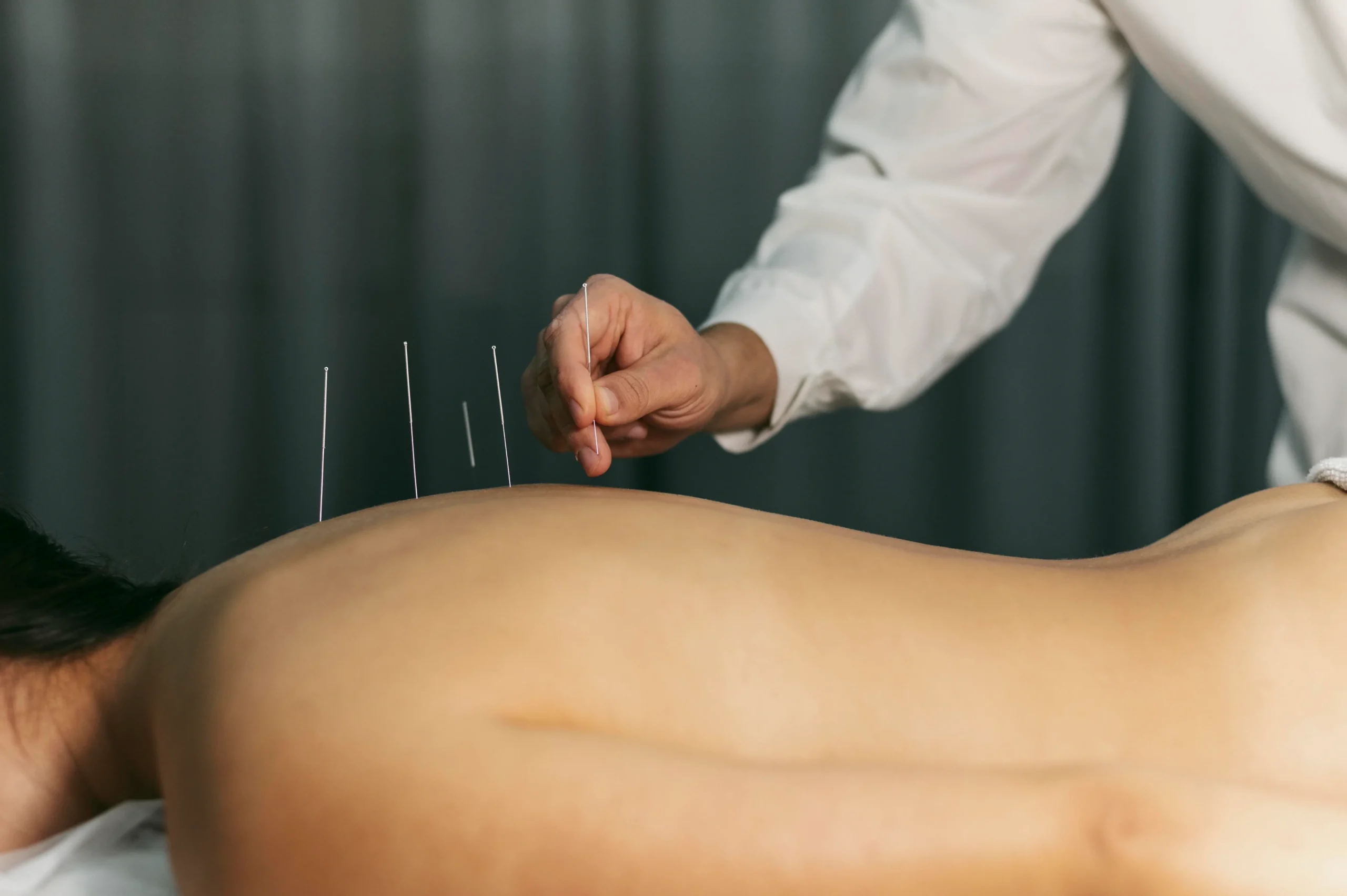
If you’ve ever had long-lasting muscle pain or tightness, you may have heard about dry needling, a technique that uses fine needles to relieve pain and restore movement. It’s often compared to acupuncture because both involve inserting needles into the skin, but there’s a key difference: dry needling is a modern, science-based practice used by physiotherapists, while acupuncture is rooted in traditional Chinese medicine.
So, what exactly is dry needling? Is it safe? And how can it help with pain that won’t go away? Let’s explore five important things you should know about this powerful treatment option, especially if you’re wondering whether it could be the solution you’ve been looking for.
While acupuncture and dry needling may look similar on the surface both use extremely thin needles their purposes, methods, and philosophies are quite different.
Dry needling is based on modern Western medicine. It targets myofascial trigger points, tight bands or “knots” in the muscles that can cause localised pain or even refer pain to other areas. These trigger points are often the root cause of discomfort, limited mobility, or stiffness.
By inserting a sterile, fine needle directly into the trigger point, a trained physiotherapist can:
In contrast, acupuncture is based on balancing the flow of energy (called qi) through pathways in the body known as meridians. Its focus is not on muscles, but on promoting holistic health by restoring energy balance.
If you’re dealing with musculoskeletal pain, dry needling may offer a more targeted and effective approach than general treatments. By directly targeting trigger points in muscles, this technique can help relieve tension, reduce inflammation, and improve overall function.
Dry needling is especially helpful when other treatments like massage, heat, or stretching haven’t brought lasting relief. It works deep within the muscle, reaching areas that hands or massage tools simply can’t.
Some common conditions treated with dry needling include:
Because it can break the pain cycle, reduce inflammation, and restore movement, dry needling is popular in sports physiotherapy. Athletes often use it to speed up recovery, reduce muscle tightness, and prevent future injuries.
One of the most common questions people ask is: Does dry needling hurt?
The honest answer: It can feel unusual, but not painful for most people.
Here’s what to expect:
Many people notice a significant reduction in pain and increased mobility shortly after their first session. Most report feeling better within a day or two, with continued improvements over subsequent treatments.
Feature | Dry Needling | Acupuncture |
Based on | Western medicine and muscle science | Traditional Chinese medicine |
Main focus | Myofascial trigger points and muscle pain | Body energy flow (qi) |
Purpose | Reduce pain, restore movement | Balance energy, support healing |
Performed by | Certified physiotherapists | Licensed acupuncturists |
Research-supported | Yes, strong evidence for pain relief | Some support, especially for pain |
Both approaches have their place. If you’re seeking targeted relief for tight muscles, dry needling is likely the better fit. For a more holistic or energetic healing approach, acupuncture may be right for you.
No. While both use thin needles, dry needling targets muscle trigger points using modern medical principles. Acupuncture is based on ancient Chinese theories of energy flow.
Most people feel little to no pain. You might notice a twitch or short cramp, but discomfort usually fades quickly.
Dry needling helps with chronic muscle pain, tension, poor movement, and issues like back pain, sciatica, tennis elbow, and more.
Only trained and certified physiotherapists. At Synapse, our team is highly experienced in safe, effective dry needling techniques.
Absolutely. It’s most effective when part of a complete plan including stretching, rehab, and strength training.
If your muscles feel tight, sore, or just “off” and nothing else seems to help, dry needling could be a game changer. It’s a safe, research-backed method that goes deep to treat the real source of pain, not just the symptoms.
At Synapse Physiotherapy, our expert team can help you figure out whether dry needling is right for you. We combine it with personalised rehab plans to support your recovery, improve your movement, and get you back to doing what you love, pain-free.
Not sure if it’s right for you? Book a consultation or explore our conditions we treat and treatment programs to learn more.
Tags :
Joint degeneration and inflammation happens as the human body grows older, but that does not mean our way of life degenerates as well. Relief your joint pains with a joint effort together with your physiotherapist, who will provide pain-relief treatments and prescribe exercises for your wellbeing.
Common conditions in the older age population include hips & knee pain, back & neck pain, osteoarthritis, rheumatism, fear of falling and many more. Aging and degeneration of bodily function is inevitable, but here at Synapse, we will help you live the best of your life.

When you’re in pain or recovering from an injury, one of the first things you’ll probably do is hop online and search for a “physio near me.” It’s a quick and easy way to find help close to home or work. But not all physiotherapists or physiotherapy clinics are the same. While location is important, it shouldn’t be the only factor guiding your decision.
Choosing the right physiotherapist can have a major impact on how quickly and effectively you recover. The best physio for you will depend on your specific condition, goals, preferences, and even personality. After all, you’ll likely be seeing them regularly for several weeks or months.
So, before you book that first appointment with the closest clinic that pops up in your search for “physio near me,” it’s worth taking a bit of time to evaluate your options. Here are some key things to consider that will help you choose a physiotherapist who’s not just nearby, but truly right for you.
First and foremost, make sure any physiotherapist you’re considering is properly qualified and registered. In most countries, including Malaysia, physiotherapists must be licensed to practice. They should hold a degree in physiotherapy and be registered with a governing body like the Malaysian Physiotherapy Association (MPA) or the Malaysian Allied Health Professions Council.
If you’re unsure, ask the clinic directly or check online. A well-qualified physio will be happy to share their credentials, additional certifications, and areas of expertise.
Physiotherapy covers a wide range of conditions from sports injuries and post-surgical rehab to chronic pain and neurological issues. Not all physiotherapists specialise in every area.
When searching for a “physio near me,” make sure the clinic has experience dealing with your specific issue. For example:
Ask if the clinic has treated cases similar to yours before. A physio who’s familiar with your condition will be better equipped to guide your recovery efficiently.
Word of mouth is powerful, especially in healthcare. Check online reviews on Google, Facebook, or healthcare directories to see what other patients are saying about the clinic you’re considering.
Are the physiotherapists described as professional, knowledgeable, and friendly? Do patients feel listened to and well cared for? Are the facilities clean and well-maintained?
You can also ask friends, family, or coworkers if they’ve had positive experiences with a local physio. A personal recommendation can go a long way.
Not all physiotherapists use the same approach. Some may focus more on hands-on techniques like manual therapy, joint mobilisation, or dry needling, while others may emphasise corrective exercises and active rehabilitation.
The most effective treatment plans usually combine a variety of methods tailored to your specific condition and goals. When speaking to the clinic, ask about:
The right physio should explain what they’re doing and why, empowering you to take an active role in your recovery.
Physiotherapy is a partnership. You should feel comfortable asking questions, giving feedback, and expressing concerns. The best physios are good communicators who listen closely, explain things clearly, and adapt the treatment as needed.
During your first appointment, pay attention to how well the physiotherapist engages with you. Do they take the time to understand your problem fully? Do they explain the next steps clearly? Do you feel respected and supported? If you don’t feel at ease, it may be worth exploring other clinics.
Location is still important. It’s one of the reasons why so many people search for a “physio near me.” But there’s more to accessibility than just distance.
Consider:
If getting to your sessions is a hassle or the timings don’t work for you, you’re less likely to stick with your treatment plan consistently.
A modern, well-equipped clinic can enhance your recovery experience. While not every condition requires high-end machines, a clean and comfortable environment reflects a clinic’s commitment to quality care.
Ask about the types of equipment they use, whether they have private treatment rooms, and whether they offer tools for exercise therapy, like resistance bands, balance tools, or rehab machines.
Some clinics also offer extras like gait analysis, ultrasound therapy, or Pilates-based rehabilitation programs.
Before you commit, make sure you understand the clinic’s pricing structure. How much does each session cost? Are package rates available? Do they offer receipts or documentation for insurance claims?
Many people underestimate the financial side of long-term physiotherapy, so it’s smart to plan. If you’re using health insurance, ask whether the clinic accepts your plan and whether direct billing is available.
Transparency around pricing and payments is a sign of professionalism and good customer service.
Look for someone with a recognised physiotherapy degree who is licensed and registered with a professional body like the Malaysian Physiotherapy Association (MPA) or the Malaysian Allied Health Professions Council.
Ask the clinic if they’ve treated similar cases. Look for physiotherapists who specialise in the type of issue you’re facing, such as post-surgery rehab, chronic pain, or neurological recovery.
A thorough assessment, clear communication, and a treatment plan tailored to your needs. You should feel heard, supported, and confident in your expertise.
Yes. Consistency helps build trust and ensures your progress is tracked effectively. Ask the clinic if you can stick with the same physio throughout your treatment.
Check online reviews, ask for recommendations, and look for signs of professionalism like clean facilities, transparent pricing, and positive patient feedback.
When you’re searching for a “physio near me,” it’s easy to get caught up in convenience. But choosing the right physiotherapist is more than just picking the closest one. It’s about finding someone who understands your condition, supports your goals, and makes you feel comfortable and confident in your recovery journey.
Take the time to research, ask questions, and trust your instincts. The right physiotherapist at Synapse will not only help you heal but also empower you to move better and live stronger in the long run.
Tags :
Joint degeneration and inflammation happens as the human body grows older, but that does not mean our way of life degenerates as well. Relief your joint pains with a joint effort together with your physiotherapist, who will provide pain-relief treatments and prescribe exercises for your wellbeing.
Common conditions in the older age population include hips & knee pain, back & neck pain, osteoarthritis, rheumatism, fear of falling and many more. Aging and degeneration of bodily function is inevitable, but here at Synapse, we will help you live the best of your life.

If you’ve ever felt a sharp, shooting pain running down your lower back and leg, you might be dealing with sciatica. It’s more than just an annoying backache—sciatica can seriously affect your daily life, from walking and sitting to sleeping comfortably.
You might be wondering, “Is there a physiotherapy clinic near me that can help with this?” Good news—yes, there is! And even better, the right physiotherapy treatment can bring relief, restore movement, and help prevent the pain from coming back.
In this article, we’ll break down what sciatica is, how physiotherapy can treat it, and what to expect when you visit a physiotherapy clinic near me for expert care.
Sciatica refers to pain that travels along the path of the sciatic nerve, which runs from your lower back through your hips and down each leg. It’s usually caused by irritation or compression of this nerve—often from a slipped disc, spinal stenosis, or even tight muscles like the piriformis.
The pain can range from mild to severe, and if left untreated, it can become chronic and affect your quality of life.
Physiotherapy is one of the most effective and non-invasive ways to treat sciatica. Rather than just masking the pain with medication, physiotherapy aims to fix the root cause—helping your body heal and move the way it’s meant to.
When you visit a physiotherapy clinic near me, your treatment may include:
Your physiotherapist will assess your posture, flexibility, muscle strength, and nerve response to understand what’s causing your sciatica and how it affects your movement.
You’ll be guided through specific exercises that aim to:
These exercises are simple but powerful—and they can often be done at home too.
Hands-on techniques like soft tissue massage, joint mobilization, and trigger point release can help relieve tension and improve blood flow to the affected areas.
Your physiotherapist will teach you how to sit, stand, lift, and move in a way that protects your spine and avoids further irritation.
Knowing what movements to avoid, when to stretch, and how to listen to your body is key to long-term relief and prevention.
Choosing a physiotherapy clinic near me means faster, easier access to the care you need—especially when you’re in pain. No long travel times. No delays. Just real help, close to home.
Here’s what to look for in a good clinic:
A nearby clinic also allows for consistent follow-up appointments, which are crucial in managing and recovering from sciatica.
Your first physiotherapy session will focus on understanding your symptoms and how they affect your life. Expect to talk about:
You’ll also go through a gentle physical assessment to check your range of motion, strength, and nerve response. From there, your therapist will create a custom plan and explain what your treatment journey will look like.
With the right treatment, many people experience:
Best of all, physiotherapy helps you feel more in control of your body and your recovery.
Sciatica doesn’t have to take over your life. The longer it goes untreated, the more it can interfere with your movement, mood, and overall health.
If you’ve been Googling “physiotherapy clinic near me for sciatica”, now’s the time to take action. Early treatment can make a huge difference—not just in pain relief, but in preventing future problems and improving your quality of life.
Finding relief from sciatica starts with finding the right care. At Synapse Physiotherapy, we provide personalized, hands-on treatment designed to target the cause of your pain and help you move freely again.
Our expert team takes the time to understand your needs, guide your recovery, and give you tools to stay strong long after your sessions end. If you’re searching for a physiotherapy clinic near me, look no further.
Let Synapse Physiotherapy be your partner in healing. Your journey toward a pain-free, active life starts today.
Tags :
Joint degeneration and inflammation happens as the human body grows older, but that does not mean our way of life degenerates as well. Relief your joint pains with a joint effort together with your physiotherapist, who will provide pain-relief treatments and prescribe exercises for your wellbeing.
Common conditions in the older age population include hips & knee pain, back & neck pain, osteoarthritis, rheumatism, fear of falling and many more. Aging and degeneration of bodily function is inevitable, but here at Synapse, we will help you live the best of your life.

No two bodies are the same—so why should your treatment be?
Whether you’re dealing with back pain, recovering from an injury, or just looking to move better, the best results come from care that’s tailored specifically to you. That’s the power of personalized treatment plans at physiotherapy Kuala Lumpur clinics.
In today’s fast-paced world, it’s tempting to look for quick fixes. But when it comes to healing and long-term health, one-size-fits-all approaches just don’t work. Personalized physiotherapy considers your body, lifestyle, goals, and health history—so your treatment isn’t just effective, it’s also safe, realistic, and sustainable.
Let’s explore what personalized physiotherapy really means, how it works, and why it makes such a difference in your recovery and overall well being.
Personalized physiotherapy is a treatment approach that’s custom-built around you. Instead of giving everyone the same exercises or routines, your physiotherapist creates a plan based on your specific condition, needs, and goals.
It begins with a thorough assessment, including:
From there, your physiotherapist designs a treatment plan that addresses your exact issues, targets the root cause—not just the symptoms—and guides you step by step toward recovery.
Two people with the same injury might recover at completely different rates. One might respond well to strength exercises, while another needs more manual therapy and rest. Personalized plans adjust to how your body reacts, ensuring the treatment stays effective.
Generic advice often masks the problem instead of fixing it. Personalized physiotherapy looks deeper to find the cause—whether it’s poor posture, muscle imbalances, or past injuries—and treats it at the source.
A busy professional might need desk-friendly stretches, while a runner may need sports-specific rehab. Personalized plans take your schedule, habits, and daily activities into account to create routines you can actually stick with.
When care is tailored to you, it’s more engaging and motivating. You’re more likely to stay consistent, track your progress, and see better long-term results.
At physiotherapy Kuala Lumpur clinics, a personalized plan may include a mix of:
Hands-on techniques like joint mobilization or soft tissue massage to reduce pain, improve mobility, and release tension.
Targeted movements to build strength, improve flexibility, and restore balance—customized to your current ability and fitness level.
Training on how to sit, stand, and move correctly to reduce strain on joints and prevent future injuries.
Tips to adjust your workspace, sleeping position, or daily routine to support healing and comfort.
Easy-to-follow exercises designed for your home environment, so you can keep progressing between sessions.
Your plan isn’t set in stone. Physiotherapists adjust it based on your recovery, keeping it relevant and effective.
Personalized physiotherapy is suitable for people of all ages and conditions, including:
If you’re not sure what kind of treatment you need, a personalized approach is the safest and most effective place to start.
What to Expect at Your First Visit
When you walk into a physiotherapy clinic in Kuala Lumpur, you’ll be greeted by a friendly team ready to help. Your first session will usually include:
There’s no need to be nervous—your physiotherapist is there to listen, support, and guide you every step of the way.
You deserve care that’s made just for you—not copy-paste routines or rushed appointments. Whether you’re recovering from an injury, managing chronic pain, or simply wanting to move better, a personalized plan is your best path forward.
At Synapse Physiotherapy, we believe in treating the person, not just the problem. Our expert team in Kuala Lumpur takes time to understand your body and create a treatment plan that works with your lifestyle and goals.
Start your recovery with Synapse Physiotherapy, and experience the difference of personalized, expert care that truly puts you first.
Tags :
Joint degeneration and inflammation happens as the human body grows older, but that does not mean our way of life degenerates as well. Relief your joint pains with a joint effort together with your physiotherapist, who will provide pain-relief treatments and prescribe exercises for your wellbeing.
Common conditions in the older age population include hips & knee pain, back & neck pain, osteoarthritis, rheumatism, fear of falling and many more. Aging and degeneration of bodily function is inevitable, but here at Synapse, we will help you live the best of your life.