Posted on

Rehab Clinics Near Me | Pain-Free Living Starts Here

rehab clinics near me
Synapse Physiotherapy

Introduction

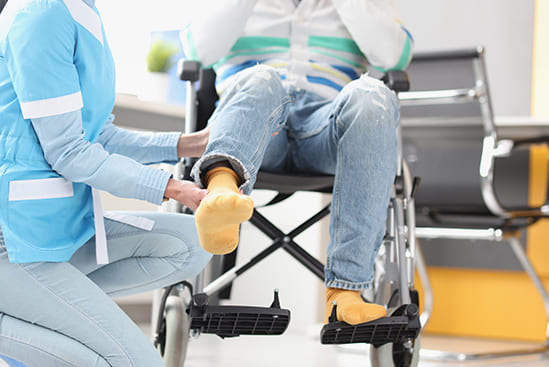
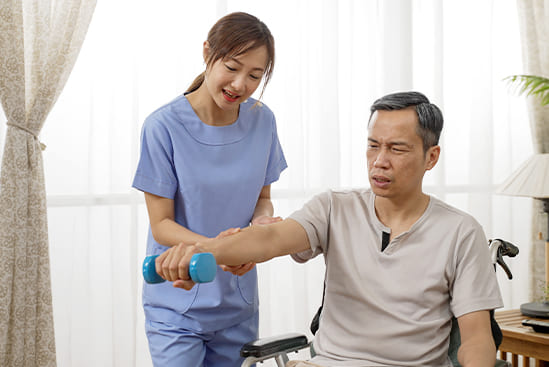
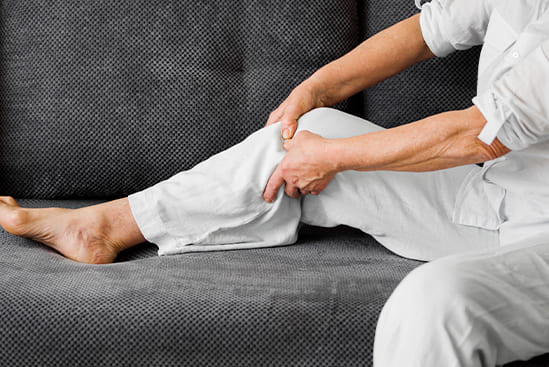
If you’ve found yourself searching for rehab clinics near me, chances are you’re ready to make a real change whether it’s to overcome chronic pain, recover from injury, or regain your independence. The good news? You’re not alone, and help is closer than you think. Explore how Synapse helps patients reclaim their lives.


Rehabilitation clinics have become essential pillars of support for people managing pain, mobility issues, neurological conditions, or recovering from surgery. The right clinic doesn’t just provide treatment, it becomes your partner in healing. Moreover, with a growing number of clinics offering tailored programs, advanced physiotherapy techniques, and patient-centred care, it’s never been easier to find a solution that works for your unique needs.


Ultimately, when you search rehab clinics near me, you’re opening the door to expert support, state-of-the-art facilities, and a pathway to a better quality of life. Whether you’re dealing with a slipped disc, post-surgical pain, sports injuries, or chronic conditions like arthritis, modern rehab centres are designed to help you live pain-free and move better, so you can get back to doing what you love.

Why Rehab Matters More Than Ever

We live in a fast-paced world where physical strain, poor posture, repetitive movements, and stress often lead to injuries or persistent discomfort. Eventually, what starts as a nagging ache can evolve into something that limits your everyday life, affecting your ability to work, socialise, or even rest. This is where professional rehabilitation steps in.

Furthermore, rehab isn’t just for athletes or those recovering from surgery. It’s for anyone who wants to live with less pain and more freedom. From teens to seniors, patients of all ages benefit from personalised rehab programs that strengthen the body, correct movement patterns, and improve overall functionality.

What to Expect from a Quality Rehab Clinic

1. Comprehensive Assessment

A great clinic begins with a detailed assessment. This includes understanding your medical history, lifestyle, current pain or limitations, and goals. The goal is to identify not just the symptoms, but the root cause.

2. Customised Treatment Plans

No two bodies are the same. That’s why top-tier rehab clinics tailor their treatment plans to your specific needs, whether that includes manual therapy, exercise therapy, posture correction, or ergonomic advice. Discover Synapse’s personalised approach.

3. Modern Techniques & Equipment

From shockwave therapy to dry needling, ultrasound, and guided movement systems, today’s rehab centres use cutting-edge tools to accelerate recovery.

4. Experienced and Empathetic Therapists

Your relationship with your therapist can make or break your rehab journey. Look for clinics that prioritise continuity of care so you see the same therapist each visit and ensure your treatment evolves as you progress.

Common Conditions Treated at Rehab Clinics

When searching rehab clinics near me, consider what kind of pain or condition you’re dealing with. Some of the most common conditions treated include:

  • Back & Neck Pain: Caused by poor posture, disc issues, or muscular imbalances.

  • Sports Injuries: Such as ligament tears, tendonitis, or muscle strains.

  • Post-Surgical Rehab: After knee replacements, rotator cuff surgery, spinal surgery, etc.

  • Neurological Conditions: Stroke recovery, Parkinson’s disease, and other mobility-impairing issues.

  • Chronic Conditions: Arthritis, fibromyalgia, or long-term musculoskeletal pain.

Benefits of Early Intervention

The sooner you begin rehabilitation, the better the outcome. Early intervention can:

  • Prevent minor issues from becoming chronic

  • Reduce the need for medication or surgery

  • Restore mobility and function faster

  • Improve mental well-being and confidence

  • Minimise the risk of reinjury

Indeed, waiting too long often leads to compensations in movement that cause more harm than good. So if you’ve been on the fence, now is the time to act.

How to Choose the Right Rehab Clinic Near You

1. Location & Accessibility

Proximity matters especially if you’ll be attending multiple sessions a week. Choose a clinic that’s easy to get to from your home or workplace.

2. Clinic Reputation

Look at reviews, testimonials, and success stories. A strong reputation often means consistent, high-quality care.

3. Specialities

Does the clinic specialise in the condition you’re dealing with? Some clinics focus more on sports injuries, while others may be more adept at post-operative rehab or neuro-rehab.

4. One-on-One Care

Clinics that offer one-on-one sessions ensure your therapist is focused entirely on you, not juggling multiple patients at once.

5. Comfort & Environment

A welcoming, well-maintained space can significantly affect how you feel during your recovery journey. Cleanliness, professionalism, and friendliness are all important.

Frequently Asked Questions (FAQs)

1. How often should I visit a rehab clinic for effective results?

It depends on your condition and goals. Typically, 1–3 times a week is recommended for optimal progress.

2. Do I need a referral to visit a rehab clinic?

Most clinics accept self-referrals. However, some may require a medical history or report from your physician.

3. Are rehab clinics only for injuries?

Not at all. Rehab is also beneficial for chronic pain, neurological conditions, mobility challenges, and post-surgical recovery.

4. What should I wear to a rehab session?

Wear comfortable clothing that allows free movement. Athletic or gym wear is usually ideal.

5. Can I continue rehab at home?

Yes. Many clinics offer home visit programs or prescribe home exercises. Learn about our home visit service.

Your Path to Pain-Free Living Starts Today

Pain doesn’t have to be part of your daily routine. Whether you’re looking to heal from an injury, manage a chronic condition, or simply improve your physical health, a trusted rehab clinic can guide you every step of the way.


So if you’ve been typing rehab clinics near me into your search bar and wondering where to go next, take that as your sign. It’s time to prioritise your health, get expert help, and take that first step toward a stronger, more comfortable you. Visit Synapse to begin your journey.

Final Thoughts

Recovery isn’t a straight line. It’s a journey of progress, setbacks, and breakthroughs. But with the right rehab team behind you, that journey becomes manageable and even empowering. The goal isn’t just to reduce pain; it’s to help you move freely, live confidently, and enjoy your life again.

Don’t wait for the pain to define your lifestyle. Let your search for rehab clinics near me be the beginning of your transformation. A pain-free life is possible and it starts right here.

Share This :

Back & Neck Pain

Conditions such as stiffness, postural abnormalities and muscle overuse from prolonged desk work at the office or home is more prevalent than most would think. We provide the necessary tools to fix you up and educate you on ergonomics which can unload unnecessary stress.

Sports Injuries

Rolled ankles, jarred knees, impinged shoulders are few conditions in the plethora of sports injuries which can hamper performance and limit our enjoyment of sports. Physiotherapy not only treats the symptoms of these conditions but propels your overall fitness to greater heights.

Work Desk Injuries​

Conditions such as stiffness, postural abnormalities and muscle overuse from prolonged desk work at the office or home is more prevalent than most would think. We provide the necessary tools to fix you up and educate you on ergonomics which can unload unnecessary stress.

Pre-Post-Surgical Conditions

Surgery involves going through preparation both before and after. Physiotherapists play a vital role in getting your body ready for surgeries with circulatory, breathing and strengthening exercises. After the procedure, let us be there for your recovery and rehabilitation, taking it one step at a time.

Scoliosis & Postural Abnormalities

The way we stand, sit, walk and sleep has influence over our posture and the overall balance of muscles controlling its alignment. A comprehensive screening can be done by our physiotherapists to detect abnormalities, which we will aid in correcting.

Neurological Conditions

Neurological disabilities such as stroke, nerve compression and neuropathies can be barriers for patients to live life to its fullest. We at Synapse are committed to help you overcome these hurdles by ensuring functional mobility and quality of life is at its optimum by providing the right treatment and exercises.

Osteoarthritis & Rheumatism

Joint degeneration and inflammation happens as the human body grows older, but that does not mean our way of life degenerates as well. Relief your joint pains with a joint effort together with your physiotherapist, who will provide pain-relief treatments and prescribe exercises for your wellbeing.
Conditions Relating To Elderly

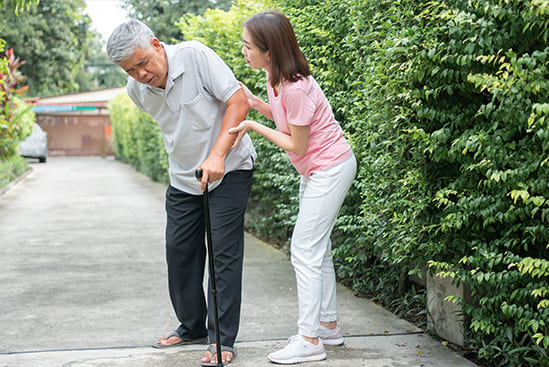
Common conditions in the older age population include hips & knee pain, back & neck pain, osteoarthritis, rheumatism, fear of falling and many more.  Aging and degeneration of bodily function is inevitable, but here at Synapse, we will help you live the best of your life.
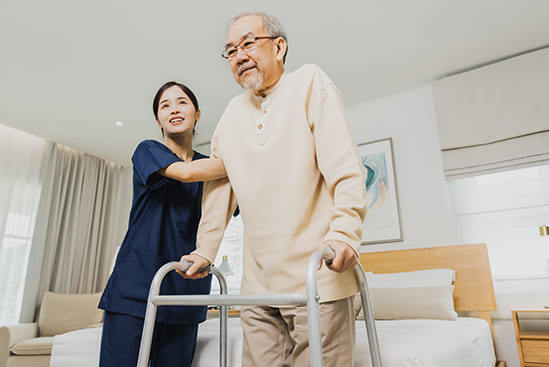
Home Physiotherapy

We understand that some conditions or injuries can make it difficult to receive rehabilitation at our clinic be it mobility or transportation issues. Our objective is to provide you with the same high-quality physiotherapy services at home that you would receive in-clinic.
Posted on

Holistic Healing at Physiotherapy Kuala Lumpur

physiotherapy kuala lumpur
Synapse Physiotherapy

Introduction

In the bustling heart of Malaysia’s capital, physiotherapy Kuala Lumpur is rapidly gaining recognition as a cornerstone of modern healthcare. No longer limited to rehabilitation after injuries or surgeries, physiotherapy is now embraced as a holistic healing approach, treating not only the physical symptoms but also addressing emotional and lifestyle factors that affect overall well-being. Kuala Lumpur, known for its world-class medical services, is home to a diverse range of physiotherapy clinics that offer advanced, personalised care tailored to meet the unique needs of every patient.


Whether you’re dealing with chronic back pain, recovering from surgery, or looking to improve your athletic performance, physiotherapy Kuala Lumpur provides evidence-based, non-invasive solutions. Local clinics combine modern techniques like manual therapy, dry needling, and electrotherapy with integrative practices such as posture correction, movement education, and stress reduction. Consequently, these holistic methods aim not only to treat pain but also to restore full-body harmony and function.


But what makes the physiotherapy experience in Kuala Lumpur truly holistic? It’s the commitment to treating the whole person, body, mind, and lifestyle rather than simply targeting isolated symptoms. This article explores how the city’s physiotherapy clinics are redefining recovery through comprehensive, patient-centred care.

A Shift Towards Holistic Physiotherapy

Traditional physiotherapy often focuses on treating specific injuries or conditions. While effective, this approach can sometimes overlook underlying contributors to physical pain, such as poor posture, muscular imbalances, or stress. However, holistic physiotherapy acknowledges the interconnectedness of the human body and aims to find the root cause of dysfunction rather than merely alleviating symptoms.


Clinics in Kuala Lumpur are leading this shift. Instead of offering generic treatment plans, physiotherapists conduct in-depth assessments that include posture analysis, movement screening, and even lifestyle consultations. As a result, this enables them to develop individualized programs that integrate physical therapy with strategies for long-term wellbeing.

Comprehensive Treatment Plans

At the core of holistic healing is the belief that each person’s journey to health is unique. Physiotherapy clinics in Kuala Lumpur understand this deeply. After an initial assessment, patients are provided with personalised treatment plans that may include a blend of the following:

1. Manual Therapy

Hands-on techniques to improve joint mobility, relieve muscle tension, and promote blood circulation.

2. Exercise Therapy

Customised movement routines designed to build strength, flexibility, and balance.

3. Postural Re-education

Correction of body alignment to reduce strain and prevent future injuries.

4. Dry Needling and Myofascial Release

Techniques that target deep muscle knots and chronic tension.

5. Electrotherapy and Ultrasound

Modern modalities that support tissue healing and reduce inflammation.

6. Breathwork and Mindfulness Practices

Some clinics incorporate stress-relieving techniques to promote a calm, healing environment.


This integrative approach ensures that treatment doesn’t stop when the symptoms fade, it supports the body in achieving sustainable recovery and resilience. To further explore condition-specific approaches, you may visit the Conditions page.

Collaboration and Education

One of the hallmarks of holistic physiotherapy in Kuala Lumpur is patient education. Therapists take the time to explain each aspect of the treatment, empowering patients with knowledge about their bodies. They are taught not just how to perform exercises, but why those exercises matter. Hence, this emphasis on education helps patients make lasting lifestyle changes that support ongoing health.


Moreover, physiotherapists often collaborate with other healthcare professionals such as orthopaedic specialists, nutritionists, or psychologists to ensure that every aspect of a patient’s health is considered. In this way, this multidisciplinary approach proves especially valuable for individuals managing complex or chronic conditions.

Targeting a Wide Range of Conditions

Holistic physiotherapy is suitable for people of all ages and activity levels. In Kuala Lumpur, physiotherapists commonly treat:

  • Back and Neck Pain

  • Sports Injuries

  • Post-Surgical Rehabilitation

  • Neurological Conditions (e.g., stroke, Parkinson’s disease)

  • Musculoskeletal Disorders (e.g., arthritis, tendonitis)

  • Workplace Injuries and Repetitive Strain Injuries

  • Postural Issues and Ergonomic Problems

In each of these cases, a holistic approach ensures that the underlying causes are addressed, whether that involves improving muscle imbalances, correcting movement patterns, or adapting one’s workspace to be more ergonomic.

Modern Facilities with a Personal Touch

Physiotherapy Kuala Lumpur clinics blend modern medical technology with a warm, human-centered environment. Facilities are equipped with the latest tools and treatment devices, but what truly sets them apart is the dedication of the practitioners. Many physiotherapists in the city have international training and bring with them a global perspective on wellness and recovery.


Patients are not rushed through their sessions. Instead, therapists take the time to build rapport, listen carefully to concerns, and adjust treatments based on feedback. Thus, this level of personal attention helps patients feel more supported and engaged in their recovery.

Prevention as a Priority

Another pillar of holistic healing is prevention. Rather than waiting for injuries to occur, physiotherapy Kuala Lumpur focuses on proactive health management. This includes:

Ergonomic Assessments

Helping office workers set up healthier workstations.

Movement Coaching

Teaching proper form for daily activities and exercise routines.

Wellness Workshops

Educating the community about mobility, posture, and injury prevention.


By focusing on prevention, physiotherapists aim to help patients lead active, pain-free lives and reduce the risk of future issues. Those seeking a structured program may consider the Spine & Core Rehabilitation Programme.

The Mind-Body Connection

Holistic healing isn’t complete without acknowledging the role of the mind. Stress, anxiety, and emotional tension often manifest physically as headaches, muscle tension, or fatigue. Many physiotherapy clinics in Kuala Lumpur now incorporate relaxation techniques, mindfulness practices, and even guided breathing into treatment sessions.


This emphasis on the mind-body connection not only helps improve physical outcomes but also supports mental well-being. Accordingly, patients often report feeling calmer, more focused, and better equipped to handle daily stressors.

Frequently Asked Questions (FAQs)

1. What should I expect during my first physiotherapy session in Kuala Lumpur?

You can expect a comprehensive assessment including posture analysis, movement screening, and lifestyle consultation to develop a personalised treatment plan.

2. Are the physiotherapists in Kuala Lumpur qualified to offer holistic care?

Yes, most clinics have internationally trained professionals who incorporate both traditional and integrative methods into their treatment plans.

3. Can physiotherapy help with stress-related physical conditions?

Absolutely. Many clinics incorporate breathwork, mindfulness, and stress-reducing practices to address the mind-body connection in healing.

4. How do I know if a clinic takes a holistic approach?

Look for clinics that offer personalised plans, integrate lifestyle factors, and provide education alongside therapy sessions.

5. Is holistic physiotherapy suitable for older adults?

Yes, it is ideal for seniors, especially with dedicated programs like geriatric rehabilitation and ergonomic assessments to promote long-term mobility.

Final Thoughts

Physiotherapy Kuala Lumpur is more than just a service, it’s a pathway to whole-body wellness. By embracing holistic healing, local physiotherapists are helping patients move better, feel stronger, and live more fulfilling lives. Whether you’re managing pain, recovering from injury, or simply seeking to improve your physical wellbeing, Kuala Lumpur offers a supportive and forward-thinking environment where healing is not just physical, it’s holistic.


For more details on services and programs, visit our About Physiotherapy Centre page or explore specialised offerings such as Pain Management.

Share This :

Back & Neck Pain

Conditions such as stiffness, postural abnormalities and muscle overuse from prolonged desk work at the office or home is more prevalent than most would think. We provide the necessary tools to fix you up and educate you on ergonomics which can unload unnecessary stress.

Sports Injuries

Rolled ankles, jarred knees, impinged shoulders are few conditions in the plethora of sports injuries which can hamper performance and limit our enjoyment of sports. Physiotherapy not only treats the symptoms of these conditions but propels your overall fitness to greater heights.

Work Desk Injuries​

Conditions such as stiffness, postural abnormalities and muscle overuse from prolonged desk work at the office or home is more prevalent than most would think. We provide the necessary tools to fix you up and educate you on ergonomics which can unload unnecessary stress.

Pre-Post-Surgical Conditions

Surgery involves going through preparation both before and after. Physiotherapists play a vital role in getting your body ready for surgeries with circulatory, breathing and strengthening exercises. After the procedure, let us be there for your recovery and rehabilitation, taking it one step at a time.

Scoliosis & Postural Abnormalities

The way we stand, sit, walk and sleep has influence over our posture and the overall balance of muscles controlling its alignment. A comprehensive screening can be done by our physiotherapists to detect abnormalities, which we will aid in correcting.

Neurological Conditions

Neurological disabilities such as stroke, nerve compression and neuropathies can be barriers for patients to live life to its fullest. We at Synapse are committed to help you overcome these hurdles by ensuring functional mobility and quality of life is at its optimum by providing the right treatment and exercises.

Osteoarthritis & Rheumatism

Joint degeneration and inflammation happens as the human body grows older, but that does not mean our way of life degenerates as well. Relief your joint pains with a joint effort together with your physiotherapist, who will provide pain-relief treatments and prescribe exercises for your wellbeing.

Conditions Relating To Elderly

Common conditions in the older age population include hips & knee pain, back & neck pain, osteoarthritis, rheumatism, fear of falling and many more.  Aging and degeneration of bodily function is inevitable, but here at Synapse, we will help you live the best of your life.

Home Physiotherapy

We understand that some conditions or injuries can make it difficult to receive rehabilitation at our clinic be it mobility or transportation issues. Our objective is to provide you with the same high-quality physiotherapy services at home that you would receive in-clinic.
Posted on

Sports Physiotherapy | Train Hard, Recover Smart

Sports Physiotherapy
Synapse Physiotherapy

Introduction

Whether you’re a professional athlete or a weekend warrior, pushing your body to its physical limits is part of the journey. However, what separates the good from the great isn’t just how hard they train, it’s how smart they recover. That’s where sports physiotherapy comes in. Designed to optimise athletic performance, prevent injuries, and speed up recovery, sports physiotherapy has become a crucial element in every athlete’s toolkit.

Sports physiotherapy is a specialised branch of physiotherapy that focuses on issues related to sports and physical activity. It involves targeted assessment, treatment, and rehabilitation strategies to help athletes recover from injuries and return to peak performance. Nevertheless, it doesn’t stop there. Sports physiotherapists also play a critical role in injury prevention, performance enhancement, and long-term physical health.

By identifying imbalances, correcting movement patterns, and tailoring rehab protocols to specific sports, sports physiotherapy empowers athletes to train smarter, recover faster, and stay on top of their game. It’s no longer just about treating injuries, it’s about building resilience and unlocking full athletic potential.

In this article, we’ll explore the core benefits of sports physiotherapy, when you might need it, and how it supports both amateur and elite athletes in their performance journeys. Learn more about our full physiotherapy approach here.

Understanding the Role of Sports Physiotherapy

A Specialist’s Approach to Movement and Recovery

Sports physiotherapists aren’t just regular physios who happen to work with athletes. In fact, they are specialists who understand the complex biomechanics of sport, the psychological demands of competition, and the unique pressures that athletes face. Their goal? To keep athletes in motion safely and efficiently.

A typical session might include:

  • Injury assessment and diagnosis

  • Biomechanical and movement analysis

  • Hands-on manual therapy

  • Sport-specific rehabilitation exercises

  • Return-to-play protocols

  • Injury prevention programs

  • Education and performance coaching

Therefore, this multi-dimensional approach ensures that recovery is comprehensive and performance-oriented.

Common Injuries Treated in Sports Physiotherapy

Supporting Athletes Through All Types of Physical Setbacks

From high-impact sports to endurance activities, injuries are part of the game. Fortunately, sports physiotherapy is well-equipped to handle a wide range of conditions. Some of the most common injuries include:

  • Sprains and strains (e.g., ankle sprains, hamstring strains)

  • Tendinopathies (e.g., tennis elbow, jumper’s knee)

  • Overuse injuries (e.g., shin splints, IT band syndrome)

  • Ligament injuries (e.g., ACL tears)

  • Dislocations and fractures

  • Post-surgical rehabilitation (e.g., after rotator cuff repair or ACL reconstruction)

By using evidence-based techniques, sports physios help athletes not only heal but also regain strength, mobility, and confidence.

Injury Prevention: The Smart Way to Train

Staying Ahead of the Curve With Preventive Strategies

One of the most overlooked but powerful aspects of sports physiotherapy is injury prevention. Rather than waiting for something to go wrong, many athletes now proactively see a physiotherapist to keep their bodies functioning at their best.

Prevention strategies often include:

  • Movement screening to detect muscle imbalances or faulty movement patterns

  • Sport-specific conditioning to improve strength, flexibility, and coordination

  • Load management to avoid overtraining and burnout

  • Education on posture, warm-up routines, and recovery techniques

Training hard is important, but training smart is what keeps you in the game.

Rehabilitation That Matches Your Sport

Tailored Recovery for Every Athletic Discipline

Every sport demands different things from your body. As a result, a football player’s rehab isn’t the same as a swimmer’s, just as a gymnast’s isn’t the same as a long-distance runner’s. Sports physiotherapy tailors recovery programs to reflect the specific movements, intensity, and goals of your sport.

For example:

  • A sprinter may focus on explosive power, stride mechanics, and hamstring strength.

  • A basketball player might need to work on agility, jumping mechanics, and ankle stability.

  • A golfer could benefit from spinal mobility, core control, and rotational strength.

This personalised approach not only accelerates recovery but also improves performance post-injury. Consider exploring our Strength & Conditioning Programme to further enhance your rehab.

Bridging the Gap Between Rehab and Performance

Ensuring Safe Return to Play With Confidence

One of the standout features of sports physiotherapy is its emphasis on return-to-play (RTP) readiness. After an injury, many athletes rush back into training too soon, risking re-injury or long-term damage. Sports physiotherapists use structured RTP protocols to ensure that recovery milestones are met safely and gradually.

Key components of RTP may include:

  • Pain-free movement and functional testing

  • Sport-specific drills and simulation

  • Load tolerance testing

  • Psychological readiness assessment

This bridge between rehab and full sport participation is essential for long-term success and career longevity.

Tools and Techniques in Modern Sports Physiotherapy

Blending Traditional Practices With Advanced Innovations

Modern sports physiotherapy blends traditional hands-on techniques with cutting-edge technology and innovation. Some commonly used tools and methods include:

  • Dry needling and acupuncture

  • Taping and bracing

  • Ultrasound and electrotherapy

  • Cryotherapy and heat therapy

  • Strength and conditioning programs

  • 3D movement analysis

  • Neuromuscular re-education

Together, these techniques work to accelerate healing, enhance movement efficiency, and support performance outcomes.

Who Can Benefit from Sports Physiotherapy?

Support for Athletes of Every Level and Discipline

Contrary to popular belief, you don’t need to be a pro athlete to benefit from sports physiotherapy. If you enjoy physical activity whether it’s CrossFit, running, yoga, or cycling ,sports physio can support your goals.

You might benefit if you:

  • Have a recurring injury that affects your training

  • Experience pain during or after physical activity

  • Want to improve technique or biomechanics

  • Are you recovering from surgery or a serious injury?

  • Need guidance for returning to sport after time off

  • Want to reduce your risk of injury while training

Sports physiotherapy meets you where you are and helps take your performance to the next level.

Frequently Asked Questions (FAQs)

1. How soon should I see a sports physiotherapist after an injury?

Ideally, you should see one as soon as possible to minimise complications and promote a faster recovery.

2. Can sports physiotherapy help with chronic pain from past injuries?

Yes, physiotherapists can help manage chronic pain and restore mobility even from old injuries.

3. Do I need a referral to begin sports physiotherapy?

No referral is needed, many clinics welcome self-referring patients.

4. How long does a typical sports physiotherapy session last?

Most sessions last between 30 to 60 minutes, depending on your treatment plan.

5. What should I wear to a physiotherapy appointment?

Wear comfortable, athletic clothing that allows for movement and access to the injured area.

Train Hard, Recover Smart

Pushing your limits is part of what makes sport so rewarding. But it’s the ability to recover, adapt, and come back stronger that defines long-term success. Sports physiotherapy is more than injury treatment, it’s a holistic strategy for performance, prevention, and longevity.

By integrating the science of movement with the art of rehabilitation, sports physiotherapy enables athletes at every level to pursue their passions with confidence. Whether you’re chasing personal bests or standing on a podium, remember this: your recovery is just as important as your training. So train hard, but recover smart. Discover how Synapse’s sports physiotherapy services can help elevate your performance today.

Share This :

Back & Neck Pain

Conditions such as stiffness, postural abnormalities and muscle overuse from prolonged desk work at the office or home is more prevalent than most would think. We provide the necessary tools to fix you up and educate you on ergonomics which can unload unnecessary stress.

Sports Injuries

Rolled ankles, jarred knees, impinged shoulders are few conditions in the plethora of sports injuries which can hamper performance and limit our enjoyment of sports. Physiotherapy not only treats the symptoms of these conditions but propels your overall fitness to greater heights.

Work Desk Injuries​

Conditions such as stiffness, postural abnormalities and muscle overuse from prolonged desk work at the office or home is more prevalent than most would think. We provide the necessary tools to fix you up and educate you on ergonomics which can unload unnecessary stress.

Pre-Post-Surgical Conditions

Surgery involves going through preparation both before and after. Physiotherapists play a vital role in getting your body ready for surgeries with circulatory, breathing and strengthening exercises. After the procedure, let us be there for your recovery and rehabilitation, taking it one step at a time.

Scoliosis & Postural Abnormalities

The way we stand, sit, walk and sleep has influence over our posture and the overall balance of muscles controlling its alignment. A comprehensive screening can be done by our physiotherapists to detect abnormalities, which we will aid in correcting.

Neurological Conditions

Neurological disabilities such as stroke, nerve compression and neuropathies can be barriers for patients to live life to its fullest. We at Synapse are committed to help you overcome these hurdles by ensuring functional mobility and quality of life is at its optimum by providing the right treatment and exercises.

Osteoarthritis & Rheumatism

Joint degeneration and inflammation happens as the human body grows older, but that does not mean our way of life degenerates as well. Relief your joint pains with a joint effort together with your physiotherapist, who will provide pain-relief treatments and prescribe exercises for your wellbeing.

Conditions Relating To Elderly

Common conditions in the older age population include hips & knee pain, back & neck pain, osteoarthritis, rheumatism, fear of falling and many more.  Aging and degeneration of bodily function is inevitable, but here at Synapse, we will help you live the best of your life.
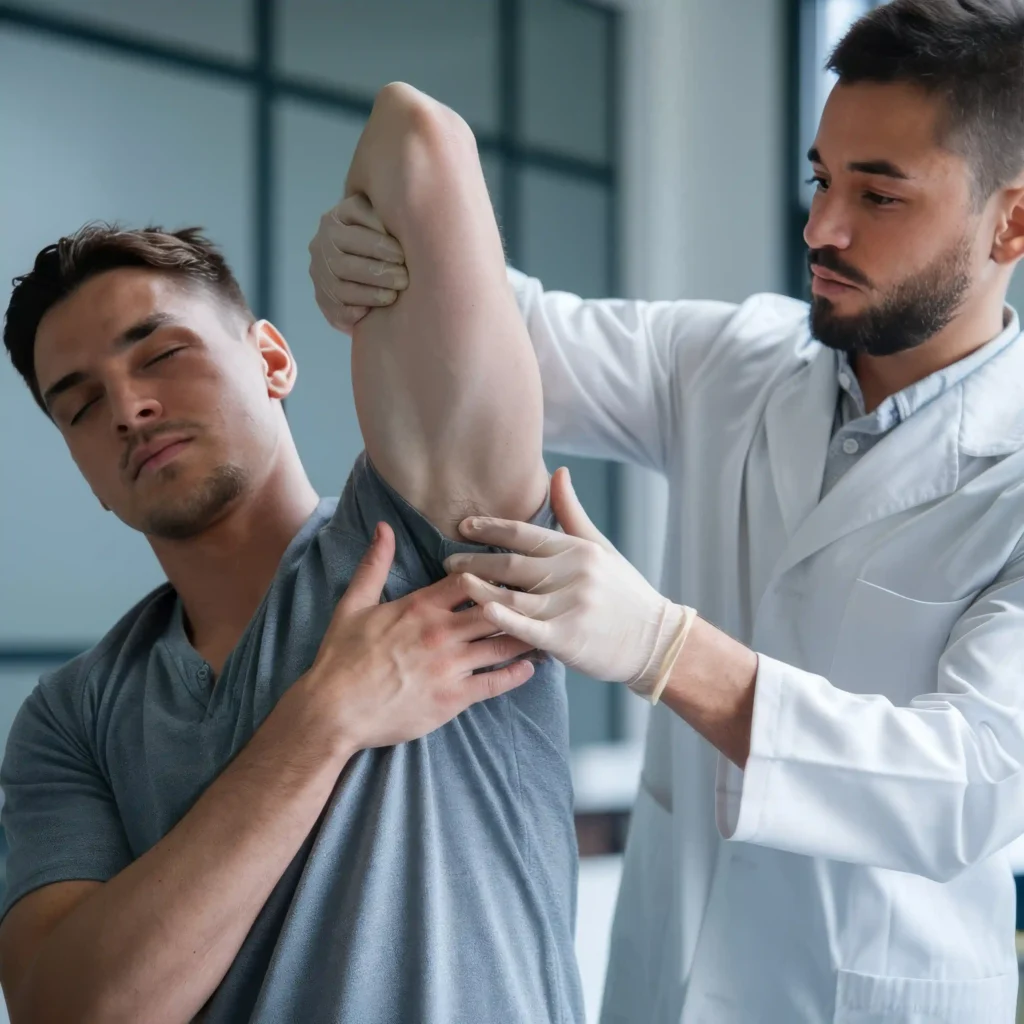
Home Physiotherapy

We understand that some conditions or injuries can make it difficult to receive rehabilitation at our clinic be it mobility or transportation issues. Our objective is to provide you with the same high-quality physiotherapy services at home that you would receive in-clinic.
Posted on

Physiotherapy Malaysia for Tendonitis & Ligament Injuries

Physiotherapy Malaysia
Synapse Physiotherapy

Introduction

Injuries to tendons and ligaments are incredibly common, whether from sports, accidents, or repetitive strain. These injuries, though often underestimated, can significantly impact mobility, quality of life, and daily functioning. Fortunately, Physiotherapy Malaysia has emerged as a reliable and effective solution for managing and recovering from such injuries.

Physiotherapy in Malaysia has grown in both accessibility and reputation, offering world-class care through evidence-based practices, modern equipment, and personalised treatment approaches. Whether you’re dealing with tendonitis, a condition marked by inflammation or irritation of a tendon or a ligament injury such as an ankle sprain or ACL tear, physiotherapists across the country are well-equipped to support your recovery journey.

Malaysian physiotherapy clinics cater to a wide demographic, from athletes to office workers, children to the elderly. With an emphasis on holistic, non-invasive methods, Physiotherapy Malaysia not only focuses on healing the current injury but also on preventing future issues through education, strengthening, and biomechanical correction.

In this article, we’ll dive into how physiotherapy helps treat tendonitis and ligament injuries, explore the techniques used by professionals in Malaysia, and share why early intervention can make all the difference.

What Are Tendonitis and Ligament Injuries?

Before we get into treatment, it’s essential to understand the nature of these injuries.

Tendonitis is the inflammation or irritation of a tendon, the thick cord that attaches muscle to bone. It typically results from repetitive strain or overuse, and it’s most common in the shoulder, elbow, knee, wrist, and heel. Conditions like tennis elbow, golfer’s elbow, Achilles tendonitis, and rotator cuff tendonitis fall under this category.

On the other hand, ligament injuries involve damage to the ligaments, fibrous connective tissues that connect bones across joints and provide stability. These injuries often occur due to sudden trauma or awkward movement, such as twisting the ankle or knee. They can range from mild sprains (Grade I) to partial tears (Grade II) or complete ruptures (Grade III).

Though these conditions differ in terms of structure and cause, both share similar symptoms like pain, swelling, stiffness, and reduced range of motion.

How Physiotherapy in Malaysia Supports Recovery

Physiotherapy Malaysia is known for its integrated, patient-centred approach. Rather than relying solely on medication or surgery, physiotherapy emphasises natural recovery through guided exercise, manual therapy, and targeted treatments.

1. Pain Reduction and Inflammation Control

Early treatment focuses on reducing inflammation and managing pain. Modalities such as ice therapy, ultrasound, shockwave therapy, and TENS (Transcutaneous Electrical Nerve Stimulation) are commonly used in Malaysian clinics.

2. Restoring Mobility and Flexibility

Once pain subsides, physiotherapists work on restoring joint movement and flexibility through gentle stretching and joint mobilisation techniques.

3. Strengthening the Affected Area

Strengthening exercises are introduced to rebuild muscle and tendon/ligament resilience, preventing re-injury. Eccentric exercises are especially effective in these cases.

4. Rehabilitation and Return to Activity

For athletes or active individuals, sport-specific rehabilitation helps ensure a safe return to previous levels of activity. For others, the goal is a full return to daily living and work. You can explore more on this through our Sports Physiotherapy programme.

Techniques Commonly Used in Malaysian Physiotherapy Clinics

Malaysian physiotherapists use a wide variety of modern and traditional techniques to treat tendonitis and ligament injuries effectively. These include:

1. Manual Therapy

Includes hands-on joint mobilisations, soft tissue massage, trigger point therapy, and myofascial release.

2. Exercise Therapy

Customised rehab programmes that strengthen muscles, improve joint stability, and correct movement imbalances.

3. Dry Needling & Cupping

These are popular complementary techniques in Malaysia. Dry needling helps reduce muscle tension, while cupping can improve circulation and tissue healing.

4. Taping and Bracing

Taping methods like Kinesio Taping provide support during movement and reduce strain on healing tissues.

5. Electrotherapy

Techniques like ultrasound therapy and TENS are used to reduce pain and accelerate healing.

Benefits of Early Physiotherapy Intervention

When it comes to tendonitis and ligament injuries, early intervention can make a huge difference. Here’s why:

1. Prevents Chronic Pain

Untreated tendon or ligament issues may lead to chronic conditions, limiting mobility and function in the long term.

2. Speeds Up Recovery

Prompt treatment can significantly shorten the healing period.

3. Improves Outcomes

Early physiotherapy ensures the injury heals correctly, minimising the risk of re-injury or compensatory problems in other joints or muscles.

4. Reduces Need for Surgery

With the right physiotherapy, many moderate injuries can be treated non-surgically. Learn more about our pain management solutions and how they can aid recovery.

What to Expect During a Physiotherapy Session in Malaysia

Your first visit typically starts with a thorough assessment. The physiotherapist will take a detailed history, ask about your lifestyle, conduct a physical exam, and possibly refer you for imaging (like ultrasound or MRI) if necessary.

From there, you’ll receive a tailored treatment plan, which might include:

  • Initial pain management strategies

  • A progressive exercise plan

  • Advice on lifestyle changes or ergonomics

  • Education on posture and movement patterns

  • Regular progress evaluations and adjustments

Sessions are usually 30 to 60 minutes long, and frequency depends on the severity of the injury.

Finding the Right Physiotherapy Clinic in Malaysia

When searching for a physiotherapy provider, consider the following:

  • Qualifications and Experience: Ensure the clinic employs licensed, experienced physiotherapists with a track record of treating musculoskeletal injuries.

  • Treatment Approach: Look for clinics that provide personalised, evidence-based care rather than one-size-fits-all solutions.

  • Facilities and Equipment: Modern clinics often have advanced rehab tools and equipment for a more effective recovery process.

  • Location and Accessibility: Choose a clinic conveniently located near your home or workplace to encourage consistency in appointments.

Malaysia boasts many reputable physiotherapy centres in major cities like Kuala Lumpur, Petaling Jaya, Penang, Johor Bahru, and Shah Alam. Many of these clinics also offer home visits and telehealth services for greater convenience.

Frequently Asked Questions (FAQs)

1. How long does it take to recover from tendonitis with physiotherapy?

Recovery time varies depending on the severity, but most patients notice improvement within 4 to 6 weeks of consistent physiotherapy.

2. Can physiotherapy completely heal ligament injuries?

Mild to moderate ligament injuries can heal fully with physiotherapy. Severe tears might require surgical consultation, but physiotherapy is still key in recovery.

3. Are the techniques used in Malaysian clinics safe?

Yes, techniques like manual therapy, electrotherapy, and dry needling are evidence-based and safely administered by qualified professionals.

4. Do I need a doctor’s referral to start physiotherapy in Malaysia?

In most cases, no referral is needed. You can directly contact a clinic and schedule an assessment with a physiotherapist.

5. Is physiotherapy suitable for elderly individuals with ligament damage?

Absolutely. Physiotherapy Malaysia is tailored for all age groups, and many clinics offer specialised programmes for seniors to support gentle, effective healing.

Conclusion

Tendonitis and ligament injuries may be frustrating, but with the right care, recovery is well within reach. Physiotherapy Malaysia provides a comprehensive, patient-focused approach to healing these injuries through a combination of manual therapy, targeted exercises, pain management techniques, and education. 

Whether you’re an athlete or simply trying to get back to daily life without pain, seeking help from a qualified physiotherapist in Malaysia can put you on the path to full recovery and long-term wellness.

Learn more about our qualified team and services to start your journey today.

Share This :

Back & Neck Pain

Conditions such as stiffness, postural abnormalities and muscle overuse from prolonged desk work at the office or home is more prevalent than most would think. We provide the necessary tools to fix you up and educate you on ergonomics which can unload unnecessary stress.

Sports Injuries

Rolled ankles, jarred knees, impinged shoulders are few conditions in the plethora of sports injuries which can hamper performance and limit our enjoyment of sports. Physiotherapy not only treats the symptoms of these conditions but propels your overall fitness to greater heights.

Work Desk Injuries​

Conditions such as stiffness, postural abnormalities and muscle overuse from prolonged desk work at the office or home is more prevalent than most would think. We provide the necessary tools to fix you up and educate you on ergonomics which can unload unnecessary stress.

Pre-Post-Surgical Conditions

Surgery involves going through preparation both before and after. Physiotherapists play a vital role in getting your body ready for surgeries with circulatory, breathing and strengthening exercises. After the procedure, let us be there for your recovery and rehabilitation, taking it one step at a time.

Scoliosis & Postural Abnormalities

The way we stand, sit, walk and sleep has influence over our posture and the overall balance of muscles controlling its alignment. A comprehensive screening can be done by our physiotherapists to detect abnormalities, which we will aid in correcting.

Neurological Conditions

Neurological disabilities such as stroke, nerve compression and neuropathies can be barriers for patients to live life to its fullest. We at Synapse are committed to help you overcome these hurdles by ensuring functional mobility and quality of life is at its optimum by providing the right treatment and exercises.

Osteoarthritis & Rheumatism

Joint degeneration and inflammation happens as the human body grows older, but that does not mean our way of life degenerates as well. Relief your joint pains with a joint effort together with your physiotherapist, who will provide pain-relief treatments and prescribe exercises for your wellbeing.

Conditions Relating To Elderly

Common conditions in the older age population include hips & knee pain, back & neck pain, osteoarthritis, rheumatism, fear of falling and many more.  Aging and degeneration of bodily function is inevitable, but here at Synapse, we will help you live the best of your life.
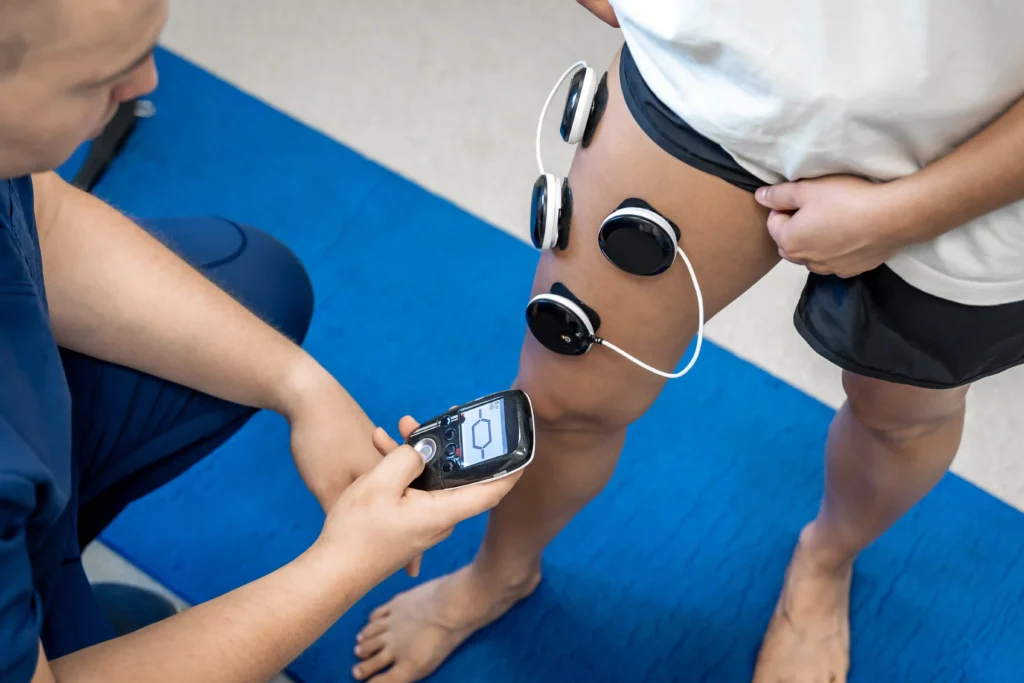
Home Physiotherapy

We understand that some conditions or injuries can make it difficult to receive rehabilitation at our clinic be it mobility or transportation issues. Our objective is to provide you with the same high-quality physiotherapy services at home that you would receive in-clinic.
Posted on

Physiotherapy Petaling Jaya for Stroke Recovery

physiotherapy petaling jaya
Synapse Physiotherapy

Introduction

Recovering from a stroke is a journey that requires patience, persistence, and the right therapeutic support. For residents in the Klang Valley, physiotherapy Petaling Jaya offers a beacon of hope. As one of the most vibrant and medically advanced areas in Selangor, Petaling Jaya is home to numerous physiotherapy centres equipped with the expertise and facilities to guide stroke survivors on their road to recovery.

The role of physiotherapy in stroke rehabilitation cannot be overstated. It helps patients regain movement, improve balance, build strength, and relearn daily tasks that may have been lost due to neurological damage. In Petaling Jaya, physiotherapists provide personalised rehabilitation plans that cater to each individual’s functional goals, level of impairment, and overall health. Whether the stroke has affected speech, mobility, coordination, or independence, targeted physiotherapy interventions can dramatically improve quality of life.

Stroke recovery isn’t just about physical healing, it’s about reclaiming the ability to live life with dignity and purpose. Fortunately, in Petaling Jaya, physiotherapy clinics combine evidence-based techniques, modern technology, and compassionate care to support that very goal.

Understanding Stroke and Its Impact

A stroke occurs when the blood supply to part of the brain is interrupted or reduced, depriving brain tissue of oxygen and nutrients. Within minutes, brain cells begin to die. The aftermath can vary greatly depending on the location and extent of the damage. Some people may experience mild weakness, while others may lose the ability to walk, speak, or even comprehend language.

Common Post-Stroke Challenges

Some of the most common complications include:

  • Paralysis or weakness on one side of the body (hemiparesis)
  • Difficulty with speech and language (aphasia)

  • Impaired coordination and balance

  • Muscle stiffness and spasms

  • Fatigue and cognitive challenges

These complications can significantly affect a person’s ability to function independently. Fortunately, with the right physiotherapy plan, many stroke survivors make substantial improvements.

Why Choose Physiotherapy in Petaling Jaya?

Skilled Practitioners

Petaling Jaya is home to experienced physiotherapists who specialise in neurorehabilitation. They are trained to assess post-stroke deficits and tailor interventions that evolve as the patient progresses.

Comprehensive Facilities

Moreover, many physiotherapy centres in PJ offer advanced equipment such as robotic-assisted therapy, gait trainers, parallel bars, functional electrical stimulation (FES), and virtual reality tools to assist with movement retraining and cognitive stimulation.

Personalised Treatment Plans

Stroke recovery is not one-size-fits-all. Therefore, each patient’s treatment plan in Petaling Jaya is customised, considering age, type of stroke, severity of symptoms, and personal recovery goals.

Multidisciplinary Collaboration

Importantly, in PJ, physiotherapists often work closely with occupational therapists, speech-language pathologists, and doctors to deliver a well-rounded rehabilitation programme.

Learn more about our Neurological Rehabilitation services

What to Expect During Stroke Rehabilitation

When you or your loved one begins physiotherapy after a stroke, the journey typically starts with an initial assessment. This assessment may cover mobility, muscle tone, joint range of motion, reflexes, and balance. Based on this evaluation, the therapist sets short-term and long-term goals.

Typical Physiotherapy Treatments for Stroke Recovery

  • Gait Training: Helping patients learn to walk again or improve walking patterns.

  • Balance and Coordination Exercises: Reducing fall risks and improving stability.

  • Strength Training: Rebuilding muscle strength in weakened limbs.

  • Range of Motion Therapy: Preventing stiffness and maintaining flexibility.

  • Functional Training: Re-learning everyday activities like dressing, bathing, or cooking.

Furthermore, therapists use motivational strategies to help patients stay engaged, as recovery can sometimes be emotionally draining. Sessions are paced according to individual tolerance levels to prevent burnout or discouragement.

Benefits of Early Physiotherapy Intervention

One of the most critical factors influencing stroke recovery is the timing of rehabilitation. The earlier physiotherapy begins, the better the outcomes tend to be.

Key Benefits of Early Intervention

  • Faster neural reorganisation (neuroplasticity)

  • Prevention of muscle contractures and joint deformities

  • Reduced risk of complications like pressure sores or deep vein thrombosis (DVT)

  • Improved long-term functional independence

In Petaling Jaya, physiotherapy centres understand the urgency and often accommodate stroke patients quickly to initiate this vital early-stage rehab.

Long-Term Support for Stroke Survivors

While significant gains are often made in the first few months after a stroke, recovery can continue for years, especially with consistent therapy. In Petaling Jaya, many physiotherapy providers offer long-term support, including:

  • Home-based physiotherapy for those with limited mobility

  • Community reintegration programmes to help patients return to work or social activities

  • Caregiver training, so family members know how to assist safely and effectively

  • Wellness and maintenance programmes, focusing on fitness, fall prevention, and quality of life

This long-term approach recognises that stroke recovery doesn’t end when therapy does, it’s an ongoing process that benefits greatly from continued professional input.

Explore our Home Visit services for long-term recovery support

Choosing the Right Physiotherapy Centre in Petaling Jaya

What to Look For

Selecting the right physiotherapy provider is crucial for successful stroke rehabilitation. Therefore, here are a few things to look for when evaluating a centre in PJ:

  • Does the clinic have experience treating stroke patients?

  • Are the physiotherapists certified in neurorehabilitation?

  • Is there access to specialised equipment for neurological recovery?

  • Do they offer home visits or virtual consultations if needed?

  • Can they coordinate with your doctor or neurologist?

In addition, client testimonials and success stories can also be valuable indicators of the quality of care provided.

Frequently Asked Questions (FAQs)

1. When should physiotherapy begin after a stroke?

Ideally, physiotherapy should begin as early as possible, even within 24 to 48 hours post-stroke if the patient is medically stable. Early intervention can accelerate recovery and prevent complications.

2. How long does stroke rehabilitation usually take?

The duration of stroke rehabilitation varies depending on the severity of the stroke and the patient’s progress. It can last from several weeks to months or even years with ongoing support.

3. Can physiotherapy help with speech and cognitive issues?

Yes, while physiotherapists primarily focus on mobility and physical function, they often work with speech-language pathologists to address speech and cognitive challenges as part of a multidisciplinary approach.

4. What if the patient cannot travel to the clinic?

Many centres in Petaling Jaya offer home-based physiotherapy for patients who have limited mobility or transportation issues, making it more accessible and convenient.

5. Is physiotherapy still effective years after a stroke?

Absolutely. Even years after a stroke, physiotherapy can help maintain function, improve mobility, and enhance the quality of life through targeted exercises and interventions.

Stroke Recovery Is Possible With the Right Help

While the effects of a stroke can be life-changing, they don’t have to be life-defining. With expert guidance from physiotherapy Petaling Jaya professionals, stroke survivors can make meaningful strides toward regaining independence, confidence, and a better quality of life.

Whether you’re looking for early rehabilitation following a hospital discharge or seeking long-term support for chronic symptoms, physiotherapy Petaling Jaya clinics offer the tools, expertise, and compassion needed for recovery.

Learn more about the conditions we treat at Synapse Physiotherapy

Share This :

Back & Neck Pain

Conditions such as stiffness, postural abnormalities and muscle overuse from prolonged desk work at the office or home is more prevalent than most would think. We provide the necessary tools to fix you up and educate you on ergonomics which can unload unnecessary stress.

Sports Injuries

Rolled ankles, jarred knees, impinged shoulders are few conditions in the plethora of sports injuries which can hamper performance and limit our enjoyment of sports. Physiotherapy not only treats the symptoms of these conditions but propels your overall fitness to greater heights.

Work Desk Injuries​

Conditions such as stiffness, postural abnormalities and muscle overuse from prolonged desk work at the office or home is more prevalent than most would think. We provide the necessary tools to fix you up and educate you on ergonomics which can unload unnecessary stress.

Pre-Post-Surgical Conditions

Surgery involves going through preparation both before and after. Physiotherapists play a vital role in getting your body ready for surgeries with circulatory, breathing and strengthening exercises. After the procedure, let us be there for your recovery and rehabilitation, taking it one step at a time.

Scoliosis & Postural Abnormalities

The way we stand, sit, walk and sleep has influence over our posture and the overall balance of muscles controlling its alignment. A comprehensive screening can be done by our physiotherapists to detect abnormalities, which we will aid in correcting.

Neurological Conditions

Neurological disabilities such as stroke, nerve compression and neuropathies can be barriers for patients to live life to its fullest. We at Synapse are committed to help you overcome these hurdles by ensuring functional mobility and quality of life is at its optimum by providing the right treatment and exercises.

Osteoarthritis & Rheumatism

Joint degeneration and inflammation happens as the human body grows older, but that does not mean our way of life degenerates as well. Relief your joint pains with a joint effort together with your physiotherapist, who will provide pain-relief treatments and prescribe exercises for your wellbeing.

Conditions Relating To Elderly

Common conditions in the older age population include hips & knee pain, back & neck pain, osteoarthritis, rheumatism, fear of falling and many more.  Aging and degeneration of bodily function is inevitable, but here at Synapse, we will help you live the best of your life.

Home Physiotherapy

We understand that some conditions or injuries can make it difficult to receive rehabilitation at our clinic be it mobility or transportation issues. Our objective is to provide you with the same high-quality physiotherapy services at home that you would receive in-clinic.
Posted on

Sports Massage for Cyclists | Reduce Stiffness & Improve

Sports Massage
Sports Massage
Synapse Physiotherapy

Introduction

Cycling is an excellent sport that combines endurance, strength, and stamina. But with repetitive pedalling, long hours in a fixed posture, and the physical demands of intense rides, many cyclists, whether amateur or professional, are no strangers to muscle tightness and fatigue. One of the most effective ways to support your cycling performance and recovery is through sports massage.

Sports massage is a specialised form of massage therapy focused on athletes. It helps prevent injury, enhances performance, and reduces muscle tension after physical activity. For cyclists, in particular, it targets the muscle groups most involved in cycling such as the quads, hamstrings, calves, glutes, and lower back relieving stiffness and improving flexibility. It’s not just about feeling good; sports massage plays a key role in functional recovery, muscle health, and long-term performance sustainability.

In this article, we’ll explore how sports massage benefits cyclists, how it differs from other massage techniques, when to schedule your sessions, and what to expect before and after a treatment. Whether you’re a weekend rider or training for a century ride, understanding the power of sports massage can help you ride stronger and recover faster.

Why Cyclists Get Tight and Sore

Cycling requires continuous lower body motion, with the same muscles contracting repetitively over time. Additionally, poor posture on the bike, especially on long rides can lead to tight hips, stiff hamstrings, and an achy lower back.

Key Contributors to Stiffness and Soreness

Several factors often contribute to muscular tightness and soreness:

  • Repetitive movement: Cycling relies heavily on the same muscle patterns.


  • Sustained posture: Being hunched over handlebars strains the neck, shoulders, and back.


  • Limited cross-training: Cyclists who don’t stretch or cross-train can develop muscular imbalances.


  • Intense training schedules: Limited recovery time between rides can prevent muscle repair.


Although proper warm-ups and cooldowns certainly help, they often aren’t enough to address chronic tightness or post-ride fatigue. This is where sports massage makes a noticeable difference.

Benefits of Sports Massage for Cyclists

The advantages of sports massage extend beyond relaxation. Here are some of the most impactful benefits:

1. Reduces Muscle Stiffness

Tight muscles reduce your range of motion and make pedalling less efficient. Sports massage works deep into the muscle layers to release adhesions and improve elasticity, which means smoother rides and less discomfort.

2. Speeds Up Recovery

After a long or intense ride, your muscles accumulate metabolic waste such as lactic acid. By increasing circulation, sports massage helps flush out these byproducts and promotes faster healing.

3. Improves Flexibility

Massage techniques such as myofascial release and stretching can significantly increase flexibility in the hips, hamstrings, and calves are essential areas for cyclists aiming for an efficient pedal stroke.

4. Prevents Injury

By addressing muscle imbalances and reducing tension in overworked areas, sports massage helps prevent common cycling injuries like IT band syndrome, knee pain, and lower back strain.

5. Enhances Performance

When your muscles are well-maintained, they naturally perform better. Less stiffness, better blood flow, and quicker recovery all contribute to long-term riding performance improvements.

For additional support with injury prevention, consider exploring our Sports Physiotherapy programme.

What to Expect During a Sports Massage Session

Sports massage is more targeted than a relaxation massage. Initially, the therapist will assess your posture, identify tight areas, and focus on specific muscles relevant to your cycling activity.

Techniques You May Experience

Expect a mix of techniques such as:

  • Deep tissue massage to address muscle knots and adhesions.


  • Trigger point therapy to relieve referred pain areas.


  • Stretching techniques to lengthen shortened muscles.


  • Myofascial release loosens the connective tissue that can restrict movement.


Some discomfort is normal, especially if you’re particularly tight; however, the pressure should always be tolerable. Therefore, be sure to communicate with your therapist about any sensitive areas or injuries.

When Should Cyclists Get a Sports Massage?

The frequency and timing of your sports massage sessions will depend on your training load, goals, and recovery needs. Below are general guidelines:

Suggested Timings

  • Pre-event massage (1–2 days before): Light massage to loosen muscles, reduce anxiety, and prepare your body for the event.


  • Post-event massage (1–2 days after): More focused on recovery, flushing out waste, and reducing soreness.


  • Regular maintenance (every 1–2 weeks): Ideal for ongoing flexibility, performance, and injury prevention.


  • Rehabilitation massage: Used alongside physiotherapy to aid in recovering from a cycling-related injury.


To enhance your maintenance plan, you may benefit from our Strength & Conditioning programme, which supports muscle balance and injury resilience.

Self-Care Tips Between Sessions

While regular sports massage sessions are immensely beneficial, combining them with daily self-care practices will amplify results.

Tips to Support Your Massage Results

  • Stretch consistently: Focus on hip flexors, quads, hamstrings, and calves.


  • Use a foam roller: Target trigger points and tight areas between sessions.


  • Hydrate well: Massage releases toxins from the muscles while hydration helps flush them out.


  • Rest when needed: Listen to your body and avoid overtraining.


  • Strength train: Build support muscles to balance out overused cycling muscles.


Furthermore, our Pain Management services may complement your recovery approach if you are experiencing chronic discomfort.

Common Cycling Issues That Sports Massage Can Help With

Many cyclists face recurring problems that regular sports massage can effectively manage or prevent.

Issue

How Sports Massage Helps

Lower back pain

Relieves tight glutes and hip flexors that pull on the spine

Knee pain

Addresses the tight IT band and quads that affect knee tracking

Neck and shoulder tension

Loosens the trapezius and upper back muscles from poor posture

Numbness in hands

Reduces tension in shoulders and arms to improve nerve function

Hamstring tightness

Enhances flexibility and prevents strain during long rides

Frequently Asked Questions (FAQs)

1. How often should cyclists get a sports massage?

Most cyclists benefit from a sports massage every 1–2 weeks, but this varies depending on training intensity and recovery needs.

2. Can sports massage help with cycling-related knee pain?

Yes, sports massage addresses muscular tension in the quads and IT band, which often contributes to knee pain in cyclists.

3. Is sports massage painful?

Some discomfort is common, especially in tight areas, but a professional therapist will always work within your pain threshold.

4. When is the best time to book a sports massage before a cycling event?

Ideally, schedule a light sports massage 1–2 days before the event to loosen muscles and boost circulation without causing soreness.

5. Can I combine sports massage with physiotherapy?

Absolutely. Many cyclists pair sports massage with sports physiotherapy or other treatments for comprehensive recovery.

Final Thoughts

Sports massage is more than just a feel-good treatment,it’s a powerful tool for any cyclist looking to ride more efficiently, recover faster, and prevent injury. By focusing on the muscle groups most affected by cycling and tailoring treatment to your training needs, sports massage can be the missing link in your performance and recovery strategy.

Whether you’re a weekend warrior or training for your next race, incorporating sports massage into your routine is a smart move. Pair it with regular stretching, hydration, and strength work, and you’ll notice the difference not just on your bike, but in how your body feels day to day.

If you’re a cyclist who’s never tried sports massage, now’s the time to experience the benefits firsthand. Your legs will thank you, your rides will feel smoother, and your body will be better prepared to meet every cycling challenge ahead.

For more guidance on recovery and performance, explore our About Synapse Physiotherapy Centre or visit our Homepage for full services.

Share This :

Back & Neck Pain

Conditions such as stiffness, postural abnormalities and muscle overuse from prolonged desk work at the office or home is more prevalent than most would think. We provide the necessary tools to fix you up and educate you on ergonomics which can unload unnecessary stress.

Sports Injuries

Rolled ankles, jarred knees, impinged shoulders are few conditions in the plethora of sports injuries which can hamper performance and limit our enjoyment of sports. Physiotherapy not only treats the symptoms of these conditions but propels your overall fitness to greater heights.

Work Desk Injuries​

Conditions such as stiffness, postural abnormalities and muscle overuse from prolonged desk work at the office or home is more prevalent than most would think. We provide the necessary tools to fix you up and educate you on ergonomics which can unload unnecessary stress.

Pre-Post-Surgical Conditions

Surgery involves going through preparation both before and after. Physiotherapists play a vital role in getting your body ready for surgeries with circulatory, breathing and strengthening exercises. After the procedure, let us be there for your recovery and rehabilitation, taking it one step at a time.

Scoliosis & Postural Abnormalities

The way we stand, sit, walk and sleep has influence over our posture and the overall balance of muscles controlling its alignment. A comprehensive screening can be done by our physiotherapists to detect abnormalities, which we will aid in correcting.

Neurological Conditions

Neurological disabilities such as stroke, nerve compression and neuropathies can be barriers for patients to live life to its fullest. We at Synapse are committed to help you overcome these hurdles by ensuring functional mobility and quality of life is at its optimum by providing the right treatment and exercises.

Osteoarthritis & Rheumatism

Joint degeneration and inflammation happens as the human body grows older, but that does not mean our way of life degenerates as well. Relief your joint pains with a joint effort together with your physiotherapist, who will provide pain-relief treatments and prescribe exercises for your wellbeing.

Conditions Relating To Elderly

Common conditions in the older age population include hips & knee pain, back & neck pain, osteoarthritis, rheumatism, fear of falling and many more.  Aging and degeneration of bodily function is inevitable, but here at Synapse, we will help you live the best of your life.
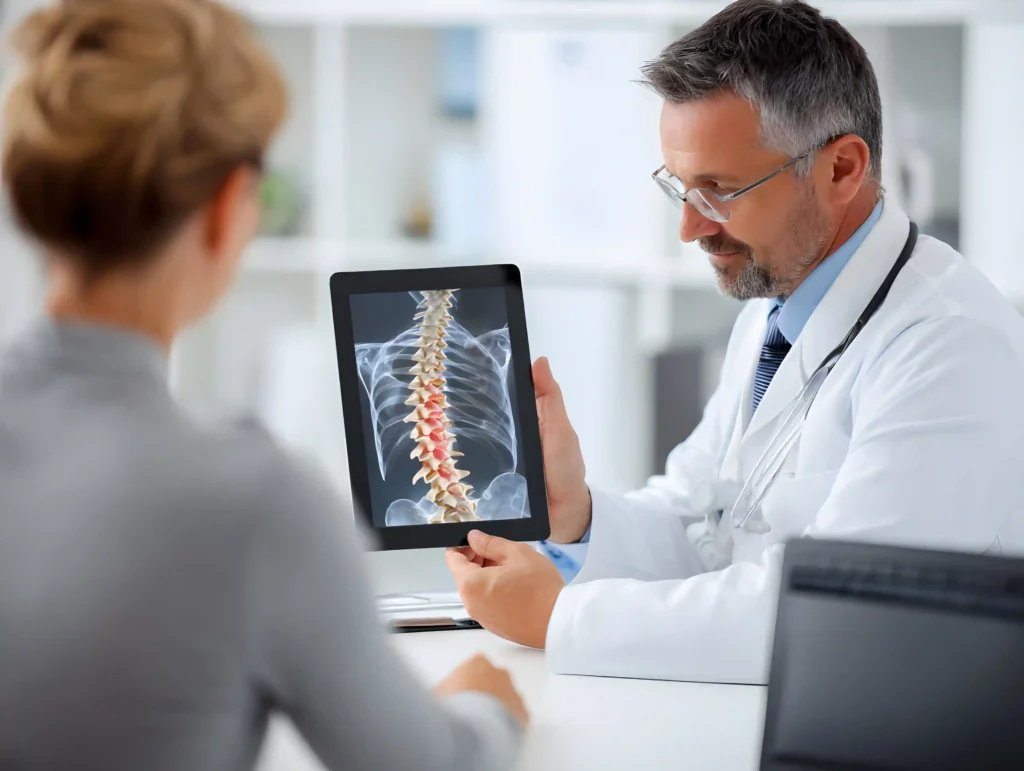
Home Physiotherapy

We understand that some conditions or injuries can make it difficult to receive rehabilitation at our clinic be it mobility or transportation issues. Our objective is to provide you with the same high-quality physiotherapy services at home that you would receive in-clinic.
Posted on

Shockwave Therapy for Plantar Fasciitis Relief

shockwave therapy
shockwave therapy
Synapse Physiotherapy

Introduction

Plantar fasciitis is one of the most common causes of heel pain, affecting millions of people worldwide. Traditional treatments for plantar fasciitis include rest, physical therapy, orthotics, and anti-inflammatory medications. However, many patients find that their pain persists despite these measures. This is where Shockwave Therapy (Extracorporeal Shockwave Therapy or ESWT) emerges as a game-changing treatment option.

In this article, we’ll explore how shockwave therapy works, its benefits, and why it is becoming a preferred treatment for plantar fasciitis relief.

What is Shockwave Therapy?

Shockwave Therapy is a non-invasive treatment that uses high-energy sound waves to stimulate healing in musculoskeletal conditions, including plantar fasciitis. It involves a handheld probe that is positioned over and moved around the base of the heel, arch of the foot, or Achilles tendon at the back of the heel. The probe delivers high-energy acoustic sound waves that expand as they travel through the foot. These waves stimulate tissue regeneration, enhance blood circulation, and break down scar tissue, accelerating the healing process. This therapy is commonly used alongside other treatments to provide a long-term solution for plantar fasciitis. 

What is Plantar Fasciitis?

Plantar fasciitis is a condition characterized by inflammation of the plantar fascia, a thick, fibrous band of tissue that runs along the bottom of the foot, connecting the heel bone to the toes. It plays a crucial role in supporting the arch of the foot and absorbing shock while walking or running. Similar to a strong rubber band, the plantar fascia provides both flexibility and stability to the foot.

When the plantar fascia is subjected to excessive stress, repetitive strain, or overstretching, tiny tears can develop, leading to irritation and inflammation. This results in persistent heel pain, particularly during the first steps in the morning or after long periods of inactivity. While plantar fasciitis often affects one foot, both feet can experience symptoms simultaneously.

Common risk factors include prolonged standing, excessive running, high-impact activities, improper footwear, and obesity. Left untreated, plantar fasciitis can lead to chronic discomfort and altered walking patterns that may contribute to additional foot, knee, or hip problems.

How Does Shockwave Therapy Work for Plantar Fasciitis?

Shockwave Therapy is an advanced treatment designed to address the underlying causes of plantar fasciitis by utilizing focused sound waves that penetrate deep into the affected tissues. The therapy initiates a biological response that encourages the body to repair itself naturally.

During treatment, a handheld probe is applied to the affected area, emitting controlled pulses of acoustic energy. These waves create microtrauma within the plantar fascia, stimulating the body’s repair mechanisms. The effects of shockwave therapy include:

  • Encourages Cellular Regeneration – Stimulates the production of collagen, a vital protein necessary for repairing damaged tissues.
  • Enhances Metabolic Activity – Increases cell activity and promotes the removal of waste products from inflamed tissues.
  • Triggers a Natural Pain-Relief Response – Promotes the release of endorphins and other pain-modulating chemicals in the body.
  • Disrupts Chronic Pain Cycles – Interrupts nerve signaling pathways that perpetuate long-term pain sensations.
  • Restores Soft Tissue Elasticity – Helps the plantar fascia regain its natural flexibility, reducing tension and discomfort.

This therapy is particularly beneficial for individuals who have been suffering from chronic plantar fasciitis that has not improved with standard treatments. Unlike invasive procedures, shockwave therapy offers a non-surgical solution with minimal downtime, allowing patients to resume daily activities with ease. 

Benefits of Shockwave Therapy for Plantar Fasciitis

Shockwave therapy offers several benefits over traditional treatments:

1. Non-Invasive and Safe

Since shockwave therapy does not require incisions or anesthesia, it eliminates the risks associated with surgery. Patients can return to their normal activities shortly after treatment.

2. Pain Reduction and Faster Healing

Studies show that shockwave therapy significantly reduces pain and accelerates healing by improving blood flow and reducing inflammation. Many patients experience relief within a few sessions.

3. Effective for Chronic Cases

For individuals who have tried conservative treatments without success, shockwave therapy provides a viable alternative. It has been proven effective even in cases of long-term, stubborn plantar fasciitis.

4. Minimal Side Effects

The side effects of shockwave therapy are minimal and may include slight redness, swelling, or discomfort at the treatment site. These effects are temporary and usually resolve within a few days.

5. Improves Mobility and Quality of Life

By reducing pain and inflammation, shockwave therapy allows patients to walk, stand, and exercise comfortably again, improving their overall quality of life.

What to Expect During Shockwave Therapy Sessions

A typical shockwave therapy session lasts 15 to 30 minutes and involves the following steps:

  1. Assessment: The therapist evaluates the patient’s symptoms and locates the most painful areas.
  2. Application of Gel: A conductive gel is applied to the heel to enhance the transmission of shockwaves.
  3. Shockwave Delivery: The handheld device delivers controlled pulses to the plantar fascia.
  4. Post-Treatment Care: Patients receive aftercare instructions, which may include stretching exercises and activity modifications.

Most patients require  6 sessions, spaced one week apart, for optimal results.

Is Shockwave Therapy Right for You?

Shockwave therapy is an excellent option for individuals who:

  • Suffer from chronic plantar fasciitis lasting more than 6 months.
  • Have not found relief with traditional treatments like orthotics and physical therapy.
  • Want to avoid invasive procedures such as steroid injections or surgery.
  • Are active and need a faster recovery solution.

However, shockwave therapy may not be suitable for everyone. Patients with blood clotting disorders, infections, or pacemakers should consult their healthcare provider before undergoing treatment.

Conclusion: Take the Next Step Towards Pain Relief

At Synapse Physiotherapy, we are committed to delivering innovative treatments, such as shockwave therapy, to help our patients achieve lasting relief from plantar fasciitis. Our team of skilled professionals ensures personalized care tailored to your specific needs, allowing you to regain mobility and live pain-free. Whether you’re an athlete, a professional on your feet all day, or someone struggling with persistent heel pain, our expert physiotherapists are here to guide you on your journey to recovery. If you’re suffering from plantar fasciitis and looking for a safe, effective, and non-invasive treatment, shockwave therapy could be the solution you need. With proven success in reducing pain and promoting healing, this therapy offers hope for individuals struggling with chronic heel pain. Contact us now!

Share This :

Back & Neck Pain

Conditions such as stiffness, postural abnormalities and muscle overuse from prolonged desk work at the office or home is more prevalent than most would think. We provide the necessary tools to fix you up and educate you on ergonomics which can unload unnecessary stress.

Sports Injuries

Rolled ankles, jarred knees, impinged shoulders are few conditions in the plethora of sports injuries which can hamper performance and limit our enjoyment of sports. Physiotherapy not only treats the symptoms of these conditions but propels your overall fitness to greater heights.

Work Desk Injuries​

Conditions such as stiffness, postural abnormalities and muscle overuse from prolonged desk work at the office or home is more prevalent than most would think. We provide the necessary tools to fix you up and educate you on ergonomics which can unload unnecessary stress.

Pre-Post-Surgical Conditions

Surgery involves going through preparation both before and after. Physiotherapists play a vital role in getting your body ready for surgeries with circulatory, breathing and strengthening exercises. After the procedure, let us be there for your recovery and rehabilitation, taking it one step at a time.

Scoliosis & Postural Abnormalities

The way we stand, sit, walk and sleep has influence over our posture and the overall balance of muscles controlling its alignment. A comprehensive screening can be done by our physiotherapists to detect abnormalities, which we will aid in correcting.

Neurological Conditions

Neurological disabilities such as stroke, nerve compression and neuropathies can be barriers for patients to live life to its fullest. We at Synapse are committed to help you overcome these hurdles by ensuring functional mobility and quality of life is at its optimum by providing the right treatment and exercises.

Osteoarthritis & Rheumatism

Joint degeneration and inflammation happens as the human body grows older, but that does not mean our way of life degenerates as well. Relief your joint pains with a joint effort together with your physiotherapist, who will provide pain-relief treatments and prescribe exercises for your wellbeing.

Conditions Relating To Elderly

Common conditions in the older age population include hips & knee pain, back & neck pain, osteoarthritis, rheumatism, fear of falling and many more.  Aging and degeneration of bodily function is inevitable, but here at Synapse, we will help you live the best of your life.
Home Physiotherapy

We understand that some conditions or injuries can make it difficult to receive rehabilitation at our clinic be it mobility or transportation issues. Our objective is to provide you with the same high-quality physiotherapy services at home that you would receive in-clinic.
Posted on

Dry Needling Near Me | Fix Muscle Spasms Fast

dry needling near me
Synapse Physiotherapy

What Is Dry Needling?

Dry needling is a specialized therapy designed to relieve muscle pain and spasms by targeting trigger points using thin, sterile needles. Unlike acupuncture, which is rooted in traditional Chinese medicine, dry needling is based on modern anatomical and neurophysiological principles. Physiotherapists and healthcare professionals widely use this treatment to relieve tension, improve mobility, and accelerate healing.

If you’ve been struggling with persistent muscle spasms, stiffness, or pain, searching for dry needling near me can help you find a local expert to provide relief.

How Does Dry Needling Work?

Dry needling involves inserting a fine needle into specific muscle trigger points, which initiates a localized twitch response. This reaction enhances blood circulation, releases chemical mediators, and stimulates the nervous system. The combined effects help reduce pain and improve muscle function by addressing the root causes of muscle tightness. This technique works through a mix of mechanical, neurological, and chemical processes, primarily focused on disrupting tight muscle bands and altering pain signaling.

Key Physiological Mechanisms of Dry Needling:

  • Trigger Point Activation: The main target of dry needling is a myofascial trigger point (MTrP), a sensitive knot within a tight muscle band that can cause localized or referred pain.

  • Twitch Response Effect: When the needle stimulates a trigger point, it often causes an involuntary muscle twitch, which is considered a sign that the treatment is effectively engaging the muscle.

  • Enhanced Blood Circulation: Needle insertion promotes vasodilation, increasing blood flow to the affected area. This helps deliver essential oxygen and nutrients, aiding in muscle recovery and tension relief.

  • Neurotransmitter Release: Dry needling encourages the release of pain-relieving chemicals like endorphins, which help reduce discomfort and improve overall pain perception.

  • Muscle Relaxation: By breaking up tight muscle bands, this technique facilitates muscle relaxation and enhances flexibility and movement.

  • Central Nervous System Effects: Dry needling’s sensory input influences the central nervous system, potentially leading to widespread pain relief beyond the treated area.

Benefits of Dry Needling for Muscle Spasms

1. Effective Pain Relief

By directly targeting muscle trigger points, dry needling helps reduce pain and discomfort in common problem areas such as the neck, back, shoulders, and hips. It works by deactivating tight muscle knots, offering long-lasting relief.

2. Increased Flexibility & Mobility

Releasing tension within muscles enhances movement and flexibility. This makes dry needling particularly beneficial for athletes, individuals recovering from injuries, and those dealing with mobility restrictions.

3. Boosted Blood Circulation

The insertion of fine needles stimulates increased blood flow to the affected muscles, which accelerates healing, minimizes inflammation, and supports overall tissue repair.

4. Deep Muscle Relaxation

Dry needling helps relieve muscle stiffness and tightness, preventing spasms and promoting a deep sense of relaxation throughout the body.

5. Faster Recovery Time

By addressing the root cause of muscle pain and dysfunction, dry needling speeds up the recovery process for injuries, overuse conditions, and post-exercise soreness—helping individuals return to their regular activities more quickly.

6. Enhanced Nerve Function

Research suggests that dry needling can improve nerve signaling, leading to better muscle control, reduced nerve-related pain, and overall improved neuromuscular function.

  1. Minimally Invasive & Drug-Free

Dry needling does not involve medication or surgery, making it a natural and safe alternative to pain relief methods that rely on drugs.

What to Expect During a Dry Needling Session

If you’re considering dry needling, here’s what a typical session looks like:

  1. Initial Assessment – Your physiotherapist or healthcare provider will evaluate your symptoms, pain points, and medical history to determine if dry needling is right for you.
  2. Needle Insertion – Thin, sterile needles are inserted into trigger points. You may feel a slight prick or twitch, which indicates the muscle is responding.
  3. Muscle Response – As the needle stimulates the trigger point, you might experience muscle twitches or a mild aching sensation. This is a normal reaction.
  4. Post-Treatment Care – After the session, you may feel some soreness for 24–48 hours, similar to the sensation after an intense workout. Gentle stretching, hydration, and heat therapy can help relieve any discomfort.

Is Dry Needling Safe?

Yes, dry needling is a safe procedure when performed by a trained professional. The needles used are sterile and single-use, minimizing any risk of infection. Most patients tolerate the treatment well, with only minor side effects such as temporary soreness or mild bruising.

However, dry needling may not be suitable for individuals with certain medical conditions, such as blood clotting disorders or severe needle phobia. It’s always best to consult with a licensed provider before starting treatment.

How to Find the Best Dry Needling Provider Near You

When searching for “dry needling near me,” consider the following factors to find the best provider:

  • Check Credentials – Ensure the practitioner is a licensed physiotherapist or healthcare provider with certified dry needling training.
  •  Read Reviews – Look at patient reviews and testimonials to gauge the provider’s reputation and effectiveness.
  • Ask About Experience – Find out how many years of experience they have in treating conditions similar to yours.

  • Compare Pricing – Dry needling costs can vary, so inquire about session fees and any available packages.

FAQs About Dry Needling

1. Does dry needling hurt?

Most patients feel minimal discomfort. Some may experience a twitch response or mild soreness afterward, but it typically subsides within 24-48 hours.

2. How many sessions do I need?

The number of sessions depends on the severity of your condition. Some people feel relief after one session, while others may need multiple treatments for lasting results.

3. Is dry needling the same as acupuncture?

No. While both use thin needles, acupuncture is based on traditional Chinese medicine, focusing on energy flow, whereas dry needling targets muscle knots and trigger points based on modern medical science.

4. Can I do dry needling at home?

No. Dry needling should only be performed by a trained professional to ensure safety and effectiveness.

5. Who should avoid dry needling?

People with bleeding disorders, pregnancy, or a severe fear of needles should consult a doctor before considering dry needling.

Conclusion: Experience the Benefits of Dry Needling at Synapse Physiotherapy

If you’re struggling with muscle spasms, stiffness, or chronic pain, dry needling can be a highly effective solution to restore movement and relieve discomfort. By targeting trigger points, improving blood flow, and promoting muscle relaxation, this therapy accelerates healing and enhances overall physical function.

At Synapse Physiotherapy, our expert team specializes in dry needling and other advanced physiotherapy treatments to help you recover faster and feel your best. Don’t let muscle pain hold you back—book your session today and experience the relief you deserve!

Share This :

Back & Neck Pain

Conditions such as stiffness, postural abnormalities and muscle overuse from prolonged desk work at the office or home is more prevalent than most would think. We provide the necessary tools to fix you up and educate you on ergonomics which can unload unnecessary stress.

Sports Injuries

Rolled ankles, jarred knees, impinged shoulders are few conditions in the plethora of sports injuries which can hamper performance and limit our enjoyment of sports. Physiotherapy not only treats the symptoms of these conditions but propels your overall fitness to greater heights.

Work Desk Injuries​

Conditions such as stiffness, postural abnormalities and muscle overuse from prolonged desk work at the office or home is more prevalent than most would think. We provide the necessary tools to fix you up and educate you on ergonomics which can unload unnecessary stress.

Pre-Post-Surgical Conditions

Surgery involves going through preparation both before and after. Physiotherapists play a vital role in getting your body ready for surgeries with circulatory, breathing and strengthening exercises. After the procedure, let us be there for your recovery and rehabilitation, taking it one step at a time.

Scoliosis & Postural Abnormalities

The way we stand, sit, walk and sleep has influence over our posture and the overall balance of muscles controlling its alignment. A comprehensive screening can be done by our physiotherapists to detect abnormalities, which we will aid in correcting.

Neurological Conditions

Neurological disabilities such as stroke, nerve compression and neuropathies can be barriers for patients to live life to its fullest. We at Synapse are committed to help you overcome these hurdles by ensuring functional mobility and quality of life is at its optimum by providing the right treatment and exercises.

Osteoarthritis & Rheumatism

Joint degeneration and inflammation happens as the human body grows older, but that does not mean our way of life degenerates as well. Relief your joint pains with a joint effort together with your physiotherapist, who will provide pain-relief treatments and prescribe exercises for your wellbeing.

Conditions Relating To Elderly

Common conditions in the older age population include hips & knee pain, back & neck pain, osteoarthritis, rheumatism, fear of falling and many more.  Aging and degeneration of bodily function is inevitable, but here at Synapse, we will help you live the best of your life.
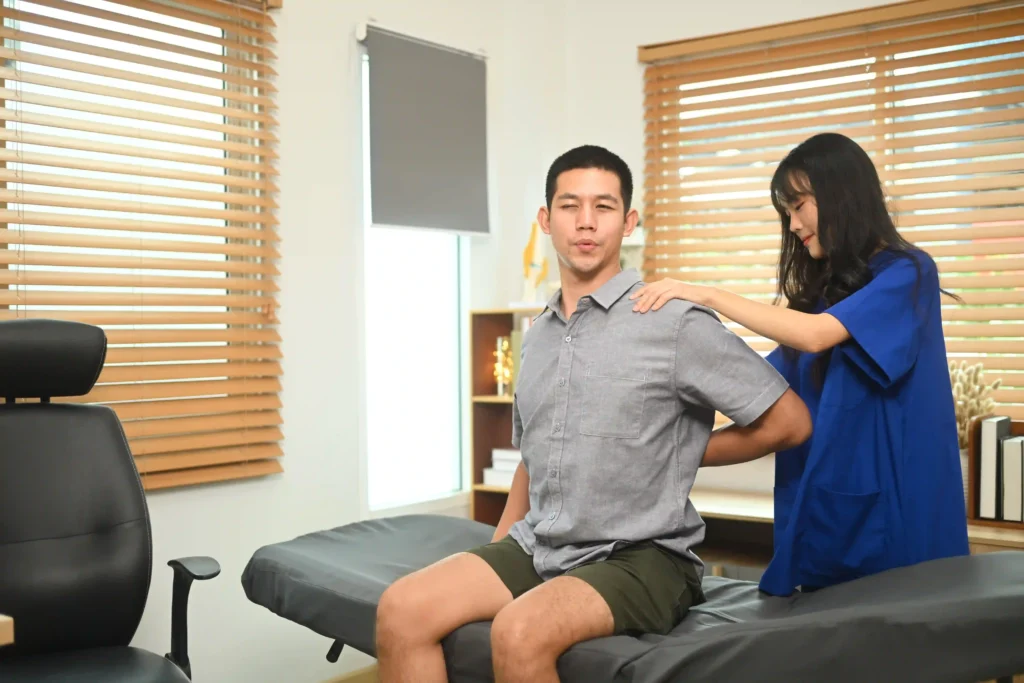
Home Physiotherapy

We understand that some conditions or injuries can make it difficult to receive rehabilitation at our clinic be it mobility or transportation issues. Our objective is to provide you with the same high-quality physiotherapy services at home that you would receive in-clinic.
Posted on

Physiotherapy Malaysia for Tendonitis & Ligament Injuries

Physiotherapy Malaysia
Synapse Physiotherapy

Physiotherapy Malaysia for Tendonitis & Ligament Injuries: Your Complete Recovery Guide

Tendonitis and ligament injuries are among the most common musculoskeletal problems affecting people across all age groups and activity levels. Whether you’re an athlete dealing with a sports injury, an office worker experiencing repetitive strain, or someone recovering from an accident, these conditions can significantly impact your mobility, strength, and overall quality of life. Fortunately, Physiotherapy Malaysia offers comprehensive, evidence-based treatment solutions that help patients recover fully and return to their active lifestyles.


In Malaysia, specialised physiotherapy clinics like Synapse Physiotherapy provide advanced rehabilitation programs tailored to treat tendon and ligament injuries effectively. With experienced physiotherapists, state-of-the-art facilities, and a patient-centred approach, Physiotherapy Malaysia has become a trusted resource for individuals seeking professional care and long-term recovery.

Understanding Tendonitis and Ligament Injuries

Before diving into treatment options, it’s essential to understand what these injuries involve and how they affect your body.

What is Tendonitis?

Tendonitis refers to the inflammation or irritation of a tendon — the thick fibrous cord that connects muscle to bone. This condition typically develops from repetitive motion, overuse, or sudden increases in physical activity. Common types of tendonitis include:

  • Rotator Cuff Tendonitis: Affects the shoulder, often seen in swimmers and overhead athletes
  • Tennis Elbow (Lateral Epicondylitis): Pain on the outer elbow from repetitive wrist and arm movements
  • Golfer’s Elbow (Medial Epicondylitis): Pain in the inner elbow
  • Patellar Tendonitis: Also known as “jumper’s knee,” common in basketball and volleyball players
  • Achilles Tendonitis: Affects the back of the heel, frequently seen in runners

Symptoms include pain, tenderness, mild swelling, and stiffness, especially during movement or activity.

What are Ligament Injuries?

Ligament injuries occur when the tough bands of tissue connecting bone to bone are stretched or torn. These injuries often result from sudden twisting motions, falls, or direct impacts. The most common ligament injuries include:

  • Ankle Sprains: Damage to ligaments on the outside or inside of the ankle
  • ACL Tears: Anterior cruciate ligament injuries in the knee, common in soccer and basketball
  • MCL Injuries: Medial collateral ligament damage, often from direct knee impact
  • Wrist Sprains: Typically from falling on an outstretched hand

Ligament injuries are graded from Grade I (mild stretch) to Grade III (complete tear), with symptoms ranging from mild discomfort to severe pain, swelling, bruising, and joint instability.

The Role of Physiotherapy Malaysia in Recovery

Physiotherapy Malaysia plays a vital role in both the treatment and prevention of tendonitis and ligament injuries. Through a combination of manual therapy, targeted exercises, patient education, and advanced modalities, physiotherapists help restore function, reduce pain, and prevent future injuries.

Phase 1: Pain and Inflammation Management

In the acute phase following injury, the primary goals are to control pain and reduce inflammation. Professional physiotherapy centres use various techniques, including:

  • Ice therapy and compression
  • Gentle manual therapy and soft tissue mobilisation
  • Ultrasound therapy to promote healing
  • Shockwave therapy for chronic tendonitis
  • Electrotherapy for pain relief

Phase 2: Restoring Range of Motion

Once inflammation subsides, physiotherapists introduce gentle stretching and mobility exercises to restore flexibility without stressing the healing tissues. This phase is crucial for preventing stiffness and maintaining joint health.

Phase 3: Strengthening and Stability

Progressive strengthening exercises rebuild the load tolerance of tendons and ligaments. For tendonitis, eccentric exercises (lengthening under tension) are particularly effective. For ligament injuries, proprioception and balance training help restore joint stability and prevent re-injury.

Phase 4: Functional Rehabilitation

The final phase focuses on returning to sport-specific or activity-specific movements. Physiotherapists design functional exercises that mimic real-life demands, ensuring you can safely resume your normal activities.

Advanced Treatment Techniques in Physiotherapy Malaysia

Modern Physiotherapy Malaysia clinics integrate traditional hands-on therapy with cutting-edge technology to optimise recovery outcomes. Some advanced treatments include:

  • Shockwave Therapy: Highly effective for chronic tendonitis, stimulating tissue regeneration
  • Dry Needling: Releases muscle tension and improves blood flow to injured areas
  • Manual Therapy & Joint Mobilisation: Restores proper joint mechanics and reduces pain
  • Kinesiology Taping: Provides support while allowing movement
  • Custom Exercise Programs: Tailored to individual needs, goals, and injury severity

Common Conditions Treated by Physiotherapy Malaysia

Various musculoskeletal conditions respond exceptionally well to physiotherapy intervention:

Achilles Tendonitis

Common among runners and active adults, this condition causes pain in the heel and calf. Treatment includes eccentric calf strengthening, manual therapy, and shockwave therapy.

Rotator Cuff Tendonitis

Shoulder pain from repetitive overhead activities responds well to scapular stabilisation exercises, manual therapy, and progressive strengthening.

Tennis and Golfer’s Elbow

Elbow tendonitis from repetitive wrist movements is treated with manual release techniques, eccentric exercises, and activity modification.

ACL and MCL Injuries

Knee ligament injuries require comprehensive rehabilitation focusing on stability, strength, and neuromuscular control to prevent chronic instability.

Ankle Sprains

Proper physiotherapy restores ankle range of motion, strength, and proprioception, significantly reducing the risk of recurrent sprains.

Why Choose Professional Physiotherapy in Malaysia?

Seeking treatment from qualified physiotherapists ensures you receive evidence-based care tailored to your specific condition. Experienced physiotherapy teams conduct thorough assessments to identify the root cause of your injury — whether it’s biomechanical dysfunction, muscle imbalance, training errors, or poor posture.

Benefits of professional Physiotherapy Malaysia services include:

  • Personalised Treatment Plans: Every patient receives customised care based on their unique needs
  • Evidence-Based Approach: Treatments are grounded in the latest research and clinical guidelines
  • Advanced Facilities: Access to modern equipment and therapeutic modalities
  • Holistic Care: Focus on overall health, injury prevention, and lifestyle optimisation
  • Collaborative Approach: Working with orthopaedic specialists, sports doctors, and other healthcare professionals when needed

Prevention: The Key to Long-Term Health

Beyond treating existing injuries, Physiotherapy Malaysia emphasises prevention through education and proactive care. Physiotherapists teach patients about:

  • Proper warm-up and cool-down routines
  • Correct exercise technique and form
  • Ergonomic workplace setup
  • Progressive training principles to avoid overuse
  • Early warning signs of injury

For more insights on injury prevention and rehabilitation strategies, you can explore additional resources at physiotherapy blogs and articles.

The Road to Full Recovery

Recovery from tendonitis or ligament injuries requires patience, consistency, and professional guidance. While healing timelines vary depending on injury severity, most patients see significant improvement within 6-12 weeks with proper physiotherapy intervention.

Ignoring symptoms or delaying treatment can lead to chronic pain, reduced function, and increased risk of re-injury. Early intervention with Physiotherapy Malaysia services significantly improves outcomes and helps you return to your active lifestyle faster and safer.

Conclusion

Physiotherapy Malaysia offers a proven, effective pathway to recovery for individuals suffering from tendonitis and ligament injuries. With personalised treatment plans, advanced therapeutic techniques, and a commitment to patient education, physiotherapy not only heals injuries but also empowers patients to maintain long-term musculoskeletal health.


Whether you’re dealing with acute injury or chronic pain, seeking professional physiotherapy care is the best decision you can make for your recovery. Clinics like Synapse Physiotherapy across the Klang Valley provide expert-guided rehabilitation that addresses the root cause of your condition and supports your journey back to pain-free, active living.

Don’t let tendon or ligament pain hold you back. Take the first step toward recovery today and experience the transformative benefits of professional Physiotherapy Malaysia care.


Share This :

Back & Neck Pain

Conditions such as stiffness, postural abnormalities and muscle overuse from prolonged desk work at the office or home is more prevalent than most would think. We provide the necessary tools to fix you up and educate you on ergonomics which can unload unnecessary stress.

Sports Injuries

Rolled ankles, jarred knees, impinged shoulders are few conditions in the plethora of sports injuries which can hamper performance and limit our enjoyment of sports. Physiotherapy not only treats the symptoms of these conditions but propels your overall fitness to greater heights.

Work Desk Injuries​

Conditions such as stiffness, postural abnormalities and muscle overuse from prolonged desk work at the office or home is more prevalent than most would think. We provide the necessary tools to fix you up and educate you on ergonomics which can unload unnecessary stress.

Pre-Post-Surgical Conditions

Surgery involves going through preparation both before and after. Physiotherapists play a vital role in getting your body ready for surgeries with circulatory, breathing and strengthening exercises. After the procedure, let us be there for your recovery and rehabilitation, taking it one step at a time.

Scoliosis & Postural Abnormalities

The way we stand, sit, walk and sleep has influence over our posture and the overall balance of muscles controlling its alignment. A comprehensive screening can be done by our physiotherapists to detect abnormalities, which we will aid in correcting.

Neurological Conditions

Neurological disabilities such as stroke, nerve compression and neuropathies can be barriers for patients to live life to its fullest. We at Synapse are committed to help you overcome these hurdles by ensuring functional mobility and quality of life is at its optimum by providing the right treatment and exercises.

Osteoarthritis & Rheumatism

Joint degeneration and inflammation happens as the human body grows older, but that does not mean our way of life degenerates as well. Relief your joint pains with a joint effort together with your physiotherapist, who will provide pain-relief treatments and prescribe exercises for your wellbeing.

Conditions Relating To Elderly

Common conditions in the older age population include hips & knee pain, back & neck pain, osteoarthritis, rheumatism, fear of falling and many more.  Aging and degeneration of bodily function is inevitable, but here at Synapse, we will help you live the best of your life.
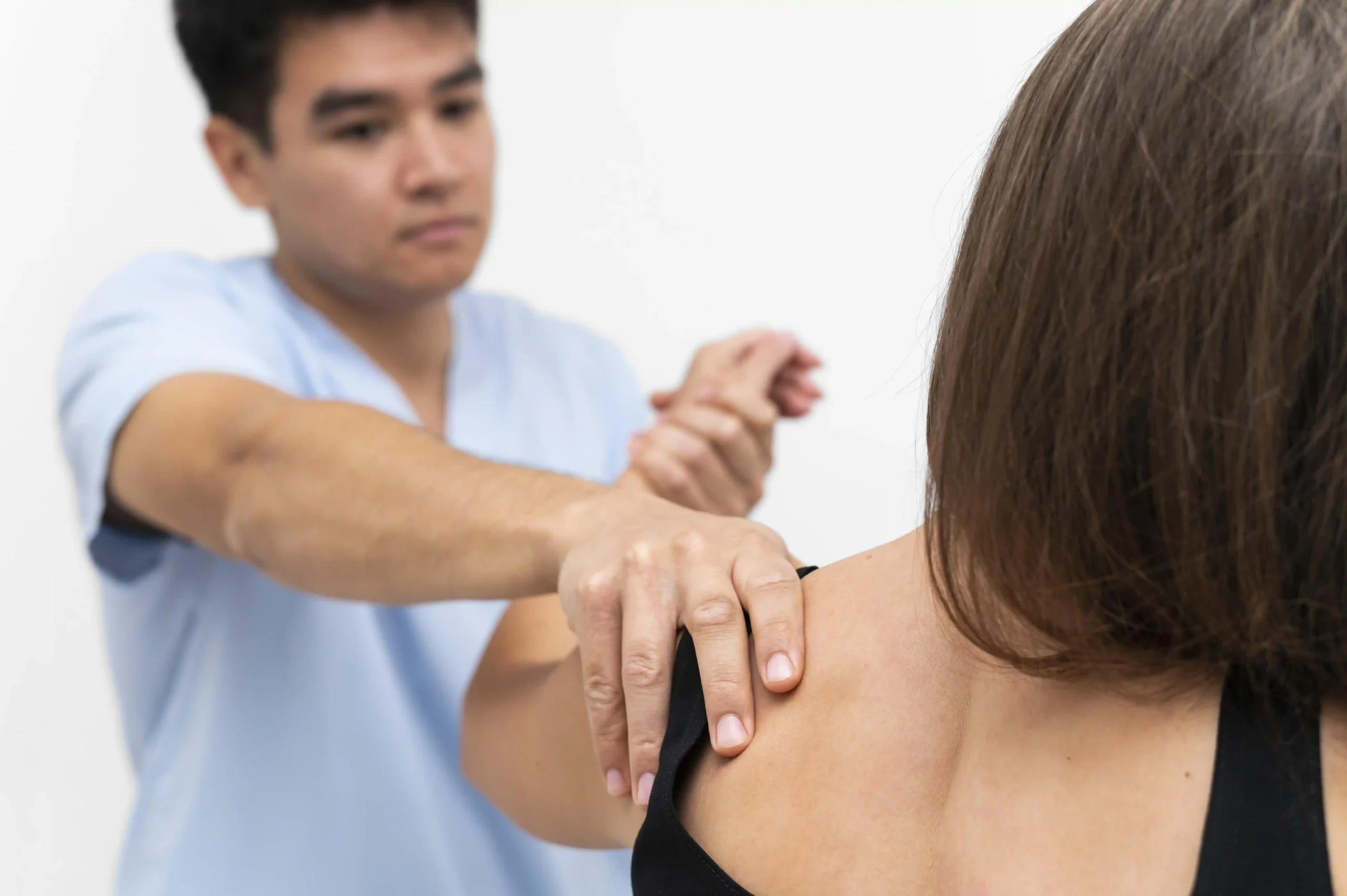
Home Physiotherapy

We understand that some conditions or injuries can make it difficult to receive rehabilitation at our clinic be it mobility or transportation issues. Our objective is to provide you with the same high-quality physiotherapy services at home that you would receive in-clinic.
Posted on

Physiotherapy Ampang | Fix Muscle Imbalance Fast

physiotherapy ampang
Synapse Physiotherapy

Physiotherapy Ampang | Fix Muscle Imbalance Fast

Are you struggling with muscle imbalances that cause discomfort, poor posture, or limited mobility? Our Synapse physiotherapy clinic in Ampang specializes in identifying and correcting muscle imbalances to help you regain strength, flexibility, and overall body balance. Whether you are an athlete, office worker, or someone recovering from an injury, our expert physiotherapists are here to provide customized rehabilitation plans tailored to your needs.

What is Muscle Imbalance?

Muscle imbalance occurs when opposing muscle groups do not function symmetrically, leading to tightness and overactivity in some muscles, while others become weak and underactive. This imbalance can affect posture, joint alignment, and movement efficiency, increasing the risk of pain and injuries.

Muscles surrounding the joints must maintain equal strength and flexibility for smooth and coordinated movement. The imbalance disrupts normal function when one side becomes weaker or less engaged. Over time, this can lead to compensatory patterns, misaligned joint movement, and postural strain.

There are different types of muscle imbalances, including localized imbalances affecting specific joints and broader body-wide muscular imbalances, where one side of the body is significantly stronger or more dominant than the other. If one side is consistently used more, those muscles become tighter and stronger, while the opposing muscles grow weaker and more elongated, exacerbating the imbalance.

Common Causes of Muscle Imbalance

Muscle imbalances often develop due to repetitive movement patterns, inactivity, or improper exercise techniques. Some of the most common causes include:

1. Repetitive Movements

Performing the same motion repeatedly can lead to overuse of certain muscles while others remain underutilized. This can occur during exercise routines, sports activities, or even in the workplace. For example, if your job requires carrying objects frequently, shifting the load between both hands can help prevent imbalance.

2. Prolonged Inactivity

A sedentary lifestyle, particularly excessive sitting, can contribute to muscle imbalances. When seated for long periods, hip flexor muscles remain contracted, while the gluteal muscles weaken due to lack of use. This imbalance can lead to poor posture and movement restrictions over time.

3. Single-Plane Exercises

Many common exercises, such as push-ups and squats, primarily involve movement in a single plane of motion. Over time, an exercise routine lacking variety can result in strength imbalances, as some muscles become dominant while others remain weak. Incorporating multi-directional movements can help maintain a well-balanced muscular system.

Signs You Might Have a Muscle Imbalance

If you are experiencing any of the following symptoms, you may benefit from physiotherapy to correct your muscle imbalance:

  • Frequent muscle tightness or stiffness
  • Joint pain or discomfort (shoulders, knees, lower back, hips)
  • Uneven posture (one shoulder higher than the other, forward head posture)
  • Limited range of motion or flexibility issues
  • Recurring injuries despite resting or treatment

How Physiotherapy Can Fix Muscle Imbalances

At our Ampang physiotherapy clinic, we take a holistic approach to muscle imbalance correction. Our treatment includes:

1. Comprehensive Assessment

We begin with an in-depth assessment to identify the root cause of your imbalance. This includes postural analysis, range of motion testing, strength evaluation, and movement screening.

2. Manual Therapy & Myofascial Release

Our physiotherapists use hands-on techniques such as deep tissue massage, trigger point therapy, and myofascial release to relax overactive muscles and restore natural movement.

3. Corrective Exercise Programs

We design targeted exercise programs to activate weak muscles and improve overall strength and coordination. This includes:

  • Stretching exercises for tight muscles
  • Strengthening exercises for underactive muscles
  • Core stability training for better posture and balance
  • Functional movement training to improve daily activities and sports performance

4. Postural Correction & Ergonomic Advice

If your imbalance is due to poor posture or prolonged sitting, we provide ergonomic recommendations and postural correction techniques to help maintain balance in your daily routine.

5. Dry Needling & Electrotherapy (If Needed)

For more persistent muscle imbalances and chronic tightness, we may incorporate dry needling, ultrasound therapy, or electrical stimulation to accelerate muscle recovery.

Who Can Benefit from Muscle Imbalance Physiotherapy?

Our physiotherapy services in Ampang are suitable for:

  • Office workers suffering from back, neck, and shoulder pain
  • Athletes & gym-goers looking to optimize performance and prevent injuries
  • Elderly individuals who want to maintain strength and mobility
  • People recovering from injuries (sports injuries, post-surgery rehabilitation)
  • Individuals with postural problems due to prolonged sitting or poor habits

Why Choose Our Physiotherapy Clinic in Ampang?

  1. Experienced Physiotherapists – Our team consists of certified professionals with expertise in musculoskeletal conditions.
  2. Personalized Treatment Plans – We tailor every treatment plan to match your specific needs and goals.
  3. Advanced Rehabilitation Techniques – We use the latest physiotherapy techniques to provide the best care.
  4. Holistic Approach – We focus on long-term recovery, not just symptom relief.
  5. Convenient Location – Our clinic in Ampang is easily accessible with flexible appointment scheduling.

Book Your Physiotherapy Session Today!

Don’t let muscle imbalances affect your daily life. Get expert physiotherapy in Ampang to restore balance, reduce pain, and improve mobility. Contact us today to schedule an appointment and take the first step towards a pain-free and active lifestyle!

At Synapse Physiotherapy, we are committed to helping you achieve optimal movement and well-being. Our team of skilled physiotherapists provides evidence-based treatments to address muscle imbalances and improve overall physical health. Trust us to guide you on your journey to recovery and peak performance.

Share This :

Back & Neck Pain

Conditions such as stiffness, postural abnormalities and muscle overuse from prolonged desk work at the office or home is more prevalent than most would think. We provide the necessary tools to fix you up and educate you on ergonomics which can unload unnecessary stress.

Sports Injuries

Rolled ankles, jarred knees, impinged shoulders are few conditions in the plethora of sports injuries which can hamper performance and limit our enjoyment of sports. Physiotherapy not only treats the symptoms of these conditions but propels your overall fitness to greater heights.

Work Desk Injuries​

Conditions such as stiffness, postural abnormalities and muscle overuse from prolonged desk work at the office or home is more prevalent than most would think. We provide the necessary tools to fix you up and educate you on ergonomics which can unload unnecessary stress.

Pre-Post-Surgical Conditions

Surgery involves going through preparation both before and after. Physiotherapists play a vital role in getting your body ready for surgeries with circulatory, breathing and strengthening exercises. After the procedure, let us be there for your recovery and rehabilitation, taking it one step at a time.

Scoliosis & Postural Abnormalities

The way we stand, sit, walk and sleep has influence over our posture and the overall balance of muscles controlling its alignment. A comprehensive screening can be done by our physiotherapists to detect abnormalities, which we will aid in correcting.

Neurological Conditions

Neurological disabilities such as stroke, nerve compression and neuropathies can be barriers for patients to live life to its fullest. We at Synapse are committed to help you overcome these hurdles by ensuring functional mobility and quality of life is at its optimum by providing the right treatment and exercises.

Osteoarthritis & Rheumatism

Joint degeneration and inflammation happens as the human body grows older, but that does not mean our way of life degenerates as well. Relief your joint pains with a joint effort together with your physiotherapist, who will provide pain-relief treatments and prescribe exercises for your wellbeing.

Conditions Relating To Elderly

Common conditions in the older age population include hips & knee pain, back & neck pain, osteoarthritis, rheumatism, fear of falling and many more.  Aging and degeneration of bodily function is inevitable, but here at Synapse, we will help you live the best of your life.
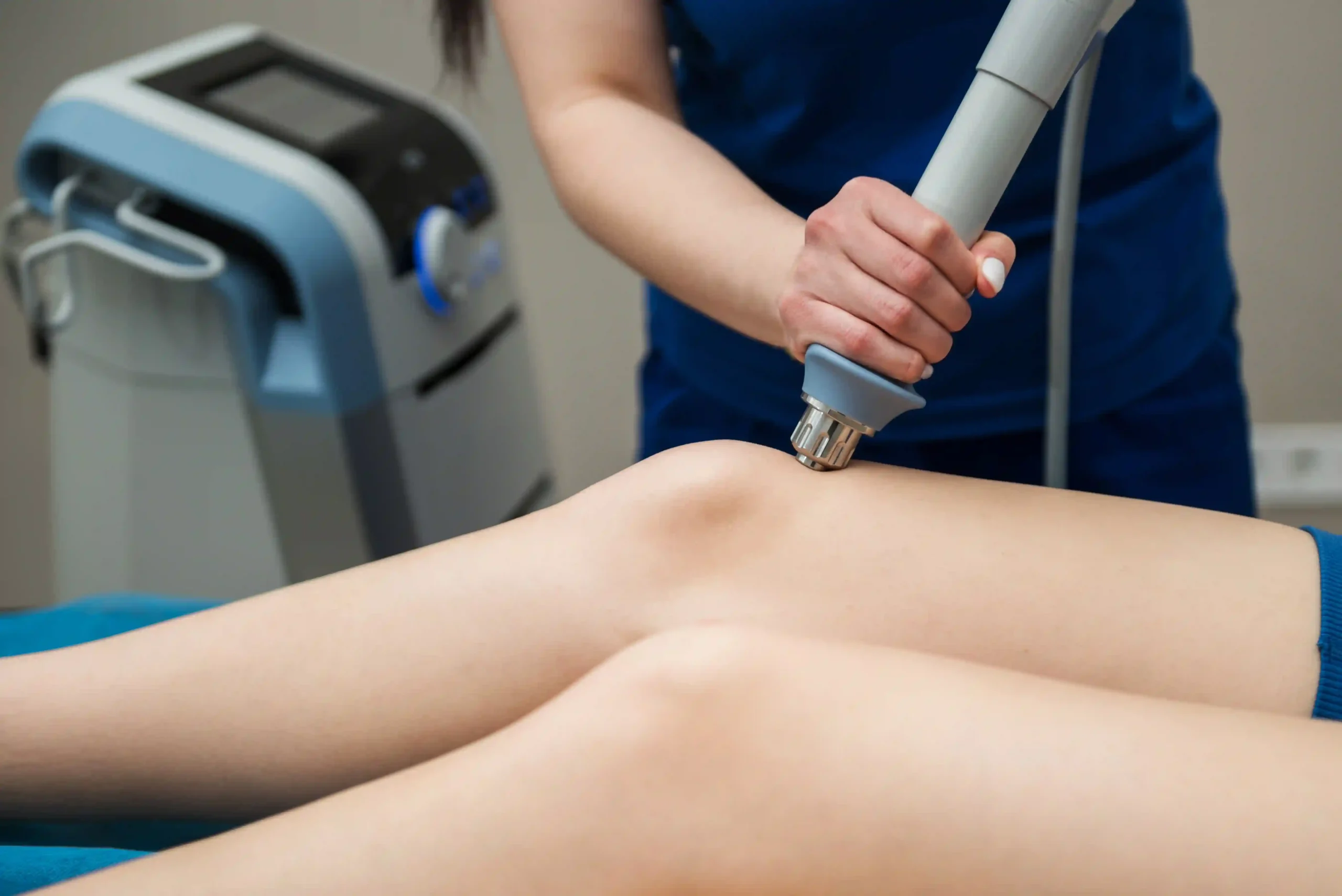
Home Physiotherapy

We understand that some conditions or injuries can make it difficult to receive rehabilitation at our clinic be it mobility or transportation issues. Our objective is to provide you with the same high-quality physiotherapy services at home that you would receive in-clinic.