Synapse Physiotherapy | Physio Center | Rehab Malaysia
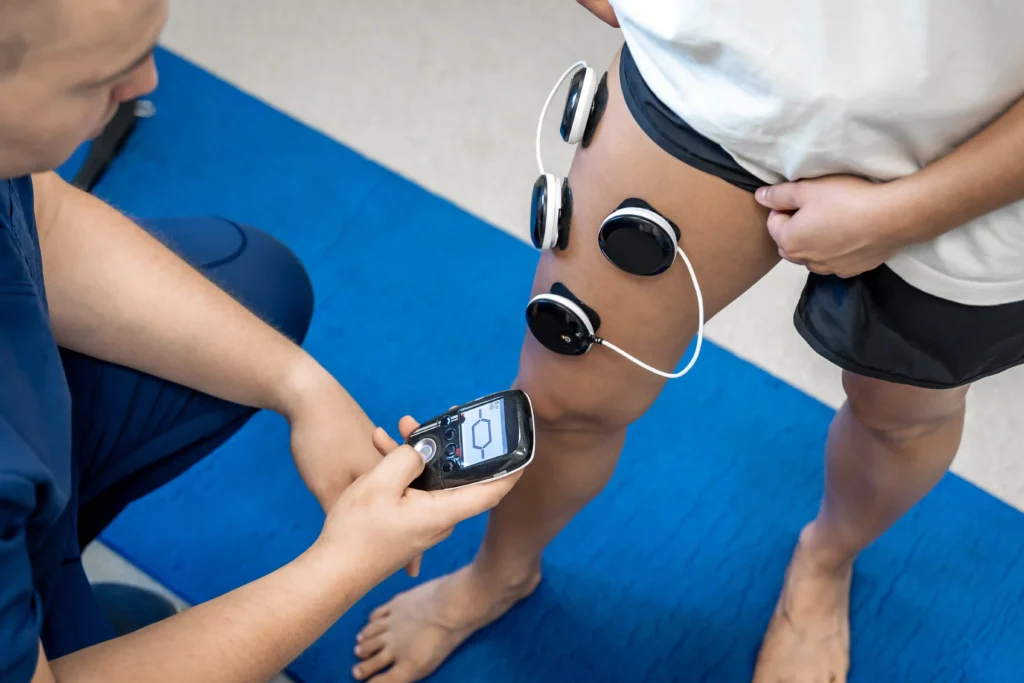
Athletic injuries can be both physically painful and mentally challenging, often forcing dedicated individuals to step away from the training and competition they love. Whether an injury occurs during professional sports, recreational activities, or routine fitness training, proper rehabilitation is the foundational requirement for a safe and confident return to play. This is where a sports injury clinic plays a central role in an athlete’s journey. At Synapse Physiotherapy, we understand that every injury is unique, which is why our Sport Physiotherapy & Rehabilitation Service is designed to provide intentional pacing and seamless transitions from the treatment table back to the field. By focusing on the root cause of the issue rather than just temporary pain relief, our sports injury clinic guides athletes through a complete recovery process that minimises the risk of re-injury.
The journey back to peak performance begins with a thorough and detailed assessment. A sports injury clinic uses clinical evaluations to understand the specific nature and severity of an injury, ensuring no stone is left unturned. This diagnostic phase is critical because many athletic injuries involve multiple structures simultaneously. For instance, a knee injury may affect ligaments, muscles, and movement control at the same time.
During an assessment at a sports injury clinic, clinicians typically review:
By identifying all contributing factors, the experts at Synapse Physiotherapy can design a targeted and effective rehabilitation plan tailored to the individual’s needs. This comprehensive approach ensures that your sports injury clinic experience addresses not just the immediate injury but also prevents future complications.
In the immediate aftermath of an injury, controlling pain and inflammation is the highest priority. A sports injury clinic employs evidence-based, non-invasive methods to manage these symptoms whilst protecting the injured tissues from further damage. These early interventions often include manual therapy, guided rest, supportive taping, and gentle mobility exercises.
The Ministry of Health (MOH) Malaysia highlights that prompt and correct initial management of soft tissue injuries is essential to prevent long-term complications. Early management at a sports injury clinic is vital because it helps reduce swelling, restore basic movement, and prevent the onset of chronic stiffness. Furthermore, this phase focuses heavily on education. Athletes are taught how to modify their daily activities and light training to ensure they do not accidentally worsen the injury during the fragile early stages of healing.
Key early management strategies include:
Once the initial inflammation is under control, the rehabilitation focus at a sports injury clinic shifts towards restoring joint mobility and muscle flexibility. It is common for injuries to lead to restricted movement due to pain, swelling, or protective muscle guarding. To combat this, clinicians use progressive stretching, joint mobilisation, and active movement exercises to restore a normal range of motion.
Regaining full mobility is crucial for long-term health. Limited movement in one joint can alter the body’s entire biomechanics, increasing stress on other areas and significantly raising the risk of secondary injuries. A structured approach at a sports injury clinic ensures that the body moves fluidly before it is subjected to the high-intensity demands of competitive sport.
Progressive mobility restoration typically includes:
Strength loss is an inevitable consequence of injury and the subsequent period of inactivity. Consequently, a sports injury clinic places a strong emphasis on rebuilding muscle strength and endurance to support the previously injured structures. Rehabilitation exercises are introduced gradually, typically starting with basic muscle activation before progressing to resistance training and functional strengthening.
These programmes are never “one-size-fits-all.” They are meticulously designed to match the physical demands of the athlete’s specific sport:
Our professional team at Synapse Physiotherapy designs each strength programme based on your specific sport and position, ensuring your sports injury clinic experience translates directly to performance gains.
Effective return to play requires more than just raw strength; it requires excellent neuromuscular control—the ability of the nervous system to coordinate movement efficiently. Injuries often disrupt balance, timing, and joint awareness (proprioception). A sports injury clinic incorporates specific balance training, coordination drills, and movement retraining to restore this control.
This is particularly important for injuries involving the ankle, knee, or shoulder, where joint stability relies heavily on the nervous system’s ability to activate muscles at the right millisecond. Progressive neuromuscular retraining at a sports injury clinic helps athletes regain the reflexive stability and body awareness essential for competition.
Neuromuscular training strategies include:
One of the primary advantages of seeking help from a sports injury clinic is access to sport-specific rehabilitation. Generic exercises are often insufficient to prepare an athlete for the chaotic and high-speed demands of competition. Clinicians gradually introduce drills that mimic real-game movements, ensuring your sports injury clinic experience prepares you for authentic sporting demands.
Common sport-specific rehabilitation drills include:
These exercises help athletes transition safely from the clinic to full training by exposing the body to controlled, progressive stress similar to competition. A quality sports injury clinic gradually progresses these demands to match your sport’s requirements.
Returning to play is a psychological journey as much as a physical one. Fear of re-injury and reduced confidence are common hurdles that a sports injury clinic addresses through systematic progression. Our approach supports psychological readiness by setting clear goals and tracking measurable progress. As athletes see their strength return and mobility improve, their trust in their body improves, reducing hesitation during play.
Furthermore, the final goal is the prevention of future issues. By correcting movement faults, addressing muscle imbalances, and educating athletes on proper warm-up routines and training load management, Synapse Physiotherapy ensures that the athlete returns stronger and more resilient than they were before the injury occurred.
Safe return-to-play depends on meeting specific criteria, including strength benchmarks (typically 90% symmetry between limbs), movement quality assessments, and functional tests that ensure the athlete can handle the demands of competition. Your sports injury clinic will establish clear return-to-play protocols tailored to your sport.
A sports injury clinic prevents re-injury by addressing the root causes, such as muscle imbalances or poor movement mechanics, and by providing education on proper recovery and training load management. Sport-specific strength and conditioning programmes further reduce recurrence risk.
Generic exercises do not always mimic the intensity of a game. Sport-specific drills like cutting, jumping, and sprinting prepare the body for the exact stresses it will face during a match. A sports injury clinic specialising in your sport ensures your rehabilitation is competition-ready.
Yes. By setting clear goals and providing evidence of physical progress, a sports injury clinic helps athletes regain confidence and overcome the fear of re-injury. Progressive milestones and measurable improvements boost psychological readiness significantly.
Many clinics, including Synapse Physiotherapy, collaborate with coaches and trainers to ensure rehabilitation aligns with your training schedule and performance goals. This coordination ensures your sports injury clinic care complements your coaching programme.
A successful return to play requires more than just healing the injury—it demands a structured, comprehensive approach to rehabilitation. From the initial assessment to the final sport-specific drill, a sports injury clinic guides athletes through every stage of recovery. By utilising the expertise of Synapse Physiotherapy and evidence-based methods, you can ensure your recovery is sustainable and your performance is fully restored. Do not leave your athletic career to chance; ensure you have the right support system in place to get back to the game you love.
Ready to start your recovery journey? Book a consultation with our experts today and discover how our clinic can transform your athletic career.
Tags :



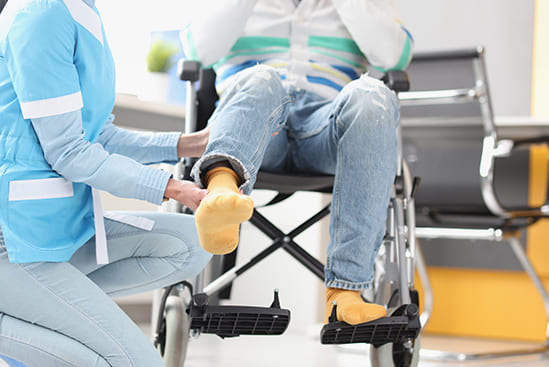



Joint degeneration and inflammation happens as the human body grows older, but that does not mean our way of life degenerates as well. Relief your joint pains with a joint effort together with your physiotherapist, who will provide pain-relief treatments and prescribe exercises for your wellbeing.

Common conditions in the older age population include hips & knee pain, back & neck pain, osteoarthritis, rheumatism, fear of falling and many more. Aging and degeneration of bodily function is inevitable, but here at Synapse, we will help you live the best of your life.