Synapse Physiotherapy | Physio Center | Rehab Malaysia
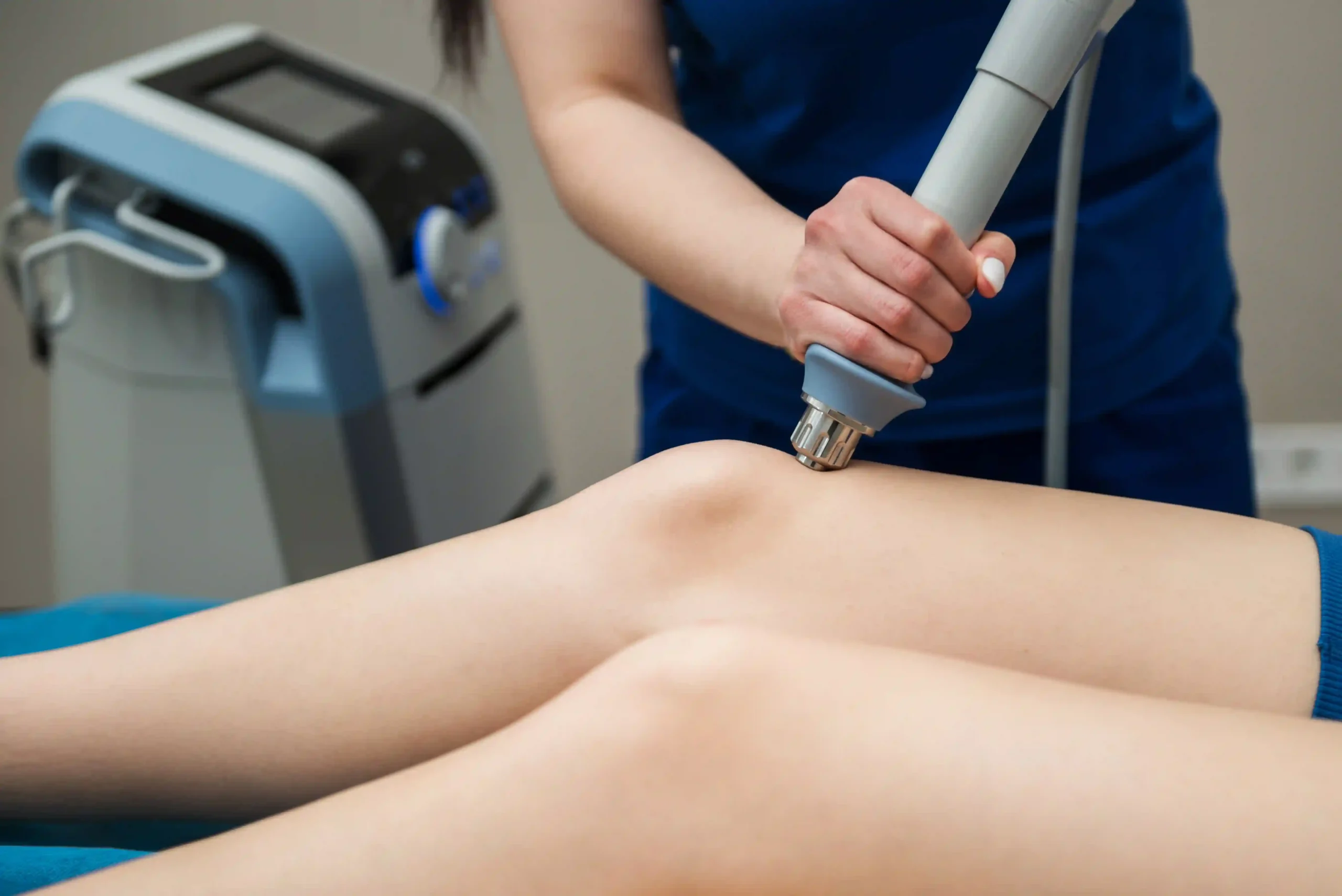
Modern rehabilitation has advanced rapidly, offering non-invasive treatments that accelerate healing and reduce pain. One such innovation gaining significant popularity in sports medicine and physiotherapy is shockwave therapy. At Synapse Physiotherapy, we integrate this advanced technology to help patients overcome stubborn injuries that refuse to heal, providing a clinically proven option to support faster recovery without the need for surgery or long-term medication. Our approach focuses on stimulating your body’s natural healing processes to address the root cause of discomfort. Whether you are dealing with chronic tendon pain, muscle tightness, or repetitive strain injuries, this treatment works by delivering high-energy acoustic waves to injured or painful areas.
Shockwave therapy, also known as Extracorporeal Shockwave Therapy (ESWT), is a non-invasive treatment that uses acoustic waves to stimulate healing in injured tissues. It is important to clarify that these waves are mechanical pulses rather than electric shocks. These pulses travel through the skin to target specific areas such as muscles, tendons, ligaments, and bones.
Originally developed to break down kidney stones, this technology has since been adapted for musculoskeletal care due to its ability to promote tissue repair, improve blood flow, and reduce pain. Today, it is a trusted tool widely used in Synapse Physiotherapy clinics, sports medicine centres, and orthopedic practices.
The primary mechanism of shockwave therapy involves triggering a biological response within the body. When these controlled acoustic waves are delivered to an injured area, they initiate several critical physiological processes:
This therapy is particularly effective for chronic and overuse injuries that have not responded well to conventional treatments like rest. Our professional team often recommends it for the following conditions:
A typical session is straightforward and relatively quick, usually lasting between 10 to 20 minutes. The process begins with a comprehensive assessment where a specialist evaluates your condition to ensure the treatment is appropriate.
Once confirmed, a conductive gel is applied to the skin to facilitate the transmission of the acoustic waves. The device is then used to deliver controlled pulses to the targeted area. While some patients might experience mild discomfort over sensitive spots, it is generally well-tolerated and temporary. One of the greatest benefits is that you can usually resume your daily activities immediately with minimal downtime.
The number of sessions required depends heavily on the severity and nature of your condition. Most patients require between 3 to 6 sessions, typically spaced about one week apart. While improvement is often noticed after the first few treatments, progress continues over several weeks as the body naturally heals. It is vital to understand that shockwave therapy is not an “instant fix” but a method of stimulating natural biological repair. Results will continue to develop even after your final session has ended.
When compared to traditional or invasive treatment options, shockwave therapy offers several distinct advantages:
While shockwave therapy is considered very safe when administered by a trained professional, it is not suitable for everyone. It is typically avoided in cases involving pregnancy (over certain areas), blood clotting disorders, infections, fractures, or cancer in the treatment zone. Side effects are usually mild, such as temporary redness, swelling, or local soreness, which typically resolves within 24 to 48 hours. A proper assessment by a qualified physiotherapist is essential before beginning.
We believe in a combined approach for optimal results. While shockwave therapy is excellent for reducing pain and stimulating healing, it is often most effective when used alongside exercise therapy to restore strength and manual therapy to improve mobility. This combined approach ensures both short-term relief and a successful long-term recovery.
Some patients may feel mild discomfort during treatment, especially over sensitive areas, but this is generally well-tolerated and temporary.
Improvement is often noticed after the first few treatments, with continued progress over several weeks as the body heals.
You can usually resume normal activities immediately with minimal downtime after a session.
Most patients require between 3 to 6 sessions, typically spaced about one week apart.
It addresses the root cause of pain by activating the body’s own healing mechanisms, rather than just masking symptoms.
Shockwave therapy has transformed the way we address chronic pain and soft tissue injuries. By activating the body’s own healing mechanisms, it provides a powerful, evidence-based solution for those who want to avoid surgery and return to an active lifestyle. Whether you are a recreational runner or an office worker with repetitive strain, our professional team is here to guide your recovery. If you are struggling with persistent pain, don’t wait for it to worsen. Book a consultation with Synapse Physiotherapy today to take the first step toward lasting relief and better movement.
Tags :



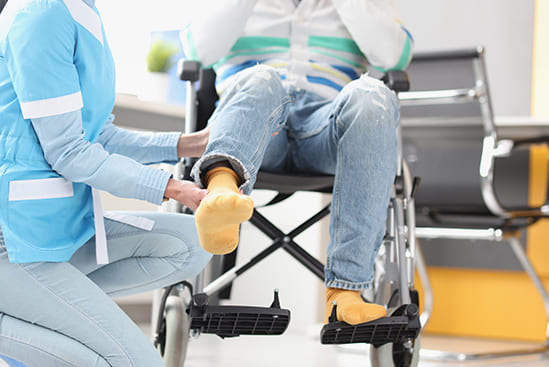


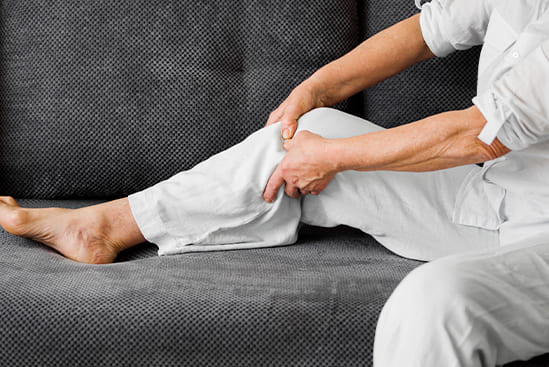
Joint degeneration and inflammation happens as the human body grows older, but that does not mean our way of life degenerates as well. Relief your joint pains with a joint effort together with your physiotherapist, who will provide pain-relief treatments and prescribe exercises for your wellbeing.

Common conditions in the older age population include hips & knee pain, back & neck pain, osteoarthritis, rheumatism, fear of falling and many more. Aging and degeneration of bodily function is inevitable, but here at Synapse, we will help you live the best of your life.