Synapse Physiotherapy | Physio Center | Rehab Malaysia
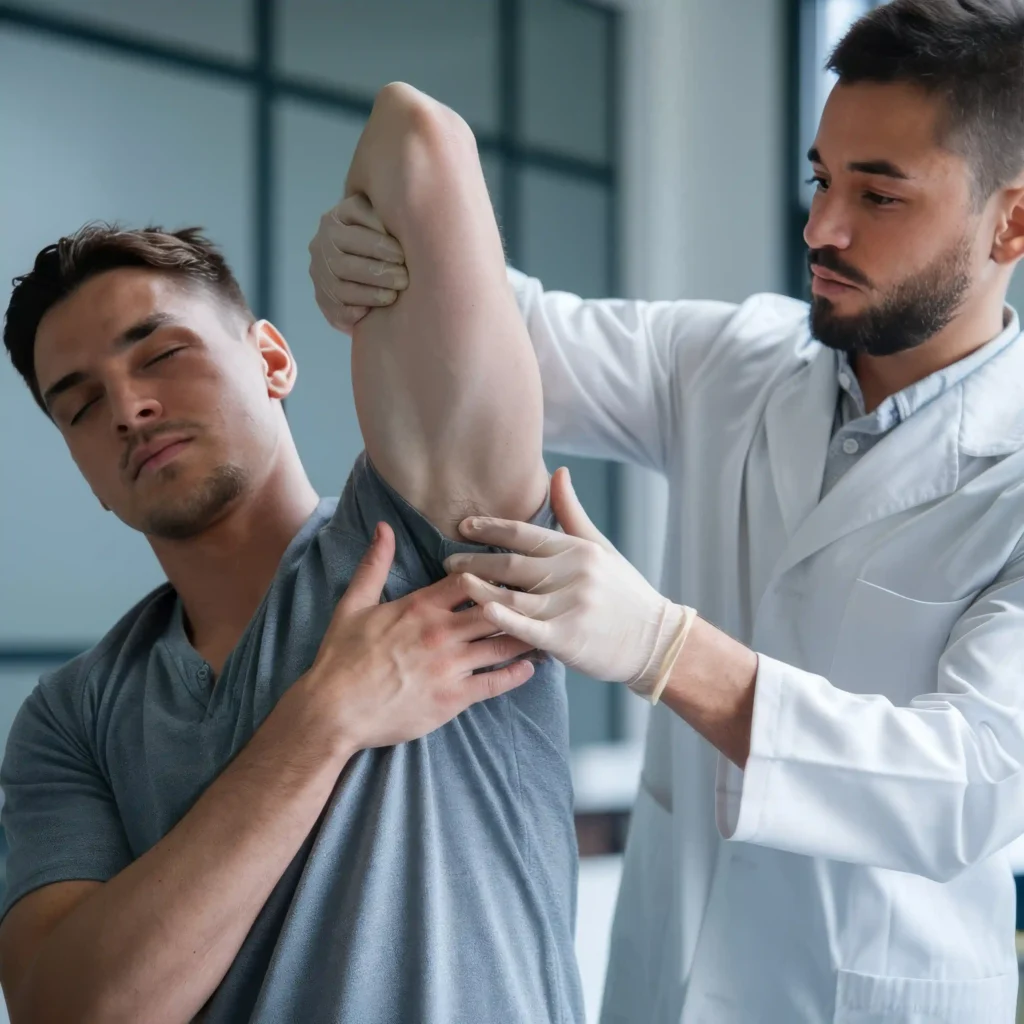
Shoulder pain is a pervasive issue that affects a diverse demographic in Malaysia, from high-performance athletes and dedicated gym-goers to office professionals in Kuala Lumpur and Ampang. Because the shoulder is the most mobile joint in the human body, its complex structure of bones, tendons, and ligaments makes it uniquely vulnerable to both acute injury and repetitive overuse. Without a structured intervention, what begins as minor discomfort can quickly escalate into a chronic condition that severely limits your daily activities, work performance, and athletic potential. This is where Synapse Physiotherapy makes the difference through our specialised rehabilitation programmes, designed to bridge the gap between initial pain and a full return to function. Rather than simply treating symptoms, we shape each journey with intentional pacing and carefully chosen evidence-based treatments that allow you to recover with comfort, balance, and flow.
A dedicated sports injury clinic provides an essential service by offering structured, evidence-based treatments that go far beyond basic rest. In the bustling urban hubs of Malaysia, these clinics are the first line of defence against musculoskeletal conditions that arise from both active lifestyles and sedentary work environments. By visiting a sports injury clinic, patients gain access to a multidisciplinary approach that combines clinical expertise with advanced therapeutic technologies. The primary goal of any reputable sports injury clinic is to empower the patient, providing them with the tools and knowledge necessary to manage their condition and prevent the recurrence of debilitating pain.
The shoulder is a masterpiece of biomechanics, but its reliance on soft tissue for stability means it is prone to a variety of issues. A sports injury clinic in Malaysia typically manages a broad spectrum of shoulder-related problems, ranging from sudden trauma to degenerative changes. Some of the most common conditions treated include:
Many of these conditions develop over time due to improper training techniques, poor ergonomic setups at work, or underlying muscle imbalances. Identifying these factors early is a core priority for the professional team at Synapse Physiotherapy.
The journey to recovery at a sports injury clinic always begins with a comprehensive assessment. Because shoulder pain is often influenced by factors distal to the site of pain—such as neck posture or mid-back stiffness—a thorough evaluation is critical. When you visit a sports injury clinic, you can expect a detailed diagnostic process that includes:
This precise data allows our professional team to design a bespoke Pain Management Physiotherapy Service with Synapse that addresses the root cause of your discomfort.
In the acute phase of an injury, the primary objective of a sports injury clinic is to reduce inflammation and restore a basic level of comfortable movement. Early-stage rehab is vital because it prevents the development of “fear-avoidance” behaviours, where patients stop moving altogether, leading to further stiffness and muscle atrophy. To manage this effectively, a sports injury clinic may employ several modalities:
By settling the pain early, the sports injury clinic prepares the joint for the more active phases of rehabilitation that involve strengthening and conditioning.
Restricted movement is a hallmark of shoulder dysfunction. A sports injury clinic does not just focus on the shoulder joint itself but looks at the entire “kinetic chain”. To ensure a full recovery, therapists guide patients through progressive exercises to restore:
Improving mobility in these specific areas prevents the body from “compensating” by using the wrong muscles, which is a major cause of re-injury. Education is a cornerstone of this phase; at Synapse Physiotherapy, we teach you how to adjust your posture and manage your physical load to keep the pain from returning.
Unlike the hip joint, which is deep and stable, the shoulder relies almost entirely on muscle control for its stability. Therefore, a sports injury clinic places heavy emphasis on progressive strengthening. A well-rounded programme will typically focus on the following key areas:
As you progress through your journey at the sports injury clinic, the exercises become more challenging, moving from simple isolated movements to complex, functional patterns that mimic your everyday life or sport.
For those looking to return to high-level competition, a sports injury clinic provides specialised “return-to-play” protocols. This involves endurance training for overhead sports like badminton or swimming, as well as reaction drills to ensure the shoulder can handle sudden impacts. The sports injury clinic uses clear criteria to determine when an athlete is ready to return, significantly reducing the risk of a second injury.
Furthermore, if surgery is unavoidable, a sports injury clinic is vital for post-operative success. Surgeons and physiotherapists work in tandem to guide patients through protection phases, gentle movement, and eventually, full-scale conditioning. Proper post-surgical physiotherapy at a sports injury clinic is often the deciding factor in whether a patient regains 100% of their former function and mobility.
The duration of recovery at a sports injury clinic depends on the injury’s severity; mild strains may resolve in weeks, while complex tears or post-surgical cases can take several months of structured rehab.
Not necessarily. Most shoulder conditions are diagnosed through clinical assessment. A sports injury clinic will recommend imaging only if symptoms persist or if a serious structural tear is suspected.
Yes, in many cases. Many shoulder conditions respond exceptionally well to conservative management at a sports injury clinic if the treatment is started early and followed consistently.
Rehab is designed to be progressive and tolerable. While some minor discomfort is expected when restoring movement, the professional team will always adjust exercises to suit your pain threshold.
This is determined on a case-by-case basis. Your therapist at the sports injury clinic will provide guidance on activity modification and the safest timeline for returning to your sport.
Shoulder pain is a complex challenge that requires more than just passive rest or temporary medication. By choosing a professional sports injury clinic, you are opting for a comprehensive path to recovery that prioritises clinical precision and functional long-term health. Whether you are a professional athlete in Malaysia or an office worker struggling with daily discomfort, early intervention at a sports injury clinic is the key to a faster, more effective recovery.
At Synapse Physiotherapy, our dedicated professional team is committed to delivering a high-quality Pain Management Physiotherapy Service with Synapse. We provide the assessment, treatment, and education you need to return to your life with confidence and strength. Do not let shoulder pain dictate your lifestyle any longer. Book a consultation with us today and take the first step toward lasting relief with our professional team.
Tags :







Joint degeneration and inflammation happens as the human body grows older, but that does not mean our way of life degenerates as well. Relief your joint pains with a joint effort together with your physiotherapist, who will provide pain-relief treatments and prescribe exercises for your wellbeing.

Common conditions in the older age population include hips & knee pain, back & neck pain, osteoarthritis, rheumatism, fear of falling and many more. Aging and degeneration of bodily function is inevitable, but here at Synapse, we will help you live the best of your life.