Posted on

Top Physiotherapy & Ergonomics | Find a Physio Near You

Physio Near Me
Physio Near Me
Synapse Physiotherapy

Introduction

Physiotherapy is a healthcare profession dedicated to diagnosing, managing, and treating a wide range of physical conditions. It involves techniques such as manual therapy, exercise prescription, and education to help individuals recover from injuries, alleviate pain, and improve physical function. Physiotherapists work with patients to develop personalised treatment plans that address specific needs and goals.


If you are looking for physiotherapy advice regarding your ergonomic setup for your work environment, search for physio near me and head to the nearest Synapse Physiotherapy for a consultation.

In our increasingly sedentary lifestyles, the fields of both physiotherapy and ergonomics play crucial roles in maintaining and improving our overall health and well-being. While physiotherapy focuses on rehabilitation and physical health, ergonomics emphasises designing and arranging workspaces to fit the user’s needs. Most people don’t think about the importance of home office ergonomics until they start experiencing headaches, neck pain, back pain, or shoulder pain. At this point, you will be needing physiotherapy for pain relief and advice on how to improve your working posture and condition.


Ergonomics, often referred to as human factors engineering, focuses on designing work environments and tools that optimise human performance and comfort. The goal of ergonomics is to create systems that accommodate the physical and cognitive abilities of users, thereby reducing the risk of injury and increasing efficiency. A physiotherapist will be able to discern how people interact with their work environments and make recommendations for improvements in workspace design, equipment, and workflows.

There is substantial evidence that ergonomically designed workplaces lead to enhanced productivity, wellness, comfort, and efficiency. Integrating these disciplines can lead to better health outcomes,  improved quality of life, and reducing your vulnerability to injury.

Poor home office/work office ergonomics can lead to several problems such as:

  •  Poor posture that sometimes affects metabolism and respiratory system.
  •  Back pain.
  • Stiff neck.
  •  Headaches.
  • Carpal tunnel syndrome.
  • Tension in the arms and hands.
  • Leg cramps.
  • Joint and muscles that are tight.
  • Stress and depression as a result of physical ailments.

Relationship Between Physiotherapy and Ergonomics

Ergonomics in physiotherapy involves designing or arranging workplaces, products, and systems to fit the people who use them.  A physiotherapist is the ideal professional to conduct an ergonomic assessment. This is due to their understanding of the biomechanical functions of the body and how various stresses can affect our body. The goal is to help reduce your risk of injury by advising an ergonomic setup specifically tailored to your home, office or wherever you work.

The integration of physiotherapy and ergonomics can lead to significant benefits for both individuals and organisations. Here’s how these fields complement each other:

1. Preventing Work-Related Injuries

Physiotherapists often encounter patients with work-related musculoskeletal disorders (WRMSDs), such as back pain, carpal tunnel syndrome, and repetitive strain injuries. Ergonomic assessments can help identify and rectify risk factors in the workplace that contribute to these conditions. By applying ergonomic principles, such as proper workstation setup and movement techniques, the risk of developing WRMSDs can be greatly reduced.


2. Enhancing Rehabilitation

For individuals recovering from injuries, incorporating ergonomic principles into their rehabilitation process can accelerate recovery. Physiotherapists can work with ergonomic experts to design workstations that accommodate the patient’s physical limitations, ensuring that they can return to work safely and comfortably. This collaborative approach helps in adapting the workplace to the individual’s needs, promoting a smoother transition back to regular activities.


3. Improving Posture and Body Mechanics

Ergonomics focuses on promoting good posture and body mechanics to prevent strain and injury. Physiotherapists can provide guidance on correct posture and body movements, while ergonomists can ensure that the work environment supports these practices. Together, they can create comprehensive strategies that address both physical and environmental factors, leading to better overall posture and reduced discomfort.


4. Promoting Long-Term Health and Well-Being

Ergonomic interventions can lead to long-term health benefits by reducing the likelihood of chronic pain and injury. Physiotherapists can educate individuals on the importance of ergonomic practices and incorporate these principles into their treatment plans. By fostering a culture of ergonomics and physical health, organisations can enhance employee well-being and productivity.

Implementing Ergonomic Principles in the Workplace

To effectively incorporate ergonomics into the workplace, consider the following strategies: 

– Workstation Design: Ensure that desks, chairs, and computer equipment are adjustable and designed to accommodate various body types. Proper chair height, desk alignment, and screen positioning can significantly enhance comfort and reduce strain.

– Movement and Posture: Encourage regular breaks and movement throughout the day. Promote exercises and stretches that can help counteract the effects of prolonged sitting or repetitive tasks, which are necessary to avoid injuries.

-Training and Education: Provide training on ergonomic principles and proper body mechanics. Educating employees on how to set up their workstations and maintain good posture can prevent injuries and improve comfort.

Frequently Asked Questions (FAQs)

A physiotherapist helps individuals manage pain, improve mobility, and recover from injuries. They use manual therapy, exercise, and education to create personalised treatment plans tailored to the patient’s needs.

Ergonomics designs workspaces to fit user needs, reducing physical strain. By arranging desks, chairs, and monitors correctly, ergonomics minimises posture-related pain, such as back and neck aches, promoting long-term health.

Physiotherapists treat conditions like back pain, neck stiffness, carpal tunnel syndrome, and repetitive strain injuries. These are often caused by prolonged poor posture or improper workstation setups.

During an ergonomic assessment, a physiotherapist examines your workspace setup, including desk height, monitor placement, and seating. They recommend adjustments to improve posture and reduce strain on muscles and joints.

Yes, physiotherapy is highly effective for treating office-related injuries like neck pain, wrist strain, and lower back pain. Therapists use targeted exercises and ergonomic advice to prevent recurrence.

Conclusion

The intersection of physiotherapy and ergonomics offers a holistic approach to enhancing health and productivity. By combining the rehabilitative focus of physiotherapy with the preventative measures of ergonomics, individuals and organisations can achieve a healthier, more efficient work environment. Embracing these disciplines not only helps in preventing injuries but also contributes to overall well-being, making it a valuable investment in both personal and professional contexts.

Produced by MYSense

Share This :

Back & Neck Pain

Conditions such as stiffness, postural abnormalities and muscle overuse from prolonged desk work at the office or home is more prevalent than most would think. We provide the necessary tools to fix you up and educate you on ergonomics which can unload unnecessary stress.

Sports Injuries

Rolled ankles, jarred knees, impinged shoulders are few conditions in the plethora of sports injuries which can hamper performance and limit our enjoyment of sports. Physiotherapy not only treats the symptoms of these conditions but propels your overall fitness to greater heights.

Work Desk Injuries​

Conditions such as stiffness, postural abnormalities and muscle overuse from prolonged desk work at the office or home is more prevalent than most would think. We provide the necessary tools to fix you up and educate you on ergonomics which can unload unnecessary stress.

Pre-Post-Surgical Conditions

Surgery involves going through preparation both before and after. Physiotherapists play a vital role in getting your body ready for surgeries with circulatory, breathing and strengthening exercises. After the procedure, let us be there for your recovery and rehabilitation, taking it one step at a time.

Scoliosis & Postural Abnormalities

The way we stand, sit, walk and sleep has influence over our posture and the overall balance of muscles controlling its alignment. A comprehensive screening can be done by our physiotherapists to detect abnormalities, which we will aid in correcting.

Neurological Conditions

Neurological disabilities such as stroke, nerve compression and neuropathies can be barriers for patients to live life to its fullest. We at Synapse are committed to help you overcome these hurdles by ensuring functional mobility and quality of life is at its optimum by providing the right treatment and exercises.

Osteoarthritis & Rheumatism

Joint degeneration and inflammation happens as the human body grows older, but that does not mean our way of life degenerates as well. Relief your joint pains with a joint effort together with your physiotherapist, who will provide pain-relief treatments and prescribe exercises for your wellbeing.

Conditions Relating To Elderly

Common conditions in the older age population include hips & knee pain, back & neck pain, osteoarthritis, rheumatism, fear of falling and many more.  Aging and degeneration of bodily function is inevitable, but here at Synapse, we will help you live the best of your life.


Home Physiotherapy

We understand that some conditions or injuries can make it difficult to receive rehabilitation at our clinic be it mobility or transportation issues. Our objective is to provide you with the same high-quality physiotherapy services at home that you would receive in-clinic.
Posted on

How Long Does It Take For Physio To Start Working?

physiotherapy kuala lumpur
Synapse Physiotherapy

Introduction

If you’re searching for physiotherapy in Kuala Lumpur, you might be wondering: How long will it take before I feel better? Whether you’re healing from a sports injury, surgery, or dealing with ongoing back pain or arthritis, it’s important to know what to expect when starting physiotherapy.


The great news is that physiotherapy is based on science and tailored to each person’s needs. In Kuala Lumpur, there are many modern physiotherapy centres, like Synapse Physiotherapy, offering treatments that match your lifestyle, condition, and goals. However, even with a personalised plan, results can vary from person to person.


Some people may feel better after just one or two sessions. Others may need several weeks of consistent treatment to see clear improvements. Let’s take a closer look at the main factors that affect how quickly physiotherapy in Kuala Lumpur starts to work.

1. Type and Severity of the Condition

Acute vs. Chronic Conditions

The kind of condition you’re dealing with is the biggest factor. For example, if you have a new injury like a sprained ankle, you may feel better after 3 to 5 sessions. These types of injuries usually respond quickly.

If you’re recovering from surgery (like ACL repair or shoulder surgery), the process often takes longer, anywhere from 6 weeks to a few months.

Meanwhile, long-term issues like arthritis, sciatica, or chronic back pain usually need ongoing care. While pain may not disappear quickly, physiotherapy helps you manage symptoms and improve your daily life.

Learn more about Pain Management.

Improvements Are Not Just About Pain

You might think that pain relief is the only sign of progress, but that’s not always true. Many people begin to feel stronger, move better, and feel more confident, even if they still have a little pain.

Watch out for these signs of improvement:

  • Better posture

  • More movement in joints

  • Less stiffness

  • Greater strength

  • Doing daily activities with less trouble

So even if the pain isn’t fully gone, your body might still be healing and improving beneath the surface, gradually building strength, mobility, and overall function with each session.

2. How Often and How Consistently You Go

Staying on Schedule Matters

Most physiotherapists suggest coming in 1 to 3 times a week. Sticking to your sessions makes a big difference. When you skip or delay sessions, it can slow down your progress.

Also, many clinics offering physiotherapy in Kuala Lumpur will give you home exercises. These are very important! Doing them regularly can speed up your recovery, build strength, and help you feel better faster.

Everyone Heals Differently

Your body needs time to heal, no matter how good the therapist or treatment is. Some people heal faster, and others take longer, and that’s okay.

Your age, general health, sleep patterns, and nutrition all impact your healing speed. For instance, a healthy young person may recover faster than someone older or with other health issues.

That’s why it’s important to trust the process. Even if progress feels slow, small improvements still count.

Explore our Spine & Core Rehabilitation Programme for chronic back conditions.

3. Pain and Inflammation Can Slow Things Down

Managing Pain First

If you’re starting physio with high pain or swelling, it might take longer to get results. Pain can stop muscles from working properly and make it harder to move.

Your physiotherapist may first focus on reducing the pain. They might use ice, heat, massage, dry needling, or machines like shockwave therapy.

Once the pain is better, you can move on to active exercises that improve strength, mobility, and function.

Interested in advanced treatments? Learn about Shockwave Therapy.

4. General Timeline for Physio Results

What You Can Expect

Here’s a simple breakdown of what many people experience:

  • 1–2 sessions: Minor pain relief, early movement return

  • 2–4 weeks: Noticeable improvement in function for mild injuries

  • 6–12 weeks: Post-surgical recovery or moderate conditions

  • 3+ months: Long-term care for neurological or chronic conditions

These are just averages. Everyone’s recovery is different, so it’s important to focus on progress, not perfection.

Work Closely With Your Physiotherapist

A good physiotherapist will assess your condition and set goals with you. They can also give you a rough timeline, but remember it’s just an estimate.

If you’re not seeing results after a few weeks, your therapist may try a different approach or suggest another medical opinion.

At Synapse Physiotherapy, our team works closely with patients to adjust treatments for the best outcomes.

Frequently Asked Questions (FAQs)

1. How quickly will I feel better after starting physio near me?

Many people feel some relief after 1–2 sessions, but full recovery can take weeks or months, depending on your condition.

2. Can I speed up my recovery with home exercises?

Yes! Doing your home exercises regularly is one of the best ways to get faster results.

3. What if I don’t feel better after a few weeks of physio?

Talk to your physiotherapist. They may adjust your treatment or recommend further tests or programs.

4. Does physiotherapy help with long-term conditions like arthritis or back pain?

Absolutely. While it may not cure chronic conditions, it can greatly reduce pain and improve how you move and feel every day.

5. Where can I find a trusted physio near me in Kuala Lumpur?

You can visit Synapse Physiotherapy, a top-rated clinic offering personalised treatment for a wide range of conditions.

Final Thoughts: Stay Patient and Keep Moving Forward

Starting physiotherapy is a proactive step toward regaining control over your health and movement. Whether you’re seeking physiotherapy in Kuala Lumpur for a recent injury or a long-standing issue, the key is to stay consistent, stay informed, and stay positive.

Recovery isn’t always fast, but with the right support and dedication, most people experience meaningful improvements in how they move and feel. Small gains build up over time, and before you know it, you’ll be back to doing the things you love, with less pain and more confidence.


So give it time, trust your therapist, and celebrate every step forward.

Share This :

Back & Neck Pain

Conditions such as stiffness, postural abnormalities and muscle overuse from prolonged desk work at the office or home is more prevalent than most would think. We provide the necessary tools to fix you up and educate you on ergonomics which can unload unnecessary stress.

Sports Injuries

Rolled ankles, jarred knees, impinged shoulders are few conditions in the plethora of sports injuries which can hamper performance and limit our enjoyment of sports. Physiotherapy not only treats the symptoms of these conditions but propels your overall fitness to greater heights.

Work Desk Injuries​

Conditions such as stiffness, postural abnormalities and muscle overuse from prolonged desk work at the office or home is more prevalent than most would think. We provide the necessary tools to fix you up and educate you on ergonomics which can unload unnecessary stress.

Pre-Post-Surgical Conditions

Surgery involves going through preparation both before and after. Physiotherapists play a vital role in getting your body ready for surgeries with circulatory, breathing and strengthening exercises. After the procedure, let us be there for your recovery and rehabilitation, taking it one step at a time.

Scoliosis & Postural Abnormalities

The way we stand, sit, walk and sleep has influence over our posture and the overall balance of muscles controlling its alignment. A comprehensive screening can be done by our physiotherapists to detect abnormalities, which we will aid in correcting.

Neurological Conditions

Neurological disabilities such as stroke, nerve compression and neuropathies can be barriers for patients to live life to its fullest. We at Synapse are committed to help you overcome these hurdles by ensuring functional mobility and quality of life is at its optimum by providing the right treatment and exercises.

Osteoarthritis & Rheumatism

Joint degeneration and inflammation happens as the human body grows older, but that does not mean our way of life degenerates as well. Relief your joint pains with a joint effort together with your physiotherapist, who will provide pain-relief treatments and prescribe exercises for your wellbeing.

Conditions Relating To Elderly

Common conditions in the older age population include hips & knee pain, back & neck pain, osteoarthritis, rheumatism, fear of falling and many more.  Aging and degeneration of bodily function is inevitable, but here at Synapse, we will help you live the best of your life.
Home Physiotherapy

We understand that some conditions or injuries can make it difficult to receive rehabilitation at our clinic be it mobility or transportation issues. Our objective is to provide you with the same high-quality physiotherapy services at home that you would receive in-clinic.
Posted on

Myofascial Release for Muscle Tension | Sports Massage

Sports Massage
Sports Massage
Synapse Physiotherapy

Introduction

Muscle tension is a common issue faced by athletes and fitness enthusiasts. Whether it’s from intense training or everyday stress, tight muscles can lead to discomfort, reduced performance, and even injury. Myofascial release, a specialized technique used in sports massage, has gained popularity as an effective solution for relieving muscle tension and enhancing overall physical well-being. At Synapse, we understand the importance of tailored care, and our sports massage services are designed to help you achieve peak performance while ensuring your muscles stay healthy and flexible.

Myofascial Release for Muscle Tension | Sports Massage

Myofascial release massage can alleviate bodily tension and reduce stress. The World Health Organization (WHO) has identified stress as the health epidemic of the 21st century. Stress often manifests physically as muscle tension, leading to aches, pains, and spasms. Chronic stress can result in severe health issues over time. Therefore, it’s crucial to relieve muscle tension to mitigate these effects.

Myofascial release therapy also addresses various conditions and symptoms.Many patients turn to myofascial treatment after losing flexibility or function due to an injury or experiencing persistent pain in the back, shoulder, hip, or any area with soft tissue. 

Therefore, individuals in need should have their fascia released by a physiotherapist at a physio center. Myofascial release is often included in sports massage treatments.

What is a fascia?

Fascia is the connective tissue that surrounds your muscles. Though thin, it is tough and supports your muscles and organs in a multi-dimensional web, spanning the entire body. Fascia helps reduce friction, enabling smooth movement and overall function. However, since it is connected to all muscles, any tightness in the fascia can limit flexibility and cause pain. Research indicates that specifically treating fascia can alleviate muscle pain and improve mobility. Additionally, because fascia is connected to the nervous system, stress can negatively impact our muscles.

What causes myofascial pain?

Myofascial pain is defined as “pain associated with inflammation or irritation of muscle or the fascia surrounding the muscle.” It originates from the muscles and surrounding fascia, causing localized pain in a restricted area or referred pain in various patterns. It is a common issue, with estimates suggesting that 85% of the general population will experience it at some point in their lifetime.

Myofascial pain syndrome (MPS) is a prevalent clinical problem that arises from muscles and produces sensory, motor, and autonomic symptoms due to myofascial trigger points, which are focal areas of tenderness caused by hypercontracted muscle tissue. These trigger points are usually taut bands of skeletal muscle that are painful on compression or deep palpation, and can lead to characteristically referred pain, motor dysfunction, and autonomic phenomena. MPS has been described as a soft tissue pain syndrome where the pain is primarily present in a single area or quadrant of the body. It can be acute, chronic, or post-traumatic.

Symptoms

Myofascial pain syndrome is a musculoskeletal condition that affects areas outside the joints, identified by the presence of myofascial trigger points. These trigger points are categorized as either active or latent. An active trigger point causes spontaneous pain or pain during movement, which can lead to localized or referred pain. A latent trigger point, on the other hand, is a sensitive area that only produces pain or discomfort when pressure is applied.

Both active and latent myofascial trigger points share common clinical features:

  • Pain on compression: Applying pressure may trigger localized pain and/or referred pain similar to the patient’s usual symptoms, or it may worsen existing pain.
  • Local twitch response: A quick compression across muscle fibers can produce a local twitch response, where the muscle fibers in or around the tight band contract rapidly.
  • Muscle tightness: The muscle fibers in the tight band may experience restricted stretch range and increased sensitivity to stretching, leading to muscle tightness.
  • Local myasthenia: The muscle with a trigger point may feel weak, although there is usually no noticeable muscle atrophy.
  • Localized autonomic responses: Patients with trigger points may also experience localized autonomic symptoms such as vasoconstriction, a pilomotor response, and increased secretion.

When pain from an active trigger point becomes chronic, the patient may develop satellite trigger points. They appear in the referral zone of the original, or primary, trigger point, often in an overworked synergistic muscle.

Benefit of myofascial release

1. Pain Relief

Myofascial Release Massage has been effective in alleviating chronic pain, such as low back pain. By addressing fascial restrictions, the massage enhances circulation and reduces inflammation, leading to pain relief.

Between 70-85% of individuals will experience low back pain at some point in their lives. Research has shown that myofascial release can effectively treat non-specific low back pain, with studies indicating reduced pain and disability in individuals receiving this treatment compared to those given a placebo. Additional studies confirm that myofascial release can decrease the severity of pain associated with non-specific low back pain.

2. Stress reduction 

Myofascial Release Massage provides deep relaxation, which helps lower stress levels. By addressing both physical and emotional tension, this massage technique promotes a sense of calm and well-being.

Studies have explored the effectiveness of myofascial release massage for treating tension-type headaches (TTH), which are characterized by a pressing or tightening sensation on both sides of the head with an unclear cause. One study found that myofascial release massage was more effective in treating TTH compared to slow stroking massage.

What is  Myofascial release? 

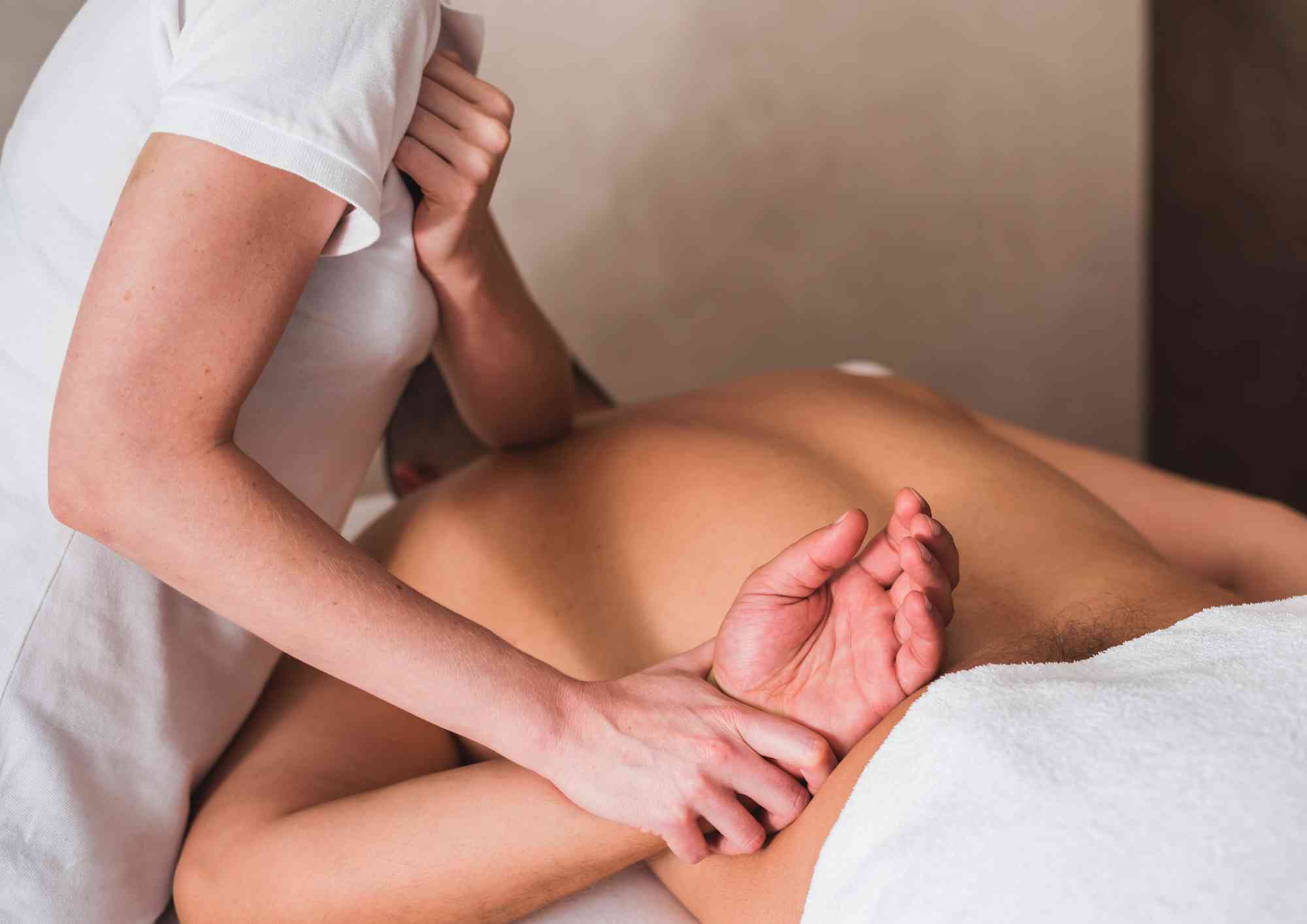
Myofascial release is a technique used by physiotherapists to address tight fascia tissues. Unlike deep tissue massage, which targets knots and pain deep within the muscles, myofascial release focuses specifically on the fascia. During a myofascial release session, the therapist works on trigger points, which are areas of connective tissue that become stiff rather than remaining elastic and flexible.

Therapists typically use a combination of manual pressure and stretching to release tension from these trigger points or tight fascia tissues. Oils or creams may be applied to minimize friction on the skin, although myofascial release is most effective with direct skin-to-skin contact.

It’s important to note that trigger points in the fascia may not always correspond to the area where you feel pain. Since the fascia forms interconnected lines throughout the body, a trigger point in one part of the body, such as the leg, might cause pain in a completely different area, such as the ribcage. This contrasts with traditional massage approaches, which generally focus on the area experiencing pain.

 Technique 

  • Direct Myofascial Release: This technique involves applying sustained pressure directly to the restricted fascia, aiming to release tension and improve mobility.
  • Indirect Myofascial Release: Here, the therapist uses gentle pressure along the fascial restrictions to help the body naturally unwind and release tension.
  • Rolling Technique: The therapist employs their forearms or elbows to perform broad, gliding strokes along the length of the fascia, which promotes better tissue mobility.
  • Cross-Hand Stretching: This method involves the therapist stretching the fascia across its fibers to assist in releasing tension.
  • Fascial Unwinding: This approach encourages the body to move spontaneously in response to the therapist’s touch, facilitating the unwinding and release of stored tension in the fascia.

Frequently Asked Questions (FAQs)

Myofascial release focuses on the fascia, while deep tissue massage targets the deeper layers of muscle. Both can be effective for relieving muscle tension, but they use different techniques.

The frequency of sessions depends on your specific needs and goals. Many athletes benefit from weekly sessions, while others may only need treatment once a month.

Yes, myofascial release is often used to manage chronic conditions such as fibromyalgia, plantar fasciitis, and chronic back pain.

Some discomfort may be experienced during the therapy, especially if the fascia is very tight. However, the pressure is typically adjusted to your comfort level.

Myofascial release sessions usually last between 60 to 90 minutes, depending on the areas being treated and the severity of the tension.

Conclusion

For effective relief from myofascial pain, physiotherapy is a proven approach that targets trigger points to alleviate pain, improve muscle function, and restore range of motion. The Synapse Physiotherapy team offers specialized treatment options to help you manage and overcome myofascial pain, guiding you toward a healthier and more active life.

Produced by MYSense

Share This :

Back & Neck Pain

Conditions such as stiffness, postural abnormalities and muscle overuse from prolonged desk work at the office or home is more prevalent than most would think. We provide the necessary tools to fix you up and educate you on ergonomics which can unload unnecessary stress.

Sports Injuries

Rolled ankles, jarred knees, impinged shoulders are few conditions in the plethora of sports injuries which can hamper performance and limit our enjoyment of sports. Physiotherapy not only treats the symptoms of these conditions but propels your overall fitness to greater heights.

Work Desk Injuries​

Conditions such as stiffness, postural abnormalities and muscle overuse from prolonged desk work at the office or home is more prevalent than most would think. We provide the necessary tools to fix you up and educate you on ergonomics which can unload unnecessary stress.

Pre-Post-Surgical Conditions

Surgery involves going through preparation both before and after. Physiotherapists play a vital role in getting your body ready for surgeries with circulatory, breathing and strengthening exercises. After the procedure, let us be there for your recovery and rehabilitation, taking it one step at a time.

Scoliosis & Postural Abnormalities

The way we stand, sit, walk and sleep has influence over our posture and the overall balance of muscles controlling its alignment. A comprehensive screening can be done by our physiotherapists to detect abnormalities, which we will aid in correcting.

Neurological Conditions

Neurological disabilities such as stroke, nerve compression and neuropathies can be barriers for patients to live life to its fullest. We at Synapse are committed to help you overcome these hurdles by ensuring functional mobility and quality of life is at its optimum by providing the right treatment and exercises.

Osteoarthritis & Rheumatism

Joint degeneration and inflammation happens as the human body grows older, but that does not mean our way of life degenerates as well. Relief your joint pains with a joint effort together with your physiotherapist, who will provide pain-relief treatments and prescribe exercises for your wellbeing.

Conditions Relating To Elderly

Common conditions in the older age population include hips & knee pain, back & neck pain, osteoarthritis, rheumatism, fear of falling and many more.  Aging and degeneration of bodily function is inevitable, but here at Synapse, we will help you live the best of your life.
Home Physiotherapy

We understand that some conditions or injuries can make it difficult to receive rehabilitation at our clinic be it mobility or transportation issues. Our objective is to provide you with the same high-quality physiotherapy services at home that you would receive in-clinic.
Posted on

How Long Should You Attend Physical Therapy?

Physiotherapy Near Me
Home Physiotherapy, Synapse Physiotherapy

How Long Should You Attend Physical Therapy?

When you realize that you need to undergo physiotherapy treatments, it’s important to first take note of your signs and symptoms, including any activities that triggered or worsened your condition. The more information you gather, the better. Afterward, you can start searching for a suitable physiotherapy clinic by looking up terms like “physiotherapy near me.” This will help you find nearby clinics where you can receive the care you need. Your physiotherapy journey will start with an initial consultation with a skilled physical therapist. During this visit, they will learn about you by discussing your medical history, lifestyle, job, and regular physical activities. The therapist will aim to identify any daily activities or factors that might be contributing to your injury. After asking specific questions about your injury, including what improves or worsens it and the severity of your symptoms, they will conduct a thorough assessment. The therapist will then explain their diagnosis and proposed treatment plan. You can ask questions and collaborate on a personalized care plan that aligns with your goals.

How Many Times a Week Should You Visit Your Physical Therapist?

Your physical therapist will determine the frequency of your physiotherapy near me therapy sessions after the initial visit and diagnosis. They will often recommend starting with two sessions per week. However, if you are assessed as being at higher risk, they may suggest three sessions per week, depending on your condition. In such cases, the clinic will verify whether your insurance covers the increased frequency, as not all plans include coverage for three sessions per week. While 2-3 sessions may seem intensive, this frequency has been proven to be highly effective in regaining strength and mobility after surgery or injury.

The total time you spend in your physiotherapy near me depends on your progress, which is influenced by how consistently you perform your home exercises. Your physical therapist will create a home exercise program designed to enhance the effectiveness of your sessions. While they will review these exercises with you, your in-clinic sessions will focus on other treatments, such as manual therapy, joint mobilization, and soft tissue work to promote healing. They will also provide guidance on activities to avoid and any necessary lifestyle changes to aid recovery. The primary goal of physical therapy is to identify the root cause of your symptoms and develop a tailored plan to resolve the issue, helping you return to the activities you enjoy as quickly as possible.

How Long Are Physical Therapy Sessions & How Long Should Physiotherapy Last?

The length of your physiotherapy near me session will be determined by your condition, healing rate, and adherence to the treatment plan. Physical therapists track progress in areas like pain management, function, strength, and range of motion. A typical session lasts 30 to 90 minutes and is scheduled 2-3 times per week. In many cases, treatment begins immediately after your initial evaluation, with follow-up sessions to support faster recovery. The overall duration of therapy can range from a few weeks to several months, depending on the severity of your condition and how consistently you follow your therapist’s recommendations. On average, patients attend about 10-12 visits to their physiotherapy near me, and you’re encouraged to continue your exercises after completing formal treatment. If cost or copayments are a concern, your PT office can work with you to create a payment plan that fits your budget.

When To Stop Going To Physical Therapy?

The decision to stop physiotherapy near me should be made in collaboration with both your physical therapist and your physician. There are two main reasons why it might be time to end your therapy:

  1. You’ve Reached Your Goals  

At the start of your physical therapy, you and your therapist will establish clear goals. Whether it’s returning to your previous activity level or simply eliminating pain, your therapy plan is built around these objectives. Once you and your therapist feel confident that you’ve met these goals, it’s time to conclude your sessions. You’ve accomplished what you set out to achieve!

  1. You’re Not Seeing Progress  

Physiotherapy near me therapy may also end if you’re not making progress within the expected time frame. Despite regular sessions and following your therapist’s recommendations, if you’re not seeing improvements, it may be frustrating. In such cases, your therapist may reassess your plan or suggest alternative treatments.

If you stop physiotherapy early, you risk reinjury—often the very issue that brought you to a physical therapist in the first place.

Re-injury

When you begin physiotherapy, your physiotherapy near me therapist creates a treatment plan tailored to your specific injury. For example, if you hurt your back, your therapist might design an eight-week program to relieve pain, rebuild strength, and restore mobility. However, if you stop after five weeks because you feel better or are too busy, you may set yourself up for reinjury. Two months later, you could tweak your back again, finding yourself back where you started. Your therapist may explain that completing the full treatment plan would have prevented this setback.

Consistency 

Having physiotherapy near me to go for training such as a marathon, requires dedication. Attending just a few sessions and expecting long-term success is unrealistic. Consistency in attending appointments and completing your home exercises is crucial to achieving results.

Most soft tissue injuries take 6-8 weeks to heal, and some conditions may require even longer treatment. Physical therapy isn’t a quick fix. Be patient with the healing process, and give your treatment plan the time it needs to deliver the best outcomes.

Conclusion

While there is no one-size-fits-all answer to how long you should attend physiotherapy near me therapy, it’s helpful to have an idea of what to expect. Some patients may experience pain relief within one or two weeks, while others may require several weeks or months of therapy. Your physical therapist will guide you on whether you should continue or stop based on your progress. If you’re unsure or have questions about your treatment, contact Synapse Physiotherapy and let us help you on your journey to recovery.

Share This :

Back & Neck Pain

Conditions such as stiffness, postural abnormalities and muscle overuse from prolonged desk work at the office or home is more prevalent than most would think. We provide the necessary tools to fix you up and educate you on ergonomics which can unload unnecessary stress.

Sports Injuries

Rolled ankles, jarred knees, impinged shoulders are few conditions in the plethora of sports injuries which can hamper performance and limit our enjoyment of sports. Physiotherapy not only treats the symptoms of these conditions but propels your overall fitness to greater heights.

Work Desk Injuries​

Conditions such as stiffness, postural abnormalities and muscle overuse from prolonged desk work at the office or home is more prevalent than most would think. We provide the necessary tools to fix you up and educate you on ergonomics which can unload unnecessary stress.

Pre-Post-Surgical Conditions

Surgery involves going through preparation both before and after. Physiotherapists play a vital role in getting your body ready for surgeries with circulatory, breathing and strengthening exercises. After the procedure, let us be there for your recovery and rehabilitation, taking it one step at a time.

Scoliosis & Postural Abnormalities

The way we stand, sit, walk and sleep has influence over our posture and the overall balance of muscles controlling its alignment. A comprehensive screening can be done by our physiotherapists to detect abnormalities, which we will aid in correcting.

Neurological Conditions

Neurological disabilities such as stroke, nerve compression and neuropathies can be barriers for patients to live life to its fullest. We at Synapse are committed to help you overcome these hurdles by ensuring functional mobility and quality of life is at its optimum by providing the right treatment and exercises.

Osteoarthritis & Rheumatism

Joint degeneration and inflammation happens as the human body grows older, but that does not mean our way of life degenerates as well. Relief your joint pains with a joint effort together with your physiotherapist, who will provide pain-relief treatments and prescribe exercises for your wellbeing.

Conditions Relating To Elderly

Common conditions in the older age population include hips & knee pain, back & neck pain, osteoarthritis, rheumatism, fear of falling and many more.  Aging and degeneration of bodily function is inevitable, but here at Synapse, we will help you live the best of your life.

Home Physiotherapy

We understand that some conditions or injuries can make it difficult to receive rehabilitation at our clinic be it mobility or transportation issues. Our objective is to provide you with the same high-quality physiotherapy services at home that you would receive in-clinic.
Posted on

Enhance Athletic Performance With Physiotherapy.

Physiotherapy Near Me
Synapse Physiotherapy

Physiotherapy and Athletic Performance

Physiotherapy plays a crucial role in enhancing athletic performance by optimising the physical capabilities of athletes and active individuals. Through a combination of targeted exercises, manual therapy, and injury prevention strategies, physiotherapists help athletes improve strength, flexibility, endurance, and overall movement efficiency. By addressing imbalances, correcting improper movement patterns, and facilitating recovery, physiotherapy not only aids in injury prevention but also accelerates recovery, enabling athletes to return to peak performance more quickly. Whether through post-injury rehabilitation or ongoing performance optimization, physiotherapy is an essential component of an athlete’s training regimen, helping them achieve and maintain their highest level of performance.

If you’re searching for “physiotherapy near me” to enhance your athletic performance, look no further than Synapse Physiotherapy. With four conveniently located branches, we’re ready to provide expert care wherever you need it.

In this article, we will explore how physiotherapy can significantly enhance athletic performance.

The Role of Physiotherapy in Sports Performance

In today’s professional sports environment, athletes face increasing physical and psychological demands. Sports injuries are now more prevalent and can significantly hinder an athlete’s ability to reach their full potential.

Common Types of Sports Injuries

Sports injuries can be broadly categorized into two types: acute and chronic.

Acute Injuries
Acute injuries occur suddenly, usually as a result of trauma. They include:

  • Sprains: Ligament injuries caused by excessive stretching or tearing, commonly in the ankle and knee (e.g., ACL tears).
  • Strains: Injuries to muscles or tendons due to overstretching or excessive force, often affecting the hamstrings and quadriceps.
  • Fractures: Breaks or cracks in bones, often from high-impact activities or falls, with common sites including the wrist, collarbone, and leg.
  • Dislocations: Occur when bones in a joint become displaced, with shoulder dislocations being particularly common in contact sports.

Chronic (Overuse) Injuries
Chronic injuries develop gradually due to repetitive stress on tissues. They include:

  • Tendinitis: Inflammation of tendons from overuse, such as Achilles tendonitis and patellar tendinitis.
  • Stress Fractures: Small cracks in bones resulting from repetitive impact activities like running or jumping.
  • Bursitis: Inflammation of the bursae (fluid-filled sacs that cushion joints), commonly seen in the shoulder and elbow.
  • Shin Splints: Pain along the shin bone (tibia) caused by repetitive stress, common in runners and dancers.

Risk Factors for Sports Injuries

Several intrinsic and extrinsic factors contribute to the risk of sports injuries:

Intrinsic Factors

  • Age: Younger and older athletes are at higher risk. Youth are more prone to growth plate injuries, while older athletes face issues related to degenerative changes in tissues.
  • Gender: Gender can influence the type and frequency of injuries.
  • Previous Injury: A history of previous injury increases the risk of re-injury, often due to incomplete rehabilitation or residual weakness.
  • Physical Condition: Poor physical conditioning, muscle imbalances, and lack of flexibility can predispose athletes to injuries.

Extrinsic Factors

  • Training Load: Excessive training without adequate rest leads to overuse injuries. Sudden increases in training intensity or volume can also increase injury risk.
  • Equipment: Inappropriate or poorly maintained equipment, such as footwear or protective gear, can contribute to injuries. For instance, wearing worn-out shoes can lead to stress fractures.
  • Playing Surface: The type and condition of playing surfaces affect injury rates. Hard surfaces like concrete increase the risk of impact injuries, while uneven surfaces can lead to sprains and fractures.

Common sport injuries

  • Broken bone: A bone fracture happens when a bone is subjected to sudden force, causing it to break.
  • Cartilage tear: Cartilage, which cushions and protects bone ends in joints like the knee and shoulder, can tear due to injury.
  • Concussion: This is a brain injury resulting from a bump or blow to the head, temporarily affecting brain function.
  • Dislocation: Dislocation occurs when a bone’s end moves out of its normal position within a joint, such as a shoulder popping out of its socket.
  • Tendinitis: Tendinitis happens when tendons, connecting muscles to bones, become inflamed due to repetitive movements over time. For example, jumper’s knee is a type of patellar tendinitis.
  • Sprains: A sprain occurs when a ligament stretches too much or tears. Ligaments connect bones and stabilize joints, and sprains are common in areas like the ankle, knee, and wrist, ranging in severity.

The Importance of Sports Physiotherapy

Sports medicine, a specialized branch of modern medicine, focuses on physical fitness and the diagnosis, treatment, and prevention of sports injuries. Physiotherapists are key members of the sports medicine team, playing a vital role in the healing and management of these injuries.

In international and elite sports, a sports physiotherapist’s primary responsibilities include injury treatment and rehabilitation, as well as performance enhancement through injury prevention, management, and recovery interventions.

The Eight Essential Roles of a Sports Physiotherapist

  1. Injury Prevention: Develops and implements strategies to minimize the risk of injury through proper training, warm-ups, and technique adjustments.
  2. Injury Assessment: Diagnoses and evaluates injuries to determine the most effective treatment plan and rehabilitation program.
  3. Rehabilitation: Guides athletes through the recovery process with tailored exercises and therapies to restore strength, flexibility, and function.
  4. Pain Management: Utilizes techniques such as massage, electrotherapy, and manual therapy to alleviate pain and discomfort.
  5. Performance Enhancement: Improves athletic performance by identifying and addressing physical limitations or imbalances.
  6. Education and Advice: Provides athletes with information on injury prevention, proper nutrition, and self-care techniques to maintain peak condition.
  7. Emergency Care: Offers immediate care and first aid during training or competitions to address acute injuries and prevent further damage.
  8. Collaboration and Communication: Works closely with coaches, doctors, and other healthcare professionals to ensure a comprehensive approach to the athlete’s health and performance.

Frequently Asked Questions (FAQs)

Physiotherapy provides multiple benefits for athletes, including faster recovery from injuries, improved flexibility, enhanced strength, and injury prevention. By working with a qualified physiotherapist, athletes can address muscle imbalances, correct movement patterns, and optimise performance to achieve peak physical condition.

To find the best physiotherapy options near you, start by searching online for clinics with expertise in sports rehabilitation and performance enhancement. Look for reviews, ask for referrals from other athletes, and ensure the clinic employs certified sports physiotherapists with experience in treating sports injuries.

Yes, physiotherapy can help prevent injuries by identifying and correcting physical weaknesses, improving muscle balance, and optimising biomechanics. A physiotherapist can design a personalised injury-prevention program, focusing on proper movement patterns, strength building, and flexibility exercises tailored to the athlete’s needs.

The frequency of physiotherapy visits depends on the athlete’s needs, injury history, and training goals. Some athletes may benefit from weekly sessions for ongoing maintenance, while others may visit less frequently for injury recovery or specific performance goals. A sports physiotherapist can recommend an appropriate schedule based on individual needs.

A typical physiotherapy session includes an assessment of your physical condition, identification of any weaknesses or imbalances, and development of a customised treatment plan. Treatments may involve exercises to improve strength and flexibility, manual therapy, massage, and guidance on injury prevention techniques. Each session is tailored to support the athlete’s performance goals

Conclusion

Physiotherapy is an indispensable part of an athlete’s journey, playing a crucial role in enhancing performance, preventing injuries, and ensuring a swift recovery when injuries do occur. By focusing on optimising physical capabilities through tailored exercises, manual therapies, and preventive strategies, physiotherapists empower athletes to achieve and sustain their peak performance. Whether you’re a professional athlete or an active individual, integrating physiotherapy into your training regimen can help you reach new heights in your athletic pursuits.

If you’re looking to elevate your athletic performance, Synapse Physiotherapy is here to provide the expert care and support you need. With our team of skilled professionals and four convenient locations, we’re ready to help you perform at your best, every step of the way.

Produced by MYSense

Share This :

Back & Neck Pain

Conditions such as stiffness, postural abnormalities and muscle overuse from prolonged desk work at the office or home is more prevalent than most would think. We provide the necessary tools to fix you up and educate you on ergonomics which can unload unnecessary stress.

Sports Injuries

Rolled ankles, jarred knees, impinged shoulders are few conditions in the plethora of sports injuries which can hamper performance and limit our enjoyment of sports. Physiotherapy not only treats the symptoms of these conditions but propels your overall fitness to greater heights.

Work Desk Injuries​

Conditions such as stiffness, postural abnormalities and muscle overuse from prolonged desk work at the office or home is more prevalent than most would think. We provide the necessary tools to fix you up and educate you on ergonomics which can unload unnecessary stress.

Pre-Post-Surgical Conditions

Surgery involves going through preparation both before and after. Physiotherapists play a vital role in getting your body ready for surgeries with circulatory, breathing and strengthening exercises. After the procedure, let us be there for your recovery and rehabilitation, taking it one step at a time.

Scoliosis & Postural Abnormalities

The way we stand, sit, walk and sleep has influence over our posture and the overall balance of muscles controlling its alignment. A comprehensive screening can be done by our physiotherapists to detect abnormalities, which we will aid in correcting.

Neurological Conditions

Neurological disabilities such as stroke, nerve compression and neuropathies can be barriers for patients to live life to its fullest. We at Synapse are committed to help you overcome these hurdles by ensuring functional mobility and quality of life is at its optimum by providing the right treatment and exercises.

Osteoarthritis & Rheumatism

Joint degeneration and inflammation happens as the human body grows older, but that does not mean our way of life degenerates as well. Relief your joint pains with a joint effort together with your physiotherapist, who will provide pain-relief treatments and prescribe exercises for your wellbeing.

Conditions Relating To Elderly

Common conditions in the older age population include hips & knee pain, back & neck pain, osteoarthritis, rheumatism, fear of falling and many more.  Aging and degeneration of bodily function is inevitable, but here at Synapse, we will help you live the best of your life.

Home Physiotherapy

We understand that some conditions or injuries can make it difficult to receive rehabilitation at our clinic be it mobility or transportation issues. Our objective is to provide you with the same high-quality physiotherapy services at home that you would receive in-clinic.
Posted on

Physical Therapy: Who Needs It & How It Helps?

Physiotherapy cyberjaya
Synapse Physiotherapy

Physical Therapy: Who Needs It & How It Helps?

Physical therapy (PT) is a branch of rehabilitative health that uses specialised exercises and equipment to help individuals regain or improve their physical abilities. It is not limited to those recovering from an injury, as it also aids in managing chronic health conditions, improving mobility, and enhancing overall well-being.


If you are looking for physiotherapy in Cyberjaya, our Synapse Physiotherapy branch in Cyberjaya is perfect for those who live in the area. Let our expert physiotherapists assess your condition and come up with a specialized treatment plan of care for any concerns you might have.


According to the American Physical Therapy Association (APTA), physiotherapists are trained and are licensed movement experts. They can diagnose and treat a range of injuries, disabilities, and health conditions. Physiotherapists also aim to improve a person’s range of movement and quality of life and prevent further injury or disability.


Licensed physical therapists work in a range of healthcare settings which includes outpatient offices, private practices, hospitals, rehabilitation centers, nursing homes, home health, sports and fitness settings, schools, hospices, occupational settings, government agencies and research centers.


Doctors often recommend physiotherapy for patients who have chronic pain, gone through surgery, or sustained any sports related injury. You can also seek physiotherapy yourself without a doctor’s referral. According to the World Confederation for Physical Therapy, a physiotherapist receives training that enables them to:

  • Conduct a physical exam and evaluation of a person’s movement, flexibility, muscle and joint motion, and performance including the person’s health history.
  • Give a clinical diagnosis, prognosis, and plan of care with short and long term goals.
  • Perform physiotherapy treatment and intervention.
  • Give self-management recommendations, including exercises a person can do at home.

But who exactly needs physical therapy, and how does it help? Let’s dive in.

Who Needs Physical Therapy?

Physical therapy can benefit a wide range of people, from children to older adults. Here are some of the common conditions and situations where physical therapy is recommended:

  1. Injury Recovery:
    After an injury—whether it’s from a sports-related accident, a fall, or a car crash—PT is crucial for rehabilitation. It helps restore function, prevent further injury, and manage pain. Common injuries treated include sprains, fractures, and ligament tears.
  2. Post-Surgery Rehabilitation: 
    After surgery, especially orthopedic procedures like joint replacements or spinal surgeries, patients often need to regain strength and flexibility. PT helps ensure that post-operative recovery is successful and reduces the risk of complications like stiffness or muscle weakness.
  3. Chronic Pain Management: 
    People suffering from chronic pain conditions, such as arthritis, fibromyalgia, or back pain, can benefit from physical therapy. PT can help alleviate pain through targeted exercises, posture correction, and manual therapy, minimizing the reliance on pain medications.
  4. Mobility Issues:
    Conditions like Parkinson’s disease, multiple sclerosis (MS), or even aging-related issues like balance and coordination problems can reduce mobility. Physical therapists design programs to improve movement and reduce the risk of falls.
  5. Neurological Disorders: 
    Patients with conditions like stroke, spinal cord injuries, or traumatic brain injuries often need physical therapy to relearn motor functions, regain strength, and increase independence in daily tasks.
  6. Pediatric Conditions: 
    Children with developmental delays, cerebral palsy, or other congenital conditions often need physical therapy to improve motor skills and enhance their ability to perform daily activities.
  7. Women’s Health Issues:
    Physical therapy can address issues like postpartum recovery, pelvic pain, or urinary incontinence in women. Specialized techniques help improve pelvic floor strength and overall well-being.

How Physical Therapy Helps

  1. Pain Management: 
    One of the primary goals of physical therapy is to reduce pain. Therapists use techniques such as manual therapy, electrical stimulation, ultrasound, and hot/cold packs to alleviate discomfort. Customized exercise plans further support healing by strengthening the muscles and joints, improving flexibility, and promoting circulation.
  2. Restoring Mobility and Function: 
    Whether due to injury, surgery, or a chronic condition, losing mobility can be debilitating. Physical therapy focuses on restoring movement by improving flexibility, strength, and range of motion. This is especially helpful for patients with joint problems, those recovering from surgery, or those dealing with neurological issues.
  3. Preventing Further Injuries:
    A well-structured PT program helps individuals improve their overall body mechanics and posture, reducing the risk of future injuries. For example, athletes use physical therapy to correct imbalances or weaknesses, ensuring they return to their sport stronger and less prone to re-injury.
  4. Avoiding Surgery or Long-Term Medication: 
    In some cases, physical therapy can be an effective alternative to surgery. By addressing the root causes of pain or mobility issues, patients may be able to avoid more invasive treatments. Additionally, PT can help reduce dependence on pain medications, especially opioids, which have a high risk of addiction.
  5. Improving Balance and Preventing Falls: 
    For older adults or those with neurological conditions, balance and coordination exercises are key components of physical therapy. Therapists use specific training techniques to improve stability, reducing the risk of falls and related injuries.
  6. Personalized Treatment Plans: 
    Every patient has unique needs, and physical therapy tailors its treatment plans accordingly. After an initial assessment, therapists design individualized programs that take into account the patient’s goals, condition, and progress. This personalized approach ensures more effective and targeted results.
  7. Support for Chronic Conditions: 
    For people with chronic conditions like diabetes, cardiovascular disease, or respiratory issues, physical therapy offers a way to manage symptoms and maintain a higher quality of life. Exercise programs can improve circulation, respiratory function, and overall strength, allowing patients to remain more active and independent.


Conclusion

Physical therapy is more than just a response to injury; it’s a proactive approach to improving and maintaining physical health. Whether recovering from surgery, managing a chronic condition, or simply aiming to prevent future injuries, PT offers a comprehensive and personalized route to rehabilitation and wellness. Through its focus on restoring movement, reducing pain, and enhancing function, physical therapy helps individuals lead fuller, more active lives. Contact us now!

Share This :

Back & Neck Pain

Conditions such as stiffness, postural abnormalities and muscle overuse from prolonged desk work at the office or home is more prevalent than most would think. We provide the necessary tools to fix you up and educate you on ergonomics which can unload unnecessary stress.

Sports Injuries

Rolled ankles, jarred knees, impinged shoulders are few conditions in the plethora of sports injuries which can hamper performance and limit our enjoyment of sports. Physiotherapy not only treats the symptoms of these conditions but propels your overall fitness to greater heights.

Work Desk Injuries​

Conditions such as stiffness, postural abnormalities and muscle overuse from prolonged desk work at the office or home is more prevalent than most would think. We provide the necessary tools to fix you up and educate you on ergonomics which can unload unnecessary stress.

Pre-Post-Surgical Conditions

Surgery involves going through preparation both before and after. Physiotherapists play a vital role in getting your body ready for surgeries with circulatory, breathing and strengthening exercises. After the procedure, let us be there for your recovery and rehabilitation, taking it one step at a time.

Scoliosis & Postural Abnormalities

The way we stand, sit, walk and sleep has influence over our posture and the overall balance of muscles controlling its alignment. A comprehensive screening can be done by our physiotherapists to detect abnormalities, which we will aid in correcting.

Neurological Conditions

Neurological disabilities such as stroke, nerve compression and neuropathies can be barriers for patients to live life to its fullest. We at Synapse are committed to help you overcome these hurdles by ensuring functional mobility and quality of life is at its optimum by providing the right treatment and exercises.

Osteoarthritis & Rheumatism

Joint degeneration and inflammation happens as the human body grows older, but that does not mean our way of life degenerates as well. Relief your joint pains with a joint effort together with your physiotherapist, who will provide pain-relief treatments and prescribe exercises for your wellbeing.

Conditions Relating To Elderly

Common conditions in the older age population include hips & knee pain, back & neck pain, osteoarthritis, rheumatism, fear of falling and many more.  Aging and degeneration of bodily function is inevitable, but here at Synapse, we will help you live the best of your life.
Home Physiotherapy

We understand that some conditions or injuries can make it difficult to receive rehabilitation at our clinic be it mobility or transportation issues. Our objective is to provide you with the same high-quality physiotherapy services at home that you would receive in-clinic.
Posted on

Physiotherapy vs. Massage Therapy: Which Is Right for You?

Physiotherapy Malaysia
Synapse Physiotherapy

Physiotherapy vs. Massage Therapy: Which Is Right for You?

In today’s fast-paced world, physical pain and discomfort can often become obstacles to living a full and healthy life. Whether due to injury, stress, or chronic conditions, many people seek relief through therapeutic treatments like physiotherapy and massage therapy. While both approaches offer significant benefits, they cater to different needs and conditions. This article will guide you into understanding the key differences between physiotherapy in Malaysia and massage therapy, helping you in making an informed decision about which treatment is right for you.

Understanding Physiotherapy

Physiotherapy, also known as physical therapy, is a medically-oriented treatment that focuses on restoring movement, function, and strength in patients who are recovering from injury, surgery, or dealing with chronic conditions. Physiotherapists are licensed healthcare professionals who assess, diagnose, and treat a wide variety of physical issues through a combination of therapeutic exercises, manual techniques, and technology-driven interventions.

Who Benefits Most from Physiotherapy?

Physiotherapy is often recommended for people with:

– Musculoskeletal injuries:

Conditions like sprains, fractures, or joint pain from overuse or trauma.

Post-surgery rehabilitation:

After procedures like joint replacements, ligament repairs, or spinal surgeries, physiotherapy helps restore mobility and strength.

– Chronic conditions:

People with arthritis, osteoporosis, or chronic back pain often benefit from ongoing physiotherapy to manage pain and improve function.

– Neurological disorders:

Conditions like stroke, multiple sclerosis, or Parkinson’s disease can impair movement, and physiotherapy helps retrain the body to function better.

– Sports injuries: Athletes recovering from injuries often undergo physiotherapy to restore strength, prevent future injuries, and optimize performance.

 What Does Physiotherapy Involve?

Physiotherapy is often personalised to address the specific needs of each patient. Common physiotherapy interventions include:

– Exercise therapy: A structured program of exercises designed to strengthen muscles, improve flexibility, and enhance mobility.


– Manual therapy: Hands-on techniques to manipulate muscles, joints, and soft tissues for pain relief and improved movement.


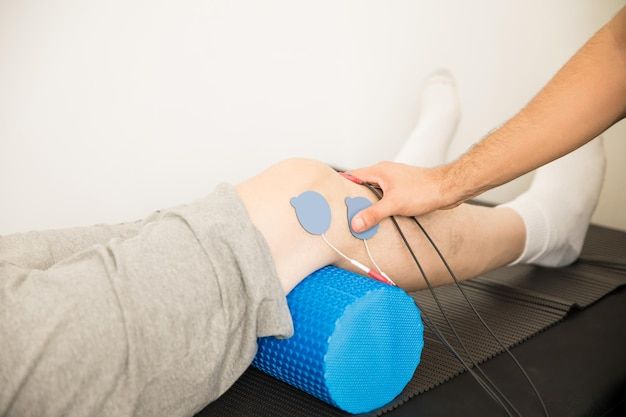
– Electrotherapy: The use of electrical currents, ultrasound, or heat to promote healing and reduce pain.


– Postural training: Exercises and education to improve posture, reduce strain, and prevent injury.


– Breathing and relaxation techniques: These help improve oxygen flow, reduce stress, and manage chronic pain.

Physiotherapists often work with other healthcare professionals to ensure comprehensive care for patients, particularly those with complex or long-term conditions.

Understanding Massage Therapy

Massage therapy, on the other hand, is primarily focused on relaxing and soothing the muscles and soft tissues of the body. While it can aid in healing, especially for soft tissue injuries, its primary goal is to relieve tension, reduce stress, and promote general well-being. Massage therapists use various techniques, including deep tissue massage, Swedish massage, and sports massage, to target muscle soreness, tension, and discomfort.

Who Benefits Most from Massage Therapy?

Massage therapy is often sought out by individuals who:

– Experience stress or tension: People dealing with high levels of stress may benefit from massage to relax muscles and ease mental tension.


– Suffer from muscle soreness or stiffness: Athletes, office workers, or anyone experiencing tightness or pain from repetitive activities often turn to massage for relief.


– Have soft tissue injuries: Mild injuries like muscle strains, tension headaches, or tendinitis can often be alleviated through regular massage sessions.


– Seek relaxation and mental well-being: Massage therapy is widely recognized for its ability to promote relaxation, improve mood, and enhance overall wellness.

 What Does Massage Therapy Involve?

Massage therapy typically includes the following techniques:

Swedish massage: A gentle, relaxing form of massage using long, smooth strokes to reduce tension and promote circulation.


– Deep tissue massage: Focuses on deeper layers of muscles and connective tissue, using firm pressure to release chronic muscle tension or knots.


– Sports massage: Tailored for athletes, this massage focuses on preventing injuries, enhancing performance, and speeding recovery.


– Trigger point therapy: Targets specific areas of tight muscle fibres, commonly referred to as knots, to relieve pain and improve movement.


Massage therapists work within the musculoskeletal system, but unlike physiotherapists, they do not diagnose medical conditions or create treatment plans for rehabilitation.

Key Differences Between Physiotherapy and Massage Therapy

Both physiotherapy and massage therapy can be highly effective, but they serve different purposes and are suitable for different situations. Here’s a comparison of the two approaches:

Aspect

Physiotherapy

Massage Therapy

Focus

Recovery, rehabilitation, injury prevention

Relaxation, stress relief, muscle tension

Treatment Goals

Restore function, mobility, and strength

Reduce muscle tension, promote relaxation

Who Administers

Licensed healthcare professionals (physiotherapists)

Licensed massage therapists

Common Techniques

Exercise, manual therapy, electrotherapy

Swedish, deep tissue, trigger point massage

Best For

People recovering from injury, surgery, or with chronic pain

Individuals seeking relaxation or relief from muscle stiffness

When to Choose Physiotherapy

– You are recovering from an injury or surgery: Physiotherapy is crucial for people recovering from injuries like fractures, sprains, or after surgeries like joint replacements. It aids in regaining strength and mobility.

– You need to improve mobility or function: If you have difficulty with movement or performing daily tasks due to pain, stiffness, or neurological conditions, physiotherapy is the best option.

– You need a medically driven treatment plan: Physiotherapy is ideal if you need a tailored, evidence-based approach to address specific health concerns with the guidance of a licensed professional.

 When to Choose Massage Therapy

– You want relaxation and stress relief: Massage therapy excels at promoting relaxation and mental well-being. If stress, tension, or anxiety is affecting you, massage can help.

– You’re dealing with muscle tightness: If you have sore or tight muscles from exercise, long periods of sitting, or stress, massage therapy can provide relief.

– You seek general well-being: Massage therapy is often used as part of a wellness routine to maintain good mental and physical health, without the need for medical intervention.

Combining Physiotherapy and Massage Therapy

In many cases, physiotherapy and massage therapy can complement each other. For instance, someone recovering from an injury may benefit from physiotherapy to restore function while also receiving massage therapy to relieve muscle tension. Physiotherapists sometimes recommend massage therapy as part of a broader treatment plan to support relaxation and promote circulation, aiding in overall recovery.

Conclusion: Finding the Right Fit

Choosing between physiotherapy and massage therapy depends on your specific health needs and wellness goals. If you’re dealing with a medical condition, injury, or need rehabilitation, physiotherapy is likely the best choice. On the other hand, if you’re seeking relaxation, stress relief, or muscle tension release, massage therapy may be more suitable.

For many people, a combination of both therapies can offer the best results, providing both the medical benefits of physiotherapy and the mental and physical relaxation of massage therapy. If you’re unsure which is right for you, consulting with a healthcare professional or a physiotherapist can help guide you toward the most appropriate treatment for your situation.

Share This :

Back & Neck Pain

Conditions such as stiffness, postural abnormalities and muscle overuse from prolonged desk work at the office or home is more prevalent than most would think. We provide the necessary tools to fix you up and educate you on ergonomics which can unload unnecessary stress.

Sports Injuries

Rolled ankles, jarred knees, impinged shoulders are few conditions in the plethora of sports injuries which can hamper performance and limit our enjoyment of sports. Physiotherapy not only treats the symptoms of these conditions but propels your overall fitness to greater heights.

Work Desk Injuries​

Conditions such as stiffness, postural abnormalities and muscle overuse from prolonged desk work at the office or home is more prevalent than most would think. We provide the necessary tools to fix you up and educate you on ergonomics which can unload unnecessary stress.

Pre-Post-Surgical Conditions

Surgery involves going through preparation both before and after. Physiotherapists play a vital role in getting your body ready for surgeries with circulatory, breathing and strengthening exercises. After the procedure, let us be there for your recovery and rehabilitation, taking it one step at a time.

Scoliosis & Postural Abnormalities

The way we stand, sit, walk and sleep has influence over our posture and the overall balance of muscles controlling its alignment. A comprehensive screening can be done by our physiotherapists to detect abnormalities, which we will aid in correcting.

Neurological Conditions

Neurological disabilities such as stroke, nerve compression and neuropathies can be barriers for patients to live life to its fullest. We at Synapse are committed to help you overcome these hurdles by ensuring functional mobility and quality of life is at its optimum by providing the right treatment and exercises.

Osteoarthritis & Rheumatism

Joint degeneration and inflammation happens as the human body grows older, but that does not mean our way of life degenerates as well. Relief your joint pains with a joint effort together with your physiotherapist, who will provide pain-relief treatments and prescribe exercises for your wellbeing.

Conditions Relating To Elderly

Common conditions in the older age population include hips & knee pain, back & neck pain, osteoarthritis, rheumatism, fear of falling and many more.  Aging and degeneration of bodily function is inevitable, but here at Synapse, we will help you live the best of your life.

Home Physiotherapy

We understand that some conditions or injuries can make it difficult to receive rehabilitation at our clinic be it mobility or transportation issues. Our objective is to provide you with the same high-quality physiotherapy services at home that you would receive in-clinic.
Posted on

What is The Difference Between Physiotherapy & Physical Therapy

physiotherapy petaling jaya
Synapse Physiotherapy

What is The Difference Between Physiotherapy & Physical Therapy

The terms “physical therapy” and “physiotherapy” often cause confusion among patients at our clinics. What’s the difference, and how do they vary?


Surprisingly, there is no difference at all! Physical therapy and physiotherapy are actually the same, and both terms can be used interchangeably as they are synonyms.


However, if you had to point out a distinction, it would be a minor, region-based one. In countries like Australia, Canada, and across Europe, it’s called physiotherapy, while in the United States, it’s referred to as physical therapy. In Malaysia, the term “physiotherapy” is commonly used. So, if you’re in need of this service, you can search for “physiotherapy” along with your location, such as “physiotherapy Petaling Jaya.

What is physiotherapy?

Physiotherapy is a physical therapy aimed at helping individuals regain mobility and function after experiencing an injury or trauma. This form of rehabilitation focuses on the musculoskeletal system to address movement-related challenges. In addition to diagnosing and treating injuries, physiotherapy targets abnormal body functions and coordination issues, particularly following trauma. It supports patients throughout their recovery using various techniques, such as massage, heat therapy, and exercise.


Physiotherapy addresses a broad range of conditions, including pediatric, geriatric, orthopedic, respiratory, disability-related, pelvic health, mobility issues, fatigue, and pain management. The primary objective is to enhance human function and movement, ultimately improving physical ability. By assessing a patient’s quality of life and movement patterns, physiotherapy aims to make daily tasks easier and improve overall well-being.


The practice of physiotherapy employs physical techniques to promote, maintain, and restore physical, psychological, and social health, accounting for individual differences in health status. It is grounded in science and relies on clinical judgment, evidence-based practices, and ongoing research to support its methods and outcomes.

Types of physiotherapy 

Musculoskeletal Physiotherapy: This type of physiotherapy addresses injuries involving muscles, bones, ligaments, fascia, and tendons. It is suitable for conditions like fractures, sprains, tendinitis, bursitis, chronic health issues, and recovery from orthopedic surgeries. Treatments may include joint mobilizations, manual therapy, strength and mobility training, and other specialized modalities.


Geriatric Physiotherapy: Designed for older adults, this therapy helps manage conditions that impact mobility and physical function, such as arthritis, osteoporosis, Alzheimer’s disease, hip and joint replacements, balance disorders, and incontinence. The goal is to restore mobility, alleviate pain, and improve physical fitness.


Neurological Physiotherapy: This therapy aids individuals with neurological conditions like Alzheimer’s disease, brain injuries, cerebral palsy, multiple sclerosis, Parkinson’s disease, spinal cord injuries, and stroke. Treatment focuses on improving limb responsiveness, movement patterns, strength, balance, and managing muscle tone.


Cardiovascular and Pulmonary Rehabilitation: Beneficial for individuals with cardiopulmonary conditions or those recovering from heart or lung surgeries, this type of therapy enhances muscular endurance, cardiovascular stamina, and overall fitness levels.


Vestibular Therapy: This therapy targets balance issues caused by inner ear problems. It involves exercises and manual techniques designed to help patients regain coordination and balance.


Pelvic Floor Rehabilitation: Aimed at treating pelvic floor dysfunctions such as urinary or fecal incontinence, pelvic pain, or urinary urgency, this therapy can benefit patients recovering from injuries, surgeries, or specific medical conditions affecting the pelvic region.

Techniques used by physiotherapists 

Therapeutic exercises: Physiotherapy guides patients through exercises designed to contract, relax, and improve mobility in injured or affected areas. These exercises help patients regain everyday movement, and many of them can be practiced at home.


Hot and Cold Therapies: Physical therapy treatments use cold modalities like ice and cryotherapy to relieve chronic and acute conditions. For chronic conditions, heat therapies such as hot packs and infrared heat are applied to provide relief.


Ultrasound Treatment: This therapy reduces inflammation by generating deep heat within the affected area, promoting healing.


TENS Electrical Stimulation Technique: Used for managing chronic and acute pain, this method involves placing electrodes on the skin near the painful area. According to Healthline.com, electrical signals are sent through nerve fibers to block or reduce pain signals reaching the brain.


Neuromuscular Reeducation: This technique focuses on restoring voluntary muscle control in cases of muscle atrophy, injury, or neurological pathology.


Soft Tissue Techniques: Techniques such as stretching and myofascial release function similarly to massage therapy, helping to relieve tension and improve flexibility in the soft tissues.


Joint Mobilization: These therapies involve the gliding of joints to enhance motion, improve joint function, and manage pain effectively.


Muscle Energy Techniques (METs): This form of manual therapy leverages the muscle’s own energy to promote relaxation and lengthening of the muscle through autogenic or reciprocal inhibition.

How to get started with physiotherapy?

Starting physiotherapy involves locating a qualified physiotherapist. It’s essential to review their credentials, experience, and specific areas of expertise to ensure they meet your requirements. During the initial consultation, the physiotherapist will conduct a comprehensive assessment to evaluate your condition and set your goals. Following this evaluation, a personalized treatment plan will be developed. This plan may incorporate various techniques previously discussed and will be regularly updated based on your progress.

Conclusion

In conclusion, there is no difference between physical therapy and physiotherapy; in Malaysia, we refer to it as physiotherapy. This practice addresses various conditions related to the musculoskeletal, neurological, cardiovascular, geriatric, pelvic floor, and vestibular systems. If you require rehabilitation for any of these conditions, consider Synapse Physiotherapy, where our team of qualified physiotherapists is ready to assist you in starting your rehabilitation journey.

Share This :

Back & Neck Pain

Conditions such as stiffness, postural abnormalities and muscle overuse from prolonged desk work at the office or home is more prevalent than most would think. We provide the necessary tools to fix you up and educate you on ergonomics which can unload unnecessary stress.

Sports Injuries

Rolled ankles, jarred knees, impinged shoulders are few conditions in the plethora of sports injuries which can hamper performance and limit our enjoyment of sports. Physiotherapy not only treats the symptoms of these conditions but propels your overall fitness to greater heights.

Work Desk Injuries​

Conditions such as stiffness, postural abnormalities and muscle overuse from prolonged desk work at the office or home is more prevalent than most would think. We provide the necessary tools to fix you up and educate you on ergonomics which can unload unnecessary stress.

Pre-Post-Surgical Conditions

Surgery involves going through preparation both before and after. Physiotherapists play a vital role in getting your body ready for surgeries with circulatory, breathing and strengthening exercises. After the procedure, let us be there for your recovery and rehabilitation, taking it one step at a time.

Scoliosis & Postural Abnormalities

The way we stand, sit, walk and sleep has influence over our posture and the overall balance of muscles controlling its alignment. A comprehensive screening can be done by our physiotherapists to detect abnormalities, which we will aid in correcting.

Neurological Conditions

Neurological disabilities such as stroke, nerve compression and neuropathies can be barriers for patients to live life to its fullest. We at Synapse are committed to help you overcome these hurdles by ensuring functional mobility and quality of life is at its optimum by providing the right treatment and exercises.

Osteoarthritis & Rheumatism

Joint degeneration and inflammation happens as the human body grows older, but that does not mean our way of life degenerates as well. Relief your joint pains with a joint effort together with your physiotherapist, who will provide pain-relief treatments and prescribe exercises for your wellbeing.

Conditions Relating To Elderly

Common conditions in the older age population include hips & knee pain, back & neck pain, osteoarthritis, rheumatism, fear of falling and many more.  Aging and degeneration of bodily function is inevitable, but here at Synapse, we will help you live the best of your life.

Home Physiotherapy

We understand that some conditions or injuries can make it difficult to receive rehabilitation at our clinic be it mobility or transportation issues. Our objective is to provide you with the same high-quality physiotherapy services at home that you would receive in-clinic.
Posted on

How to prepare for your first physiotherapy Kuala Lumpur visit

physiotherapy kuala lumpur
Synapse Physiotherapy

How to prepare for your first physiotherapy visit

Physiotherapy, also known as physical therapy, is a healthcare treatment where certified therapists use various techniques to assess, diagnose, and manage injuries and health conditions, improving mobility, physical function, and overall well-being. You may be referred to a physiotherapist by your doctor, receive recommendations from friends, or search for nearby clinics, such as “physiotherapy Kuala Lumpur.” Preparing for your first session can help you get the most out of the treatment.

Before your first visit to a physiotherapy clinic 

1. Recognize Your Pain and Symptoms

Before attending your first physiotherapy appointment, take some time to thoroughly assess your symptoms. Identify the type of pain you’re experiencing and the specific areas of discomfort. Consider when the pain started, activities that either relieve or worsen it, and any changes in intensity over time. Pay attention to what triggers or aggravates the pain. Understanding these details allows your physiotherapist to create a personalized and effective treatment plan. Being specific about your symptoms can save time and help you get straight to the point. It’s also helpful to write down any changes or patterns in your symptoms, so you can clearly explain them during your session.

2. Booking Your Appointment

Most physiotherapy centers operate on an appointment basis, so it’s essential to call ahead and schedule a visit. When booking, briefly explain the main reason for your visit. This information helps the receptionist select the most suitable therapist for your needs and determine if their services are appropriate for your condition.


3. Gather Your Medical History

Your medical history plays a crucial role in shaping your physiotherapy treatment plan. Compile a comprehensive list of any past injuries, surgeries, and chronic conditions, as this information provides your therapist with important context about your overall health.


4. Medications and Supplements

Make sure to list all the medications and supplements you’re currently taking, along with their dosages and frequency. Certain medications can impact your physical condition, so your physiotherapist needs to have this information to tailor your treatment appropriately.

5. Bring Doctor’s Letters, Imaging, and Referrals

If a general practitioner (GP) or specialist has referred you to physiotherapy, be sure to bring the referral to your appointment. This helps your therapist understand your medical history and current condition, enabling effective communication with the referring doctor after the session. Additionally, if you have any scans, X-rays, or imaging reports from previous medical appointments, bring those as well. These documents provide valuable insight into your condition, helping the physiotherapist develop a more accurate and informed treatment plan.

6. Wear Comfortable and Appropriate Clothing

Your attire during a physiotherapy session should allow for both comfort and ease of movement, enabling the therapist to assess your condition properly. Choose loose-fitting, comfortable clothing like yoga or track pants paired with a t-shirt, tank top, or adjustable shorts. Avoid restrictive items like jeans, skirts, or dresses, as these can limit your range of motion and hinder your therapist’s ability to observe and treat your condition.

Additionally, wear supportive shoes, such as sneakers, as some exercises during your session may require them. Depending on the specific type of therapy, such as pool therapy, you may also need swimwear or specialized items like supportive straps for traction therapy.

During your visit


1. Arrive Early for Your Initial Appointment

For your first physiotherapy visit, it’s important to arrive 10-15 minutes early to allow time for paperwork. This ensures that you can find the clinic, secure parking, and complete any necessary forms before your session begins. Arriving early helps the clinic run efficiently and ensures you and your physiotherapist start on time. For follow-up appointments, while no paperwork is required, arriving about 5 minutes prior is still a good habit to maintain.

2. Be honest and open 

Your first visit typically lasts around an hour. During this time, the physiotherapist will ask you questions about your pain or discomfort. It’s crucial to be honest in your responses, as transparency is key for an accurate assessment. Effective treatment hinges on open communication about your pain levels, any fears or concerns you may have, and your therapy goals. Your physiotherapist is there to help you and can customize your treatment to align with your desired outcomes and comfort level.

After discussing your symptoms, the therapist will evaluate your physical condition by conducting strength and joint tests. They will also assess the surrounding areas, as these can often be impacted as well.

3. Ask Questions

The most important person in your physiotherapy appointment is you. If you have any questions regarding your diagnosis, treatment, or prognosis, don’t hesitate to ask; your physiotherapist will be more than happy to discuss them with you. It can be helpful to jot down your questions beforehand, so you don’t have to remember them all during your session. Remember, no question is too trivial, and your therapist’s goal is to ensure you leave the appointment feeling informed and confident about your care.

4. Define Treatment Goals

Reflect on your treatment goals and consider what you hope to achieve through physiotherapy. Sharing these objectives with your physiotherapist allows them to develop a customized treatment plan that aligns with your aspirations.

5. Set Realistic Expectations

It’s important to recognize that physiotherapy typically involves gradual progress. Improvement may take time, and adhering to a home exercise program may be necessary. Be patient and remain committed to the process for the best outcomes.

6. Effective Communication

During your appointments, maintain open communication with your physiotherapist. Update them on your pain levels, any changes in your condition, and how you’re responding to the treatment. This feedback is essential for adjusting your treatment plan as needed, ensuring the most effective care.

7. Be Prepared to Move

While it can be tempting to relax on the physiotherapy bed and enjoy a massage, a significant part of your appointment will involve being prescribed exercises to help manage your injury at home. Your physiotherapist will guide you through a home exercise program during the session, so be ready to move and pay attention to the instructions provided. Don’t hesitate to ask questions or seek clarification about any exercises; doing so will help you remember how to perform them correctly on your own at home.

After the session

At the end of your first appointment, your physiotherapist will likely provide you with a physical diagnosis along with a treatment plan based on the evaluations conducted during the session. It’s completely normal to feel tired or sore after your initial assessment. Once you receive your treatment plan, make sure to set aside time at home to complete the prescribed exercises, as this is essential for your healing process.

Consistency Matters:

Commit to attending your appointments regularly and adhering to your physiotherapist’s recommendations for exercises and self-care between sessions. Consistency is crucial for achieving positive outcomes and facilitating your recovery.

Conclusion

Preparing for your first physiotherapy appointment is a proactive step toward improving your well-being. By following these guidelines and being organized and communicative, you lay the groundwork for a successful treatment experience. Once you feel well-prepared, don’t hesitate to approach Synapse Physiotherapy; we are here to assist you throughout your rehabilitation journey.

Share This :

Back & Neck Pain

Conditions such as stiffness, postural abnormalities and muscle overuse from prolonged desk work at the office or home is more prevalent than most would think. We provide the necessary tools to fix you up and educate you on ergonomics which can unload unnecessary stress.

Sports Injuries

Rolled ankles, jarred knees, impinged shoulders are few conditions in the plethora of sports injuries which can hamper performance and limit our enjoyment of sports. Physiotherapy not only treats the symptoms of these conditions but propels your overall fitness to greater heights.

Work Desk Injuries​

Conditions such as stiffness, postural abnormalities and muscle overuse from prolonged desk work at the office or home is more prevalent than most would think. We provide the necessary tools to fix you up and educate you on ergonomics which can unload unnecessary stress.

Pre-Post-Surgical Conditions

Surgery involves going through preparation both before and after. Physiotherapists play a vital role in getting your body ready for surgeries with circulatory, breathing and strengthening exercises. After the procedure, let us be there for your recovery and rehabilitation, taking it one step at a time.

Scoliosis & Postural Abnormalities

The way we stand, sit, walk and sleep has influence over our posture and the overall balance of muscles controlling its alignment. A comprehensive screening can be done by our physiotherapists to detect abnormalities, which we will aid in correcting.

Neurological Conditions

Neurological disabilities such as stroke, nerve compression and neuropathies can be barriers for patients to live life to its fullest. We at Synapse are committed to help you overcome these hurdles by ensuring functional mobility and quality of life is at its optimum by providing the right treatment and exercises.

Osteoarthritis & Rheumatism

Joint degeneration and inflammation happens as the human body grows older, but that does not mean our way of life degenerates as well. Relief your joint pains with a joint effort together with your physiotherapist, who will provide pain-relief treatments and prescribe exercises for your wellbeing.

Conditions Relating To Elderly

Common conditions in the older age population include hips & knee pain, back & neck pain, osteoarthritis, rheumatism, fear of falling and many more.  Aging and degeneration of bodily function is inevitable, but here at Synapse, we will help you live the best of your life.
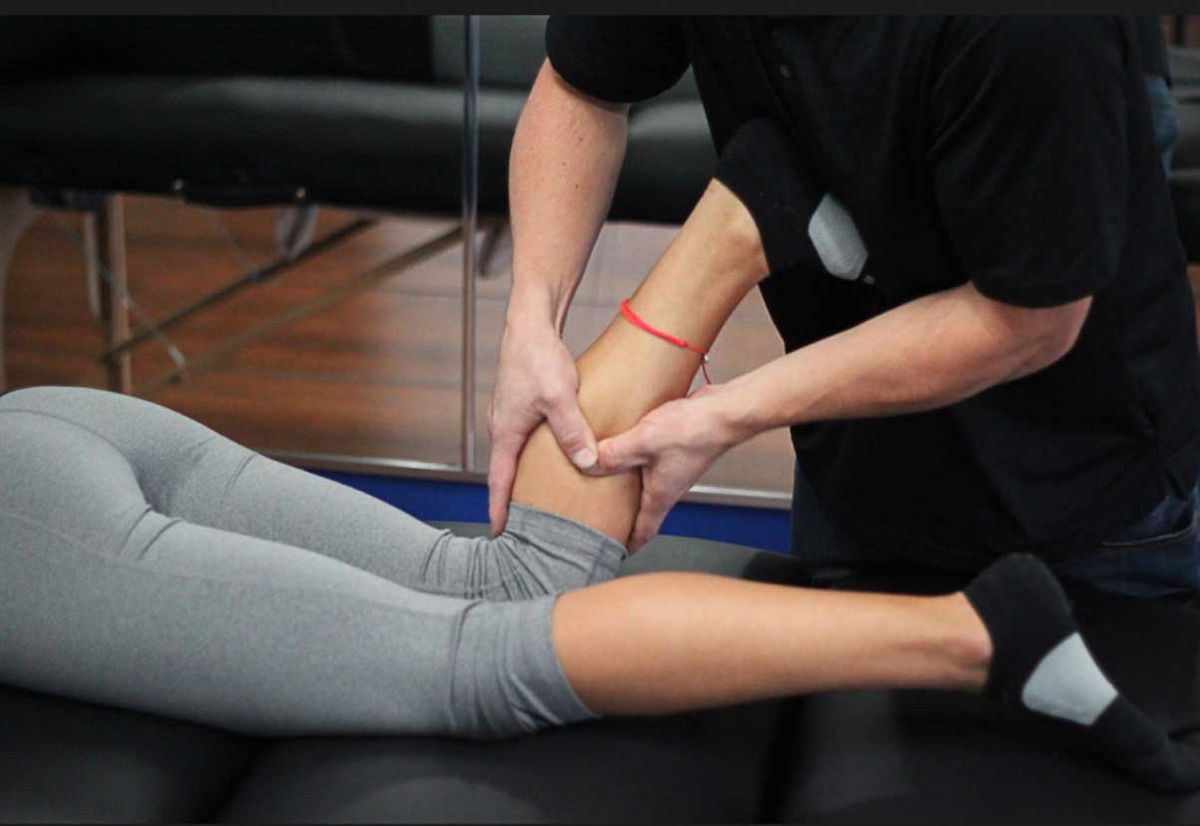
Home Physiotherapy

We understand that some conditions or injuries can make it difficult to receive rehabilitation at our clinic be it mobility or transportation issues. Our objective is to provide you with the same high-quality physiotherapy services at home that you would receive in-clinic.
Posted on

The Benefits of Physiotherapy Rehabilitation

rehab malaysia
rehab malaysia
Synapse Physiotherapy

The Benefits of Physiotherapy Rehabilitation

Physiotherapy rehabilitation is a specialised treatment designed to restore movement and function after injury, surgery, or the onset of certain conditions. It is widely recognized for its holistic approach, addressing not only the physical aspects of recovery but also the emotional and psychological well-being of individuals. Through a combination of exercise, manual therapy, education, and personalised care, physiotherapy rehabilitation offers numerous benefits that contribute to long-term health and mobility.


If you are looking for rehab in Malaysia, do not hesitate to come over to Synapse Physiotherapy and experience for yourself the benefits of physiotherapy rehabilitation. Our expert physiotherapist will carry out a comprehensive assessment and give recommendations based on your lifestyle and any injury or pain you may have. 


Rehabilitation helps people of all ages to be as independent as possible in daily life activities such as work, recreation, and life roles. This form of rehabilitation enables them to do so by addressing underlying conditions and improving function when performing everyday activities. The rehabilitation process focuses on six major areas:

  • Preventing, recognizing, and managing comorbid illnesses and medical complications. 
  • Training for maximum independence. 
  • Facilitating maximum psychosocial coping and adaptation by patient and family. 
  • Preventing secondary disabilities by promoting community reintegration, resumption of home, family, recreational, and vocational activities. 
  • Enhancing quality of life in view of residual disability. 
  • Preventing recurrent conditions. 

The followings are some of the benefits physiotherapy rehabilitation can offer:


1. Pain Management

One of the primary goals of physiotherapy rehabilitation is to manage and reduce pain. Through techniques such as soft tissue mobilisation, joint manipulation, ultrasound therapy, and electrical stimulation, physiotherapists target the root cause of discomfort. These treatments can reduce pain significantly, often reducing the need for reliance on pain medications, which can have side effects or lead to dependency.

2. Restoring Mobility and Flexibility

After an injury or surgery, stiffness and restricted movement are common. Physiotherapy rehabilitation helps improve range of motion and flexibility through customised exercises designed to stretch and strengthen muscles, joints, and tissues. This restoration of mobility is essential for patients to regain normal functioning in everyday activities such as walking, bending, or even performing complex physical tasks.

3. Preventing Further Injuries

One of the key advantages of physiotherapy is its preventative nature. Physiotherapists not only focus on current injuries but also work to prevent future ones. Through education on proper movement patterns, ergonomics, and posture correction, individuals can learn how to avoid harmful habits that could lead to re-injury or new issues. For athletes, this proactive approach is especially valuable for reducing the risk of sports-related injuries.

4. Post-Surgery Recovery

Rehabilitation after surgery, such as joint replacements or ligament repairs, is crucial for regaining strength, mobility, and overall function. Physiotherapy is an integral part of post-operative recovery, as it helps individuals gradually return to normal activity levels. By guiding patients through tailored rehabilitation plans, physiotherapists ensure safe progression, prevent complications, and speed up the recovery process.

5. Improving Strength and Balance

Physiotherapy is effective in rebuilding muscle strength and improving balance, particularly after prolonged immobility due to injury or illness. For older adults or those with neurological conditions, balance exercises are critical in reducing the risk of falls, enhancing stability, and improving overall coordination. Increased strength and balance contribute to better functional independence, allowing individuals to perform daily tasks with ease.

6. Addressing Chronic Conditions

Physiotherapy is beneficial for managing chronic conditions such as arthritis, fibromyalgia, and chronic back pain. Therapeutic exercises, combined with hands-on therapy, help to alleviate stiffness, improve joint mobility, and reduce inflammation. By implementing a long-term physiotherapy plan, individuals can manage the symptoms of chronic conditions more effectively, improving their quality of life and maintaining activity levels.

7. Enhancing Cardiovascular and Respiratory Health

For individuals recovering from cardiac events, pulmonary conditions, or long-term hospitalisation, physiotherapy rehabilitation can improve cardiovascular and respiratory health. Through aerobic exercises and breathing techniques, physiotherapists help patients regain endurance, enhance lung capacity, and improve circulation. This not only aids in physical recovery but also strengthens the heart and lungs for better overall health.

8. Psychological Benefits

Physical recovery is closely linked to emotional and psychological well-being. Physiotherapy rehabilitation provides emotional support through personalised care, goal-setting, and progress tracking. As individuals regain their physical abilities, they often experience increased confidence, reduced anxiety, and improved mental health. The process of rehabilitation fosters a positive mindset, helping patients remain motivated and optimistic about their recovery.

9. Customised Treatment Plans

One of the most significant benefits of physiotherapy rehabilitation is the individualised approach to treatment. Every person’s injury, condition, and recovery process is unique, and physiotherapists design personalised plans that cater to each patient’s specific needs. This ensures that patients receive the most effective treatment for their situation, maximising recovery potential and minimising the risk of setbacks.

10. Holistic Healing

Physiotherapy takes a comprehensive view of health, considering not just the immediate injury but the body as a whole. By focusing on the interconnectedness of muscles, joints, and nerves, physiotherapy rehabilitation promotes a well-rounded approach to healing. This holistic care ensures that all aspects of the body work together harmoniously, leading to more efficient recovery and long-term wellness.

Conclusion

Physiotherapy rehabilitation is a vital component of recovery for individuals facing injury, surgery, or chronic conditions. Its benefits extend beyond physical healing to encompass mental, emotional, and preventative care. Whether managing pain, restoring mobility, preventing future injuries, or improving overall health, physiotherapy empowers patients to take control of their recovery journey, helping them return to their daily lives stronger and healthier.

Share This :

Back & Neck Pain

Conditions such as stiffness, postural abnormalities and muscle overuse from prolonged desk work at the office or home is more prevalent than most would think. We provide the necessary tools to fix you up and educate you on ergonomics which can unload unnecessary stress.

Sports Injuries

Rolled ankles, jarred knees, impinged shoulders are few conditions in the plethora of sports injuries which can hamper performance and limit our enjoyment of sports. Physiotherapy not only treats the symptoms of these conditions but propels your overall fitness to greater heights.

Work Desk Injuries​

Conditions such as stiffness, postural abnormalities and muscle overuse from prolonged desk work at the office or home is more prevalent than most would think. We provide the necessary tools to fix you up and educate you on ergonomics which can unload unnecessary stress.

Pre-Post-Surgical Conditions

Surgery involves going through preparation both before and after. Physiotherapists play a vital role in getting your body ready for surgeries with circulatory, breathing and strengthening exercises. After the procedure, let us be there for your recovery and rehabilitation, taking it one step at a time.

Scoliosis & Postural Abnormalities

The way we stand, sit, walk and sleep has influence over our posture and the overall balance of muscles controlling its alignment. A comprehensive screening can be done by our physiotherapists to detect abnormalities, which we will aid in correcting.

Neurological Conditions

Neurological disabilities such as stroke, nerve compression and neuropathies can be barriers for patients to live life to its fullest. We at Synapse are committed to help you overcome these hurdles by ensuring functional mobility and quality of life is at its optimum by providing the right treatment and exercises.

Osteoarthritis & Rheumatism

Joint degeneration and inflammation happens as the human body grows older, but that does not mean our way of life degenerates as well. Relief your joint pains with a joint effort together with your physiotherapist, who will provide pain-relief treatments and prescribe exercises for your wellbeing.

Conditions Relating To Elderly

Common conditions in the older age population include hips & knee pain, back & neck pain, osteoarthritis, rheumatism, fear of falling and many more.  Aging and degeneration of bodily function is inevitable, but here at Synapse, we will help you live the best of your life.

Home Physiotherapy

We understand that some conditions or injuries can make it difficult to receive rehabilitation at our clinic be it mobility or transportation issues. Our objective is to provide you with the same high-quality physiotherapy services at home that you would receive in-clinic.